Category: Fashion

Retail News Asia is committed to providing both local and global retailers with the latest Fashion news throughout the Asian market. This on a daily base.

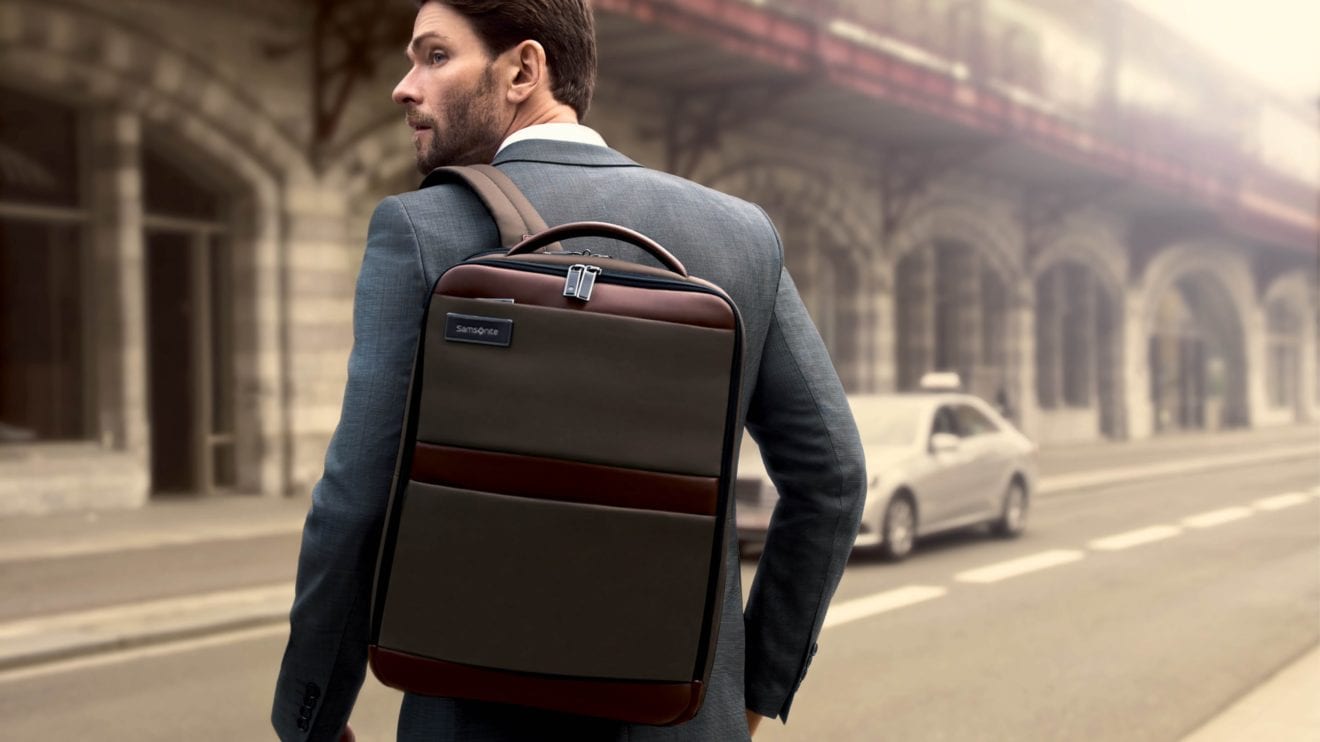
  • Samsonite Asia heightens focus on China

    Samsonite Asia heightens focus on China

    Branded luggage-maker Samsonite Asia aims to make China its biggest market within five years, pinning its hopes on eCommerce and social media to fuel growth.

    While sales in China now account for more than 10 per cent of its total revenue, Samsonite CEO Ramesh Tainwala says they are likely to double by 2022, thanks to the explosion in online shopping and a wealthier population keen to travel.

    “Now that 20 per cent of our Chinese businesses come from online, we expect the number to grow by about a third in a couple of years,” he says.

    Global net sales in 2015 reached US$2.43 billion for the Indian company.

    Virtual stores on B2C sites JD and Tmall have claimed 60 per cent of Samsonite’s online business in China. Its luggage is also sold through the digital outlets of shopping malls and department stores.

    Samsonite will open its own direct online shopping portal this year aimed at more sophisticated buyers who want bigger-ticket items via the brand rather than a third party.

    First-half sales last year remained flat for Samsonite, according to its interim report, partly because of sluggish performance in China as consumers forsake department stores for online retail.

    Samsonite president for China and the Philippines Frank Ma says the company spares no effort in using social media campaigns to guide traffic to brick-and-mortar stores. For example, followers of Samsonite’s official WeChat account are given a discount coupon when they sign up for promotional events in shopping centres.

    Ma says content marketing helps attracts customers and adds to another 5 per cent to its offline sales.

    Seven of Samsonite’s nine brands have been introduced to China, ranging from the entry-level American Tourister to the newly acquired Tumi, which targets high-end business travellers.
  • Free trade agreements fuel cosmetics market in Vietnam

    Free trade agreements fuel cosmetics market in Vietnam

    The assessment was released at an event to introduce the Mekong Beauty Show 2017 in Ho Chi Minh City on February 23.

    Statistics show that Vietnam’s cosmetics market is potential with revenue of 26 trillion VND (1.14 billion USD) in 2015 and has maintained a double-digit growth rate for several years.

    While Vietnamese consumers’ spending on cosmetics is still four-five times lower than other regional countries, the middle class, which has high demand for beauty products, is growing strongly and forecast to double its current size to 33 million people in 2020.

    Ly Nguyen Lan Phuong, a representative of the Saigon Cosmetics Corporation, said despite such huge potential, domestic businesses’ technological capacity and financial strength remain modest. As a result, the local market is still dominated by foreign brands.

    Claudia Bonfiglioli, International Director of Informa Beauty, said to compete in the domestic market, aside from improving quality, cosmetics producers of Vietnam should keep innovating.

    Nguyen Van Minh, Vice Chairman of the Vietnam Association of Oils, Aroma and Cosmetics, said to help promote the industry’s development, the association has carried trade and investment promotion activities.

    Among those efforts, the Mekong Beauty Show 2017 is aimed to connect Vietnamese enterprises with other domestic and foreign partners to seek cooperation opportunities. It is also expected to become a leading trade forum on cosmetics and beauty products in the region.

    The show is slated for June 15-17 with the participation of more than 200 companies from the EU, the Republic of Korea, Thailand, Malaysia and Singapore.

  • Vietnamese spend big on foreign high-street clothes

    Vietnamese spend big on foreign high-street clothes

    Huong, an office worker in Hoang Mai district in Hanoi, said she reserves a budget of VND2-3 million for buying new clothes every month. But she does not want products bearing Vietnamese brands, but preferably orders Zara and Mango products from overseas shops online.

    Huong said that the foreign high-street products are now affordable for office workers like her.

    “Why don’t you choose foreign brands if they have diverse design, good materials and reasonable prices?” she said.“Manufacturers and distributors often launch sale promotion campaigns with big discount rates. I can buy many products at the prices just equal to or even cheaper than Vietnam’s export products,” she explained.

    Oanh, an account executive in Hanoi, said she looks for Zara, H&M, Mango and Uniqlo products regularly, which allows her to buy high-quality products at reasonable prices.

    Sometimes she can buy products at just VND1 million or lower in sales campaigns.

    “I never buy Vietnamese goods during sale promotion campaigns because I am not sure about the actual value of the goods,” she said. “Meanwhile, no need to worry about this when you buy products from these brands. And the prices are very good”.

    Huong and Oanh order the products online and pay fees to have the products shipped to Vietnam. There are many shipping agents in Hanoi, who are in charge of receiving products, carrying to Vietnam and delivering to clients.

    Thuy Linh, one of the agents, commented that Vietnamese clients mostly order clothes and footwear, and 80 percent of ordered products bear high-street brands such as Zara, Mango, and Forever 21, while the remaining 20 percent are luxury brands.

    Linh said she is always busy so Vietnamese tend to favor foreign high-street brands. A T-shirt with Zara or Mango brand can be bought at VND180,000 only, including fees, which is cheaper than Chinese products.

    Understanding the Vietnamese taste and realizing the rapid increase of middle-income earners in Vietnam, a lot of high-street brands have been conquering the local market. Zara, the fashion brand from Spain, has been present in Vietnam since mid-2016. Mango, which targets customers aged 18-40, has been present in Vietnam since 2004 through a franchise contract signed with Maison JSC.

    In the latest news, H&M has begun employing workers to prepare for its landing in Vietnam. The Swedish brand’s first shop would be in Hanoi, cover an area of 2,000 square meters and employ 100 workers. The recruitment will also be implemented in HCMC.

  • Victoria’s Secret opens first flagship store in China

    Victoria’s Secret opens first flagship store in China

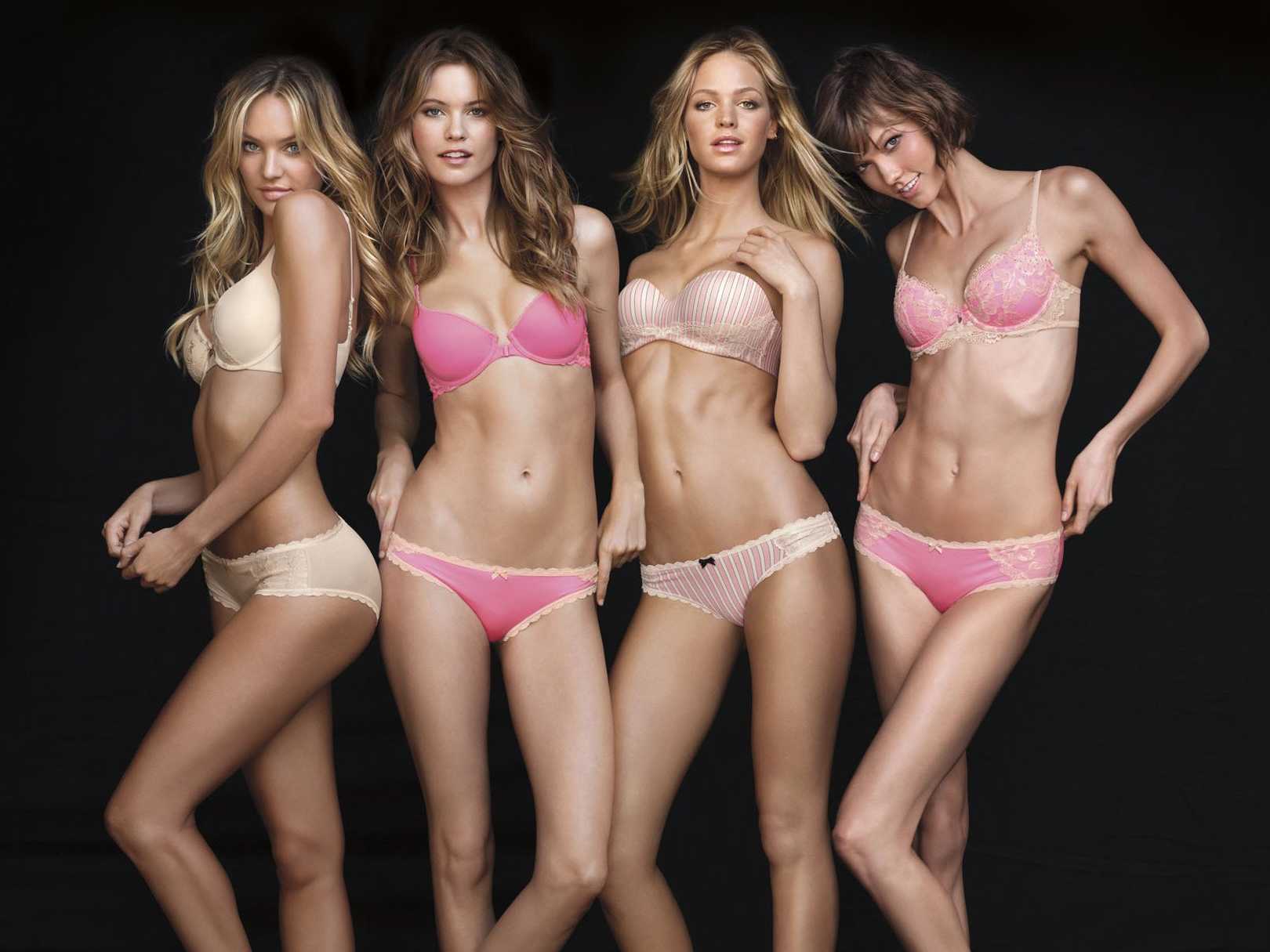
    US brand Victoria’s Secret has opened its first flagship store in China as it taps into the growing appetites of mainland women for high-end lingerie.

    Fronted by an iconic pink glass facade, the four-storey, 2,500 square meter Victoria’s Secret store opened its doors on Thursday in Huaihai Road, one of Shanghai’s most upscale shopping streets.

    The new shop, which is the first to sell the brand’s full range of products attracted thousands of visitors on the opening day. Previously, Victoria’s Secret had only operated concept stores in China, selling accessories.

    “Chinese women are now ready for more sophisticated bras,” said Pascal Martin, a partner with OC&C Strategy Consultants.

    As Chinese women have increasingly adopted western fashion trends and brands, many locally-owned bra offerings at the cheaper end of the spectrum and paying little heed to design and brand appeal have popped up.

    The US lingerie giant, which entered China in 2015, has unveiled an aggressive expansion plan in the fast-growing Chinese market.

    Besides launching another flagship store in Chengdu in southwest Sichuan Province soon, Victoria’s Secret will move its high-profile annual fashion show to Shanghai at the end of this year.

    The retailer will charge mainland customers between 300 and 600 yuan (US$44 -87) for a bra, a little higher than in the US.

    Joey Chio, senior associate director of Savills Shanghai Retail, which helped Victoria’s Secret select the location for its new store, said the opening of the flagship shop would satisfy Chinese women’s “desire to keep up with the forefront of international fashion”.

    Luxury lingerie and high quality functional products are becoming increasingly popular among Chinese women, and a more frequent topic of discussion on social media.

    The female underwear market in China is expected to have a retail value of US$25 billion by 2017 – double that of the United States – and will grow to US$33 billion by 2020, according to Euromonitor.

    Top Italian luxury lingerie maker La Perla, which has eight stores in China, said it planned additional outlets in Chengdu and Chongqing and aims to open a men’s store in Beijing.

    Canadian yoga brand Lululemon entered the Chinese market by opening its first shop in Shanghai last December.

    The penetration rate of the bra sector in China is still under 10 per cent, compared with around 40 per cent in the US and 20 per cent in Japan, Martin said. Most of the bra brands currently in China are still focusing on the traditional department store channel rather than malls, indicating opportunities for brands like Victoria’s Secret, he added.

  • Suicoke takes first step into Canada

    Suicoke takes first step into Canada

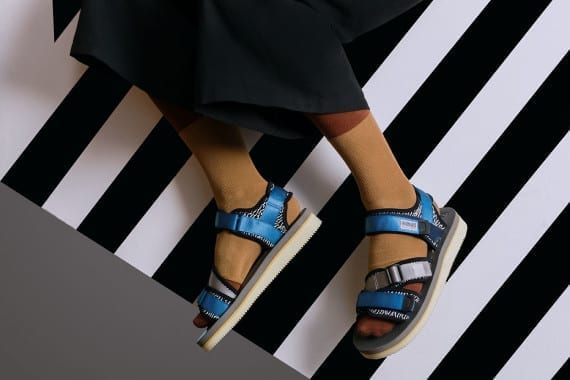
    Cult Japanese performance sandal brand Suicoke has entered the Canadian market.

    Its styles are being made available through its first-ever eCommerce website, Suicoke.ca, as well as in luxury Canadian retailers including Gravity Pope, Haven Shop, Holt Renfrew, Ssense and TNT. The brand is being distributed by wholesale multi-brand sales and distribution agency, Slavin Raphael.

    Canadian shoppers can now buy Suicoke’s latest collection, characterised by the brand’s signature details such as neoprene panels, adjustable nylon straps and Vibram Morflex soles.

    “Suicoke provides a fresh and innovative take on the sandal,” says Slavin Raphael partner Avi Raphael.

    Suicoke was established in 2006.

  • Esprit Holdings moves out of the red

    Esprit Holdings moves out of the red

    Fashion group Esprit Holdings says it has made a “significant recovery”, turning around its HK$238 million (US$30.6 million) loss to record a net profit of HK$61 million for its first half.

    While the improvement was driven by retail sales, the group says two other major developments were a vital element of the growth in overall profitability for the half-year, to December 31:

    • The ongoing downsizing of the scale of the business, including the closure of unprofitable stores and low-performing wholesale locations.
    • Management moves increased the group’s gross profit margin, including fewer promotional activities, price markdowns and discounts for wholesale partners.

    As a result, the first-half unaudited figures show a 9.9 per cent drop in revenue to $8.323 billion. However, the measures produced the intended improvement in profitability, with gross profit margin increasing by 2 per cent .

    During the period, the group closed 9412 sqm of retail space, with coupled with the closure of 25,806 sqm in the previous six months represented a 11.1 per cent year-on-year reduction.

    Asia Pacific retail, excluding online sales, at HK$951 million, fell by 21.5 per cent. Retail space was reduced by 18.5 per cent.

    “It is important to note that in APAC we had the most drastic reduction of promotional activities and price markdowns,” says the company.

    Esprit’s Eshop brought in 24 per cent of total group revenue, generating HK$1.993 billion, down by 2.4 per cent. However, there was a 58.7 per cent leap in revenue for Eshop APAC to HK$119 million.

    China represented more than 80 per cent of the Eshop sales in the region. It recorded revenue growth of 54.9 per cent, fuelled by the integration of the Esprit Friends loyalty program, the strengthening of activities with Tmall, the expansion of its online presence through platforms such as WeChat and Weibo, and collaborations with celebrities and opinion leaders to enhance brand equity through social media.

  • H&M Vietnam to open first store in Hanoi

    H&M Vietnam to open first store in Hanoi

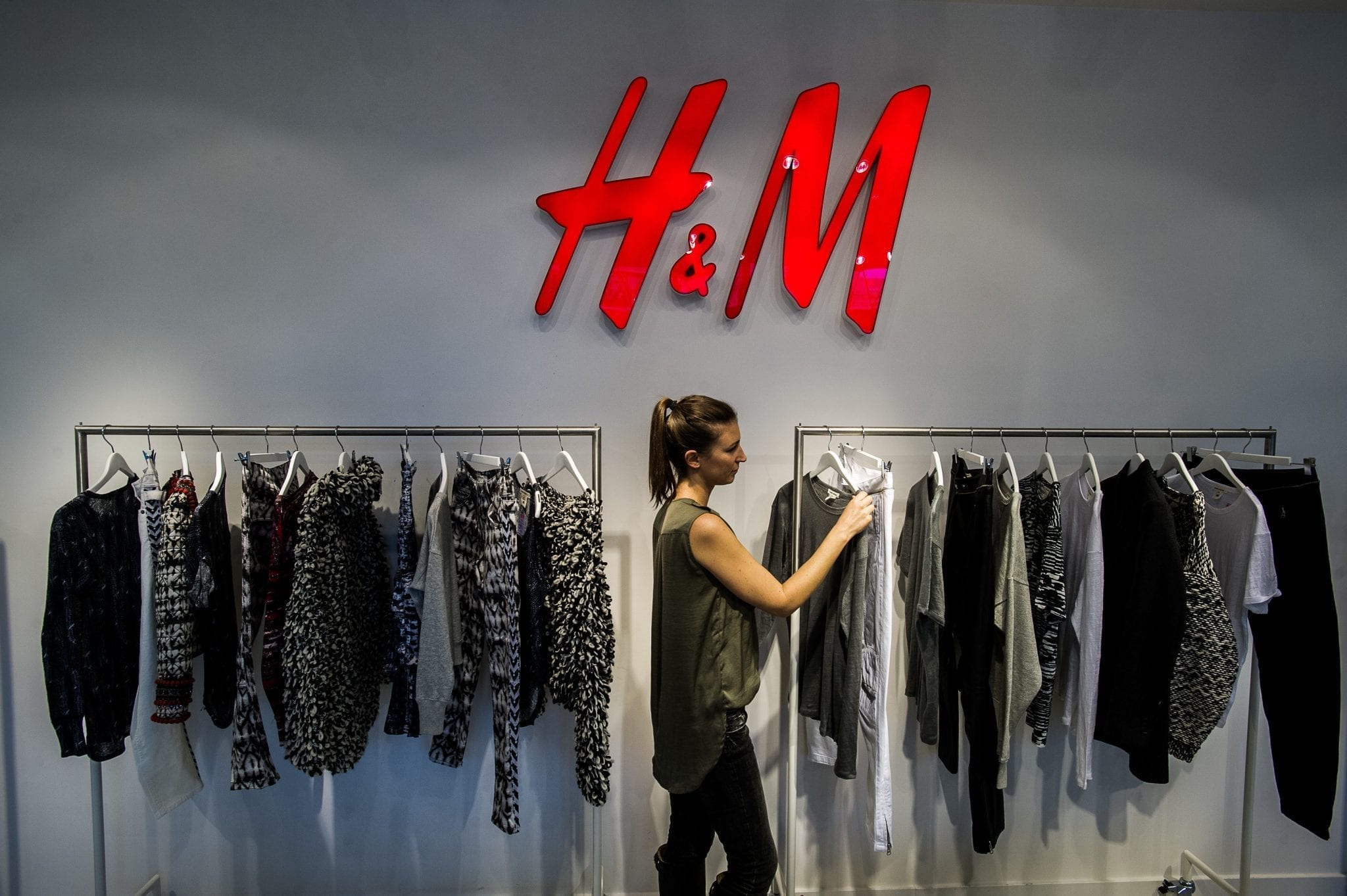
    H&M Vietnam has revealed it will open its first store in Hanoi, not Ho Chi Minh City, the nation’s largest population base.

    The Swedish-headquartered fast-fashion giant has already commenced recruiting staff.

    According to the recruitment ads, H&M will open its first store on a 2000 sqm in Hanoi with roughly 100 employees.

    The recruited employees will be trained overseas for three to five months before coming back to Vietnam to set up stores.

    The firm also plans to hire employees in Ho Chi Minh City where the second store is said to scheduled to open in Vincom Thao Dien, District 2.

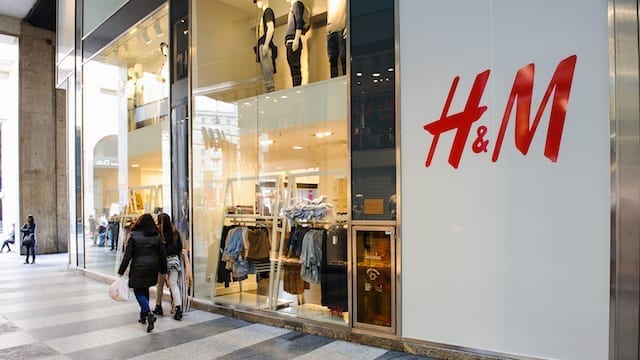
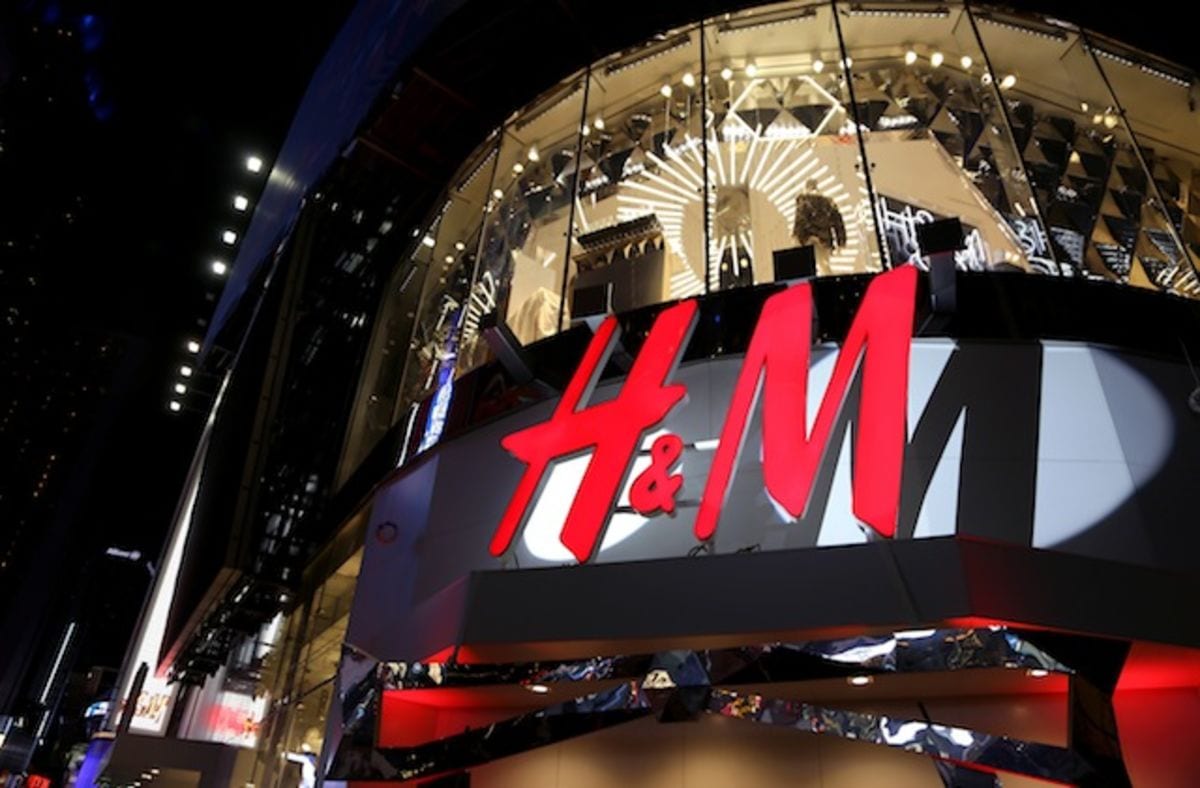
    MILAN ITALY – MARCH 18 2015: On the streets of the city. H&M store.

    H&M currently operates around 4300 stores across 64 markets. Last year, after the other fast-fashion empire Zara opened the first flagship Vietnam, H&M announced it would open a store here as part of its global expansion plan for 2017 which also includes Georgia, Colombia, Iceland and Kazakhstan.

  • Some bright future for Bossini International

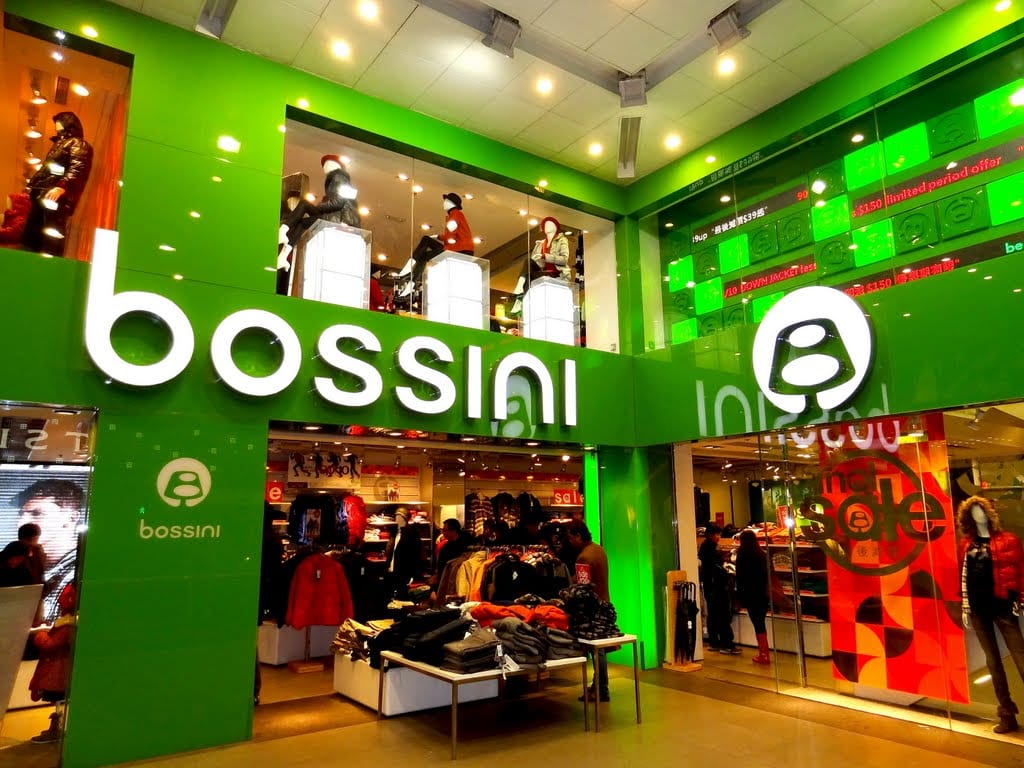
    Some bright future for Bossini International

    Overall revenue fell 11 per cent for apparel retailer Bossini International during the first half of its financial year.

    However, its interim results to December 31, showed an improvement in gross margin – by four points to 51 per cent, attributed to more effective sales and marketing strategies. Profit for the period attributable to the owners increased by 20 per cent.

    The Hong Kong and Macau market, the Mainland China market and the Taiwan market showed signs of having bottomed out, says the company, with same-store gross profit level after a period of negative growth for more than a year.

    With a footprint across 28 countries, the group says it is still optimistic in the long run, adding 16 shops during the half-year.

    Its revenue for the six months was HK$1.022 billion (US$131.6 million), down 11 per cent from HK$1.146 billion in the same period a year earlier. Gross profit slipped 4 per cent to HK$519
    million.

    For directly managed stores, same-store sales in Hong Kong and Macau fell 6 per cent, a slight improvement, and Mainland China and Taiwan stores performed similarly, declining by 2 per cent. Same-store sales in Singapore dropped by 8 per cent compared to per cent in the previous first half. The group’s overall same-store sales slipped 6 per cent.

    At December 31, the Group had 952 stores, up five from six months earlier. Directly managed stores grew to 287 from 280, while franchised stores dropped by two to 665.

    The group continued its strategy of working with licensing partners to strengthen brand recognition and boost sales. Three licensing programs were launched in the first half of the financial year, working with Disney and Universal Studios.

  • Zara, Gap, Body Shop slash Indian retail prices

    Zara, Gap, Body Shop slash Indian retail prices

    Global brands like Gap, The Body Shop and Zara are slashing Indian retail prices to stay competitive in the heavily price-sensitive market.

    UK cosmetic brand The Body Shop slashed prices across categories in India by 20 to 30 per cent last week, and US fashion brand Gap is looking to have up to 40 per cent of its products made locally, which should allow prices to drop by 10 to 15 per cent.

    “The process has started,” says CEO J Suresh of Gap’s India franchisee Arvind Lifestyle Brands. The Indian-made items will be introduced next year.

    The Body Shop India COO Shriti Malhotra says its price cuts will make its products more accessible.

    Spanish fast-fashion brand Zara is also looking at slashing its prices to bring them closer to Swedish rival H&M.

    It quotes experts as saying price cutting is one of the most effective ways to boost sales and market share in India, particularly in highly competitive and fast-growing segments.

    “Most brands strategically lower prices for the value-conscious Indian consumer,” says CEO Devangshu Dutta of retail consultancy firm Third Eyesight.

    Inditex-owned fashion brand Zara reduced prices by up 15 per cent when H&M entered the Indian market in October 2015 with its global strategy of aggressive pricing. The move helped Zara record 17 per cent sales growth last year.

    When Arvind Lifestyle Brands took over the business of beauty and wellness retailer Sephora from former franchisee DLF Brands in September 2015, its first move was price correction. “We looked at pricing in Dubai and Singapore and kept it in the band of 5 to 10 per cent lower than that,” says Sephora India CEO Vivek Bali.

  • Tag Heuer on Tmall

    Tag Heuer on Tmall

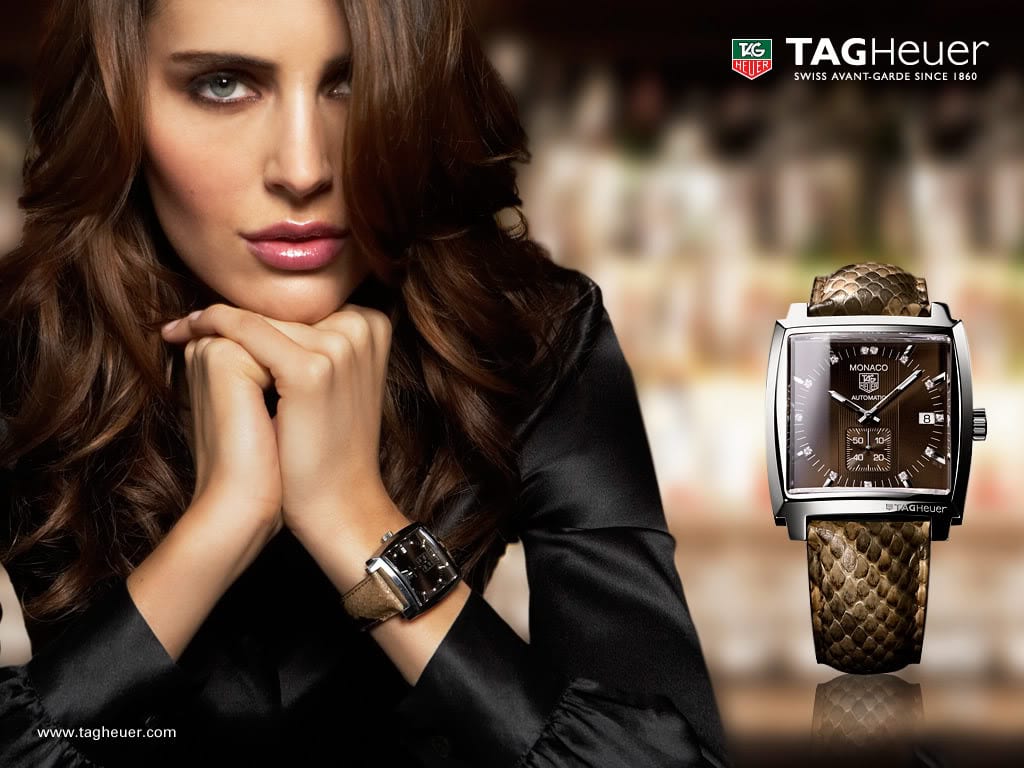
    Swiss watchmaker Tag Heuer has launched a flagship store on Tmall.

    The opening of Tag Heuer on Tmall takes to five the number of LVMH units to have a presence on the Alibaba-owned site.

    The launch is the latest sign of luxury goods makers, faced with slower sales in the once-hot China market, embracing new sales channels and digital marketing in an attempt to reach the country’s internet savvy younger generation.

    Leo Poon, Tag Heuer’s GM for Greater China, called the move “a right decision, since Tmall is the largest B2C platform in China and can help us to reach our target customers.” More than 75 per cent of Alibaba users are 35 years old or younger. The company’s China retail marketplaces had a total of 443 million annual active buyers as of December 31.

    China’s share of the global luxury goods market declined slightly from 31 per cent to 30 per cent in 2016, according to a recent report released by consulting firm Bain. But the country remains an engine of growth for luxury goods as China’s middle class continues to increase in size and purchasing power. Tighter government controls on “grey market” imports are bolstering domestic consumption through legitimate sales channels; meanwhile, online shopping in China grew a brisk 26 per cent last year, according to China’s National Bureau of Statistics.

    Against this backdrop, luxury good makers are targeting a younger demographic through digital sales and marketing strategies.

    “If you want to win the future, you should establish a relationship with the young generation early,” said Liu Xiuyun, general manager of Tmall’s apparel division. “Confronted with the internet and e-commerce, conservative luxury brands will lose the future in China.”

    Tmall is not only a sales channel, Liu added. Because it is part of Alibaba’s online ecosystem, which includes mobile apps, social media and entertainment portals, merchants can engage consumers where they live online. Alibaba also has a wealth of data allowing merchants to more precisely target and cultivate individual customers as well as predict general consumption trends, “and this is exactly what luxury brands are looking for,” Liu said.

    In addition to Tag Heuer, other LVMH flagship stores on Tmall are cosmetics brands Make Up For Ever and Guerlain, beauty brands retailer Sephora and premium luggage brand Rimowa.

    LVMH’s venerable Louis Vuitton label has also partnered with Alibaba. Last year, Louis Vuitton invited members of Alibaba’s exclusive Apass Club – online shoppers who spend an average of $45,000 a year in Alibaba marketplaces – to visit the company’s headquarters in France. In addition, Louis Vuitton became one of the first international brands to join Alibaba’s recently launched Big Data Anti-Counterfeiting Alliance, an organisation set up to share industry and technical know-how in order to combat the online sale of counterfeit goods.

    At a February 13 ceremony marking the opening of their Tmall store, Tag Heuer unveiled a pair of his-and-her watches, priced at $,852 for both, as a special Valentine’s Day promotion in China. The launch ceremony, broadcast via Tmall’s mobile app, featured a livestream of Chinese actress Song Jia.

    -Susan Wang

  • Canterbury New Zealand opens in Bangkok

    Canterbury New Zealand opens in Bangkok

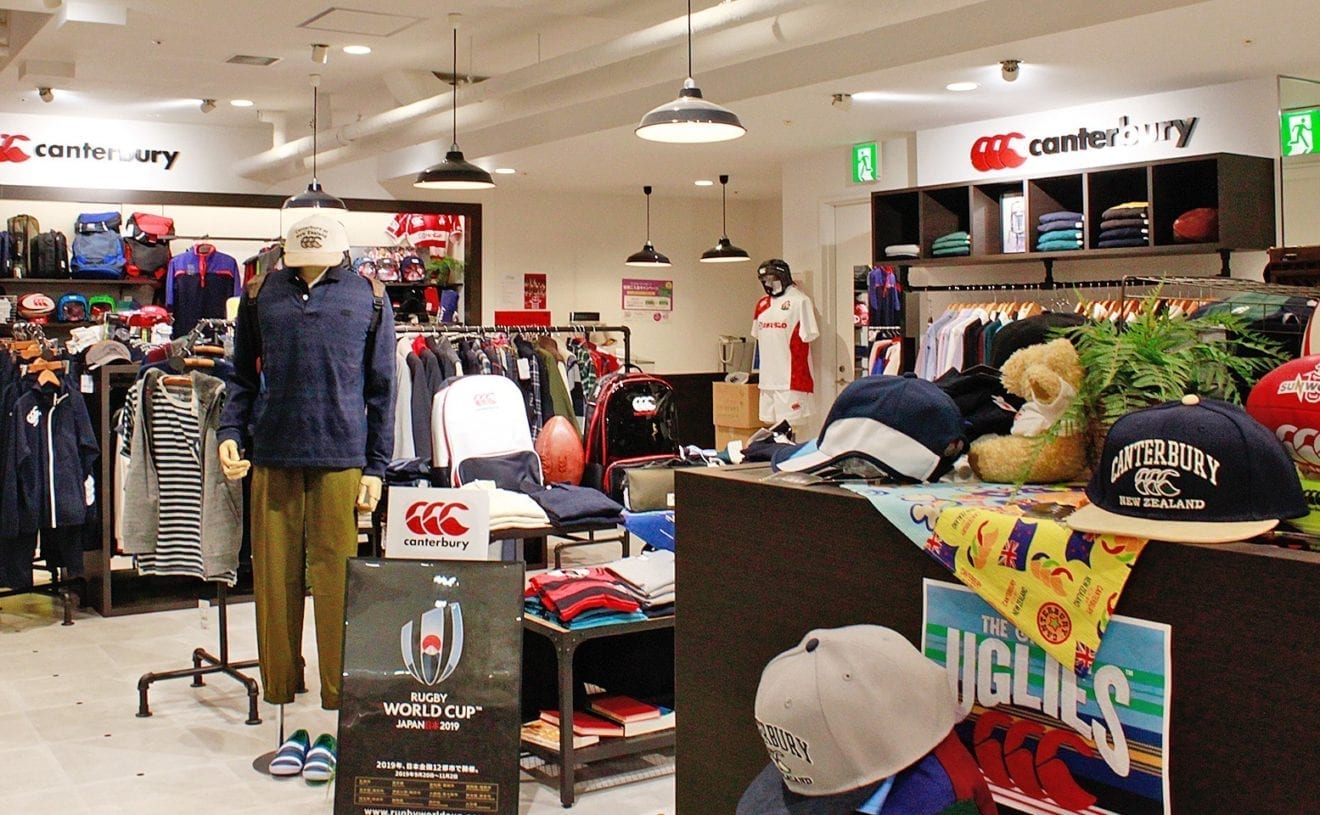
    Sports brand Canterbury New Zealand, established in 1904, has opened its first Thai flagship store in Bangkok.

    Located in the Phayathai Building, the 70 sqm shop offers 120 products in four major categories: men’s training, women’s training, on-field accessories and a British-Irish line. The retailer has kitted out some of the top sporting teams in the world.

    Silver Fern Holdings, the exclusive distributor for Canterbury in Thailand, has set a three-year expansion plan. This includes standalone stores in major tourist cities such as Chiang Mai, Hua Hin and Phuket, plus shop-in-shop outlets at major shopping malls in Bangkok including Emporium, Siam Paragon and The Emquartier.

    “We aim to increase annual sales of Canterbury products in Thailand from the Bt15 million [US$1.7 million] expected for this year to about Bt60 million in three years,” says Silver Fern Holdings MD Mark Bennett.

    The investment for standalone outlets will be about Bt1.5 million a store, each with about 70 sqm of retail space. Pop-up and shop-in-shop stores will have about 30 sqm of retail space.

    Canterbury claims to be the world’s original rugby brand, and is official kit supplier to a host of rugby teams globally. It says its clothing is designed for training, workouts and general fitness.

    “We see Thailand as a potential market for Canterbury sportswear products thanks to a growing middle class and the health-and-fitness trend,” says Bennett.

    The company will introduce its latest Control Gear and Compression Gear technologies into Thailand. Control Gear is engineered to optimise training performance, while the Compression Gear range provides graduated levels of constant compression in key zones to optimise sports performance.

    Canterbury products are also available through distributors in Japan, Hong Kong, Malaysia, Singapore and South Korea.

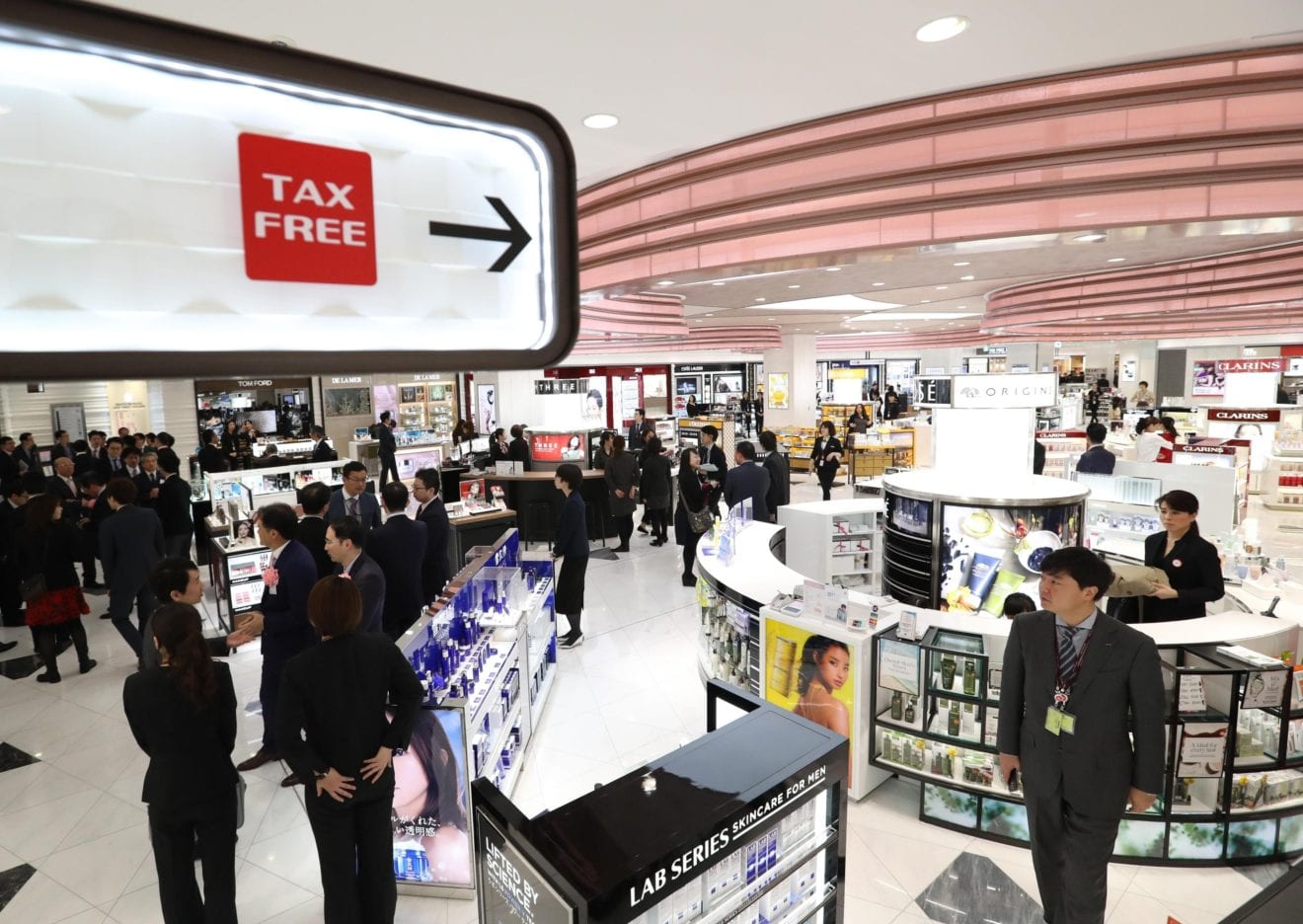
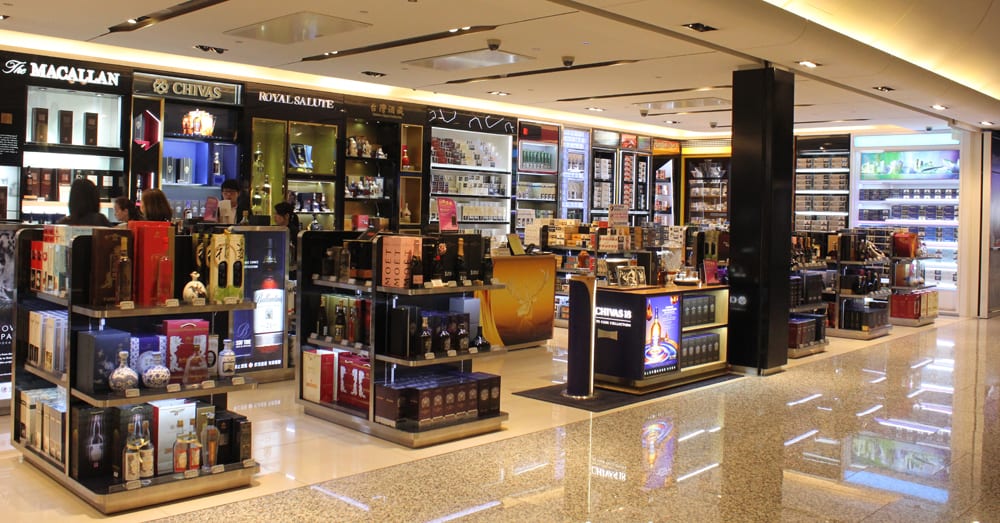
  • Lotte Duty Free sales up 25 per cent

    Lotte Duty Free sales up 25 per cent

    Lotte Duty Free has reported a 26 per cent increase in turnover to W5.9 trillion (US$5.1 billion) for last year.

    The figures are believed to excludes sales from its overseas airport and downtown outlets (Guam, Indonesia, Tokyo), reports DFNI Online.

    For 2015, its sales reached W4.82 trillion, a decline from W4.55 trillion the previous year.

    The Mers outbreak hit the retailer, despite it being awarded five-year contracts for two perfumes and cosmetics concessions and a liquor and tobacco concession at Seoul Incheon airport. It also beat off competition for a downtown duty-free shop in Jeju. The disease outbreak chopped off Chinese tourist arrivals to South Korea.

    Lotte Duty Free was further dented by the loss of its pivotal World Tower licence to travel retail newcomer Doosan Corporation (Doota Duty Free), but it has since regained the licence and re-opened the store.

    Marketing division manager Bo Joon Kim describes it as “one of the most chaotic times” in the group’s history.

    Lotte accounted for 48.7 per cent of total Korean duty-free sales last year, which amounted to W12.3 trillion. It started the year by opening its 4396 sqm Korean-style downtown duty-free store in Tokyo.

    Other developments included the reopening of its Gimpo airport store in August and the re-launch of its Gimhae airport outlets.

  • Innisfree to launch in Indonesia

    Innisfree to launch in Indonesia

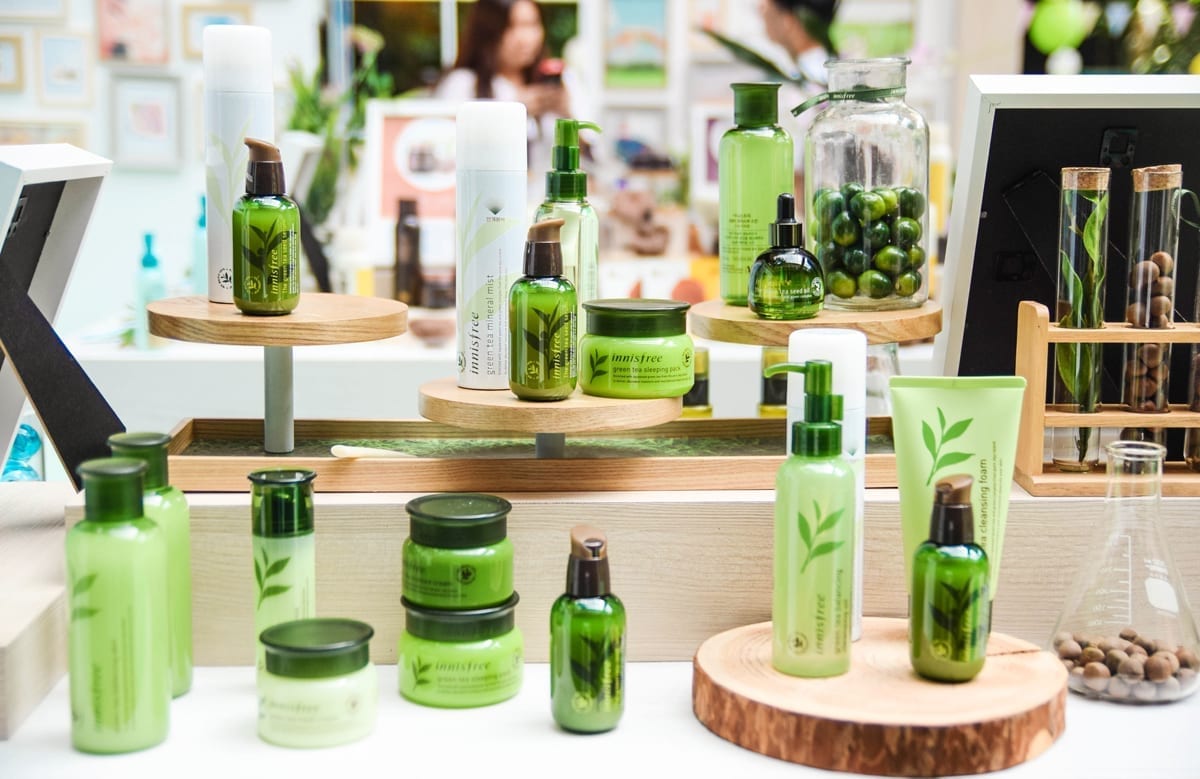
    Beauty products brand Innisfree is launching in Indonesia with brand curator Time International.

    Part of Korean global beauty company AmorePacific Group, Innisfree offers products made with natural ingredients from Jeju, a volcanic island off the southern coast of the Korean Peninsula.

    Innisfree’s first store will open at Central Park Mall Jakarta on March 24, following its introduction in such markets as China, Hong Kong, India, Malaysia, Singapore, Taiwan, Thailand and Vietnam.

    As well as skincare, Innisfree will offer colour cosmetics in Indonesia, says international business VP Chul Kim.

    Innisfree was launched by AmorePacific Group in 2000, joining its brands Laneige and Sulwhasoo.

    Founded in the 1960s, Time International manages multi-brand retail stores as well as mono-brand boutiques for such brands as Cartier, Chanel, Chopard, Diesel, Fendi, Fossil, Project X, Rolex, Sweet Monster and Tag Heuer.

  • H&M hiring staff for first store in Hanoi

    H&M hiring staff for first store in Hanoi

    The Swedish fashion giant Hennes & Mauritz (H&M) is preparing for its Vietnam debut this year. The Swedish low-cost clothing outlet, H&M, announced it would open a store in Vietnam this year, making it the fourth fast fashion label to enter Vietnam after Zara, Mango and Gap.

    The company has remained circumspect about where and when the first outlet would open, but a source at the Manpower Group, a multinational human resource consulting firm, told it is handling the entire recruiting process.

    According to a recruitment announcement, H&M’s first store in Vietnam will occupy about 2,000 square meters in Hanoi and employ roughly 100 people.

    The firm also plans to hire employees in Ho Chi Minh City, according to the Manpower announcement.

    H&M currently operates around 4,200 stores across 64 markets.

    In spite of falling earnings, the retailer has shown no sings of slowing down its global expansion.

    In addition to Vietnam, it has announced the plan to open stores in Georgia, Colombia, Iceland and Kazakhstan this year.

  • Uniqlo Spain to launch in Barcelona

    Uniqlo Spain to launch in Barcelona

    Japanese casual apparel retailer Uniqlo Spain will open its first store in Barcelona this northern autumn.

    The move takes it into the home market of archrival Inditex, parent of the Zara brand, among others.

    On the Paseo de Gracia shopping streets, the store will have 1730 sqm of space across four levels and offer a full line-up of apparel under the brand’s LifeWear concept.

    “Barcelona is the perfect location to introduce our LifeWear concept – innovative, high-quality clothing that is universal in design and comfort, and made for everyone,” says parent company Fast Retailing chairman/president/CEO Tadashi Yanai.

    Since opening its first store in Japan in 1984, Uniqlo has built a network of more than 1800 outlets across 18 markets. Spain will be its sixth market in Europe following the UK (first store opened in 2001), France (2007), Russia (2010), Germany (2014) and Belgium (2015). It has 45 stores across the five markets.