Category: Fashion

Retail News Asia is committed to providing both local and global retailers with the latest Fashion news throughout the Asian market. This on a daily base.

  • Abercrombie & Fitch unveils new store concept

    Abercrombie & Fitch unveils new store concept

    US casualwear retailer Abercrombie & Fitch is about to unveil its first concept store for 15 years.

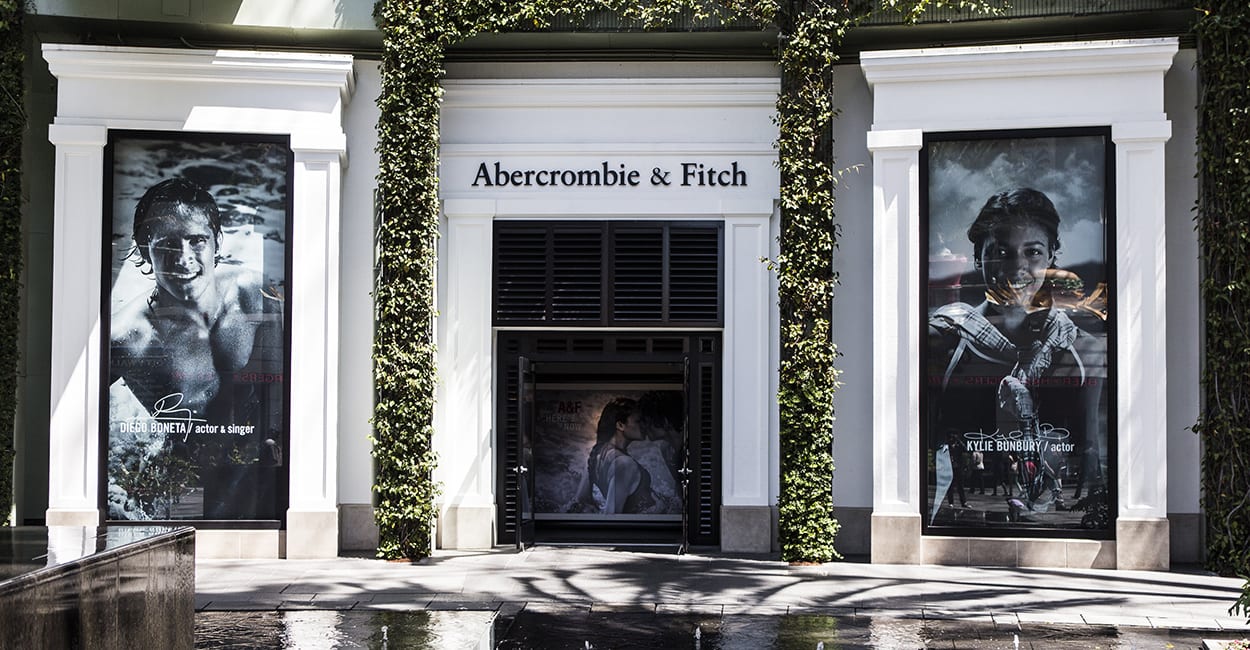
    In a dramatic change of direction, customers will be able to actually see the stock on display, the brand’s heavy scenting has been toned down and stock will be visible from outside.

    Only two images have been released by the brand, but these show the magnitude of the change of direction.  The concept store will open its doors on February 17, inside the Polaris Fashion Mall in Columbus, Ohio.

    Abercrombie & Fitch previously took pleasure in assaulting customers’ nasal senses as well as providing never-ending entertainment for store staff members who could watch customers walking into mirrors, squinting as bright spotlight beams shining directly into their eyes – and for special kicks, watching mothers with pushchairs trying to navigate narrow aisles, staircases and darkened passages, or children crying because they were scared of the dark.

    In place of the “mausoleum” style of store, the new design is a soft brown hue, strong lighting and subtle fixtures. The concept store was designed by MJ Sagan Architecture, which was also involved in creating the company’s New Albany headquarters.

    An A&F statement says the prototype’s look and feel “is in line with the brand’s new evolution”.

    However, A&F is in serious trouble. In November, Neil Saunders, New York-based MD of GlobalData Retail, described the company’s latest quarterly performance as “disastrous” by any standard.

    “Not only are total sales sequentially worse than last quarter, but revenues at Abercrombie have slumped and net income is down by more than 80 per cent.”

    At the core of the problem is the fact that consumers have grown out of clothing ranges bearing oversized logos.

    “A&F is changing – moving away from its traditional brash, image-obsessed focus toward a more inclusive and more gentle approach with an emphasis on stylish, quality clothing,” said Saunders.

    A&F concept store 2017

    First of seven

    Meanwhile, the new Ohio boutique, which covers 4860 sqft (451 sqm), is the first of seven to be built this year, providing the customer “with a new vision of the brand,” A&F says in a statement.

    “In line with the changes that have taken place over the past 18 months, the space was imagined with the best customer experience in mind, encouraging the discovery of the brand’s new collections.”

    A&F and Abercrombie Kids brand president Stacia Andersen says she hopes customers old and new will rediscover what is at the core of the American Heritage brand: “timeless, high-quality clothing you want to live in”.

    “The new A&F store design illustrates a strong brand, with a rich history that is evolving and moving forward. A cohesive material palette, an elevated collection and residential-scale elements enhance the personal, more intimate aspect of the A&F shopping experience,” says architect MJ Sagan.

    In place of the dark, product-devoid entrances more akin to a theme park’s “House of Horrors” than a retail store, the new storefront is transparent and features a metal sculpture of an A&F logo first used in the early 1900s. Inside, there are two shops-in-shops: a fragrance “apothecary” and an area for seasonal capsule collections. There is also a dedicated denim room.

    Mannequins for both genders stand on a concrete platform running from the storefront through the middle of the store, showcasing key trends and ideas for the current season. Throughout the store, the collections are merchandised to inspire the customer and showcase how pieces can be mixed together.

    “Looking to provide a unique and personal shopping experience, the updated layout includes accommodating features such as innovative fitting rooms and omni-channel capabilities,” says the company.

    “The fitting rooms will serve as a comfortable haven from the mall or street, comprising two individual capsules within a larger private suite. This allows each guest to share new looks with a friend or family member while also enjoying privacy. Each suite has thoughtful amenities that heighten the customer’s mood, including separate controls for light and music, as well as a phone-charging dock.”

    The interior features a cohesive palette of modern, tactile materials including cork, bronze, galvanised steel, concrete, “vegan leather”, wood and marble that act as a neutral but complementary background to the collections.

    And that obnoxious olfactory assault that is a trademark of A&F will – thankfully – be laid to rest: “The store will be subtly scented with a lighter, cleaner, gender-neutral fragrance.”

    Store staff members will help shoppers place and pick up online orders in store, and cash wraps will be located throughout the space rather than hidden in a back corner, which was a challenge for first-time visitors to find. Clearly, A&F realised it was too hard to find the register in the old store format, its statement conceding the new approach will “enable a quicker and more accessible checkout experience”.

    Gilly Hicks in comeback

    Meanwhile, A&F’s Hollister Co brand says it has relaunched its intimates brand, Gilly Hicks, in all Hollister stores across the US and will sell it globally online at HollisterCo.com.

    Gilly Hicks, “the brand to start and end your day with”, includes bras, bralettes, undies, swimwear, loungewear and sleepwear. The company launched the brand in 2008 and built a network of 28 exclusive stores, but these were closed in 2013. An online store was rolled into Hollister two years later.

    “We recognised an opportunity to redefine the Gilly Hicks brand, and we know our Hollister customer will enjoy another destination for fun and cozy bras, undies and sleepwear,” says brand president Kristin Scott. “We’ve designed our Gilly product to be effortless and comfortable to align with our customer’s on-the-go, busy lifestyle.”

    Some US stores will host shops-in-shops to provide “a unique Gilly Hicks brand experience”.

    The Old A&F look...(Image: A&F Canada)

    The Old A&F look…(Image: A&F Canada)

  • DFS Group completes City of Dreams store

    DFS Group completes City of Dreams store

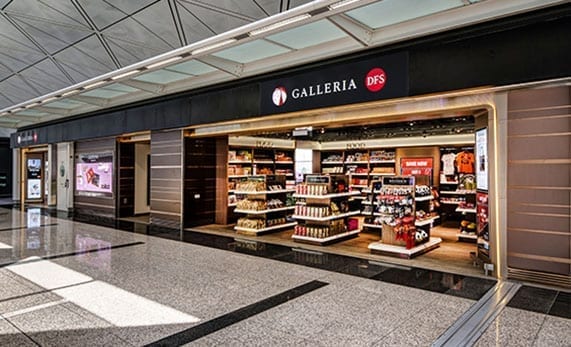
    Luxury travel retailer DFS Group has unveiled the final phase of T Galleria by DFS, City of Dreams store in Macau following a year-long expansion.

    DFS Group chairman/CEO Philippe Schaus says the the store offers travellers the breadth of a luxury shopping mall with the personalised service of a high-end department store.

    An expanded jewelry offering was also unveiled in December, bringing key luxury jewelry brands Tiffany & Co. and Van Cleef & Arpels to T Galleria by DFS, City of Dreams as well as new watches boutiques from Audemars Piguet and Vacheron Const
    An expanded jewelry offering was also unveiled in December, bringing key luxury jewelry brands Tiffany & Co. and Van Cleef & Arpels to T Galleria by DFS, City of Dreams as well as new watches boutiques from Audemars Piguet and Vacheron Constantin

    Opening in 2009, T Galleria by DFS, City of Dreams expanded throughout last year to more than three times its original size. Stretching across 173,000 sqft (16072 sqm), the expanded store includes the group’s debut shoe hall. The largest shoe floor in Hong Kong and Macau, it features more than 50 men’s and women’s shoe brands across two levels, including exclusive-to-Macau brands such as Aquazzura and Rupert Sanderson.

    Men can also enjoy a dedicated multi-branded, lifestyle area that mixes ready-to-wear, accessories, shoes, watches and grooming all in one space to allow shoppers to complete a head-to-toe look with ease
    Men can also enjoy a dedicated multi-branded, lifestyle area that mixes ready-to-wear, accessories, shoes, watches and grooming all in one space to allow shoppers to complete a head-to-toe look with ease


    There are more than 40 fashion and accessories brands in the outlet, including Dior, Fendi, Louis Vuitton, Miu Miu and Prada. The expanded beauty offering comprises two wings across 23,000 sqft and nearly 70 beauty and fragrance brands, making it the largest beauty hall in southern China. Highlights include Korean brands Hera, Laneige and Sulwhasoo.

    DFS Macau, City of Dreams – beauty

    For men there is a multi-branded lifestyle area that mixes ready-to-wear, accessories, shoes, watches and grooming in one space.

    DFS Macau. 1

    DFS Macau. 3

    An expanded jewellery offering was unveiled in December, bringing in such brands as Tiffany & Co and Van Cleef & Arpels. There are also new watch boutiques from Audemars Piguet and Vacheron Constantin.

    DFS Macau, City of Dreams - WJA Event

    T Galleria by DFS, City of Dreams is one of four T Galleria stores in Macau, including T Galleria by DFS, Shoppes at Four Seasons; T Galleria by DFS, Studio City; and the standalone beauty hall T Galleria Beauty by DFS, Galaxy Macau.

  • H&M Conscious Exclusive range made from shoreline waste

    H&M Conscious Exclusive range made from shoreline waste

    Swedish apparel giant H&M has launched a sustainably sourced high-fashion line made from recycled shoreline waste as part of a wider strategy to source more of their products from sustainable materials.

    The line, called ‘Conscious Exclusive’ will include a full collection for women and – for the first time- kids’ pieces. It will be available in 160 stores worldwide from April 20.

    HM Conscious Exclusive

    Marketing material for the new range, including a video below, challenge consumers: “Imagine a world where a dress can have a positive impact on the planet.”

    The products are made using Bionic, a material made from recycled polyester, and is designed to showcase the different ways that sustainable materials can be used to create stylish fashion.

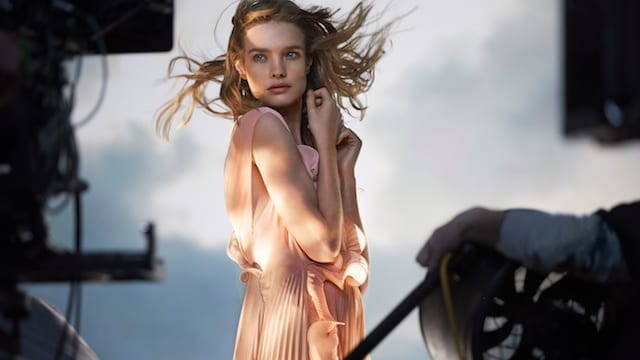
    HM_Conscious_Exclusive_2017_Campaign_Natalia_Vodianova

    “For the design team at H&M, this year’s Conscious Exclusive is a chance to dream and create pieces that are both quirky and beautiful. It’s great to show just what is possible with sustainable materials like we have done with the delicate plissé dress made of Bionic,” said Pernilla Wohlfahrt, H&M’s head of design and creative director.

    HM Conscious Exclusive 1

    The campaign is part of a wider strategy that has already seen H&M produce at least 20 per cent of its products from sustainable materials. Also a user of organic cotton, the Swedish brand has committed to sourcing 100 per cent of its cotton sustainably by 2020.

    Supermodel and philanthropist Natalia Vodianova has come on as the star of the Conscious Exclusive campaign, in her first partnership with H&M.

  • New Look loses market share in tough year

    New Look loses market share in tough year

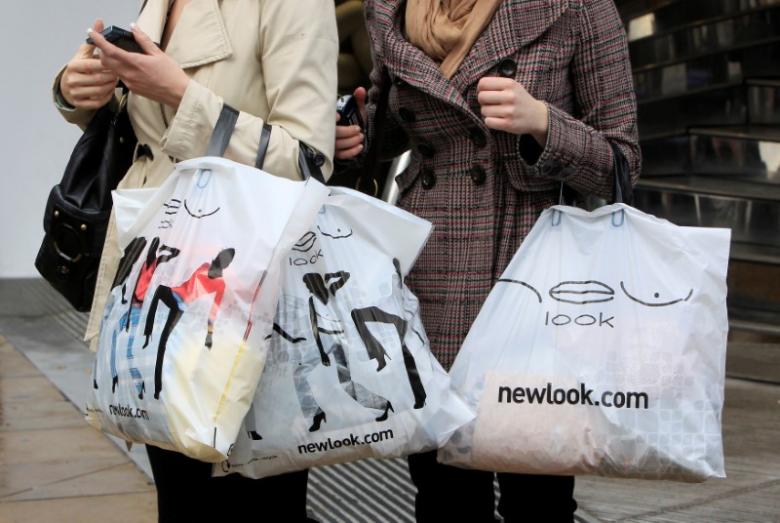
    New Look’s share of the UK clothing market has fallen to 2.6 per cent for calendar year 2016 – from 2.7 per cent in 2015.

    Stores have failed to drive the necessary footfall to return its like-for-like performance to positive territory, with year-to-date (39 weeks to 24 December 2016) UK like-for-likes are down 7.3 per cent with the likes of Next, Primark and Matalan also finding it tough to grow organic stores sales during 2016. Moreover, weaker sales and significant levels of discounting throughout the year led to a 32.6 per cent decline in underlying operating profit to £111.5 million, bringing margins down 4.2 percentage points to 9.8 pr cent.

    The strength of the online competition has dampened the appeal of New Look’s physical stores.

    The fashion-led product mix, attractive pricing and inspiring shopping experience at the likes of boohoo.com, Missguided and Asos continue to encourage New Look’s core shopper base to browse and shop more online reducing the need to visit physical stores. This shift has benefited New Look’s online platform as has its investment in product styling, delivery options and editorial content.

    The double digit growth in online sales highlights that the problem does not lie with product – it is the number of stores New Look operates and their lack of responsiveness during periods of unseasonal weaker.

    Store closures, enhanced visual merchandising, increased product newness and adapting its seasonal mix and phasing is essential to return like-for-likes to growth and limit the threat of the online pure-plays.

    Honor Strachan

  • Upswing for Sa Sa International New Year sales

    Upswing for Sa Sa International New Year sales

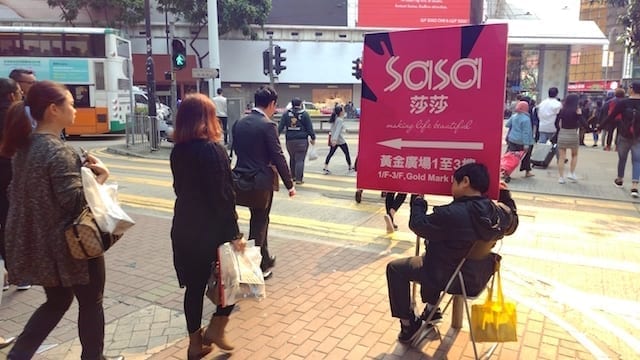
    With more tourists from the mainland, cosmetic retailer Sa Sa International Holdings saw a 3.5 per cent upswing in sales in Hong Kong and Macau during the Lunar New Year (January 28 to February 3).

    It says there were 10.7 per cent more transactions by tourists from China, while the average value of each transaction shrank by 4.6 per cent.

    Sales to local customers also decreased, by 3.3 per cent, according to the company’s preliminary figures.
    Hong Kong Immigration Department says there was a 12.9 per cent increase in the number of Hong Kong residents travelling overseas through the airport during the Lunar New Year period.

    Sasa chairman/CEO Kwok Siu Ming Simon says that as the group’s sales performance during the period had been affected by several factors, the figures may not reflect overall performance.

  • Sales up, revenue down for Michael Kors Holdings

    Sales up, revenue down for Michael Kors Holdings

    While retail net sales grew 9.2 per cent to US$836.7 million for luxury lifestyle brand Michael Kors in its third quarter, ended December 31, its revenue decreased 3.2 per cent to $1.35 billion.

    It sales growth was mainly driven by 193 store openings since the end of the third quarter, including 143 stores associated with the company acquiring its the previously licensed outlets in Greater China and South Korea. This resulted in licensing revenue dropping 22.9 per cent to $43 million, but revenue in Asia growing 89.1 per cent to $112.3 million.

    At the end of December, the company had 816 retail stores, including concessions, compared to 623 at the same time the previous year. There were also 128 retail outlets run by licensing partners.

    Chairman/CEO John Idol says the company believes Asia represents a $1 billion opportunity over the long term.
    For the first nine months ended December 31, the company saw retail net sales increase 9.6 per cent to $2 billion while comparable store sales fell 6.6 per cent. Wholesale net sales dropped 15 per cent to $1.32 billion. Gross profit eased 2.8 per cent to $2.04 billion.

    “More work to do”

    Neil Saunders, MD of research company GlobalData Retail, says the poor holiday quarter shows that Michael Kors has a lot more work to do before it is back on track.

    “The numbers provide a marked contrast to those of Coach, a company going through a similar brand reinvention, which had a much more positive third quarter. To be fair, the overall decline is partly because of the decision to cut back on distribution through department stores and other channels, which Michael Kors believes have been undermining its brand through excessive discounting, ” says Saunders.

    While the resulting 17.8 per cent slide in wholesale revenues and 22.9 per cent drop in licensing revenues was painful. “We believe the decision to dial back is a necessary step in making the brand less ubiquitous, and driving higher margins.

    “However, the issue is that the reduction in the number of doors through which Michael Kors is available is not immediately translating into an uplift in sales through its own stores. With a 9.2 per cent rise in retail sales, the numbers look robust enough, but most of this is down to store openings and the shops acquired in Asia where Michael Kors bought out the brand licence.”

    Saunders says the underlying comparable sales tell a more revealing story. “These remain weak and have actually deteriorated since the previous quarter. Only a small element of this decline is because of the stronger dollar; indeed, on a constant currency basis same-store sales are still down by 6.4 per cent.

    “As much as we believe that Michael Kors is headed in the right direction, and that its new lines are generating interest, it has much more work to do in reconnecting with customers who have been alienated by the overexpansion of the brand. As yet, it is simply not exciting customers in the same way that Coach or Kate Spade are. ”

    Saunders says that reconnecting customers with the brand is particularly important as Michael Kors expands its range.

    “The new Access smartwatches and fitness trackers, and the new fragrance lines are sensible additions to the portfolio. However, they will only really drive sales as part of a strong lifestyle brand that consumers want to buy into. In our opinion, on this front Michael Kors has more convincing to do. ”

  • Mikimoto Ginza set to reopen in June

    Mikimoto Ginza set to reopen in June

    The Mikimoto Ginza flagship store in Tokyo will reopen in June, the pearl retailer has confirmed.

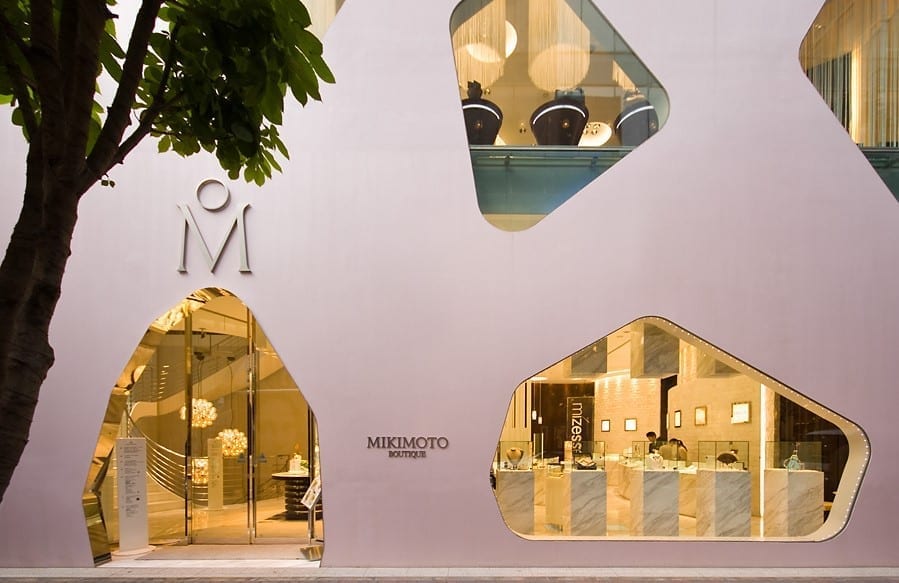
    The store has taken more than two years to rebuild, fuelling expectation of a unique and outstanding design concept when the building is unveiled. The photo above shows the store before reconstruction commenced.

    Once complete, the shop will be located within a 56-metre-tall building encased in some 40,000 pieces of glass. The sales space will almost double to about 1400 sqm, spanning six floors.

    Construction began in January 2015.

    Mikimoto says the store will open on June 1 and the company hopes to attract more Japanese customers after the investment – as well as its traditional tourist base.

  • iFashion Group reels in Megafash

    iFashion Group reels in Megafash

    Singapore fashion and lifestyle platform iFashion Group has acquired independent designer brands marketplace Megafash in a S$3.15 million (US$2.23 million) cash-and-shares deal.

    This follows iFashion’s purchase of lifestyle and fashion brands Dressabelle and Nose, as well as real-estate booking platform Invade.

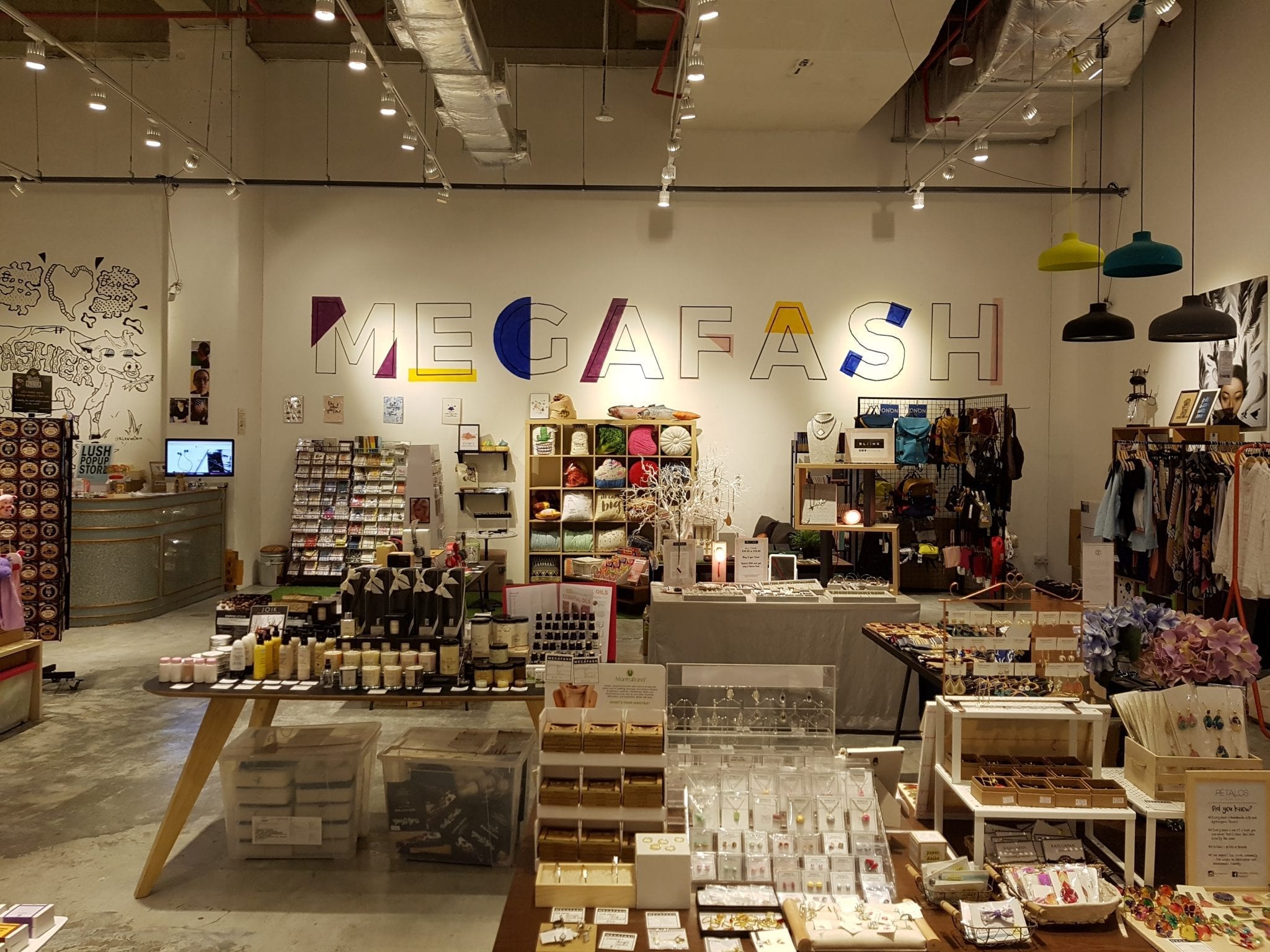
    Megafash was launched in December 2015 with an eCommerce platform and three stores, and now has more than 15,000 sqft (1393.5 sqm) of retail space across seven stores. It also has a presence in Indonesia and Thailand and stocks more than 2000 international indie brands, with 30 per cent of its in-store brands being exclusive.

    Its annual revenue last year was reported to be $8 million.

    “In times of economic downturn, we are pleased to say our revenue grew five times from 2015,” says Megafash CEO/co-founder Jiawen Ngeow. “In December we received as many as 2000 orders a day.”

    iFashion has appointed Dressabelle CEO/founder Jeremy Khoo as new CEO, who will be responsible for driving the company to the next level.

    “Our acquisition of Megafash completes our line-up of brands for our IPO,” says iFashion Group VP of corporate affairs Jeneen Goh. The company is looking at going public at the end of April or May.

  • Salvatore Ferragamo Hong Kong sales still weak

    Salvatore Ferragamo Hong Kong sales still weak

    Despite business still being weak in Hong Kong, Asia Pacific was again been the top market in revenue terms last year for Italian design label Salvatore Ferragamo.

    Preliminary figures show the group’s consolidated revenues for its latest fiscal year reached €1438 million (US$1.5 billion), up by 1 per cent at current exchange rates and down by 2 per cent at constant exchange rates from the previous 12 months.

    Asia Pacific contributed 36 per cent of total revenue for the year, up by 1 per cent. Growth was more than 4 per cent for the fourth quarter. The positive performance was achieved despite lacklustre sales for Salvatore Ferragamo Hong Kong.

    In Japan, the brand had stable revenues last year, with a 3 per cent rise in the fourth quarter.

  • Tiffany CEO in shock resignation

    Tiffany CEO in shock resignation

    Tiffany CEO Frederic Cumenal has stepped down, effective immediately.

    Cumenal assumed the role just last April after a long transition to replace previous CEO Michael Kowalski, who is now chairman, Kowalski will take back the role while a search gets underway for a permanent replacement.

    The iconic US jewellery retailer is facing a raft of challenges. Weak holiday sales impacted on its share price, its top designer departed three weeks ago and turnover in its flagship store in Manhattan has been impacted by increased security procedures for the neighbouring Trump Tower.

    Abroad, tourist spending has slumped and the high US dollar value has impacted on sales revenues in its native currency.

    In a statement, Tiffany was complimentary about Cumenal.

    “On behalf of the entire board…, I would like to thank Frederic Cumenal for his contributions to Tiffany,”Kowalski said. “At a time of continuing challenges in the global luxury market, Frederic has enhanced the management team and taken important steps to position Tiffany for success in the long term. We wish him the best in his future endeavors.”

    Kowalski said the board was disappointed by recent financial results, but remained committed to its current core business strategies.

    “The board believes that accelerating execution of those strategies is necessary to compete more effectively in today’s global luxury market and improve performance. As such, we remain focused on enhancing the customer experience, increasing the rate of new product introductions and innovation, maximising marketing effectiveness, optimising the store network, and improving our business operations and processes, all while efficiently managing our capital and costs.

    “We believe these initiatives and the pace of their execution are key to driving shareholder value,” he said.

    Cumenal said he had great confidence in Tiffany’s brand, strategic direction and people. “I believe the company will have many exciting opportunities in the future.”

  • LVMH launches incubator division Luxury Ventures

    LVMH launches incubator division Luxury Ventures

    LVMH has launched Luxury Ventures to invest in small and promising fashion, cosmetics or accessories companies.

    LVMH Luxury Ventures will be headed up by group deputy-head of mergers and acquisitions Julie Bercovy and will target companies turning over between 2 million and 5 million euros, the company announced Friday.

    “The aim is to accompany financially the development of these small nuggets to create value,” said a spokesman.

    Luxury Ventures will launch with a starting capital of 50 million euros and invest between 2 million and 10 million euros in target businesses.

    LVMH has also announced a design and manufacturing joint venture with eyewear manufacturer Marcolin in which it will buy a 10 per cent stake. The move is aimed at giving Louis Vuitton greater control of its eyewear brands and represents a shift away from the traditional licensing model. Previously, LVMH contracted Safilo for most of its eyewear brands.

    Marcolin says it will start by making eyewear for the Celine and Louis Vuitton brands from 2018, before taking over other labels in the French giant’s stable.

  • H&M to open in Vietnam during 2017

    H&M to open in Vietnam during 2017

    In 2017, H&M will also open in Colombia, Iceland, Kazakhstan and Georgia. CEO Karl-Johan Persson confirmed the openings while announcing a 7 per cent increase in global sales for its financial year on November 30.

    Last year, H&M opened online stores in 11 markets, along with 427 new brick-and-mortar stores worldwide.

    “This means that H&M is now present in 64 markets of which 35 offer eCommerce. We welcomed more than 13,000 new colleagues which means there are now more than 161,000 colleagues in the group,” he said.

    The H&M Asia online stores will also open in Hong Kong, Singapore, Macau, Taiwan and Malaysia, according to Inside Retail Asia. A sixth will open in Turkey.

    In addition, this year the company – which also operates the Cos, Monki, Weekday and Cheap Monday retail brands – will also reveal one or two more brands.

    “In 2017 we are looking forward to delivering strong collections and customer experiences and launching one or two new brands. This, combined with ongoing improvements and investments in the omni channel offering, the supply chain and advanced analytics make us positive towards our opportunities in reaching our newly rephrased growth target, both in 2017 and going forward,” Persson said.

    Most new stores will carry the H&M banner, but 70 to 80 will be for other brands, including H&M Home.

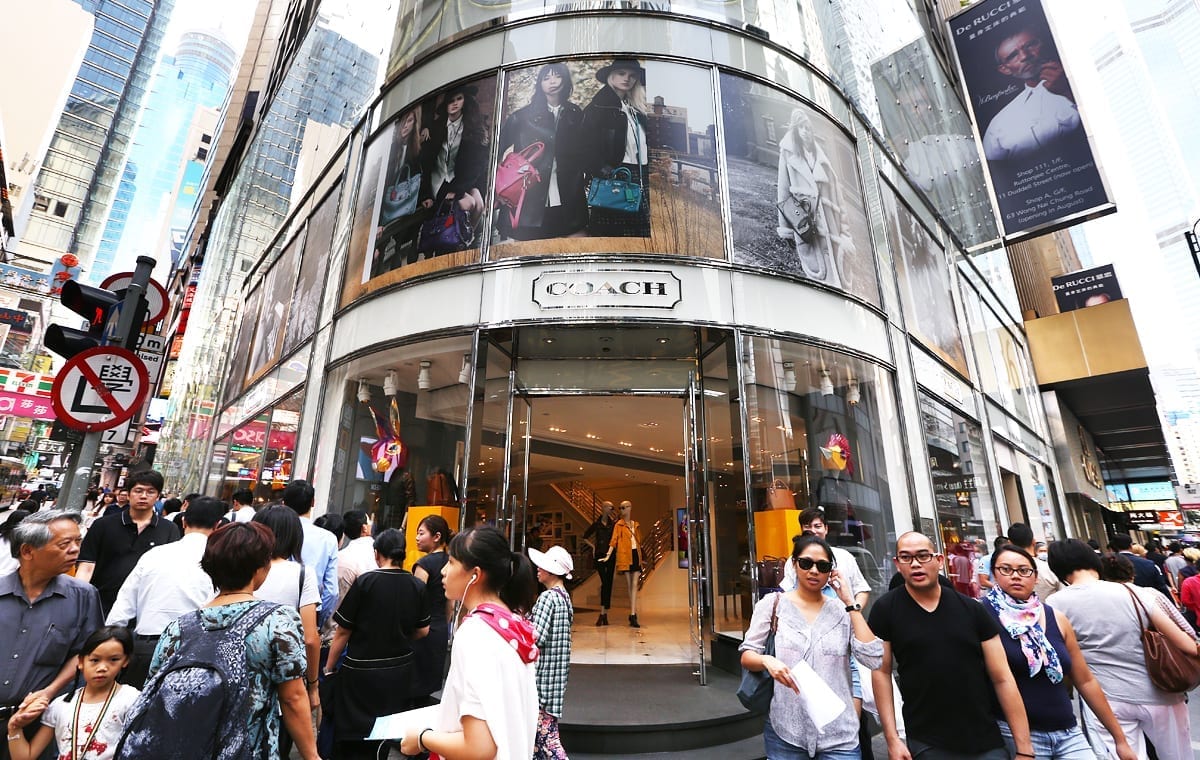
  • Growth for Coach China

    Growth for Coach China

    New York design house Coach reports “notable strength” in Mainland China while reporting its second-quarter results for the quarter ended December 31.

    Coach China sales were roughly even but increased 6 per cent on a constant currency basis when the impact of the strong US dollar was removed. In addition, there was a “significant” improvement in the quarter for Hong Kong and Macau.

    “We are both pleased and proud of our performance this holiday season, particularly in light of the challenging and volatile global retail environment,” says CEO Victor Luis, noting that China represents “significant opportunities” for its brands.

    “And, despite our deliberate pullback in the North America wholesale channel as well as currency headwinds, we delivered double-digit earnings growth in the quarter. ”

    Second-quarter net sales totalled $1.32 billion for the second fiscal quarter, an increase of 4 per cent over the same period the previous year, including a benefit of 40 basis points related to currency translation.

    Gross profit totalled $906 million, up 5 per cent. Gross margin for the quarter was 68.6 per cent compared to 67.4 per cent in the year-ago period, while net income for the quarter was $200 million.

    Net sales for the Coach brand totalled $1.20 billion for the quarter, an increase of about 2 per cent. This included international sales of $440 million, up 3 per cent.

    Continued strength

    This growth was driven in part by positive comparable-store sales overall with continued strength in Mainland China.

    In Japan, sales rose 9 per cent in dollar value, but eased 2 per cent in constant currency, impacted by a lower Chinese tourist spend.

    Sales eased for the group’s other directly-run businesses in Asia.

    Gross profit for the Coach brand rose 4 per cent to $830 million. Gross margin for the quarter was 69 per cent, including about 30 basis points of benefit from currency. This compared to 67.7 per cent for the quarter in the previous year.

    Net sales for the group’s Stuart Weitzman brand reached $118 million for the quarter compared to $94 million in the same period the previous year. This 26 per cent improvement was driven by strong growth in the brand’s direct channels, and was positively impacted by a wholesale shipment timing shift from the first quarter.

    Gross profit for Stuart Weitzman rose 26 per cent to $76 million, while gross margin was even at 64.3 per cent.

  • CEO quits after ‘dire’ Ralph Lauren results

    Ralph Lauren is in worsening trouble after posting a set of holiday season sales figures which one analyst termed “dire” and the loss of its CEO.

    A day after Ralph Lauren results were released showing a 12 per cent decline in sales the company announced its CEO Stefan Larsson will step down on May 1 following disagreements with chairman and founder Ralph Lauren over the direction of the company. The company’s share price fell more than 10 per cent this week.

    “There is no getting around the fact that this is a dire set of results from Ralph Lauren,” observed Neil Saunders, MD of GlobalData Retail. “Not only is the 12 per cent revenue decline a significant step down from the prior quarter, it comes off the back of a very soft comparative from 2016 when overall sales dipped by just over 4 per cent, partly thanks to very unfavorable weather.”

    Ralph Lauren closed its Hong Kong flagship store in Lee Gardens in the last quarter of 2016, part of a global move to streamline its retail channels as it tries to revive sales and profitability.

    But the main reason for the decline, says Saunders is the company’s wholesale vision which he described as “in freefall”. Retail sales were also down.

    “Both things, along with some costs from the transformation plan, have resulted in a sharp net income decline of 37 per cent.”

    He said the departure of Larsson after just over one year in the role in which he was charged with turning the company around gives the impression of a brand in crisis.

    “We believe it signals significant internal wrangling over the future direction of the firm. It also demonstrates the founder’s continued dominance over the business. As much as Ralph Lauren should be respected for his significant achievements, and his undeniable design talent, we are concerned by the orthodoxy of his leadership, under which questioning and fresh thinking are relatively rare. This, in our view, is not the way to reinvent a brand that has clearly lost its way.”

    Ralph Lauren has “lost some of its cachet”

    Analysis of GlobalData Retail’s research shows that over the past two years, there has been a steady decline in the number of shoppers considering buying from Ralph Lauren.

    “The same data also show that the brand has lost some of its cachet, especially with younger shoppers,” says Saunders.

    “There are several reasons behind this slide in popularity. The first is a change in consumer tastes and sensibilities. For a long time, Ralph Lauren, through its various brands, was the undoubted king of preppy cool. That aesthetic is no longer as popular as it once was: and for many consumers it stands for old world, old money exclusivity. Such concepts are an anathema to today’s younger shoppers. To be fair, designs have changed and the latest fall/winter collections are a step away from the preppy vibe and incorporate more ‘democratic’ aesthetics like western and street wear. Unfortunately, because Ralph Lauren is such a strong and distinctive brand, it is hard to shed its historic image.

    “The second issue is that the Ralph Lauren brand has become too ubiquitous and diffused. At the higher end, the brand is carefully controlled and curated, but as it filters down through retail channels, that control is lost. The Ralph Lauren flagship in New York’s Upper East Side is a world away from the selection of random Polo sweaters thrown onto a fixture at Macy’s, and it is becoming increasingly difficult for the two to coexist without causing brand confusion.”

    While Saunders acknowledges the brand is taking steps to remedy the problem of ubiquity, with Ralph Lauren becoming more selective about the channels it sells through, to work economically it must be counterbalanced with a step up in the retail side of the business.

    “Those uplifts are not yet coming through, and we see few signs that they will do so any time soon. There is a lot more work to do before retail is back on track.”

    For the sake of balance, it is important to recognise that a strong dollar has affected the Ralph Lauren results, depleting foreign earnings and reducing tourist spend at flagships within the US, he said. “However, this simply does not explain away all the declines; even on a constant currency basis, Ralph Lauren’s sales and profits are tumbling.

    “Ralph Lauren has made some progress, and does have a general sense of the direction it wants to move in – a direction that we believe is broadly sensible. However, execution has been extremely poor, and will not be improved by management squabbling or the absence of key executives. As such, the year ahead is likely to be another one of treading water rather than of significant progress.”


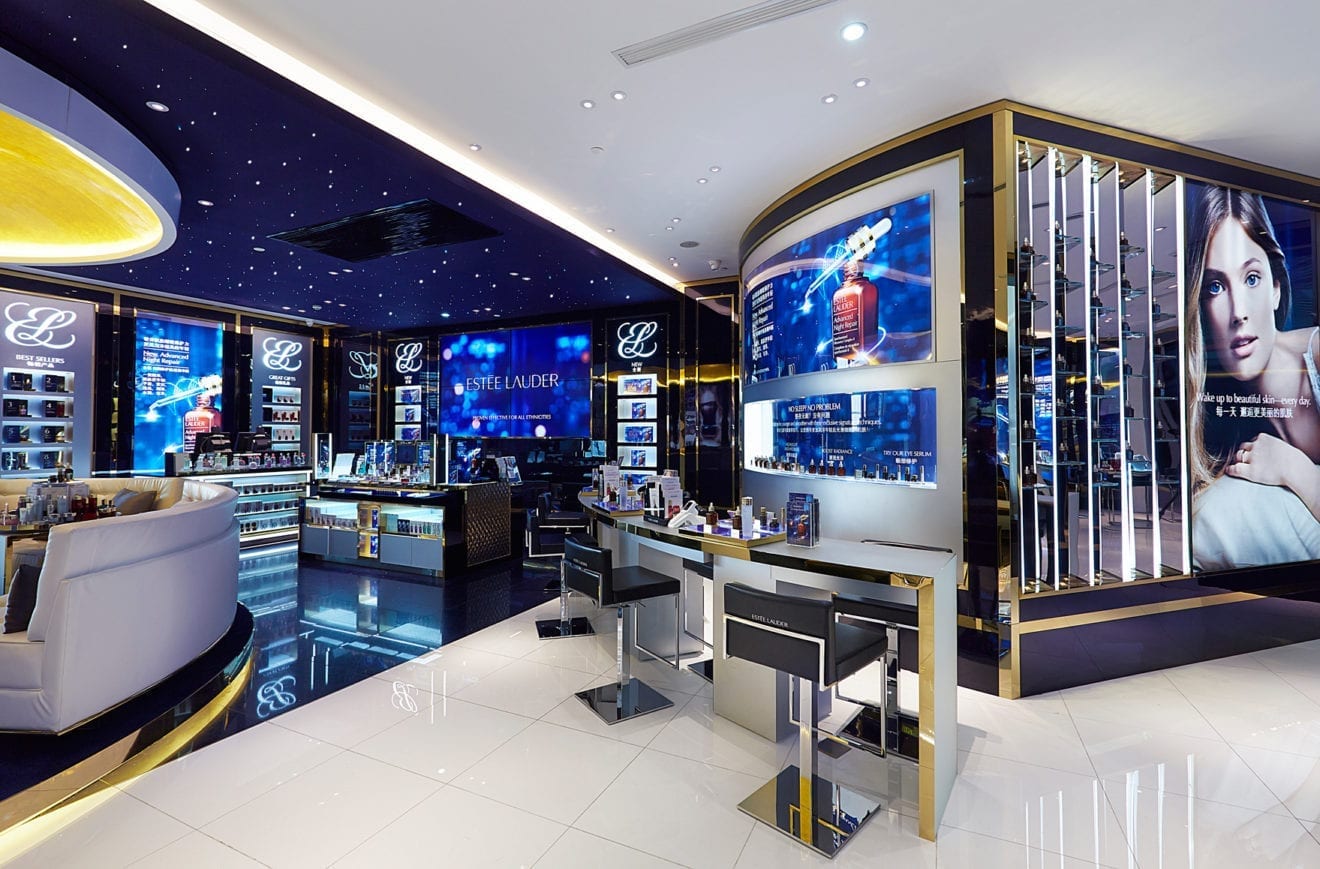
  • Travel retail boosts Estée Lauder Companies

    Travel retail boosts Estée Lauder Companies

    Beauty group The Estée Lauder Companies has reported double-digit sales growth in global travel retail for the second quarter of its latest fiscal year.

    This was generated by launch initiatives, global airline passenger traffic growth and new consumer coverage, the company says.

    Its Aveda, Jo Malone, La Mer, MAC and Tom Ford brands “contributed sharply” to the sales gains.
    An overall increase in make-up sales came partly through a broadening of the brands’ presence in travel retail, says the group.

    Total net sales of US$3.21 billion were achieved in the second quarter, a 3 per cent year-on-year increase.