Category: Fashion

Retail News Asia is committed to providing both local and global retailers with the latest Fashion news throughout the Asian market. This on a daily base.

  • Swatch Group confident despite profit dive

    Swatch Group confident despite profit dive

    While Swatch Group profits nearly halved last year in a weak global watch market, the Swiss company is predicting “healthy growth” ahead.

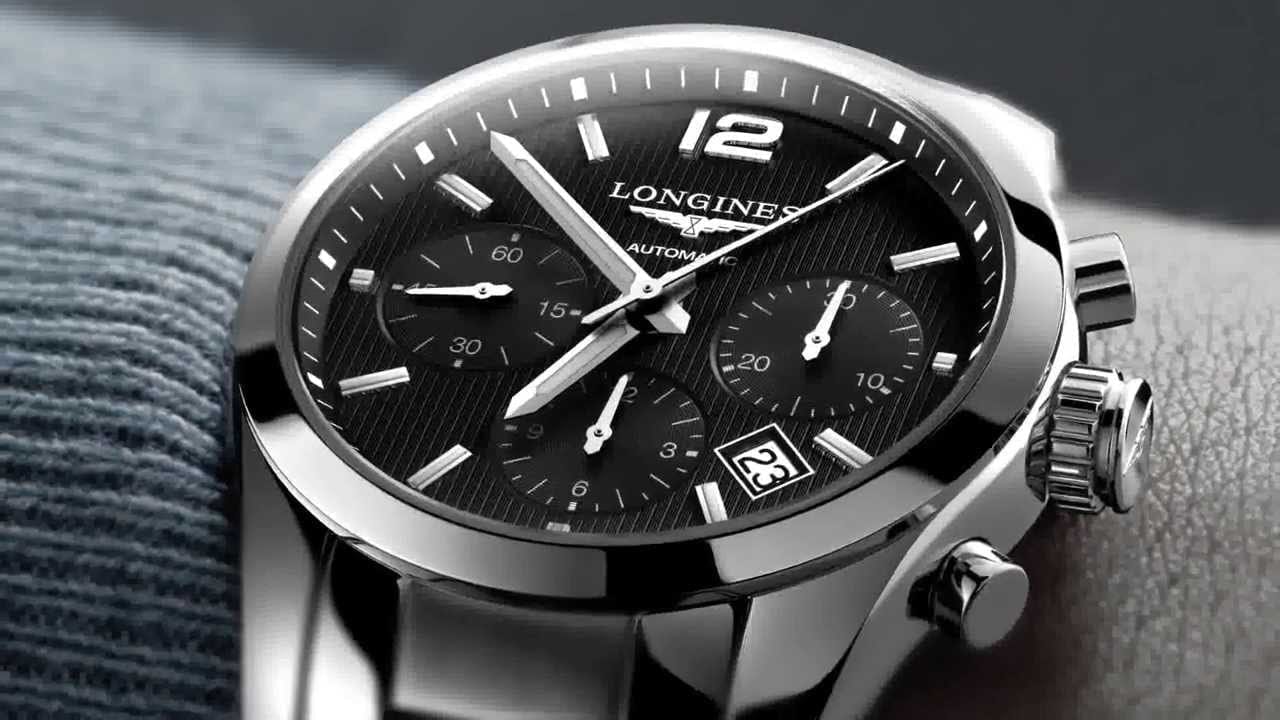
    Swatch Group owns such luxury brands as Breguet, Longines and Omega as well as marketing watches carrying its own name.

    Net profit fell 47 per cent to 593 million Swiss francs (US$598 million) last year while sales came in at 7.5 billion francs.

    Watch and jewellery sales dropped by nearly 11 per cent as 2015’s marked slowdown ran into last year. However, by the end of the year there was fresh movement in sales, especially in China, says Swatch.

    From November to January there was “very good growth” in the segment, particularly in Mainland China, says the group, noting “a substantial improvement in operating margin.”

    “Based on the positive development of the past three months, healthy growth is expected for this year.”

  • Vietnam’s beauty and cosmetics industry needs green makeover

    Vietnam’s beauty and cosmetics industry needs green makeover

    Though the market is relatively small, growth in most beauty and personal care categories is expected to continue to expand over the next decade as per capita spending rises commensurate with the upward trend in GDP per person per year and the country moves into the middle-income ranks.

    According to experts at a recent conference in Ho Chi Minh City, the average spending by Vietnamese for items related to body care, colour cosmetics, fragrances, facial care, soap, bath and shower, hair care and sun care remains relatively low.

    They estimated, citing a study by Nielsen that was performed in 2013, that the average per capita spending in Vietnam is slightly more than US$4, which is one-fifth the average spending of US$20 per person per year in Thailand.

    A speaker from the Society of Cosmetics Chemists of Ho Chi Minh City noted a Society report estimates there are roughly 400 cosmetics manufacturers in the country commanding a paltry 10% retail market share.

    The Society report indicates that the foreign sector dominates the cosmetics market with a 90% market share divided up as follows – the Republic of Korea 30%, EU 23%, Japan 17%, Thailand 13%, US 10%, and others 7%.

    Cosmetic products from the ROK have benefited from a good brand image most often associated with the qualities of youth, affordability, and fashion the Society report shows.

    Meanwhile US products are viewed as expensive, good quality and brands for older middle aged people whereas Japanese brands are viewed as economical, possessing good quality and value for the money.

    An additional report by the Vietnamese market research firm Q&Me mentioned at the conference notes on average 44% of Vietnamese women wear makeup once a week while only 24% women use it every day, underscoring the proposition that wearing makeup is not mainstream.

    The report indicates that most cosmetic consumers in Vietnam are women and they base their purchasing decision based on recommendations from friends and internet websites primarily aimed at the female audience such as eva.vn and phunutoday.vn.

    Domestic brands left out to dry

    The most popular domestic brands of Saigon Cosmetic, Thorakao and Lan Hao have had only limited success in both the domestic and foreign markets as they suffer from a cheap low quality brand image.

    Most of the cosmetics made in Vietnam are currently sold only at the traditional live markets while cosmetics imported from abroad are sold in the large retail supermarkets and trade centres, principally located in the large metropolitan areas of the country.

    This dire plight of the domestic sector and its inability to establish a base in the beauty and cosmetics market has left many of its advocates frustrated.

    There has been virtually no foreign investment in the manufacture of beauty and cosmetics says Nguyen Thi Thanh Thao, vice chair of the Cosmetics Society, sombrely and what little there was picked up and moved to Thailand after only a short stint in Vietnam.

    Still other actors in the industry are adamant that the quality of Vietnamese products is on par with that of the foreign sector.

    Though Vietnamese products have only a 10% market share they can easily compete with foreign products in terms of quality, says the deputy chair of Vietnam Essential Oils, Aromatherapy and Cosmetics Association. They just haven’t focused sufficiently on brand development and packaging.

    However, others take an opposing view, saying that the quality just isn’t there. They also suggest that the overwhelming majority of Vietnamese cosmetic manufacturers are only able to produce shampoo, shower gels and similar simple products.

    Representatives of Phuong Mai JSC, a newcomer to the domestic industry, says their company is taking a different tack, focusing on producing natural products with 100% organic ingredients.

    What the domestic beauty and cosmetics industry in Vietnam needs, the reps say— is a green makeover and innovation to get on path to prosperity and sustainability.

  • Bacardi builds Dewar’s presence in Malaysia with pop-up Whisky Emporium

    Bacardi builds Dewar’s presence in Malaysia with pop-up Whisky Emporium

    Bacardi Global Travel Retail is aiming to build the presence of Dewar’s whisky in Malaysia with a two-month shopper engagement activation at Kuala Lumpur International Airport (KLIA).

    The pop-up John Dewar & Sons Fine Whisky Emporium features the travel retail launch of Craigellachie Speyside single malt in two age variants: 13yo and a travel retail-exclusive 19yo.

    Bacardi said the campaign is timed to maximise the extended holiday and gifting season in December and January covering Christmas, New Year 2017 and Chinese New Year.

    The pop-up is located in front of the Zon Duty Free Arrival Store run by Duty Free Zone (DFZ) in partnership with Heinemann Asia Pacific. Travellers can sample a variety of Dewar’s single malts and blends, including Dewar’s 15yo and 18yo, Aberfeldy 18yo, Glen Deveron 20yo, Royal Brackla 16yo and Craigellachie 13yo and 19yo.

    Customers who spend over RM288 (US$65) will receive a complimentary trolley bag.

    Bacardi Global Travel Retail Regional Director Asia Pacific and Middle East Africa Vinay Golikeri commented: “Kuala Lumpur International Airport is an important location for us as a brand building opportunity for Dewar’s with its passenger profile focused on emerging market travellers, especially the Chinese and Indian traveller.

    Dewar's KLIA Feb 2017 1

    “Covering both the December/January holiday season and Chinese New Year, we are engaging the additional surge of passengers travelling at this time with our Dewar’s single malt portfolio, which offers an intriguing range of whisky options perfect for gifting or for self-treats to add to a personal collection.”

    Dewar's KLIA Feb 2017 4

    Heinemann Asia Pacific Brand Activity Manager June Ong added: “The Dewar’s Emporium is a perfect attraction front of store at this time of year and our customers love it. The presentation of the Dewar’s range from the artisan wooden trolley encourages closer examination and the retail ambassadors are doing an excellent job in helping shoppers explore the offer for themselves. We are particularly keen to encourage this level of connection with our customers as it gives them a memorable experience in our store.”

  • Etro China opens store in Shanghai mall

    Etro China opens store in Shanghai mall

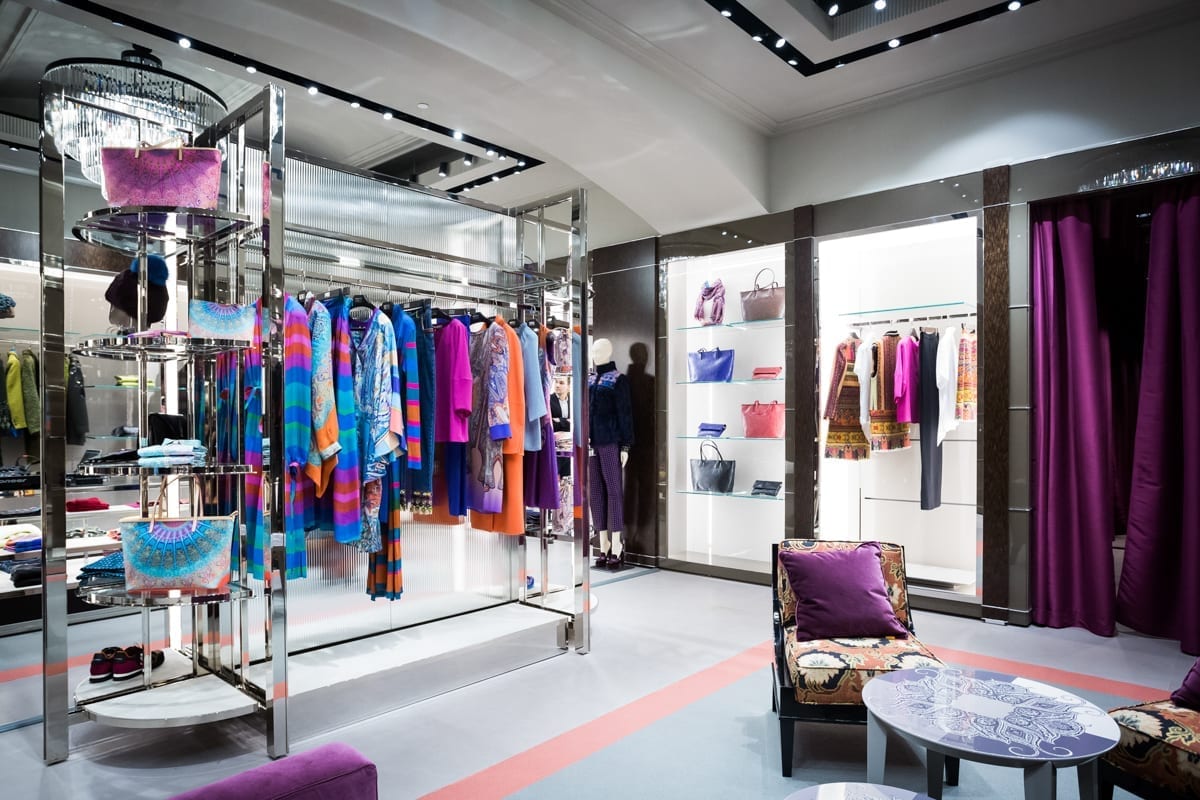
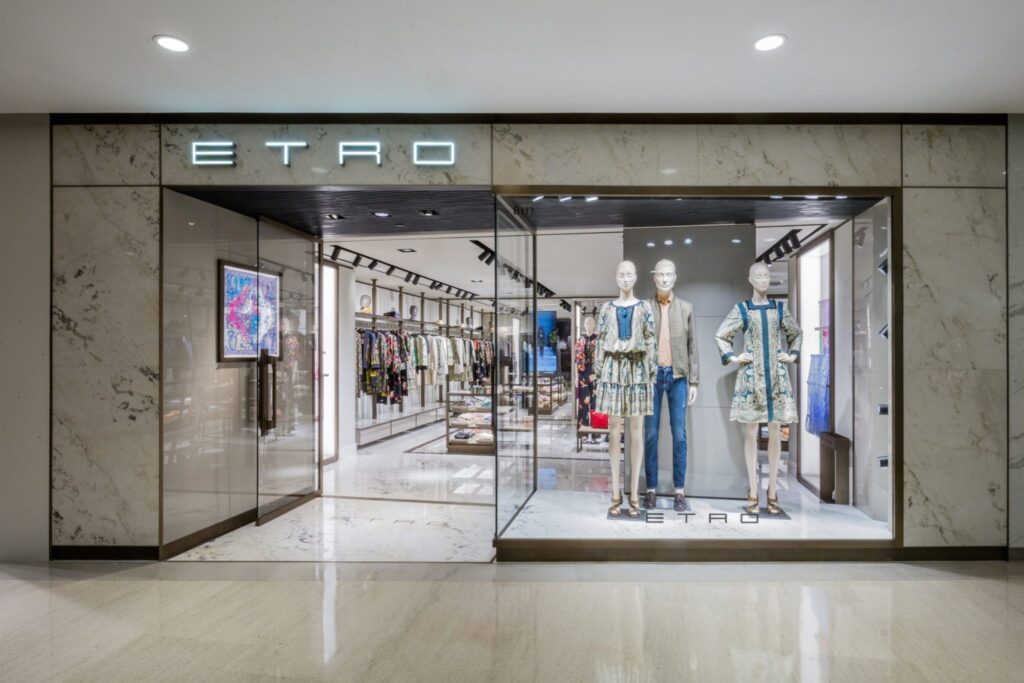
    Italian luxury house Etro China has opened a store in Shanghai’s Plaza 66 mall.

    Covering more than 150 sqm, the store features both men’s and women’s clothing and accessories collections as well as the brand’s latest retail design concept, reports CPP-Luxury.

    Founded in 1968, Etro is a family-owned fashion house with its headquarters in Milan. As well as China, it has outlets in Japan and South Korea.

    Etro Plaza 66


  • AmorePacific operating profit tops 1 trillion won in 2016

    AmorePacific operating profit tops 1 trillion won in 2016

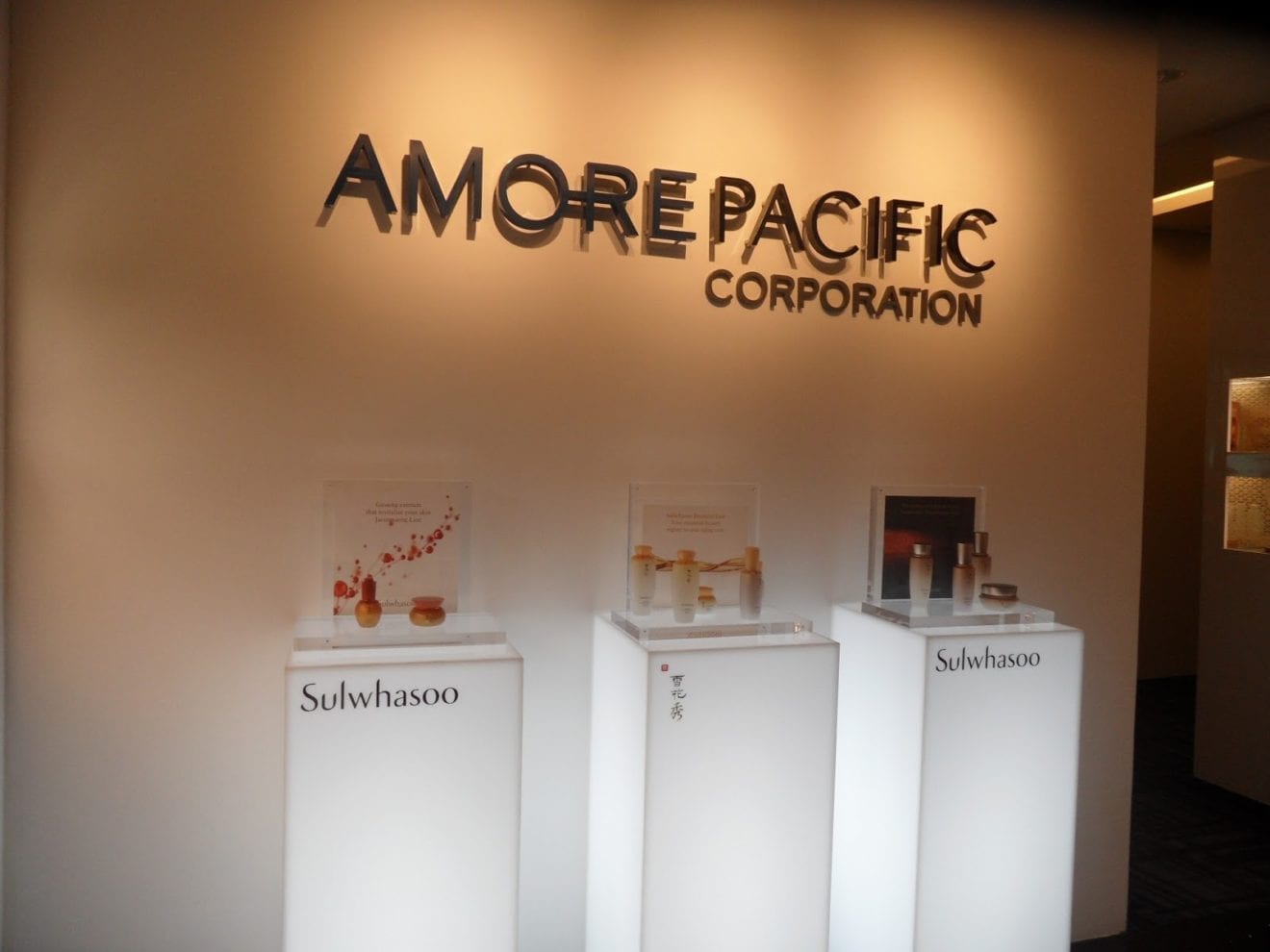
    AmorePacific Group’s yearly operating profit surpassed 1 trillion won in 2016 for the first time on diverse retail offerings in Korea and momentum in the global market.

    The company’s operating profit rose 18.5 percent year on year, reaching 1.08 trillion won ($940 million). Its revenue also jumped 18.3 percent compared to the previous year, hitting 1.7 trillion won.

    The group’s main affiliate of the same name that owns brands like Sulwhasoo and Laneige raked in 5.6 trillion won in 2016. The country’s No. 1 cosmetics company explained such growth was due to expanded channels of some of its high-end lines.

    Sulwhasoo, the company’s luxury line that is popular among older women for its anti-aging products, opened a flagship store in affluent Cheongdam-dong last year. The company said the store played a pivotal role in building up the brand’s luxury image to Asian consumers.

    The company’s global business also grew thanks to its so-called five champion brands: Sulwhasoo, Laneige, Mamonde, Innisfree and Etude House. Their sales in Asian countries soared 38 percent year-on-year to generate 1.6 trillion won.

    Hera, another high-end brand under AmorePacific, entered the Chinese market last year for the first time with its fortified makeup line.

    Sulwhasoo expanded its retail offerings in China by opening storefront and shops inside department stores.

    AmorePacific’s sales performance in North America region also saw a boost. It grew 10 percent in 2016 compared to the previous year as the company opened Sulwhasoo and Laneige shops in Canada.

    Its European sales saw a 4 percent year-on-year growth.

    Sales of the group’s other affiliated brands that are not under AmorePacific, such as Innisfree and Etude House, also surged.

    Innisfree, a nature-friendly brand that is in the lower price range, had a 30 percent year-on-year soar in revenue of 767.9 billion won. Its operating profit was 196.5 billion won, a 56 percent growth compared to the previous year. Innisfree focused on adding a cultural kick to its stores so consumers could better understand its brand. The company opened a shop with a cafe inside and a shop with a virtual-reality zone where consumers could experience Jeju Island with model Lee Min-ho.

    Etude House’s operating profit skyrocketed 1,153 percent year-on-year in 2016 to 29.5 billion won.

    Meanwhile, the group’s household product business performed poorly last year due to the massive recall of its toxic toothpaste line in September.

    The recall cost the company an additional 10 billion won in the fourth quarter, following 35 billion won in the third quarter. The group’s operating profit in the fourth quarter tumbled 16.5 percent to 134.4 trillion won.

    “In addition to the recall cost, the depressed domestic economy took toll on the company’s Q4 performance in Korea,” said a spokesperson.

  • Korean cosmetics drop in price, shipment volume in China

    Korean cosmetics drop in price, shipment volume in China

    The price of imported Korean cosmetics in China dropped by some 40 percent last year, Chinese customs data showed Thursday, for reasons industry watchers see as driven both politically and by the market.

    Records from the Tianjin Entry-Exit Inspection and Quarantine Bureau indicated an average 40 percent drop in the price of cosmetics shipped in from South Korea. The volume of the imported shipments totaled 2,200 tons last year, down 46 percent from the year before.

    The numbers translate to an average $11 per kilogram of imports, down from the previous $18.The monetary value of the imports reached $23 million, down 69 percent. The import volume, which had nearly doubled in 2015, fell back to the level of 2013, data indicated.

    The two countries’ relations, persistently challenged by the differences in the way their governments deal with North Korea, have recently roiled over Seoul’s decision to host an advanced US missile defense system, known as THAAD, which Beijing argues is also aimed at China. Beijing has retaliated by imposing bans on Korean culture content and a number of import items, and restricting travel to South Korea.

    In November last year, Chinese authorities prohibited imports of 19 South Korean cosmetics products, turning back 11 tons of them.

    Industry officials say that the South Korea-China free trade agreement that took effect in December 2015 and China’s lowering of the consumption tax on cosmetics also pushed down the prices, with competition with global brands stiffening for South Korean companies.

    Market watchers are predicting more price markdowns this year, as some of the Korean exporting companies already have made downward adjustments.

    Amorepacific, South Korea’s biggest cosmetics firm, lowered the price on 327 products by between 3 and 30 percent in January.

    “The cosmetics prices are becoming more transparent as online and direct shopping grow at a fast speed,” an industry official said. “It’s inevitable for foreign cosmetics companies to change their retail prices in China.”

  • Fast fashion wears green

    Fast fashion wears green

    Few shoppers at Swedish fast-fashion chain H&M notice the collection bin next to the cash counter, an inconspicuous receptacle for old and unwanted clothing. But this is slowly changing.

    The retailer, with 12 bins spread across its 10 outlets in Singapore, collected 64 tonnes of unwanted garments last year – about three- fifths the weight of a blue whale. This is almost triple the amount collected in 2015 (22.71 tonnes) and more than five times that collected in 2014 (12.09 tonnes).

    This year, H&M Singapore hopes to bag a record 88 tonnes, adding to the more than 40,000 tonnes of unwanted clothing it has amassed globally so far.

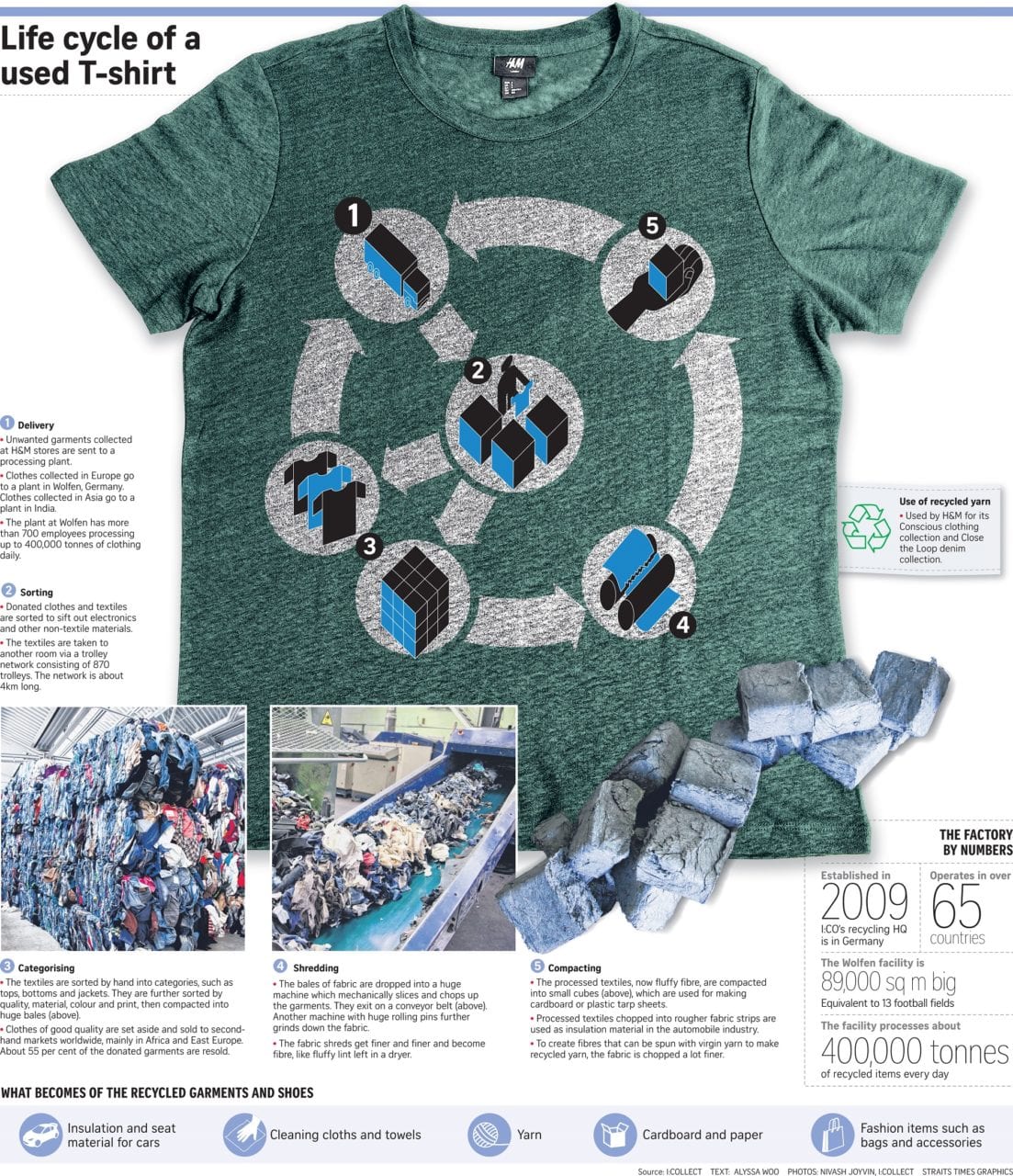
    Everything collected is sold to the chain’s recycling partner, I:Collect (I:CO), for a fee, which is donated to H&M Foundation, a non-profit global organisation .

    At I:CO’s processing plants in Germany, the United States and India, the clothing is sorted. About 55 per cent of it is resold in second- hand markets worldwide. The remainder is processed – chopped up into fabric shreds which are used as insulation material; or ground into finer fibres and made into cardboard and plastic tarp sheets; or spun with virgin cotton to create recycled yarn.

    It is this yarn that H&M uses for its two eco-friendly clothing lines Close the Loop and Conscious, comprising products made of up to 20 per cent recycled materials.

    The trend of more people donating their used clothes and more retailers accepting them seems to be growing.

    American fashion brand Levi’s launched its recycling drive, where shoppers can drop off their unwanted garments and shoes, in 2015 nationwide in the US after a successful pilot programme in 2014.

    Shoppers care more than just about how they look. They want to be part of a larger movement and they care about the social responsibility behind the brands they buy.

    LECTURER SARAH LIM, who says the time is ripe for fashion retailers to position themselves as environmentally responsible and not just profit-driven

    The North Face, which started collecting unwanted garments and footwear in 2013 in North America, expanded its collection drive to Germany and Canada last year. So far, it has collected 19.3 tonnes of unwanted clothing and footwear in the US alone.

    Fashion retail chain Forever 21 started its recycling efforts in San Francisco, California, in 2014.

    I:CO works with about 60 retail partners in 65 countries, including Levi’s, The North Face and Forever 21. H&M is its biggest partner.

    But recycling is more than just about reducing the amount of clothes headed for the dumpster.

    Mr Olle Blidholm, H&M’s environmental sustainability manager, says that, from a business perspective, it makes sense to take care of social and environmental issues.

    “To do good business long term, you need to take into account social and environmental responsibility in a more active way. You have to plan your business in line with what the planet can cope with,” he says.

    This comes as the global fashion industry cottons on to the environmental impact that the apparel industry has on the planet.

    Cotton production is a huge water guzzler. According to non-governmental organisation World Wide Fund, 20,000 litres of water are needed to produce just 1kg of cotton, equivalent to a T-shirt and a pair of jeans.

    A report in October, by management consulting firm McKinsey & Company, estimated that if 80 per cent of the population of emerging economies reached the same clothing-consumption level as that of the Western world by 2025, carbon dioxide emissions would increase by 77 per cent to 3,030 million metric tons, up from 1,714 million metric tons in 2015.

    This increases the amount of greenhouse gases released into the atmosphere, one of the key drivers of global warming.

    Singapore Polytechnic senior retail lecturer Sarah Lim says the time is ripe for fashion retailers to position themselves as environmentally responsible and not just profit- driven.

    “Shoppers care more than just about how they look. They want to be part of a larger movement and they care about the social responsibility behind the brands they buy,” she says, adding that by collecting old clothes, H&M lets customers participate in the greening process.

    She adds: “This also helps the brand establish a green reputation, which helps to build loyalty among the millennials of tomorrow.”

    According to a 2015 global report by research firm Nielsen, 72 per cent of Generation Z consumers – those aged between 15 and 20 – were willing to pay more for products and services from companies they viewed as committed to making a positive social and environmental impact.

    This is up from 55 per cent the year before.

    Over at H&M, the Conscious collection, launched in 2012, has been “well-received” here, according to the brand’s spokesman, who declined to disclose sales figures. The Close the Loop collection is not available in Singapore.

    Mr Fredrik Famm, country manager for H&M South-east Asia, puts the popularity of its eco-lines down to reasonable pricing and the fact that the products are also fashionable.

    Customers, he says, are also beginning to be more conscious and perceptive of the brands they consume.

    “There’s an increase in awareness about sustainability and being socially responsible,” he says, adding that the conveniently placed garment-recycling bins at stores make it easy for people to go green.

    For shopper Fabian Tan, H&M has given him an easy way to recycle his unwanted clothes.

    The market researcher has been donating his unwanted garments to the retail chain since it started its collection drive in 2013.

    The 29-year-old says he has donated about 150 items so far.

    “A lot of people have the intention to do good and recycle, but when it becomes troublesome to do so, they don’t do it in the end.

    “Retailers such as H&M make it easy for people to do the right thing.”
  • H&M Asia looks to eCommerce

    H&M Asia looks to eCommerce

    H&M will open online stores in five Asian markets this year.

    The H&M Asia online stores will open in Hong Kong, Singapore, Macau, Taiwan and Malaysia. A sixth will open in Turkey.

    And, as previously reported , H&M will open its first store in Vietnam later this year at a site yet to be revealed. Some 430 new stores will open worldwide, including the first in Kazakhstan, Colombia, Iceland and Georgia.

    CEO Karl-Johan Persson confirmed the openings while announcing a 7 per cent increase in global sales for its financial year to November 30.

    Last year, H&M opened online stores in 11 markets, along with a new 427 new brick-and-mortar stores worldwide.

    “This means that H&M is now present in 64 markets of which 35 offer eCommerce. We welcomed more than 13,000 new colleagues which means there are now more than 161,000 colleagues in the group,” he said.

    And this year, the company – which also operates the Cos, Monki, Weekday and Cheap Monday retail brands – will also reveal one or two more brands.

    “In 2017 we are looking forward to delivering strong collections and customer experiences and launching one or two new brands. This, combined with the ongoing improvements and our investments in the omnichannel offering, the supply chain and advanced analytics make us positive towards our opportunities for reaching our newly rephrased growth target, both in 2017 and going forward,” Persson said.

    Most new stores will carry the H&M banner, but 70 to 80 will be for other brands, including its H&M Home offer.

    Global sales reached SEK 222,865 million (US$25.52 billion) in the financial year, however profits were eroded by a higher number of price markdowns and the higher US dollar which impacted on stock purchasing costs, falling from SEK 20,898 million ($2.39 billion) to 18,636 million ($2.13 billion).

  • Korean duty free shops rely on online Chinese celebs

    Korean duty free shops rely on online Chinese celebs

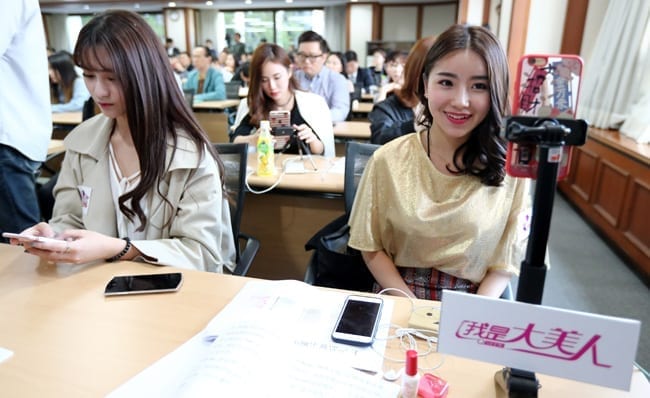
    Duty free shops in Korea have begun to invite internet celebrities from China, better known as “Wang Hong” there, to attract Chinese tourists during the upcoming holiday season.

    The shops are seeking to break through Beijing’s economic retaliation against Seoul’s decision to deploy a U.S. Terminal High Altitude Area Defense (THAAD) battery here.

    Last Wednesday, HDC Shilla invited four Chinese internet celebrities to HDC I’Park Mall and Shilla I’PARK Duty Free in Yongsan, central Seoul.

    The online stars, who have millions of followers on social media such as Weibo, broadcast their shopping for two hours to China through their smartphones.

    At toy store Toys & Hobby in I’Park Mall, the four introduced “kidult culture” in Korea, which has yet to be seen in China. They introduced Korea’s fashion and beauty brands as well at The Handsome and 3 Concept Eyes outlets in Shilla I’PARK Duty Free.

    “The promotional video broadcast by the four celebrities will likely get more than 5 million views within a week,” an HDC Shilla official said.

    The Shilla Duty Free also invited 15 Chinese internet celebrities to Korea to offer them a trip for five days and four nights from this Monday to Friday. The affiliate of Hotel Shilla plans to give them various experiences beyond shopping.

    Image result for shilla duty free korea

    Traveling from Seoul to Jeju, the 15 will visit hidden local restaurants and a tangerine farm on the island. They will also enjoy make-up sessions, a tea ceremony and pop arts, according to The Shilla Duty Free.

    An official said, “We expect more Chinese tourists, who are interested in beauty, food and experiences, to come to Korea.”

    The duty free shops want the celebrities to attract more Chinese tourists to Korea during the Lunar New Year festival from Jan. 27 to Feb. 2, which is regarded as one of the most lucrative times of the year in the industry.

    Last year, Lotte Duty Free and The Shilla Duty Free posted 10 per cent more in sales during the festival.

    However, duty free shops this year are facing a gloomy outlook due to Beijing’s order to regulate group tours to Korea.

    According to the Korea Duty Free Association, the number of foreign shoppers last November declined 17.8 per cent from a year earlier. The total sales of duty free shops also fell 8 per cent year-on-year, as sales to foreigners decreased 9.6 per cent.

    Observers said the recent invitations of Chinese celebrities are targeting non-group tourists, who visit Korea individually without travel agencies and who can replace the group tours.

    “The non-group tourists are not regulated by the Chinese authorities,” another HDC Shilla official said. “So, we want those tourists to visit Korea more, after watching promotional videos filmed by Chinese celebrities.”

    The Shilla Duty Free also said the itinerary of celebrities was arranged to help non-group tourists who are considering visiting Korea.

  • French fashion labels to establish joint online presence in China

    French fashion labels to establish joint online presence in China

    Twenty French fashion labels are taking their business to China, through the ‘French Boutique’ launched by the French Federation of women’s ready-to-wear apparel (FFPAPF) on Alibaba’s Tmall Global website. Participating labels include Teddy Smith, IKKS, Ateliers de la Maille, Ollygan and Bensimon.

    Labels Prêt pour Partir, Nathalie Chaize, Groupe Mado, Mât de Misaine, Urbahia, Daniel Faret, Zyga Lin’n Laundry, Les Petites Bombes, Lab Dip, Europann and Rica Lewis will also take part in the initiative. They will all be featured on a website that claims it draws 439 million active Chinese customers per year. The market is expected to grow even further, given that only 50% of Chinese consumers currently have internet access.

    The online ’boutique’ will be launched next March, with the support of DEFI. The brands featured on ‘French Boutique’ will be assisted locally by the FFPAPF’s Chinese office, established at the end of 2015 in Hangzhou, also home to the Alibaba Group‘s headquarters.

    FFPAPF President Pierre-François Le Louët underlined how the objective is to introduce a “French multi-brand” presence, presenting Chinese consumers with “the best that French ready-to-wear [labels] can offer.” “The FFPAPF has carried out research work to simplify logistics, and handling social media presence,” said Marion Bayle, Asia business representative for IKKS, which established a foothold in China five years ago through a local partner. The French label is planning to expand internationally, and the initiative is expected to allow IKKS to learn more about its Chinese customers through the information on consumer preferences yielded by the online presence.

  • Brandline – Bring Your Brands to Life

    Brandline – Bring Your Brands to Life

    Consumers are exposed to more than 3000 messages a day. The real question now is, what will make your brand stands out? As consumers only spend a few seconds in front of retailer shelf, are the in-store messages targeted properly and relevant? Hence, design solutions that boost the traffic and sales potential in retail environments are sorely needed.

    As the expert in merchandising and in-store communication, HL Display Thailand has the most innovative design and ideal solutions to create a more desirable shopping experience and brand awareness that includes

    • Creating a place where the consumers want to shop
    • Developing impulse buying and customer loyalty
    • Making differentiation from competition
    • Increasing basket size and footfall

    Communicate the brand values and product benefits with Brandline™, the collection of shelf liners, highlighters and accessories, specifically designed to create highly effective on-shelf communication and segmentation. Extending the message areas with additional accessories such as lighting is also reinforcing brand awareness and instantly adding positive disruption visually.

    https://www.youtube.com/watch?v=DUECYwjKfjA

    Health and Beauty category for instance, is a category characterized by many new products introductions coupled to variety of pack sizes and shapes. State of the art message conveyer, cosmetic front rails, sample tester holder, lighting accessories are becoming a must have in store environment, and this is when Brandline™ becomes even more important than ever.

    For further information, Bangkok based HL Display Thailand can be directly contacted during office hour at +66 2276 2445 with the attention to Mr. Thanasun Sakchuenyod, or e-mail to [email protected] or [email protected]. Visit the company website at www.hl-display.com/asia

  • Cosmetics sales surge as Korean duty free market rockets

    Cosmetics sales surge as Korean duty free market rockets

    The Korean duty free market surged by 33.5% year-on-year in 2016 to KW12.2 trillion (US$10.5 billion), according to new figures from Korea Customs Service.

    The results reflect a strong bounce-back from the MERS-ravaged 2015, allied to booming Chinese visitor numbers last year.

    Chinese arrivals for 2016 rose +34.8% to 8,067,722, according to Korea Tourism Organization figures published today, a 46.8% share of total visitors. Japanese arrivals also rose sharply, up +25% to 2,297,893, a 13.3% share of total arrivals. Korean departures rose +15.9% in the year to 22,383,190

    Duty free sales to foreigners (dominated by the Chinese followed by Japanese) rose +44.1% to KW8.8 trillion (US$7.5 billion)

    Cosmetics, driven by booming sales of skincare (particularly Korean brands), accounted for 51.2% of turnover. Here are the leading categories:

    Korea_Table_600

    Lotte Duty Free stretched its lead as the dominant force, racking up a +26% increase in sales to KW5.973 trillion (US$5.1 billion), a stunning performance given that the retailer had to close down its Lotte World Tower Duty Free store in late June.

    Lotte’s nearest rival, The Shilla Duty Free, posted a +31.5% increase year-on-year to KW3.405 trillion (US$2.9 billion). Its Seoul flagship generated revenues of KW1.739 trillion (US$1.49 billion) while its Incheon International Airport stores posted sales of KW0.697 trillion (US$596.7 million)

    Fast-rising Shinsegae Duty Free posted sales of KW0.9608 trillion (US$822.4 million). Its new store in Myeong-dong, Seoul, which only opened on 1 May, generated sales of KW0.349 trillion (US$298.7 million). Its downtown Busan store (relocated in March to Centum City) posted revenues of KW0.336 trillion (US$287.8 million). Dongwha Duty Free in Seoul posted sales of KW0.3547 trillion (US$306 million)

    Of the recent sector newcomers HDC Shilla generated sales of KW0.3971 trillion (US$340 million); Galleria 63 Duty Free reached KW0.224 trillion (US$191.7 million), Doota Duty Dree KW0.111 trillion (US$95 million) and SM (Hana Tour) KW0.056 trillion (US$47.9 million).

  • The Five Best Shops For Men In Hong Kong

    The Five Best Shops For Men In Hong Kong

    Hong Kong is known to be a melting pot of activities, yet there’s one pastime in particular that locals and visitors alike always gravitate toward: shopping. The big malls like Pacific Place and Times Square definitely give shopaholics a run for their money, yet in such a dense megalopolis with so many shops to choose from, sometimes the hidden gems are exactly that – hidden. To help you cut through the noise and find your go-to place, here are Forbes’ choices for the five best shops for men in Hong Kong.

    The Monocle Shop

    Image result for the monocle hong kong

    Through collaboration with other niche brands, Monocle offers one-of-a-kind travel items, apparel and other assorted items in their small shop on Wan Chai’s hip St. Francis Yard. Given that Monocle is a magazine and travel guide first, the shop also sells souvenirs and city-specific memorabilia like their iconic city guides, available for New York City, Hong Kong, Copenhagen and many more. If you’re extra curious, poke your head into the back part of the shop, their Hong Kong editorial team’s office space.

    1-4 St. Francis Yard, Wan Chai, Hong Kong, +852 2804 2323, monocle.com

    The Armoury

    The Armoury - Landmark

    If you’re looking for classic, ready-to-wear menswear, The Armoury is the place to go. The owners’ tastefully-curated collection hails from all around the world, and that global appeal has played a major role in the impeccable reputation that The Armoury holds today. Parisian Gentleman sums up their offering perfectly: “Mark Cho, Alan See and Jake Grantham continue to offer a tastefully curated selection from some of the best brands out there, which include the likes of Ring Jacket, Carmina, St Crispin’s, Orazio Luciano, Drake’s and of course, the Florentine Master Tailor Antonio Liverano featured in the Gianluca Migliarotti movie, I Colori di Antonio.”

    Pedder Building Unit 307 (3/F), 12 Pedder Street, Central, +852 2804 6991, www.thearmoury.com

    Landmark Central B47, 15 Queen’s Road Central, Central, +852 2810 4990, www.thearmoury.com

    Delstore

    Image result for delstore hong kong hong kong

    Considered underrated by many, Delstore stocks difficult-to-find pieces from timeless brands, and is definitely a must-visit for any guy passing through Hong Kong. South China Morning Post says: “Owned by Hong Kong native Derrick Leung, the two-storey boutique offers stylish yet inconspicuous men’s outfits and accessories that have way more staying power than those slavishly following seasonal trends. A true champion of locally curated style, Delstore is a hidden treasure for Hong Kong’s male style mavens.”

    3 Schooner St, Wan Chai, +852 2528 1770, delstore.co

    HOLA Classic

    Image result for hola classic hong kong

    For a high-quality yet budget-friendly tailoring, HOLA Classic is the place to go. Thanks to its location in Causeway Bay’s underbelly, So Kon Po, HOLA can offer its modern vintage suits at significantly lower prices than other tailors in Hong Kong (theirs start at $1,980 HKD, which is $255 USD). HOLA also offers quite a selection of eccentric ties and “happy” socks, plus their own line of shoes.

    11A Caroline Hill Road, Causeway Bay, +852 2870 0245, facebook.com/holaclassic.

    kapok

    Certainly one of the quirkiest lifestyle shops in Hong Kong, kapok specializes in creative and authentic pieces from places like Denmark and France, widely known for the enduring quality of their craftsmanship. With one store next to the Monocle shop on St. Francis Yard and the other around the corner on the tucked-away Sun Street, expect to find a wide array of sweaters, messenger bags, tough-to-find magazines, notebooks, and a lot more. Expect to while away thirty or sixty minutes just browsing, chatting with the knowledgeable staff or jamming to the ever-changing Soundcloud mixes that fill the place with an upbeat, enduring energy.

    3 Sun Street, Wan Chai, +852 2520 0114, ka-pok.com

    5 St Francis Yard, Wan Chai, +852 2520 0114, ka-pok.com

    Of course, if you can’t find what you need at these shops, you can always look online to sites like AliExpress, which stocks a seemingly-endless variety of clothing, shoes and accessories. Amazon also ships to Hong Kong, though for some items you may need to use a package forwarder to get them all the way here.

    As Andrew Keith says, “Hong Kong is a city filled with amazing contradictions.” Fortunately, its size and its offering of great shops for men is not one of them. Wherever you choose to go, whether it’s a megamall, a boutique or just online, I hope these five shops open up your eyes to some of Hong Kong’s more unique options.

  • Right time to outshine China in shoes and clothes

    Right time to outshine China in shoes and clothes

    India is witnessing a ‘historic opportunity’ to take over China in the apparel, leather and footwear sectors but it is being outrun by its neighbouring East Asian economies, the Survey has said.

    The survey touched upon India’s declining share in global cattle population and exports of cattle hides. The Survey said that limited availability of cattle for slaughter in India is leading to a loss of potential comparative advantage due to underutilisation of the abundantly available natural resource“ for the leather sector.

    The Survey added that in spite of significantly lower wages than China, countries such as Bangladesh, Vietnam and Myanmar have outpaced India in these sectors. “The window of opportunity is narrowing and India needs to act fast if it is to regain competitiveness and market share in these sectors,” the Survey said.

    The monthly wages for semi-skilled workers in India ranges between $81 and $119, while in China its $250-300. India’s wage costs are even less compared with Vietnam and Indonesia but challenges of logistics, labour regulations, tax and tariff policy have put India at a disadvantage in a global scenario.

    These difficulties have led to several Indian firms choosing to relocate to Bangladesh, Vietnam, Myanmar and Ethiopia. All of these factors have brought India’s share in global exports of apparel, footwear and leather to less than 5%, falling behind countries such as Bangladesh and Vietnam.

    Being labour intensive, apparel and leather sectors have been provided subsidy by government for increasing employment but a lot more needs to be done if India wants to create more jobs and opportunities for exports and growth.

    The Survey said the government needs to take up a number of labour reforms to overcome the obstacles of employment generation and also bring in the Goods and Services Tax (GST) for tax rationalisation.

    Noting that all economic growth take-off in East Asia has had a direct correlation with the clothing and footwear exports, the Survey said India has underperformed in these sectors.

    At a GDP growth rate of 7-10% in East Asian economies, the average annual growth of apparel exports was between 20% and 50%, while it was more than 25% in case of leather. For India, this figure has been 12.7% and 5.4% respectively, showing a huge untapped potential.

  • Luxottica and DFS host exclusive launch of new Prada Cinéma sunglasses range

    Luxottica and DFS host exclusive launch of new Prada Cinéma sunglasses range

    Luxottica Global Channels, part of Luxottica Group, and DFS Group, the world’s leading luxury travel retailer, have joined forces in a worldwide exclusive launch of the new Prada Cinéma sunglasses collection.

    The limited-edition range has been available only at selected DFS airport and T Galleria by DFS stores since November 2016, an exclusivity that runs until February. It is supported by a 360-degree omni-channel marketing campaign.

    The campaign utilises both offline and online platforms, including social media, to engage with customers before, as and after they shop, with further digital amplification provided on DFS’s website and e-mail newsletter.

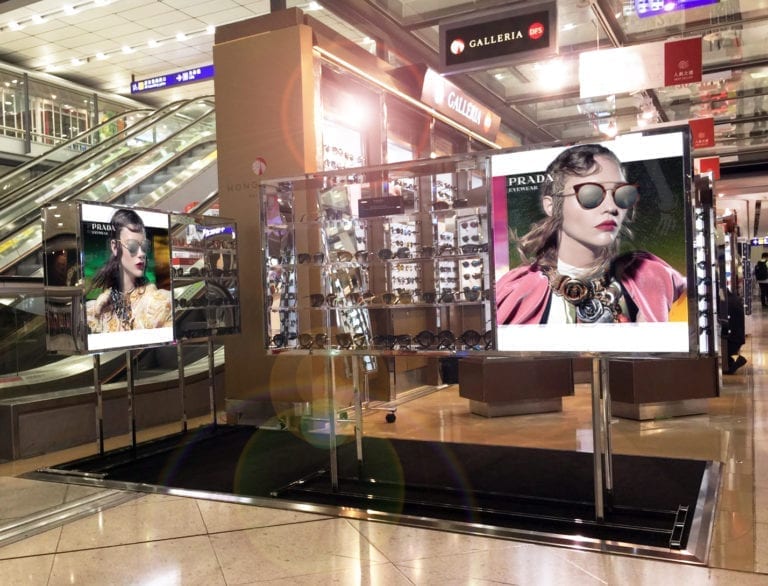
    The online reach is designed to drive traffic in-store, where shoppers are presented with a number of high-profile activations from Prada. Key locations include DFS stores at Hong Kong International Airport and T Gallerias in downtown Hong Kong.

    To provide additional shopper engagement, the campaign also offers Prada-branded boxes of chocolate from Marchesi, one of Milan’s most famous confectionery shops, as a gift-with-purchase.

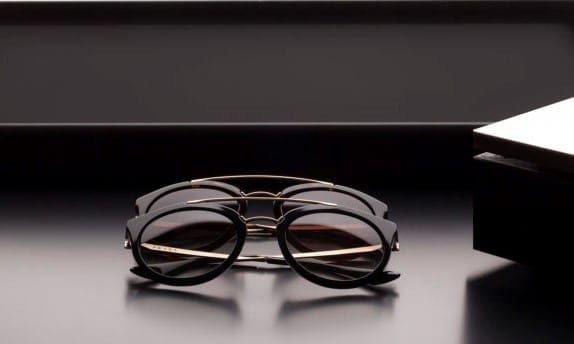
    Eyeing expansion: Luxottica has powerful ambitions to expand the eyewear category to 4% of global travel retail sales, even working with rival suppliers in a collaborative programme called VISION 2020 (Pictured: The new Prada Cinéma sunglasses)

    Luxottica Head of Global Channels Francis Gros commented: “Digital communication in travel retail is a hot topic, and offers undeniable and incremental opportunities to build brands and enhance retail performance.

    “The Prada Cinéma campaign showcases how a special new product can be strategically amplified to connect with travelling consumers, beyond the physical stores, on targeted platforms. DFS continues to deliver innovative ways to engage with customers and have been very supportive of the Sunglasses VISION 2020 [a pioneering collaborative category growth plan from six leading sunglasses suppliers -Ed]. We seek to make travel retail the expert channel for sunglasses, growing the category to be worth over 4% of total travel retail sales.”

    DFS Group Director Merchandising Sunglasses, Fashion Watches and Jewellery Jason Blejwas commented: “We are thrilled to extend our long-standing partnership with Luxottica to bring the Prada Cinéma collection first to DFS stores, and to celebrate this exciting moment with our customers both in-store and online. We’re confident that both the product and experience will make for a memorable moment for travellers visiting DFS.”