Category: Fashion

Retail News Asia is committed to providing both local and global retailers with the latest Fashion news throughout the Asian market. This on a daily base.

  • China’s 361 Degrees Closes 464 Stores

    China’s 361 Degrees Closes 464 Stores

    Chinese sportswear brand 361 Degrees announced its operational overview for the fourth quarter of 2016, and stated that the company’s main brand achieved an individual store sales increase of 7.5%; and its individual store sales of children’s clothing increased by 7.7% during the reporting period.

    In the fourth quarter of 2016, 361 Degrees continued to cooperate with 31 exclusive distributors under a franchising business mode. During the reporting quarter, the group opened 184 new stores and closed 464 stores, and the total number of its stores reached 6,357. 361 Degrees said that it is an ideal scale to maintain its store number at about 6,500; meanwhile, they will continue to improve store efficiency.

    Based on statistics from 3,543 sample stores, which kept uninterrupted operation for over 24 months, the company’s individual store sales of its main brand saw an increase of 7.5%; its average retail discount was 25%; and its channel inventory turnover ratio was 4.1 times.

    In addition, during the fourth quarter of 2016, the company’s independently operated children’s clothing business added 103 new stores and closed 334 stores, reaching total sales sites of 2,000. The individual store sales of children’s clothing saw an increase of 7.7% and the channel inventory turnover ratio was 4.1 times.

  • Jack Wills fails to maximise Christmas opportunity

    Jack Wills fails to maximise Christmas opportunity

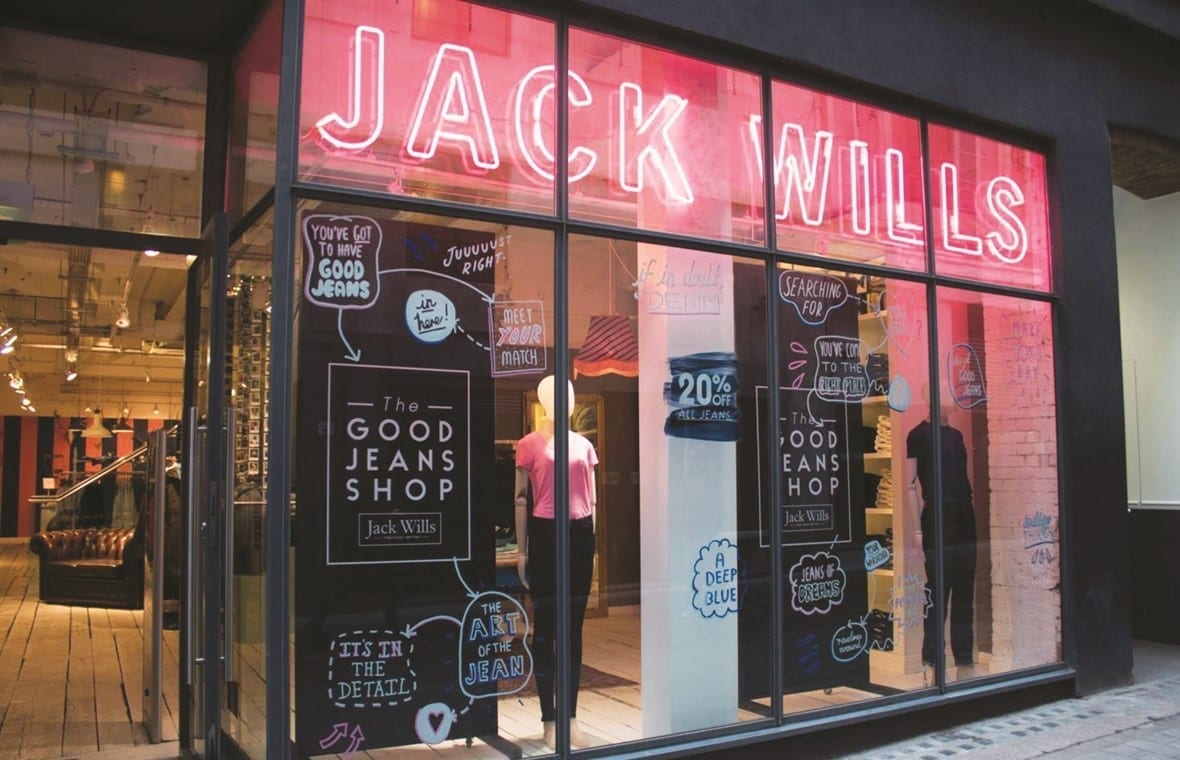
    Jack Wills, well known for its preppy style and predominant pink and navy colour palette, has reported an unexciting 1 per cent increase in like-for-like sales in December.

    However, back under the control of co-founder Peter Williams after a difficult few years, the chain’s profit margin increased by 6 per cent year-on-year after discounting was reduced.

    While other lifestyle brands such as Joules and Superdry have flourished over Christmas, Jack Wills has struggled to defend its place in the ever competitive market, indicating its appeal at home may be on the wane.

    Despite difficult trading conditions in the UK, the retailer’s international online sales doubled year-on-year, highlighting the brand’s potential in foreign markets, particularly in Asia. Jack Wills also saw mobile sales rise 60 per cent year-on-year, in line with other retailers’ growth for mobile, ensuring further investment to improve the mobile experience is a must to reduce pain points and drive conversion.

    Jack Wills’ bath and beauty category proved bountiful for the retailer, growing 44 per cent versus last year, and women’s loungewear and underwear also grew 20 per cent and 10 per cent respectively. The growth in these categories shows how the brand is a destination for premium gifting over the Christmas period, particularly for women. Jack Wills must now focus on further developing its menswear and grooming ranges in order to better capture the male gifting market.

    While the brand has recently launched its first activewear collection, capitalising on the athleisure trend, it is late to the party and Jack Wills must encourage existing, loyal customers to buy into its activewear offer for the first time. Jack Wills’ founder, Peter Williams, and private equity firm, BlueGem, will need to focus on driving destination appeal, especially as 2017 can be expected to be challenging with muted volume growth.

    -Charlotte Pearce

  • BCBG Maxazria plans restructure

    BCBG Maxazria plans restructure

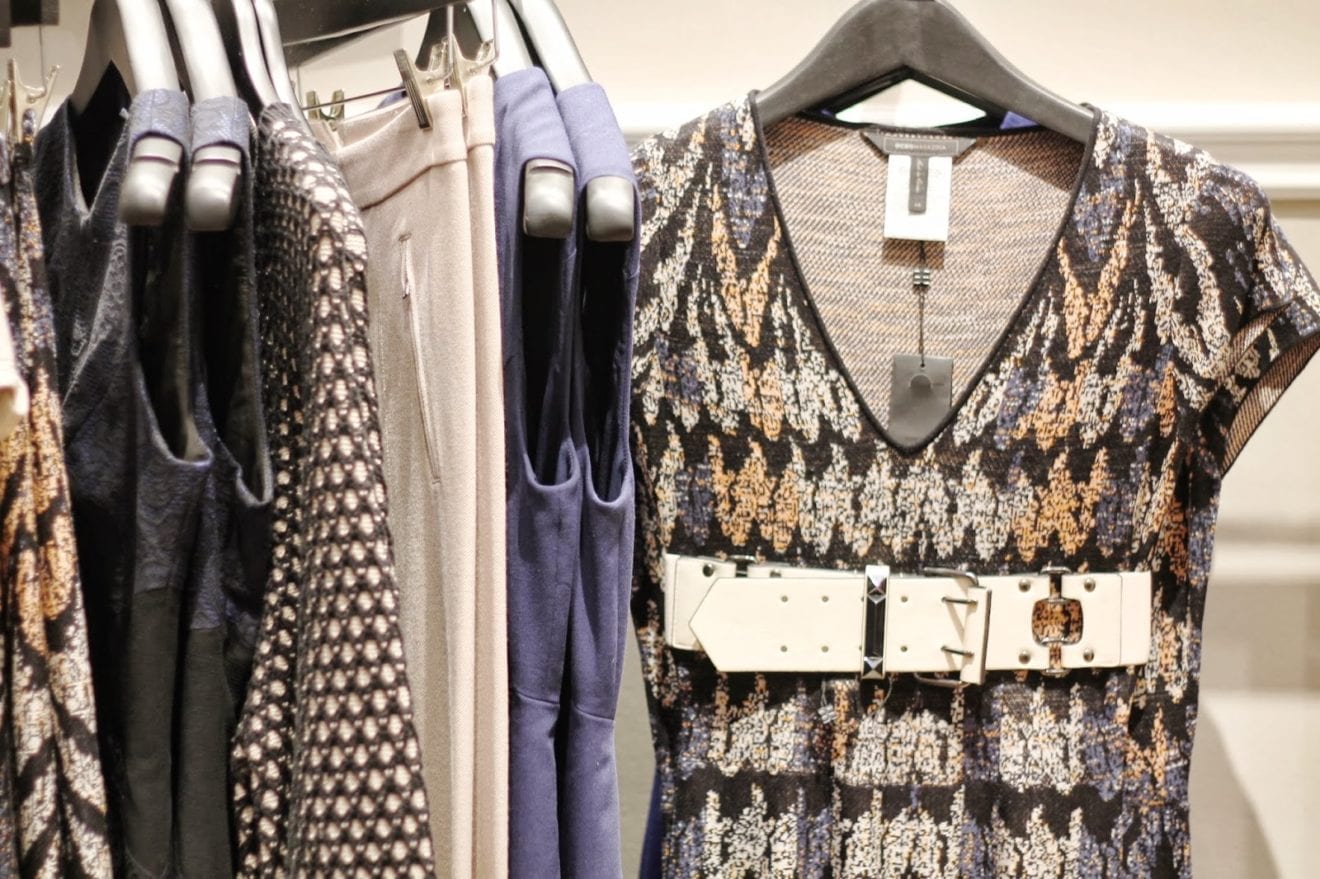
    Women’s fashion retailer BCBG Max Azria plans to close some of its stores to focus more on eCommerce, licensing and wholesaling.

    “BCBG has been negatively impacted by the growth in online sales and shifts in customer shopping patterns, and as a result has too large a physical retail footprint,” says PR company Sitrick & Co spokesman Seth Lubove.

    “To remain viable, the company must realign its business to effectively compete in today’s shopping environment.”

    BCBG hired AlixPartners consultancy, replacing Berkeley Research Group, to restructure its debt, reports Bloomberg.

    Many US retailers, especially department stores, struggled through the latest holiday season, including H&M and Target. Payless has announced it is restructuring to deal with its US$665 million debt, and department store Macy’s has cut more than 10,000 jobs as it closes branches and downsizes.

    BCBG has 570 global stores, with 175 in the US. It opened new stores in Munich and Paris last year, and plans to open a store in Quebec this year.

  • China’s beauty market has a new era

    China’s beauty market has a new era

    The total FMCG spending sees a slowdown in nearly everywhere across the globe in 2016 and significantly reached a 5-year low in China. However, China’s beauty market is booming and has been growing strongly and consistently on a double-digit rate for years, according to “Decoding beauty market for China” report released by Kantar Worldpanel.

    Premiumization, regime sophistication, omni-channels, mobile interaction and young consumers are the key growth drivers of Beauty market. Consumers are also buying across all price tiers, with premium items increasing the share of basket and contributing to 82% of total market growth.

    In the same way, in terms of regimen sophistication, the average number of cosmetic items purchased per buyer have increased continuously from 2012 to 2016. In that sense, facial masks have advanced from the 6th most important skin-caring regimen to the 4th in 4 years.

    Consumers are leading the changes in cosmetics channels in China. On average, Chinese consumers shop at 2.5 channels with 6.4 trips a year for cosmetics purchases, 23% of them are omni-channel users buying from at least 3 types of trade. Their average spending, RMB 1,314 a year and 15-29 year-old age group is key contributor, accounting for 58% of these omni shoppers.

    “These Omni shoppers are young and category heavy buyers. They choose different products in different channels as each channel has different expertise that meets different needs and purposes”, said Marcy Kou, CEO of Kantar Worldpanel Asia. ”For example, they shop online to try something new while going to cosmetics stores to try on makeups”. 

    Girls in their 20s play an important role for personal care sales, because in a 14.3% of total population, they contribute 38% of makeup sales value. They also have a clear profile showing that they use a variety of niche categories, like to try new products, are good at mix-and-match brands, purchase premium sectors, use omni-channel users and embrace e-commerce. 

    Finally, in spite of China’s beauty market experiencing a strong growth, it’s still far to reach Korea, an advanced market that serves as a good reference fort the beauty industry in the region. Now some of the trends in Korea are the situational care for micro moments, multi-function products are growing from 8% to 17% from 2011 to 2015, and formats and benefits keep diversifying. It is expected that the China beauty market picks up those trends as well.

    “Considering what is happening in China and in Korea, we believe that situational care leads the way to the future of beauty market, meaning that consumers will change their beauty routine according to the needs, events, mood and emotions at the moment”, said Marcy Kou, CEO of Kantar Worldpanel Asia. “Today, brands may still be able to get ahead by winning consumer’s loyalty, but in the future, only those who are able to breathe with consumers through highs and lows in life will win”.

  • Nike And Jordan Brand have opened a huge store in China

    Nike And Jordan Brand have opened a huge store in China

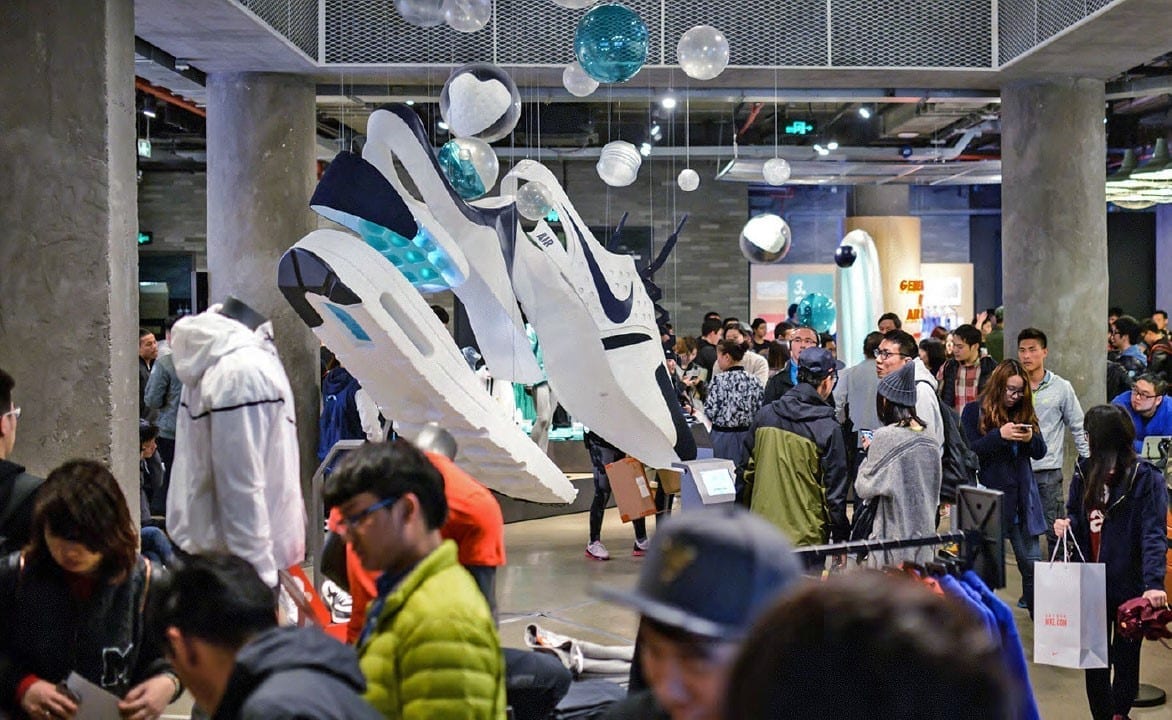
    Jordan Brand and Nike came together to open up a humongous store dedicated to basketball. China will now hold a 6,550-square-foot store located in Beijing’s EC Mall. The store will feature some of Nike basketball and Jordan brand’s latest basketball products with opportunities for personalized store experiences with NIKEiD. The space will also feature trailing zones for custom products which is called Nike+Basketball trial zone.

    “Our new Nike and Jordan Basketball Experience Store demonstrates Nike’s commitment to the sport and culture of basketball in China, and how we’re continuing to lead the future of sport retail,” said Dennis van Oossanen, Nike’s VP of direct to consumer efforts in Greater China.

    The store will also include huge appearances from athletes, in-store events and much more.  Check out the gallery below of the 6,550-square-foot store.


  • Ann Summers triumphs over turbulence

    Ann Summers triumphs over turbulence

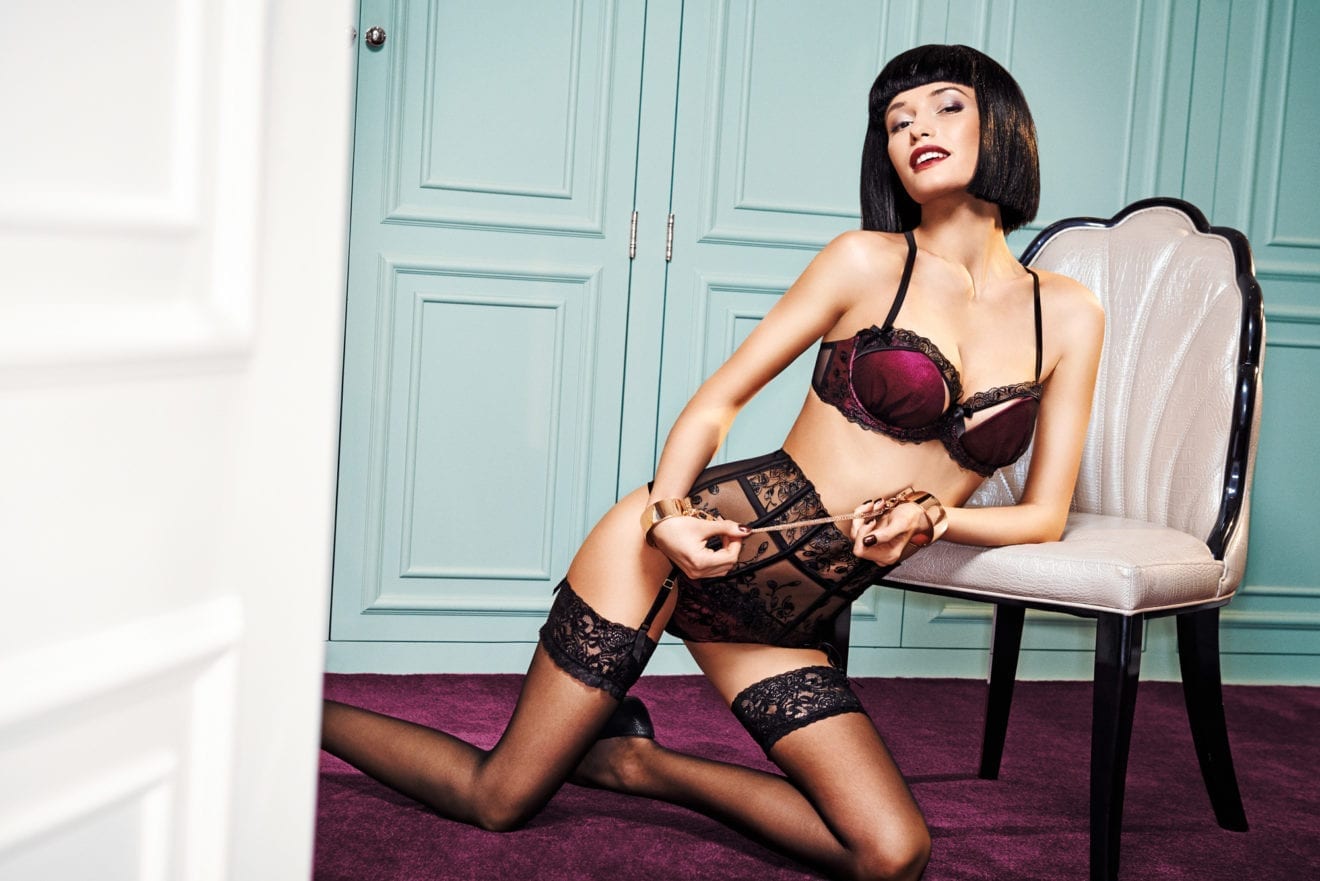
    After a turbulent retail history Ann Summers had a stellar performance over the Christmas trading period.

    The UK lingerie and adult products retailer’s Christmas sales were enhanced by its collaboration with male cast members of The Only Way is Essex, which encouraged men to buy underwear for their partners as gifts. The campaign gained significant press coverage and led to last-minute gift purchases.

    Ann Summers should build on its existing wholesale partnerships with Asos and House of Fraser, which grew 72 per cent over the period, to help guarantee sales with minimal risk. Selling through other established retailers will also help Ann Summers compete with growing lingerie retailers such as Boux Avenue which also reported positive Christmas results, with like-for-likes rising 16.6 per cent, and have announced further store openings in the pipeline.

    Ann Summers

    The retailer’s online sales over the Christmas period were impressive at 54 per cent. However, Ann Summers faces increasing competition from online pureplays, such as LoveHoney, which are preferred by many consumers as online is a more discreet way to shop. Ann Summers can better compete with these retailers by lowering its £50 spend for free delivery online and allowing customers to select a discreet packaging option on its website.

    Ann Summers is expected to see a surge in sales in February as it benefits from Valentine’s Day and the release of the erotic film, 50 Shades Darker. However maintaining sales momentum through spring and summer without the boost from gifting occasions will remain a struggle for the retailer.

  • Urban Revivo opens first international store

    Urban Revivo opens first international store

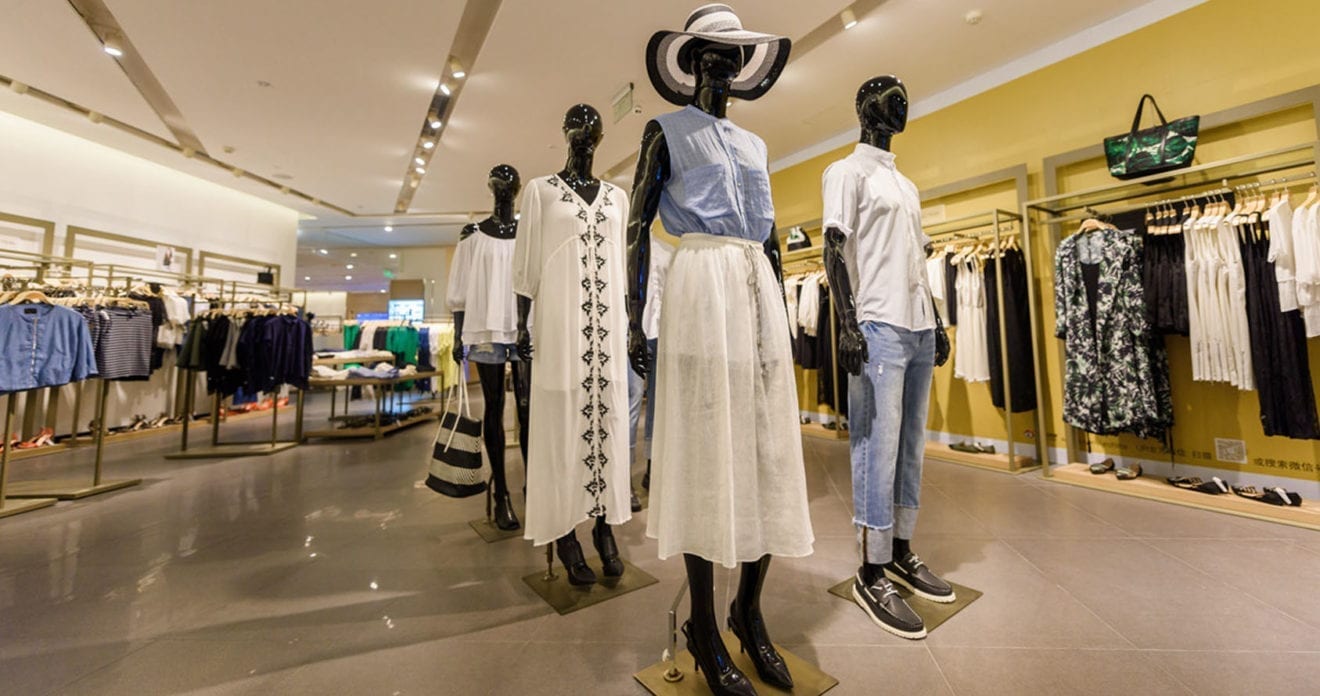
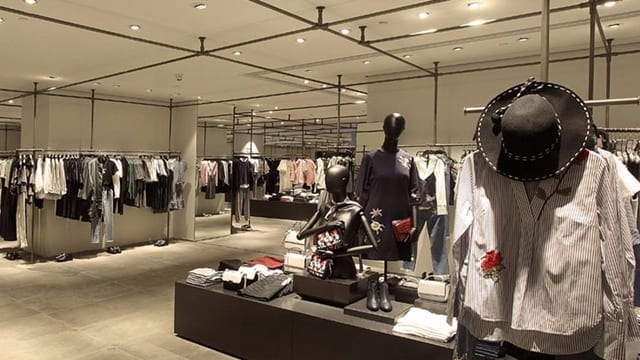
    Chinese fashion brand Urban Revivo has opened its first international store, at Singapore’s Raffles City Shopping Centre.

    Launched in 2006, Urban Revivo specialises in contemporary clothing and accessories for both men and women. It has 150 stores across about 60 cities in China, including Beijing, Chengdu, Guangzhou and Shanghai.

    While the brand refreshes its stores with up to 12,000 new styles every year, all its designs are available in only 12 pieces per store, reports Her World Plus, which features this video tour of the new store:

  • Dolce & Gabbana pop-up opens in Vietnam

    Dolce & Gabbana pop-up opens in Vietnam

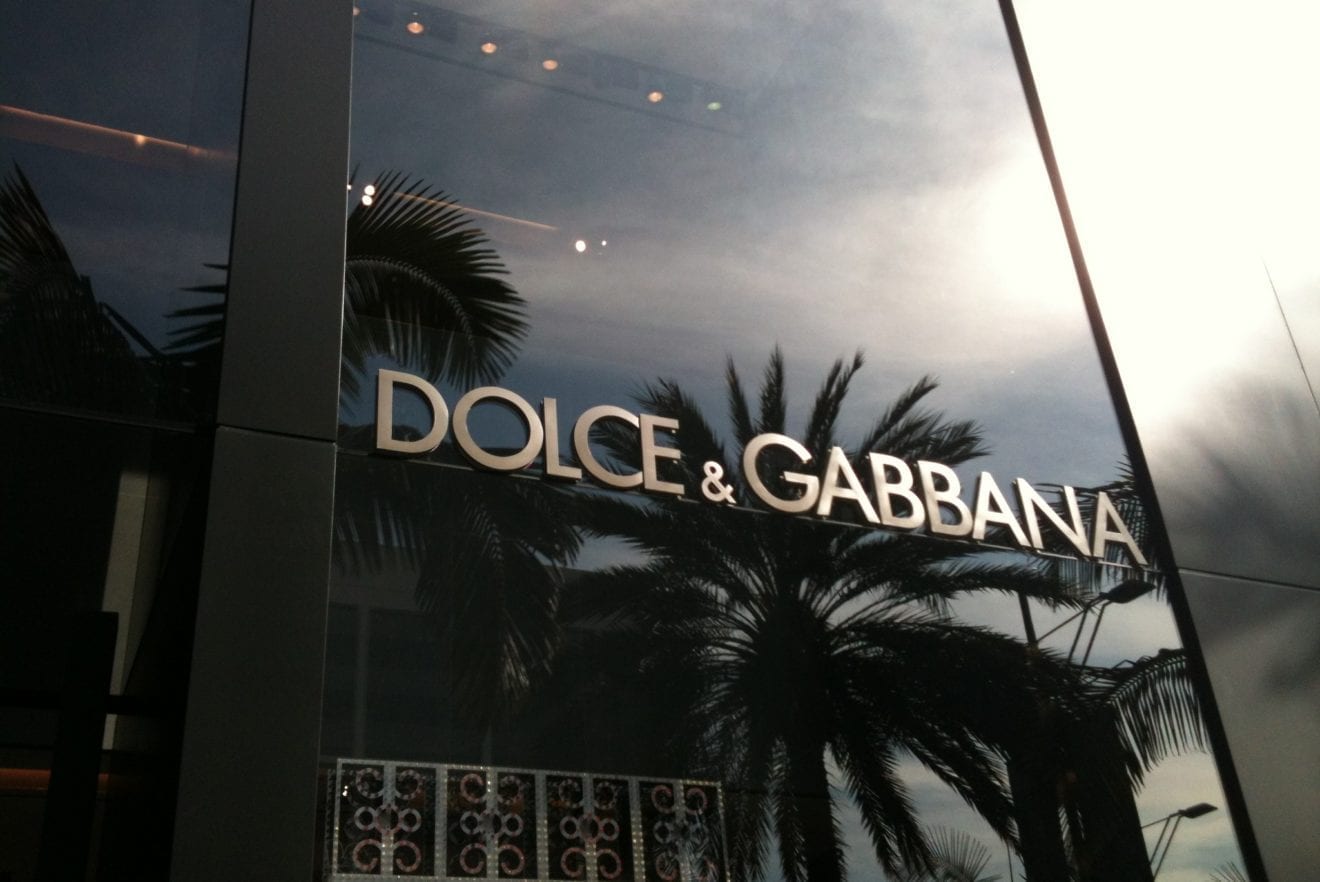
    Italian luxury fashion brand Dolce & Gabbana has opened its first Vietnam pop-up store at Rex Hotel, Ho Chi Minh City.

    dolce-gabbana-vietnam-3

    Designed by Milan-based designers Giovanni Bressana, with red as the theme colour, the Dolce & Gabbana pop-up offers the label’s latest women’s collections to Vietnamese shoppers.

    dolce-gabbana-vietnam-2

    The brand has been brought to Vietnam by the IPP Group that also distributes other luxury brands there, including Burberry, Chanel, CK, Salvatore Ferragamo.

    dg-ho-chi-minh

    According to Le Hong Thuy Tien, CEO of IPP, the pop-up store will precede an official flagship scheduled to open in May.

    dolce-gabbana-vietnam-1

  • Nike opens 600 outlets inside JCPenney stores

    Nike opens 600 outlets inside JCPenney stores

    Nike has opened more than 600 brand shops environments inside JCPenney stores.

    The two brands say they have teamed up due to the rapid growth of the activewear sector. The new Nike shops boast “pumped-up visual elements” featuring world-class athletes and crisp signage to help shoppers find the best gear for basketball, training and running. The shops also feature an expanded assortment of apparel and accessories from one of the world’s leading activewear brands.

    “Nike is immensely popular across all categories and with the rapid rise of activewear and athletic shoes, we want to have the best expression of Nike in any department store,” said John Tighe, chief merchant for JCPenney. “JCPenney is an activewear destination, and by partnering with a perception-shifting national brand like Nike, we can deliver both the performance and athleisure products that customers want.

    Shoppers browsing our new Nike environments will be both inspired and motivated to take their athletic wardrobe to the next level.”

    Anchored by an impressive Nike swoosh sign suspended above the shop, JCPenney has dedicated 500 sqft. of space to the activewear giant in a prominent location within the men’s department. Motivating graphics of athletes adorn the shop walls and updated fixtures, combined with dedicated mannequins, present the merchandise in an inspiring light. The iconic Nike logo is emblazoned throughout the shop and popular activities, including basketball, training and running, are called out with new signage to help customers shop quickly and easily. The JCPenney and Nike teams worked closely together to test various visual elements at a JCPenney store in Portland, Oregon, to create the inspiring environment for the men’s department, now available in 600 locations across the country. Similar visual elements are available in select stores for women and kids.

    The Nike selection at JCPenney will be featured throughout JCPenney marketing, including weekly sales circulars, direct mail, email and social media. Nike complements a robust assortment of fitness and athleisure brands available at JCPenney, including the retailer’s private brand, Xersion and an exclusive brand, MSX by Michael Strahan.

  • Macau retail revival outshines Hong Kong

    Macau retail revival outshines Hong Kong

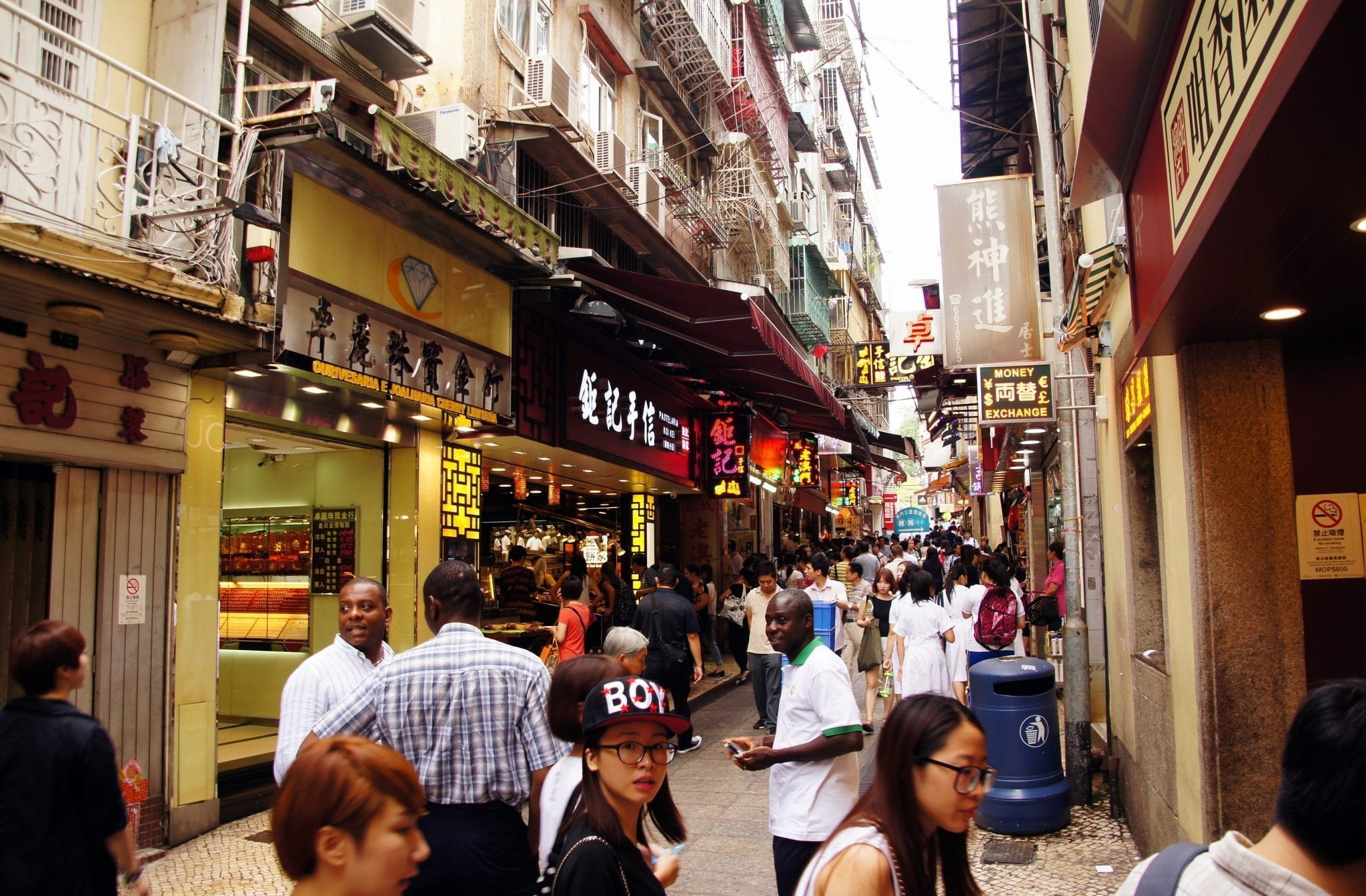
    Macau is enjoying a retail revival, according to the latest government data.

    Macau Association of Retailers and Tourism Services executive committee president Frederick Yip, who organised December’s Macau Shopping Festival festival, says the city’s retail industry will be back on a path of growth again soon. The festival generated total sales of MOP230 million (US$28.8 million).

    Of the total, a sale event featuring branded products between December 23 and 25 saw sales exceed MOP2 million, while another special sales event at Landmark Macau raked in MOP2 million, reports the Macao Daily. About 1800 SMEs took part in the festival.

    Yip says the city’s economy has started to recover since gaming revenue began rebounding in August, with more casino-resort projects nearing completion. Macau’s casino gross gaming revenue for last year was equivalent to US$27.9 billion.

    Free Wi-Fi internet access was provided at the festival for the first time, and Yip says a total of 145,000 hours were used by 475,000 people.

    Also helping boost the economy have been the Macau Grand Prix motorsport weekend and a Food Festival in November.

    Statistics and Census Service (DSEC) survey figures show that 30 per cent of respondents in the catering sector reported a year-on-year increase in turnover for the month, up 4 per cent from October. Most popular were Chinese restaurants, followed by Western restaurants, then Japanese and Korean.

    On the other hand, half of the respondents had a similar decrease in turnover to October.

    In the retail sector, 39 per cent of respondents reported a year-on-year increase for November, up 4 per cent points from October. All leather goods retailers saw their turnover grow, while increases were reported by 62 per cent of adult clothing retailers and 50 per cent of department stores.

    On the downward side of the ledger were supermarkets and watch and jewellery retailers. They were among 53 per cent of surveyed retailers that say their turnover decline – by up to 28 per cent for supermarkets.

    Expecting decline

    But while Yip is upbeat, retailers seem more pessimistic looking ahead, with 40 per cent of respondents expecting their turnover to decline in December. Only 19 per cent of merchants were confident of an increase.

    The survey covered 167 F&B businesses and 135 retailers.

    Meanwhile, below the radar a black economy has been uncovered by the Judiciary Police, reports GGR Asia.

    The police say the value of detected retail transactions in Macau using allegedly unregistered China UnionPay handheld terminals amounted to about MOP4.995 billion (US$625.5 million) last year.

    A total of 25 investigations were opened into cases involving alleged unregistered UnionPay handheld terminals. Of those, 20 were passed as cases to the Public Prosecutions Office for further action, the balance reaching an impasse because of lack of evidence.

    The police identified 53 suspects as part of the investigations: 14 from Macau, 38 from Mainland China and one from Hong Kong.

    Early this month, the Judiciary Police and Monetary Authority of Macau jointly conducted raids against the suspected use of illegally modified UnionPay terminals. The police detained 23 people connected to eight shops, suspected of committing computer fraud and being involved in organised crime.

  • Trading brightens for Luk Fook Holdings

    Trading brightens for Luk Fook Holdings

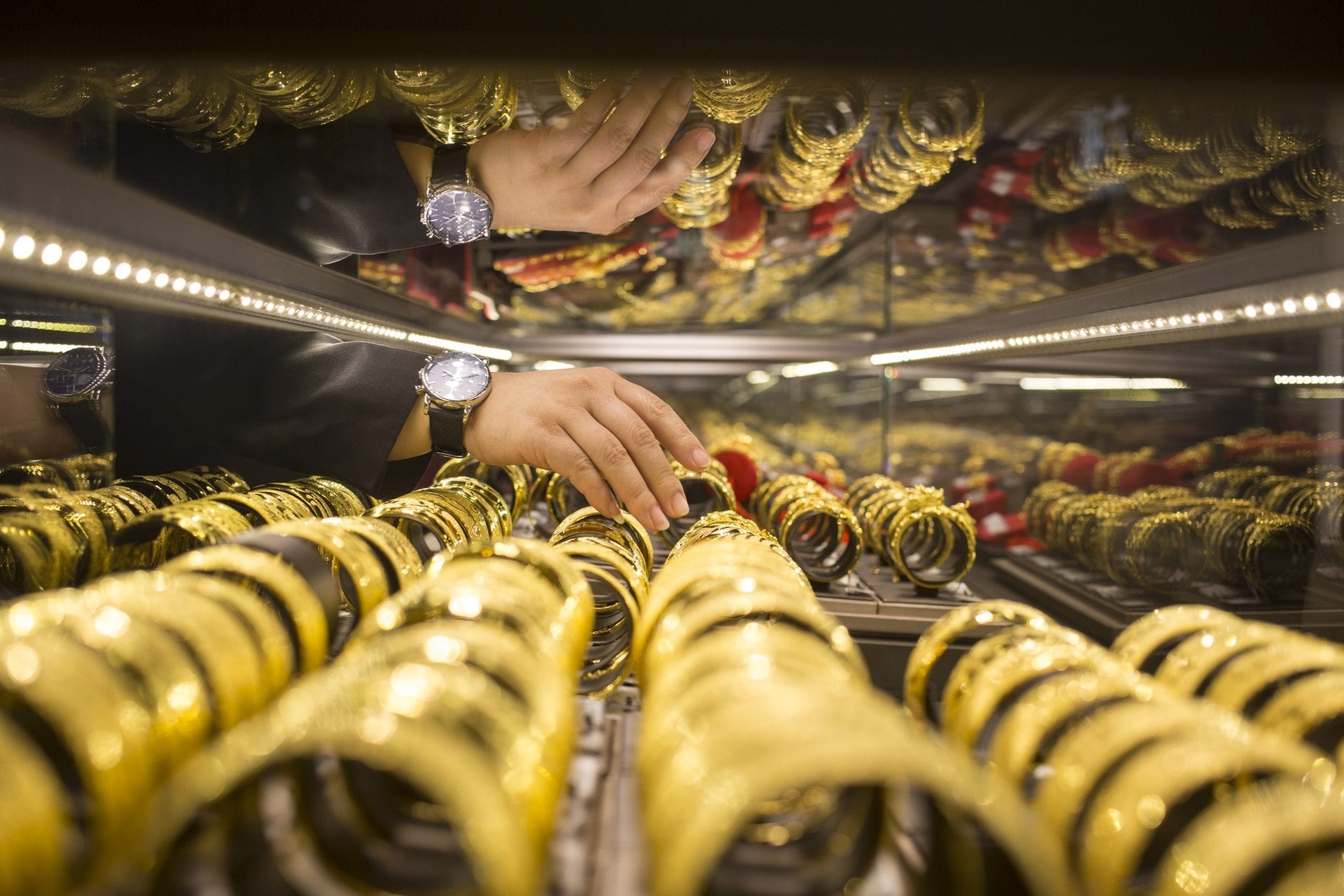
    Jeweller Luk Fook Holdings (International) reports a turnround to positive growth in its same-store sales for its third quarter, ended December 31.

    With a relatively low base, the same-store sales growth for the period recorded a “substantially narrowing decline” of 10 per cent from 37 per cent in the second quarter.

    Since September, same-store sales of gemset jewellery products in Mainland China have achieved double-digit growth for four consecutive months.

    Luk Fook’s same-store sales for the quarter turned into a positive growth of 20 per cent from a decline in the previous two quarters. Together with the 2 per cent growth of same-store sales in gold products, mainland sales for the quarter started to see positive growth (5 per cent) for the first time in the current fiscal year.

    The group ended the quarter with 11 new shops – nine in Mainland China and two in Kuala Lumpur. However, it closed an outlet in Macau.

    There was also an increase in its licensed shops in China, with 28 at the end of December. There were 195 own-brand shops – 129 in China, 47 in Hong Kong, 10 in Macau and nine in other countries.

    Together with 1297 licensed shops in China and one in Korea, there were 1493 Lukfook outlets worldwide, of which 1426 shops were in China.

  • Japan’s bakugai phenomenon fading fast

    Japan’s bakugai phenomenon fading fast

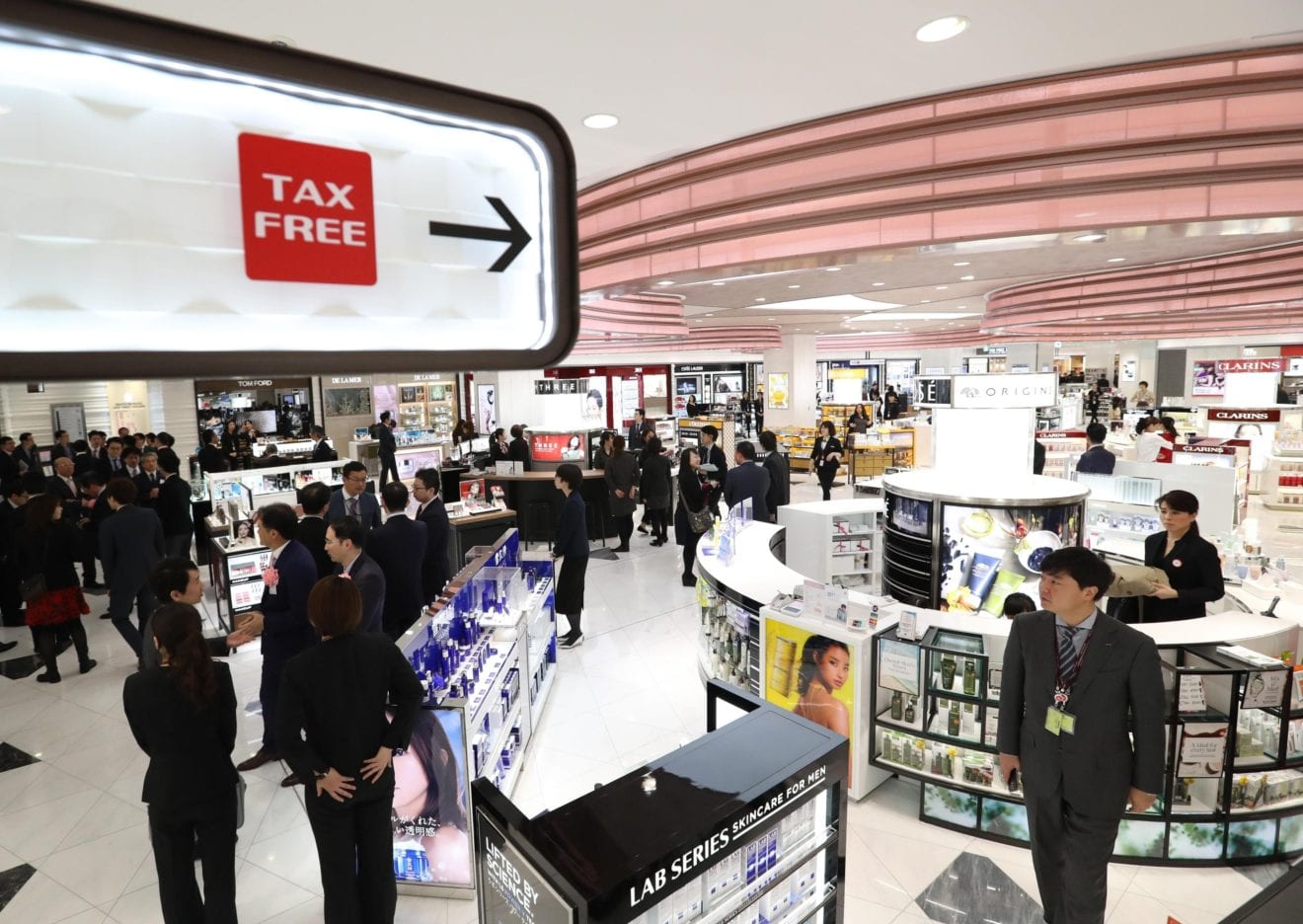
    The drastic slowdown of the Chinese duty-free shopping phenomenon known as bakugai (“buying explosion”) continues to hit Japanese tax- and duty-free retailers, with several companies having sharp revenue falls in recent months.

    As a result of the slowing market, South Korean travel retailer Lotte Duty Free and its partners Bic Camera and New Kansai International Airport Company have pulled out of a planned downtown duty-free shop proposed for Osaka.

    The “bakugai” trend began in Japan in 2015 as travelling shoppers from China poured into Japan in waves, says The Moodie Davitt Report. This led to a proliferation of government-backed tax- and duty-free stores, and like all bubbles this one appears to have burst. Read more.

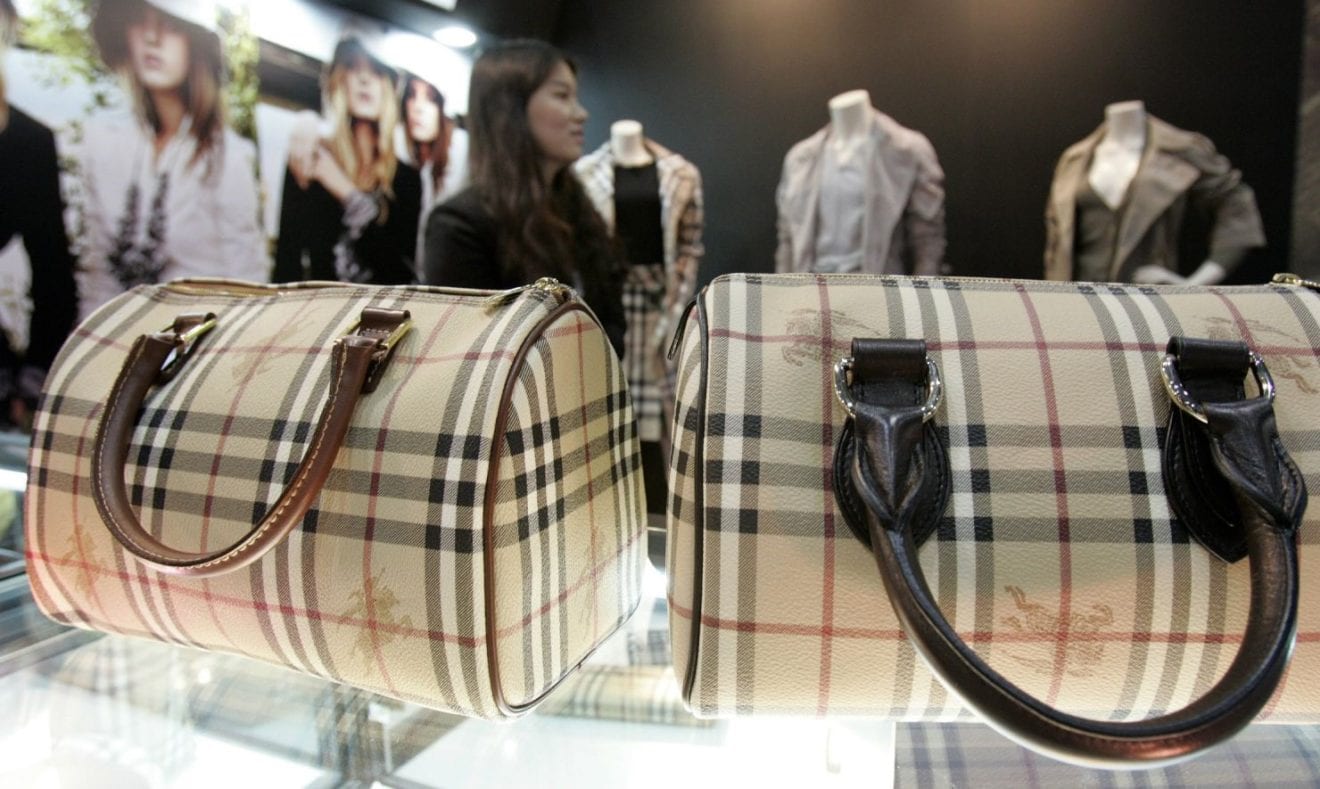
  • Burberry China sales recover

    Burberry China sales recover

    Burberry says sales in its core China market have improved in the latest quarter, ending a long run of declines.

    And while Hong Kong stores posted yet another like-for-like drop due to weaker footfall, the decline is now in the low single digits.

    Globally, Burberry achieved a 4 per cent increase in wholesale and retail sales for the three months to December 31, totalling US$1.19 billion. This was largely underpinned by an “exceptional” 40 per cent increase in same-store sales in its UK home market.  UK media report the boom was down to Chinese tourists taking advantage of the cheaper pound in high street flagship stores in London, where staff estimate some 70 per cent of customers are from China.

    Globally, retail revenue rose 22 per cent to £735 million.

    The luxury fashion brand singled out Burberry China and Hong Kong sales, reporting Asia-Pacific had returned to growth during the quarter, hitting low single-digit percentages, driven by acceleration in Mainland China and improvement in Hong Kong.

    American trade experienced a low single-digit percentage sales decline, similar to sales trends in the first half, although the company reported an increase in American customer spending globally.

    “With a record number of views of our festive film and strong demand for new products in our collections, this third quarter improvement reflects early progress from our plans to drive Burberry’s performance for the long term,” said Burberry CEO Christopher Bailey.

    Verdict Retail analyst Charlotte Pearce said that although the company’s results have been chequered in recent times, its strong performance is a sign the changes the company is making are working.

    “Burberry’s double digit growth in EMEIA is most notable in Q3, with the retailer reporting continued strong trading in the UK, thanks to the weak pound which has encouraged tourism spending.

    Meanwhile, the innovation and newness of its products aided strong performances in bags, accessories and apparel, with items such as rucksacks and buckle totes standing out,” she said.

    “The brand continues to focus on its presence in the digital space through growing its online business, where mobile has been the driver due to improved payment methods, as well as developing an app, which is currently in its testing phase, in order to build Burberry’s connection with customers.”

    Pearce said the Asian results bode well for Burberry’s recovery.

    “Historically, sales in Asia Pacific have been a source of strength for the renowned British brand, accounting for 38 per cent of retail and wholesale revenue in 2015/16, so the brand should look to identify new markets within the region which indicate fast growing affluence and urbanisation.”

  • Lingerie Maker Victoria’s Secret Looks to Uncover Supply Chain Issues in Indonesia

    Lingerie Maker Victoria’s Secret Looks to Uncover Supply Chain Issues in Indonesia

    Lingerie giant Victoria’s Secret, famed for its racy bras and thongs, has pledged to trace the sources of its wood-based fabrics, joining the ranks of fashion companies addressing human rights and deforestation, its parent company said. In a new policy statement, parent company L Brands said it aimed to eliminate sources of wood pulp, used to make rayon, viscose and modal, that contribute to rainforest destruction or violate the rights of local people.
    L Brands is the latest in a growing number of US fashion companies to commit to investigate its supply chain for products from destructive regions and stop using those sources by the end of 2017, according to Rainforest Action Network (RAN). Ralph Lauren, whose designs are popular on Hollywood’s red carpets, adopted a similar policy earlier this month. “Our Forest Products Procurement Policy is written to reduce threats to ancient and endangered forests and to avoid products that contribute to deforestation or human rights abuses,” said L Brands’ policy statement published on its website.
    “We will report on our progress publicly.” Production of wood pulp can involve clearing forests to build eucalyptus plantations and taking land traditionally used by indigenous communities, campaigners say. The issue is particularly acute in Indonesia, a major producer of wood pulp. The Victoria’s Secret catalog features voluptuous models clad in tiny thongs, push-up bras and “cheekini” panties, and its top models who appear in its popular fashion shows are known as its Angels. It is one of several companies owned by L Brands. Its other well-known brands include Henri Bendel, Pink and Bath & Body Works. L Brands did not respond to a request for comment.
    RAN said the new policy was posted on the company website late on Wednesday. RAN, which helped develop the sourcing policies for L Brands and Ralph Lauren, has been waging an “Out of Fashion” campaign to publicize the impact of forest-based fabrics and call on major US brands to adopt stringent sourcing systems. “It’s encouraging to see brands beginning to take responsibility for their supply chains,” said Brihannala Morgan, senior forest campaigner with RAN. “
    L Brands’ commitments and actions, following right behind Ralph Lauren and among more than 60 other brands who have developed policies, can have a real positive impact for forests and the people that depend on them.” H&M, Zara, Levi Strauss & Co and British fashion designer Stella McCartney have adopted similar policies, RAN said. Last year Stella McCartney partnered with environmental non-profit Canopy to encourage clothing companies to stop sourcing fabric from ancient and endangered forests.
  • Hong Kong Fashion Week for Fall/Winter Closes

    Hong Kong Fashion Week for Fall/Winter Closes

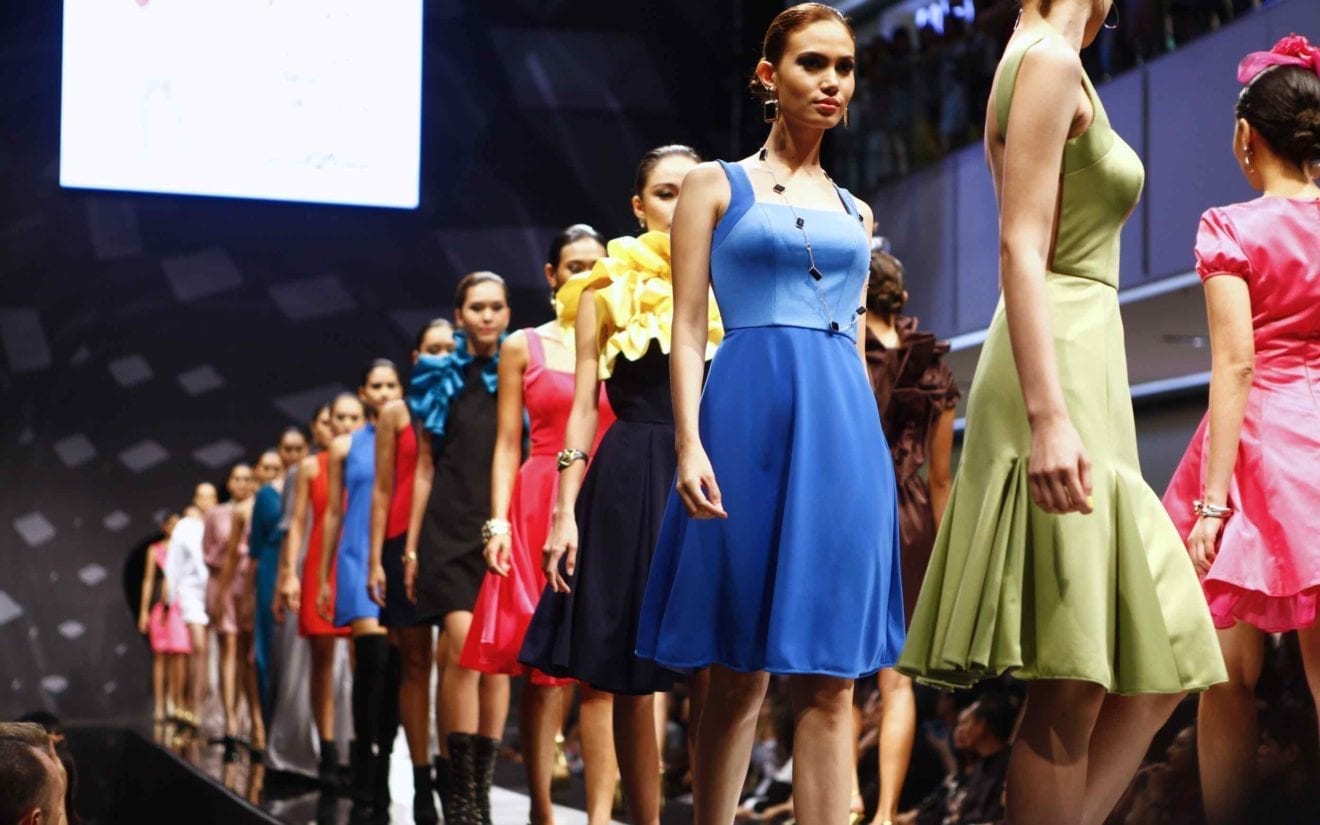
    he 48th edition of Hong Kong Fashion Week for Fall/Winter ended today at the Hong Kong Convention and Exhibition Centre. The four-day fashion fair (16 to 19 January), organised by the Hong Kong Trade Development Council (HKTDC), welcomed some 15,000 buyers from 77 countries and regions.

    HKTDC Deputy Executive Director Benjamin Chau noted that the fashion industry is facing immense challenges amidst economic and political uncertainties and lacklustre retail sales. “In spite of that, Hong Kong companies are versatile and with e-commerce developing steadily, companies can capture the opportunities to turn the situation around. At this year’s Fashion Week for Fall/Winter, buyer numbers from Italy, Iran, Germany and Israel saw good growth. This shows that buyers from certain regions are not as cautious as expected and their sourcing sentiment is gradually improving.”

    Buyers from emerging markets more upbeat

    In general, buyers from emerging markets demonstrated a more positive sourcing sentiment during the fair. Muhammad Yasin, owner of United Arab Emirates’ company Imperial Clothing FZE, said he had visited more than a hundred exhibitors on just the first day of the show, and had identified about 15 potential suppliers from Hong Kong, the Chinese mainland, Vietnam and Pakistan. He expected to work with two of the companies and initial orders would be worth about US$10,000.

    Israeli buyer Moshe Silverstain said that, after the fair, he would visit some of the supplier’s factories in Nanjing. He expected to place orders for 12,000 raincoats and 20,000 denim trousers.

    Russian company Forward Ltd, which supplies sports uniforms for Russian national teams, visited the fair. The company’s Head of Logistics Department, Ruben Nariyants, said his company had found three potential suppliers from the mainland. To facilitate smooth delivery to Russia, Mr Nariyants said his company is willing to offer logistics assistance; and he expected to finalise cooperation arrangements soon.

    Hong Kong’s designer collections in demand

    Hong Kong Fashion Week has long been a launch pad for up-and-coming young designers to showcase their designs to international buyers. This year, the HKTDC organised two FASHIONALLY COLLECTION shows to spotlight emerging local designers from 14 fashion labels. Buyer Takayuki Kubota from renowned Japanese fashion group H.P. France said he had found suitable Hong Kong designer collections through the FASHIONALLY COLLECTION shows and expected to place initial orders of five to ten styles per brand. He was glad that Hong Kong designers were willing to accept small-quantity orders.

    Yi Gao, owner of Shenzhen designer brand store MR. TOP, found Hong Kong designer brand Lapeewee’s designs fashionable and wearable. He said his company is likely to conclude business deals with the brand very soon.

    Singaporean buyer and designer Samuel Wong said customers in Singapore are receptive to designer brands. He attended the fair to source designer collections and was in talks with Hong Kong label MODEMENT for its women’s and men’s apparel.

    Online store buyers becoming a new force

    Online shopping has been growing in popularity in recent years and there has been an explosion of fashion e-shops, which are becoming a new force driving consumption. Korean department store Shinsegae has opened an e-shop to capture the opportunities in online shopping. Mae Hong, the company’s Buying Manager, said she came to Hong Kong Fashion Week for the first time to look for blouses and knitwear for kids and adults. She had found three potential suppliers on the first day and was in advanced talks with them. If her requirements were met, she would buy at least 1,000 pieces per item.

    Nitin V Tewari, Senior Manager of Flipkart, a leading e-commerce company in India, also visited the fair for the first time. He claimed that fashion is one of their biggest business segments. Through the fair, he hoped to find new brands and OEM manufacturers and he had already identified a number of suitable bags and sportswear brands. He anticipated the purchasing amount would be between US$50,000 to US$100,000 per order, after further discussions.

    Online shopping is also popular in Central Europe. Iva Tureckova, Project Manager of Czech company SLK Trade s.r.o, said her company is a young but fast-growing e-tailer selling women’s underwear in Central Europe. She said she came to Hong Kong to source different underwear brands and to seek opportunities to expand their business by becoming the distributor of brands from Hong Kong and other countries. Through the HKTDC’s business matching sessions, the company had found two potential underwear suppliers and would pursue negotiations with them.

    Fashion seminar explores “Omni-Channel Retailing” opportunities

    ZALORA’s Head of Acquisition, Giovanni Maria Musillo, spoke at the seminar titled “ZALORA: Navigating the Wave of Omni-Channel Retailing” and shared their keys to success and the opportunities in omni-channel retailing. He said ZALORA is a leading fashion e-tailer in Asia with a presence in Hong Kong, Australia, Taiwan, Malaysia, Brunei, Singapore, the Philippines and Indonesia. The website attracts some 30 million visits each month. “Localisation is key to ZALORA’s success. We offer different languages and interfaces to suit different markets’ needs,” he said. “We also ensure that consumers from different countries and regions can settle payments efficiently. These have helped to accelerate ZALORA’s growth.

    “Smart phone penetration in Southeast Asia is set to exceed 100 per cent by 2019 and that is conducive to e-commerce development. It is also expected that the market share of fashion in e-commerce would double from four per cent in 2015 to eight per cent in 2019. All these signify immense business opportunities. With the ‘Korean wave’ sweeping across Asia and Europe in recent years, ZALORA is also actively sourcing different Korean brands to further capture the opportunities.”

    HKTDC’s CENTRESTAGE to return in September

    Hong Kong Fashion Week for Fall/Winter gathered more than 1,500 exhibitors from 21 countries and regions to showcase the latest fashion collections of international brands, garment, accessories, fabrics and sewing supplies. More than 20 fashion events were organised during Fashion Week, including 10 fashion shows as well as industry seminars and networking activities. The Hong Kong Fashion Week for Spring/Summer will be held from 10 to 13 July, while the second edition of CENTRESTAGE will run from 6 to 9 September. CENTRESTAGE aims to provide an ideal promotion platform for Asian and international fashion brands and designers, further solidifying Hong Kong’s position as a fashion capital in Asia.