Category: Fashion

Retail News Asia is committed to providing both local and global retailers with the latest Fashion news throughout the Asian market. This on a daily base.

  • Hong Kong Fashion Week for Fall/Winter Closes

    Hong Kong Fashion Week for Fall/Winter Closes

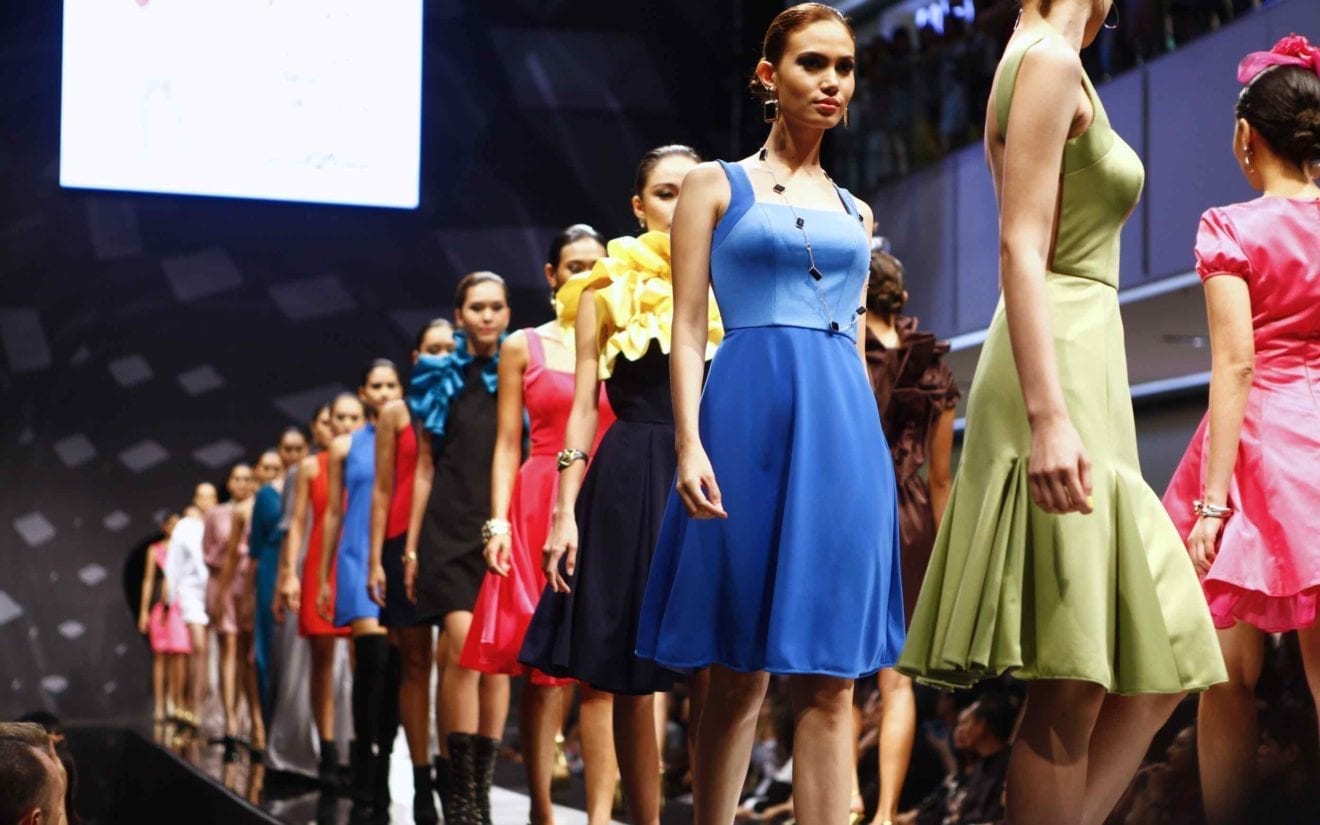
    he 48th edition of Hong Kong Fashion Week for Fall/Winter ended today at the Hong Kong Convention and Exhibition Centre. The four-day fashion fair (16 to 19 January), organised by the Hong Kong Trade Development Council (HKTDC), welcomed some 15,000 buyers from 77 countries and regions.

    HKTDC Deputy Executive Director Benjamin Chau noted that the fashion industry is facing immense challenges amidst economic and political uncertainties and lacklustre retail sales. “In spite of that, Hong Kong companies are versatile and with e-commerce developing steadily, companies can capture the opportunities to turn the situation around. At this year’s Fashion Week for Fall/Winter, buyer numbers from Italy, Iran, Germany and Israel saw good growth. This shows that buyers from certain regions are not as cautious as expected and their sourcing sentiment is gradually improving.”

    Buyers from emerging markets more upbeat

    In general, buyers from emerging markets demonstrated a more positive sourcing sentiment during the fair. Muhammad Yasin, owner of United Arab Emirates’ company Imperial Clothing FZE, said he had visited more than a hundred exhibitors on just the first day of the show, and had identified about 15 potential suppliers from Hong Kong, the Chinese mainland, Vietnam and Pakistan. He expected to work with two of the companies and initial orders would be worth about US$10,000.

    Israeli buyer Moshe Silverstain said that, after the fair, he would visit some of the supplier’s factories in Nanjing. He expected to place orders for 12,000 raincoats and 20,000 denim trousers.

    Russian company Forward Ltd, which supplies sports uniforms for Russian national teams, visited the fair. The company’s Head of Logistics Department, Ruben Nariyants, said his company had found three potential suppliers from the mainland. To facilitate smooth delivery to Russia, Mr Nariyants said his company is willing to offer logistics assistance; and he expected to finalise cooperation arrangements soon.

    Hong Kong’s designer collections in demand

    Hong Kong Fashion Week has long been a launch pad for up-and-coming young designers to showcase their designs to international buyers. This year, the HKTDC organised two FASHIONALLY COLLECTION shows to spotlight emerging local designers from 14 fashion labels. Buyer Takayuki Kubota from renowned Japanese fashion group H.P. France said he had found suitable Hong Kong designer collections through the FASHIONALLY COLLECTION shows and expected to place initial orders of five to ten styles per brand. He was glad that Hong Kong designers were willing to accept small-quantity orders.

    Yi Gao, owner of Shenzhen designer brand store MR. TOP, found Hong Kong designer brand Lapeewee’s designs fashionable and wearable. He said his company is likely to conclude business deals with the brand very soon.

    Singaporean buyer and designer Samuel Wong said customers in Singapore are receptive to designer brands. He attended the fair to source designer collections and was in talks with Hong Kong label MODEMENT for its women’s and men’s apparel.

    Online store buyers becoming a new force

    Online shopping has been growing in popularity in recent years and there has been an explosion of fashion e-shops, which are becoming a new force driving consumption. Korean department store Shinsegae has opened an e-shop to capture the opportunities in online shopping. Mae Hong, the company’s Buying Manager, said she came to Hong Kong Fashion Week for the first time to look for blouses and knitwear for kids and adults. She had found three potential suppliers on the first day and was in advanced talks with them. If her requirements were met, she would buy at least 1,000 pieces per item.

    Nitin V Tewari, Senior Manager of Flipkart, a leading e-commerce company in India, also visited the fair for the first time. He claimed that fashion is one of their biggest business segments. Through the fair, he hoped to find new brands and OEM manufacturers and he had already identified a number of suitable bags and sportswear brands. He anticipated the purchasing amount would be between US$50,000 to US$100,000 per order, after further discussions.

    Online shopping is also popular in Central Europe. Iva Tureckova, Project Manager of Czech company SLK Trade s.r.o, said her company is a young but fast-growing e-tailer selling women’s underwear in Central Europe. She said she came to Hong Kong to source different underwear brands and to seek opportunities to expand their business by becoming the distributor of brands from Hong Kong and other countries. Through the HKTDC’s business matching sessions, the company had found two potential underwear suppliers and would pursue negotiations with them.

    Fashion seminar explores “Omni-Channel Retailing” opportunities

    ZALORA’s Head of Acquisition, Giovanni Maria Musillo, spoke at the seminar titled “ZALORA: Navigating the Wave of Omni-Channel Retailing” and shared their keys to success and the opportunities in omni-channel retailing. He said ZALORA is a leading fashion e-tailer in Asia with a presence in Hong Kong, Australia, Taiwan, Malaysia, Brunei, Singapore, the Philippines and Indonesia. The website attracts some 30 million visits each month. “Localisation is key to ZALORA’s success. We offer different languages and interfaces to suit different markets’ needs,” he said. “We also ensure that consumers from different countries and regions can settle payments efficiently. These have helped to accelerate ZALORA’s growth.

    “Smart phone penetration in Southeast Asia is set to exceed 100 per cent by 2019 and that is conducive to e-commerce development. It is also expected that the market share of fashion in e-commerce would double from four per cent in 2015 to eight per cent in 2019. All these signify immense business opportunities. With the ‘Korean wave’ sweeping across Asia and Europe in recent years, ZALORA is also actively sourcing different Korean brands to further capture the opportunities.”

    HKTDC’s CENTRESTAGE to return in September

    Hong Kong Fashion Week for Fall/Winter gathered more than 1,500 exhibitors from 21 countries and regions to showcase the latest fashion collections of international brands, garment, accessories, fabrics and sewing supplies. More than 20 fashion events were organised during Fashion Week, including 10 fashion shows as well as industry seminars and networking activities. The Hong Kong Fashion Week for Spring/Summer will be held from 10 to 13 July, while the second edition of CENTRESTAGE will run from 6 to 9 September. CENTRESTAGE aims to provide an ideal promotion platform for Asian and international fashion brands and designers, further solidifying Hong Kong’s position as a fashion capital in Asia.
  • Hugo Boss Asia sales rebound

    Hugo Boss Asia sales rebound

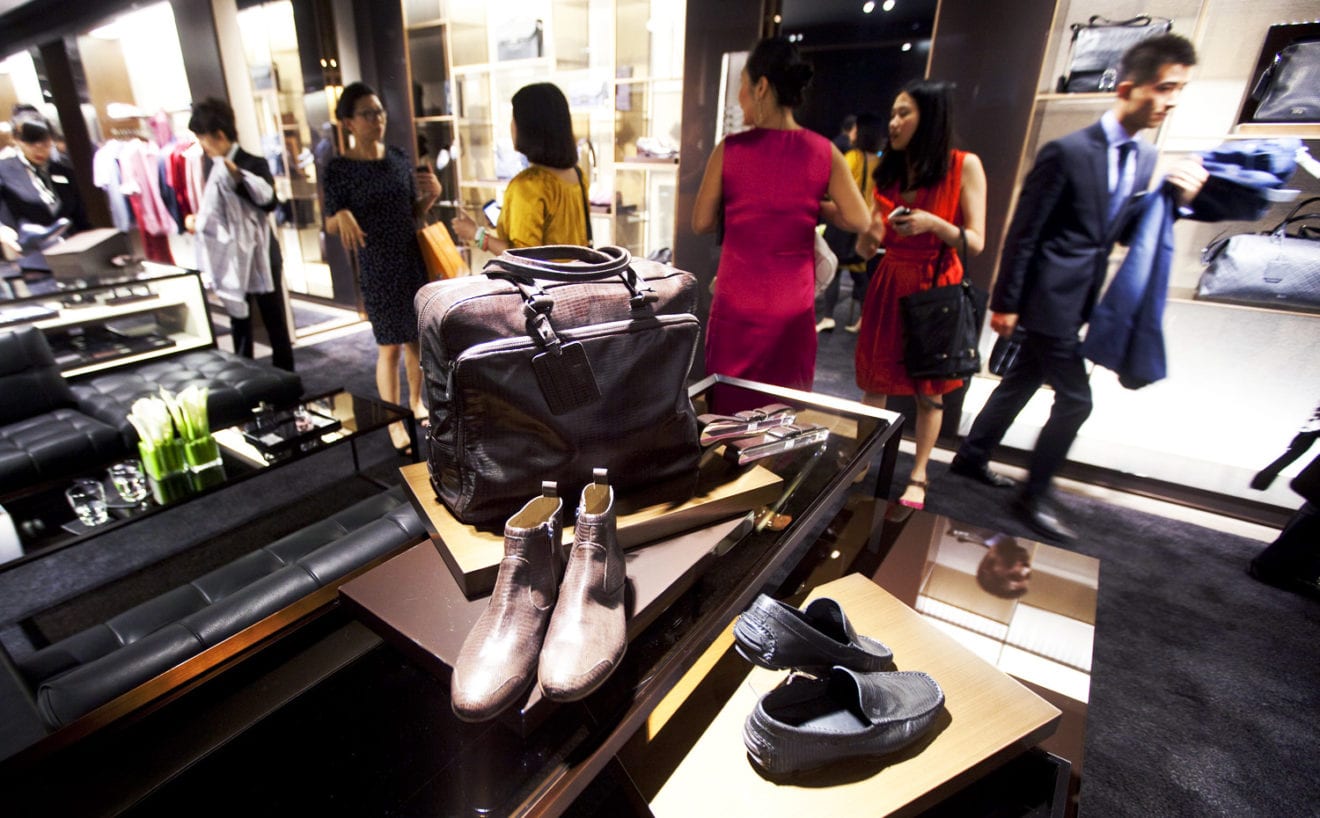
    Rebounding Hugo Boss Asia sales have prompted the German fashion retailer to revise its profit outlook.

    The company’s stock price soared as much as 10 per cent after management said improved sales in Asia and Britain mean its profit decline will be less than previously predicted in the current financial year.

    Hugo Boss Asia like-for-like sales soared 20 per cent in the latest quarter, after currency adjustments.

    Asia accounts for about 20 per cent of Hugo Boss’ global sales and after currency adjustment, regional revenues rose 5 per cent in the fourth quarter – a significant turnaround from the 3 per cent decline of the previous quarter. The increase was aided by adjusting pricing more into line with those of the US and Europe.

    It is now forecasting an operating profit for 2016 which is better than the previously predicted  decline of between 17 and 23 per cent. Final results will be revealed on March 9.

    Rival fashion retailers Gucci and Louis Vuitton have also recently  reported improving sales in Mainland China as consumers open their wallets again, encouraged by government policies aimed at boosting local consumption rather than shopping abroad.

    CEO Mark Langer said in a statement that fourth-quarter results underline the company is on the right track.

    Total sales fell 3 per cent to 725 million euros (US$769 million), down 1 per cent on a currency adjusted basis, but a far better result than the third-quarter’s fall of 6 per cent. The damage was done in the US where sales fell 14 per cent on a currency-adjusted basis, partly due to the brand’s decision to stop selling in discount and outlet stores.

    Sales in Europe rose 2 per cent.

  • Fashion chain Hobbs builds global footprint

    Fashion chain Hobbs builds global footprint

    UK fashion chain Hobbs has reported a significant boost in sales driven by impressive international performances in the US and Germany.

    While same-store sales rose 3.9 per cent in the 13 weeks to December 31, total sales rose 14.3 per cent due to international expansion. Retail Week said the improvement reflected investment in product range and customer experience. Online sales grew 26.7 per cent.

    Hobbs joins other premium clothing retailers such as Reiss, Joules and Superdry to report positive trading results over the Christmas period.

    “This shows the opportunity and success in the premium fashion market despite 2016 being an incredibly tough year for mass market clothing retailers,” observes analyst Charlotte Pearce.

    Last year saw Hobbs open its first international solus store in Westchester, New York and further expansion across Bloomingdales’ store network and on bloomingdales.com. International sales rose by 97.9 per cent as a result.

    “Hobbs’ entry into Germany will prove worthwhile due to its strong British heritage and focus on quality and fit of products,” said Pearce.

    “Outerwear has been reported as a resounding success for Hobbs throughout the UK and its international markets, but as we move into spring/summer 2017 and put our coats to the back of the closet, CEO Meg Lustman and her team will need to close in on who Hobbs is targeting and which key trends will resonate best among its core shopper base to continue this run of better sales.”

    Hobbs is rumoured in the financial press to be up for sale after more than a decade under 3i’s ownership.

    “As we head into a difficult few years of trading, potential new owners must recognise that Hobbs is not yet out of the woods despite a better Christmas trading period.  It must firm up its place in the market and improve brand appeal and awareness to secure a loyal customer base,” concluded Pearce.

  • Stadium Goods finds growth in China

    Stadium Goods finds growth in China

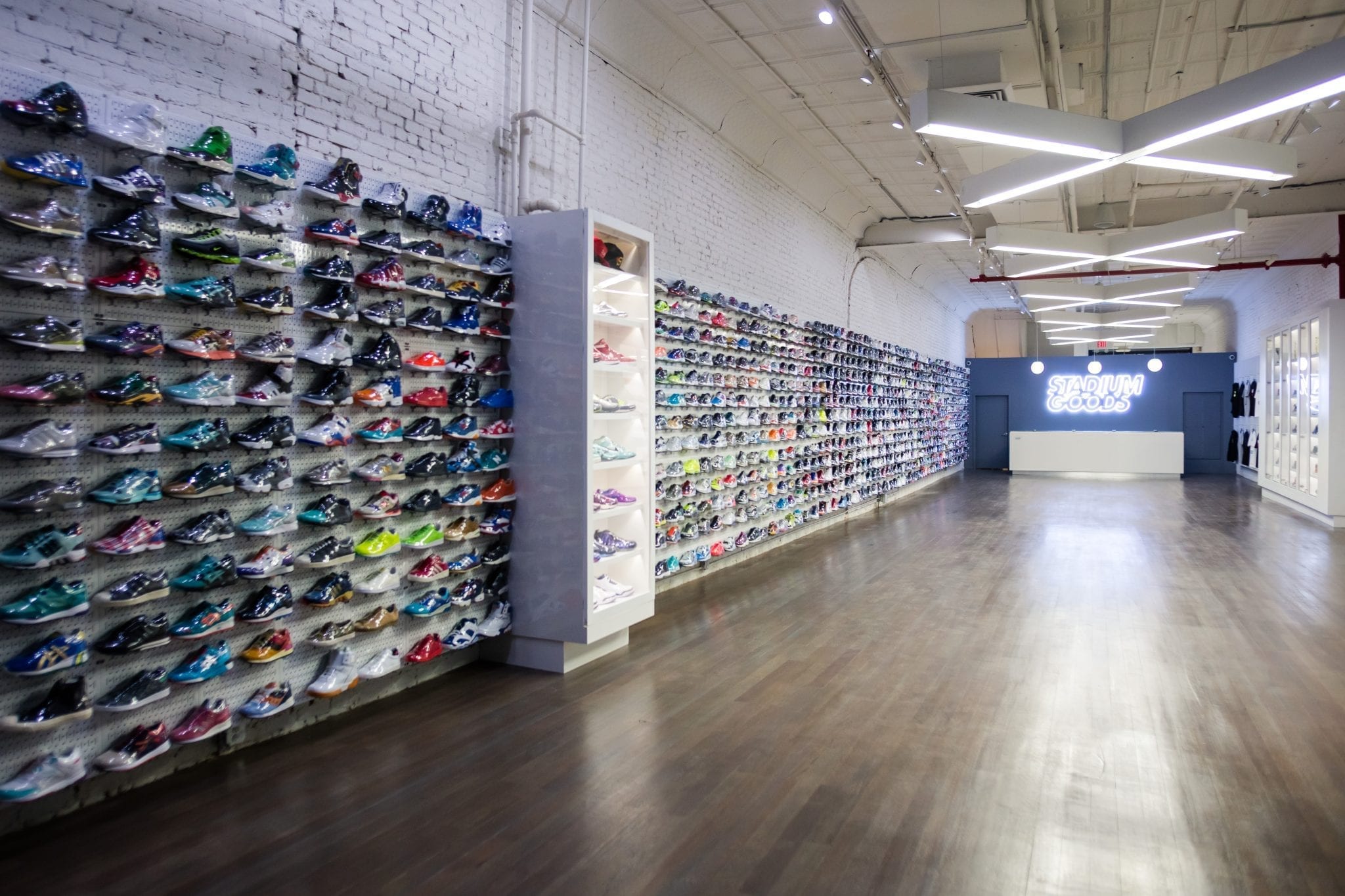
    With ambitions to “scale rapidly”, US sneaker and apparel marketplace Stadium Goods has expanded into China through an exclusive partnership with Tmall Global, an extension of Alibaba Group’s B2C Tmall.com business.

    Stadium Goods co-founder/MD Jed Stiller says the company had already had “tremendous growth” in China.“More importantly, we have helped legitimise the resale model by making it more relevant and accessible to all types of consumers.

    “We’re thrilled to have found the perfect partners in Forerunner Ventures and The Chernin Group, among others, to build on our successes to date as we look to innovate and scale rapidly.”

    Meanwhile, Stadium Goods has just raised more than $4.6 million in fresh equity funding. This will help fuel its expansion into the mainstream footwear market.

    Founded by Still and John McPheters in late 2015, Stadium Goods unveiled StadiumGoods.com and its Soho retail location in New York City, offering sneaker consumers around the world a service-focussed approach to buying and selling collectible footwear, apparel and lifestyle goods.

    “Stadium Goods has transcended a seemingly niche market, proving it can be a critical player in the larger global athletic footwear retail market,” says Forerunner Ventures founder Kristen Green. “There hasn’t been a company of its kind offering this level of aesthetic, product mix or services to date, so we’re very excited to partner with it.”

  • Burberry reports positive Q3, retail sales up 4 percent

    Burberry reports positive Q3, retail sales up 4 percent

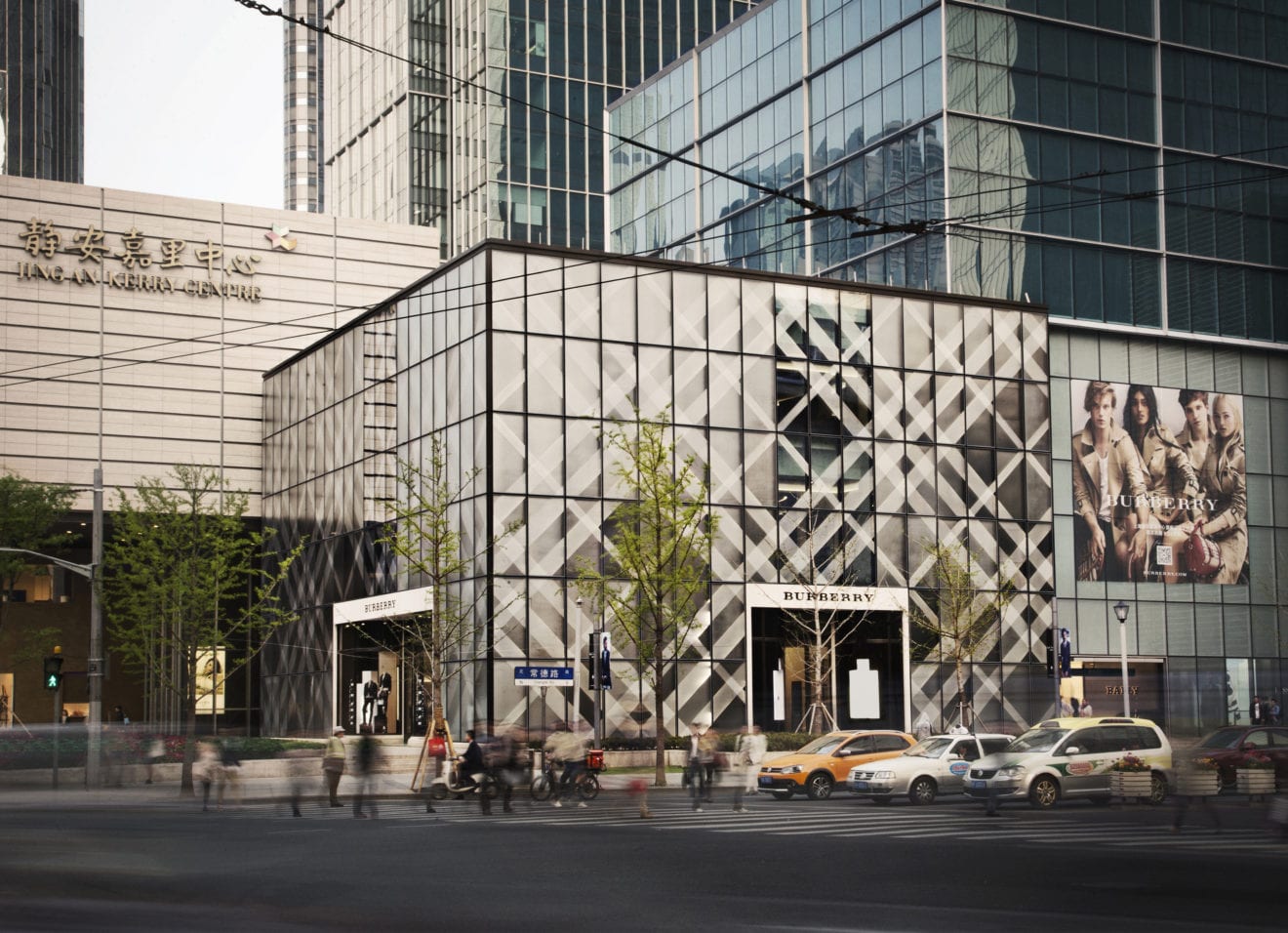
    For the three months to December 31, 2016, Burberry retail sales of 735 million pounds (907 million dollars) improved 4 percent underlying and 22 percent at reported FX. Comparable sales for the period increased 3 percent. The company expects FY17 adjusted PBT to be in line with current market expectations.

    Commenting on the third quarter trading, Christopher Bailey, Chief Creative and Chief Executive Officer, said in a statement, “With a record number of views of our festive film and strong demand for new products in our collections, this third quarter improvement reflects early progress from our plans to drive Burberry’s performance for the long term.”

    The company reported low single-digit percentage growth in Asia Pacific with acceleration in Mainland China, which posted a high single-digit percentage comparable sales growth, despite the impact of the elevation of the store portfolio in Beijing. Hong Kong, the company said, improved to a low single-digit percentage comparable sales decline, with positive conversion offsetting the majority of the footfall decline.

    EMEIA region witnessing a double-digit comparable sales growth, continued exceptional performance in the UK with comparable sales growth of around 40 percent. While Continental Europe remained weak, France saw some improvement compared to Q2. Americas posted a low single-digit percentage decline in the Americas with domestic and travelling luxury customer demand remaining uneven in the United States.

    Burberry said, fashion again outperformed replenishment and led growth across all categories and accessories outperformed, led by strength in bags.

  • Essilor and Luxottica to create global eyewear powerhouse

    Essilor and Luxottica to create global eyewear powerhouse

    France’s Essilor and Italy’s Luxottica have agreed to terms of a 46 billion euro (US$49 billion) merger, creating a global eyewear powerhouse with annual sales of  more than 15 billion euros.

    Essilor and Luxottica said they will be focusing on boosting sales in Asia and Latin America as well as building their eCommerce presence.

    Essilor is the world’s largest lens maker and Luxottica the world’s largest frame maker and vendor which owns extensive retail chains, such as Sunglass Hut, Australia’s OPSM and brands including Ray-Ban, Oakley and Persol.

    “Finally, two products which are naturally complementary – frames and lenses – will be designed, manufactured and distributed under the same roof,” said Luxottica’s founder Leonardo Del Vecchio, 81, in a statement.

    The two companies are battling slowing growth internationally, but believe there is massive potential in the market with an estimated 2.5 billion of the world’s population suffering from uncorrected eyesight issues.

    Once complete, the merger of the two companies could add as much as 600 million euros to their combined bottom line.

    The new entity will be headquartered and listed in Paris and have a staff of more than 140,000 across the globe.

    It will be jointly headed by Del Vecchio and Essilor CEO and chairman Hubert Sagnieres. Del Vecchio will be CEO and executive chairman and Sagnieres, 61, executive vice-chairman and deputy CEO – but the pair will have equal powers.

    “We have and share the same values, we have and share the same vision, we have and share the same interest in the product…,” Sagnieres said in a conference call to discuss the merger. “If we really want to provide consumers with the best product, Leonardo and I will have to co-manage.”

    “This marriage will take place and will work,” Del Vecchio added.

  • Tourists drive Sa Sa sales

    Tourists drive Sa Sa sales

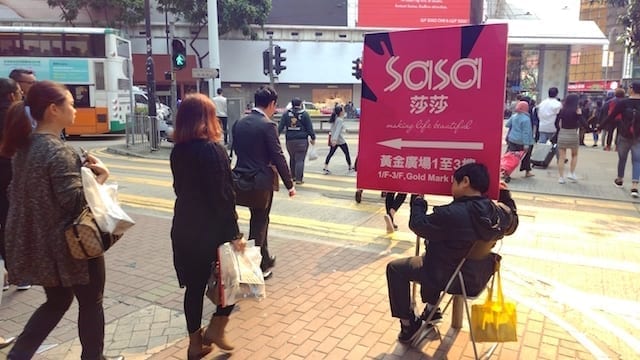
    Sales performance has improved marginally for cosmetics chain Sa Sa International Holdings for its third quarter, to the end of December.

    This was mainly a result of a rise in numbers of mainland customers driving a 5.4 per cent increase in the number of transactions in Hong Kong and Macau while local trade remained flat. However, the average sales per transaction of local customers increased by 0.2 per cent while for mainland customers there was a 3.6 per cent drop.

    Sa Sa sales growth is a result of the group’s ongoing efforts to adjust its product offerings to adapt to the market demand for trendy products, the company says. This also resulted in continued downward pressure on gross profit margin for the quarter.

    For the quarter, the group’s retail and wholesale turnover eased up by 0.9 per cent year-on-year, while the figures for other markets outside Hong Kong and Macau – including China, Malaysia, Singapore, Taiwan and online – were flat.

    Following the gradual tapering of year-on-year retail sales decline in the first and second quarters in Hong Kong and Macau, same-store Sa Sa sales in the third quarter fell by 2 per cent while retail sales rose by 1 per cent.

    Sa Sa had 290 outlets in total at the end of December, up from 283 as at September 30. For Hong Kong and Macau, there were 115 outlets, up by two; China had three more stores for a total of 56; Singapore lost two stores to finish the year with 21; Malaysia gained five outlets for 73; and Taiwan lost a store to end the year with 25.

  • Authenticity listed as top consumer value

    Authenticity listed as top consumer value

    Authenticity is the standout consumer value this year, according to market research company Euromonitor International’s Top 10 Global Consumer Trends for 2017 report.

    It cites such examples as AirBNB’s Guidebooks feature, which lets owners share local information, food apps that help consumers know more about what they are buying, and tour companies that promote “unplugged” vacations to help consumers escape the digital world.

    “Consumers are now more demanding of products, services and brands than ever before, and are using digital tools to articulate and fulfill their needs,” says Euromonitor International’s consumer trends editor Daphne Kasriel-Alexander. “They want authenticity in what they buy and expect elements of personalisation in mass-produced as well as upscale items.”

    Healthy living is becoming a status symbol as more consumers opt to flaunt their passion for wellness through paying for boutique fitness sessions, “athleisure” clothing, food with health-giving properties and upscale health and wellness holidays, says Kasriel-Alexander.

    “This is reflected in a thriving menu of more esoteric, boutique fitness workout choices in urban hubs and spas.”

    She says healthier eating options and fitness supplements are part of the trend, which even embraces pet food.

    Highlighted trends include…

    + Ageing: a changing narrative
    + Consumers in training
    + Extraordinary
    + Faster shopping
    + Get real: the allure of authenticity
    + Identity in flux
    + Personalise it
    + Post-purchase
    + Privacy and security
    + Wellness as a status symbol
    The free report can be downloaded from Euromonitor’s website.

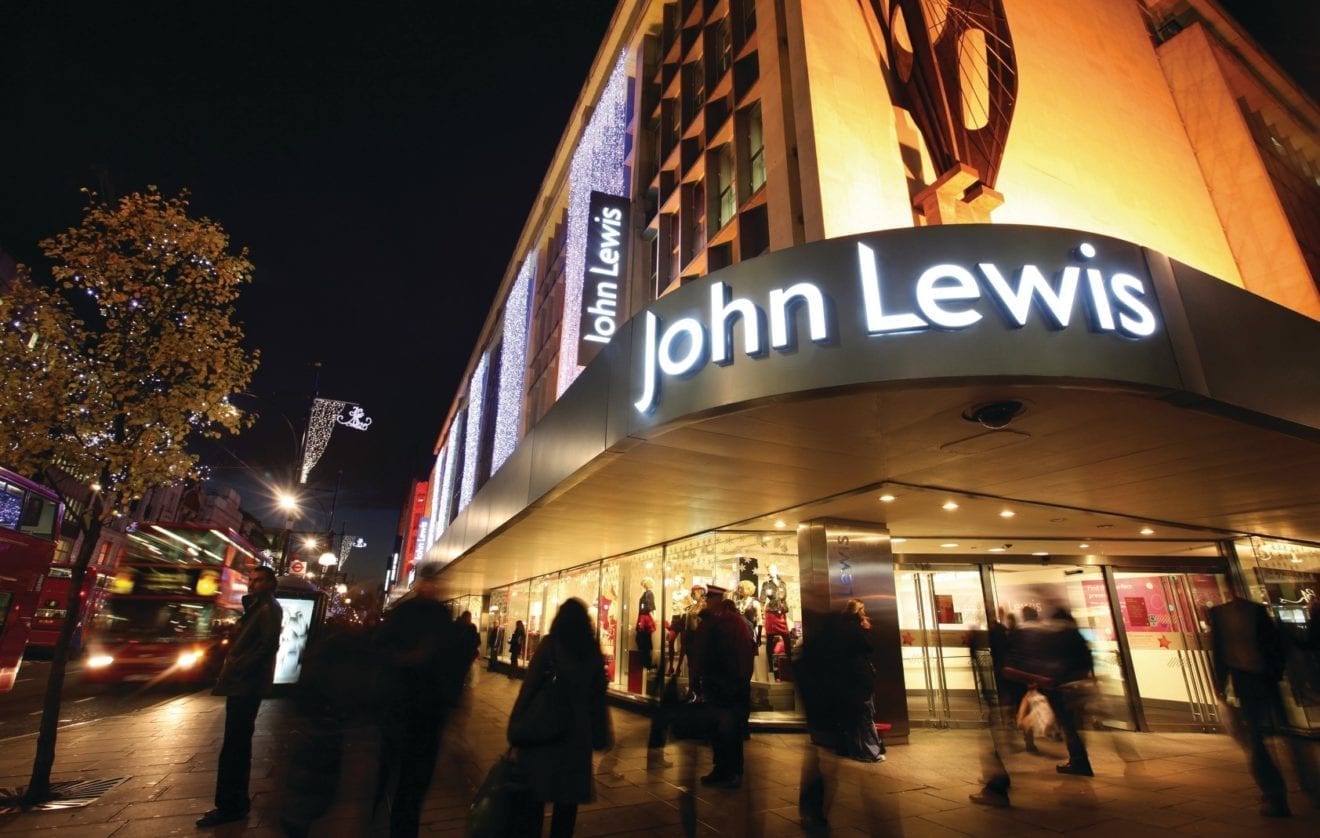
  • John Lewis fashion sales soar

    John Lewis fashion sales soar

    John Lewis fashion sales rose a tremendous 7.2 per cent over Christmas – eclipsing the UK department store’s rivals, even robust performances by Debenhams, M&S and House of Fraser.

    Own brand collections continued to strengthen throughout 2016, with the inclusion of Modern Rarity filling a gap in its private label brand portfolio by appealing to a stylish, design-led shopper and taking Cos on as a direct rival. John Lewis should consider taking this brand into menswear, given the outperformance of menswear in 2017 versus other clothing sectors, and the current gaps in the market for brands targeting the 30-45 year old male shopper.

    Its Electricals Home & Technology division was up against the strongest comparative, rising 4.8 per cent against a 9.6 per cent rise last Christmas. The department faced huge discounting pressure from rivals Amazon, Argos and Dixons Carphone, particularly over Black Friday when promotions were offered over a week ahead of the main event. However, John Lewis’ strategy of selling the latest models across technology categories will have limited its exposure to the breadth of discounts available elsewhere.

    As one of the leading players in selling affordable smart home technology, John Lewis can expect to see a greater uptake in demand in 2017 following its significant investment in the department during 2016 and increasing consumer awareness.

    Home reported the slowest sales growth at 2.7 per cent against a 5.1 per cent rise last year, though this is outperforming both the home and furniture markets and is resilient given the fall in housing transactions.

    Paula Nickolds takes over the reins this month from Andy Street, marking the start of a new era for the department store. Nickolds’ understanding of the business will ensure Street’s legacy and strategy will be carried forward, but her new appointment begins at the start of what will be a challenging and unpredictable three year (at least) period, so new initiatives will be important to stimulate demand.

    -Honor Strachan

  • Jessica Hart leads Triumph bra campaign

    Jessica Hart leads Triumph bra campaign

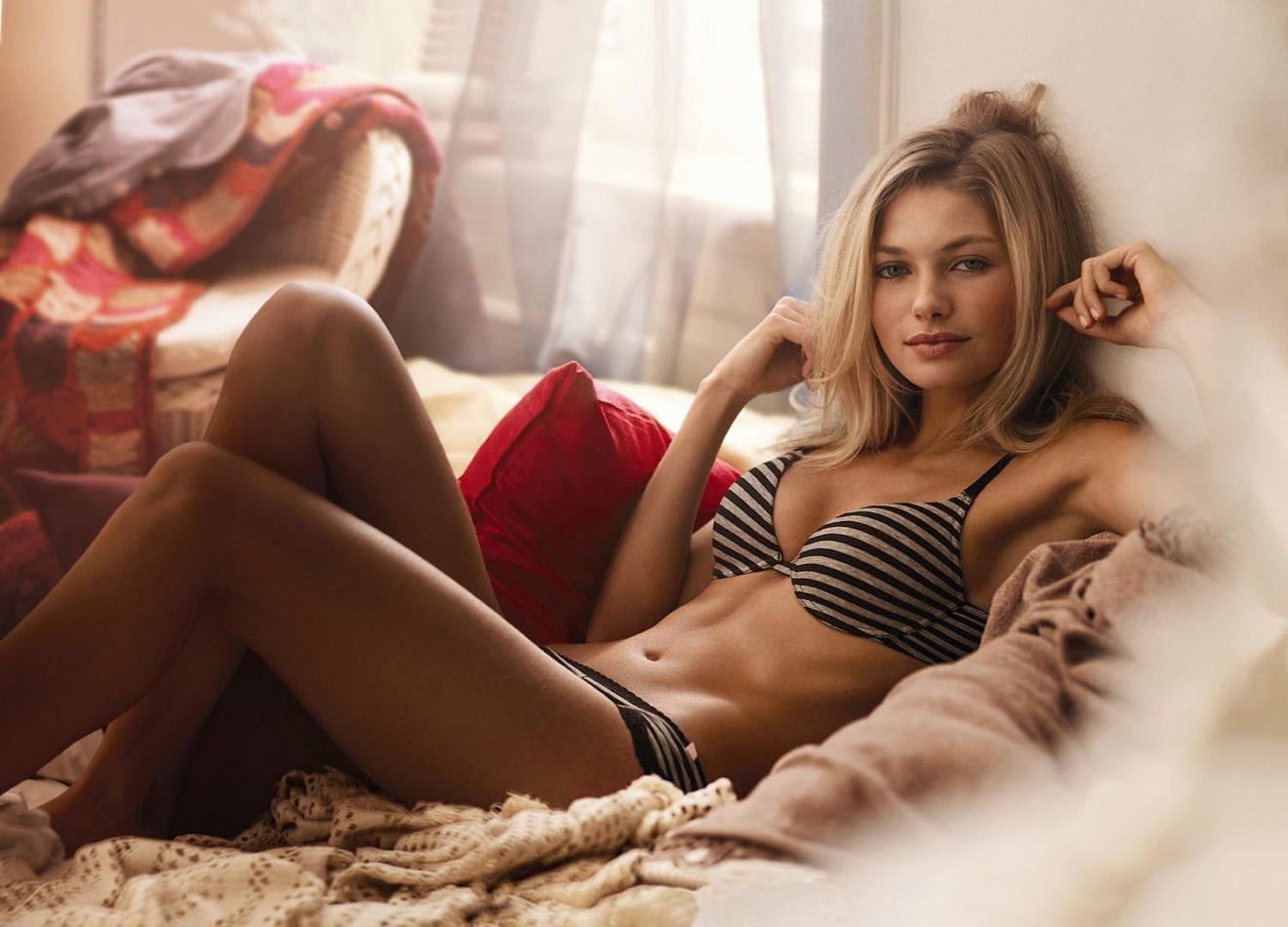
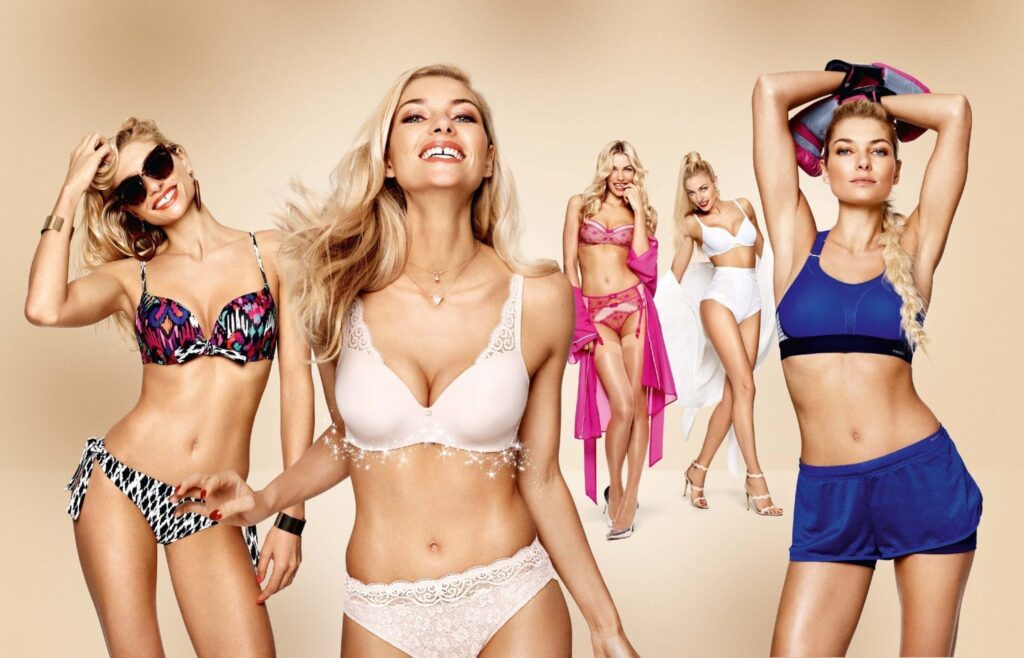
    Australian model/entrepreneur Jessica Hart heads the new global spring/summer campaign for the Triumph bra brand.

    She was shot by British fashion photographer Rankin for the campaign, “Find the One for Every You”, which tells the story of the modern woman’s multifaceted life: athlete, business woman, mother. The concept is to show how Triumph bras support women whatever they do, and to help them “find the one” for every age, shape, size and occasion.

    Hart and supporting models are depicted in various roles, with the campaign playing on real personalities rather than an idealised image. Rankin says the most exciting thing about working on the campaign is that the brand is moving in a different direction.

    “The images are modern, accessible and incredibly confident. We’re really pushing the fact that it’s not just for the ‘perfect’ woman, Triumph is for every woman.”

    Hart says she is excited to be part of change, “representing this playful side of Triumph that speaks to all women”.

    The campaign spotlights the brand’s diverse styles, from the feminine Amourette 300, confidence-enhancing Magic Boost and innovative Triaction.

    Hart has also been a Victoria’s Secret model.

  • SuperGroup thrives after downsizing logos

    SuperGroup thrives after downsizing logos

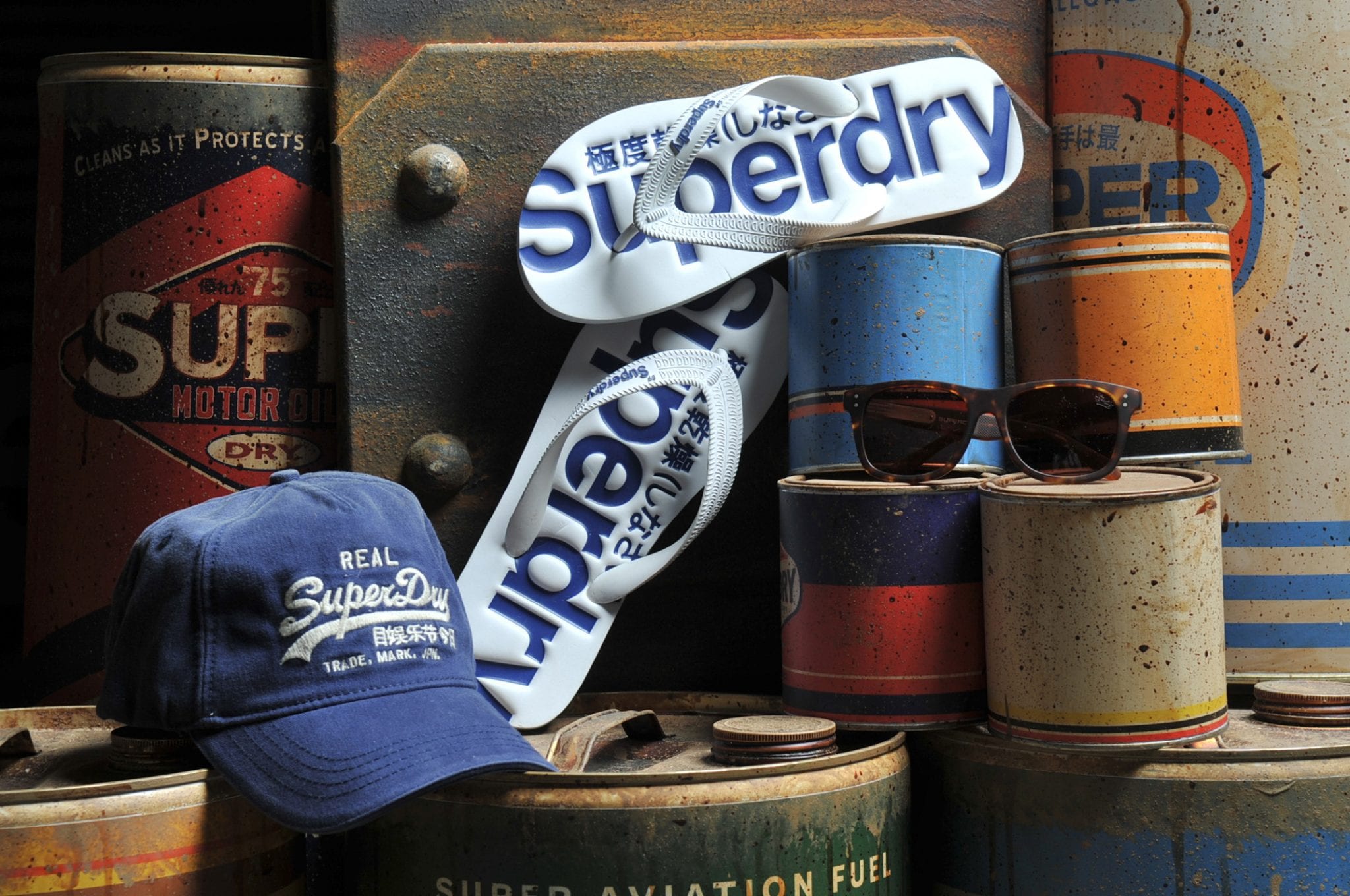
    SuperGroup was a clear winner last Christmas as it benefitted from the weak pound and the opening of net nine new stores in the 10-week Christmas period helping to boost revenue to £162.1 million.

    SuperGroup’s conventional approach to discounting, with a series of online category specific promotions before Christmas and a clearance sale after, drove full price sales throughout most of the trading period.

    SuperGroup’s deliberate move away from the heavy logoed product of the past and investment in its womenswear ranges and premium menswear collection means Superdry has become a more fashion focused brand that has greater mass appeal – albeit its distinctive design flair still helps differentiate its offer from rivals.

    Communication of its updated ranges to new consumers is now imperative to its success. For females its investment in making stores more gender neutral will help shift views that it is a male brand, but with almost 50 per cent of women shopping menswear, it should consider assigning prime floorspace to womenswear to make it more appealing to browse collections when instore.

    In menswear it continues to outperform the sector boosted by its sportswear range and the prolonged athleisure trend. Despite its strong performance it still needs to shift perceptions that it is solely a casualwear retailer. The Idris Elba premium collection presents clothing that aligns it with new competitors such as Ted Baker, Whistles and Reiss; however winning the attention of these shoppers will remain difficult as merchandising, even in newer formats, still primarily focuses on casualwear.

    Dedicated window displays of the premium collection is one way Superdry can tempt new shoppers who have more tailored tastes in store and away from established smarter casualwear menswear retailers.

  • Versace Hong Kong opens flagship store

    Versace Hong Kong opens flagship store

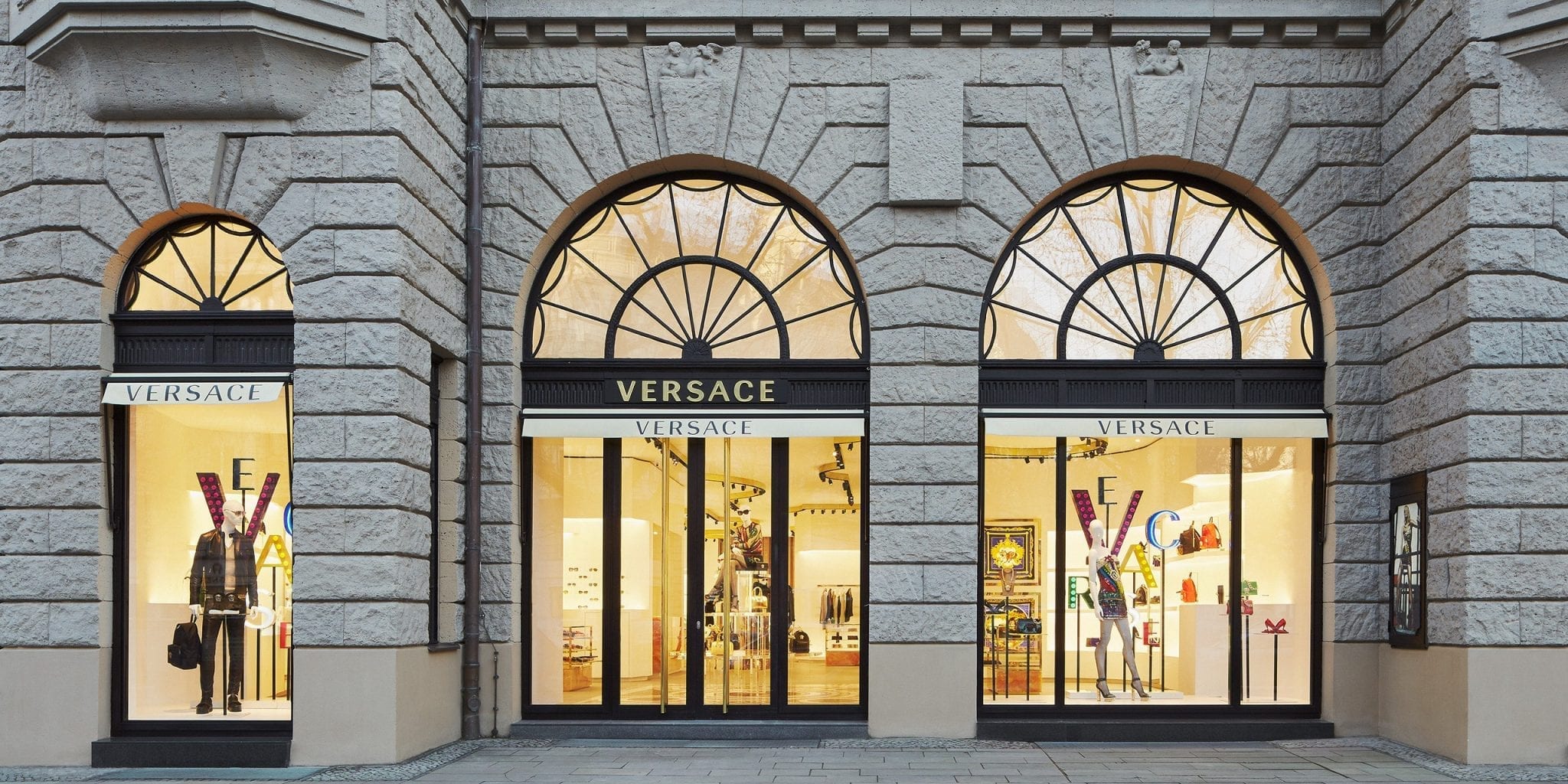
    Versace Hong Kong has opened a flagship store in the Shanghai Commercial Bank Tower in Central.

    Covering about 743 sqm, it features men’s and women’s ready-to-wear and accessories. It joins standalone stores for the Italian fashion house at Gateway Arcade, MixC Mall, Pacific Place and Sogo Causeway Bay.

    versace-hong-kong-shanghai-commercial-bank-central-2

    The flagship incorporates traditional Italian architectural values with modern touches. Architectural elements include Fior di Bosco marble flooring and brass features, while the facade features backlit onyx.

    versace-hong-kong-shanghai-commercial-bank-central-1

    “For me, the boutique suggests an uninterrupted dialogue between our past and our future, between Versace and our clients,” says Versace Group VP and chief designer Donatella Versace.

    To celebrate, Versace has designed a limited-edition mini Palazzo Empire handbag especially for the store. It is embellished with silver Swarovski crystals and includes a detachable leather shoulder strap and a palladium Medusa head, the symbol of Versace. There is also a metallic tag inscribed “The Palazzo Empire celebrating Hong Kong”.

    versace

    Also at the boutique is a limited number of medium and large Palazzo Empire handbags in exotic skins in various colours. These handbags include a removable interior metallic tag reading “Versace for Shanghai Commercial Bank Tower, Hong Kong”.

  • Hong Kong Fashion Week for Fall/Winter Kicks Off Today

    Hong Kong Fashion Week for Fall/Winter Kicks Off Today

    The 48th Hong Kong Fashion Week for Fall/Winter, a superb fashion sourcing platform in Asia, opened today at the Hong Kong Convention and Exhibition Centre. The four-day show (16 to 19 January), organised by the Hong Kong Trade Development Council (HKTDC), features more than 1,500 exhibitors from 21 countries and regions, showcasing the latest fashion designs, garment, accessories, fabrics and sewing supplies.

    Under the theme “Hall of Games”, this year’s Fashion Week for Fall/Winter incorporates board game elements throughout the fairground to enhance the ambience.

    With healthy living becoming a priority among consumers, the demand for sportswear and fitness clothing is on the rise. To help buyers identify relevant products and suppliers, the HKTDC has added two new zones to this year’s show: Fashionable Sportswear and Denim & Casual Wear. The former showcases the hottest styles for various sports activities, including fitness and yoga while the latter focuses on trendy designs for a relaxed lifestyle.

    There are five pavilions at the fair from India, Indonesia, Japan, Macau and Pakistan. Companies from Italy, Sweden and Pakistan are fair debutants this year, bringing along names such as Italian brand Salto, displaying its eco-leather silver pleated skirt; Swedish company Yves Lansac, showcasing its colourful and fashionable watch and handbag collections; and Pakistani exhibitor Umar Garments Printing, introducing its automated screen printing technology that allows high flexibility and accuracy for producing simple to complex designs with advanced inks.

    Other product zones at the fair are: Cashmere, Wool and Thermal Clothing, Fabrics & Yarn and Men in Style. In addition, Emporium de Mode presents exquisite and distinctive brands, while the International Fashion Designers’ Showcase features collections from scintillating designers such as Mim Mak, Jean Du Che and Mountain Yam.

    As a global fashion sourcing hub in Asia, Hong Kong is a hotspot for many international trading houses and premier retailers. The annual Hong Kong Fashion Week for Fall/Winter is an important platform for buyers to discover the latest fashion products and accessories. To create more business opportunities for exhibitors, the HKTDC has arranged 90 buying missions from 43 countries and regions bringing more than 3,770 companies to the show. Among the participants are representatives of famous fashion labels, mega chain stores and distributors from both traditional and emerging markets, including Spain’s Beni Room, Japan’s H.P. France, Thailand’s Jaspal and the Chinese mainland’s The Fashion Door.

    Fashion shows showcasing creativity

    More than 20 fashion events are taking place during the four-day Hong Kong Fashion Week for Fall/Winter. In addition to trend forecasting seminars, thematic forums and networking receptions, a total of 10 fashion shows including designers’ collection and brand collection shows are being staged.

    Hong Kong Fashion Week has long been a launchpad for up-and-coming local young designers. To spotlight Hong Kong’s design talent, local fashion website FASHIONALLY presented two fashion shows today featuring the collections of 14 fashion labels by emerging local designers. Participants included established names as well as first-time participants, including Jane Ng, Yeung Chin, Kenson Tam, Winnie Chen and Key Chow.

    FASHIONALLY COLLECTION #8 featured chic womenswear for Fall/Winter 2017. It was a display of contemporary reinterpretations of feminine aesthetics. The design units that took part in the show were 112 mountainyam (Designer: Mountain Yam), FromClothingOf (Designer: Shirley Wong), phenotypsetter (Designer: Jane Ng), KEVIN HO, Lapeewee (Designer: Yannes Wong), Blind by JW (Designers: Walter Kong and Jessica Lau) and HANG (Designer: Mim Mak).

    FASHIONALLY COLLECTION #9 presented avant-garde designs for Fall/Winter 2017 that challenge the status quo for designs for both men and women. Participating brands included MODEMENT (Designer: Aries Sin), YEUNG CHIN, KENSON (Designer: Kenson Tam), SHERMAN KWAN, DEMO (Designer: Derek Chan), Winnie Witt (Designer: Winnie Chen) and Ka Wa Key (Designer: Key Chow).

    Tomorrow, local collections will be featured at the Brand Collections’ Show, including those from Ika Butoni and Artistic Palace, a house brand of Chinese Arts & Crafts. Renowned for their traditional workmanship, Chinese Arts & Crafts will display their exquisite cheongsam, traditional Chinese clothing and high-end bespoke collections.

    The Designers’ Collection Show will be held on 18 January. It will showcase the latest collections of such brands as Ophee’s (by Hong Kong designer Agnes Wong), ENGELEENA (by New Zealand designer Engeleena Padyachi), Vanilla Gate-Gala (from Thailand) and Bernadette Chan (Hong Kong designer brand).

    An ideal platform for exchange and collaboration

    To help industry players exchange and obtain market intelligence, the HKTDC has invited industry experts to share their insights and ideas on the latest trends and topics at a series of events, including trend forecasting seminars, thematic forums and networking receptions.

    Leading international fashion forecaster Fashion Snoops shared their forecast and analysis on “The Key Trend Stories for Men’s and Women’s Wear for S/S 2018”. Tomorrow, the HKTDC and The Hong Kong Research Institute of Textiles and Apparel (HKRITA) will host a seminar on “Knitting Tech – From Materials to Finishing”. On Wednesday, Asian e-tailer giant Zalora will explore the latest business opportunities of Omni-Channel Retailing, while The Woolmark Company, an authority in the wool industry, will host the “The Wool Lab S/S 18” seminar to discuss the leading trends for Spring/Summer 2018 and introduce purchasing guides to the best wool fabrics and yarns.

    This evening’s networking reception also provides an opportunity for industry players to expand their networks and explore collaboration opportunities.

  • House of Fraser sales plummet under Chinese owner

    House of Fraser sales plummet under Chinese owner

    The global ambitions of House of Fraser’s new Chinese owners have fallen flat, management is disgruntled and profits have dived nearly 50 per cent in the first half year.

    That’s the analysis of Verdict Retail senior analyst Emily Stella, who says the department store’s fate is “being closely watched”.

    Unseasonable weather and consumer uncertainty were factors in the decline, she adds.

    But the news is not all bad.

    “House of Fraser has reported a positive set of results for the Christmas period: the beauty category performed particularly well, with an increase in gifting and the onset of party season. [In the UK] House of Fraser’s Black Friday results were also commendable, with sales rising 2.7 per cent on last year – driven primarily by strong online demand, which represented 41 per cent of total sales across the week-long event.”

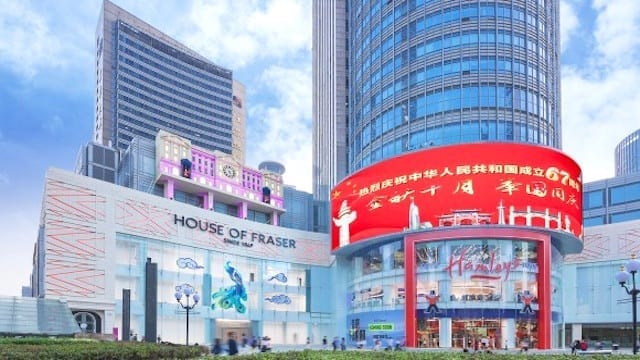
    After repeated postponements, House of Fraser opened its first standalone store in China in Sanpower Plaza in Nanjing in December.  The company is owned by Chinese conglomerate Sanpower Group, whose affiliate C.banner International owns British toy giant Hamleys, which has opened a store in the same centre.

    House of Fraser chairman Frank Slevin said at the opening that the chain will look to benefit from the strong demand by Chinese consumers for UK brands.

    Meanwhile, Stella says the retailer has rightly invested in refurbishing its existing UK stores.

    “These stores have been the retailer’s top performers over the Christmas weeks and supported like-for-like sales growth. Continued investment in its online platform and store estate, as well as offering consumers a broad range of brands will be critical as the retailer faces tougher market conditions in 2017.”

    The true performance of House of Fraser over Christmas will be able to be assessed when rivals M&S, Debenhams and John Lewis reveal their results tonight, providing a benchmark for all.

  • Fast retailing bright faith

    Fast retailing bright faith

    Both consolidated revenue and profit rose for apparel retailer Fast Retailing Group in the first quarter of its latest fiscal year – the three months to November 30.

    Consolidated revenue rose 1.6 per cent year-on-year to reach ¥528.8 billion (U$4.6 billion), while profit soared 16.7 per cent to reach ¥88.5 billion.

    The gross profit margin held steady as the company continued its group-wide cost-cutting drive initiated in fiscal 2016.

    With the group recording a foreign exchange gain of ¥15.6 billion, the consolidated profit rose considerably in the quarter, with profit before taxes increasing by 34.2 per cent to ¥104.2 billion, and profit attributable to the owners of the parent expanding by 45.1 per cent to ¥69.6 billion.

    Breaking down the first-quarter performance into the three individual business segments, Uniqlo Japan increased both revenue and profit, Uniqlo International had a fall in revenue but a rise in profit, and Global Brands had a rise in revenue but a fall in profit.

    With its medium-term vision to become the world’s No. 1 apparel digital retailer, the group is focussing its efforts on expanding Uniqlo International and its low-priced GU casual-fashion brand.

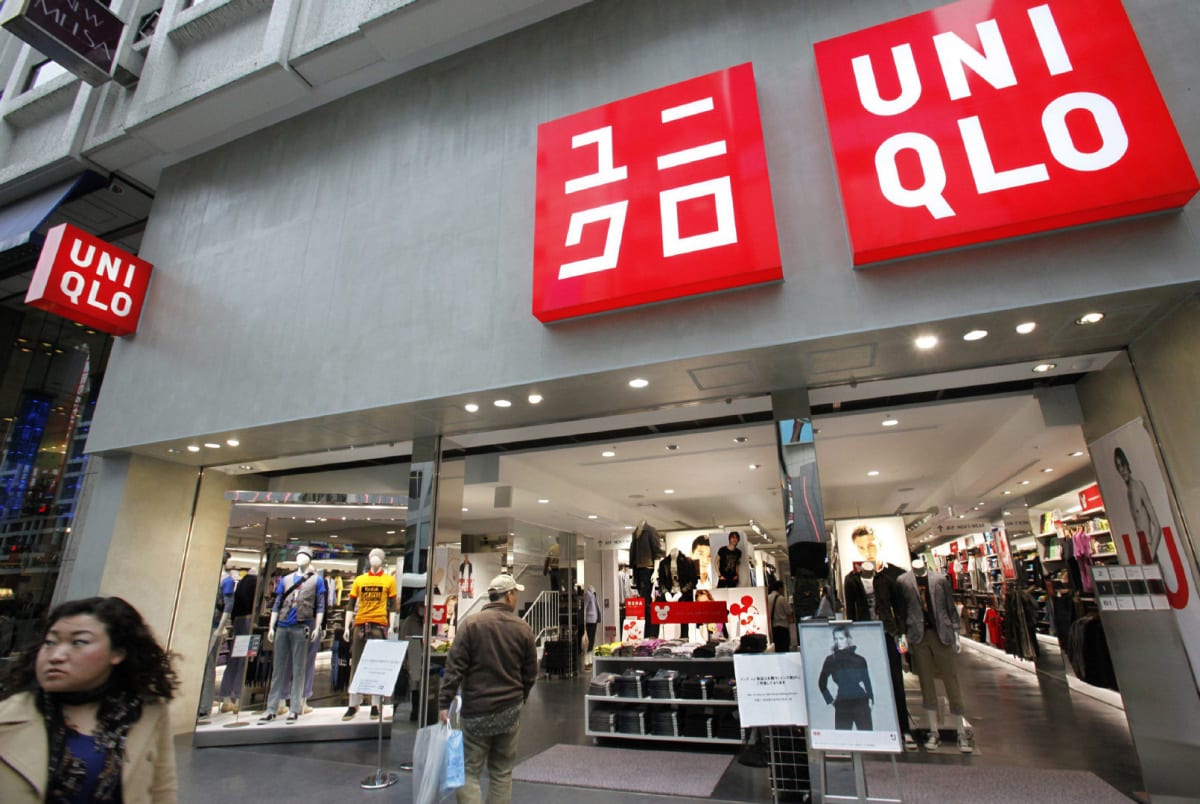
    It is continuing to grow Uniqlo store numbers in each country where it has a presence, opening global flagship stores and large-format stores in major cities. It is also expanding GU, which has grown into a second-pillar brand for the group. It has opened more GU stores within Japan and has been accelerating the brand’s development and store numbers in overseas markets.

    “Another medium-term goal is to revolutionise our entire supply chain, spanning all procedures from planning to design, raw materials procurement, manufacturing and retail into a new supply chain system that can fully satisfy the needs of today’s digital era.

    “The customer-centric, information-driven supply chain is designed to support a comprehensive new digital retailing business model for the Fast Retailing Group.”

    Next month, the group will move all Uniqlo product-related and commercial activities to its central Ariake headquarters.

    Uniqlo Japan

    For the quarter, Uniqlo Japan increased revenue 3.4 per cent to ¥238.8 billion, and profit by 1.8 per cent to ¥45.6 billion. Same-store and online sales grew 2.5 per cent.

    During the period, the number of stores was reduced by six to 800 (excluding 41 franchise stores) at the end of November. Three stores shifted from being directly run to become employee franchise stores.

    Same-store sales declined in September and October because of unseasonal warm weather affecting demand for fall/winter items. Once temperatures dropped in November, same-store sales picked up.

    Uniqlo International

    Revenue eased 0.2 per cent to ¥196.5 billion for Uniqlo International, but there was a 44.6 per cent rise in profit. The fall in revenue was mainly because of the effect of the stronger yen, which pushed down yen-based sales by an average 16 per cent. However, in terms of local currencies, sales rose overall.
    Profit contributions from Uniqlo Greater China and Uniqlo Southeast Asia and Oceania were especially strong.

    Fifteen years after the first Uniqlo store outside Japan opened, the international network surpassed 1000 outlets, settling at 1009 stores at the end of November, an increase of 145.

    Global Brands

    For Global Brands, revenue rose 1.1 per cent to ¥92.7 billion while profit dropped by 22.7 per cent to ¥9.5 billion. The GU casual fashion brand grew revenue but had a profit fall after unseasonal warm weather. GU same-store sales expanded only marginally over the quarter as a whole.

    The group’s Princesse Tam.tam label in France and its J Brand premium denim label in the US continued to lose money, while fashion brands Comptoir des Cotonniers and Theory had steady profits. 

    Humanitarian aid

    In October, Fast Retailing Group decided to donate US$1 million to humanitarian aid efforts in south Sudan.

    In its “All-Product Recycling” initiative, the group delivers clothing collected at Uniqlo and GU stores to refugees and displaced persons, and in November head-office employees visited Myanmar to donate about 60,000 items of clothing. The beneficiaries were internally displaced persons in the Kachin and Rakhine states.