Category: Fashion

Retail News Asia is committed to providing both local and global retailers with the latest Fashion news throughout the Asian market. This on a daily base.

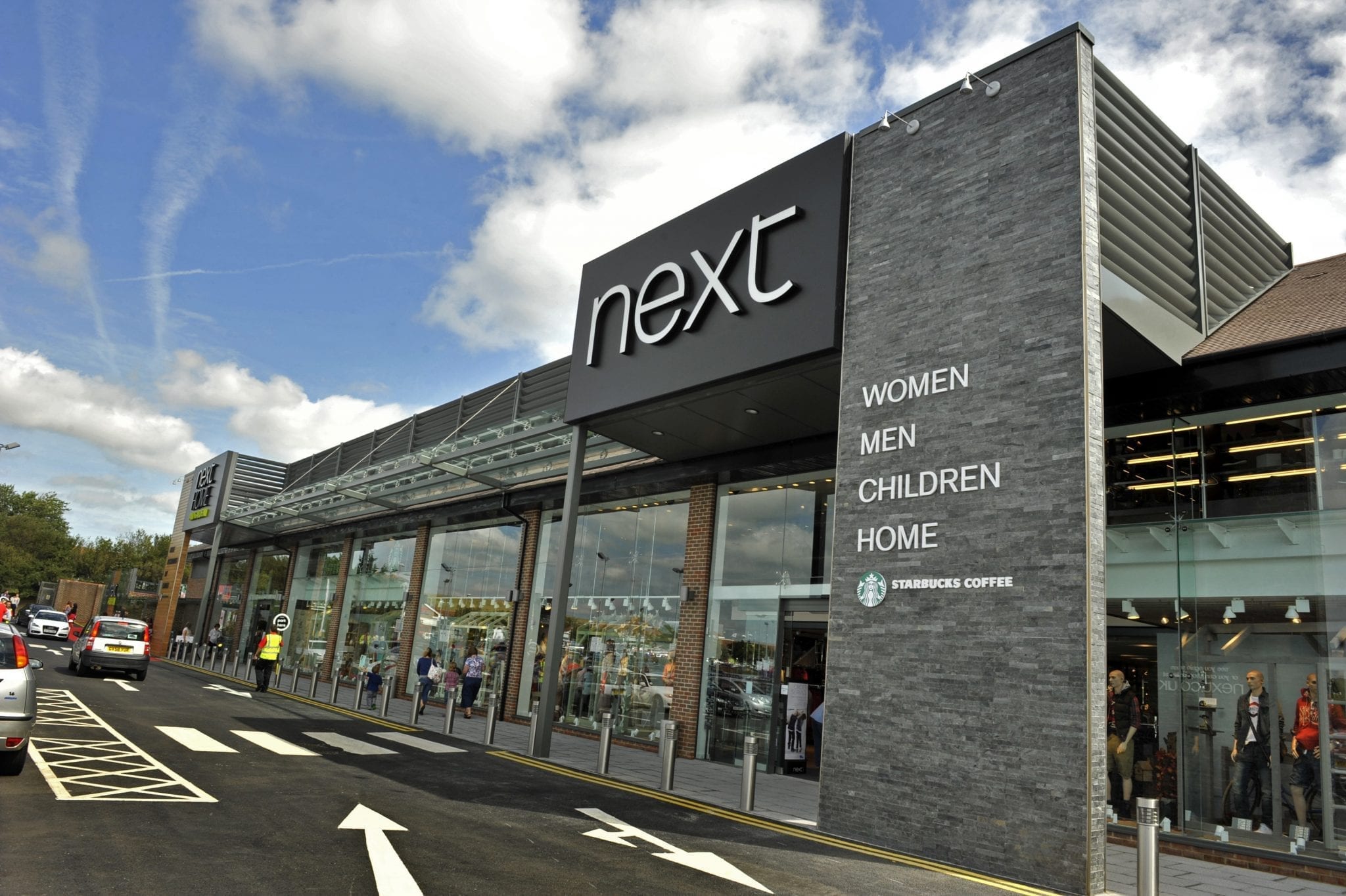
  • Fashion chain Next faces crossroads

    Fashion chain Next faces crossroads

    Fashion chain Next needs to carefully rethink who its customers are and how best to attract them to avoid falling into the same trap as M&S, says a retail analyst.

    The UK-based retailer has released its fourth quarter results for 2016, described by Emily Stella, analyst with Verdict Retail, as “poor” against a weak comparative.

    “The retailer admits it expected more from its Christmas sales. Next’s underwhelming performance was not isolated to the fourth quarter: 2016 has been a difficult year for the retailer, with full price sales for the year to date down 1.1 per cent on last year.”

    The company said it expected profits to fall in its 2017-18 financial year by between 2 per cent and 14 per cent due to “tougher times” ahead. A 0.4 per cent quarterly increase in total sales was achieved purely through discounting, which means narrower margins. Price rises, already flagged, may reduce revenue in the year ahead by a further 0.5 per cent.

    “Next has long been a retail star, seemingly unable to do wrong,” observed Stella. “However, the retailer acknowledges that 2017 could be a challenging year as consumers continue to restrict spending and a devalued pound forces price rises.”

    She said the recent results may mark the start of a difficult period for the retailer.

    “As it stands, Next’s current shoppers aren’t buying into its proposition – perhaps an indication that Next is failing to identify with its target market. To avoid falling into the same trap as M&S, Next will need to carefully rethink who its customer is and how to best attract them.”

    Next’s share price fell by 14 per cent after its gloomy projections.

  • Fossil wearables offering doubles

    Fossil wearables offering doubles

    Fossil Group will double its Fossil wearables production this year to 300 new products, plus add new brands.

    • Fossil Group has announced it will double its Fossil wearables production this year to an unmatched 300 new products, plus add new brands.
    • New connected products were also revealed by the US group’s brands…
      Armani Exchange has entered the wearables market with Armani Exchange Connected, a collection of hybrid smartwatches.
    • Fossil has extended its Fossil Q hybrid smartwatch line with Fossil Q Accomplice, with the brand’s slimmest case to date.
    • Skagen has introduced Hald and Jorn hybrid smartwatches, offering thinner cases.
      Misfit has unveiled Vapor, the brand’s first touchscreen smartwatch featuring heart rate, GPS and standalone music access.

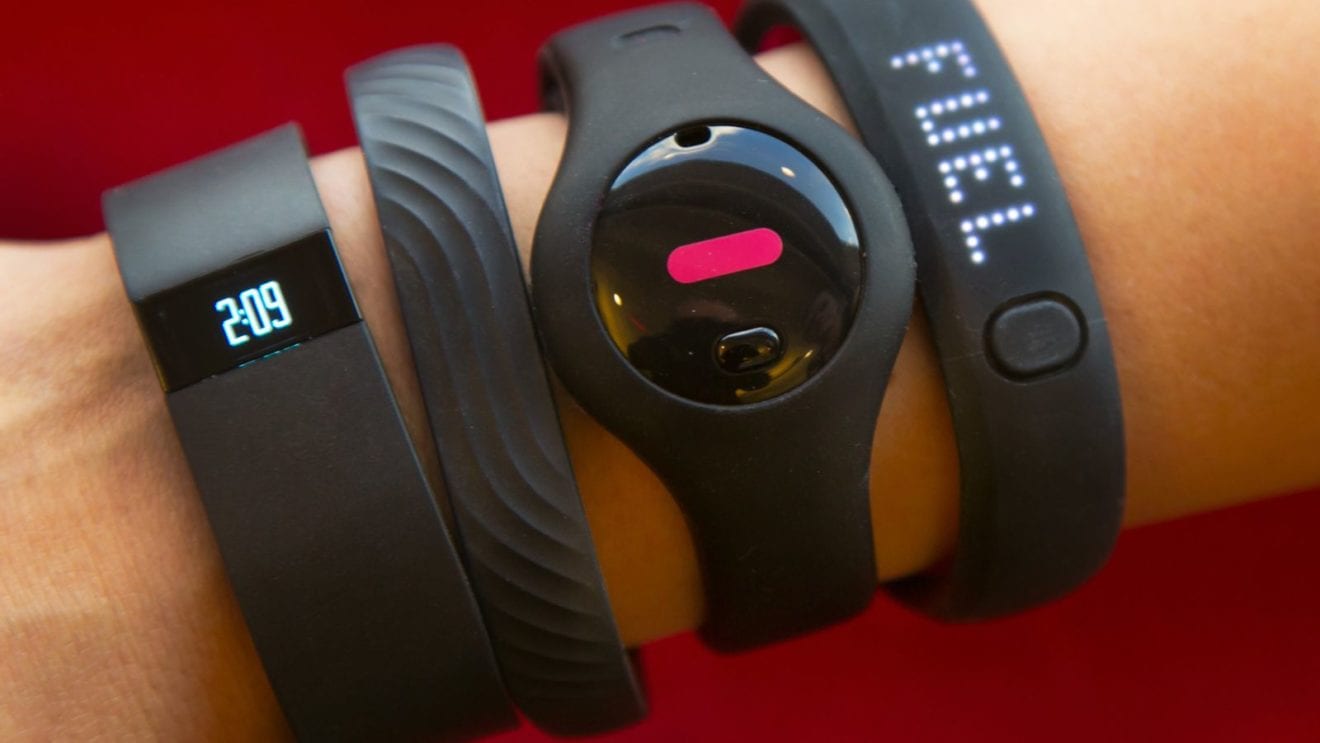
    Fossil Group’s wearables include touchscreen smartwatches, hybrid smartwatches and activity trackers.

    “Customers crave connectivity that doesn’t compromise style,” says Fossil Group chief strategy and digital officer Greg McKelvey. “We’re creating more options to seamlessly integrate desired tech features into our customers’ style and lifestyle.

    He says the group’s design, scale, speed to market and portfolio of fashion brands, coupled with its cloud and app platform plus tech and hardware innovation “have pulled us ahead of the wearables pack”.

    Fossil Group last year launched more than 140 wearables across Chaps, Diesel, Emporio Armani, Fossil, Kate Spade New York, Michael Kors, Misfit and Skagen brands throughout 40 countries and in 20 languages.

    “The success of our hybrid smartwatches has proven that our consumers want a balance of function and fashion,” says McKelvey. “We’ve effectively filled that gap in the market. Hybrids pack the power needed to efficiently accomplish daily tasks in a beautifully crafted timepiece.”

  • Prada Japan opens airport store

    Prada Japan opens airport store

    Italian fashion brand Prada Japan has opened a store in Narita International Airport’s Terminal, Tokyo.

    Covering about 200 sqm, the outlet offers women’s and men’s leather goods and accessories.

    Its facade on three sides is clad in black Marquinia marble, framing the light boxes. On the two opposite sides there are two large entrances.

    The three areas in the interior are defined by the signature black-and-white marble checkered flooring as well as a deep-green watercolour-painted canvas wall covering into which green marble shelves and glass display cabinets are set.

    A sitting area offers green velvet sofas and polished-steel and glass display counters.

  • Tax changes lower Mainland cosmetics prices

    Tax changes lower Mainland cosmetics prices

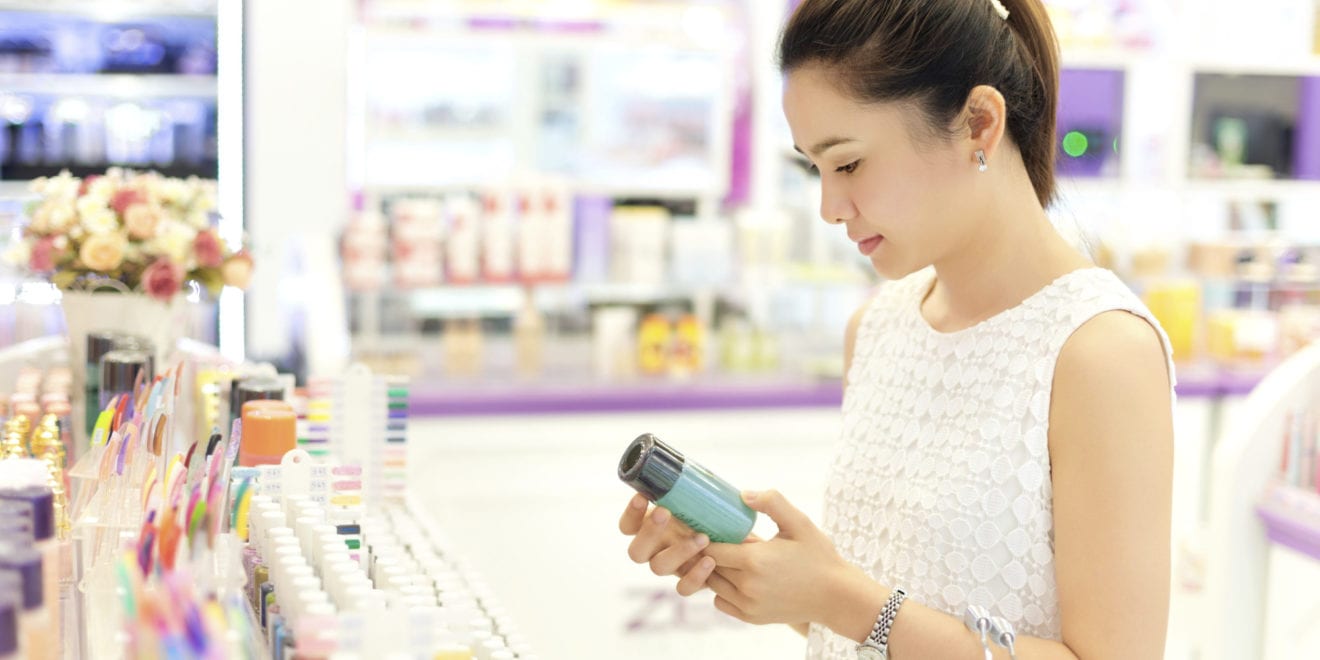
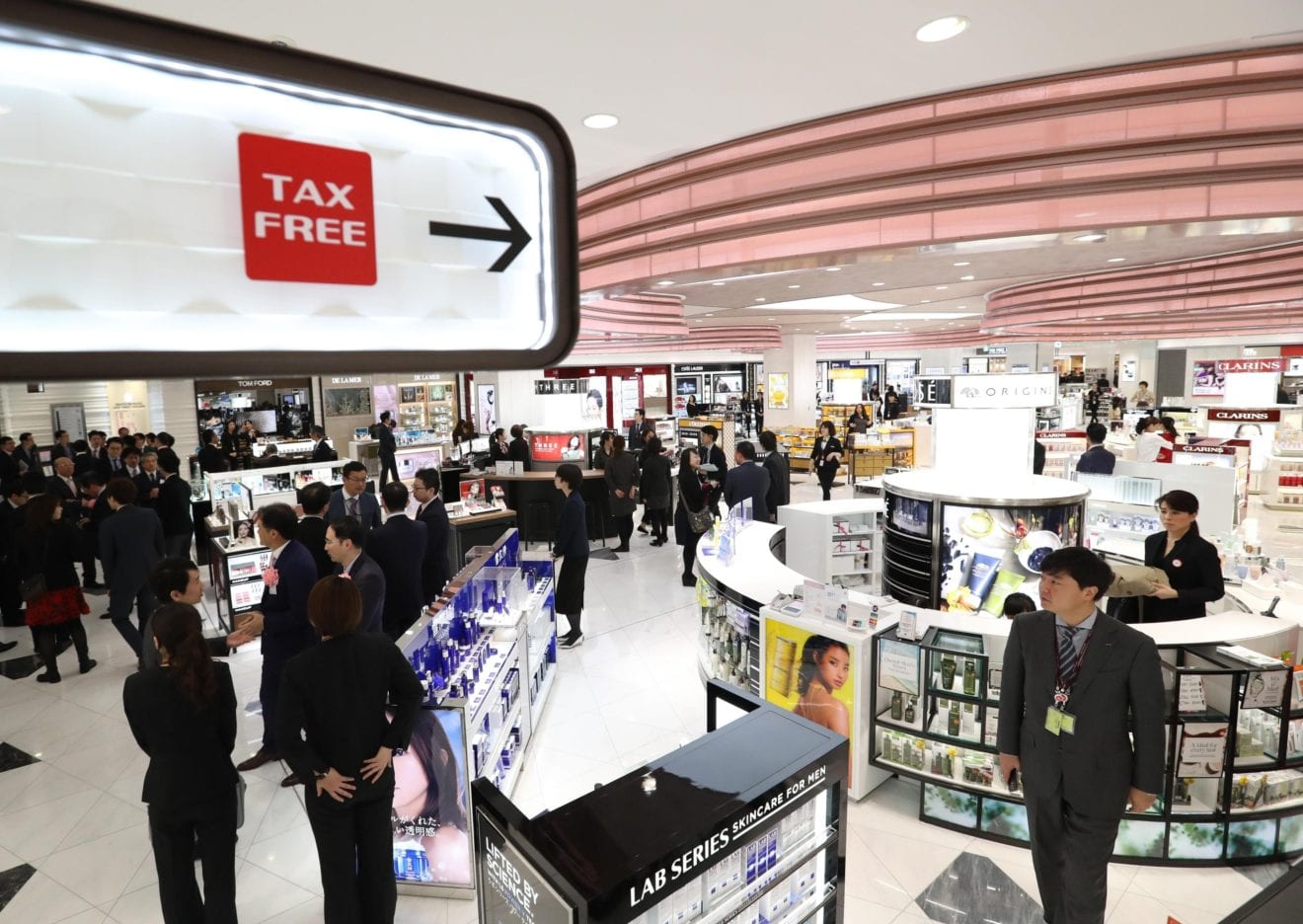
    China’s new import tax regime has enabled cosmetics giants AmorePacific and Estee Lauder to lower their prices in China by up to 30 per cent.

    AmorePacific’s China division says it will reduce Mainland cosmetics prices for 327 lines under the brands of Etude House, Innisfree, Laneige and Sulwhasoo by 3 to 30 per cent from January 15.

    US rival Estee Lauder has confirmed immediate price cuts for more than 300 lines in China, including its namesake label, Bobby Brown, Clinique, Jo Malone, and Mac by as much as 18 per cent.

    This follows Beijing’s move last year to slash its hefty duties on imported cosmetics in an effort to boost domestic consumption, according to AmorePacific, which has its headquarters in Seoul.

    “These global cosmetics names are now narrowing the price gap between China and overseas, and we believe more are probably about to follow suit,” says China Market Research Group director Ben Cavender, noting that with western brands becoming cheaper in the mainland, people may be discouraged from travelling to Hong Kong to make purchases.

    Imported cosmetics previously faced tariffs of 84 per cent, reflecting both import and point-of-sales taxes. The tariffs have now gone down to 29 per cent for most beauty products.
    Before the tariff reduction, many mainland consumers shopped via cross-border online marketplaces or while travelling abroad.

  • Beijing flagship for Delvaux China

    Beijing flagship for Delvaux China

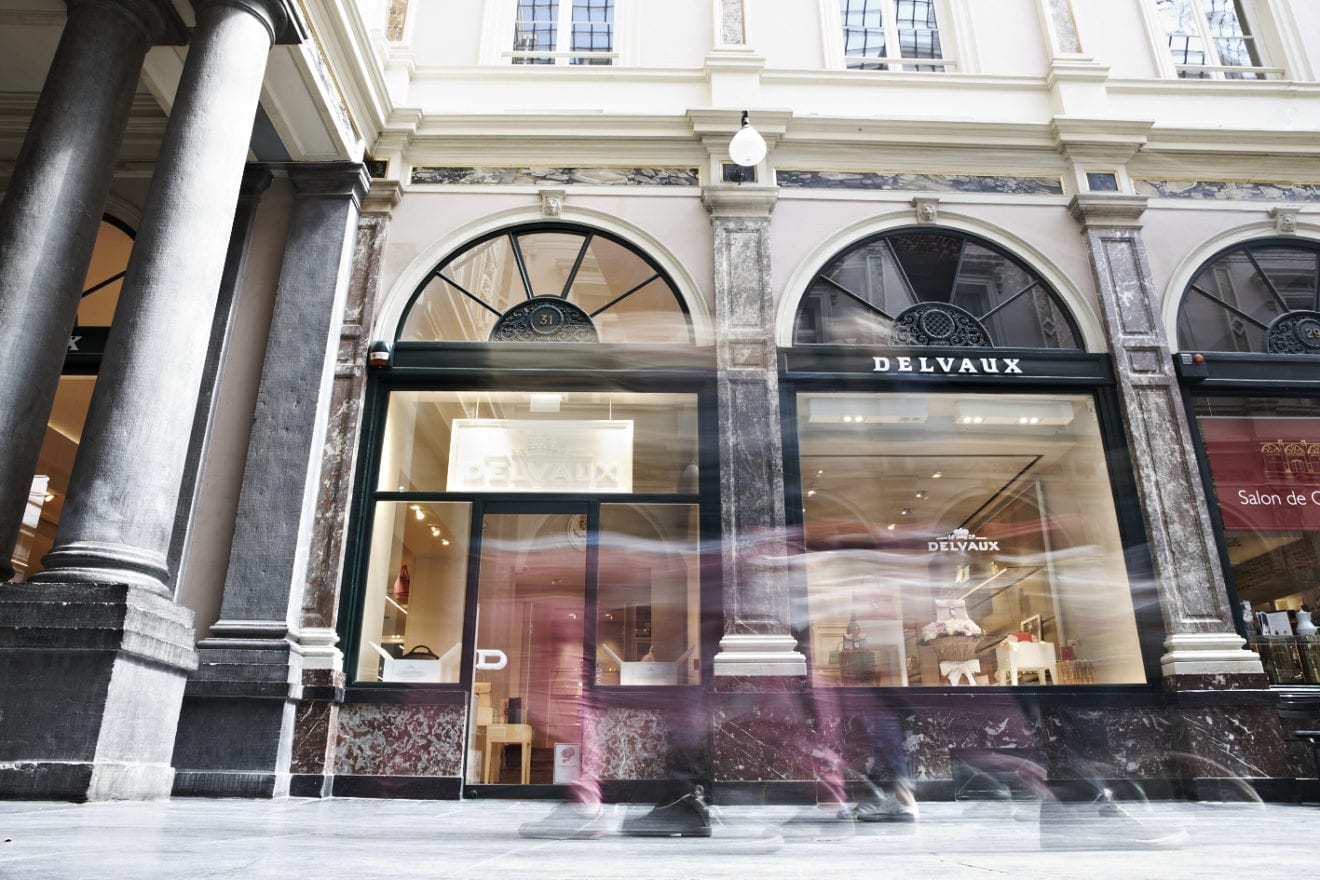
    Belgian handbag brand Delvaux China has opened a flagship store, in Taikoo Li shopping centre in Beijing’s Sanlitun district.

    Delvaux also has boutiques in Galeries Lafayette and the Yintai Center in the Chinese capital.

    Founded in 1829, the brand opened its first boutique in Hong Kong in 2014 after being acquired by Hong Kong investment group Fung Brands in 2011. It opened its first boutique in Hong Kong in 2014, followed the same year by its first Shanghai store, and a year later in Hangzhou and Beijing.

    delvaux-sanlitun-beijing-1

    When it broke into the China market, Delvaux CEO Marco Probst did not expect younger women to buy the bags.

    “Our Chinese clients were a big learning curve for us in the beginning,” he says. “We learned pretty quickly that you can have a 20-year-old girl buying a bag for $20,000, so the customer profile pretty much changed, putting the average age down to 25 to 30. Chinese clients are completely open and they learn so quickly.”

    delvaux-sanlitun-beijing-2

    Two floors

    Covering two floors, the boutique features an upstairs showroom with white walls and shelving plus white couches. For the launch, the showroom features red-leather bags to celebrate Chinese New Year.

    Probst says Delvaux hardly uses advertising campaigns, but gained a boost in interest when Korean actress Gianna Jun of the TV soap My Love from The Star was photographed carrying one of Delvaux’s Tempete bags.

    delvaux-sanlitun-beijing-3

    He says building up brand awareness in China has been achieved through “a slow, organic process” that relies mainly on word of mouth plus service that gives a feeling of exclusivity.

    Delvaux may close its Galeries Lafayette store and open one more in Shanghai and Chengdu for a total of six locations, then “that’s it”, says Probst, who is being careful about over-distributing the brand.

    Meanwhile, the new flagship features mainly classic pieces, as well as the new mostly gold end-of-year Poussiere d’Etoiles collection. Also available is a new sporty style bag, a nod to the athleisure trend in China.

  • Uniqlo China launches click and collect

    Uniqlo China launches click and collect

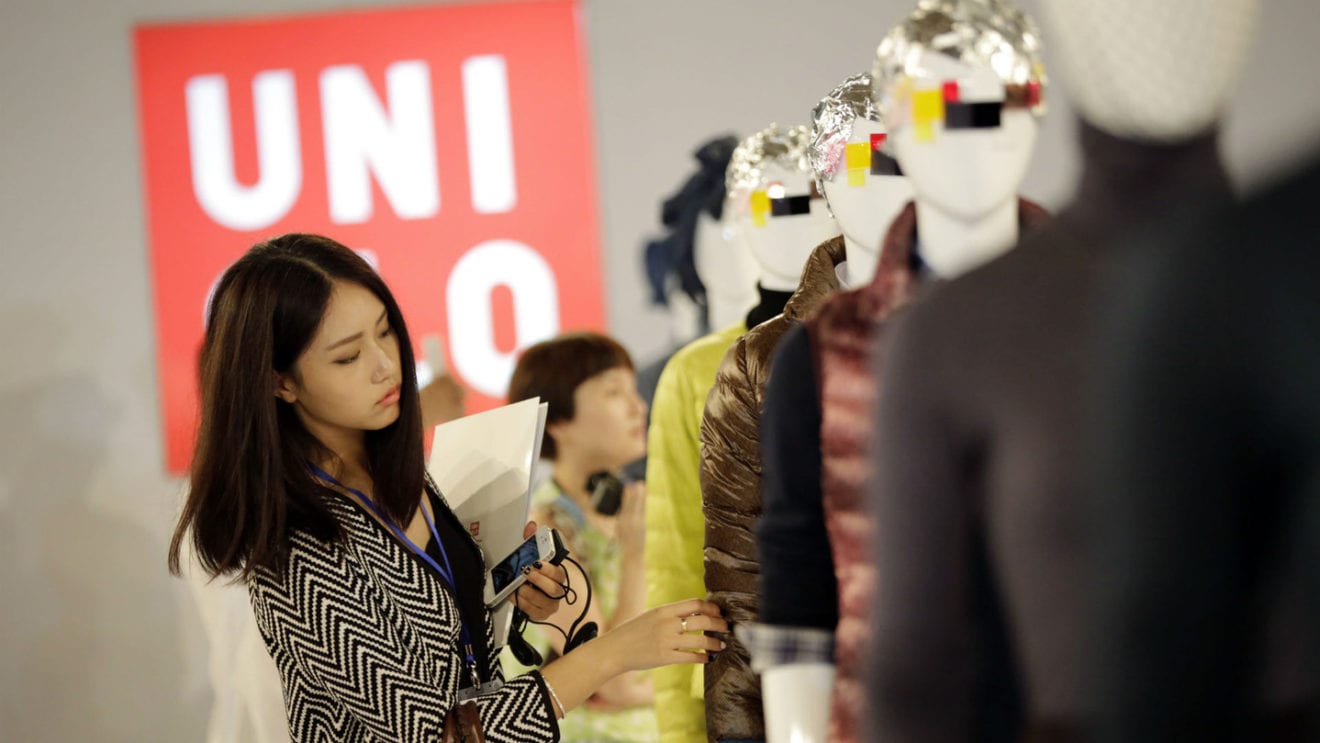
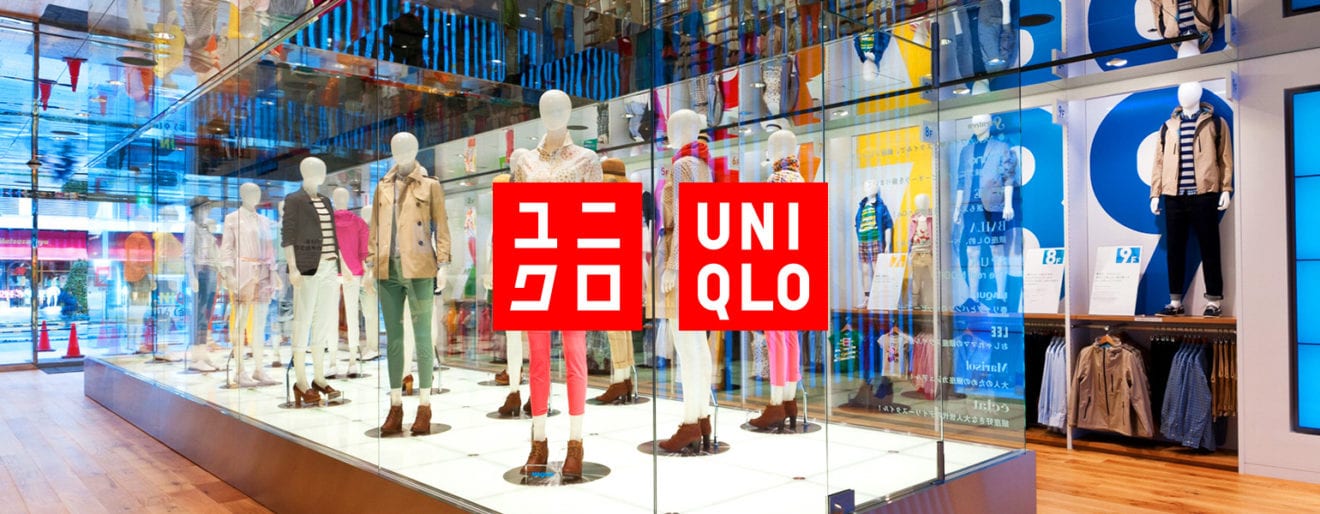
    Fast Retailing’s Uniqlo China casual-clothing chain has launched its click-and-collect service so online customers can pick up their orders at a store.

    Already working in the UK and the US, the service lets shoppers nominate a store where they want to pick up their orders. It also helps the Japanese chain boost traffic in its stores, and will probably be rolled out in other countries.

    Initially, online items can be picked up at any one of about 400 of Uniqlo’s 500 stores in China. Customers can also choose to have their orders home delivered.

    With delayed deliveries a problem in China, Uniqlo says it sees a lot of promise in the new service.

    Its sales in China, including Hong Kong and Taiwan, reached ¥332.8 billion (US$48 billion) for the fiscal year ended August last year, up 9.3 per cent from the previous 12 months.

    Uniqlo opens about 100 new stores a year in China, and at home in Japan last year began allowing online customers to pick up orders at 7-Eleven convenience stores.

  • Troubled Agent Provocateur may go on market

    Troubled Agent Provocateur may go on market

    British lingerie retailer Agent Provocateur is being prepared for a possible sale.

    This follows the company’s private equity owners late last year reporting accounting issues, a restructuring and the need for new investment into the high-end lingerie firm.

    Agent Provocateur was founded in London in 1994 by Joseph Corre and Serena Rees, and has about 100 stores in 13 countries, including Singapore and Hong Kong.

    Private equity group 3i has owned Agent Provocateur for the past decade and has been calling in experts in recent months, hiring investment bank Rothschild to handle a possible sale, The Times and Sunday Times report.

    Meanwhile, KPMG has been going through the company’s books and restructuring firm Alix Partners has been engaged to develop a turnaround plan before any possible auction.

    However, 3i may not be totally committed to an outright sale, and options include bringing in a new investor, reports CPP-Luxury.com. With an 80 per cent stake in the company, 3i reported the accounting issues when it released its own interim results in November. It said it had written down its investment in the firm by £39 million (US$48 million).

    That writedown was also attributed to the luxury slowdown as well as Agent Provocateur’s badly timed expansion program.

    As well as the writedown, the company also invested an extra £4 million in the label and non-executive chairman Chris Woodhouse was replaced by 3i partner Ian Lobley last month. Several other executives also left last year.

    After paying £60 million for its stake in 2007, 3i tried to sell it in 2014. But it could be now worth only £15 million, says a Sunday Times report.

  • Lotte Duty Free re-launches at Gimhae airport

    Lotte Duty Free re-launches at Gimhae airport

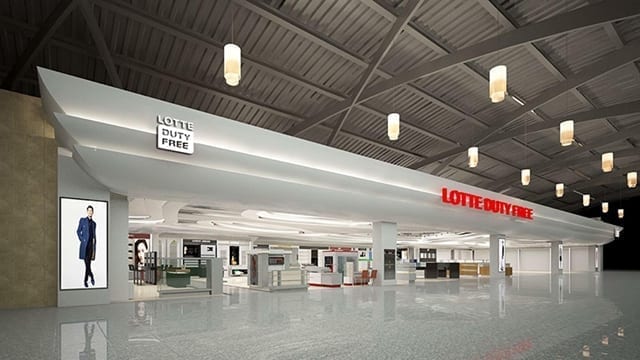
    After winning a Korea Airports Corporation (KAC) tender, Lotte Duty Free has officially re-launched at Gimhae airport.

    The retailer now has 980.44 sqm of space, an increase of 329.2 sqm over its area last year. Lotte Duty Free had a 158.34 sqm presence at the terminal when it opened in 2007 until early 2014.

    Fellow Korean retailer Shinsegae, which was at the airport until last month, is believed to have terminated its contract to focus on the city – it plans to open a 13,350 sqm store in the city centre – and its Incheon airport outlets.

    Meanwhile, Lotte is targeting sales of W120 billion ($US99.2 million) at the airport this year with daily sales of W200 million.

    Following an analysis of consumer shopping trends at Gimhae airport, the cosmetics area has been expanded by 40 percent with the introduction of such brands as Giorgio Armani, Jo Malone and Tumi.

    In its entirety, the Lotte offers more than 120 food, electronics and accessories brands at the airport, along with fragrances and cosmetics labels such as Chanel, Dior and Sulwhasoo.

    A special promotion to commemorate the grand opening at the airport offers as a grand prize for each of 30 Korean nationals and their partners a trip to Okinawa to watch the Lotte Giants baseball team train.

    Other customers can win pre-paid shopping cards, movie tickets, drinks coupons and gift certificates.

    Dufry Group also runs a duty-free concession at the airport.

  • Macy’s looks to downsize with 68 store closures

    Macy’s looks to downsize with 68 store closures

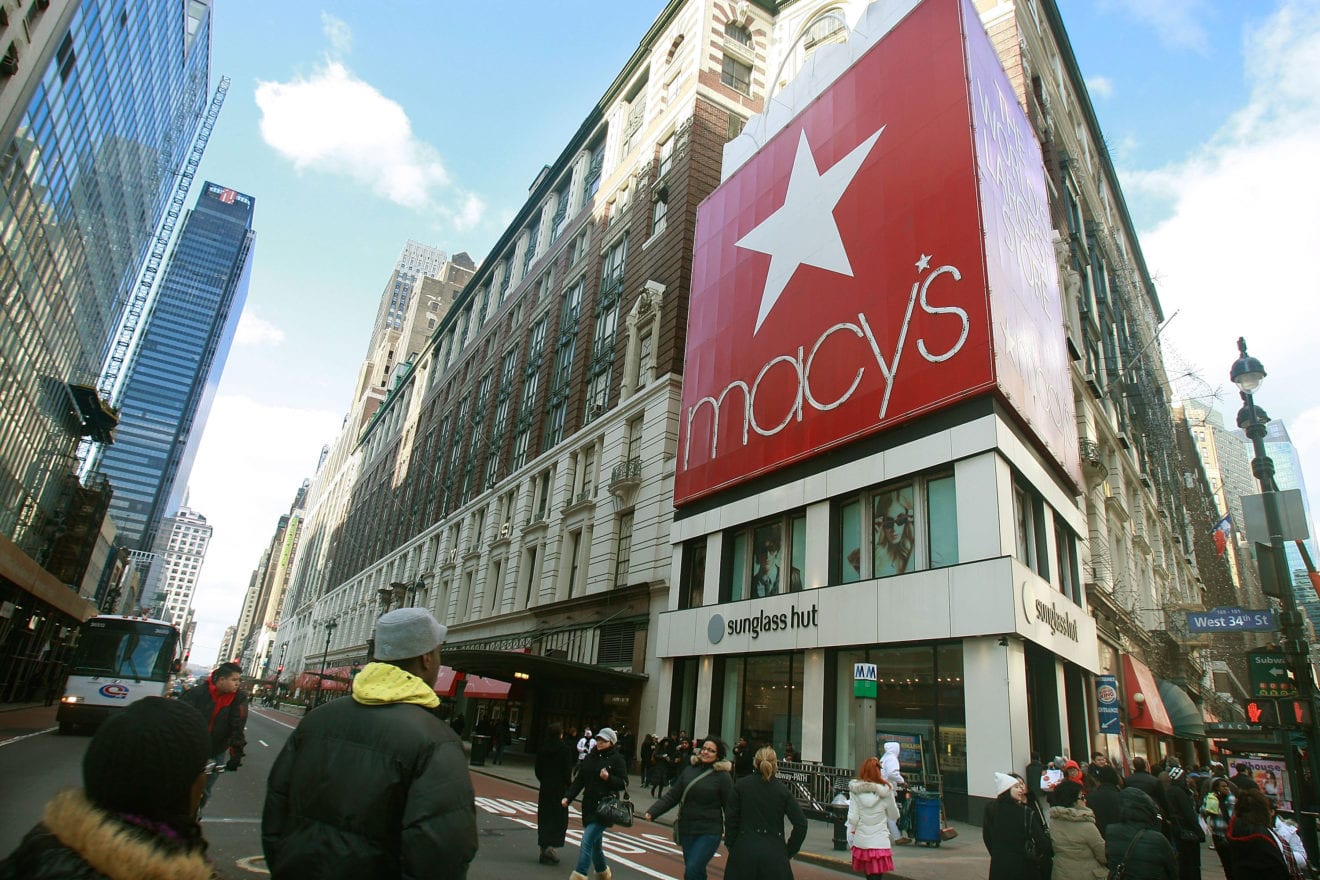
    American retail giant Macy’s Inc. has announced the closure of 68 stores as part of a plan to streamline its store portfolio and increase cost efficiency.

    The measures, which have already seen three stores close and will see a further 63 closed by early spring in the US, will save the struggling retailer approximately $550 million in 2017. $250 million of those savings will be reinvested back into the company’s digital presence, store-related growth and other related ventures.

    “Over the past year, we have been focused and disciplined about making strategic decisions to position us to gain market share and return to growth over time,” said Terry J. Lundgren, Macy’s chairman and CEO.

    “We continue to experience declining traffic in our stores where the majority of our business is still transacted,” he continued. “Our omnichannel strategies continue to evolve based on the changes in our customers’ shopping behaviours, including a focus on buying online, pickup in store and mobile-enabled shopping.”

    The company has also announced a raft of organisational changes, designed to drive greater productivity, including the elimination of management layers, reducing non-payroll costs and changes to field infrastructure. The company estimates that the initiatives will result in a staff reduction of approximately 6,200.

    Retail analyst and CEO of Conlumino Neil Saunders said the jury is still out on whether Macy’s can reinvent itself, but that the store closures are a necessary evil on the path to getting the company back on track.

    “There is an argument to be made that Macy’s has, for too long, neglected its store base and has failed to develop a compelling proposition to pull in shoppers in the digital era. However, what is done is done and the company is right to take action to put it on a firmer financial and commercial footing,” he said.

    “In our view, it is vital that the consequent reduction in costs and the proceeds from property disposals resulting from this action are used to bolster the remaining bits of the business. It would be folly to simply use the gains to fund day-to-day operations or to return to shareholders.”

  • Kate Spade & Co trying to find buyer

    Kate Spade & Co trying to find buyer

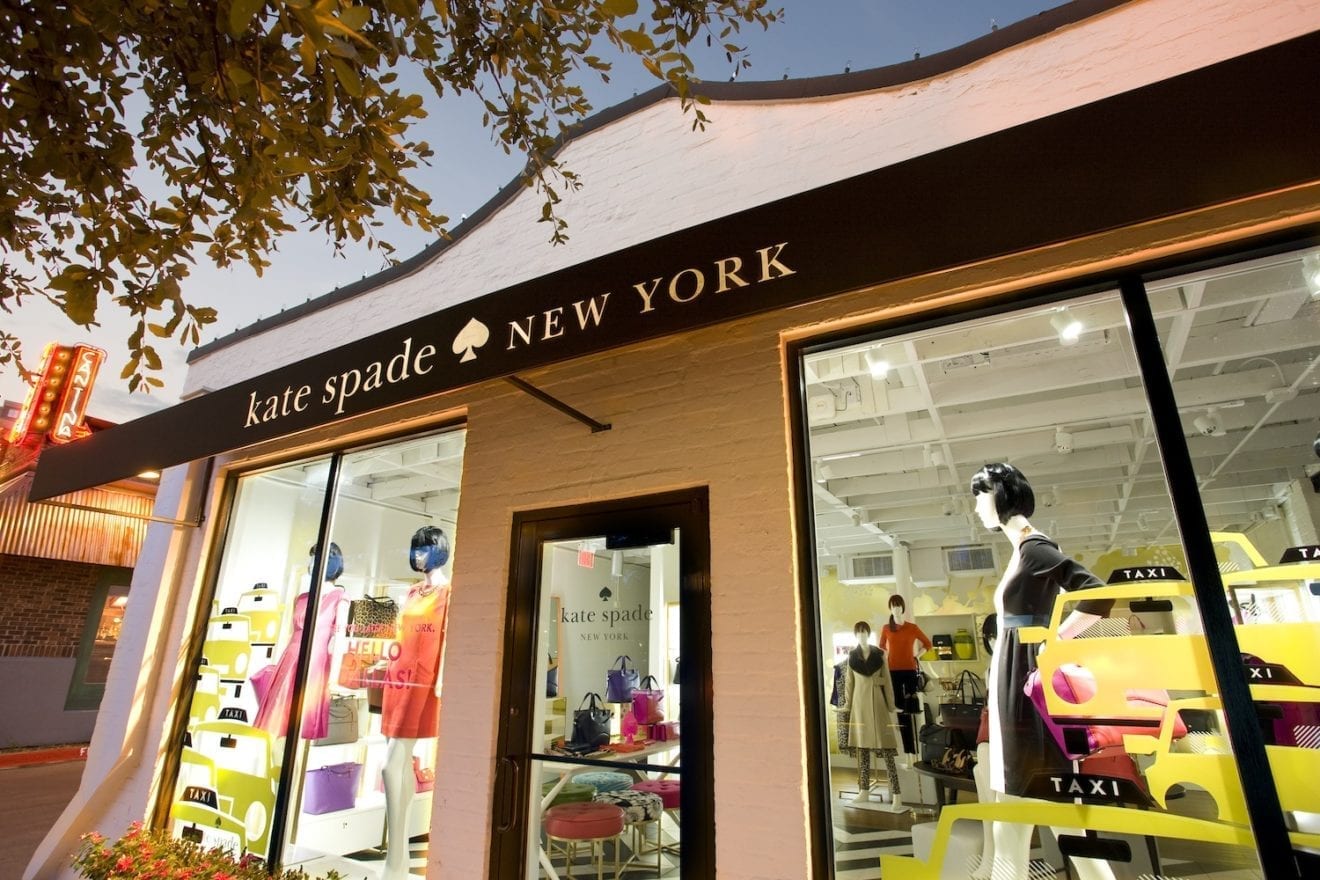
    Handbag and accessories maker and retailer Kate Spade & Co, under pressure from activist investor Barry Rosenstein, is working with a bank to sound out possible buyers.

    Quoting insiders, the Wall Street Journal says potential buyers contacted include retailers, with the process at an early stage.

    Rosenstein’s Jana Partners already has a minor stake in the company.

    Kate Spade has a market value of about $1.86 billion, but sales have dropped as the demand for handbags has weakened over the past year in the US, with people shopping less often at department stores and tourists spending less because of a strong dollar.

    Known for its quirky and colourful satchels and totes, Kate Spade was expecting dampened earnings over the holiday shopping quarter because of pricing competition.

  • Louis Vuitton Singapore 20 years anniversary gift

    Louis Vuitton Singapore 20 years anniversary gift

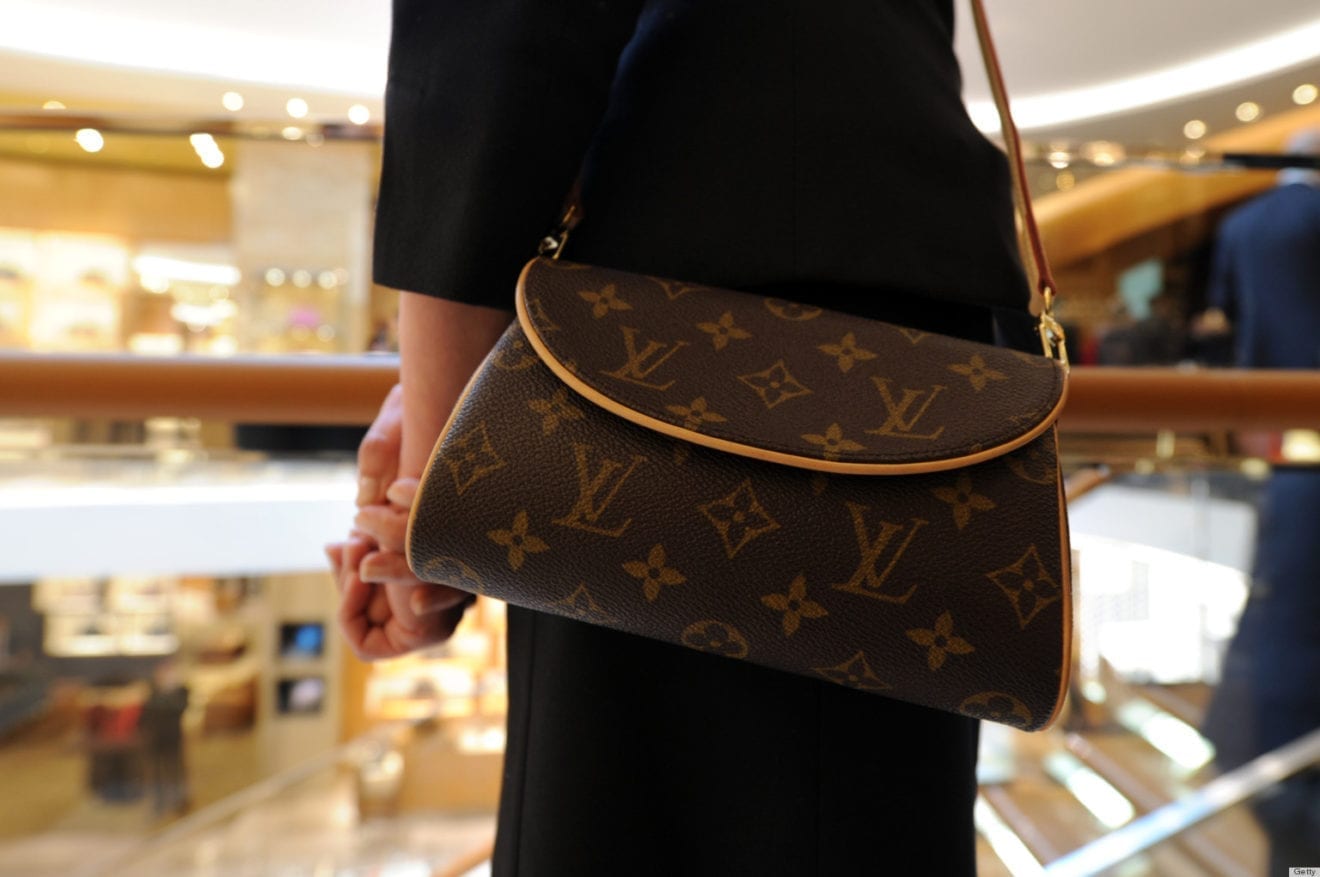
    Louis Vuitton Singapore has given its Orchard Road boutique in Singapore a makeover to celebrate its 20 years at Ngee Ann City.

    The maison’s signature monogram flower pattern has been reinterpreted in shiny copper with a fading effect, with the exterior façade featuring stone, glass and metal – materials that signifies authenticity and tradition.

    Inside the luxurious fittings include cerused oak with gold leaf, natural stone floors, plush furniture by Helene de Saint Lager and Paul Evans, and hand-knotted carpets from Nepal.

  • Uniqlo Malaysia opens second store

    Uniqlo Malaysia opens second store

    Uniqlo Malaysia has opened a second store in Ipoh, in the city’s largest shopping centre, Ipoh Parade Mall.

    Gifts and specials have marked the opening of the concept clothing store.

    uniqlo-malaysia-ipoh-paradeUniqlo’s first store in the city opened at Aeon Mall Ipoh Klebang in 2015.

    Featured at the new store is the brand’s expanded Jogger Pants range. The women’s line features Denim and Drape Jogger Pants while for the men the pants come in denim.

    Children’s and babies’ clothing is also available.

  • Philippines International Beauty Trade Show to be held on May 2017

    Philippines International Beauty Trade Show to be held on May 2017

    Philbeauty, the pioneer and the only international beauty trade show in the Philippines, is back for its third year in 2017. The iconic event will be held from Wednesday to Friday, 31 May to 2 June 2017 at the SMX Convention Centre in Pasay City, Manila and expects to host more than 200 key leading exhibitors from across countries and regions, including mainland China, Japan, India, Korea, Singapore, Thailand, Taiwan and Malaysia. The three-day exhibition is expected to attract over 200 leading local and international exhibiting companies and more than 6000 local and international trade visitors.

    Bridging The Gap — philbeauty, the professional beauty trade fair that provides a major contribution to the growing beauty industry in the Philippines.

    philbeauty 2017 will not only be packed with a variety of beauty products, services and technological solutions, but will also feature a business matchmaking programme, a series of workshops, knowledge seminars, international beauty conference and networking opportunities that will provide crucial insights into future scientific advances, emerging trends and regulations, and most importantly, to create new business opportunities.

    Referring to Trade Map from International Trade Centre, the value of imported beauty or make-up preparations for the care of the skin in 2013-2014 and 2014-2015 increased by 13% and 19%, respectively, and in 2015 it was valued at 96,458,000 USD.

    The Philippine economy grew an annual 6.3% in the December 2015, accelerating from an upwardly revised 6.1% expansion in the previous three months and above market consensus. It is the highest growth since the fourth quarter of last year, as all sectors of economy showed an expansion at a fast rate, whilst government expenditure remained robust.

  • Topshop plans expansion in China

    Topshop plans expansion in China

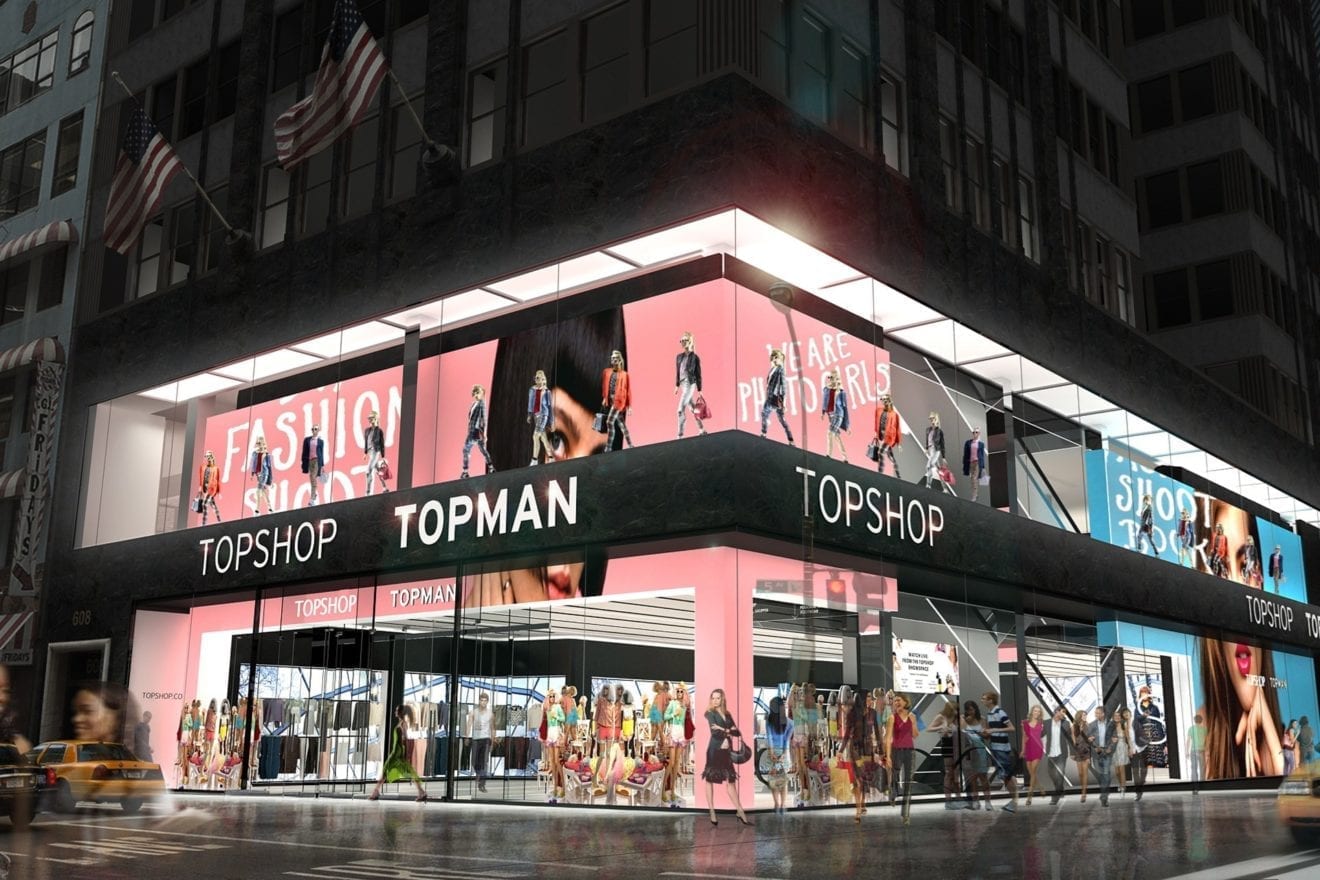
    UK fashion chain Topshop is the latest British retail company attempting to tap into China’s market by opening its first standalone store in 2018.

    The British high-street retailer has agreed a deal with Chinese partner and online fashion retailer Shangpin.com. The e-commerce business had already started to push Topshop into the Chinese mainland by selling the brand on Shangpin.com two years ago.

    Arcadia Group, Topshop’s owner company, said the first shop will open in top tier cities in the spring or summer of 2018 which could be either Beijing or Shanghai.

    Media reports said if the move was successful, as many as 80 outlets could be opened. Arcadia Group would not comment on the plans for 80 stores. Currently Topshop’s only presence in China is a small concession in the Galeries Lafayette department store in Beijing and a handful of shops in Hong Kong.

    Shangpin.com is a members-only website with 30 million registered subscribers, founder and chief executive David Zhao said: “It is gratifying to be trusted by such a world-renowned fashion brand to take them further in China.”

    Topshop is part of retail tycoon Sir Philip Green’s Arcadia Group fashion empire and he described the deal as “the start of a unique, exciting and exclusive partnership that will cement Topshop and Topman’s mission of becoming truly global businesses”.

    Green added:”For the first time, both brands will deliver high fashion to the shop floor and beyond by opening full-scale stores in China – host to the world’s fastest-growing retail economy.”

    The businessman was embroiled in the controversial sale and subsequent collapse of the long-establish UK department store BHS earlier this year. The high-street chain went into administration in April, less than a year after Green sold it for one pound to a consortium.

    The collapse led to the loss of 11,000 jobs and a 571 million pound pensions black hole.

    According to analysts, Topshop is by far the most valuable part of Arcadia Group. Sir Philip owns a 75 percent stake in Topshop after selling 25 percent to US private equity firm Leonard Green in 2012

  • Why Dutch tailor Suitsupply thinks it can beat Hong Kong’s retail slump

    Why Dutch tailor Suitsupply thinks it can beat Hong Kong’s retail slump

    Retailers in Hong Kong’s Central business district have endured more bad news than good over the past year, but the area still has cachet with international brands looking to enter the Hong Kong market.

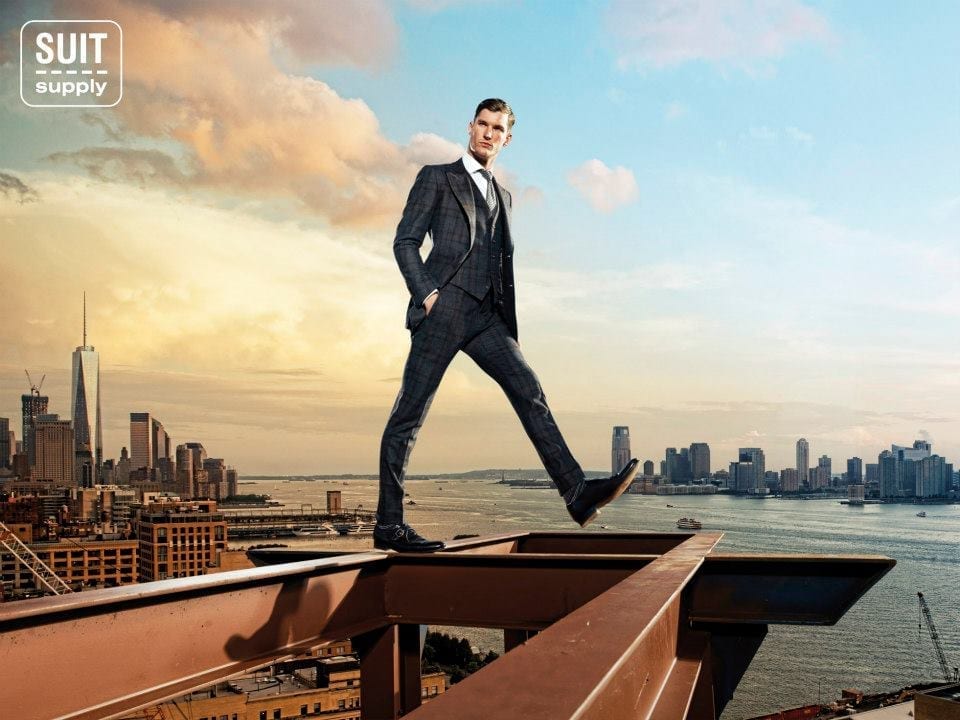
    In early December, Dutch tailor Suitsupply opened its first boutique in the city, taking a large space on Ice House Street. The move is a statement of confidence in Hong Kong retailing, according to the company’s founder and chief executive, Fokke De Jong.

    “We’ve looked at Hong Kong for a long time and we’re confident. Our online business here is very strong so that’s a good indicator,” he says.

    Suitsupply’s arrival is a stark counterpoint to the departure, actual or pending, of big fashion retailers from Central such as American giants Coach and Abercrombie & Fitch, the latter set to vacate its Pedder Building premises with their HK$7 million-a-month rent. Suitsupply’s Ice House Street location is impressively large at 6,700 sq ft, making it one of the biggest high-fashion store openings anywhere in Hong Kong in 2016.

    The store has a small ground-floor entrance but opens out into a sprawling first floor that features sections for bags, shoes, evening wear and made-to-measure tailoring. De Jong says locating the store away from street level and making it less obvious and visible is deliberate and part of its “location-based” strategy.

    “By that I mean we have huge stores in out-of-the-way places. People will go out and find us,” says De Jong. Some of these “crazy” locations De Jong mentions include lofts spaces, rooftops and even a full villa.

    Suitsupply, which eschews all traditional forms of glossy fashion advertising, relies instead on its retail experience, which is both old and very new. For example, De Jong says the brand has tailors at all the company’s stores, who can provide tailoring services within half an hour. He says that few other quality menswear brands offer such immediate service.

    As well as challenging the traditional tailors in the city and fast fashion retailers such as Zara and Massimo Dutti, Suitsupply is a direct challenge to higher-end luxury menswear brands with its accessible pricing – an alterable Italian-style grey wool suit can cost as little as HK$3,000, several thousand dollars less than some of the more stellar Italian and British menswear brands.

    “We bring quality, hand-crafted clothes and the best materials all for a more attainable price,” says De Jong of the brand’s appeal.

    How is Suitsupply able to provide such high quality at relatively low prices? De Jong says the key is the “vertical” nature of the company: “We design, manufacture and sell … everything is in our own hands.”

    Having out-of-the-way locations which cost less to rent and relying on social media instead of traditional advertising keep expenses down too, he adds.

    Suitsupply was established by De Jong in 2000, during his time at university, when he would travel to Italy buying up suits and then selling them on campus. De Jong became so successful at it, he quit his studies and began selling clothes full-time, although scaling up Suitsupply was fraught with challenges.

    “Nobody wanted to sell their fabrics to me at first,” says De Jong, who insisted on using the best Italian fabric mills for his suits. He says it took a great deal of time and effort to build relationships with Vitale Barberis Canonico and Reda, two of the more famed mills from the Biella region which supply the likes of Ermenegildo Zegna. Today, Suitsupply is one of the Biella region’s biggest customers and De Jong says his company has helped secure jobs in the area.

    Returning to the theme of opening in Hong Kong during a dip in retail fortunes, De Jong says Suitsupply has always taken a different path to traditional retailers. Though the Hong Kong store has only been open a short while, De Jong is confident Suitsupply’s offer will resonate with Hong Kong men.

    “We bring new energy to tailoring, we’re not pretentious or serious. We bring fun to menswear and make it less intimidating,” he says.