Category: Fashion

Retail News Asia is committed to providing both local and global retailers with the latest Fashion news throughout the Asian market. This on a daily base.

  • Singapore Cruise Centre concession goes to DFS Group

    Singapore Cruise Centre concession goes to DFS Group

    Luxury travel retailer DFS Group has been awarded the master duty-free and general merchandise concession at Singapore Cruise Centre (SCC).

    Winning the public tender process announced in June, DFS has a five-year contract covering SCC’s HarbourFront and Tanah Merah ferry terminals, with a two-year extension option.

    It is the first time SCC has awarded a master duty-free concession, consolidating several contracts including liquor and tobacco, perfumes and cosmetics, fashion, travel accessories and confectionery into a single contract.

    DFS will start trading on April 1, being allocated commercial space spanning 6000 sqft (557 sqm) across seven outlets at the terminals. The deal involves a reconfiguration of the main retail space at the arrival and departure areas of both terminals.

    Singapore Cruise Centre CEO Christina Siaw says the tender process attracted participation from the world’s leading international duty-free concession companies. “We were highly impressed with the passion, innovation and attention to detail demonstrated by participants in the tender proposal and interview stages.”

    She says passengers at the SCC terminals will soon have access to more retail space with a new store concept as well as new brands, marketing activities and services.

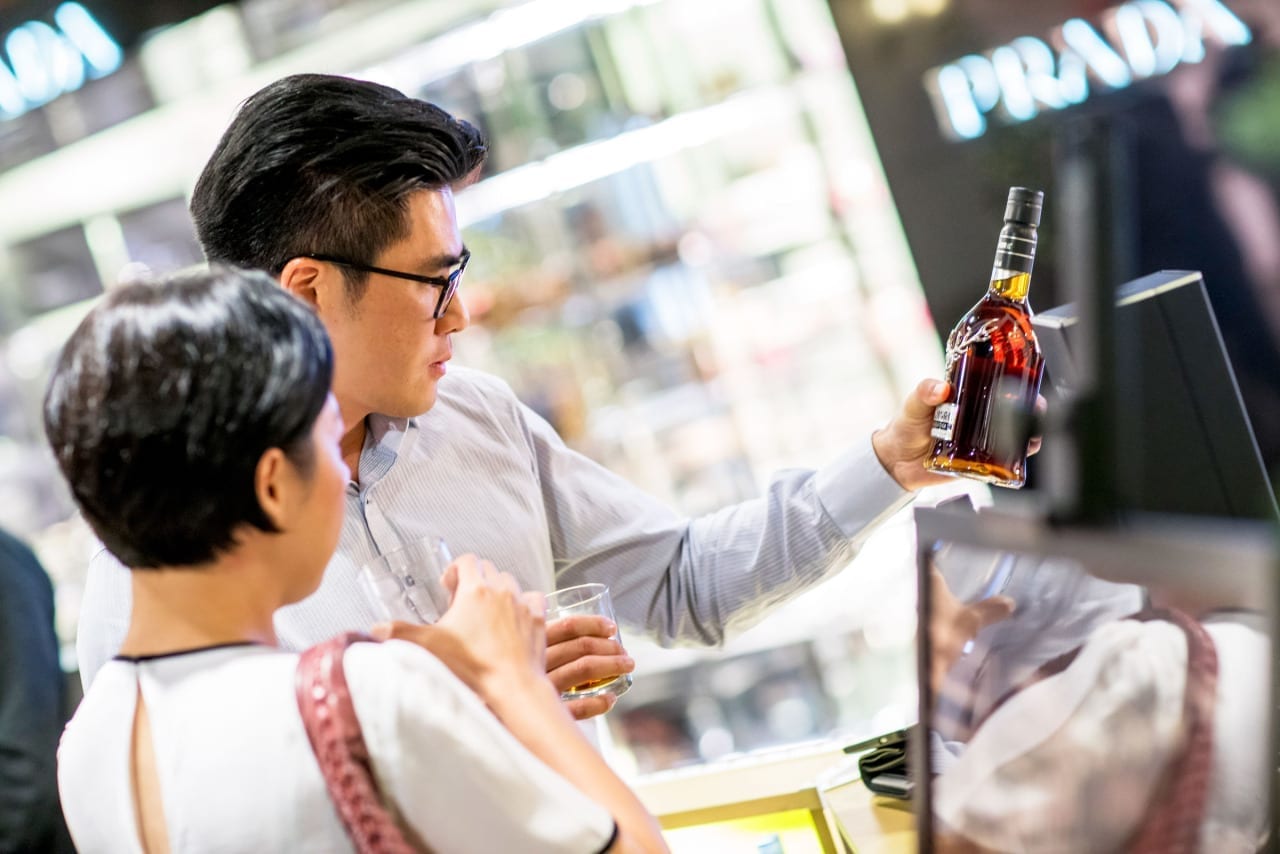
    DFS will offer products from more than 150 brands and introduce food and whisky-tasting stations as well as eCommerce, collection and home-delivery platforms.

    Outlets will undergo a phased renovation, introducing a revamped design inspired by the traditional seafront buildings nestled along Singapore’s coastline.

    More than 6.3 million ferry passengers and 560,000 cruise passengers pass through SCC’s terminals annually. DFS has had a presence at SCC for two decades.

  • Asian expansion plan for Burt’s Bees

    Asian expansion plan for Burt’s Bees

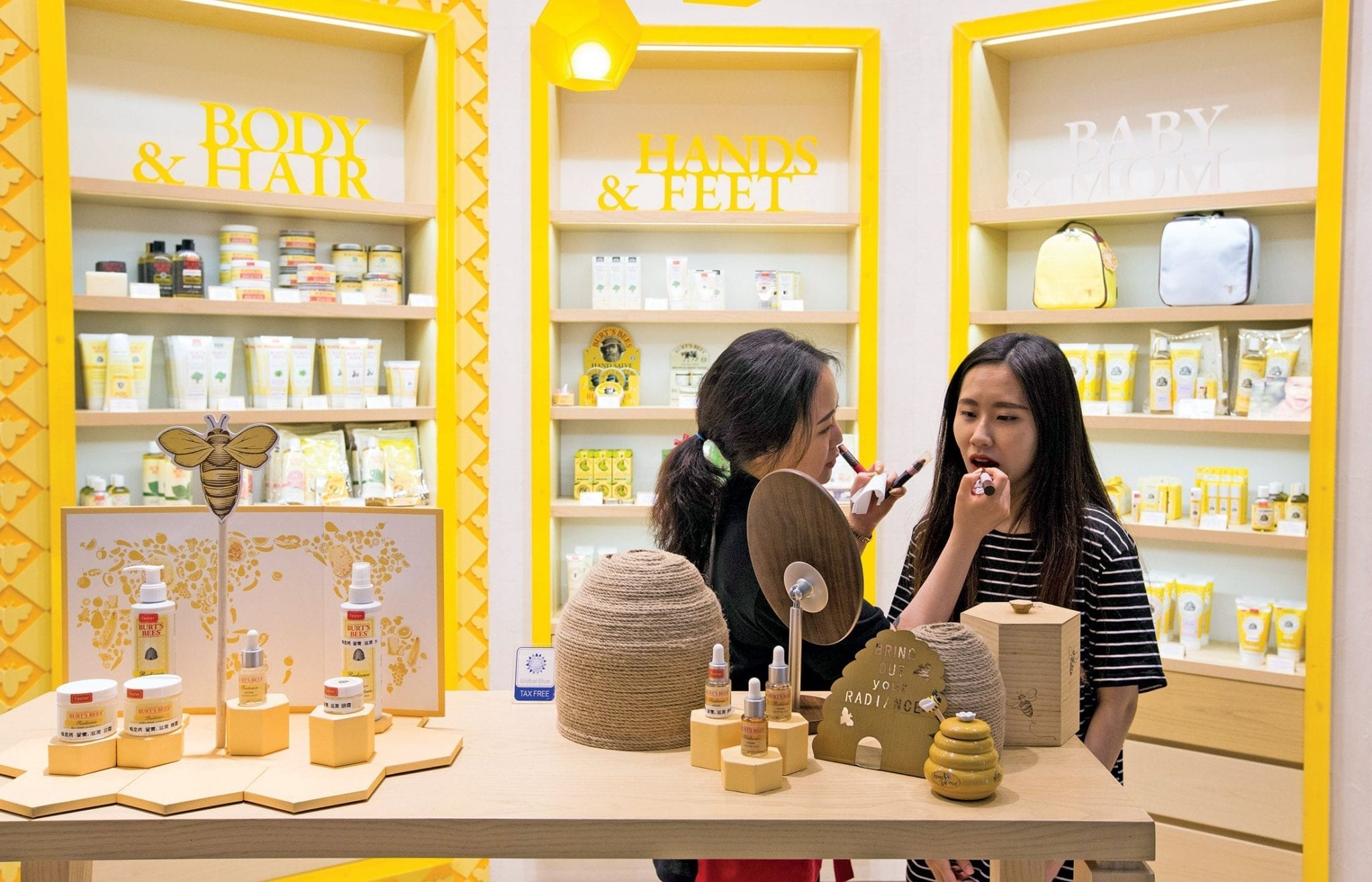
    Quirky US skincare brand Burt’s Bees is set to open stores across Asia after testing new concept formats in Hong Kong.

    The first stores are now trading at Queensway Plaza and Ocean Terminal.

    Despite its relative youth, Burt’s Bees is something of an institution in the US. Formed in 1984 in Maine by Roxanne Quimby and Burt Shavitz, Burt’s Bees started out making candles using excess wax from the latter’s honey business, before expanding into soaps and other personal care products using recipes discovered in 19th-century beekeeping books.

    burts-bees_telford-plaza_landini-associates_02

    By 2007 they’d given up the candles and were producing some 197 lines including lip gloss, shampoos, baby care lines and outdoor remedies, which were sold in 30,000 retail outlets in the US, UK, Hong Kong, Australia, Canada, Ireland and Taiwan among other countries. Late that year, industrial group Clorox reportedly paid US$925 million for the business.

    Burt died in 2014 aged 80, but his image lives on, forming a strong backdrop in the Hong Kong stores, which were designed by Sydney-headquartered design house Landini Associates.

    Landini has effectively reinvented the brand, repositioning it as a premium product, and paying tribute to the brand’s focus on sustainability and its philosophy “that everything should be for the Greater Good – good for you; good for us, good for all”.

    burts-bees_telford-plaza_landini-associates_03

    Two concepts have been created – a standalone store model and a store-in-store created for department stores.

    In tandem with the interiors, Landini has redesigned the graphics and communication: signage, ticketing and information graphics often embossed with a playful, iconic bee.

    “This is a big step for Burt’s Bees into the highly competitive Asian skincare market, explained a Landini spokesperson. “It will now roll out throughout Asia, South America and Europe.”

    Landini is also working on new packaging, designs of which will be released shortly.

  • LVMH will expand to eyewear business

    LVMH will expand to eyewear business

    Luxury brand group LVMH is thinking about taking its eyewear business in-house.

    This could be a further blow for Italian eyewear group Safilo, which lost the Armani licence in 2013 and those for the Kering Group labels (Alexander McQueen, Bottega Veneta, Gucci and Saint Laurent) at the end of 2014, reports CPP-Luxury.com.

    Italian investment bank Mediobanca has published a report about Safilo, owned by Dutch investment fund Hal, focussing on its announcement that its licence agreement with Celine has been terminated while its contract with Christian Dior has been extended until 2020. The licence for Celine’s eyeglass collections – the LVMH label joined Safilo’s portfolio in 2012 – ends on December 31.

    While the licence agreement for the design, production and distribution of eyeglasses and sunglasses for Dior and Dior Homme, also part of LVMH’s galaxy, has been extended until the end of 2020, Mediobanca says the extension is for three years only, not for seven years as was the case for the previous contract, renewed in September 2010.

    The bank’s analysts noted that the standard renewable licence contract is for five years.

    “We believe markets are much more volatile than in the past, and renegotiating contracts on a more frequent basis may be to the advantage of both parties,” says the bank. “But we think this could also signal a change in LVMH’s approach as the group has the financial strength to internalise its eyewear business, as Kering did a few years ago.”

    LVMH has been managing the eyewear collections for its leading brand, Louis Vuitton, internally for several years.

    Mediobanca estimates the sales for Celine and Dior eyeglasses collections are worth respectively €40 million (US$41 million) and €200 million. As well as these, there are the sales for the eyewear lines of Fendi, Givenchy and Marc Jacobs, all licensed to Safilo. Altogether, LVMH brands are worth €350 million in annual revenue for the eyewear group, equivalent to nearly 30 per cent of its total revenue, which Mediobanca pegs at €1.2 billion.

    The bank report also highlighted the Safilo portfolio’s “marked reliance on one single client”, plus the weakness of its own brands.

  • When a gold retailer starts selling sunglasses

    When a gold retailer starts selling sunglasses

    Warmer than expected Christmas weather appears to be providing little comfort for Hong Kong’s retail sector this year. Business has been cold at many outlets despite a projected rebound in mainland visitor arrivals.

    Otherwise, what can explain a gold shop branching out into sunglass sales and news that the city’s biggest karaoke operator is scaling down its operation?

    Let’s talk about the gold retail chain first.

    I’m referring to Luk Fook Jewellery, which has just opened its first eyewear store — “Vision Gallery”.

    The new venture comes after the company announced last month a 31.5 percent slide in same-store sales for the six months ended September compared to the same period a year ago.

    The eyewear store has been put up in a prime location, next to an H&M outlet, on Dundas Street in Mongkok.

    Luk Fook is said to have signed a two-year lease for the 600-square-foot retail space, offering a monthly rental of HK$128,000.

    Though the rent is just half what the previous tenant, bankrupt home appliance chain DSC, was paying earlier, there is still this question: why an eyewear shop, instead of another gold store?

    Well, the answer lies in economics.

    Chairman Wong Wai-sheung told Ming Pao that a 1,000-square-foot gold shop, in terms of costs, would be equivalent to opening 10 eyewear stores.

    Guess what? Luk Fook, which currently has 47 gold shops in Hong Kong, has earmarked HK$20 million to open 10 eyewear stores next year, with a focus on the middle class.

    Last year, the company had 50 gold shops in the city.

    To boost Christmas sales at the new eyewear outlet, Luk Fook is giving away a pair of pearl earrings to the customers.

    We are not sure if this is a nice cross-selling idea but would reckon this is a defensive move.

    Luk Fook as well as its competitors such as Chow Tai Fook and Tse Sui Luen have seen their same-store sales fall steeply this year, with 20-30 percent slide in many cases.

    In comparison, an eyewear retailer such as Stelux Holdings has seen its sales dip just 5 percent.

    During its interim results, Luk Fook said it will strive to broaden its income sources, enhance the operational efficiency and reduce costs in order to minimize the impact of the business downturn.

    The foray into eyewear retail is part of that strategy.

    Elsewhere in the city, Karaoke operator Neway has also come up with a new way to survive.

    Rather than open a new venture, Neway is leasing the 4,000 square-feet lobby and first floor at its Causeway Bay flagship store CEO Neway, according to Apple Daily.

    By sub-leasing 30 percent of the original floor area, Neway is trying to shore up revenues which have been hit by a decline in night-time singing parties at its karaoke outlets.

    The plan will also help the company save some HK$1.8 million in monthly rental.

    The sub-leasing of Causeway Bay shop space comes after the group shut down an 18,000-square-foot Mongkok facility last year.

    As much as we miss the grand lobby of CEO Neway and the good old days of group singing, we cannot help but admit that Karaoke outlets are now a bit out of fashion after they dominated the social scene for about twenty years.

    This year, one of the best-selling items at the Golden Computer Arcade in Sham Shui Po is a microphone with karaoke function that sells at no more than HK$500.

    The made-in-China product, which connects through bluetooth with iPad and the home stereo system, has become an immediate hit and is now a must-have during family gatherings.

    If you can get the same kick at home, why bother spending money on a karaoke shop? This seems to be the view of a growing number of people.

    Given this reality, Neway may need to find something else to sell other than songs.
  • Visa and TAT launch festive campaign with great rewards for tourists

    Visa and TAT launch festive campaign with great rewards for tourists

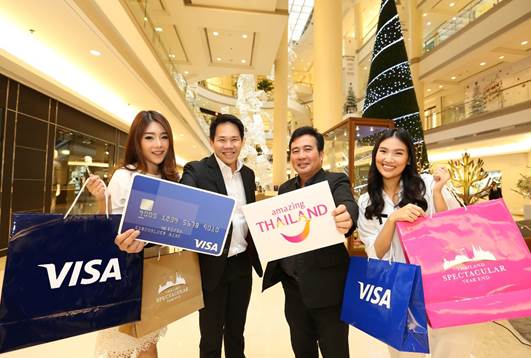
    Suripong Tantiyanon (left), Visa Country Manager, Thailand and Noppadon Pakprot (right), Deputy Governor for Tourism Product and Business, Tourism Authority of Thailand (TAT), launch Thailand Spectacular Year End 2016, aiming to boost inbound tourist spending during the festive seasons.

    The joint promotional campaign rewards non-Thai Visa cardholders with special privileges and complimentary gifts when they spend at 14 shopping complexes throughout Bangkok, from now until January 31, 2017. TAT forecast that more than 375,000 tourists will visit Thailand during the four-day New Year period, generating more than THB 5.5 billion of revenue for the country, a 12-percent increase from the same period last year.

  • Thailand targets counterfeit branded goods

    Thailand targets counterfeit branded goods

    Thailand is clamping down on counterfeit branded goods with plans for a campaign to target tourists.

    The Thai Commerce Ministry is seeking the support of foreign embassies as it launches its “Stop Fake Goods” campaign, aimed at travellers.

    Meantime, the government says it will stringently inspect traders for counterfeit goods, including examining their tax-payment history.

    New Year visitors to Thailand will be urged not to buy fake goods, says director-general Thosapone Dansuputra of the ministry’s Intellectual Property Department. He says the aim is to ensure Thailand moves away from its bad reputation for trading in fakes.

    He says it is illegal for visitors to buy counterfeit products, and the government will set up billboards in tourist spots to warn shoppers and traders not to buy or sell fakes. Both in Thai and English – and Chinese is some areas – the billboards will be posted at airports, BTS and MRT stations.

    Also, Commerce Ministry officers in each province will be on watch for any trading of counterfeit products.
    The department will also join forces with copyright owners, police and the Internal Security Operations Command to inspect areas known for selling fake goods, such as flea markets.

    Thosapone said that to boost the penalties for trading in counterfeit goods, the department is co-operating with the Revenue Department to investigate the tax history of suspected violators.

  • Nike Singapore turns back on small outlets

    Nike Singapore turns back on small outlets

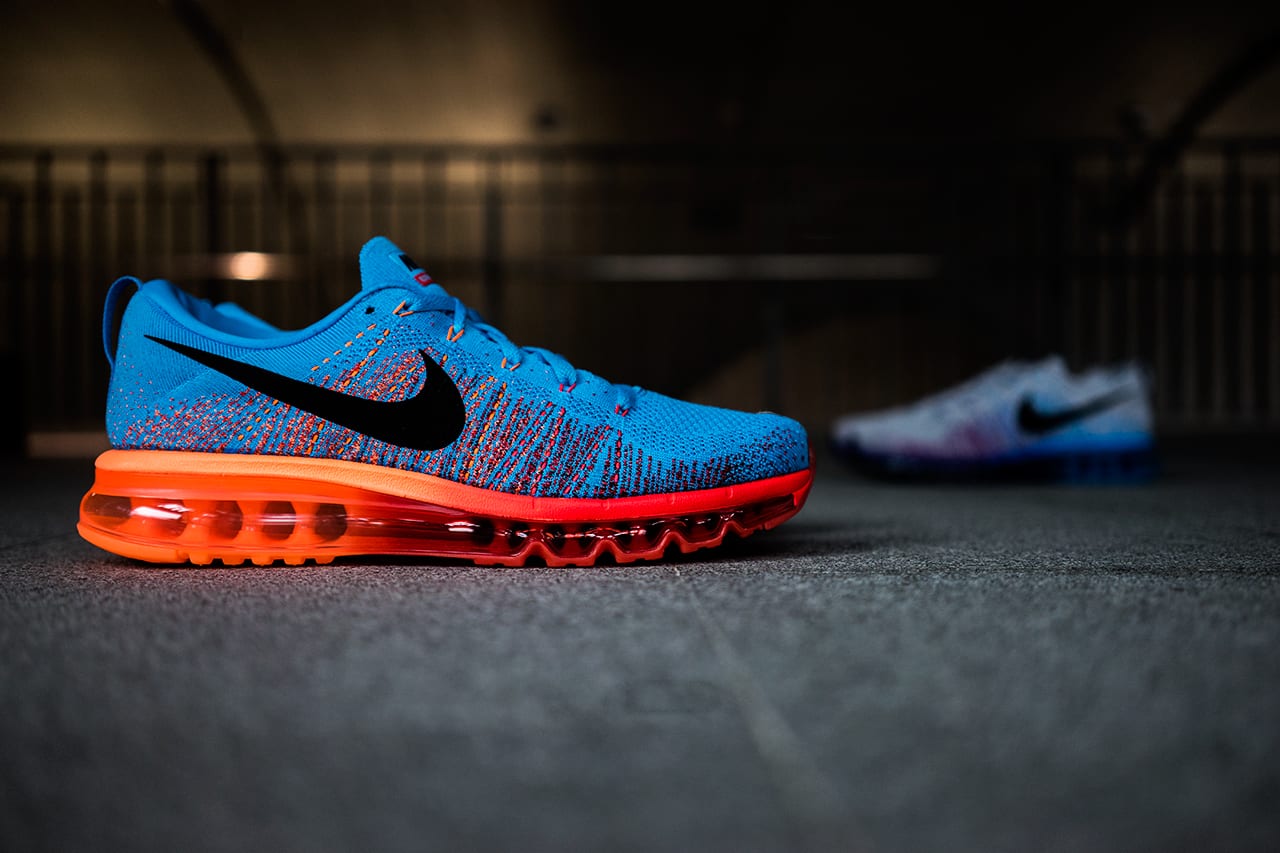
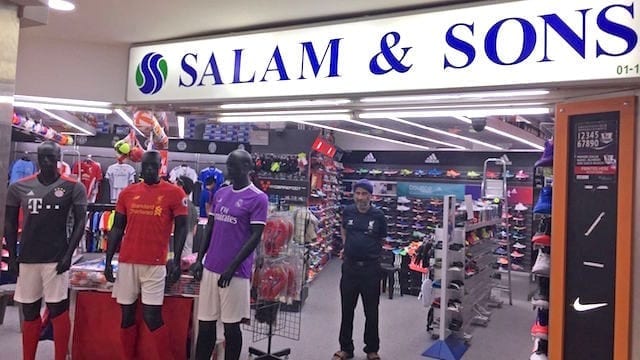
    Sports brand Nike Singapore will stop supplying smaller retailers from next month.

    This is a huge blow for mom-and-pop stores in Peninsula Plaza and Queensway Shopping Centre, which rely on top-selling brands to attract customers, as reported.

    “Its move would force many of us out of business soon,” says Salam & Sons manager Gurbachan Singh, who has run the business for more than 30 years.

    “We did business with Nike for more than 20 years. We followed their rules, never defaulted on payments nor brought in fake or parallel imports. Many of us don’t understand why they are doing this to us,” he says.

    Out of the US, Nike tops the 10 most-valuable apparel brands segment in market research company Millward Brown’s 2016 Brandz Top 100 Most-Valuable Global Brands report.

  • Memebox raises $60m in extension round

    Memebox raises $60m in extension round

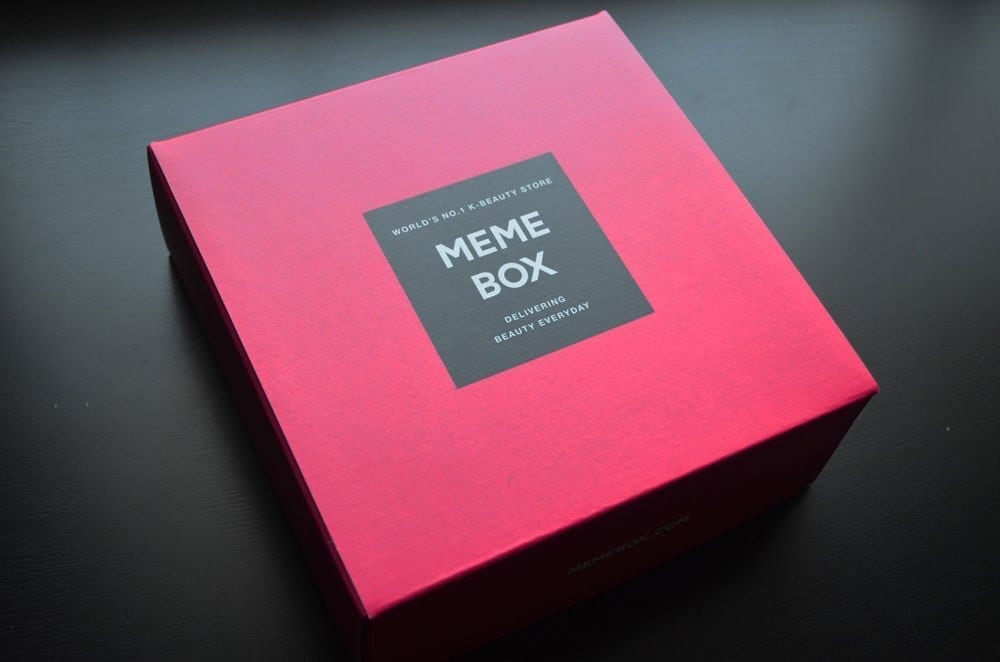
    South Korean cosmetics startup Memebox has raised US$60 million in a Series C extension round led by existing and new investors.

    Investors include Altos Ventures, Cota Capital, Cowboy Ventures, Formation Group, Funders Club, Goodwater Capital, Janet Gurwitch, Mousse Partners and Pear Ventures.

    Memebox says the round is an extension of the $66 million it raised in its initial Series C, bringing aggregate equity funding to $160 million since its incorporation in 2012. The extra investment will allow it to continue streamlining its mobile shopping experience, develop a database of beauty ingredients and products, and build its global footprint.

    As a result of the transaction, Gurwitch, a partner at private-equity firm Castanea Partners and the founder and former CEO of cosmetics company Laura Mercier, joins the Memebox advisory board. She has specialised in beauty companies during her time at Castanea and has served on the boards of Drybar, First Aid Beauty and Urban Decay. She has also served in an advisory role at Dollar Shave Club, acquired by Unilever this year.

    Gurwitch will be advising Memebox on brand strategy, positioning and developing retail partnerships for its four in-house brands – Bonvivant, I’M Meme, Nooni and Pony Effect – in the US market.

    Memebox CEO/founder Hyungseok Dino Ha says the company has been focussed on bringing innovative, high-quality and approachable beauty to consumers worldwide. “We are a global company with offices in six countries with 14 different nationalities.”

    Global streamlining

    There has been a focus on growth in Asia, particularly China, “but with this funding we plan to streamline our global operations at our company headquarters in San Francisco”.

    Memebox evolved from being a subscription box model in 2012 to retailing beauty products then developing its own brands with R&D labs near Seoul. Its four brands have had 60 per cent growth quarter-over-quarter, says the company.

    Memebox invested early in content-driven mobile shopping. It says its mobile app is used for 88 per cent of its global online transactions, with more than 94 per cent of its customers in Asia shopping through the app.

    “What Memebox is doing with mobile and video is unprecedented in the beauty landscape,” says Goodwater Capital managing partner Eric Kim, also a Memebox board member. “Memebox has the heart of a high-end brand, the brain of a deep-data company, and the muscle memory of a social network.”

  • Nestle Japan strikes a musical note

    Nestle Japan strikes a musical note

    Nestle Japan has extended its offering from coffee to music as part of a promotional event for its Nescafe Gold Blend Barista instant coffee.

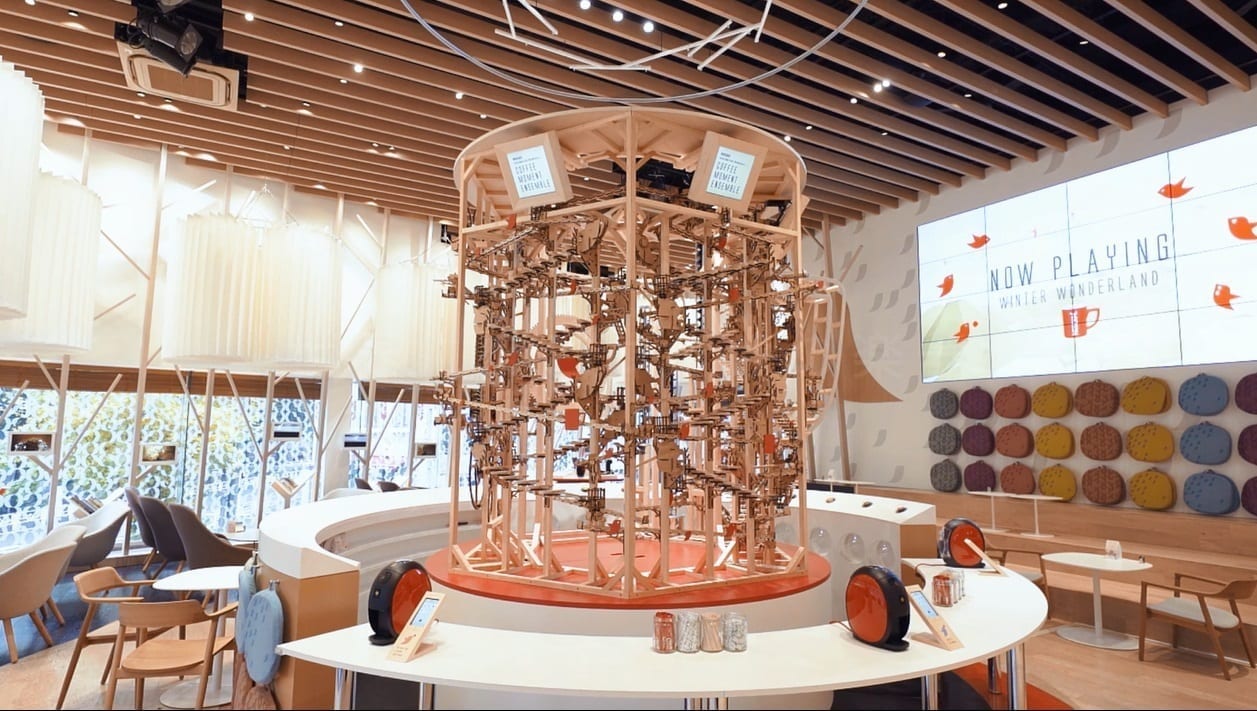
    It has launched a wooden musical instrument, the “Pythagorean”, which plays Christmas melodies. It is the only Rube Goldberg machine in the world to be installed in a coffee shop.


    nestle-japan-strikes-a-musical-note-1

    nestle-japan-strikes-a-musical-note-2

    nestle-japan-strikes-a-musical-note

    Designed like a coffee mug and about 3.5m high and 3m wide, the Pythagorean involves a wooden ball being released into a staircase-shaped maze. Christmas carols play as the ball rolls downward, striking tuned xylophone steps. The contraption comprises 180 xylophone keys and 1450 individual parts. It took about five months to build, using laser machining and other cutting-edge technologies.

    nestle-japan-strikes-a-musical-note-3

    nestle-japan-strikes-a-musical-note-4

    nestle-japan-strikes-a-musical-note-5

    By using an app, customers at the Nescafe Harajuku outlet can choose an emoticon that befits their mood. A bird character then appears on the screen, and while their coffee is being made, the ball is released to play one of three Christmas tunes.

  • Alfred Dunhill opens concept store

    Alfred Dunhill opens concept store

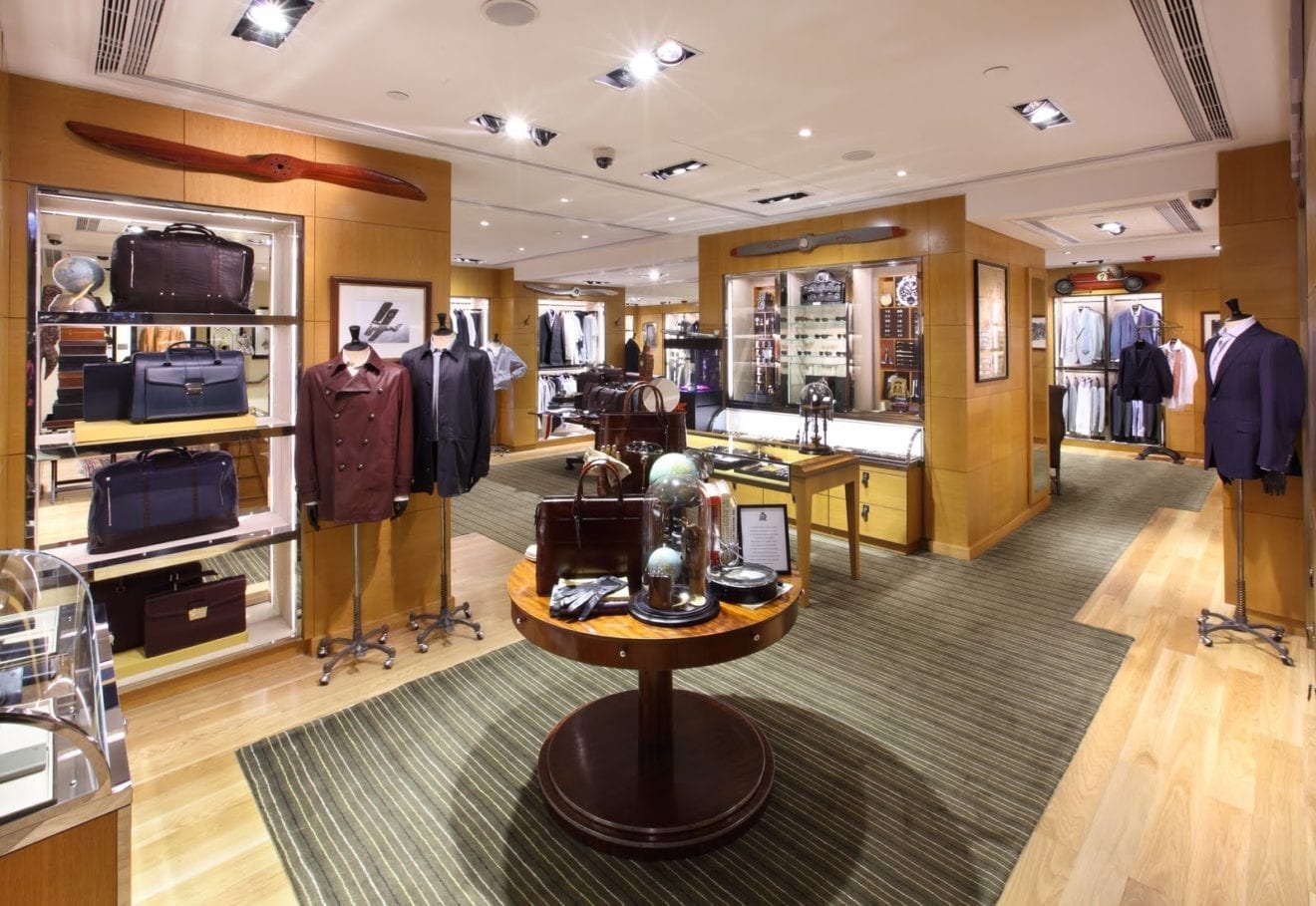
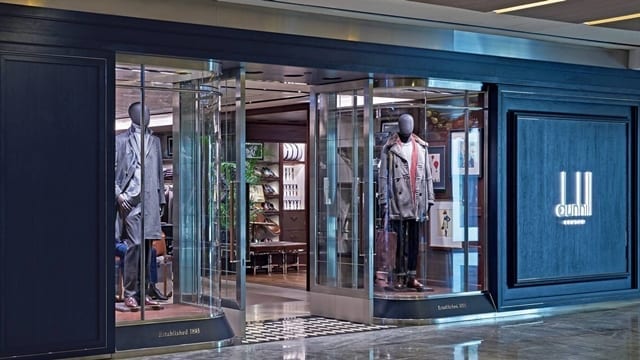
    One year after a “garage” pop-up store in Paragon Singapore, British men’s luxury brand Alfred Dunhill has opened its first-ever concept store.

    Its fourth outlet in Singapore brings to life the brand’s heritage of motoring, saddlery and gentlemanly inventions and adventures, says president Francois Carrere.

    “Inspired by the Alfred Dunhill home Bourdon House, the store’s decor features rich textures, contemporary and vintage furnishings, and traditional English architectural accents,” he writes on LinkedIn.

    Dunhill’s roots in Singapore date back to its first store opening in 1971.

    Specialising in ready-to-wear, custom and bespoke menswear, leather goods, and accessories, the brand was founded by English tobacconist and inventor Alfred Dunhill in 1907.

    Dunhill was just 21 years old when he took over his father’s saddlery business in 1893. With the automobile becoming popular, he transformed the saddlery into an automobile accessories store, offering such non-standard (at the time) accoutrements as horns, lamps and dashboard clocks. Dunhill also made leather overcoats, goggles and other accessories for drivers.

    In 1907, Dunhill opened a tobacco shop, followed in 1910 by his own pipe factory. Tobacco proved so successful the company expanded with shops in Paris and New York. Dunhill was the first company to develop a lighter that could be used with one hand.

    The brand is now owned by Switzerland-based luxury goods holding company Richemont.

  • Ladies Market fake products seizure largest for three years

    Ladies Market fake products seizure largest for three years

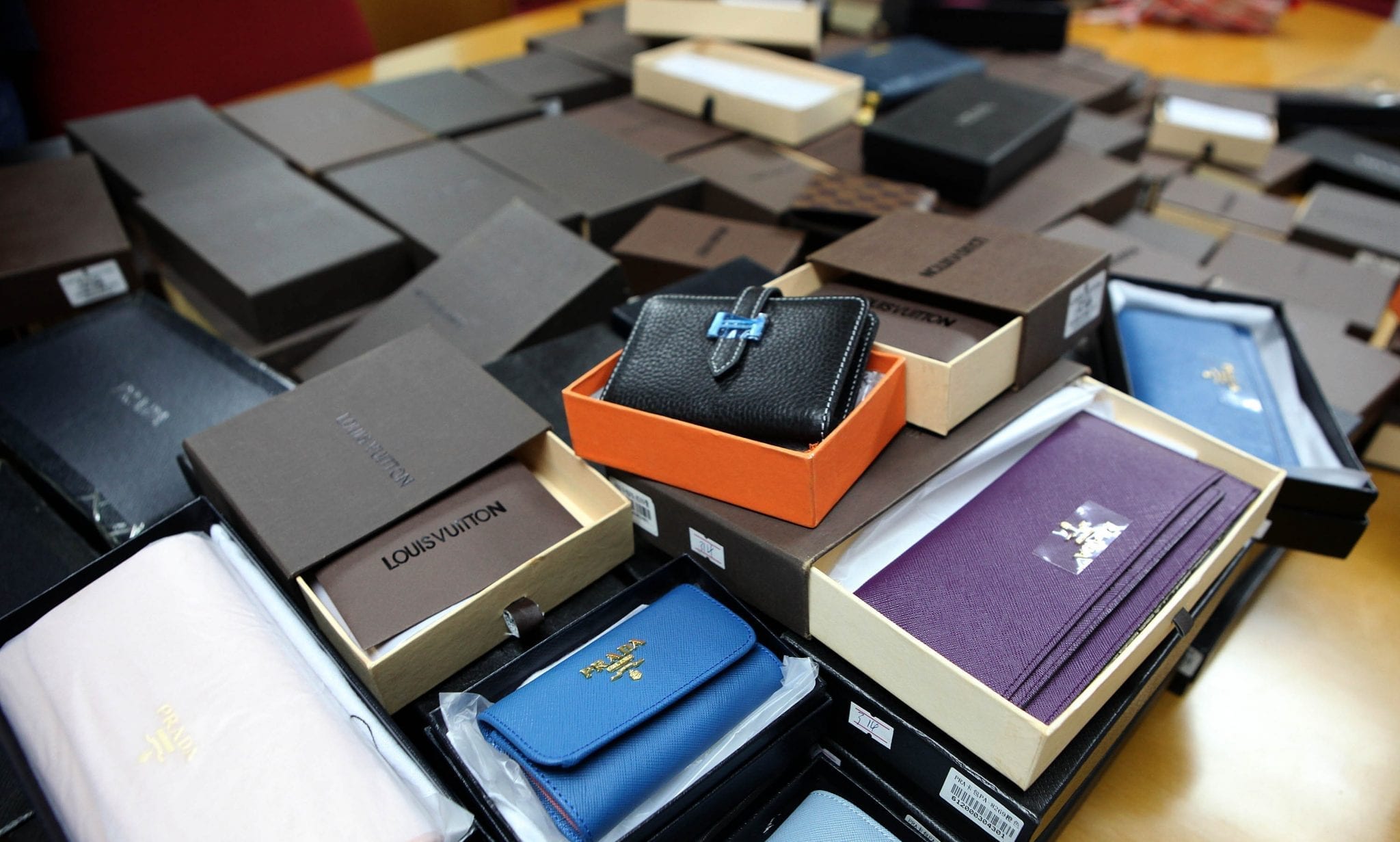
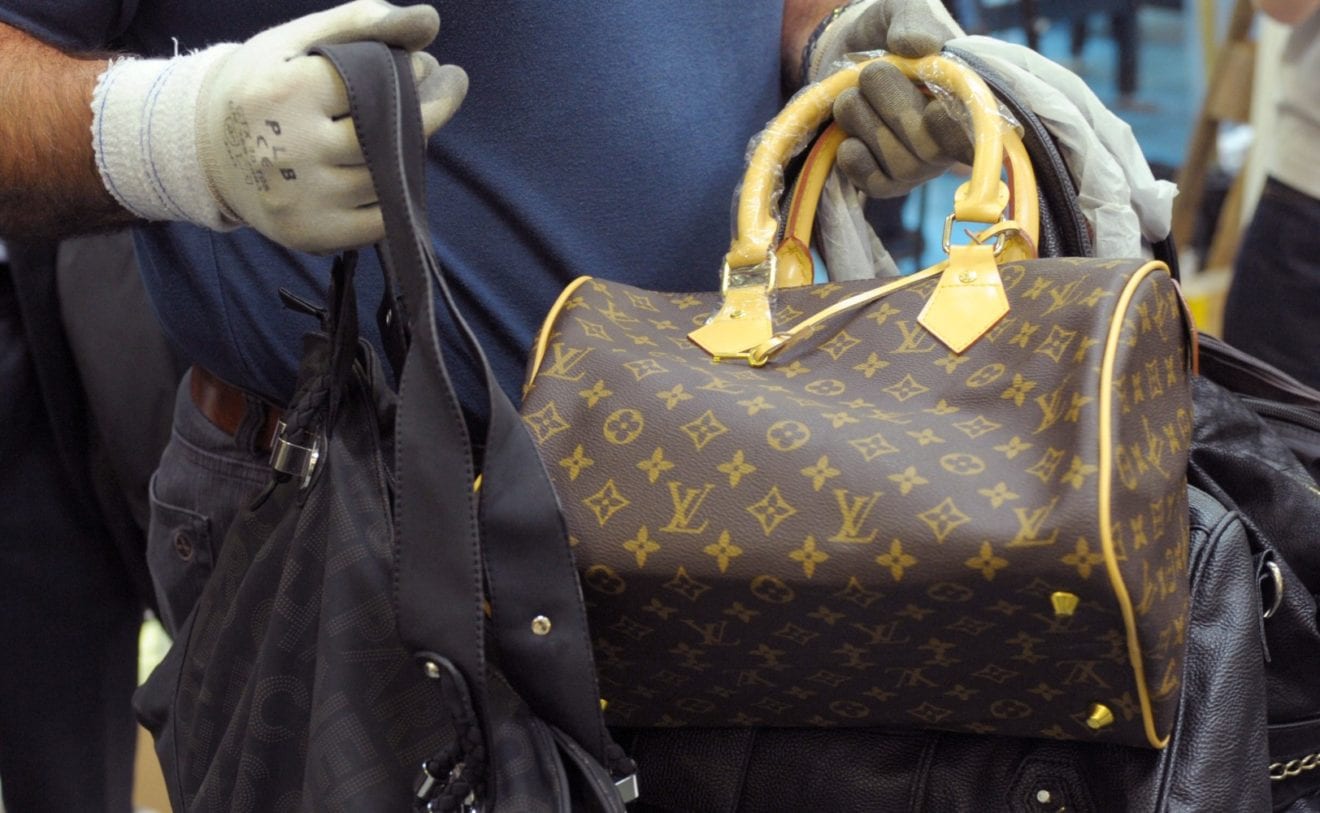
    Hong Kong Customs has arrested 10 people and seized HK$10 million (US$1.2 million) worth of fake products, smashing a counterfeit syndicate at the Ladies Market.

    It was the largest syndicate caught in three raids by the Customs and Excise Department this year on Tung Choi Street in Mong Kok. In January and August, officers nabbed 12 people and seized HK$7.5 million in fake goods.
    Following those busts, the syndicate just nabbed had chosen potential customers more carefully to avoid detection, says Customs official Guy Fong Wing-kai.

    “The gang served only tourists from Europe and America,” he says. “They did not approach locals or Asian tourists in case they were undercover customs officers.”

    The syndicate sold their goods at 5 to 20 per cent of the genuine products’ price, he says.
    An investigation revealed the syndicate sold counterfeit goods at four hawker stalls in the market, using electronic tablets to show clients photos of the products.

    “Some clients were taken to its upstairs showroom nearby, which was packed with about 600 counterfeit products,” says Fong. Four nearby flats were used as warehouses, and a female ringleader went to the mainland regularly to buy the fake products.

    After a month-long investigation, about 90 Customs officers raided the four hawker stalls, the secret showroom and the four warehouses. Seven men and three women were rounded up and more than 10,000 fake products seized including watches, handbags and leather goods.

    Fong says it was Customs’ largest seizure of fake products in a single operation in the past three years.

    Aged between 24 and 38 years, the 10 Hongkongers are being held for questioning. None have yet been charged.

    Fong says the department will enhance its enforcement activities against counterfeiting during the holiday season. He says that selling counterfeit goods is regarded as a serious crime, carrying a maximum penalty of a HK$500,000 fine and five years in jail.

  • Sandriver cashmere launches in US

    Sandriver cashmere launches in US

    Luxury cashmere brand Sandriver has officially entered the US market, building on its base of 11 stores in Asia and a worldwide eCommerce presence.

    Sandriver cashmere has been active in the international fashion scene since 2007, sourcing directly from the grasslands of the Alashan Plateau in Inner Mongolia, home to 70 per cent of the world’s cashmere.

    Founder and CEO Juliet Guo (Guo Xiuling) is an Inner Mongolian native, and has built the brand’s own sourcing base of 30 local herding families, some of whom operate on Guo family-owned grasslands.

    Setting itself apart from global fashion giants, Sandriver says it hones its niche role in the industry by merging the traditional sophistication of cashmere with the innovation of modern fashion.

    Its creative team comprises a dynamic group of international designers and artists, including world-renowned Japanese designer and multiple fashion award recipient Junko Koshino, French-Columbian artist Francesca Brenda-Mitterrand, and German and Chinese fashion designers Antje Weidner and Qin Wanyu.

    junko-koshino-sandriver-designer

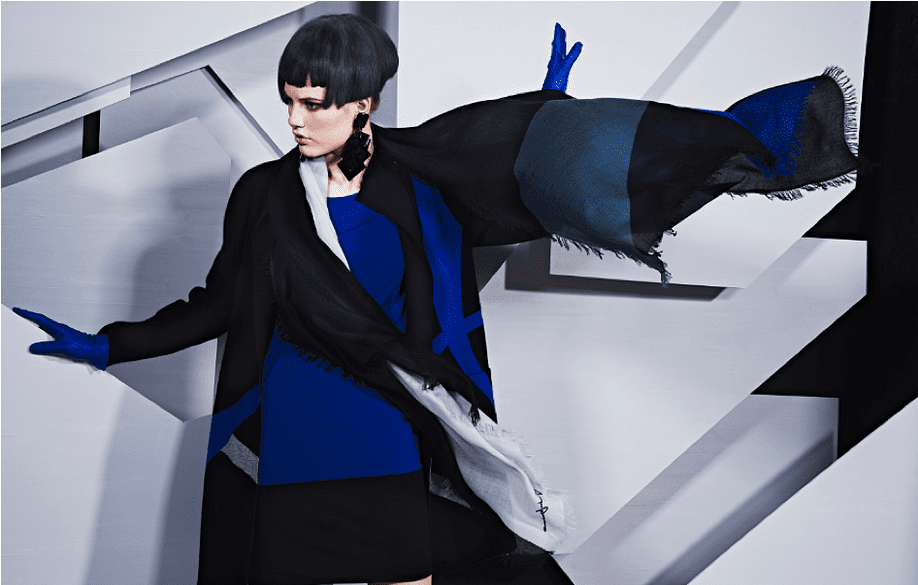
    Sandriver cashmere continues to attract attention on an international scale and has been presented at major fashion shows in both Tokyo and Paris. Its collections suit a variety of budgets and tastes with prices ranging from around US$100 to $3000 for original designs.

    Product lines include, among others, scarves and wraps for every season, full-length coats and blankets, reversible and ready-to-wear garments and comfortable ensembles. Recent additions include kids wear and luxury travel garments and accessories.

    Sandriver products are available online, shipped directly from Shanghai to the US via DHL Express within four days, and include a local US-based return policy.

  • Arcadia to launch first stores in mainland China

    Arcadia to launch first stores in mainland China

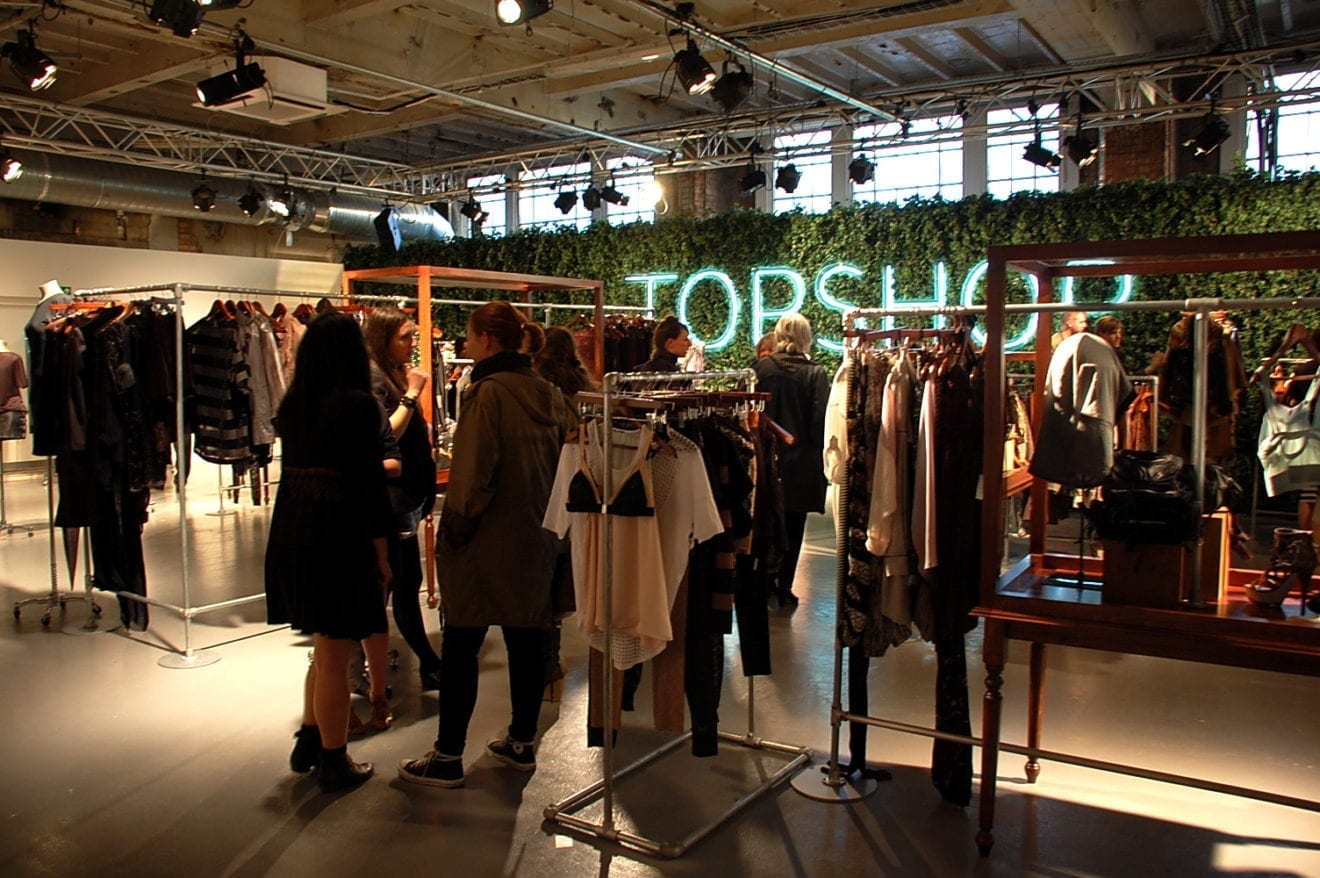
    A deal struck with local retailer ShangPin will see five stores open in the country, with a further 75 in the pipeline if the venture is a success. Topshop opened its first store in Hong Kong in 2013 and Green has been eying further expansion for a number of years.

    The Arcadia Group chairman said the deal would “cement Topshop and Topman’s mission of becoming truly global businesses.”

    He added: “For the first time both brands will deliver high fashion to the shop floor and beyond by opening full scale stores in China – host to the world’s largest growing retail economy.”

    Department store House of Fraser is also poised to open its first Chinese store in Nanjing at the end of this month.

  • Apparel recovery evident in US retail sales

    Apparel recovery evident in US retail sales

    Apparel was  stand-out category in a mixed month of fortunes for US retailers in November.

    According to official government data, US retail sales rose by just 0.1 per cent month-on-month, or 3.8 per cent year-on-year, including motor vehicles and petrol.

    Within core retail categories, apparel sales grew by 1.9 per cent year-on-year.

    “This may sound fairly subdued, but it is much better than the year-to-date growth rates which have seen volumes and prices slip,” observes Neil Saunders, CEO of retail consultancy Conlumino.

    “That said, most of this is down to weather that is much more conducive to sales compared to last year’s most unseasonal temperatures which left much winter wear hanging on the rails.”

    Saunders says that while at headline level November data suggested a good month for retail with strong overall growth across most parts of the sector, “in reality, it was a very choppy month with a great deal of variation between the weeks”.

    It was also a month affected by the election, the uncertainty from which hurt sales during October and the first week of November.

    “Fortunately, once the election was over some of the latent demand produced a much better growth figure in week 3. During this week furniture retailers and home improvement retailers put in a particularly good performance, the latter being aided by the onset of colder weather. “Early discounting in the period before Black Friday also helped to stimulate demand during this week. The run-up to Thanksgiving also saw a solid performance from grocery stores which, despite some ongoing deflation, notched up some reasonable volume uplifts,” said Saunders.

    As the month moved into Thanksgiving and Black Friday week, growth moderated to more subdued levels. “The Black Friday weekend was a fairly lackluster affair, partly because many shoppers had snagged bargains well before the event. The performance from physical retailers was poor over this period, with some anemic numbers coming from department stores.”

    Saunders said rising gas prices were starting to show in the US retail sales figures.

    “This has the potential to act as a brake on retail consumer spending as we enter the Christmas period. Overall, however, Conlumino maintains its view that it will be a reasonable, though not spectacular, holiday period.”

  • Dsptch Japan opens store in Tokyo

    Dsptch Japan opens store in Tokyo

    US label Dsptch Japan has opened a store in Tokyo, at Crest Omotesando in Shibuya-ku.

    Dsptch is a San Francisco design company that specialises in backpacks, tech cases and camera straps. It focuses on combining practicality with sleek, stylish design. Each piece is fabricated in the US.

    The new store will carry the brand’s full line, as well as complementary clothing and footwear by Descent Allterrain, Isaora and Reigning Champ.