Category: Fashion

Retail News Asia is committed to providing both local and global retailers with the latest Fashion news throughout the Asian market. This on a daily base.

  • Titan Launches Thai Commemorative EDGE Wristwatch

    Titan Launches Thai Commemorative EDGE Wristwatch

    Titan Company Limited, the world’s fifth largest watchmaker and part of the Indian conglomerate giant TATA Group, is releasing a limited edition timepiece in Thailand created especially for the Thai market.

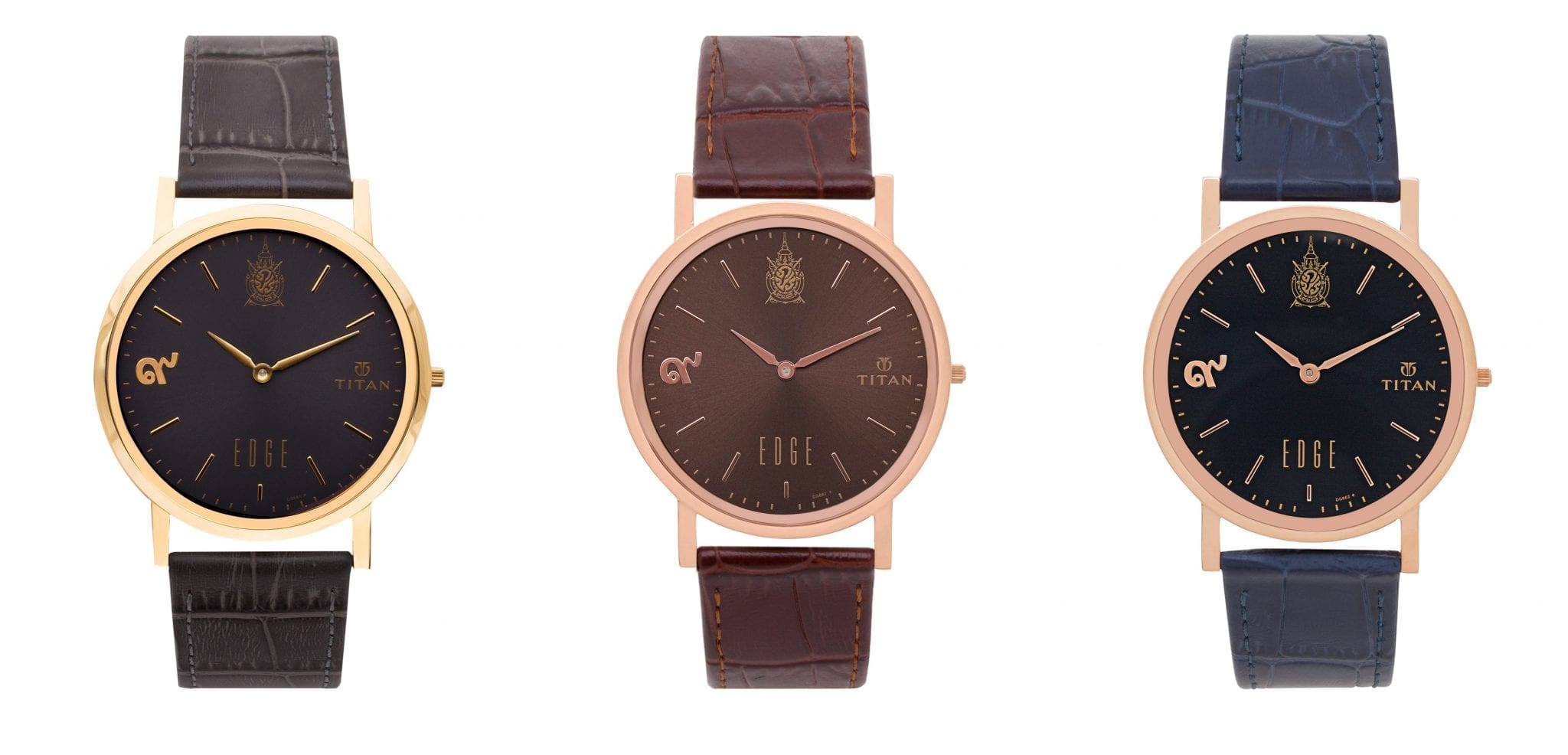
    Titan selected its Red Dot award-winning EDGE, the world’s slimmest wristwatch in the universe, to create the exclusive wristwatch, commemorating the timeless respect and honor for His Majesty the late King Bhumibol Adulyadej.

    The royal emblem marking the 70th Anniversary Celebrations of King Bhumibol Adulyadej’s Accession to the Throne is placed at 12 o’clock and the Thai numeral for nine at 9 o’clock. 

    The Titan Thai Commemorative EDGE wristwatch is available with a black, blue and brown dial and color-matched leather strap. The blue and brown dial watches are set in rose gold plated case while the black dial watch is set in a gold plated case, both of which gives this exclusive wristwatch an extra-special elegance and sophisticated quality. 

    With a total slimness of just 3.6 mm and a wafer-thin movement of 1.15mm, the Titan EDGE is a technological marvel. It is water resistant up to a depth of 30 meters. The classic hallmarks of the EDGE design include a scratch-resistant sapphire crystal glass front, stainless steel case and specially designed slim battery. 

    The inscription, “In Honor of His Majesty the King”, is engraved on the watch back as a tribute to the King, creating a wonderful memento for owners to treasure for years to come.

     “The intricate craftsmanship of the Titan EDGE, its timeless design and incredible innovation resonate with the Thai market,” said Sonia Yamdagni, Managing Director of Omni Co., Ltd., the sole distributor of Titan watches in Thailand. 

    “A sense of  tradition and appreciation for quality are valued and passed along from one generation to the next whilst moving toward a future of hope and success for the country and the Thai people; a symbol of the importance of finding time to give back to the nation and to others,” added Sonia.

    Titan watches are retailed in 32 countries worldwide. The Titan Thai Commemorative EDGE wristwatch, presented in an attractive velvet-lined wooden box, retails at THB 8,900 and is currently available at Central, Robinson and The Mall Group department stores nationwide, including Siam Paragon and Emporium in Bangkok.
  • Lotte, Hyundai, Shinsegae get duty free licenses

    Lotte, Hyundai, Shinsegae get duty free licenses

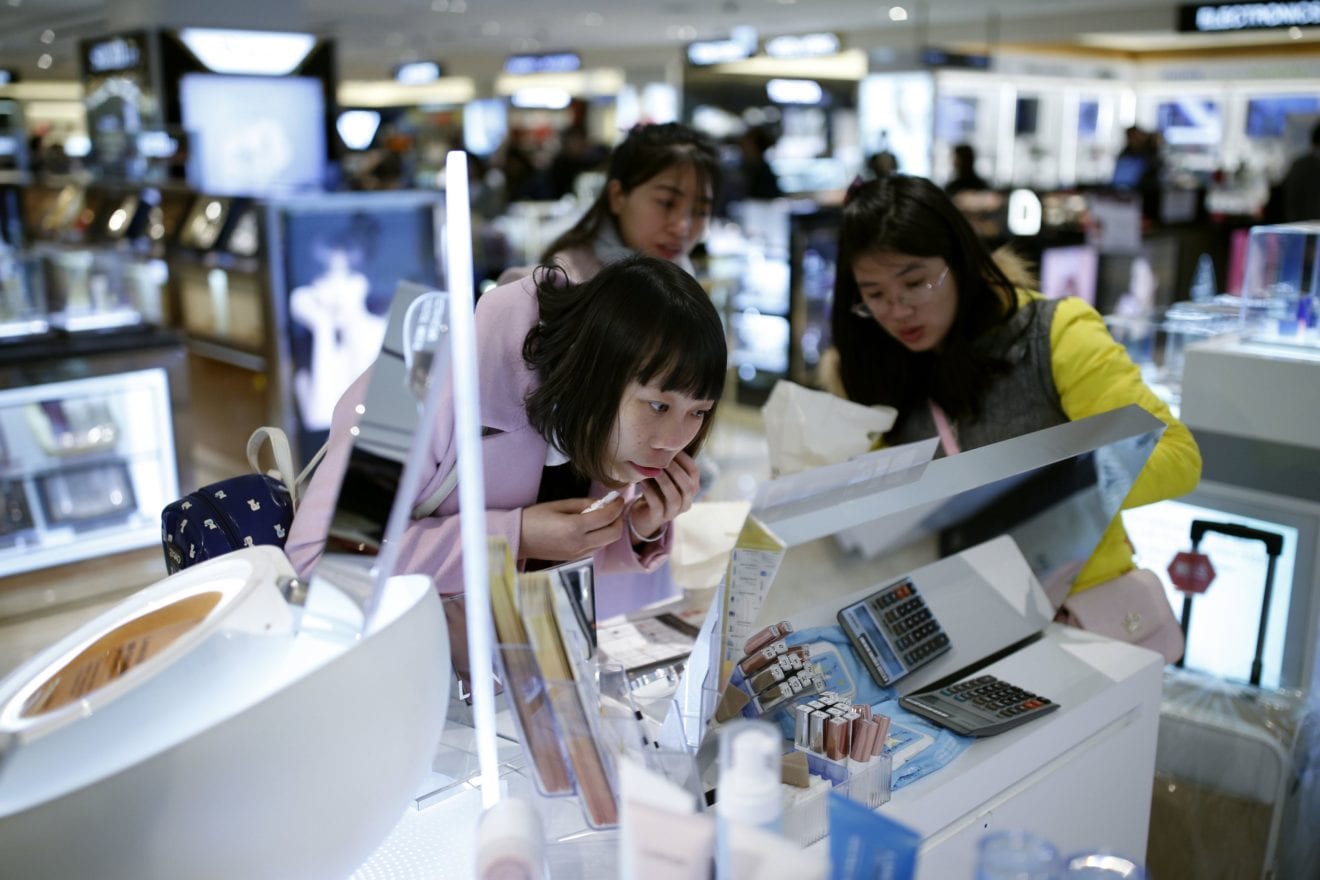
    Lotte Duty Free, Hyundai Duty Free and Shinsegae DF have snatched licenses for new duty free shops in Seoul, showing that retail specialists will have the upper hand over non-retail firms struggling in the market.

    However, the big three firms still have to brace for harsh competition in the already saturated market, as well as lingering questions about the fairness of the selection process due to possible ties to a corruption scandal engulfing President Park Geun-hye and her confidant Choi Soon-sil.

    The Korea Customs Service (KCS), Saturday, named the three firms as operators for three Seoul-based duty free outlets. Also, it said a fourth license for the city, reserved for small and medium-sized firms (SMEs), was taken by Top City Corp. Busan Duty Free and Alpensia won licenses for outlets in Busan and Gangwon Province, respectively.

    The three conglomerates are retail giants that run department stores in the country. Market watchers say their experience and expertise in attracting luxury brands as well as managing and running their stores worked favorably for them in the KCS evaluation.

    All three conglomerate-run shops will be based in southern Seoul. Hyundai, which earned the highest score in the KCS evaluation, will open an outlet near COEX in Samseong-dong. Lotte will reopen an outlet in its landmark Lotte World Tower in Jamsil. Shinsegae will have one in Central City in Seocho-gu.

    So far, most of the large duty free stores have been located north of the Han River. Top-seller Lotte Duty Free’s main store is located in Sogong-dong, while Shilla Duty Free is in Jangchung-dong and Dongwha Duty Free is in Sajik-dong. The combined earnings of the three outlets last year reached 3.85 trillion won.

    Market observers expect the fresh selection will create an opportunity to draw more tourists to southern Seoul and meet the growing demand for duty free shops in the region. According to the Korea Tourism Organization, the number of foreign tourists in those regions grew an average 19 percent annually from 2012 to 2015.

    With the new selections, however, more competitors are added to the already saturated duty free market in Seoul. Currently, nine duty free outlets are in operation in the city and the four companies will open their new stores next year.

    Data shows that the market is displaying signs of a widening gap between firms. Five duty free outlets that began operation after the government granted licenses last year have posted billions of won in operating losses.

    In the first three quarters this year, a Shinsegae shop in Myeongdong posted an operating loss of 37.2 billion won. Galleria Duty Free 63 on Yeouido and HDC Shilla Duty Free in Yongsan each recorded 30.5 billion won and 16.7 billion won in operating loss.

    SM Duty Free in Jongno-gu, which opened as an SME shop, also suffered a 20.6 billion won operating loss in the same period. Doota Duty Free in Dongdaemun did not disclose its data, but reportedly it posted an operating loss of 27 billion won in five months after opening in May.

    Another factor casting concern is the ongoing controversy that the selection was allegedly affected by Choi Soon-sil. Lotte and SK, which were among the candidates for the fresh selection, donated money to two nonprofit foundations controlled by Choi and the prosecution is suspecting the money worked in favor of the two companies.

    With Lotte winning one of the licenses, the controversy is likely to grow.

    The main opposition Democratic Party of Korea (DPK) said Sunday it is “suspicious of the KCS decision to press on with the selection process even though a special inspection over the scandal is ongoing regarding the matter.”

    The KCS said last December there would be no more selection for duty free operators but suddenly decided to offer more licenses in April.

    “There have been suspicions that SK Group head and President Park met privately over the duty free shops,” said DPK spokeswoman Park Kyung-mee.

  • Stores push deals in bid to lure holiday shoppers

    Stores push deals in bid to lure holiday shoppers

    Nearly 156 million people — or 66 percent of Americans — plan to or are considering taking advantage of Saturday sales to complete their holiday gift lists, according to a survey released Friday by the National Retail Federation and Prosper Insights & Analytics. The survey found that more people said they planned to shop on Saturday than those who aimed to shop over Thanksgiving weekend in an earlier survey.

    Still, given the quirk in the calendar that makes this weekend the last full weekend before Christmas, retailers including Best Buy, Gap and J.C. Penney, have set an earlier deadline to order holiday gifts this year, according to StellaService, which tracks online services at retailers. Wal-Mart, along with others, is encouraging online shoppers to pick up their merchandise at the store.

    Target will be offering last-minute shoppers deals that are good only for a day on certain in-demand products like children’s sleepwear and fragrance sets.

    Still, plenty of shoppers plan to take their time.

    Christine Bunker Tobia of Queens says she mostly shops at Macy’s but likes to wait to get the best deals. She’s been stopping by Macy’s New York Herald Square store often to check the prices.

    “I’m looking for a special sale,” she said last weekend. “I may wait another week.”

  • Topshop to open 80 stores in mainland China

    Topshop has signed a deal with a Chinese partner that could lead to up to 80 stores being opened in mainland China with the first opening in spring/summer 2017.

    The British high street retailer has agreed a deal with Shangpin, which already sells the Topshop brand on Shangpin.com. It is anticipated that the first store will be opened in either Beijing or Shanghai in the spring or summer of next year.

    In a statement Topshop owner Sir Philip Green said: “For the first time both brands will deliver high fashion to the shop floor and beyond by opening full-scale stores in China — host to the world’s fastest-growing retail economy.”

    Green owns a 75% stake in Topshop having sold 25% to US private equity firm Leonard Green & Partners in 2012. The brand, which is the jewel in the crown of Green’s Arcadia Group, has 300 stores in the UK and 140 in international territories including 10 in the US.

  • Local brand Rusty Lopez opens 9th outlet in Jakarta

    Local brand Rusty Lopez opens 9th outlet in Jakarta

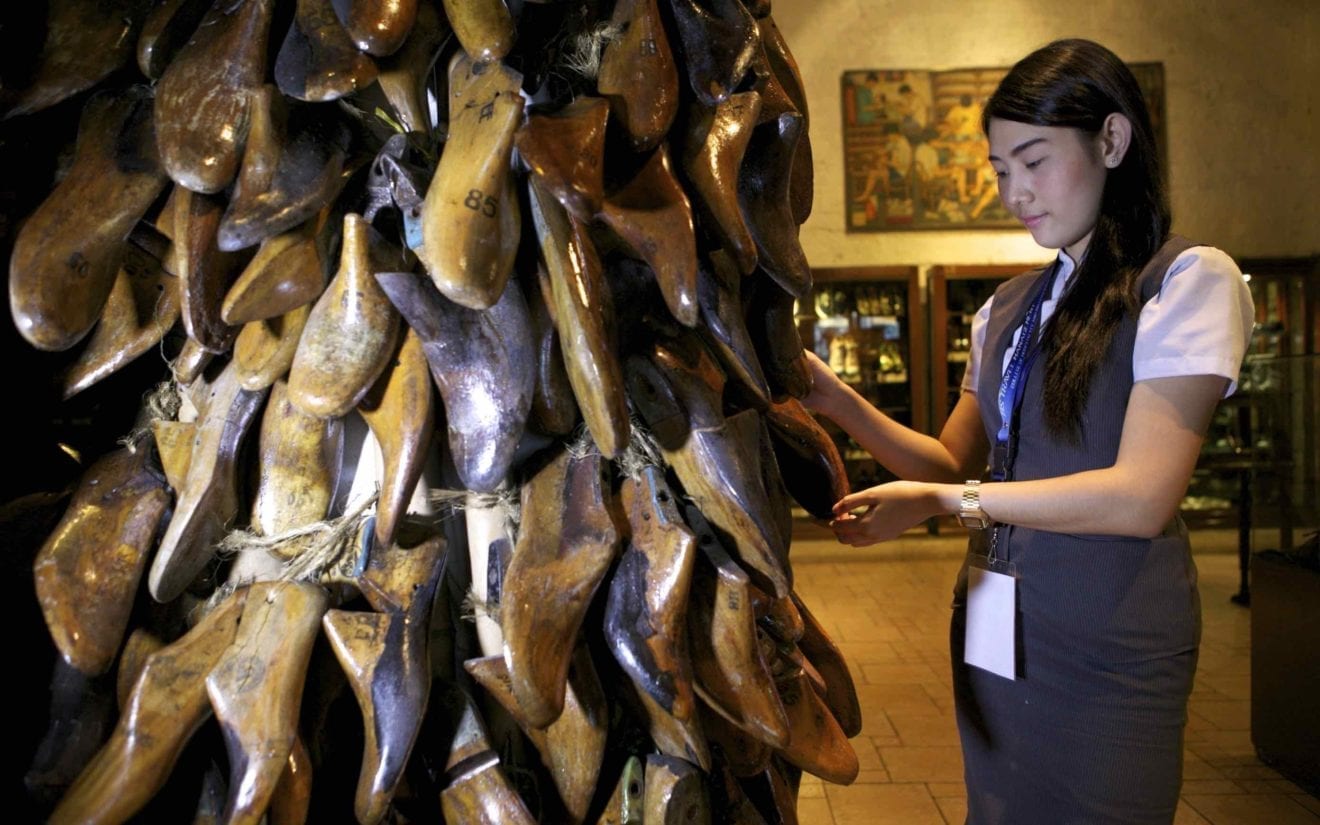
    Filipino fashion retail brand Rusty Lopez opened its newest store in Jakarta on Thursday, featuring comfortable sandals and casuals made from Marikina, the Philippines’ shoe capital, according to a recent report of the Department of Trade and Industry’s Philippine Trade and Investment Center–Jakarta.

    The outlet in Sogo Lippo Mall Puri located in the St. Moritz Central Business District is the brand’s ninth outlet following the opening of stores in Seibu Grand Indonesia, Sogo Emporium Pluit, Sogo Central Park, Sogo Alam Sutera, Lotte Shopping Avenue, Metro Plaza Senayan, Metro Gandaria City and Metro Taman Anggrek.

    Philippine commercial attaché to Indonesia Alma Argayoso said sales of the newest collection during the opening were brisk. The other stores also received positive feedback.

    “It is exciting to bring to the Indonesian market the Philippines’ world-famous Marikina-made shoes. This affirms our belief on the potential of fashion retail products in Indonesia, Southeast Asia’s biggest economy,” Argayoso said.

    The first overseas store of Rusty Lopez opened in Jakarta on March 6, 2016 at the Seibu Department Store of Grand Indonesia Mall and featured selected designs suited to the Indonesian market.

    The Trade Department noted that increased interest in Philippine-made shoes abroad was helping revive the local shoe industry and opening more opportunities for small enterprises.

    PTIC in Jakarta is supporting and assisting Filipino homegrown brands in globalizing their products and accessing the regional markets by looking for potential partnerships.

    Aside from Rusty Lopez, other Filipino fashion retail brands in Indonesia are Karimadon, Penshoppe, Gingersnaps and Ann Ong Jewelry.


  • Marikina shoes a hit in Indonesia

    Marikina shoes a hit in Indonesia

    Filipino fashion retail brand Rusty Lopez has recently opened a new store in Jakarta, featuring comfortable sandals and casuals made from Marikina City, the Philippines’ shoe capital known for producing durable and high-quality footwear, according to the Department of Trade and Industry’s Philippine Trade and Investment Center – Jakarta.

    The store in Sogo Lippo Mall Puri located in St. Moritz central business district is the brand’s ninth outlet following the opening of stores in Seibu Grand Indonesia, Sogo Emporium Pluit, Sogo Central Park, Sogo Alam Sutera, Lotte Shopping Avenue, Metro Plaza Senayan, Metro Gandaria City and Metro Taman Anggrek.

    Philippine commercial attaché to Indonesia Alma Argayoso said the sales of the newest collection during the opening were brisk. The other stores also received positive feedback.

    “It is exciting to bring to the Indonesian market the Philippines’ world-famous Marikina-made shoes. This affirms our belief on the potential of fashion retail products in Indonesia, Southeast Asia’s biggest economy,” Argayoso said.

    The first overseas store of Rusty Lopez opened in Jakarta on March 6, 2016 at the Seibu Department Store of Grand Indonesia Mall and featured carefully selected designs suited to the Indonesian market.

    DTI said the increased interest in Philippine-made shoes abroad helps revive the local shoe industry and is expected to open more opportunities for small enterprises to generate employment within their communities.

    As part of the DTI’s industry promotion group, PTIC-Jakarta said it would continue to support and assist Filipino homegrown brands in globalizing their products and accessing regional markets by continuously looking for potential partnerships.

    Aside from Rusty Lopez, other Filipino fashion retail brands in Indonesia are Karimadon, Penshoppe, Gingersnaps and Ann Ong Jewelry.

  • Bally first step in India

    Bally first step in India

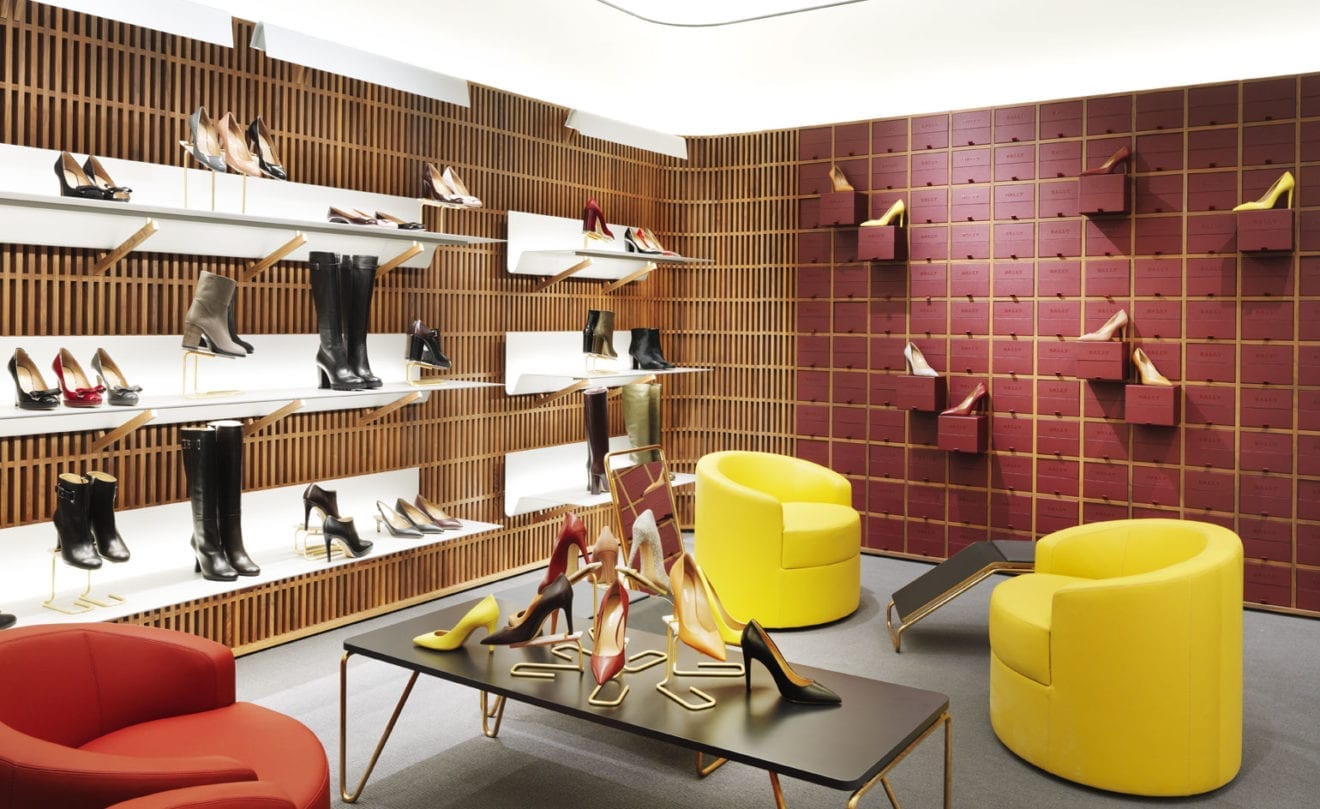
    Reliance Brands will launch Bally India after signing an exclusive distribution and marketing rights agreement with the Swiss luxury brand.

    Bally and Reliance plan to open a store in New Delhi next year and will look at further expansion afterwards in Chennai, Kolkata and Mumbai.

    “In collaboration with Reliance, we have identified a roadmap to develop the brand in proven retail locations,” says Bally CEO Frederic de Narp.

    Bally has embarked on a global expansion program, including the opening of two concept flagship stores in Tokyo’s Ginza and Los Angeles Rodeo Drive this year. Next year it will add two flagship stores – on New York’s Madison Avenue and in Beijing’s China World Mall.

  • Japanese denim brand EVISU Buys Back the Retailing Rights in China for US$40 Million

    Japanese denim brand EVISU Buys Back the Retailing Rights in China for US$40 Million

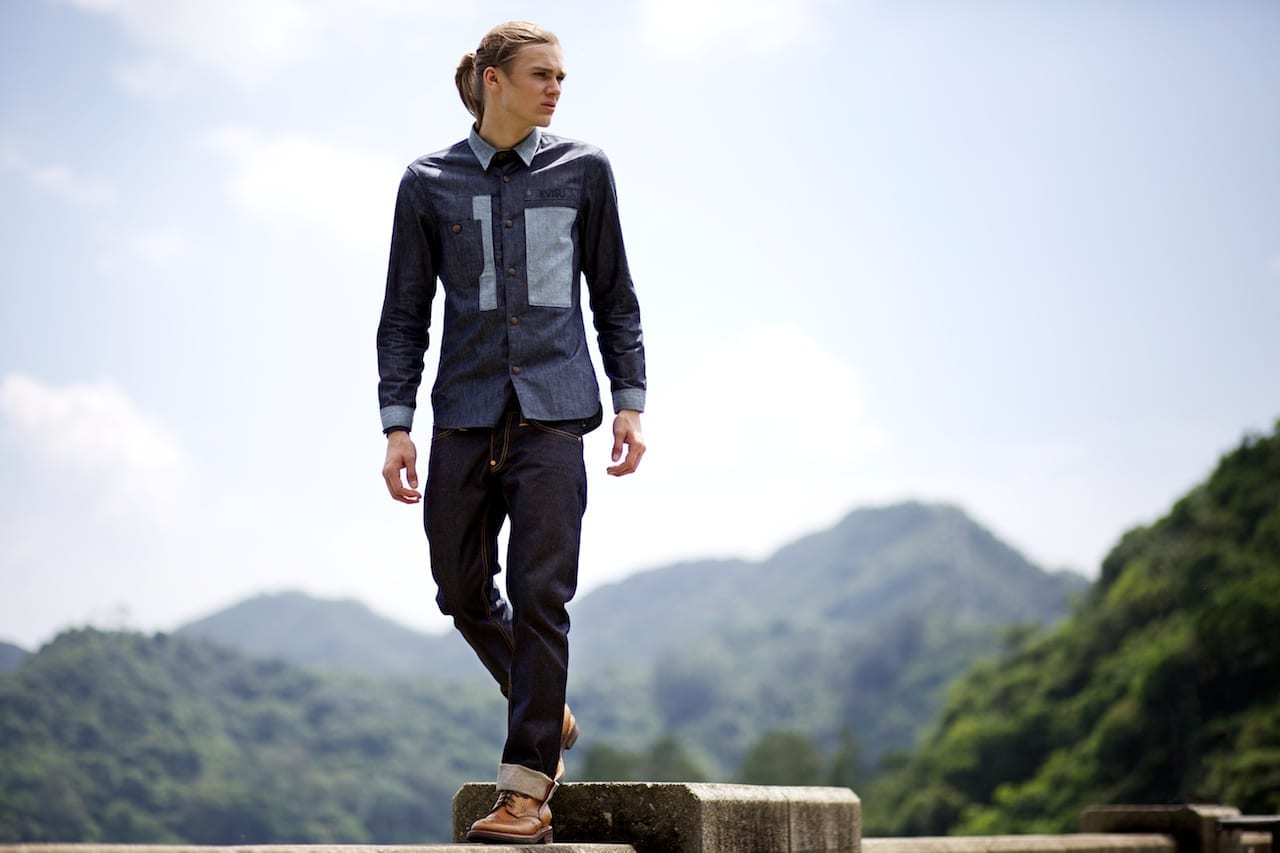
    Japanese premium denim brand EVISU Group Limited announced the buy-back of the retailing and franchising rights for the China market.

    EVISU Group Limited, the parent company, has reinvested alongside Cassia Investments, a consumer-focused private equity fund, to buy back the interest from New Elegant Trading (Shanghai) Co. Ltd, the joint venture partner in China financially supported by IDG Capital. Acquisition consideration is US$40 Million. David Pun, Chairman and CEO of EVISU Group Limited, will remain the majority shareholder.

    David Pun expressed his excitement about this latest development, “The company made concerted efforts with its China joint venture partner over the past few years to establish brand awareness and secure a footing in China. We think this is an ideal time for the company to integrate its regional China business with headquarters to pursuit the brand’s global objectives in the coming years.”

    In the meantime, EVISU is seeking business expansion globally by forging distribution partnerships for the U.S. and Europe markets. The brand will step up product extensions like EVISUKURO, the latest athleisure collection, and maintain product exclusivity through focused management of wholesale distributors.

  • Brace yourself for Dr Martens expansion

    Brace yourself for Dr Martens expansion

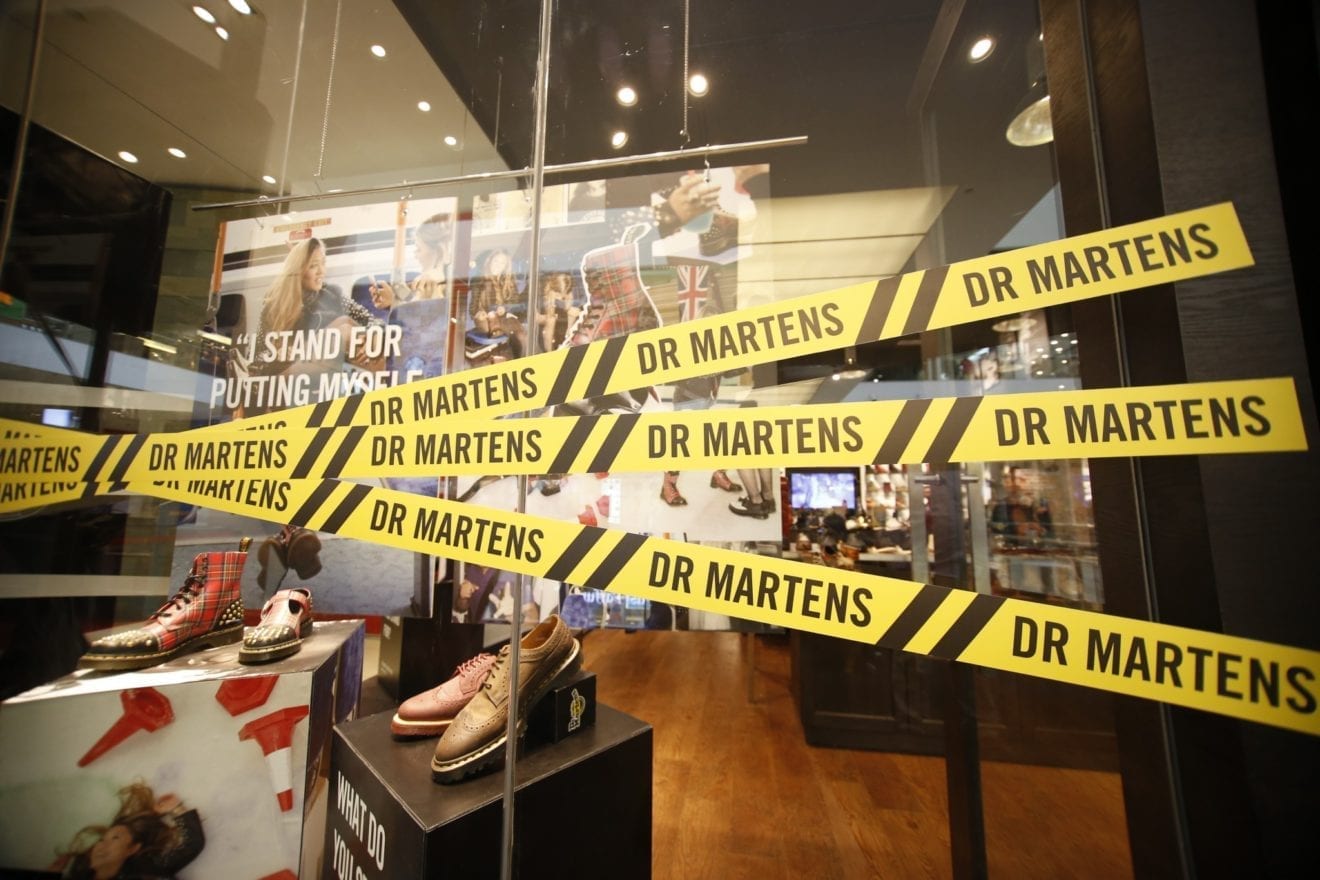
    The global Dr Martens store network is set to double, despite lower revenue and profits in its latest trading year.

    Owned by European private-equity firm Permira, Dr Martens saw its revenue and profits drop as it closed wholesale accounts and invested in stores and online capacity. However, its revenues in Asia rose 19 per cent.

    That in part is inspiring the brand to mount an aggressive expansion strategy not only in Asia but worldwide.

    The company says its total revenue fell 4 per cent to £232.4 million (US$291.6 million) after it closed several “non-strategic” wholesale accounts to refocus its wholesale and export channels. Those wholesale cuts added up to as many as 250 accounts, resulting in a 14 per cent reduction in wholesale revenues to £160.2 million.

    Earnings before interest, tax, depreciation and amortisation (EBITDA) in the year to March 31 fell to £29.6 million from £39.1 million the previous year. This is attributed to “significant” investment in product, new stores and online capability”, while the company has seen “excellent performance” in key growth areas, such as a 24 per cent rise in direct-to-consumer revenue to reach £72.2 million, plus 25 per cent growth in retail sales to £51.2 million, with comparable sales up 5 per cent.

    Its eCommerce sales grew 20 per cent to £21 million, while in Asia there was 19 per cent growth to £46.3 million.
    During the year Dr Martens opened 11 stores and nine concessions, while online sales reached 9 per cent of total revenue. By year-end, its store base was 100 (including 44 concessions), and it plans to double that by 2021.

    The company says that 30 per cent of its sales now come from new product, compared to 14 per cent a year ago, while 79 per cent of sales come from outside the UK. With its international growth, it has set up regional president roles for the Americas, EMEA and Asia, plus global heads of product, IT, logistics, legal and eCommerce.

  • The plain white shirt is a best seller for Esquel

    The plain white shirt is a best seller for Esquel

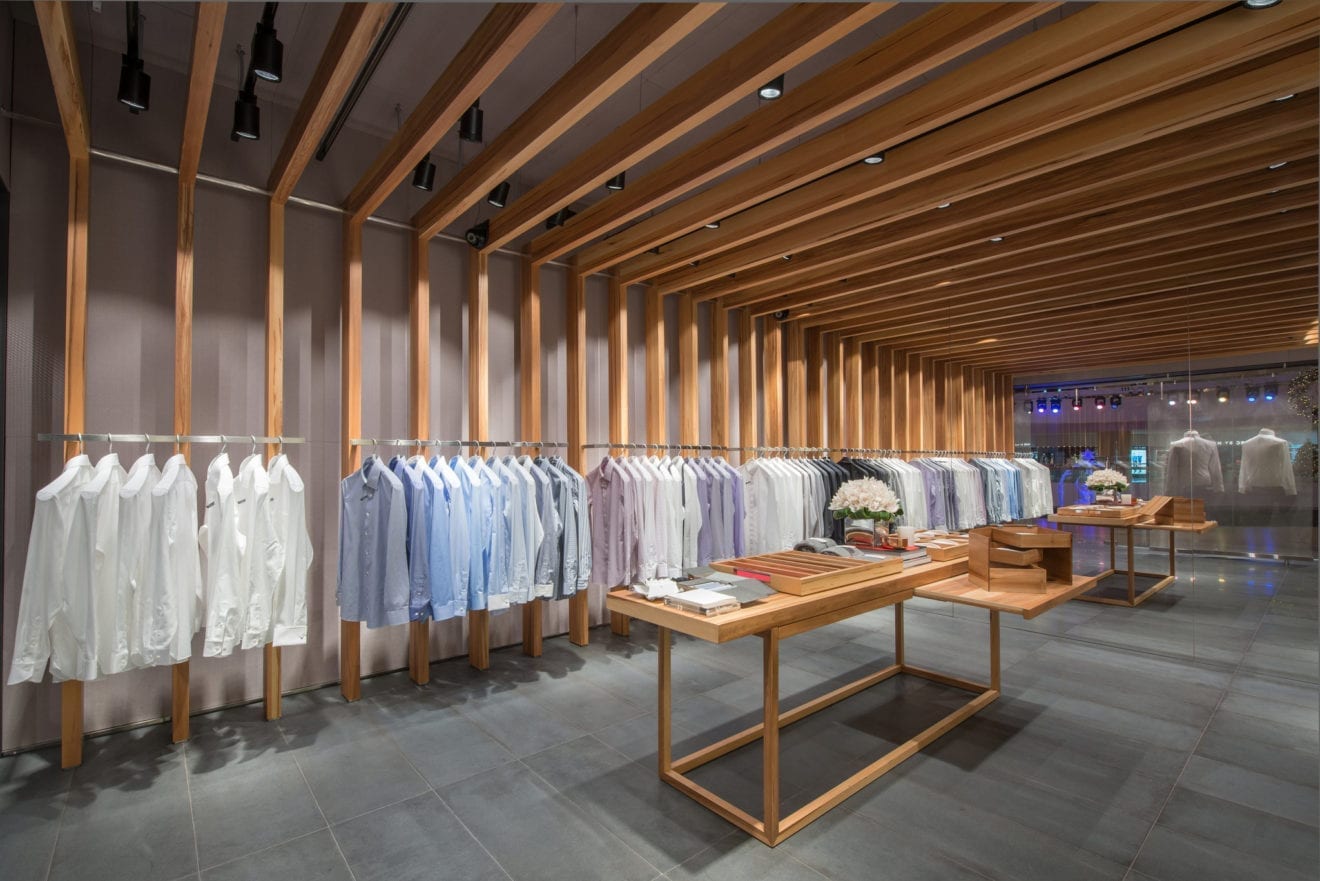
    Why is selling white shirts a good business in China? It’s because the world’s second largest economy is seeing an increasing number of youngsters taking white collar jobs, according to John Cheh, vice-chairman and chief executive of Esquel Group.

    Esquel, the world’s largest woven shirt manufacturer, last month launch a new retail brand called Determinant which sells mainly white shirts costing about HK$300 each for the mass market of mainland youngsters.

    “The new generation of youngsters in mainland China are white collar employees who need to dress decently to go to work. There are millions of youngsters who have graduated from universities in China every year. They all need a white shirt for their job interview or for their work,” Cheh said.

    He said Determinant would target these youngsters so it could sell the shirts online at an affordable price for the mass market.

    White shirts are not just for junior staff. When they climb up the corporate ladder, they also need a shirt to wear to work and when meeting with their clients. The quality and price tag of the shirts they buy may well move up along with their promotions.

    Cheh is wearing a white shirt during the interview with the Post but as chief executive of the group, he wears one from the company’s deluxe retail brand called Pye.

    Pye, headed by Dee Poon, managing director of Esquel Brands and Distribution and granddaughter of the founder of Esquel, has six shops in Hong Kong and mainland China. It sells more high quality shirts at a minimum of HK$1,000 each.

    Cheh said the company invested in the retail business to diversify its income source but added that manufacturing remains its core business.

    “We plan to only focus the retail business on what we are good at – shirts. China has an increasing number of middle class who can afford to buy good quality shirts and clothes. A simple white shirt may not be fancy fashion but it is suitable for many occasions. It is always a best seller,” he said.

  • First runway show for Max Mara China

    First runway show for Max Mara China

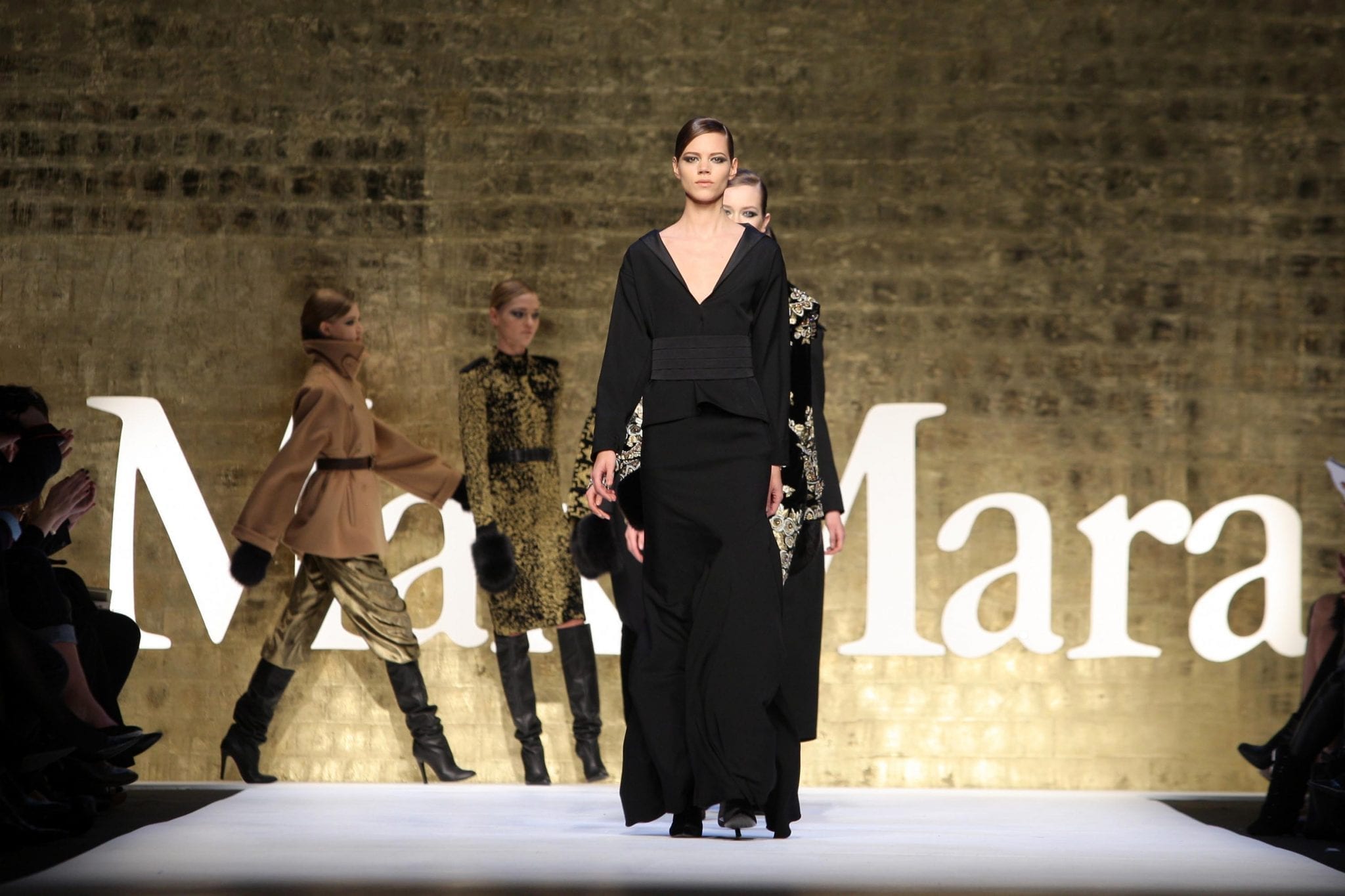
    Luxury Italian fashion house Max Mara hosted its first runway show in Shanghai yesterday.

    It is presenting its pre-collection for fall 2017, as well as a capsule collection conceived in collaboration with Chinese artist Liu Wei, who also created the set for the runway show.

    With the capsule collection, the label is test driving its “see now, buy now” strategy. The collection comprises 11 pieces in upmarket fabrics, inspired by dense urban landscapes. The items will be available from tomorrow in a selection of Max Mara boutiques worldwide, including Paris, and on the label’s website.

    Max Mara opened its first store in China in 1993 and now has 414 boutiques there, including 35 in Shanghai.

    The Italian group has 19 apparel brands, led by Max Mara and Max Sport. It achieved sales of €1.38 billion (US$1.45 billion) last year, with 60 per cent coming from abroad. The company employs 5692 people and has 2668 locations in more than 100 countries.

  • Le Saunda sales dips 8pct y-o-y in Q3

    Le Saunda sales dips 8pct y-o-y in Q3

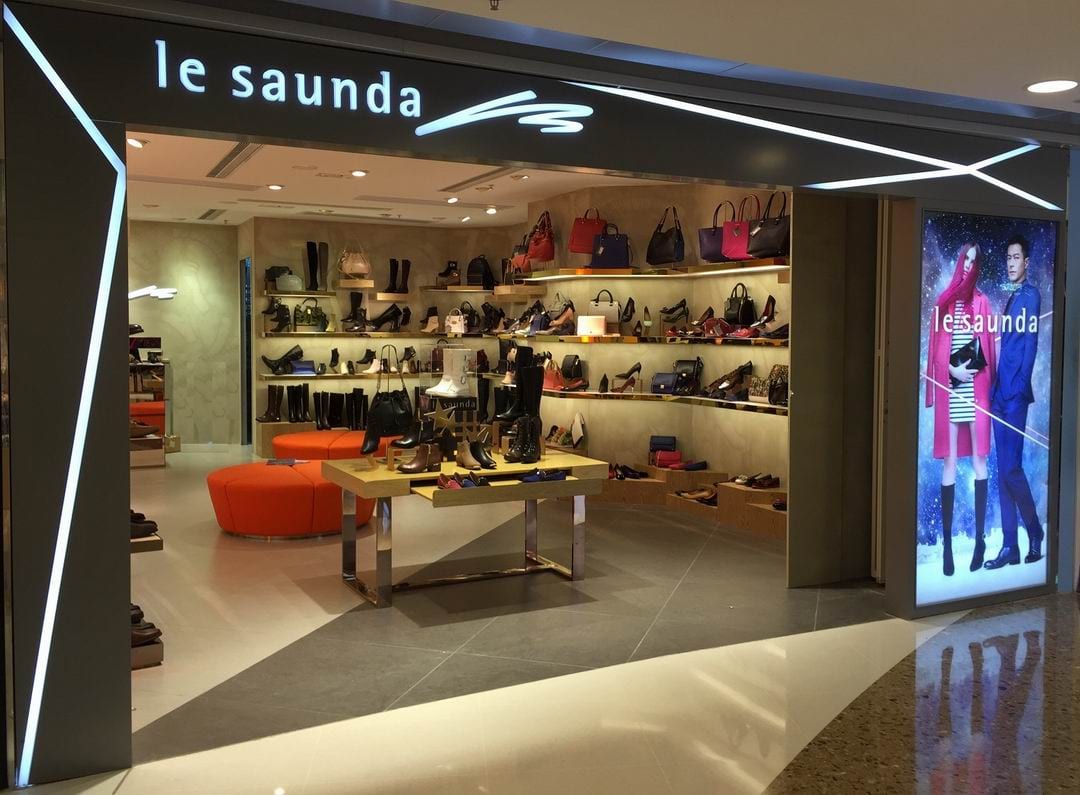
    Footwear manufacturer and retail company Le Saunda Holdings announced a decrease of 8 per cent in its total retail sales year-on-year for the third quarter of its 2016/2017 financial year, according to a filing with the Hong Kong Stock Exchange.
    Same store sales of the retailer also saw a 7.1 per cent drop year-on-year for the quarter, which when coupled with a 40.5 per cent year-on-year drop in the Group’s e-commerce business sales led the group’s diminished performance during the period compared to last year.

    As at the end of the group’s financial quarter, November 30, Le Saunda had a total retail network comprised of 822 outlets spread throughout Mainland China, Hong Kong and Macau. However, on the back of the declines in sales, the Group has closed 75 outlets compared to the same period of last year.

    Of the total outlets, 737 are in self-owned and in operation in Mainland China, Hong Kong and Macau while 85 outlets are operated under franchising agreements in Mainland China.

    According to the Group’s previously launched interim financial report, its total revenue for the first six months of fiscal 2016/2017, from March to August of this year, showed a decline of 13.8 per cent year-on-year to RMB651.2 million (US$94 million) from RMB756 million during the same period of the previous fiscal year.

    In addition, the Group’s profit dropped 24 per cent year-on-year to RMB45.6 million during the first half of the fiscal year.
    The Group is also engaged in the design and development of handbags and fashion accessories in Mainland China, Hong Kong and Macau.

  • Prada to close boutique at Peninsula hotel as Hong Kong’s retail slump bites

    Prada to close boutique at Peninsula hotel as Hong Kong’s retail slump bites

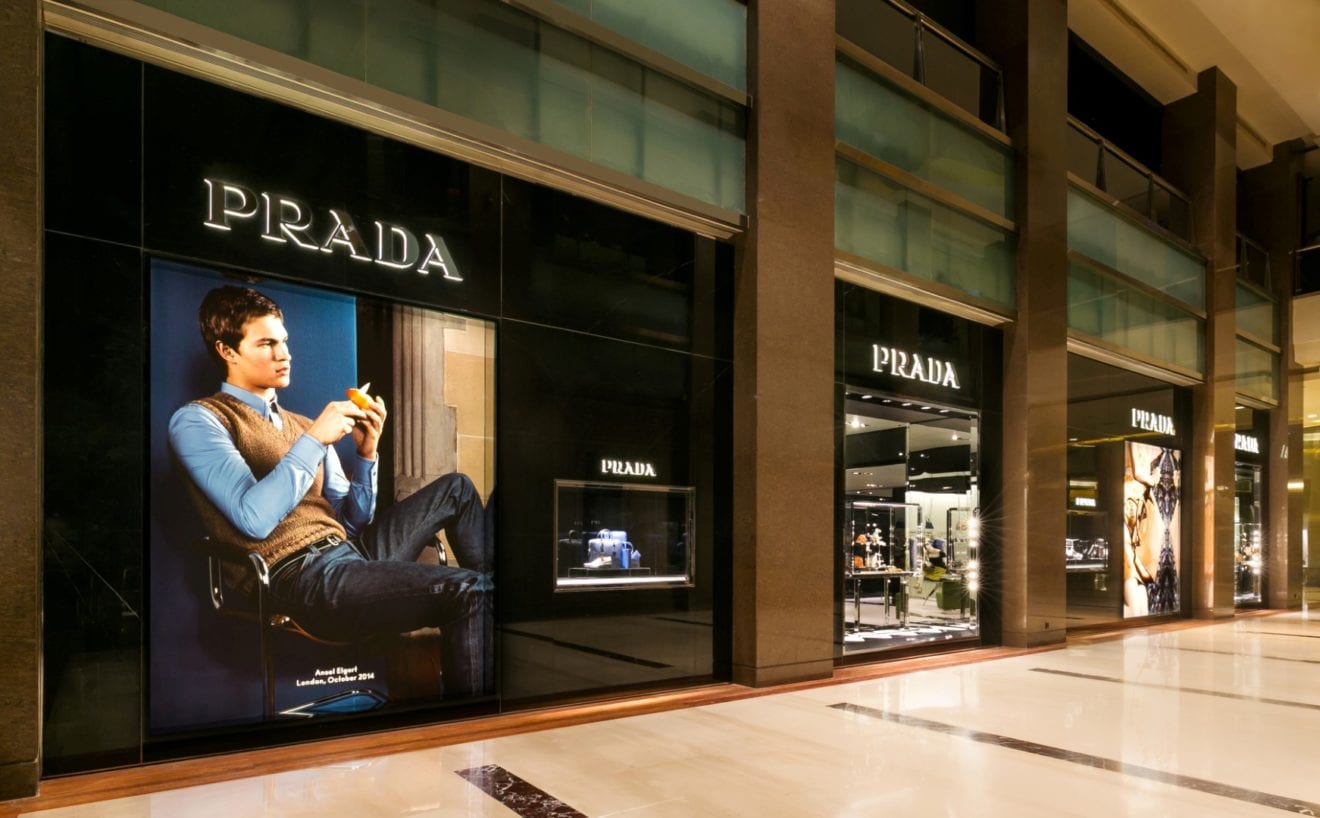
    Prada will shut its boutique at the Peninsula hotel shopping centre on December 31 in the latest sign that the retail slump is hurting high-end brands. The Italian luxury fashion label made its debut in the city with its 3,091 sq ft outlet at the landmark Tsim Sha Tsui address in 1986.

    But with fewer rich mainland Chinese shoppers visiting the city, analysts warn more luxury stores could fold after expanding too rapidly in the past decade.

    “The tenancy contract between The Peninsula Arcade and Prada will conclude on 31 December 2016,” a hotel spokeswoman said via email.

    A shop assistant at the boutique told the Post that some sales personnel had already left and others would be relocated to the brand’s other shops.

    A Prada spokeswoman said the company had “no comment” on the closure. It currently has 11 stores in the city.

    Prada’s total sales in Greater China tumbled 24.4 per cent in the first six months of the year on a yearly basis, as “Hong Kong and Macau continued to weigh heavily on the region’s contraction”, the company’s latest interim report said.

    Premium lifestyle brand Ralph Lauren quietly closed its 20,000 sq ft store in the Causeway Bay shopping hub overnight earlier this month, and British fashion house Burberry is to cut the size of its biggest Hong Kong flagship store in Pacific Place by 50 per cent within the next financial year.

    Retail sales of luxury items in the city such as jewellery, watches and clocks, and valuable gifts slumped 19.7 per cent in the first 10 months of the year.

    Helen Mak, head of retail service at property consultant Knight Frank, said more luxury brands would have to cut store numbers in the city, which she considered “a healthy adjustment”, after an aggressive expansion in recent years.

    “The store numbers of many luxury brands have doubled in the past decade,” Mak said.

    International high-end labels were eager to increase their presence to lure rich mainland shoppers who began to flood into the city from 2003 when Beijing eased travel restrictions.

    As Hong Kong recovered from severe acute respiratory syndrome – which struck the mainland in late 2002 and Hong Kong in 2003, killing 299 in the city – mainland residents from 49 cities were allowed in as individual travellers rather than having to join tour groups.

    But average spending by mainland visitors has dropped to about HK$7,000 per person this year, compared with HK$9,000 two years ago.

    “For luxury brands, it is a question of whether Hong Kong is still a place worth investing in,” Mak said, adding that some brands preferred to put resources directly into mainland cities.

    This article appeared in the South China Morning Post print edition as:

    prada ends its 30-year run at THE peninsula

  • Korean label Blanc & Eclare opening in NYC

    Korean label Blanc & Eclare opening in NYC

    At only two years old, Korean-based label Blanc & Eclare has decided on New York City for its first North American venture.

    Launched by Korean pop superstar Jessica Jung, the label will open in a brick-façade store along SoHo’s Spring Street Jung left the chart-topping Korean group Girls’ Generation in 2014 after seven years to create her own fashion brand. It started as sunglasses (the inaugural line sold out in four hours), with denim, coats, ready-to-wear and skincare products being added along the way.

    blanc-eclare-opening-in-nyc

    Jung has opened 40 Blanc & Eclare stores around Asia, including China, Macau, Singapore and Thailand.
    Prices for the collection range from US$145 for a turtleneck sweater to US$505 for a double-breasted blazer. Cosmetics start at $16 for lip balm, $22 for a face mask and $60 for a night cream.

  • Giant Zara Barcelona store opens

    Giant Zara Barcelona store opens

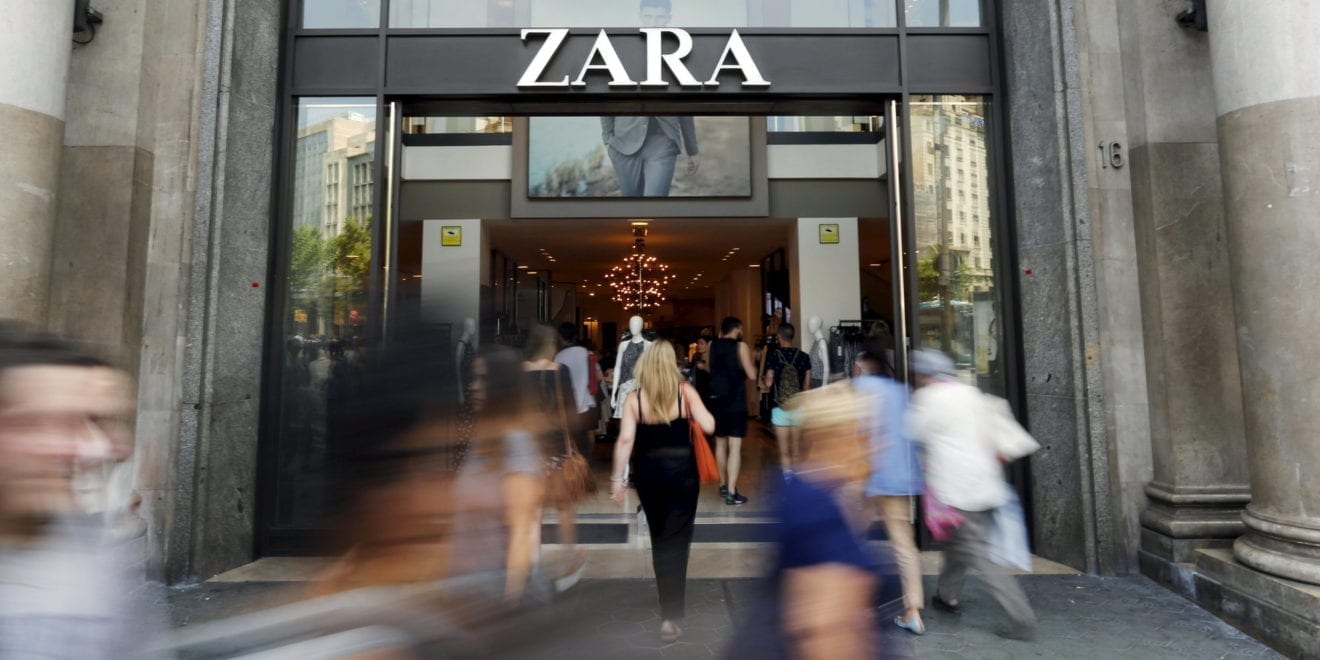
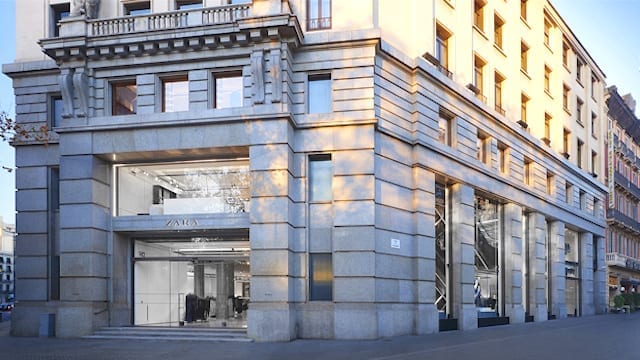
    A giant Zara Barcelona flagship store has opened its doors at Number 5, Plaça de Catalunya, Barcelona’s tourist and commercial epicentre.

    Zara describes the store as one of its “most emblematic”, housed in a 1930s property which has been fully refurbished and recovered for the city. It has more than 3600 sqm of space spread over three floors, housing the Zara Woman, Man and Kids collections.

    The new Zara Barcelona shop occupies a building designed in 1931 as the Barcelona head office of Banco de Bilbao by Basque architect Eugenio Pedro Cendoya, also responsible for the Montjuïc National Palace, built to accommodate the World Fair celebrated in the city in 1929.

    The architectural plans devised for this new store, spearheaded by Coruña-based architect Elsa Urquijo, focused on preserving the former bank’s original architectural treasures such as its impressive glass dome, the atrium flanked by columns and decked with the marble floors characteristic of the public buildings of the time and the murals decorating the pedestrian staircase. The interior is dominated by a pale colour palette and textures that tone down the spaces. The layout of the store fittings was articulated around free-standing units in neutral tones that place the spotlight on the brand’s collections and the building’s impressiveness.

    “The result is a diaphanous and uncluttered retail space with a ground floor open to the city and two upper floors demarcated by the majestic central space that is visible from anywhere in the store, bathed at all times by the daylight filtered in through its glass dome,” says Zara parent Inditex.

    In keeping with Inditex’s Environmental Plan, the new store has been built to stringent green building standards, sustainability criteria applying to its actual construction as well as ongoing operation and usage. Over half of Inditex’s worldwide stores are now eco-efficient, implying electricity and water savings of 30 per cent and 40 per cent respectively compared with conventional stores.