Category: Fashion

Retail News Asia is committed to providing both local and global retailers with the latest Fashion news throughout the Asian market. This on a daily base.

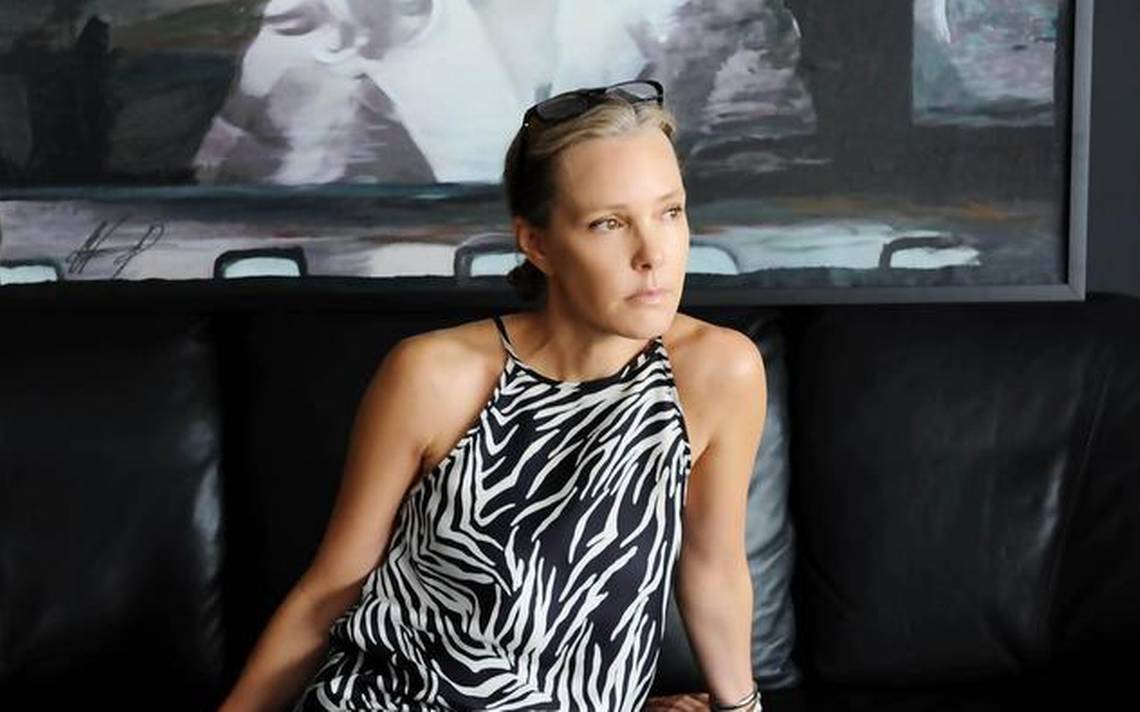
  • Marie France Van Damme Opens Second Boutique in Hong Kong

    Marie France Van Damme Opens Second Boutique in Hong Kong

    Marie France Van Damme, the Hong Kong-based company known for its globally influenced line of luxury resort, swim, and ready-to-wear, announced today the opening of a seventh boutique in December 2016. Located in Hong Kong’s Elements shopping mall in Kowloon, the new store will mark Marie France Van Damme’s second retail location in Hong Kong, where the designer has lived for more than 30 years. The company opened its very first store in Hong Kong’s acclaimed International Finance Centre (IFC) mall in September 2013. 

    Situated on the second floor (Shop 2109) of the Elements shopping mall, within the International Commerce Centre (ICC), on 1 Austin Road West in Kowloon, the 700-square foot boutique will open alongside such brands as Gucci, Chanel and Prada and include Marie France Van Damme’s extensive luxury resort line. The ICC is Hong Kong’s tallest building and also houses The Ritz-Carlton and W Hong Kong. Incorporating Marie France Van Damme’s signature aesthetic, which blends subtle Asian influences and elegant simplicity, the boutique will feature teak wood, bronze panels, and embossed crocodile leathers with textiles and finishes that can be found in the designer’s home as well as her flagships in Hong Kong and London.

    The ICC’s waterfront location on Victoria Harbour, across from the IFC, suits its important role in the city in many ways. Feng shui teaches that mountains govern people, water governs wealth. The special placement of these skyscrapers is said to channel positive energy for health and prosperity. The shopping mall’s design, and its name, Elements, refer to the feng shui elements: wood, fire, earth, metal, and water. With a direct train linking Elements to Guangzhou, the new boutique will offer a unique luxury shopping experience in one of Hong Kong’s latest attractions on the Kowloon side of the city.

    As Marie France continues to expand her presence worldwide focusing on cities that not only inspire the designer, but also appeal to her sophisticated, jet-set clientele, Marie France Van Damme will celebrate the boutique opening with several special events in Winter 2016 and introduce a new in-store campaign photographed in Hong Kong by Herbert Ypma. The campaign will feature the new Resort 2017 collection, a return to the glamorous roots of resort wear with its muted palette of silver and nude, hand embroidery and opulent fabrics; from French lace to metallic-toned Italian weaves and featherweight Chinese Silks. 

    The company currently has 100 retail locations in some of the world’s most desirable places. Marie France Van Damme opened its first store in the fall of 2013 at the acclaimed International Finance Centre (IFC) in Hong Kong, a second in the summer of 2014 in Bangkok’s esteemed Mandarin Oriental, third and first European boutique in 2014 in London’s Brompton Cross neighborhood, and fourth boutique in the summer of 2015 in Phuket, Thailand. In November 2015, Marie France Van Damme introduced a fifth branded boutique in Singapore’s Takashimaya Shopping Centre and sixth retail location in Phuket in July 2016.

    Made in Hong Kong & South China

    Marie France Van Damme is proud of the production capabilities it has built for itself in the past 30 years. With couture and tailoring facilities in-house and embroidery produced across the border in China, every production piece is fitted and quality verified by Marie-France to ensure that the Marie France Van Damme label fulfills the highest standards in the industry.

    About Elements Shopping Mall/Hong Kong

    Offering over one million square feet of pure shopping experiences, the Elements shopping mall is located in Hong Kong’s tallest building the International Commerce Centre (ICC) on the Kowloon side of Hong Kong. A lavish world offering of shopping, dining, art and entertainment, Elements shopping mall is located next to Hong Kong’s most famous attraction Sky100 Hong Kong Observation Deck and takes a new approach to Hong Kong’s shopping environment and is themed after the five Chinese elements. The five elements are Metal (Luxury brands and world-class dining), Fire (Entertainment), Water (International cuisine), Earth (Fashion) and Wood (Health, Beauty and Lifestyle) whereas each zone is individually designed. Elements boasts a range of sought after brands, dining options, an ice rink and a 1,600 capacity cinema –  currently larger than any movie theatre in Hong Kong.
  • Bata Philippines opens at SM Megamall

    Bata Philippines opens at SM Megamall

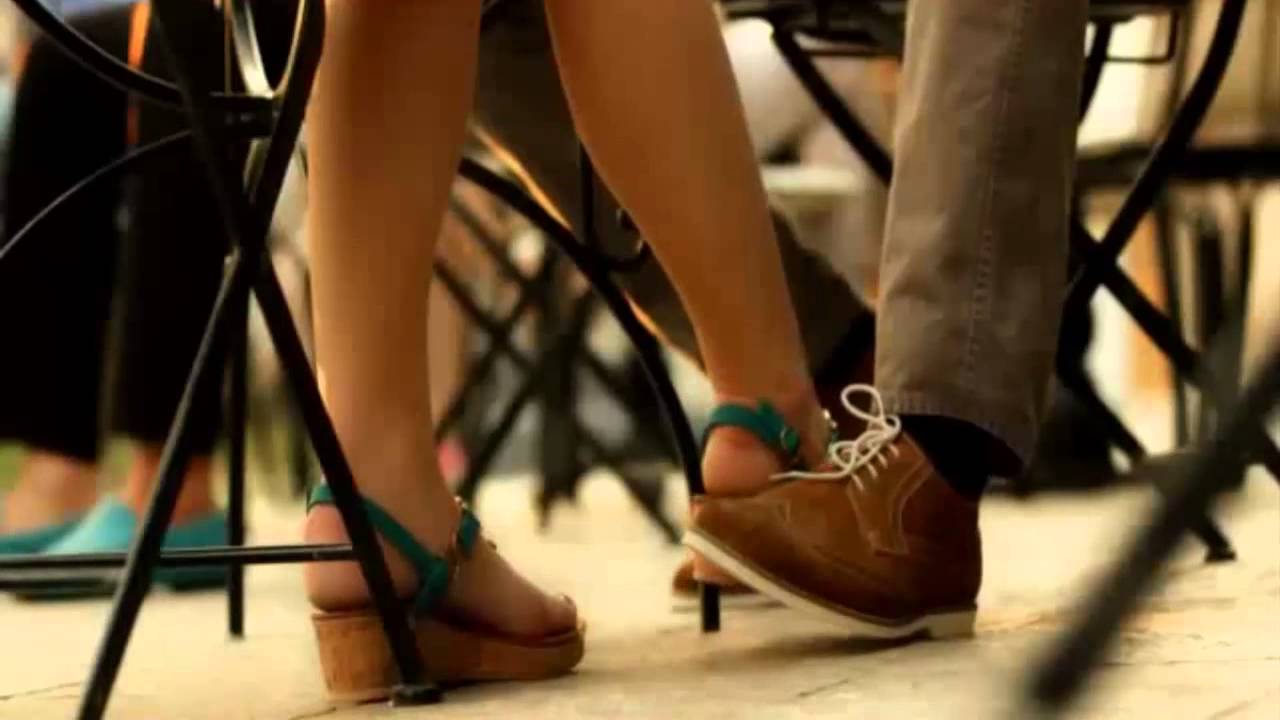
    Partnering with the SM Group, Bata Philippines has opened its first store at SM Megamall in Manila.

    Bata PH 2

    “We never hesitated,” says Thomas Archer Bata, who attended the launch, referring to the brand’s linking up with the Sy family, which grew a shoe outlet into supermarket development conglomerate SM Group. “Also, we have had a friendship with the SM Group and the Sy family for some time.”

    Bata Shoe Co originated in Zlin, in what is now the Czech Republic, in 1894. It was founded by Tomás Bat’a, whose grandson, Thomas George, is on the management board along with his sisters Christine, Monica and Rosemarie. Thomas Archer, the chief marketing officer, is a fourth-generation cousin.

    Bata 1

    Bata 2

    Bata 3

    Bata has 5000 retail outlets in 70 countries, with a strong presence in India and a factory in Thailand since the 1970s. The company would have entered the Philippines earlier, but there were legal complications related to its trademark, says Thomas Bata. “It took many, many years to resolve. Fortunately, with the help of SM, we managed to resolve it.”

    He says the brand is going to “tread cautiously” in the Philippines with plans to open between eight and 15 stores in SM malls in Metro Manila.

    He says the company follows a “responsible capitalism moral testament” formulated by its founder: it should not be treated as a source of private wealth but, rather, as a public trust, a means of improving living standards within the community and providing customers with good value for their money.

    “We are very environment-friendly. Our factories are audited on a yearly basis for their sustainability,” says Bata. “Our founder more than 100 years ago believed in sustainability, in producing as little waste as possible, and that is still the case. We always use environment-friendly materials and suppliers.”

    Meanwhile, Bata says the company is talking to potential partners in the Philippines to work on some collaborative projects, and is planning with SM how to roll out a rural education program for young girls.

  • JD Sports Malaysia opens first flagship

    JD Sports Malaysia opens first flagship

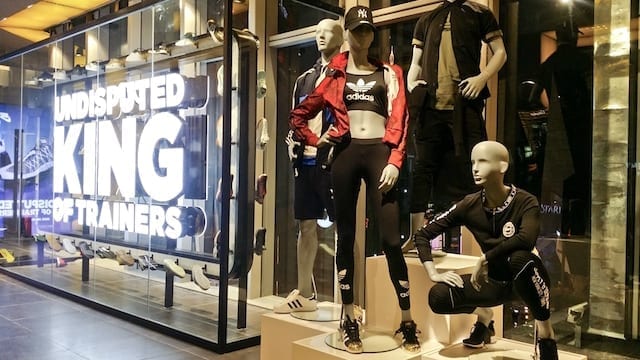
    JD Sports Malaysia has opened its first flagship store – on level 5 of Pavilion shopping centre in Kuala Lumpur.

    It is the British sportswear retailer’s largest store in Southeast Asia with a floor area of 13,590 sqft and opens following the success of the company’s Sunway Pyramid store.

    The biggest pure for customers is expected to be the extensive range of sneakers from multiple brands, including special editions.

    jd-sports-pavilion-kl-inside


    “Sneaker culture is growing across the world, and JD Sports has been at the forefront of providing customers with exclusive, hard-to-get and desirable trainers in all of the markets we service,” said Peter Cowgill, chairman of JD Sports Fashion.

    “JD Sports carries large number of brands, which means we have something for everyone, from Nike to Adidas to Reebok, to our own in-house brands such Pink Soda, Supply and Demand and Sonnetti,” added Jaclyn Tan, senior manager brand marketing with JD Sports Malaysia.

    jd-sports-pavilion-kl

    The company says it plans to add more stores in the country and has this month organised recruiting days for prospective staff to join the team.

  • A new modern lifestyle luxury fashion event comes to Hong Kong

    A new modern lifestyle luxury fashion event comes to Hong Kong

    We are proud to present the inaugural evening of “FELICIA”, a trendy new fashion evening in collaboration with Marc Jacobs and Moët & Chandon taking place  between PLAY and STUDIO clubs Hong Kong.

    “FELICIA” will be working in collaboration with Marc Jacobs for the launch of his new Resort 2017 collection in Hong Kong at a standout event. Conceived for local and visiting fashionistas, Felicia is specifically geared to these discerning customers needs providing a trendy, light hearted yet stylish evening.

    Generously sponsored by Moët & Chandon, who will be using this event as a showcase for their latest Moët Rosé Impérial Limited Edition With Flamingos, a  daring departure from their iconic bottle design. The evening is sure to dazzle as much as their new bottle.

    “FELICIA” was conceived to cater to the ever growing crowd of young trendy professionals working across the fashion, design and creative industries in Hong Kong. A place to meet, socialise and network “FELICIA” represents what it means to be a trendsetter in a modern age, uniquely positioned to attract the right crowd, we aim to please. Toungue-in-Cheek.

    As the first collaboration of many more to follow, we will celebrate the evening with smooth sounds from DJ Miya and DJ Patrick Rizarri, starting the evening off in the intimate STUDIO serving their signature cocktails before moving on as the party grows into the larger PLAY, which will be lavishly decorated by Marc Jacobs, inspired by their 2017 collection. Exclusive special edition Marc Jacobs gift bags will be given away to distinguished guests with table sales.

    Marc Jacobs is a well known international fashion designer originating from New York City, creating trendy wearable mens and womens clothes and accessories that often feature bright colours or fun motifs. #marcthenight

    Moët & Chandon is a french fine winery and a co owner of the luxury goods company LVMH. Creating some of the world finest champagnes since 1743, the company has  a rich history of heritage and luxury. #openthenow

    PLAY and STUDIO are two prestigious clubs and event spaces in Hong Kong with a focus on good music and the finest drinks the venues feature state of the art Matrix lighting and D&B sound equipment. #hifelicia

  • David Beckham shares Story of his life with Biotherm & L’Oreal

    David Beckham shares Story of his life with Biotherm & L’Oreal

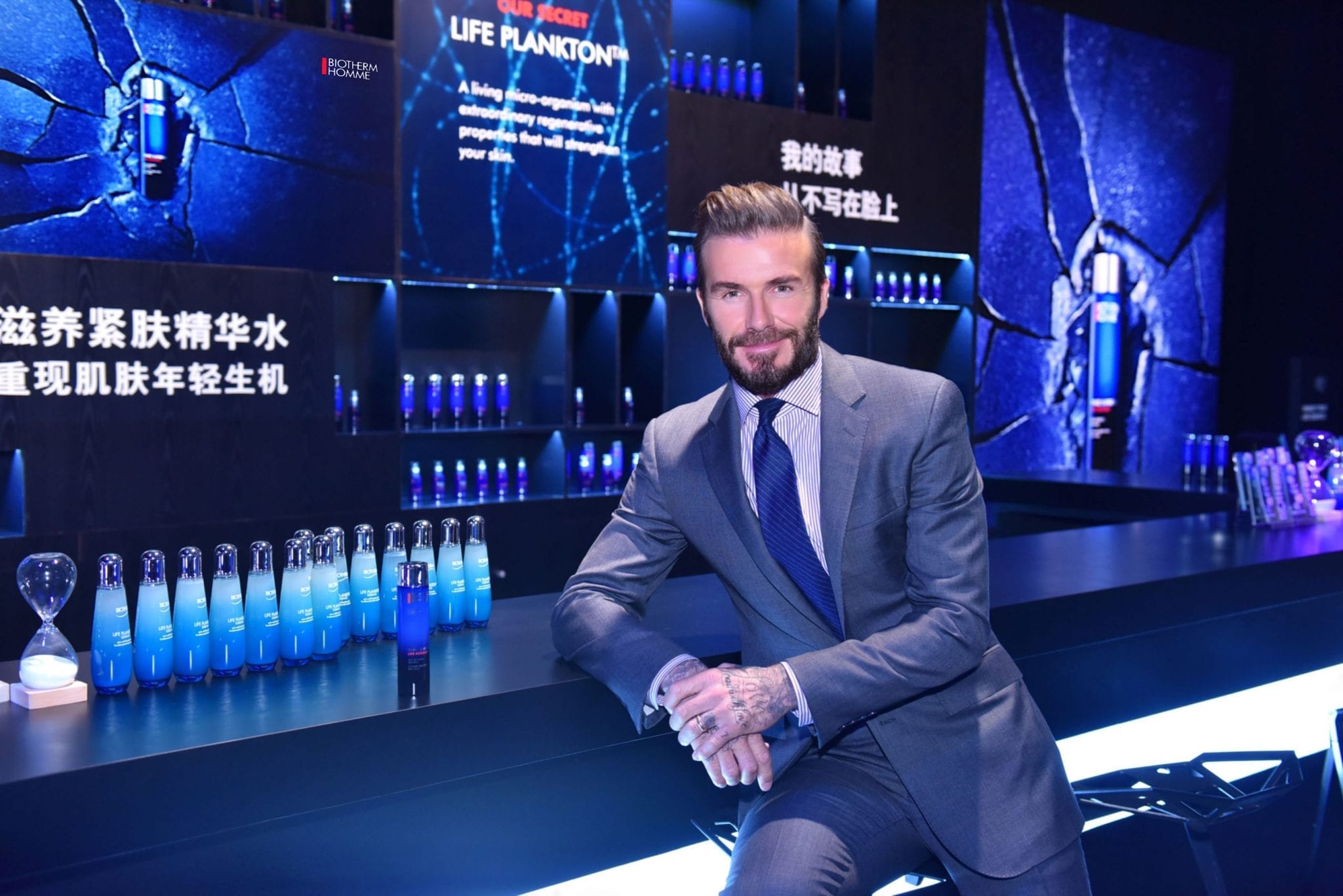
    On 9 November, two days before the ‘Chinese Double 11’ or ‘Singles’ Day’ shopping holiday, Biotherm Homme invited David Beckham to Shanghai to launch the brand’s #StoryOfMyLife campaign in tandem with the New Force Supreme Life Essence; a ‘revolution in men’s skincare, which responds to the multiple needs of men’s aging skin’.

    The L’Oréal Travel Retail Asia Pacific Biotherm team invited two Duty Free retailers, Sunrise Duty Free represented by Mrs Wiling Yang, and Korea’s Lotte Duty Free, represented by Mr Jeffrey Davis to attend the event.

    Journalists and ‘influencers’ were also invited to the Waterhouse hotel in Shanghai to create and share their experiences with the L’Oréal-owned men’s skincare brand.

    “Continuing a shared heritage of disruption in men’s grooming, the #StoryOfMyLife campaign film, starring Beckham, turns skincare into a life celebration, powering the message: ‘The story of my life is written on my skin. But don’t expect to read it on my face’,” says L’Oréal.

    The event was linked with the new ‘Force Supreme Life Essence’ from Biotherm Homme which is said to offer ‘every active and successful man a daily solution not to show the signs of time on their face’.

    Joining the campaign’s leading man, who revealed some of his skincare and life stories on-stage, guests shared theirs inside a private animation box.

    In a celebration of the campaign’s ink element, a Tattoo Bar invited them to interpret a life-altering experience in ink, having sneakers, iPhone cases, or even skin temporarily, customized on the spot by four leading artists in China.

    “We’re bringing the height of skincare tech together with digital-goes-real experience, to turn around the age-old concept that your life story is written on your face,” commented David Fridlevski, Biotherm General Manager.

    On 9 November, two days before the ‘Chinese Double 11’ or ‘Singles’ Day’ shopping holiday, Biotherm Homme invited David Beckham to Shanghai to launch the brand’s #StoryOfMyLife campaign.

    Life Plankton Essence, now made for men, is Biotherm Homme’s ‘most intensely concentrated treatment in skin-coach Life Plankton’ in a liquid essence for aging skin.

    “I recently discovered the new Force Supreme Life Essence which is really a booster in the morning. I feel like my skin is transformed,” said David Beckham.

  • Fashion franchises are a popular trend in Vietnam

    Fashion franchises are a popular trend in Vietnam

    At a one-day event held last week at the japan External Trade Organisation (JETRO) Office in Ho Chi Minh City, a group of more than 10 Japanese fashion giants introduced their wares to potential Vietnamese partners. These firms include Isato Design Works; In Design Lab; M-Trading, Inc; Kobe Leather Cloth Co., Ltd.; T-Three Co., Ltd; and Sachiyo Hayashi Beauty Laboratory Co.; Ltd. They all aim to open franchise stores in Vietnam in the future.

    This event was the first of its kind held by JETRO Office in Ho Chi Minh City, targeting Vietnamese companies which have already organised franchising deals or are interested in such deals in the future. In total, 30 Vietnamese firms attended.

    Maison Fashion Group and Imex Pan Pacific (IPP Group) are the most prominent Vietnamese firms to form franchise deals with international brands, but more look to be on the way.

    In recent years, Japanese firms have invested in many service-related projects in Ho Chi Minh City. This market is expected to develop even more in the future. “In addition, Vietnam is home to specific regulations on foreign investment and trading habits, thus penetrating this market via co-operative agreements with local partners is an optimal choice”, said Teramoto Ukai, a JETRO official.

    Japanese electronic products and consumer goods have long been famous in Vietnam for their quality. And now, Japanese firms want to tap into the local fashion market, which is growing at an annual rate of 10%-15%.

    Miniso, a leading Japanese lifestyle brand, is one of the latest firms to connect with Vietnamese market. In April 2016, Miniso signed a franchise deal with le Bao Minh Group.

    “Vietnam has growing consumer demands, thanks to rising incomes and [interest in] global trends. In addition, Vietnam is considered to be one of the 10 Asian retail markets with the fastest growth. The important thing is how to select brands and partners to cash in on the potential”, said Le Thi Ngoc Hai, chairwoman of Le Bao Minh Group.

    Miniso, which has been franchised successfully in the Republic of Korea, Malaysia, China, the Philippines, and Thailand, opened its first three stores in Hanoi in August 2016. It plans to have 13 stores in-country by the end of 2016, between Hanoi, Ho Chi Minh City, Danang, Nghe An, Can Tho, and Haiphong, Hai added.

    This franchising path follows a greater franchising trend in Asia. Along with the food and beverage sector, healthcare, education, and retail, fashion in Vietnam has attracted many famous global brands.

    The UL’s Monsoon Accessorize entered the Vietnamese market in 2009 after signing a franchise deal with Maison, and has since opened three stores nationwide. Spain’s Mango, which also has Maison as its franchise partner, opened its first local Mango store in 2004 and now has 10 stores in Ho Chi Minh City and Hanoi.

    In 2011, the UK’s Karen Millen entered Vietnam in partnership with Maison, and now has stores in Hanoi and Ho Chi Minh City. That same year, France’s Christian Louboutin entered the local market, with one store in Ho Chi Minh City.

    Singapore’s Charles & Keith and the UK’s Topshop also appeared in Vietnam via franchise deals. Charles & Keith now has seven stores in Vietnam after six years in the local market, while Topshop has one store in Ho Chi Minh City. In another case, IPP Group, owned by Jonathan Hanh Nguyen, has also been a favoured franchise partner for international fashion groups, including Italy’s Bulgari S.p.A., the US’s GPS Strategic Alliances with Gap and Banana Republic, and the UK’s Warehouse. They each have opened three stores in Vietnam.

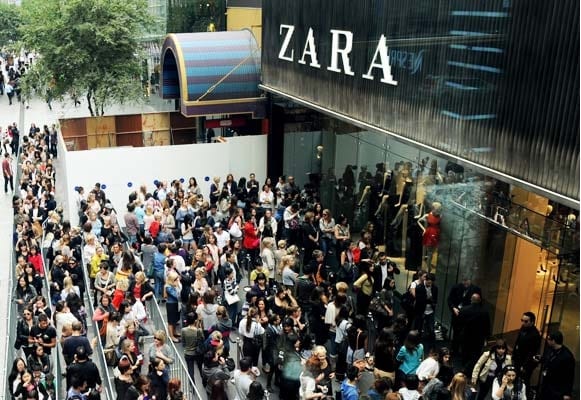
    Zara, a famous Spanish clothing and accessories retailer, officially opened its first store in Vietnam in early September 2016. The opening was wildly successful- on its opening day, it chocked up around VND5.5 billion (US$251,000) in revenue.

    According to a source from Zara, it plans to open a chain of seven stores in Vietnam in the future, including two in Hanoi in 2017.

  • Bata: Shoemaker to the world

    Bata: Shoemaker to the world

    IT’S inevitable that the world’s first family in footwear, Bata, would partner with the Philippines’s premier retail family, the Sys of the SM Group.

    “First of all, their whole philosophy is business, their heritage coming from footwear. It’s particularly strong. Also, we have a friendship with the SM Group and the Sy family going on for some time. All these make them great partners, and we never hesitated. They were the only partner we were interested to work with in the Philippines,” Thomas Archer Bata said at the launch of the first Bata store in the Philippines, which can be found at the third floor of SM Megamall Building B.

    Ambassador; Bubblegummers; and Valtina Prima Ballerina

    The Bata Shoe Co., which is the biggest in the world, originated in Zlin, in what is now the Czech Republic, on September 21, 1894. It was founded by Tomás Bat’a. His son, Thomas J., propelled the company to greater profitability after suffering losses in World War II. The grandson, Thomas George, is currently in the management board with his sisters Christine, Monica and Rosemarie. Thomas Archer (who will be referred to as Mr. Bata from hereon in the article), the chief marketing officer, belongs to the fourth generation of cousins who add vigor and vitality to the company.

    Bata has 5,000 retail outlets in 70 countries. In Senegal, Rhodesia and Zimbabwe, Bata became the local name for shoes when in the 1950s, the company conquered the African continent. “Opportunities abound, everyone barefoot,” came one cable from a salesman to headquarters.

    It has a strong presence in Asia, particularly India. It also opened a factory in Thailand in the 1970s. But Bata’s entry into the Philippines came only recently. “To be completely honest, it’s because of legal reasons and legal complications related to our trademark here,” Mr. Bata bared. “It took many, many years to resolve. Fortunately, with the help of SM, we managed to resolve it and we’re back.”

    Mr. Bata, who strikes me as a mix of actors Chris O’Dowd and Aidan Quinn, is quite optimistic about his family’s prospects in the country. “We think our model and our proposal is very interesting. We think it’s fairly unique in the market today. We’re going to tread cautiously. We’re opening [between eight and 15 Bata stores in SM malls in Metro Manila], communicate and try to build our consumer base, teach people about our products. From there, we’ll see where we’re going to go.”

    The Bata business of “responsible capitalism” is guided by a “Moral Testament” left behind by its founder: The company should not be treated as a source of private wealth but, rather, as a public trust, a means of improving living standards within the community and providing customers with good value for their money.

    Bata prices curiously end in the digit 9. “Back over a hundred years ago, it was partially a marketing tactic to make the prices look even more affordable. It has been in our heritage and our blood ever since we started, and it’s just to emphasize the value [of our product],” Mr. Bata explained.

    The company has an “insistence on focusing on the local market not only as a matter of structure and strategy but, rather, as an essential aspect of the Bata brand and philosophy. Shoes always followed culture and climate.” Thus, the Weinbrenner sandals will be a hit for their tropical, outdoorsy appeal, in tune with the penchant of Filipinos who love flip-flops.

    By some quirk, towns with the company’s factories have the Bata name: Batanagar in India, Bataville in France, Bata-Kolonie in Switzerland, Batadorp in the Netherlands, Batapur in Pakistan, Borovo-Bata in Croatia and Batawa in Canada, a play on the capital Ottawa. If a factory were to be built here, it would most likely be in Batangas.

    “Never say never. You know, we have to see what opportunities come up. If we see the opportunity to produce shoes in the Philippines, it could happen,” Mr. Bata said of the possibility of Filipinos becoming “Batamen”, who are of every race, creed and nationality. A lot of the materials to produce the shoes come from Brazil. Italy is the source for premium products. Raw materials also come a little bit from China and India. These are the four main areas where Bata gets its materials from, depending on the shoes that you’re looking for.

    “We are very environment-friendly. Our factories on a yearly basis are audited for their sustainability. We manufacture our own shoes. We actually issue a Sustainability Report every year about the progress we’re making on reducing waste. We’re very lucky in so much, as our founder over a hundred years ago believed in sustainability, in producing as little waste as possible, and that exists till today. We always use environment-friendly materials, suppliers, recyclable papers in our boxes, to make as little negative impact on the environment as we can,” Mr. Bata assured.

    Bata has three creative teams, with the biggest one based in Italy. One is in Toronto, Canada and another in Singapore. “In the Philippines 50 percent of the products come from Italy, 30 percent from Singapore, 20 percent from Canada. Not all brands are here,” Mr. Bata said. “We’re bringing primarily Bata and a little bit of our other brands for the moment. We’re still very much in the learning stage for us, to see what the Filipino consumer likes the most before we commit to specific product ranges.”

    Are they open to designer collaborations? “Yes, absolutely. We’re interested to do that. We’re actually talking to potential partners in the Philippines to work on some collaborative projects.”

    What about celebrity endorsers? “It’s a possibility. We’ll see. We believe the best kind of endorsement is user experience and word-of-mouth. So we tend to focus on ‘loyalizing’ people who come to buy with us more than anything else. I won’t rule it out but for the time being, it’s not on the agenda.”

    Has the company learned that “bata” here means “child”? “Yes, I’ve heard that.” So is there a possibility to have a Bata Children’s Program here? “Very high probability. We actually intend to do that. It’s a big part of our legacy and it’s very important for our family. We have our own schools and, specifically, we focus on the education of young girls. So we’re actually planning and discussing this with SM, how we can roll this, especially in the rural communities in the Philippines.”

    Thomas J. Bata would often wear a different type of shoe on each foot as a way of constantly testing their products. At the launch, his grandson Thomas Archer wore a pair of leather brogues. “These are Bata shoes from our factory in India, in Calcutta. Very comfortable. It’s from the Ambassador line but not yet available in the Philippines, but they will be in a few weeks’ time,” Mr. Bata said with delight.

    Did you also learn how to make shoes? “Yes, I did. My holidays as a child were going to factories, making shoes and visiting stores. I’m lucky I grew up with shoes. I like shoes. Not everybody who grew up in the shoe business actually likes them!”

  • Global SPA brands draw fire for using ‘Sea of Japan’

    Global SPA brands draw fire for using ‘Sea of Japan’

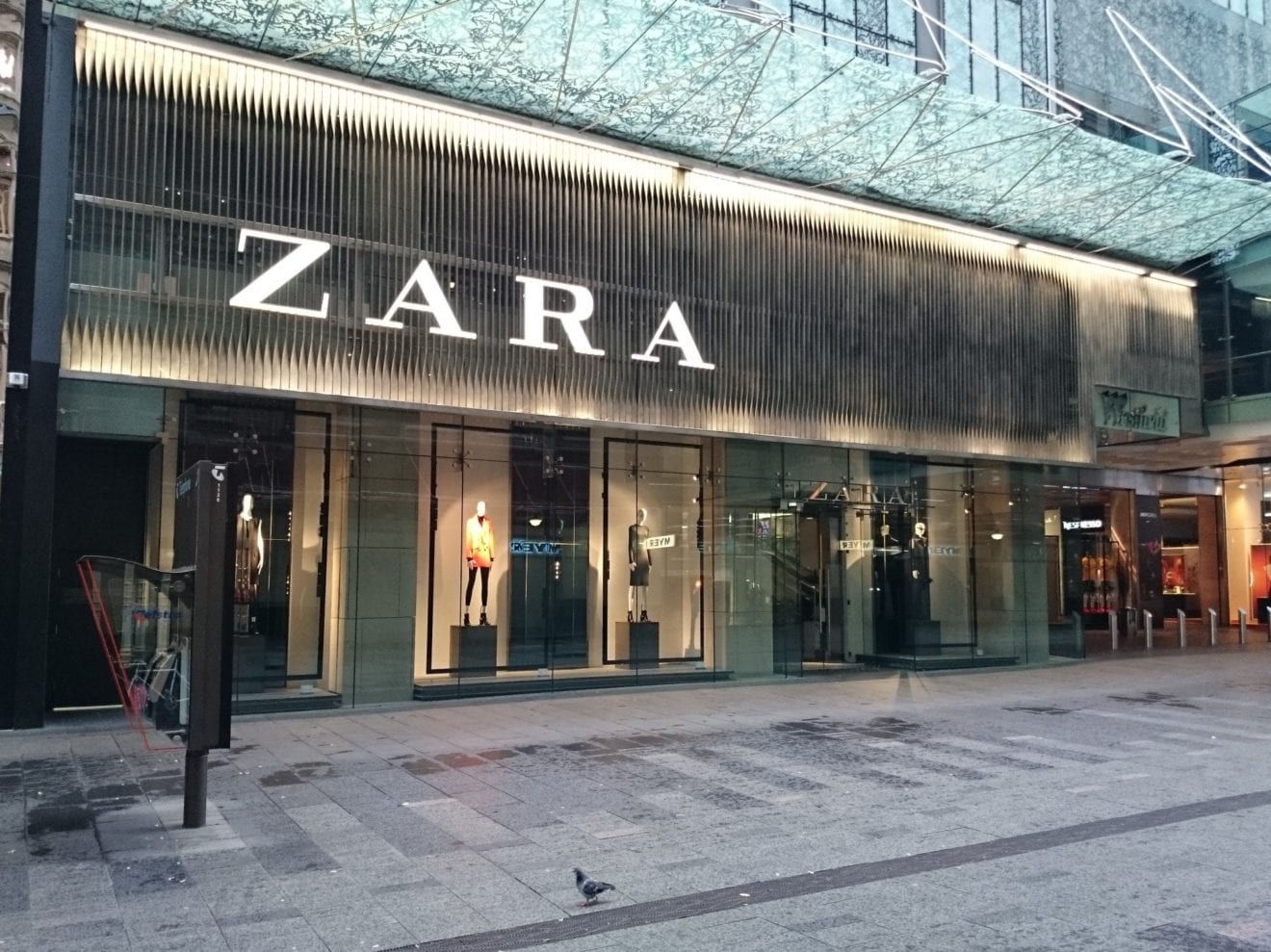
    ZARA, H&M, GAP, Forever 21, MANGO and other SPA brands here have come under fire for using a Google Map that refers to the East Sea as the “Sea of Japan,” and Dokdo as “Liancourt Rocks.”

    Critics say ZARA Retail Korea is using an online map which shows Japanese place names in the Korean language. The map has been provided for customers to search for locations of ZARA stores.

    The company declined to clarify its own opinion to the media, saying the Korean branch should follow the global policies of ZARA headquarter in Spain.

    The company’s response angered Korean customers, who have already been irritated by the chief of ZARA Korea making statements ridiculing the candlelit rally participants.

    However, The Korea Times found out that other Korean branches of SPA are using the same map as ZARA, which may enrage Korean customers even more.

    On the map, Sea of Japan is shown as East Sea in parentheses, only if a user zooms in on the map. Moreover, Dokdo is shown as Liancourt Rocks, even if the user zooms in.

    At the bottom of the map three firms are credited ― Google, SK Telecom and Zenrin. They are headquartered in the U.S., Korea and Japan, respectively. Zenrin is a Japan-based map publisher.

    An SK Telecom official said that “It seems Google received detailed data of streets and buildings from our T map and received overall geographical data from Zenrin.”

    Google currently offers online maps following cultural and historical emotions of each country. After a series of disputes, the map’s Korean version (maps.google.co.kr) shows Dokdo and East Sea as they are in Korea.

    Most global firms are using different versions in each country as well. However, global SPA brands have used the Zenrin-based global version.

    UNIQLO alone could avoid the controversies as it is using Naver Map on its official website of its Korean branch, even though the brand is headquartered in Japan.

    Meanwhile, ZARA Korea seems to face a larger boycott of its products because of the map matter.

    The company chief Lee Bong-jin has come under criticism after he said during a public lecture, “When you took to the streets (to protest), 49 million people who didn’t join the rally were doing something for themselves. Your future will be shaped based upon what you do now,” referring to the mass anti-Park rally in Seoul. His statements have gone viral as one of the lecture attendants posted his words on social media.

    “My intention was, that in this chaotic situation, we should be more dedicated to what we are supposed to do ― studying for students and working for workers,” Lee apologized. However, Korean customers likened his apology to the warning about the 1919 Independence Movement made by a infamous pro-Japanese collaborator Lee Wan-yong.

    Customers have begun an online boycott against ZARA and some of them sent emails of complaints to its headquarters Inditex Group, in Spain.

  • Decathlon China building biggest flagship yet

    Decathlon China building biggest flagship yet

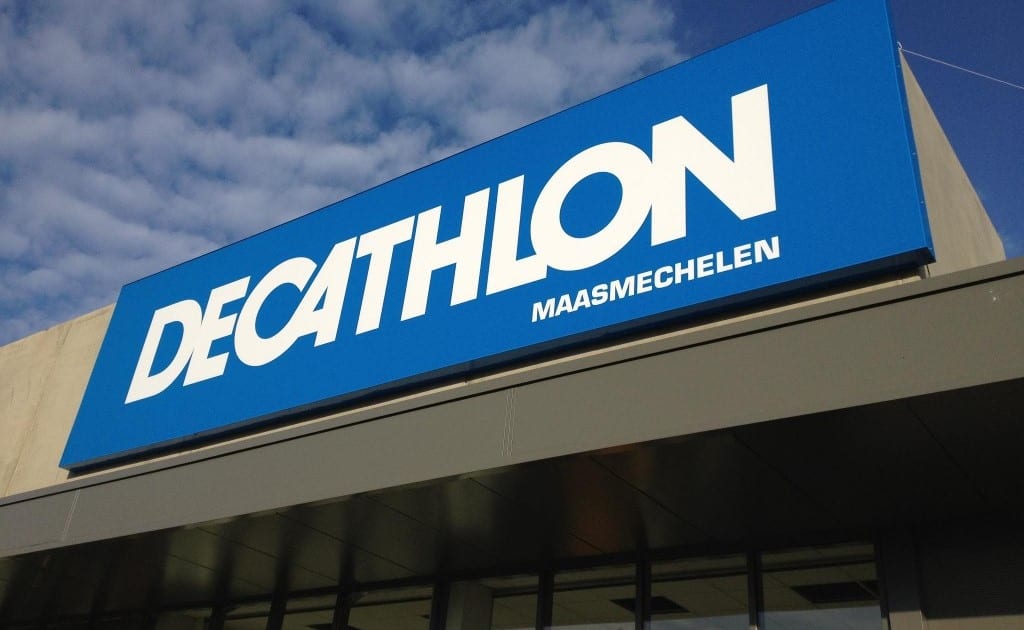
    French sports goods retailer Decathlon will open its first two-story flagship in Luoyang as it expands its Greater China footprint.

    When complete, it will be the sports retailer’s second store in the city, located in the province of Henan – and its largest store yet in China.

    The new Decathlon China store will be located at the intersection of Huashan Road and Hangong Road in Xigong district. It boasts 13,000 sqm of retail floor space and include a playground for children.

    Decathlon, which opened its first two stores in Singapore this year as part of a new Asia-wide focus, is a full-line sports supplies retailer which also designs, manufactures and wholesales products. It has more than 1300 stores in 32 countries and plans to have 220 stores trading in 100 Chinese cities by the end of this year.

  • L’Occitane International profit jumps

    L’Occitane International profit jumps

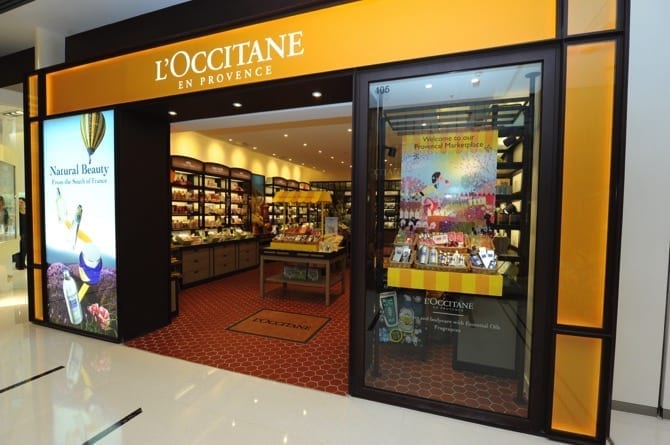
    French skincare brand L’Occitane International’s interim net profit has jumped 33.9 per cent for its latest six months.

    Earnings for the period to September 30 climbed to €25.99 million (US$27.5 million) from €19.41 million year-on-year, while net sales edged up by 1.3 per cent to €551.7 million.

    Emerging economies Brazil, China and Russia were singled out as the top performing markets for the Provence-based company.

    “We are seeing accelerating store traffic in China and a tremendous growth in our sales on the Tmall market platform,” says L’Occitane Asia-Pacific president Andre Hoffmann.

    The mainland has become the company’s second-largest market after the US in terms of the number of outlets. Eight locations were launched in China in the first nine months of the year – the largest number across the brand’s nine major markets.

    Total sales from the mainland gained 5.4 per cent to €50.8 million from a year ago, accounting for 9.2 per cent of L’Occitane’s net revenue.

    More shops were opened in Japan and South Korea, but in Hong Kong sales plunged by as much as 11.2 per cent.

    Same-store sales overall fell 2.5 per cent, which the company blames on global economic political uncertainties. However, more positive signs included a strong performance on Tmall, as well as in the Black Friday sale, says CFO Thomas Levilion.

    L’Occitane eCommerce business grew by 6.8 per cent during the first half, making up 10 per cent of global retail sales.

  • Bonia to close more stores

    Bonia to close more stores

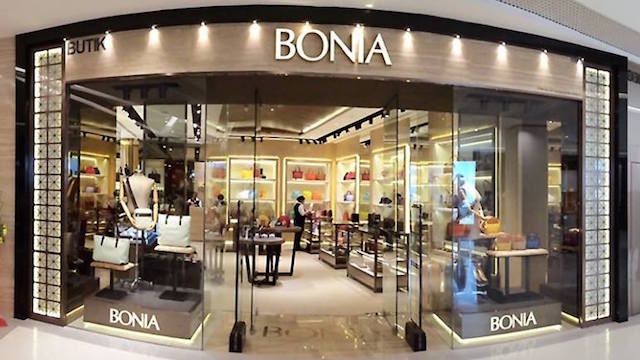
    Malaysian fashion retailer Bonia will close more of its loss-making outlets next year.

    But despite weak earnings, the boutique brand known for its leather goods and footwear plans to increase its advertising and promotional spending.

    Pretax profit fell nearly RM26.7 million (US$6 million) for its latest financial to June 30 to RM45.93 million. Bonia cites the slowing economy in Malaysia and Singapore as the core reason.

    About 10 Bonia outlets have been closed internationally this year, and group MD Albert Chiang says the group is undertaking “prudent measures” and being selective about store openings.

    Bonia owns the Bonia, Carlo Rimo and Sembonia brands and has a presence in Cambodia, Indonesia, Malaysia, Myanmar, Singapore and Vietnam.

    The group also owns distribution rights to Braun Buffel, Jeep, Pierre Cardin, Santa Barbara Polo and Racquet Club.

  • China’s Shang Xia reveals five-year travel retail plans

    China’s Shang Xia reveals five-year travel retail plans

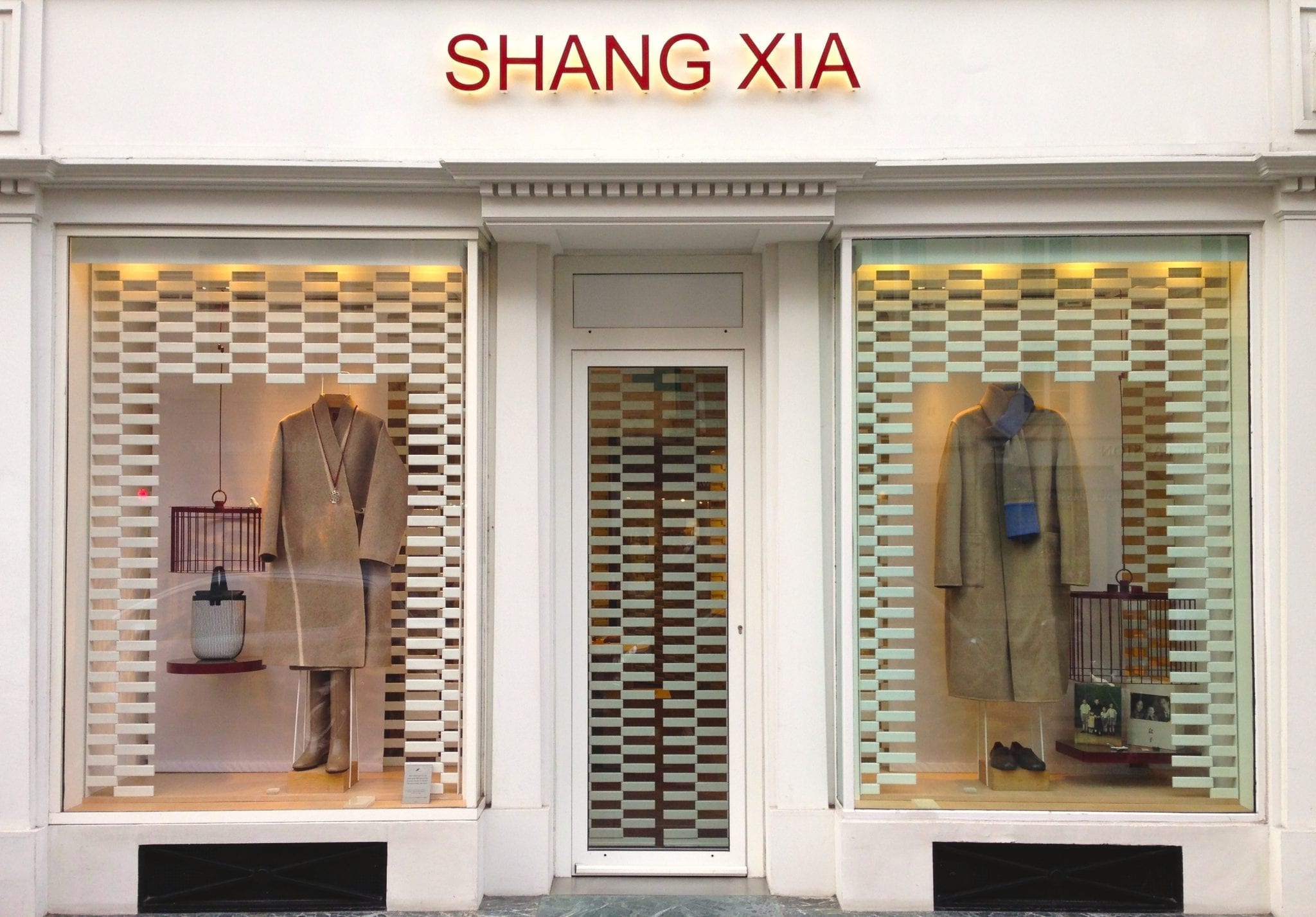
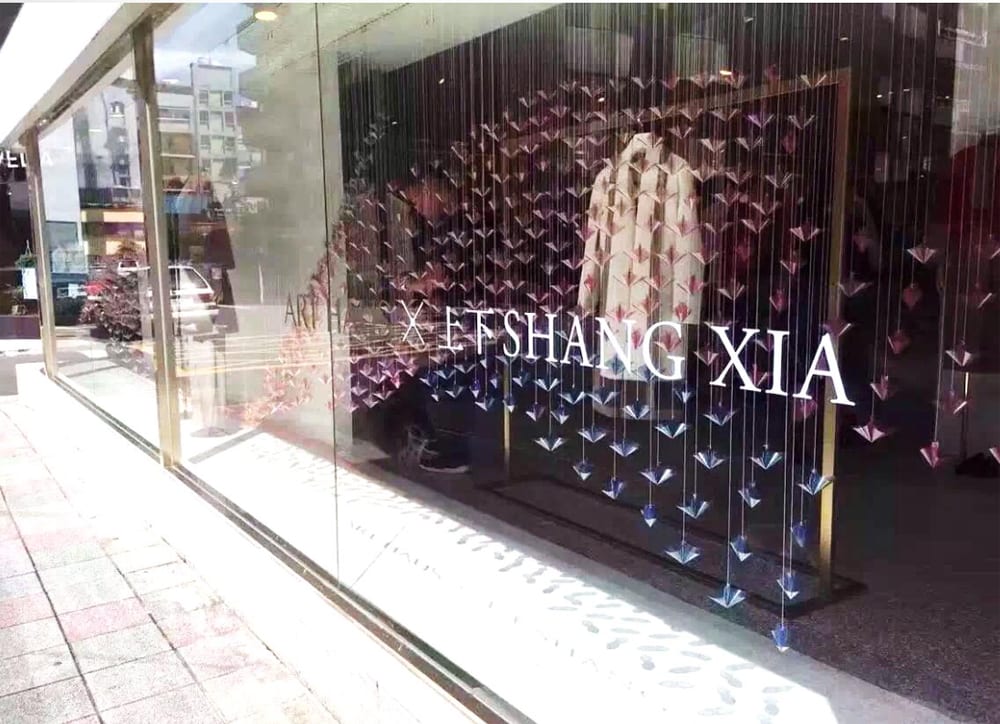
    Chinese lifestyle, home and fashion brand backed by Hermès, Shang Xia has confirmed that it has big ambitions for the travel retail channel and hopes to open new standalone boutiques at Beijing, Heathrow and Hong Kong international airports in the next five years.

    Tina Priscilla Tam, the brand’s Vice President, Travel Retail and Wholesale Business for Asia Pacific told TRBusiness that she believes that travel retail is the ideal channel to communicate the brand’s message to travellers ‘who value and appreciate the beauty of the culture’.

    “Shang Xia’s strives to preserve China’s fading traditions of craftsmanship and re-evaluates the tradition in the context of contemporary lifestyles,” says Tam. “China’s great heritage of technical ingenuity shimmers with potential.

    “Wooden furniture; bamboo woven on porcelain; cashmere felt; eggshell porcelain…These remarkable materials are transformed by the CEO and creative designer – Qionger Jiang. Her inspiration embodies both beauty and utility.

    BRIDGING EAST AND WEST

    “’As above, so below’; the translation of Shang Xia is simple, but profound. It speaks of heritage and construction; of intangible bridges, which link tradition and the present; east and west; art and lifestyle; human and nature.”

    Shang Xia has confirmed that it has big ambitions for the travel retail channel.

    Tam believes that Hong Kong Airport is a perfect location for the brand to open a standalone boutique. “Hong Kong is one of the most popular destinations for international tourists,” identifies Tam.

    “A place where ‘east meets west’, reflecting the cultural mix of the territory’s Chinese roots with influence of foreign cultures. A good standpoint for the brand to transmit the message of beautiful Chinese heritage and tradition to the world.”

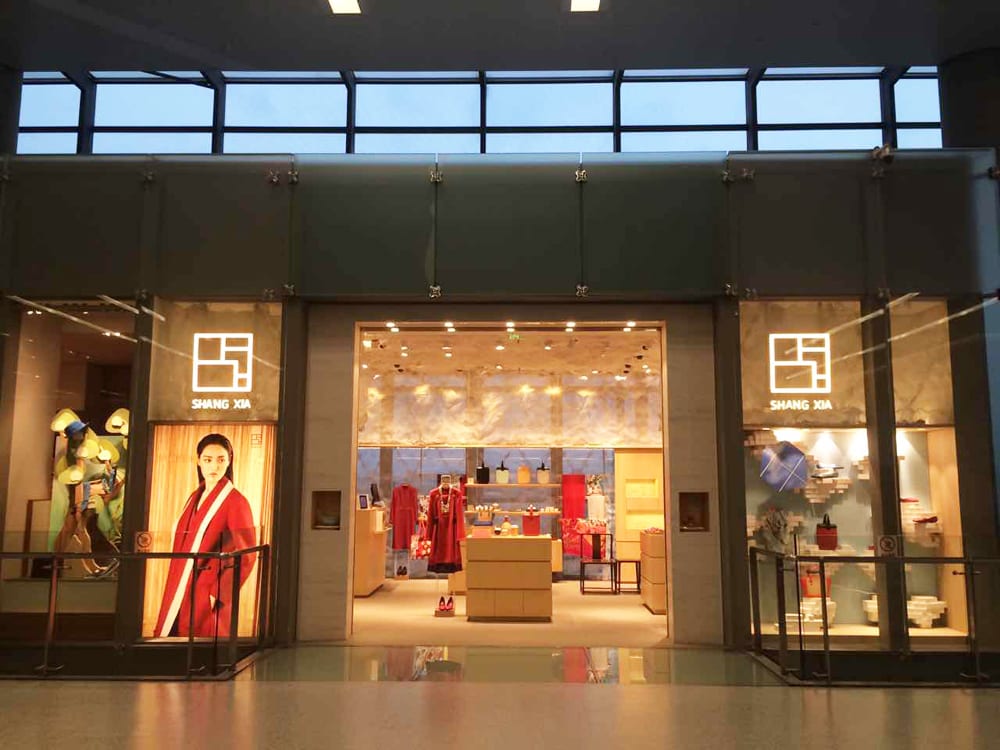
    Shang-Xia-Hongqiao-Airport

    Shang Xia boutique at Hongqiao Airport.

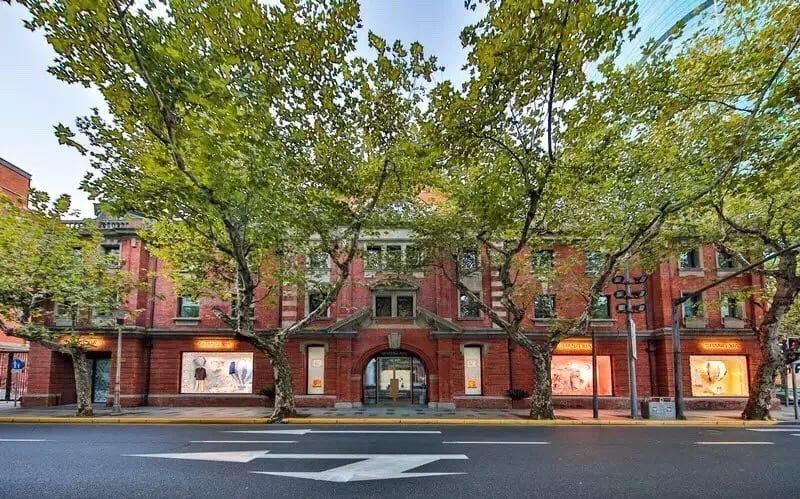
    Shang-Xia-Shanghai-flagship

    The flagship Shang Xia store in Shanghai.

    London Heathrow is also on the wish list. “Travel retail is a window to the world. With the dynamics of the channel, it is true that some brands consider it as a sixth continent.

    “They have regular travellers who enjoy discovering new and inspired ideas and culture.”

    GLOBAL APPEAL?

    The brand is keen to relay that just because it was born in China, does not mean that it only appeals to one market, but can appeal to those of all nationalities ‘inspired by the preservation of beauty’.

    Shang-Xia-Taiwan-3

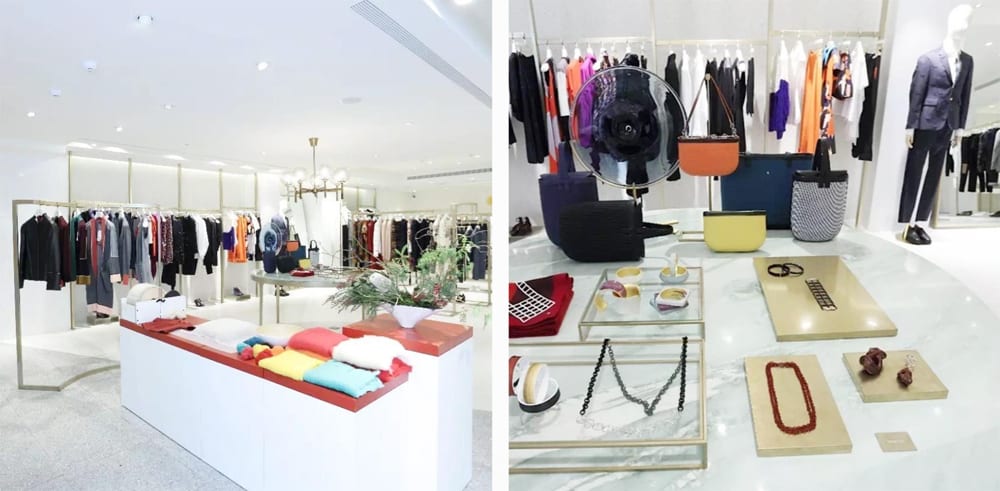
    The brand offers cross-category merchandise from homeware, to clothing and jewellery.

    The brand already boasts boutiques in Paris, Shanghai and Beijing (domestic). “Apart from the above locations, Shang Xia has a partnership in Taiwan where it has already opened two shop-in-shop concept stores in August [with the Shankong group],” says Tam. “The next step will be Hong Kong in January 2017.

    “We focus not only on destinations for Chinese travellers. We review destinations and partners who understand the brand and share the same core values.”

    The brand will open a new standalone store at Beijing Airport’s Terminal 2 in Q2 2017, building on its success Hongqiao Airport.

    TRUST IN TRAVEL RETAIL

    “The successful story gives us the confidence and trust in travel retail; a channel that allows us to share the values of the brand to a wider population and other nationalities,” adds Tam.

    Shang-Xia-Taiwan

    Shang Xia ‘Art Haus’ boutique in Taipei, Taiwan.

    “We believe Beijing Airport T2 is the next important step for us to open in the capital city’s main travel gateway. Of course, we will explore other Chinese airports.”

    The Beijing store will carry Ready to Wear, costume jewellery, tea-ware, and home ware. Although the company doesn’t currently merchandise these categories in separate boutiques it is open to new concepts.

    “We are not limiting ourselves and we are happy to explore new concepts to better serve our customers.”

  • Tiffany progress more technical than strategic

    Tiffany progress more technical than strategic

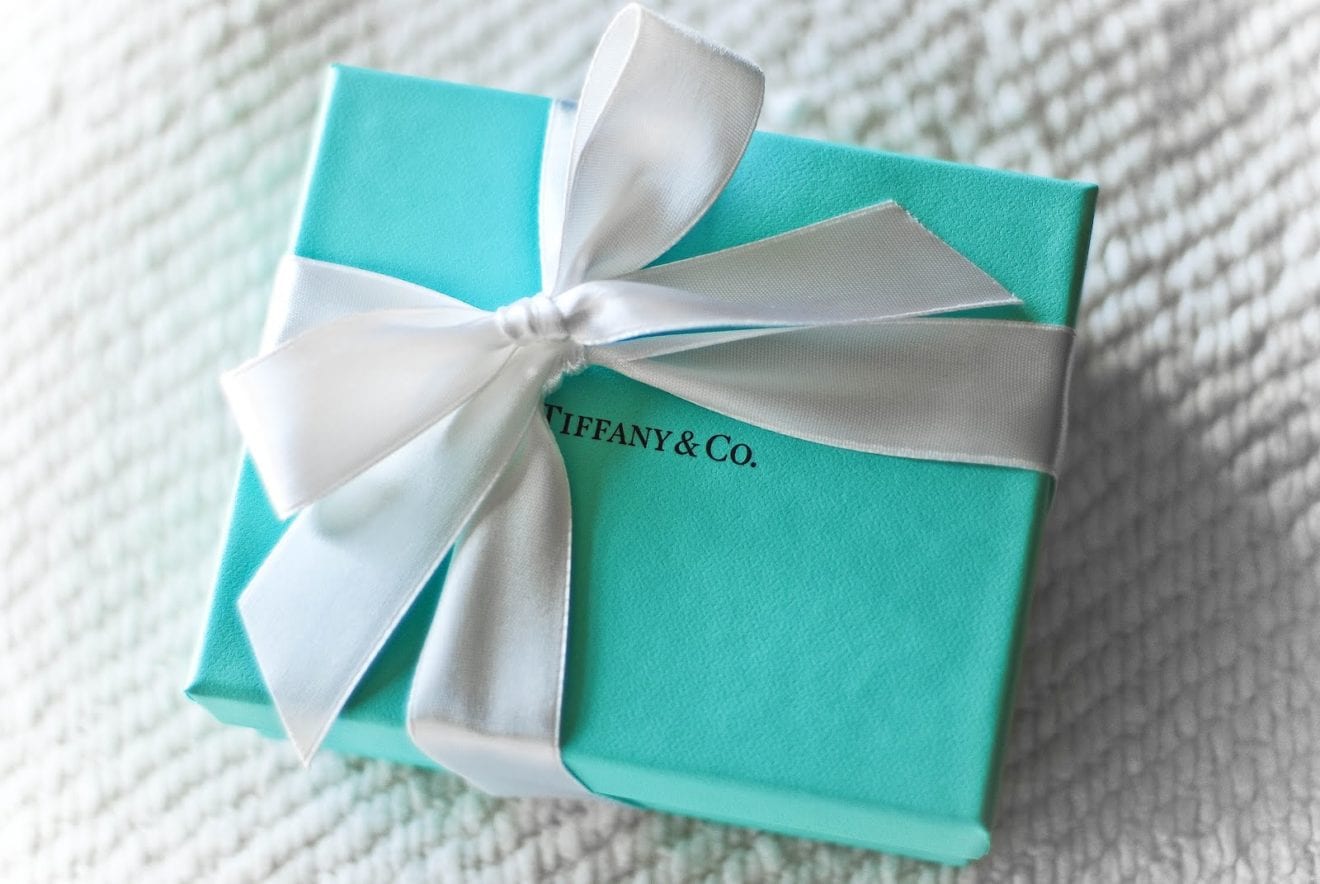
    Following on from a very weak second quarter, it is pleasing to see Tiffany nudge back into growth on a total sales basis.

    The 1 per cent uplift is modest, but it is far better than the string of poor numbers the company has been posting for well over a year. That said, the figures do not show that all the problems at Tiffany have been resolved. Indeed, part of the increase is attributable to the very easy comparatives from the prior year; and part is down to the strength of the yen against the dollar, which aided performance in Japan. These are rather technical gains, and are not growth produced by a sound underlying strategy.

    That Tiffany still has issues is demonstrated by the Americas figures, where sales declined by 2 per cent on both a total and comparable basis. This comes off the back of a 7 per cent and 9 per cent decline in total and same store sales in the prior year.

    Notably, the impact of the strong dollar on sales to tourists at Tiffany’s flagship stores now seems to have dissipated and annualised out; if anything, the company noted that tourist sales were relatively strong over the quarter.

    This dynamic means the blame for the dip comes, primarily, from domestic demand. Here, Conlumino’s data shows that Tiffany continues to suffer from a decline in both the number of American consumers who consider it for jewellery purchases as well as the proportion who end up buying from it. In a category like jewellery, where purchases are relatively infrequent, not being firmly on the consumer radar is an issue as it gives Tiffany little opportunity to recapture ‘lost’ spending.

    There is an argument to be made that as US department stores see customer traffic weaken, Tiffany should be picking up some trade – at least for mid to higher end purchases. However, this does not seem to be happening. Instead, consumers are migrating to more contemporary premium brands, as well as to custom and direct-to market-players like Blue Nile – which was recently acquired by Bain Capital.

    These represent the new growth spots of consumer demand in jewellery – spots to which Tiffany, with its ‘old world’ image do not have immediate and ready access.

    Thankfully for Tiffany, its weak performance in the US was not replicated elsewhere this quarter. Sales in Asia-Pacific rose by 4 per cent, after a better performance in China. However, comparable sales in the region are still in decline, not helped by continued slides in Hong Kong and Australia. Japan also saw some strong uplifts, with a 13 per cent increase in total sales. However, these were a function of the strong yen and once this impact is removed sales dipped by 4 per cent on a constant currency basis.

    While sales in Japan benefitted from a favorable exchange rate, Europe had no such tailwind. The depreciation of sterling and the euro saw sales decline by 10 per cent on a total basis and by 14 per cent on a same-store basis. Even so, underlying demand in the region – like in the US – remains soft.

    Tiffany has a lot more work to do before it gets into sustainable growth.

  • Japan home to seventh NikeLab flagship

    Japan home to seventh NikeLab flagship

    Japan is to be home to the seventh NikeLab flagship, a premium sub-branch of the sports-shoe brand launched in 2014.

    The other flagship locations are in New York, London, Paris, Milan, Shanghai and Hong Kong.

    Opening this week, Tokyo’s NikeLab MA5 offers a retail experience with a thematic focus on uniting nature and technology, as well as exploring sustainable materials. The store aims to engage the senses with directional sound systems both inside and outside, plus an exclusive scent and soft track-flooring material made using Nike Grind, a palette of recycled and regenerated materials.

    The entrance of NIKELAB MA5 featuring the Holiday 2016 ACG collection, which has advanced weather protection, seamless integration with past and future ACG apparel and adaptable elements like interior strap systems and adjustable collars.

    The entrance of NIKELAB MA5 featuring the Holiday 2016 ACG collection, which has advanced weather protection, seamless integration with past and future ACG apparel and adaptable elements like interior strap systems and adjustable collars.

    Display benches made with Nike Grind, a palette of premium recycled and regenerated materials.

    Display benches made with Nike Grind, a palette of premium recycled and regenerated materials.

    Digitally-powered fitting rooms featuring tatami mat floors and locally sourced wood walls.

    Digitally-powered fitting rooms featuring tatami mat floors and locally sourced wood walls.

    Display cubes made with locally sourced wood for the NikeLab Gyakusou LunarEpic Flyknit.

    Display cubes made with locally sourced wood for the NikeLab Gyakusou LunarEpic Flyknit.

    Also, Nike designers have been working with long-term engineering partner Arthur Huang, the founder of design firm Miniwiz, to incorporate Japanese culture and traditions into the store. Tatami-mat floors pair with walls of locally sourced wood in the digitally powered fitting rooms. The same timber is used on modular display cubes alongside Nike Grind display benches.

  • Tory Burch Malaysia opens second KL store

    Tory Burch Malaysia opens second KL store

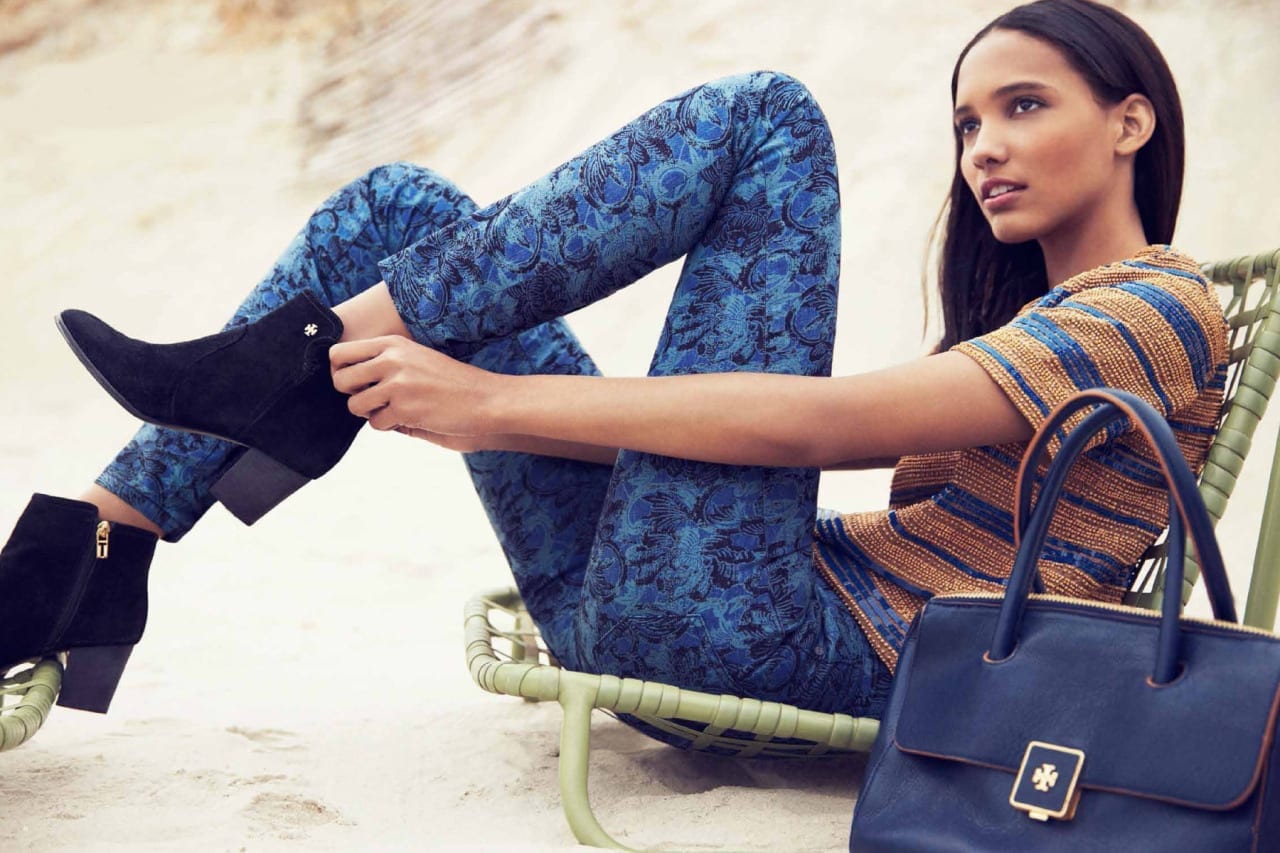
    Fashion brand Tory Burch Malaysia has opened its second store following the success of its inaugural boutique at Pavilion Kuala Lumpur.

    On the ground floor of The Gardens Mall Kuala Lumpur, the store has a facade distinguished by a green awning and brass accents, signature design elements for the American brand. Inside there is a mix of furnishings in a vibrant palette including seafoam silk drapes, blue embroidered pillows and a teal mohair banquette.

    tory-burch-pavilion-kuala-lumpur

    Oak-panelled walls, travertine basketweave floors and white gesso chandeliers set the tone for the boutique. The brand’s signature Reva ballet shoes and high-end handbags are displayed on brass étagères, and there are dedicated spaces for scarves and eyewear.

    The Tory Burch collection includes ready-to-wear, watches, accessories and shoes.
    To mark the opening, a round, navy-blue python bag made from authentic snakeskin is available exclusively from the boutique.