Category: Fashion

Retail News Asia is committed to providing both local and global retailers with the latest Fashion news throughout the Asian market. This on a daily base.

  • The Twee flagship in Kuala Lumpur

    The Twee flagship in Kuala Lumpur

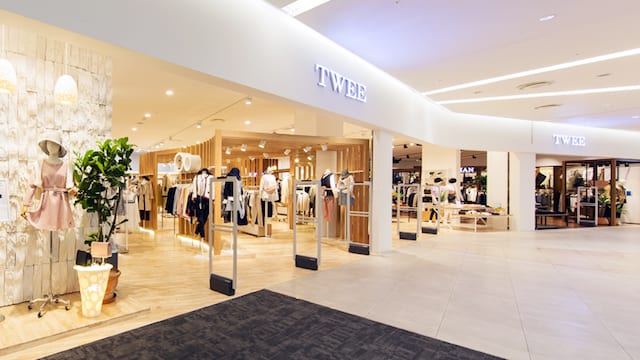
    Korean fashion retailer The Twee will open its first Southeast Asia flagship store at the new KL Gateway Mall in Kuala Lumpur.

    Set to open on January 12, the mall is part of the KL Gateway mixed development by Suez Capital in Bangsar South, Jalan Kerinchi.

    Along the Federal Highway, it offers a net lettable area of about 400,000 sqft (37,161 sqm) across seven levels, with more than 200 retail outlets.

    Covering about 11,000 sqft, The Twee flagship will be the brand’s biggest store in Southeast Asia, says Suez Capital head of asset management Michael Chee Soon Hin.

    Launched in 2009, The Twee has 28 fashion stores as well as kiosks in major department stores across Korea as well as in Shanghai. It targets women between 19 and 25 years old.

    Chee says the mall is already 80 per cent occupied and there are hopes it will achieve full occupancy by April. Secured tenants include Cotton On, Daiso, Doutor Coffee, H&M, Home’s Harmony, Mr DIY, Times Bookstore, Village Grocer, Yamazaki Bakery and Yubiso.

    There will also be free WiFi throughout the common areas of the mall.

    “The concept of the mall is based on a street mall – you will not be bored,” says Chee. Each floor is inspired by elements from different continents, and there will be an outdoor landscaped garden where residents in the residential units above the mall can grow vegetables.

    Suez Capital has invested in an automated car-park system for shoppers. “It will be the biggest automated car park in Southeast Asia with 1230 automated parking bays as well as 900 normal parking bays,” says Chee.

    The projected footfall for KL Gateway Mall is more than 10 million annually, with about 40 per cent from LRT (light-rail transit) commuters. A 100m covered, air-conditioned bridge will link the mall to the KL Gateway-University LRT Station.

    The integrated development includes four residential towers of more than 1180 units, which will be completed next year, while two Grade-A corporate office towers are being delivered in stages.

  • Hyundai buying SK Networks’ fashion sector

    Hyundai buying SK Networks’ fashion sector

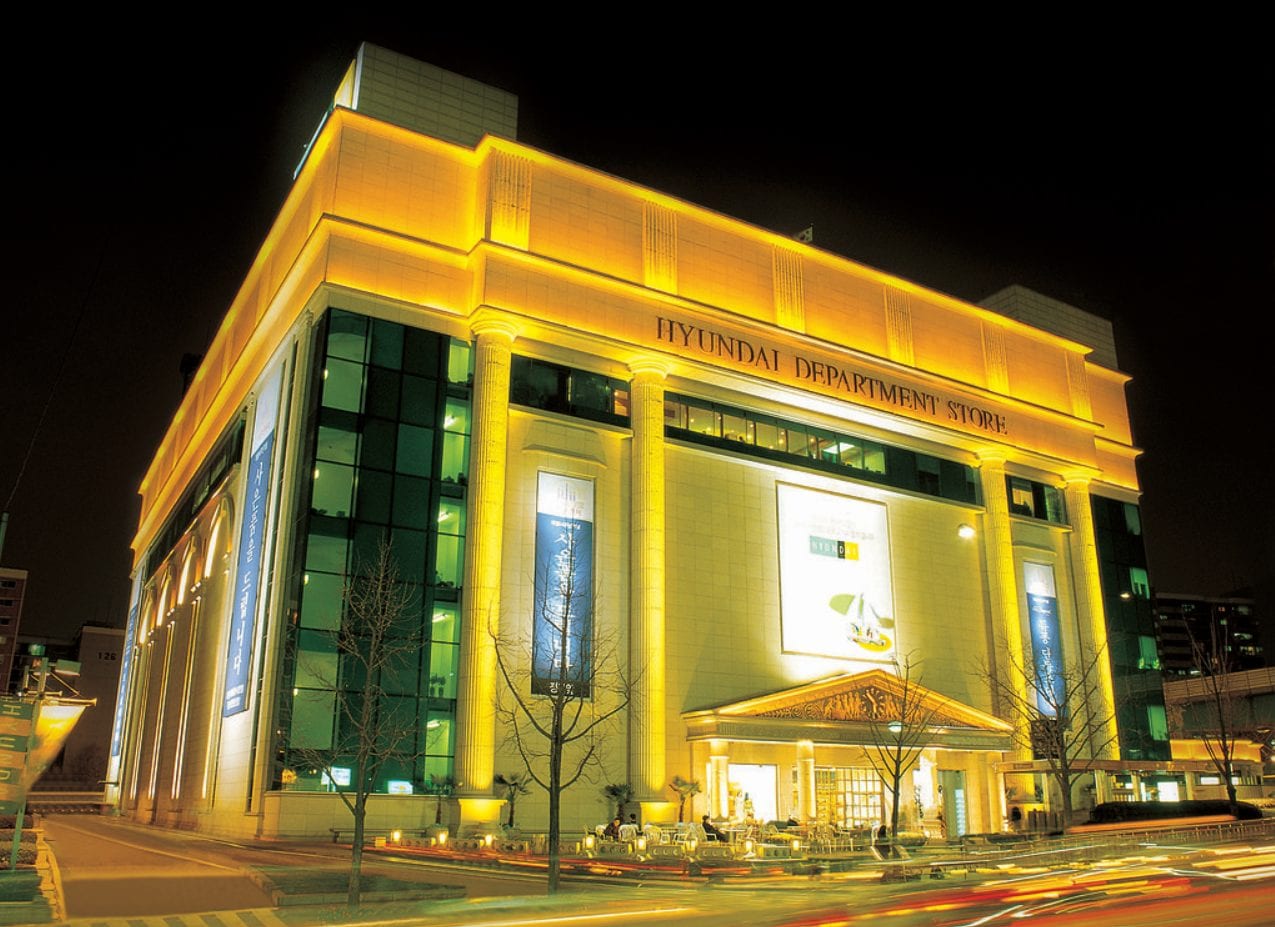
    South Korea’s Hyundai Department Store is buying trading company SK Networks’ fashion business for KRW326.1 billion (US$284 million).

    When the purchase is complete, probably by February, SK Networks (SKN) will no longer have interests in the fashion industry.

    The two companies have signed a deal to merge SKN’s 12 fashion brands into Hyundai’s Handsome fashion unit, which has annual sales of KRW750 billion. With SKN’s KRW600 billion added in, the merged group becomes the fourth-largest fashion company in South Korea behind E-Land, Samsung C&T and LF.

    Hyundai says it will retain SKN’s 400 designers, merchandisers, marketers and production staff, guaranteeing their jobs for five years.

    Analysts say the two businesses are a good fit and are unlikely to cannibalise each other’s trade as Handsome is known largely for its local womenswear brands while SKN is a major importer of global labels such as American Eagle, Club Monaco, DKNY and Tommy Hilfiger.

    Its house brands  include Obzee, O’2nd and Rouge & Lounge.

  • Dover Street Market Singapore to open in 2017

    Dover Street Market Singapore to open in 2017

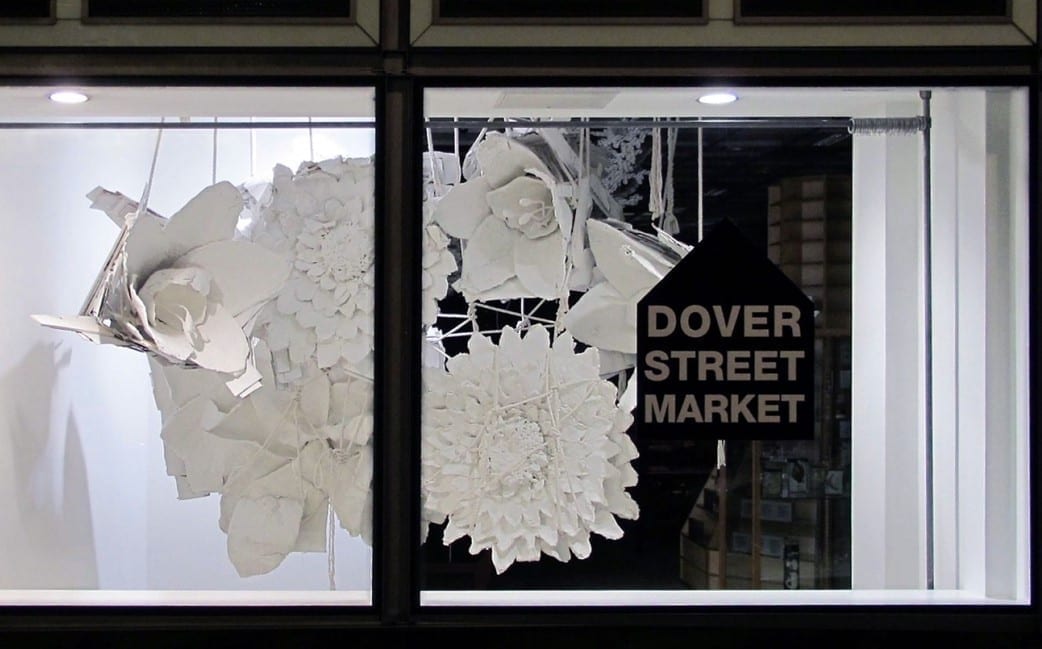
    Dover Street Market Singapore will debut at Tanglin Village early next year, marking the fashion brand’s fourth global site.

    To be known as DSM Singapore, the hip Japanese concept will sell a curated range of labels.

    Founded by 74-year-old Japanese fashion designer Rei Kawakubo, who also founded Comme des Garcons, the outlet follows stores in London, New York and Tokyo.

    In the upmarket Dempsey area, DSM Singapore is expected to be a highlight of the Tanglin Village renovation project Como Dempsey, which takes over the space vacated by Chang Korean BBQ Restaurant and antique store Shang Antique. The complex will also house a concept restaurant and bar by French restaurateur Jean-Georges Vongerichten.

  • Charles & Keith Japan stores close

    Charles & Keith Japan stores close

    Singapore-headquartered footwear brand Charles & Keith says it will close all its Japanese locations.

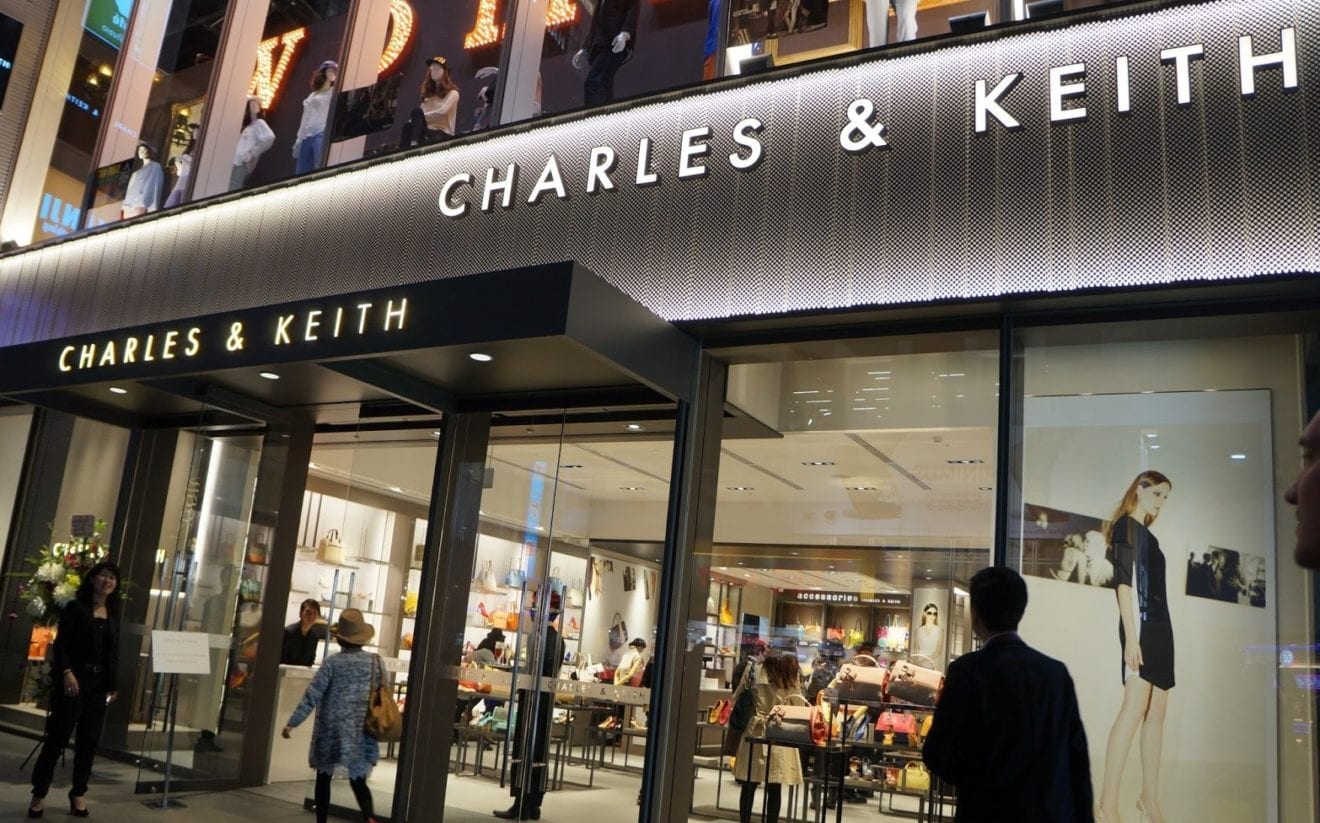
    According to a report published by Fashion Network, Charles & Keith Japan has already closed 13 stores in Tokyo, Osaka, Nagoya, and Hakata, with the flagship in Harajuku (pictured) scheduled to close on December 31.

    The company reportedly wants to focus on its eCommerce offer and other Asian markets closer to home.

    The Charles & Keith website is close for an overhaul on December 26 before being relaunched in Spring.

    The brainchild of brothers Keith and Charles Wong, the 20-year old brand specialises in quality footwear at affordable pricing. It currently sells in Asia, Africa and Europe.

  • Tag Heuer sales buck watch trend

    Tag Heuer sales buck watch trend

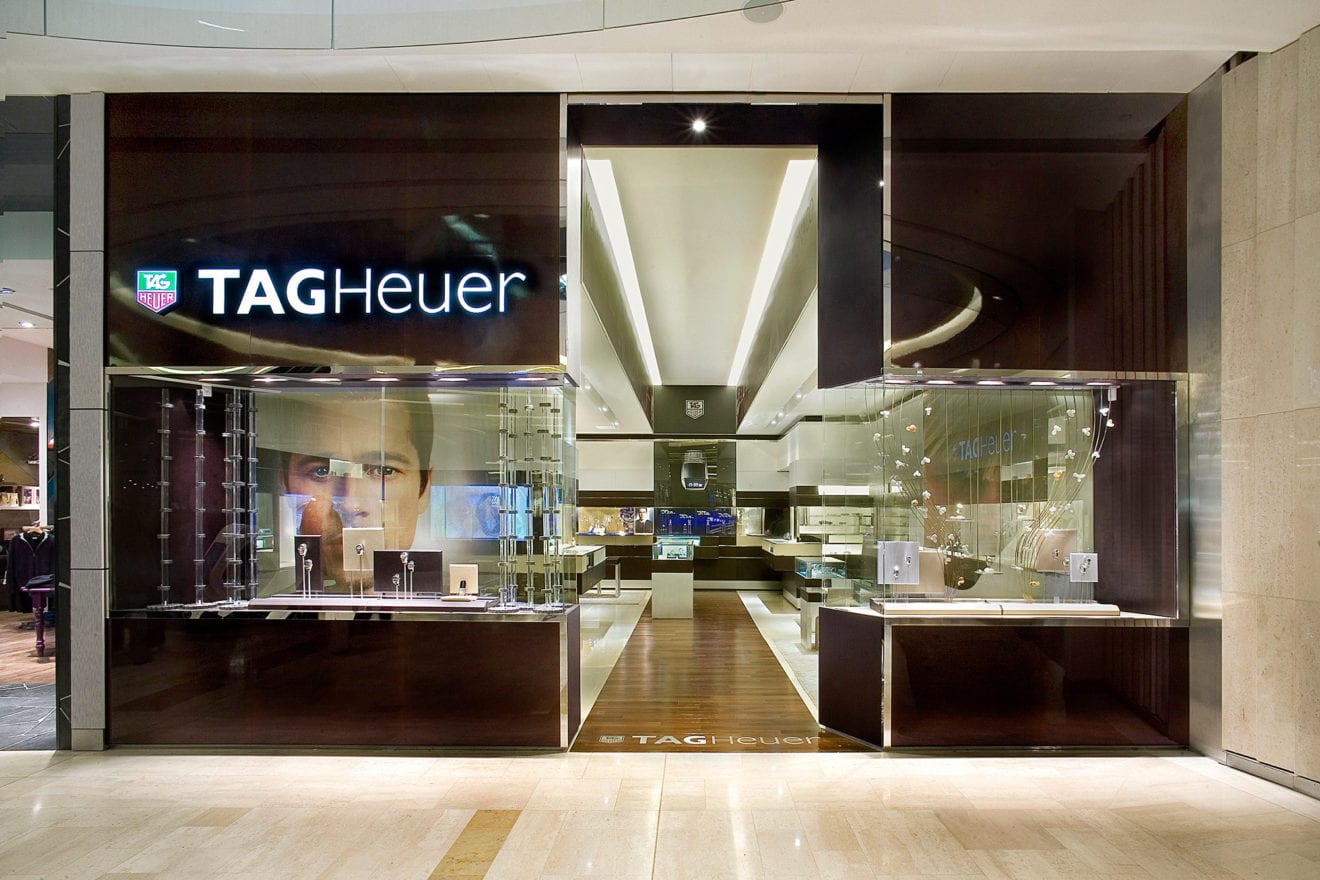
    Tag Heuer sales have soared as the LVMH-owned luxury watch brand defies the downturn in the Swiss watch industry.

    And now the company is eying a greater presence in China, undeterred by the routing of the luxury retail market in Hong Kong.  It has opened 60 new points-of-sale in Greater China this year.

    In an interview with Reuters, CEO Jean-Claude Biver said sales for the brand have risen more than 10 per cent so far this year – and is confident more growth is ahead. That contrasts with a 10 per cent sales plunge just two years ago.

    He cites new models and a smart watch for the improved fortunes, with the most growth in the company’s core US$1000 to $2000 price bracket.

    Tag Heuer’s remarkable growth has come as Swiss watch exports fell 11 per cent year-to-date.

    “For us, China is a country where historically we were not very present, so it is huge opportunity,” Biver told Reuters.

    “We are investing massively in China while the others are cutting their investments,” he said.

  • Michael Jordan wins trademark dispute

    Michael Jordan wins trademark dispute

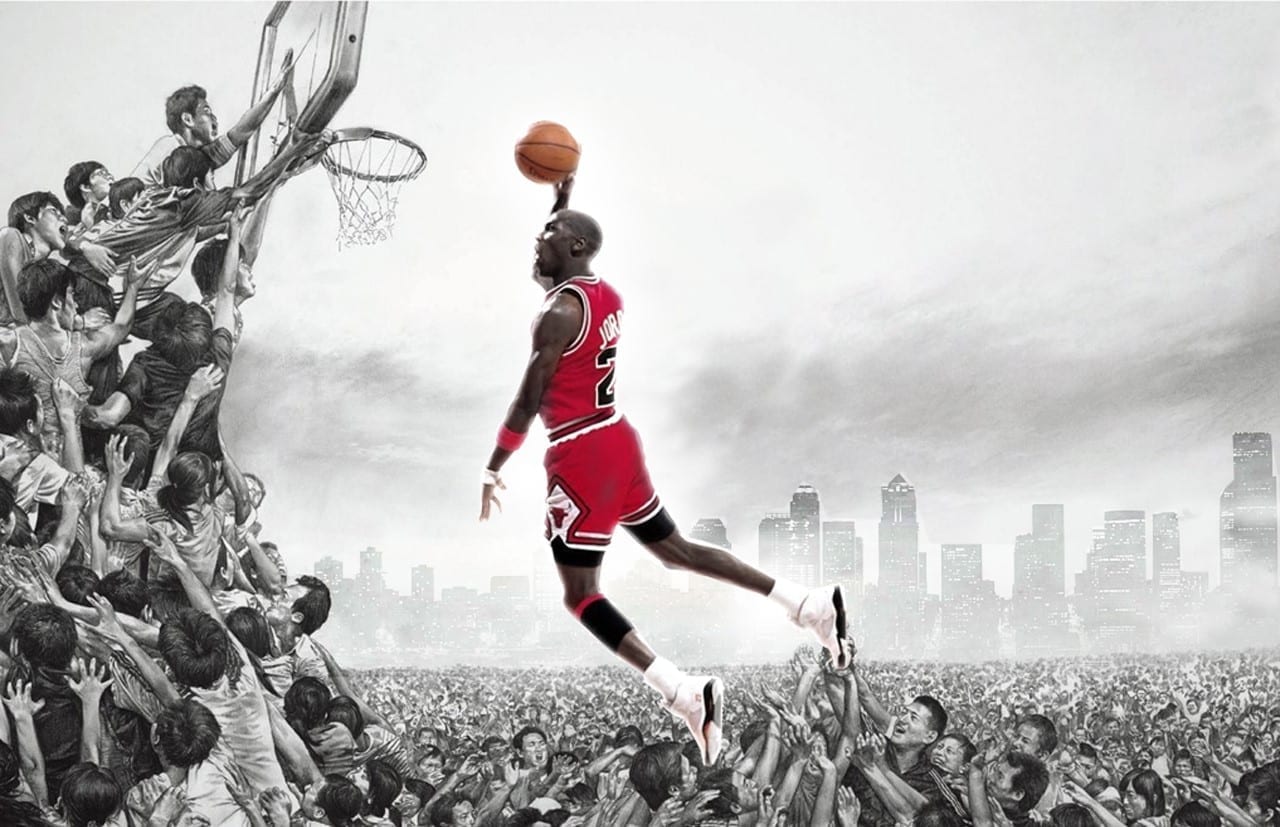
    Following a four-year legal battle over a trademark dispute, US basketballer Michael Jordan now owns his Chinese name.

    China’s highest court has decided in his favour against Chinese sportswear maker Qiaodan Sports. Its name, pronounced “Cheeow-dan”, is a transliteration of “Jordan” in Mandarin, and the company was selling its own shoes and sportswear with Qiaodan as its registered trademark.

    Jordan has been known by the Chinese characters for “Qiaodan” since he became popular in the 1980s, and previously argued unsuccessfully in Beijing courts that Qiaodan Sports had used his Chinese name, his old jersey number, 23, and basketball player logo to make it look like he was associated with its brand.

    Now, the Supreme People’s Court has overturned two rulings by Beijing courts against Jordan, from 2014 and 2015, that had found there was not sufficient evidence to support the athlete’s allegations over the use of his image, and that “Qiaodan” was the translation of a common family name as claimed by the Chinese company.

    It also ordered the trademark bureau to issue a new ruling on the use of the Chinese characters in the brand name “Qiaodan”, effectively awarding the trademark to Jordan. The company can continue to use the Romanised spelling of the name, however.

    Chief judge Tao Kaiyuan says there was an established link between Jordan and the Chinese characters for “Qiaodan”, which are commonly used by the public when referring to the former basketball player, meaning that Jordan was entitled to protection under the trademark law.

    Jordan says millions of Chinese fans and consumers have always known him by the name Qiaodan.

    “Chinese consumers deserve to know that Qiaodan Sports and its products have no connection to me. Nothing is more important than protecting your own name, and today’s decision shows the importance of that principle.”

    After the ruling, the company defended its actions but said it would respect the court’s decision.

    In a twist, Qiaodan Sports was able to counter-sue Jordan in 2013 for preventing it from pursuing a stock-market listing because of the trademark lawsuit.

  • Young Zalora CEO changes fashion retail

    Young Zalora CEO changes fashion retail

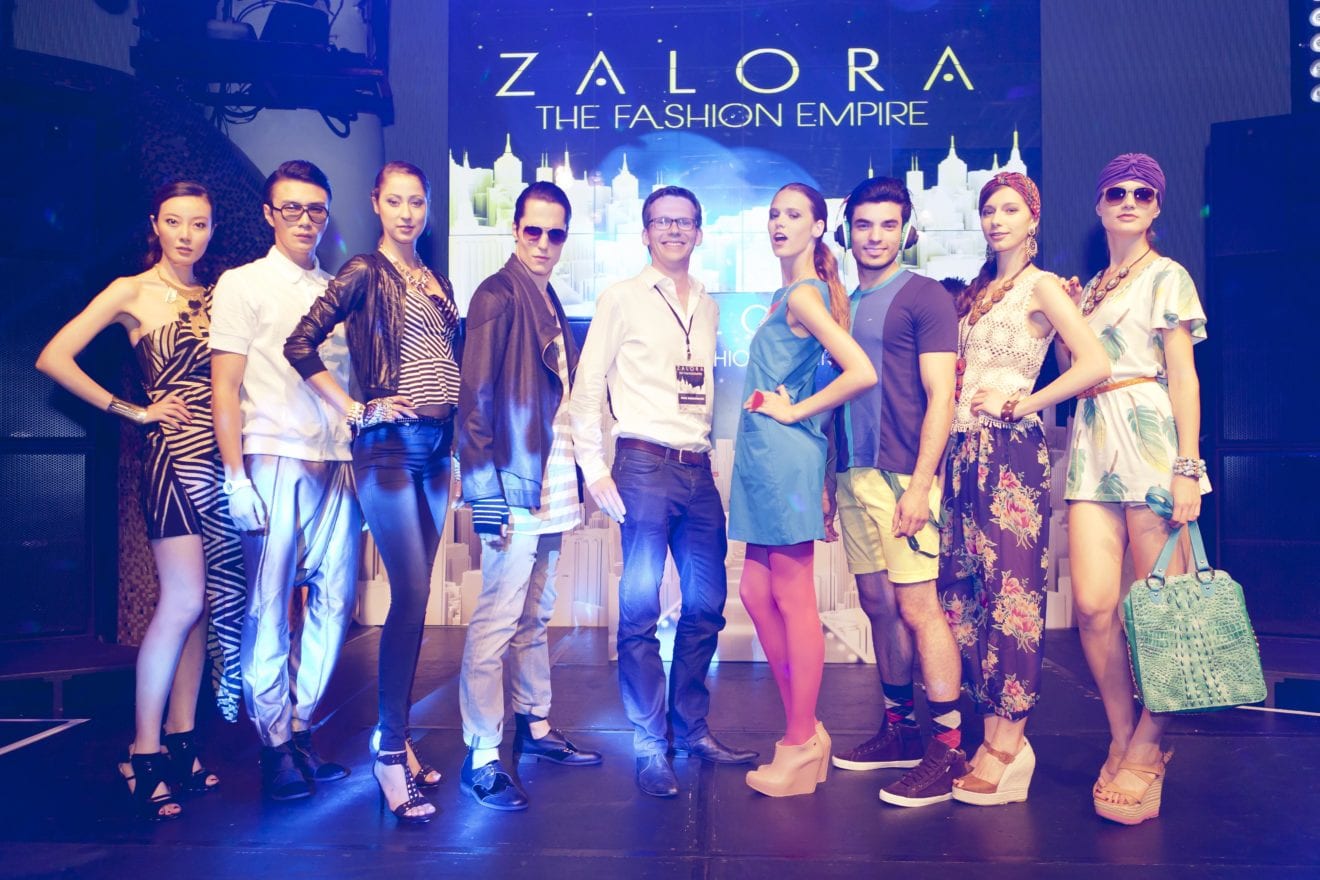
    A 32-year-old executive is driving the growth of electronic commerce in the Philippines, encouraging millennials to shop for fashion items through their smartphones.

    Paulo Campos III, the Princeton University-educated co-founder and managing director of Zalora Philippines, says his company is scaling up operations to keep up with the frenetic activities during the holiday season.

    “The market is accelerating this year compared to last year and even faster than the last time we talked. Christmas is drawing more and more customers to shop online,” Campos says in a news briefing.

    “Sales momentum started to pick-up as early as October, a few weeks earlier than last year. And the peaks and highs are even higher than last year. But I can tell you in December we’re averaging more than double the traffic last year, or more than 100 percent,” says Campos, while announcing Zalora’s biggest sales event—12.12 Online Fever—a four-day campaign that starts midnight of Dec. 12 across Southeast Asia.

    Zalora Philippines co-founder and managing director Paulo Campos III

    Zalora Philippines, which is supported by Germany’s Rocket Internet GmBh, is Asia’s leading online fashion retailer. Campos helped establish Zalora Philippines in January 2012 when he was 28, after working for The Boston Consulting Group in Singapore and Ayala Land Inc.

    Campos graduated magna cum laude with a Bachelor of Arts Degree from Princeton University in 2005.  He also has an MBA degree from Harvard Business School.

    Campos says this year’s cyber sales event offers exclusive deals on more than 200 fashion and beauty brands across six markets, including the Philippines, Singapore, Malaysia, Hong Kong, Taiwan and Indonesia.

    Campos says 12.12 Online Fever is a region-wide sales event that aims to drive the e-commerce industry across the region, bringing to consumers some of the best deals that encourage online purchases and convert traditional shoppers into e-consumers.

    He observes that buyers have been spending more time on the net, especially when the holiday season peaks.

    From browsing an average of 10 minutes in previous years, consumers are now spending 13 to 14 minutes per browse on the net “which maybe small from a consumer point of view but big for us already.”

    “The more they spend time visiting our site, the more they get engaged, the more they tend to make a purchase,” he says. “More engagement, I think, is because of more brands [and] better assortment [of products]. They are more coming to the website and the figure is doubling.” Globally, Zalora has seen an increase in new customers by 32 percent.   With most of the major brands now housed in Zalora, the company is focused on deepening engagements with brands and with customers.

    “We are always adding  more brands,  but at this rate we got almost the big ones. Now we’re going deeper as we are shifting our focus to deepening the engagement with customers. We will be doing other brands, as well. Those big names that haven’t signed up up with us, we intend to convince them more,” Campos says.

    “The thing about big brands is that they create incremental demand. In fashion, it’s all in the brand. Our progress this year, why we move from strength to strength, is because we’ve proven that our brand profile is one of the best in the online world,” says Campos.

    As sales grow brisk, operations are also expected to keep up with the volume. Zalora is beefing up its delivery system, hiring more riders on top of the current fleet of 400.

    Zalora is pro-active, he says, as it moves to determine fashion trends, globally and on the regional scale. It also helps consumers arrive at a decision via the shopper’s price comparison.

    Cyber shopping has changed the mindset of Filipino consumers, he says. In 2016, the Philippines reached the average global e-commerce penetration rate.

    A study by an independent research company in Singapore shows that about 46 percent of Filipinos now have access to the internet, while 29 percent of Filipinos have experienced online shopping.


  • Gucci owner meets Korea’s retail giants

    Gucci owner meets Korea’s retail giants

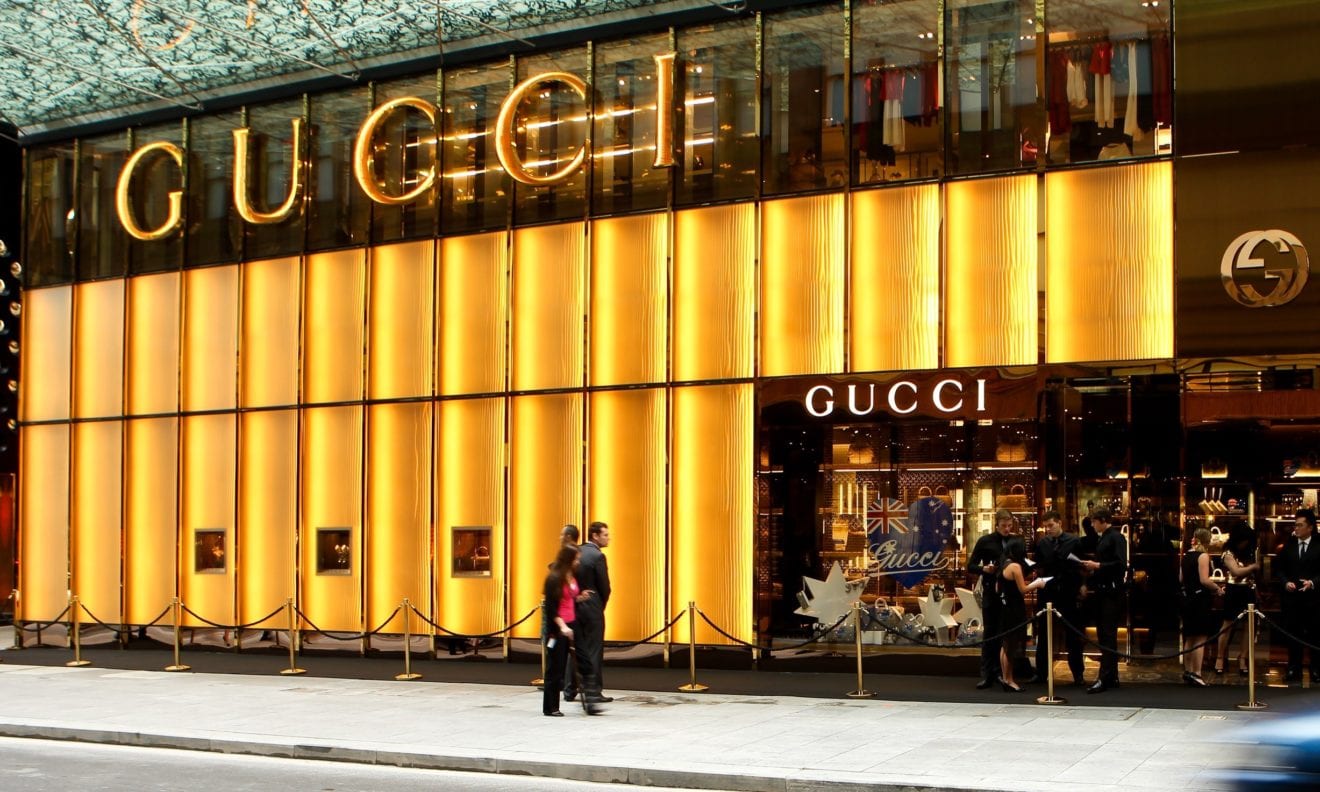
    Kering CEO Francois-Henri Pinault came to Korea, Wednesday, to meet owners and CEOs of retail giants here, according to industry sources. Kering, which changed its name from PPR in 2013, is the French luxury goods holding company owner of more than 20 luxury sport and lifestyle brands including Gucci, Bottega Veneta, Saint Laurent Paris, Balenciaga, Brioni and Puma, which are sold worldwide,.

    Pinault reportedly visited Hyundai Department Store in Apgujeong, southeastern Seoul, Wednesday, and was shown around by CEO Park Dong-woon. Chairman Chung Ji-sun did not meet Pinault, due to a scheduling conflict.

    The sources said Pinault also met Shinsegae Department Store President Chung Yoo-kyung and Lotte Group Chairman Shin Dong-bin on Thursday.

    Pinault is also reportedly scheduled to meet Hotel Shilla President Lee Bu-jin. In 2012, Pinault visited Korea as PPR chairman and met Shin and Lee. At that time, he looked around Lotte Department Store, Lotte Duty Free, Hanwha Galleria Department Store, Shinsegae Department Store and Shilla Duty Free over three days.

    Observers are paying attention to Pinault’s visit, which is only a week before new duty-free store operators are named, Dec. 17. Some sources anticipate Pinault and Korean retailers will discuss offering Kering’s luxury brands at the stores.

    However, candidates for duty free store cannot name what was not included in their business proposals submitted in October, during their final presentations. Other observers therefore believe Pinault’s visit is not related to duty free stores.

    Those observers say Pinault was here to talk with Korean retailers, so Kering’s brands can expand their presence here and in other Asian countries, especially China.

    With rapid sales growth, Asia has recently been in the limelight among global luxury brand retailers.

    In April, Moet Hennessy Louis Vuitton SE (LVMH) Chairman Bernard Arnault visited Korea and met Hotel Shilla’s Lee and Shinsegae’s Chung.

    Arnault also came to Korea last year for the opening celebration of The House of Dior, a flagship store in Apgujeong.

  • H&M stages Myanmar textile conference

    H&M stages Myanmar textile conference

    More than 100 textile industry stakeholders, among them apparel brands, NGOs, trade union representatives and suppliers, recently attended H&M’s Fair and Equal conference in Yangon, Myanmar. Key note speeches from the ILO’s development partner relations coordinator Peter Rademaker, Impact’s founder and director Rosey Hurst and H&M Group’s head of sustainability Anna Gedda, were followed by a panel discussion and several break-out sessions about social topics such as fair living wages.

  • More collection in newest Forever 21 store Philippines

    More collection in newest Forever 21 store Philippines

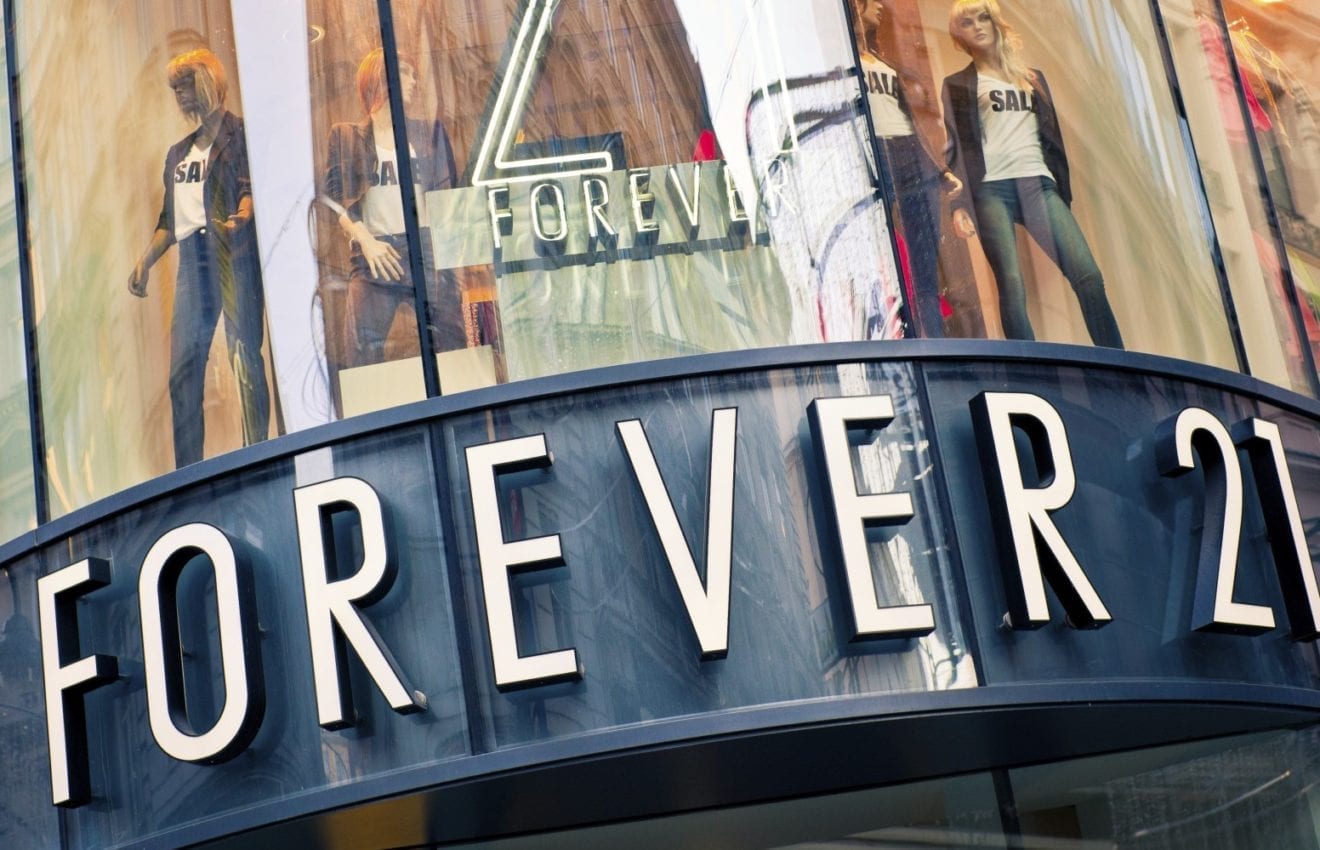
    Fast-fashion retailer Forever 21 Philippines has opened its 13th location, at SM City Bacolod.

    forever-21-bacolod-ph-store

    Based in California, the brand first opened in the Philippines in 2010. As well as fashionwear, it usually offers shoes, bags and accessories. However, its new 800 sqm store also includes its other brands such as Forever 21 Contemporary, Forever 21 Men and Forever 21 Plus.

    forever-21-bacolod-ph

    The first 200 customers each received a PP500 (US$10) gift card.

    Forever 21 is on the ground floor in the mall’s north wing.

  • Mulberry expansion plan in Asia

    Mulberry expansion plan in Asia

    Mulberry Asia, a new joint venture between the British fashion brand and Challice Limited, has announced plans to open four stores in Hong Kong, China and Taiwan and a Chinese language eCommerce site.

    The move was announced along with the company’s half year results which saw sales rise 10 per cent, but the company posting a loss due to investments, mainly in a new collection.

    Mulberry will cease its current distribution agreement with Club 21, although its new partner Challice shares the same ultimate ownership.

    Mulberry Asia will locate its head office in Hong Kong from where it will manage all retail, digital fulfillment and wholesale distribution for the region. Challice will hold a stake of about 40 per cent in the new business.

    The company says it expects to post losses for two years during its establishment phase, moving into profit in year three.

    Mulberry CEO Thierry Andretta said the new venture would progress the group’s international strategy of developing its retail and omnichannel model “in a key luxury market where we see significant growth opportunity”.

    Subject to a number of practical issues, including obtaining Chinese trading licenses, Mulberry Asia is expected to be operational from Spring 2017.

    Analyst said Mulberry Asia was an impressive direction to take.

    “It will allow the brand to better serve its customers in North Asia and provide it with a solid foundation to further grow its business in this region. However, investment in product design and creativeness must continue so that Mulberry stands out in the increasingly difficult and crowded Asian market.”

    Footfall rises

    Meanwhile, while investment to create the new collection has had a negative impact on gross margin, down 2.4 percentage points to 59.1 per cent, it has successfully driven footfall into stores and turned its wholesale business around. Revenue was up 10 per cent in the half year, compared with an 11 per cent decline in the same period last year.

    Strachan says modern totes and bucket bags have improved the desirability of Mulberry’s offer, appealing to a new, younger shopper demanding more on-trend innovative pieces but with the craftsmanship and quality credentials that the brand continues to leverage and showcase.

    “Mulberry has achieved impressive UK like-for-like growth, despite tough 2015/16 comparatives, benefiting from international visitors taking advantage of the weak pound and high demand for British heritage brands. The opening of its new Covent Garden store was fortunate timing to showcase its new collections to this influx of lucrative shoppers,” said Strachan.

    “Conversely, the devaluation of the pound has hit the sales performance in some of its tourism-driven stores in Europe and the US, and has led to higher UK production costs and running costs of overseas subsidiaries.”

  • Luxury-brand in China rising from grave

    Luxury-brand in China rising from grave

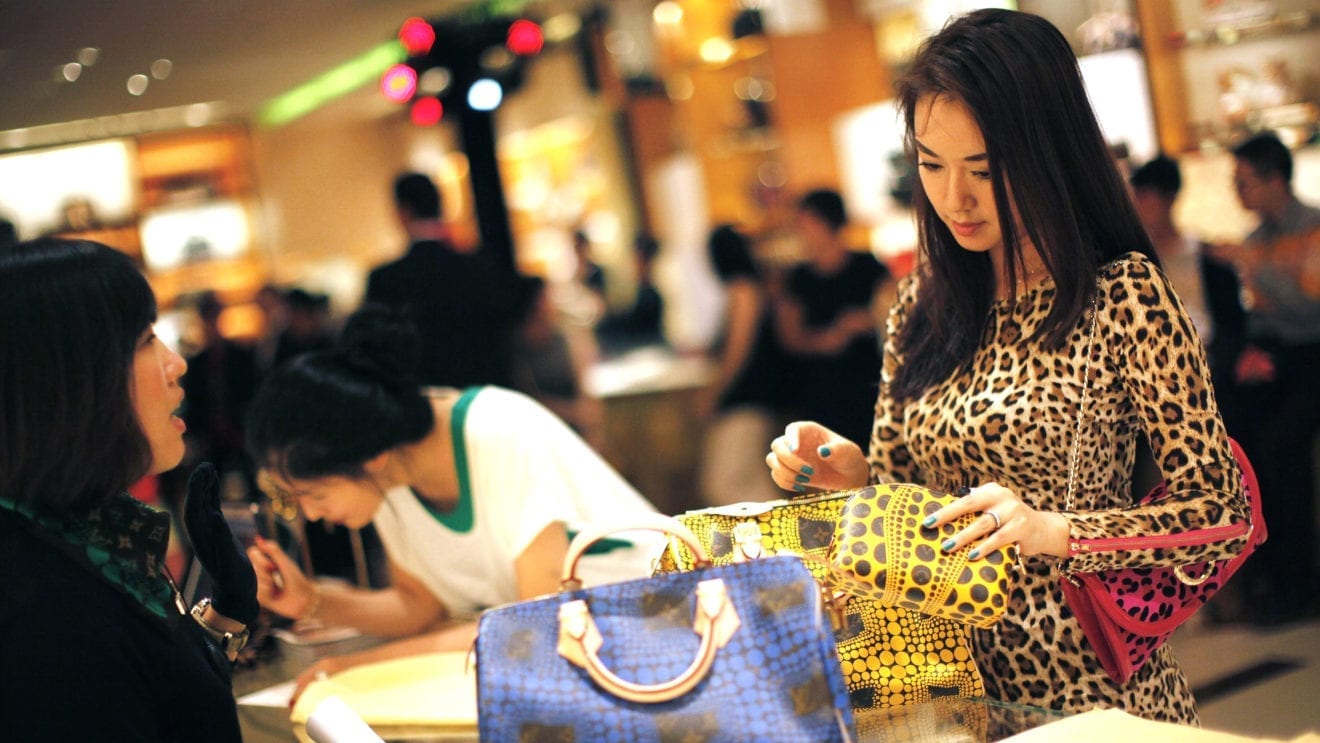
    Luxury-brand sales are reviving in mainland China, with Macau paying the price.

    As China’s currency depreciates, the narrowing price gap is keeping mainland luxury shoppers at home, further contributing to Macau’s retail slump, reports the Macau Business Daily.

    Some brands in China are expecting this year to return to the figures of their sales peak in 2012, says partner Bruno Lannes of Shanghai-based consulting firm Bain. He says luxury sales in the mainland have risen an estimated 4 per cent after three years of decline.

    According to the latest data from the Macau Statistics and Census Services (DSEC), retail sales of watches, clocks and jewellery have fallen 21.2 per cent year-on-year, with the overall volume of retail sales dropping 5.9 per cent in the third quarter.

    More than 45 per cent of retailers interviewed by DSEC expect their sales volume to decrease for the present quarter. Meanwhile, visitor numbers from the mainland edged up 0.4 per cent year-on-year in October, but have fallen by the same amount over the first 10 months of this year.

  • Ralph Lauren Hong Kong closes flagship

    Ralph Lauren Hong Kong closes flagship

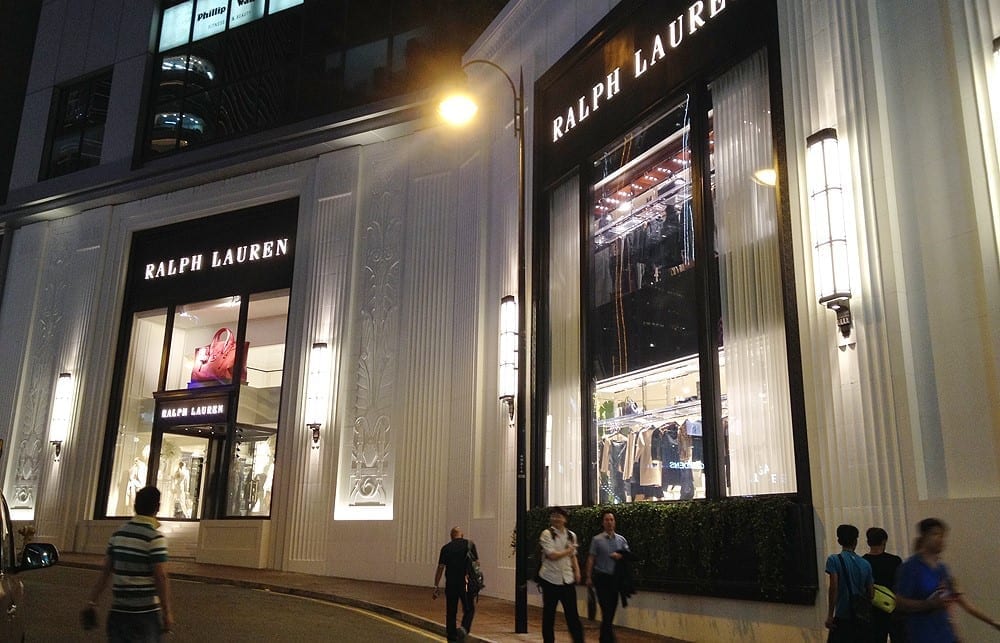
    Following other international fashion labels, Ralph Lauren Hong Kong has closed its flagship store.

    Four years ago, its then CEO Ralph Lauren said the company was transforming its presence in China, “a region we believe will become an important driver of growth for us over the long term”.

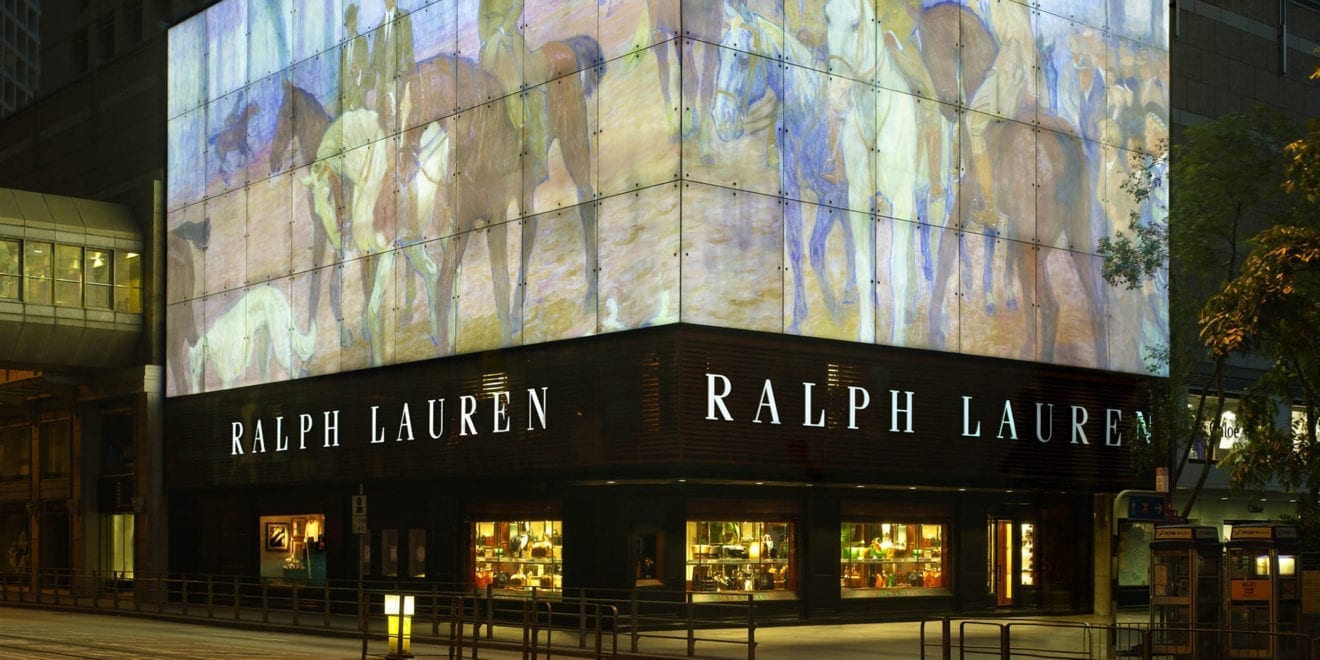
    He was announcing plans to open 60 stores in greater China by 2015. A year after the announcement, the label launched its first men’s flagship store in Asia, in the Landmark Prince’s in Hong Kong’s Central district, and in October 2014 opened a “mansion” store at the Lee Gardens complex, offering accessories, watches and jewellery as well as men’s and women’s fashions.

    Now its 20,000 sqft (1858 sqm) store in Causeway Bay has been closed overnight, with a representative of the brand saying the closure was “part of our strategic and financial plan”.

    “We are redeploying assets to focus on new concept stores and transition away from unprofitable formats and locations,” the spokeswoman says.

    Ralph Lauren will combine its men’s and women’s flagships in the newly renovated Prince’s Building location, she says.

    The move is part of a new strategy from Stefan Larsson, who replaced Lauren as CEO a year ago (Lauren is still executive chairman and chief creative officer). Larsson previously worked for Swedish fast-fashion retailer H&M for 15 years.

    The restructuring will cut more than 50 stores and 1000 jobs worldwide, saving the company between US$180 million and US$220 million a year, reports The South China Morning Post.

    Meanwhile, American fast-fashion label Forever 21 has announced it will close its multi-storey Causeway Bay flagship store. British label Paul Smith has already closed its Times Square store, and Italian luxury clothing and accessories label Tonino Lamborghini has also closed more than 10 stores and in-store counters.

    Abercrombie & Fitch is set to leave its prime location in the Pedder Building in Central, which will leave it without a stand-alone store in Hong Kong. This follows it closing about 50 stores in the US this year. But the US company plans to open a flagship store in Beijing.

  • Gucci Roppongi designed by Gucci

    Gucci Roppongi designed by Gucci

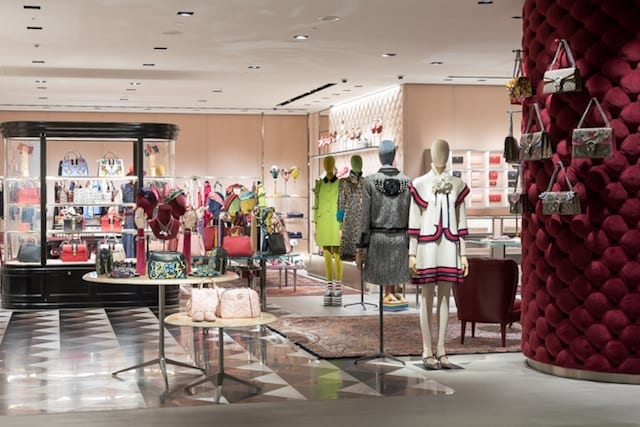
    Just opened, Gucci Roppongi in Tokyo is the first-ever Japanese flagship store designed by Alessandro Michele, the Italian fashion brand’s creative director.

    gucci-new-flagship-store-tokyo-at-roppongi-hills-3

    Covering 228 sqm, the store is in Westwalk Roppongi, Minato-ku.

    gucci-new-flagship-store-tokyo-at-roppongi-hills-2

    It features both women’s and men’s collections including ready-to-wear, footwear, handbags, luggage, accessories and jewellery.

    There are also special items such as exotic clutches and rare Gucci handbags exclusive to the boutique.

  • Closure of Ralph Lauren Hong Kong flagship store

    Closure of Ralph Lauren Hong Kong flagship store

    “We are in the midst of transforming our presence in China, a region that we believe will become an important driver of growth for us over the long term,” Ralph Lauren said in 2012 after the fashion conglomerate of which he was then chief executive announced plans to open 60 stores in greater China by 2015.

    A year later, Ralph Lauren launched its first men’s flagship store in Asia in the Landmark Prince’s in Hong Kong’s Central district, and in October 2014 it opened an enormous “mansion” store at the Lee Gardens complex, presenting accessories, watches and jewellery as well as men’s and women’s fashions.

    Fast forward two years, and the 20,000 sq ft store in Causeway Bay is no more, having closed overnight late last week.

    Contacted for comment about its abandonment of the doubtless expensive space in the Lee Gardens, a representative of the brand said the closure was “part of our strategic and financial plan”, adding: “We are redeploying assets to focus on new concept stores and transition away from unprofitable formats and locations.”

    We are redeploying assets to focus on new concept stores and transition away from unprofitable formats and locations

    Ralph Lauren spokeswoman

    Ralph Lauren is “combining men’s and women’s flagships in the recently renovated Prince’s Building location, as well as remaining focused on providing our customers with the authentic style and luxury shopping experience they expect from us,” the spokeswoman said.

    The move is part of a new strategy from Stefan Larsson, who worked for Swedish fast-fashion retailer H&M for 15 years and who replaced Lauren as chief executive in late 2015 (Lauren remains executive chairman and chief creative officer). The restructuring will, according to reports, cut over 50 stores and 1,000 jobs worldwide and save the publicly traded company between US$180 million and US$220 million a year. Its share price has been under pressure in the past 12 months, twice falling below US$85. Ralph Lauren shares closed at US$108.19 on Monday, down more than 9 per cent on their US$119.59 close on December 7, 2015.

    Ralph Lauren’s sudden exit from its Causeway Bay flagship store is the latest high-profile fashion closure to have occurred or been flagged in 2016. American fast-fashion label Forever 21 has announced it will close its multi-storey Causeway Bay flagship store. British label Paul Smith closed its Times Square store and Abercrombie & Fitch is set to leave its prime location in the Pedder Building in Pedder Street, Central – although, with a flailing brand reputation, poor sales and that famous HK$7 million monthly rent to pay, the move by Abercrombie & Fitch came as no surprise. Italian luxury clothing and accessories label Tonino Lamborghini also shut down more than 10 stores and in-store counters in the city earlier this year.

    Abercrombie’s Pedder Street closure will leave it with no stand-alone stores in Hong Kong, an effective withdrawal from the market, following on the closure of some 50 stores in the US in 2016.

    Although the “umbrella revolution” protests in 2014 that were a factor in a downturn in Hong Kong’s retail sales have long ended, political turmoil continues and visitor numbers, having dropped, have not fully recovered. Competition for high-spending Chinese consumers has been stiff, with destinations such as Japan, South Korea, Milan and London stealing some of the traffic from Hong Kong.

    The city’s retail sales dropped 10.5 per cent in the first half of 2016, their worst performance since 1999.

    Still, for all the negative news there are nuggets of hope. Italian brand Versace is opening a huge flagship store opposite the Landmark in Central next year, and mega brand Louis Vuitton is revamping its Hong Kong stores and continuing to invest in the city. Louis Vuitton chief executive and chairman Michael Burke told me a few months ago that “the leader in the market still believes in Hong Kong”.

    However, Louis Vuitton and Versace are definitely in the minority.

    With little sign of major recovery, Hong Kong’s economic outlook uncertain and retail sales continuing to fall, the fashion industry is on tenterhooks and braced for tougher times ahead. Since I wrote about Gucci’s rent dispute with its landlord Hongkong Land in 2015, there have been a spate of big-brand store closures, and threats by more prestige brands to shut up shop if rents aren’t adjusted.

    A few agile, smaller brands may exploit their departure, and subsequent rent drops, but times continue to be tough for the majority. Ralph Lauren probably won’t be the last big brand to close an expensive Hong Kong flagship store. Swire Properties chief executive Guy Bradley said in August he saw no signs of a retail turnaround.