Category: Fashion

Retail News Asia is committed to providing both local and global retailers with the latest Fashion news throughout the Asian market. This on a daily base.

  • Jobless Filipino wins car, cash in DSF raffle

    Jobless Filipino wins car, cash in DSF raffle

    Filipino expatriate Joel Gutierrez receives his prize during the awarding ceremony hosted by Dubai Shopping Festival.

    Dubai: When news came that his employer would be terminating his services in February, Joel Gutierrez, an expatriate from the Philippines, was devastated. He was saddened by the fact that he had an unemployed wife and two children, ages 10 and 3, to support back home and an Dh80,000 loan in Dubai to pay.

    But even with the prospect of being jobless after 16 years of working in UAE and having no money coming in, Joel didn’t lose hope that everything will turn for the better.  “Although my budget is really tight, I still bought a ticket for the Dubai Shopping Festival (DSF) raffle. In fact, I bought four this month,” he recalled. It seemed like it was the only hope for Joel to get out of his “painful” situation. And he was right.

    Joel, 43, has just been informed that he won a luxury Infiniti car on the first day of DSF, plus a Dh150,000 cash. “I had prayed so hard for this. Actually, I prayed for it every day, when I was out walking on the street, taking the Metro, or anywhere,” Gutierrez said.

    The Filipino expatriate, who works as a salesman at a clothing shop in Dubai, opted to get the cash equivalent of the luxury car, so he is expecting to bring home a total of Dh300,000 cash, or nearly 4 million pesos. For him, the money would be enough to start a new life in the Philippines and pay off his personal loan in Dubai.

    “This will now help me build a new and happy life for me and my family. I will use the money to invest in a grocery store back home.”

    Joel credited his strong belief for the great fortune.  He has been buying DSF raffle tickets for years now and it’s only when he was told he would be terminated from his job when luck came his way.  “I would buy ten tickets in a year and it’s the first time I’ve won,” he said.

    “When they told me I would be laid off, it was really painful. But that didn’t make me lose hope. I wish to thank Dubai and DSF for this unexpected fortune,” he added

    Since its inception in 1996, DSF has been offering life-changing prizes, and the festival’s 22nd edition, which started on 26 December, is no different with daily raffle draws offering shoppers the opportunity to win incredible prizes.

    The Infiniti Mega Raffle offers one lucky shopper the opportunity to drive home an Infiniti QX70 plus Dh150,000 in cash daily upon purchase of a raffle ticket for Dh200. In the daily Nissan Grand Raffle, customers have the chance to win one of eight Nissan models  – Micra, Sunny, Sentra, Tiida Hatchback, X-Trail, Juke, Pathfinder and Patrol. Customers will receive a raffle coupon upon purchase of non-fuel products worth Dh20 at any EPPCO and ENOC petrol stations, as well as Zoom shops in Dubai.

  • If You Think Sports Retail in Singapore is Dead, Read This.

    If You Think Sports Retail in Singapore is Dead, Read This.

    The great debate — about whether or not eCommerce will nail the coffin on bricks and mortar retail shops — has droned on for as long as the Internet began cannibalizing sales.

    So asking a pertinent question — If retail stores are disappearing from the Singapore scene, why do new sports stores keep popping up? — is a logical one, particularly from the perspective of runners on ever-present searches for the latest gear and fashion.

    Can history unravel the mystery?

    The evolution of retail stores began when markets sprung up thousands of years ago across Asia, Europe and Africa. Ultimately open-stall, outside markets morphed into enclosed shops.

    As competition exerted influence, stores carrying a wide range of merchandise replaced speciality stores, though today, innovative small boutiques have managed to survive, and no niche is healthier than sporting goods stores kept alive by Singaporeans who are deeply invested in the nation’s fitness movement.

    Then, along came the Internet. Even chain and big-box stores suffered as eCommerce gobbled up shoppers. Even “Store-within-a-store” concepts, pioneered by Asian retailers could not stop the steady, ever-present incursion of online retail marketing, and nothing has prompted consumer dependency more than an ability to shop using smartphones and devices.

    Forrester Research reports that 56-percent of consumers use smartphones to shop.
    If You Think Sports Retail in Singapore is Dead, Read This.

    Specialty stores remain viable

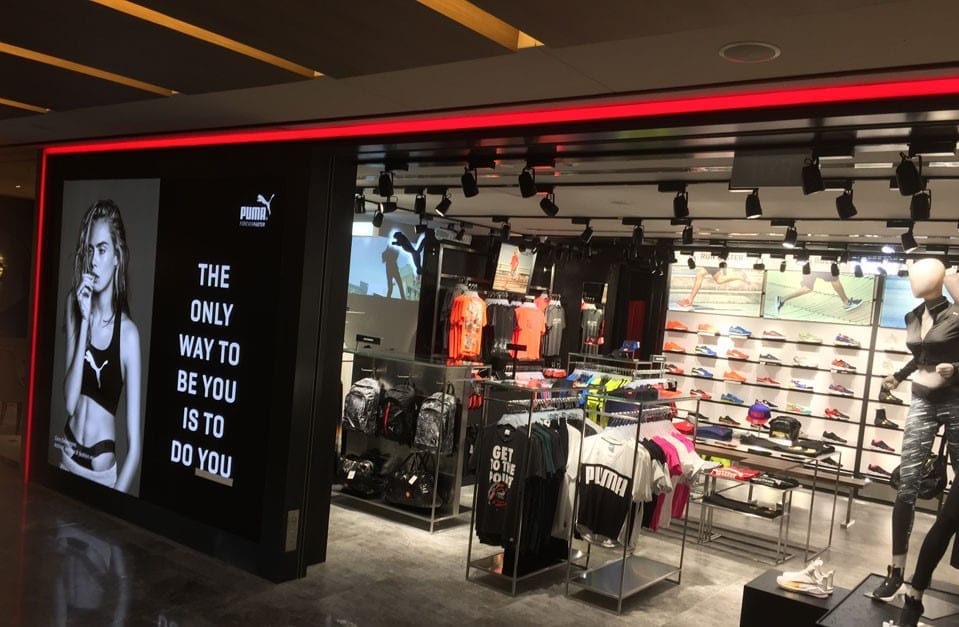
    PUMA recently opened two concept stores at Paragon and Bugis+, hoping to lure runners and sports enthusiasts away from their mobiles and computers.

    PUMA believes that dedicated store sections have the power to bring shoppers to these new locations because they’re strategically located within concentrated shopping areas that attract a youth market eager to find deals and promotions.

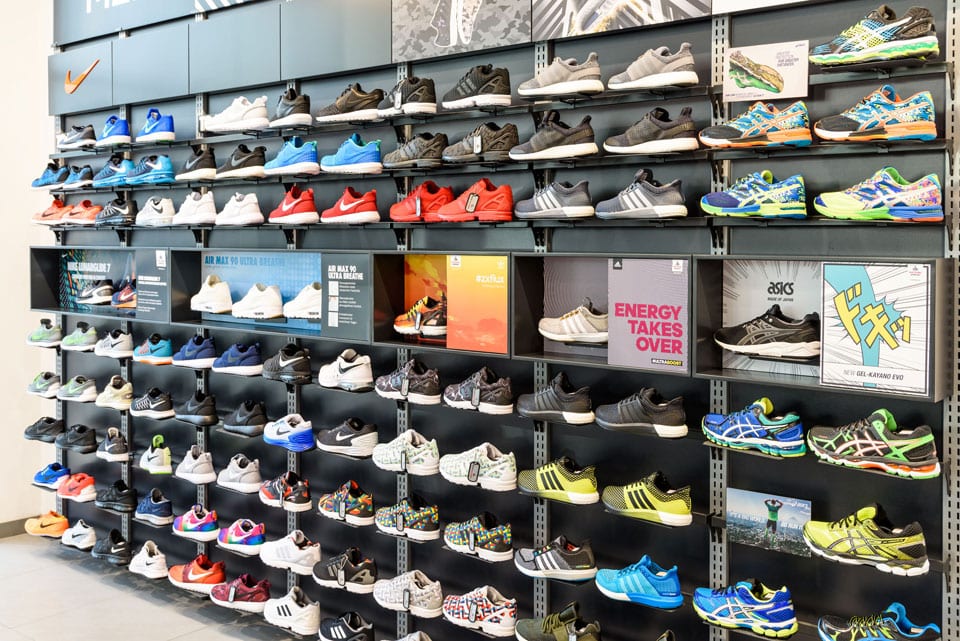
    Not to be outdone, ASICS saw an untapped market in northeastern Singapore and launched a stand-alone shop at the NEX shopping mall recently.

    ASICS believes that identifying an under-served populace is the key to in-person shopping. Their spacious new location is thoughtfully merchandised to encourage avid runners to browse the latest in ASICS innovations.

    Further, the new Under Armour presence at Vivo City Brings UA’s Singapore stores to five, including their new retail presence sprawling across 1,980 square feet of product display area and trendy décor touches.

    Under Armour has become an expansive presence throughout Southeast Asia and it’s considered by many athletes to be the coolest brand on the planet, even when measured against big dogs like Nike and adidas.

    Why is UA so cool? Because everything about their products is superior, starting with the brand’s quirky tagline: “It’s what you do in the dark that puts you in the light.”

    That light, of course, is a spotlight shining on the impeccable taste of runners who prefer to be seen wearing the UA logo on everything they own!

    Non-branded stores continue to open, too

    The space-age design of Running Lab’s two new locations — Marina Square and Tampines Mall — is reason enough for passionate runners to browse the retailer’s unique enclaves which are sorted by brand and gender, and there is no shortage of signature brands on display that are beloved by running enthusiasts and athletes.

    To drive traffic, Running Lab organises free runs throughout Singapore on Tuesdays and Thursdays, but they’re not the only show in town.

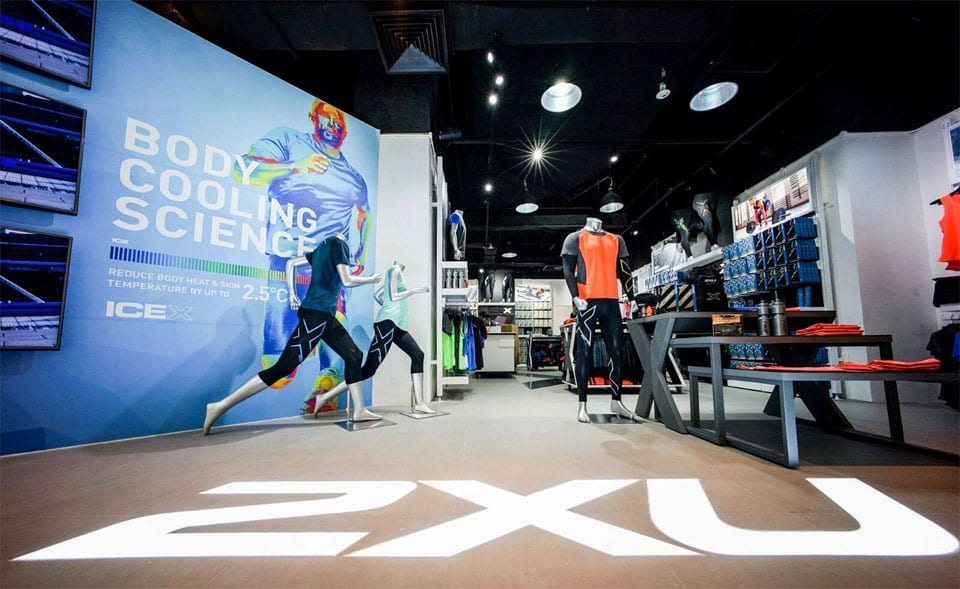
    The first 2XU Performance Centre opened just weeks ago at Suntec City Tower Three. Their ambitious marketing plan — to become the epicentre of performance compression wear — sets it apart from competitors because the niche alone has the potential to drive traffic into the store.
    If You Think Sports Retail in Singapore is Dead, Read This.

    Always a trendsetter, we toss the iconic Uniqlo into the mix. Uniqlo’s Orchard Central grand opening recently introduced Singapore to what can only be described as a sensory playground filled with wall-to-wall digital displays and rotating mannequins, while there’s a nice balance of innovative activity-related products, ideas and wares and the prestigious brands to which runners remain loyal.

    For Uniqlo, size matters. This 29,000-foot retail spot has become a destination unto itself, catering to sports-minded Singaporeans of every age group.

    It’s not all good news

    Common sense would lead one to believe that the opening of new sporting goods stores in Singapore portends good news for the future of retail, but business writers warn that, “what you see isn’t necessarily what you can believe.”

    In fact, a steady stream of popular stores continue to close because they have become unprofitable.

    Singapore economics played some part in this exodus, but not all blame-placing can be ascribed to fiscal decline due to online shopping and tech-savvy consumers continuing to find favour with cyber shopping.

    But the reality is this: retailers start every day in the red, supporting rental space, salaries, power bills, taxes and marketing expenses. Further, brands and stores refusing to track changing shopper behaviours aren’t likely to survive.

    What are solutions to this mystery?

    Absent a crystal ball, it’s obvious that Singapore retailers won’t survive without retooling their business models and no niche is worthier of emulation that the nation’s sports boutiques because the folks that run and manage them keep a pulse on Singapore’s vibrant fitness movement and watch trends like hawks.

    Further, a mindful balance of retail and online business practices keep shops afloat in addition to taking advantage of trend-tracking.

    Here’s why we think sporting goods stores have an advantage over other retailers:

    1. A shared retail/online presence has been the secret that has helped many sporting goods stores stay afloat.
    2. Management understands that athletes aren’t particularly crazy about the idea of having to return merchandise bought online and aren’t shy about using promotions and specials to a bring them in.
    3. More runners frequent sports stores for social reasons than analysts report. In-person shopping beats scrolling through screens of merchandise says TANGS Assistant Vice President of Communications Ms. Jocelyn Teo.
    4. Sporting goods shoppers are a different breed. Their performance depends upon the right shoe fit and gear choices, and while time-crunched athletes may turn to online shops for some purchases, retailers give athletes more reasons to show up in person, including incentives, promotions and deals.
    5. A CBRE Asia Pacific research study asked 11,000 Singapore consumers (ages 18 to 64) to weigh in on the online/in-person shopping debate, concluding: “… consumers are more comfortable with the traditional shopping format where they can touch and feel the products before purchasing.”
    6. Integrated shopping patterns are the wave of the future and savvy sporting goods retailers know this. The ability to switch back and forth between store and website drives traffic since returns, purchases, exchanges apply equally.
    7. Look for a more dynamic retailer consortium to cooperate on shared functions like integrated warehousing, shipping and order-fulfillment that can lower overheads resulting in merchandise price reductions.
    8. Common-sense changes — staying open more hours, sponsoring in-store events, offering a fully-integrated online/in-store experience and making sure employees behave more like concierges and less like clerks are but a few of the ways sporting goods stores will not only survive, but thrive.

    If you were forced to choose between online and in-store shopping and were required to pick just one, which would it be and why?
  • DFS and Flemingo team with Pernod on promotion

    DFS and Flemingo team with Pernod on promotion

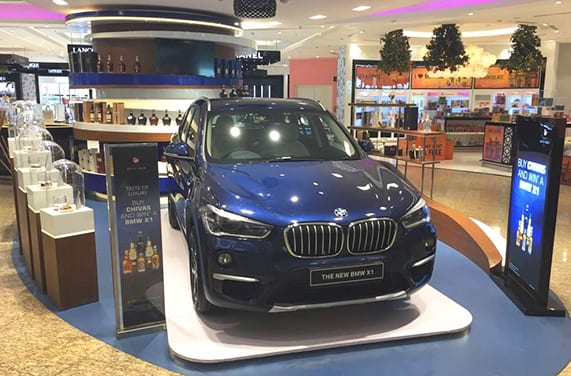
    The Mumbai Duty Free joint venture of DFS Group and Flemingo International teamed up with Pernod Ricard India recently for its third edition 2016 ‘Taste of Luxury’ promotion at Mumbai’s Chatrapati Shivaji International Airport Terminal ‘T2’.

    This offers the lucky winner the opportunity to try and win a luxury BMW X1 Expedition under this exclusive offer for participants spending $80 or more on Pernod Ricard luxury portfolio products.

    These products include Pernod Ricard’s leading Sotch whisky brands, including Chivas Regal, Royal Salute, The Glenlivet and Ballantine’s.

    Those who are eligible to enter simply complete a lucky draw entry ahead of the closing date January 31 where the winner will claim the BMW X1 Expedition prize.

    LUXURY PROMOTION…

    Commenting on the promotion, Nodjame Fouad, Marketing Director, Travel Retail Asia Pacific said: “At Pernod Ricard, we have always believed in delivering luxury experiences to our consumers at various touch points. This promotion at the Duty Free store of Mumbai international airport is one such touch point where consumers can enjoy our luxury brands and experiences”

    Manishi Sanwal, Managing Director, Mumbai Duty Free added: “In our constant quest to offer a greater value to our customers, we bring back the very successful ‘Win a BMW Car’ promotion yet again in this festive period of December-January.

    “We are extremely delighted to have partner brands like Pernod Ricard, who are always willing to support with greater excitement and engagement in their promotions”.

  • Number of shoppers at Boxing Day sales down by 6.7%

    Number of shoppers at Boxing Day sales down by 6.7%

    The number of shoppers venturing out to the Boxing Day sales fell 6.7% on last year in another challenging period for struggling UK retailers, figures show.

    Hardware and technology stores particularly struggled, mainly because buyers do not need to inspect the products in person, according to the UK Retail Traffic Index figures published by Ipsos Retail Performance.

    However the leisure and health and beauty sectors bucked the trend with year-on-year growth in stores, and clothing and footwear shops only saw a relatively small drop in footfall of 3.2%.

    Ipsos said the build-up of store footfall in the run-in to Christmas was slow, and the last-minute rush to the shops was not as intense as retailers hoped for.

    But Tim Denison, director of retail intelligence at Ipsos Retail Performance, said: “Boxing Day remains a genuine and important event in the retail year.

    “Finite stockpiles mean that shoppers have to be quick off the mark to secure the best bargains, creating a thrill that is sufficient for many to brave queuing up before opening time.”

    Barclaycard had predicted almost a quarter of Britons (23%) would shop in the Boxing Day sales, down from 32% last year.

    The figures suggest the incentive to buy in the sales has weakened following widespread discounting, including Black Friday and Cyber Monday, that continued well into December.

    But post-Christmas shoppers were still predicted to go on a £3.85 billion bargain hunt on Boxing Day, spending £2.95 billion on the high street and £900 million online, according to VoucherCodes.co.uk and the Centre for Retail Research.

    The New West End Company was also expecting a bumper Boxing Day due to international shoppers, projecting a spend of £55 million.

    Myf Ryan, chief marketing officer at Westfield shopping centres, said Boxing Day sales continued to be an important date in the diary.

    The company said shoppers spent £500,000 every hour at its centres during the Christmas period, and there had been growth in visitors from Hong Kong and the US.

    Retail analysts ShopperTrak said Boxing Day footfall fell 14% year-on-year, and suggested this was due to Christmas falling on a Sunday, creating an extra bank holiday, as well as record levels of pre-Christmas discounting.

    ShopperTrak UK director Steve Richardson said: “While Boxing Day is usually a peak day for in-store traffic, this year footfall dropped by 14% year-on-year, as consumers made the most of having the extra bank holiday off.

    “There was also another dynamic impacting Boxing Day footfall, namely the unprecedented levels of extended pre-Christmas discounting by retailers, which may have resulted in sales ‘fatigue’ amongst shoppers.

    “While Boxing Day traditionally kicks off the January sales in earnest, with so much discounting throughout December, this year saw much less impetus on customers to take to the High Street on Boxing Day itself in order to bag a bargain.”

    Westfield centres saw shoppers queuing from 2am on Boxing Day, and more than 300,000 people had visited by the time stores closed, Ms Ryan said.

    A shopper from Hammersmith paid £75,000 for a new Bentley, making it the day’s biggest purchase.

    Other extravagant buys over the Christmas period included a £140,000 diamond ring and a £15,000 transaction by a Middle Eastern princess at Gucci.

    Ms Ryan said international numbers of shoppers had increased across Westfield’s centres.

    She said: “Tourist spend at Westfield London in November was up 14% year-on-year and luxury spend up 21%. The big international luxury spenders were China, up 44%, the US, up 99%, and Hong Kong, up 191%.

    “We expect to see high growth again during the busy Christmas and sales shopping period.”

  • Balenciaga opens Osaka pop-up

    Balenciaga opens Osaka pop-up

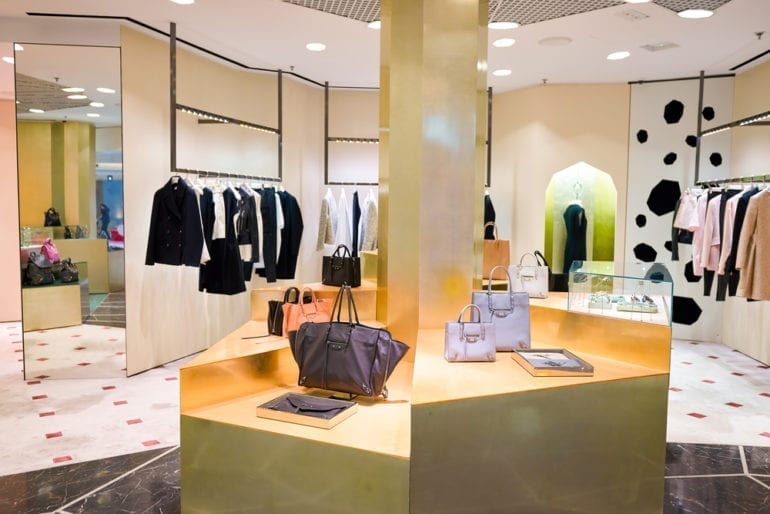
    French fashion maison Balenciaga has opened a new pop-up store in Osaka, adding to the five standalone boutiques already retailing in the Japanese city.

    The Parisian label has its sights set on pushing its newest ‘it’ handbag – the Bazar Shopping Bag – onto the Japanese clientele.

    The new Osaka pop-up shop will house the original Bazar Shopping from the latest collection, as well as holiday and resort versions. Also for sale are pouch and wallet versions of the bag.

    The colourful tote bag, designed by Demna Gsvalia, featured in Balenciaga’s Autumn/Winter 2016 collection. The Bazar Shopping Bag — already a hit with fashionistas such as Pernille Teisbaek, the co-founder and creative director at Social Zoo Direct — is part of Gvsalia’s first accessory line since taking the helm of Balenciaga this year.

    Despite being compared to a heavy-duty laundrette carryall, the Balenciaga accessory retails for a whopping £975 per unit and has been hailed a best-seller on major fashion e-platforms Net-a-Porter and MatchesFashion.com.

    Balenciaga is known for ‘it’ bags, since the Arena handbag, designed by Nicholas Ghesquire over ten years ago.

    The pop-up shop is located within a portion of the Hankyu department store in Osaka. It is open from now until the end of December.

  • Pop-up barber shop offers free shaves at Changi

    Pop-up barber shop offers free shaves at Changi

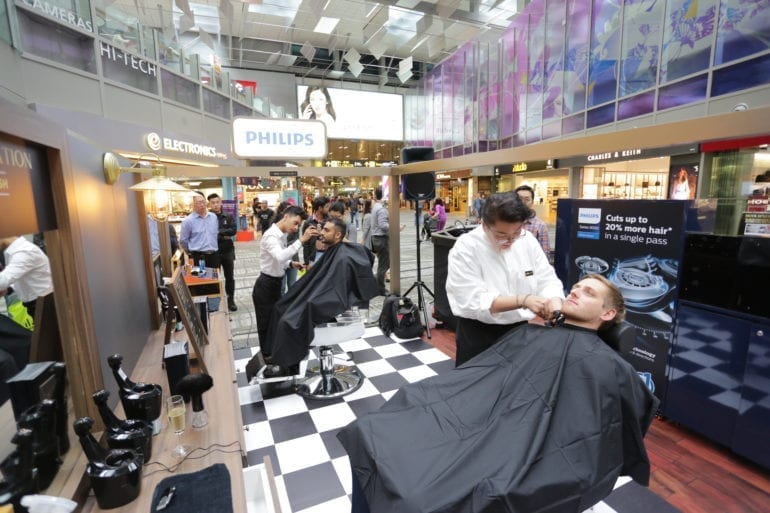
    Philips and L’Oréal Paris Men Expert have joined forces to launch a pop-up barber shop at Singapore Changi Airport.

    The Male Grooming Club initiative, in partnership with Changi Airport Group, The Shilla Duty Free and Sprint-Cass, is said to be the first-of-its-kind in an airport. The barber shop, open from 13 December to 24 January, offers male passengers in Terminal 3 a range of grooming services, products and promotions.

    Professional barbers use Philips’ range of premium shavers for a complimentary hot towel shave alongside head and face massages, finishing with the L’Oréal Paris Men Expert range to pamper skin. Individual consultations with a grooming adviser are also available to select the best shaver and skincare products suited to customers’ needs.

    The Male Grooming Club showcases Philips’ most advanced shavers featuring proprietary ContourDetect technology designed to maximise comfort and minimise cuts and irritation. Other male grooming tools available at the pop-up store include Philips hair clippers, beard trimmers and body groomers.

    Men in focus

    While more than 50% of travellers are male, they represent less than 10% of the total spend in airport cosmetic stores. Changi Airport said there is a huge opportunity in the travel retail space to target men specifically when it comes to their grooming needs.

    io8a5394
    Primed and ready to fly.

    The pop-up offers exclusive promotions such as S$50 (US$35) off selected Philips Shavers with any purchase of a L’Oréal Paris Men Expert gift set. Complimentary gifting services are also available along with a limited-edition gift bag with any purchase of a Philips male grooming tool or L’Oréal Paris Men Expert travel retail exclusive sets.

    Philips and L’Oréal Paris Men Expert product ranges are available at Sprint-Cass and The Shilla Duty Free. Complimentary male grooming services are available from 6am to 10am and 7pm to 11pm daily; while the Male Grooming Club will operate from 6am to 1am daily.

  • Diamonds are China millennials’ best friend

    Diamonds are China millennials’ best friend

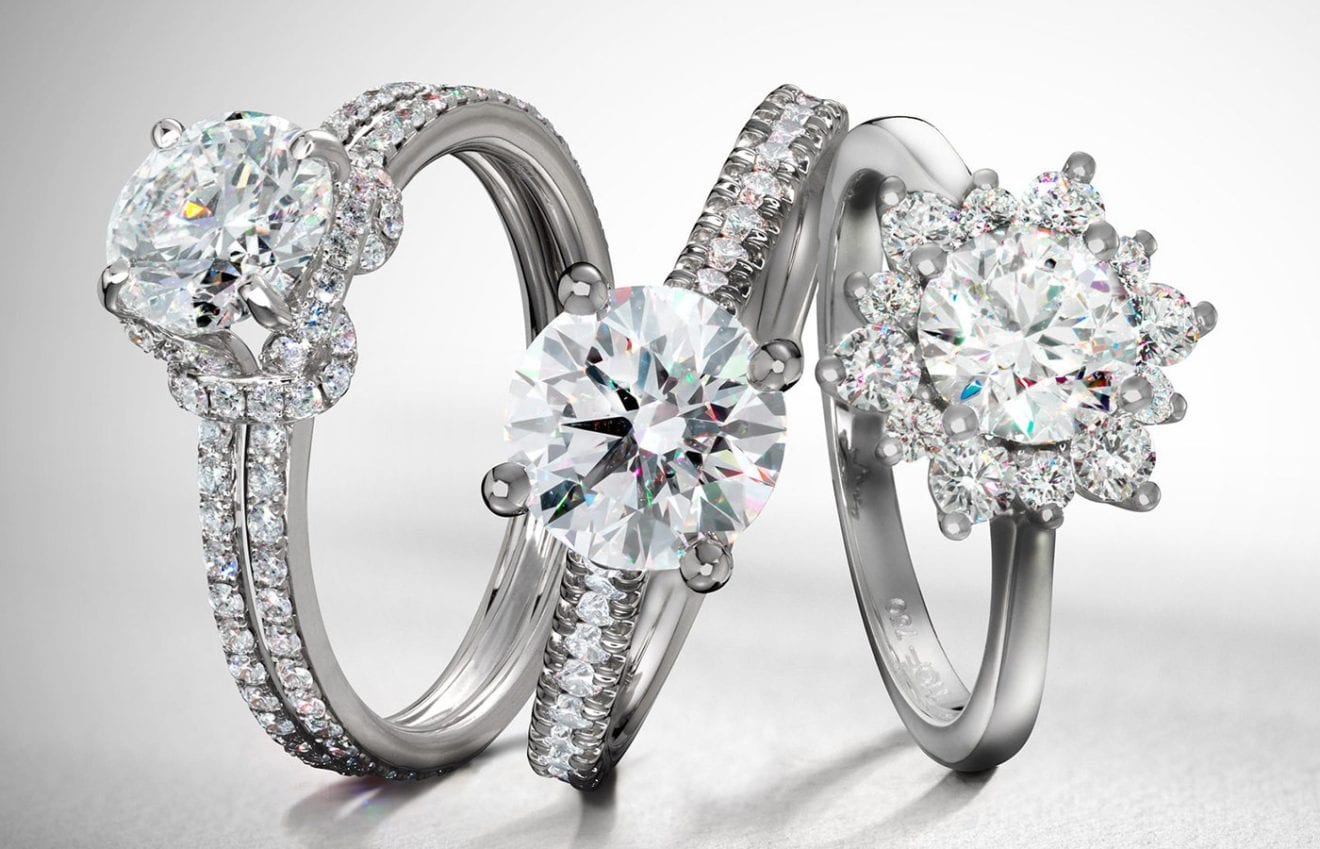
    Diamonds may be a girl’s best friend, and that’s especially true of female millennials in China.

    According to diamond-producing giant De Beers SA, 68 percent of diamond jewellery sales in China ($6.78 billion in 2015) are driven by millennial women, many of whom are college-educated, not married and quickly cultivating a collection of the gems.

    Bloomberg spoke with one 27-year-old Chinese woman who, like many of her peers, has a 15-plus-piece diamond collection including a 2.5-carat solitaire given to her by her parents.

    The fact that she’s not married is part of the trend to — as she said — not wait passively for a diamond gift from a man. For Chinese millennial women, independence is the top trait they aspire to: More than 40 percent of them say financial independence is more important than marriage, with 32 percent saying that independence is what personal success looks like to them.

    That’s according to research by J. Walter Thompson surveying 4,300 women across nine countries in 2015. Some jewellery companies have made a conscious decision to not even show any couples at all in their advertisements.

    A sparkling opportunity

    In the top four diamond markets in the world, there are more than 220 million millennial women who spent $26 billion on diamond jewellery last year. Behind China is India but after a significant drop, followed by the U.S and then Japan. Within this four-country demographic, more diamonds have been acquired than any other generation, and yet the demographic hasn’t even come into their most affluent years.

    Compared to their Chinese mothers who historically bought jade and gold, these millennial women are struck by the western lifestyle that includes the glamour of Harry Winston and Tiffany gems. Having those diamonds is a status signal of wealth and accomplishment, rather than love. As a result, more jewellery companies have popped up in China trying to get their share of the desire. Boston-based Hearts on Fire was usurped in 2014 by Hong Kong’s Chow Tai Fook, grabbing nearly 6 percent market share.

    But it’s not just about status, as the gems are seen as assets that will not depreciate in the way that other high-end items like bags and shoes can due to wear and seasonality.

    Gold x diamonds

    Chow Tai Fook has noticed this by rolling out lines of jewellery that mix gold with diamonds to make sure their female millennials — half the business — stay engaged, and it has also pulled in celebrities like hunky actor Li Min-ho and rapper G-Dragon — both millennials — to appeal to these women.

    But even with diamond jewellery being a sign of independence, the divorce rate in China is more than triple what it was back in 2002 — currently 2.8 per 1,000 people, back just 14 years ago it was 0.9 per that same thousand. More than 3.84 couples went their separate ways in 2015, which is 5.6 percent more than 2014.

    But those diamonds are still forever, even if marriage isn’t or has never even happened yet. And diamond companies know this. De Beers research cites the American trend of couples spending more on their second marriage than on their first. Experts say those Chinese millennials may follow suit as well.

  • Breitling bows two new stores in Macau

    Breitling bows two new stores in Macau

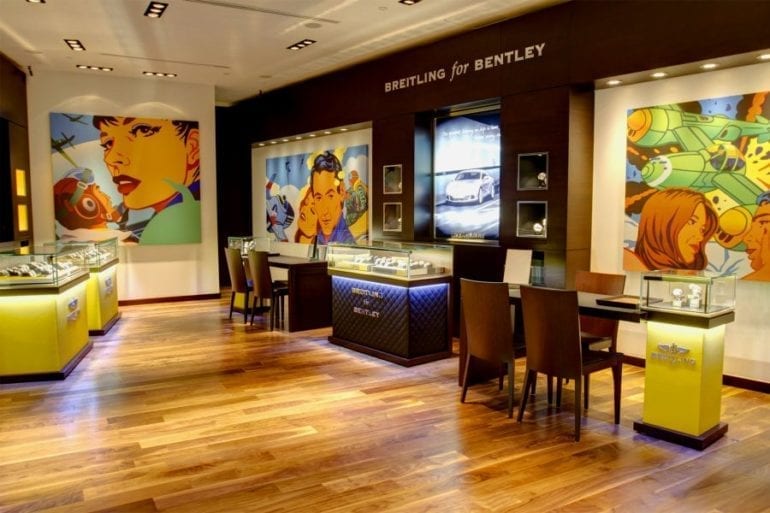
    Swiss luxury watchmaker Breitling is expanding its reach in Asia, opening two new stores in Macau.

    Located in luxury malls Shoppes at Venetian and Shoppes at Parisian in Macau, the new boutiques sell a full selection of timepiece models from the entire Breitling and ‘Breitling for Bentley ‘ collections. The chronographs come equipped with ‘Manufacture Breitling movements, as well as special limited ‘Boutique Editions’.

    Each Macau boutique has been designed with old and new world characteristics, typical of Breitling. The décor also highlights the brand’s aeronautical heritage, enabling “visitors to plunge directly into the Breitling universe, a unique experience that excites the senses,” said Breitling in a statement.

    Both stores boast a VIP lounge, offering customers a one-on-one, personalised shopping experience.

    Breitling was founded in 1884. Since then, it has played a crucial role in the development of the wrist chronograph. Breitling is also one of the rare companies to produce its own mechanical chronograph movements, entirely developed and manufactured in its own workshops. This family business is also one of the last remaining independent Swiss watch brands.

    Shoppes at Parisian Macau, which only opened in September this year, hosts 170 luxury and lifestyle brands in its 320,000 square feet retail space. The new Breitling Macau Parisian store is located at Place Vendome on Level 3.

    Shoppes at Venetian is located inside the Sands Shoppes, the largest mall in Macau offers with more than 850 duty free outlets. The new Breitling store is in the Great Hall, on Level 3.

  • Vietnam textile firms need to up ties

    Vietnam textile firms need to up ties

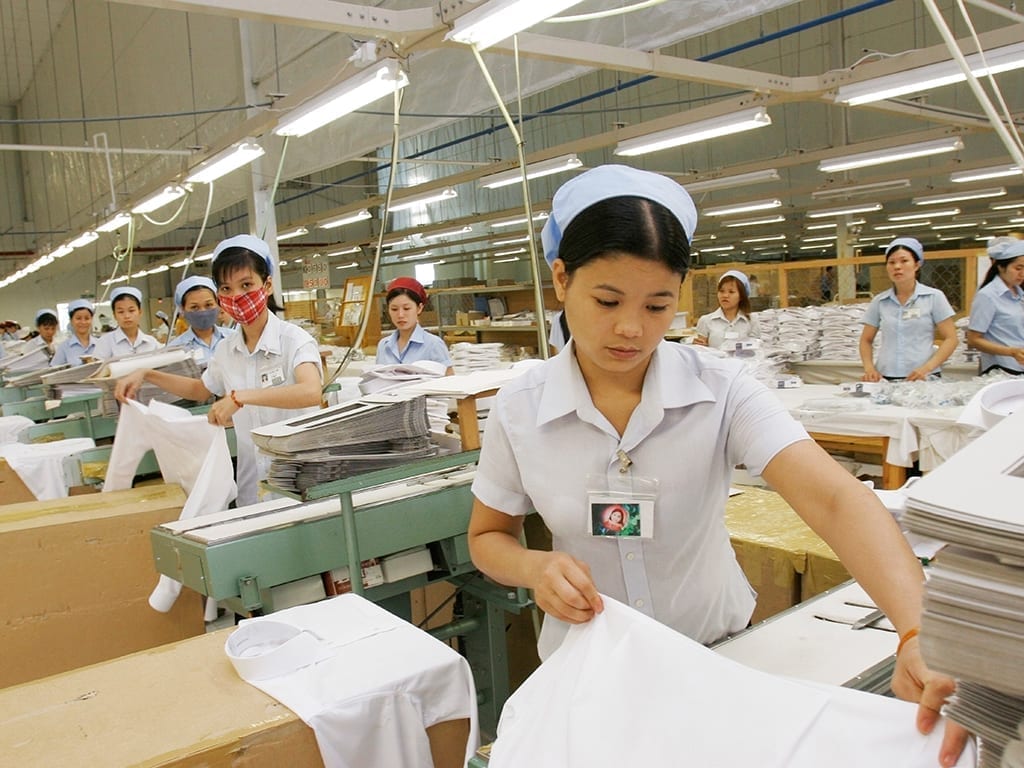
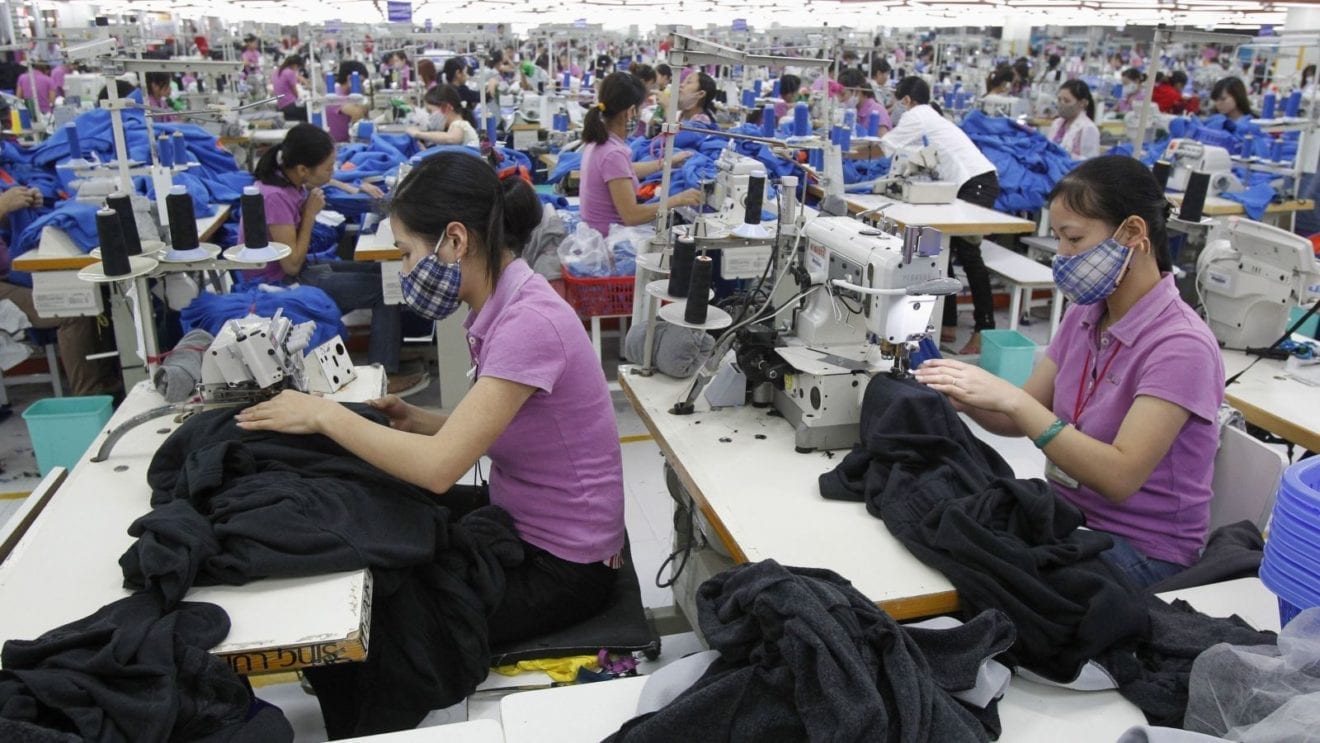
    Domestic textile enterprises and logistics service providers should work together to reduce costs and improve their competitiveness, according to experts.

    Nguyễn Tường, Vice Chairman of the Việt Nam Logistics Association, said the textile industry needs to import raw materials from abroad and export products to foreign markets.

    Working together, many enterprises could purchase raw materials by combining their orders to create a large shipment, which will help significantly reduce transportation costs, he said.

    The costs of logistics currently account for nearly one-third of the costs of each textile product exported, so the Vietnamese garment sector could save more than US$1 billion per year by reducing this cost.

    Additionally, Trương Văn Cầm, Vice Chairman of the Việt Nam Textile and Apparel Association, said most textile companies currently perform outsourcing jobs, causing them to depend on the supply of raw materials and transportation services of providers assigned by their partners.

    Most of these providers are foreign companies, thus the market share for local logistics companies has been narrowed, Cầm said.

    Further, high transportation costs are undermining the competitiveness of Vietnamese goods in international markets, he added.

    Director of the Nam Việt Co Ltd, Nguyễn Đức Chương, said that during peak seasons, textile firms have to pay the container imbalance charge (CIC) – a kind of sea freight charge which a carrier requires to offset costs arising from the transfer of a large amount of empty containers from one place to another.

    This charge is only affordable to enterprises with large-scale import-export orders, such as Nhà Bè Corporation or Việt Tiến Garment Joint Stock Corporation, but is a heavy burden on small and medium-sized textile firms.

    Meanwhile, there is a lack of confidence between the owners of goods and Vietnamese logistics service providers due to low-quality and high prices, said representative of the Đam San joint stock company, which specialises in producing fibers.

    Located in the northern province of Thái Bình, the firm has to spend $3 billion to $4 billion every year on logistics costs.

    Self-services

    To improve the quality of the supply chain and reduce logistics costs, many textile enterprises have turned towards “self-service”.

    A representative of the Nhà Bè Corporation said the corporation has established the NBC logistics company to carry and load goods, and to export and import procedures for its shipments.

    To facilitate the transaction, NBC logistics firms also opened a representative office in China’s Shanghai, and many textile enterprises are seeking to hire it to perform export and import services.

    So far, conducting self-logistics services for approximately 70 per cent of their goods has helped the corporation save $2 billion per year. Previously, it had to pay $6 billion for import-export of goods annually.

    However, self-service is still not a solution for small and medium-sized firms.

    Therefore, business leaders in the two sectors agreed that it was necessary for the Ministry of Industry and Trade and the Ministry of Transport to assist the coordination and connection between shippers and the owners of goods.

  • ‘Made in China’ label no longer cheap and nasty

    ‘Made in China’ label no longer cheap and nasty

    The Made In China label has become synonymous with cheap fabrics and fast fashion — but that’s changing just as quickly as the industry grew.

    As the country’s economy shifts from one of manufacturing to consumption, the quick and dirty goods so beloved by the West are likely to be made in other countries with lower labour costs.

    Meanwhile, China’s booming middle class is demanding quality and sophistication, and that could mean a $140 billion payday for the Australian economy, experts predict.

    Rich Chinese are now the target customer for any Aussie business, and the transaction works both ways. The nation’s newly powerful creators could soon be exporting their ideas straight into your home and wardrobe.

    Chinese shoppers spend billions in Australia each year. Picture: Stuart McEvoy/The Australian
    Chinese shoppers spend billions in Australia each year.

    LABEL FREAKS TO FASHION GEEKS

    As their economy has exploded, the Chinese have gained a reputation for being obsessed with designer labels. If it’s Prada, Gucci or Dior, it’s a status symbol they want in their wardrobe.

    But the still fledging market is catching on to what’s seen as truly sophisticated worldwide.

    Now the demand is for innovation, style and originality, and China is starting to make its name in the fashion business for more than just factories. The industry has tripled in size and is valued at $85 billion.

    Vogue China was only established in 2005, and at the time there were no Chinese supermodels. Now the magazine has a monthly print circulation of 1.8 million to American Vogue’s 1.2 million, and 30 million unique users online.

    Its editor Angelica Cheung says the Chinese consumer is increasingly willing to take risks, whether on an original look or a less well-known designer.

    If Aussie businesses are agile enough, that could mean important opportunities. China’s middle class have higher disposable incomes than ever, but demand for products is not yet being met.

    Alice McCall became the first Australian designer to open their own boutique in China last year, and our wool industry is looking at how it can offer more than raw material to the rapidly developing country.

    But if we are too slow, China’s homegrown designers will outstrip the competition domestically and export its own ideas to the world.

    Chinese designers like Madame Zhou are exploring new territory, and their ideas are coming to your wardrobe.
    Chinese designers like Madame Zhou are exploring new territory, and their ideas are coming to your wardrobe.Source:Supplied

    AUSTRALIA’S $140 BILLION BONUS

    The growth of China’s gross domestic product (GDP) is at six per cent compared to 10 per cent ten years ago, with manufacturing only nominally up while services have dramatically increased.

    This has coincided with both rapid urbanisation and industrialisation and a new demand for goods and services from overseas, particularly Australia, according to Helen Sawczak, national CEO with the Australia China Business Council.

    “This demand has been fuelled by a growing and relatively affluent middle class in China, which conservative estimates have put at 109 million adults,” Ms Sawczak said. “The new middle class in China continues to demand clean, green and safe premium products which includes Australian agribusiness products especially fresh produce, wine, vitamins, health supplements, infant formula. They also want high quality education, property investment opportunities and unique tourism experiences.”

    Chinese tourists have the potential to make Australians far richer, with 1.4 million visiting in 2016 and spending billions of dollars.

    “Some projections have suggested that by 2025, Australia will receive two million tourists per annum which could impact the Australian economy by $140 billion,” says Ms Sawczak, who recently produced a report entitled The Long Boom: What China’s Rebalancing means for Australia’s Future.

    “Chinese tourists tend to be avid shoppers when visiting Australia and our report indicates that visitors are more likely to continue buying Australian products after their trip.”

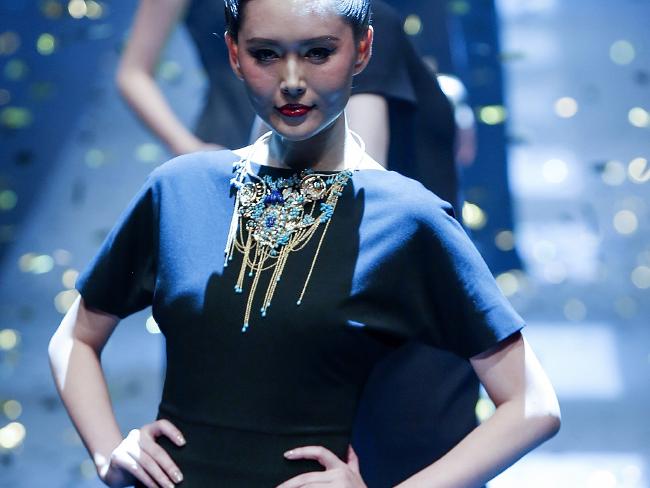
    The Mercedes-Benz China Fashion Week made the world sit up and take notice. Picture: Lintao Zhang/Getty Images
    The Mercedes-Benz China Fashion Week made the world sit up and take notice. Picture: Lintao Zhang/Getty ImagesSource:Getty Images

    POWER COUPLE

    The China Australia Free Trade Agreement has now been in place for a year, substantially removing tariffs on a wide range of products and has helped to facilitate more bilateral trade.

    Australian manufacturers are hoping to bypass the multi-million dollar daigou trade, which came to public attention in Australia at the peak of last year’s baby formula shortage scandal.

    Tens of thousands of international grey market traders, now better known by the Chinese term daigou, ship groceries and skincare products to friends and relatives in China — selling goods at a premium of up to 50 per cent and making as much as $100,000 a year.

    Competition to capture China’s lucrative market is fierce. The Chinese may see Australia as a destination for food and wine, but it is not as synonymous with premium fashion.

    But there is an opening. Li Zhang, project director of the Australian Lifestyle Expo, said earlier this year: “Australian brands are seen as healthy, green, organic, natural, environmentally friendly and high quality, therefore their willingness to pay is pretty high.”

    The large market could be vital for Australian businesses looking to grow, with Shanghai alone matching our population of 24 million.

    China is no longer the world’s factory, and we need to take notice.

  • House of Fraser China opens first store

    House of Fraser China opens first store

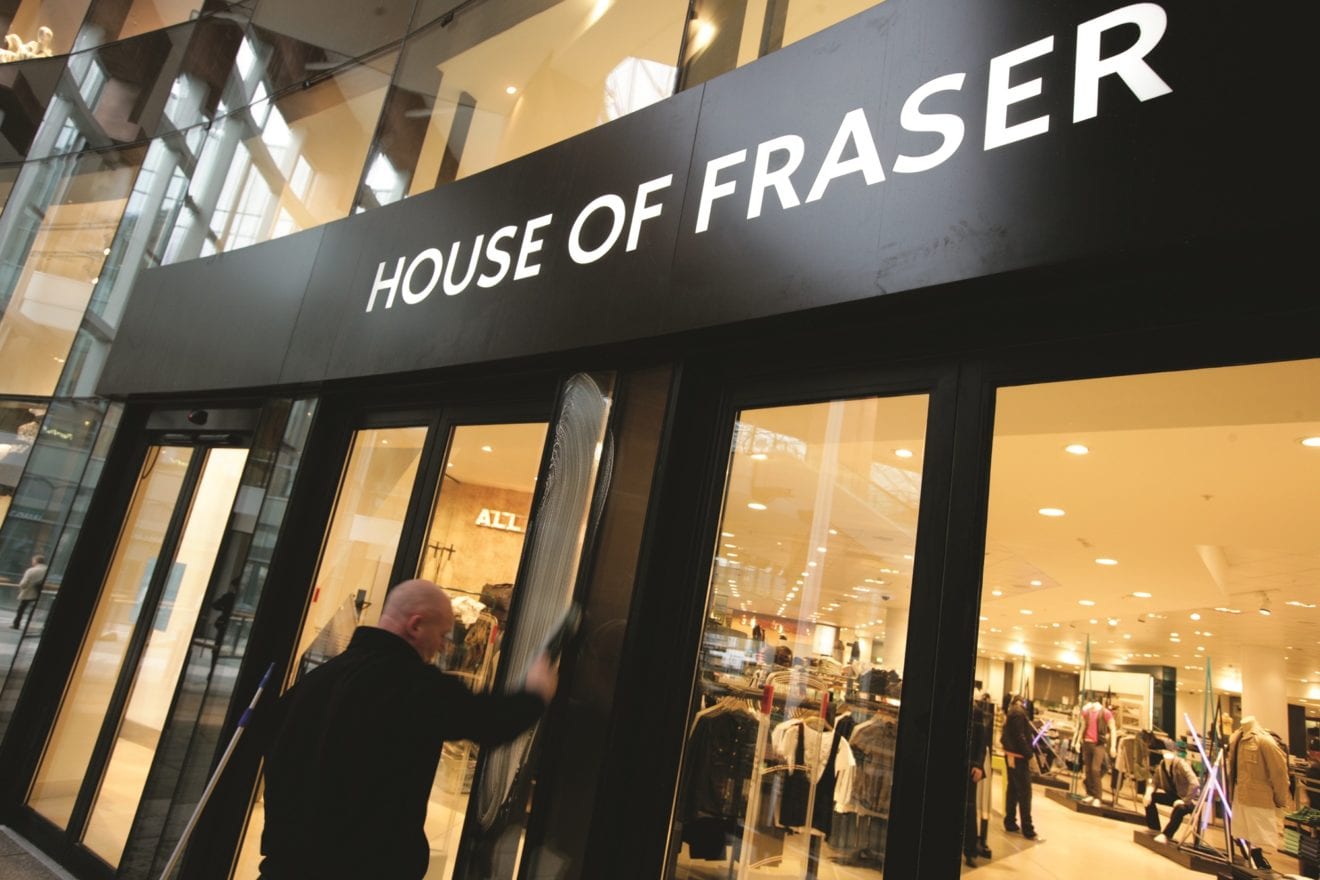
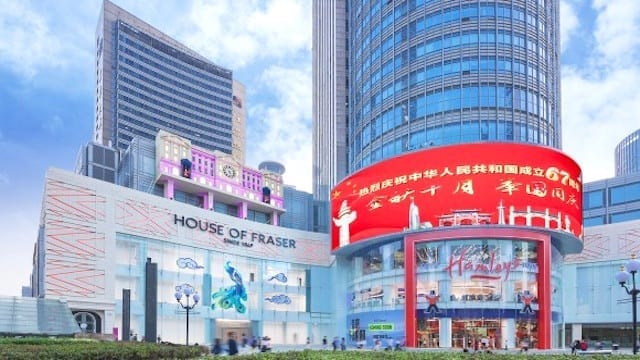
    British department store chain House of Fraser has opened its first standalone store in China, in Sanpower Plaza in Nanjing, the capital of Jiangsu province.

    Owned by Chinese conglomerate Sanpower Group, the House of Fraser China store spans six floors with more than 425,000 sqft (39,483 sqm) of retail space. It is introducing such brands as Cambridge Satchel Company, Peter Werth and Radley into the Chinese market.

    House of Fraser chairman Frank Slevin says the chain will look to benefit from the strong demand by Chinese consumers for UK brands.

    In September, the company described trading in the UK as “very challenging”. It said the retail sector there was facing significant change in “structural dynamics as consumers’ shopping habits and delivery expectations continue to evolve”.

    “The opening of the store in Nanjing is a strong way to finish the year,” says Slevin.

  • Nike sales saved by basketball sector

    Nike sales saved by basketball sector

    A rebound in basketball drove strong Nike sales and profit growth in the last quarter.

    The US-headquartered sports giant has reported a profit rise of 7.3 per cent to US$842 million in the three months to November 30, with sales up 6.4 per cent, to $8.18 billion. Excluding the impact of currency rates, profit rose 8 per cent.

    Sales in the basketball category, which includes its Jordan brand, accounted for 15 per cent of wholesale revenue in 2016. And even greater growth is expected in the next quarter after the brand lost momentum in the core category in previous periods.

    “We’re seeing incredible momentum in basketball,” said Trevor Edwards, president of Nike Brand. “To be clear, basketball is back.”

    Sales in China rose 12 per cent, and in the US by 3 per cent.

    Nike has moved to drive more direct sales, improved its online sales apps and adjusted pricing on some of its marquee products, including basketball shoes.

  • Cos Malaysia starts the journey in Pavilion

    Cos Malaysia starts the journey in Pavilion

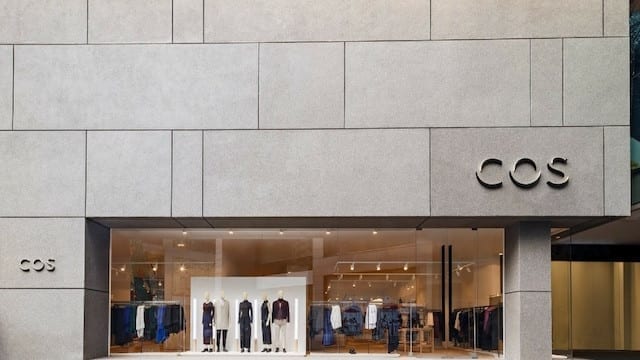
    Fashion brand Cos Malaysia has opened its first store, at the new Pavilion Elite Mall in Kuala Lumpur.

    The brand, which is part of the Swedish H&M stable, is offering menswear and womenswear from its latest autumn/winter collection. This explores hybrid garments combining wardrobe classics with the eccentric and eclectic, featuring warm colours, organic tones and draped proportions, says Malaysian beauty and wellness website Pamper.my.

    The store’s interior reflects the Cos design aesthetic of clean lines and natural elements, and features a lounge area.

    Cos MD Marie Honda describes the inaugural Malaysian store as “an exciting stage in our expansion in Asia”.

  • Salvatore Ferragamo changes the game in Asia

    Salvatore Ferragamo changes the game in Asia

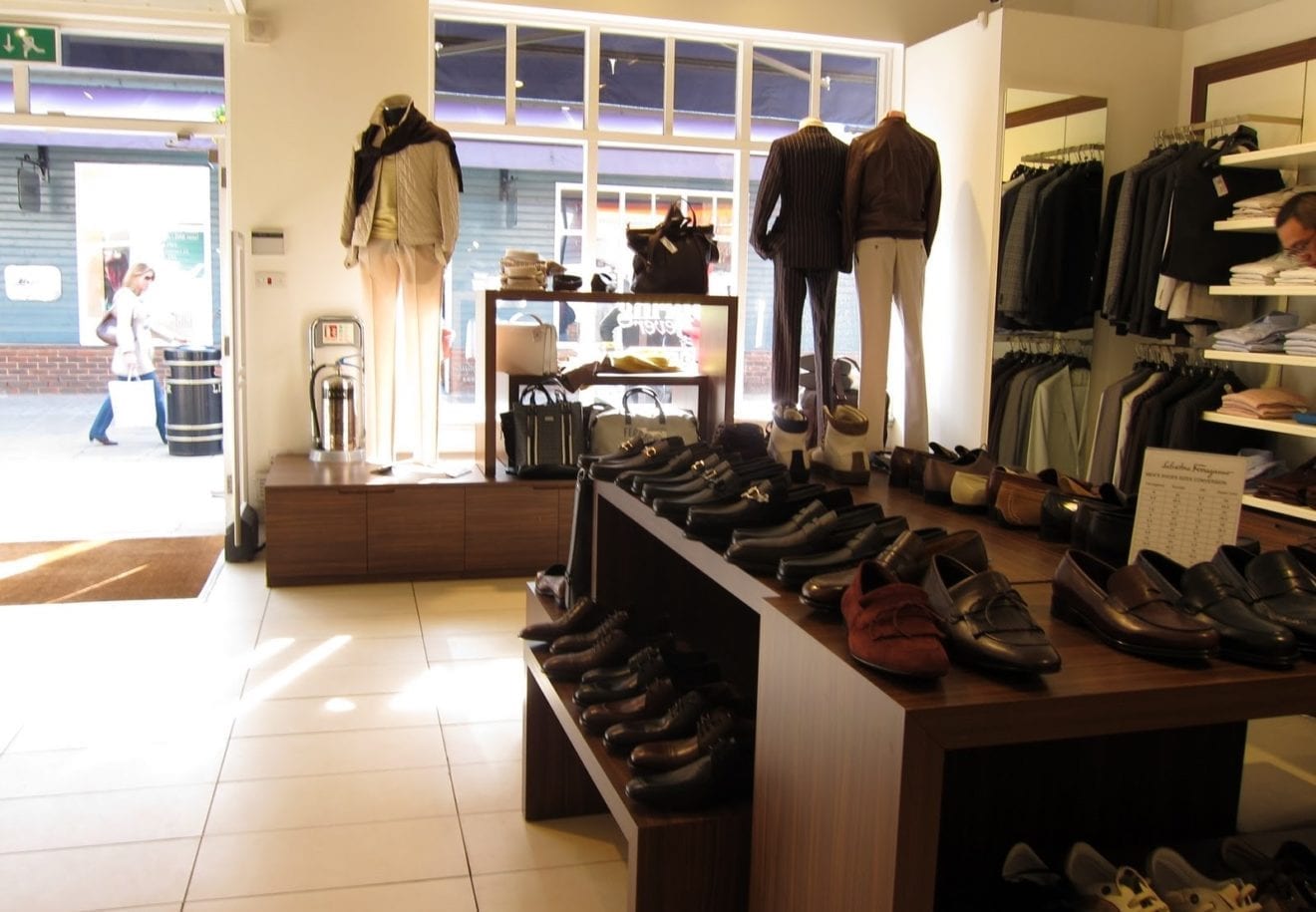
    Italian fashion label Salvatore Ferragamo has taken over four JVs created in partnership with Trinity (Fung Group), which distributes the brand in South Korea and Southeast Asia.

    Ferragamo says it has bought the companies’ 20 per cent share, still owned by Trinity through Trinity Luxury Brands Holdings and Ferrinch. The value of the transaction has not been disclosed.

    Impacting Ferragamo Korea, Ferragamo (Malaysia), Ferragamo (Singapore) and Ferragamo (Thailand), the takeover follows an agreement signed in 2012. This included a purchasing option allowing for Salvatore Ferragamo to take full control of the JV companies.

    At the time, Ferragamo had already increased its stake in the four companies to 80 per cent.

    In the past few years, the Asia-Pacific region has become Salvatore Ferragamo’s main market, accounting for 35.5 per cent of its global revenue. At the end of September, the label’s sales in the region amounted to €360 million (US$375 million), equivalent to a 0.3 per cent decrease compared to the first nine months of the previous fiscal year.

    The label has 70 monobrand stores in the region.

  • Luk Fook Jewellery Malaysia debut

    Luk Fook Jewellery Malaysia debut

    Hong Kong luxury brand Luk Fook Jewellery has arrived in Malaysia, opening two stores – at Pavilion Elite and Suria KLCC.

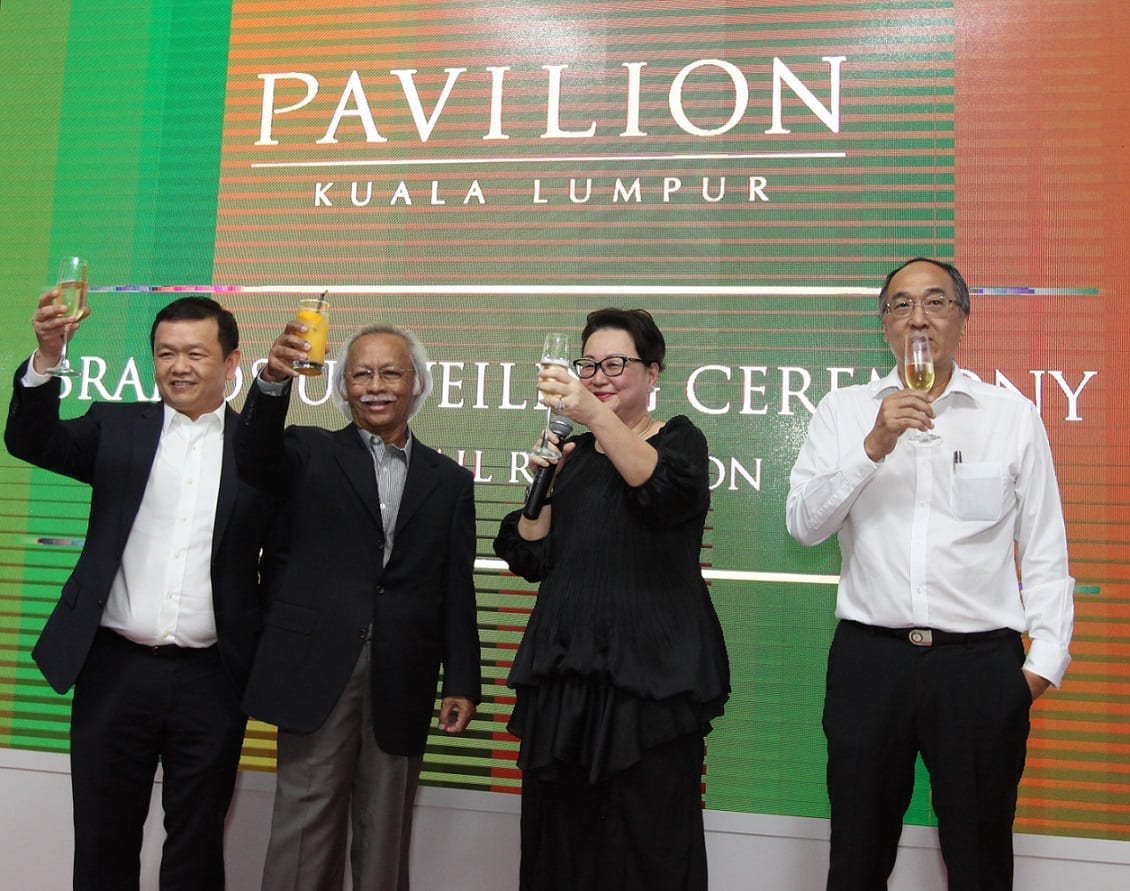
    The group hosted a grand ribbon-cutting ceremony at its Pavilion Elite outlet, attended by actress Kristal Tin, Pavilion Kuala Lumpur retail CEO Joyce Yap, Hong Kong-Malaysia Business Association VP Henry Yip Choong Hung and Luk Fook Group executive director/deputy-GM Shirley Wong.

    Hosting the event was Luk Fook Group chairman/CEO Wong Wai Sheung.

    Luk Fook Jewellery first entered the Southeast Asian market in 2010 with a retail shop in Singapore. The two new outlets join its 1470 stores in the nine countries, including Australia, China, Korea, Macau and the US.