Category: Fashion

Retail News Asia is committed to providing both local and global retailers with the latest Fashion news throughout the Asian market. This on a daily base.

  • Fast retailing bright faith

    Fast retailing bright faith

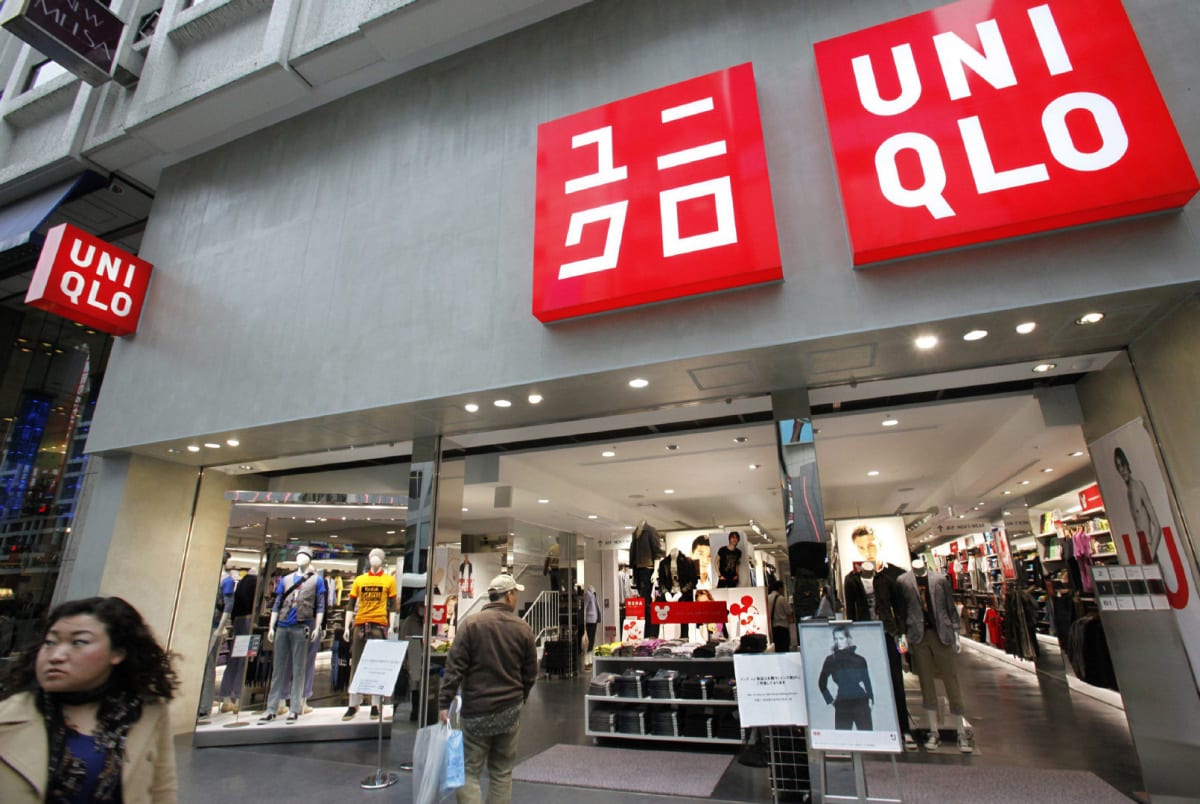
    Both consolidated revenue and profit rose for apparel retailer Fast Retailing Group in the first quarter of its latest fiscal year – the three months to November 30.

    Consolidated revenue rose 1.6 per cent year-on-year to reach ¥528.8 billion (U$4.6 billion), while profit soared 16.7 per cent to reach ¥88.5 billion.

    The gross profit margin held steady as the company continued its group-wide cost-cutting drive initiated in fiscal 2016.

    With the group recording a foreign exchange gain of ¥15.6 billion, the consolidated profit rose considerably in the quarter, with profit before taxes increasing by 34.2 per cent to ¥104.2 billion, and profit attributable to the owners of the parent expanding by 45.1 per cent to ¥69.6 billion.

    Breaking down the first-quarter performance into the three individual business segments, Uniqlo Japan increased both revenue and profit, Uniqlo International had a fall in revenue but a rise in profit, and Global Brands had a rise in revenue but a fall in profit.

    With its medium-term vision to become the world’s No. 1 apparel digital retailer, the group is focussing its efforts on expanding Uniqlo International and its low-priced GU casual-fashion brand.

    It is continuing to grow Uniqlo store numbers in each country where it has a presence, opening global flagship stores and large-format stores in major cities. It is also expanding GU, which has grown into a second-pillar brand for the group. It has opened more GU stores within Japan and has been accelerating the brand’s development and store numbers in overseas markets.

    “Another medium-term goal is to revolutionise our entire supply chain, spanning all procedures from planning to design, raw materials procurement, manufacturing and retail into a new supply chain system that can fully satisfy the needs of today’s digital era.

    “The customer-centric, information-driven supply chain is designed to support a comprehensive new digital retailing business model for the Fast Retailing Group.”

    Next month, the group will move all Uniqlo product-related and commercial activities to its central Ariake headquarters.

    Uniqlo Japan

    For the quarter, Uniqlo Japan increased revenue 3.4 per cent to ¥238.8 billion, and profit by 1.8 per cent to ¥45.6 billion. Same-store and online sales grew 2.5 per cent.

    During the period, the number of stores was reduced by six to 800 (excluding 41 franchise stores) at the end of November. Three stores shifted from being directly run to become employee franchise stores.

    Same-store sales declined in September and October because of unseasonal warm weather affecting demand for fall/winter items. Once temperatures dropped in November, same-store sales picked up.

    Uniqlo International

    Revenue eased 0.2 per cent to ¥196.5 billion for Uniqlo International, but there was a 44.6 per cent rise in profit. The fall in revenue was mainly because of the effect of the stronger yen, which pushed down yen-based sales by an average 16 per cent. However, in terms of local currencies, sales rose overall.
    Profit contributions from Uniqlo Greater China and Uniqlo Southeast Asia and Oceania were especially strong.

    Fifteen years after the first Uniqlo store outside Japan opened, the international network surpassed 1000 outlets, settling at 1009 stores at the end of November, an increase of 145.

    Global Brands

    For Global Brands, revenue rose 1.1 per cent to ¥92.7 billion while profit dropped by 22.7 per cent to ¥9.5 billion. The GU casual fashion brand grew revenue but had a profit fall after unseasonal warm weather. GU same-store sales expanded only marginally over the quarter as a whole.

    The group’s Princesse Tam.tam label in France and its J Brand premium denim label in the US continued to lose money, while fashion brands Comptoir des Cotonniers and Theory had steady profits. 

    Humanitarian aid

    In October, Fast Retailing Group decided to donate US$1 million to humanitarian aid efforts in south Sudan.

    In its “All-Product Recycling” initiative, the group delivers clothing collected at Uniqlo and GU stores to refugees and displaced persons, and in November head-office employees visited Myanmar to donate about 60,000 items of clothing. The beneficiaries were internally displaced persons in the Kachin and Rakhine states.
  • Luxury Cartier pop-up opens in Macau

    Luxury Cartier pop-up opens in Macau

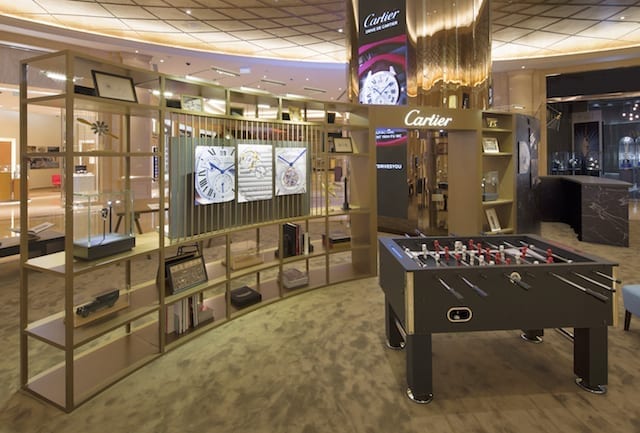
    Cartier has unveiled its first-ever lifestyle pop-up store with experiential display to exhibit the Drive de Cartier Watch Collection.

    The pop-up, located in the Macau Four Seasons T-Galleria by DFS, opened this month and will remain until the end of February.

    cartier-macau-1

    “Visitors will immerse in the cultivated and contemporary universe that is inhabited by gentlemen who wear Drive de Cartier watches,” said a Cartier spokesman.

    cartier-macau-2

    Cartier will transform the Shoppes at Four Seasons exhibition area into an “animated open home,” a retail display concept designed to reveal different aspects of the Drive de Cartier lifestyle. Each space will provide an interactive experience, combining the latest digital technology with specialist workshops conducted by a host of prestigious partner companies, creating the perfect space for Cartier’s guests to enjoy a vibrant experience blending dolce vita and celebration.

    Two distinct areas will be set up. A Library Lounge will display a miscellany of objects and collectibles such as books, music, one-of-a-kind figurines and the latest techie gadgets, alongside the new Drive de Cartier collection. It will also provide gaming platforms (including a new version of the classic Pacman) and a design bar area.

    cartier-macau-7

    In the second area, the Atelier, guests will discover holograms and design sketches of the Drive de Cartier collection, and the inspirations behind the watches, drawing their attention to the balanced aesthetic of the distinctive cushion-shaped case, and the refined detailing of the precision Manufacture movements.

    cartier-macau-4

    cartier-macau-5

    Guests will be invited to take part in workshops on craft beer and wine tasting, calligraphy and artisan leather stamping.

    cartier-macau-8

    The full Drive de Cartier collection will be showcased during the two months of the animation, but a particular highlight will be the horological wonder that is the Drive de Cartier Flying Tourbillon. This prestigious timepiece is fitted with the manufacture calibre 9452 MC mechanical movement with manual winding. Certified Poinccon de Geneeve, the Flying Tourbillon is a testimony to Cartier’s excellence in fine watchmaking.

  • Forever 21 expand on activewear

    Forever 21 expand on activewear

    US fast-fashion retailer Forever 21 has launched its activewear collection globally at its stores and on its website.

    The Forever 21 Activewear Collection provides low-, medium- and high-impact pieces in an array of soft and neon hues.

    forever-21-activewear-collection-2

    The Fit and Run assortment is designed for high-impact activity and features bold prints, sweat resistance, matching sets and lightweight jackets.

    The Booty Sculpt assortment is designed for medium-impact activity and aims to highlight and define curves. It features black and charcoal hues, with high-waisted shorts, capris and leggings with power mesh inserts.

    forever-21-activewear-collection-1

    For low-impact activity, the Dance and Yoga assortment features soft tones and delicate styles such as loose-fitting joggers and wrap-around tops designed for layering.

    With its headquarters in Los Angeles, Forever 21 was founded in 1984 and has more than 730 stores in 48 countries including Australia, China, Hong Kong, India, Japan, Korea and the Philippines.

  • China is Ted Baker’s savior

    China is Ted Baker’s savior

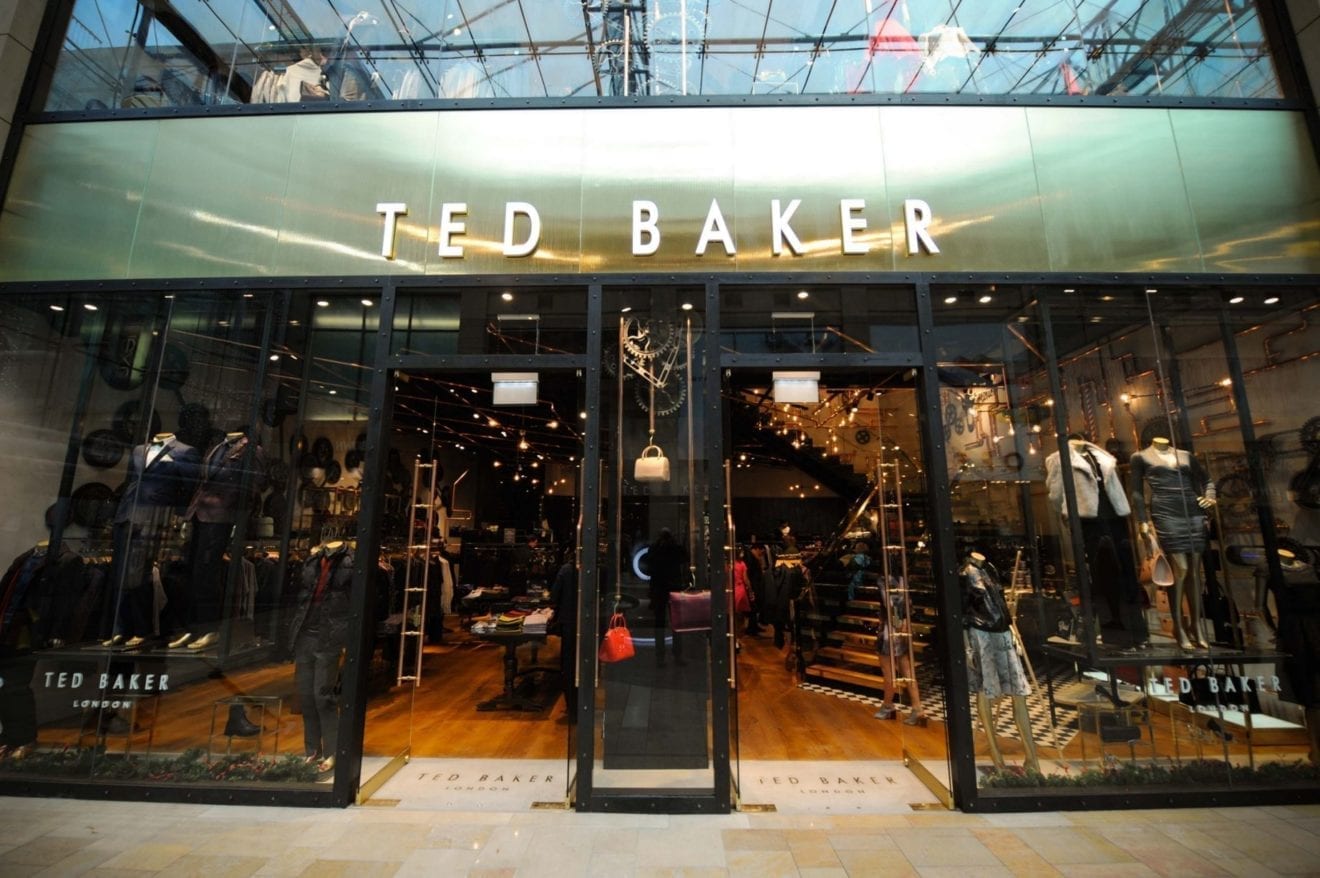
    China has helped drive a solid half year for men’s fashion retailer Ted Baker.

    The UK-based chain has been rolling out concessions in the mainland with a local partner. That helped the company’s average retail square footage to rise by 8.5 per cent over the period to reach 386,252 sqft. Store openings in Indonesia – and its newest market, Bahrain – also helped.

    Additionally Ted Baker’s website now delivers to over 200 countries with the retailer rolling out language specific websites – helping to drive impressive online growth and broaden its global reach.

    Fiona Paton, an analyst with Verdict Retail, describes Ted Baker as a go-to destination for Christmas gifting and self-treating due to its stylish designs, distinctive collection of partywear and its range of high-quality accessories and leather goods which appeal to aspirational shoppers. “It is therefore no surprise that Ted Baker has reported another impressive performance this Christmas.”

    UK retail sales will benefit from Ted Baker’s increasing international brand awareness, as the retailer becomes front of mind among tourists wanting to take advantage of the weaker pound and buy into British brands and premium goods while visiting the UK, says Paton.

    “Over the next five years menswear is going to be the fastest-growing clothing sector in the UK. Ted Baker benefits from a unisex brand appeal so should capitalise on this and invest in its menswear proposition to increase its appeal among new 25-34 year old shoppers looking to graduate from Topman and River Island, and who are prepared to spend more on their clothing.”

    She says refreshing its designs and increasing the frequency of newness in collections will also help protect Ted Baker against emerging competitors, such as Superdry, which launched a premium menswear collection with Idris Elba in 2016, Whistles and Jigsaw.

  • Shu Uemura withdrawing from Philippines

    Shu Uemura withdrawing from Philippines

    Japanese cosmetic brand Shu Uemura is withdrawing from the Philippines.

    L’Oreal Philippines has confirmed that all branches and counters of the make-up line will be shut down by the end of April.

    While officially distributed by L’Oreal Philippines, the brand believes the closing of its Philippines outlets will be beneficial in the long term.

    Shu Uemura is known for its quirky collaborations and neon-filled palettes. One of its most famous collaborations was with iconic designer Karl Lagerfeld.

    Brand founder Shu Uemura went to Hollywood in the 1950s and started working as a makeup artist, becoming in demand after working on the Paramount movie My Geisha in 1962 with actress Shirley MacLaine.

  • Poh Kong Holdings plans five more stores

    Poh Kong Holdings plans five more stores

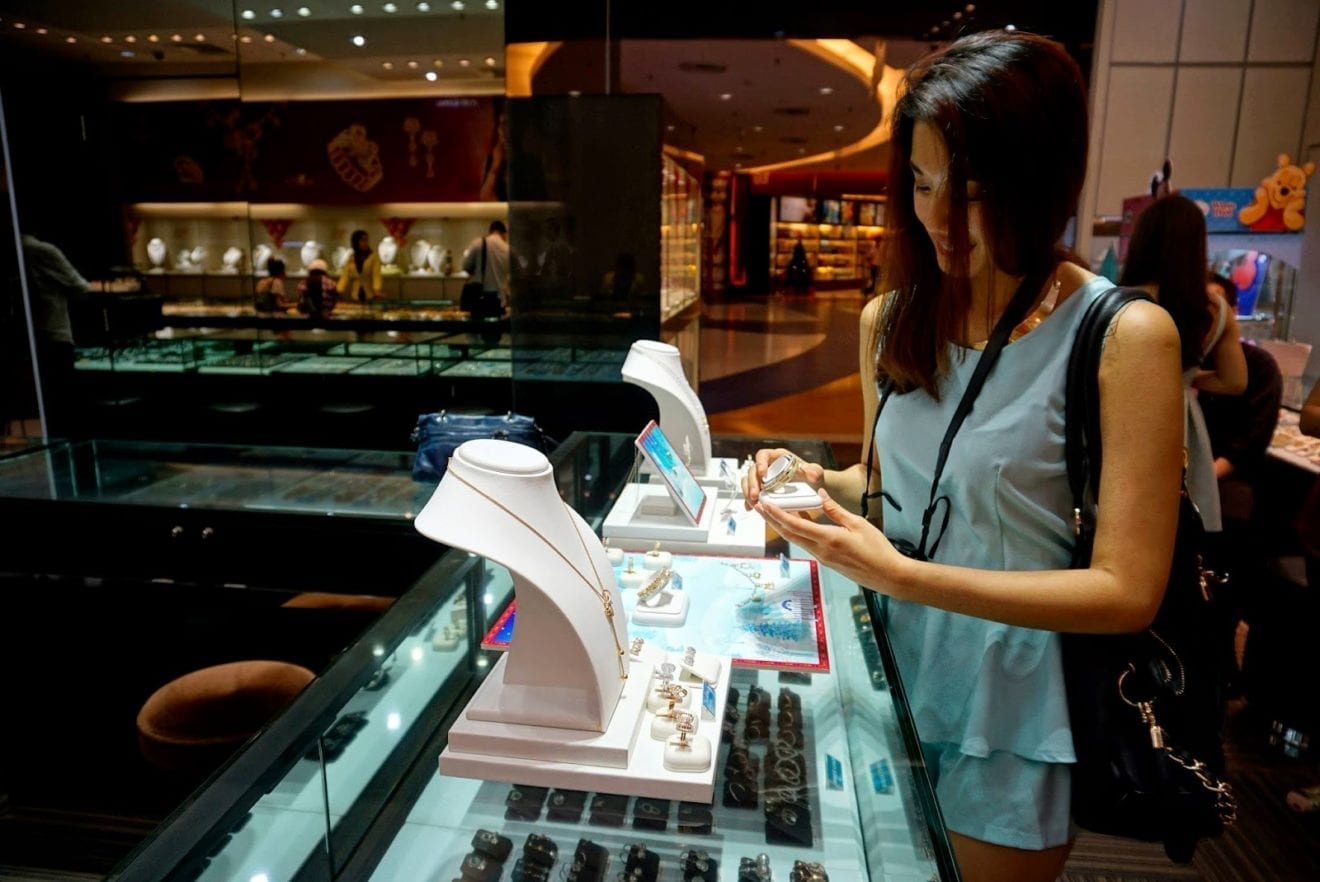
    Malaysia’s largest jewellery retailer, Poh Kong Holdings, plans to spend up to RM25 million (US$5.6 million) to open five more stores in Malaysia this year.

    The company says two of the outlets will be in Johor, a state with an appetite for gold and gemset jewellery.

    Each outlet costs up to RM5 million to set up, including inventories, says Poh Kong business development manager Edison Choon.

    poh-kong-jewelry-store

    He declined to reveal the locations of the other three possible stores.

    By year end, he says, the company aims to have at least 100 stores (there are now 97 outlets, all in peninsular Malaysia).

    At the moment, 71 per cent of Poh Kong’s revenue is generated in the Klang Valley. Analysts say the company has 16 to 20 per cent share of Malaysia’s gold jewellery market, which is estimated to be worth RM5 billion.

  • Social media drives Asos success

    Social media drives Asos success

    The first quarter was an especially promotion-abundant period for pureplay UK-based online retailer Asos.

    Blanket discounts of 20 per cent for Halloween and Asos’ five-day Black Friday period as well as 30 per cent off selected categories in the run up to Christmas drove sales growth of 52 per cent.

    Asos’ promotions clearly resonated well with UK shoppers, as first quarter UK retail sales grew to an impressive £244 million. Asos should use the wealth of data it has on customers to offer customers tailored discounts on products they are likely to buy rather than blanket discounting.

    Part of the reason behind the consistent Asos success is the way it successfully targets customers with creative email and social media marketing on platforms such as Twitter and Instagram. The retailer also offers attractive delivery options such as Asos Premier, costing £9.95 for 12 months of unlimited next-day delivery; this encourages consumers to choose Asos over other online retailers over this period. Asos.com is regularly updated with new fashion ranges and featured brands such as 3INA and Young Bohemians, all of which encourage repeat spend and maintain customer loyalty which is vital over the peak trading period.

    Asos is continually future-proofing the business, ensuring it can cope with increased demand as it expands globally. The strong growth in international sales, particularly in the US as a result of the weak pound, means Asos will have to keep up with order fulfilment as the retailer expands. This will be imperative as rival retailer boohoo.com seizes market share away from Asos (which stands at 6.6 per cent for the UK online clothing & footwear market in 2016) through its own global expansion.

    The decision from CEO Nick Beighton in January 2017 not to raise prices should help Asos stay competitive in a busier-than-ever online fashion pureplay market.

  • Burberry Korea price cut is needed

    Burberry Korea price cut is needed

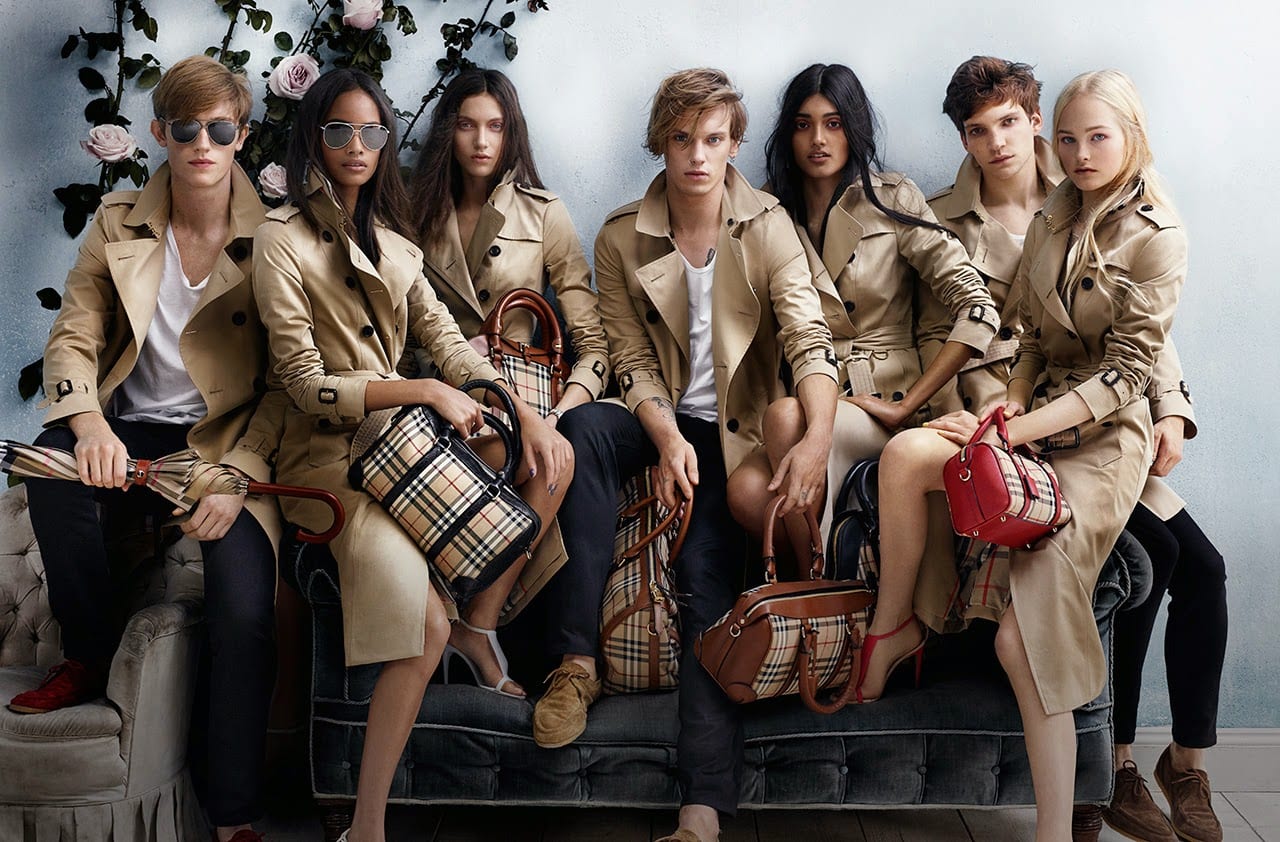
    Burberry Korea is under fire for cutting prices “too little, too late”.

    It’s not the first time Burberry has been criticised for its Asian pricing strategy. Last May,

    Jack Chuang, a partner with Hong Kong-headquartered OC&C Strategy Consultants, said that of all the luxury brands, Burberry is the one with the most significant price gap between Asian and European markets.

    “Prices in Mainland China are almost 40 per cent higher than in UK, while in Hong Kong, it is 20 per cent higher.”

    The South Korean office of Burberry recently marked down the price of some of its products to reflect the fallen value of the British pound, but only by a small margin compared with the currency’s depreciation, fashion industry officials said Wednesday.

    Burberry Korea dropped the local price by an average 9 per cent as the pound fell after Britain’s decision to leave the European Union in June last year. Industry officials say the markdown, however, falls far short of the 17 per cent fall of the British currency against the US dollar. The pound’s exchange rate against the South Korean won dropped 17 per cent from 1765.90 won in February last year to 1468.13 won as of January 9.

    The price adjustment in Korea also falls behind Burberry’s decision for Hong Kong, where the fashion brand’s product prices were taken down 10-15 per cent in September. Some of the products were down by 20 per cent. The markdown rate was more than the 9.75 per cent fall of the pound against the Hong Kong dollar at the time.

    Burberry Korea declined to talk on the matter despite repeated calls by news agency Yonhap.

    Consumer groups have long complained that foreign brands often take advantage of their popularity in South Korea to push demands they do not make in other countries or exclude South Korea from their market action.

    Swedish furniture maker Ikea caused ire last year when it kept selling dressers in South Korea that were recalled in the US and Canada after reported accidents involving children that resulted in deaths. The company had argued that the dressers meet local safety regulations. Volkswagen, who already settled on compensation to its consumers in the US from faked emissions tests, has yet to carry out full recalls or offer compensation steps in South Korea.

    US credit card company Visa in May came under fire for deciding to raise the processing fee by 10 per cent for overseas transactions, effective in South Korea but not in Japan or China.

    Such discriminatory actions are more stark at duty-free shops, industry officials say, who fiercely compete to host highly sought brands.

    “In case of popular brands, they often insist on excessive requirements, such as the cost of interior decorations when deciding to open their store,” an official at a Seoul duty-free shop said. “The retailers have to be compliant because of the brand power and because they have to attract customers, and they end up having to accommodate the demands.”

  • Bauhaus International sales drop 10 per cent

    Bauhaus International sales drop 10 per cent

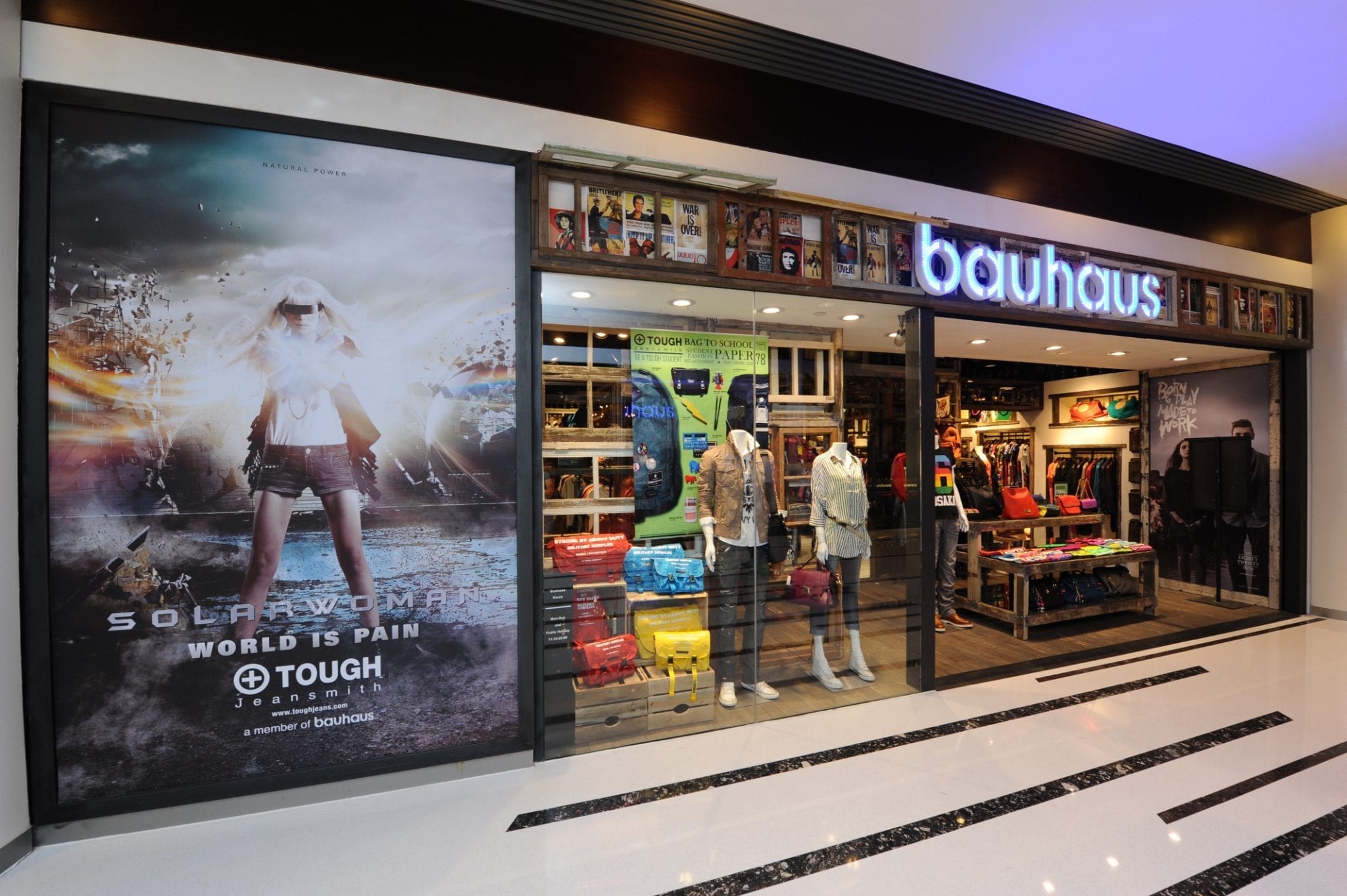
    Same-store sales for clothing retailer Bauhaus International in Hong Kong and Macau have dropped 10 per cent year-on-year for the three months ended December 31.

    The streetwear retailer designs and makes apparel and accessories which it wholesales and retails under its brand names including Bauhaus, Salad and Tough, as well as third-party labels, including Superdry.

    Sales in Mainland China decreased 4 per cent compared to the same period last year, according to its filing with the Hong Kong Stock Exchange.

    The three-pronged decline in sales helped drive down the company’s overall same-store sales by 3 per cent year-on-year. Nevertheless, its same-store sales in Taiwan grew by 12 per cent.

    Bauhaus International did not release the related financial figures in its filing.

    At the end of last month, nine months into its fiscal year, its total sales had fallen by 9 per cent year-on-year; in particular, those generated in Hong Kong and Macau had dropped 14 per cent.

    The company ended last year with 203 shops, of which 82 were in Hong Kong and Macau, 93 in Taiwan and 28 in China.

    At the end of September, halfway through its fiscal year, the company had turnover of about HK$501.4 million (US$  million). Turnover in Hong Kong and Macau fell 18.5 per cent year-on-year, amounting to HK$348.1 million.

    It also saw its interim net loss expand to HK$60 million from HK$26.6 million a year earlier. The company attributed this to the “adverse performance” of its retail business in Hong Kong.

  • Shares of world’s largest footwear maker plunge on false sales data

    Shares of world’s largest footwear maker plunge on false sales data

    Pou Sheng International Ltd, a unit of the world’s largest producer of branded footwear, recorded the largest intraday plunge in its stock price since 2008, after firing its chief financial officer for publishing inaccurate sales figures, and announced the departure of its chief executive.

    Shares of the company tumbled as much as 37 per cent to an intraday low of HK$1.30 in Hong Kong, wiping out HK$4.1 billion of its value. Share prices of Yue Yuen Industrial Holdings, the 62 per cent shareholder of Pou Sheng, fell as much as 9.8 per cent.

    “The Company discovered on 6 January 2017 certain incorrect sales records in the month of December 2016, which could potentially lead to recognition of revenue for sales transactions that did not take place before end of year 2016,” Pou Sheng said in its filing to the Hong Kong stock exchange.

    “The incident revealed weakness over the financial controls,”the Hong Kong-based company said, even though the relevant figures were not significant compared with the group’s overall revenue and did not materially affect any financial information published prior to the announcement.

    The retailer said it has sacked CFO Chen Luo-leng, while CEO Kwan Heh-Der has resigned.

    Pou Sheng is a spin off of Taiwan’s apparel and footwear maker Yue Yuen, which owns factories in mainland China, Vietnam and Indonesia, producing 300 million pairs of shoes every year for Nike, Adidas, Reebok, New Balance, Puma and Timberland.

    Deloitte has been hired by the Hong Kong-based retailer to carry out a check on accounting records of the company, Pou Sheng said.

    Pou Sheng has been in a tight financial spot for the past few quarters, as same store sales growth — a crucial gauge on a retailer’ s business well-being — slowed to 4.6 per cent for the first three quarters of the year from 6.7 per cent for the first half, spurring investor concerns over its long-term prospects.

    The incident has triggered a series of downgrades by research houses on Pousheng and Yue Yuen’s shares.

    “We are worried that a slowdown in Yue Yuen’s retail arm will only be more severe than what the market had feared, and the resignation of the CEO could lead to near term disruption of the company, indirectly affecting Yue Yuen’s financial performance,”a UBS report issued Monday said.

    Credit Suisse cut Yue Yuen’s rating to Underperform from Neutral, as it reckoned its earnings will be weighed down by a projected decline in Pou Sheng’s net profits, according to a Monday note. “This should significantly affect operations and financials of Pou Sheng in the near-term,”the investment bank suggested.

    However, Hugo Suen, an analyst with Sunwah Kingsway, painted a slightly rosier picture for Pou Sheng.

    “After all, this company has the best international sports brands [as its business partners], and the swift action by the board should be able to rescue its reputation in the long term,” Suen said.

    Pou Sheng closed Monday trading at HK$1.61, down 22.22 per cent while Yue Yuen erased some of the earlier losses to settle 6.88 per cent down from the previous close at HK$27.05.

  • Marikina-made shoes a hit in Indonesia

    Marikina-made shoes a hit in Indonesia

    Filipino fashion retail brand Rusty Lopez recently opened its newest store in Jakarta featuring comfortable sandals and casuals made from Marikina, the Philippines’ shoe capital known for producing durable and high-quality footwear.

    According to a recent report of the Department of Trade and Industry’s Philippine Trade and Investment Center – Jakarta, the store in Sogo Lippo Mall Puri located in the St. Moritz Central Business District is the brand’s 9th outlet following the opening of stores in Seibu Grand Indonesia, Sogo Emporium Pluit, Sogo Central Park, Sogo Alam Sutera, Lotte Shopping Avenue, Metro Plaza Senayan, Metro Gandaria City, Metro Taman Anggrek.

    In a statement, Philippine Commercial Attaché to Indonesia Alma Argayoso said the sales of the newest collection during the opening were brisk. The other stores also received positive feedback.

    “It is exciting to bring to the Indonesian market the Philippines’ world-famous Marikina-made shoes. This affirms our belief on the potential of fashion retail products in Indonesia, Southeast Asia’s biggest economy,” Argayoso said.

    The first overseas store of Rusty Lopez opened in Jakarta on March 6, 2016 at the Seibu Department Store of Grand Indonesia Mall and featured carefully selected designs suited to the Indonesian market.

    DTI noted that increased interest in Philippine-made shoes abroad helps revive the local shoe industry and is expected to open more opportunities for small enterprises to generate employment within their communities.

    As part of the DTI’s Industry Promotion Group, the Philippine Trade and Investment Center (PTIC) in Jakarta will continue to support and assist Filipino homegrown brands in globalizing their products and accessing regional markets by continuously looking for potential partnerships.

    Aside from Rusty Lopez, other Filipino fashion retail brands in Indonesia include Karimadon, Penshoppe, Gingersnaps and Ann Ong Jewelry.

  • Lingerie startup Boux Avenue surges into top 15

    Lingerie startup Boux Avenue surges into top 15

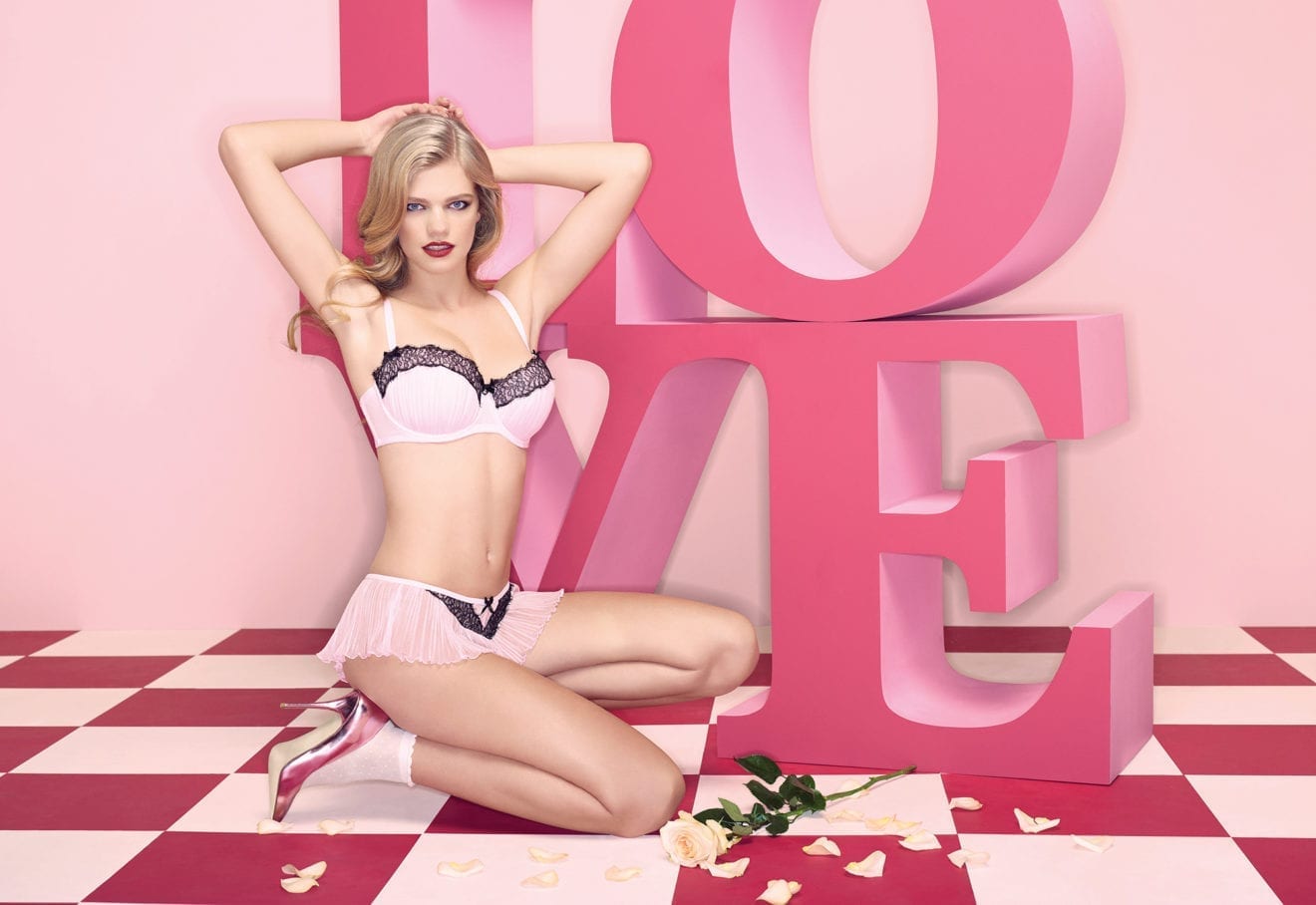
    In just five years, British lingerie retail startup Boux Avenue has made it into the top 15 brands in women’s underwear.

    Despite facing growing pressure from Primark and H&M, following significant range expansion and improved design and quality in their underwear and nightwear collections, Boux Avenue continues to build a loyal customer following and differentiate its proposition from the value segment of the market.

    As a result, full year 2015/16 UK sales reached £44.4million – entering the lingerie specialist into the women’s underwear Top 15 with a market share of 1.3 per cent in 2016.

    boux-avenue-store

    Despite pressures on the high street to discount, Boux Avenue has maintained a strict stance on full-price trading and strategic promotions, which has been essential in justifying its mid-market prices and encouraging consumers to buy into the brand all year round rather than wait for sale periods. While midmarket rival M&S remains the UK market leader, it is losing share and traction among a younger shopper base. This provides Boux Avenue with a ripe opportunity to lure M&S’s customers in the 16-30 age bracket away, via investment in trend influenced designs, specialist customer service, and enhanced product fit and innovation – particularly in shapewear where M&S continues to excel in.

    For a young retailer, Boux Avenue has approached physical expansion cautiously, operating 28 UK stores after five years of trading. This has allowed it to build consumer awareness on the high street, but ensures that it is not overexposed during periods of restricted discretionary spending and as consumer spend continues to shift online.

    Improving brand accessibility via selling through third party online channels including Asos and Very will fuel further sales growth and win the appeal of new customers in 2017.

  • Yoyo Cao plans pop-up for Tang Plaza

    Yoyo Cao plans pop-up for Tang Plaza

    Womenswear label Exhibit, established by Singapore designer/street-style star Yoyo Cao, plans to open a month-long pop-up store.

    At Tang Plaza from February 2, it features items from the brand’s latest collection, including exclusive pieces from S/S ’17.

    Cao’s signature boyish style includes tops with oversized sleeves and bell-bottom trousers.

    Buyers will receive Nars beauty products with every purchase.

  • Vietnam’s textile exports fray to 10-year slump in 2016

    Vietnam’s textile exports fray to 10-year slump in 2016

    A strong Vietnamese dong and sluggish demand from key markets have dragged on textile exports this year. Vietnam’s exports of textiles and garments are projected to increase by 7 percent this year to $29 billion, according to Vinatex, the country’s top textiles manufacturer, far below the trade ministry’s previously-targeted $31 billion and the lowest growth in the last decade.

    Customs statistics show that Vietnamese textiles and garment exports hit about $21.56 billion from January to November, up 4.6 percent from the same period last year.

    Vietnam, the world’s fifth largest garment exporter, has maintained double-digit growth, ranging on average from 10 percent to 36 percent, since 2001 when the country earned $2.2 billion from exporting textiles and garments.

    The investment ministry, in a recent report, attributed the downturn to sluggish demand from key markets, including the U.S., the European Union and Japan.

    Customs figures show that from January to November this year, Vietnam’s textiles and garment shipments to the U.S., which accounted for 47.9 percent of the total during the period, edged up 4.7 percent from a year ago to about $10.33 billion.

    Besides, the State Bank of Vietnam has so far this year managed to keep the dong from weakening against other major currencies, said clothing exporters, adding that a stronger dong was the final straw that broke the camel’s back for their businesses.

    Garment exporters are also faced with increasingly intense competition from outsourcing hubs Cambodia and Bangladesh, which are currently subject to import tariff breaks in the U.S. market. Market access for Vietnam’s clothing in the U.S. is limited by an average tariff of about 11.1 percent, with tariffs on some textile and apparel products nearing 30 percent.

    About 85 percent of Vietnamese enterprises in the textile industry are focused on labor-intensive cutting and sewing, making the country an outsourcing hub for foreign fashion companies, said Le Tien Truong, chief executive of Vinatex.

    However, foreign investors are eying emerging hubs such as Myanmar, Bangladesh and Sri Lanka where labor costs are lower than in Vietnam.

    Vietnam has four regional minimum wage brackets currently ranging from VND2.4 million to 3.5 million (from $105 to $154). The regional minimum wage has increased by about 12-15 percent on a yearly basis between 2014 and 2016, and is forecast to go up by 7.3 percent next year.

    Vietnam’s exports rose an estimated 6.7 percent on-year in the first nine months to $128 billion, well below the 10 percent growth target set by the government.

    The economy, widely seen as among the most resilient in a turbulent Asia, expanded by 5.92 percent from January to September, much lower than 6.53 percent a year ago, said the General Statistics Office.

    The annual growth forecast for this year has been lowered to between 6.2 and 6.5 percent from the 6.7 percent previously targeted, according to Prime Minister Nguyen Xuan Phuc.

  • Aape popping up with New Year offers

    Aape popping up with New Year offers

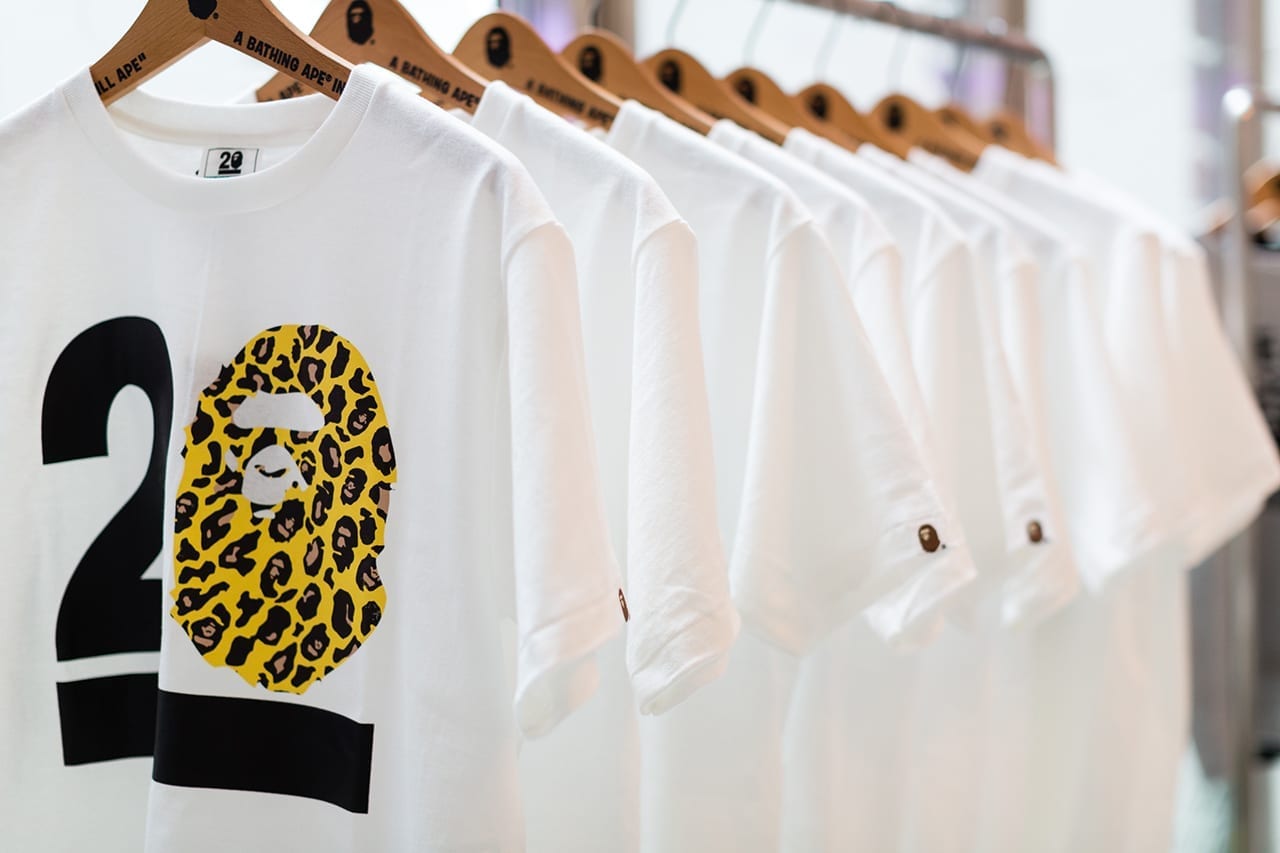
    Aape by A Bathing Ape, a diffusion label under the Japanese streetwear brand, is launching its Chinese New Year collection at a week-long pop-up store at Ion Orchard in Singapore.

    Running from January 14 to 22, the store will offer exclusive merchandise and a limited-edition womenswear range with such items as t-shirts and hoodies.

    The line focuses on relaxed, casual separates with a youthful, sporty vibe, says Female magazine. The women’s range features a camouflage print in pink and red, plus a black, gold and white version.