Category: Fashion

Retail News Asia is committed to providing both local and global retailers with the latest Fashion news throughout the Asian market. This on a daily base.

  • Zara’s parent records strong first half

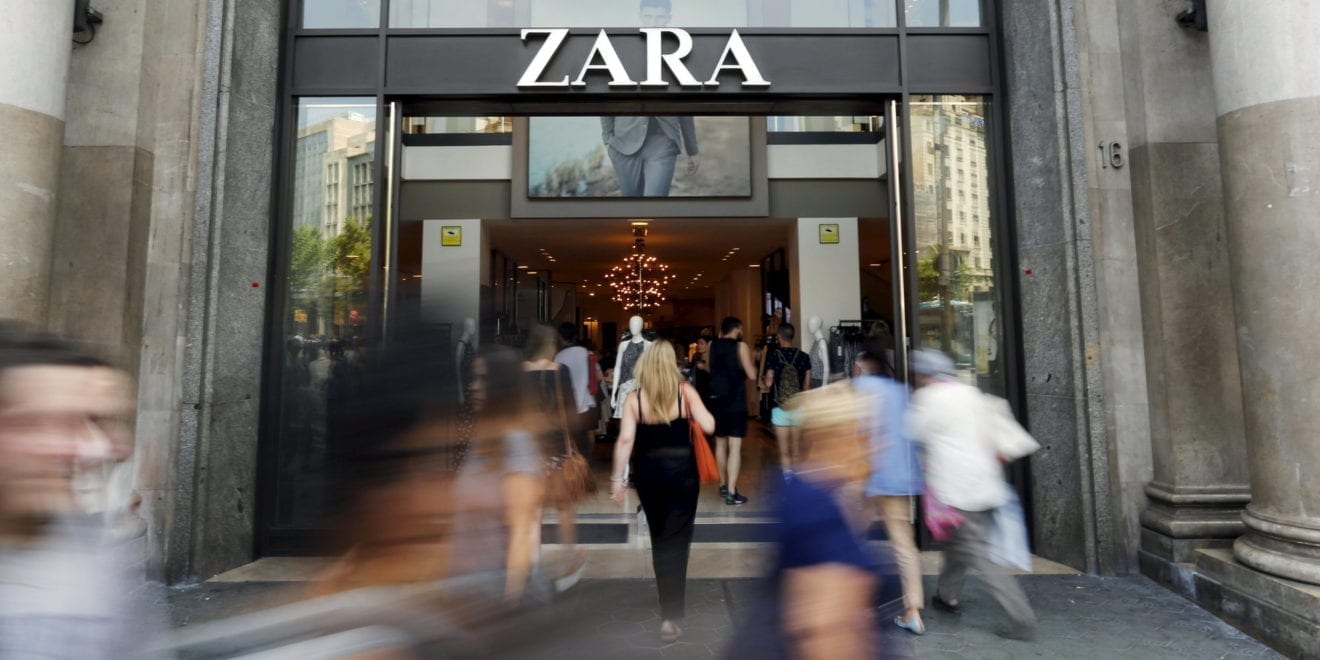
    Zara’s parent records strong first half

    Zara’s parent company Inditex Group has seen its first half revenue rise 11.5 per cent, underpinned by growth across all markets and brands.

    First-half net profit amounted to €1.37 billion, seeing year-on-year growth of 9 per cent, while like-for-like sales growth was 6 per cent.

    Inditex´s chairman and CEO, Pablo Isla, said the result underlined the “strength and sustainability of the company´s integrated offline-online store model, which year after year continues to demonstrate its ability to deliver growth”.

    All of the Group´s brands including Pull&Bear and Massimo Dutti, expanded their international footprints, adding stores in 35 countries to take the global store count to 7,405, 113 more than at the start of the year.

    Inditex’s capital expenditure for the year was estimated at €1.5 billion, following its opening, refurbishing and renovating of stores as well as upgrading and modernising its facilities and logistics platforms.

    The Zara store in Marineda in A Coruña (Spain) saw the introduction of a prototype where an automated order delivery point allows shoppers to pick up orders placed online.

    The prototype is articulated around an optical barcode reader which scans the QR code or accepts the PIN codes received by customers when they place orders online.

    In a few seconds, the system delivers the order to a mailbox platform. Behind the platform, a dynamic robot moves through a shaft 8m tall by 2.5m wide with capacity to handle 700 packages simultaneously as seen here.

    Inditex said sales in local currencies in stores and online grew 12 per cent for the start of its second half.

  • Revenue drop for Esprit Holdings

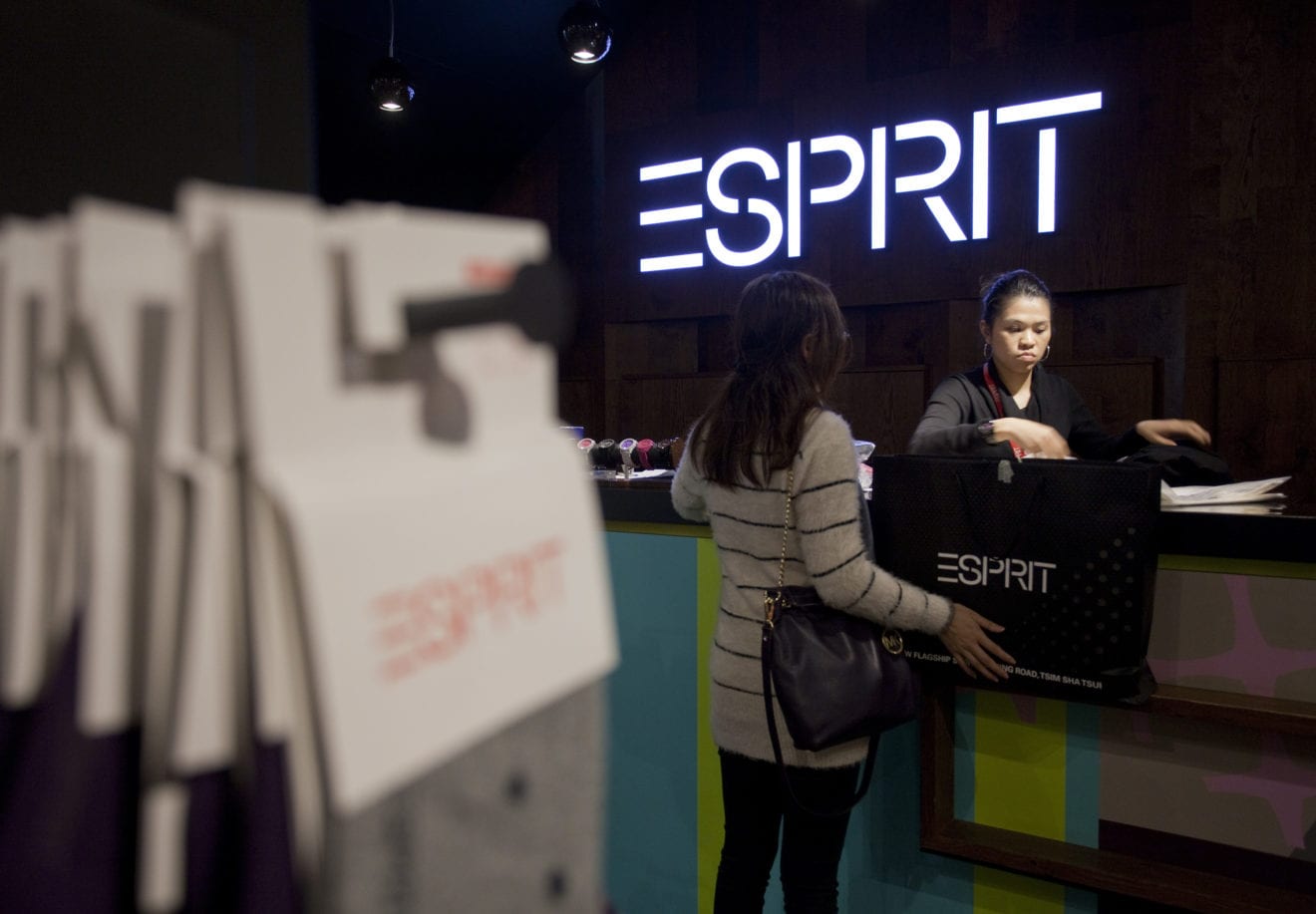
    Revenue drop for Esprit Holdings

    Asia Pacific revenue fell 17.5 per cent year on year for Esprit Holdings for its fiscal year to the end of June, offset by a 43 per cent e-commerce boost.

    The drop was 18.8 per cent in the first half, easing to 16 per cent.

    Esprit says it faces “certain difficulties” in APAC that differ from its challenges in Europe.

    Firstly, in China, its largest market, retail space is concentrated both in POS in department stores that are attracting less traffic, and in off-price outlets that are usually brand dilutive.

    “To this end, we are implementing an aggressive restructuring of our network in China, and have made good progress,” says the company, which closed 29.7 per cent of controlled space (retail and wholesale combined) during the year. “Moreover, a new concept has been developed to adapt to the small spaces in these POS.”

    With specific product requirements in APAC, the company is complementing its global collections with a dedicated product line for the region.

    Esprit says the reduction in sales area is in line with its plan to accelerate a restructuring of the store network. With APAC lease terms fortunately generally short, the leases of most of the heavy loss-making stores will expire in the next two financial years.

    Meanwhile, e-shop APAC reached HK$221 million (US$28 million) revenue for the year, an increase of 43.1 per cent. This was fuelled by actions such as the integration of the Esprit Friends loyalty program into the e-shop, the strengthening of its business with Tmall, the expansion of its online presence in China through such platforms such as WeChat and Weibo, and collaborations with celebrities and key opinion leaders through social media.

  • Inditex Group first-half revenue hits US$13 billion

    Inditex Group first-half revenue hits US$13 billion

    Zara parent Inditex Group’s growth in sales and profit increased in the first half of this year as the Spanish company reaped the benefits of opening a new store nearly every day.

    First-half revenue rose by 11.5 per cent to €11.7 billion (US$13.8 billion) for the multinational fashion retailer.

    Like-for-like sales growth was 6 per cent, with positive figures across all geographies

    Net profit for the group was €1.37 billion, up 9 per cent.

    Inditex opened stores in 35 markets during the six months to reach a total of 7405 – 113 more than at the start of the year.

    Notably, Zara opened a flagship store in Mumbai during the second quarter with a sales floor of 4800sqm. For the inauguration of its first street-level store in India, Zara refurbished and restored the Ismail Building in Hutatma Chowk Square, in the heart of the city’s shopping and historic districts.

    Zara Home opened a flagship store on West Nanjing Road in Shanghai in May, and last month the Zara flagship store in Nagoya was renovated and expanded. It now covers 2300sqm over three floors and is known for its glass façade.

    Other landmark stores reopened this month, including Bershka’s biggest store in Japan, covering 690sqm over four floors in Tokyo’s Shibuya district. It offers the complete collections from its three lines: Bershka, BSK and Man.

    Rolling out its seamlessly integrated model, Inditex entered four markets in the first quarter of the year with its flagship Zara brand initially: Malaysia, Singapore, Thailand and Vietnam. An online store will launch in India on October 4.

    Meanwhile, lingerie brand Oysho inaugurated its online platform in South Korea, with Bershka also going live in Japan.

    The group has a presence now in 94 markets, 46 of which also have an online presence.

  • Chow Sang Sang hit by $24 million smash-and-grab

    Chow Sang Sang hit by $24 million smash-and-grab

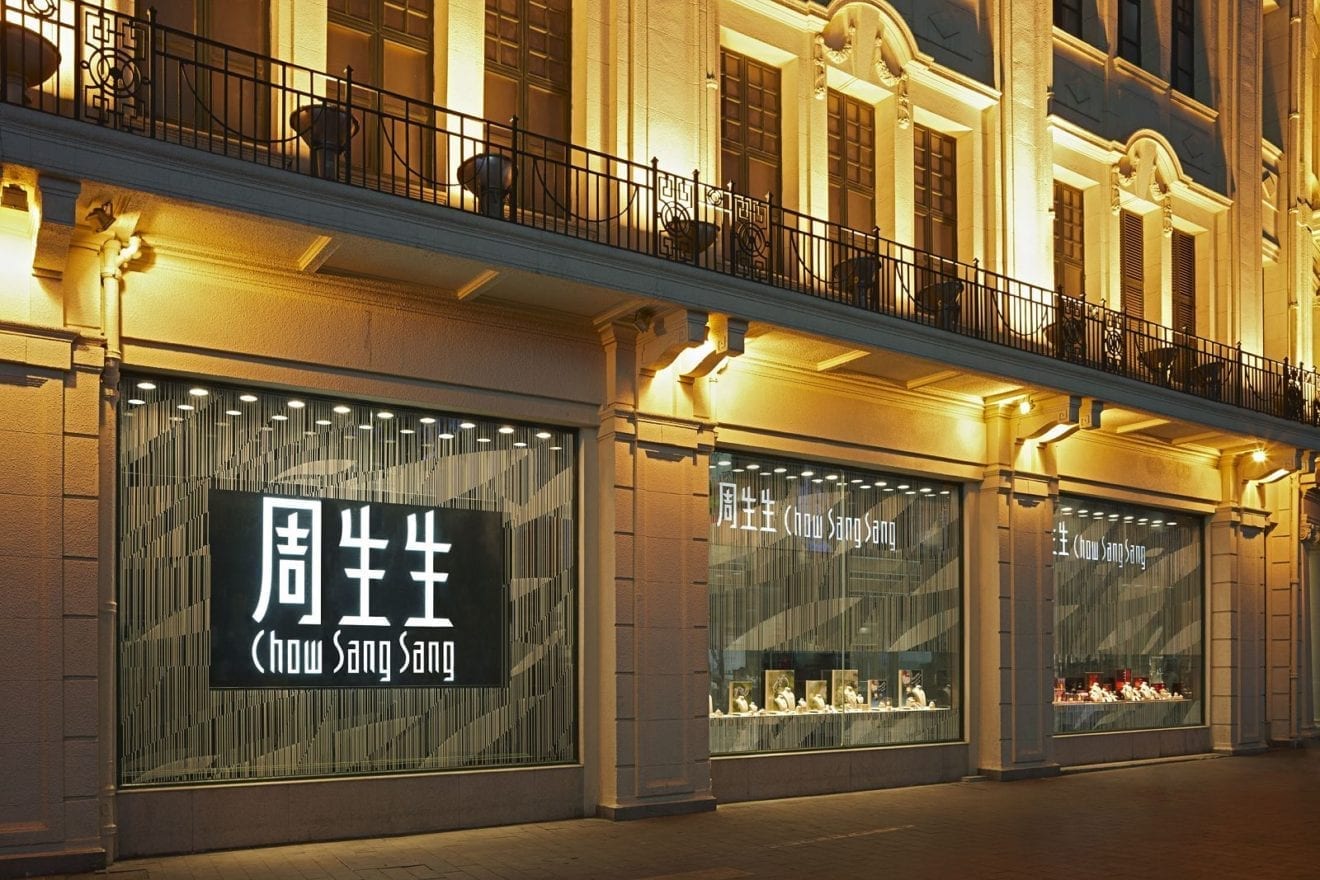
    Three thieves fled on a motorbike with HK$24 million (US$3 million) worth of jewellery after smashing Chow Sang Sang Jewellery’s store window with hammers in one of Hong Kong’s busiest shopping districts about 10am yesterday.

    Police have mounted a citywide manhunt following the 10-second Tsim Sha Tsui smash-and-grab raid at Silvercord shopping arcade on Canton Road.

    Nine pieces of jewellery were snatched, says Yau Tsim police district chief inspector Frances Lee King-hei. The most expensive item was worth about $10 million.

    Lee says two of the robbers used sledgehammers to smash the display window before jumping on a getaway motorbike driven by the third man. The motorcycle, which did not have a number plate, sped off and was last seen turning on to Peking Road.

    Lee says the trio left an empty suitcase and a paper bag at the scene.

    She says police are reviewing security footage to gather evidence and to determine if the gang has links to previous robberies.

    Police say two of the perpetrators were wearing face masks and hats while the third had a motorcycle helmet. They made their move soon after staff members at the shop took the valuables from a vault and put them on display.

    “The stolen property includes a diamond necklace, jade earrings, a diamond bracelet and diamond rings,” says a police spokesman.

    The incident comes six months after a masked robber took just seven seconds to smash open a display window with a hammer and make off with a diamond ring worth $5.26 million from the Tsim Sha Tsui branch of 3D-Gold in March – about 500m from the latest crime scene.

    About 12 hours before the hit on Chow Sang Sang, officers from the Kowloon west regional crime unit foiled a robbery and arrested six men for targeting a watch shop in Tsim Sha Tsui. Police say the suspects were two Hongkongers and four Mainland Chinese.

    Arresting the four mainlanders outside the shop just before 9pm on Monday, the police seized two stun guns and two knives. The two Hong Kong men were arrested after being found in two cars parked nearby.

    Official statistics show police handled 102 reports of robberies across Hong Kong in the first seven months of this year, down 36 per cent on the 161 cases in the same period last year.

  • H&M Singapore offering Narelle Kheng collection

    H&M Singapore offering Narelle Kheng collection

    H&M Singapore is offering an exclusive collection in collaboration with actress/singer Narelle Kheng.

    The Swedish fast-fashion brand is known for partnering with celebrities, also tying up with Naomi Campbell for its Fall 2017 campaign. The collection is all about mixing power dressing with glitz and glamour, using sharp lines, statement pieces and sophisticated silhouettes. It includes oversized knits, high-waisted trousers, velvet tops and even a puffy jacket.

    Kheng’s picks accentuates her feminine yet edgy side with a dash of ’90s glam, says Nylon Singapore. Her “Selected by Narelle” collection and the Fall outfits will be available from tomorrow.

  • Ray Ban transforming optical retailing

    Ray Ban transforming optical retailing

    Is Arnie, the most famous Ray ban wearer of all? Possibly, although celebrities from Justin Bieber, Kate Moss, Tom Cruise to the late James Dean in his 1955 wayfarers, or Audrey Hepburn in 1961’s breakfast at Tiffany’, or Peter Fonda, the original easy rider (1969) might hold a different view,

    Oh, did I mention Roy Orbison, Bob Dylan John Lennon, or Michael Jackson as contenders?

    Although the common element of the Ray ban brand is disruptive to cool, a brand cache that still largely holds true today, and so we explore the retailing of this iconic brand, one of Eboltoft’s Global Retail Innovation 12 finalists in the interactions category.

    Let’s look at Ray-Ban’s flagship store in SoHo, New York City because after all, every cool brand needs a cool flagship in one of the world’s coolest cities.

    Although Ray-Ban New York’s shop demonstrates and sells ‘cool’, there is no sign that says how cool they are and that’s cool in itself.

    They have successfully transformed their flagship store into a retail store, music hall, artist exhibition space and community cultural haven hybrid, featuring everything from live performances to film screenings. The store’s breadth of offerings embraces and showcases the brand’s long history and history in being cool.

    The brands DNA echoes throughout the fit out, it’s a little edgy, irreverent, playful, anti-establishment and is the absolute physical manifestation of the RayBan brand, and that’s what makes it so entertaining. Many retailers can and do try to transform their brand into cross categories, such as in this store, and leave emotion missing in the customer experience.

    Great brands don’t include as much as they exclude and Ray Ban lives this creed.

    This shop embodies its brand as not functional but aspirational- doesn’t matter if the price is $69 or $799 they all carry the essence of cool, the function of sunglasses and the form of an invitation to join a new tribe.

    And they have some cool devices in-store as well including:

    3D Magic Mirrors is the secret ingredient

    Customers can touch, feel and try on products in an innovative setting with 3D Magic Mirrors to an optician on site. The innovative technology helps customers find the perfect pair of sunglasses giving the ultimate augmented reality experience, where they can virtually try on the latest Ray-Ban styles.

    Product Customisation Service

    Customised glasses are delivered within a week, after customers use an instore iPad or similar device to create the perfect pair of sunglasses. Embroidery on the temples or cases featuring name or symbol personalises the product for the customer. As we know personalisation or customisation is a key trend to maximise and Ray Ban deliver here.

    Additional on-site service: eye examination

    The store offers appointments during operating hours making it a one-stop shop. Not only can you look cool, you can check how well you see too, taking the typical sunglasses store to the next level by having an on-site optician.

  • Chinese bidders lining up for Bally International

    Chinese bidders lining up for Bally International

    Chinese apparel manufacturer Fujian Septwolves Industry and conglomerate Fosun International are among bidders for the €600 million (US$717 million) Swiss luxury leather goods company Bally International.

    Non-binding offers coming in this week also included Japanese trading firm Itochu Corp.

    Bally parent JAB Holding, owned by the billionaire Reimann family, said in April it was reviewing options for the Swiss company to focus on its F&B business, which has acquired Keurig Green Mountain and Krispy Kreme Doughnuts.

    In July, JAB bought Panera Bread in a deal that valued the bakery/cafe chain at about $7.5 billion. The same month, the firm agreed to sell London-based shoemaker Jimmy Choo to Michael Kors Holdings for about £896 million ($1.2 billion).

    Founded in 1990, Septwolves makes and distributes its own menswear brands including Owooo and Wolf Totem. Last month it acquired majority stake in the company that owns the licence for the Karl Lagerfeld brand in Greater China.

    Meanwhile, Itochu owned about 34 per cent of London-based apparel maker Paul Smith Group Holdings as of March, while Shanghai-based Fosun, which controls French resort group Club Mediterranee, also owns Italian suit maker Raffaele Caruso, women’s fashion brand St John and Greek accessories brand Folli Follie.

    Founded in Switzerland in 1851, Bally makes luxury leather shoes as well as belts, bags, wallets and clothing. It was previously owned by US buyout firm TPG, which agreed to sell the firm to JAB in 2008.

  • Dolce & Gabbana profits quadruple over 12 months

    Dolce & Gabbana profits quadruple over 12 months

    Dolce & Gabbana profits have virtually quadrupled from a year ago. A year ago the Italian luxury fashion house’s profit was €17.93 million (US$21.5 million), while this year the two owners of the group cashed in dividends of €80 million, reports CPP-Luxury.com.

    Its consolidated group turnover for last year hit €1.3 billion, compared to €1.18 the previous year, a rise of 9.6 per cent.

    The group includes Dolce & Gabbana Holding, Dolce & Gabbana Trademarks, which controls the group’s licences, and Dolce & Gabbana.

    Retail business has risen 7.1 per cent to €769 million, while the wholesale business jumped 8.7 per cent. Only licences dropped, by 9.2 per cent to €61.2 million.

    At home in Italy, Dolce & Gabbana has only a 24 per cent market share, compared to 27 per cent in the rest of Europe, 13 per cent in the Americas and 6 per cent in Japan.

  • Laneige enters US Sephora

    Laneige enters US Sephora

    Cosmetics brand Laneige, run by Amorepacific, will be available at the multi-shop brand Sephora in North America starting on Saturday 23 September, according to Amorepacific.

    Laneige products will be distributed through 144 Sephora stores across the US along with 74 stores in Canada, according to the company.

    Sephora is the largest distributor of Beauty Multi Shop in the United States, with 365 stores, and is famous for leading the American beauty trends.

    Sephora stores in Canada have been carrying distributing Laneige since September 2015.

    The brand previously launched in the US through the retailer Target in 2014, but pulled out from the stores in 2015. It is re-entering the market through an exclusive contract with Sephora.

    Laneige will be developing products exclusively for the American millennial target demographic and strengthen customer experience through localizing strategies, the company said.

    Laneige will satisfy customer’s need by showing sleeping beauty category such as Water sleeping mask, as well as K-beauty’s core items and Laneige’s best sellers Water Bank, Bibi Cushion, Two-tone Lip Bar.

    The company is trying to diversify global markets.

    Since launching in Asia market in April 2002 with Sogo Department Store in Hong Kong, Laneige has been expanding into 12 countries around the world in this year’s high-level strategy based on best-selling products.

    As of 2017, Laneige is available in 12 countries in Asia and North America. The brand is currently preparing for launch in Australia and France.

    An official of Laneige said, “The entering Sephora means that Laneige has achieved a good result in a short period of time. We will introduce more US customers about K Beauty in the future. “

  • Clothes and footwear tipped to top £68.8 billion

    Clothes and footwear tipped to top £68.8 billion

    The UK e-commerce market is forecast to rise 35 per cent over the next five years reaching £68.8 billion by 2022, according to business information and analytics firm, GlobalData.

    The company’s latest report found that although clothing & footwear will be the biggest contributor to growth, sectors that have traditionally experienced low online penetration such as health & beauty and furniture & floorcoverings, will rise significantly during the same period shopping via smartphone will continue to be consumers’ channel of choice as mobile spend rises 112 per cent over the next five years.

    According to GlobalData, this rising trend will be driven by improvements in retailers’ own mobile functionality together with the prominence of a ‘see now, buy now’, instant gratification consumer mentality.

    In the last 12 months 78 per cent of the UK population have shopped online the prime drivers being convenience and  the lure of lower prices.

    The report found online shopper penetration for 16-34 year olds above 90 per cent, affirming the importance of the online channel for younger consumers.

    “Online pureplays including Amazon and ASOS continue to innovate introducing new technology and driving up consumer expectations of delivery and user experience, requiring multi-channel players to quickly follow suit to maintain their relevance,” said Sofie Willmott, senior retail analyst at GlobalData.

    Despite low online penetration in 2017, the health & beauty sector is forecast to experience the highest growth in the next five years with sales set to rise by 66.2 per cent.

    “Market leaders Boots and Superdrug are well placed to benefit from the shift to online, with strong brand and delivery lead time propositions in place,” said Willmott. “However they remain under threat from online pureplays such as Lookfantastic.com and ASOS as well as the department stores which have rapidly improved their beauty propositions, – making brands and exclusives far more accessible.”

    Online returns are forecast to grow at practically the same rate as online spend over the next five years with clothing & footwear dominating the channel, accounting for 70 per cent of all online returns by 2022.

    “Despite the online channel providing a lifeline to bricks & clicks retailers experiencing tough offline sales, e-retail still imposes significant challenges, including the management of returned stock,” said Willmott. “Online returns will continue to rise over the next five years as consumers become more experienced and confident in managing the free and simple returns processes, combined with increased availability of online delivery saver schemes.”

  • Mecca’s maximum store opens in Australia

    Mecca’s maximum store opens in Australia

    Cosmetics retailer, Mecca Maxima, has opened its largest store at ISPT-owned Wintergarden in Brisbane last Friday.

    The 553sqm next generation Mecca Maxima store will be home to more than 60 of the world’s leading cosmetics and skincare brands including exclusive brands NARS, Too Faced, Urban Decay, Smashbox, bareMinerals and Hourglass, as well as Mecca’s newest signature line, Mecca Max.

    Leah Mienert, ISPT spokesperson, said the opening of the largest Australian Mecca Maxima store is a coup for Wintergarden and ISPT and showed the Queen Street Mall was fast becoming a world class fashion and lifestyle retail precinct.

    “The launch of the largest Australian Mecca Maxima store alongside flagship stores from the world’s leading fashion retailers including Zara, H&M and Uniqlo has put Brisbane’s Queen Street Mall firmly on the global fashion and retail map,” she said.

    Mienert said the Queen Street Mall is emerging as a globally recognised retail precinct and a sought-after destination for leading Australian and international retailers, attracting in excess of 26 million people each year and generating annual sales of over $1 billion.

    Mienert said the Mecca Maxima announcement was the first of a number of other announcements for Wintergarden, with more new stores to be opened before Christmas.

    ISPT also owns other Queen Street Mall retail destinations including the redeveloped 155 Queen Street which houses the three-level flagship Zara store and 170 Queen Street, which contains both the H&M and Uniqlo flagship stores.

  • Danish plus-size brand Carmakoma merges with Only

    Danish plus-size brand Carmakoma merges with Only

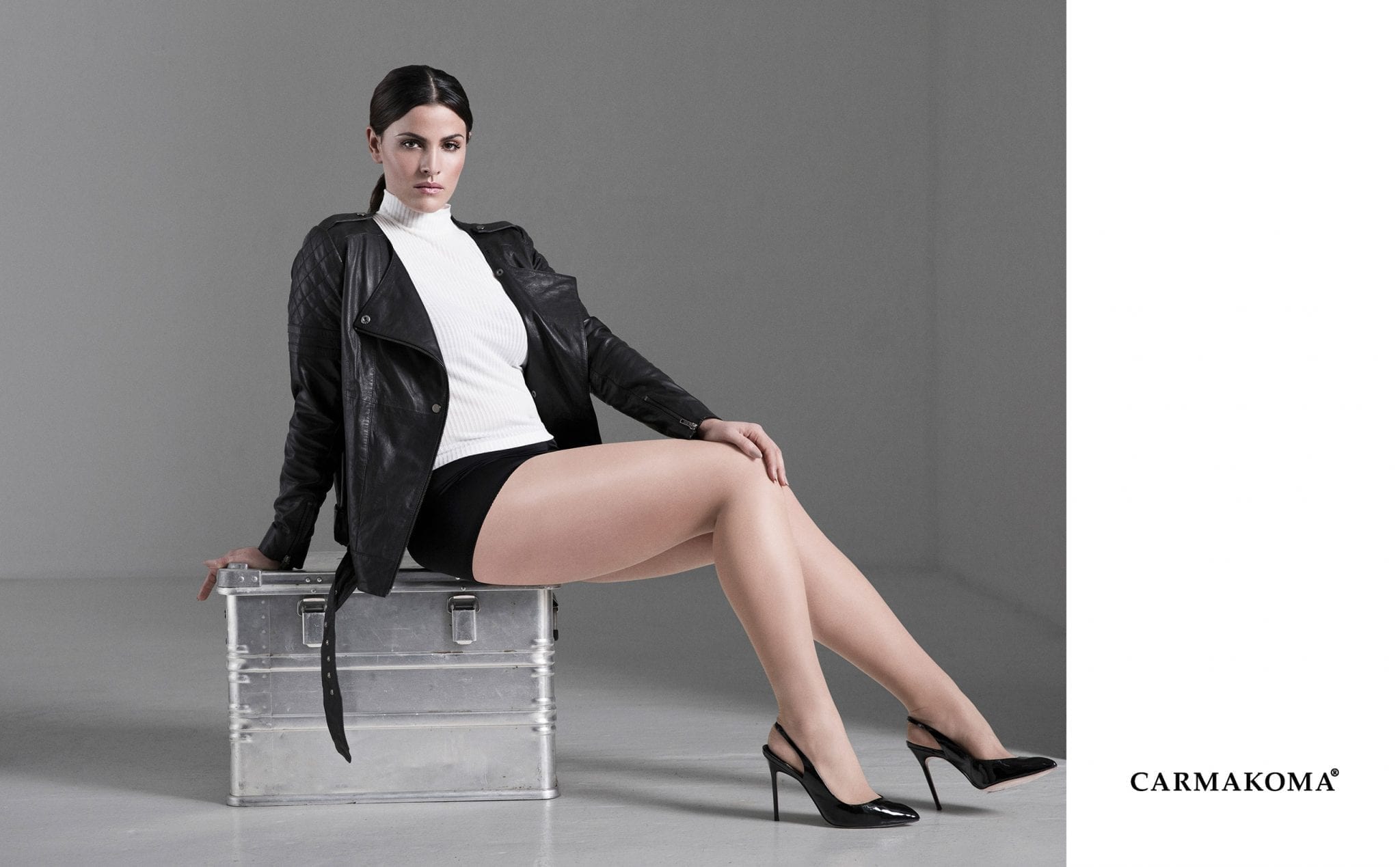
    Danish plus-size brand Carmakoma has been amalgamated into the Only fashion brand, paving the way for further international expansion.

    Carmakoma was founded nine years ago and had recently expanded into other European countries, says co-founder and former director Heidie Lykke.

    “After having established ourselves on several international markets we were challenged on ways of financing our continuous development,” explaining the merger.

    Finn Poulsen, director of Only, said his company sees huge potential in the fashion segment.

    “There is a great demand for plus-size fashion that follows the absolute newest trends at strong prices and in a good quality. These are demands that match the Only concept.”

    The brand will now be named Only Carmakoma and its first collection will be launched in January 2018.

    “We expect that Only Carmakoma will in three years be able to account for 10 per cent of the total turnover of Only,” said Poulsen.

  • JD Sports Fashion forms JV for Korea

    JD Sports Fashion forms JV for Korea

    British sportswear retailer JD Sports Fashion has formed a joint venture to enter the South Korean market.

    It is partnering with footwear retailer Shoemarker and its J&S Partners unit, which trades as Hot-T . It has bought an initial 15 per cent of Hot-T fo r £ 5.5 million (US$7.4 million ) and has a call option to buy a further 35 per cent stake following the finalisation of Hot-T’s accounts for the year ending December 31.

    JD said it intends to exercise the option and rebrand the Hot-T stores as JD, though the business will continue to be run by its existing management.

    With 23 stores and a website, Hot-T had about  £17.2 million in revenue last year.

    JD executive chairman Peter Cowgill says the JV will further strengthen the company’s global presence, and gives it the opportunity to enter a market with more than 50 million people with a proven partner.

    As well as the UK, JD has stores in Ireland, France and Spain.

  • H&M cuts prices to shift leftover summer clothes

    H&M cuts prices to shift leftover summer clothes

    ‘The rapid shift from offline to online in the young value fashion market has been one factor behind disappointing sales trends in the past couple of years.’

    Budget fashion group H&M has slashed prices to shift unsold summerwear, in the latest sign the Swedish company is struggling to keep pace with rivals as young buyers move online.

    Seemingly unstoppable for decades, H&M has been hit by tougher competition in the past couple of years from cut-price brick-and-mortar rivals. It is also trying to improve its e-commerce offering to counter new online-only players.

    H&M entered its third quarter with higher-than-usual inventories that needed to be sold before autumn collections arrived. On top of that, overall demand has been sluggish in some of its key markets, such as Germany.

    “The rapid shift from offline to online in the young value fashion market has been one factor behind disappointing sales trends in the past couple of years,” said Societe Generale analyst Anne Critchlow, who has a “sell” rating on H&M’s shares.

    “In most countries, online is not yet integrated with the stores and free delivery and free returns are not available.”

    Sales at H&M, the world’s second-largest clothing retailer after Zara owner Inditex, reached 51.2 billion crowns ($6.4 billion) in its June-to-August financial quarter against a forecast 51.6 billion in a Reuters poll.

    Local-currency growth was 4 percent, just below forecast.

    H&M said the aggressive summer markdowns had led to an improved inventory position ahead of the fourth quarter and that autumn sales were off to a good start.

    H&M’s shares, which have tumbled from all-time highs near 370 crowns in 2015, were up 2.2 percent to 218.10 crowns at 1400 GMT.

    The company has launched several independent and mostly higher-end brands in recent years to broaden its customer base in the face of growing competition in its budget segment, but the core H&M chain still accounts for the bulk of its sales.

    H&M is also intensifying efforts to catch up with services offered by pure-online players such as Asos and Zalando as shopper behaviour and expectations transform even faster than H&M had expected.

    It is now testing “click-and-collect” – picking up items bought online in stores – in Britain, and rolling out faster delivery options and online returns in stores in some markets.

    RBC Capital Markets Richard Chamberlain with an “outperform” rating on H&M, said he expects sales and gross margin trends to improve next year helped by the online improvements. ($1 = 7.9924 Swedish crowns)

  • Sophia Webster develops line for Puma

    Sophia Webster develops line for Puma

    British accessories designer Sophia Webster has collaborated with German sportswear giant Puma on a line of shoes and apparel.

    It is also the first time the designer, known for her shoes, has her name on a womenswear line.

    Her sports apparel has new silhouettes and features sheer black performance fabrics and textured flock. It features hand-drawn patterns and a Birds of Paradise print, as well as pastel rainbows with iridescent foils, bold graphics and sports mesh.

    The footwear includes a pearl sneaker with a rubber cage, Puma Suede trainers with new colourways and translucent rubber soles, and Puma classic Leadcat slide sandals with metallic embroidered artwork and fluorescent highlights.

    The clothing is tailored to women, like Webster, who dance for exercise: sheer leotards, cut-out leggings and crop tops with a unicorn design.

    Webster joins a line-up of celebrities such as Cara Delevingne, Kylie Jenner and Rihanna, who “Partnering with Puma has been fantastic as they allowed me full creative control of the entire collection of footwear and apparel,” she says.

    In Singapore, the collection is available at Puma stores in Bugis+, Paragon and Suntec City, and authorised retailers Limited Edt, Pedder on Scotts and Tangs at Tang Plaza.