Category: Fashion

Retail News Asia is committed to providing both local and global retailers with the latest Fashion news throughout the Asian market. This on a daily base.

  • Uniqlo China launches click and collect

    Uniqlo China launches click and collect

    Fast Retailing’s Uniqlo China casual-clothing chain has launched its click-and-collect service so online customers can pick up their orders at a store.

    Already working in the UK and the US, the service lets shoppers nominate a store where they want to pick up their orders. It also helps the Japanese chain boost traffic in its stores, and will probably be rolled out in other countries.

    Initially, online items can be picked up at any one of about 400 of Uniqlo’s 500 stores in China. Customers can also choose to have their orders home delivered.

    With delayed deliveries a problem in China, Uniqlo says it sees a lot of promise in the new service.

    Its sales in China, including Hong Kong and Taiwan, reached ¥332.8 billion (US$48 billion) for the fiscal year ended August last year, up 9.3 per cent from the previous 12 months.

    Uniqlo opens about 100 new stores a year in China, and at home in Japan last year began allowing online customers to pick up orders at 7-Eleven convenience stores.

  • Troubled Agent Provocateur may go on market

    Troubled Agent Provocateur may go on market

    British lingerie retailer Agent Provocateur is being prepared for a possible sale.

    This follows the company’s private equity owners late last year reporting accounting issues, a restructuring and the need for new investment into the high-end lingerie firm.

    Agent Provocateur was founded in London in 1994 by Joseph Corre and Serena Rees, and has about 100 stores in 13 countries, including Singapore and Hong Kong.

    Private equity group 3i has owned Agent Provocateur for the past decade and has been calling in experts in recent months, hiring investment bank Rothschild to handle a possible sale, The Times and Sunday Times report.

    Meanwhile, KPMG has been going through the company’s books and restructuring firm Alix Partners has been engaged to develop a turnaround plan before any possible auction.

    However, 3i may not be totally committed to an outright sale, and options include bringing in a new investor, reports CPP-Luxury.com. With an 80 per cent stake in the company, 3i reported the accounting issues when it released its own interim results in November. It said it had written down its investment in the firm by £39 million (US$48 million).

    That writedown was also attributed to the luxury slowdown as well as Agent Provocateur’s badly timed expansion program.

    As well as the writedown, the company also invested an extra £4 million in the label and non-executive chairman Chris Woodhouse was replaced by 3i partner Ian Lobley last month. Several other executives also left last year.

    After paying £60 million for its stake in 2007, 3i tried to sell it in 2014. But it could be now worth only £15 million, says a Sunday Times report.

  • Lotte Duty Free re-launches at Gimhae airport

    Lotte Duty Free re-launches at Gimhae airport

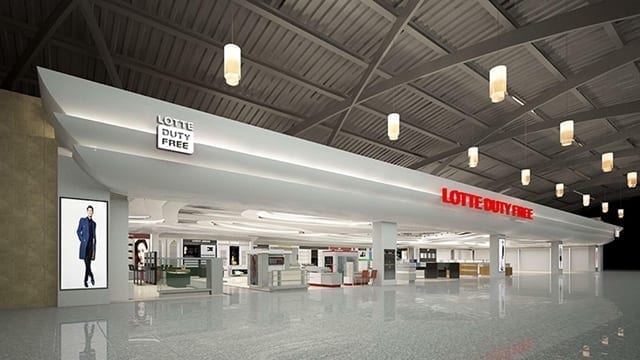
    After winning a Korea Airports Corporation (KAC) tender, Lotte Duty Free has officially re-launched at Gimhae airport.

    The retailer now has 980.44 sqm of space, an increase of 329.2 sqm over its area last year. Lotte Duty Free had a 158.34 sqm presence at the terminal when it opened in 2007 until early 2014.

    Fellow Korean retailer Shinsegae, which was at the airport until last month, is believed to have terminated its contract to focus on the city – it plans to open a 13,350 sqm store in the city centre – and its Incheon airport outlets.

    Meanwhile, Lotte is targeting sales of W120 billion ($US99.2 million) at the airport this year with daily sales of W200 million.

    Following an analysis of consumer shopping trends at Gimhae airport, the cosmetics area has been expanded by 40 percent with the introduction of such brands as Giorgio Armani, Jo Malone and Tumi.

    In its entirety, the Lotte offers more than 120 food, electronics and accessories brands at the airport, along with fragrances and cosmetics labels such as Chanel, Dior and Sulwhasoo.

    A special promotion to commemorate the grand opening at the airport offers as a grand prize for each of 30 Korean nationals and their partners a trip to Okinawa to watch the Lotte Giants baseball team train.

    Other customers can win pre-paid shopping cards, movie tickets, drinks coupons and gift certificates.

    Dufry Group also runs a duty-free concession at the airport.

  • Macy’s looks to downsize with 68 store closures

    Macy’s looks to downsize with 68 store closures

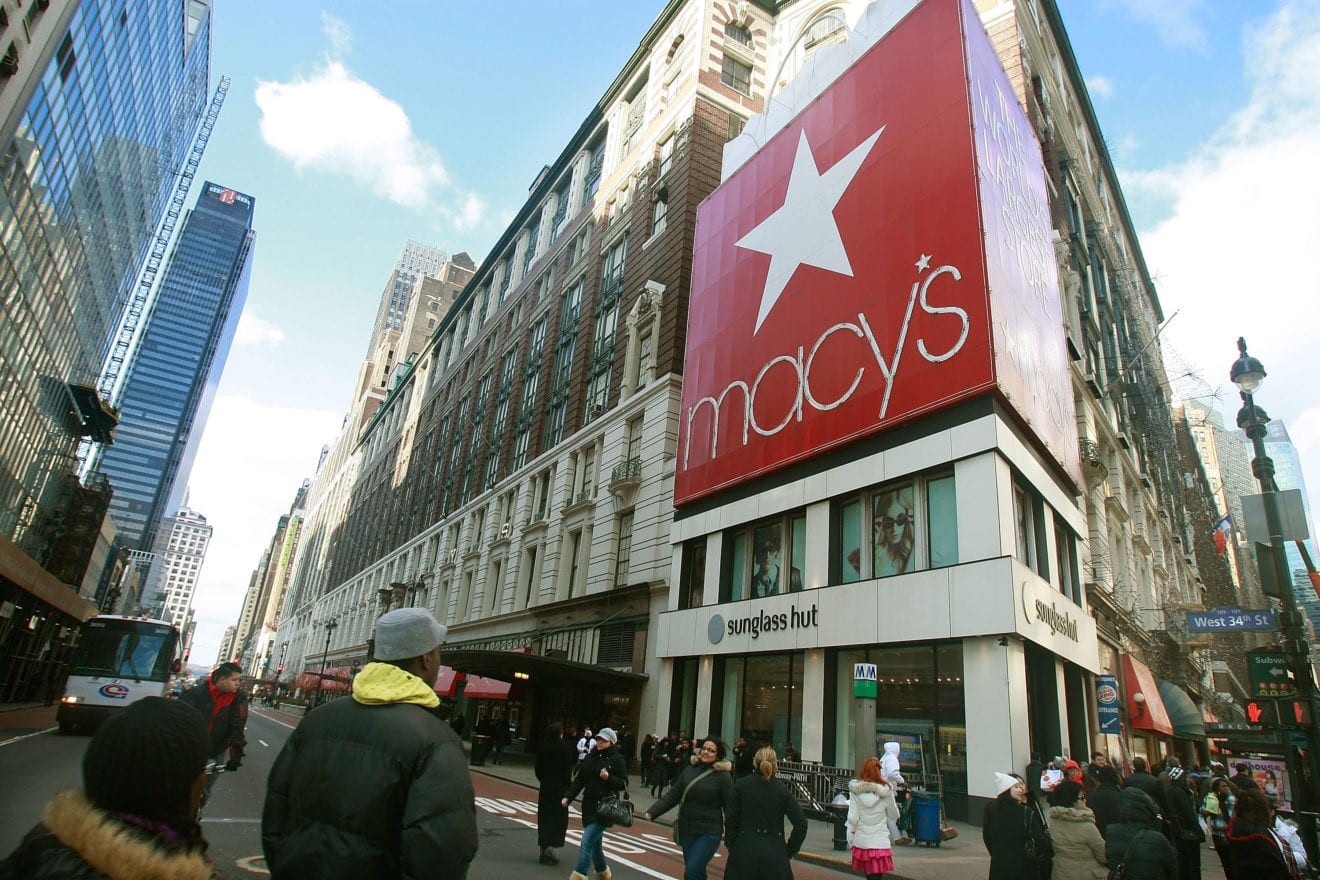
    American retail giant Macy’s Inc. has announced the closure of 68 stores as part of a plan to streamline its store portfolio and increase cost efficiency.

    The measures, which have already seen three stores close and will see a further 63 closed by early spring in the US, will save the struggling retailer approximately $550 million in 2017. $250 million of those savings will be reinvested back into the company’s digital presence, store-related growth and other related ventures.

    “Over the past year, we have been focused and disciplined about making strategic decisions to position us to gain market share and return to growth over time,” said Terry J. Lundgren, Macy’s chairman and CEO.

    “We continue to experience declining traffic in our stores where the majority of our business is still transacted,” he continued. “Our omnichannel strategies continue to evolve based on the changes in our customers’ shopping behaviours, including a focus on buying online, pickup in store and mobile-enabled shopping.”

    The company has also announced a raft of organisational changes, designed to drive greater productivity, including the elimination of management layers, reducing non-payroll costs and changes to field infrastructure. The company estimates that the initiatives will result in a staff reduction of approximately 6,200.

    Retail analyst and CEO of Conlumino Neil Saunders said the jury is still out on whether Macy’s can reinvent itself, but that the store closures are a necessary evil on the path to getting the company back on track.

    “There is an argument to be made that Macy’s has, for too long, neglected its store base and has failed to develop a compelling proposition to pull in shoppers in the digital era. However, what is done is done and the company is right to take action to put it on a firmer financial and commercial footing,” he said.

    “In our view, it is vital that the consequent reduction in costs and the proceeds from property disposals resulting from this action are used to bolster the remaining bits of the business. It would be folly to simply use the gains to fund day-to-day operations or to return to shareholders.”

  • Kate Spade & Co trying to find buyer

    Kate Spade & Co trying to find buyer

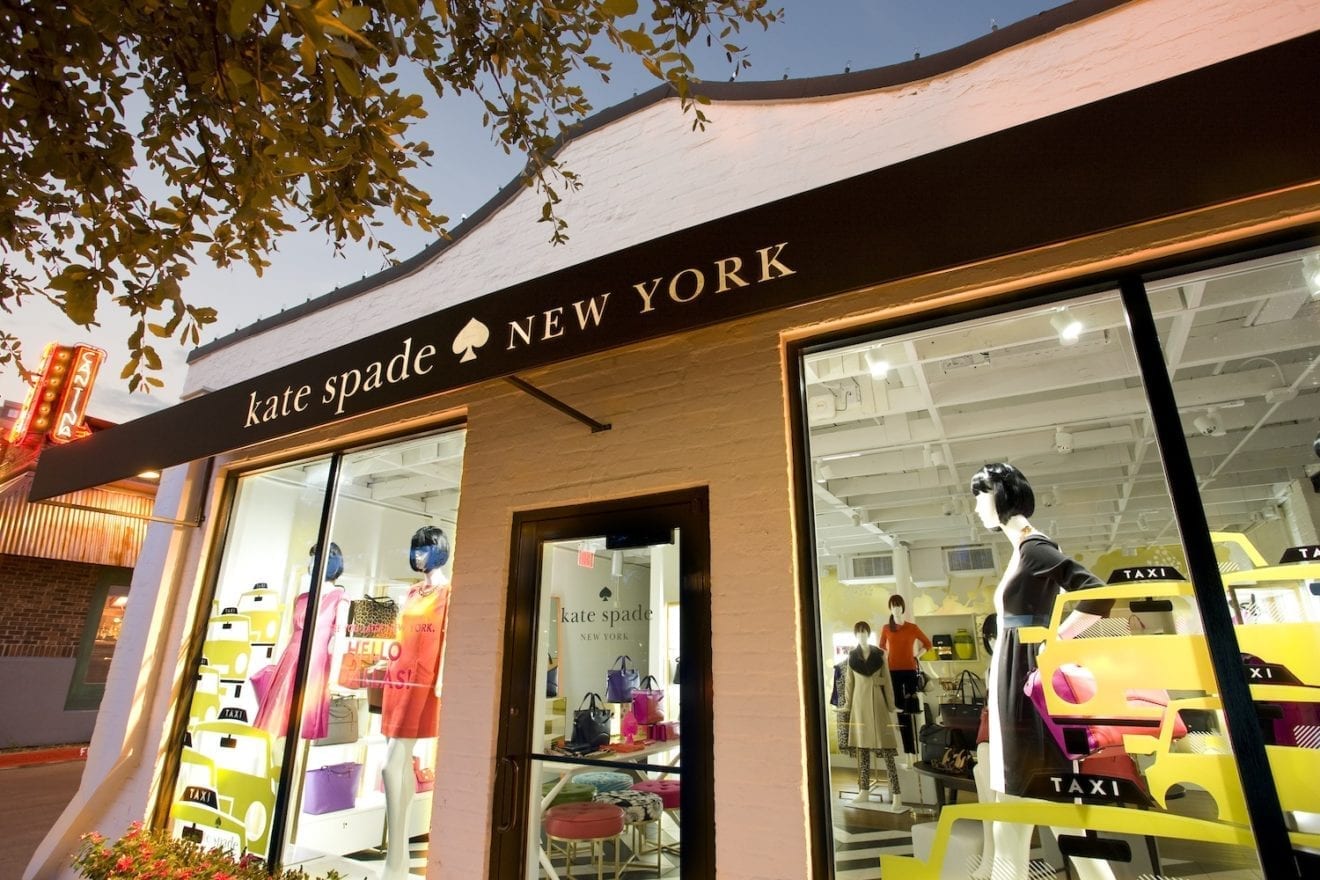
    Handbag and accessories maker and retailer Kate Spade & Co, under pressure from activist investor Barry Rosenstein, is working with a bank to sound out possible buyers.

    Quoting insiders, the Wall Street Journal says potential buyers contacted include retailers, with the process at an early stage.

    Rosenstein’s Jana Partners already has a minor stake in the company.

    Kate Spade has a market value of about $1.86 billion, but sales have dropped as the demand for handbags has weakened over the past year in the US, with people shopping less often at department stores and tourists spending less because of a strong dollar.

    Known for its quirky and colourful satchels and totes, Kate Spade was expecting dampened earnings over the holiday shopping quarter because of pricing competition.

  • Louis Vuitton Singapore 20 years anniversary gift

    Louis Vuitton Singapore 20 years anniversary gift

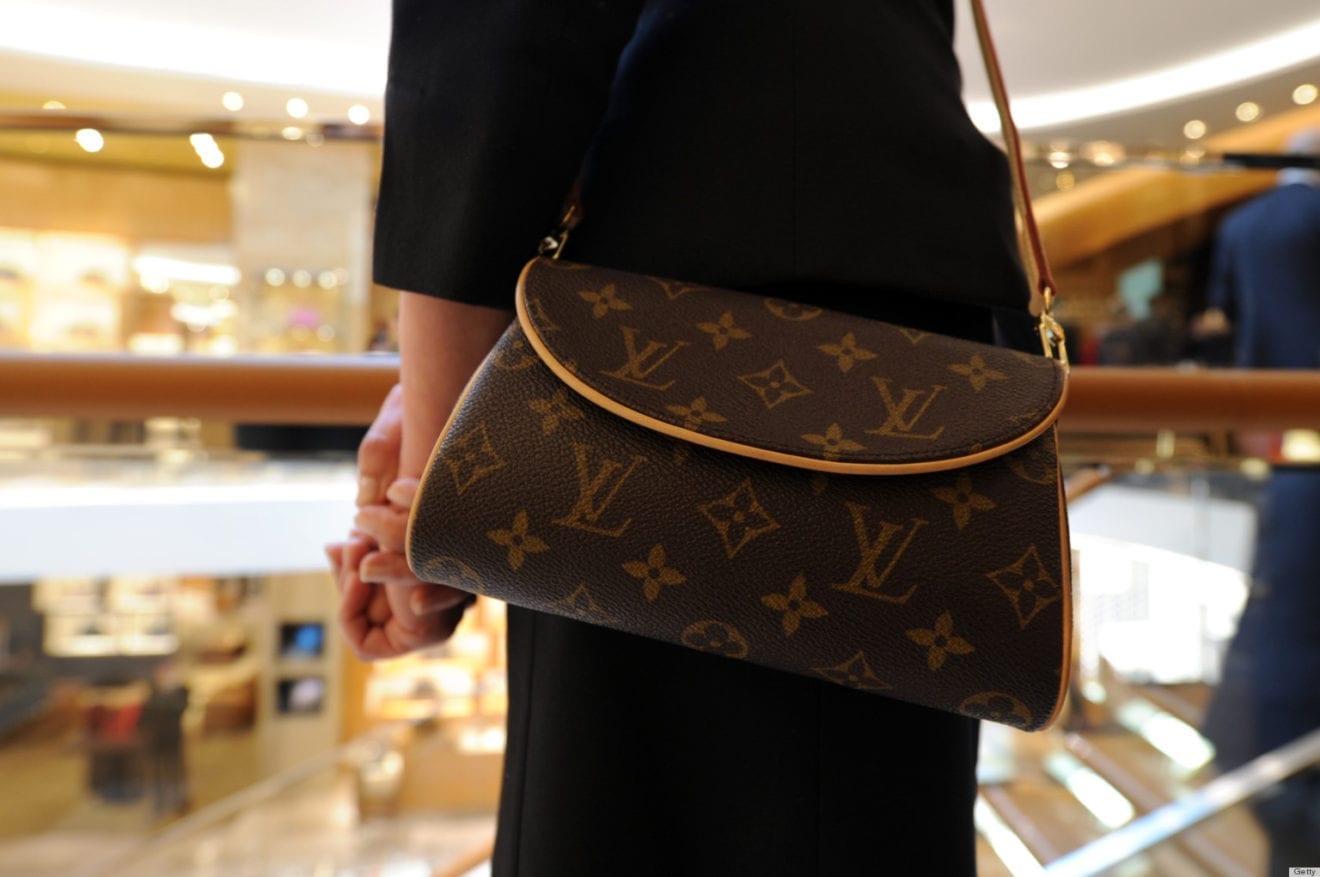
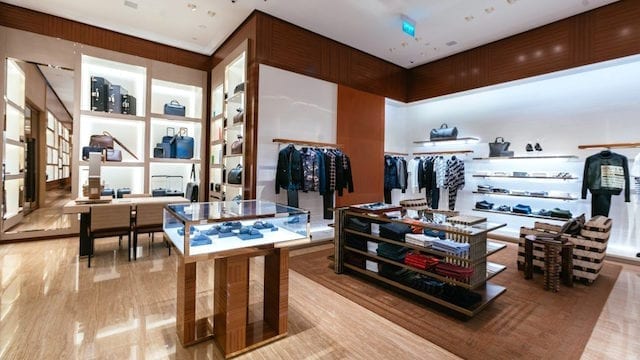
    Louis Vuitton Singapore has given its Orchard Road boutique in Singapore a makeover to celebrate its 20 years at Ngee Ann City.

    The maison’s signature monogram flower pattern has been reinterpreted in shiny copper with a fading effect, with the exterior façade featuring stone, glass and metal – materials that signifies authenticity and tradition.

    Inside the luxurious fittings include cerused oak with gold leaf, natural stone floors, plush furniture by Helene de Saint Lager and Paul Evans, and hand-knotted carpets from Nepal.

  • Uniqlo Malaysia opens second store

    Uniqlo Malaysia opens second store

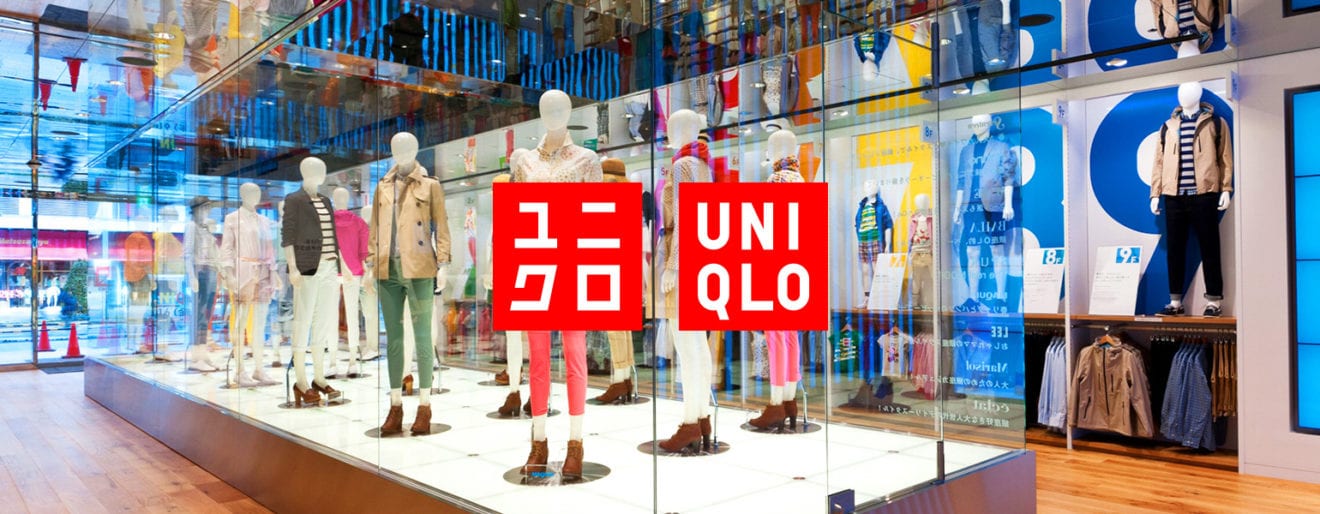
    Uniqlo Malaysia has opened a second store in Ipoh, in the city’s largest shopping centre, Ipoh Parade Mall.

    Gifts and specials have marked the opening of the concept clothing store.

    uniqlo-malaysia-ipoh-paradeUniqlo’s first store in the city opened at Aeon Mall Ipoh Klebang in 2015.

    Featured at the new store is the brand’s expanded Jogger Pants range. The women’s line features Denim and Drape Jogger Pants while for the men the pants come in denim.

    Children’s and babies’ clothing is also available.

  • Philippines International Beauty Trade Show to be held on May 2017

    Philippines International Beauty Trade Show to be held on May 2017

    Philbeauty, the pioneer and the only international beauty trade show in the Philippines, is back for its third year in 2017. The iconic event will be held from Wednesday to Friday, 31 May to 2 June 2017 at the SMX Convention Centre in Pasay City, Manila and expects to host more than 200 key leading exhibitors from across countries and regions, including mainland China, Japan, India, Korea, Singapore, Thailand, Taiwan and Malaysia. The three-day exhibition is expected to attract over 200 leading local and international exhibiting companies and more than 6000 local and international trade visitors.

    Bridging The Gap — philbeauty, the professional beauty trade fair that provides a major contribution to the growing beauty industry in the Philippines.

    philbeauty 2017 will not only be packed with a variety of beauty products, services and technological solutions, but will also feature a business matchmaking programme, a series of workshops, knowledge seminars, international beauty conference and networking opportunities that will provide crucial insights into future scientific advances, emerging trends and regulations, and most importantly, to create new business opportunities.

    Referring to Trade Map from International Trade Centre, the value of imported beauty or make-up preparations for the care of the skin in 2013-2014 and 2014-2015 increased by 13% and 19%, respectively, and in 2015 it was valued at 96,458,000 USD.

    The Philippine economy grew an annual 6.3% in the December 2015, accelerating from an upwardly revised 6.1% expansion in the previous three months and above market consensus. It is the highest growth since the fourth quarter of last year, as all sectors of economy showed an expansion at a fast rate, whilst government expenditure remained robust.

  • Topshop plans expansion in China

    Topshop plans expansion in China

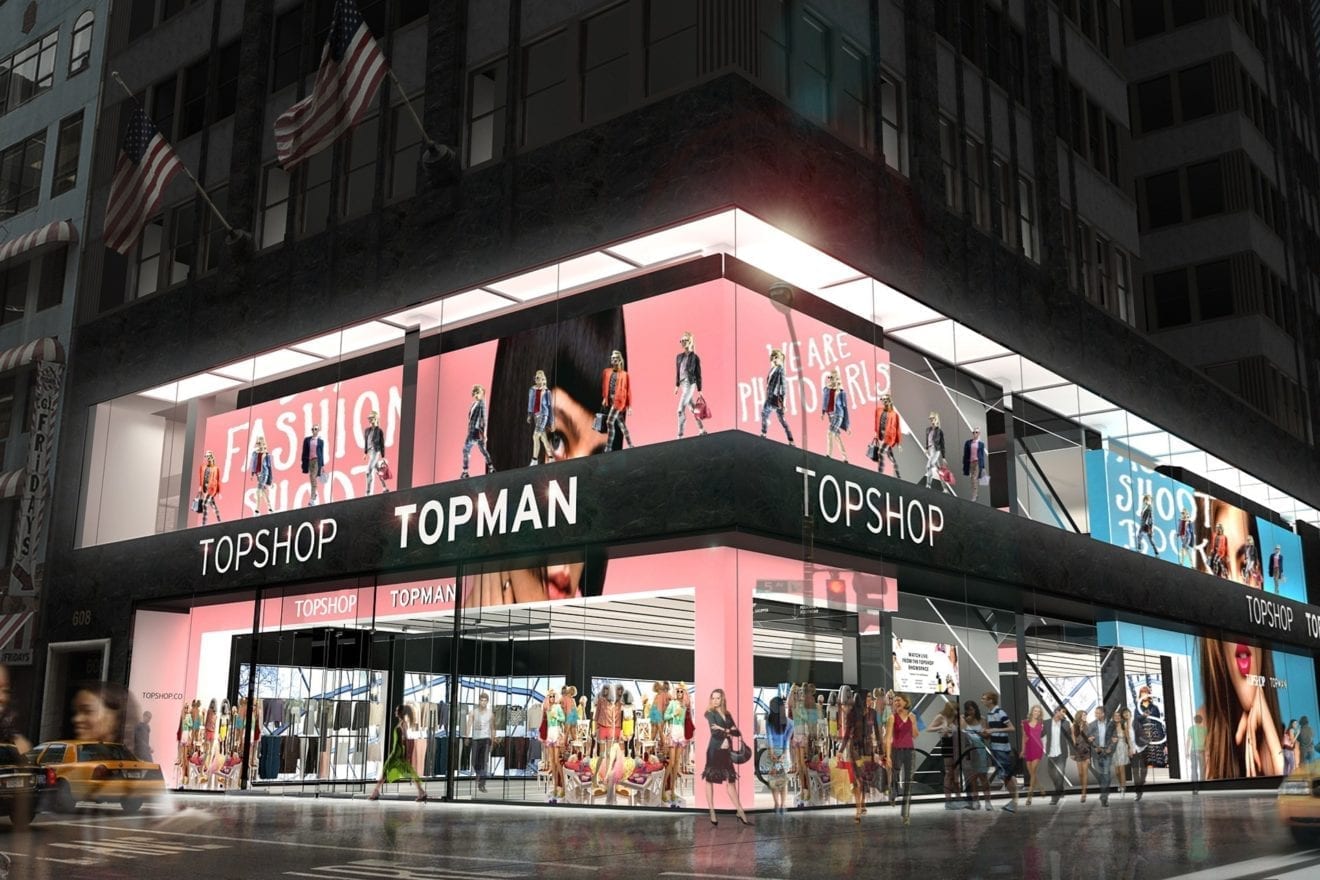
    UK fashion chain Topshop is the latest British retail company attempting to tap into China’s market by opening its first standalone store in 2018.

    The British high-street retailer has agreed a deal with Chinese partner and online fashion retailer Shangpin.com. The e-commerce business had already started to push Topshop into the Chinese mainland by selling the brand on Shangpin.com two years ago.

    Arcadia Group, Topshop’s owner company, said the first shop will open in top tier cities in the spring or summer of 2018 which could be either Beijing or Shanghai.

    Media reports said if the move was successful, as many as 80 outlets could be opened. Arcadia Group would not comment on the plans for 80 stores. Currently Topshop’s only presence in China is a small concession in the Galeries Lafayette department store in Beijing and a handful of shops in Hong Kong.

    Shangpin.com is a members-only website with 30 million registered subscribers, founder and chief executive David Zhao said: “It is gratifying to be trusted by such a world-renowned fashion brand to take them further in China.”

    Topshop is part of retail tycoon Sir Philip Green’s Arcadia Group fashion empire and he described the deal as “the start of a unique, exciting and exclusive partnership that will cement Topshop and Topman’s mission of becoming truly global businesses”.

    Green added:”For the first time, both brands will deliver high fashion to the shop floor and beyond by opening full-scale stores in China – host to the world’s fastest-growing retail economy.”

    The businessman was embroiled in the controversial sale and subsequent collapse of the long-establish UK department store BHS earlier this year. The high-street chain went into administration in April, less than a year after Green sold it for one pound to a consortium.

    The collapse led to the loss of 11,000 jobs and a 571 million pound pensions black hole.

    According to analysts, Topshop is by far the most valuable part of Arcadia Group. Sir Philip owns a 75 percent stake in Topshop after selling 25 percent to US private equity firm Leonard Green in 2012

  • Why Dutch tailor Suitsupply thinks it can beat Hong Kong’s retail slump

    Why Dutch tailor Suitsupply thinks it can beat Hong Kong’s retail slump

    Retailers in Hong Kong’s Central business district have endured more bad news than good over the past year, but the area still has cachet with international brands looking to enter the Hong Kong market.

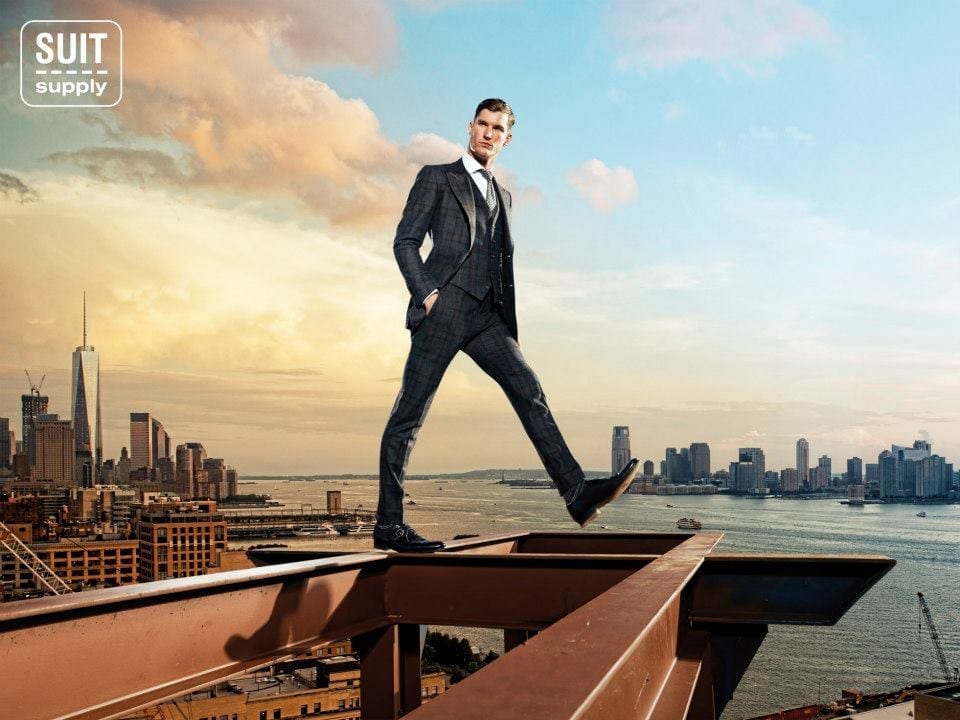
    In early December, Dutch tailor Suitsupply opened its first boutique in the city, taking a large space on Ice House Street. The move is a statement of confidence in Hong Kong retailing, according to the company’s founder and chief executive, Fokke De Jong.

    “We’ve looked at Hong Kong for a long time and we’re confident. Our online business here is very strong so that’s a good indicator,” he says.

    Suitsupply’s arrival is a stark counterpoint to the departure, actual or pending, of big fashion retailers from Central such as American giants Coach and Abercrombie & Fitch, the latter set to vacate its Pedder Building premises with their HK$7 million-a-month rent. Suitsupply’s Ice House Street location is impressively large at 6,700 sq ft, making it one of the biggest high-fashion store openings anywhere in Hong Kong in 2016.

    The store has a small ground-floor entrance but opens out into a sprawling first floor that features sections for bags, shoes, evening wear and made-to-measure tailoring. De Jong says locating the store away from street level and making it less obvious and visible is deliberate and part of its “location-based” strategy.

    “By that I mean we have huge stores in out-of-the-way places. People will go out and find us,” says De Jong. Some of these “crazy” locations De Jong mentions include lofts spaces, rooftops and even a full villa.

    Suitsupply, which eschews all traditional forms of glossy fashion advertising, relies instead on its retail experience, which is both old and very new. For example, De Jong says the brand has tailors at all the company’s stores, who can provide tailoring services within half an hour. He says that few other quality menswear brands offer such immediate service.

    As well as challenging the traditional tailors in the city and fast fashion retailers such as Zara and Massimo Dutti, Suitsupply is a direct challenge to higher-end luxury menswear brands with its accessible pricing – an alterable Italian-style grey wool suit can cost as little as HK$3,000, several thousand dollars less than some of the more stellar Italian and British menswear brands.

    “We bring quality, hand-crafted clothes and the best materials all for a more attainable price,” says De Jong of the brand’s appeal.

    How is Suitsupply able to provide such high quality at relatively low prices? De Jong says the key is the “vertical” nature of the company: “We design, manufacture and sell … everything is in our own hands.”

    Having out-of-the-way locations which cost less to rent and relying on social media instead of traditional advertising keep expenses down too, he adds.

    Suitsupply was established by De Jong in 2000, during his time at university, when he would travel to Italy buying up suits and then selling them on campus. De Jong became so successful at it, he quit his studies and began selling clothes full-time, although scaling up Suitsupply was fraught with challenges.

    “Nobody wanted to sell their fabrics to me at first,” says De Jong, who insisted on using the best Italian fabric mills for his suits. He says it took a great deal of time and effort to build relationships with Vitale Barberis Canonico and Reda, two of the more famed mills from the Biella region which supply the likes of Ermenegildo Zegna. Today, Suitsupply is one of the Biella region’s biggest customers and De Jong says his company has helped secure jobs in the area.

    Returning to the theme of opening in Hong Kong during a dip in retail fortunes, De Jong says Suitsupply has always taken a different path to traditional retailers. Though the Hong Kong store has only been open a short while, De Jong is confident Suitsupply’s offer will resonate with Hong Kong men.

    “We bring new energy to tailoring, we’re not pretentious or serious. We bring fun to menswear and make it less intimidating,” he says.

  • Jobless Filipino wins car, cash in DSF raffle

    Jobless Filipino wins car, cash in DSF raffle

    Filipino expatriate Joel Gutierrez receives his prize during the awarding ceremony hosted by Dubai Shopping Festival.

    Dubai: When news came that his employer would be terminating his services in February, Joel Gutierrez, an expatriate from the Philippines, was devastated. He was saddened by the fact that he had an unemployed wife and two children, ages 10 and 3, to support back home and an Dh80,000 loan in Dubai to pay.

    But even with the prospect of being jobless after 16 years of working in UAE and having no money coming in, Joel didn’t lose hope that everything will turn for the better.  “Although my budget is really tight, I still bought a ticket for the Dubai Shopping Festival (DSF) raffle. In fact, I bought four this month,” he recalled. It seemed like it was the only hope for Joel to get out of his “painful” situation. And he was right.

    Joel, 43, has just been informed that he won a luxury Infiniti car on the first day of DSF, plus a Dh150,000 cash. “I had prayed so hard for this. Actually, I prayed for it every day, when I was out walking on the street, taking the Metro, or anywhere,” Gutierrez said.

    The Filipino expatriate, who works as a salesman at a clothing shop in Dubai, opted to get the cash equivalent of the luxury car, so he is expecting to bring home a total of Dh300,000 cash, or nearly 4 million pesos. For him, the money would be enough to start a new life in the Philippines and pay off his personal loan in Dubai.

    “This will now help me build a new and happy life for me and my family. I will use the money to invest in a grocery store back home.”

    Joel credited his strong belief for the great fortune.  He has been buying DSF raffle tickets for years now and it’s only when he was told he would be terminated from his job when luck came his way.  “I would buy ten tickets in a year and it’s the first time I’ve won,” he said.

    “When they told me I would be laid off, it was really painful. But that didn’t make me lose hope. I wish to thank Dubai and DSF for this unexpected fortune,” he added

    Since its inception in 1996, DSF has been offering life-changing prizes, and the festival’s 22nd edition, which started on 26 December, is no different with daily raffle draws offering shoppers the opportunity to win incredible prizes.

    The Infiniti Mega Raffle offers one lucky shopper the opportunity to drive home an Infiniti QX70 plus Dh150,000 in cash daily upon purchase of a raffle ticket for Dh200. In the daily Nissan Grand Raffle, customers have the chance to win one of eight Nissan models  – Micra, Sunny, Sentra, Tiida Hatchback, X-Trail, Juke, Pathfinder and Patrol. Customers will receive a raffle coupon upon purchase of non-fuel products worth Dh20 at any EPPCO and ENOC petrol stations, as well as Zoom shops in Dubai.

  • If You Think Sports Retail in Singapore is Dead, Read This.

    If You Think Sports Retail in Singapore is Dead, Read This.

    The great debate — about whether or not eCommerce will nail the coffin on bricks and mortar retail shops — has droned on for as long as the Internet began cannibalizing sales.

    So asking a pertinent question — If retail stores are disappearing from the Singapore scene, why do new sports stores keep popping up? — is a logical one, particularly from the perspective of runners on ever-present searches for the latest gear and fashion.

    Can history unravel the mystery?

    The evolution of retail stores began when markets sprung up thousands of years ago across Asia, Europe and Africa. Ultimately open-stall, outside markets morphed into enclosed shops.

    As competition exerted influence, stores carrying a wide range of merchandise replaced speciality stores, though today, innovative small boutiques have managed to survive, and no niche is healthier than sporting goods stores kept alive by Singaporeans who are deeply invested in the nation’s fitness movement.

    Then, along came the Internet. Even chain and big-box stores suffered as eCommerce gobbled up shoppers. Even “Store-within-a-store” concepts, pioneered by Asian retailers could not stop the steady, ever-present incursion of online retail marketing, and nothing has prompted consumer dependency more than an ability to shop using smartphones and devices.

    Forrester Research reports that 56-percent of consumers use smartphones to shop.
    If You Think Sports Retail in Singapore is Dead, Read This.

    Specialty stores remain viable

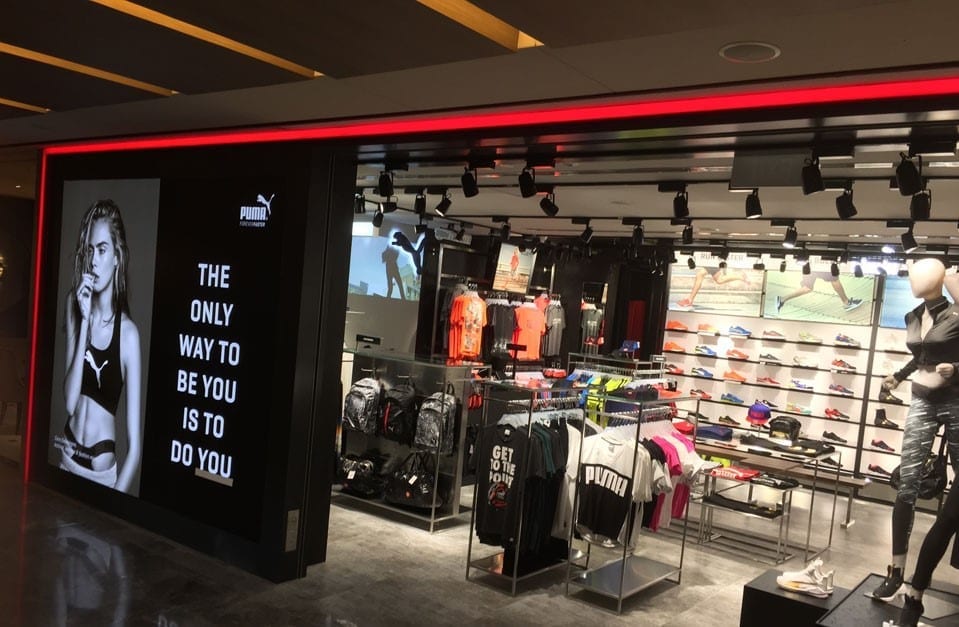
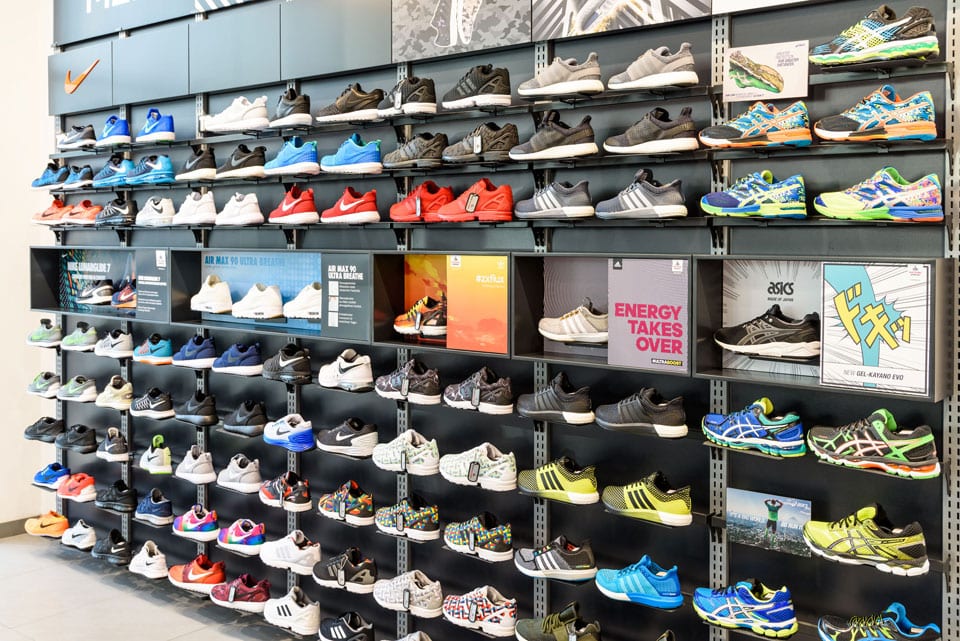
    PUMA recently opened two concept stores at Paragon and Bugis+, hoping to lure runners and sports enthusiasts away from their mobiles and computers.

    PUMA believes that dedicated store sections have the power to bring shoppers to these new locations because they’re strategically located within concentrated shopping areas that attract a youth market eager to find deals and promotions.

    Not to be outdone, ASICS saw an untapped market in northeastern Singapore and launched a stand-alone shop at the NEX shopping mall recently.

    ASICS believes that identifying an under-served populace is the key to in-person shopping. Their spacious new location is thoughtfully merchandised to encourage avid runners to browse the latest in ASICS innovations.

    Further, the new Under Armour presence at Vivo City Brings UA’s Singapore stores to five, including their new retail presence sprawling across 1,980 square feet of product display area and trendy décor touches.

    Under Armour has become an expansive presence throughout Southeast Asia and it’s considered by many athletes to be the coolest brand on the planet, even when measured against big dogs like Nike and adidas.

    Why is UA so cool? Because everything about their products is superior, starting with the brand’s quirky tagline: “It’s what you do in the dark that puts you in the light.”

    That light, of course, is a spotlight shining on the impeccable taste of runners who prefer to be seen wearing the UA logo on everything they own!

    Non-branded stores continue to open, too

    The space-age design of Running Lab’s two new locations — Marina Square and Tampines Mall — is reason enough for passionate runners to browse the retailer’s unique enclaves which are sorted by brand and gender, and there is no shortage of signature brands on display that are beloved by running enthusiasts and athletes.

    To drive traffic, Running Lab organises free runs throughout Singapore on Tuesdays and Thursdays, but they’re not the only show in town.

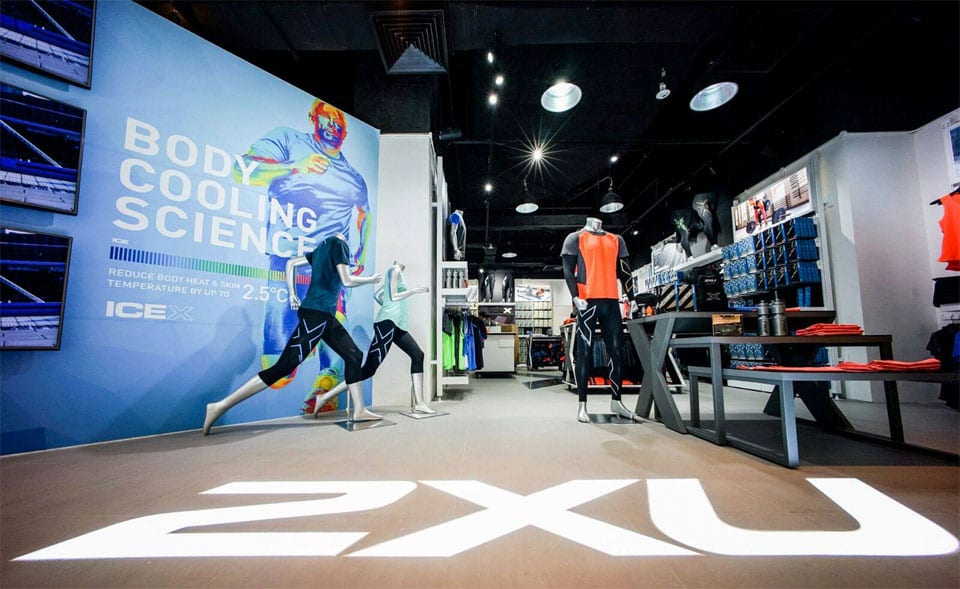
    The first 2XU Performance Centre opened just weeks ago at Suntec City Tower Three. Their ambitious marketing plan — to become the epicentre of performance compression wear — sets it apart from competitors because the niche alone has the potential to drive traffic into the store.
    If You Think Sports Retail in Singapore is Dead, Read This.

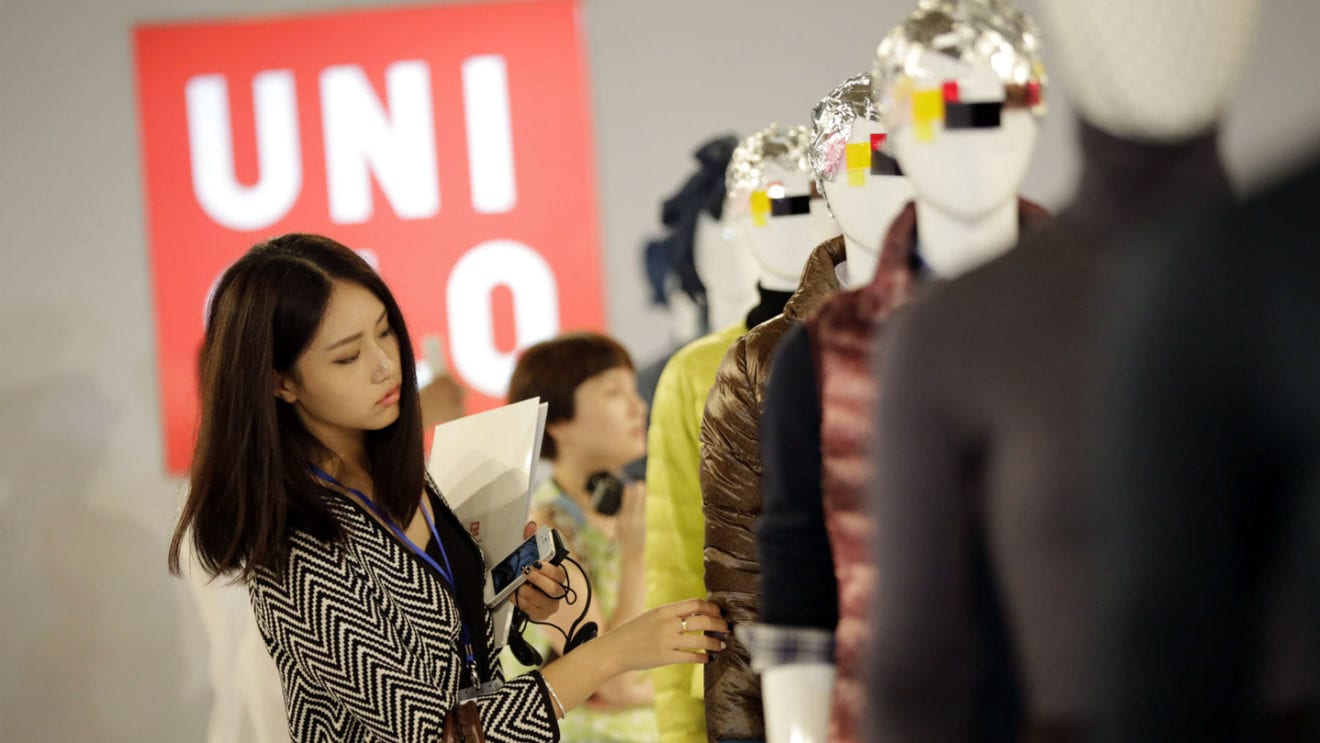
    Always a trendsetter, we toss the iconic Uniqlo into the mix. Uniqlo’s Orchard Central grand opening recently introduced Singapore to what can only be described as a sensory playground filled with wall-to-wall digital displays and rotating mannequins, while there’s a nice balance of innovative activity-related products, ideas and wares and the prestigious brands to which runners remain loyal.

    For Uniqlo, size matters. This 29,000-foot retail spot has become a destination unto itself, catering to sports-minded Singaporeans of every age group.

    It’s not all good news

    Common sense would lead one to believe that the opening of new sporting goods stores in Singapore portends good news for the future of retail, but business writers warn that, “what you see isn’t necessarily what you can believe.”

    In fact, a steady stream of popular stores continue to close because they have become unprofitable.

    Singapore economics played some part in this exodus, but not all blame-placing can be ascribed to fiscal decline due to online shopping and tech-savvy consumers continuing to find favour with cyber shopping.

    But the reality is this: retailers start every day in the red, supporting rental space, salaries, power bills, taxes and marketing expenses. Further, brands and stores refusing to track changing shopper behaviours aren’t likely to survive.

    What are solutions to this mystery?

    Absent a crystal ball, it’s obvious that Singapore retailers won’t survive without retooling their business models and no niche is worthier of emulation that the nation’s sports boutiques because the folks that run and manage them keep a pulse on Singapore’s vibrant fitness movement and watch trends like hawks.

    Further, a mindful balance of retail and online business practices keep shops afloat in addition to taking advantage of trend-tracking.

    Here’s why we think sporting goods stores have an advantage over other retailers:

    1. A shared retail/online presence has been the secret that has helped many sporting goods stores stay afloat.
    2. Management understands that athletes aren’t particularly crazy about the idea of having to return merchandise bought online and aren’t shy about using promotions and specials to a bring them in.
    3. More runners frequent sports stores for social reasons than analysts report. In-person shopping beats scrolling through screens of merchandise says TANGS Assistant Vice President of Communications Ms. Jocelyn Teo.
    4. Sporting goods shoppers are a different breed. Their performance depends upon the right shoe fit and gear choices, and while time-crunched athletes may turn to online shops for some purchases, retailers give athletes more reasons to show up in person, including incentives, promotions and deals.
    5. A CBRE Asia Pacific research study asked 11,000 Singapore consumers (ages 18 to 64) to weigh in on the online/in-person shopping debate, concluding: “… consumers are more comfortable with the traditional shopping format where they can touch and feel the products before purchasing.”
    6. Integrated shopping patterns are the wave of the future and savvy sporting goods retailers know this. The ability to switch back and forth between store and website drives traffic since returns, purchases, exchanges apply equally.
    7. Look for a more dynamic retailer consortium to cooperate on shared functions like integrated warehousing, shipping and order-fulfillment that can lower overheads resulting in merchandise price reductions.
    8. Common-sense changes — staying open more hours, sponsoring in-store events, offering a fully-integrated online/in-store experience and making sure employees behave more like concierges and less like clerks are but a few of the ways sporting goods stores will not only survive, but thrive.

    If you were forced to choose between online and in-store shopping and were required to pick just one, which would it be and why?

  • DFS and Flemingo team with Pernod on promotion

    DFS and Flemingo team with Pernod on promotion

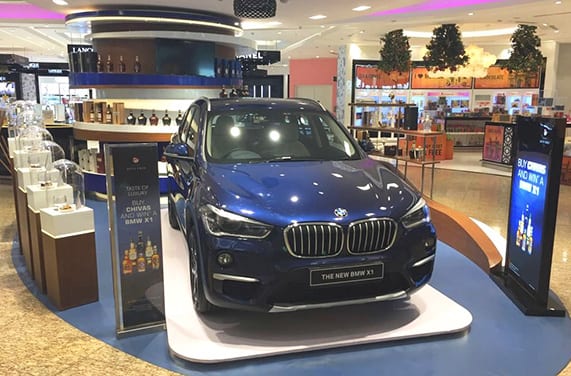
    The Mumbai Duty Free joint venture of DFS Group and Flemingo International teamed up with Pernod Ricard India recently for its third edition 2016 ‘Taste of Luxury’ promotion at Mumbai’s Chatrapati Shivaji International Airport Terminal ‘T2’.

    This offers the lucky winner the opportunity to try and win a luxury BMW X1 Expedition under this exclusive offer for participants spending $80 or more on Pernod Ricard luxury portfolio products.

    These products include Pernod Ricard’s leading Sotch whisky brands, including Chivas Regal, Royal Salute, The Glenlivet and Ballantine’s.

    Those who are eligible to enter simply complete a lucky draw entry ahead of the closing date January 31 where the winner will claim the BMW X1 Expedition prize.

    LUXURY PROMOTION…

    Commenting on the promotion, Nodjame Fouad, Marketing Director, Travel Retail Asia Pacific said: “At Pernod Ricard, we have always believed in delivering luxury experiences to our consumers at various touch points. This promotion at the Duty Free store of Mumbai international airport is one such touch point where consumers can enjoy our luxury brands and experiences”

    Manishi Sanwal, Managing Director, Mumbai Duty Free added: “In our constant quest to offer a greater value to our customers, we bring back the very successful ‘Win a BMW Car’ promotion yet again in this festive period of December-January.

    “We are extremely delighted to have partner brands like Pernod Ricard, who are always willing to support with greater excitement and engagement in their promotions”.

  • Number of shoppers at Boxing Day sales down by 6.7%

    Number of shoppers at Boxing Day sales down by 6.7%

    The number of shoppers venturing out to the Boxing Day sales fell 6.7% on last year in another challenging period for struggling UK retailers, figures show.

    Hardware and technology stores particularly struggled, mainly because buyers do not need to inspect the products in person, according to the UK Retail Traffic Index figures published by Ipsos Retail Performance.

    However the leisure and health and beauty sectors bucked the trend with year-on-year growth in stores, and clothing and footwear shops only saw a relatively small drop in footfall of 3.2%.

    Ipsos said the build-up of store footfall in the run-in to Christmas was slow, and the last-minute rush to the shops was not as intense as retailers hoped for.

    But Tim Denison, director of retail intelligence at Ipsos Retail Performance, said: “Boxing Day remains a genuine and important event in the retail year.

    “Finite stockpiles mean that shoppers have to be quick off the mark to secure the best bargains, creating a thrill that is sufficient for many to brave queuing up before opening time.”

    Barclaycard had predicted almost a quarter of Britons (23%) would shop in the Boxing Day sales, down from 32% last year.

    The figures suggest the incentive to buy in the sales has weakened following widespread discounting, including Black Friday and Cyber Monday, that continued well into December.

    But post-Christmas shoppers were still predicted to go on a £3.85 billion bargain hunt on Boxing Day, spending £2.95 billion on the high street and £900 million online, according to VoucherCodes.co.uk and the Centre for Retail Research.

    The New West End Company was also expecting a bumper Boxing Day due to international shoppers, projecting a spend of £55 million.

    Myf Ryan, chief marketing officer at Westfield shopping centres, said Boxing Day sales continued to be an important date in the diary.

    The company said shoppers spent £500,000 every hour at its centres during the Christmas period, and there had been growth in visitors from Hong Kong and the US.

    Retail analysts ShopperTrak said Boxing Day footfall fell 14% year-on-year, and suggested this was due to Christmas falling on a Sunday, creating an extra bank holiday, as well as record levels of pre-Christmas discounting.

    ShopperTrak UK director Steve Richardson said: “While Boxing Day is usually a peak day for in-store traffic, this year footfall dropped by 14% year-on-year, as consumers made the most of having the extra bank holiday off.

    “There was also another dynamic impacting Boxing Day footfall, namely the unprecedented levels of extended pre-Christmas discounting by retailers, which may have resulted in sales ‘fatigue’ amongst shoppers.

    “While Boxing Day traditionally kicks off the January sales in earnest, with so much discounting throughout December, this year saw much less impetus on customers to take to the High Street on Boxing Day itself in order to bag a bargain.”

    Westfield centres saw shoppers queuing from 2am on Boxing Day, and more than 300,000 people had visited by the time stores closed, Ms Ryan said.

    A shopper from Hammersmith paid £75,000 for a new Bentley, making it the day’s biggest purchase.

    Other extravagant buys over the Christmas period included a £140,000 diamond ring and a £15,000 transaction by a Middle Eastern princess at Gucci.

    Ms Ryan said international numbers of shoppers had increased across Westfield’s centres.

    She said: “Tourist spend at Westfield London in November was up 14% year-on-year and luxury spend up 21%. The big international luxury spenders were China, up 44%, the US, up 99%, and Hong Kong, up 191%.

    “We expect to see high growth again during the busy Christmas and sales shopping period.”

  • Balenciaga opens Osaka pop-up

    Balenciaga opens Osaka pop-up

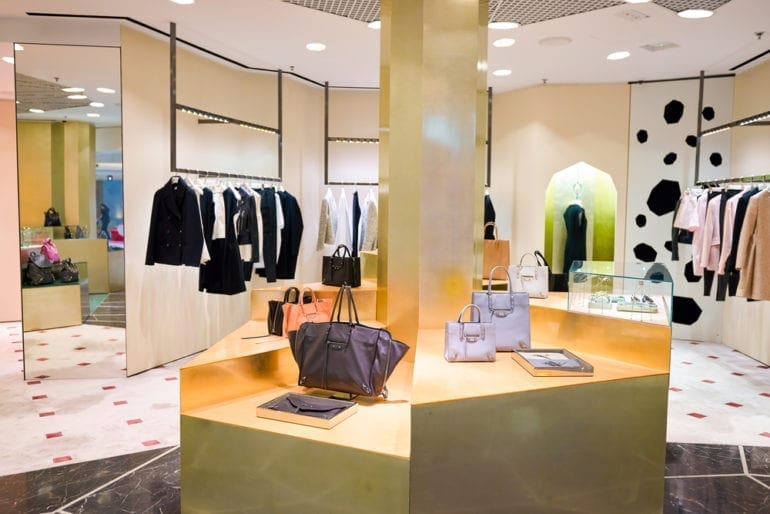
    French fashion maison Balenciaga has opened a new pop-up store in Osaka, adding to the five standalone boutiques already retailing in the Japanese city.

    The Parisian label has its sights set on pushing its newest ‘it’ handbag – the Bazar Shopping Bag – onto the Japanese clientele.

    The new Osaka pop-up shop will house the original Bazar Shopping from the latest collection, as well as holiday and resort versions. Also for sale are pouch and wallet versions of the bag.

    The colourful tote bag, designed by Demna Gsvalia, featured in Balenciaga’s Autumn/Winter 2016 collection. The Bazar Shopping Bag — already a hit with fashionistas such as Pernille Teisbaek, the co-founder and creative director at Social Zoo Direct — is part of Gvsalia’s first accessory line since taking the helm of Balenciaga this year.

    Despite being compared to a heavy-duty laundrette carryall, the Balenciaga accessory retails for a whopping £975 per unit and has been hailed a best-seller on major fashion e-platforms Net-a-Porter and MatchesFashion.com.

    Balenciaga is known for ‘it’ bags, since the Arena handbag, designed by Nicholas Ghesquire over ten years ago.

    The pop-up shop is located within a portion of the Hankyu department store in Osaka. It is open from now until the end of December.