Category: Fashion

Retail News Asia is committed to providing both local and global retailers with the latest Fashion news throughout the Asian market. This on a daily base.

  • Delsey Philippines flagship opens

    Delsey Philippines flagship opens

    French luggage brand Delsey has opened its first flagship in the Philippines.

    The Delsey Philippines store’s opening coincides with the brand’s 70th anniversary and marks another Asian market in a growing footprint in the region.

    Located in Ayala, Glorietta 4, the store follows the global concept “Maison de Voyages” featuring French design features such as European tiles, Chen Karlson drop lights and moldings bearing a resemblance to the Louis XVI era.

    “This new store concept is in line with Delsey’s global standing as the premier French luggage brand,” said Reginald de Vera, brand manager of Delsey. “We are very happy to set up more Delsey Maison de Voyage stores in the Philippines as these will transform the way Filipinos shop for luggage and other travel necessities.

    “This is also a good venue for us to showcase our collections that are innovative, stylish and very French,” he said.

  • Uniqlo overseas push pays off for Fast Retailing

    Uniqlo overseas push pays off for Fast Retailing

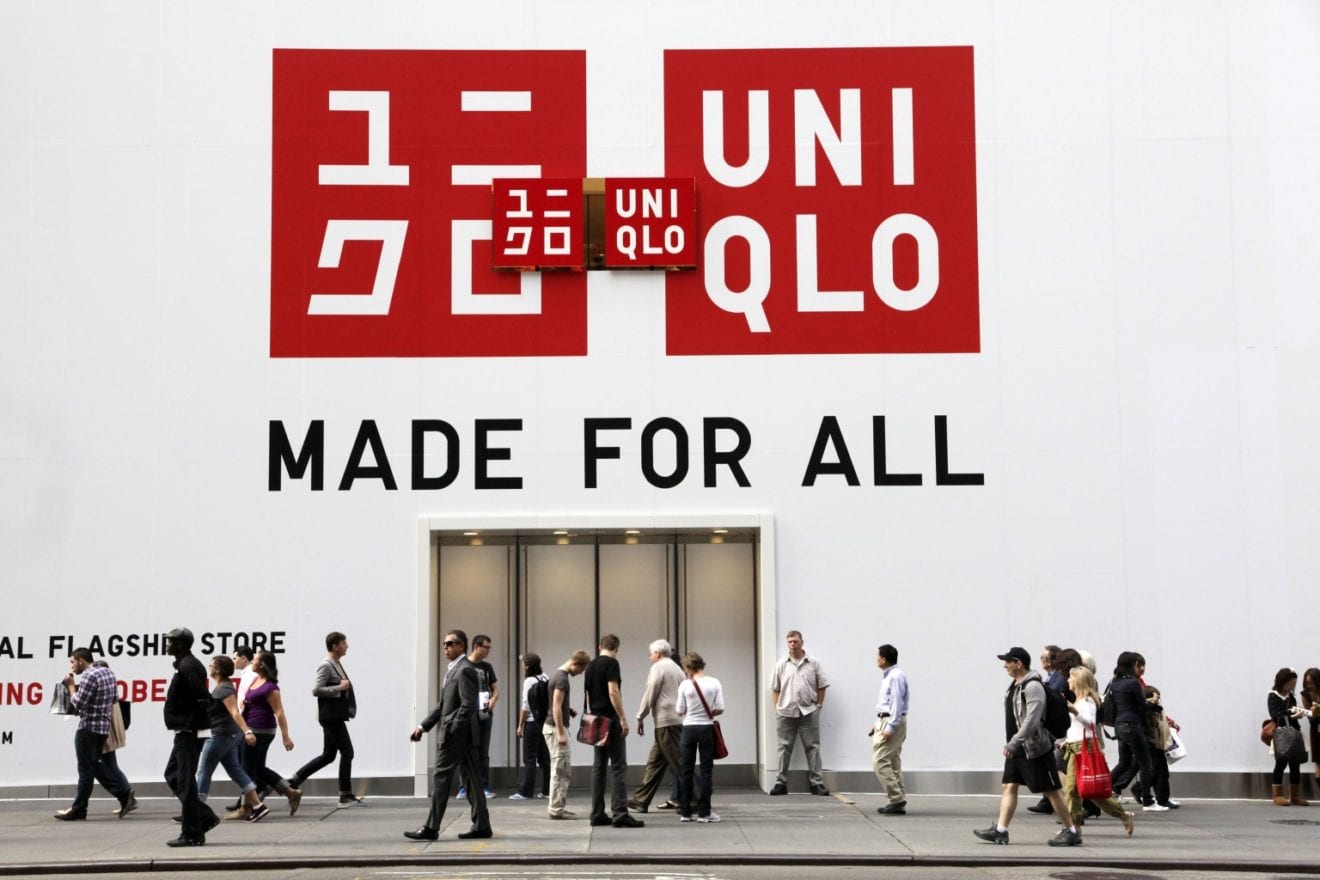
    Fast Retailing raised its full-year earnings forecasts after sales at its Uniqlo casual-wear stores in China and South Korea grew more strongly than expected during the first half of the financial year, showing its overseas expansion is bearing fruit.

    Overseas growth is key to the Japanese firm’s goal of becoming the world’s top apparel retailer by 2020 ahead of Zara owner Inditex, Hennes & Mauritz and Gap.

    Chief executive Tadashi Yanai said Fast Retailing would have more Uniqlo outlets overseas than in Japan by this autumn, with openings in mainland China, Hong Kong and Taiwan to continue at break-neck pace.

    “Maybe in about five years, we’ll have 1,000 stores [in China],” he said, compared with 415 at the end of February. “Eventually we want to have about 3,000 stores [there].”

    Uniqlo, known for its HeatTech fabric technology and rainbow-coloured basics, now has close to 1,600 stores globally, with about 46 per cent of those outside Japan.

    Fast Retailing said it now expected operating profit of 200 billion yen for the financial year to August, up from its previous estimate of 180 billion yen. The average forecast of 22 analysts was for 197.25 billion yen.

    Asia’s biggest apparel retailer also bumped up its revenue forecast to 1.65 trillion yen from 1.6 trillion yen and its net profit estimate to 120 billion yen from 100 billion yen.

    Overseas sales at Uniqlo jumped 49 per cent in the first half from a year earlier, led by China and Korea, although the United States remained a weak spot. The firm did not break out sales results by country, only saying whether they met its targets.

    In Japan, sales rose 12 per cent during the period as shoppers snapped up items like its ultra-light down jackets and extra-fine merino sweaters.

    Fast Retailing also got a boost from the yen’s depreciation, booking a 13.5 billion yen foreign-exchange gain for the six-month period.

    But the company also warned it was facing rising import costs from the weaker yen. As a result, it will raise prices by 10 per cent on average for roughly a fifth of its products in the next autumn/winter season at Uniqlo Japan.

    Shares in Fast Retailing have gained 10 per cent in the year to date, while the Topix Index is up 13 per cent.

    Separately, Britain’s Co-operative Group, the supermarkets-to-funerals operator that almost collapsed in 2013, said it had been rescued by selling assets including its pharmacies and could now focus on rebuilding.

    Co-operative reported pre-tax profit of £124 million for the year to January 3, against a loss of £255 million a year earlier, on revenue of £9.4 billion, helped by disposals.

    The mutually owned group said it had emerged from the rescue phase of a three-year turnaround as a slimmer business focused on its food stores, funerals, insurance and legal services. It has cut net debt to £808 million from £1.4 billion.

    Chief executive Richard Pennycook said the hard work of rebuilding the group was under way after the completion of its rescue plan.

  • Furla reports 38% H1 travel-retail sales increase

    Furla reports 38% H1 travel-retail sales increase

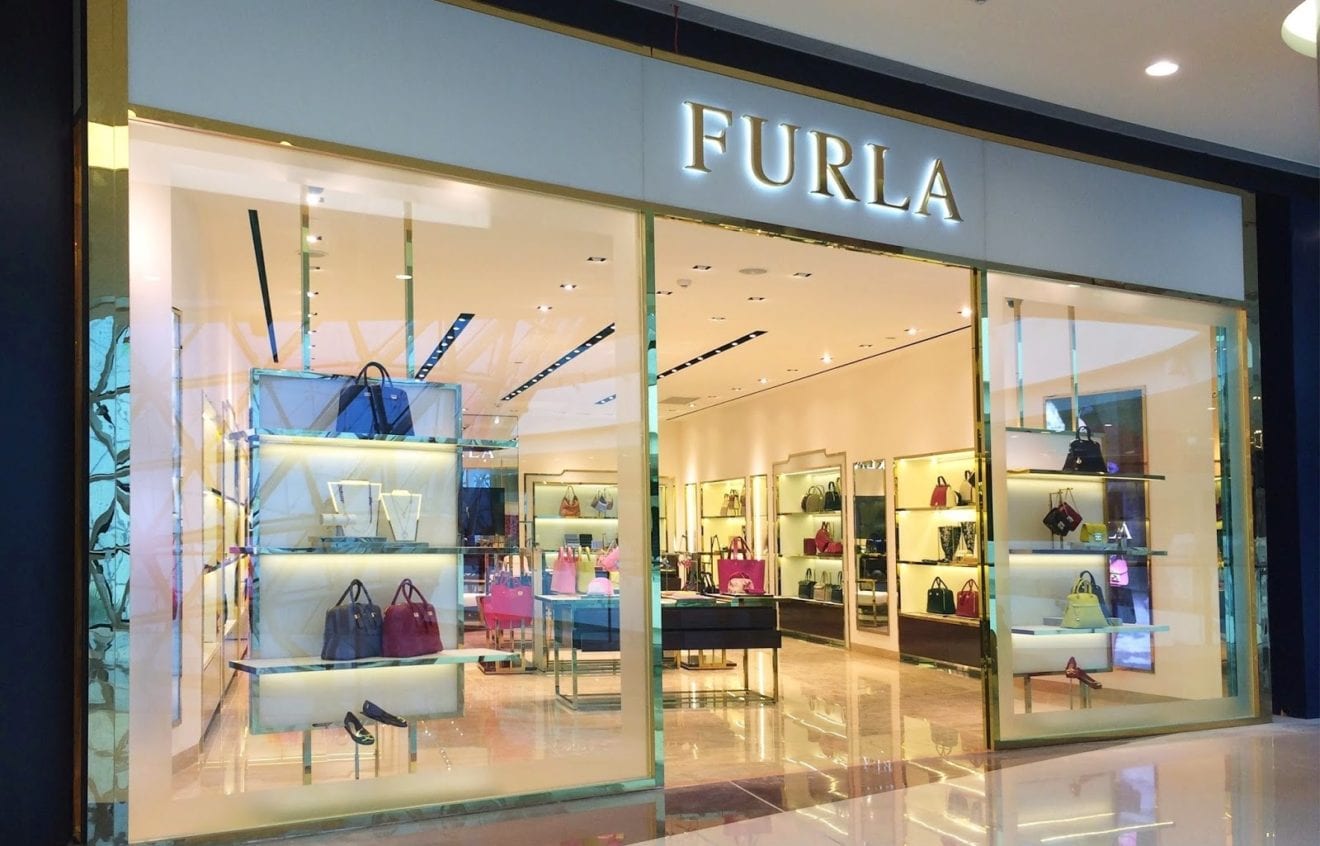
    Italian luxury leathergoods brand Furla has reported a 38% travel-retail sales increase in H1 2016.

    Furla currently has 223 travel-retail points of sales in 52 countries, the most recent openings in Bucharest Henri Coandă International airport and Singapore Changi airport terminal two with Lagardère Travel Retail.

    Following record results in 2015 in terms of sales and profitability, the Furla Group overall has continued growth in the first half of 2016 registering €194m ($217m) in sales versus €151m in H1 2015, an increase of 28%.

    This increase is equal to +27% at constant exchange rates and proves Furla Group’s growth is well distributed worldwide thanks to increases in sales ranging between +22% and +34% in all geographical areas where the brand is present.

    The Furla Group now counts 425 mono-brand stores, up from the 415 units registered at the end of 2015. Around 50% of these mono-brand stores are composed of property and franchising points of sale.

    Counting multi-brands and department stores, the Furla Group is present in more than 1,200 other locations worldwide. It is directly present in more than 100 countries with its products.

    Furla Group, recently opened new mono-brand stores in locations such as Citic Mall in Shanghai, Mira Mall in Hong Kong, GUM in Moscow and in Nice. In the second semester of 2016, the Furla Group plans to open new stores in London (Brompton Road) and in Paris (Rue du Faubourg Saint Honoré).

    Japan remains its strongest market, representing 26% of total sales in the semester with a 30% increase just like the US. In Europe, sales excluding Italy—that alone is responsible for a 34% sales increase—have increased by 26%. Asia/Pacific sales have risen 22%, equal to almost 20% of the total sales for the Group. Like-for-like sales have also surged significantly with well-balanced results across all regions.

    In 2016, Furla Group, which boasts a 1,500-strong workforce, intends to increase investments in areas that already appreciate the brand and where the Group sees even more potential: marketing, communications, digital and e-commerce markets.

    Furla Group general manager Alberto Camerlengo said: “We’re extremely proud of our results for the first half of the year. The Furla Group continues to grow exponentially both geographically and across the different product categories, continuing to assert itself on a global level as one of the leading Brands in all markets.

    “The quality, freshness and innovative aspects of our products are recognised all over the world and we have been able to achieve these results thanks to the commitment and dedication of our team. We will continue to work towards new growth goals, opening new distribution channels, reinforcing existing relationships and focusing on new projects for the future.”

  • SMCP vows to continue China roll-out

    SMCP vows to continue China roll-out

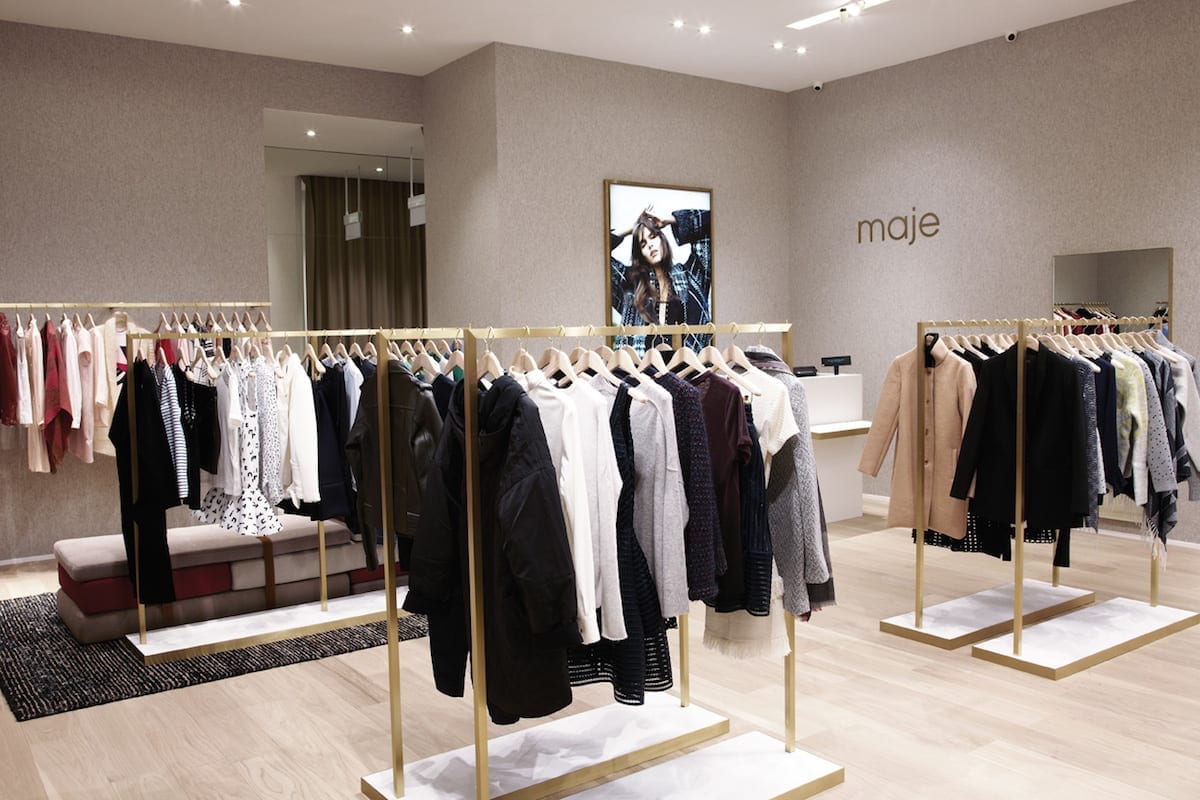
    SMCP, the group behind French fashion brands Claudie Pierlot, Maje and Sandro plans to pursue its international expansion, particularly in China, where it will continue to open about 30 shops a year.

    SMCP president/CEO Daniel Lalonde says the strategy has not changed after majority owner KKR agreed to sell control to China’s Shandong Ruyi in a €1.3 billion (US$1.4 billion) deal that made the company cancel its application for a Paris flotation.

    Shandong Ruyi will own 80 per cent of SMCP while KKR will retain a 10 per cent stake. The balance will be held by founders Evelyne, Ylan Chetrite and Judith Milgrom shared with management.

    Meanwhile, SMCP has bucked the global fashion industry’s sluggish sales growth trends with a 9.3 per cent increase in like-for-like revenue in the first half.

    Including the impact of foreign exchange and new stores, first-half sales were up 19.2 per cent at €377.2 million globally.

    Lalonde says SMCP’s digital strategy is paying off with online sales making up 10 per cent of total revenue, up from 6 per cent last year.

  • David Beckham film heads Biotherm Homme campaign

    David Beckham film heads Biotherm Homme campaign

    A David Beckham film is spearheading a campaign to promote Biotherm Homme’s Force Supreme skincare range.

    Celebrating the sportsman’s life story, a video documentary Force Supreme: The Story of My Life was put together by Swedish director Johan Renck, known for his music videos and commercials.

    In his 40s, Beckham is still a fashion and grooming icon, and in the skincare movie he tells how his life is still evolving.

    He says he uses Force Supreme serum to improve his skin, and says the range’s new Life Essence “is really a booster in the morning”.

    French luxury skincare brand Biotherm launched Biotherm Homme in 1985 and offers more than 80 products for different skin types and concerns. Biotherm Homme is a brand in the L’Oreal Luxe portfolio.

  • Miniso signs up to enter US

    Miniso signs up to enter US

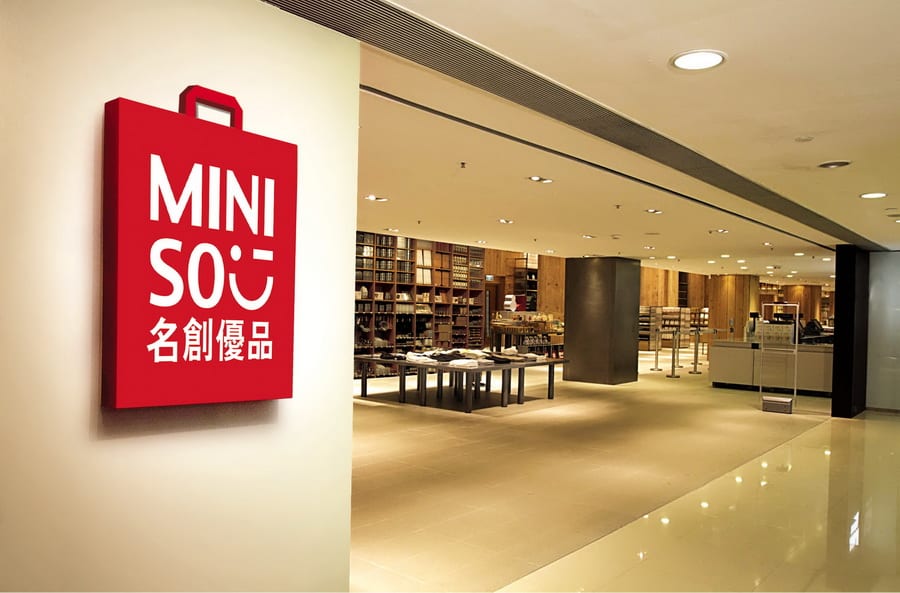
    China’s fast-fashion designer brand Miniso has signed a comprehensive strategic co-operation agreement to enter the US.

    A signing ceremony in Guangzhou was attended by Miniso global co-founder Ye Guofu and Asia Pacific VP Li Minxin as well as a representative from Miniso’s US partner, Matthew Liang.

    Miniso has opened 1400 stores internationally in the past three years, with its global revenue hitting RMB5 billion (US$750 million) last year.

    After focusing on markets in China and Japan, Miniso has successively signed strategic co-operation agreements with 36 other countries and regions.

    Ye says Miniso and its US partner will further co-operate in areas such as product research and development, model updating and talent training.

  • Indonesia leading charge, says Asia Luxury Index

    Indonesia leading charge, says Asia Luxury Index

    Indonesians have become Asia’s foremost online buyers of luxury goods, according to the latest Asia Luxury Index.

    Amid difficult economic conditions, online sales of luxury goods in Indonesia have grown by 84 per cent, according to the index, which draws mainly on the sales data of Reebonz, a Singapore-based eCommerce platform for luxury products.

    Reebonz Indonesia executive manager Anggono Wijaya says social media, digital marketing and collaborations with influencers and young designers were among the main reasons behind the ballooning sales.

    Senior marketing manager Bernard Widjaja Ng says the group of luxury consumers is evolving and expanding as luxury is no longer just for the select few. “With growing affluence and accessibility, more consumers can readily buy luxury goods.”

    He says consumers have also become younger, with 21-year-olds starting to buy luxury goods. “There is a shift in an economical class of buyers, as people from the B-level economy have started to buy luxury goods.”

    Accounting for 62 per cent of online transactions in Asia are bags, with Balenciaga, Fendi and Longchamp topping the brand list in Indonesia. The report also notes an 87 per cent rise in shoe sales and a 39 per cent increase in timepiece sales.

    It also notes a shift in buying trends, with a 30 per cent increase in pre-owned luxury goods sales.

    Topping the brand list in this category are bags and shoes by Chanel, Hermes, Louis Vuitton and Prada.

    Starting as a luxury product retailer in Singapore, Reebonz has expanded via eCommerce platforms with offices in Indonesia, Australia, Hong Kong, Malaysia, South Korea, Thailand and Taiwan.

  • RSH launching Old Navy in Malaysia with KL store

    RSH launching Old Navy in Malaysia with KL store

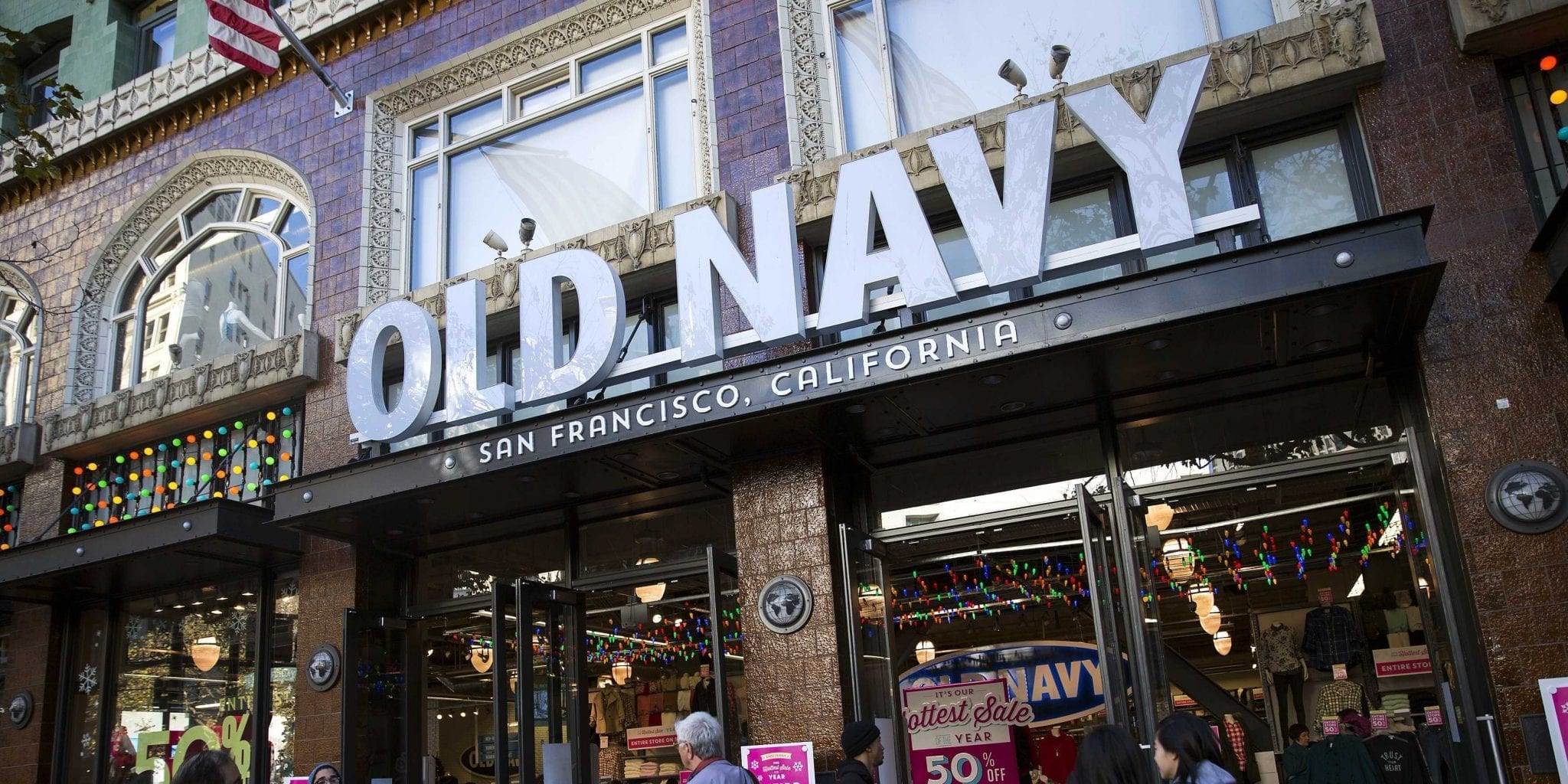
    With distributor RSH, fashion label Old Navy will open its first store in Malaysia at the end of this month.

    RSH regional marketing and communications manager Roy Lan says the brand will launch a “robust” integrated campaign to raise awareness among consumers of the arrival of Old Navy in Malaysia.

    Its store will be in the 1 Utama Shopping Center in Kuala Lumpur.

    Launched in 1994, Old Navy offers fashion essentials for families. It became the first retailer in the US to reach $1 billion in annual sales in less than four years, and is part of the Gap portfolio of brands, which also includes Athleta, Banana Republic and Intermix.

    With an 800 sqm layout, the new store will offer apparel and accessories collections for men, women, children and babies.

    Its launch in Malaysia follows its entry into Indonesia this year.

    “In the next five years, if everything goes according to plan, we should have 10 stores in Indonesia and five stores in Malaysia,” says Lan.

    Malaysia is the seventh franchise market expansion for Old Navy. In launched its first franchised stores in the Philippines two years ago, and has since opened in four Middle East countries. Its move into Southeast Asia builds on the success Gap and Banana Republic have experienced since entering the market in 2007.

  • Spike Jonze helps launch Kenzo World fragrance

    Spike Jonze helps launch Kenzo World fragrance

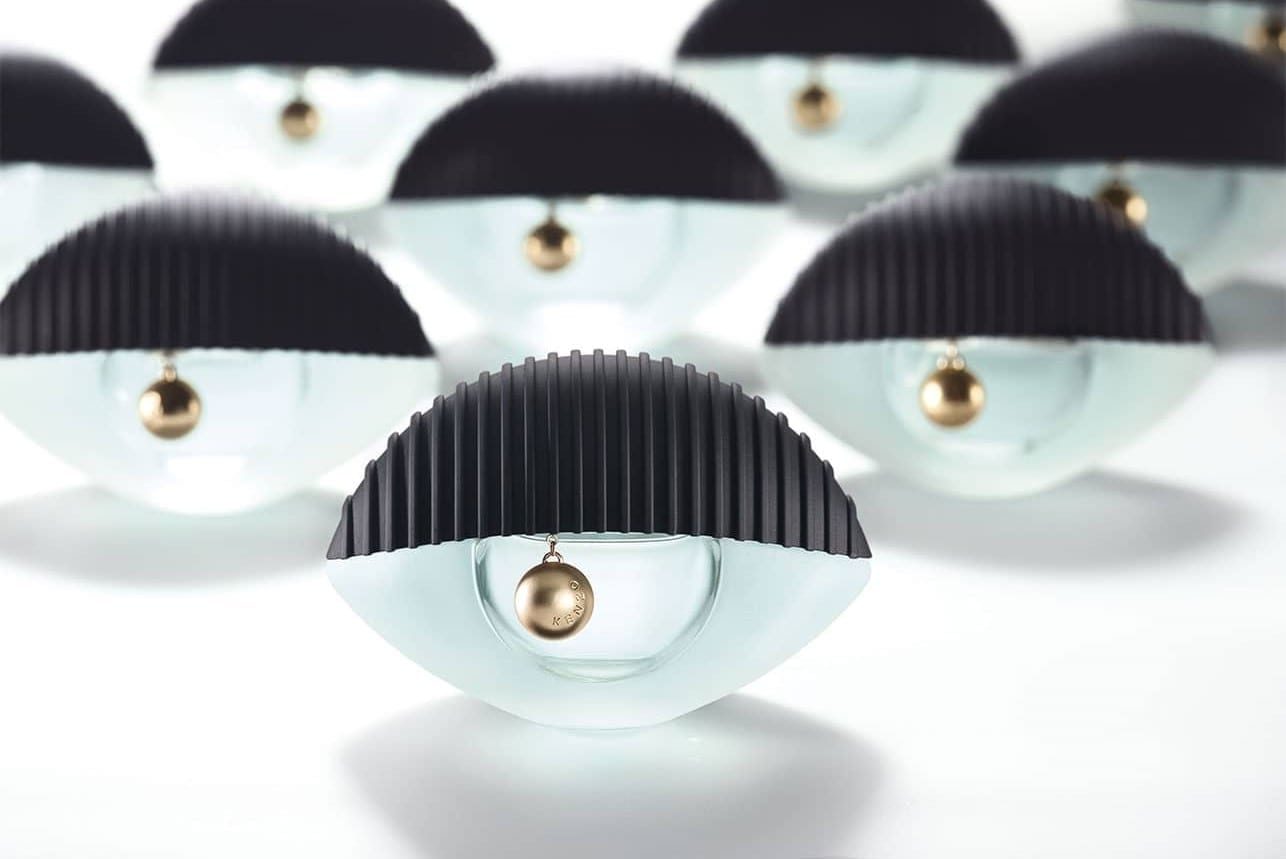
    Kenzo Parfums has unveiled Kenzo World fragrance, the first feminine scent conceived by Kenzo creative directors Carol Lim and Humberto Leon.

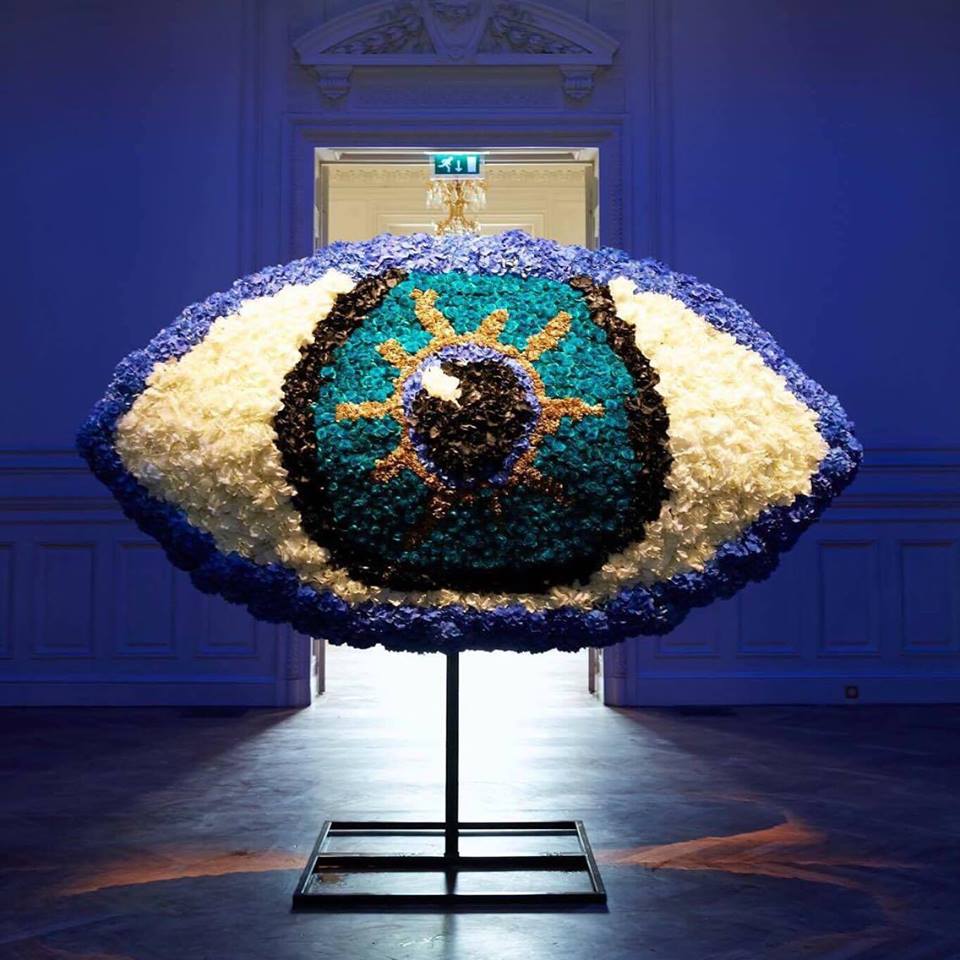
    Five years ago Lim and Leon, two young self-taught Americans, became creative directors of Kenzo, now owned by LVMH. They quickly connected with the core identity of the house founded by Kenzo Takada in 1970, energising it with fresh creativity, including now iconic motifs. Introduced for the 2013 fall-winter collection, the eye motif has become a symbol of the Kenzo universe.

    “We loved the interpretation of the eye really informing your world,” says Lim.

    Now this iconic eye symbol marks the new boldly feminine fragrance from the house, Kenzo World. Designed by Patrick Li, the bottle features black rubber, pink gold and opaline, recalling the mix-and-match of colors and materials that inspire the designers and their collections. The stylized eye is an invitation to experience Kenzo World, a world to be explored right from the name printed in Braille on top of the box.

    The creation is signed by perfumer Francis Kurkdjian, whose creative approach resonates with that of Lim and Leon, a bold mixing of materials and styles to explore new directions.

    Lim and Leon have created this fragrance for a Kenzo woman “who is free, strong and bold”, and whose boundless energy is translated in the advertising spot directed by Spike Jonze.

    Kenzo_Eye_Fragrance_party

    Mixing choreography and performance, the clip follows Margaret Qualley on an escapade set to a soundtrack with a catchy tempo, a far cry from the standard genre of perfume ads.

  • Moynat Boutique opens in Seoul

    Moynat Boutique opens in Seoul

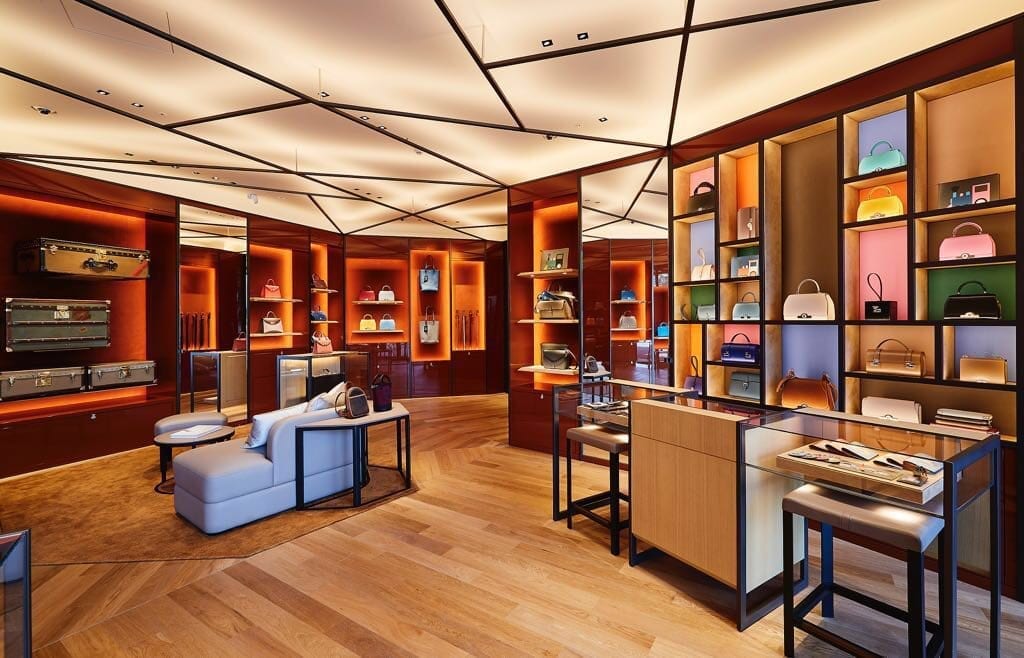
    Korea’s first Moynat Boutique has opened inside the Shilla Hotel in downtown Seoul.

    The French luxury bag and luggage brand, bought by LVMH in 2011,  has been expanding its international network in recent years, and now boats full-scale ‘maison’ stores – or flagships – in Paris, London and New York, and ‘galleries’ in Hong Kong, Beijing, Tokyo, Seoul and Taiwan.

    Moynat Korea

    The new store, located on the first floor of the Shilla Hotel, will feature men’s and women’s lines as well as two designs created exclusively for the Seoul store. Customers can use the brand’s signature personalisation services, including made-to-order designs and hand-painted motifs by Moynat’s artists.

    moynat korea

    The brand was founded in 1849 by Pauline Moynat and initially gained fame for its lightweight, waterproof trunks.


  • Pizza Hut parent eyes French Connection sale

    Pizza Hut parent eyes French Connection sale

    The parent of the Pizza Hut business in the UK appears to be an unlikely bidder in the French Connection sale.

    Private equity company Rutland Partners is reported by the Sunday Times to have been in talks to buy the troubled UK fashion brand since early this year.

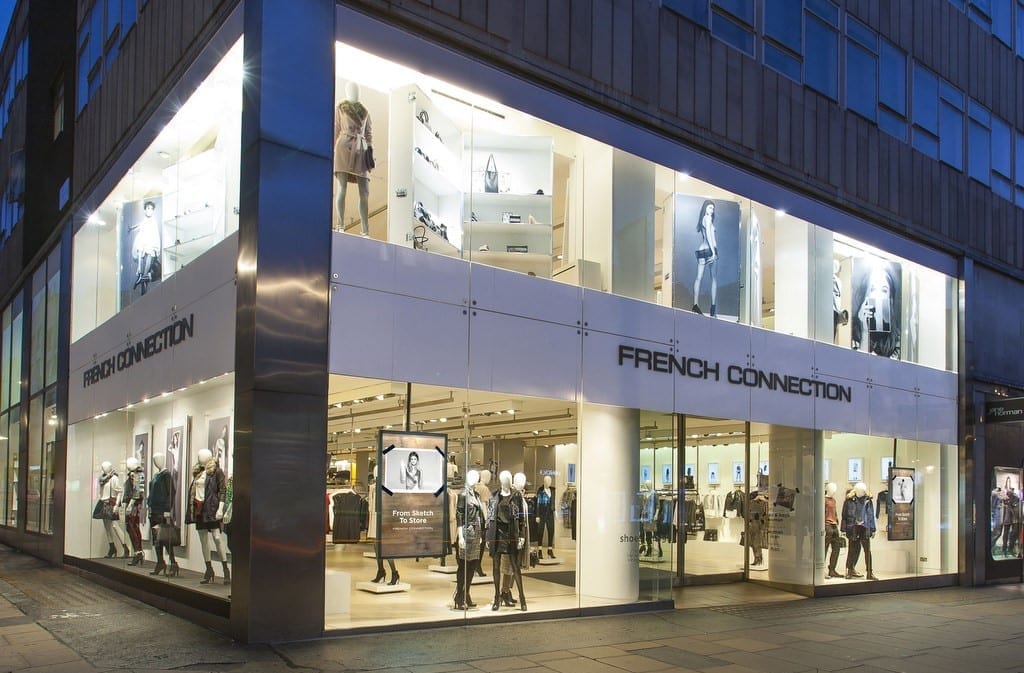
    French Connection, a decade ago infamous for its branding FCUK, has struggled for the last several years as its designers failed to capture consumers imagination with its offer. The brand seems caught in a rapidly shrinking middle market between fast fashion brands and the European-led luxury sector, its pricing aligned with neither end of the spectrum.

    The company is thought to have been unofficially on the market for more than a year, although Rutland is thought to be offering as little as £40 million

    A source told the Sunday Times it could not justify paying more than 40p a share for the business, which extended its losses five-fold last year on sales down 9 per cent to £164.2 million.

    Besides Pizza Hut, Rutland also owns electronics chain Maplin and the Bernard Mathews turkey brand.

    French Connection dates back to 1992 when it was founded as a womenswear brand by Stephen Marks, a year after the cult film of the same name was released. Menswear was added in 1976 and Marks grew the business to the point where its float in 1984 made him Great Britain’s 15th richest man. By the late 1980s it was in trouble and he bought back control of the business in 1991, launching the controversial FCUK brand and advertising campaign. That drove it back into a new era of success before consumers grew tired of the joke and it reverted to French Connection in 2005. By 2014 the retailer had 131 stores in the UK and Europe and it wholesales stock and supplies franchises internationally.

    Ten years ago the company’s shares traded at £2.40 each, and Gatemore Capital Management, which holds 8 per cent, values the stock at £1.50.

    Robert Stockdill

  • Tourists taint Abercrombie & Fitch sales

    Tourists taint Abercrombie & Fitch sales

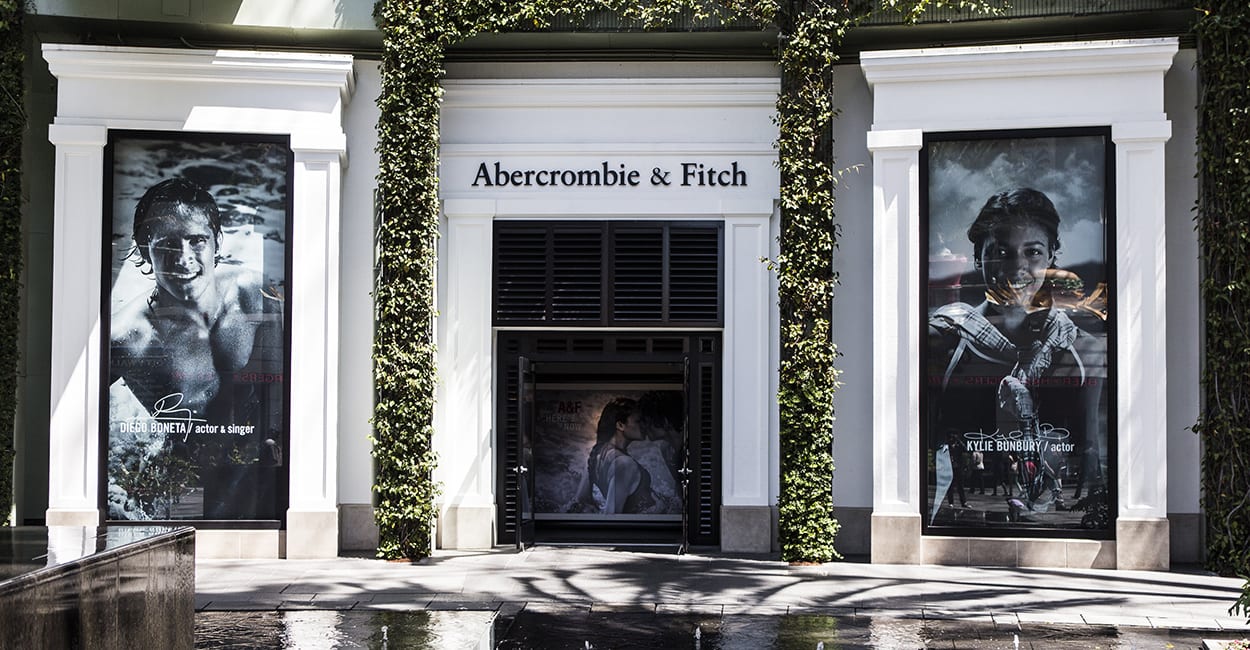
    After a short lived rally at the back end of its previous fiscal year, US apparel group Abercrombie & Fitch is now firmly back in negative territory with a weak set of sales figures at both the total and comparable level.

    It is particularly disappointing that sales growth has deteriorated since the prior quarter with much worse comparable numbers coming through for the US market.

    Once again, Abercrombie led the way with a decline of 7 per cent in same store terms; Hollister fared a little better but also slipped into negative territory with a comparable sales slide of 2  per cent. In the US both brands suffered from weaker traffic to malls and from lower tourist spend at flagship stores in key locations. This was offset, in part, by a more robust performance from the online channel which continues to show signs of life.

    Thanks to tighter inventory control, discounting was not particularly pronounced across the period which allowed A&F to produce a stronger margin outcome than might otherwise have been the case. Even so, higher product costs, relatively higher store and distribution expenses – which include the impact of lower margin eCommerce orders – and an asset impairment charge all helped push the company to an operating loss of US$10.8 million over the period. This is a marked deterioration on last year’s profit of $1.9 million.

    As disappointing as these numbers are, they are not entirely unexpected. The second quarter was expected to be fairly weak before a slight recovery of fortunes during the fall and winter seasons when stronger ranges should help drive more consumer interest. Since the previous update, however, the dollar has strengthened and this will take some of the edge of both sales growth and the profit line across the remainder of this year.

    As much as A&F is still in a period of correction, the company continues to move in the right direction. The decision to shutter 60 stores in the US over the course of this fiscal year reflects the changing dynamics of shopper behavior and will reduce A&F’s exposure to weaker malls and retail centres. The company’s emphasis on eCommerce will ensure that some of these sales are recouped.

    The company’s efforts around eCommerce are not just confined to the US. In Europe A&F’s new partnership with Zalando is encouraging, allowing it to bolster volumes and sales across Europe in a cost effective way. This gives the company and its brand extensive reach without the associated costs of opening and operating a vast number of stores.

    All that said, A&F still has much work before its brands are restored to full health. Its new ranges are better and much more appealing to core customers as well as a slightly older demographic. However, the brands still need a stronger sense of identity and focus in what remains a very crowded and competitive marketplace.

  • ALODD by Aldo Lipari Steps Out in Singapore

    ALODD by Aldo Lipari Steps Out in Singapore

    ALODD by Aldo Lipari is a new Singapore-based label to step out into the retail scene in Singapore.

    The footwear brand is founded by Aldo Lipari, who brings his wealth of experience as the former  CEO of Bally Southeast Asia / Oceania, drawing on his know-how on the market and what consumers want, in setting up his own venture.

    A resident of Singapore for the past six years, Lipari first relocated to the city-state to run Bally’s operations in the region, serving as the Swiss luxury brand’s CEO of Southeast Asia and Oceania from 2009 to 2014

    I’m very much at home in the Asia Pacific / Southeast Asia region and have a strong understanding of what the customer here wants, what the climate and lifestyle require. But I’m also Italian, with an immense appreciation for quality and craftsmanship,” explains Aldo.

    The flagship store for ALODD by Aldo Lipari opens in the newly-opened annex of The Centrepoint on Orchard Road, and sits opposite the popular Ministry of Food and soon-to-be opened, Din Tai Fung.

    Our beautifully designed shoes are handmade in Italy to the absolute highest standards,”

    “By eliminating many of the unnecessary overheads that major brands are subject to, we’re able to deliver a product that presents far greater value than what you’d find on the shelves at most ‘luxury’ boutiques.”

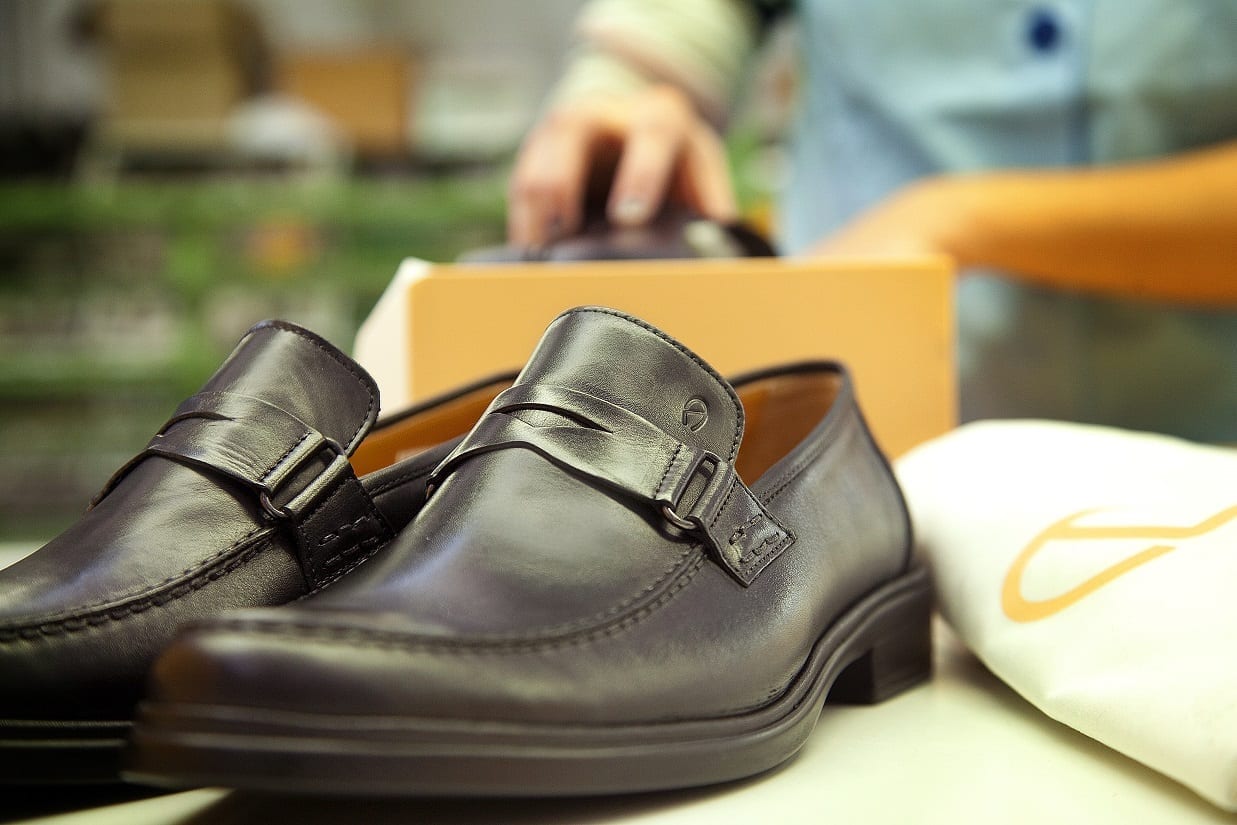
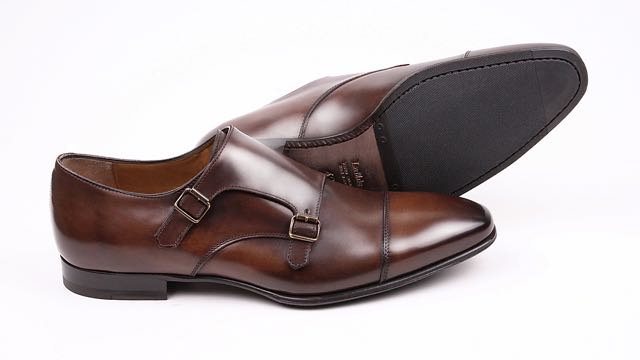
    ALODD’s footwear is exquisitely crafted by Italian artisans, utilising time honoured, traditional shoemaking techniques.

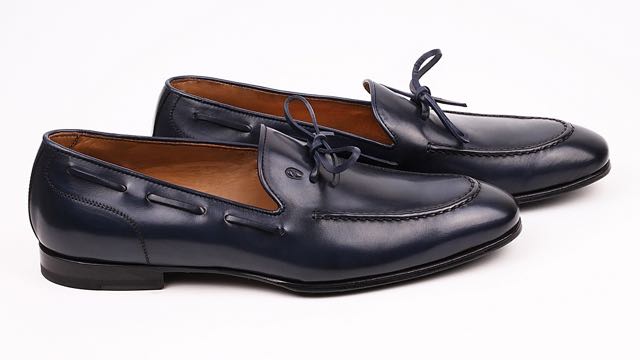
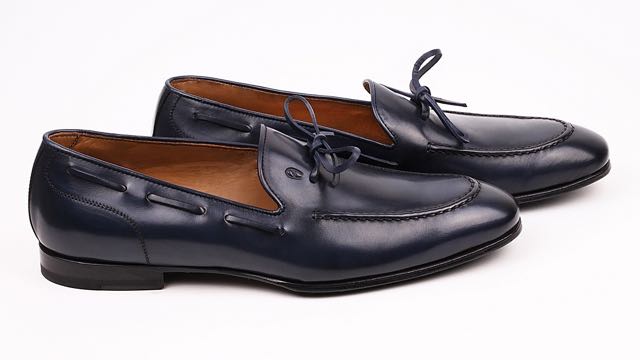
    The ALODD range is priced from $397 to $496, and staples for the working man include classic loafers, lace-ups and slip-ons, to a Derby, Oxford and Double Monkstrap.

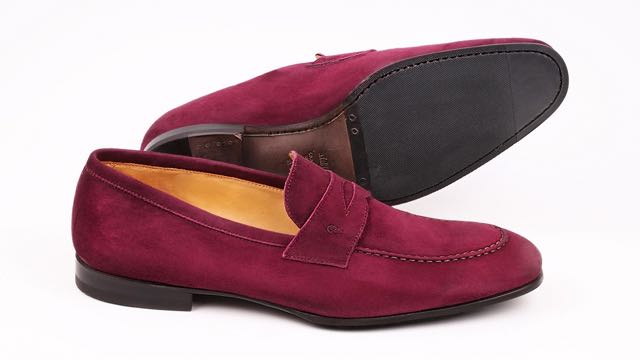
    For the weekend, driver moccasins, suede loafer and the woven loafer make excellent choices.

    Lastly the label’s unique Comfort Line which is a hybrid of sneaker meets Italian footwear, features the California construction.

    Although its name suggests American origins, the ‘California’ technique of shoe construction actually originated in Italy.

    As is the case with all of ALODD’s footwear, Comfort Line shoemaking is carried out entirely in Italy, by skilled Italian craftsmen.

    ALODD by Aldo Lipari The Centrepoint
    #02-50 The Centrepoint, 176 Orchard Road
    Singapore  238843

    ALODD by Aldo Lipari Takashimaya
    391 Orchard Road, Takashimaya Shopping Center Level 3
    Singapore 2238873

  • Menswear milestone: Hugo Boss opens 200th airport store

    Menswear milestone: Hugo Boss opens 200th airport store

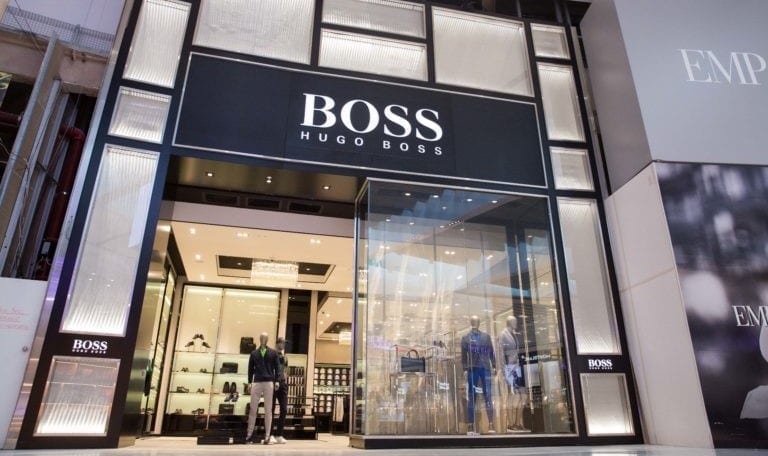
    Luxury menswear specialist Hugo Boss opened its 200th airport store earlier this year at Sydney Airport, as the brand maintains its strong focus on growth in travel retail.

    The store, which opened in April, measures 187sq m and is located at Sydney Airport Terminal 1. It offers Boss menswear including ready-to-wear, shoes, accessories as well as sportswear lines such as Boss Green.

    The opening takes the brand’s total number of airport stores in Asia Pacific to 47.

    Hugo Boss entered travel retail in the 1990s and has four lines: Boss, Boss Green, Boss Orange and Hugo. The company has a dedicated global travel retail team, with offices in Zürich, New York and Hong Kong.

    The company said growth in the channel over the years has been stable apart from 2001/2002 and 2008/2009 when the travel retail and fashion industries were shaken by global events such as 9/11 and the financial crisis.

    Hugo Boss Travel Retail Director Jesper Gustafsson said Hugo Boss had proven a success in travel retail because it offers all three product pillars in men’s fashion: formalwear, sportswear, shoes and accessories. “The share among the three pillars is equal today, with shoes and accessories the fastest growing product segment for the past two to three years.”

    Gustafsson continued: “Last year’s exceptional growth of fashion and accessories in the travel retail industry was mainly driven by womenswear and by the accessories category in particular. For Hugo Boss, this has been a blessing in disguise. On the one hand, it has given us tough times as some airport authorities have been chasing the accessories segment for women blindly, sometimes deciding to dedicate 100% of the available stores in their airports to this product category.

    Hugo2_32 - Copy

    Hugo Boss Travel Retail Director Jesper Gustafsson says there is limited competition in men’s fashion in travel retail

    “On the other hand, it has given us little competition in our area of expertise, namely fashion for the male customer at the airports. Our strategy has always been to be the number one menswear brand in travel retail, a vision we have kept and fulfilled for several years now.”

    The importance of travel retail to Hugo Boss’ business is highlighted in the brand’s investments in new stores and renovations, he said. “On average we finalise between 40 to 50 store projects per year, with a strong distribution network as a result,” noted Gustafsson.

    “We develop both through franchise partners and directly operated stores, which enables us to act fast and balance our distribution in a way that we can learn from direct contact with the traveller. It is imperative to learn how the needs of the travelling customer develop and how we can adapt as a brand to become better, and more responsive in the way we develop our business.”

    Opening Photo

    According to Gustafsson, fashion is not considered a priority by many male travellers. “Fashion, especially for men, often comes after the core categories, food & beverage and sometimes also behind technology. This means that a clear, powerful message is needed in your offer as well as good customer service to enable the purchase to happen within the restricted time limit for the customer.

    “Another important factor is omnichannel. If we can start the buying process before our customer leaves his home, we have a head-start and our airport conversion rates will be affected positively.

    “Like many other fashion companies out there, Hugo Boss is investing heavily in this area and in due time several functions such as click & collect for example will be available at our airport stores.”

    So, where does Gustafsson see Hugo Boss’ travel retail business in five years’ time? “Having 200 airport stores is certainly a milestone, but the road ahead is filled with more opportunities, which does not necessarily have to be more stores. It can also mean new ways of connecting to the customer through an omnichannel approach, or, for example, to offer a deeper customer service with tailoring at the airport and free home delivery of an altered suit.”

    Gustafsson continued: “Airports will develop more and more towards downtown shopping centres, where customer experience takes precedence rather than the spur-of-the-moment or last-minute approach used today by airport authorities when they develop their retail areas.

    “I also think that we will see the fashion & accessories category continue to outpace the traditional airport categories in growth, leading to a welcome shift in focus from how the main duty free stores should develop separately from the rest of the stores and cafes/restaurants, to how the entire airport shopping area should develop to give the customer a better experience.”

    “A brand like Hugo Boss can make gains as there’s still a mismatch between demand and supply for men’s and women’s fashion at airports today if you compare it to downtown,” concluded Gustafsson.
  • Asia leads Tiffany sales decline

    Asia leads Tiffany sales decline

    Asia has led a decline in global sales for US jeweller Tiffany & Co in both the first half year and the second quarter periods to July 31.

    Same-store Tiffany sales plunged 13 per cent in the six months in Asia-Pacific – excluding Japan where they rose 10 per cent, but fell on a constant currency basis.

    Sales growth in China and Korea was offset by a continuation of significant declines in Hong Kong and more moderate declines in most other markets, the company reported.

    Same-store North America sales declined 9 per cent in the six months, largely due to declining spending by Chinese tourists in the US.

    “The global environment continues to reflect well known challenges that we believe have had broad effects on spending by local customers, as well as foreign tourists, especially from China,” said CEO Frederic Cumenal.

    “We are managing expenses efficiently, but also maintaining our marketing spending as a percentage of sales and continuing to invest in key strategic initiatives and opportunities to further strengthen Tiffany’s competitive position among global luxury brands.”

    In the Asia-Pacific region, total sales of US$230 million in the second quarter and US$469 million in the first half were down 6 per cent and 7 per cent, respectively, and comparable store sales declined 12 per cent and 13 per cent. On a constant-exchange-rate basis, total sales and comparable store sales declined 3 per cent and 9 per cent in the second quarter and 4 per cent and 11 per cent in the first half.

    During the second quarter, worldwide net sales declined 6 per cent to $932 million and comparable store sales declined 8 per cent. Net earnings rose 1 per cent to $106 million, in the prior year. Net earnings declined 5 per cent from the prior-year period’s $111 million, which excludes a specific charge in that period.

    In the first half, worldwide net sales of $1.8 billion were down 7 per cent and comparable store sales declined 9 per cent. On a constant-exchange-rate basis, worldwide net sales and comparable store sales declined 6 per cent and 9 per cent, respectively.

    Net earnings for the half year were $193 million.

    Gross margin increased to 61.9 per cent in the second quarter and 61.6 per cent in the first half, due to lower product input costs, changes in product sales mix and price increases taken in the past year.