Category: Fashion

Retail News Asia is committed to providing both local and global retailers with the latest Fashion news throughout the Asian market. This on a daily base.

  • Korean wave exports boom

    Korean wave exports boom

    Outbound shipments of Korean food, beauty, fashion and personal care products soared in the first half of the year on the back of the growing popularity of the Korean Wave, or hallyu.

    Official data released today by the Korea International Trade Association (KITA), shows exports of such goods amounted to US$6.79 billion in the January-June period, up 15.2 per cent from a year earlier.

    Industry watchers said the growth is attributable to the cultural wave of “hallyu” in China and other Asian countries, which refers to the boom of South Korea-made entertainment goods, including pop music, movies and TV dramas. The popularity of hallyu helped turn its fans into consumers of South Korean products.

    The growth was driven by cosmetics-related goods with their exports rising 38.5 per cent to reach $1.81 billion during the first half of the year.

    Exports of foods also rose 3.5 per cent year-on-year to reach $2.43 billion, the data showed.

    The association said South Korea’s diversified product portfolio helped meet demand from customers in overseas markets.

    Last year, exports of such products amounted to $12.21 billion won, the data showed.

    Earlier data also showed that exports of South Korea-made cosmetics more than tripled over the past five years.

    Outbound shipments of makeup products reached $2.45 billion in 2015, surging 53.1 per cent from $1.56 billion a year earlier, according to the data by Korea Customs Service (KCS).

    The 2015 figure soared more than threefold from $698 million in 2011, with an annual average growth of 36.9 per cent over the 2011-2015 period.

    The total volume of cosmetics exports stood at 90,491 tons in 2015, compared to 31,606 tons tallied in 2011.

    China is the biggest buyer of South Korean beauty products, importing $999.5 million last year, or 40.6 per cent of the country’s entire cosmetics exports.

  • Loss deepens for FJ Benjamin Holdings

    Loss deepens for FJ Benjamin Holdings

    Restructuring has taken its toll on FJ Benjamin Holdings’s bottom line.

    The fashion and lifestyle brand management company has deepened its full-year net loss to S$23 million (US$16.9 million) for its latest financial year, compared to S$17 million the previous year.

    Group turnover subsided 14 per cent to S$253.6 million. Excluding the translation effects of foreign currency, the fall was 10 per cent.

    Turnover from the fashion business declined 9 per cent to S$212.5 million, while timepieces fell 13 per cent to S$51.6 million, after excluding currency translation loss.

    FJ Benjamin attributes the turnover decline to the closing of non-performing stores, discontinued businesses and the closure of its north Asian business, plus a S$10.4 million loss in converting Malaysian ringgit to Singapore dollars. These factors more than offset a slight increase in sales from franchise brands.

    Gross profit margin was 39 per cent against 41 per cent in the previous year because of increased promotional expenses.

    The group operating loss, excluding a one-time gain of S$19.6 million from the sale of mandatory convertible bonds and the sale of properties last year, was 32 per cent lower year on year at S$19.9 million.

    FJ Benjamin says it expects the trading environment to remain challenging amid uncertain economic slowdown in its key markets.

    “The restructuring that started in 2013 has been substantially completed, and associated losses are unlikely to recur,” says the group.

  • Prada Asia heads online as sales slip

    Prada Asia heads online as sales slip

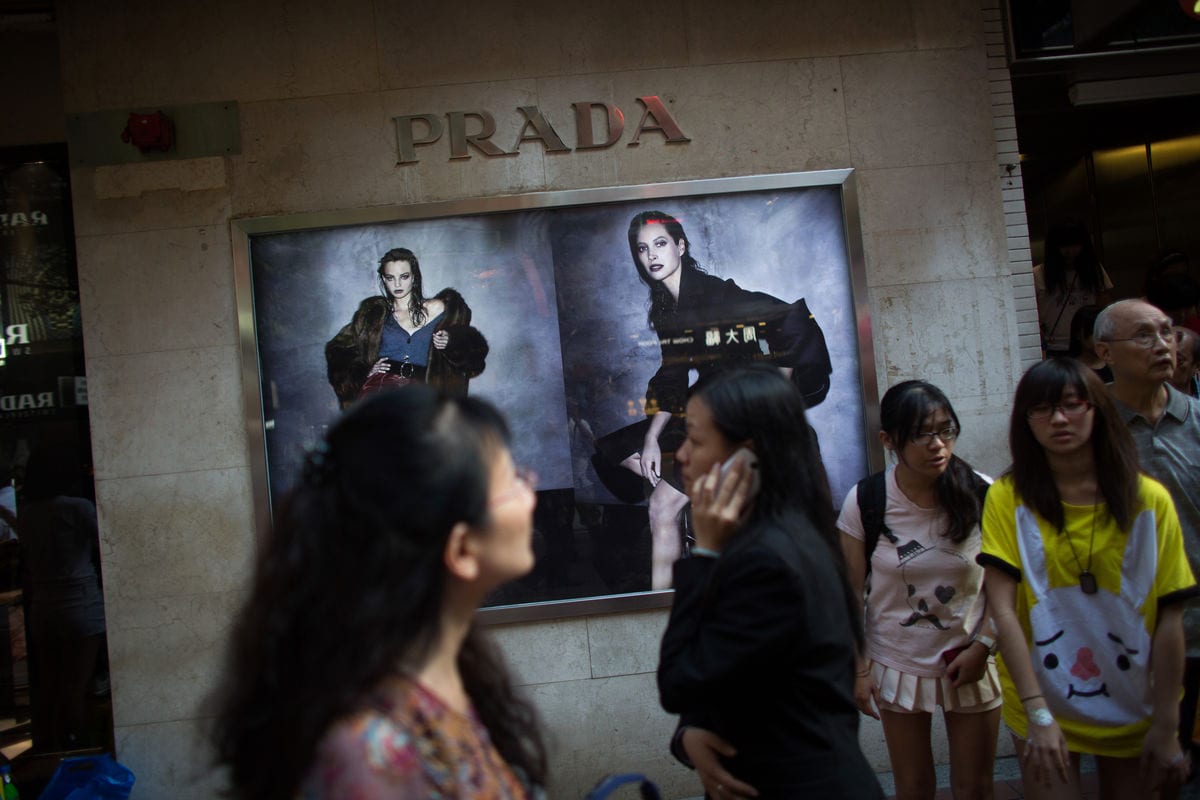
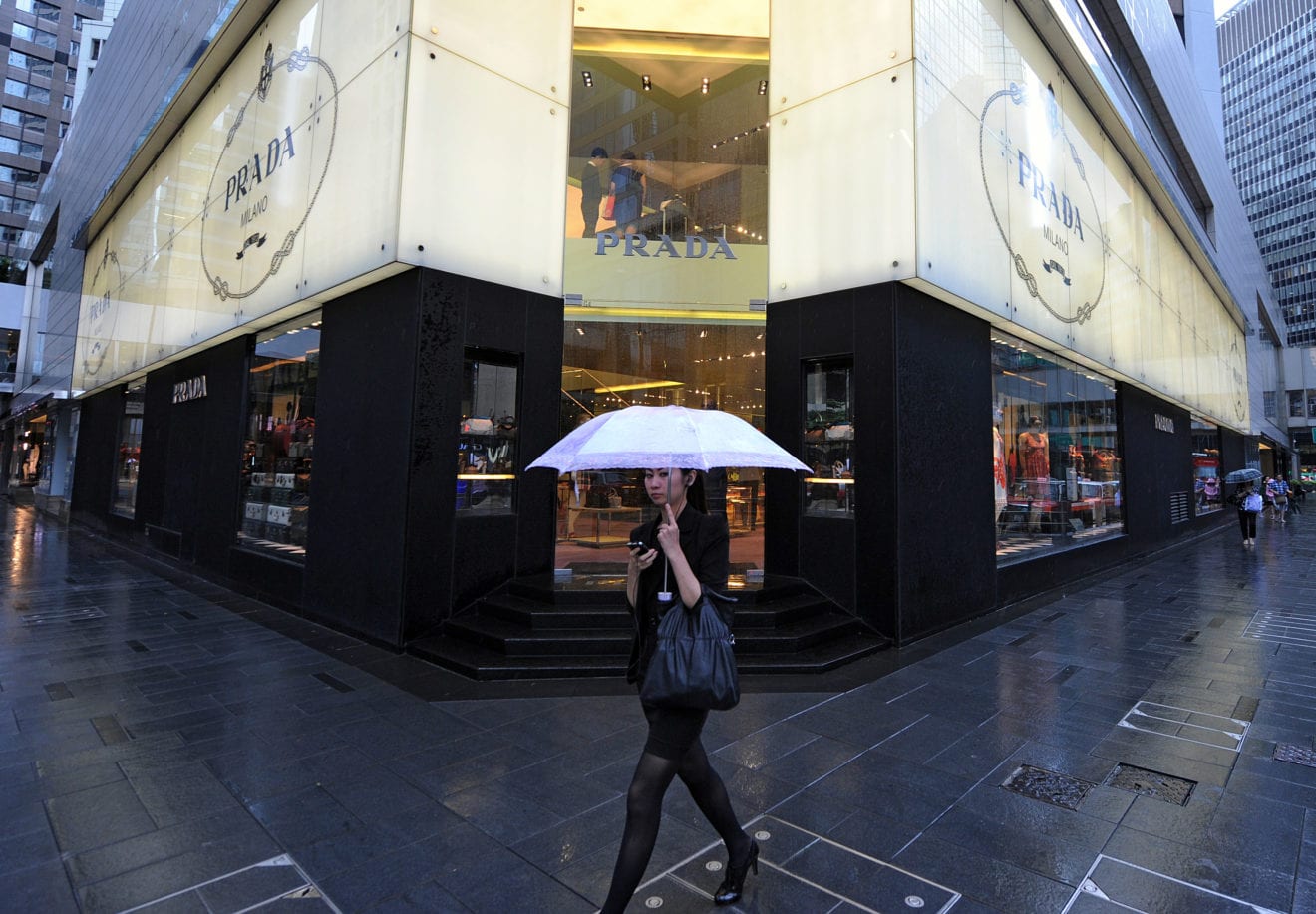
    The Italian-headquartered, Hong Kong-listed luxury brand says its Asia Pacific sales slumped  18 per cent on a constant currency basis in the first half of this year.

    “The negative economic backdrop continued to impact performance in both Hong Kong and Macau, but signs of improvement have been visible since July across Greater China,” the company noted in its results.

    And after a period of consistent growth since 2010, sales in Japan fell 9 per cent, mainly due to lower tourist flows from China caused by a less favourable exchange rate.

    CEO Patrizio Bertelli says the company will now make China, Hong Kong and Singapore its priorities in roll out its new eCommerce platform, which is expected to be global within to years.

    “At the same time there will be a constant enhancement of the online shopping experience,” he said. “Our eCommerce offer will also leverage new partnerships with international leaders in the sector.”

    Globally, Prada achieved net revenues of €1.6 billion, down 13 per cent on a constant currency basis. The decline was largely in the retail channel while Prada’s wholesale business remained stable thanks to an initial positive contribution from recent partnerships with international e-tailers and its licensing division, where good progress from royalties driven by the success of the new fragrances and eyewear.

    Net profit margin was down from 24 per cent of revenues in the first half of last year to 21 per cent. Net income amounted to €142 million, representing 9 per cent of consolidated revenues (10 per cent in 2015).

    Bertelli is upbeat about the remainder of 2016.

    “With the implementation of the first phase of rationalisation of various management and operating processes and with the launch of a series of new initiatives that will allow the group to respond quickly to the requirements of a rapidly evolving market, I see 2016 as a turning point.”

    He said the company’s retail network is subject to rigorous review including closure of non- strategic locations and selective openings in high potential markets.

    “Part of this process will also include the launch of new concepts such as the recent restyling of the Prada stores at Plaza 66 in Shanghai and GUM in Moscow, redesigned to offer a new and exclusive shopping experience for increasingly demanding clients.”

  • Differentiation can make or break Singapore brands as competition heats up

    Differentiation can make or break Singapore brands as competition heats up

    Consumers are hungry for novelty, innovation.

    Tight competition online and a tough operating environment have pushed many offline retailers—especially in the footwear and apparel sub-sectors—to downsize or flee Singapore.

    However, RHB noted in a report that brands that are able to spin unique selling point will weather the sector headwinds well, as consumers continue to be attracted to novelty and differentiated experience.

    “H&M, for instance, has numerous sub-collections each year to refresh its inventories. It also rolls out special collections each year, which are tie-ups with famous brands’ designers or style icons… Uniqlo, on the other hand, is known for its product innovation including HeatTech and AIRism technologies catered specially for cold and warm weather, respectively,” RHB stated.

    Meanwhile, BreadTalk comes out on top in terms of product innovation and willingness to experiment.

    “BreadTalk launched a new bakery concept every four years to maintain a fresh brand image. It also rolled out 50 new products along with its latest concept launch,” RHB noted.

    “Furthermore, the group is also up to date in using technology to engage customers. It is planning to build a new integrated system that allows the public to view its kitchen baking processes on external screens. The new system will also allow consumers to get alerts when new buns are up on the shelves,” it added.

  • Lotte forecasts $5bn for 2016 after first-half surge

    Lotte forecasts $5bn for 2016 after first-half surge

    South Korean duty free and travel retailer, Lotte Duty Free Group, is targeting a +20% increase in total duty free revenue to reach just over $5bn in 2016 after first half growth of +25%. Driving the big increase have been high-spending Chinese visitors shopping in its stores.

    First half sales reached almost $3bn, a senior Lotte Duty Free source said on condition of anonymity. The sales boost comes at a time when the company was preparing to close its Lotte World Tower store in June after failing to renew the shop’s licence.

    “Chinese tourist numbers are very strong (and) we are forecasting a +20% increase in total revenue for 2016. Sales have increased a lot (so far) this year because in 2015 we had the MERS epidemic problem,” the source said. “Last year, our total revenue in South Korea was $4.2bn.”

    Lotte-World-Tower-hero-P&C

    Chinese travellers continue to boost sales.

    Sales in the second half of 2016 also got off to a good start with July revenue climbing +45% as the summer peak season got underway, the source noted.

    To cope with the closure of the Lotte World Tower store the company has expanded its Sogong downtown flagship unit in central Seoul. The shop has been expanded to occupy four floors in the Lotte Sogong department store building – adding floor 12 to floors nine to 11.

    The duty free shop took over the 12th floor in February which has been converted to the new perfume and cosmetics space and opening in June. It replaces the food court that was previously there.

    BEAUTY GETS ITS OWN FLOOR

    Moving beauty to the 12th floor from the 9th floor has increased the total duty free beauty area by around +35% to 3,500 sq m. In addition, Lotte will use about one third of its 11th floor retail area to display mid-priced South Korean cosmetics brands which are also popular with Chinese visitors.

    Space for the South Korean cosmetics brands zone on the 11th floor is being created by moving some fashion brands from this level to the ninth floor area where perfume and cosmetics were located previously. The ninth floor area is being developed as an open display fashion floor and Lotte plans to bring in a number of new South Korean and international fashion brands as well for the first time.

    The group has taken over the Seoul Gimpo Airport beauty and general merchandise licence, previously operated by Shilla Duty Free, which was recently retendered by Korea Airports Corporation (KAC).Meanwhile, responding quickly to the loss of its Lotte World Tower store licence, Lotte has recently acquired two new airport duty free licenses, emphasising the company’s intention to retain its leading position in  Korea’s DF&TR market.

    SME operator City Plus was awarded the Gimpo liquor, tobacco and general merchandise licence, that was previously operated by Lotte, after KAC reserved the concession for SME bidders only.

    Elsewhere, Lotte Duty Free has also taken over the Gimhae Airport perfume and cosmetics licence in Busan, after Shinsegae Duty Free decided to give up after losing money and it was retendered.

    FIGHTING ON FOR LOTTE WORLD

    Meanwhile, Lotte is aiming to reopen its Lotte World Tower store and has set its sights on winning one of four new duty free licenses for downtown shops in Seoul that Korea Customs Service is due to tender towards the end of 2016.

    “The 7th floor is being used for the Lotte Internet duty free centre and the customer lounge. As the government recently issued new duty free licenses, we will do our best to acquire a licence to repay the love our customers have shown to us. Thank you.”Following the World Tower closure: Lotte posted the following announcement on its website: “We express our deep thanks to our customers for shopping at Lotte World Tower. Due to the expiry of our duty free shop licence, Lotte World Tower store was closed on 26 June, 2016.

    Of the four new downtown duty free shop licenses that KCS will award, three are for large conglomerates and one for SME operators. In addition to Lotte, Shilla Duty Free and Shinsegae Duty Free may make bids even though both companies have already opened new downtown stores in Seoul this year.

    Newcomer Hyundae Department Store is another likely bidder, as is WalkerHill Duty Free which had to close its newly-rebuilt downtown store after losing its licence. It is keen to re-open its now empty shop.

  • New Louis Vuitton perfumes

    New Louis Vuitton perfumes

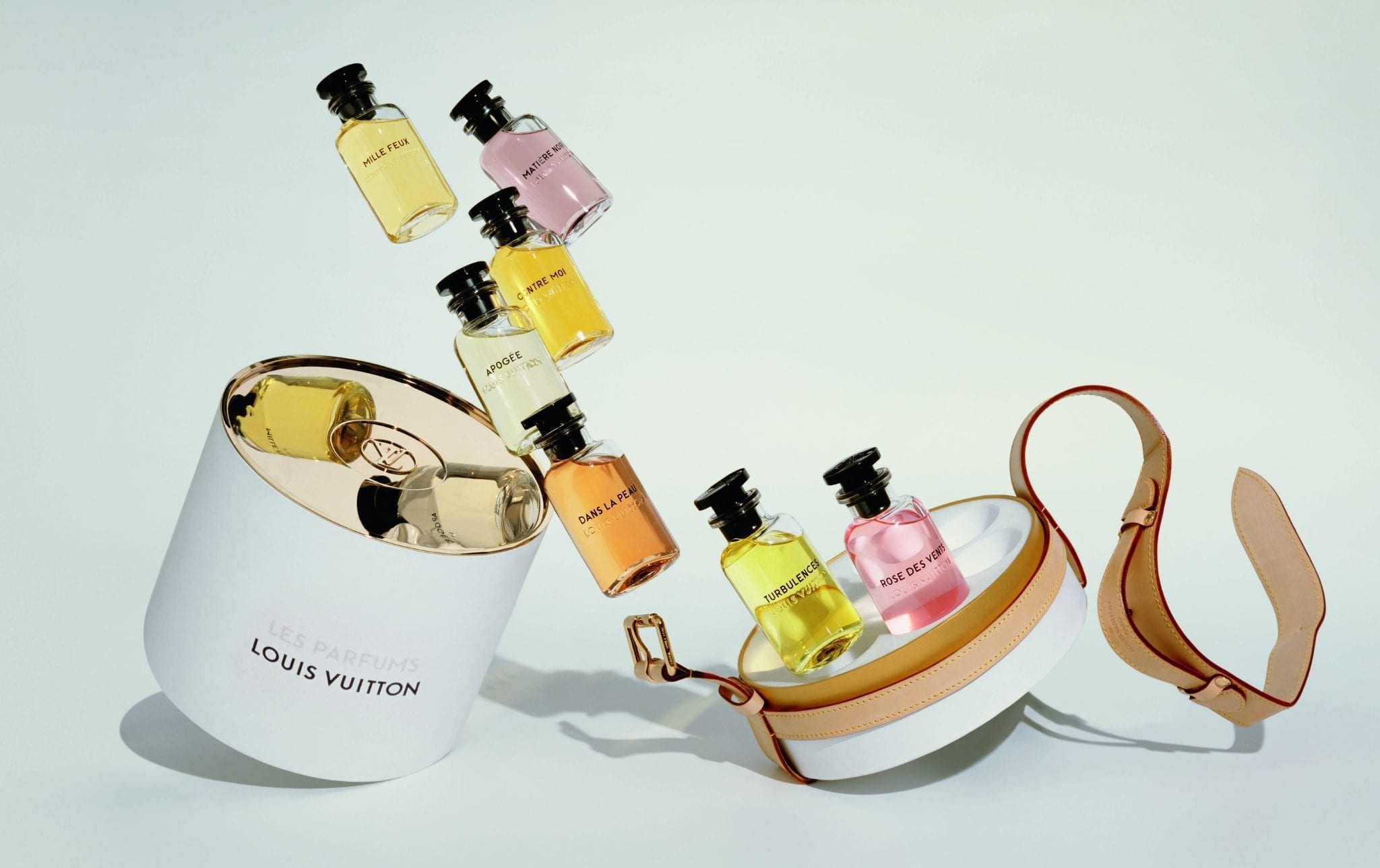
    Louis Vuitton perfumes are available again, with the French fashion house offering seven choices for its first fragrance launch in 70 years.

    Ingredients for the perfumes have been sourced internationally, including CO2 extractions from jasmine and May roses native to Grasse, the French town known as the world’s perfume capital. The extraction process is a first in the perfume industry.

    The 162-year-old label’s master perfumer, Jacques Cavallier Belletrud, whose creations include Issey Miyake’s L’Eau d’Issey and Stella by Stella McCartney, spent months travelling the five continents to seek out exotic and rare materials for the fragrances.

    “I wanted to surprise people who smell the perfumes – create emotion, bring them back to childhood or moments of pleasure,” says Belletrud, who is a native of Grasse.

    His new fragrances include elements from countries including China, France, Indonesia, Italy, Laos and Peru.

    For Rose des Vents, he blended a trio of roses, centifolia, Bulgarian and Turkish; with Apogee, he uses lily of the valley, Grasse jasmine and Chinese magnolia.

    While most of the scents are floral, the range also has the more masculine notes of leather and wood (in the perfumes Contre Moi and Matiere Noire).

    Louis Vuitton gave Belletrud the freedom to work without a deadline, and he took four years to produce the range. “The challenge was to create something that would last over the years,” he says.

    The fragrances will be available in Singapore next month at Louis Vuitton boutiques at Marina Bay Sands and Ngee Ann City.

  • Prada falls on tough times in China

    Prada falls on tough times in China

    Italian fashion brand Prada is suffering from shrinking demand in its largest market of China, with a 20%-plus drop in first-half sales dragging down overall profit to the same degree.

    The Hong Kong-listed, Milano-based company announced late Friday that net revenue dropped 15% on the year to 1.55 billion euros ($1.37 billion) for February to July. The fall was “entirely attributable to a sales decline in the retail channel as the wholesales and royalties were positive,” Prada said. Retail net sales, accounting for more than 80% of net revenue, sank 18%.

    A significant blow came in greater China as sales from directly operated stores fell 24% to 278.7 million euros. On top of lower sales at stores on the mainland, “Hong Kong and Macau continued to weigh heavily on the region’s contraction,” the company said. China’s anti-corruption campaign and economic slowdown bit into purchases of pricey items. A reduced appetite for travel by mainlanders to Hong Kong and Macau also took a toll.

    The fall in revenue was not confined to greater China. All of its geographic categories, brands and product lines suffered declining sales. By product, sales of its signature leather goods dropped 22%, “especially in the Far East,” according to the statement.

    Excluding greater China, Europe was another hard-hit region, with a 21% drop in net sales. The main reason was terrorist attacks in major cities, with the company blaming a “reduction of traveler flows, resulting mainly from the publicized tragic events.”

    But there were some silver linings in Europe as well. Russian sales saw double-digit growth in local-currency terms, and the U.K. apparently benefited from “the weak pound after the Brexit” vote. Casualties in Japan and the Middle East were relatively light, with retail sales declining just 2% and 1%.

    Net profit decreased 25% to 141 million euros even after such belt-tightening measures as cutting labor and lease costs as well as advertising and communications expenses.

    Along with launching new collections to stimulate its customers’ appetite for buying, the company is upgrading important stores while shutting down others. Eighteen new outlets were opened in the half, while 14 were closed, bringing the number of directly owned stores to 622. The company continues to refurbish strategic stores into so-called new-concept stores in such key locations as a GUM department store in Moscow facing Red Square, and the Plaza 66 complex in central Shanghai on bustling Nanjing West Road.

    Prada closed 1.6% higher here at 21.65 Hong Kong dollars on Friday, ahead of the earnings announcement. Despite seeing some gains that day, the shares have lost more than 10% since the start of the year, while the benchmark Hang Seng index has risen 4.5%.

  • Curtain to Rise on Major Fashion Event Centerstage Next Month

    Curtain to Rise on Major Fashion Event Centerstage Next Month

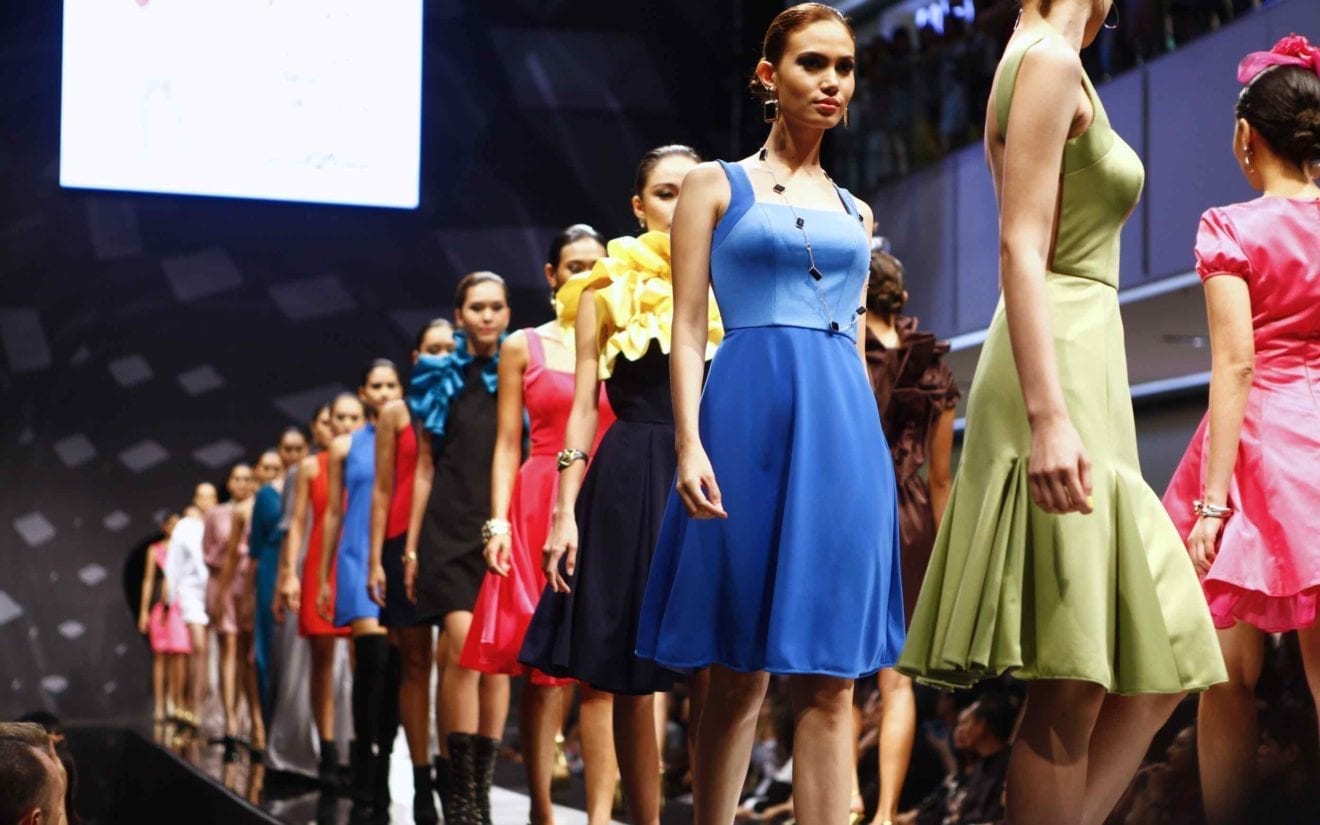
    CENTRESTAGE, a brand new fashion promotion and launch platform, will be held from 7 to 10 September at the Hong Kong Convention and Exhibition Centre (HKCEC). Organised by the Hong Kong Trade Development Council (HKTDC), the trade show will feature some 200 fashion brands from 20 countries and regions, as well as more than 50 spectacular events, including the large-scale opening gala fashion show CENTRESTAGE ELITES and around 30 other fashion shows. There will also be designer sharing sessions, industry seminars, networking events and more.

    At a press conference today, HKTDC Deputy Executive Director Benjamin Chau noted, “Hong Kong has long been known as the region’s fashion capital, setting style trends for the region. To further solidify the city’s position, we are debuting CENTRESTAGE to provide the ideal promotion and launch platform for international, especially Asian, fashion brands and designer labels.” Mr Chau added that the trade show is supported by local and overseas industry players, and is expected to attract buyers, particularly select shops, department stores and e-tailers, as well as fashion media and fashion enthusiasts in the region.

    Designers and guests at the press conference included local designer Mim Mak as well as Simon Choi, Project Director of Fashion Mirage, Hong Kong Fashion Designers Association and Elina Lee, Director of Partnership, Marketing, Communications, Events & Special Projects, Hong Kong Design Centre (HKDC).

    “Shooting Stars” is the theme of the inaugural CENTRESTAGE, which includes four thematic zones: GLAM, ALLURE, METRO and FORWARD. The participating countries and regions, include the Chinese mainland, Taiwan, Japan, Korea, Malaysia, Thailand, India, Australia, the United States and Europe. Local and overseas industry associations will also attend, such as the Hong Kong Fashion Designers Association, the California State Trade and Export Promotion & Center for International Trade Development from the US, the Taiwan Textile Federation and the Thailand Textile Institute.

    Some 30 fashion shows: Showcasing new collections, new talents

    To further showcase Hong Kong as an international fashion capital, the large-scale opening gala fashion show CENTRESTAGE ELITES will be held on the first day (7 September). The hottest rising stars in Asia, namely Mim Mak from Hong Kong, Simon Gao from Beijing, Ko Taeyong from Seoul and Pongsak Suprratccheep & Thita Kamonnetsawat from Bangkok, will display their latest collections for Spring/Summer 2017. Top models including Angie Ng and Kiki Kang are invited to present designer collections at this spectacular fashion extravaganza.

    The Hong Kong Fashion Designers Association will stage a show, Fashion Mirage, on 7 September. According to Simon Choi, Project Director of Fashion Mirage, the show will adopt a theme based on five local cultural elements and the event will feature 50 fashion designers, including Walter Ma and Barney Cheng.

    For years, the Hong Kong Young Fashion Designers’ Contest (YDC) has identified many fine talents for the local fashion industry and has been a cradle for Hong Kong’s designer brands. The final competition of YDC 2016 will be held on the last day (10 September) of CENTRESTAGE, where 17 finalists will take the stage to compete for the top three awards, as well as the Best Footwear & Accessories Design Award. Trendy Japanese label FACETASM’s founder and designer Hiromichi Ochiai will be the VIP judge and will share his valuable views and insights with the finalists.

    In addition, the Knitwear Innovation & Design Society will organise the Knitwear Symphony to nurture a new generation of knitwear designers and promote Hong Kong’s knitwear design and capability.

    The nearly 30 fashion shows at CENTRESTAGE will also feature such brands as 45R, anagram, ANTEPRIMA, Aquascutum, ARTHUR LAM, ATSURO TAYAMA, Charmante, Galtiscopio, HARRISON WONG, HIDY N.G., initial, i.t., JNBY, KENAXLEUNG, KOYO, LOOM LOOP, LU LU CHEUNG, Marimekko, MOISELLE and more.

    20+ seminars and networking activities: Sharing new developments, new trends

    Apart from fashion shows, the HKTDC has invited forecasting experts from WGSN and Fashion Snoops to analyse fashion and retail trends for the coming year. At another seminar, the designers participating in CENTRESTAGE ELITES will discuss and share ideas on Asia’s design influence on international styles and trends. YDC VIP judge Hiromichi Ochiai will likewise share his creative journey with visitors to the show.

    During the event, there will also be thematic seminars to help businesses grasp the latest developments in the global market. These include “Technology Trends Transforming the Fashion Industry”, “Innovation and Technology Symposium 2016” and a panel discussion on “A More Sustainable Fashion System: Is Digital Disruption Fuelling Positive Change?”

    Hong Kong in Fashion: citywide participation

    CENTRESTAGE is set to become a signature fashion event for the region showcasing top-notch creativity in Asia and drawing close attention from fashion enthusiasts. To take CENTRESTAGE outside the HKCEC and share the excitement of the fashion industry with the public, the HKTDC is launching a citywide campaign “Hong Kong in Fashion”. The campaign, which will run from today until 25 September, features more than 80 activities organised with support from more than 90 partners, including fashion and design institutions, renowned fashion brands, malls, hotels and restaurants. The activities are open to all fashion lovers.

    The HKDC will organise “Fashion PMQ” from 7 to 19 September. Elina Lee said the event will feature 40 local fashion and accessories designers, with an aim to facilitate the development of Hong Kong’s fashion industry. Fashion Mart (9-11 September) will be the highlight, while the HKDC has arranged a number of Fashion Crossover Pop-ups at various PMQ studios from 7 to 19 September to feature collaborations or crossover items by fashion designers from different disciplines.

    The Footwear Design Competition, organised by The Federation of Hong Kong Footwear Ltd. and co-organised by the HKTDC, has helped to nurture many talented footwear designers over the years. This year’s awards presentation ceremony and winning entries parade will be held as a “Hong Kong in Fashion” event on 2 September at the concourse of the apm shopping mall in Kwun Tong.

    Other public activities include the Street Snap Competition. From now until 25 September, participants can upload a personal fashion styling snapshot to Instagram (#CENTRESTAGEHK) for a chance to win a total of more than $100,000 worth of gifts. For details of the many “Hong Kong in Fashion” activities, please visit: centrestage.com.hk/hkinfashion

    The last day of CENTRESTAGE (10 September) will be “OPENSTAGE”, which will be open to public visitors aged 12 or above free of charge. Members of the public will have the chance to experience this major fashion industry event and check out the latest designs from leading brands. Individual exhibitors will retail their discounted products, offering fair visitors more shopping fun.

  • Flying start for Innisfree China at Disneyland

    Flying start for Innisfree China at Disneyland

    Korean beauty brand Innisfree China, known for its natural ingredients, has come up with a fresh idea to promote its new store in Shanghai Disneyland.

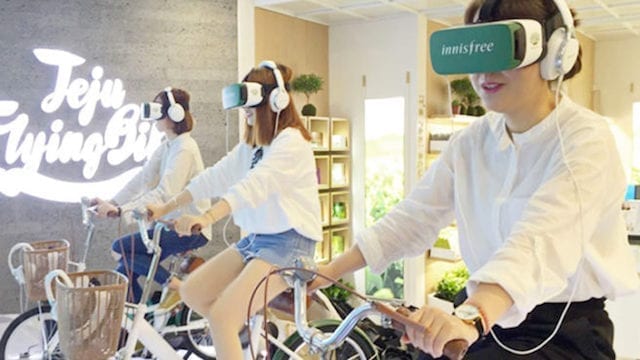
    Using the “Jeju flying bike”, it is offering customers a virtual visit to the company’s home base of Jeju Island. They mount the bike and put on VR goggles for the journey, created by PostVisual.

    They “fly” from the 16.5 sqm store to the 1650 sqkm island, which is a Unesco World Heritage Site for its volcanic landscape. Through eye-tracking technology, the virtual tourists can fly around the island and “collect” natural ingredients such as canola blooms, green tea leaves and nutmeg.

    To create the 360deg aerial and underwater surroundings, PostVisual spent about three months producing the content, even building its own VR drone camera in-house.

    innisfree VR

    Thousands of visitors have already taken the virtual ride, and the concept will be rolled out this year to flagship stores in Hong Kong, Indonesia, Singapore and Vietnam as well as elsewhere in the US.

  • Jimmy Choo sales outperform Burberry and Mulberry

    Jimmy Choo sales outperform Burberry and Mulberry

    British footwear brand Jimmy Choo has outperformed luxury peers such as Burberry and Mulberry to post a strong set of growth figures for the first half of 2016.

    While competitors struggle with declining luxury demand in Asian markets, Jimmy Choo has bucked the trend and reported an impressive 22.1 per cent growth in Asia (ex-Japan) with China leading the way with double digit like-for-like growth; proving its measured approach to store expansion and brand building is successful without over exposing the brand.

    Europe, Middle East and Asia revenue grew by 12.2 per cent – commendable given it is one of Jimmy Choo’s most mature markets – with the UK performing well as domestic demand remained robust, supported by a renovated store portfolio.

    The recent uptick in luxury goods demand in the UK, as international travellers take advantage of the weaker pound, will further benefit Jimmy Choo’s UK performance in the second half.  The Americas, however, is proving a tougher nut to crack though, as sales declined 3.4 per cent; affected no doubt by the continuing volatility in the US department store market which has led wholesale orders to decline.

    Creative director Sandra Choi has led a strong half year of product design, building upon Jimmy Choo’s British identity to produce ranges which continue to resonate with consumers across the globe. The brand’s recent decision to focus on expanding men’s footwear is proving fruitful, as it’s now its fastest growing category, representing 8 per cent of total revenue. That will continue to grow as the brand opens dual gender stores and invests in the product and marketing of men’s collections.

    Globally, Jimmy Choo sales grew 9.2 per cent at reported currency and 3.8 per cent at constant currency. Improved gross margins and cost controls drove adjusted EBITDA growth of 13.7 per cent. Reported operating profit rose 42.6 per cent to £25.3 million.

    Jimmy Choo is in prime position to continue its growth momentum with its multi-pronged focus on eCommerce (bolstered by growing social media engagement and a robust distribution network) and conversion of retail outlets to new concept stores – all supported by a stellar product offer that is effective in both design and range.

    *Nivindya Sharma

  • Pop-star eateries for Bangkok’s Show DC complex

    Pop-star eateries for Bangkok’s Show DC complex

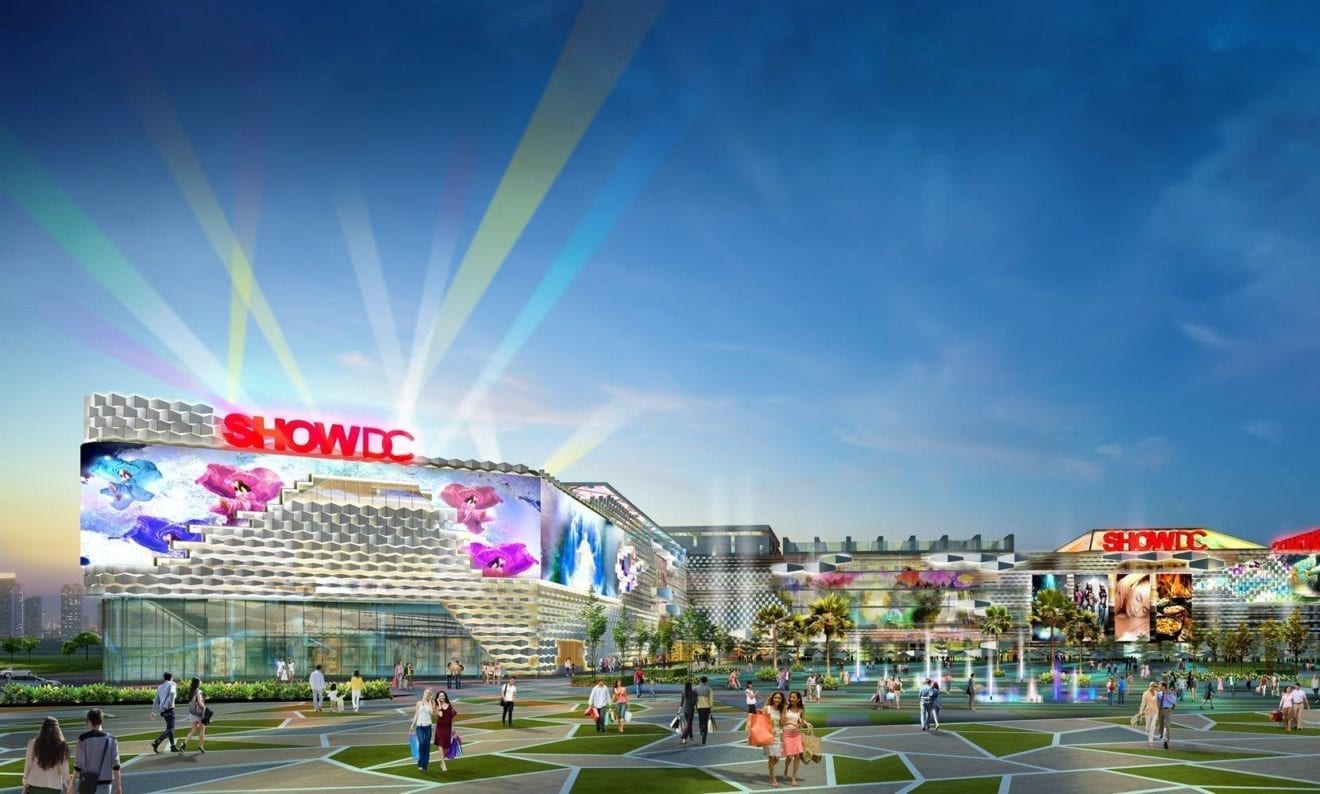
    K-pop star Psy of Gangnam Style is one of several celebrities who will have eateries at the upcomingShow DC/YG Republique integrated food and entertainment complex in Bangkok.

    He will have a noodle house, while other Korean stars featured are singer Rain with After The Rain restaurant, and boy band BTS (Bangtan Boys) with Brick Cafe.

    Mr. Chayadit Hutanuwatra, Chairman of SHOW DC Corp Ltd (Right) and Dr. Julianne Hur, Vice President of The The Mall OF Korea (Left)

    Mr. Chayadit Hutanuwatra, Chairman of SHOW DC Corp Ltd (Right)
    and Dr. Julianne Hur, Vice President of The The Mall OF Korea (Left)

    This was revealed at a media update event, which featured a K-pop fashion show featuring Thai model Rawiwan Bunprachom (“Yoghurt”).

    Show DC 5

    Mr. Chayadit Hutanuwatra, Chairman of SHOW DC Corp Ltd (Center), Mr. Thammarat Thuratong, Celeb E-san’s owner (Far Right), Dr. Wichuda Na-Songkhla Sriyaphai (Far Left), Deputy Managing Director of Wandee Culinary Art School

    Near Rama IX Road the Bht9.5 billion (US$274.8 million) project is 90 per cent complete and on track to open in November. It covers 18,000 sqm over six levels, and more than 400 brands have already signed up 93 per cent of the retail space.

    Show DC 1

    K-District @Show DC will be the largest K-Pop town outside Korea. As well as retail and restaurants, it will showcase an acting and talent academy from Korea, plus Korean plastic surgery clinics, cosmetics, fashion and lifestyle shops.

    Show DC 2

    “Our plan is also to stimulate the economy and promote Thai products by putting together best-in-class Thai products at the Thai Thai Market, covering 2500 sqm on the fourth floor,” says Show DC chairman Chayadit Hutanuwatra. The market will feature 150 shops.

    Outlets at the project’s “Shop & Enjoy” experience include Asia Herbs Association, Hot Star (Taiwanese snacks), Kanna (health food), Krua Wandee Culinary Art School and Stick House (Italian-style ice cream), along with fashion brands BKK Original and H&M.

  • Gitanjali Gems eyes world expansion

    Gitanjali Gems eyes world expansion

    After announcing plans to capture the global recovery in demand for diamond jewellery and other luxury items, India’s Gitanjali Gems saw its share price hit a 52-week high.

    This follows the jewellery manufacturer and exporter’s share price dipping to its lowest in many years on March 1.

    As well as diverting its focus from gold ornaments to diamond jewellery, Gitanjali has introduced low-carat gold content in stone-studded products, and is planning to raise Rs 110 crore (US$1.64 million) for its proposed expansion plan in both domestic and global markets.

    “The company is going in for diamond jewellery retailing all over the world, and also for more profitable items,” says MD Mehul Choksi. “It plans 50 more stores in the US to expand its presence by 50 per cent in the world’s largest diamond-jewellery consuming market. We are also setting up distribution centres in China and the Middle East.”

    Gitanjali also plans to increase its shop-in-shop model by 3000 outlets worldwide.

    After the US, the company plans to concentrate on its home market, followed by China and west Asia.

  • FJ Benjamin secures Marc Jacobs rights

    FJ Benjamin secures Marc Jacobs rights

    Singapore fashion and lifestyle group FJ Benjamin has secured exclusive rights to distribute the Marc Jacobs brand.

    An agreement with Marc Jacobs International allows FJ Benjamin to open Marc Jacobs stores in
    Indonesia, Malaysia and Singapore.

    FJ Benjamin plans to open four stores in the next two years carrying the full range of the American designer’s women’s ready-to-wear, shoes, jewellery, bags and accessories.

    Starting his own label at the age of 23 in 1986, Jacobs became the youngest designer to win the Perry Ellis Award for New Talent from the Council of Fashion Designers of America.

    FJ Benjamin Holdings group COO Douglas Benjamin describes Marc Jacobs as one of the most exciting and sought-after fashion brands.

    Dating back to 1959, FJ Benjamin Holdings specialises in brand building and management through distribution and retail. With offices in Indonesia, Malaysia and Singapore, it manages more than 20 brands and has 226 stores.

  • Old Navy Opening Doors At First Store in Malaysia

    Old Navy Opening Doors At First Store in Malaysia

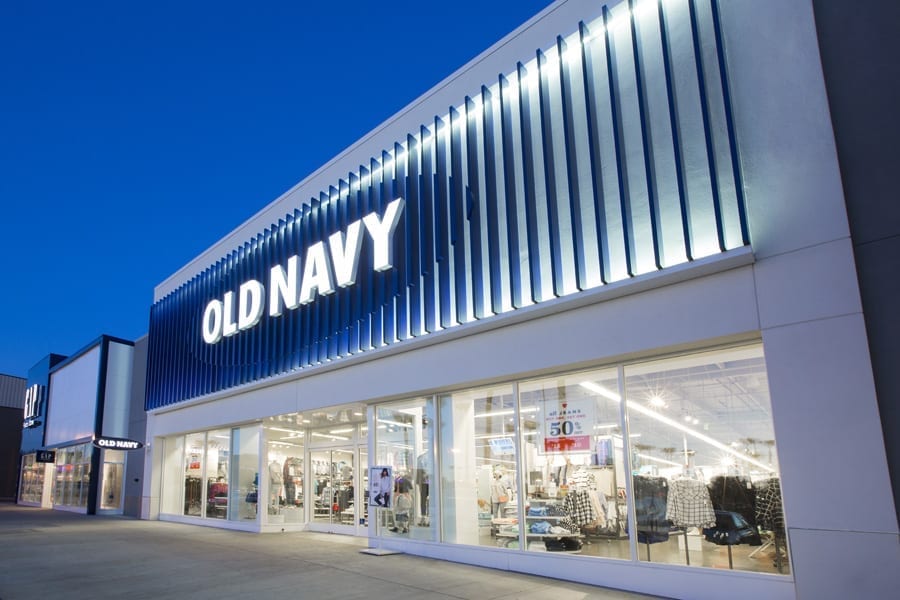
    Global apparel brand Old Navy announced today that it is opening its first store in Malaysia at 1 Utama Shopping Center, the fifth largest mall in the world, which is located in the heart of MSC Malaysia Cybercentre Township Bandar Utama. Old Navy makes current American fashion essentials accessible for every family, with a focus on fashion, family, fun and value. The brand launched in 1994 and quickly became one of the top apparel brands in the United States, making history in 1997 as the first retailer to reach $1 billion in annual sales in less than four years. Old Navy is part of the Gap Inc. portfolio of brands, which also includes Gap, Banana Republic, Athleta and Intermix.

    The brand’s entry into Malaysia marks another milestone in Old Navy’s continued global growth strategy. The first store will feature the same great product that the brand has become known for in the United States and will offer apparel and accessories collections for men, women, kids and babies. It will also provide a fun and energizing shopping experience for customers, featuring a spacious 800 square meter layout and Old Navy’s newest store design.

    The store will open its doors on September 30 at 5:00 pm and will be open until 10:30 pm. To celebrate the opening, customers can enjoy fun activities, meet special guests, and receive RM60 back when they spend RM200 and above. Additionally, the first customers in line will receive a free limited edition Old Navy Malaysia tote bag with any purchase, and the first 100 customers will be eligible to win a RM1000 shopping spree.

    This is the seventh franchise market expansion for Old Navy. In March 2014, the brand opened its first franchise-operated stores in the Philippines and has since opened stores in Qatar, Kuwait, Saudi Arabia, the UAE, and most recently, Indonesia. The brand’s move into Southeast Asia builds on the success that Gap and Banana Republic have experienced since entering the market in 2007.

    Franchise partner RSH Limited has a 39-year history of delivering seamless brand experiences to customers in Southeast Asia, the Middle East and South Pacific. Today, RSH Limited’s portfolio includes more than 70 international brands with over 700 stores and shops-in-shop in 11 countries.

  • China to fuel VF Corporation brands

    China to fuel VF Corporation brands

    Multibrand fashion group VF Corporation sees Asia – and especially China – as the primary driver of growth in the years ahead.

    VF Corporation brands include Vans, Kipling, Lee and The North Face.

    The US-headquartered company says it is focused on expanding geographically to take advantage of its scale in markets around the world.

    “The Asia Pacific (APAC) market, and in particular China, represent robust growth opportunities for VF, according to the company’s business lead,” the company revealed in an online newsletter.

    “Asia Pacific is an important region for business development and remains a priority focus for the company,” said Aidan O’Meara, VF’s Asia Pacific president. “Our plan is to continue to focus on locally relevant innovation, further invest in demand creation and leverage our scale and capabilities as ‘One VF’ to fully capitalise on the growth opportunities and take market share.”

    VF’s APAC business continues to expand. In 2015, currency neutral revenues in the region were up 10 per cent reaching US$1.2 billion.

    China, which accounts for roughly half of APAC revenue, has seen consistent, strong growth from the country’s three largest brands: The North Face, Lee and Vans. In particular, Lee in China has experienced consistently strong growth over the years for the company, with product innovations driving recent success.

    Denim leads the charge in China

    VF brands currently maintain presences in more than 170 Chinese cities. And, that number is expected to increase in coming years.

    “We see growth potential in a market with increasing affluence, a burgeoning middle class and increasing sophistication and demand for quality jeanswear,” O’Meara said.

    The company sees a competitive edge in the market, particularly at Lee. VF launched Lee as the company’s first owned business in China in 1995.

    “Statistics show that while jeans ownership is about eight pairs per person in North America,” O’Meara said. “In China, it is less than one pair per person, and if you look at India, there is still a lot of room as jeans ownership averages about three pairs per person.”

    O’Meara noted there was a time when many jeans manufacturers rested on their laurels. However, as competition intensified, many consumers lost excitement with the products available on the market, opening a door for an innovative new product.

    Lee saw this opportunity and put its research and development to the test. The resulting JadeFusion Denim has been a resounding success and garnered a Bronze Innovation Edison Award in the Materials Science category.

    JadeFusion immediately accounted for 13 per cent of China’s denim sales in its first season on the market in the spring and summer of 2015.

    “Lee exemplifies VF’s continuous innovation as one of the key strategies which differentiate us from our competitors,” O’Meara said.