Category: Fashion

Retail News Asia is committed to providing both local and global retailers with the latest Fashion news throughout the Asian market. This on a daily base.

  • Faster roll-out for Mister Minit Asia

    Faster roll-out for Mister Minit Asia

    Australasian services retailer Mister Minit is to expand its retail presence in SE Asia after stellar growth in Malaysia and Singapore.

    The company says it is experiencing an increasing appetite for its personal services among time-poor shoppers.

    For the third consecutive year, the company has experienced strong comparable growth in Singapore and Malaysia with current running rates at 30 to 40 per cent, and is now on the verge of a major expansion program in South East Asia.

    “We are committing significant funding over the next three years initially in Singapore and Malaysia, with interest in also expanding into other Asian markets in the medium term,” said Mark Rusbatch, CEO of Mister Minit.

    Mark Rusbatch - CEO  cropped

    There are currently 12 Mister Minit Singapore retail stores and seven in Malaysia.  The company is developing a pipeline of new shop openings for both countries and working with key landlords on identifying prime locations in shopping centres.

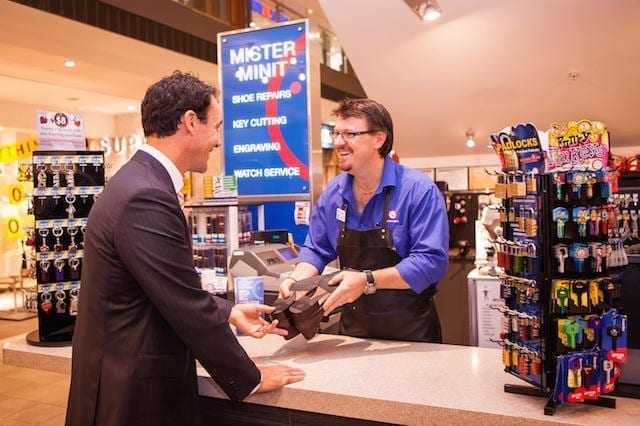
    “One of the fastest growing trends right now is ‘do it for me’ and Mister Minit is well placed to make time poor customer’s lives that bit easier – from shoe repairs to other household and personal services including key duplication, engraving and watch servicing,” said Rusbatch.

    Mister Minit Shoes 8157 (Large)

    The company is synonymous with ‘fixing people’s problems’ in Australia and New Zealand, where it is the clear market leader, and has shown year on year comparable sales and total growth for the past 15 years.

    “Our strategy in Australia and New Zealand has been to secure prominent locations in high foot traffic areas that provide ready access to those customers who are time poor and need to utilise our array of services as part of their everyday shopping needs including visiting the supermarket,” said Rusbatch.

    Mister Minit Service2 8406 (Large)

    Mister Minit will adopt a similar strategy in Southeast Asia, where it sees a real opportunity to accelerate its growth rates in the medium and long term.

    “Mister Minit’s heritage in this region has been around high quality shoe services and augmenting these with our full array of services, which include key duplication, personalisation through engraving, and watch servicing including band and battery replacement.”

    “As an international brand we deliver a consistent level of quality and services from our shop fit outs to our high service standards. We recognise the importance of people – from securing the best people to retaining them. We also invest in a significant level of training, upskilling our team in the latest technology and expertise. We know the quality of our people defines our brand.”

    The company’s franchise model is also a strength of the business, and has so far been implemented across five of the Singapore stores with more anticipated to follow.

    Mister Minit Singapore

    “Franchising is our preferred business model as it delivers a strong offer – combining local ownership with an International brand profile,” said Rusbatch.

    Mister Minit will next year celebrate its 60th Anniversary, following its establishment in 1957 in Europe.  In a further sign of the importance of the South East Asia region to the company, it will celebrate the milestone locally.  Mister Minit will host its Annual Franchisees Conference in Singapore in 2017, attended by franchisees and employees from across Australia, New Zealand and South East Asia.
  • Naughty Cat Vietnam makes Saigon debut

    Naughty Cat Vietnam makes Saigon debut

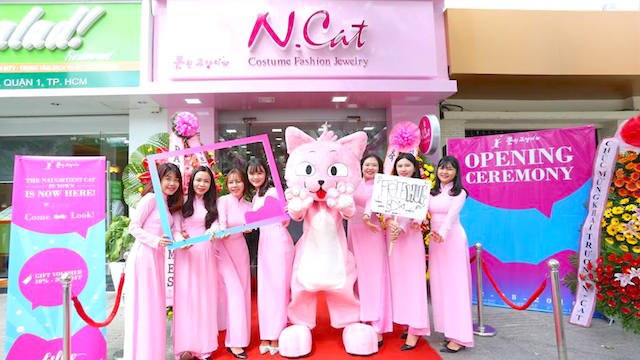
    Leading Korean accessories chain Naughty Cat has opened its first Vietnam store on Nguyen Hue St in the city centre.

    Naughty Cat Vietnam is located at 47 Nguyen Hue street, D1. The store hopes to cash in on the crowded ‘walking street’ as well as the growing influence of the Hallyu wave in Vietnam.

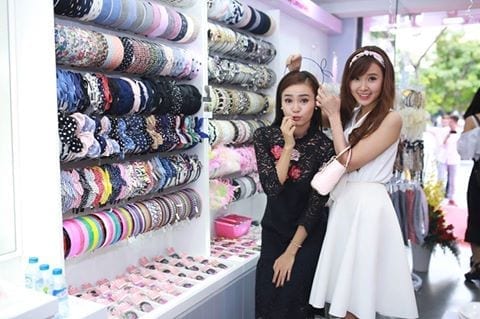
    To mark the launch, the brand invited Vietnamese models and actresses to the store to demonstrate how fashionable girls will be when wearing these accessories.

    naughty cat

    Customers might be overwhelmed by thousands of items from headbands, hair clips, wigs, gloves and socks to earrings, necklaces, bracelets and even cell phone plugs. Naughty Cat – or N.Cat for short – has collections for men as well.

    After 23 years in the industry, N.Cat knows how to vary its collections to serve different fashion styles, and maintain quality and affordable prices. Globally, it introduces more than 5000 items every month to maintain customer interest and encourage repeat store visits.

    Founded in 1991, N. Cat Accessories had 110 franchised stores in Korea, Europe, America and Asia at the end of 2015.

  • Chopard Singapore fails to notice missing millions

    Chopard Singapore fails to notice missing millions

    Geneva-based luxury goods company Chopard Singapore failed to notice it was missing S$11.2 million until a government investigator started looking into the embezzlement after a tip-off.

    Now the former accounting manager of the luxury goods company, known for its watches and jewellery, has been sentenced to 15 years’ jail for siphoning the money from her employer over nearly seven years.

    Chew Siew Lang, 53, misappropriated most of the money using erasable ink to write on cheques made out to Chopard suppliers for bogus transactions. After gaining the required two signatures on the cheques – Chew herself was an authorised signatory – she replaced the payee’s names with her own.

    The offences took place between January 2006 and August 2012, and Chew spent at least $2.1 million on lottery bets – she wrote 76 cheques of between $20,000 and $68,000 to a Singapore Pools retailer.

    In December, she pleaded guilty in the High Court to 56 charges – six counts of criminal breach of trust, 30 counts of falsification of accounts and 20 counts of using the benefits of her criminal conduct. A further 187 similar charges were taken into consideration.

    The prosecution had sought 18 to 20 years’ jail, but the defence argued that Chew has an impulse control disorder that turns her into a pathological gambler. The case was adjourned after Justice Woo Bih Li asked if there was a causal link between her mental disorder and her offences.

    In her latest appearance, Chew’s lawyer, Daniel Chia, told the court his client was not pursuing the point about her disorder after the prosecution submitted two psychiatric reports. He sought a jail term of 12 years.

    In sentencing, Justice Woo noted it was good Chew has the support of her family. “However, I also have to take into account that you misappropriate a very huge sum for which only a small portion has been recovered.”

    Chopard found out about the embezzlement only after the Commercial Affairs Department started investigating Chew. The company sacked her in August 2012, and two months later filed a civil suit against her. It has managed to recover only $197,000.

  • Pacsafe opens first global flagship store in the Philippines

    Pacsafe opens first global flagship store in the Philippines

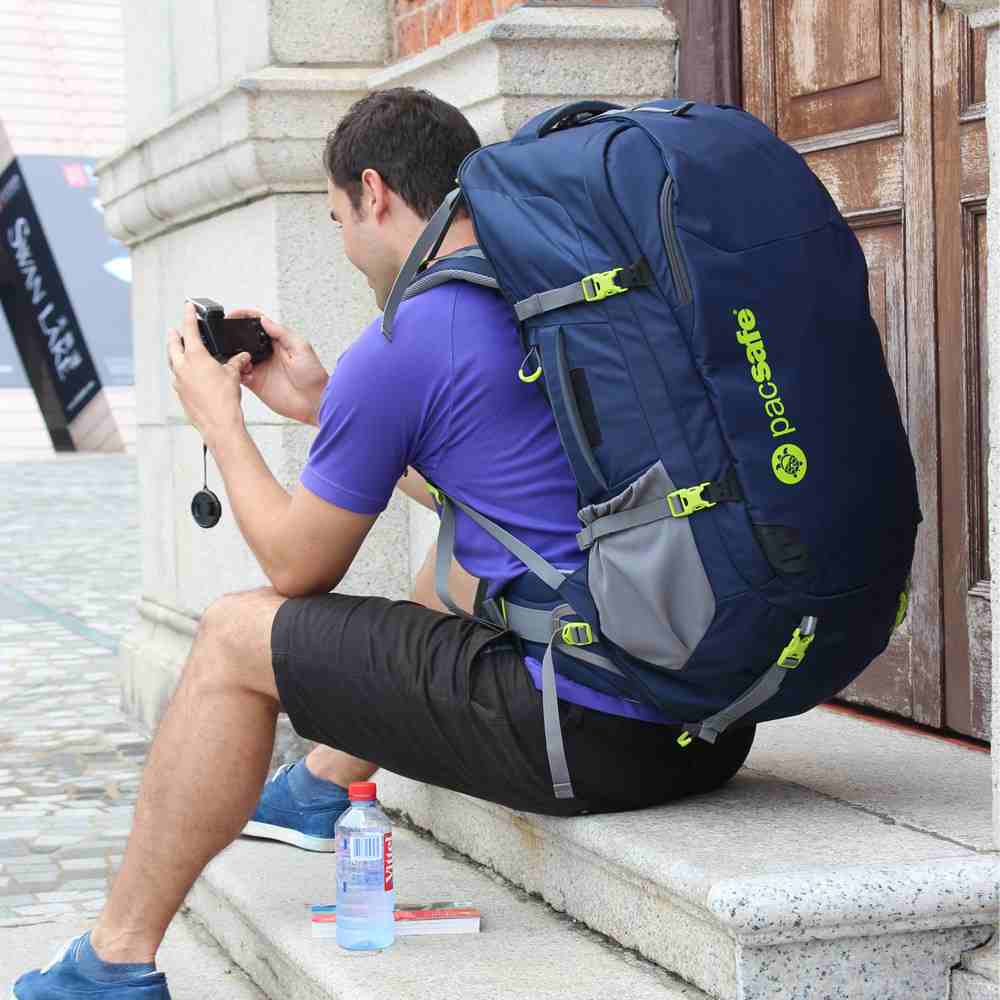
    Keeping in mind the growing demand for safer travel, globally recognized travel gear brand Pacsafe has opened its first flagship store in the Philippines. The boutique, the company’s first in the world, is located at G/F Glorietta 5, Makati City. It was officially launched through United Limsun International Trading Corp., the brand’s exclusive distributor in the country. At least 10 more retail locations are expected to open in three years.

    The new boutique will carry the company’s full range of products (adventure backpacks, urban and leisure bags, women’s bags, photography bags, luggage and travel accessories such as straps, cables and locks).

    Pacsafe has extended its company’s global marine turtle conservation advocacy by providing a kick-off fund donation of P235,000 to the Bantay Pawikan Conservation Center in Morong, Bataan, through the Bataan Tourism Council. Present to accept the donations were Vicky Garcia and Isabel Garcia, chairs of the Bataan Tourism Council.

    Built on the aspirations of Australian founders Rob Schlipper, CEO, and Magnus McGlashan, president and cofounder, Pacsafe has become synonymous with smart and safe travel. As the pioneer of the travel security category since 1998, Pacsafe is known all over the globe as the world’s most secure antitheft travel gear. It has steadily gained solid industry leadership throughout the years, thanks to trademark innovations like the eXomesh, RFIDsafe and other technologies.


  • Ralph Lauren sales tumble

    After a slight uptick in performance at the close of last year, Ralph Lauren sales have tumbled.

    Compared to 2015 – when total revenues declined by 5 per cent, wholesale by 9 per cent, and retail by 3 per cent – the latest sales figures are decidedly weak.

    In the first quarter of the new fiscal year, net revenues fell for a fifth straight quarter, dropping 4 per cent to US$1.6 billion

    The wholesale numbers are wholly understandable and are thanks, in large part, to the car-crash that is the American department store channel. While Ralph Lauren has representation in stores like Macy’s the fact that its sales areas look like a flea-market do nothing to help the brand or its revenues. This is further exacerbated by the generally weak customer traffic at department stores across the past few months.

    The retail numbers are much more of a disappointment, and a concern given that this division delivers the largest chunk of revenue. Ralph Lauren has been keen to emphasise its Way Forward Plan, which it says is changing the operational structure of the business so that it can deliver growth. As much as many of the actions are prudent, it feels like the company has been turning itself around in perpetuity. At some point, these actions need to deliver growth – something they are currently failing to do at either the sales level, or on the bottom line where the company posted a $31 million operating loss for the quarter.

    Decisive action is needed to put the brand on the right track. This includes withdrawing from department stores like Macy’s which are now actively damaging the Ralph Lauren brand, and focusing only on more upscale department stores like Nordstrom and Neiman Marcus as sales channels.

    A proper brand review is also needed as Ralph Lauren has become muddled and confused and is simply not competing effectively against brands like Vineyard Vines, which have good traction with younger, high spending consumers. Some action has already been taken to simplify the brand structure but much more clarity is needed in communicating the various parts of the offer to consumers. At present the various parts of Ralph Lauren are too hit and miss.

    Reconnecting with younger consumers is also a priority. Rather like Tiffany, Ralph Lauren is seen as an older, established brand that, while not actively disliked, is less relevant than it was a generation ago. Spin-offs like Club Monaco and RRL have helped to remedy this, but the company needs to put more energy and effort around extending and expanding their reach.

    That said, current plans should deliver some cost savings over the course of this fiscal as operations are streamlined. However, expect the plan’s impact on revenue to be negative across at least the next quarter.

    • Håkon Helgesen is a retail analyst at Conlumino.
  • Report: Chinese Shoppers Make 40 Percent of Luxury Purchases Abroad

    Report: Chinese Shoppers Make 40 Percent of Luxury Purchases Abroad

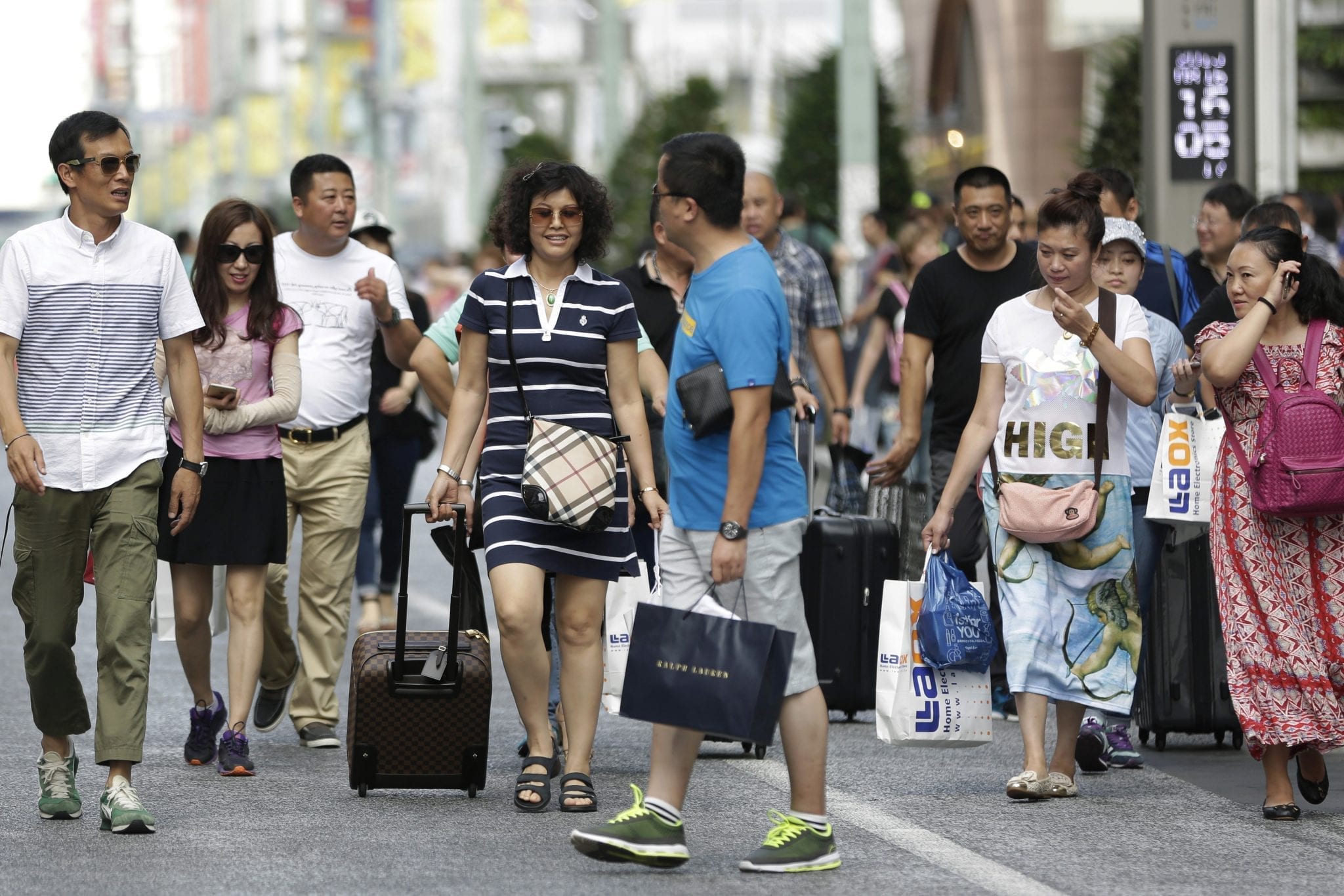
    Chinese travelers are spending billions of dollars abroad, but where exactly are they making their luxury goods purchases? A recent report titled “Who Buys Where: Decrypting Cross-Border Luxury Demand Flows” by digital direct marketing services provider ContactLab and Exane BNP Paribas Research maps out spending patterns by tourists from all over the globe based on three years of data. ContactLab’s research ranks Chinese travelers second in terms of the proportion of spenders who buy luxury goods abroad, finding that 40 percent of Chinese consumers’ luxury spending occurred overseas in the first part of this year.

    chart

    While Chinese consumers spend most of their budget on luxury items abroad, this year, overseas spending dropped 5 percent, but rose 5 percent domestically. ContactLab attributes this to price corrections by major luxury brands on the mainland. For example, last year, Chanel lowered its mainland China prices to encourage Chinese shoppers to purchase there, and deter daigou sellers from benefiting from purchasing cheaper goods abroad.

    How much Chinese spend abroad may provide some insight into exactly who these consumers are. The value of purchases Chinese travelers make in “European Heritage” countries, the United States, and Japan is significantly lower than it is in China—by 20 to 30 percent. ContactLab says this suggests big spenders in these countries are “aspirational first-time buyers.”

    However, despite individual purchases being lower overall, Chinese luxury spending in Europe “appeared to be rising” in the first four months of 2016 compared to the same period two years before, according to the report. This was the case even factoring in the Paris terrorist attacks in late 2015. The increase takes place “possibly because our data includes also a portion of daigou spend (eg Chinese students in Europe whose visas don’t allow tax free refunds, and which are therefore not captured by Global Blue statistics),” said ContactLab senior advisor Marco Pozzi. “If this is what we see in the wake of the November terrorist attacks, then 2H16 could reasonably expected to be even more positive.” It’s still worth noting that since the release of the report last month, there have been further attacks in Europe and numerous luxury brands have reported that they are feeling the repercussions of waning Chinese tourists in light of security concerns.

    In Asia, Chinese tourist luxury spending has also gone up in the last few years in Japan and Korea. In Japan’s case, Chinese travelers make up the majority of the luxury purchases, even though inbound tourists only make up about 5 to 15 percent of sales in the country overall.

    The report also confirms known trends in Hong Kong and Macau’s luxury retail industry. This year, Chinese consumers have done almost the same amount of luxury shopping in Japan, Taiwan, Singapore, and Korea combined as they have done in Hong Kong and Macau. Chinese tourists went from spending 70 percent of their luxury goods budget in Hong Kong in the first four months of 2014 to spending 35 percent in the same period this year. Hong Kong’s luxury retail industry has been struggling with the absence of Chinese tourists and developers are being forced to find alternatives to high-end stores to attract shoppers. This month was the first in over a year where Hong Kong finally experienced a rebound in tourists from the mainland.

  • Hour Glass Q1 net profit falls amid tough retail environment, slower economy

    Hour Glass Q1 net profit falls amid tough retail environment, slower economy

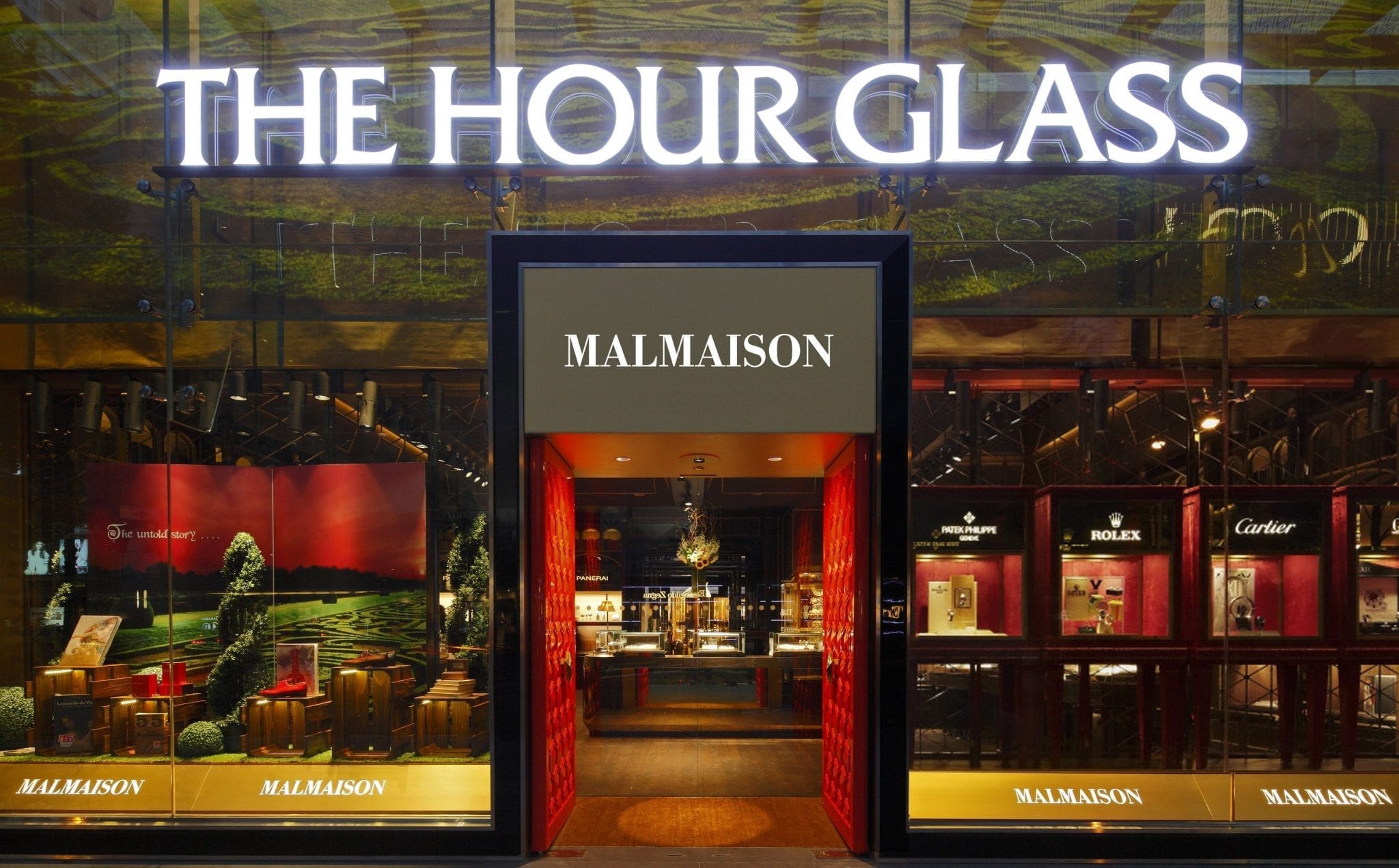
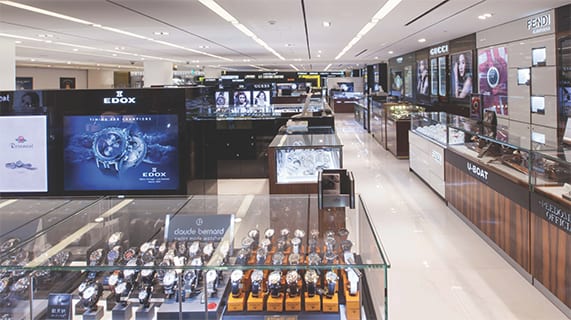
    The Hour Glass’ first-quarter net profit tumbled 22 per cent year on year to S$8.19 million.

    For the three months ended June 30, total revenue and other income fell 7 per cent to S$149.43 million from the previous year. The decline in revenue reflected the economic slowdown and tougher regional competition, it said.

    Q1 earnings per share slid to 1.16 Singapore cents from 1.49 Singapore cents in the preceding year.

    For the quarter, gross margin edged up to 22.9 per cent from 22.8 per cent a year ago.

    Meanwhile, rental costs were higher due to the expanded retail network.

    The Hour Glass said: “The continuing global economic uncertainty is expected to affect consumer sentiment and the demand for watches and luxury goods. Barring any unforeseen circumstances, the group expects to remain profitable for the financial year.”

  • GSS most attractive to travellers from Japan, China

    GSS most attractive to travellers from Japan, China

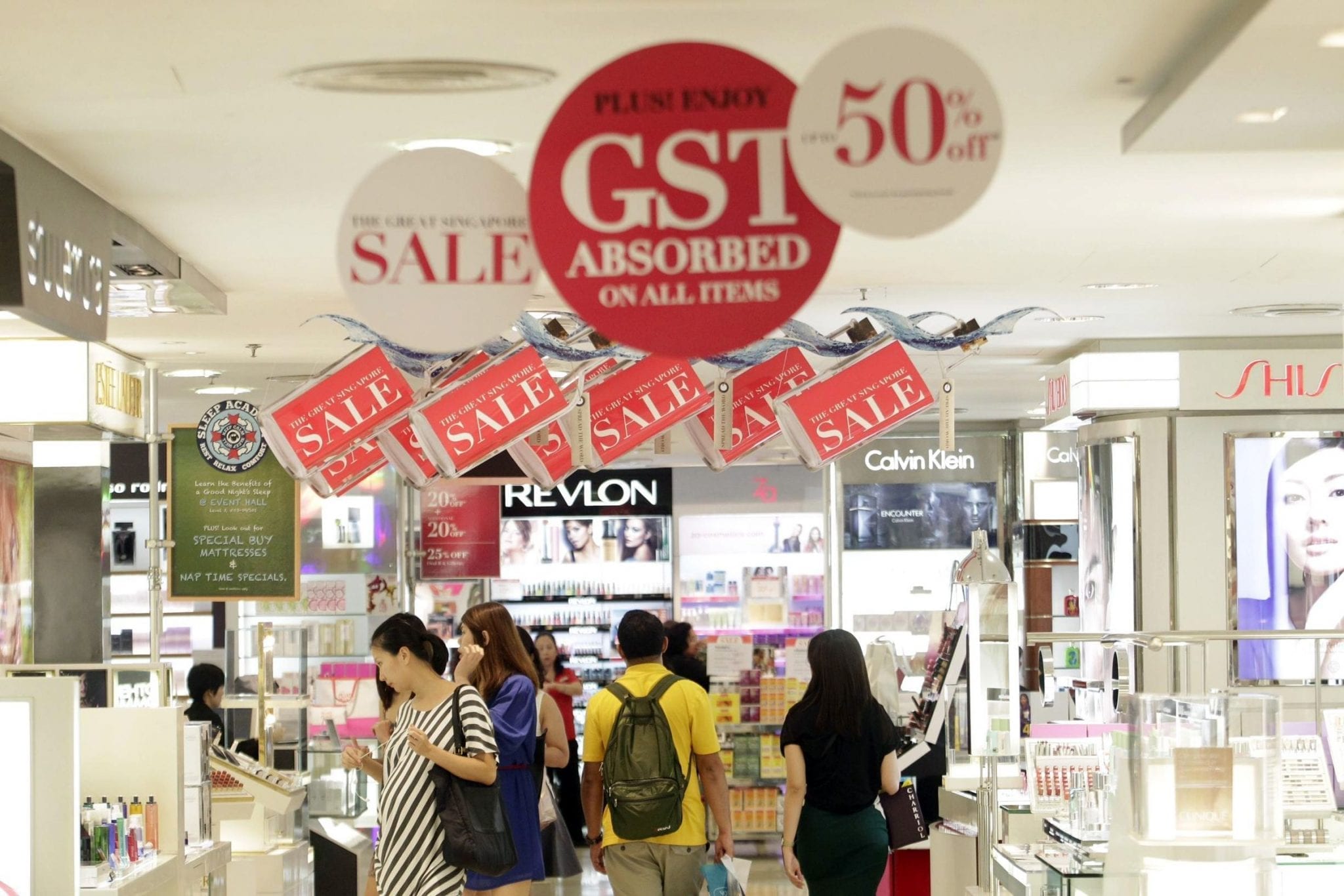
    Japan and China holds the potential to be the strongest source market for Singapore during the Great Singapore Sale (GSS) period, which comes to a close this weekend, according to findings by market research consultancy Kadence Singapore.

    Respondents from Japan and China indicated they were “highly likely” to fly to Singapore during the period. The two markets also showed greatest awareness, with 85 per cent and 84 per cent of people, respectively, indicating their knowledge of the retail event.

    Explaining the findings, Patrick Young, Kadence Singapore’s insight director said that the Japanese are more avid travellers in general. The fact that many airlines ply between Japan and Singapore also contributed to the result.

    Additionally, the price of airfares may also be factored in seeing as travellers for the GSS are likely to be deal-savvy individuals. This means the availability of low-cost flights could also affect traveller decision making processes.

    The appointment of UnionPay as the official card for this year’s GSS shows that the Singapore Retailers Association, organisers of the event, are stepping up efforts to lure more Chinese shoppers to the city-state as well.

    However, the retail scene in Singapore has been sluggish, with year-on-year retail sales figures for June, the month when the GSS usually begins, being on the decline over the past two years, according to Singapore’s Department of Statistics.

    Retail business outlook is also dim. While the July-December period is expected to see an improvement of 7 per cent over the April-September period in terms of net weighted balance, the July-December period is predicted to see a sector performance of negative 8 per cent compared to the same time last year.

    Young suggests taking into account “certain nuances between the countries” so that brands taking part in the GSS can better cater to individual markets and thus boost their allure.

    “For the Japanese there is a big focus on omiyage, which is a culture of taking home a souvenir for friends and family. So how much is the GSS tailored to these small but significant items that the Japanese will buy?”

    “It’s not so much tying in with UnionPay or a similar brand, it’s more about having in your portfolio products which can relate to that market,” he added.

    Young also cited the upcoming Singapore Grand Prix as a good example of how an event is able to better lure visitors by going beyond its core demographic.

    The annual racing event attracts not just sporting fans but a large number of international visitors by staging concerts, parties and family activities. The GSS could do something similar to lure arrivals beyond shoppers alone.

    “What else can we do to broaden the GSS beyond sales?” he said.

    GSS 2016 runs for 10 weeks from June 3 to August 14 this year, the longest sale period for the annual event to date.

  • Toms and another global brands for Myntra

    Toms and another global brands for Myntra

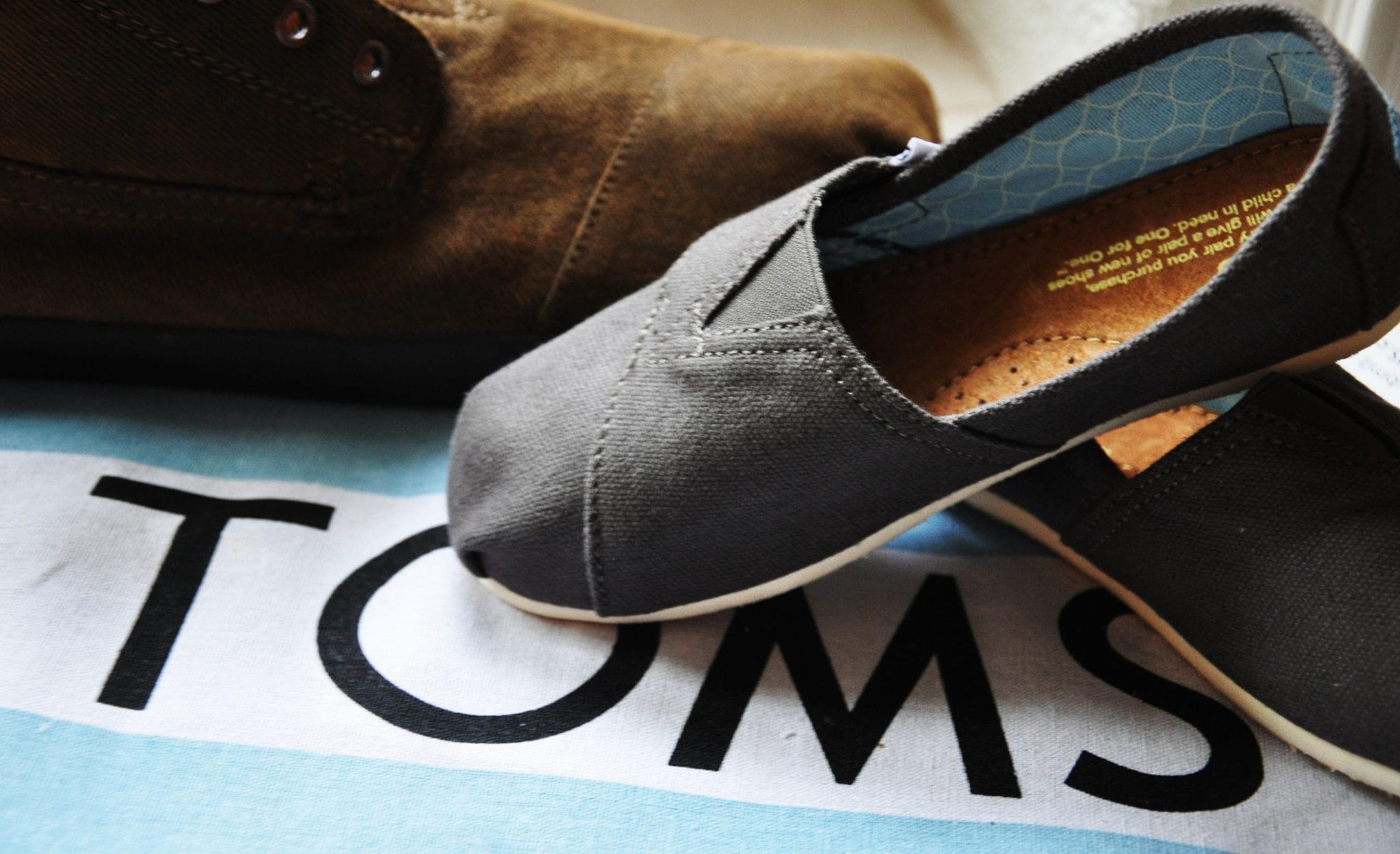
    Flipkart-owned Indian online fashion company Myntra has added two international brands to its platform, Toms and Meters/Bonwe.

    This makes Myntra home to more than 30 global brands, says its head of international brands business, Gunjan Soni.

    US-based Toms is known for its footwear range while Chinese brand Meters/Bonwe focuses on fashion-forward styles for young men and women.

    “Our partnership with Myntra will allow us to cater to the dynamic fashion choices of millennials in India who want to dress well with an individual style without the hassles of store shopping,” says Meters/Bonwe spokesperson Jay Zhou.

    Toms MD Helen Thompson says Myntra will help the brand start its commercial relationship in India. “We have already been working to produce locally as well as give shoes and restore sight through Toms’ partnerships.”

    Online retail, which is being increasingly adopted by Indian shoppers, is expected to account for 3 per cent of total retail sales by 2020, according to a PWC report.

  • Hugo Boss China plans to cull more stores

    Hugo Boss China plans to cull more stores

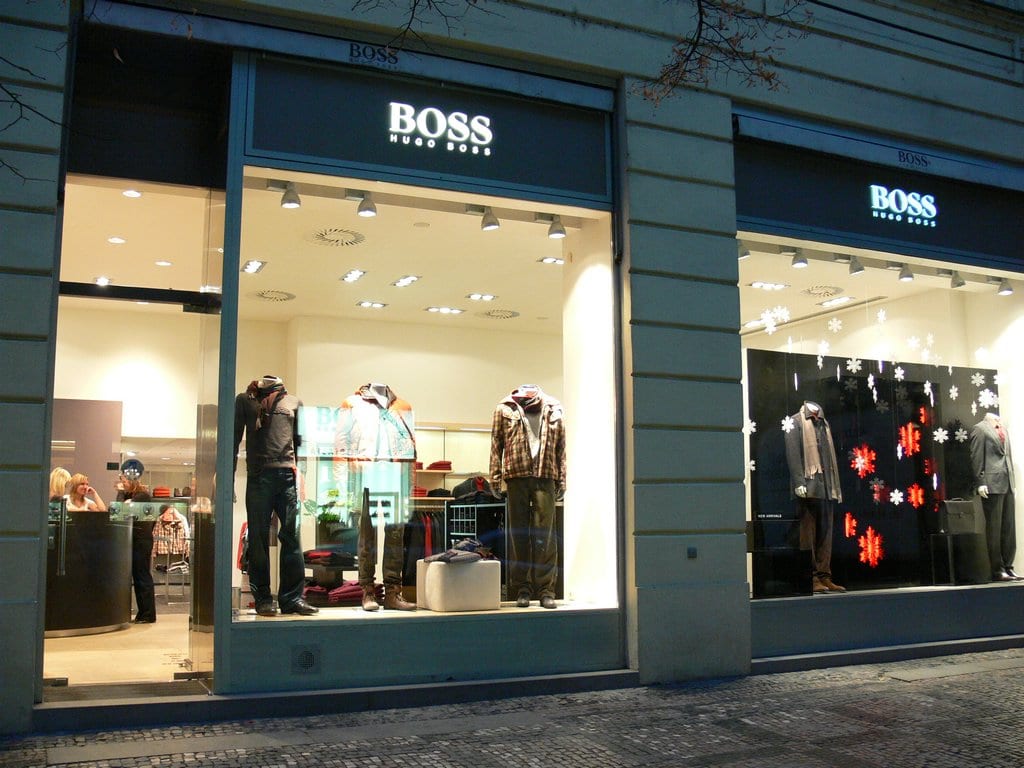
    The cull of Hugo Boss China stores will continue after a first round downsizing helped the German retailer’s bottom line.

    Hugo Boss revealed its quarterly operating profit on Friday, beating forecasts and giving incoming CEO Mark Langer a mandate for his tough strategy to return to profit growth.

    In March the company said it would close about 20 of its 145 stores in Greater China. Now, Langer says another 20 will follow over the next 18 months.

    “To return to profitable growth again in the medium term, we have made decisions that are painful to begin with,” Langer said. “The market environment will remain difficult for the foreseeable future.”

    Hugo Boss earnings fell 13 per cent to 108 million euros (US$120 million) in the second quarter on sales down 4 per cent to euro 622 million. Net profit has hit by 57 million in extraordinary items, largely costs relating to closing stores.

    Langer’s strategy to improve Hugo Boss’ earnings includes renegotiating rents, shutting stores and refocusing marketing spending on its core menswear range rather than womenswear, a category his predecessor diversified into.

    He also plans to sell the brand in high-quality stores in the US market, to try to reduce discounting.

    Hugo Boss’ share price rose 6 per cent on Friday after the results were revealed and some analysts are now recommending investors buy the stock.

  • China National Service Corp opens Shanghai downtown duty free store

    China National Service Corp opens Shanghai downtown duty free store

    State-owned China National Service Corporation (CNSC) opened its ambitious Shanghai downtown duty free store on 8 August. The corporation aims to invest heavily in the burgeoning downtown duty free sector in China.

    The store opening attracted thousands of shoppers on opening day. It houses an initial 100 brands from the region and worldwide over two floors, with more to come in the next three months, according to local reports. Categories on offer includes watches & jewellery, beauty, confectionery, toys, gifts and special sections dedicated to Korean and Japanese items,

    According to reports from Shanghai, the leading brands sold on day one were Estée Lauder, La Mer and MAC.

    The reports said that year one sales should hit around 400 million Yuan (US$60 million).

    CNSC said it planned to improve its retail systems and service processes, as well as its customer capacity.

    Landmark day: The new CNSC store opens in Shanghai (Phoho: Duty Free Expert)

    Landmark day: The new CNSC store opens in Shanghai (Photos: Duty Free Expert)

    Large crowds gathered in anticipation of the new store's unveiling

    Large crowds gathered in anticipation of the new store’s unveiling

  • H&M Hong Kong recognised as top employer

    H&M Hong Kong recognised as top employer

    Fashion retailer H&M Hong Kong has received Asia’s Best Employer Brand Award at a ceremony hosted by the Employer Branding Institute, World HRD Congress and Stars of the Industry Group.

    Presented at the Pan Pacific Singapore, the award recognises organisations in Asia for excellence in building their brand as an employer of choice.

    The jury for the seventh edition of the award – leaders, researchers and academicians – judged companies for their development initiatives, employee hiring, training and retention practices, and HR innovation.

    Vivian Chen, Marketing Director of H&M Greater China, accepted the award on behalf of H&M (Photo credit - ASIA BEST EMPLOYER BRAND AWARDS)

    “I am thankful that H&M’s effort to provide a fun, creative and dynamic workplace is being recognised,” says H&M greater China manager Magnus Olsson. “People are our success, and we are committed to being a good employer.”

    He says H&M’s corporate culture is based on a range of values: believing in people, being one team, constantly improving, being straightforward and open-minded, encouraging an entrepreneurial spirit, keeping it simple and being cost-conscious.

  • Louis Vuitton packaging revamped

    Louis Vuitton packaging revamped

    Louis Vuitton packaging is to change colour and style – with an entirely new look replacing the famous dark brown.

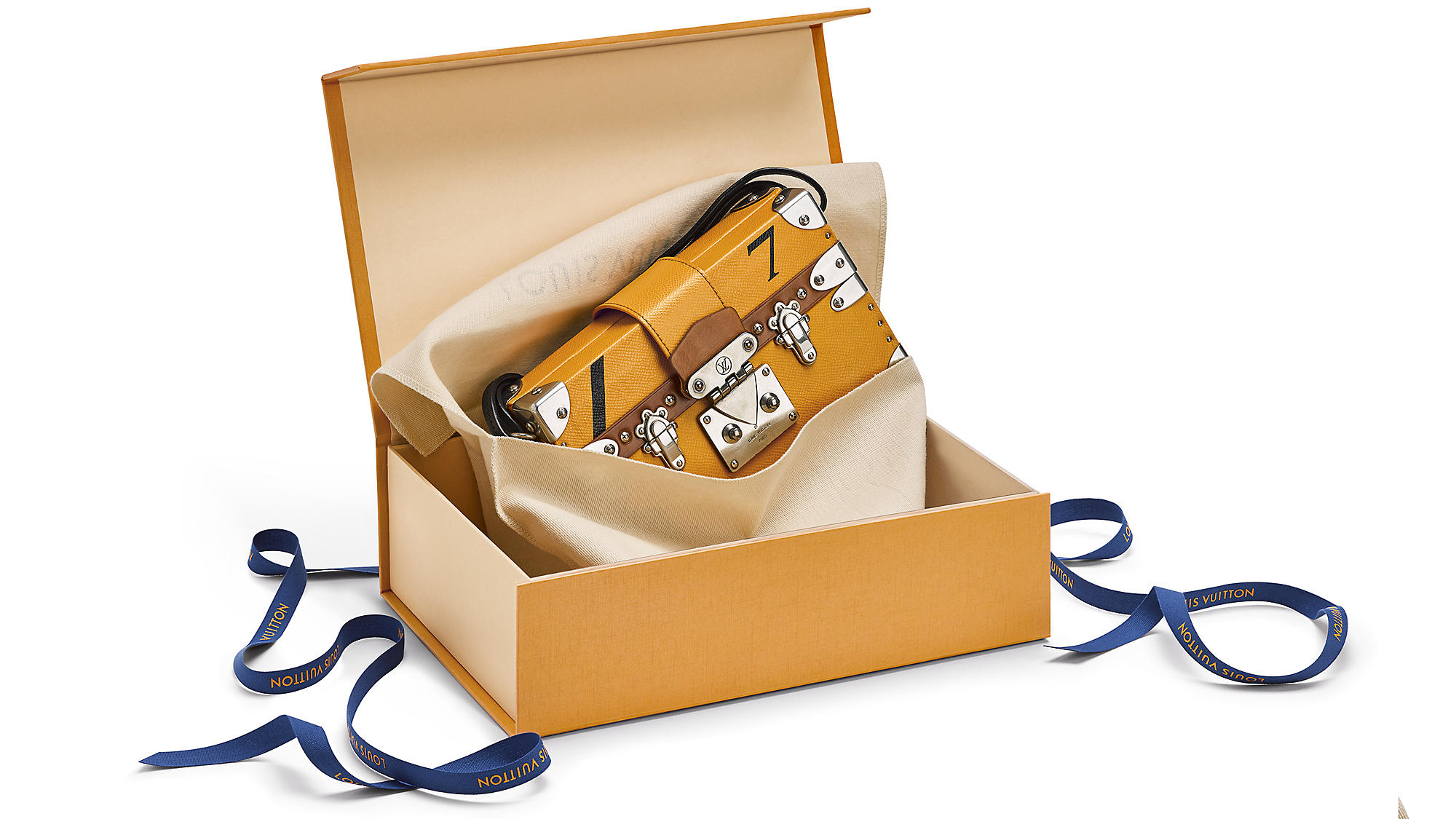
    In a surprise move, the French retailer has unveiled new product packaging in a bright saffron shade. It says the distinctive color, part of the history of Louis Vuitton for a century and a half, gives an elegantly distinctive signature to client packages.

    “The iconic brown chocolate color of Louis Vuitton packaging has been replaced by a bright saffron dubbed “Safran Impérial”,” the company says.

    LV 2

    Recently seen during the “Volez, Voguez, Voyagez” exhibition, the color in fact first appeared early in the history of the Maison, as can be seen in many iconic heritage pieces. In particular, the saffron tone is found on the Citroën trunk made by Louis Vuitton for an expedition to Africa organised by the car maker in 1924.

    The packaging includes another historic LV color – the striking blue used in ribbons and handles to offset the saffron, “creating a contemporary, timeless signature”.

    “The lighter tone on the sides and interiors of the new packaging echoes the natural cowhide leather used by Louis Vuitton since 1860. Stronger materials and new formats designed to fit conveniently in luggage make the packaging perfect for travelling, in keeping with the Louis Vuitton spirit,” the company says.

    “The use of raw cotton and a flat-pack collapsible design reflect Louis Vuitton’s longstanding commitment to sustainability.”

  • Michael Kors Asia outperforms US

    Michael Kors Asia outperforms US

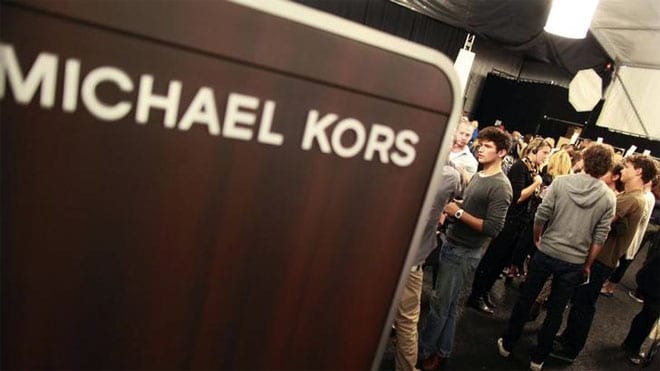
    Michael Kors Asia sales are showing healthy growth – at the same time as same-store figures are falling heavily in its US home market.

    Michael Kors has kicked off its new financial year with a weak set of numbers this week.

    Total revenue was virtually flat, just 0.2 per cent higher than during the same period last year., and driven by the opening of new stores which helped push overall retail sales up by 7.6 per cent. That offset a dismal comparable sales decline of 7.4 per cent.

    Michael Kors Asia has been a growth spot, with revenues rising by 74.5 per cent – although this is flattered by the acquisition of the company’s Greater China licensee.

    However, even on an underlying basis, the region is in positive territory, again thanks to the more favorable brand perception from consumers.

    In the US, one of the key issues is that interest in the brand appears to have peaked. This is evident from Conlumino’s brand tracking, which shows that while Michael Kors is not viewed unfavorably by consumers, it is not enjoying the resurgence that Coach has managed to engineer. This domestic woe is evident in the North American numbers which tumbled by 5 per cent, a sequentially worse performance than the previous quarter.

    The worsening of North American results is partly attributable to the stronger dollar which has likely weakened tourist sales at key flagships in the US, and Michael Kors is affected more than Coach in this respect, as it relies more on tourist spend at its larger stores. Nevertheless, given the investment being put into the new digital flagships – such as the one at 520 Broadway in New York – such an outcome is disappointing.

    The numbers from Europe were somewhat better with a 3.3 per cent increase in revenue over last year. Here, the MK brand is less ubiquitous and the company’s new stores, such as the one recently opened on London’s Regent St, are generating good trade in a way that the stores in North America are failing to do. Given that the company has several further European digital flagship stores in the pipeline for this fall, it looks likely that Europe will continue to deliver respectable sales growth across this fiscal year.

    Wholesale decline

    In the continuation of a theme we have seen across many luxury brands, wholesale revenue has decreased – falling by 7 per cent. Some of this is down to the company’s own actions to reduce exposure to channels that do not reflect its brand image, and some is down to the generally weaker traffic to malls across North America which has affected a number of outlets and stores that sell Michael Kors product.

    Looking ahead, while international sales will grow this year, the increase will be offset by continued pressures in North America. As such, revenues will likely be flat which will create pressure on the bottom line given all of the investments the brand is making.

  • Topmot Vietnam receives seed funding

    Topmot Vietnam receives seed funding

    Right after the closure of its sibling eCommerce model Lingo, Topmot Vietnam has received US$1 million from investors in Asia, Europe and the US.

    The funding proves that despite many online failures in Vietnam to date, there is still interest in eCommerce startups.

    “Ecommerce in Vietnam is indeed not easy, specifically for B2C businesses that require a sizable up-front investment to be able to process and fulfill orders in a professional manner,” CEO Erik Jonsson said.

    Topmot Vietnam has launched an iOS application to help it expand to farther areas besides Hanoi and Ho Chi Minh City. There are still opportunities in Vietnam market where people prefer to pay in cash and the logistics network remains immature.

    “eCommerce in Vietnam is not a sprint, it’s a marathon, and we have to be disciplined and focussed in each step of the way,” Jonsson added.

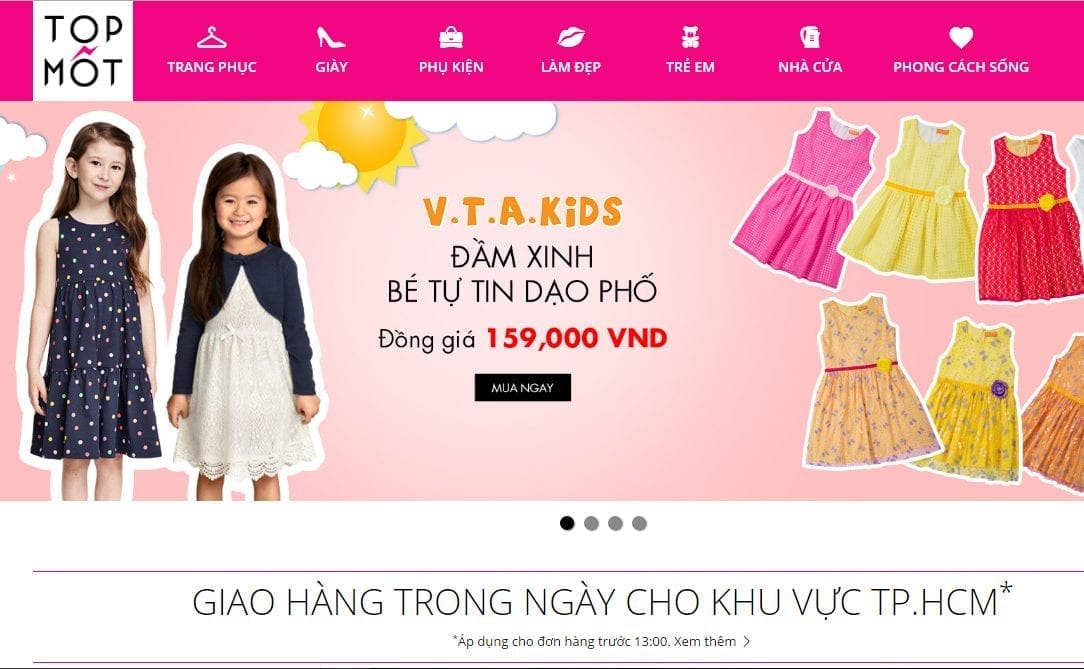
    Jonsson, a former Zalora CEO, and deputy CEO of VinGroup’s eCommerce, founded Topmot Vietnam in late 2015. Topmot’s model is different to conventional eCommerce sites, focused on flash sales and aiming to help suppliers clear excess and end-of-season inventories.

    The site has built a strong customer network in second-tier cities like Can Tho, Vung Tau, Da Nang and Hai Phong, attracted by high discounts.

    With 40 campaigns a week, starting at 10am everyday and lasting for five days, Topmot usually sells out of its products only a few hours after launch. Fastest-selling products come from international brands such as Shiseido, Converse, Puma and Pedro, as well as local brands such as Gosto, Kujean and Bitis.

    While the defunct Lingo site’s business largely came from shoppers using desktop or laptop computers, Topmot’s traffic from mobile devices has increased 70 per cent since its launch last year.