Category: Fashion

Retail News Asia is committed to providing both local and global retailers with the latest Fashion news throughout the Asian market. This on a daily base.

  • Tough road for New Look

    Tough road for New Look

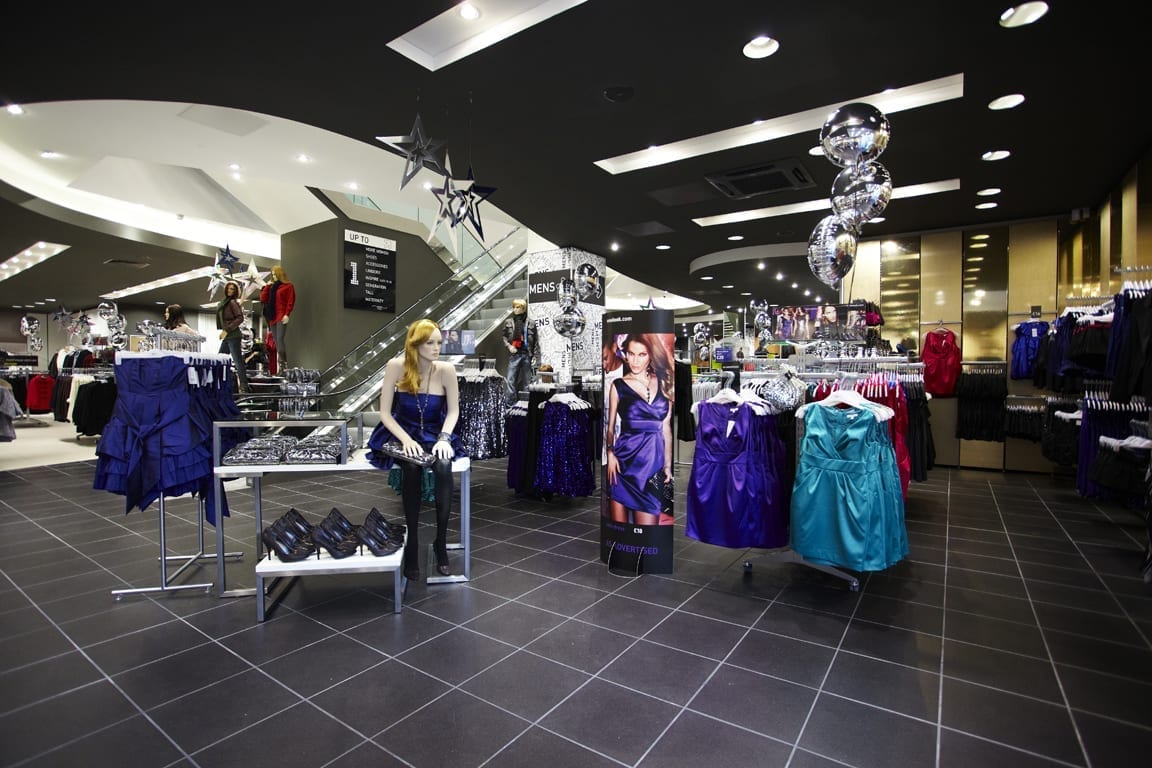
    Following a robust few years of market outperformance and share gains, the start of New Look’s 2016-17 financial year is a major disappointment.

    While weakened consumer confidence and unseasonal weather dampened shopper appetite to spend on clothing & footwear, New Look has underperformed the market and lost share over the period.

    Despite a 35.5 per cent fall in underlying operating profit to £30.5 million, the retailer has continued to invest in its strategic growth areas, namely menswear and China. Menswear sales growth of 21 per cent dramatically outperformed following further rollout of the men’s standalone format. Moreover, as it builds a bigger customer following New Look is able to improve its menswear proposition via insight gained on most browsed and shopped styles and customer feedback – ensuring its collection is continually enhanced and better targeted to its core audience.

    While New Look has the opportunity to grow its share of the UK menswear market organically, given that it is a less saturated and outperforming segment of the clothing market, it should also be targeting share from rivals such as River Island, Burton, Blue Inc and Topman.

    Verdict forecasts a more challenging couple of years for the clothing market than what we had forecast back in January. While Brexit will impact spend across the home sectors more so than in clothing, the likelihood of squeezed disposable incomes, rising food & grocery prices and price inflation in clothing will restrict consumer’s ability to purchase higher volumes of discretionary clothing purchases.

    Retailers will therefore have to work that much harder to stimulate spend. However, New Look’s value positioning and go-to appeal for both essentials and fashion will put it at an advantage over some of its mid-market competitors.

  • Politics could add to forces working against Korean cosmetics industry

    Politics could add to forces working against Korean cosmetics industry

    Last week the Korean government announced plan to impose duty free limits to stop third party sales of cosmetics in China, and now, in an unrelated move, the China government’s threats to retaliate over Korea’s deployment of new military defence technology seems to be adding to investor fears.

    Korea has taken a decision to deploy a Terminal High Altitude Area Defence (THAAD) battery, which some experts believe is one of the reasons why investors a dumping shares in Korean companies, a sector that is heavily reliant on exports to China.

    Raising the bar on visas and sanitary regulations

    In the first move, perceived to be a retaliatory step by China authorities, officials recently closed a visa agency catering to Koreans, something that will make it harder for Korean companies to obtain multiple entry visas for doing business in China.

    On top of this, the China trade authorities have also stepped up sanitary regulations governing Korean beauty products, a move that is also likely to put a damper on exports of certain products and make the whole process more difficult.

    “Cosmetics and entertainment stocks have plummeted as China has begun taking steps against Korean companies and individuals doing business on the mainland,” said Daniel Cho, head of research at Daishin Securities, speaking to the Korean Times.

    “The recent decline was largely engineered by the potential THAAD backlash.”

    Those duty free regulations

    Simultaneously, speculation has been growing about the impact of proposed duty free regulations, which are being drawn up to protect the industry, but some experts say this has already had an impact on investors and the value of shares in the country’s big beauty players.

    Last week the Korean customs authorities notified all Korean duty-free retail operators, which include three major operators, that each customer would be limited to buy no more than 50 cosmetic and fragrance products.

    The main objective behind the clamp down is to cut out on the emerging market for cosmetics then be sold on to third-party brokers, and then resold on to other retail channels.

    News of the limit was leaked on the previous Friday and when the Korean Stock Exchange re-opened for trading on Monday, stock prices dropped significantly, with Amore Pacific share prices falling over 2% and LG Household & Health falling 6%.

    In the last few years the rise and rise of Korean cosmetics companies has been attributed to a huge appetite from the China market, but with prices of the products being much higher in China, consumers have taken to shopping holidays in Korea to stock up.

    China drives duty-free cosmetics sales

    Sales of Korean cosmetics have been boosted by chic advertising campaigns, Korean pop and a product innovation pipeline that boasts some of the most cutting edge products available anywhere in the world.

    A large part of this success has been the huge influx of tourism from China, many of whom are going on ‘shopping holidays’ with the main aim of buying up their favourite Korean cosmetic products at a cheaper price than they would pay in China.

    Current figures show that cosmetics make up the lion’s share of Korea’s largest duty free retail chain, Lotte, accounting for 58.9% of sales in the first quarter of this year, and that 70.8% of the company’s overall sales came from Chinese visitors. This up from 63.3% compared to the previous year.

  • Carousell raises $35m for expansion

    Carousell raises $35m for expansion

    Singapore-based online marketplace Carousell has raised US$35 million in a funding round led by Rakuten Ventures.

    Other investors in the Series B funding round included Golden Gate Ventures, Sequoia India and 500 Startups.

    Founded in 2012, the Carousell app lets people buy and sell a variety of items including beauty products, fashion, lifestyle gadgets, furniture and home appliances. Sellers upload photos of items they wish to sell while buyers use the chat function to buy.

    Carousell will use the new funds to speed its growth into new markets, strengthen its product and engineering capabilities and build a “world-class” team, says co-founder/CEO Quek Siu Rui. The company has just hired former AirBNB Southeast Asia MD Chai Jia Jih to oversee its international expansion.

    So far Carousell has raised about $41.8 million, and is available in 13 major Asian cities including Jakarta, Kuala Lumpur, Singapore, Taipei and, most recently, Hong Kong.

    Its marketplace had more than 35 million listings globally as of the second quarter this year, with Quek claiming it has gathers 70 listings a minute.

    To stand out from its competition, Carousell puts emphasis on speed. Quek says it takes as little as 30 seconds to post a listing on the marketplace, and users can communicate within the app, eliminating the need for messaging apps or emails.

  • Modern Avenue Group cancels Italian store deal

    Modern Avenue Group cancels Italian store deal

    Chinese distributor Modern Avenue Group (formerly Canudilo) has decided not to proceed with its purchase of the luxury Excelsior Milano department store.

    Modern Avenue, which owns sport couture brand Dirk Bikkembergs, has not given a reason for its change of heart.

    A purchase price of €21.3 million (US$23.7 million) was announced at the end of June for the store, launched in 2012 by Italian group Coin. The deal was to have been finalised this month. With a specific selection of high-end fashion, Excelsior Milano is overseen by Antonia Giacinti, who owns the new boutique collective Antonia.

    The Antonia brand was confirmed last month under an agreement with Modern Avenue, with a view to open five franchise stores over the next four years. The first Antonia store will debut next month.

  • Kate Spade figures reveal slowing growth

    Kate Spade figures reveal slowing growth

    While the latest Kate Spade figures are respectable, there is a clear slowdown in the pace of growth compared to last quarter.

    This is most noticeable in the direct-to-consumer segment, where comparable revenue rose by a fairly meagre 4 per cent, compared to the 19 per cent uplift posted during the first quarter. Although it is not unreasonable to expect growth to moderate from its heady pace, the expectation of Kate Spade’s management team was that this would not happen quite so soon.

    It is notable that the slowdown is mostly confined to North America, with international sales growth advancing steadily from last quarter’s 3.2 per cent growth rate. Kate Spade has suggested that much of this is tourist related with reduced international visitor footfall at key stores in New York, and lower spending from those that do visit thanks to the strong dollar.

    There is some truth in this, but it does not completely explain away the very slim growth rate in the direct segment – which is now running at just 1 per cent on a comparable basis once eCommerce has been excluded.

    There are three other factors at play which negatively affected growth.

    The first of these is the comeback of competitors like Coach, which thanks to brand repositioning and lower discounting are now attracting more customers. While there is only a partial overlap between Coach and Kate Spade, Conlumino customer data suggests that shopper sharing between the two brands has increased over recent months.

    The second factor is an increase in consumer uncertainty, especially among younger female shoppers. Such softness in Kate Spade’s target market likely reduced both the volume and value of purchasing over the period. This had a slight knock-on effect in terms of discounting which affected margins over the quarter.

    Thirdly, although Kate Spade’s marketing is still achieving cut through with campaigns like Miss Adventure, the impact seemed to weaken over the summer. This likely had a negative impact in terms of visiting and purchasing.

    Given that all of these trends are things that will not suddenly disappear, the danger for Kate Spade is that it is now entering a period of weaker sales growth: something it has reflected in its guidance. That said, slower sales uplifts are not necessarily indicative of a group in trouble. Indeed, Kate Spade will still grow and will do so at a pace that is above overall market growth. It will also continue to deliver healthy profits, which at net income level are running at $38 million in the year to date, compared to a loss of $47 million over the same period last year.

    Kate Spade is still a company moving forward – even if it now does so with slightly less momentum.

    • Neil Saunders is, CEO of retail analyst Conlumino.
  • Lacoste Korea upgrades boutique

    Lacoste Korea upgrades boutique

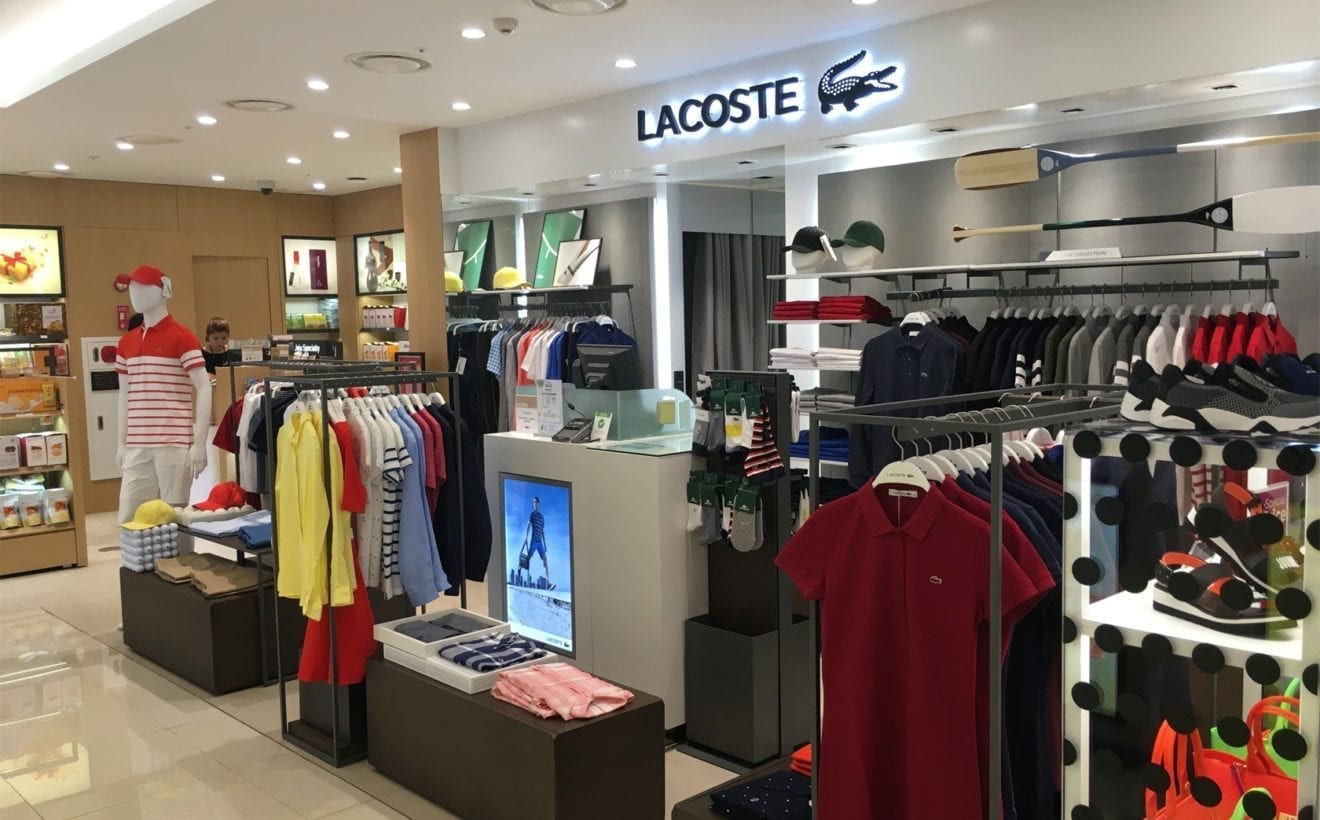
    Fashion apparel brand Lacoste Korea has renovated its boutique unit inside the Shilla Jeju Duty Free store, showcasing its “standard premium” concept.

    The retail space is on the fourth floor of the store on Jeju Island, close to Jeju International Airport. The store offers more than 300 brands.

    Lacoste says Korea is a key market for its travel-retail business.

  • New Look to expand China network

    New Look to expand China network

    Fast fashion retailer New Look is to expand its China store network.

    And while the UK retailer has modest aspirations in terms of store numbers – just 25 globally over five years – it is increasing its focus on menswear. Some of the new stores slated to open in China and France within the next 12 months will stock only men’s clothing.

    New Look is experiencing “exceptional growth” in China, since its debut there early in 2015, according to UK news channel Retail Gazette.

    The first standalone menswear store opened less than a year ago and customers of the previously womenswear brand have taken to its style and range.

    New Look has not broken down the figures by market as to where the new stores will open.

  • Calvin Klein Announces the Appointment of Raf Simons As Chief Creative Officer

    Calvin Klein Announces the Appointment of Raf Simons As Chief Creative Officer

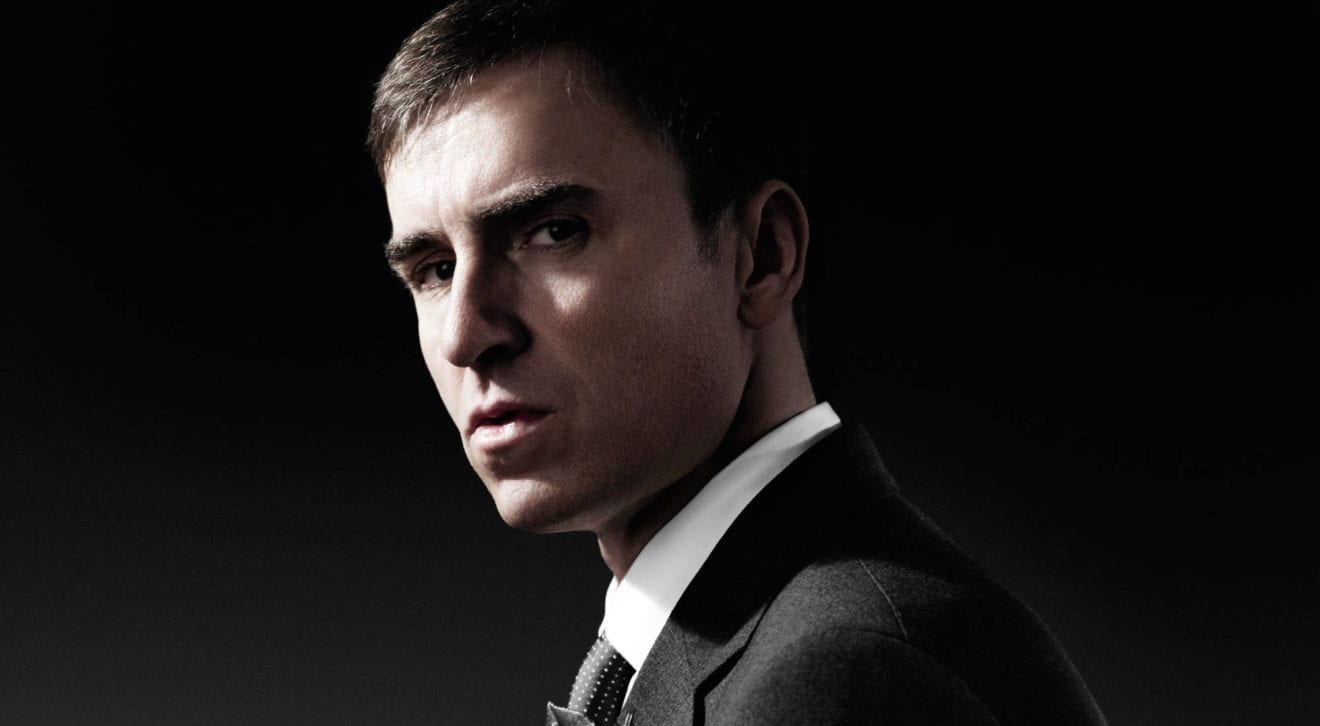
    Calvin Klein, Inc., a wholly owned subsidiary of PVH, today announced the appointment of Raf Simons as Chief Creative Officer of the brand, effective immediately.

    Mr. Simons will lead the creative strategy of the Calvin Klein brand globally across the Calvin Klein Collection, Calvin Klein Platinum, Calvin Klein, Calvin Klein Jeans, Calvin Klein Underwear and Calvin Klein Home brands. As part of his role as Chief Creative Officer, Mr. Simons will oversee all aspects of Design, Global Marketing and Communications, and Visual Creative Services. Mr. Simons’ first collections will debut for the Fall 2017 season.

    The appointment of Mr. Simons as Chief Creative Officer marks the implementation of Calvin Klein’s new global creative strategy, announced in April 2016, to unify all Calvin Klein brands under one creative vision. The strategy comes as part of a global evolution of the Calvin Klein brand, which began with the reacquisition of the Calvin Klein Jeans and Calvin Klein Underwear businesses in 2013. As Calvin Klein looks to grow the brand to $10 billion in global retail sales, this new leadership is intended to further strengthen the brand’s premium positioning worldwide and pave the way for future long-term global growth.

    The arrival of Raf Simons as Chief Creative Officer signifies a momentous new chapter for Calvin Klein,” said Steve Shiffman, CEO of Calvin Klein, Inc. “Not since Mr. Klein himself was at the company has it been led by one creative visionary, and I am confident that this decision will drive the Calvin Klein brand and have a significant impact on its future. Raf’s exceptional contributions have shaped and modernized fashion as we see it today and, under his direction, Calvin Klein will further solidify its position as a leading global lifestyle brand.”

    As part of the creative strategy for the apparel and accessories business, Calvin Klein also announced the hire of Pieter Mulier as Creative Director, reporting directly to Mr. Simons. Mr. Mulier will be responsible for executing Mr. Simons’ creative and design vision for men’s and women’s ready to wear, as well as the bridge and better apparel lines and accessories. He will also manage all men’s and women’s design teams within the Calvin Klein brand, under Mr. Simons’ leadership.

    Calvin Klein, a wholly owned subsidiary of PVH, is one of the leading fashion design and marketing studios in the world. It designs and markets women’s and men’s designer collection apparel and a range of other products that are manufactured and marketed through an extensive network of licensing agreements and other arrangements worldwide. Product lines under the various Calvin Klein brands include women’s dresses and suits, men’s dress furnishings and tailored clothing, men’s and women’s sportswear and bridge and collection apparel, golf apparel, jeanswear, underwear, fragrances, eyewear, women’s performance apparel, hosiery, socks, footwear, swimwear, jewelry, watches, outerwear, handbags, small leather goods, and home furnishings (including furniture).  

    With a heritage going back over 130 years, PVH Corp. has excelled at growing brands and businesses with rich American heritages, becoming one of the largest apparel companies in the world. We have over 30,000 associates operating in over 40 countries with over $8 billion in 2015 revenues. We own the iconic Calvin Klein, Tommy Hilfiger, Van Heusen, IZOD, ARROW, Speedo*, Warner’s and Olga brands and market a variety of goods under these and other nationally and internationally known owned and licensed brands.

  • New way to sell bags for Christian Dior

    New way to sell bags for Christian Dior

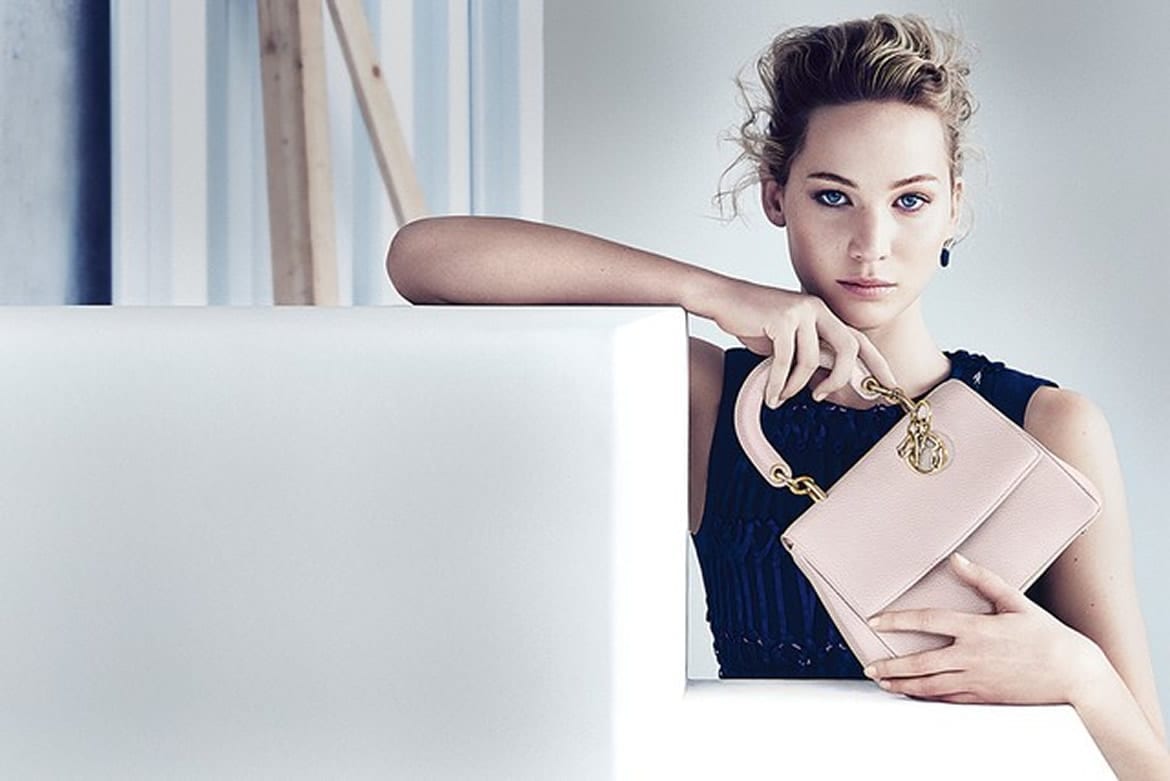
    Christian Dior China has become the first luxury brand to sell top-end bags on messaging and social network WeChat.

    With an eye on Chinese Valentine’s Day (Qixi) on August 9, it offered its limited-edition Lady Dior bag on the platform this week. It was to be available until today, but sold out on Tuesday.

    As a special extra, consumers were able to drag online pictures of decorations on to the bag, so it could be tailored for their preferences.

    Buyers could pay through WeChat for the bag, priced at 28,000 yuan (US$4210).

    Other luxury brands, including Cartier, Longchamp and Montblanc have already launched online sales platforms on WeChat, providing special services and discounts.

    For the first half of this year, Dior’s net profits fell 30.2 per cent to €74 million ($82.8 million).

  • New Look to expand in China & France with new standalone menswear stores

    New Look to expand in China & France with new standalone menswear stores

    Fast fashion retailer New Look is taking advantage of its popularity in menswear by opening 25 new stores in the next five years – including a batch of standalone menswear stores in China and France over the next 12 months.

    While the store split between the UK and overseas is not yet known, the retailer currently going through exceptional growth in China where it has had like-for-like growth since entering the market at the start of 2015.

    New Look first launched standalone menswear stores almost a year ago and has quickly garnered a reputation as being a leader in the trend of standalone high street menswear stores.

    Online retailer Boohoo launched a standalone menswear site in April while Net-a-Porter recently revealed its own-brand menswear label.

    Department store chain Harvey Nichols also recently relaunched its menswear department, while fashion chain Jigsaw has announced plans to expand its menswear range over the next five years.


  • Is Nike golf equipment journey ending?

    Is Nike golf equipment journey ending?

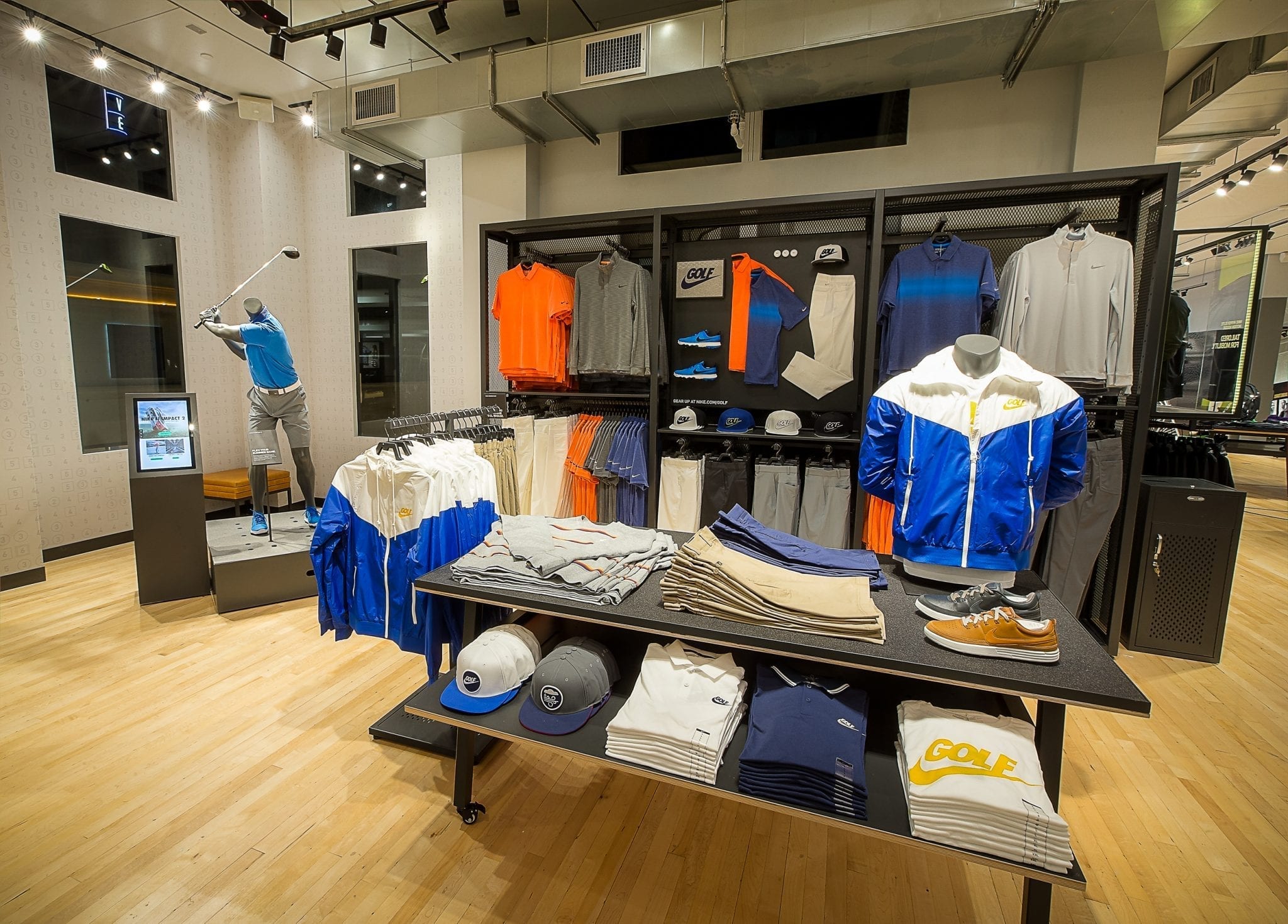
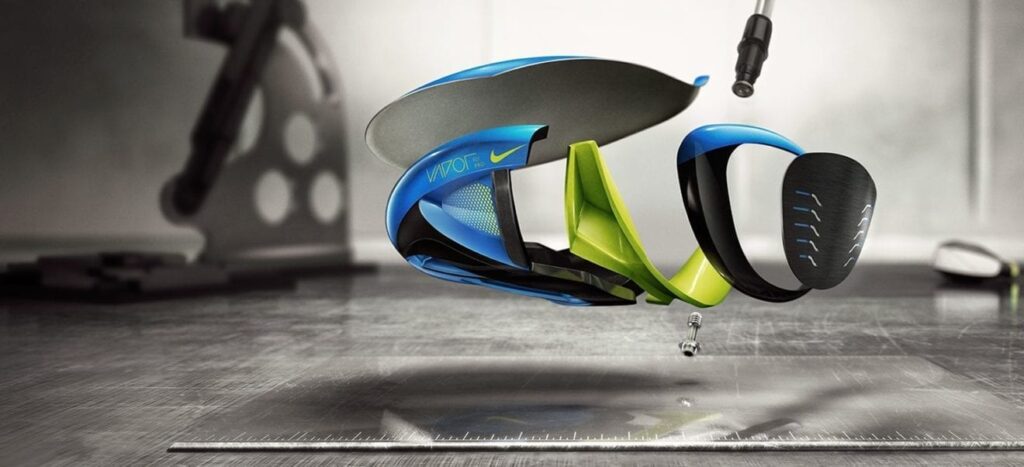
    Nike is phasing out its golf equipment business to focus on shoes and apparel.

    The company has announced it is accelerating its footwear and apparel business and will transition out of Nike golf equipment range – including clubs, balls and bags.

    “We’re committed to being the undisputed leader in golf footwear and apparel,” says Trevor Edwards, president, Nike Brand. “We will achieve this by investing in performance innovation for athletes and delivering sustainable profitable growth for Nike Golf.”

    The global giant said it will continue to partner with more of the world’s best golfers as part of its changed golfing segment strategy.

    “Athletes like Tiger, Rory and Michelle drive tremendous energy for the game and inspire consumers worldwide,” says Daric Ashford, president of Nike Golf.nike golf

    “Over the past year the MM Fly Blade Polo, the Flyknit Chukka and Air Zoom 90 have all connected strongly with golfers. We’ll continue to ignite excitement with our athletes and deliver the best of Nike for the game.”

  • Under Armour China recruits star power

    Under Armour China recruits star power

    Star power is being used to connect fast-growing athleisure brand Under Armour with Chinese consumers.

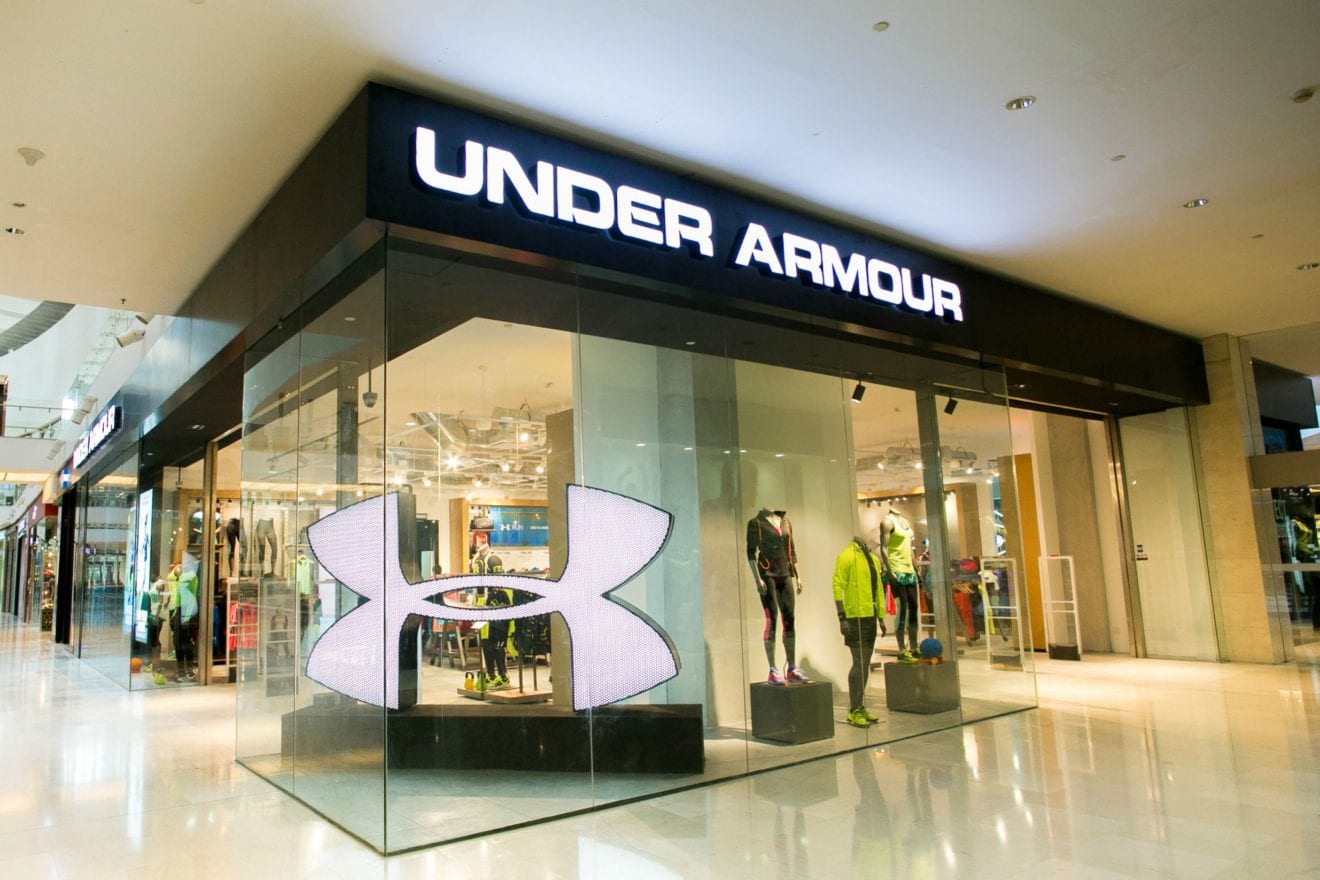
    NBA All-Star Stephen Curry heads back to China next month for another promotional tour for sportswear brand Under Armour China (UA).

    As UA seeks to take market share away from rival Nike, the basketballer will be touring the greater China region, including Taiwan, from September 2 to 6.

    Under Armour CEO Kevin Plank plans to more than double the company’s annual revenue to $10 billion by 2020, identifying three key growth areas: channels, categories and geographies.

    “Our eCommerce in China has basically exploded for us,” he says, “so this is not just a bricks-and-mortar story.” He believes China may actually end up providing the script for the balance between digital and store sales.

    So far this year, UA has reported a 157 per cent increase over the same period last year from its eCommerce initiatives in China. In just 10 years, the company has grown its overseas business exponentially, to $454 million last year from $6 million in 2006.

    Probably trying to catch this wave, low-end Chinese sneaker manufacturer Tingfei Long Sporting Goods introduced its Uncle Martian apparel line in April with a logo similar to UA’s trademark intersecting arches. UA responded by saying it will pursue “all business and legal courses of action.”

    To thrive in China, brand recognition over knockoffs is key for UA, which is why it is sending spokesman Curry into play. Following his first tour two years ago, quarterly revenue in China grew three-fold (Nike had a 23 per cent gain).

    UA plans to open 120 stores in China, more than doubling its presence, by the end of this year. Adidas and Nike have between 8000 and 9000 stores in China already. Nike’s market share grew to 14.3 per cent last year from 11.2 per cent in 2011, while Adidas grew its market share to 13.8 per cent from 8.5 per cent over the same period, according to research company Euromonitor.

  • New Zalora CEO appointed

    New Zalora CEO appointed

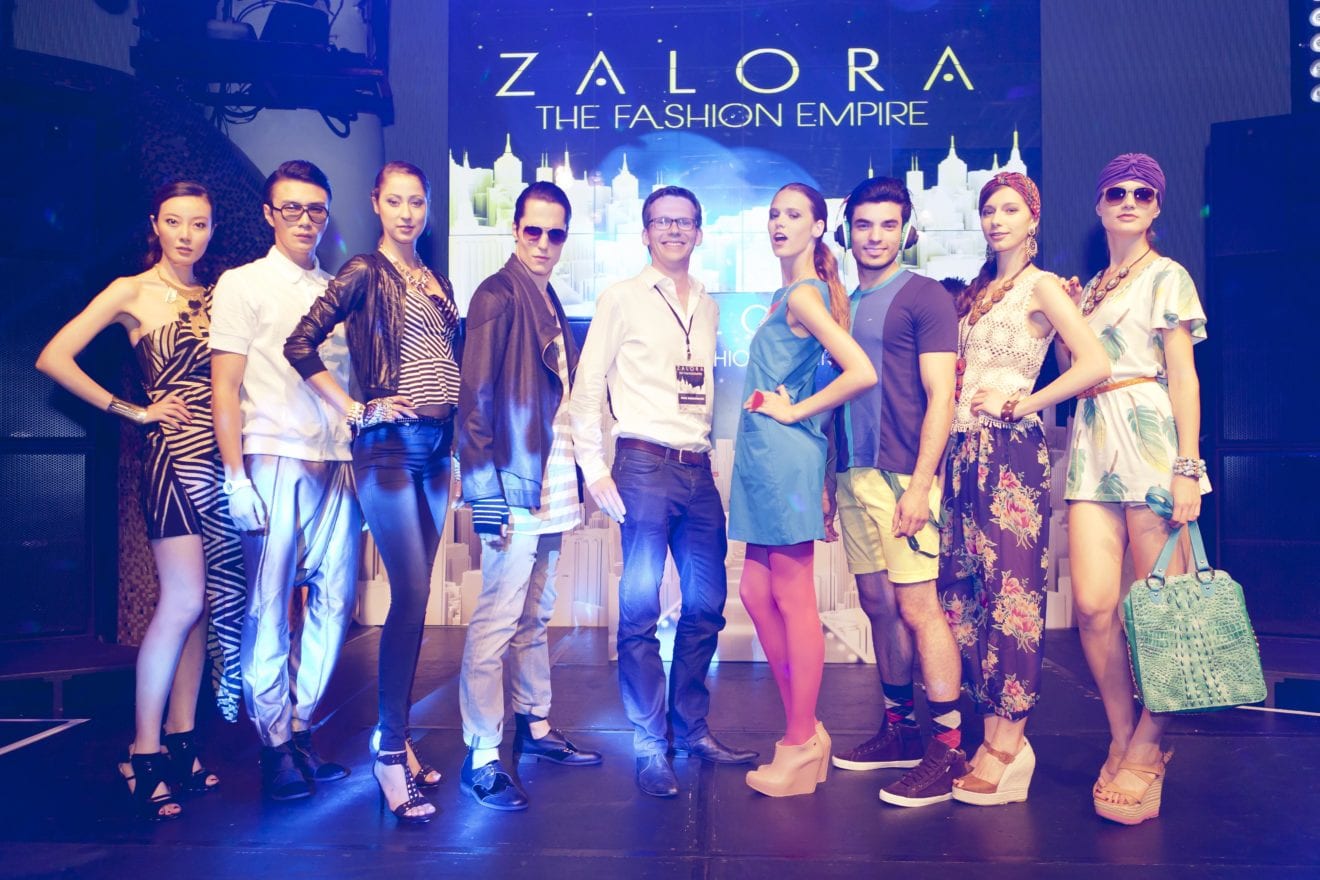
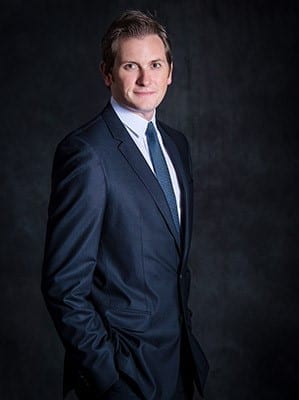
    Zalora has appointed a new CEO, Parker Gundersen, who joins the online fashion retailer from DFS Group, the travel retail subsidiary of  Louis Vuitton Moet Hennessy.

    The new Zalora CEO has more than 15 years of retail and leadership experience in key management positions across Asia, the Middle East and North America.

    parker G

    From 2011 to 2015, Parker served as GM for DFS Singapore, and recently held the position of VP for DFS North America, overseeing the company’s operations and business development function in the region. Prior to DFS, Parker worked in management consulting in the Strategy & Operations practice at Deloitte Consulting.

    Romain Voog, CEO of Global Fashion Group, said Gundersen’s experience in retail across Asia and his strong leadership skills will be instrumental in strengthening Zalora’s leadership in Southeast Asia’s e-fashion space.

    Parker holds degrees in economics and management from the University of St. Thomas and has an MBA from The Kellogg School of Management at Northwestern University.

  • Burberry China buys out minor shareholder

    Burberry China buys out minor shareholder

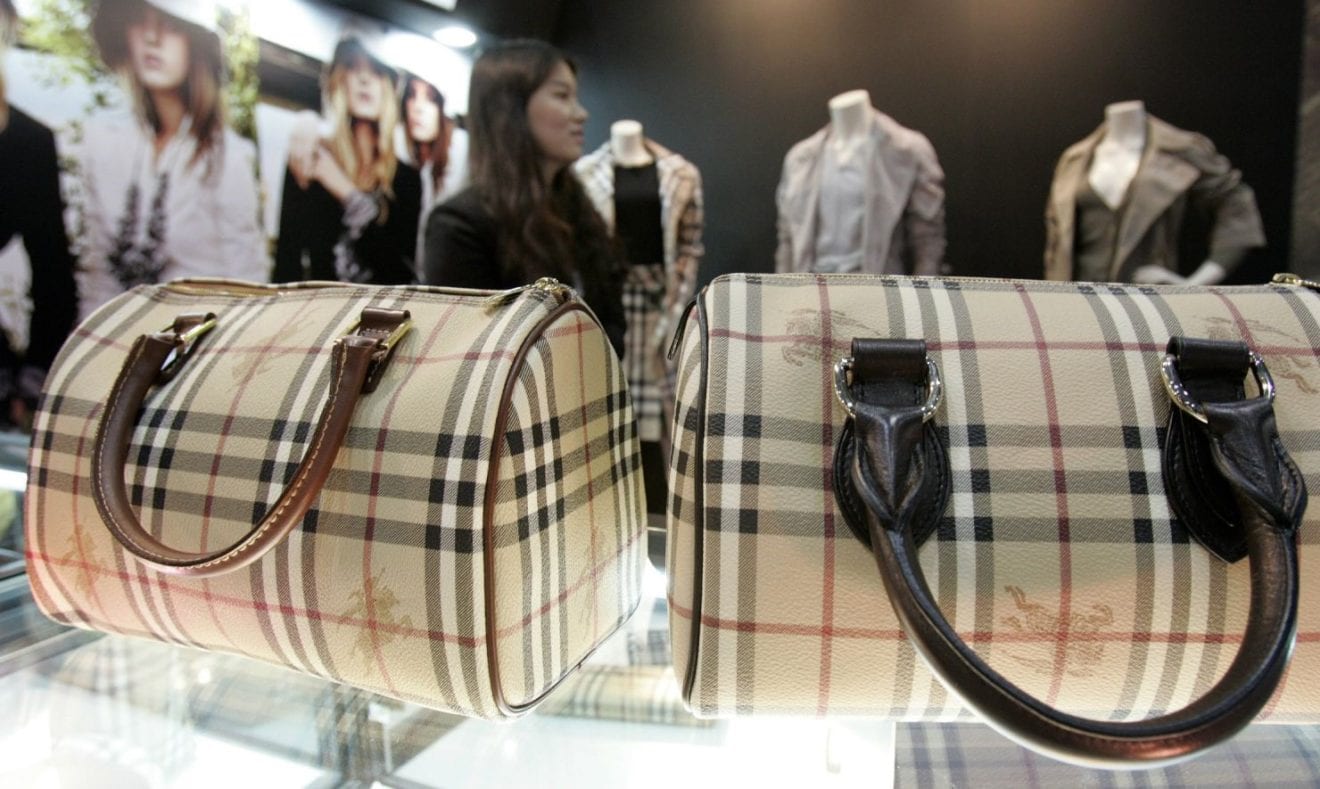
    Fashion brand Burberry China has spent £54 million (US$71.2 million) to take full control of its retail business, buying the 15 per cent interest held by Sparkle Roll Holdings.

    Headquartered in London, the 160-year-old label launched its foray in China in 2010. The mainland now accounts for about half the retail spend of Burberry’s Chinese customers. Last year it was relatively stable, but significantly lower footfall again was a challenge in Hong Kong, which accounts for 9 per cent of global retail/wholesale revenue.

    Burberry says it has been looking to cut costs to ensure its Hong Kong stores stay profitable, with its first-quarter trading showing improvement over the fourth quarter but comparable sales continuing their double-digit percentage decline, reports DigitalLook.

    Like-for-like sales on the mainland were broadly unchanged in the first quarter.