Category: Fashion

Retail News Asia is committed to providing both local and global retailers with the latest Fashion news throughout the Asian market. This on a daily base.

  • Fresh look for Prada Hong Kong

    Fresh look for Prada Hong Kong

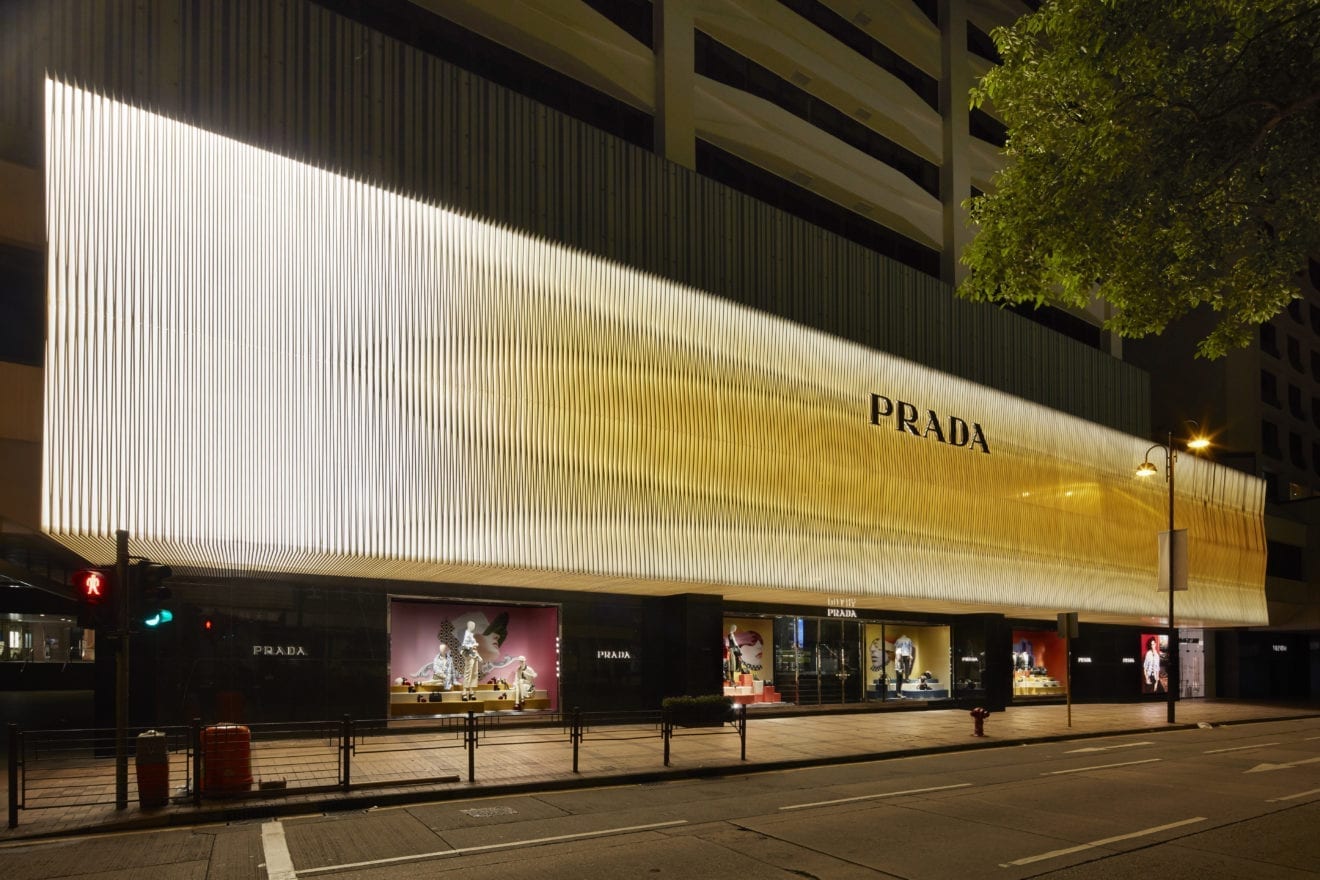
    Fashion brand Prada Hong Kong will renovate and expand its store on Canton Rd.

    Covering more than 1300 sqm over two storeys, the store has a secondary internal access from Harbour City.

    Its facade pays homage to Franco-Venezuelan kinetic artist Carlos Cruz-Diez with a geometric pattern. The Harbour City frontage, in black marble, has display windows and offers view of the store interior.

    prada inside

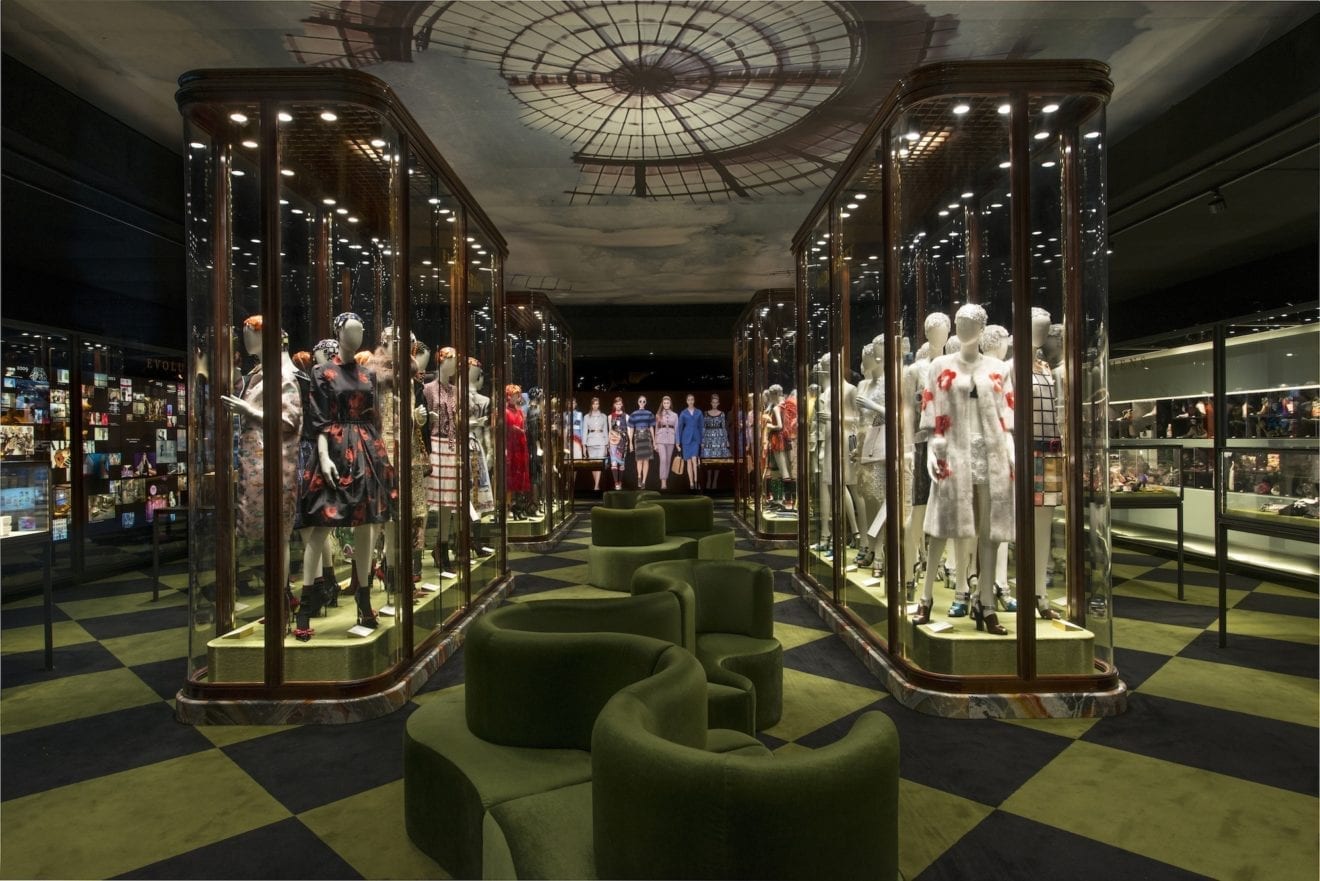
    The Canton Rd entrance introduces a room defined by signature elements of the brand, such as the black-and-white checkerboard floor and walls of light green encaustic and marble.

    Glass display cases with bottoms in green marble alternate with shelving systems. The beamed ceiling is a contemporary interpretation, in Prada green, of the typical ceilings of historic Italian buildings. Throughout the store, new materials are paired with 1950s design. Seating elements of different forms and colours create intimate salons, arranged with low tables. Classic materials like velvet are juxtaposed with modern materials like acrylic glass and marble.

    On the ground floor, the footwear area has carpet with velvet-covered walls, with exclusive green velvet chairs by Osvaldo Borsani.

    A special display niche inside the store’s mall entrance features black marble and a video screen. Spaces in green encaustic and black marble dedicated to leather and women’s accessories alternate with salons in red and green velvet with geometrically patterned carpets.

    In the clothing area, the beamed ceiling is covered in velvet to match the walls as a counterpoint to a video wall. Green velvet Borsani chairs, acrylic glass furnishings and the polished steel racks complete the decor.

    Sheathed in green marble, the stairway leading to the basement floor has as a background a steel and glass display case. The basement is dedicated to the men’s collections, with a special selection of clothing and footwear for women. A black-and-white marble floor, a beamed ceiling and green encaustic walls are the predominant elements.

    The men’s area is distinguished by tall furnishings in black iron and glass, blue ostrich skin chairs and carpet in aviator blue and grey with geometric patterns.

    A special room dedicated to clothing features a dark wood floor of narrow boards, walls covered in aviator-blue velvet and chairs in grey velvet with wooden arms.

  • Bottom line: brands chase China’s high-end lingerie market

    Bottom line: brands chase China’s high-end lingerie market

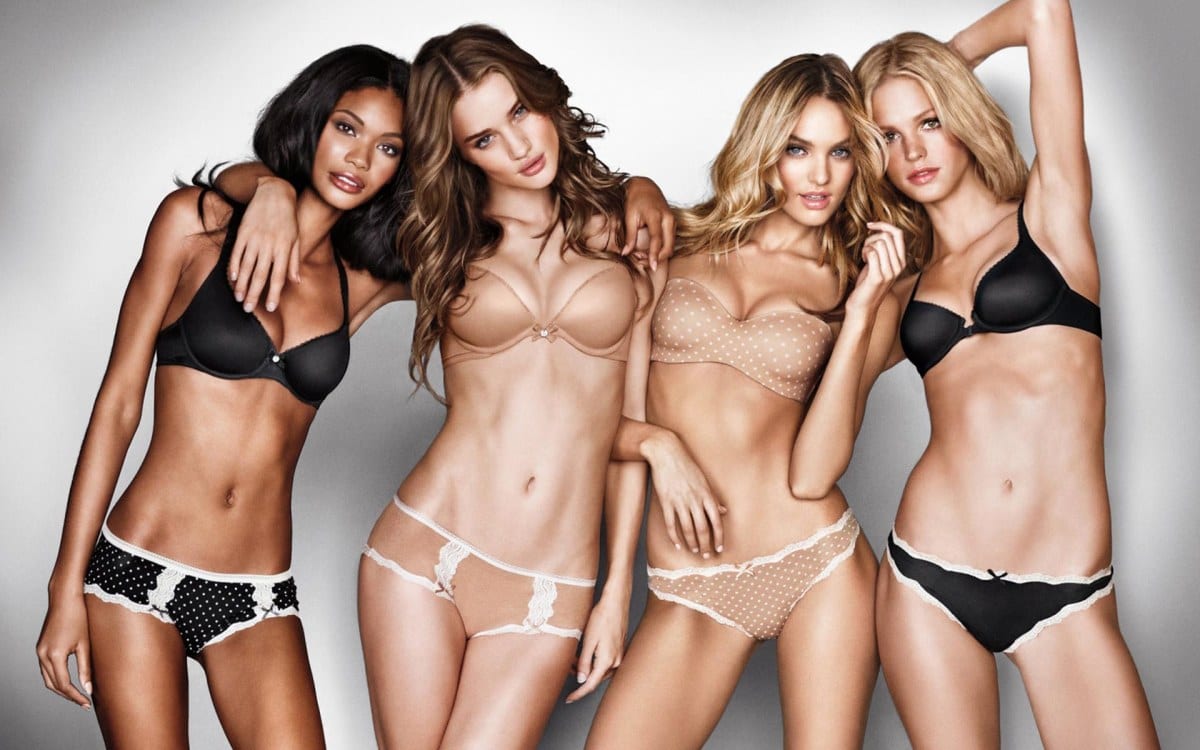
    High-end lingerie sales are outpacing China’s generally downbeat luxury market, and heating up competition between international brands and local rivals looking to go upmarket.

    U.S. brand Victoria’s Secret will open its first store, and companies including Italy’s ultra-luxury La Perla and Germany’s Triumph are adding stores and moving beyond China’s mega-cities to tap a lingerie market that has more than doubled in five years to $18 billion, according to Mintel Group.

    Chinese consumer tastes are maturing, women are more confident about buying for themselves and President Xi Jinping’s drive against conspicuous consumption is likely diverting spending from flashy branded bags and accessories to sports and ath-leisure wear and the more discreet lingerie.

    “Luxury is … not about buying to show off, it’s about buying items that make you feel good,” says Chiara Scaglia, La Perla’s Asia chief.

    China’s women’s underwear market is expected to have a retail value of $25 billion by next year – double that of the United States – and will grow to $33 billion by 2020, according to Euromonitor.

    Chinese firms such as Beijing Aimer, Maniform and Ordifen are also chasing that money, targeting higher-end customers and raising their quality.

    “That means foreign brands will have to out-compete local brands not just on quality, but also innovation,” said Matthew Crabbe, director at Mintel.

    For now, the market is highly fragmented, with none of the leading firms having more than around a 3 percent share. International brands see China as a priority to help bolster overall sales given a fairly bleak global outlook.

    La Perla, which sells bras priced around 2,000 yuan ($300), has eight stores in China and plans additional outlets in Chengdu and Chongqing within the year. It also aims to open a men’s store in Beijing.

    “The perception of the lingerie sector has changed,” Scaglia told Reuters. “At the beginning many people we spoke to were confused as to why anybody should spend over $1,000 on panties for something nobody sees.”

    EXPANDING FOOTPRINT

    Victoria’s Secret will open a 20,000 square foot (1,860 square meter) flagship store in Shanghai this year, taking over a prime downtown location that used to house a Louis Vuitton store. “I think it will announce our arrival in China in a very significant way, and should be the beginning of an enormous business for us,” said Martin Waters, L Brands International President.

    Triumph, which already has 1,000 China stores, plans to open in five new cities this year and up to 11 cities next year.

    Cosmo Lady (2298.HK), a Chinese firm that has focused on the mass market, selling bras from 50 yuan ($7.50), last year bought Ordifen to increase its presence in the luxury market.

    “We would like to gradually step into the high-end market,” said Peter Lam, Cosmo Lady’s assistant chief financial officer.

    Gao Qiannan, a 22-year-old Shandong student who says she spends upwards of 1,500 yuan a year on lingerie, doesn’t think there’s a big difference between Chinese and foreign brands.

    “If I can buy a domestic brand, I will, but if I particularly like the international brand’s style, I’ll get that,” she said.

    The international brands say they don’t offer products specifically for the Chinese market, though La Perla notes that some colors – red and baby pink – sell far better in Asia than in Europe or the United States. The Italian brand has also used Chinese supermodel Liu Wen in its campaigns.

    Japanese and South Korean brands are also growing in popularity in China.

    Yin Huijuan, 23, who spends 800 yuan ($120) on lingerie every three months, said she prefers Japanese brands such as Wacoal and Narue. “I feel foreign brands’ style is more detailed and diversified, these are areas where domestic brands fall short,” she said.

    CONSUMER CAUTION, ONLINE COMPETITION

    Even in the lingerie market, though, there are bumps.

    Cosmo Lady, which has 8,600 outlets including Ordifen’s 550 China stores, saw robust growth in its mass market sales last year, but has warned about its profits for the first half of this year, citing China’s slowing economic growth, consumer caution and competing online sales.

    Hong Kong-listed Embry Holdings (1388.HK), which owns the Embry Form lingerie brand, said its group retail sales slipped by nearly a fifth in April-June on tougher competition and the economy.

    Despite those bumps, the lingerie sector retains a strong appeal, said Eugene Mak, an analyst at China Merchant Securities in Hong Kong, and firms like Cosmo Lady are still outperforming other apparel retailers.

    He predicts the market will hit a consolidation phase at some time. “It’s a very young market, but in the near-term it’s going to be messy,” he said.

    (Reporting by Farah Master, with additional reporting by Giulia Segreti in Milan, Shanghai newsroom, and Sharon Shi and Joyce Zhou in Hong Kong; Editing by Ian Geoghegan)
  • Unilever buys Dollar Shave Club

    Unilever buys Dollar Shave Club

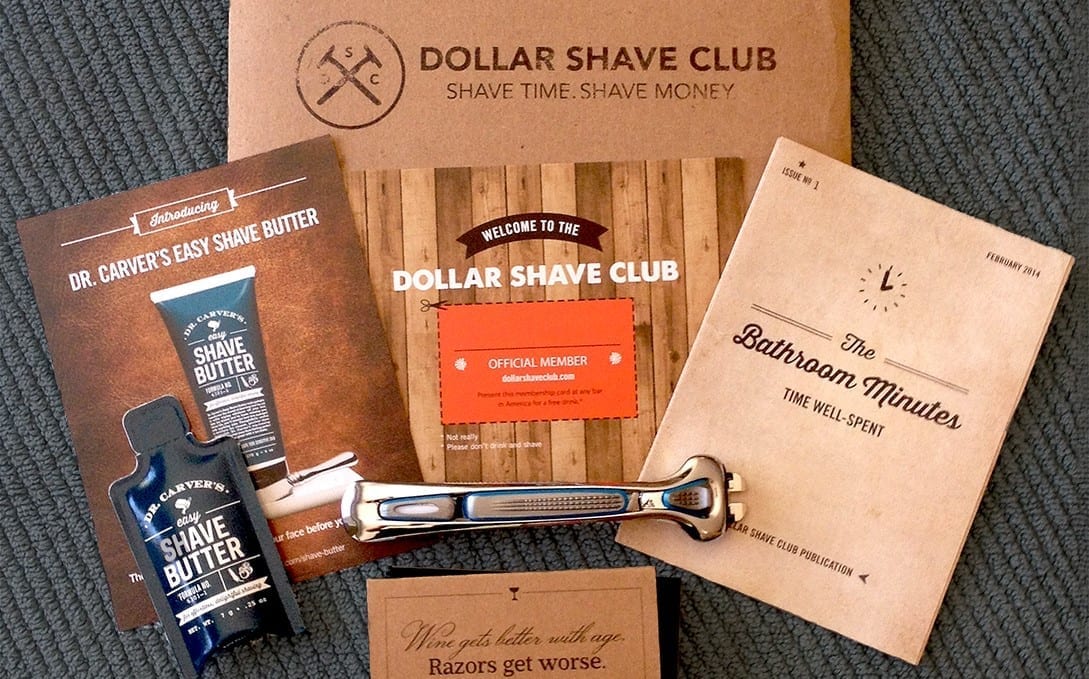
    Consumer products giant Unilever is to buy California-based Dollar Shave Club, an online razor delivery subscription business that has 3.2 million members.

    Terms of the transaction were not officially disclosed, but sources say the FMCG giant is paying the razor business US$1 billion in cash.

    “Dollar Shave Club is an innovative and disruptive male grooming brand with incredibly deep connections to its diverse and highly engaged consumers,” said Kees Kruythoff, president of Unilever North America.

    “In addition to its unique consumer and data insights, Dollar Shave Club is the category leader in its direct-to-consumer space. We plan to leverage the global strength of Unilever to support Dollar Shave Club in achieving its full potential in terms of offering and reach.”

    Michael Dubin, founder or Dollar Shave Club, will continue to serve as its CEO.

    “We have long admired Unilever’s purpose-driven business leadership and its category expertise is unmatched,” said Dubin. “We are excited to be part of the family.”

    Subject to regulatory approval, the transaction is expected to close during the third quarter.

  • Chinese beauty retail market predicted to reach $50bn

    Chinese beauty retail market predicted to reach $50bn

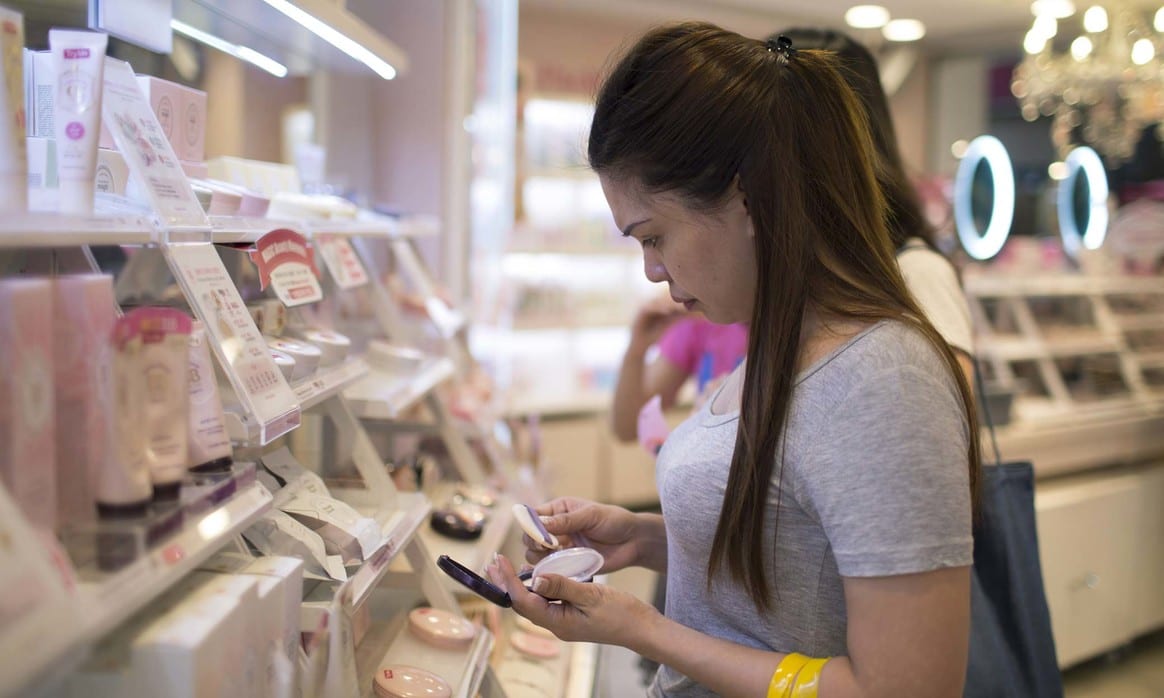
    Despite less frequent purchases, the high demand for skincare products will see the Chinese beauty retail market continue strong growth to reach 338 billion yuan (US$50 billion) in value by 2020, says a new report.

    Research by Mintel shows that 65 per cent of consumers spent more on facial skincare last year than in 2014, despite consumers buying beauty products less often.

    Purchase rates for all beauty and personal-care categories surveyed by Mintel slowed during the three months to October last year. The categories most affected are hair beauty products, beauty supplements and fragrances, falling 32 per cent, 28 per cent and 26 per cent respectively.

    Total retail sales of cosmetics in China grew 12.3 per cent to reach 204.9 billion yuan last year.

    “The beauty retailing market seems resistant to decline, and this is mainly because the dynamic development of the facial skincare market,” says Mintel senior beauty and personal care analyst Chen Wenwen.

    “To leverage their passion and spending power, it is essential for both retailers and manufacturers to engage consumers via mobile platforms.”

    As many as 44 per cent of consumers used a mobile device to pay for beauty/personal care products online in the three months to October – double the number since 2014.

  • Sales fall 19pc for L’Occitane International

    Sales fall 19pc for L’Occitane International

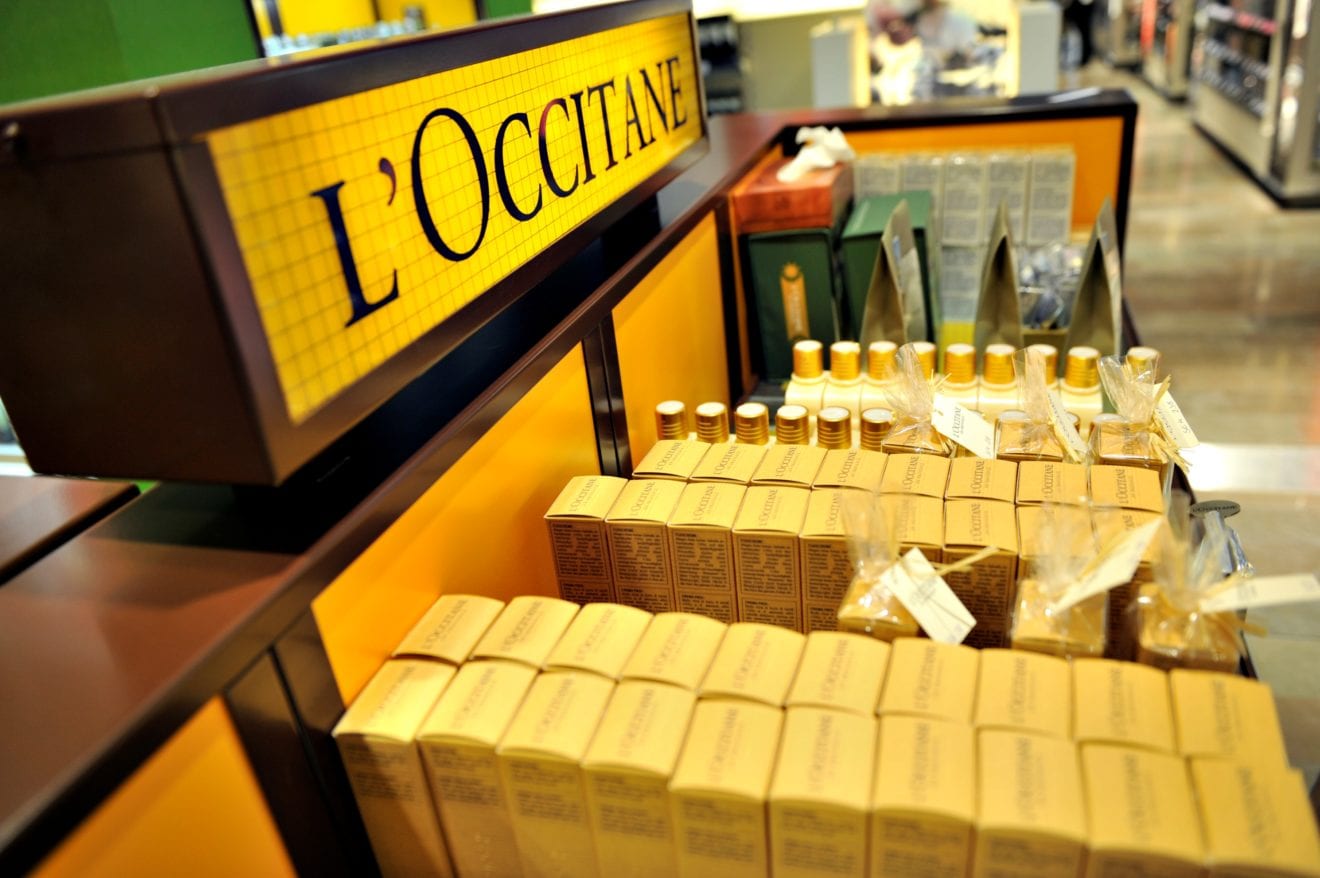
    A 19.8 per cent drop in sales in Hong Kong and Macau has been recorded by French skincare retailer L’Occitane International for its first fiscal quarter.

    This amounts to €22.8 million (MOP175.3 million/US$21.9 million), according to its filing with the Hong Kong Stock Exchange.

    Its same-store sales in the two regions for the three months ended June 30 dropped by 11.7 per cent year-on-year. The company had 33 stores in Hong Kong and three in Macau at the end of June.

    Total net sales reached €268.5 million for the period, down 2.2 per cent. Of the total, sell-out sales brought in €200.4 million.

    L’Occitane says the soft performance was because of “lower sales to travel retail operations in the Asia region” as well as the global economic downturn and overall unfavourable foreign exchange impact.

    Meanwhile, the company’s sales on the mainland decreased 5.3 per cent during the quarter to €24 million. Same-store sales, however, eased by only 0.4 per cent year-on-year.
    The company had 195 stores on the mainland at the end of June, eight more than at the same time last year.

  • Boots to launch in south korea

    Boots to launch in south korea

    Walgreens Boots Alliance, Inc. (Nasdaq: WBA), the first global pharmacy-led, health and wellbeing enterprise, today announced that it has signed an agreement to form a franchise partnership with Emart Company Ltd (a member of Shinsegae Group), South Korea’s number one hypermarket retailer. Together, they will create a Boots branded pharmacy-led, health and beauty retail franchise in South Korea.

    Under the terms of the agreement, Boots branded stores will be opened in shopping malls, on high streets and within the outbound areas of Shinsegae department stores and Emart hypermarkets. The Boots stores will each feature an independent pharmacy and a range of Boots owned products and ‘exclusive to Boots’ brands as well as leading Korean brands.

    “South Korea is considered a leading market for skincare and cosmetics products in Asia today.  We believe there is a significant opportunity to extend the reach of Boots own brands into this market and are thrilled to be doing so with Emart,” said Ornella Barra Co-Chief Operating Officer of Walgreens Boots Alliance. “Emart is the preeminent retailer in South Korea and their strong experience as well as their marketing expertise gives us great confidence in the long-term potential of this partnership.”

    “We are delighted to have the opportunity to introduce the Boots brand, and offer pharmacy care as well as acting as a beauty and healthcare destination by also offering a wide range of both Korean and Boots product brands.” said Gab-Soo, Lee, CEO of Emart Inc.

    The first stores are expected to open before the end of the first half of calendar year 2017 and will include Boots highly regarded and exclusive No7 and Soap & Glory products.

  • Lotte Department Store to Introduce 3D Foot-Measuring Device

    Lotte Department Store to Introduce 3D Foot-Measuring Device

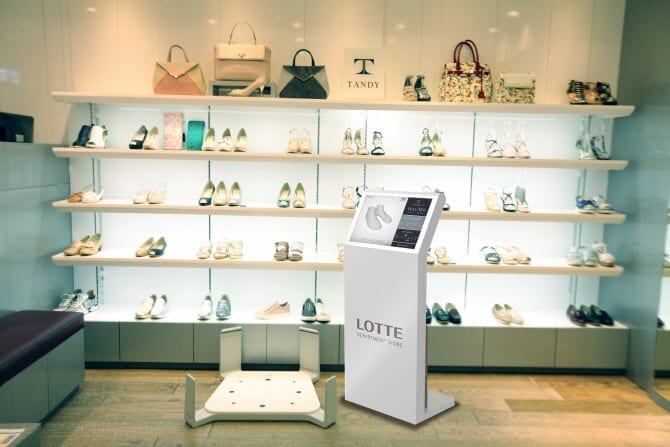
    Korean retail giant Lotte Department Store revealed Thursday that it will implement a new 3D foot-measuring device at its stores starting Friday, to provide quick and accurate measurements for custom shoe orders.

    By placing his or her foot on the device, a customer will able to obtain not only their foot’s length, but its overall shape, including width and height, to gather more accurate sizing information.

    The conventional foot-measuring process can make customers feel uncomfortable, and usually takes two to three minutes. But the new device will shorten the process to two seconds using 3D scanning technology, according to a Lotte official.

    After having their feet measured, customers will select the shoe design of their choice, and a final pair of handmade shoes will be delivered to their doorstep in about two weeks. Upon request, customers can even have their foot size information mailed to them or saved in the store’s computer system, so they can place more orders in the future without having to re-measure their feet.

    The 3D device was developed in collaboration with Swedish start-up Volumental, and will first make its debut at the Tandy shoe store in Lotte’s flagship department store in Myeongdong. The service will expand to other shoe brands in department stores across the country starting July 29.

    Lotte Department Store also plans to launch a 3D virtual fitting service in the latter half of the year. The service uses a special mirror that provides a virtual reflection of the customer wearing clothing by applying a 3D image of the product to the customers’ body.

  • ‘Thailand Shopping Festival’ to offer discounts

    ‘Thailand Shopping Festival’ to offer discounts

    “The economy in the second half should grow more strongly than in the first half. The government will launch many measures to stimulate growth, including the shopping festival to provide discounts for shoppers, and organise a low-price fair to help lower the cost of living,” Commerce Minister Apiradi Tantraporn said.

    The Thailand Shopping Festival will be set up at department stores, modern trade outlets, and retail and wholesale shops nationwide. Discounts of 20-40 per cent will be offered to consumers.

    Meanwhile many Otop (One Tambon, One Product) items and those made by small or medium-sized enterprises will be on sale at tourist destinations including Bangkok, Chiang Mai, Udon Thani, Nakhon Ratchasima, Ubon Ratchathani, Phuket, Surat Thani and Songkhla.

    The ministry will also organise a “Thong Fa Therd Phra Kiat” low-price fair to celebrate Her Majesty Queen Sirikit’s 84th birthday at Impact Muang Thong Thani. The event will offer discounts of 20-40 per cent for consumer goods, food, fresh fruits and vegetables, Otop and SME products, and those from projects initiated by His Majesty the King.

    The low-price fair will take place from August 4-7.

    Moreover, the ministry’s Support Arts and Crafts International Centre of Thailand will hold an “Innovation Craft Fair” as part of the Queen’s birthday celebrations from August 4-12 at SACICT in Bang Sai, Ayutthaya.

    Also next month, in a further bid to promote economic growth as well as help lower the cost of living, the ministry will work with the Employee Council of Thailand to conduct events selling cheap food and fast-food dishes at factories, industrial estates and government agencies.

  • Indonesia sparkles as jewellery retail market

    Indonesia sparkles as jewellery retail market

    Indonesia sparkles in the jewellery retail market, according to a new report from Euromonitor International.

    Buoyed by growth in Asia Pacific, particularly China and India, jewellery will continue to be the best-performing category in the personal accessories segment, according to its research.

    Indonesia is expected to be the fastest-growing country in the world for jewellery sales with 7.8 per cent compound annual growth rate (CAGR) predicted until 2021. It is followed by India at 6.9 per cent.

    Euromonitor’s research shows that jewellery sales will be worth US$316 billion this year. It is the fastest-growing segment within the personal accessories industry with 3 per cent growth over the past year.

    Jewellery, including both costume and fine jewellery, had 15 per cent year-on-year growth of internet retail sales, reaching $19 billion this year, up from $9 billion in 2011. Fine jewellery’s 16 per cent growth in internet retailing beat out costume jewellery’s 12 per cent growth, with more fine jewellery retailers going online.

    “Technology is the answer for the future growth of jewellery and personal accessories,” says industry analyst Jasmine Seng. While global sales of personal accessories are growing at 2 percent, internet retailing is experiencing double-digit growth.

    The lowest performer in internet sales is the watch segment.

    “Facing competition from smartwatches, industry players should collaborate with wearable-technology innovators to drive organic growth for their companies,” says Seng.

    Personal accessories sales are forecast to have 4 per cent CAGR between now and 2021 to reach $633 billion.

  • H&M sales rise, profit falls

    H&M sales rise, profit falls

    H&M sales rose 7 per cent in local currencies during the first six months of the financial year. But profit failed to follow suit.

    Converted into Swedish kronor, H&M sales rose by 5 per cent to SEK 104.9 billion, (US$12.176 billion).

    Karl-Johan Persson, CEO, said the sales increase in March and April was significantly below plan, negatively affected by cold spring weather in many markets. In May, sales were much better with an increase of 9 per cent.

    After tax profit was SEK 5.357 billion, (US$621.4 million) down 17 per cent year-on-year.

    “Profits in the second quarter have been affected by a continued negative US dollar effect, but also by increased markdowns and the costs of our long-term investments. The fact that the sales increase in the quarter was below plan, naturally also had an impact on profits,” he said.

    “It has been a challenging half-year for fashion retail in many markets, but we have great confidence going forward and are continuing to develop our offering further within all our brands.”

    H&M has opened nine new online markets so far this year – in Slovenia, Croatia, Estonia, Latvia, Lithuania, Luxembourg, Ireland, Japan and Greece. Canada and South Korea will follow later this year.

    The fashion retailer has more than 4000 physical stores in 62 markets with plans to add 425 more this year. New markets this year are Puerto Rico, New Zealand and Cyprus, while Colombia will be one of four or five new destinations next year.

  • Turnover falls for Sa Sa International

    Turnover falls for Sa Sa International

    Sa Sa sales are slowing, despite an improvement in Mainland Chinese visitor numbers.

    Retail and wholesale turnover for cosmetics retailer Sa Sa International Holdings fell by 5.7 per cent for the first quarter to June 30, according to unaudited data.

    Turnover dropped 5.4 per cent to HK$1384.9 million (US$178.585 million) in the Hong Kong and Macau markets, while same-store sales decreased by 4.8 per cent. While there were only slightly fewer transactions, their average value fell 5.7 per cent.

    In other markets, including China, Malaysia, Singapore and Taiwan as well as Sasa.com, retail and wholesale turnover dropped 7 per cent to HK$1717.1 million for the quarter.

    While still in decline, the group’s retail sales in Hong Kong and Macau recorded a notable improvement compared to the last quarter of the last financial year, the company attributing this to traffic growth of 2.7 per cent among mainland customers.

    “Their consumption continued to be on the weaker side, with spending declining by 6.4 per cent per transaction. Local consumption sentiment remained sluggish,” says the company.

    Improved sales performances were partially because of the group’s efforts to adjust product offerings to meet market demand.

    As at June 30, the company had 112 stores in Hong Kong and Macau, a drop of one from the start of the quarter. At 55, there were two fewer stores on the mainland, Singapore was steady at 23 stores, Malaysia’s 67 stores included had one more outlet, and Taiwan also lost a store for a total of 31. Overall, the company had 288 stores, down from 291.

    Sales performance during the period was affected by a series of factors, says the company, so the data for the period may not be able to reflect the overall performance of the reporting period.

  • Galleria Duty Free 63 opens in Seoul

    Galleria Duty Free 63 opens in Seoul

    Galleria Duty Free 63 has been officially opened – and it’s offering more than just duty free products.

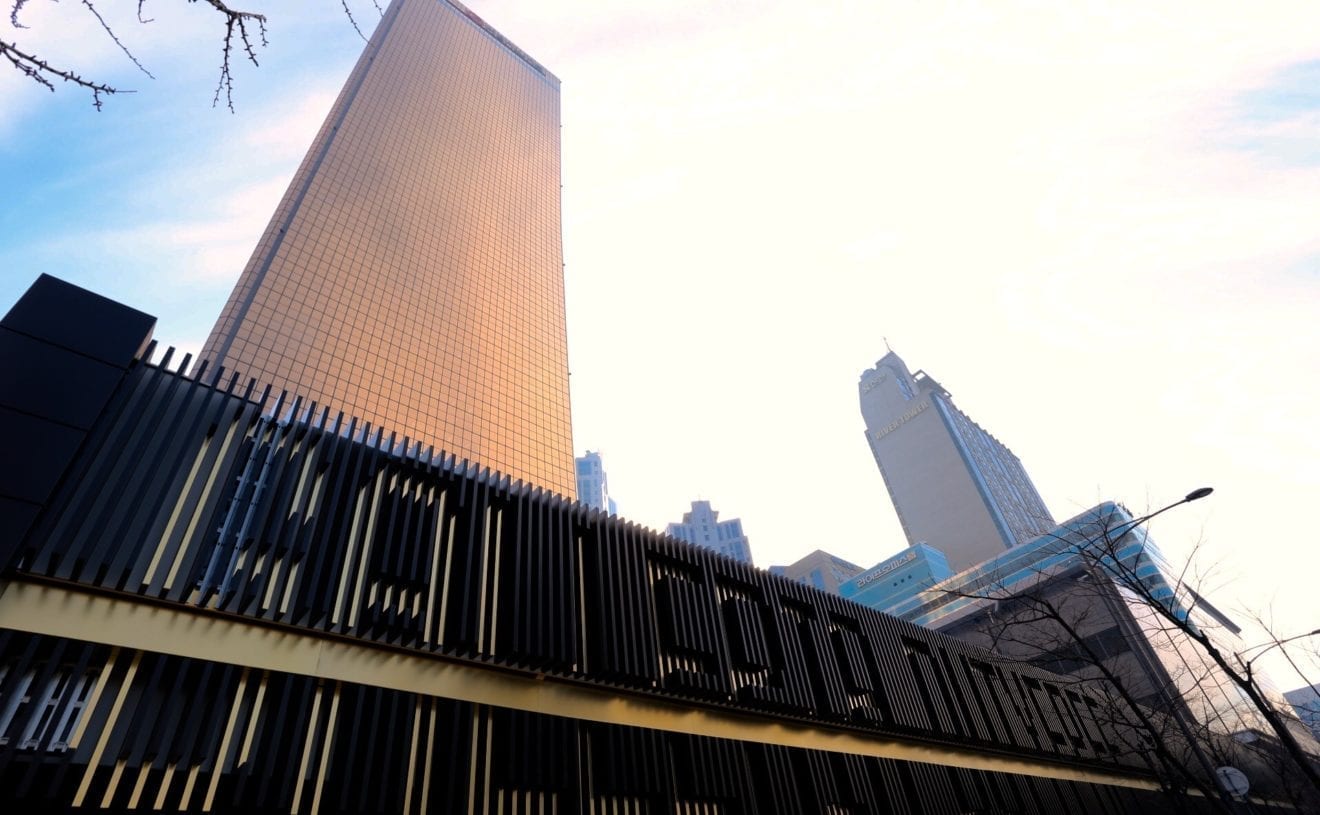
    The new duty free store, located in Seoul’s iconic 63 Building, is operated by Hanwha Galleria, a subsidiary of Hanwha Group. Since its ‘Free Opening’ last December, the store has recorded daily average revenue of between 600 million and 700 million won, which the company expects to reach to 1 billion won (US$880,000) in the third quarter of this year.

    But what is most intriguing about the latest duty free branch is its 63 Building-based tourism content that visiting shoppers can take advantage of.

    The 63 Building, also owned by Hanwha Group, houses an observation deck overlooking the capital, and 63 Sea World, an aquarium that was recently renovated and renamed to AquaPlanet 63. Galleria Duty Free 63 has incorporated the building’s touristic elements and started operating tourism packages for its shoppers at the beginning of July.

    Hanwha Galleria also joined hands with Chinese conglomerate Wanda Group to establish a new marketing partnership. Wanda Group currently has some 120 million subscribers in China, and it will be joining Hanwha Galleria’s marketing campaigns to reshape the store into the next big tourist attraction for Chinese vacationers in Seoul.

    “Although the distribution industry has seen better times, we expect Hanwha Galleria to contribute to the Korea tourism industry with its distinctive duty free enterprise,” said Kim Seung-youn, CEO of Hanwha Group, who visited the store on Thursday.

    The new store currently features 540 brands, from luxury labels like Gucci, Coach, and Michael Kors, to brands that are exclusive to Galleria Duty Free 63, such as Stefano Ricci and Golden Goose. More brands including Chanel Cosmetics and Bottega Veneta will be joining the branch in coming months.


  • Bruno Magli to launch in China and Japan

    Bruno Magli to launch in China and Japan

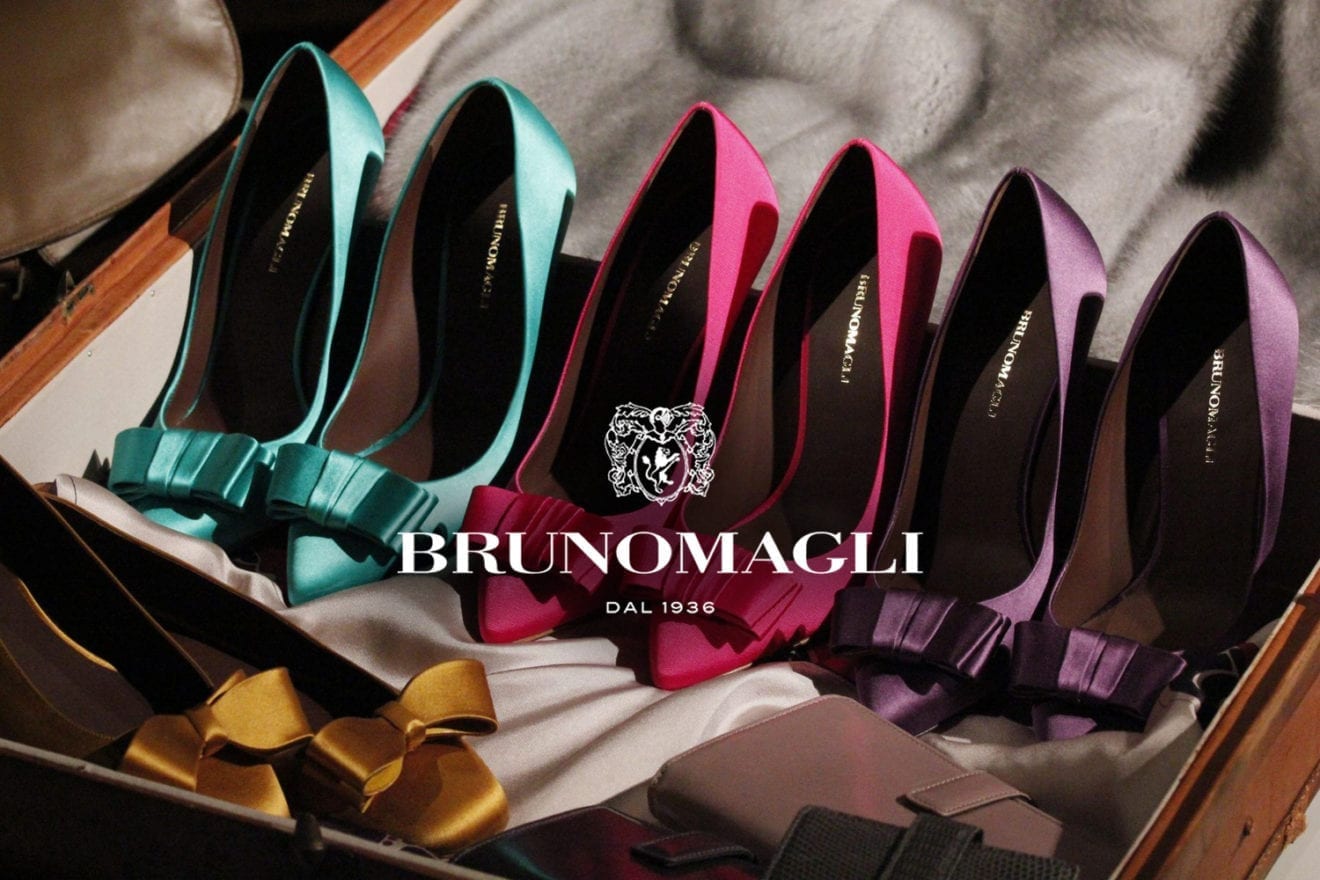
    Bruno Magli Hong Kong will launch in August as the Italian luxury brand signs partnerships in China and Japan, paving the way for a focussed Asian expansion.

    The luxury Italian fashion brand has signed new partnerships in Asia with Sitoy Retailing in China and Bruno Magli Partners in Japan. With these partnerships, coupled with its existing legacy business in South Korea, Bruno Magli believes is is positioned to become one of the leading luxury lifestyle brands in Asia.

    Sitoy Retailing will open the first Bruno Magli shop-in-shop in the Sogo department store at Causeway Bay in Hong Kong in August, to be followed by at least 15 mono-branded stores throughout China. In September, Bruno Magli Partners will launch an eCommerce business in Japan, a historic market for Bruno Magli loyalists. Physical stores will start to open from 2017.

    “Bruno Magli has a classic Italian heritage with 80 years in luxury and a reputation for unique design and quality craftsmanship” said Andrew Yeung, executive director and head of retailing at Sitoy Group.

    “With 55 years in Japan, Bruno Magli has built a brand synonymous with classic styling, quality craftsmanship, and exceptional comfort,” said Kyle Nakamura, president at Bruno Magli Partners.  “As investors, [we] are confident that Bruno Magli will continue to grow as a leading lifestyle brand in the Japanese market.”

    The Italian brand plans to launch an “extensive” fall/winter 2016 global advertising campaign, coinciding with the re-launch of Bruno Magli women’s footwear, with actress Lucy Liu as the category’s brand ambassador.

    Other new categories set to launch for holiday include men’s tailoring, men’s bags and small leather goods, men’s hosiery, women’s handbags, and men’s and women’s timepieces.

    “This is an incredible time for Bruno Magli,” said Cory M Baker, COO of Marquee Brands, parent of Bruno Magli. “As we celebrate the brand’s 80th anniversary, our expansion into China and Japan with these strategic partners will help solidify our global growth with an already loyal customer base.”

    Sitoy Group was founded by Michael Yeung in the 1970s and was listed on the Stock Exchange of Hong Kong in 2011. It has been actively developing the Greater China retail market since 2011 for Tuscan’s, a leather goods brand from Italy, with retail outlets in major cities including, Shanghai, Guangzhou and Chengdu, while simultaneously expanding a select distribution network into secondary and tertiary cities.

    Marquee Brands is a brand acquisition, licensing and development company, sponsored by Neuberger Berman Private Equity, which targets high quality brands with strong consumer awareness and long-term growth potential.

  • Revenue up but profit down for Fast Retailing Group

    Revenue up but profit down for Fast Retailing Group

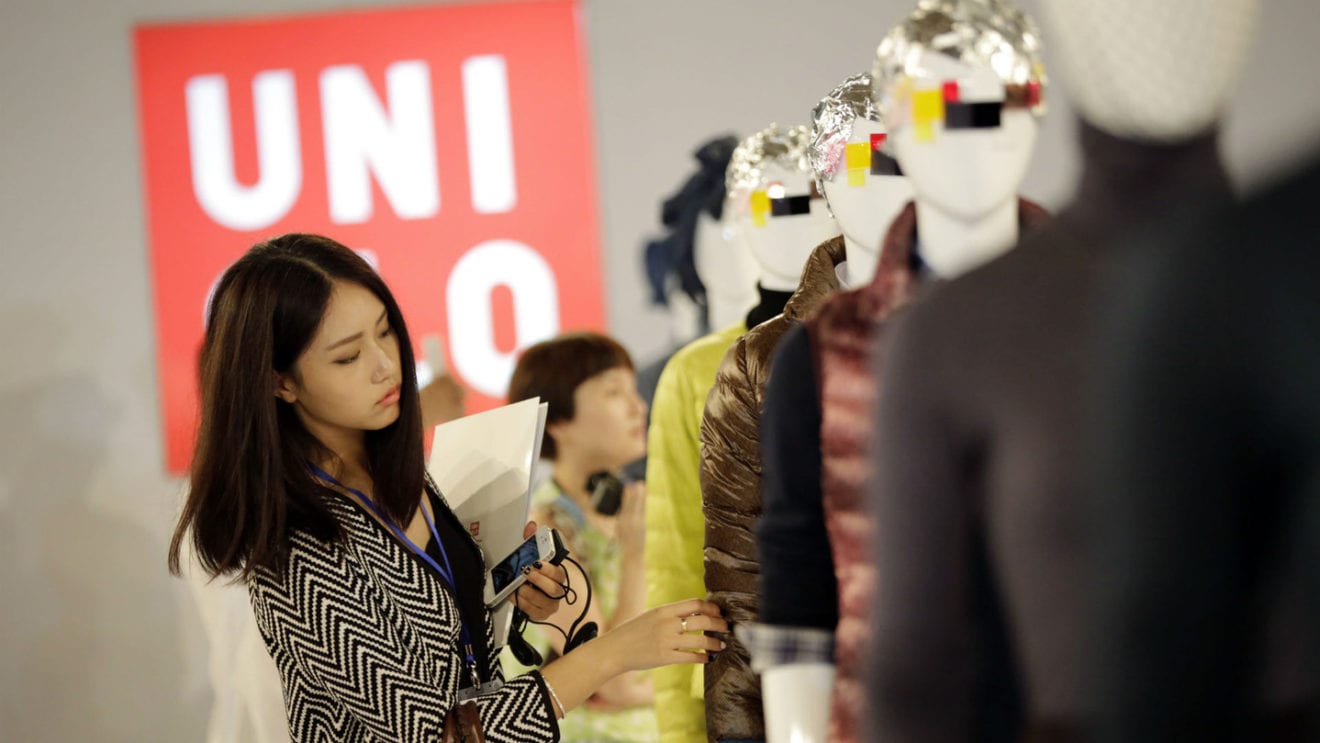
    Revenue rose but profit fell for Uniqlo parent The Fast Retailing Group for the first nine months of its latest fiscal year, from September 1 last year to May 31.

    Consolidated revenue for the group reached ¥1.4346 trillion (US$215 billion), a rise of 6.4 per cent year-on-year.

    For its three business segments, Global Brands saw both revenue and profit rise, while both Uniqlo Japan and Uniqlo International had more revenue but less profit.

    Foreign-exchange losses were down ¥43.4 billion to ¥23.4 billion, resulting in consolidated profit before income taxes dropping by a considerable 41.9 per cent.

    However, consolidated revenue rose 6.2 per cent and consolidated operating profit grew by 18.6 per cent, thanks to a recovery in performance at both Uniqlo Japan and Uniqlo International.

    The group continued to boost Uniqlo store numbers, opened global flagship stores and large-format stores in major cities, and also expanded its low-priced GU casual fashion brand.

    On the product side, Fast Retailing sought to boost awareness and visibility of the Uniqlo brand through collaborations with designers and artistic directors from other brands.

    In April, the company launched a next-generation distribution centre in Tokyo, and is pressing ahead with plans to open distribution centres elsewhere in Japan as well as internationally, starting in China and the US.

    There are also plans to accelerate GU store openings outside Japan.

    In Japan, the eCommerce segment continued to grow strongly, with online sales rising 40.6 per cent to 5.5 per cent of total sales. On-ground stores increased by two to 846 at the end of May, including 39 franchise stores.

    Recovery

    Uniqlo International’s revenue for the nine months reached ¥532.8 billion (up 10.6 per cent) while its operating profit of ¥42.2 billion was an 18.7 per cent fall. However, both revenue and profit grew in the third quarter (March to May) by 5.3 and 41.1 per cent respectively.

    Profits recovered for Uniqlo Greater China (including Hong Kong and Taiwan) while Uniqlo Southeast Asia and Oceania (Australia, Indonesia, Malaysia, Singapore, Thailand and the Philippines) continued both revenue and profit growth.

    Uniqlo South Korea continued to struggle, losing profits in the face of a sluggish economy and increasingly fierce competition.

    The total number of Uniqlo international outlets grew by 161 to 928 stores.

    Under its CSR policy, Uniqlo joined the Nippon Foundation opening the Tsurumi Children’s Hospice in Osaka in April. This is for children with life-threatening illnesses and is the first community children’s hospice in Japan.

    Following the Kumamoto earthquake this year, Fast Retailing provided emergency clothing for victims, donating 13,600 items such as underwear, socks and loungewear.

    WIth its global partnership with the United Nations High Commissioner for Refugees (UNHCR), helped collect clothing for refugees and displaced persons on World Refugee Day. A special project exceeded its goal of collecting 10 million articles of clothing with a total of 12.81 million items. This involved 112 affiliated companies in 846 locations, 238 educational institutions, 28 student organisations, and communities in 16 countries and regions in which Uniqlo has business.

  • Cool Kids Fashion featuring 70 brands

    Cool Kids Fashion featuring 70 brands

    Today’s Chinese kids are increasingly being dressed to a fashion.

    “The demand for the children’s wear in China has shifted from fulfilling basic needs to pursuing fashion and style,” says marketing director Aber of Shenzhen Perseus Brand Management, an exhibitor at Cool Kids Fashion Shanghai this week.

    “Nowadays, Chinese kids want to look ‘cool’ and ‘chic’, so we have incorporated these elements into our products.”

    Differentiation by style, branding and marketing has become more important as demand rises, says Kidswant Children Products product centre director Pinky Lu. “Low prices are no longer effective in securing market share; conversely, the ability to suit personal taste differences is becoming more important.”

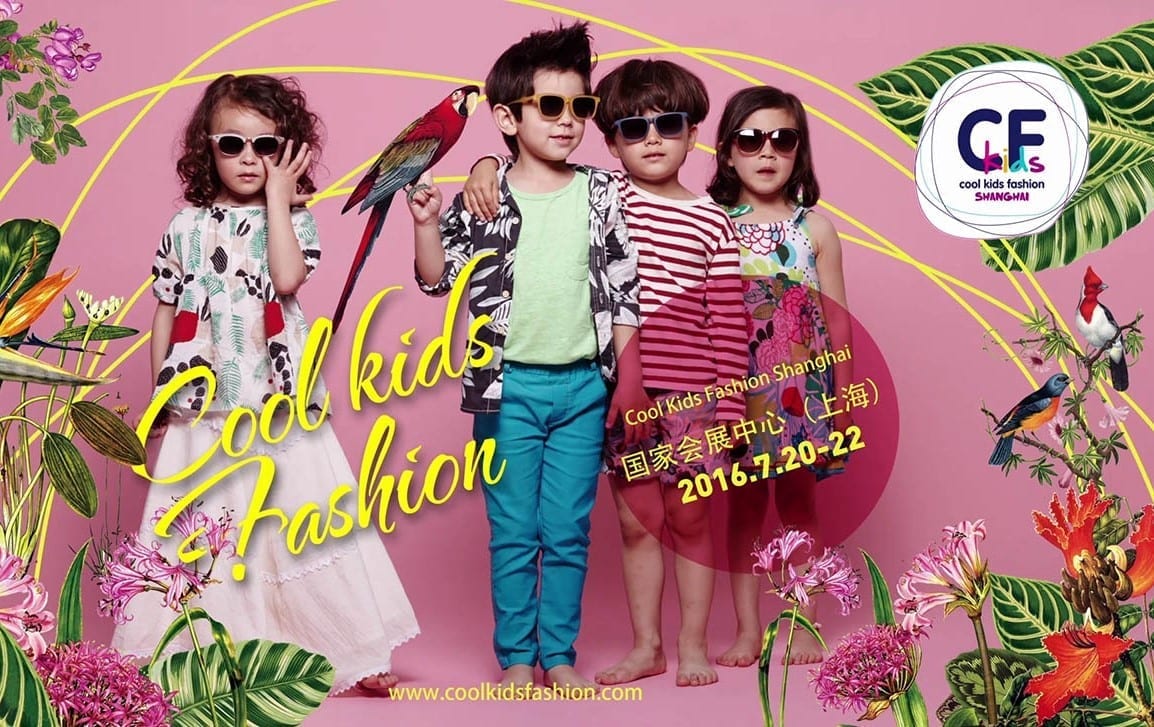
    More than 70 global fashion brands will be showcasing their latest product at the third edition of Cool Kids Fashion Shanghai, being held concurrently with CBME China from July 20 to 22.

    Fierce competition

    With fierce competition in the children’s fashion market in China, brands are constantly pushing out new products, says Baodaxiang Shopping for Kids Group procurement manager Yanjing Wang. “The new generation of consumers is more interested in style, brands and value for money.”

    Among the brands at Cool Kids Fashion will be B. Duck (Hong Kong), CCILU (Japan), Cocolico (France), Lab by Baby (Korea), Metro Kids Company (Portugal), Mim-Pi (Netherlands), Overkids (Italy), RIA (Spain), Shadez (Switzerland) and Tip Toey Joey (Brazil). The event will bring together distributors, department stores and property developers, franchisees and fashion buyers.

    There will also be events highlighting trends, creativity, innovation and talent.

    Trend forum speakers include WGSN creative director Zhang Yiling and H&M visual merchandising manager Raj.

    Twenty shortlisted aspiring designers out of 1035 contestants will have their designs and creations displayed at the Kids Design Contest Gallery, followed by a runway showcase.

    Brands featuring in the fashion shows include Angel’s Face (UK), BabyBol (Spain), Blaa (Finland), Maya (US), PennyScallan (Australia) and Teddy Doctor (China).

    Meanwhile, CBME China will showcase baby, child and maternity products. The two shows will cover 223,305 sqm, featuring 3673 brands from 2366 suppliers, at the National Exhibition and Convention Center (NECC) in Shanghai.

    Design is one of the most important factors when parents buy children’s clothing, according to the UBM China Baby Products Market Consumer Research Report 2015.