Category: Fashion

Retail News Asia is committed to providing both local and global retailers with the latest Fashion news throughout the Asian market. This on a daily base.

  • chuang x yi concept store by lukstudio in shanghai

    chuang x yi concept store by lukstudio in shanghai

    chuang x yi concept store by lukstudio in shanghai

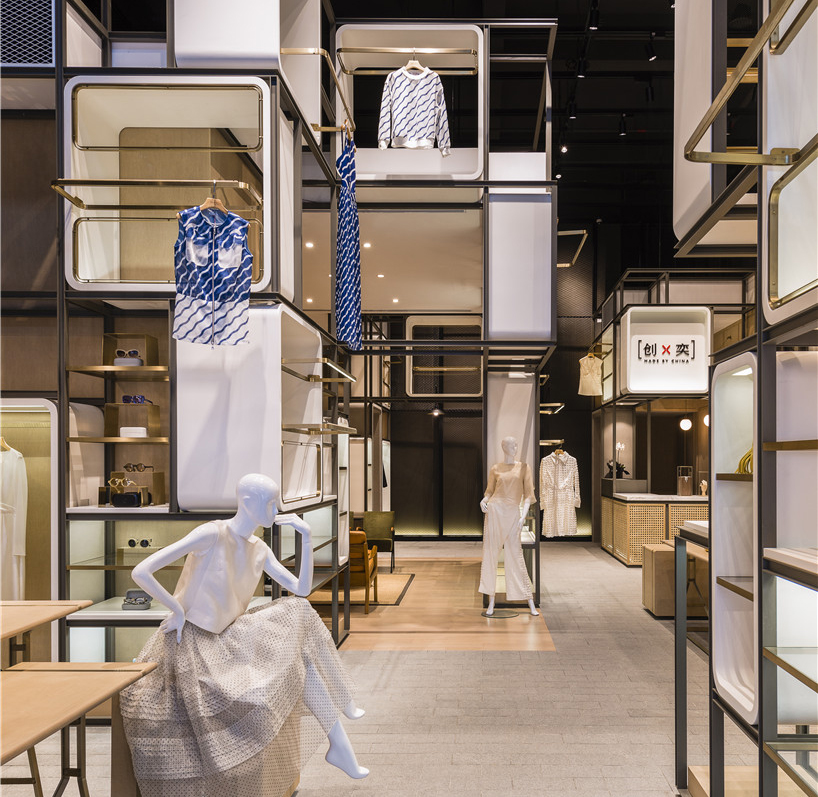
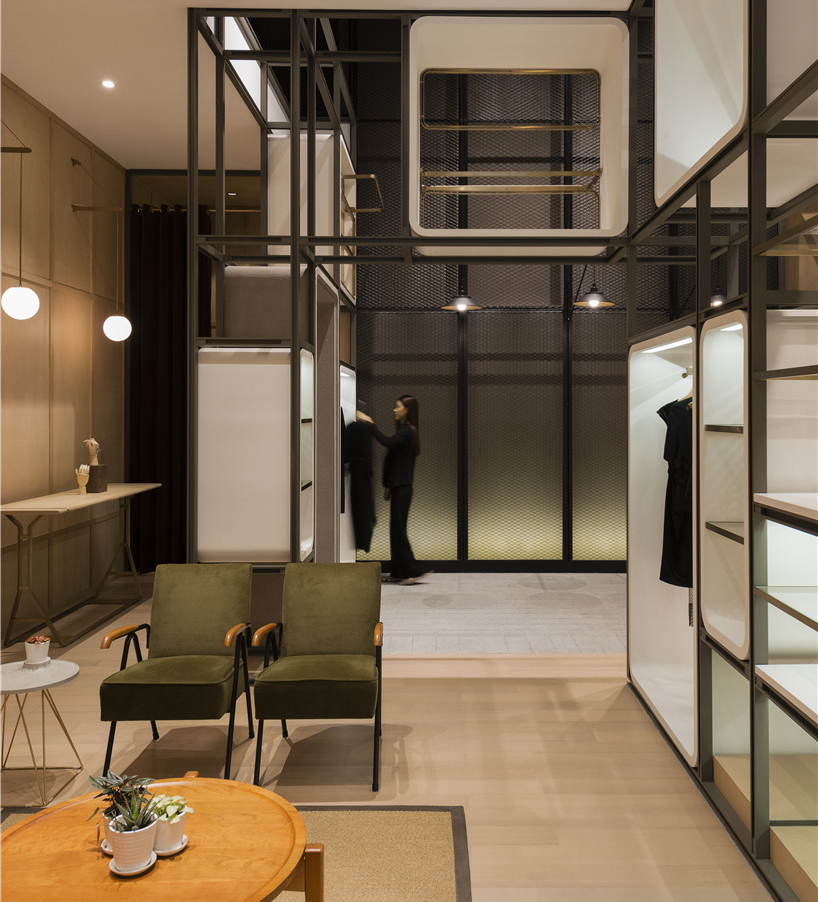
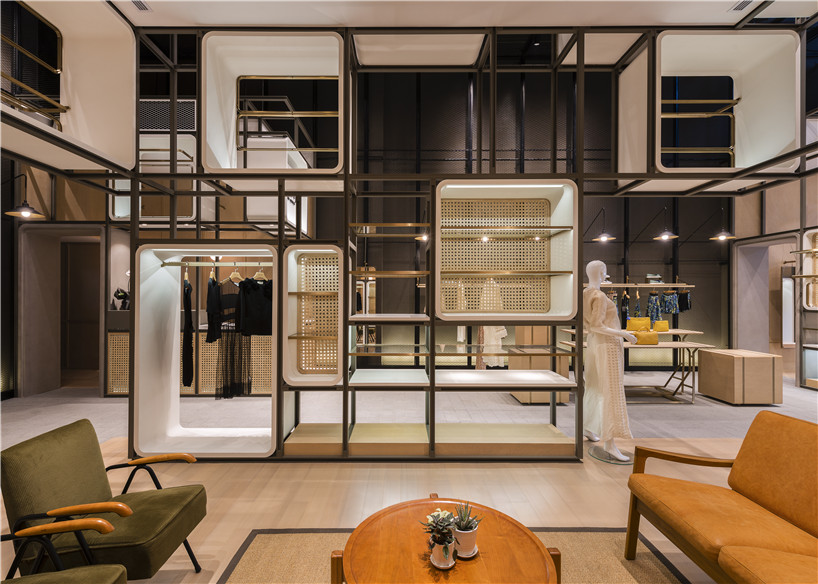
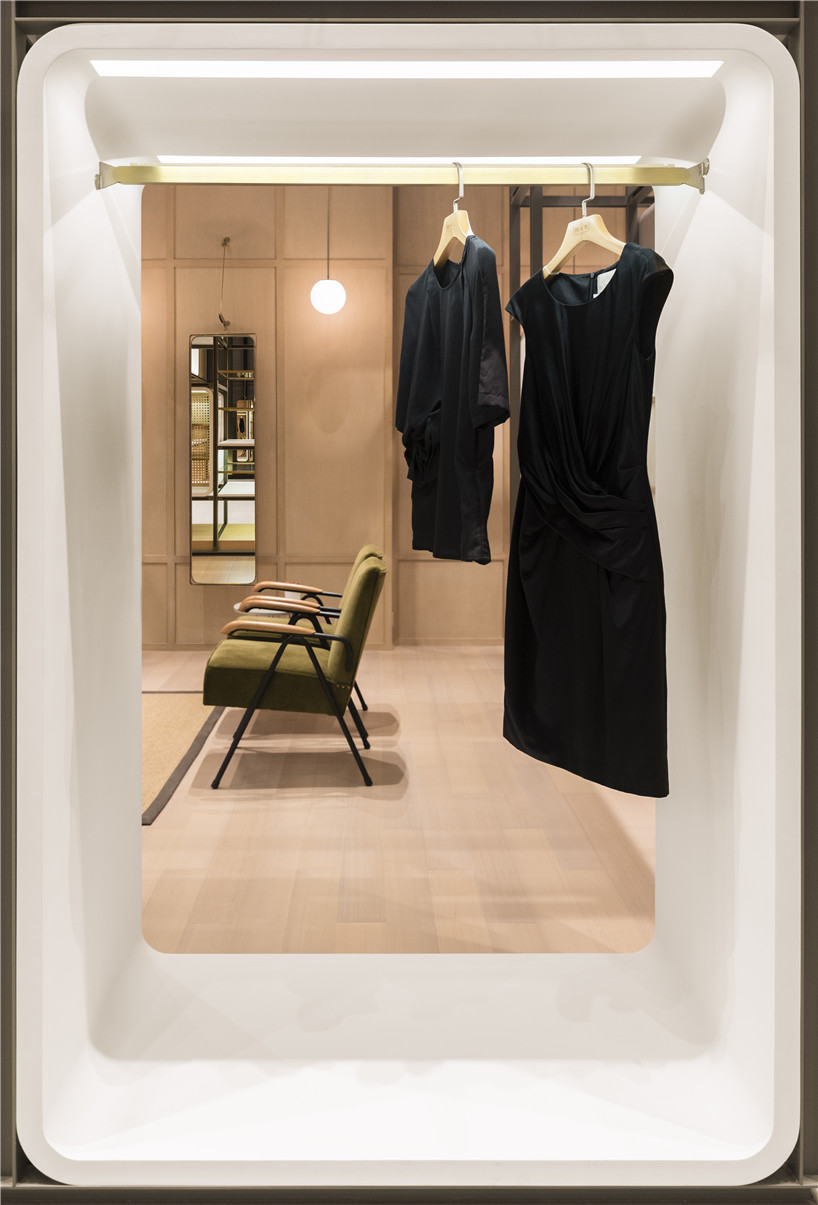
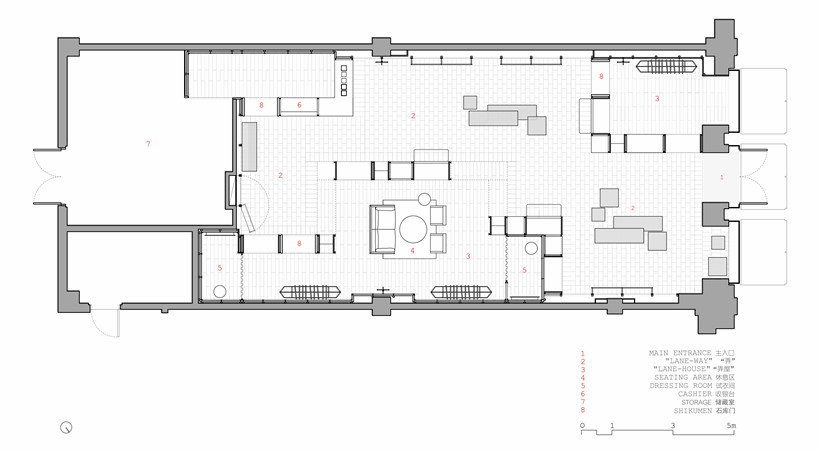
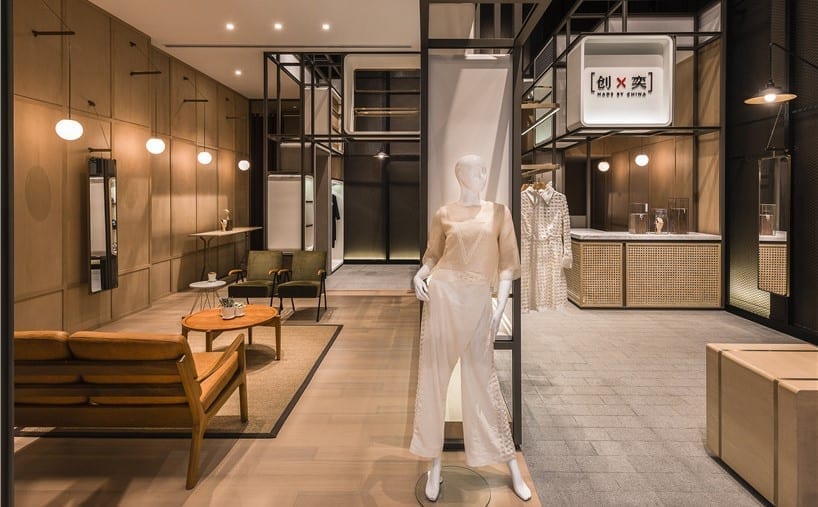
    lukstudio’s ‘modular lilong’ was developed at the behest of value retail china to showcase ‘chuang x yi’ — a fashion platform for chinese designers. the 150 sqm site, located in yioulai shanghai village, is organized around meandering lanes, or lilong, a system that allows creative displays in areas with spatial constraints. this concept, in part, is what gives shanghai its signature streetscape.

    lukstudio07-designboom
    ‘chuang x yi’ concept store
    images © dirk weiblen

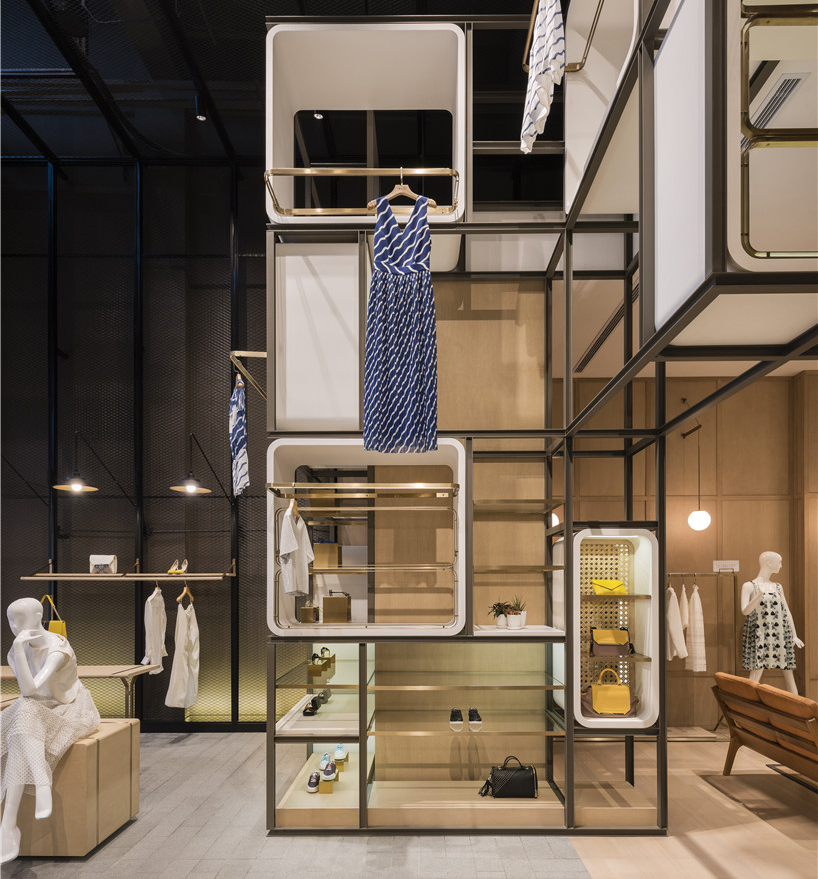
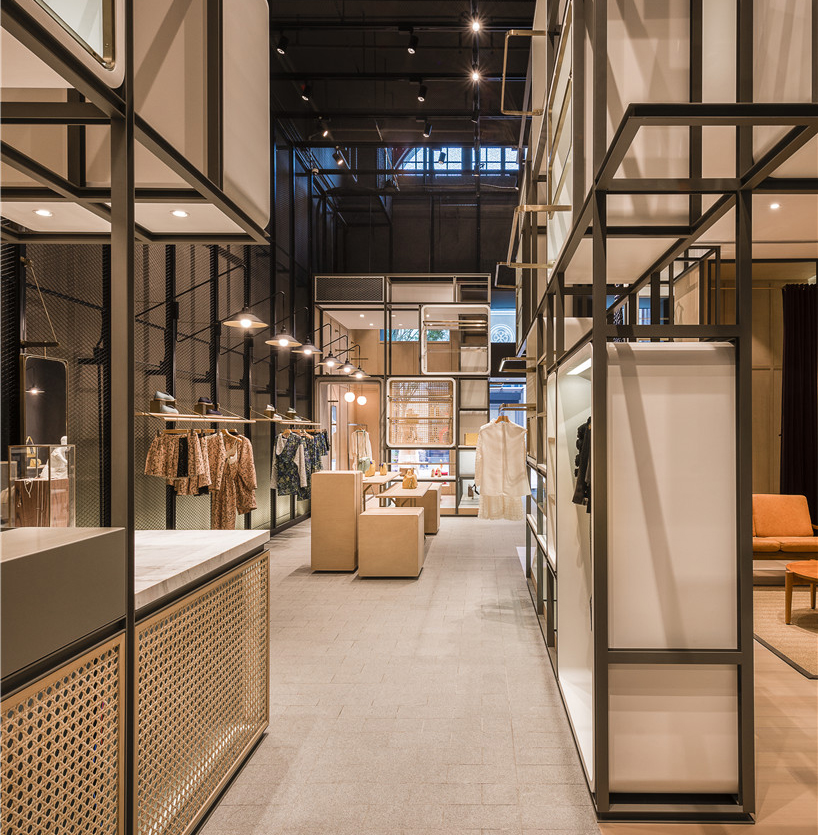
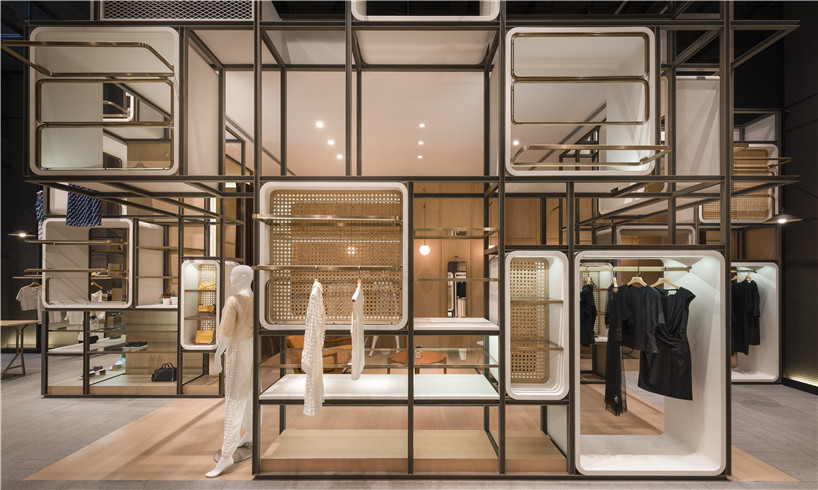
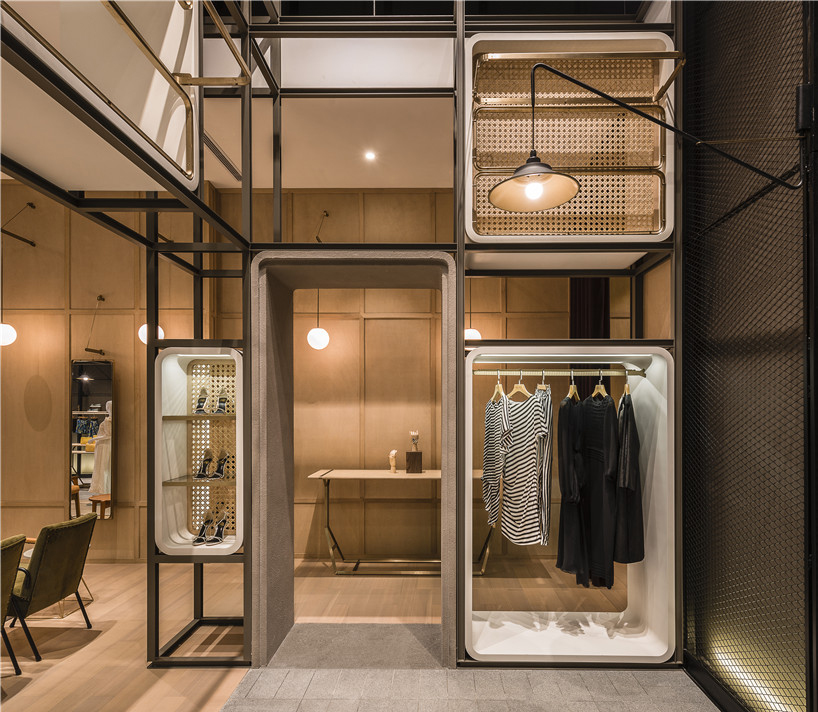
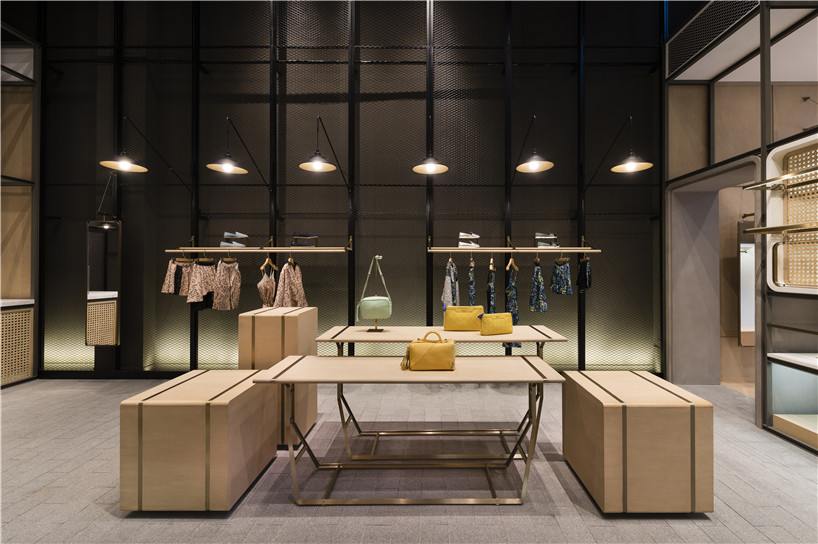
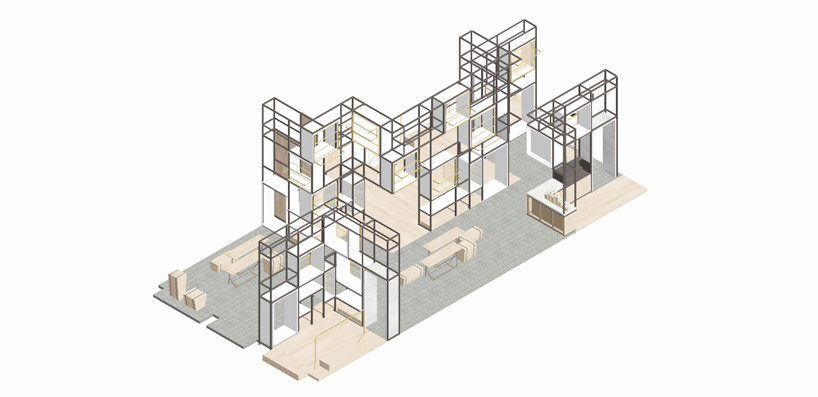
    ‘lilong’, interpreted by lukstudio, results in a modular interior that can be easily disassembled and re-located to other locations. pieces are based on architectural features and textures often found in a ‘lilong’ including old stone ‘shikumen’ gates; visualized in smooth, rounded corners in displays. laundry lines become copper-coated clothing racks, and bamboo rattan is utilized as dividers.

    lukstudio06-designboom
    rattan serves as dividers in the store

    the retail experience of ‘chuang x yi’ offers a visual dialogue between interior and urban environment, combining many layers into a cohesive structure. lukstudio’s work is a journey of discovery that connects historical shanghai architecture and the consumer culture of today.

    lukstudio05-designboom
    interior by lukstudio


    seating and structural display

    lukstudio04-designboom
    grid layout


    interior

    chuang x yi concept store lukstudio shanghai china
    display cube

    lukstudio03-designboom
    axonometric

    lukstudio02-designboom
    floor plan

    project info:

    name: chuang x yi: the modular lilong
    client: value retail china
    location: shanghai village, 88 shendi east road, pudong new area, shanghai, china
    net area: 150 sqm
    interior & lighting design: lukstudio
    team: christina luk, marcello chiado rana, alba beroiz blazquez
    display furniture & custom lighting: TIWU design
    lounge furniture: lost and found, MRT
    timeline: jan. – feb. 2016
    construction: mar. 2016
    general contractor: centroid construction
    photography: dirk weiblen


  • Valentino heading into India

    Valentino heading into India

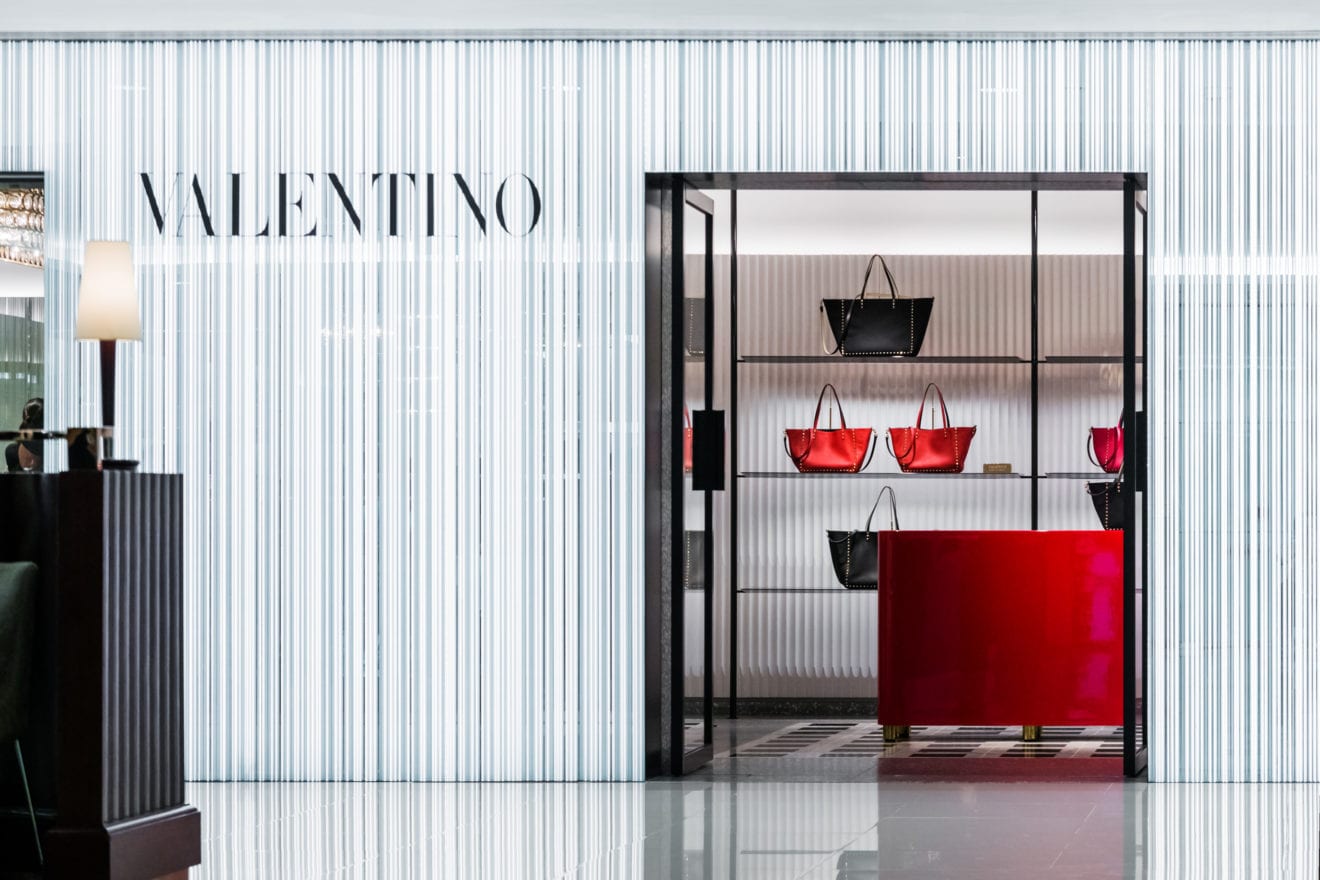
    Italian fashion house Valentino is about to enter India, joining a growing list of luxury brands changing their focus to a buoyant retail scene far from the slowing Chinese economy.

    Valentino is reportedly dealing with IDFS Tradings and is also in talks with DLF Luxury Retail.

    Over the past few months, French luxury leather-goods maker Longchamp, Italian bespoke menswear brand Isaia and Swiss watch brand Bovet have been launched in India.

    One commentator says the possibilities of an omni-channel strategy is among factors attracting top brands to India.

  • LVMH affiliate invests $50m in Clio

    LVMH affiliate invests $50m in Clio

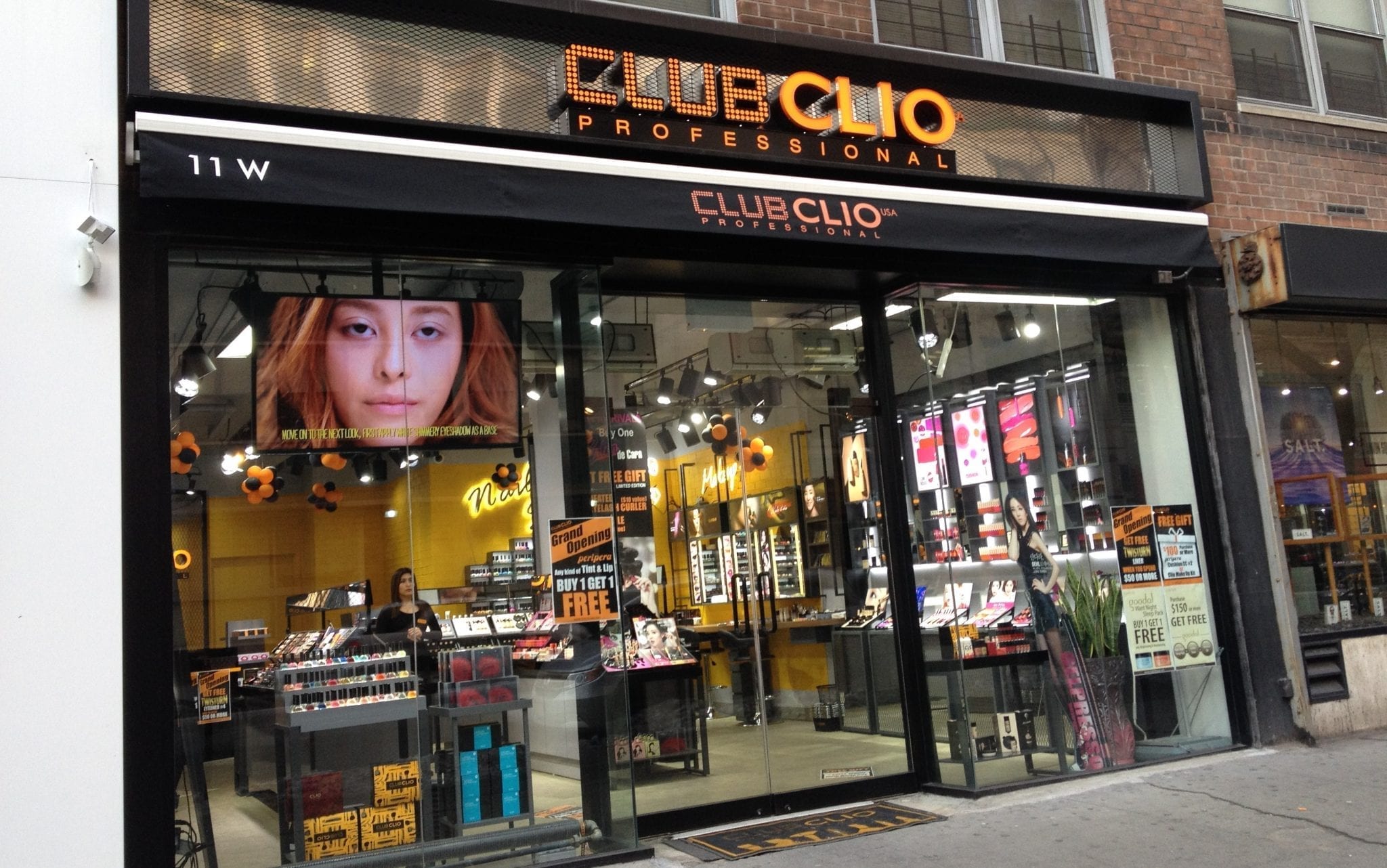
    L Capital, an affiliate of luxury brand group LVMH, will invest US$50 million in Korean cosmetics company Clio, which aims to go public by the end of this year.

    Clio will issue redeemable convertible preference shares to be taken over by the investment company, and an official agreement for this pre-IPO investment will be signed next week.

    After almost two decades of mediocre turnover since its establishment in 1997, Clio’s sales surged to 107 billion won ($93.07 million) last year with an operating profit of 22.5 billion won, boosted by an appearance on a popular TV show. Its total market value after IPO is expected to be more than 1 trillion won.

    L Capital ventured into the Korean corporate world two years ago by investing 60 billion won in YG Entertainment, becoming the second-largest shareholder of one of the top three entertainment companies in Korea.

    Its second choice of Clio reflects the growing demand in Asia, particularly China, for K-beauty products.

    Korean cosmetics exports to China alone last year were worth $1.09 billion, double the value of the previous year and coming in second to French cosmetics.

    US cosmetics company Estee Lauder last year became a major shareholder of Have and Be, the parent company of Dr Jart, while Goldman Sachs’ private equity fund took over Carver Korea, which owns AHC, for 520 billion won this year.

  • New ambassador sings praises of Gucci Asia

    New ambassador sings praises of Gucci Asia

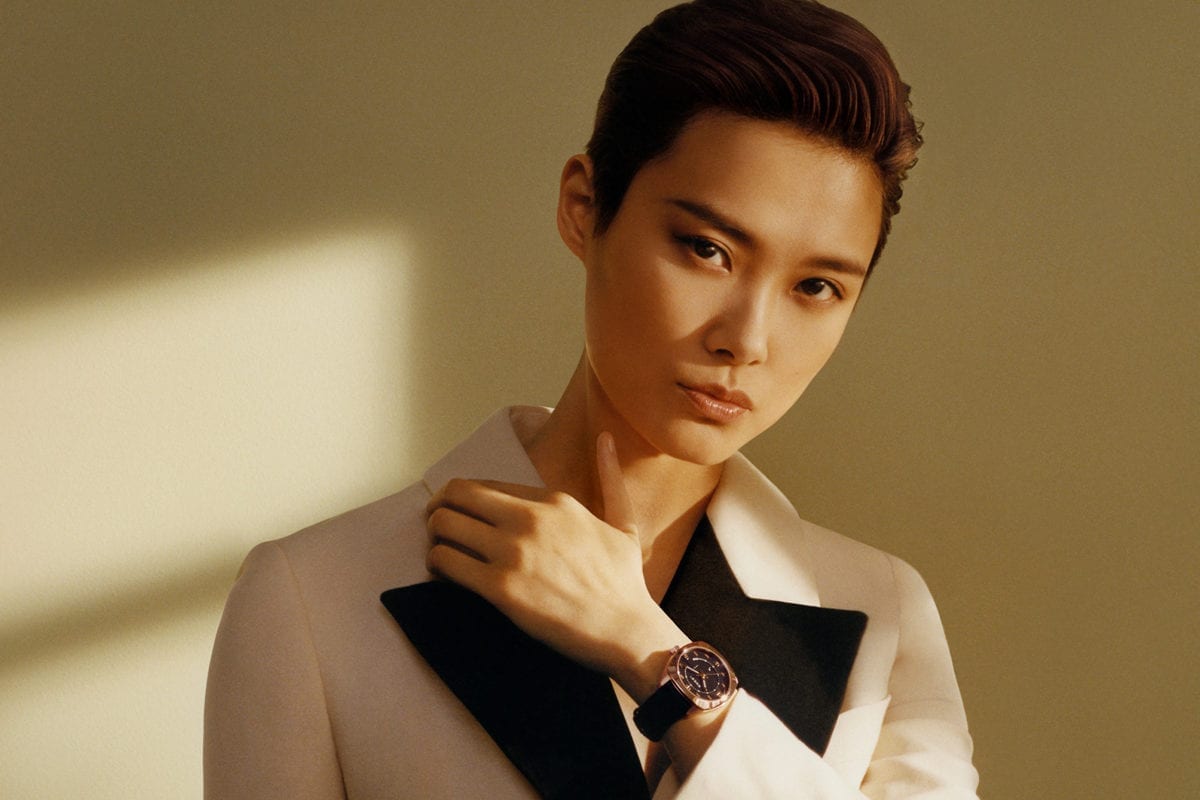
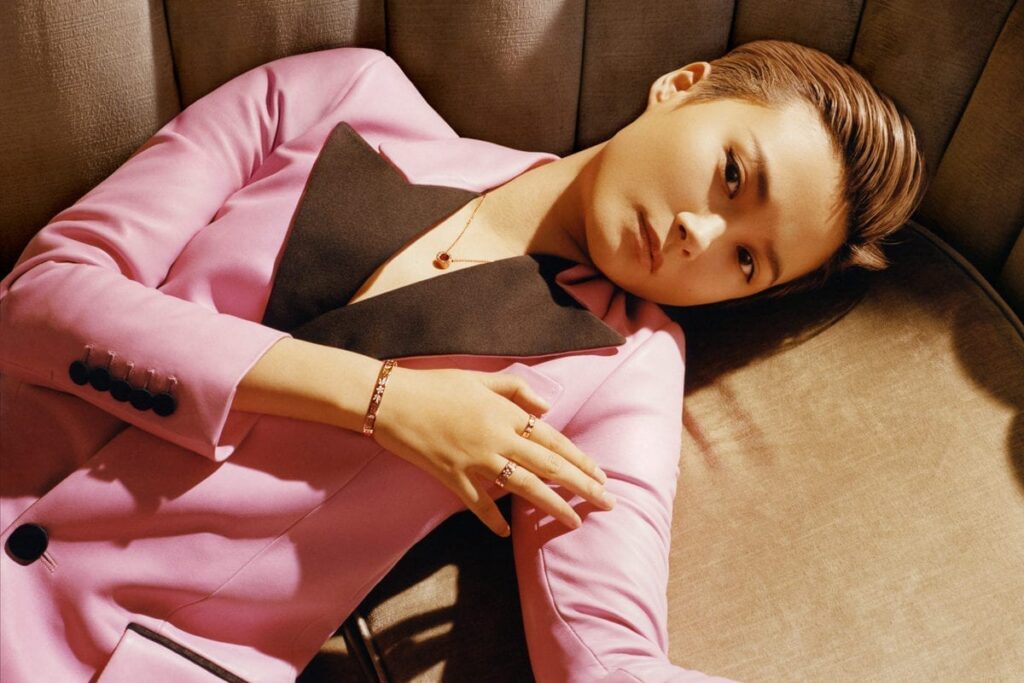
    Chinese actress/singer Chris Lee is Gucci Asia’s new ambassador for timepieces and jewellery.

    The fashion giant says Lee was chosen for her personal style, which is in “absolute harmony” with Gucci creative director Alessandro Michele’s philosophy of self-expression.

    CHRIS-LEE-JEWELLERY-AMBASSADOR_SP_3_300dpi-1200x800

    “I have been captivated by Michele’s collections since he became creative director as they are original and joyful,” says Lee.

    For her first official photoshoot, the celebrity wore items from Gucci’s fine timepieces and jewellery collections. For watches, she modelled the GG2570, named in homage to Michele’s lucky number (25) and Gucci’s hallmark decade, the ’70s. She also wore the G-Timeless automatic, which features decorative bees, a heart and stars on the dial.

    For jewellery, Lee promoted pieces from the Icon Fine Jewellery Collection, including rings, bangles and a matching pendant chain necklace in 18-karat pink gold and white enamel. In an update, small flower and leaf motifs have been added to Icon’s engraved “G” motif.

    Gucci says the campaign launches across Asia this month.

  • Weather dampens Mothercare sales

    Weather dampens Mothercare sales

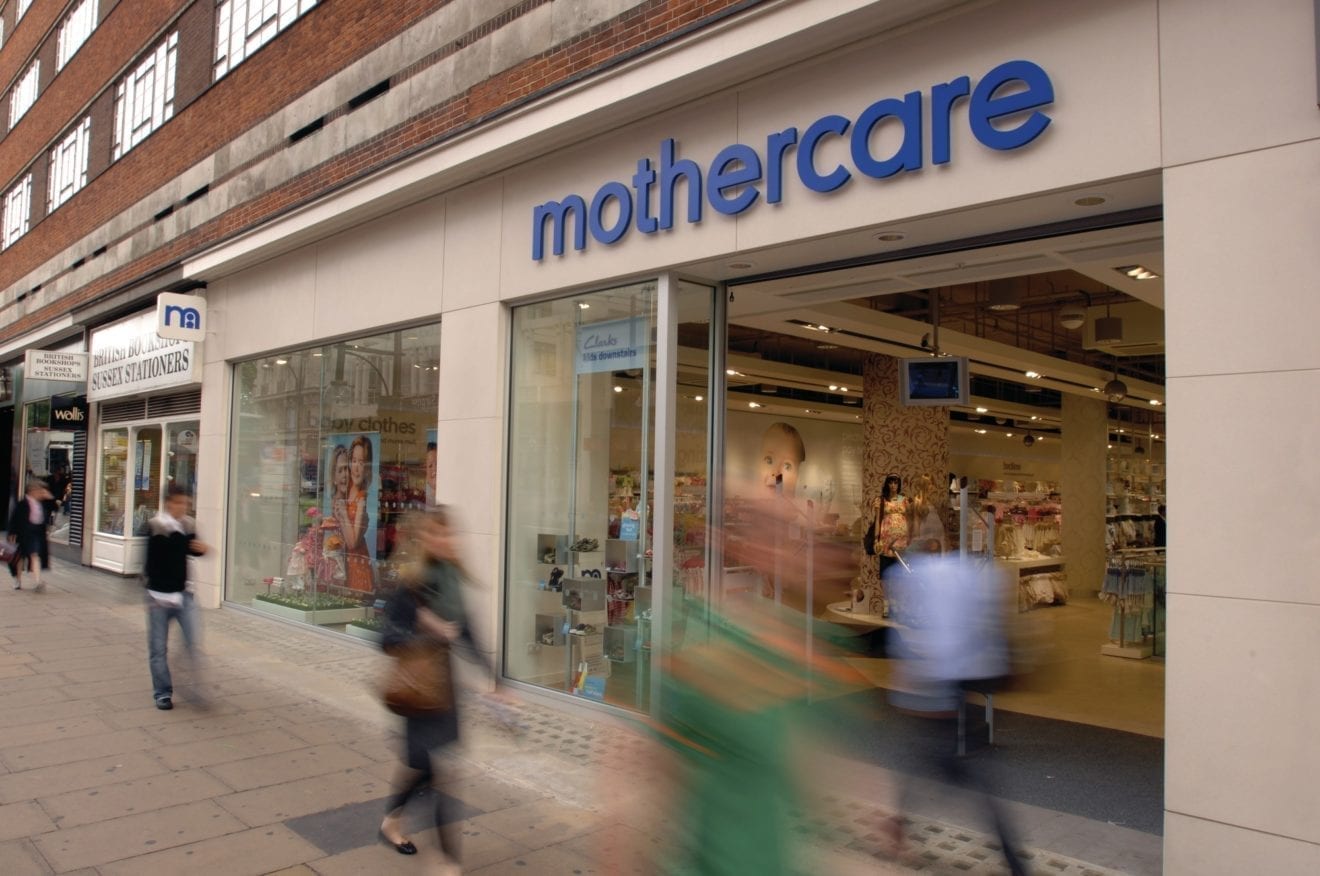
    Baby care specialist retailer Mothercare has reported a reasonable set of results for its Q1 trading, with UK sales declining by 2.1 per cent, reflecting an unsuccessful battle against unseasonable weather conditions.

    UK like-for-like Mothercare sales were up by 1.2 per cent, although this represents a slight slowdown on growth, impacted by a reduction of store space.

    As Mothercare continues to focus on its turnaround, it must establish a loyal customer base, appealing to all ages through social media engagement and exemplary customer service. As part of this turnaround, Mothercare continued its refurbishment of stores this quarter, with this a key component of its modernisation plan to improve the customer shopping experience, and ultimately entice young mothers back to its stores.

    Mothercare is also working to improve its online proposition as part of its aim of becoming a ‘digitally led business’. Over the quarter, online sales grew by 6.4 per cent, while mobile now represents 84 per cent of online traffic.  Innovation of its app is proving to be highly successful, with additions to differentiate it from the mobile site, such as Baby Tunes (songs and white noise for babies), helping to create a more interactive experience.

    International exposure remains volatile, although sales were strengthened this quarter by the timing of Ramadan, which fell entirely in Q1 this year. In spite of this impressive growth, Mothercare must remain cautious in light of the UK’s decision to leave the EU, with this development likely to impact trading globally. Hedging in both the dollar and royalty receipts should limit the impact on the weakening of the pound, allowing Mothercare to see further sustained growth this financial year.

  • First Superdry China stores set to open

    First Superdry China stores set to open

    The first Superdry China stores are set to open in what a commentator describes as a core future market for parent SuperGroup.

    Nivindya Sharma, a senior analyst at Verdict Retail, says the brand’s international expansion strategy will now focus on “two key, but notoriously difficult, markets – the US and China” in the current financial year.

    “Superdry will open its first trial stores in China in 2016 and five in the US as it experiments with different store formats. Its relatively cautious approach to store rollout, and focus on eCommerce as a route to developing brand awareness and understanding local customer behaviour should serve it well,” said Sharma.

    News of its summer debut in China came amid an impressive full-year result: SuperGroup sales rose 21.3 per cent to £590.1 million, aided by its collaboration with British Hollywood star Idris Elba. Underlying pre-tax profit rose 16.3 per cent to £73.5 million.

    “Against a bleak background of stalling sales from major high street players such as Next and Primark, SuperGroup posted a stellar set of full-year results with strong growth across both its retail and wholesale divisions,” said Sharma.

    “No doubt, the net 24 stores the retailer opened during the year were major contributors to its FY results, but robust like-for-like growth indicates consumer demand remains strong for Superdry’s distinctive product.”

    Womenswear was the strongest growing category for the year, reflecting the push Superdry has made to broaden womenswear ranges and merchandise them more prominently in-store and online.

    “The brand is focused on developing its presence in womenswear, especially as it experiments with new concept stores in the UK that give more space to women’s ranges, and focus on enhancing the shopping experience using knowledge from its customer insight program,” said Sharma.

    “However, to truly make a mark in the UK’s highly competitive womenswear market, Superdry will have to consider how best it can soften and translate its male-centric brand image to appeal to female consumers.”

  • Multi-label boutiques stand out with mix of local and Asian labels

    Multi-label boutiques stand out with mix of local and Asian labels

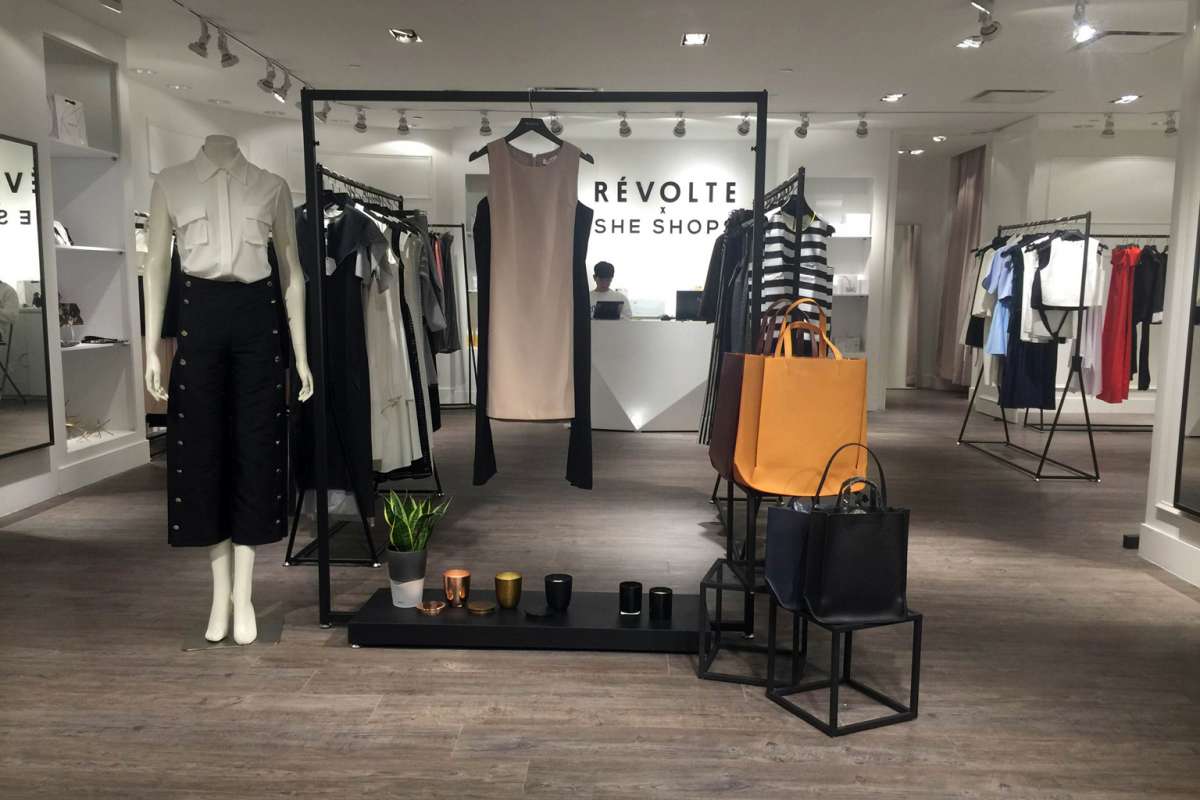
    A handful of retailers here are out to prove that home-grown and Asian fashion designers can hold their own against their international counterparts. These multi-label boutiques carry either purely Singapore and Asian brands, or a selection of such labels mixed with international ones. Such stores include SocietyA, Revolte x SheShops, L'armoire, Keepers and W.E. Workshop Element. Trixilini, previously at Millenia Walk, will reopen at Scotts Square on Saturday, carrying a handful of home-grown labels alongside international ones. Ms Pek Lay Peng, 31, says she set up SocietyA because "we saw a growth in Asian designers well trained in the fashion industry, but under-represented. We want to dispel the misconception that Asian designers are not of international standards". SocietyA, which started as an e-commerce site in 2014, has a showroom in Race Course Road. It started with 13 home-grown and Asian brands. It now has 25, including Singapore womenswear label Aijek and jewellery brand Diliya B, and South Korean labels Soulpot Studio and Grace Raiment. Jewellery designer Carolyn Kan, 43, who started design collective Keepers in 2011 and recently opened a permanent space for it at the National Design Centre, says the market is ripe for concept stores to cast the spotlight on Asian and Singapore designers. She says: "There are more strong Asian designers to choose from and a growing pool of Singaporeans who seek home-grown brands with unique and well-made designs." She names womenswear brand In Good Company, bag designer Ling Wu and watch brand Hypergrand as home-grown brands to watch, as they "know how to balance unique design aesthetic with commercial know-how and are focused on sustainable growth". Ms Vivian Lim, 26, product and brand development manager of Revolte, says Revolte x SheShops gives Singapore designers a platform to showcase and sell their designs. The store is a joint venture set up last year by Singapore retail brand Revolte and SheShops, an SPH Magazines-owned fashion e-commerce site. It carries nine home-grown labels, including Revolte. She says: "Our customers are a mix of Singaporeans and tourists, which gives the labels good exposure." Revolte x SheShops has two outlets, at Wheelock Place and Raffles City. A third is in the works. Designers are all for being stocked at such multi-label boutiques as it helps them save on operating costs and widens their customer reach. Eight Slate designer Savina Chai, 22, says she previously sold mainly to customers who were "more experimental with trends" when her womenswear brand was available only at the brand's online store. But since being carried at Revolte x SheShops, she says her customers now include more "mature women aged 35 to 45 who go for pieces that are timeless and work-appropriate". However, multi-label fashion boutiques championing Singapore and Asian designers say business can be challenging, especially in this tough retail climate. In October last year, 5,000 sq ft multi-label store Mporium opened at Suntec City, carrying more than 35 Asian and Singapore brands such as Aijek, Amos Ananda and Q Menswear. It closed in April. Owner Jennifer Yii declines to share why it closed, but says she is moving into e-commerce. Mr Alfie Leong, 46, founder of W.E. Workshop Element, which has branches at Suntec City and 313@Somerset, says there are times when the retailer does not turn in a profit, especially when the brands it carries do not have new stock to sell, leading to a sales dip. He says: "It boils down to time management and decisions on production and design. If designers have no stock to sell, they might miss out on peak periods such as Chinese New Year or Christmas." Mr Leong, like other boutique owners interviewed, declines to give sales figures. Another challenge these retailers face is that Singaporeans are reluctant to shell out money for homegrown and Asian designers. Ms Lim says: "Many shoppers would rather pay a high price for established international brands or pennies for fast fashion." Founder of L'armoire, Mr Rocco Wu, in his 30s, agrees: "The majority prefer to spend money on a brand they are familiar with. Only a few would follow their heart and pay for a design that they like, regardless of the brand." Mr Walid Zaazaa, 38, director of multi-label shop Manifesto at Capitol Piazza, feels that to win customers and compete against global brands, Singaporean and Asian designers "have to be original and retail business ready". He says: "The only way for Asian designers to compete with international brands is to come up with original concepts and designs and not copy or follow their favourite brands. The most important factor is to not compromise on quality." His 14-month-old store carries only one Singapore label: biro. He says the menswear brand was chosen because "it has a timeless aesthetic and its focus on quality complements the rest of our international labels". Advocates of home-grown and Asian labels feel there is a demand from consumers who are bored with mass-market brands and want to stand out from the crowd. Operations manager Jade Khoo, 28, is a regular patron of SocietyA. She says: "The styles carried are not commonly seen in other stores, but yet are easy to pull off. I feel unique when I wear the clothes." Public relations freelancer Alicia Ali, 28, who shops at Keepers and lists Hypergrand and Malaysian womenswear designer Cassey Gan as her favourites, says: "Compared with mass-market brands, Singapore and Asian designers cater more to the Asian silhouette and because they produce their designs in limited quantities, I find that they are more exclusive." Six boutiques housing Asian brands 1 SocietyA What it carries: Modern and contemporary apparel and accessories from Singapore and Asian designers. Shop feminine lace dresses and jewellery from home-grown designers Aijek and Amado Gudek, or more colourful and graphic separates from South Korean label LIE. The store also carries PH5, a New York-based brand of knitwear by Chinese designer Mijia Zhang. Prices start from $39 for accessories and from $79 for apparel and shoes.
    Best buys: 3D-printed gold stainless steel earrings (above), $129, from Amado Gudek; and polyester jumpsuit (top), $519, from South Korean label Ti:Baeg Where: 452 Race Course Road, Level 2; open daily from 9am to 6pm, by appointment only
    2 W.E. Workshop Element What it carries: Mostly apparel and accessories for women from home-grown brands such as Sabrina Goh and the store's in-house label BSYM, which was formerly known as MU Apparel. It also carries Japanese label Nocturne #22 In C Sharp Minor , Op. Posth, as well as South Korean brand Headline Seoul. For men, there is a selection of shirts from Singapore menswear brand Sixth Empire. Prices range from $14 for a pair of socks to $249 for a polyester dress from home-grown brand Ying The Label.
    Best buys: Pleated multi-colour dress (top), $59.90, from MU Apparel; and striped tote bag with leather handles (above), $159, from Good Feel Where: 313@Somerset, 313 Orchard Road 02-25, open daily from 11am to 10pm, tel: 6509-1500; 438 Suntec City Tower 5, 3 Temasek Boulevard, 02-433, open daily from 11am to 9.30pm,
    3 Revolte x SheShops What it carries: Casual and slightly more dressy apparel and accessories from nine home-grown brands such as Eight Slate, Soigne and in-house label Revolte. There is also a small selection of skincare from South Korean brand Algovital Angel and menswear from home-grown label The Authority. Prices start at $35 for an envelope clutch from home-grown brand Pleatation to $796 for a lattice coat by Taiwanese label Nude made by Suoi.
    Best buys: Sleeveless grey knit top (top), $99, from Revolte; and red camisole (above), $52, from Soigne Where: Raffles City Shopping Centre, 252 North Bridge Road, 02-32, open daily from 11am to 10pm,
      4 Manifesto What it carries: Singapore menswear brand biro, which is known for its casual wear of cotton T-shirts and jeans, is stocked alongside Japanese labels such as menswear brand Omiyage, and cult European brands such as French labels Maison Kitsune and Lemaire. Luxury British eyewear label Linda Farrow and sneakers from brands such as adidas and Swear London are also stocked here. Prices range from $65 for a pair of plastic bathing shoes from British brand F-Troupe to $2,788 for a wool-knit winter jacket from French designer Isabel Marant.
    Best buys: Men's denim jacket (top), $519, from Japanese brand Talking About The Abstraction; and women's hibiscus print cotton shirt (above), $325, from Maison Kitsune Where: Capitol Piazza, 13 Stamford Road, 02-19; open: 11am to 9pm (Sunday to Thursday) and 11am to 10pm (Friday and Saturday)
    5 Trixilini What it carries: Womenswear from a range of international brands, such as New York-based Yumi Kim and Bali-based Uma & Leopold, and home-grown brands Aijek, Stolen and underwear brand Perk by Kate Intimates. Prices start from $129 for a top to $549 for a dress. Best buys: White sleeveless dress (top), $159, from Bali-based Paulina Katarina; and blue maxi dress (above), $469, from Yumi Kim Where: Scotts Square, 6 Scotts Road, 03-08; open: 10am to 8.30pm (Monday to Saturday), 11am to 8pm (Sunday and public holiday)
    6 L'armoire What it carries: Cutting-edge apparel, shoes and accessories from Asian and Western designers, such as Paris-based Korean designer Moon Young Hee and American fashion designer Rick Owens. About 60 per cent of the merchandise is for men. Prices range from $75 for a pair of cotton ankle socks from 11 by BBS, the contemporary diffusion line of Barcelona-based menswear designer Boris Bidjan Saberi, to $5,560 for a blue horse leather jacket, also by the same designer.
    Best buys: Cotton vest with plastic knit overlay (top), $1,550, from Moon Young Hee; and detachable patterned jogger pants (above), $615, from South Korean label D. Gnak Where: Raffles Hotel Shopping Arcade, 328 North Bridge Road, 02-25; open daily from noon to 8pm
  • Adidas football flagship opens in Guangzhou

    Adidas football flagship opens in Guangzhou

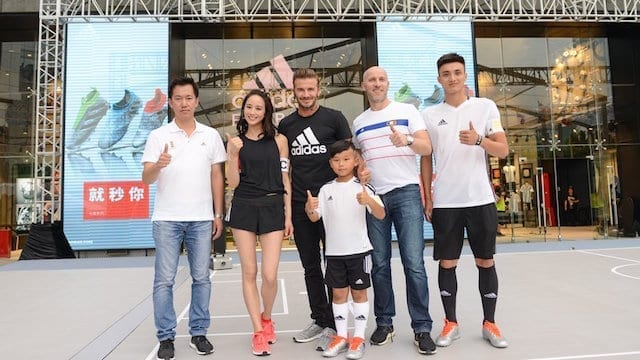
    In a world first, an Adidas football flagship has opened in southern China’s Guangzhou Teemall.

    Adidas Group Greater China MD Colin Currie describes it as an important milestone for both Adidas and Chinese football.

    “At the same time, it emphasises the group’s determination and commitment to promote the development of Chinese football.”

    On the first floor of the northern square of Teemall, the store provides the equipment of such Adidas-sponsored clubs as Associazione Calcio Milan, Bayern Munich, Chelsea, Juventus, Manchester United and Real Madrid, as well as exclusive products of superstar players like Bale, Messi and Pogba.

    Customised name-printing on jerseys is also offered.

  • Thailand retail growth predicted at 6%

    Thailand retail growth predicted at 6%

    Thailand’s retail market is expected to grow at a compound annual growth rate (CAGR) of more than 6 per cent from now until 2020.
    This was revealed in the latest market study by global technology research and advisory company Technavio.

    Its research report, Thailand Retail Market 2016-2020, offers an analysis of the market in terms of revenue and emerging trends, as well as forecasts for six major product segments – grocery, apparel and footwear, beauty and personal care, personal accessories, home and garden, and consumer electronics.

    Grocery

    Valued at US$103 billion last year, the grocery market in Thailand is forecast to reach $145 billion by 2020, growing at a CAGR of 6.92 per cent. The segment is largely driven by the modern retail sector, while increasing urbanisation and changing consumer lifestyles are playing a significant role in the market’s development.

    Supermarkets and convenience stores have shown the fastest year-on-year growth rates with 9.5 and 10.5 per cent respectively last year.

    “Even though hypermarkets offer attractive prices, consumers are increasingly preferring supermarkets for the convenience factor and the availability of a wide product range,” says Technavio lead retail goods expert Poonam Saini. “Unlike supermarkets, which are in urban zones, hypermarkets are generally in bordering areas, catering almost exclusively to nearby consumers.”

    Apparel and footwear

    The second-largest market segment last year, apparel and footwear is expected to reach $9.19 billion by 2020, growing at a CAGR of more than 3 per cent.

    Several foreign companies are competing with local companies in the segment, says the report. International brands have fair penetration rates, offering stylish designs and a wide product range through modern retail stores. Local brands have also been successful with their long-established presence along with customer loyalty and trust.

    “The popularity of the online channel is growing, and players are actively using social media sites such as Facebook and Instagram for promotional campaigns and marketing activities,” says Poonam.

    “Websites such as Zalora.com are becoming popular for apparel and footwear products, as these sites offer promotions and discounts.”

    Beauty and personal care

    One of the fastest-growing segments, beauty and personal care (BPC) is having more than 3 per cent CAGR and is expected to reach $5.53 billion by 2020. A continuous exposure to western beauty and grooming trends has helped maintain the growth of the market over the past few years.

    International BPC companies have a nearly 50 per cent share of the market, with comprehensive product portfolios and innovative products. Thai retailers are expanding and attracting new consumers, says the report, citing cosmetics brand Sephora, which opened two new stores in 2014 after entering the market late the previous year.

    Top vendors

    Technavio’s research analysts name five top vendors for Thailand in the report.

    Topping the list are supermarket Big C and retail conglomerate Central Group. Then follow CP All, which has a chain of 7-Eleven stores, and homewares stores Global House and Home.

    Other prominent vendors in the market are Adidas, Aeon, Isetan Mitsukoshi Holdings, Lazada, Nike, Sephora, Seven & I Holdings, Tesco, The Mall Group and WearYouWant.

    Technavio develops more than 2000 reports every year, covering more than 500 technologies across 80 countries. It has about 300 analysts globally.

  • ‘Dire’ Hong Kong market cripples Burberry sales

    ‘Dire’ Hong Kong market cripples Burberry sales

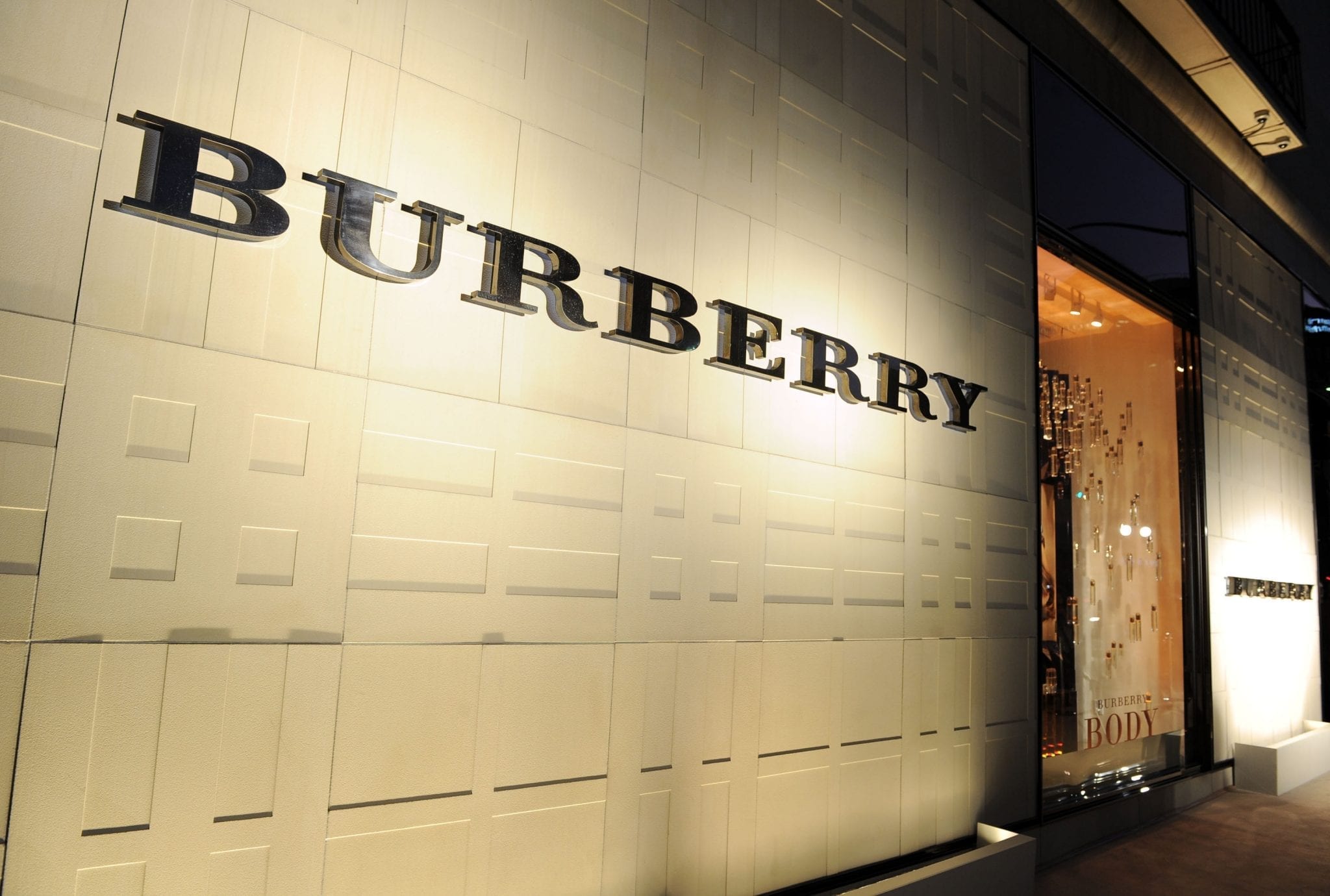
    A “dire” Hong Kong market has damaged Burberry sales for the latest quarter.

    Retail revenue remained unchanged at £423 million, but like-for-like sales fell 3 per cent.

    “Whilst sales declined across all three regions (Asia Pacific, EMEIA and the Americas), a dire performance in Hong Kong and Macau stood out as a particularly stubborn thorn in the side of the luxury player,” observed Andrew Hall, an analyst with Verdict Retail.”

    Burberry has appointed a new CEO, Marco Gobbetti, who inherits sales weakness across all regions from Christopher Bailey, who remains on as president and chief creative officer.   Gobbetti’s appointment is seen as a direct response to growing frustration with Bailey’s inability to turn Burberry’s poor performance around.

    “One of Gobbetti’s priorities must be examining operations in these far eastern markets and considering new avenues for growth especially given there has been a renewed crackdown on gift giving in China, accompanied by the growing popularity of ‘Daigous’ – overseas shoppers who buy luxury goods and ship them to China for clients,” said Hall.

    Britain’s exit from the EU is likely to benefit Burberry in the short term, as international tourists to the UK rush to capitalise on the weakened pound. However, long term,  Burberry’s UK operations may well suffer from a reduced flow of wealthy tourists as travel to the UK becomes more regulated, making it imperative Burberry finds a way of turning this evolving geopolitical drama to its advantage.

    “While Gobbetti faces a number of challenges as he attempts to revive flagging retail sales, his experience at Celine will stand him in good stead,” said Hall.

    “Burberry’s strength in digital and the continuing appeal of its brand are good foundations to work with and the clear segmentation of leadership between Bailey and Gobetti will benefit Burberry’s strategic direction.”

  • Kapok at NDC launches own label

    Kapok at NDC launches own label

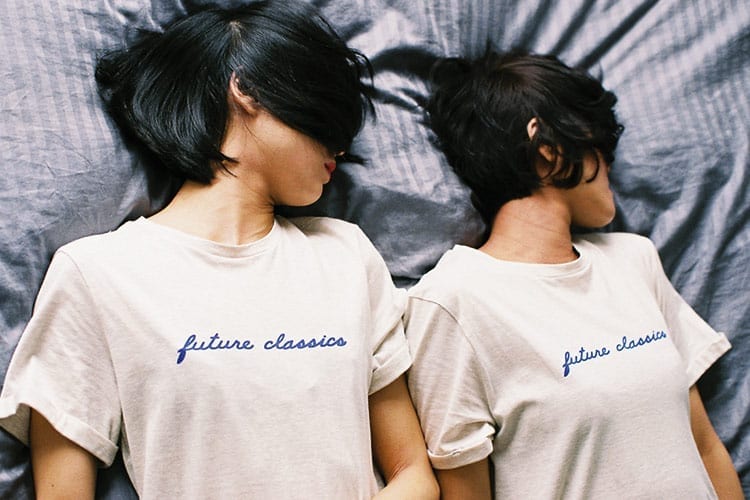
    Lifestyle shop Kapok at NDC has launched its own label, Future Classics.

    The label features wardrobe staples with a focus on fabric, silhouette and details, and is said to “redefine genderless casualwear”.

    “Working with Japanese and technical fabrics, Future Classics garments are cut to fit and flatter Asian body shapes,” says Kapok, describing the clothing as a “subtle show of selvedge on denim, with a quirky hanger embroidery logo to add a touch of fun”.

    Kapok also features bags by Danish brand Rains, French labels like APC and Maison Kitsune, and Astier de Villatte city-themed candles.

    Kapok was founded by former French banker Arnault Castel in Hong Kong in 2006. The brand now has eight stores in the city, and opened two years ago in Singapore at the National Design Center.

    Future Classics’ will be available in Kapok at NDC from Friday following the collection’s reveal in Hong Kong.

  • Zara Vietnam flagship nearly ready

    Zara Vietnam flagship nearly ready

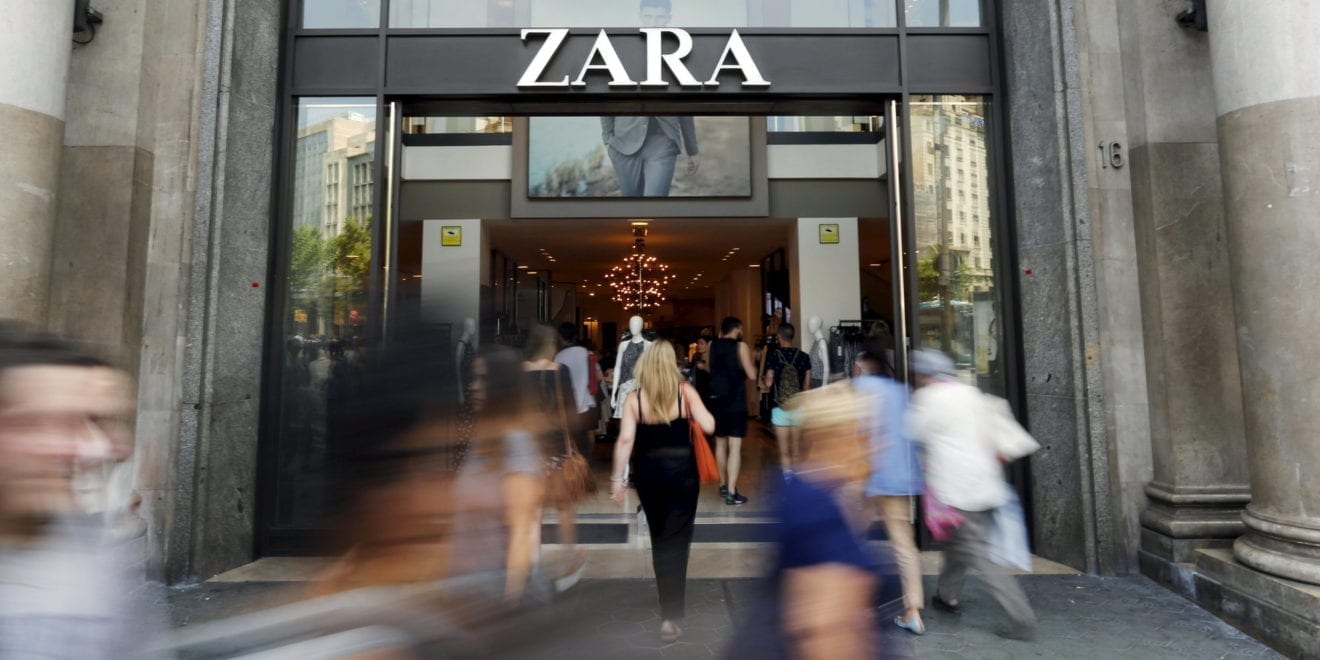
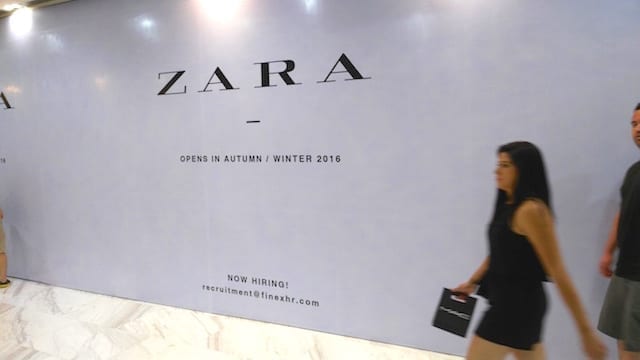
    Zara Vietnam’s flagship store is taking shape at Vincom shopping mall in Ho Chi Minh City, and is expected to open soon.

    The Spanish fast-fashion brand announced in May that it would expand to Vietnam this summer, setting its debut store’s opening date for this month. However, posters in the city say the store opening is next month. It is expected the store will have two storeys.

    Zara-Vietnam

    Fast-fashion brands are popular in Vietnam, and Zara has a huge customer base there. After ordering online and having items brought in from overseas, Vietnamese customers have been eagerly anticipating the arrival of its stores.

    However, the brand would need to look at its pricing. Vietnamese consumers have found that while some brands are considered economical in the West, once they enter Vietnam their prices double or even triple, with Mango and Topshop typical examples.

    Mango Mega store VN

    Zara is aiming to open up to 360 stores globally this year, and in Vietnam is sharing the market with other international fashion like Gap, Nine West and Ralph Lauren.

    Meanwhile, Mango is planning to open a men’s store in Vietnam, and H&M is said to be considering expansion in Vietnam.

  • Philippines: the rising star of Asian retailing

    Philippines: the rising star of Asian retailing

    Global food and grocery specialist IGD visited Manila during the May 2016 presidential elections. Here IGD’s senior retail analyst, Jenny Li, examines what is giving the country’s retail sector such a positive outlook.

    The Philippines is one of the fastest growing countries in Southeast Asia, with its GDP growth hitting 6.9 per cent in the first quarter of 2016.

    The country’s newly elected president, Rodrigo Duterte, is expected to implement further economic reforms and provide a better business environment through investments in infrastructure and cutting of red tape.

    All these factors allow us to project that the grocery market in the Philippines, currently worth US$99 billion, will see a 10 per cent compound annual growth rate and reach US$157 billion by 2020.

    Exciting times for modern retailers

    Similar to many developing countries, the Philippine grocery market is dominated by traditional trade whilst modern retailing makes up around 30 per cent. Yet the Philippines’ leading retailers, those with strong financial backing and entrepreneurial spirit, have made extraordinary progress in transforming the country’s modern retail landscape.

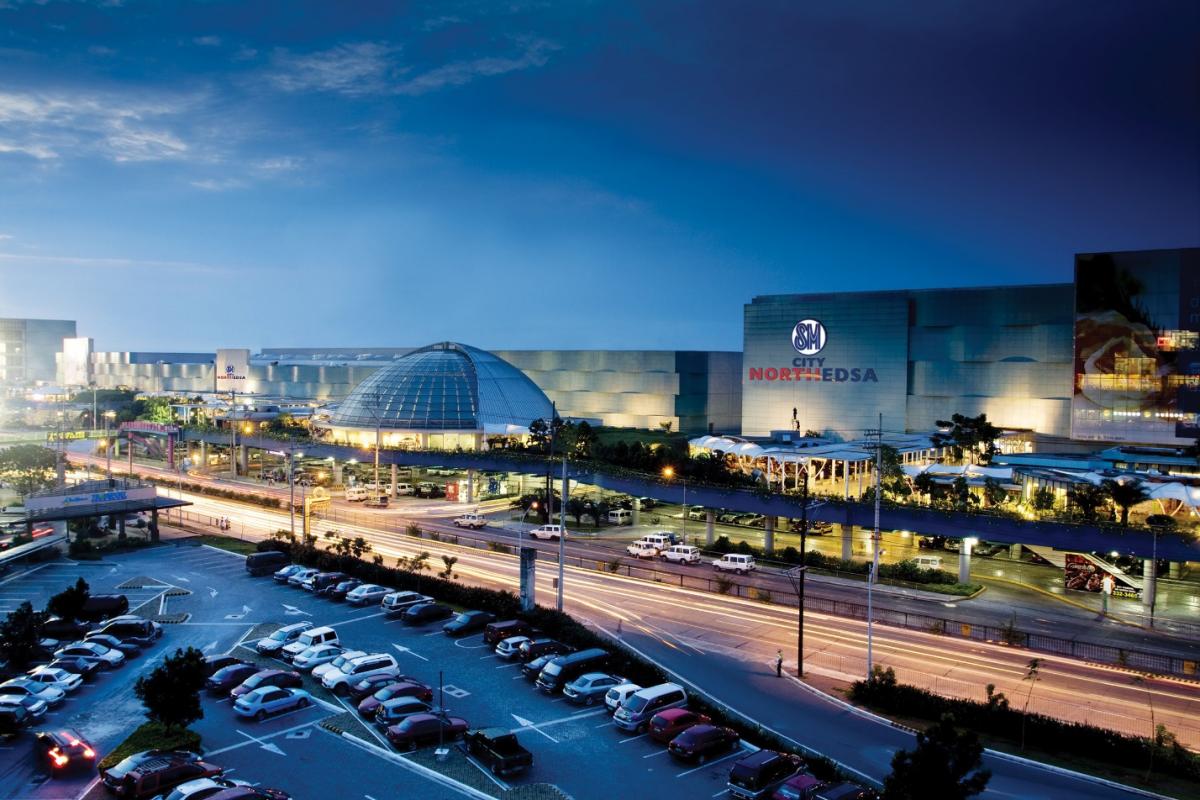
    SM Retail, Puregold and Robinsons Retail are the top three domestic players in the country. All of them are scaling up their footprint with significant store network expansion and consistent sales growth. SM Retail, for instance, opened 99 new stores in various formats in the past year; Puregold, another major retailer with 305 stores across the country, has reported an impressive 20 per cent increase in sales in the first quarter of 2016.

    Multichannel as the winning formula

    In IGD’s latest report “Philippines in Focus: Retail Landscape and Channel Outlook”, we’ve identified a number of key trends that are driving the country’s retail channel development. Among others, building a diversified portfolio is a notable growth strategy for most leading retailers.

    Modern retailing in the Philippines started with hypermarkets and supermarkets, but increasingly retailers are embracing a multi-format strategy by building their presence in smaller formats and online channels. This enables them to create differentiated offers to target a broader audience, with unique demographic profiles and different shopping needs. Also, emerging channels such as convenience stores and eCommerce are growing faster and are best placed to capitalise on the higher margins of discretionary spend categories.

    A subsidiary of the pan-Asian retail giant Dairy Farm, Rustan’s Philippines is the leader in premium retailing and it’s well established to target upscale shoppers. Over the past few years, the company has been developing Wellcome, a neighbourhood supermarket format combining daily staple products with competitive pricing. Meanwhile, its convenience store network, created via a joint venture with FamilyMart, is gaining popularity amongst busy office workers.

    Further implications

    It’s clear that the Philippine retail market presents great opportunities for future growth.

    If you are looking to invest in Asia or seeking to expand to new markets, the Philippines is one region to consider. However, success lies in the ability to build a solid understanding of the local market and establish strategic partnerships with local players, as well as provide relevant and flexible solutions to support retailers’ multichannel strategies.

    • Jenny Li works in the Asia-Pacific team at IGD and is responsible for managing research programs and tracking the latest industry trends in Asia. She regularly travels across the region, gaining market insight from visiting new stores and meeting local retailers and suppliers.
  • Primark sales flourish on new store openings

    Primark sales flourish on new store openings

    Despite third quarter like-for-like sales being hit by unseasonal weather, especially in April, UK-based discount apparel chain Primark has posted a solid 40-week performance – with a strong third quarter boosting overall growth.

    Primark sales benefitted from the weakness of the pound towards the end of the quarter, and from the 800,000 sqft in selling space added since the beginning of the financial year.

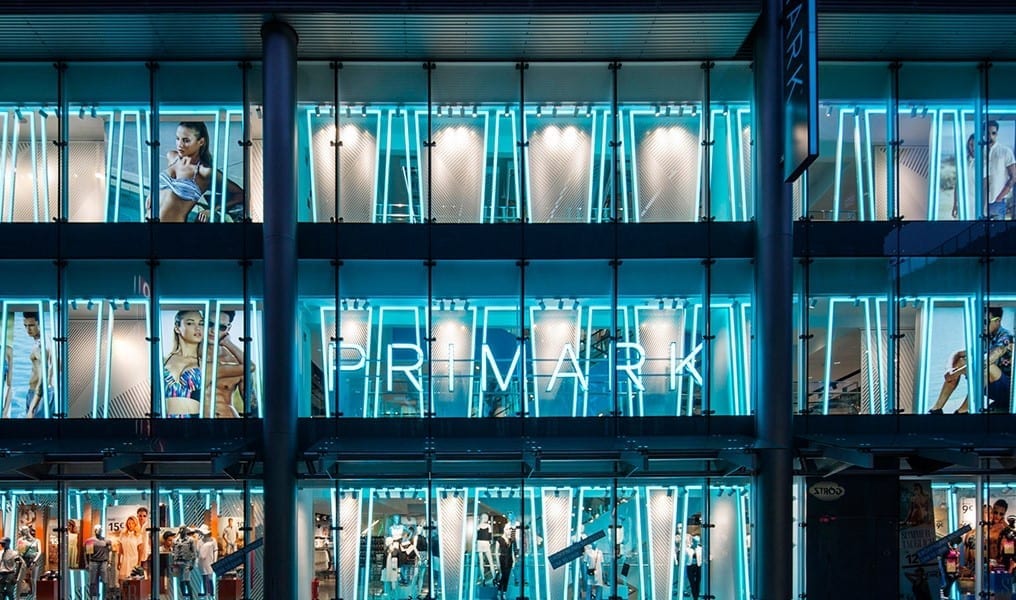
    The company ended the period with 310 stores and 12 million sqft of selling space. Primark is continuing its march throughout Europe and the US, and opened 11 stores in the quarter, including three in the UK, its third in the US and its first in Arese, northwest of Milan in Italy.

    Early trading in these new stores has been promising, especially in its recent US and Italian ventures – while new stores in France continue to impress, highlighting the appetite for the brand in the country. Having previously been overly cautious with its store expansion strategy, Primark’s recent bold attitude is set to continue with plans to add a net 300,000 sqft of space in the fourth quarter – including two more stores in the US, and also doubling its Creteil store in Paris.

    Despite the uncertainty brought on by the UK’s EU referendum result, Primark remains optimistic and will forge ahead with its expansion plans. Given its strong value proposition and the clear demand for its offer, Primark is well placed to benefit as shoppers’ discretionary spend comes under further pressure – though retaining its competitive pricing will be crucial.

    Consumers now place far more importance on quality and value for money – ensuring Primark cannot scrimp on fabric, quality or fit. While Primark continues to shun the online channel, it must invest in its in-store experience, with focus needed on reducing queuing times at fitting rooms and at the till, as well as customer service.

  • YNAP pins hopes on expansion

    YNAP pins hopes on expansion

    Italian online fashion retailer Yoox Net-A-Porter (YNAP) aims to double sales and boost profits by 2020 as it expands in new markets, including Asia, but says it is still committed to Britain despite the vote to leave the European Union.

    The group says it is expanding its London headquarters and hiring several hundred new staff members despite Brexit. About a sixth of its total revenue comes from Britain.

    “We believe in this market. We believe in London and we continue to grow here,” says chief executive Federico Marchetti. “We have a very resilient business model thanks to our geographies being global.”

    YNAP says it plans to more than double revenues to around 4 billion euros (US$4.4 billion) by 2020. Its growth plans include further expansion in China and the rest of Asia.

    It also plans to offer jewellery and watches – Swiss watchmaker Richemont is a major shareholder – targeting sales of 100 million euros by 2020. This is part of a strategy to focus more on premium customers and fast-growing brands, as well as investing heavily in mobile. It says three-quarters of sales are set to come from mobile devices by 2020, from 41 per cent now.

    YNAP, a merger of Italy’s Yoox with upmarket rival Net-A-Porter, has its own multi-brand shopping websites but also runs online stores for luxury brands including Armani and Valentino. It added Prada this week.

    Finance chief Enrico Cavatorta says he expects synergies from the merger to take full effect from 2018, improving margins, and says the group should be cash positive from 2018.