Retail News Asia is committed to providing both local and global retailers with the latest Fashion news throughout the Asian market. This on a daily base.
Ten Changi Airport bookstore concessions are up for tender across four terminals.
Changi Airport Group (CAG) has issued documentation seeking bids to operate books/magazine/stationery concessions spread across terminals 1 to 4 at Singapore’s airport.
Three store premises are being made available for each of the T1 (departure/transit lounge East and West, and departure/check-in-hall East), T2 (departure/transit lounge North and South, and departure/check-in-hall South) and T3 (departure/transit lounge North and South, and departure/check-in-hall North). One T4 store will be made available in departure/transit lounge North.
CAG says the concession requires that companies have “a good track record” in the business of retailing books, magazines, newspapers, postcards, pens and stationery items.
The contract is for three years, with a two-year option to extend at the discretion of CAG.
Meanwhile, concept stores Avenue Kids and Pure Gold Jewellers have launched in T2 in the public areas. It is Avenue Kids’ second full-fledged airport store following the opening of its first outlet in the T2 transit area last month.
The world’s leading cosmetics group L’Oreal launched a new shampoo brand in the Chinese market called Ultra Doux, which is now available in Wal-Mart stores across the country.
Targeting the Chinese market, Ultra Doux offers a total of 43 products within five series, with a price range from CNY20 to CNY80. Its positioning eyes the medium-end market. In regards to marketing appeal, Ultra Doux features natural and organic characteristics.
Ultra Doux is a brand under Garnier and its products are sold in markets like France, U.K., Russia, and Germany. Garnier was acquired by L’Oreal in 1985.
L’Oreal’s market share expectation for Ultra Doux is 2.8% after 12-month operation in China. This is a little higher than the market share of L’Oreal Paris in 2014, which was 2.5%.
According to information from L’Oreal, the Ultra Doux products will be sold in supermarkets, cosmetics specialty stores, and e-commerce platforms in China.
Lagardère Travel Retail Asia Pacific COO Emmanuel de Place has confirmed that the travel retailer is to introduce ‘an exciting new version’ of its successful Fashion Gallery retail concept in Singapore Changi Airport Terminal 2 this month, as it also eyes the upcoming MTR duty free contract in Hong Kong.
He says the Changi Airport Fashion Gallery initiative – still to be unveiled – is just one of many ongoing retail developments across several Asia locations this year, as LTR continues to update its growing fashion offer in the region, alongside its duty free, travel essentials and foodservice businesses.
In an interview, Emmanuel de Place said he is convinced that Asia will continue to progress over the next five years: “The market will definitely continue to grow thanks to the passenger growth and all of these emerging countries in Asia gaining maturity and building more and more passengers,” he said.
“So we definitely want to take a share of that at Lagardère Travel Retail, as we have over the past few years.”
GROWTH POTENTIAL IS THERE
Whether Asia will grow in proportion with the rest of the company’s business remains to be seen, but de Place certainly believes it is possible: “It may well, because certainly Asian countries are growing faster than any other region and especially when we look at China.
“The potential of travel retail growth there is definitely enormous, even though there have been some questions in the last few years about that high-end luxury segment of this travel retail market.
“But we still believe there will be some growth and definitely with our development plans across the three business lines as you know, with duty free and luxury at one end and travel essentials and foodservice.”
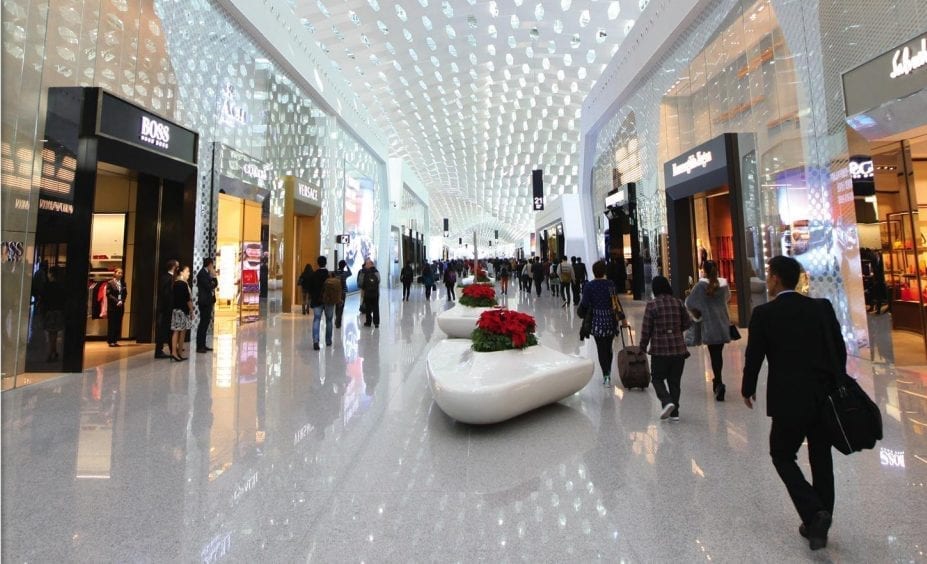
Lagardère Travel Retail’s fashion stores at Shenzhen Bao’an International Airport in China.
MTR IS ALSO OF INTEREST
Meanwhile, turning to Hong Kong, de Place also confirmed that LTR remains very interested in the Mass Transit Railway (MTR) Express train concession at the West Kowloon Terminus, which will ultimately connect Hong Kong with the Mainland when it is finally completed.
He said: “When we look at the big project at the station that they are bidding in Hong Kong then definitely that would be a very nice combination of foodservice, gifts, souvenirs and a lot of specialty shops and a duty free offer. So definitely we believe that we can propose something interesting.”
A comprehensive interview with Emmanuel de Place appears in the July print edition of The Travel Retail Business, where he talks in depth about the company’s duty free and travel retail business across the Asia Pacific region.
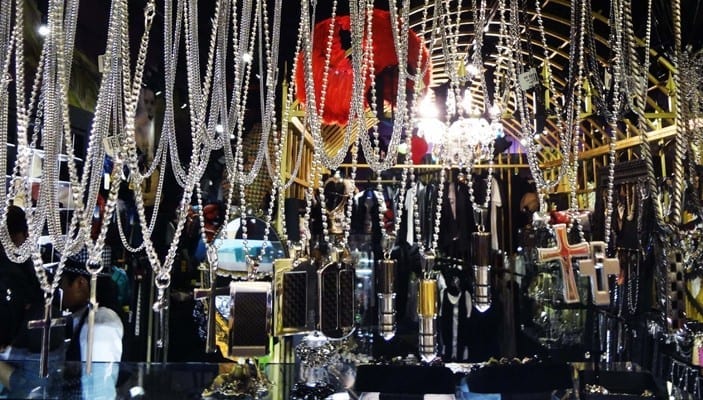
K-pop, K-drama, K-beauty, K-fashion…the list goes on. But the latest K-trend that is showing significant growth is ‘K-jewelry’.
According to Lotte Duty Free on July 3, Q2 sales of domestic jewelry brands at its duty free stores across Korea increased by 80 percent compared to Q2 2015. It’s a noticeable increase considering total sales grew by 30 percent.
The number of domestic jewelry brands at Lotte Duty Free also increased from 20 in the second half of 2015 to 30 this year.
“(Jewelry brands’) sales alone are smaller than cosmetics or general merchandise, but their growth rate is what’s noticeable,” said a Lotte Duty Free official. “We believe several factors influenced the growth, such as the increased demand for Korean products following the popularity of K-beauty (cosmetics) products, a rising number of tourists in Korea, and the on-going hype of Hallyu (the Korean wave).”
Korean brands of premium and bridge (medium-priced) jewelry products are aggressively targeting consumers on foreign soil such as China, Hong Kong, and Japan.
J.Estina is one of the pioneers of the K-jewelry fever, which begin to pick up widespread public interest in the late 2000s when former figure skater star Kim Yuna wore the company’s crown-shaped earrings.
J.Estina is one of the pioneers of the K-jewelry fever, which begin to pick up widespread public interest in the late 2000s when former figure skater star Kim Yuna wore the company’s crown-shaped earrings. (image: J. Estina)
More recently however, its products gathered huge interest from Chinese consumers when actress Song Hye-kyo appeared in the 2016 TV series Descendants of the Sun wearing a J. Estina necklace, earrings, and bag. The brand currently operates in some 20 duty free shops in and out of Korea, and it plans to launch five more before the end of the year.
A French jewelry brand owned by Sejung Group, Didier Dubot, is also focusing on targeting Chinese consumers.
The brand was first made popular through a K-drama, My Love from the Star (2013 – 2014), when female protagonist Jun Ji-hyun appeared wearing Didier Dubot accessories. Launched in 2013, the brand garnered widespread consumer interest in Korea with unique-style jewelry such as ‘layered-rings’ and mix-match earrings.
Didier Dubot currently operates Hong Kong boutiques at Harvey Nichols, a high-end department store, and Hysan Place, a shopping mall. Proving the brand’s high demand in the region, its Hysan Place branch generated 150 million won in revenue in the first month after its opening in 2015. The company also recently recruited Julia Roitfeld as its art director with high hopes. Roitfeld is the daughter of Carine Roitfeld, who served as a former editor-in-chief of Vogue Paris from 2001 to 2011.
“Our brand is popular among the younger fashion-friendly generation in their 20s and 30s in the China,” said a Didier Dubot official. “We plan to expand our business to mainland China and Taiwan, and we expect good results.”
“Reasonable pricing, product designs that reflect the latest fashion trends, and marketing strategies using famous Korean celebrities are all helping these brands to prosper in overseas markets,” said a Korean retail industry watcher.
Before ShopBack Singapore hits its two-year mark, the local start-up revs up its presence with a mobile app launch today. From now onwards, shoppers are able to shop with greater convenience, at anytime, anywhere from computers and tablets to Apple iOS and Android apps.
Expanding its move beyond desktop and mobile-optimised sites, ShopBack aims to make the “Shop-and-Save” lifestyle ubiquitous and accessible not only in Singapore, but in the rest of its markets. Currently, ShopBack is present in Singapore, Malaysia, the Philippines, Indonesia and India.
“Today, we help consumers save on their shopping with up to 30% Cashback offering. When we give shoppers Cashback, we’re returning them some of the money that they’ve used for their purchases via ShopBack,” said Ms. Josephine K Chow, Country Head of ShopBack Singapore. “An average shopper can save about $500 a year with just an extra click on desktop.”
“With ShopBack app, shopping smart just gets simpler. Now you only need to download one app to shop and access offers at over 500 online stores like LAZADA, Groupon, ASOS and more,” said Ms. Chow.
Key Features of ShopBack Singapore Apple iOS and Android apps
Cashback Shopping – Earn up to 30% Cashback at over 500 stores.
Upsized Cashback – View stores offering upsized Cashback to access better deals! Simply look out for the money bag icon on the top left corner of the store front.
Coupon Codes – Get access to unique coupon codes that can be easily copied and applied before checkout.
Popular Stores – Check out what other ShopBack Singapore users frequently shop at.
Staff Picks – Staff recommendations of the latest stores as well as latest deals served in a tab.
Highest Cashback – Find out the shops that offer the highest amount of Cashback to gain the most out of shopping trips.
My Total Cashback – Access ShopBack wallet to view the amount of savings earned. Consumer can also easily trace their Cashback using this function.
Notification Settings – Stay updated with trending deal, Cashback earned and payment alerts.
To encourage user adoption of the “Shop-and-Save” lifestyle, ShopBack Singapore is offering a $5 cash bonus which can be unlocked with a minimum purchase of $25 for any necessities and niceties from 4 July 2016 (midnight onwards) to 5 July 2016 (before the clock strikes twelve).
Topped with up to 80% in-store clearance offers as well as ShopBack’s up to 30% Cashback, users can achieve as high as 50% savings for their steals using a single app.
Cathay Cineplexes, Guardian and Uber amidst the latest stores riding the “Shop-and-Save” wave
With more than 250,000 ShopBack Singapore shoppers championing the “Shop-and-Save” lifestyle, the start-up begins to see more online retailers joining the league. ShopBack Singapore refreshes its store offerings with new partnerships of up to three stores per week, including the traditionally brick-and-mortar brands that are seeking effective ways to get a piece of the growing e-commerce pie.
“Our retail partners pay us on a performance-driven commission model. If we don’t channel sales to them, they’re not required to pay us,” said Mr. Henry Chan, Co-Founder of ShopBack. “This attractive business proposition allows us to bring actual measurable value to our retail partners in the online space.”
Apart from brands that are established in the brick-and-mortar realm, renowned online stores like Naiise and Honestbee are the latest additions to ShopBack Singapore – all signing up to provide the “Shop-and-Save” way of life to shoppers.
Entirely developed in-house in Singapore, the mobile app has gone through several rigorous rounds of testing before its launch as a power-up to boost ShopBack’s status as The Smarter Way to Shop.
With the app, ShopBack Singapore expects users to double their engagment with the brand and aims to achieve app downloads from at least 20% of ShopBack Singapore’s users within the first day of launch.
After centuries of isolation ended in the late 1800s, Western-style fashions caught on in Japan, and now designers are adding Japanese style elements from traditional garments to Western clothing.
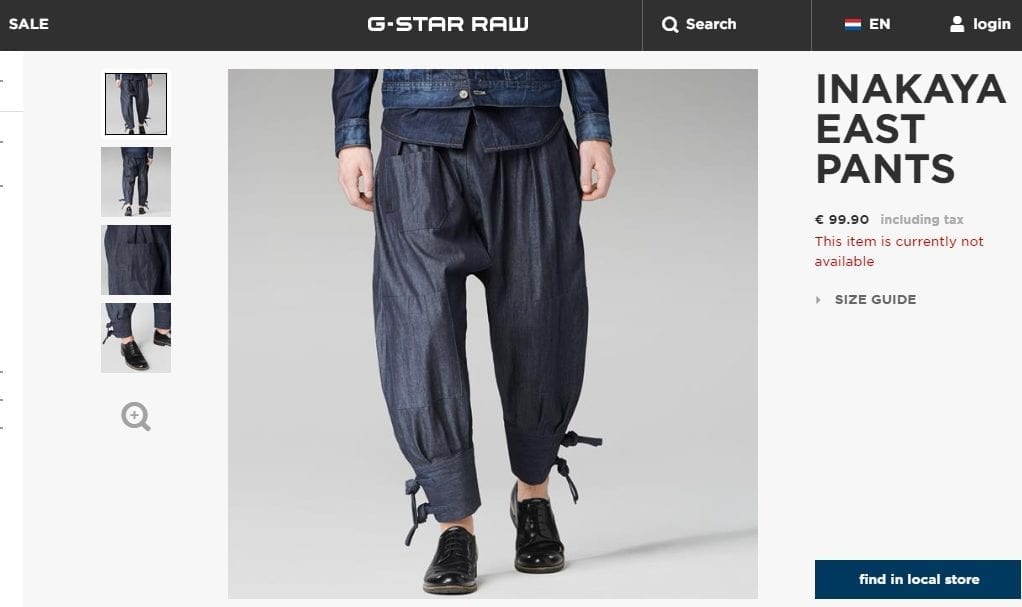
Jumping on this bandwagon is Dutch label G-Star Raw with its new offering Inakaya Denim. “Inakaya” means “person from the countryside”, which is apt as the jeans are styled like the work pants customarily worn by Japanese farmers. The billowy cut should make the pants easy to move around in, as should the lightweight material used, reports Rocket News.
Details include ankle straps for a tapered look, and an extra-large hip pocket that can accommodate smartphone and keys.
G-Star Raw’s suggested retail price for Inakaya Denim is 25,920 yen (US$254).
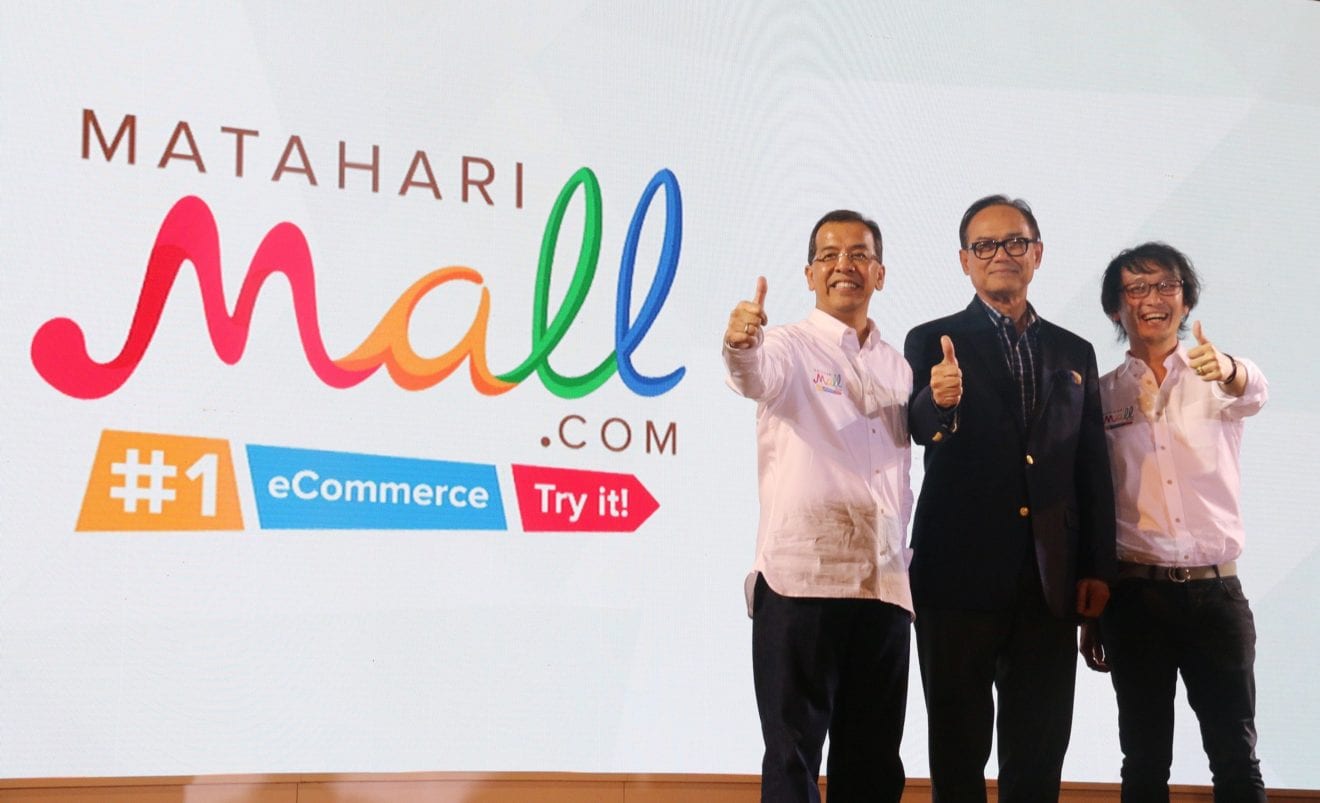
Matahari Putra Prima (MPPA) has doubled its stake in online Indonesian retailer MatahariMall.com.
The multi-format retailer, which operates Hypermart, Smartclub, Foodmart, Boston and FMX chains, says it has [aid cash for an additional 5 per cent share in the fast-growing eCommerce business.
“With the acquisition, MPPA hopes to benefit from wider access to eCommerce as its development will remain strong this year,” MPPA said in a statement. “The company views eCommerce in Indonesia as an enormous market and will continue to grow. The investment and partnership with MatahariMall.com is a new opportunity to foster O2O eCommerce
components that encourage sales [growth] in the future.”
MPPA said the relationship will improve MPPA’s position as the leading multi-format modern retailer in Indonesia, as well as contribute to a sound financial outlook going forward.
New Foodmart Primo
In other news, MPPA has opened its second upper scale supermarket format, Foodmart Primo at Lippo Mall Kuta, Bali.
The opening of Foodmart Primo in Bali is based on the company’s studies on the upward trend of customers’ shopping behavior in the island. The store has a gross selling area of about 1510 sqm and provides a wide selection of high quality of imported and local products.
Director of Foodmart operations, Dave Rao, says due to the nature of the location the store will cater more to tourists than residents, so the stock mix will be slightly different from a typical Foodmart Primo.
“We have additional categories like handicrafts, souvenirs, aromatherapy, travel accessories, beach accessories, and more, specially targeted at holiday-makers. But our main feature remains the restaurant which is a ready-to-eat area offering pizzas, roasts, pastas, traditional food, fresh juices, sandwiches, salads and a boutique bakery.”
Asian eCommerce company, Zalora, has relaunched its scholarship program, now on its second year.
The theme for the Zalora Scholarship this year is “Function Vs Fashion: How the Two Coexist in (Major) Trends Over the Decades”.
The online retailing company says the fashion-meets-function trend is growing rapidly now, more than ever as wearables flood the market. One prime example is the activewear industry as fitness wear becomes more than just clothes for working out.
The Zalora Scholarship will award six tertiary students from the Philippines, Singapore, Malaysia, Indonesia, Hong Kong and, for the first time, Taiwan, with a grant and internship at Zalora offices.
Applicants may submit their entry in the form of an essay or infographic. Winning entries will be selected based on creativity, innovation and relevance to the theme as well as analytical skills and academic results.
Michele Ferrario, CEO of Zalora Group said: “As Asia’s online fashion retailer, we’re dedicated to continuously recognise and support the most promising talents in the region who desire for a career in fashion. We believe this will not only help develop and groom the future leaders of this industry but also contribute to the growth of eCommerce in Asia.”
Zalora welcomes applicants from all tertiary institutions that fall under Zalora Partner Institutions in Singapore, Hong Kong, Indonesia, Malaysia, Philippines and Taiwan. One student from each of these countries will be offered a scholarship.
Applications will close at 11:59 PM (GMT) on July 31.
Streetwear chain 77th Street is about to become another victim of Singapore’s struggling retail scene.
The home-grown clothing company will close the doors of its last outlet, in Ang Mo Kio, by the end of this month, according to Channel NewsAsia.
Founder Elim Chew says high rents have forced the closure, with the present rate of $35 a square foot having risen from $9 when she started the business at Far East Plaza in 1988.
At one point, 77th Street had 16 outlets around Singapore, and was the first Singaporean retailer to set up a shopping mall in China in the early 2000s by opening 77th Street Plaza. This has since closed.
Chew has now ventured into the logistics industry, setting up the app Fastfast along with Adrian Ng of mobile app and retail technology developer Codigo. The app allows people in between jobs or retirees to become document or package couriers. About 4500 people have signed up to be FastFast drivers, according to The Straits Times.
Meanwhile, the first six months of this year have seen several retail brands exit Singapore, including Britain’s New Look, French menswear chain Celio, and local label M)Phosis.
Perry Ellis International, Inc. announced today that it has entered into a license agreement with Chun Yuan International Company granting rights to design and distribute Original Penguin by Munsingwear® fashion bedding and home products in the Philippines. Distribution will include department stores, home specialty shops and E-Commerce sites. A special capsule collection will launch in Spring 2017 with a full collection introduction in the fall.
Original Penguin is an iconic American brand that mixes sportswear and contemporary fashion appealing to a style-savvy consumer who’s into details, but doesn’t take himself too seriously. Original Penguin pays homage to its brand heritage, while staying culturally relevant in their global markets. The brand reworks their archive of mid-century classics to reflect today’s lifestyle without compromising that heritage or the craftsmanship that established the Original Penguin name.
“We are thrilled with this partnership with Chun Yuan International and look forward to working with their team to offer Original Penguin’s lifestyle products in the Philippines. This addition will complement our solid market position and benefit our 25+ free standing stores and continue the expansion of our global reach,” commented George Feldenkreis, Executive Chairman of Perry Ellis International.
Kevin Lee, President of Chun Yuan International stated, “We are excited to partner with Original Penguin, a leading global brand with the well-known Penguin icon that is highly appreciated by the young generation in the Philippines.
The retail sector in Hong Kong is finding it difficult to keep their boat afloat amidst the decline in mainland tourists since a year ago. Now, the Britain’s vote to leave the EU is likely to make matters from bad to worse for the Hong Kong’s retail sector, says reports.
A recently released Hong Kong government report showed retail sales slipping to 12.5 per cent Y-O-Y in the first quarter to HK$115.2 billion, from HK$131.6 billion in the same period last year. The total number of retail establishments also dropped sharply to 64,498, fewer by 1,400 from the first quarter last year. And there have been 10,000 retail sector job losses in the past year, with the number of employees also down to 320,400 by the end of first quarter.
Apart from the decreasing number of tourists, outbound travel is expected to grow on the back of a stronger US dollar and weaker Chinese yuan, resulting in less spending in Hong Kong, say industry experts.
Industry analysts have predicted for a much worst conditions for the upcoming future, after Brexit triggered global uncertainty. The situation is expected to push higher the value of U.S. dollar. Also, the experts have forecasted for an outright recession in Hong Kong this year.
Hong Kong being financial hub and its currency peg, their economy is expected to be hit the hardest in Asia, say experts. The Hong Kong dollar, meanwhile, which is pegged to the greenback, is expected to appreciate significantly after the Brexit, say reports.
In its latest note, the Morgan Stanley analysts say demand, too, for commercial property is likely to be impacted by weaker Hong Kong economic growth and the sluggish labour market, says reports.
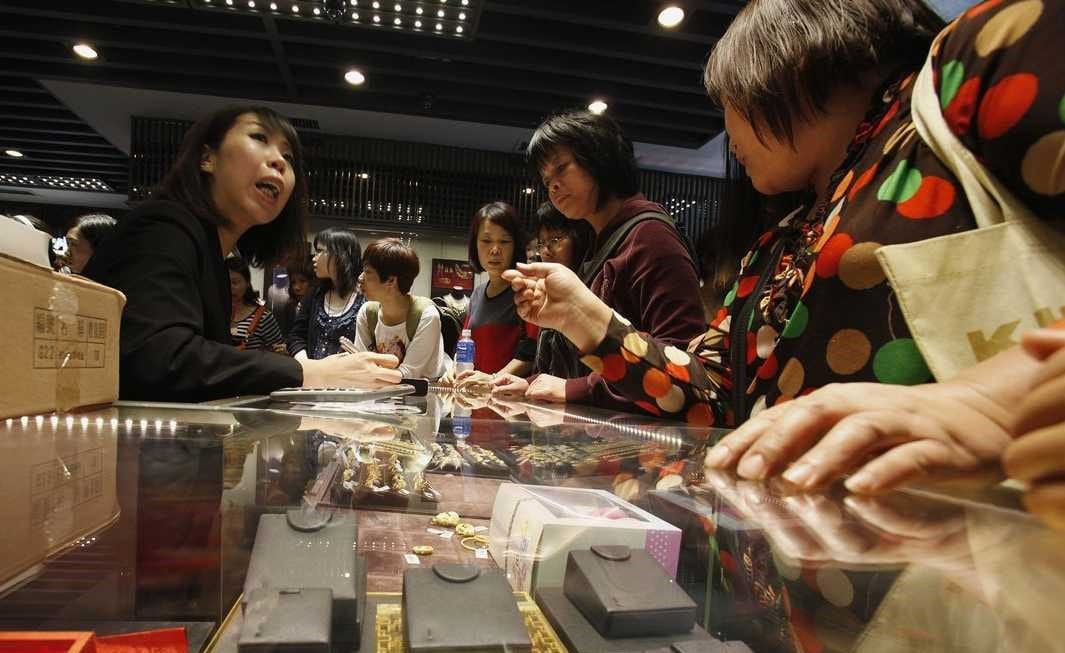
The experts further predict that the only the only bright spots in the overall retail market gloom, however, were recommendations from Bank of America Merrill Lynch and China International Capital Corp to invest in Hong Kong jewellery makers, which they said should benefit from the rising price of gold, amid global risk aversion fuelled by the Brexit.
As per the reports, both maintained ‘buy’ ratings recently for Luk Fook Holdings, a Hong Kong gold-jewellery retailer. “Luk Fook would be the biggest beneficiary from the recent upward trend in the gold price due to its smallest hedging ratio of 15 per cent to 20 per cent,” BoA Merrill Lynch analysts said as per reports.
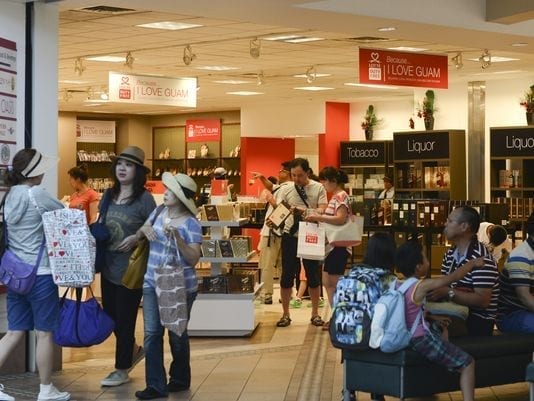
South Korean authorities raided the headquarters and other offices of Lotte Duty Free Guam’s parent company in Seoul earlier this month.
The duty-free retailer sells an array of high-end products, from eyewear to liquor, to passengers who’ve passed through the airport’s security check.
“The airport is not concerned at this time with the news coming out of Korea about Lotte,” Airport Executive Manager Chuck Ada’s office said in a statement. “It has nothing to do with Lotte Duty Free Guam’s obligations under its specialty retail concession contract with (the A.B. Won Pat Guam International Airport Authority).”
Lotte Duty Free Guam is a wholly owned subsidiary of Hotel Lotte Co. Ltd., which is based in South Korea. Hotel Lotte and other companies under the Lotte Group have been the subject of a widening investigation by South Korean authorities, according to media reports.
The news about the raids came after an audit, released in February, indicated Lotte Guam was facing financial problems.
The most recent audit of the retailer’s financial statements showed Lotte Guam posted $14.3 million net loss at the end of last year. Lotte Guam also recorded a $14 million loss at the end of 2014, and an $8.9 million loss in 2013.
In January 2015, Lotte Guam asked the airport for a temporary reduction in rent. Ada denied the request, saying it would affect the agency’s ability to pay its debts, according to letters between the airport and Lotte.
An email and phone calls to Lotte legal counsel Cesar Cabot were not returned.
Ada was unable to comment on whether Lotte had made a subsequent request for reduced rent.
In 2013, Lotte Guam signed a contract to pay the Guam airport agency $15 million a year for 10 years, and the airport used these future payments to enhance its ability to borrow more money from bond investors.
In light of the reports of the investigation into Lotte’s parent company, the airport “has to do their own due diligence,” said Guam’s Public Auditor Doris Flores Brooks.
However, Brooks said it’s too soon for her to comment whether there’s reason to be concerned about the airport’s future finances.
The Wall Street Journal reported that according to South Korean media, the raids were triggered by an investigation into whether a local cosmetics company paid bribes in exchange for floor space at Lotte’s duty-free retail outlets in that country.
Lotte’s South Korean office confirmed the raids occurred, but the company declined to comment regarding the specifics of the investigation, according to the Wall Street Journal.
Lotte Guam is part of the worldwide Lotte Group’s duty-free enterprise, which reported more than $4 billion in annual sales in 2015, according to the statement from Ada’s office.
“The airport has confidence that with Lotte’s experience and vast financial resources that it will abide by and meet the terms of our 10-year agreement,” the statement said.
If Lotte Guam fails to make a payment, the airport agency said it’s protected by a letter of credit of more than $15 million. A letter of credit is issued by a bank as a backup source of payment.
When asking for the rent to be reduced, Jung Min Lee, chief executive officer of Lotte Guam, wrote that sales “have not met projections, and are not even near the estimated levels based upon available economic data.”
“Lotte respectfully requests GIAA’s kind consideration in order to survive this temporary rough patch of adversity and market events that are beyond Lotte’s control,” Lee wrote. The request cited the weakened value of the yen and the ruble against the U.S. dollar as a reason for the dismal sales.
Guam’s tourism industry has seen a dip in Japanese visitor arrivals and steep plunge in tourist arrivals from Russia, and those challenges continued this year.
Lotte Guam’s net sales of $15 million weren’t enough to cover all of the duty-free retailer’s bills last year, including: $15 million in rent to the airport; almost $4 million in payroll and employee benefits; and $3.3 million in professional fees, the 2015 audit report showed.
The airport agency doesn’t want to increase airline fees to cover losses from duty-free concession revenues, Ada wrote in his letter denying the rent reduction. When the airport raises airline fees, airlines could pass on the cost to the traveling public.
Lotte’s $15 million rent payment to the airport in fiscal 2015 made up nearly 25 cents for every $1 of the airport agency’s operating revenue that year, a separate government audit report shows.
Lotte Guam and the airport agency continue to fight luxury goods retailer DFS Guam in Superior Court over the duty-free shop spaces at the airport.
DFS was the duty-free concessionaire for 30 years until the airport awarded a 10-year concession agreement with Lotte in 2013.
Lotte has paid $20 million for projects to improve the look of the duty-free concession areas at the Guam airport terminal, according to the airport agency.
“There is no question that the Lotte concession has been of tremendous benefit to the airport and the people of Guam,” the agency said in a statement.
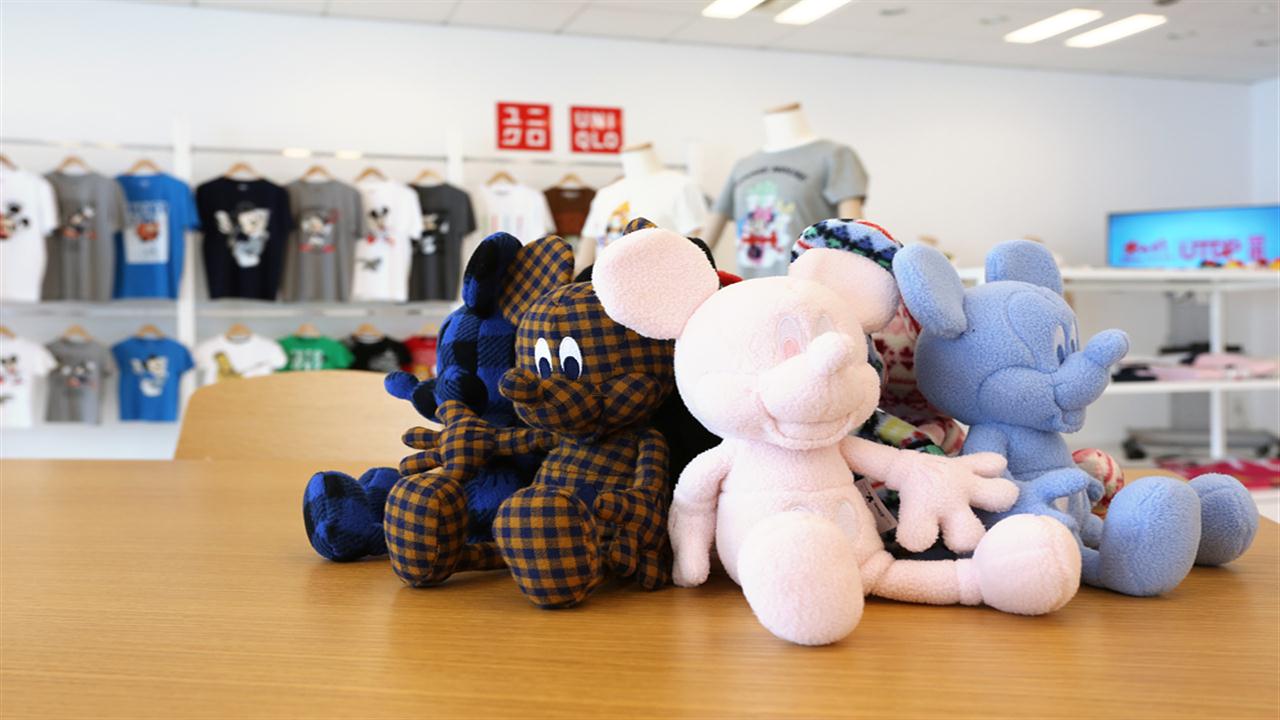
Disney Springs, at Walt Disney World Resort in Lake Buena Vista, Florida, will be the location for the latest store for Japanese fashion retailer Uniqlo US.
Opening next month, the first Uniqlo store in the US southeast will occupy 25,000 sqft (2300 sqm) across two sales floors. It will showcase the brand’s full assortment of LifeWear as well as items incorporating its Japanese heritage plus special Disney-inspired products.
“We hope to make every day at our store feel like opening day for our customers,” says Uniqlo US CEO Hiroshi Taki.
There will be Japanese-inspired daily giveaways, as well as in-store events each week and month like Taiko drummers and a Japanese-style game show.
Uniqlo continues its link with Disney, which started in May last year with its global launch of a line featuring Mickey Mouse as a professional tennis player and golfer. The same month, the store launched Disney’s new Tsum Tsum concept plush toys.
In July, Uniqlo announced “friendship in Disney Pixar movies” as the theme for its annual UT (Uniqlo T-shirt) Grand Prix 2016 design contest.
The following month Uniqlo launched the “Magic for All” global initiative with Disney Consumer Products, adding Marvel action and Star Wars themes to its LifeWear fashions.
In September, Uniqlo opened a Magic for All store on the fifth floor of its Shanghai global flagship store, the largest in the world, and in April the Magic for All line was installed on the 12th floor of the Uniqlo Ginza Global Flagship Store in Tokyo. It will be there until the end of next month.
A brand of Fast Retailing, Uniqlo has 43 stores in the US, including Boston, Los Angeles and Seattle, and its online store.
Hong Kong-listed lingerie brand Cosmo Lady says it will venture into overseas markets to seek global business partners.
The first Chinese underwear brand to go public, two years ago when it launched on the Hong Kong Stock Exchange, Cosmo Lady is seen in China as “the Oriental version of Victoria’s Secret”.
In 2015, Cosmo Lady ranked number one in the overall China’s intimate wear market with a market share of 3.3 per cent and total revenue increased by 23.6 per cent to about RMB 4.95 billion. Cosmo Lady Group primarily focuses on the design, research, development and sales of its own branded intimate wear products including bras, underpants, loungewear, thermal clothes, hosiery and other items. While China’s underwear market been growing by 10 per cent year-on-year over the last few years, the company believes there are also big opportunities to expand offshore.
Cosmo Lady opened 1032 retail stores 2015 and its distribution network now comprises 8050 retail stores in more than 330 cities.
“Cosmo Lady will continue its progressive expansion strategy of retail network in five major types of locations, including commercial streets, residential neighborhoods, transportation hubs, school zones and supermarkets and its high-end retail network in malls, department stores and shopping centers,” the company said in a statement.
Chairman and CEO Zheng Yaonan said the company will progressively expand in locations with not only the lower market share but also high growth potential, and continue to explore the industrial external growth opportunities.
“At the same time, Cosmo Lady will also be committed to improve core competitiveness and outperform their competitors through a series of initiatives such as the expansion into overseas markets and the collaboration with other well-known underwear brands, which will the company’s long-term strategic plan.”
This year, Cosmo Lady secured the rights to use Walt Disney characters on several specially-designed underwear lines.
The brand launched its latest range last April, reaching more than 200 million people through live broadcasts on social media platforms such as Weibo and WeChat.
“It is the company’s ambition that in the future Cosmo Lady will hold an Oriental version of the Victoria’s Secret fashion show in the US.”