Category: Fashion

Retail News Asia is committed to providing both local and global retailers with the latest Fashion news throughout the Asian market. This on a daily base.

  • Philippines to Market Fashion Products in Indonesia

    Philippines to Market Fashion Products in Indonesia

    The Philippines has expressed its intention to market branded retail products in Indonesia, particularly fashion products.

    To support the intention, the Philippine Trade and Investment Center (PTIC) in Jakarta has held an expo, Lifestyle Philippines, in Shangri-La Hotel on June 10, 2016, said the Philippines Embassy in Jakarta, Monday, June 13, 2016.

    According the Philippine Ambassador to Indonesia Maria Lumen B. Isleta, the expo is expected to strengthen the relationships between the Philippine and Indonesian people.

    “It is an effort to introduce the various Philippine products and services, which may interest many Indonesian consumers once they know more about it,” Amabassador Isleta said.

    Alma Argayoso, the Philippine trade representative in Jakarta, said Lifestyale Philippines is aimed at promoting and introducing products made in the Philippines.

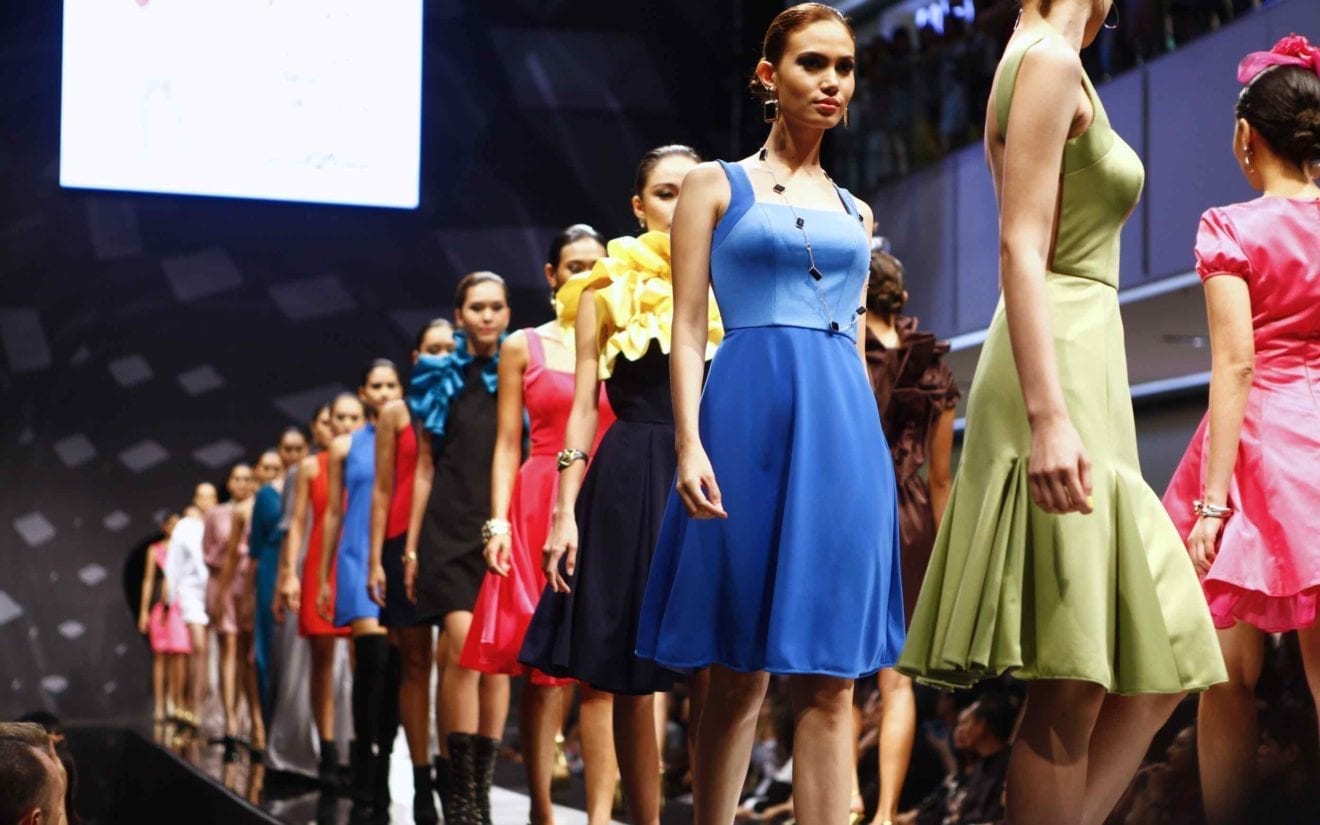
    The expo was enliven by fashion shows that featured designs of iconic brands, such as Karimadon, Rusty Lopez, Plains and Prints, and Cruzzini Barong Tagalog.

    The trade volume of both countries reached US$3.6 billion last year with a significant surplus for Indonesia, having an export volume of US$2.93 billion. Whereas the Philippine trade to Indonesia merely amounted to US$628.27 million.

  • Revlon buys rival Elizabeth Arden

    Revlon buys rival Elizabeth Arden

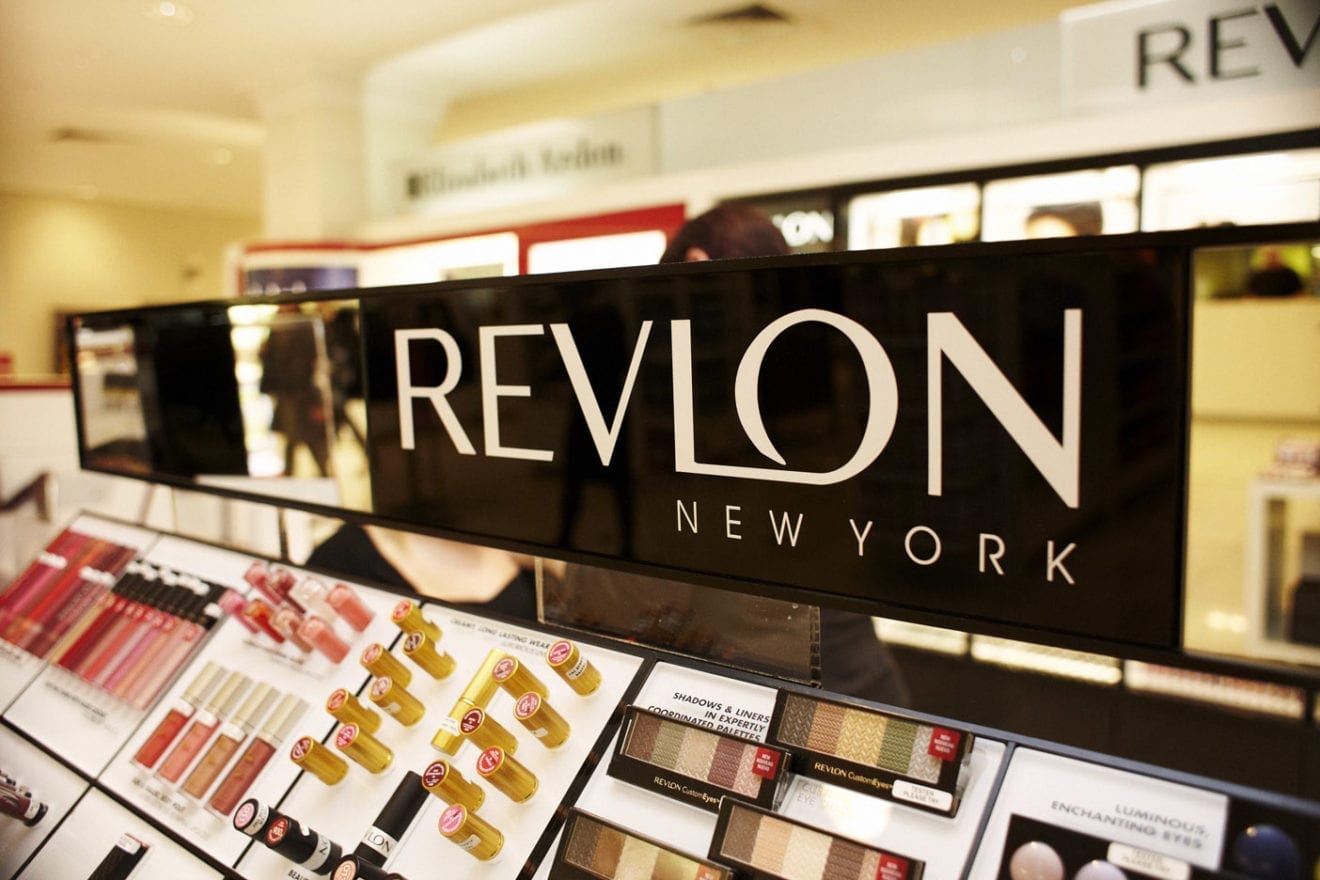
    Revlon is to take complete ownership of Elizabeth Arden in a deal valuing the target at US$870 million.

    The two companies say that by bringing together two highly complementary, iconic brand portfolios, Revlon will benefit from greater scale, an expanded global footprint, and a significant presence across all major beauty channels and categories, including the addition of Elizabeth Arden’s growing prestige skin care, color cosmetics and fragrances.

    “The combination will leverage Revlon’s scale across major vendors and manufacturing partners, improving distribution and procurement. Cost synergies of approximately $140 million are expected to be achieved through the elimination of duplicative activities, leveraging purchasing scale, and optimising the manufacturing and distribution networks of the combined company,” the two companies said in a joint statement.

    Revlon president and CEO Fabian Garcia described the deal as “strategically and financially compelling”.

    “Elizabeth Arden and Revlon are both known for their iconic brands, entrepreneurial spirit and commitment to innovation, quality and excellence. Revlon plans to build upon Elizabeth Arden’s ongoing transformation by further enhancing the brand, with even more vibrant and relevant product development and marketing, while carefully preserving its unique heritage within prestige.

    “Combining our brands, talent, and global distribution will give our company a significant presence in all major channels and categories, while accelerating sales growth in existing and new geographic regions. We look forward to bringing together our two top-notch teams to form a global leader in beauty,” he said.

    Elizabeth Arden president and CEO Scott Beattie said the takeover recognised the unique equity in the Elizabeth Arden brand, its impressive fragrance portfolio and global footprint, as well as the positive momentum and growth potential for our business.

    “We look forward to working with the Revlon leadership team to create a leading global beauty company, able to provide accelerated growth for the Elizabeth Arden-branded products as well as our prestige licensed fragrance portfolio, and broader opportunities for many of our employees.”

    Revlon’s strength and expertise in color cosmetics, hair care, men’s grooming, antiperspirants, deodorants and beauty tools will be complemented by the addition of Elizabeth Arden’s portfolio of licensed prestige fragrances and the internationally recognised line of Elizabeth Arden-branded prestige skin care, color cosmetics and fragrance products.

    The companies believe Elizabeth Arden’s strong global reach in prestige distribution and travel retail will complement Revlon’s strength in mass and salons, strongly positioning the combined company in all key beauty channels.

    On a geographical basis, Revlon currently sells its products in approximately 130 countries and Elizabeth Arden has a strong presence in important international growth regions, including Asia Pacific, positioning both brands to better compete globally.

    After the merger, Beattie will join Revlon’s board as non-executive vice chairman. He will also serve as a senior advisor to Garcia.

    The deal should close by the end of 2016.

  • H&M collaborates with Caitlyn Jenner for its newest athleisure range

    H&M collaborates with Caitlyn Jenner for its newest athleisure range

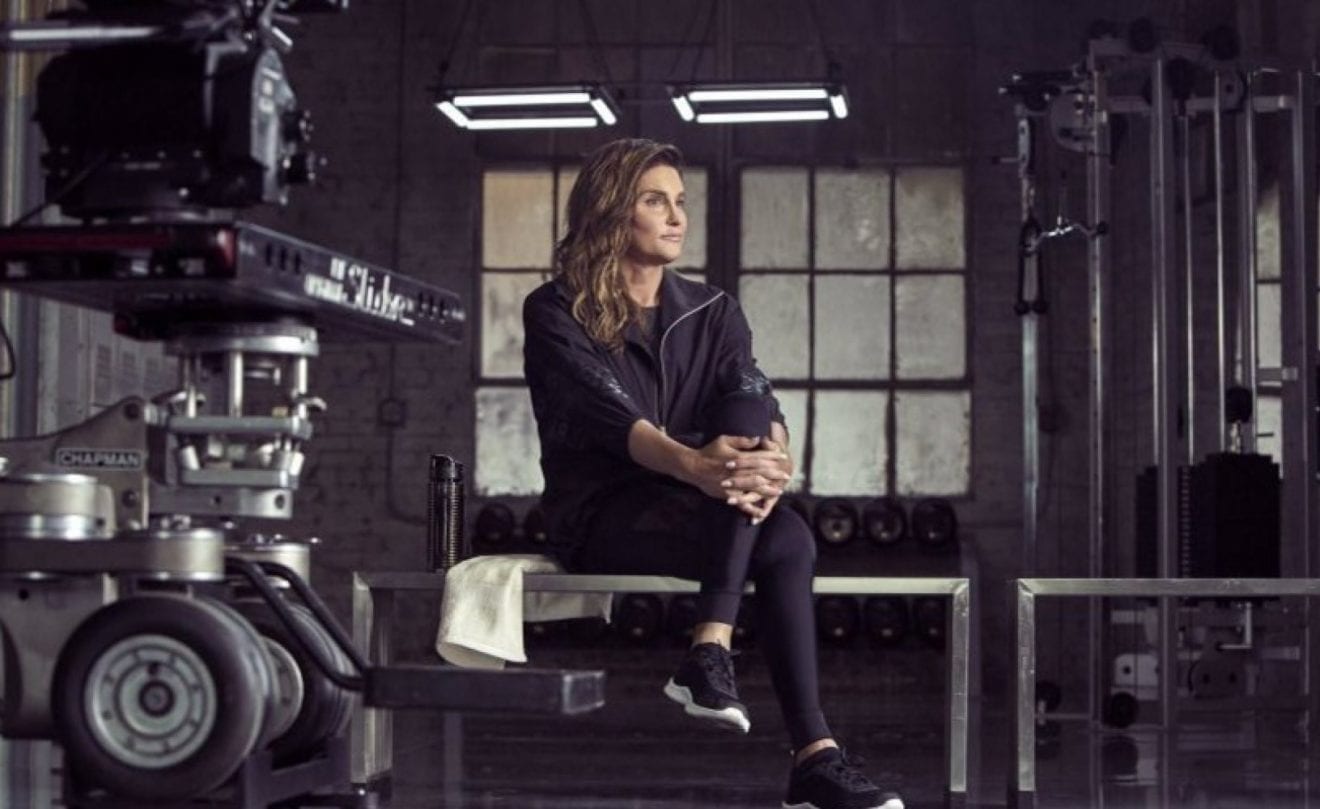
    A new H&M athleisure wear range is to be launched in July, developed with input from the Swedish Olympic team and fronted by personalities including Caitlyn Jenner.

    The launch of For Every Victory makes H&M one of the first major multinational fashion brands to make a serious foray into the booming athleisure wear market, to date dominated by fast-growing specialist brands including Lululemon, UnderArmour and 2XU.

    H&M -For Every Victory

    H&M For Every Victory – described by the H&M as “high fashion performance sportswear made to inspire” has been developed with input from the Swedish Olympic team, and the campaign is fronted by inspirational personalities who have all achieved their own victories, whether in sport or life.

    H&M -For Every Victory 1

    The athletes advised on design, performance and wearability. H&M also designed outfits for the Swedish Olympic and Paralympic team for Rio 2016, including the opening ceremony uniform, selected competition pieces and the prize ceremony outfits.

    “This is a collection about performance with great style and the input of the Swedish Olympic team has been invaluable in the creation process,” said Pernilla Wohlfahrt, design and creative director at H&M. “The result is high fashion technical sports pieces for everyone to wear.”

    The For Every Victory collection has a similar visual expression and technical knowledge to the Swedish Olympic team collection, with its own colour palette in black, grey, dusty pink and gold. It is centered on performance T-shirts, running shorts and leggings, as well as sports bras for women.

    H&M -For Every Victory 3

    The quick-drying, breathable materials help to optimise performance and recycled polyesters prove that high-function sportswear can also be conscious and more sustainable − all showing that there’s no compromise on either fashion or performance.

    H&M -Olympic collection

    Among the personalities fronting the new range are Caitlyn Jenner with her Olympic gold medal in the decathlon; Chelsea Werner, a gymnast who has never let Down Syndrome halt her progress; surfer Mike Coots who still takes to his board even though he lost his leg in a shark attack and boxer Namibia Flores who has fought against prejudice to pursue her dreams.

    The new range and brand will be launched globally on July 21.

  • Uniqlo Indonesian batik collection for good cause

    Uniqlo Indonesian batik collection for good cause

    Japanese apparel company Uniqlo has launched a special collection of items featuring traditional motifs of Indonesian batik, a heritage included on the UNESCO list of Intangible Cultural Heritages of Humanity in 2009.

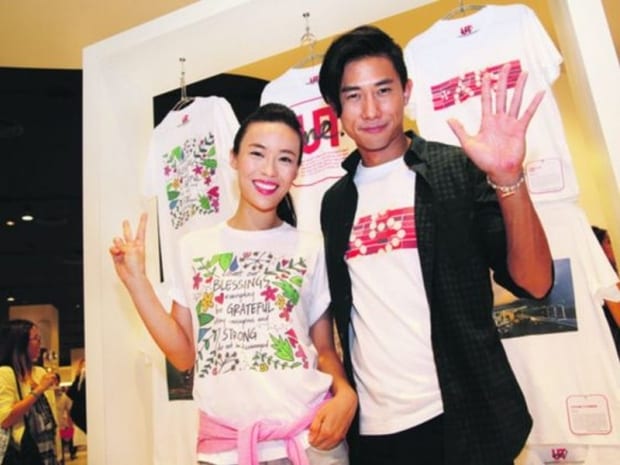
    As part of a second program in the Uniqlo Factory Worker Empowerment Project, a portion of sales is be allocated toward helping with education for employees working in parent company Fast Retailing‘s affiliated factories in Indonesia. The special collection is available at five stores in Japan and on Uniqlo’s website.

    The batik patterns are part of Uniqlo’s LifeWear concept of offering clothes for a better life for everyone, every day. The collection of eight items includes men’s and women’s shirts as well as summer dresses. The batik patterns are original motifs jointly developed by Uniqlo and a designer recommended by the Indonesian Batik Foundation.

    The empowerment project was introduced last year, the first supporting female workers in sewing factories in Bangladesh through a women’s line featuring traditional Bangladesh clothing motifs. This sold in 14 markets worldwide, with a portion of sales being used for educational programs in such areas as nutrition, hygiene and health management.

    The education project is expected to run for about three years, and reach around 12,000 people.

  • Revenue up for Global Brands Group

    Revenue up for Global Brands Group

    Branded apparel, footwear, fashion accessories and lifestyle product company Global Brands Group Holding has had a US$4118 million revenue increase for its latest reporting period – covering 15 months because of a change of the financial year end date to March 31.

    Its revenue growth was partially offset by a decrease in the euro exchange rate, the tail-end impact of exiting underperforming brands, and an unseasonably warm winter in North America.

    The core operating profit and net profit for the period were $75 million and $25 million respectively, reflecting the typically weak first quarter.

    “Since Global Brands’ independent listing two years ago, our business has progressed along a steady growth trajectory,” says CEO/vice-chairman Bruce Rockowitz. “We have focused on leveraging our competitive strengths as we grow around our core segments. Today, we enjoy a unique position in our industry as no other company operates in the same space in the categories in which we specialise, at our vast scale, across so many countries and regions.”

    Its total margin has continued to trend up since 2013, reaching $1379 million, or 33.5 per cent as a percentage of revenue. As a result of the group’s investment in key controlled brands and adding new licences to the portfolio, running costs grew to $1304 million.

    “We continue to sharpen our focus on our key product categories and high-performing brands, while expanding our platforms where relevant,” says president/COO Dow Famulak. “Our kids category remains a highly successful franchise delivering consistently positive results, while our footwear and accessories business also performed well, particularly our key footwear brands.

    “We made excellent progress expanding the direct-to-consumer reach and increasing the product offering of our key controlled brands, such as Frye, Spyder and Juicy Couture. Under Seven Global, we extended the David Beckham brand to the menswear product category through a partnership with Kent & Curwen, and recently to the men’s grooming category through a partnership with the men’s skincare brand Biotherm Homme.”

    Rockowitz says the group is committed to global growth. “We will continue to expand our footprint in Europe and in Asia, as well as look for new avenues to further build upon our already strong presence in the US.”

  • Zara parent company boosted profit and sales

    Zara parent company boosted profit and sales

    Spanish clothes retailer Inditex, has reported its net profit for the first fiscal quarter of 2016 rose 6 per cent, after global sales lifted by 12 per cent.

    Inditex said profit for February through April was 554 million euros ($A843.61 million), up from 521 million euros for the same period last year.

    The company’s shares were up 2.7 per cent at 28.74 euros in Wednesday morning trading in Madrid.

    The company said sales reached 4.88 billion euros, a 12 per cent increase on the same period in 2015.

    Inditex says it opened 72 new stores in the period for a total of 7085 and added 11,900 jobs in the process. During the first quarter, the retailer expanded its reach to 90 markets, having opened inaugural stores in Aruba and Nicaragua. At the end of the first-quarter, the Group reported 7085 physical stores.

    Founded in 1975 by Amancio Ortega, Inditex operates eight store brands including Massimo Dutti, Bershka and Oysho.

  • Benetton Group takes control of Korean operations

    Benetton Group takes control of Korean operations

    In the midst of reorganisation to improve competitiveness, Benetton group has decided to take back its distribution arm in South Korea. Both Benetton brands and Sisley have for a long time been represented in the country via a 50/50 joint venture with a local distributor. The Italian group announced this week it now owns 100% of this structure with the latter becoming one of its subsidiaries.


    Hyung Rae Cho, CEO of the newly created Korean subsidiary – Benetton.

    South Korea is a very important country to the group, since it is the second export market for Benetton after India and the top export country for Sisley. The group’s annual brand sales are estimated at 150 millions euros in the region across 300 points of sale.

    It’s a strategic market too, influential in the Asian region as whole, becoming a sort of base camp for the Italian group.

    Benetton wants to continue in the right direction after taking back the distribution reigns. It revealed it has appointed the country manager of the former structure, Hyung Rae Cho, to the role of CEO of the newly created Korean subsidiary.

  • Narrow the range, increase retail sales

    Narrow the range, increase retail sales

    It’s counter-intuitive, but less choice, fewer options and a smaller range of products can often help increase retail sales and customer satisfaction. Who would have guessed?

    Simplified, narrower product ranges are contributing to accelerated customer and corporate purchase decisions, improved productivity, velocity and volume, and, interestingly, fewer instances of buyer remorse.

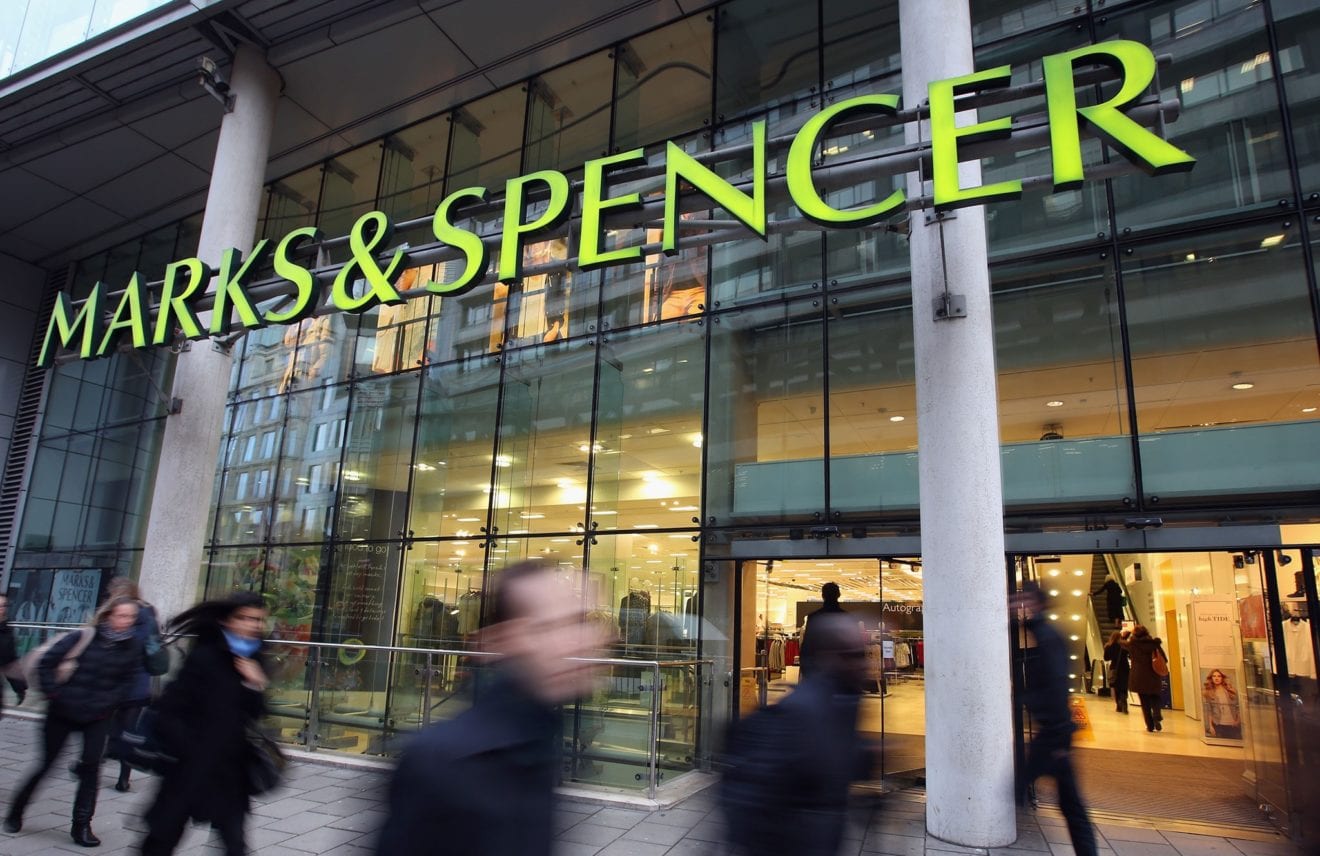
    Marks & Spencer in Britain has taken the plunge, being rewarded with enhanced performance outcomes. It simply followed the lead of several coffee lounge networks there that introduced a singular, standardised “medium”-sized cup of coffee, regardless of whether a customer wanted a latte, cappuccino, macchiato or something else. Some fast-food outlets are following suit with a single-size burger.

    Consumer responses have been overwhelmingly positive – queues at the ordering counters have shortened and the speed of service improved. There has been some resistance, though. Custom has been lost to those who prefer smaller or larger options.

    However, that leakage in sales was not because of the fewer choices, but rather a disagreement with the single choice imposed by management. There is little evidence of long-term brand damage or negative sentiment about quality or value.

    Fulfils demand

    Simplifying the buying process has long been valued by customers as it fulfils the demand for convenience. Moreover, the policy can be an effective means in the market positioning of brands, companies, products, services or applications. Importantly, it can be, and has proven to be, an effective way to differentiate between competitors and substitutes.

    Single-brand motor vehicle dealerships consistently attain and maintain higher key performance measures than multi-brand outlets. That is important in an industry where much of the “shopping” is done online, with the average time spent on the forecourt of a new-vehicle dealership by intending purchasers being as little as 46 minutes. One outlet visitation is now the industry norm.

    Making the buying process easier is often rewarded with typically higher conversion rates and volumes. Narrowing the range of throat lozenges from an average nine to just three at the pay consoles of service stations did not discerningly affect sales. Moreover, the sales from the freed-up space with alternative products were attractively high.

    Hardware, electrical appliance and toy retailer references to having and promoting the biggest range is seldom attractive to an individual whose needs will usually be fulfilled by one product, service or application – the right, specific product they have visited the store to purchase.

    Choice is, and should be, a measured and subjective assessment based on research, intelligence, judgement and experience.

    Attractive proposition

    Astute business owners and managers are taking the risk of narrowing stock ranges, brands and sizes. They are tolerating some leakage of revenue, but welcoming the increase in profits, customer satisfaction, productivity, velocity and volume.

    The measurement of stock turns is an established monitor of business efficiency. Sadly, too many people in retail are unaware of the principle, and therefore do not monitor and quantify sales and profits performance.

    Narrowing and simplifying choice, appropriately applied, can reduce inventory, shrinkage, insurance premiums, logistics costs and capital-servicing expenses. All round, it is an attractive proposition.

    Fear of the possibility of losses in marginal and incremental sales to isolated and tertiary customer groups can, and does, induce inertia. Decisions have consequences – good and bad, upside and downside. Those seeking to service and satisfy heighten their chances of failure. The alternative is to identify, isolate, analyse and relate to choice customers and choice clients. Most have narrow and specific preferences.

    • Barry Urquhart runs Marketing Focus in Perth, Australia, and is a business strategist, consumer behaviour analyst and keynote speaker. He can be contacted at [email protected].
  • WearYouWant establishes itself as a trusted digital partner

    WearYouWant establishes itself as a trusted digital partner

    WearYouWant, Thailand’s leading online fashion and beauty marketplace is fast becoming a trusted digital partner for industry brand names and distributors; creating a solid online presence in Thailand’s booming internet industry. Working with large, international brands and distributors, as well as smaller and more localized businesses, WearYouWant offers a uniquely customized e-commerce platform with a strong focus on targeted visibility and curation of merchants’ products.

    CEO and Co-Founder of WearYouWant Julien Chalte explains how the e-commerce site stands out for businesses.

    Brands want to go digital, and need to, but may lack the knowhow, time and resources to be hands-on and do so effectively. WearYouWant personalizes the experience, creating and servicing every aspect of a merchant’s outlet, from the graphic design of marketing materials to uploading pack shot images.  

    “When I look at our monthly pay outs to our merchants it is great to see that we are indeed delivering growth to both the smaller independent designer with only one storefront and the big international brands at the same proportional scale. The secret for us has been to keep the dual focus of B2B and B2C and grow the two at the same pace. That has made us and our big and small merchants successful.”

    Minor International PCL, one of Thailand’s leading and largest distributors of lifestyle brands such GAP, Esprit, Bossini and Red Earth, value the partnership with WearYouWant.

    James Richard Amatavivadhana, Chief Executive Officer of Minor International PCL, says, “Digital development is rising so fast in Thailand that it is important for us to incorporate the strongest digital sales channels. The future of retail is changing, but the core principles of trust, confidence and transparency still reign, especially when it comes to e-commerce. WearYouWant has empowered us to grow digitally and has enabled us to create a flagship online outlet allowing widespread visibility to our brands and products as well as an assurance to consumers that the products they shop are genuine.”

    Sam Naghi, owner and MD at Sam’s Sports shop, is another merchant on WearYouWant’s platform selling mainly sport shoes that applauds the e-commerce website for the tremendous impact it has created on the business, by creating visibility and increasing their sales volume online.

    Partnering with WearYouWant has made a huge difference for us. We have a whole new revenue stream and a digital storefront where both our products and brand gets noticed by customers we would have been unable to reach ourselves”, he said.

    WearYouWant recently received the Best e-Commerce Website Award 2016 from the Ministry of Commerce’s Department of Business Development in two categories:  Best in e-Commerce Management and Best in e-Commerce Trusted Website. The award was presented during the Thailand eCommerce Day held at e-Biz Expo 2016 at the Queen Sirikit National Convention Center.

    The first half year of 2016 ends 30th June and WearYouWant’s own forecast indicates at this point in time, a 120% growth in turnover in the first half of the year in 2016 compared to first half of the year in 2015.

  • Japan’s Uniqlo targets global stature with fashion identity

    Japan’s Uniqlo targets global stature with fashion identity

    Japanese clothing chain Uniqlo has leveraged its prowess in mass production to build a fashion empire filled with shelves upon shelves of affordable, good quality items like down jackets, underwear and T-shirts.

    Now the 17-nation, 1,734-store retailer is on a quest to beat Western giants like Gap, H&M and Zara to become the world’s biggest apparel maker.

    In the overcrowded, highly competitive casual fashion market, size is important but no guarantee of success: analysts say Uniqlo’s challenge is to carve out a brand identity of its own, going beyond its formula of delivering no-nonsense quality at good prices.

    “To win over consumers and break through the clutter, Uniqlo needs to get even more personal,” says Stuart Green, chief executive of Asia Pacific at Interbrand, which consults and ranks brands.

    “It will be critical for Uniqlo to maintain product quality and, most importantly, create a deeper, more emotional connection with its customers to drive brand loyalty,” he said.

    Interbrand ranks Uniqlo as Japan’s most valuable retail brand, and eighth among Japan’s global brands, including Toyota, Sony and Nintendo. The company’s founder and chief, Tadashi Yanai, is Japan’s richest man, according to Forbes magazine.

    Analysts say that to move it to its next stage of growth, Uniqlo also needs to beef up its digital presence and adapt to non-Asian markets. Winning over the huge market of suburban American shoppers will be crucial.

    Consumers these days are picking brands on digital platforms and social networks, as they increasingly shop online. To cope with the mind-boggling volumes of information online, consumers now rely on brands to serve as filters and curators, Green said.

    To help drive its global expansion, Uniqlo is tapping outside talent.

    It just hired Christophe Lemaire, formerly of Hermes and Lacoste, who started his own Uniqlo line last year, to head its Paris research center.

    In 2014, it brought in a global branding expert, John Jay. An American of Chinese origin, he who worked on ad campaigns for Nike, Coca-Cola and Microsoft, and a fleece campaign for Uniqlo, at U.S. marketing company Wieden+Kennedy.

    “Whether they’re in Beijing or New York, there is a commonality to young people and what they want in life,” Jay, whose title is president of Global Creative at Uniqlo’s parent company Fast Retailing, said at a recent Tokyo event, centered on Uniqlo’s second fashion show ever.

    “We have barely scratched the surface. Our potential is amazing,” he said.

    Uniqlo is still relatively small, with 44 stores in the U.S., 449 stores in China and 846 in Japan, its biggest market. Retail giant H&M of Sweden has 4,000 stores around the world, Gap Inc. of the U.S., 3,700 stores, and Inditex of Spain operates 7,000 Zara, Bershka and other brand stores.

    H&M and Inditex have posted healthy financial results recently, but Gap, which has the Old Navy and Banana Republic brands, is struggling, slashing prices to draw buyers and closing dozens of stores, including some in Japan. The Standard & Poor’s credit rating agency recently downgraded Gap’s debt to junk status.

    Uniqlo’s profits also have slowed recently, hurt by a warm winter that slowed sales of its down jackets, HeatTech underwear and other winter apparel.

    Fast Retailing, with 100,000 employees, forecasts a profit of ¥60 billion ($560 million) for the fiscal year through August, down 46 percent from the previous fiscal year, mainly because of falling profits at Uniqlo.

    Yanai’s turnaround plan includes sweeping cost cuts, improved efficiency, pricing reviews, and, perhaps most importantly, greater flair in the company’s fashion offerings, building on collaborations with designers.

    The company asked Nigo, a Japanese DJ with a reputation for innovation who created The Bathing Ape clothing line, to add more flair and edge to his T-shirts.

    Nigo added to the T-shirt line motifs from pop artist Andy Warhol, music producer and singer Pharrell Williams and from traditional Kabuki theater, in addition to old-time favorites like Mickey Mouse.

    A partnership with Carine Roitfield, former editor-in-chief of Vogue Paris, has brought into Uniqlo stores chic designs unlike most anything else you’d find.

    The company has strengthened its sportswear, signing on tennis stars Kei Nishikori and Novak Djokovic.

    Uniqlo also has partnerships with labels like Liberty London, with its colorful flower-pattern fabrics, and Hana Tajima, a designer who specializes in Muslim clothing such as head scarves and long dresses.

    “Uniqlo has a smart format, which stands out from most of the mass fashion retailers. Less concerned on fashion trends, and more focused on ‘basics’ or ‘investment pieces’ of good fabric and quality,” said Luca Solca, analyst with BNP Paribas. “They are trying to spice this up with designer collaborations.”

    Uniqlo executives believe fashion is globalizing, and people around the world, from China to New York, more or less want the same thing — quality for reasonable prices, and clothes that suit their lives.

    On a recent weekday, the company’s 12-story Ginza store was crowded, as tourists milled around snapping selfies in front of what has become a city landmark.

    Olga Symonenko, an IT worker from the Ukraine, said she had heard about Uniqlo from friends who had been to the store in the U.S.

    “The prices are good, and the quality,” she said, happily clutching two blue dresses. She said she and her husband planned to pick up 20 items.
  • Descente China marching across mainland

    Descente China marching across mainland

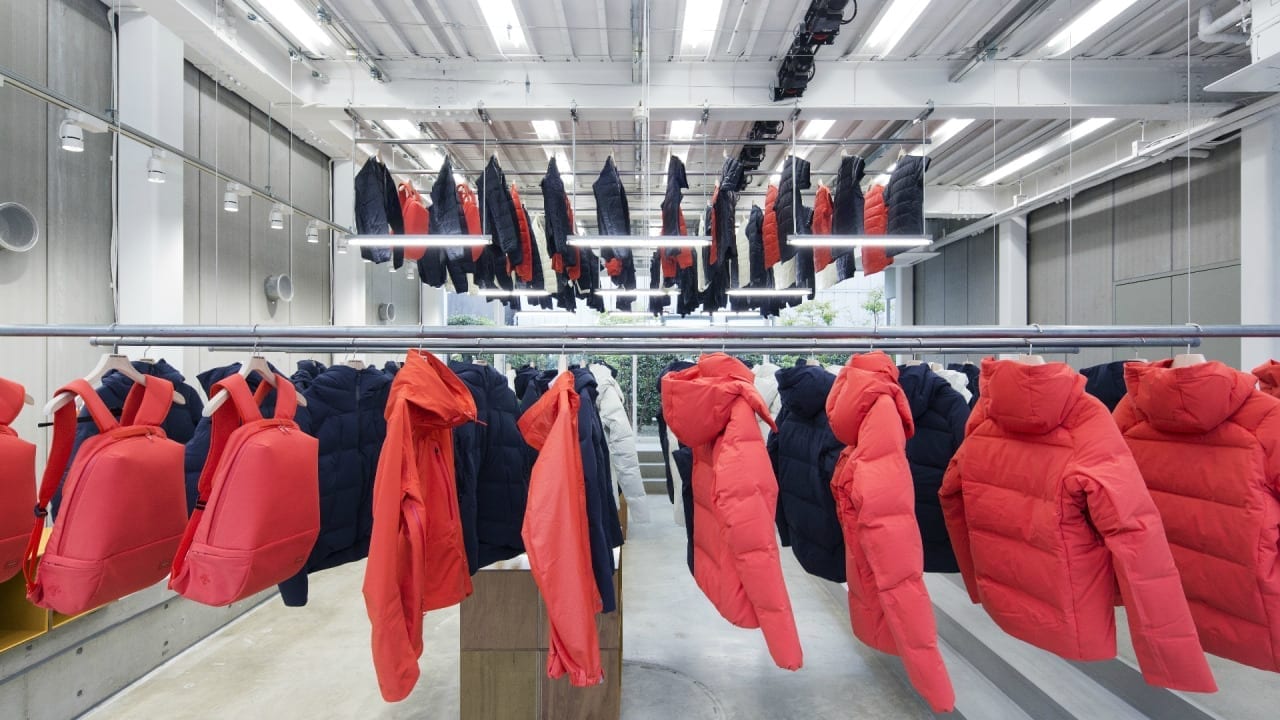
    Sportswear maker Descente China plans to open 100 retail stores under its own name before March 2019.

    Unlike the 500-odd boutique stores with swimwear and golf goods being run already in China by a foreign subsidiary of the Japanese company, the new outlets will be large shops under the Descente banner offering a wider range of products.

    Descente’s plan is to open both roadside stores and outlets in shopping malls stocked with both functional gear for sports such as golf, skiing, running and triathlons, as well as fashionable sportswear for everyday use.

    Descente has set up a joint venture with Chinese sportswear giant Anta Sports Products. Tentatively named Descente China, the JV has been capitalised at 250 million yuan ($38 million), with 60 per cent held by a subsidiary of Anta, 30 per cent by Descente and 10 per cent by the Chinese subsidiary of Japanese trading house Itochu.

    Descente and Anta will share marketing channels and collaborate in the search for store locations.

    In late August, Descente will open four or five retails stores in northeastern China, including Heilongjiang province, famous for an annual ice and snow sculpture festival. Later, Descente will open stores in major urban areas like Beijing, Shanghai, Dalian and Chongqing.

    By teaming with a local sportswear maker, Descente believes it will have an easier time fending off fakes, says company president Masatoshi Ishimoto.

    He says the company aims to double Chinese sales from last year’s figure to about 22 billion yen ($207 million).

    As well as its China expansion, the company is opening golf apparel stores in South Korea.

  • Burberry COO steps down

    Burberry COO steps down

    Burberry COO John Smith has announced his resignation from the luxury retailer.

    The UK company said in a statement that Smith will leave the business next year after seven years to “pursue new interests”.

    John-Smith-CEO-Burbery

    “With the company’s future strategies now in place, I am ready to embark on a new challenge,” Smith said.

    “Having been the CEO of a fast growing international business in the past, I am exploring a number of exciting new leadership opportunities in that arena.”

    Burberry chairman Sir John Peace said Smith, who was first a non-executive director and later COO, would be particularly remembered for his success driving digital growth and optimising the potential of Burberry’s beauty and travel businesses.

    “John has been an important contributor to the company’s success and we wish him well in the future.”

  • Critics slam Miniso for Japanese image

    Critics slam Miniso for Japanese image

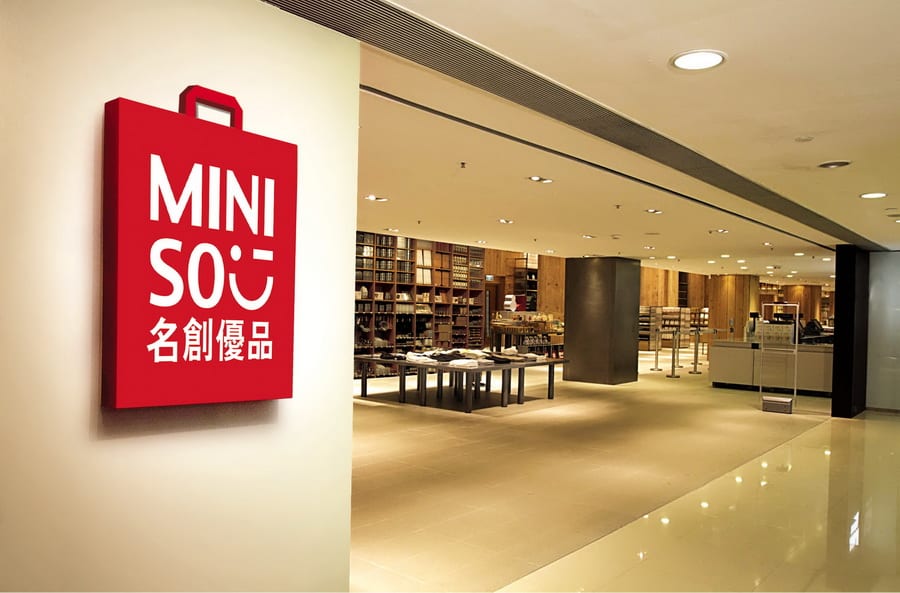
    Controversies continue to hound Miniso, a retail chain in mainland China that projects the image of a Japanese fashion brand.

    Critics have accused it of piggybacking on Japanese retail giants Daiso, Muji and Uniqlo, reports the Hong Kong Economic Journal Monthly.

    Also, the Guangzhou-based vendor of household and consumer items, which has already penetrated the Hong Kong market, has been accused by a Hong Kong designer of stealing his original design of stickers, which he says he found on smartphone cases sold in Miniso stores. But Miniso regional manager Mike Wong says there must be a misunderstanding as his company has no intention of infringing on others’ intellectual property as it can well afford the licensing fee.

    Miniso opened its first Hong Kong store in downtown Yuen Long in November 2014, expanding since into Tsuen Wan, Kwun Tong and Yau Ma Tei, boosting its network to 35 stores in less than two years. Its employee headcount is 450 and growing, with Wong aiming to double the number by the year’s end.

    By comparison, Muji and Uniqlo together have no more than 36 outlets in Hong Kong.

    A typical Miniso store is around 200 sqm and sells such goods as cosmetics, stationery, toys and kitchenware at prices as low as HK$15 (US$1.93). Most items are sourced from China.

    Sales are brisk enough that the brand needs less than eight months to recoup the initial investment, around HK$3 million, for each new store.

    Since 2013, Miniso has opened 1600 stores, with more than 1000 in mainland China and others in Hong Kong, Singapore, Taiwan, Thailand, the Philippines and the UAE. Aggregate sales will double from last year’s HK$5 billion.

    Wong, who once worked as a procurer for Swarovski, says the first time he visited a Miniso store he thought it was another brand under Muji. Now, with Miniso hiring Japanese designers and advocating a simple, low-carbon lifestyle, he says he sees no problem if customers “sometimes can’t tell us from other Japanese brands”.

    He also says that all items in its Hong Kong stores conform to intellectual property regulations. “You can’t say we are copycats.”

    However, he cannot deny the fact that customers in Hong Kong and the mainland trust a Japanese brand more than their homegrown offerings, and many find Miniso’s corporate identity misleading. Nevertheless, the group has four stores in Tokyo’s Harajuku, Ikebukuro and Shibuya districts.

  • The Philippines Set a New World Record Thanks to this Retail Brand

    The Philippines Set a New World Record Thanks to this Retail Brand

    As Swedish retail brand H&M continues to dominate the Philippine shores, it seems that they also got a prestigious award along the way.

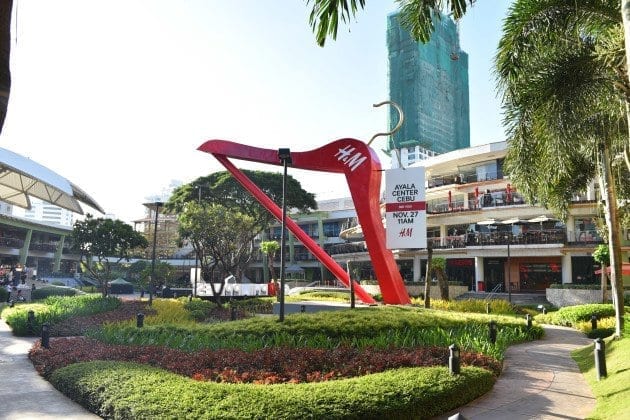
    Last year, H&M Philippines unveiled a 50 x 50 foot coat hanger in Ayala Center Cebu during the opening of their largest South East Asian branch to date. Not only was it a sight to see for local mall-goers, it also recently got the Guinness World Record for the World’s Largest Coat Hanger.

    Yes, there is such a record. I was as surprised as you. Also, I wonder how many clothes can we hang on that?

    What do you think about that? Leave your comment!

  • Niologie China receives RMB20m. boost

    Niologie China receives RMB20m. boost

    Hong Kong women’s apparel company Niologie Limited has received a capital injection of RMB20 million (US$3.034 million) for its wholly owned subsidiary Niologie China from one of China’s largest fashion brands.

    Shanghai La Chapelle Fashion gains a direct holding of 16 per cent of the shares of Niologie China through the investment co-operative agreement with its wholly owned subsidiary Shanghai La Chapelle Enterprise Management.

    Originating in Hong Kong, Niologie China’s Tanni brand is a mid- to high-end lifestyle store brand with romantic European styling encompassing women’s apparel, handbags, footwear and accessories as well as houseware products. A significant characteristic of the brand, which entered mainland China in 2010, is its floral prints, designed exclusively by a UK team.

    Shanghai La Chapelle believes the investment complies with its “product-oriented, fashionable and high-quality” brand philosophy, and will help it consolidate its leading position in China’s apparel market. Through the investment in Tanni, the group aims to enrich its mid-range to high-end product mix and accelerate the development of its multi-brand strategy, while the brand itself can leverage the group’s channels and supply-chain management capability for expansion and improved margins.

    “With the constantly changing fashion trends in apparel and the need to satisfy consumers’ requirements for a more sophisticated shopping experience, apparel retailers have to adjust their sales model in order to capture first-mover advantages and expand market share amid intense market competition,” says La Chapelle executive VP Wang Yong.

    “The Tanni brand has an independent design team, offers individualised products, stable domestic and overseas product channels, an excellent marketing system and speedy and stable logistics systems enabling a fast market response.”

    Founded in 1998, La Chapelle designs, markets and sells apparel products with a focus on mass-market women’s casualwear. Its retail network comprises 7893 outlets in about 2500 locations across China.

    Founded in 2010, Niologie China is the first women’s apparel brand chain in China to introduce European lifestyle-brand shops. The company has directly run shops in major business districts in Beijing, Nanjing, Hangzhou, Shenyang, Dalian and Harbin.