Category: Fashion

Retail News Asia is committed to providing both local and global retailers with the latest Fashion news throughout the Asian market. This on a daily base.

  • Joyalukkas inaugurates second showroom in Kuala Lumpur

    Joyalukkas inaugurates second showroom in Kuala Lumpur

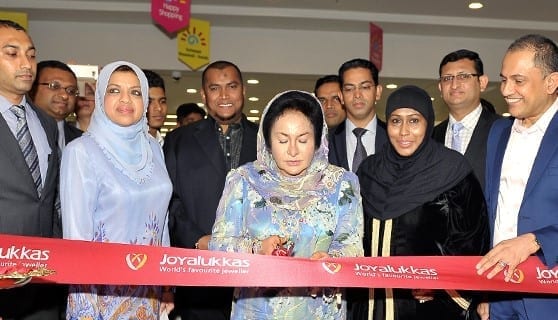
    The globally renowned jewellery retail chain  expanded its presence in the Malaysia by opening its second showroom, located in  Lulu Hypermarket, Capsquare Mall, Jalan Munshi Abdullah, Kuala Lumpur.This is  as part of their mega expansion plan for this financial year as committed rapid  expansion across. The Showroom was inaugurated by Datin Paduka Seri Rosmah  Mansor wife of YAB Dato' Sri Mohd. Najib bin Tun Haji Abdul Razak, Hon.  Prime Minister of Malaysia in the presence of Mr. John Paul Alukkas, Executive Director, Joyalukkas Group, many local dignitaries and VIP’s.

    Joyalukkas’s first foray into Malaysia was in 2014, with the opening of the biggest jewellery showroom in the country at the heart of Kuala Lumpur at Jalan Masjid India.

    “When we first arrived in Malaysia, the response from the public was simply  overwhelming. We set out to offer the best jewellery shopping experience to the  residents and they have rewarded us over and over again with their eager  patronage,” says Mr. Joy Alukkas, Chairman & MD, Joyalukkas Group.

    “We are very grateful to the wonderful people of Malaysia and look forward to  delivering more choices, better value and an even higher standard of customer  service at our second showroom,” said Mr. John Paul Alukkas, Executive Director,  Joyalukkas Group.

    Joyalukkas opened at the Lulu Hypermarket and Department Store, Capsquare, Kuala Lumpur in time for the Mega Winnings campaign, where customers get the chance to win four diamond necklaces and up to 2 KG gold till 14 August 2016.

    Joyalukkas opened at the Lulu Hypermarket and Department Store, Capsquare,  Kuala Lumpur in time for the Mega Winnings campaign, where customers get the  chance to win four diamond necklaces and up to 2 KG gold till 14 August 2016.

  • Bauhaus annual net profit down nearly 60 pct

    Bauhaus annual net profit down nearly 60 pct

    Hong Kong clothing retailer Bauhaus International (Holdings) Ltd saw its annual net profit plummet by 59.1 per cent to HK$52.9 million (US$6.6 million) for its past fiscal year, due to the plunge in the company’s earnings from the Hong Kong and Macau markets.

    According to its filing with the Hong Kong Stock Exchange last Friday, the retailer’s total turnover posted a year-on-year decrease of 5 per cent to HK$1.5 billion for the fiscal year ended March 31, compared to some HK$1.59 billion one year ago.

    “As a result of Mainland China’s uncertain economic prospects, instability of financial markets and the appreciation of the Hong Kong dollar against other Asian currencies (including the Renminbi), the consumer spending momentum obviously deteriorated during the year under review and resulted in highly volatile and discount-driven retail dynamics,” it claimed.

    For the financial year, the clothing seller generated some HK$1.03 billion from its sales in Hong Kong and Macau, which represents a year-on-year decrease of 8.8 per cent compared to HK1.13 billion one year ago.

    In addition, the company claimed that a negative same-store-sales growth rate of some 9 per cent was recorded in the two cities.

    The decreases in sales in the two cities led to a slump in the company’s profit before tax from the segment, down by 46.6 per cent year-on-year to HK$99.6 million.

    As at the end of March, Bauhaus was operating 214 self-managed outlets, including 86 stores in Hong Kong and Macau, 94 in Taiwan and 34 in Mainland China, as well as 11 franchised outlets in the country.

    The company’s turnover derived from the Mainland China market also registered a decline of 2.8 per cent year-on-year to HK$128.8 million, but turnover from Taiwan jumped by 9.2 per cent year-on-year to HK$342.2 million for the year, according to the filing.

    The retailer proposed a final dividend of HK6.0 cents per ordinary share to its shareholders, which is down by 56 per cent year-on-year compared to HK$13.5 per cents for the 2014/15 financial year.

  • Visa and TAT launch the Amazing Thailand Grand Sale 2016

    Visa and TAT launch the Amazing Thailand Grand Sale 2016

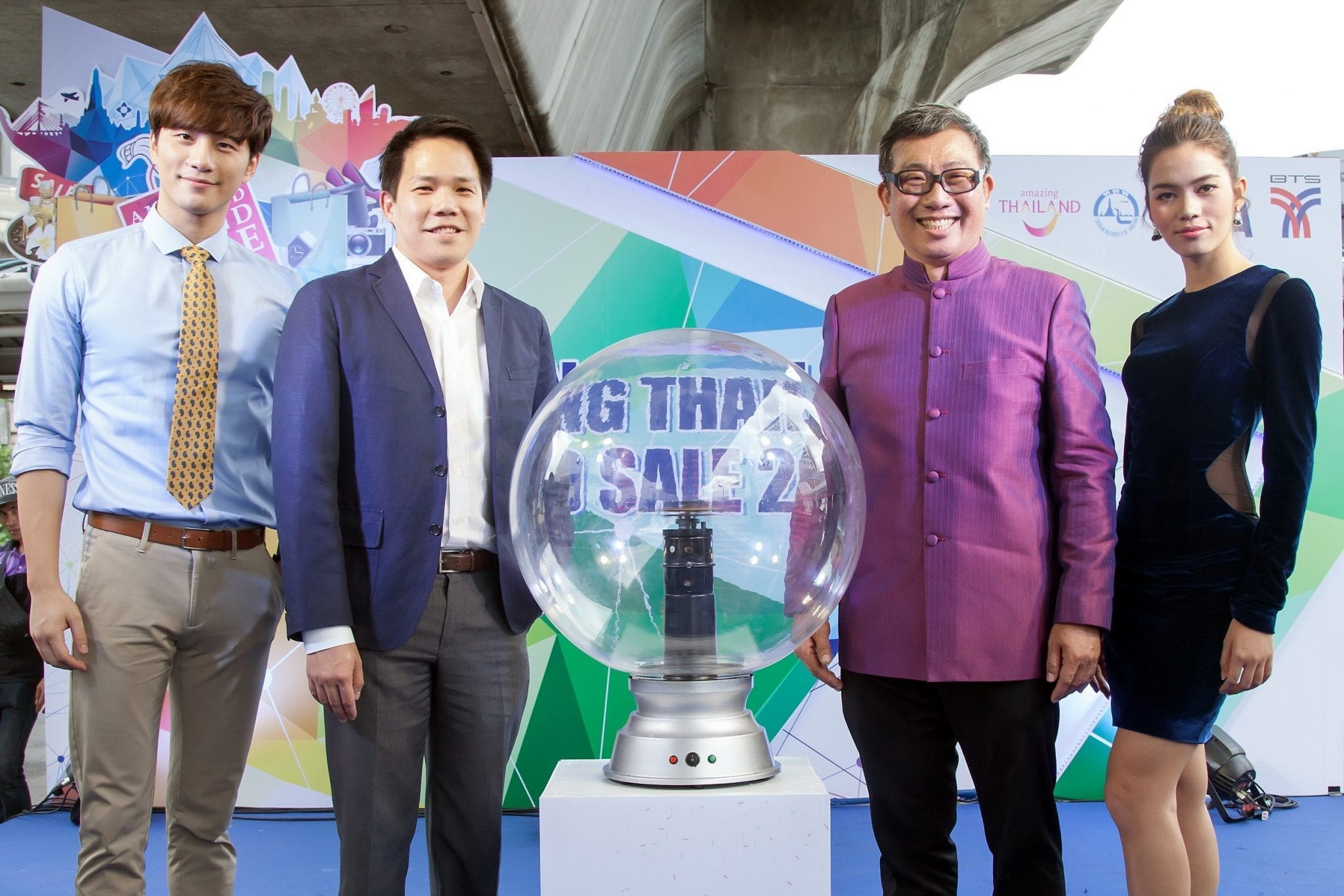
    Mr. Suripong Tantiyanon (second from left), Visa Country Manager, Thailand and Mr. Wiboon Nimitrwanich (second from right), Executive Director, Tourism Investment Department, Tourism Authority of Thailand presided over the launch of the Amazing Thailand Grand Sale 2016 campaign. More than 15,000 shops in 110 department stores and shopping centres in seven major tourist destinations of Bangkok, Pattaya, Chiang Mai, Phuket, Hat Yai, Hua Hin and Udon Thani participating in the campaign which starts today and ends on 31 August 2016. Visa cardholders get special privileges on top of the program.

    For every 500 Baht spent with their Visa cards during the campaign period, shoppers get two tickets to enter “The Travel 365 Days in Thailand” lucky draw. The grand prize includes two sets of flight tickets and accommodation, one for international traveler and another for Thai shopper. Winners can travel with a friend to any Thai airways domestic destinations and stay at any Centara Hotels & Resorts property throughout the year and up to ten days per visit. The campaign is back for its 18th successful year. Terms and conditions apply.

  • DFS City of Dreams Macau : Look Inside

    DFS City of Dreams Macau : Look Inside

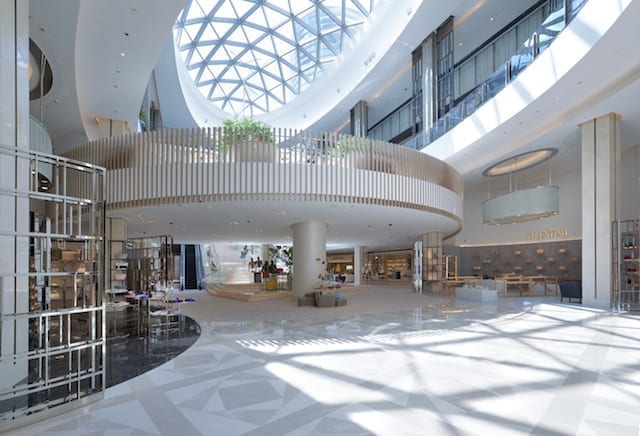
    An expansion of Macau’s DFS City of Dreams retail area has been launched, offering a lifestyle luxury shopping experience in the heart of the Cotai Strip.

    Three times larger than the former retail space, it was unveiled by gaming and entertainment group Melco Crown Entertainment and luxury travel retailer DFS Group. The area is being run by T Galleria by DFS.

    Styled like an edgy department store, the space uses elements of glass, marble and steel combined with warm wood accents, designed to be both dramatic and intimate. The space links dining areas, casinos, retail stores, entertainment attractions and hotels.

    Melco Crown Entertainment chairman/CEO Lawrence Ho says the group’s flagship property beings many firsts to Macau. “It features the largest collection of luxury brands in Cotai and creates an exciting luxury shopping scene for all aspirational, sophisticated and cosmopolitan leisure seekers in the region.”

    DFS Macau


    DFS Group chairman/CEO Philippe Schaus says Macau continues to be an important destination for its customers, “which is why we are thrilled to unveil a retail concept that is a first for DFS in terms of its scale, audacity and innovation”.

    Curated selection

    He says it is a first for Macau in terms of providing a curated and modern product selection across the major luxury categories. “T Galleria by DFS, City of Dreams will combine the breadth of a luxury shopping mall with the personalised service of a high-end department store.”

    Opening in phases from now until December, City of Dreams’ T Galleria by DFS will have the largest collection of luxury brands in Cotai, including beauty products and fragrances, fashion and accessories, and watches and jewellery brands.

    It will also introduce exclusive T Galleria signature customer services, including the first-ever shoe salon as well as a multi-brand lifestyle shopping area dedicated to men’s fashion and grooming.

    DFS Macau. 1

    Offering more than 50 men’s and women’s shoe brands across two floors, highlighted by exclusive-to-Macau brands such as Aquazzura and Rupert Sanderson, the shoe salon will be the largest in Hong Kong and Macau.

    The expanded beauty and fragrance section opens this month. When fully expanded, the 23,000 sqft (2136.7 sqm) space will comprise two wings and feature nearly 70 brands, making it the largest beauty hall in southern China. It will include Korean brands Hera, Laneige and Sulwhasoo.

    A first for men

    Also opening his month are 31 fashion and accessories brand outlets, including Dior, Fendi, Louis Vuitton, Miu Miu and Prada. And for male customers, for the first time at any T Galleria by DFS store there will be a multi-branded, lifestyle area that mixes ready-to-wear, accessories, shoes, watches and grooming all in one space.

    By the end of this year, the phased opening will culminate in a significantly wider jewellery offering, bringing key luxury brands Tiffany & Co. and Van Cleef & Arpels to City of Dreams, as well as new watch boutiques from Audemars Piguet and Vacheron Constantin.

    Dining outlets will also be integrated into the environment.

    DFS Macau. 2

    Developed by Melco Crown Entertainment, City of Dreams is an integrated resort that brings together a collection of brands including Crown, Dragone, Grand Hyatt and Hard Rock, with more than 20 restaurants and bars, the world’s largest water-based extravaganza in the Dancing Water Theater, and accommodation options.

    The mall extension follows a new package of social and economic policies for the city, released under the Macau government’s Five-Year Development Plan. By 2020, the government wants to see non-gaming income account on average for at least 9 per cent of all revenue generated by casinos, compared to an estimated 6.6 per cent in 2014.

  • Siam Center Unleashed the Creativity in  “Siam Center Art Traction” Art Exhibition

    Siam Center Unleashed the Creativity in “Siam Center Art Traction” Art Exhibition

    Siam Center, the Ideopolis, sparks the creative ideas in “Siam Center Art Traction”, on the 1st and 2nd floor of Siam Center until July 2016. The exhibition displays a wide range of well-selected art pieces by several artists from various fields of art, such as world-renowned Malaysian artists Jun Ong, well-known Thai artists like Jitsing Somboon, Anon Pairot and Rukkit Kuanhawate, and young artists from four leading universities in Thailand. Last but not least, the art lovers will meet Mr. P Water, the art installation by Propaganda.

    Chanisa Kaewruen, Senior Deputy Managing Director for Marketing Events and Business Relations, Siam Piwat Co., Ltd., revealed that Siam Center has played the leading role as the center of arts, fashion, technology and lifestyle. It always seeks for the world-class work of art to inspire people. Now, Siam Center is hosting Siam Center Art Traction between June and July 2016 to display the masterpieces of famous artists in different fields. The exhibition starts with Jun Ong and his PLASTIC PARTITIONS, using mixed art to serve as the board of idea. It displays questions and let the visitors give comments by pressing the button on LED screen, which projects the different levels of brightness. When the visitor presses the button three times, the blinking light will appear. It means the visitor absolutely agrees with the question. If pressed twice, the button will show the still light, which means the visitor simply agrees. If pressed once, the button will project the dim light, which represents the visitor’s disagreement.

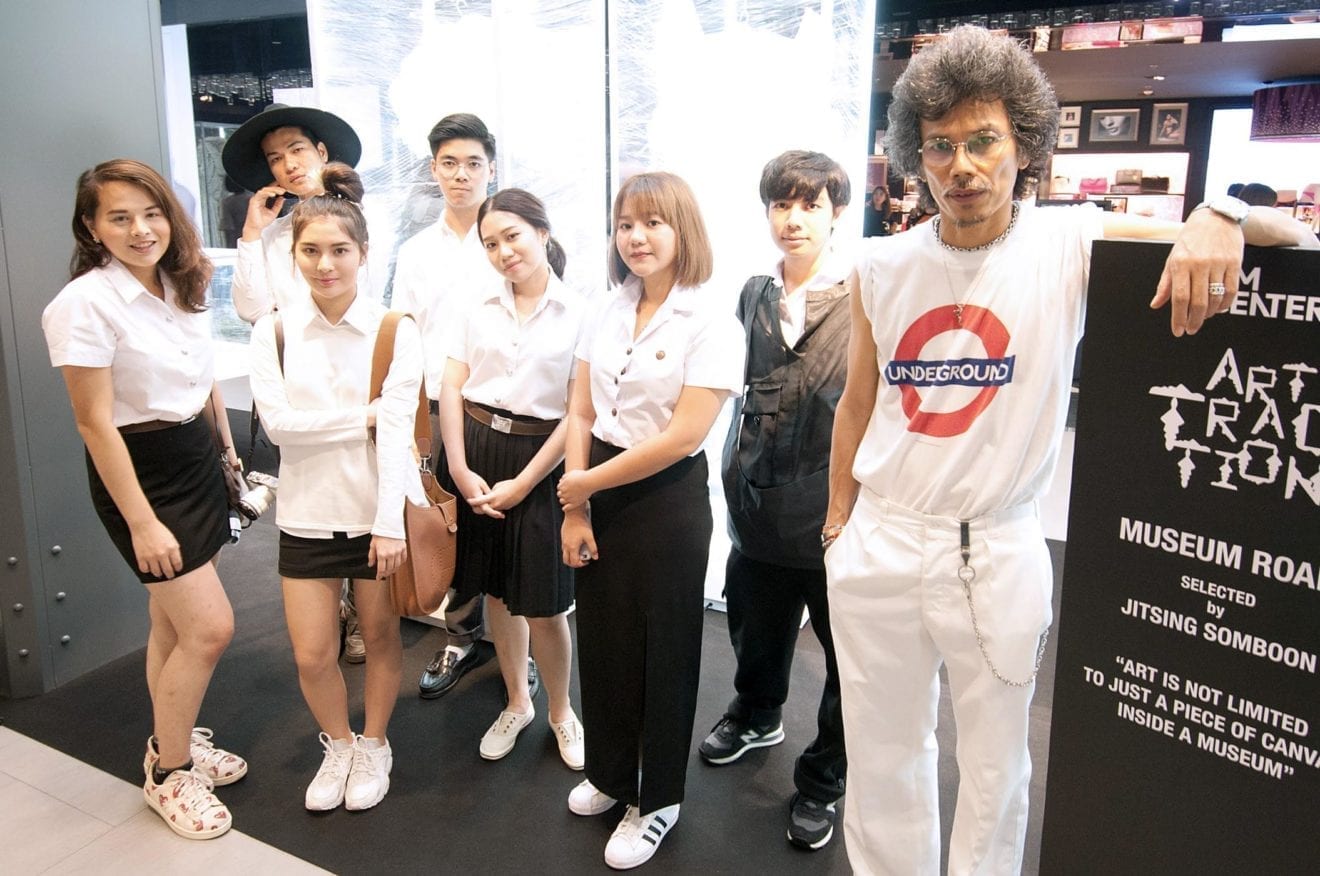
    11. Artpiece from Museum road selected by Jitsing Somboon

    Two more exhibitions are held to promote the talent of students from the leading universities. First, Jewelry Degree Showcase by Silpakorn University displays the theses of senior students of Jewelry Design Department, Faculty of Decorative Arts, Silpakorn University. Moreover, the art workshops are weekly conducted on cold enamel, wire bending, drawing, gold leaf covering, knitting, crochet, stamping letters on metal plate and making wool accessories respectively. This exhibition will take place until July 31, 2016, at the area connected to BTS on the 2nd floor of Siam Center. Live Design Functional Art Project by Silpakorn University exhibits the theses of the senior students of Applied Art Study, Faculty of Decorative Arts, Silpakorn University, between June 23 and July 31, 2016, on the 1st floor of Siam Center.

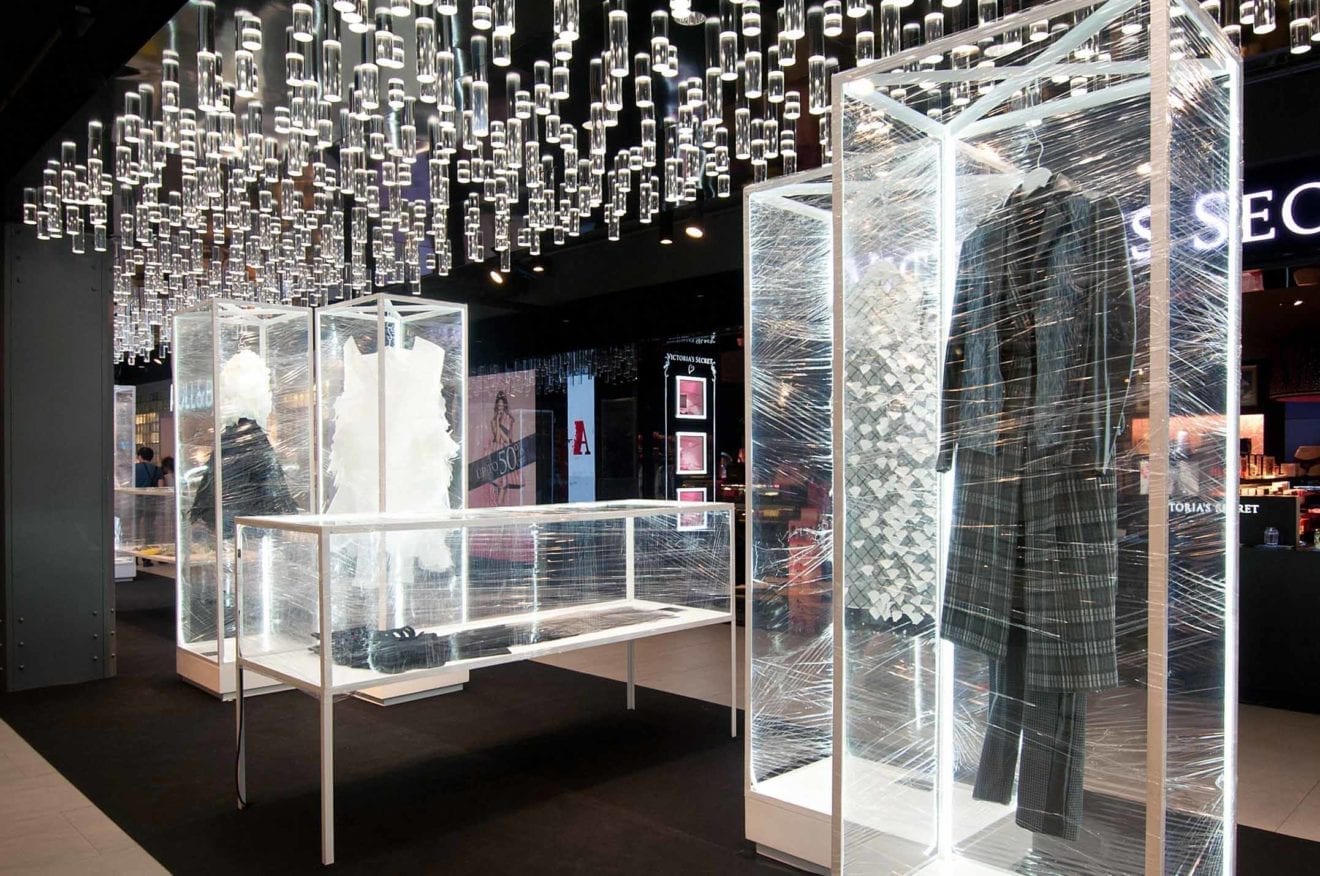
    Another must-visit exhibition is “Museum road selected by Jitsing Somboon”, which takes place until July 31, 2016, on the 1st floor of Siam Center. Jitsing Somboon, Creative Consultant of Greyhound, selected these impressive items from the fashion theses of senior students from four leading universities, namely Silpakorn University, Srinakharinwirot University, Rangsit University and Bangkok University. He admired the distinctiveness of these exhibits because they combined both old and new techniques. For the materials, some students selected the forgotten materials while others used new and bold materials to inspire the visitors. Therefore, the fashion items in this showcase were something beyond clothing. They were art objects displayed in one-sided glass cabinet covered with wrinkled plastic. He got this inspiration while taking a tour in museums and browsing through art pieces. That’s why he would like to reflect the value of the students’ work and their effort in an easily accessible way.

    In addition, Siam Center presents Art Installation by Rukkit Kuanhawate on the 1st floor of Siam Center and Donate It Forward by Anon Pairot, together with his partners, to encourage everyone in the society to do the good deeds. Moreover, the famous Mr. P by Propaganda comes back with his new look called Mr. P Water as an eye-catching art installation that welcomes everyone at Parc Paragon.

  • Sa Sa stores shrink

    Sa Sa stores shrink

    New Sa Sa stores are set to open in train stations and near the Mainland China border as the beauty retailer adapts to the changing demographic of Hong Kong shoppers.

    During a press conference discussing the group’s results last week,  Sa Sa chairman Simon Kwok Siu-ming said in light of the evolving trading environment, the company recognised the need to adjust its store strategy.

    Larger stores in traditional tourism destinations would be closed over time, replaced in the network with new stores in the New Territories giving Mainland Chinese daytrippers easier access to its range of products.

    At the same time, the company will develop new stores with smaller, compact footprints located in residential shopping centres and train stations, to serve younger, local customers and commuters. These stores will have a footprint of less than 1000 sqft (93 sqm) and stock  the top 20 per cent selling lines of large format stores, with a skew towards increasingly-popular Korean and Taiwanese brands.

    Kwok said rents in high-profile tourist locations are so high, closing one store there would save enough to open “five to six stores in the New Territories”.

    Sa Sa plans to seek rent reductions of between 40 and 50 per cent when renegotiating terms of leases for 22 stores which are due for renewal this year.

    The retailer currently operates 291 stores in Hong Kong, Mainland China, Singapore, Taiwan and Malaysia.

    Last week, Sa Sa reported a 12.8 per cent drop in turnover for its latest fiscal year to March, sliding to HK$7.85 billion (US$1011.4 million).

  • Sungjoo Group seeks to make MCM ‘new school luxury’ brand

    Sungjoo Group seeks to make MCM ‘new school luxury’ brand

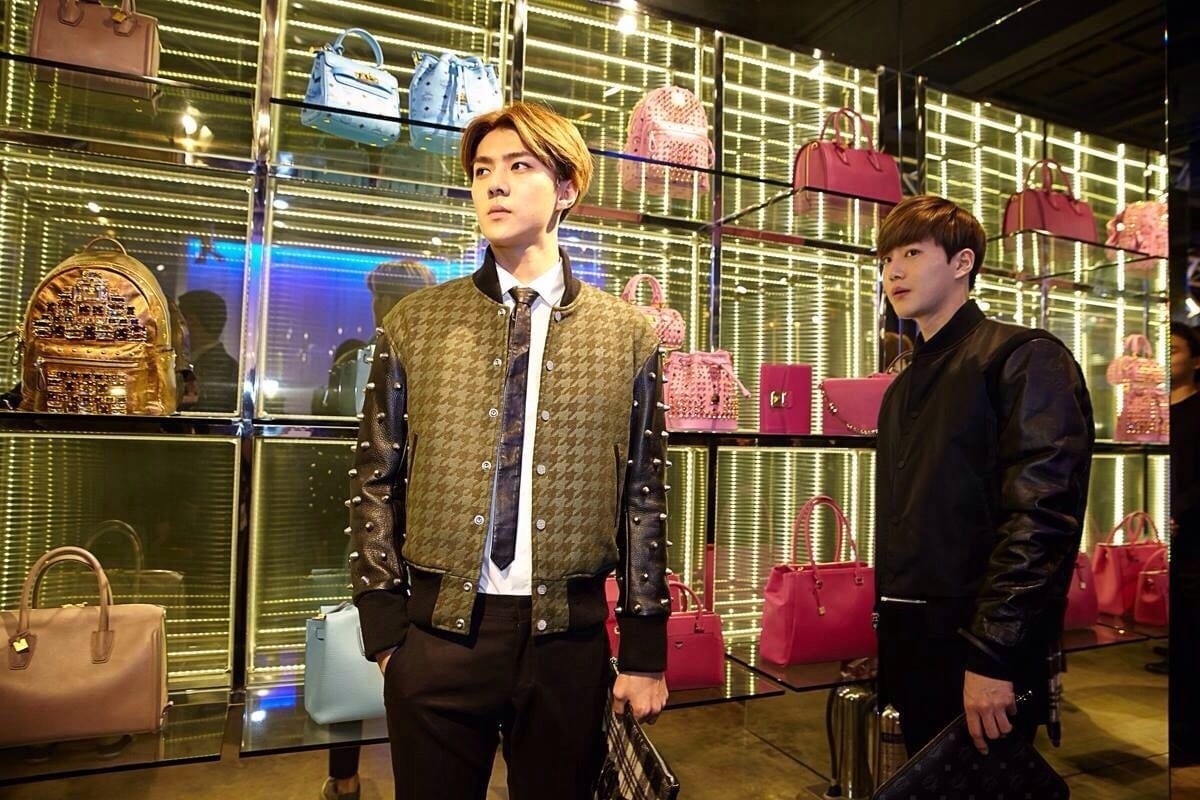
    South Korean fashion giant Sungjoo Corp., which owns and runs German luxury bag brand MCM, on Friday said it will adopt the latest technology to create an innovative fashion code and lead the new luxury trend.

    “We will combine technology and fashion to create the new framework in the luxury market,” Sungjoo Group said in the newly published book, titled “The Story of Sungjoo.”

    Sungjoo Group is a fashion retail group that operates franchise stores for leading British retail group Marks & Spencer, Yves Saint Laurent and Gucci in South Korea. It acquired Germany luxury leather goods brand MCM in 2005.

    “We will make MCM the ‘new school luxury’ that caters to various lifestyles and brings changes, not just making luxury products appealing to a small number of affluent customers,” it said.

    As part of efforts, MCM will present “wearable luxury” by collaborating with mobile devices and offer product information on smartphone applications.

    Celebrating the 25th anniversary of its foundation this year, Sungjoo Corp. said it aims to increase the number of MCM stores to 700 across the world and generate 2 trillion won (US$1.7 billion) in sales by 2020.

    When Kim Sung-joo first founded Sunjoo Group as a rare female entrepreneur of the country at the time, few would have expected the small firm could join the world’s top 50 fashion groups.

    Born into a prosperous family in South Korea in 1956, the youngest of six children is in all senses a maverick in her own family and the nation’s male-dominated business circle.

    Her father is Kim Soo-keon, the founder of Daesung Industrial Corp., a Korean conglomerate whose businesses range from energy and auto parts to oil and industrial gas.

    Graduating from Yonsei University, Kim defied her father’s demands not to enter business, and instead, went abroad to study at Amherst College in Massachusetts and the London School of Economics.

    Then while continuing her studies at Harvard University, she met a Canadian classmate and married him. Her furious parents disowned her, and she had to drop out of school and work at Bloomingdales in New York to support herself.

    After her apprenticeships in the luxury American department store, she came back to Korea and founded her own fashion business in 1991.

    As she couldn’t get any financial support from her father, Kim had to start her own business from scratch in a small office in Seoul.

    Witnessing changing consumption trends in South Korea in the 1990s, Kim believed that importing foreign luxury brands to the local market could be a good business venture and won franchise rights for British retail group Marks & Spencer, Yves Saint Laurent and Gucci. In years, Korea became the world’s fifth-largest market for Gucci.

    But the company had to streamline its business in the aftermath of the 1997 Asian financial crisis, which made royalty fees skyrocket and put icy water on consumer sentiment.

    After managing to stay afloat during the tough years, Sungjoo Corp., which had the licensing rights of German craft handbag maker MCM, decided to take over the then-struggling company in 2005.

    Under Kim’s leadership, Sungjoo Corp. resuscitated MCM’s slumping business with a series of innovative products and new way of marketing strategies targeting younger customers.

    Breaking the prejudice that practical backpacks can’t be part of luxury, MCM released unisex backpacks and big bags that have space for laptops. They turned out to be a big hit among younger customers and became signature items for the brand.

    Kim also started to open flagship stores in Europe, the United States and Asia, rapidly expanding the number of stores in China. Now, MCM sells in 30 nations, and China is one of its biggest markets.

    The spirited female entrepreneur, who always sticks to a signature short cut, bold eye makeup and red lipstick, has built her wealth from scratch, but monetary success is not her ultimate goal.

    The dedicated Christian always stresses that her employees “succeed to serve, not serve to succeed,” the book quoted her saying, presenting the 60-year-old CEO’s thick, wrinkled hands as a gesture of her support on the last page.
  • Sa Sa’s Stock May Fall 50%

    Sa Sa’s Stock May Fall 50%

    Shares of Sa Sa International are up 27% in the past month as Chinese tourist arrivals to Hong Kong showed signs of a recovery – but it may not yet be time to put the marked down cosmetics retailer in the shopping basket.

    Once a market darling, Sa Sa has sagged 70% from its peak in September 2013 as rising online competition and a fall in the number of mainland Chinese shoppers visiting its ubiquitous neon pink stores squeezed sales. Slumping sentiment and spending among Hong Kong consumers hasn’t helped. The cosmetics retailer released its full year results on Thursday and it wasn’t pretty: earnings plummeted 54% year-on-year as revenues slipped and margins were squeezed. However, there is stirring interest in Sa Sa as a recovery play as the slump in Chinese visitors appears to be waning, while investors also get paid to wait for a turnaround given the juicy 8% yield. But the stock may have rallied too hard, too fast as a recovery in mainland visitors – if it happens – doesn’t necessarily mean fuller tills at stores, while pressures on margins abound.

    Sa Sa’s yearly revenues suffered their first decline since its public listing in 1997. The retailer reported a 12.8% fall to HKD9 billion as same store sales in Hong Kong and Macau, which account for around 80% of revenues, fell 11.8%. While the volume of transactions decreased around 4%, a 10% fall in the average value of each transaction hurt the top line. Mainland tourists made around 8% fewer transactions and on average spent 11% less on each transaction. The weaker spending by mainland shoppers reflects the growing number of tourists from smaller cities who have lower disposable incomes. Additionally, restrictions limiting Shenzhen residents to only one visit to Hong Kong a week have shrunk the number of day trippers who account for the bulk of Sa Sa’s mainland clientele.

    But it’s not just mainland tourists who are weighing on Sa Sa’s top line: local shoppers, who account for around 48% of transactions, are also spending less amid Hong Kong’s weak economy. Consumer confidence is at its lowest level since 2013, while retail sales tumbled nearly 8% year-on-year in April after reporting the steepest plunge since 1999 in February. A weak finance sector and falling property prices threaten to further depress consumer sentiment spending. Transaction volumes for local shoppers slipped roughly 1% for Sa Sa last year, while average spending decreased just over 3%.

    Morgan Stanley analyst Edward Lui expects near term trends “to stay challenging” for Hong Kong retailers and expects Sa Sa to record a double digit decline in same store sales this year. The analyst said Sa Sa, as well as jeweler Chow Tai Fook, have the “greatest de-rating and earnings risks.” Lui has an underweight rating on Sa Sa with a HKD1.40 a share target price, which is 51% below the stock’s current level of HKD2.85 a share. Sa Sa shares also aren’t cheap: they trade at 19 times forward earnings, which is above a five-year average of 17 times and compares to 14 times for fast food chain Fairwood Holdings, which is geared to benefit from a weak economy.

    Competition between Sa Sa and rivals like Bonjour Holdings has also intensified. More aggressive promotions and discounts lowered Sa Sa’s net profit margin to roughly 7% last year from around 12% the prior year. Staffing costs as a share of sales also increased as the company forked out more remuneration to retain staff. Macquarie analyst Linda Huang is concerned about the outlook for profits as “margins will likely be under pressure” due to high rent, labor costs and promotional spending. Huang has an underperform rating on Sa Sa with an HKD1.80 a share target price. A weak Hong Kong property market could lower rent for the retailer, argues Core Pacific-Yamaichi analyst Kevin Tam. Tam – who is the lone analyst with a buy rating on Sa Sa – expects an 11% decline in rent this year to be a major earnings driver. However, Sa Sa management has indicated savings on leases would show up in total rent costs only over “an extended time of several financial years.”

    While Sa Sa has diversified away from Hong Kong and Macau with stores in Southeast Asia and mainland China, its Malaysia business was the only bright spot last year. Sa Sa has also hedged itself against the squeeze of ecommerce on brick and mortar retailers with its sasa.com portal but growth has been disappointing compared to dedicated online retailers such as Vipshop.

  • RIP Ensogo Asia shuts down sites

    RIP Ensogo Asia shuts down sites

    Ensogo Asia has closed down all of its online stores as the online retailer appears on the brink of collapse.

    Following the resignation of its co-founder Kris Marszalek, the Singapore-based tech company said it will cut its financial support to its sales and marketplace business units in Indonesia, Thailand, Hong Kong and the Philippines.

    “These business units will be shut down. All staff have been informed and communications will be made to customers in the coming days,” the company said in a statement.

    Australian internet entrepreneur Patrick Grove founded Ensogo, formerly iBuy. Grove also established the online businesses iProperty and iCar under Catcha Group.

    Recently the company reported growth averaging more than 100 per cent in the first quarter, after the launch of a cross-border marketplace business in January. It said the number of suppliers had skyrocketed from 3141 in the fourth quarter of 2015 to 13,599 in the first quarter of 2016. The first three months saw US$8.2 million in gross merchandise value.

    As of the end of March 2016, however, Ensogo reported A$22.6 million (about US$17 million) in receipts from customers, while total cash was only A$17.6 million, a 64 per cent decline from A$29 million by the end of last year. Earlier this year the company, which is headquartered in Singapore and listed in Australia, laid off employees.

  • Eslite Spectrum to continue China expansion

    Eslite Spectrum to continue China expansion

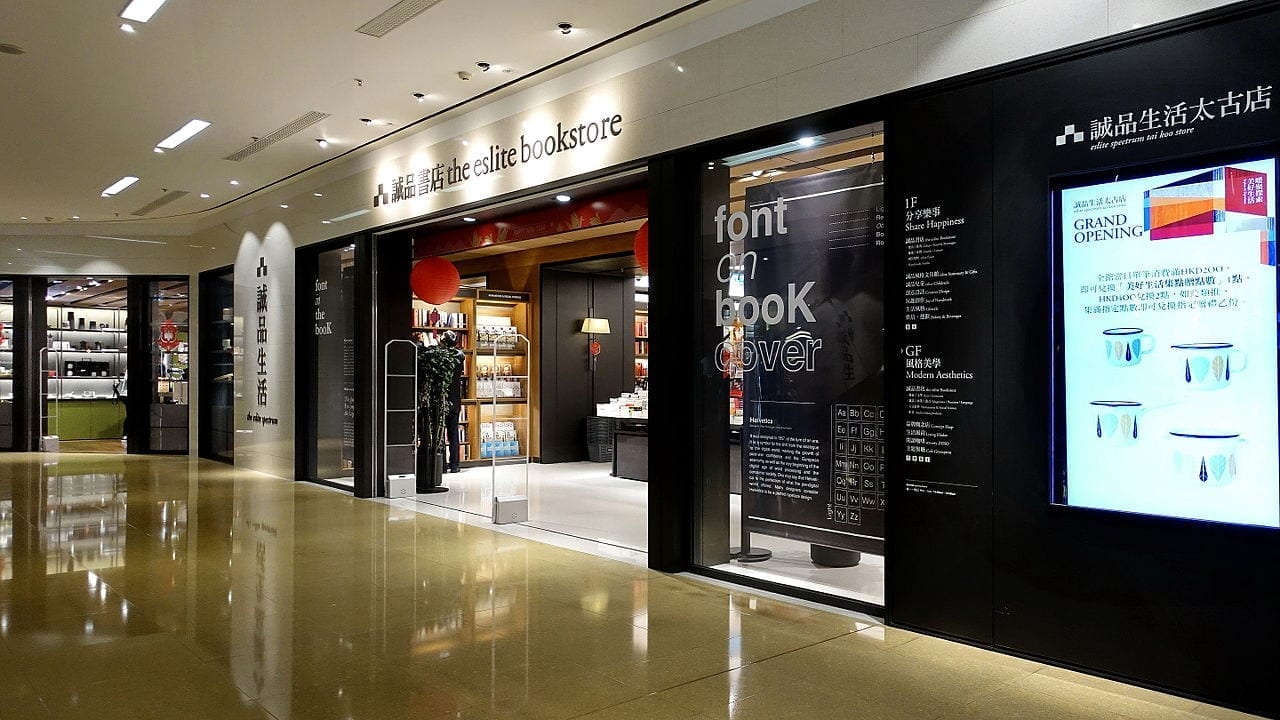
    Taiwan’s Eslite Spectrum, which runs bookstores, shopping malls and restaurants, plans to continue adding stores in the greater China market.

    President Wu Wen Chieh told the group’s annual meeting that after extending its reach into Hong Kong in 2012, the company had transformed into a cultural creative brand.

    Wu said the company has 46 outlets in Taiwan, Hong Kong and China through teaming up with cultural creative brands, and plans to enter Shanghai by opening a store this year. Its first China outlet launched in Suzhou in November. Another store is planned for Shenzhen in 2018.

    Eslite has three stores in Hong Kong, and Wu said that the company is studying the feasibility of opening more stores there.

    However, Eslite has closed two stores in Taipei and will shut down two others. Wu said the company is determined to open new stores in Taiwan this year.

    Chairman Wu Ching-yu told shareholders that the company has set its sights beyond the greater China market, with the aim of opening stores in Japan and the US.

    He said two property developers in Japan have made contact with Eslite, but Eslite will expand at a stable pace globally.

    Eslite last year posted NT$3.82 billion (US$118 million) in sales, up 9 per cent from a year earlier, and raked in NT$412 million in net profit, up 11.6 per cent.

  • Uniqlo US quietly closing stores

    Uniqlo US quietly closing stores

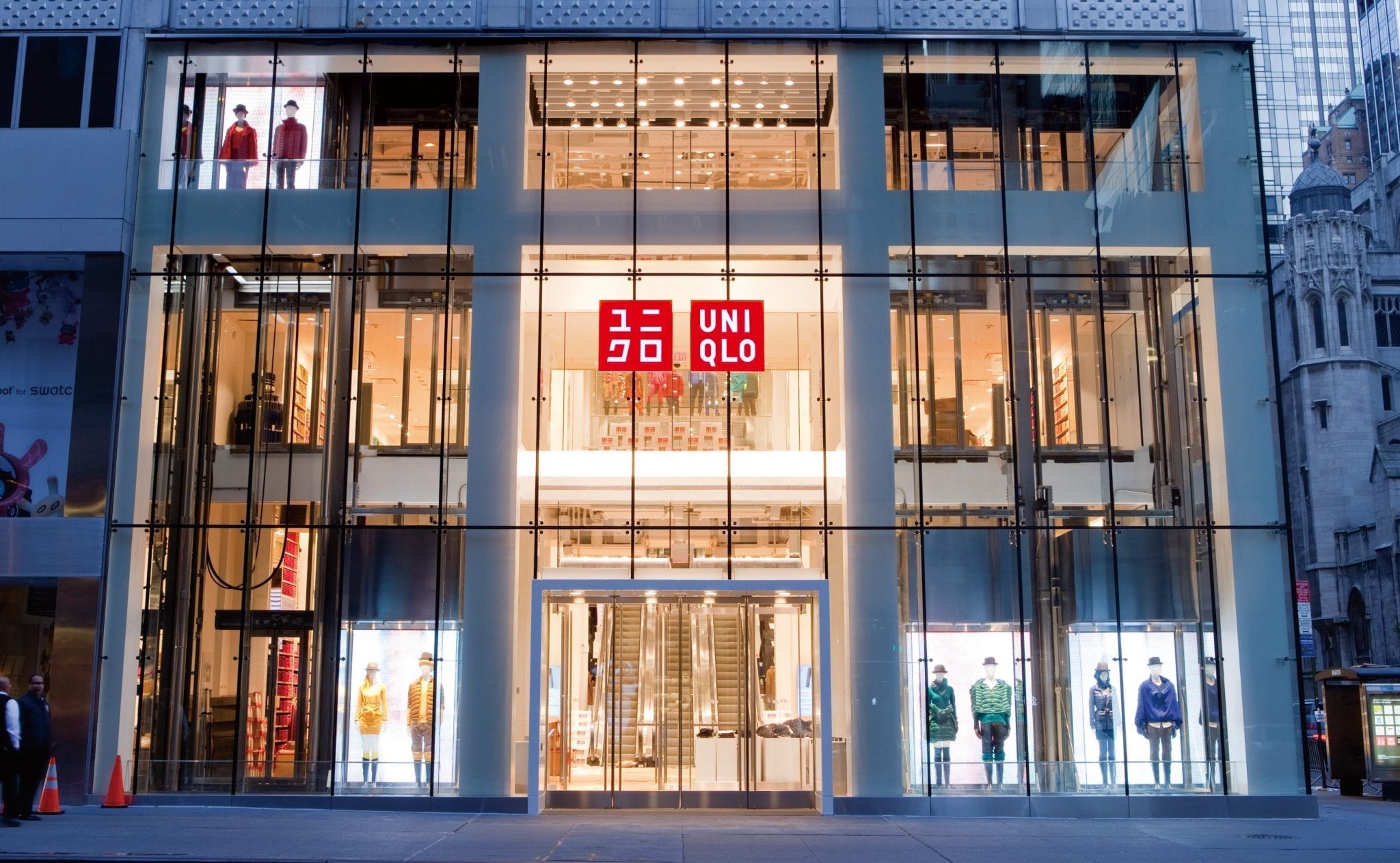
    Tokyo-based fast-fashion brand Uniqlo US, a 1700-store global chain with 43 US outlets, has been retrenching amid slowing sales.

    It has quietly closed five stores in the US since January, all in suburban shopping malls.

    “The US is very important to the company,” says spokesman Aldo Liguori. “We are focussing on large cities where we can open large stores.”

    As well as urban markets, Uniqlo is beefing up its customer service, says Liguori.

    Chief executive Tadashi Yanai last year said brand penetration in big cities such as New York, San Francisco and Chicago was good, “but not in the suburbs”.

    Owned by Fast Retailing, which has seven clothing brands, Uniqlo said last year that it would be scaling back its US expansion after opening 17 stores in 2014. It opened four stores last year, and has announced that three stores will be opened this year.

    Meanwhile, the brand may face competition from Irish-based discounter Primark, which is expanding in the US.

  • Pacifica Group plans $11m. expansion

    Pacifica Group plans $11m. expansion

    Thai importer and distributor of 14 fashion brands Pacifica Group plans to expand its free-standing shops from 80 to 140 over three years.

    Costing about Bt400 million (US$11.3 million), the store expansion will be 60 to 70 per cent mass-market fashion brands, with the balance luxury products, says chief executive Opra Lavichant.

    Pacifica’s fashion brands include American Eagle Outfitters, Camper, Coach, Keds and Max Mara.

    “Earlier this year we reshuffled our operations within the group with the buy-out of all minority shares in our subsidiary Pacifica Element, which is in charge of the import and distribution of premium fashion products,” says Lavichant. “The move will allow me and my family 100 per cent control over all subsidiaries.”

    Other subsidiaries include Go Retail, Pacifica Lifestyle and Pacifica Max.

    Lavichant says the reshuffle will also help the company cope with the fluctuating economic situation and the growth of the competitive lifestyle fashion sector.

    “We will focus on store expansion and our imported mass fashion brands because of their tremendous opportunity for growth in the domestic market, both in Bangkok and many first and secondary provinces throughout the country.”

    The group is also looking to expand outside Thailand, he says.

    Under its new three-year business plan, the group aims to increase its sales by 25 to 30 per cent every year, says Lavichant. It also expects its overall revenue to grow from Bt1 billion last year to Bt1.4 billion this year.

    “We expect to double the business for our mass-market fashion brands both in sales and the number of physical stores within the next three years. However, the sales of our luxury and premium products will increase by between 15 and 20 per cent every year.”

    To help growth in the mass-market segment, the company plans to expand its American Eagle Outfitters branches from five stores to between 15 and 20 over the next three years. The latest outlet has just opened at Fashion Island shopping centre in Bangkok, and another will open at Terminal 21 at the end of this year. The plan includes new stores at major tourist destinations such as Chiang Mai and Phuket.

    As well, the group will increase the number of stores selling NYX cosmetics, one of its fastest-growing brands, from 16 to 28 by the end of next year.

  • Strong growth for Mulberry

    Strong growth for Mulberry

    British fashion retailer Mulberry has reported a strong set of results as it takes more direct control of its Asian distribution.

    With 2015/16 being the first full year with CEO Thierry Andretta and Creative Director Johnny Coca in charge, the results are a crucial indicator of the efficacy of their strategy. Thankfully, they did not disappoint, as the brand unveiled strong sales growth across both its UK and international divisions – though UK results are inflated due to weak comparatives. Retail sales led the way, with UK retail sales up 9 per cent to £97.4 million and international retail sales up 3 per cent to £21.3 million. Wholesale sales were down 4.1 per cent as Mulberry takes action to rationalise its wholesale distribution network in Asia – a positive step towards taking better control of its brand in the region.

    Digital sales were strong, boosted by a newly-upgraded website and improved fulfilment operations, following investment in its UK factories, but there is much more potential for growth especially as Mulberry plans to extend its digital offer into key international markets through local language websites and local fulfilment over the next few years.

    The brand’s overall strategy of limited but well-considered store openings and a strong focus on refining its multichannel experience is a wise one, and will allow the brand to better engage with its core customers and grow international sales.

    Mulberry reiterated its promise of sticking to its core £500-£995 price bracket in handbags, and alongside Johnny Coca’s continued efforts to modernise the brand while respecting its heritage, Mulberry is on its way to regaining its trademark ‘classic but cool’ credentials – essential for recruiting new shoppers as well as retaining loyalty among core customers.

  • Marquee Brands takes Ben Sherman to China

    Marquee Brands takes Ben Sherman to China

    A year after acquiring Ben Sherman, Marquee Brands has signed an agreement to have the British menswear brand distributed in China, Hong Kong, Macau and Taiwan.

    Its partnership with MRH SpaRotica Groupe encompasses both offline and online distribution, manufacturing and also the launch of a series of mono-branded Ben Sherman retail locations. Five shops will launch this year with at least 30 more planned. The first will be in Shanghai, opening by August, followed by Jiangsu, Hubei, Hunan and Sichuan.

    “Ben Sherman’s 50-plus years of British style and culture demonstrate the brand’s ability to stand the test of time,” says MRH president and CEO Richard Kisembo. “Our partnership with Marquee Brands is inspired by Ben Sherman’s iconoclast status among heritage brands. Heritage and culture continue to be a motivating factor in brands that have the ability to move generations at retail, a key factor to success in China.”

    Marquee Brands president Michael DeVirgilio says the demand for Ben Sherman is high in China where young consumers have become more global and sophisticated.

  • Father’s Day call for men’s health service

    Father’s Day call for men’s health service

    A legislator has called on the government to set up a men’s health-care service that combines physical and psychological treatment to help middle-aged men with sexual health problems.

    Civic Party lawmaker Kwok Ka-ki, a urology doctor, made the call on Father’s Day.

    Many men aged 30 or above are faced with diseases of the reproductive system, including erectile dysfunction and benign prostatic hyperplasia, Kwok said.

    He noted that there used to be a male health department in Kwong Wah Hospital, a public hospital in Yau Ma Tei, during the 1990s, but the services were withdrawn due to a lack of resources.

    Health-care centers for men are run by the nonprofit Family Planning Association of Hong Kong in Tsuen Wan, Wan Chai and Ma Tau Chung.

    “The male health services provided by the Family Planning Association of Hong Kong are not cheap. A tablet to treat erectile dysfunction could cost up to HK$100. Grassroots citizens may not be able to afford it,” Kwok said.

    While Kwok urged the Hospital Authority to set up male health centers, he also advised the government to integrate counselling services into the men’s health-care services.

    “Most cases of sexual dysfunction in men are caused by psychological problems, such as stress from work and family, and can be treated with sex therapy,” he said.

    Kwok said health clinics with sex therapy services are very common in Europe and America.

    “When men go to see urology doctors in Hong Kong, they can only get assistance on their physical health, but not on their sexual or marriage problems.”

    Kwok suggested the government set up combined clinics, offering, for example, one-stop urology diagnostic services and sex therapies for men.

    Meanwhile, people celebrated the hottest Father’s Day yesterday in 55 years inside air-conditioned malls shopping, boosting retail store sales.

    The Hong Kong Observatory issued the very hot weather warning at around 7am. It recorded a temperature of 34.2 degrees Celsius at around 2pm, making yesterday the hottest Father’s Day since 1961.

    A salesman at electrical goods chainstore Fortress in Tai Koo Shing said the sales volume has increased by 30 percent this year, with most families purchasing mobile phones in the mid- price-range, HK$2,000 to HK$3,000.

    “Although the increase is pretty similar to that of last year, it is still better than that on Mother’s Day,” he added.

    Catering businesses seemed to be benefiting from the day as well.

    House of Canton, a traditional Chinese restaurant at Cityplaza, said the first round of their tables at 6.30pm had been fully booked, with only a few tables left for the second and third rounds.