Category: Fashion

Retail News Asia is committed to providing both local and global retailers with the latest Fashion news throughout the Asian market. This on a daily base.

  • New Stradivarius flagship opens in London

    New Stradivarius flagship opens in London

    Spain’s Inditex group has opened its largest global Stradivarius flagship yet on London’s Oxford St.

    The new store at number 309 has a total area of 1500 sqm spread over three floors and showcasing the entire range of the young fashion and accessories brand. The basement and first floor contains the women’s and lifestyle collections, while the first floor is scheduled to open in 2017 in time for Spring/Summer with the launch of Stradivarius’s first menswear offering.

    Stradivarius flagship London 6

    Stradivarius flagship London 4

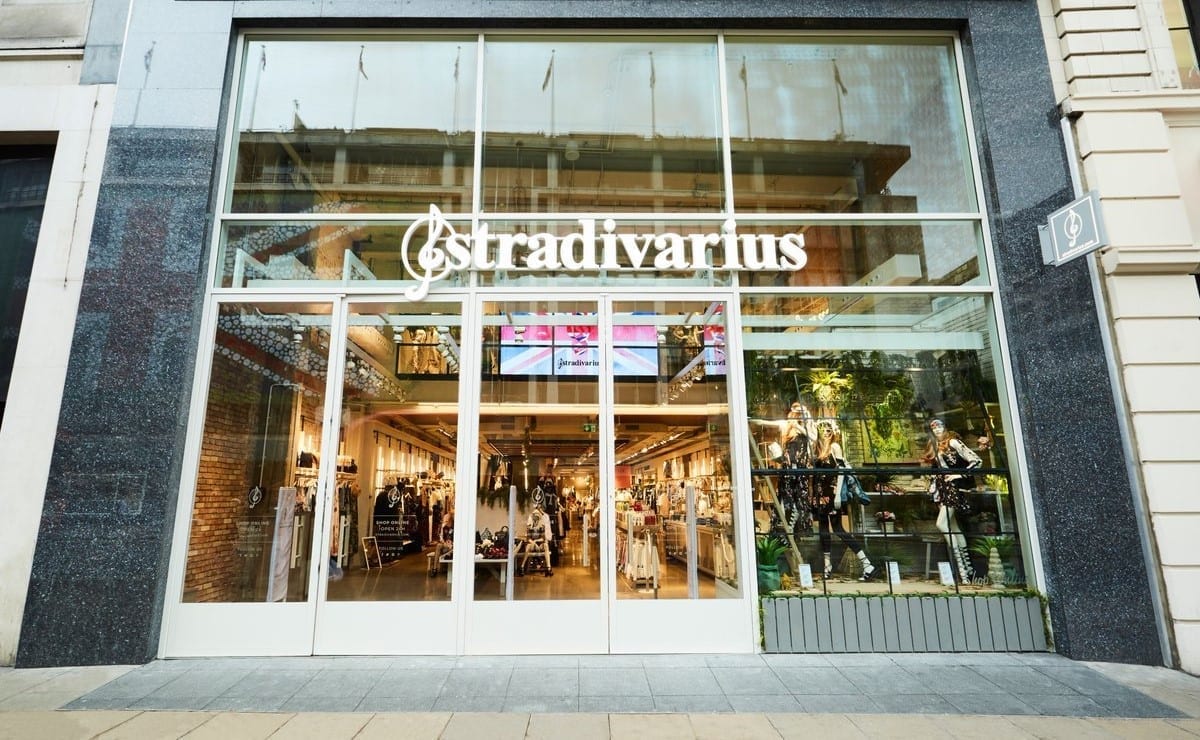
    A prominent glass facade allows natural light to flow into the store helping to connect with the street outside. The atmosphere is one of industrial combined with natural aesthetics, with wood, textured fabric walls and strip lights. The original interior brick walls have been exposed and preserved to create a vintage feel and showcase the #stradivariuslondon hashtag.

    Stradivarius flagship London 3

    Stradivarius flagship London 2

    The new opening builds on the success of Stradivarius’s first UK store opened at Westfield Stratford in August 2014, as well as the launch of the brand’s UK eCommerce offering in September 2013.

    Stradivarius flagship London

    Stradivarius flagship London 1

    Stradivarius is one of the eight brands that make up Inditex Group. It designs thousands of feminine and creative garments and accessories in Spain which are distributed exclusively in its stores worldwide, especially targeting women between 20 and 35 years old. Including the new store at 309 Oxford St, the brand has 960 stores in 64 countries.

  • Malaysia retail sales fall

    Malaysia retail sales fall

    While Malaysia retail sales for the first quarter have taken a tumble, a decline was on the cards following the introduction of GST on April 1 last year.

    This boosted sales of big-ticket items in last year’s first quarter, and a year after the introduction of the tax consumers are still holding back on spending, according to a report by retail consulting firm Retail Group Malaysia.

    “Further increases in the cost of living in the near future will worsen the situation,” says the report, which shows a 4.4 per cent fall in sales for the retail industry in the quarter compared to 4.6 per cent growth a year earlier.

    As well as the high pre-GST sales last year, weak Chinese New Year sales in February led to the dramatic comparison. While negative first-quarter growth was expected, the results were below the industry expectation of a 4 per cent drop, says the report, based on interviews with members of the Malaysian Retailers Association (MRA).

    Further undermining Malaysian consumer spending power has been a gradual increase in the prices of retail goods and services this year, partly attributable to the weak ringgit.
    “Retailers continued to depend on heavy price discounts,” says the report. “As a result, their profits were eroded.”

    During the first quarter, the only sub-sector not to record a decline in business was “Other Specialty Retail Stores”. The “Department Store cum Supermarket” sub-sector had negative growth rate of 7.3 per cent – the worst performance among the retail sub-sectors. Supermarkets and hypermarkets had their fourth consecutive negative quarter with a 4.2 per cent dip.

    Retail Group Malaysia says MRA members expect their businesses to return to black during the second quarter of this year with an average growth rate of 9.9 per cent. The estimated growth rates for the third and fourth quarters are 5 and 5.5 per cent.

  • Bebe Stores forms global JV with Bluestar Alliance

    Bebe Stores forms global JV with Bluestar Alliance

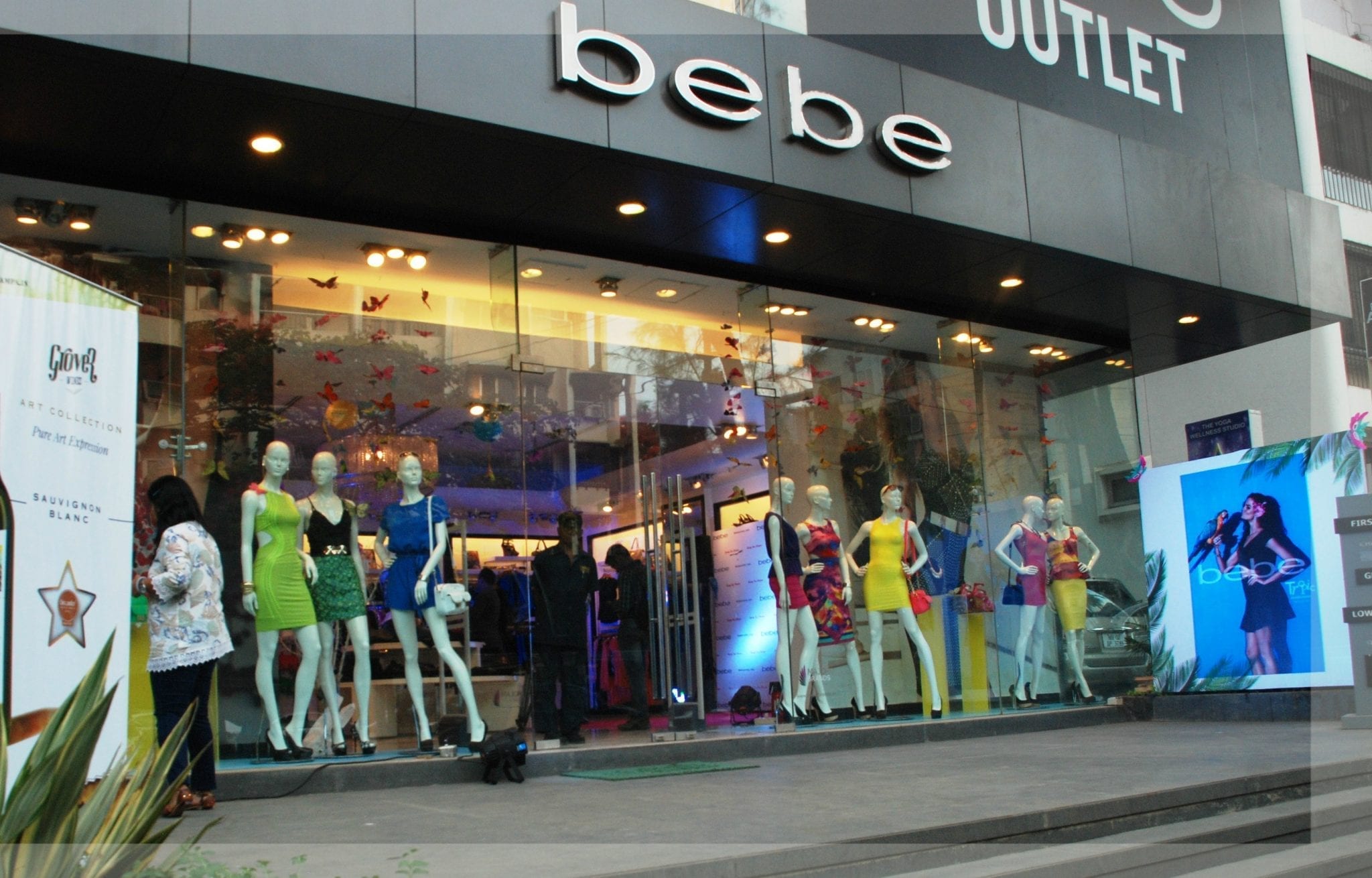
    Bebe Stores has entered into a joint venture with Bluestar Alliance to take over its global marketing and store operations, including in Asia.

    Bluestar, a privately owned brand management company founded in 2006, has paid US$35 million to Bebe Stores for its minority stake in the new company. Until now, Bluestar has managed a plethora of little known brands spanning mass market to luxury, but with cumulative international sales of $1.5 billion through some 200 licensees. Those brands include Kensie, Nanette Lepore, Catherine Malandrino, Michael Bastian, English Laundry and Limited Too.

    Bebe founder, chairman and CEO Manny Mashouf says while Bebe is “one of the great global brands in the women’s fashion world”, the value of the brand, its reach and potential is clearly not reflected in investors’ current perception of the company and its valuation.

    “The strategic decision to aggressively pursue a licensing strategy allows us to capitalise on the value of our brand in all categories and channels on a global scale. We have seen significant demand from prospective licensees and expect to generate long-term, committed royalties.”

    The new JV will manage the brand in both domestic and international markets, including in China where Bebe has achieved rapid growth since forging a five-year partnership with Shanghai-based brand agency Longgoal LLC last August to open between 60 and 150 Bebe stores, shop-in-shops and third-party retailers in Greater China, Hong Kong, Macau and Taiwan. The first store is expected to open in summer 2016.

    Joseph Gabbay, Bluestar CEO said Bebe is an iconic contemporary women’s brand with a loyal customer base and growing international presence.

    “We believe the company has significant long-term growth potential given its distinct market position, multiple channels of distribution and growing international brand awareness. We see a tremendous opportunity to leverage our brand expertise and capitalise Bebe’s differentiated market position to build a global contemporary lifestyle brand.”

    So far, Bebe has licensees in just 20 international markets. It operates 147 retail stores under its own brand and the sister label Bebe Sort, bebe.com and 39 outlet stores in the US, Canada and Peurto Rico.

    The company embarked on a restructuring plan in February after announcing a second quarter loss, laying off 45 employees and replacing then-CEO Jim Wiggett with Mashouf.

  • Sour note for Lancome-sponsored concert

    Sour note for Lancome-sponsored concert

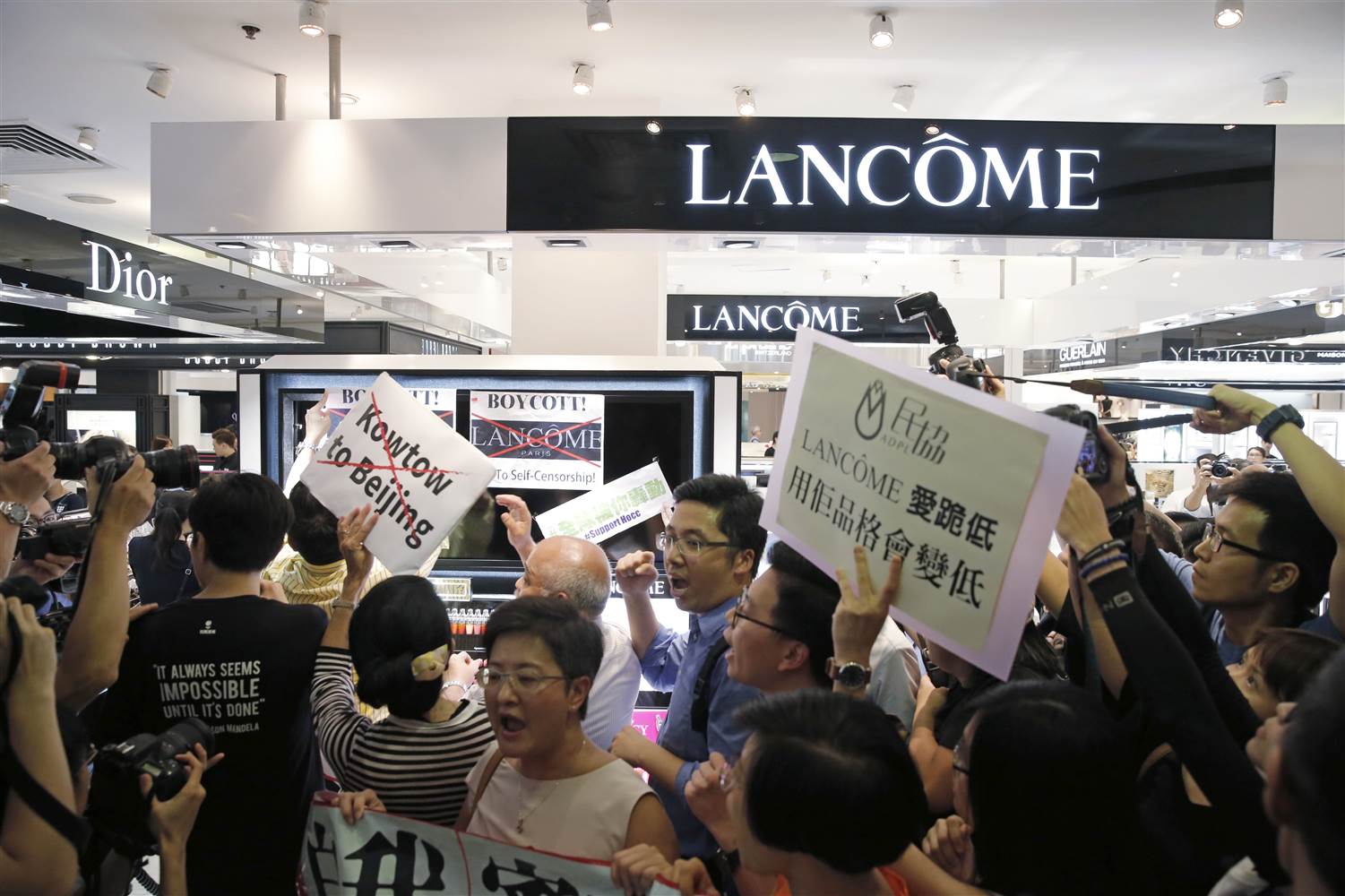
    Make-up brand Lancome, along with other stores owned by French cosmetics giant L’Oreal, closed in Hong Kong yesterday in the face of protests over the cancelling of a Lancome-sponsored concert featuring a pro-democracy singer.

    As well as Lancome’s booth at Lane Crawford, Times Square, Yves Saint Laurent Beaute and Helena Rubinstein’s booths, as well as Shu Uemura’s store, were all closed. Lancome’s office at Times Square was also shuttered. In Causeway Bay, Lancome counters in Sogo and Hysan Place were both closed, while those for other brands under L’Oreal, such as Shu Uemura, were open.

    Dozens of protesters earlier crowded the Lane Crawford store in Times Square accusing Lancome of bowing to China by cancelling the concert, starring cantopop singer Denise Ho Wan-sze.

    Carrying yellow umbrellas – a symbol of Hong Kong’s democracy movement, which is supported by Ho – and banners in Chinese, English and French, the protesters were shouting: “L’Oreal! No self-censorship.”

    Hong Kong internet users and political activists have also vowed to boycott all brands under the L’Oreal banner, including Lancome, Kiehl’s, Shu Uemura and The Body Shopimes, a tabloid published by the Chinese Communist Party’s People’s Daily newspaper, criticised Lancome for working with Ho. This sparked calls online in China to shun Lancome’s business on the mainland.

    “Tough times”

    Ho says she was saddened by the cancellation of her concert.

    “I am quite shocked that a global brand such as Lancome … would succumb to the pressure from Chinese tabloid news or the Chinese market,” says the 39-year-old singer.

    “In Hong Kong we have been going through really rough times,” she says. “Most of we celebrities wouldn’t dare to speak out for ourselves because we know that self-censorship is really serious right now in Hong Kong. But I wouldn’t think that worldwide brands such as Lancome or L’Oreal would succumb to this kind of pressure.”

    L’Oreal, which counts China as its second strongest market for sales behind the US, says it cancelled the concert because of safety concerns.

    Booked to perform on June 19, Ho wrote on her Facebook page that Lancome’s decision was self-censorship. “When a brand like Lancome has to kneel down to a bullying hegemony… the world’s values have been seriously twisted.”

    Meanwhile, the controversy has escalated on the mainland, with internet users threatening to boycott a host of Hong Kong companies tied to billionaire Richard Li Tzar-kai, whose company PCCW owns the Moov fitness app, which suggested on Monday that it would “employ Denise Ho permanently”.

    Li’s family is also involved with such companies as Johnson and Johnson, Listerine and Watsons. Ho is a spokesperson for Listerine.

    PCCW says that while Richard Li and Moov respect freedom of expression and staunchly oppose Hong Kong independence, Moov has no intention to engage in political matters, and the expression “permanent employment” was used before online comments linked the message to political discussions.

    Meanwhile, Ho says Lancome should stand firm on its core values and moral standards. The singer was  among more than 200 people arrested as the pro-democracy protests ended in December 2014. She was blacklisted by mainland media along with singer Anthony Wong Yiu-ming.
  • Chow Tai Fook’s Profit Dives 46% in Fiscal 2016

    Chow Tai Fook’s Profit Dives 46% in Fiscal 2016

    Chow Tai Fook reported profit tumbled 46 percent in the past fiscal year as fewer tourists visited Hong Kong and a downturn in Greater China reduced consumer spending.

    Profit slumped to $383.6 million (HKD 2.98 billion) in the 12 months that ended March 31, the Hong Kong-based jewelry retailer said. Revenue slid 12 percent to $7.3 billion (HKD 56.59 billion). Jewelry sales in mainland China dropped 11 percent and in Hong Kong and Macau declined 15 percent.

    Tourist arrivals from the mainland retreated 8.6 percent in Hong Kong and 3.7 percent in Macau during the fiscal year, the jeweler pointed out. Mainland China contributed more than 50 percent of group revenue during the year, a figure that has increased over the past three years. The jeweler said it is still “confident” about the long-term growth potential in the region.

    The “persistently weak retail sentiment” and a “decline” in the number of tourists, particularly from the mainland due to a “strengthening” of the U.S. dollar, continued to affect operations, Chow Tai Fook said.

    “The increasingly affluent and sophisticated Chinese consumers continue to look for more personalized products and shopping experience,” the company added.

    The company, however, pointed out its core operating profit – a non-IFRS measure that Chow Tai Fook believes is a useful measure of its operational performance – fell 24.5 percent, a better outcome compared with net income.

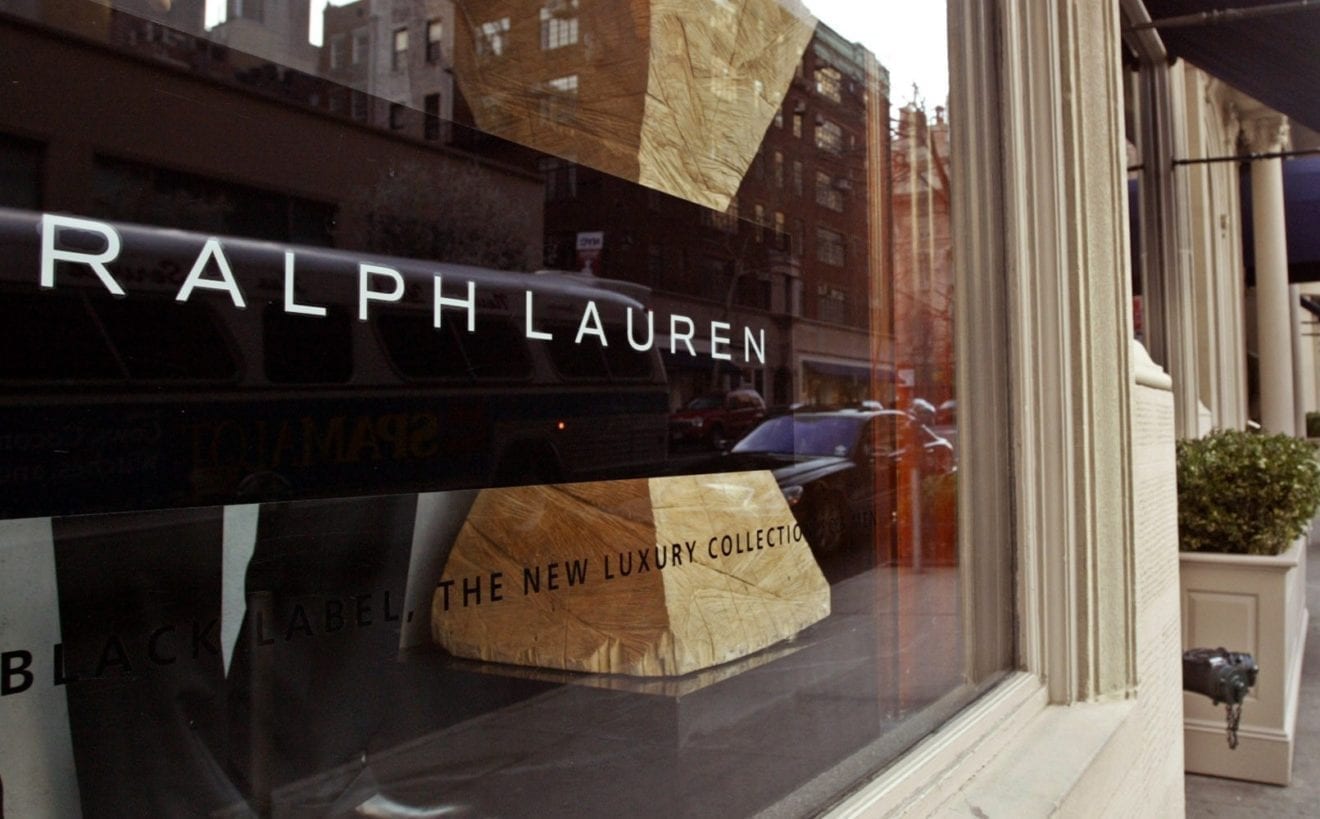
  • Ralph Lauren closing stores as sales see slump

    Ralph Lauren closing stores as sales see slump

    Ralph Lauren is closing stores, cutting jobs and focusing more on its most popular brands to try to reverse its declining fortunes.

    Shares of the fashion company tumbled 4 percent Tuesday.

    The changes are the first big moves from CEO Stefan Larsson, who replaced company founder Ralph Lauren in the role late last year. Lauren is still executive chairman and chief creative officer of the fashion and home decor business he created.

    The New York company, known for its polo shirts and pony logo, plans to close more than 50 stores, or about 10 percent of its total retail stores. It will let go approximately 1,000 of its 15,000 full-time employees, or almost 7 percent.

    It will focus more on its three best-selling brands — Ralph Lauren, Polo and Lauren — and devote fewer resources to its smaller ones, such as Chaps and RLX. The company also hopes to produce its clothing faster, cutting six months from the production process to make it nine months.

    Ralph Lauren expects the restructuring to save it between $180 million and $220 million a year. That’s on top of $125 million in cost cuts from last year. It expects to incur restructuring charges of up to $400 million for the year and inventory-related charges of up to $150 million.

    For the current quarter, it expects revenue to fall in the mid-single digits and fall in the low double digits for the year.

    Shares of Ralph Lauren Corp. fell $4.12, or 4.3 percent, to $92.21 in morning trading Tuesday. Its shares are down about 30 percent in the last year.

  • Under Armour app gets personal with fitness freaks

    Under Armour app gets personal with fitness freaks

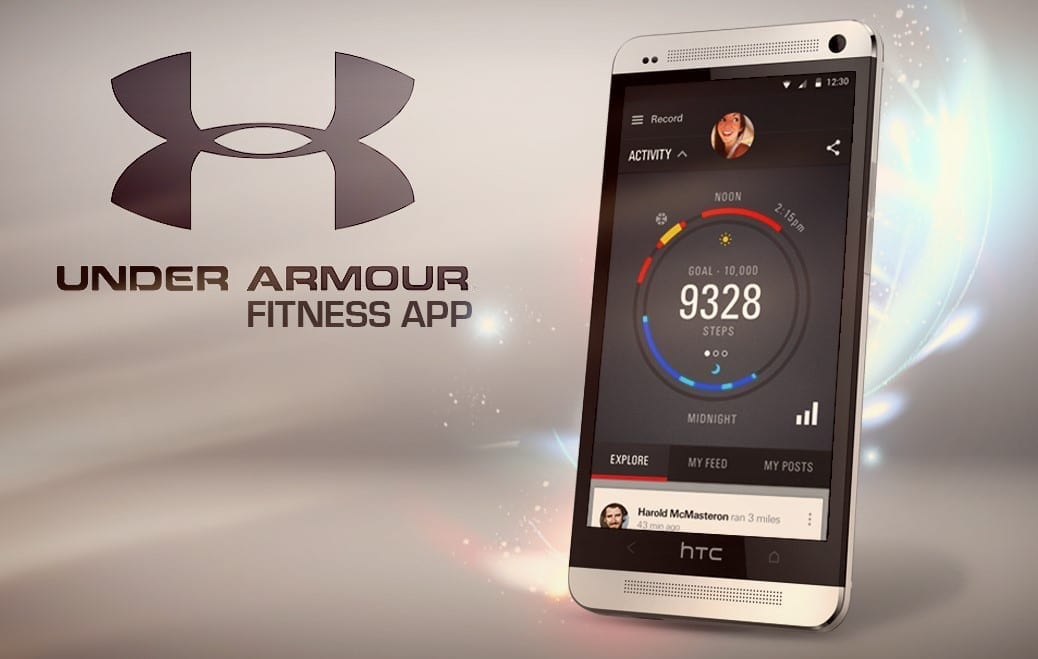
    Under Armour has launched UA Shop, a mobile app dedicated to elevating the consumer shopping experience built on the Under Armour Connected Fitness platform.

    Under Armour appIntegrating data from the world’s largest digital fitness community allows the Under Armour app provides “a deeply personalised experience” based on athlete inspiration, workout history and previous purchase history. UA Shop is available for download on the App Store and will be available soon on Google Play.

    “UA Shop is the next step in our connected fitness evolution as Under Armour becomes a true Math House,” said Jason LaRose, senior VP, revenue, at Under Armour. “This app was created to maximise our digital platform and complement our existing in-store experiences by bringing consumers a way to find the products they want, when they want it. We are now able to provide custom experiences across our various categories specific to our diverse customer base.”

    The UA Shop app will bridge the brand’s digital communities with Under Armour’s core business – performance apparel, footwear and equipment. UA Shop will connect consumers to the right gear driven by data through in-app recommendations. For example, a consumer living in a warmer climate who has logged several runs through MapMyRun might be exposed to UA CoolSwitch apparel and running footwear, a technology that pulls heat away from the skin and allows the user to feel cooler, longer. Meanwhile a customer in the Northeast who prefers hiking might see the latest Armour baselayer and outerwear. The Under Armour app is the only retail app on the market powered by the health and fitness information of more than 170 million members worldwide.

    UA Shop is also the first app in the Under Armour Connected Fitness suite that will launch with the new Under Armour Account – the creation of a single profile for all Under Armour apps. Members of UA Record and MapMyFitness can sync their existing account information to UA Shop, with MyFitnessPal and Endomondo integration being added soon. Additional features of UA Shop include one-touch purchasing with Apple Pay, expanded product content and customer reviews, and apparel tag scanners for enhanced in-store experiences.

  • Perfumer’s Workshop finds its niche in Asian travel retail

    Perfumer’s Workshop finds its niche in Asian travel retail

    Niche fragrance specialist Perfumer’s Workshop International (PWI) is looking to make a move into travel retail locations in Malaysia, Sri Lanka and India following feedback from buyers at this year’s TFWA Asia Pacific Exhibition in Singapore.

    PWI Founder Donald Bauchner said his company’s success at the show was due to the “dramatic increase in awareness and attention to niche in general, and for oud concepts specifically”.

    Tea Rose w Petals High Res

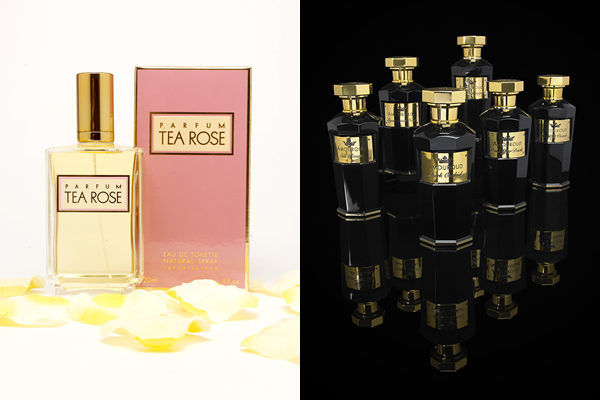
    Tea Rose and Amouroud: two of Perfumer’s Workshop International’s signature lines

    Bauchner said PWI was considering domestic market openings for its Amouroud line in Singapore, South Korea, China, Indonesia, Malaysia, Bangladesh and Pakistan and is negotiating travel retail opportunities in Malaysia, India, Sri Lanka, Abu Dhabi and Russia.

    PWI’s oud-based Amouroud line will make its debut at London’s Harrods department store on 15 July. “We are very excited about our launch at Harrods,” said Bauchner. “Of course it will impact our travel retail opportunities within the UK. However we are not certain whether we would prefer to start travel retail and duty free in the UK at airports or inflight. Consumer profile will likely decide the issue but only once the timing itself is right,” he added.

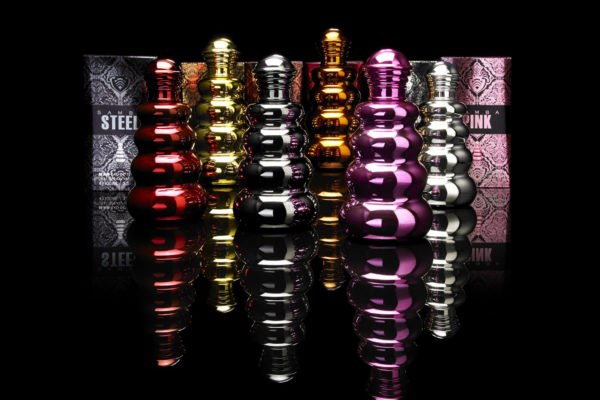
    PWI added two new fragrances, Midnight Rose and Miel Sauvage, to its Amouroud range which was presented in Singapore and extended its Samba Metallics line.

    Samba Metallic Range.HR

    Samba Metallics is based on a colour preference influencing fragrance preference concept

    “The Samba Metallics concept actually does work,” Bauchner said. “The interest at the show was very good. However we targeted our presentations to only those distributors who are actual ‘trend-setters’ in their regions.”

    PWI’s Zipped Man, targeting “fashion-conscious young ‘trendies’”, and Parfum Tea Rose were also highlighted in Singapore.

    Speaking at the TFWA Asia Pacific Exhibition, Bauchner said he predicts further growth for niche brands in Asia. “Generally niche customers do not want something that other people are wearing. They are not looking for a new signature scent. They are hunters, looking for a scent that they are not going to find everyone else wearing,” he said.

    “What will be interesting to see will be the eventual relationship between niche and prestige fragrance in Asia. There is a possibility that niche in Asia will eventually occupy as large, or a larger, section of the fine fragrance local market than in Europe  because what we refer to as ‘Western fine fragrance’ came late to Asia and therefore remains a far smaller market than elsewhere.

    “We believe that our Amouroud collection will perform very well in Asia because we are attuned to many Asian fragrance sensibilities: refinement, beauty, unique fragrance character, long lasting and qualitative packaging.

    “Asia was late coming to niche products and even later developing an interest in oud. But, hey, we are here. We have a wonderful concept that is proving to be well liked,” Bauchner concluded.

  • Shiseido buying US-based Gurwitch Products

    Shiseido buying US-based Gurwitch Products

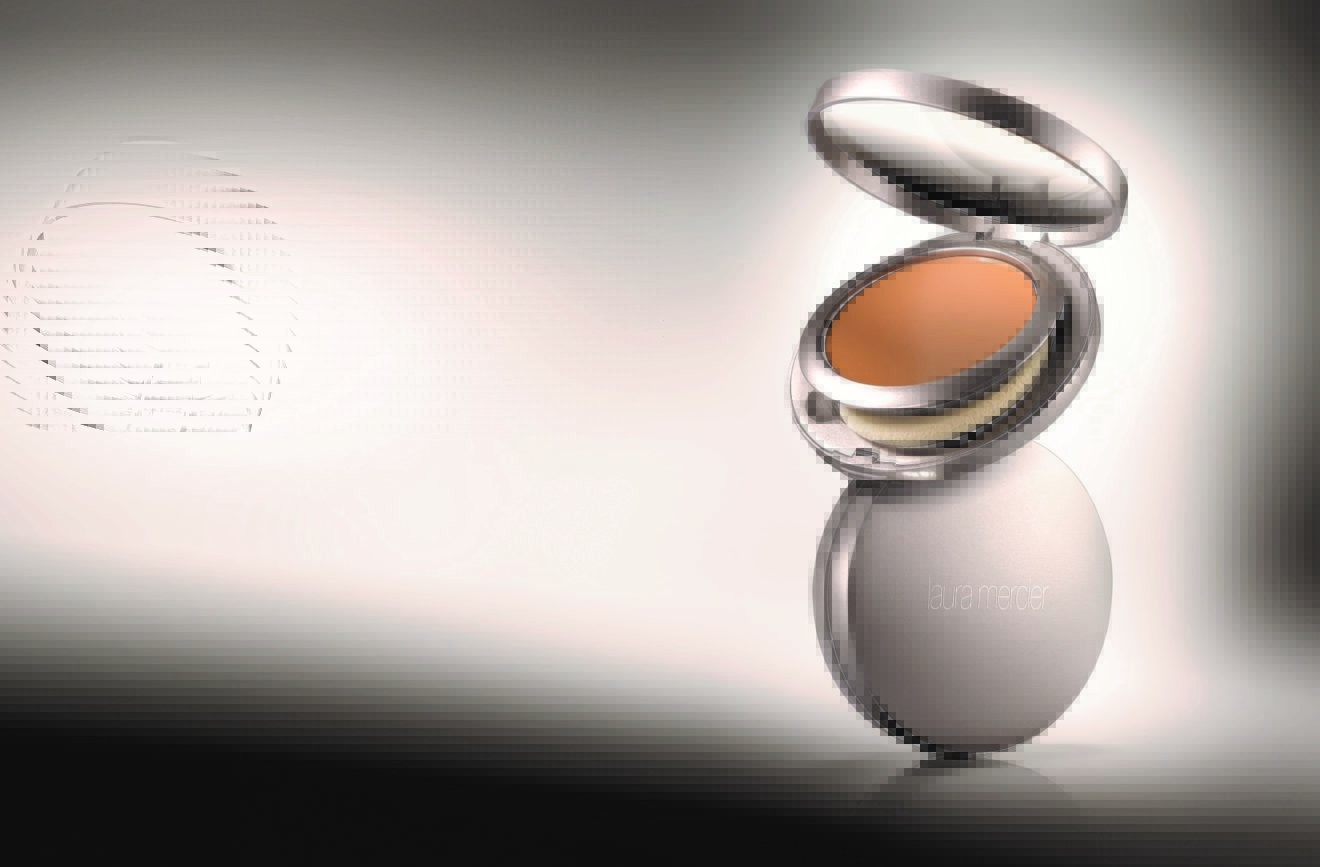
    Japanese cosmetics company Shiseido has agreed to buy US-based Gurwitch Products from Alticor.

    This move would add the Laura Mercier and ReVive brands as the 140-year-old cosmetics giant seeks growth overseas in the luxury anti-aging products market.

    Its American unit will lead the acquisition, Shiseido says, without disclosing terms. The transaction is scheduled to close in the third quarter of this year.

    Gurwitch had sales of US$175 million (about ¥19 billion) in its latest financial year.

  • Uniqlo sales bounce back

    Uniqlo sales bounce back

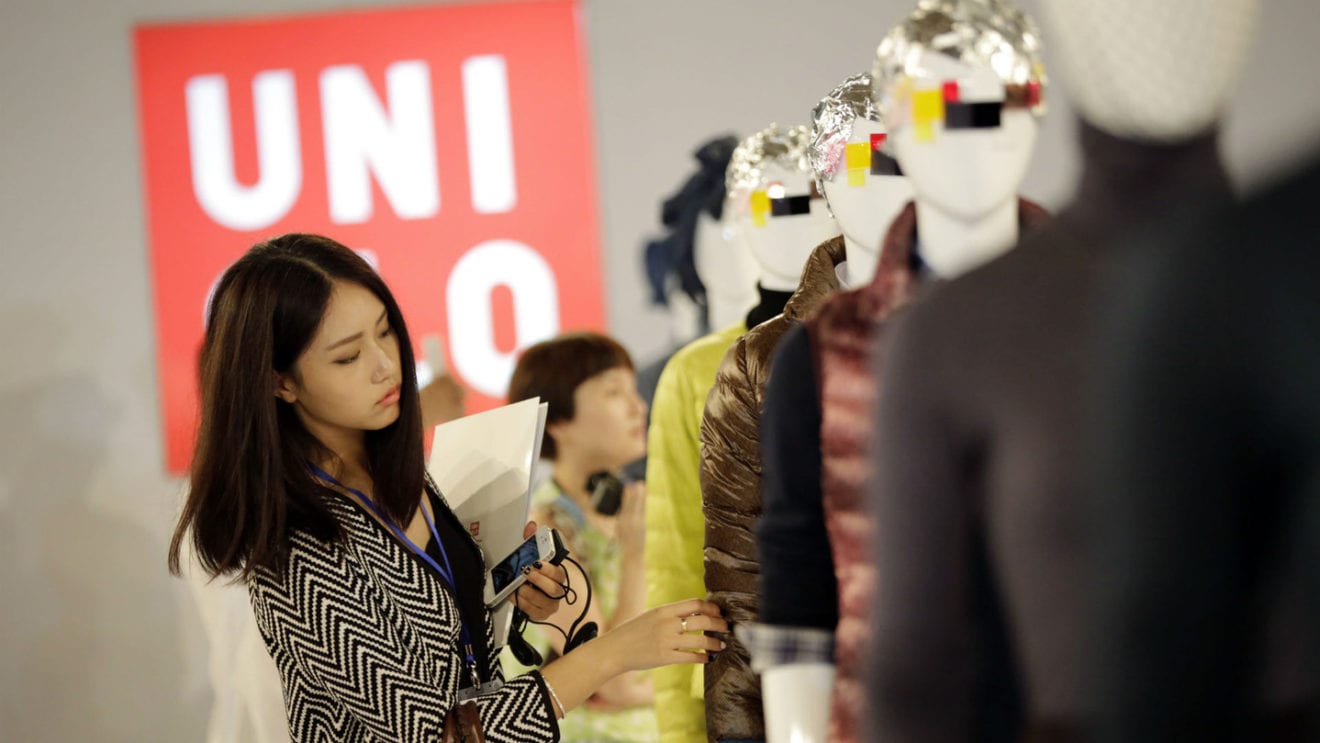
    Uniqlo sales have bounced back from decline, giving parent Fast Retailing a much-needed round of good news for May.

    Same-store Uniqlo sales in Japan rose 5.9 per cent year-on-year, even though customer traffic fell 3.6 per cent. The average purchase increased by 9.9 per cent to make up for the customer shortfall.

    Total sales including online increased by 7.6 per cent.

    The figures show only trading in Uniqlo’s Japan division.

    Analyst Masafumi Shoda of Nomura Securities said in a research note that Fast Retailing’s sales decline appeared to have bottomed.

    “While jogger pants remained strong, trendy merchandise such as women’s t-blouses and embroidered t-shirts also emerged as drivers. Another contributing factor was the successful expansion of the mainstay Airism line to bottoms. Even factoring out the boost from the customer appreciation sale at the end of the month, signs are beginning to emerge that the company is successfully asserting leadership on both price and fashion.”

    But Shoda said profitability will be likely to decline both overseas and in Japan in the March to May period, due to retooling, “but we think it will improve in June to August thanks in part to the likelihood of a rebound from prior-year results dampened by unseasonable weather”.

  • KFit Holdings moves into Indonesia with Groupon

    KFit Holdings moves into Indonesia with Groupon

    Malaysian health and fitness company KFit Holdings is about to enter the Indonesian market after signing a deal to acquire eCommerce company Groupon Indonesia.

    For an undisclosed amount, the acquisition will see KFit enter Indonesia with Groupon as a wholly owned subsidiary. The transaction is expected to be completed in the third quarter of this year.

    Groupon Indonesia has more than 1 million subscribers and 15,000-plus local merchants.

    “The combination of Groupon Indonesia’s established presence and KFit’s experience in building a mobile-first platform will propel us in a high-growth local commerce market, further accelerated by increasing mobile penetration,” says KFit CEO/founder Joel Neoh.

    “While KFit will continue to focus on health and fitness services, this presents a strategic direction for us to enhance and broaden our offerings. In the long run, this acquisition will provide us with a strong platform for growth in Southeast Asia.”

    KFit is an online subscription platform that provides users access to fitness studios, classes and gyms in various cities across Asia. Since its launch last year, it has extended its offering to include beauty and wellness, and launched its pay-per-use KFitGo. In the past six months, KFit users have reserved more than 400,000 activities. Today, one reservation is made every minute on the KFit platform.

    KFit founder Joel Neoh also founded Groupon Malaysia, in 2011, going on to head Groupon Asia-Pacific.

  • L’Occitane to expand to China’s lower-tier cities

    L’Occitane to expand to China’s lower-tier cities

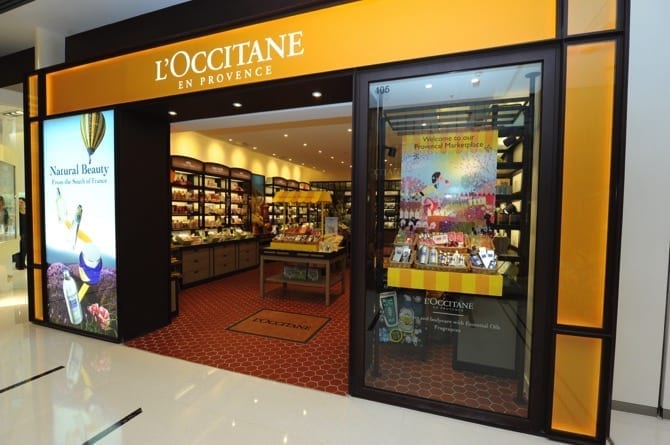
    French skincare brand L’Occitane has revealed its plans to expand into China’s lower-tier cities through e-commerce, in particular Tmall, an online platform for branded goods operated by Alibaba Group Holding.

    The company revealed that it has a marketing partnership with the online platform to meet China’s emerging middle class, who are creating growing demand for imported premium products.

    According to Andre Hoffmann, L’Occitane’s vice chairman and managing director of Asia-Pacific, opening new physical stores in China’s second and third-tier cities would help create brand awareness.

    The group reported that mainland China was its largest source of growth last year, with sales in the country growing 16.8 percent, contributing nearly 30 percent to the company’s overall growth. The company saw an 8.9 percent rise in sales to USD1.45 billon over the 12 months ending in March.

    Meanwhile, L’Occitane held off on plans to expand in Hong Kong and Macau due to the declining numbers of Chinese tourists visiting the two regions. The company revealed that it will be shutting down a store in Hong Kong in September, following a recent closure of one of its shops in Macau.

    “Now [that] mainland tourist numbers are shrinking, maybe we don’t need so many stores to do the same level of business,” said Hoffman in a Nikkei report.

    L’Occitane is planning to continue adding to its 187 stores in 65 cities across mainland China. Some 50 stores, which are set to open globally later this year, will be in mainland China, Japan and South Korea.

    While Hoffman noted that all stores in Hong Kong have been “profitable,” he admitted that the retail market has been “very challenging in the past 18 months.”

    The vice-chairman revealed that its current strategy is to focus more on local costumers, adding, “The mainland tourists are just like the cherry on top of the ice-cream sundae.”

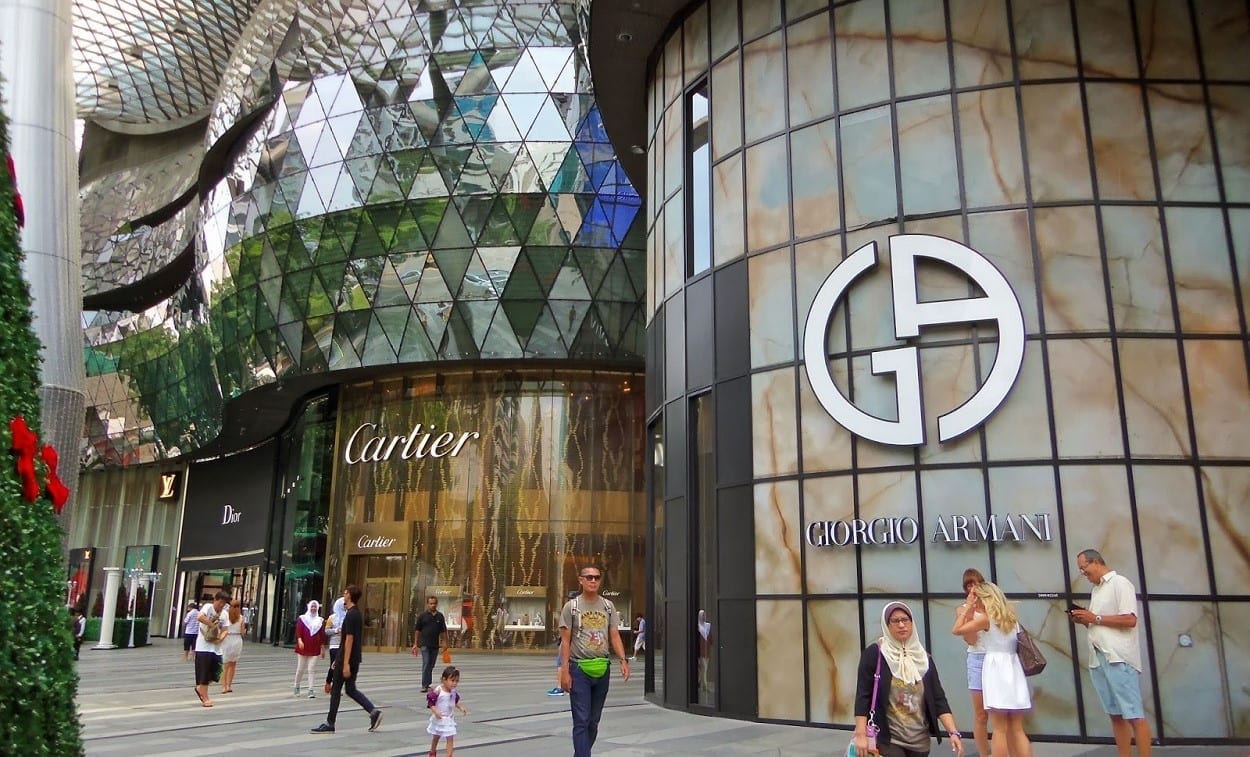
  • Giorgio Armani Asia suffers in China

    Giorgio Armani Asia suffers in China

    Italian fashion house Giorgio Armani Asia is the latest luxury retailer to cite greater China as the cause of a downturn in sales.

    Burberry and Hugo Boss have also been hit by China’s economic slowdown, leading to Hugo Boss cutting its prices in Asia.

    Armani says revenues grew 4.5 per cent last year, a 16 per cent drop from the year before. Revenues totalled €2.65 billion (US$ 2.95 billion). Prada had sales of €3.55 billion.

    The Milan-based group, whose products include accessories, cosmetics and furniture, and the more affordable Armani Exchange range, says earnings before interest, tax, depreciation and amortisation edged up 1 per cent to €513 million last year, from €507 million in 2014.

    Despite the slowdown, the firm says its cash reserves of €640 million allowed it to step up investments in its brands to “further strengthen its competitive market position”.

    “These results are the outcome of an attentive diversification policy for the group’s lines, paired with the co-ordination of distribution channels and enhancement of the role that our trade partners play,” says president Giorgio Armani, who founded the company in 1975. The 81-year-old designer is still actively involved in the business.

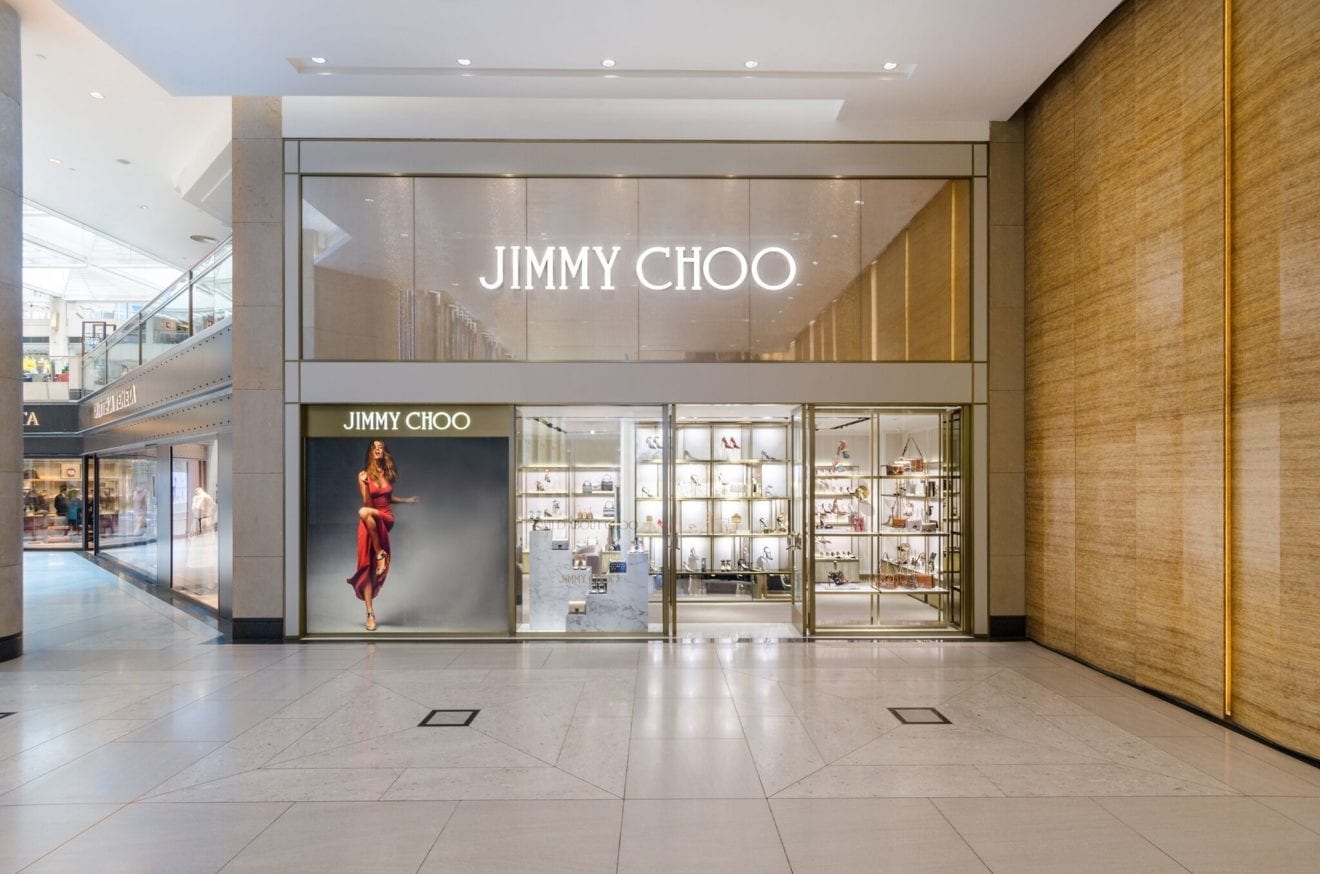
  • Christian Lahoude Studio designed the 60-square-meter Jimmy Choo store in Hong Kong

    Christian Lahoude Studio designed the 60-square-meter Jimmy Choo store in Hong Kong

    Christian Lahoude Studio designed the 60-square-meter Jimmy Choo store in Hong Kong’s luxury LANDMARK shopping mall, updating the existing space with the refreshed brand identity. The double-height, glass façade, with a large light box display, attracts the mall traffic into the shop. The framed glass façade was designed without molding, providing the setting for the custom window displays and a clear view into the retail environment.

    Upon entering the store, visitors are greeted by the central display feature conceived by the Studio to best make use of the small footprint and to create circulation through the shopping space. Standard design elements that convey sophistication and luxury, deployed globally in the Jimmy Choo concept, include gold mesh, white Carrera marble, plush grey carpet and velvet fabric for the seating.

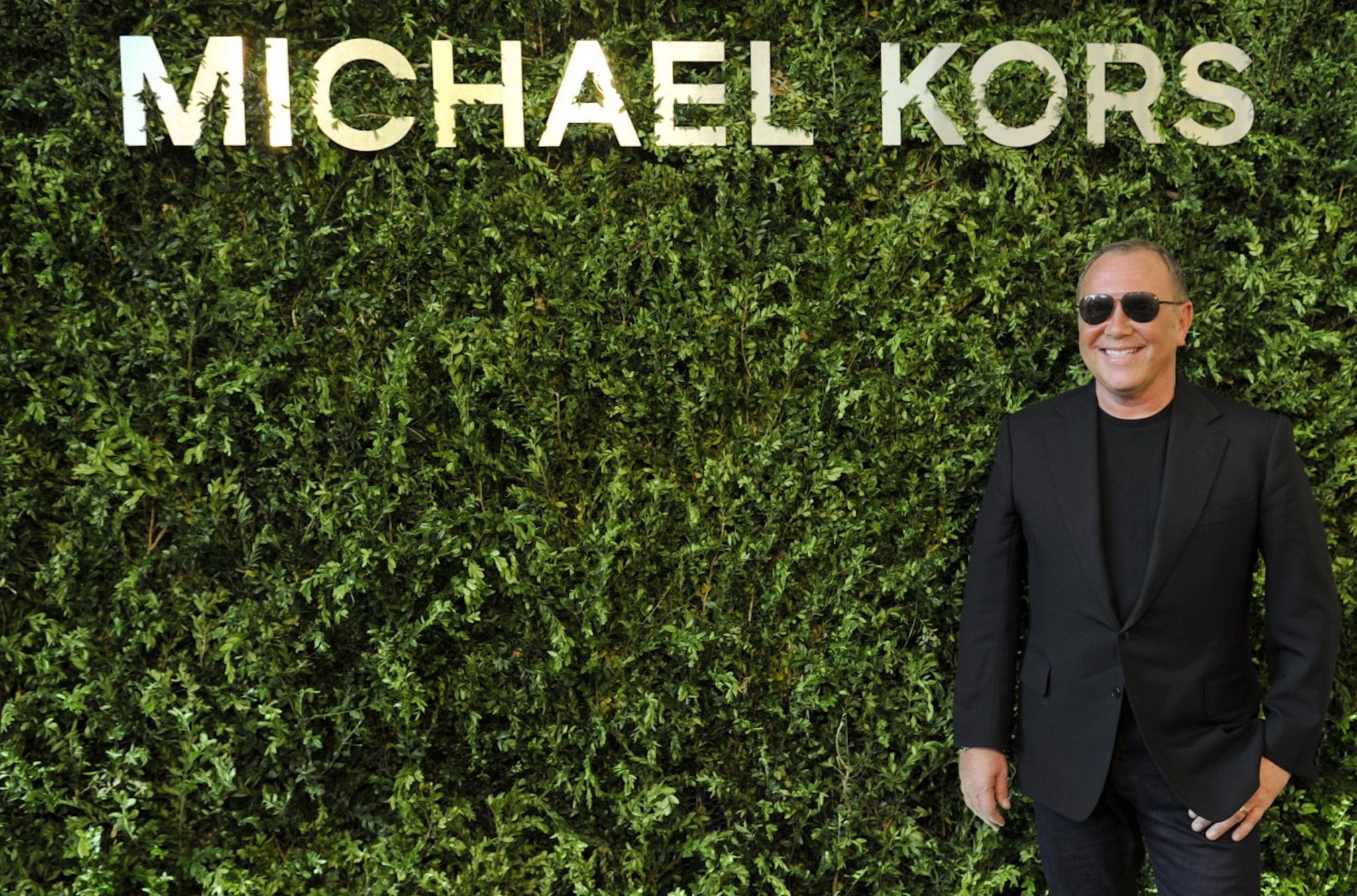
  • Michael Kors acquires Greater China licensee

    Michael Kors acquires Greater China licensee

    Michael Kors is pleased to announce that the Company has completed the acquisition of Michael Kors (HK) Limited, the exclusive licensee of the Company in China and certain other jurisdictions in Asia, on May 31, 2016, for $500 million in cash, subject to certain adjustments.

    The acquisition was approved by the independent members of the Company’s board of directors, upon recommendation of a Special Committee, comprised of solely independent directors, which was responsible for evaluating the terms of the acquisition. The Special Committee retained independent legal and financial advisors to assist in evaluating and negotiating the terms of the acquisition and the Purchase Agreement. The Greater China business generated total revenue of $197 million for the year ended March 31, 2016, and had a network of 91 company operated retail stores and six travel retail locations, across China, Hong Kong, Macau and Taiwan. For fiscal year 2017, the Greater China business is expected to contribute approximately $200 million to retail net sales, reflecting sales for the ten month period following the closing of the acquisition. The acquisition is expected to be neutral to earnings per share on a GAAP basis, and accretive to earnings per share on a non-GAAP basis, excluding $15 million of one-time acquisition costs. The acquisition is expected to be accretive to earnings per share in fiscal 2018 and thereafter.

    “We are very excited about the acquisition of our Greater China licensee,” says John D. Idol, Chairman and Chief Executive Officer. “As you know, we have worked diligently over the past several years, with our licensed partner in this region, to build the infrastructure, establish the brand, and grow acceptance of Michael Kors in the Chinese market. We believe that our brand is gaining strong momentum in Greater China, making it the ideal time for us to integrate this territory into our business and capitalize on the enormous growth potential in this region.”

    USE OF NON-GAAP FINANCIAL MEASURES

    This release includes certain non-GAAP financial measures relating to certain one-time costs associated with the acquisition of the Greater China licensee. The Company uses non-GAAP financial measures, among other things, to evaluate its operating performance and in order to represent the manner in which the Company conducts and views its business. The Company believes that excluding non-recurring items helps its management and investors compare operating performance based on its ongoing operations. While the Company considers the non-GAAP measures to be useful supplemental measures in analyzing its results, they are not intended to replace, nor act as a substitute for, any amounts presented in its consolidated financial statements prepared in conformity with U.S. GAAP and may be different from non-GAAP measures reported by other companies.