Category: Fashion

Retail News Asia is committed to providing both local and global retailers with the latest Fashion news throughout the Asian market. This on a daily base.

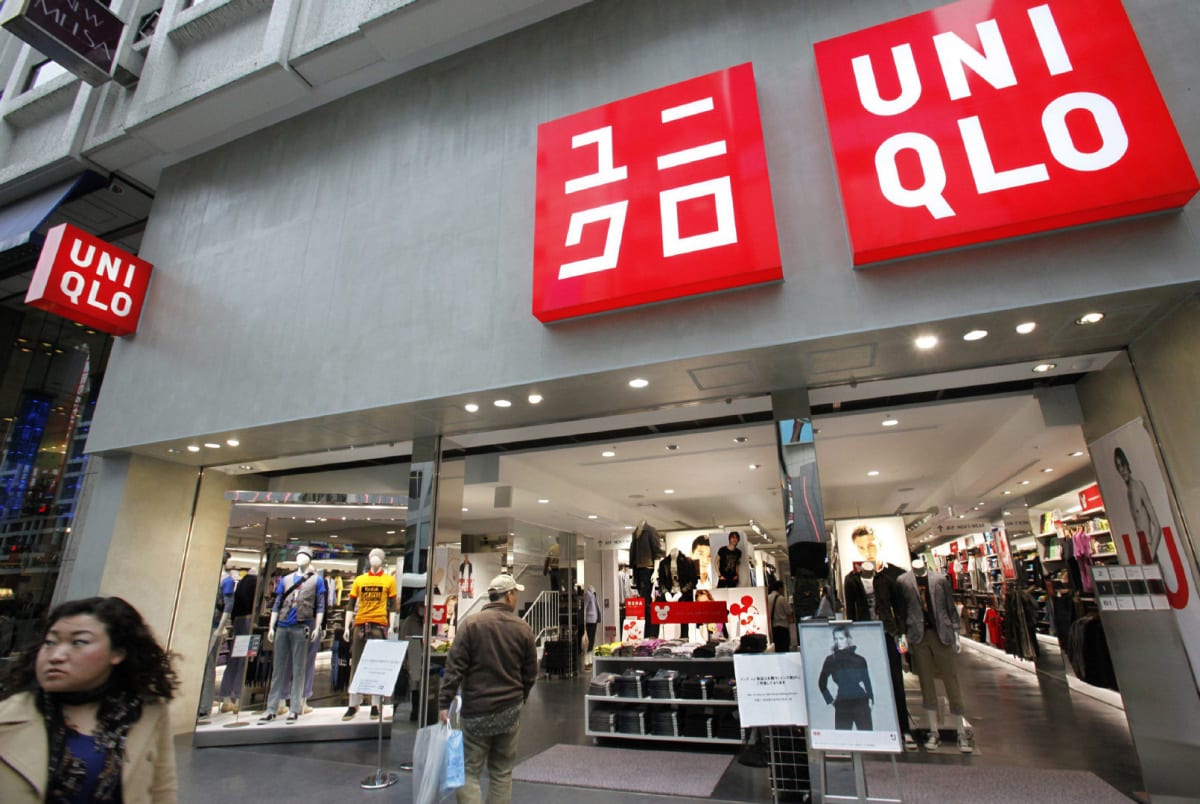
  • Uniqlo price-rise tactic fails

    Uniqlo price-rise tactic fails

    A tactic to move to high prices over the past year has failed for Japanese casualwear chain Uniqlo, admits the chairman of its parent company, Fast Retailing.

    Japan’s richest person, billionaire Tadashi Yanai says the company is considering how to sell value-added products for the lowest possible price.

    “The world is flooded with clothes without added value,” he said at a fashion event in Tokyo’s Shibuya shopping district featuring Uniqlo’s latest seasonal styles.

    Japanese consumers are being cautious as the country’s financial situation tightens, and Fast Retailing has seen its overseas earnings hit by a stronger yen, compounded by China’s slowdown and losses in the US. Uniqlo lost some of its budget-minded customers in Japan after raising prices last year.

    Fast Retailing has cut back its operating profit forecast last month to 120 billion yen ($1.1 billion) for the year ending August, down 33 per cent from its estimate in January.

    In April, Uniqlo reported that its first-half year profits had plunged.

  • Blancpain Osaka shop-in-shop opens

    Blancpain Osaka shop-in-shop opens

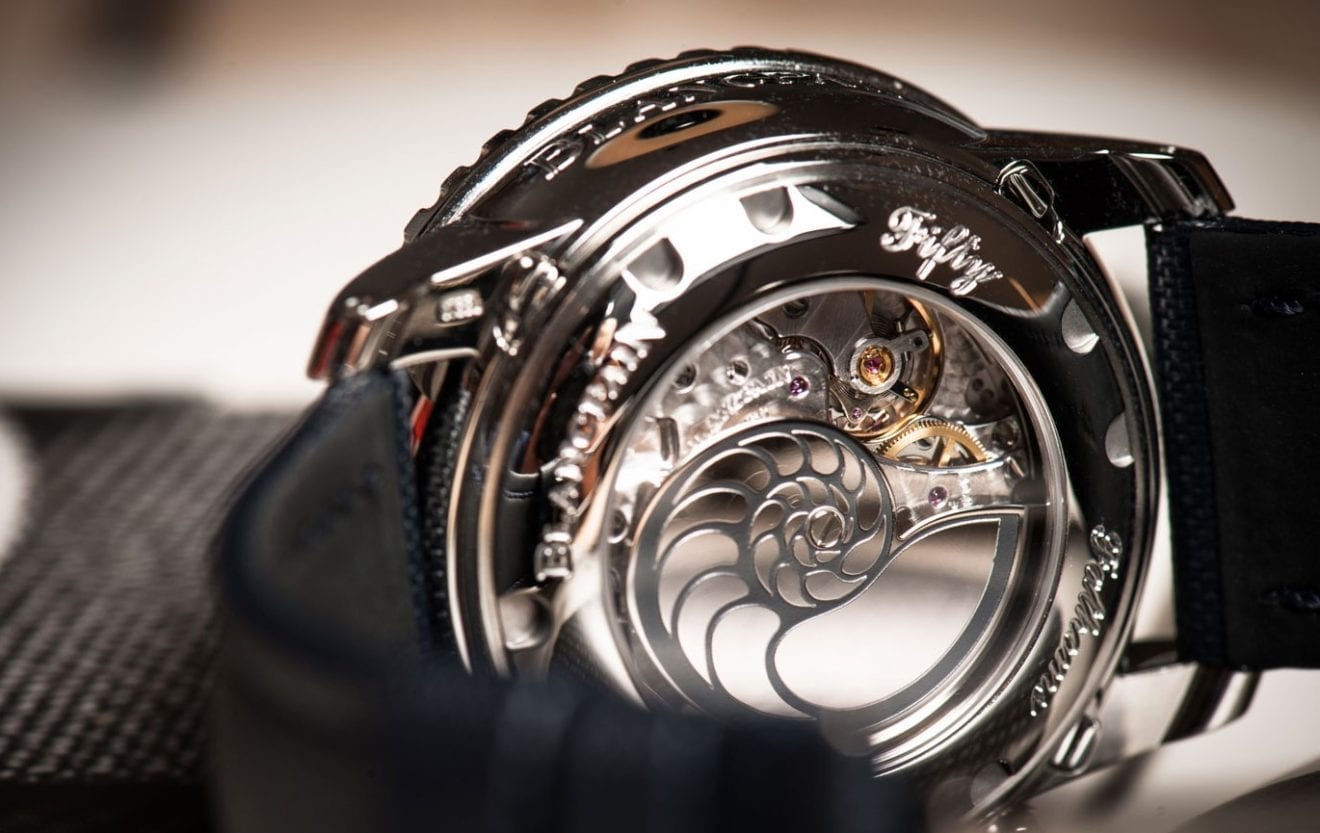
    As well as opening a Blancpain Osaka shop-in-shop, the Swiss watchmaker has a new flagship boutique on one of Hong Kong’s busiest streets.

    Blancpain-Hong-Kong

    Blancpain’s new Japanese concession is inside the Hankyu Department Store Umeda Main Store, on its seventh-floor luxury-watch outlet area, which has just been remodelled. Crafted by a Swiss cabinetmaker, the interior design of the Blancpain outlet features woodwork and mouldings along with streamlined furniture and displays.


    Blancpain Japan 1

    Visitors can see such Blancpain masterpieces as the Carrousel Volant Une Minute, the Fifty Fathoms Bathyscaphe and the Ladybird.
    Blancpain Japan 2

    Founded in 1735, Blancpain develops its components and tools in house, with a single watchmaker manually assembling each movement.

  • HKIA issues T1 luxury boutique tender

    HKIA issues T1 luxury boutique tender

    HKIA T1Hong Kong International Airport (HKIA) has issued an invitation to tender for a luxury brand boutique concession.

    The proposition is for a global luxury brand retailer to operate a 170sqm unit, located airside in the T1 East Hall, Level 6.

    In the first two months of 2016, HKIA handled 11.6 million passengers and 67,820 flight movements, up 9% and 5% from the previous year respectively.

    On a rolling 12-month basis, HKIA has handled 69.5 million passengers and 409,255 flight movements, marking year-on-year increases of 8.4% and 3.8%, respectively.

    In February Airport Authority Hong Kong (AA) opened nine new retail shops and a café in the recently-inaugurated Midfield Concourse at HKIA. Additionally, eight retail and three catering outlets are soon to be opened at the 105,000sqm concourse, including a new multi-category store concept from DFS.

    HKIA said this new tender “presents a unique business opportunity for global luxury brand retailers to operate luxury brand boutique in this prestigious aviation hub in Asia”.

    The tender closing date is 28 July 2016 at 2.30 pm (Hong Kong Time).

  • New release: Mango Ramadan fashion range

    New release: Mango Ramadan fashion range

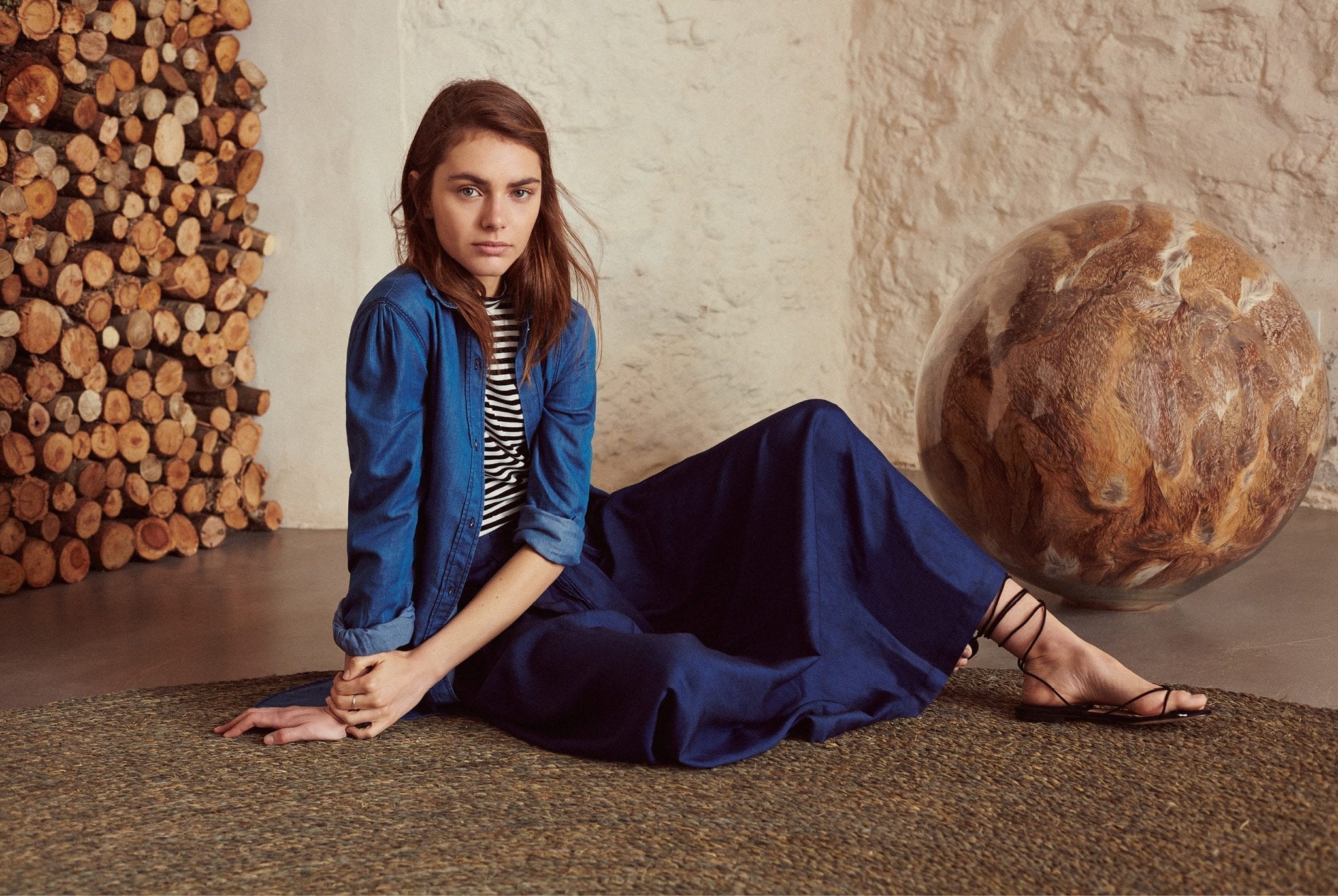
    Spanish fashion brand Mango has launched a range of Ramadan styles, including special festive garments.

    For more than 10 years the brand has been globalising its collections for different markets. Its special-collections department develops exclusive designs in line with the cultural and religious norms of different countries.

    The Mango Ramadan fashion offer includes casual garments such as jackets, kaftans, flowing jackets, oversized shirts, leggings and tunics made of fabrics such as poplin and imitation suede. There are also festive garments such as long dresses and double-layer body wraps (relaxed or fitted), plus midi-skirts made of fantasy fabrics. Satin finishes, lurex and laminated fabrics play a key role, as does lace.

    While the Spanish market is key for development, the brand has about 80 per cent of turnover in other countries. There are more than 2200 Mango stores in 109 countries.

  • Stradivarius mid-air pop-up a world-first

    Stradivarius mid-air pop-up a world-first

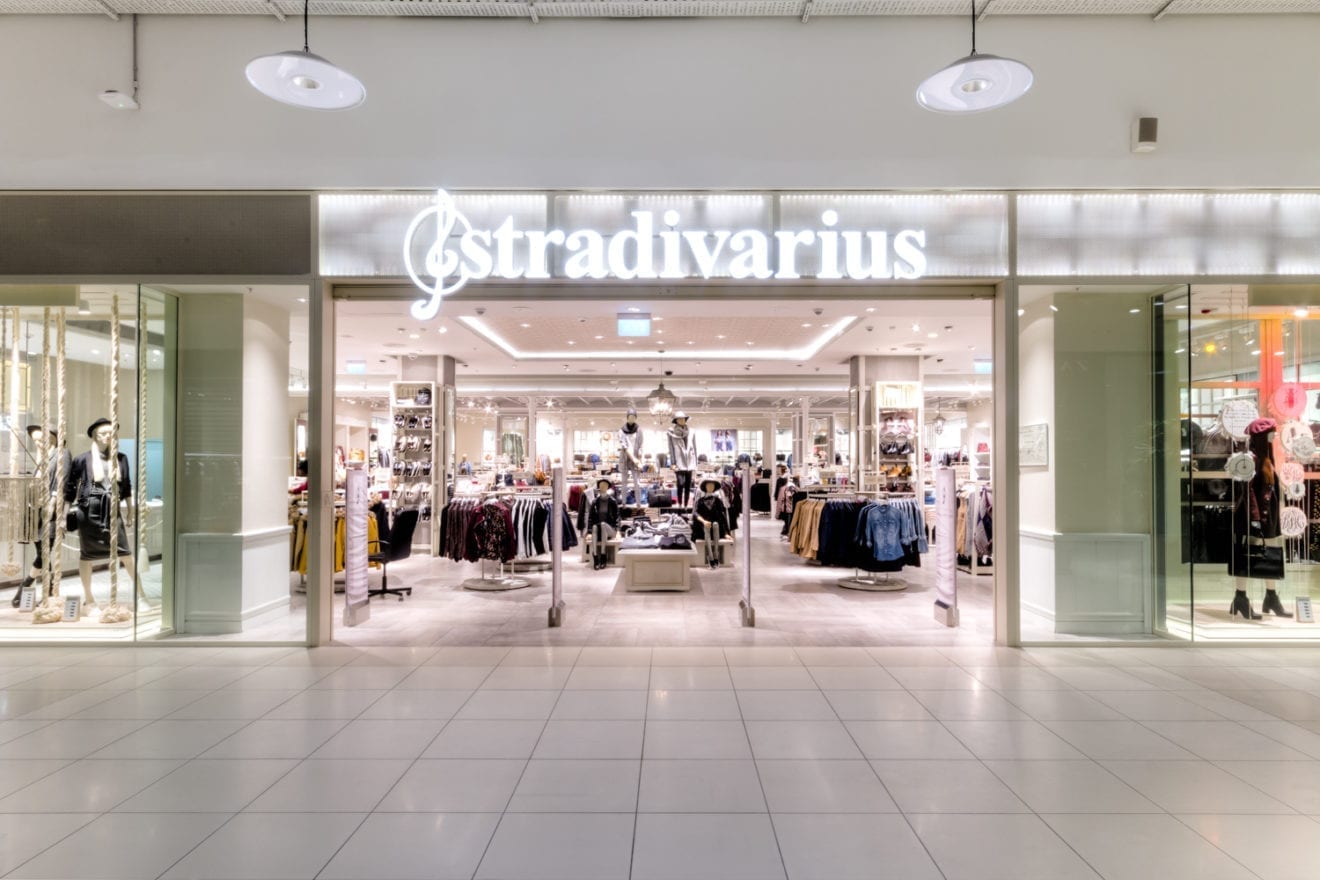
    A Stradivarius mid-air pop-up store on a flight between Barcelona and Split is believed to be a world-first.

    Cabin crew on a flight from Barcelona to Split gave passengers mobile phones that came with an app, designed specifically for the event, for purchasing clothes from Stradivarius’ latest collection.

    Stradivarius says it believes the event marks the first digital pop-up store ever created on board a plane.

    The passengers included leading international fashion bloggers, invited by the brand, whose final destination was the island of Hvar (Croatia) as a part of The Summer Expedition 2016, where they enjoyed different looks of the brand and some leisure activities.

    All the passengers were given a corporate gift after landing and a letter of gratitude for attending this initiative.

    In 2015, Stradivarius organised a fashion parade on a plane in another first..

  • Central Group Vietnam halts buying spree

    Central Group Vietnam halts buying spree

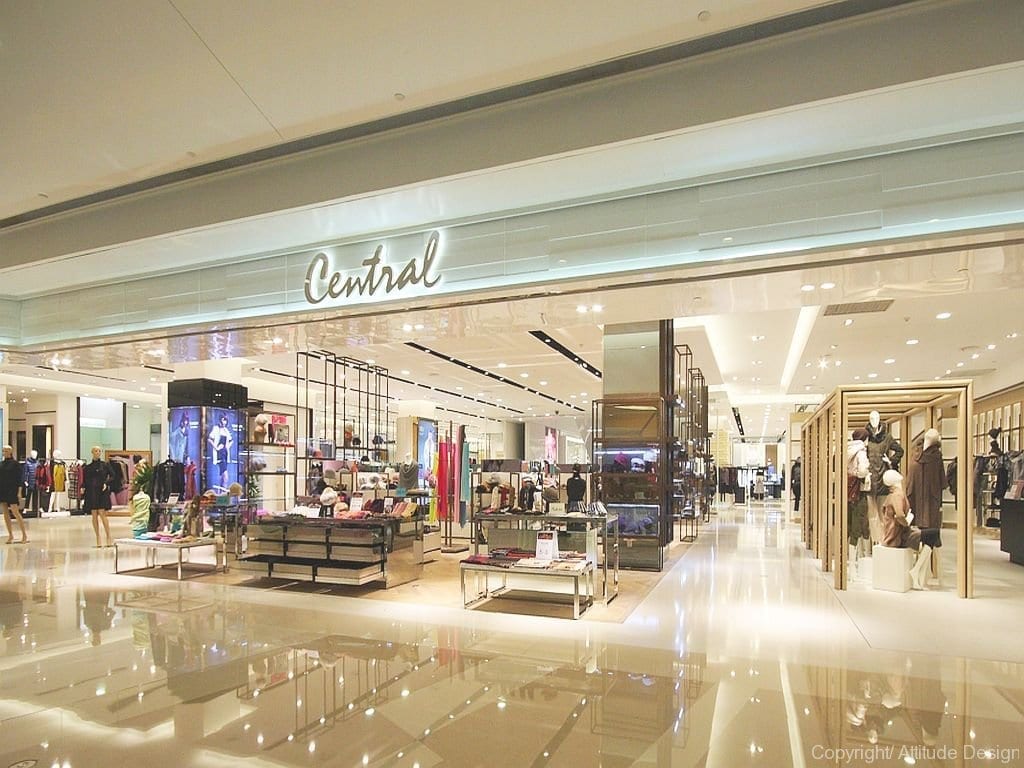
    Thai retailer Central Group Vietnam is putting the brakes on its acquisition spree to focus on consolidating profit, according to media reports.

    Deputy group CEO Prin Chirathivat says Vietnam is shaping up as a second home for the Central Group, with the company having established three Robins Department Stores there, acquired a 49 per cent stake in electronics retailer Nguyen Kim, taken over fashion eCommerce site Zalora Vietnam from Germany’s Rocket Internet, and bought out Big C Vietnam for $1.1 billion.

    Prin has told The Nation that he realises it is time to reap profit from the businesses in Vietnam, with the depreciation of fixed assets putting pressure on profitability despite positive cash flow.

    But while Central has decided to pull back on buying, he says it does not want to miss any interesting inorganic growth opportunities.

    Its biggest equity investment has been taking over 30 Big C Vietnam supermarkets, for which it secured a bridging loan from Bangkok Bank, according to the Bangkok Post. Central will use Zalora to strengthen the channels of local partner Nguyen Kim as well as its Robins stores.

    The Thai group still considers Vietnam as an important market, buoyed by a growing economy and high purchasing power. But it still has plans for Indonesia, including opening five more department stores in Jakarta and Surabaya by 2017.

    Back in Thailand, Central Group no longer owns Big C SuperCentre, but has acquired the Zalora business there.

  • Hermes Korea buck luxury downturn

    Hermes Korea buck luxury downturn

    Hermes, the French high fashion brand, has proven to be an exception to the downturn in South Korea’s luxury market, industry officials said last Tuesday.

    Compared to other luxury brands that had one to three per cent sales increases over the past three or four years, Hermes Korea has shown growth of 20 to 30 per cent, according to global consulting firm Bain & Company. The company’s sales rose 25.7 per cent in 2012, 31.1 per cent in 2013, 32.7 per cent in 2014, and then 27.9 per cent in 2015.

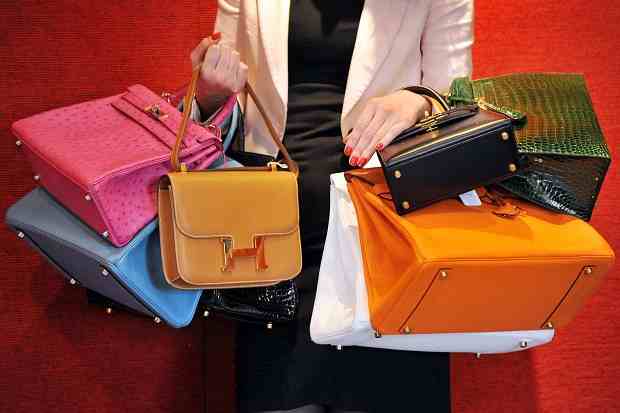
    Department store officials say much of Hermes’ popularity comes from its handbags – in particular, its Birkin bag. Retail sources report 1000 people in South Korea are currently on the waiting list for one of the bags, but three to four years ago, unable to meet the impossibly high demand, the stores stopped taking reservations.

    “We are hard-pressed to be able to deliver on reservations made years ago,” an official at a Hermes store in Seoul said. “So we stopped taking reservations altogether.”

    A Birkin bag is locally priced at 13 million won (US$10,975), with crocodile-skin models selling for as much as 70 million won.

  • Burberry prices ‘too expensive’ in China

    Burberry prices ‘too expensive’ in China

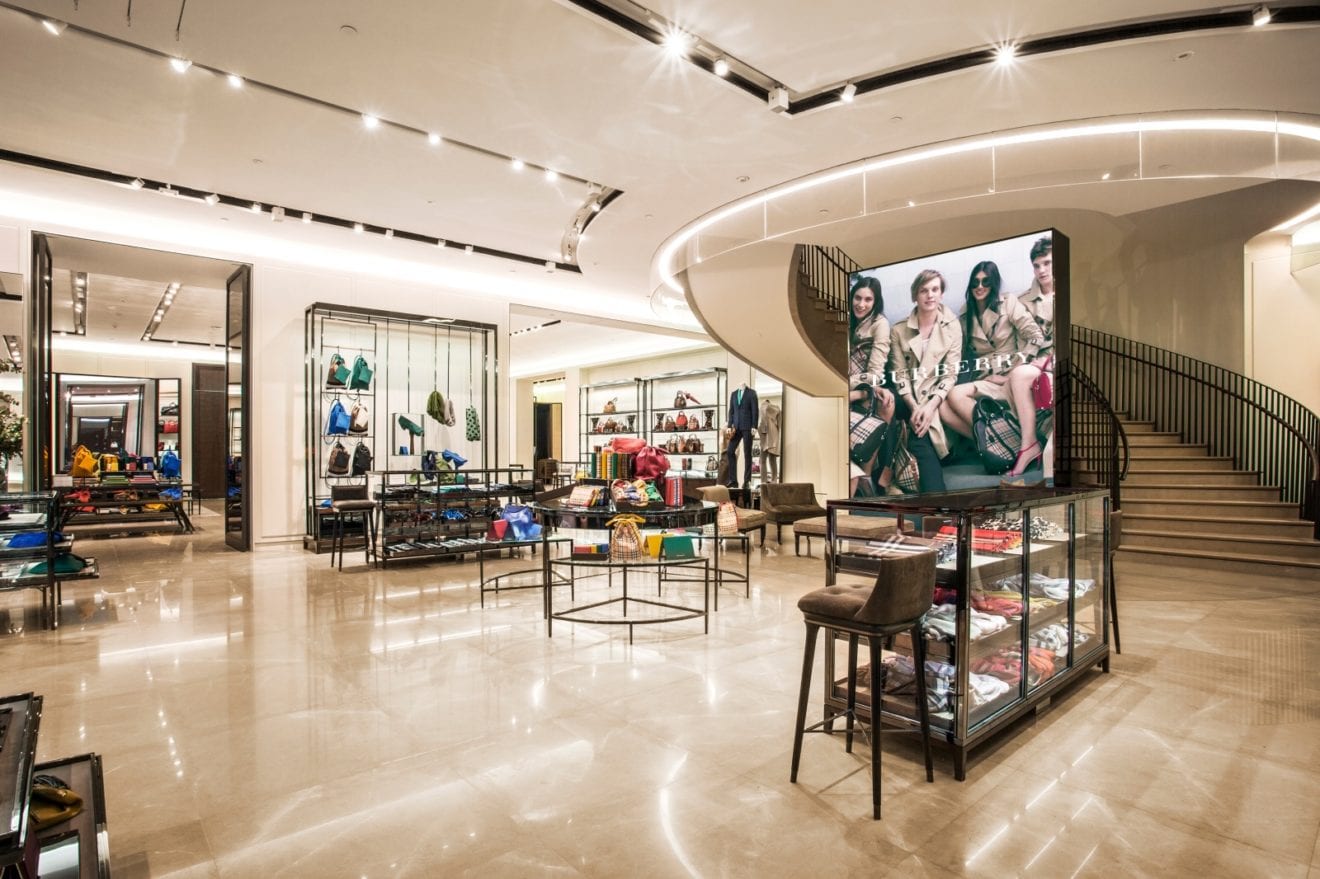
    Burberry prices are too high in China and Hong Kong and the brand must make cuts if it wants to arrest falling sales in the region says a retail analyst.

    Last week the UK-headquartered luxury fashion label reported its second consecutive drop in earnings, this time by some 10 per cent. Sales in Hong Kong have fallen more than 20 per cent for three consecutive quarters.

    Jack Chuang, a partner with Hong Kong-headquartered OC&C Strategy Consultants, says while the company is planning to cut overheads by £100 million over the next two years, the solution is a lot simpler.

    “Saving cost might help with Burberry’s short-term financial performance, but we don’t think it will help solve the fundamental problems it has in Asian market.

    “Among all the luxury brands, Burberry is almost the one with most significant price gap between Asian and European markets. Prices in Mainland China are almost 40 per cent higher than in UK, while in Hong Kong, it is 20 per cent higher.”

    Chuang says while a lot of luxury brands have started to think about price equalisation – citing Chanel, Cartier and Dior as examples from last year and, more recently, Valentino – Burberry raised its prices in China again in May by 5 to 10 per cent.

    “If it continues this type of strategy, more and more domestic demand will shift to the overseas market through travelling or cross-border eCommerce and no matter how they save cost (whether limited to Hong Kong or globally), they are going to have problems in Asia.”

  • Richemont Asia stores set for cull

    Richemont Asia stores set for cull

    Feeling the pinch from a tough trading environment, luxury goods retailer Richemont has announced restructuring measures, including the closure of stores.

    Richemont Asia sales have declined despite a 26 per cent increase in sales in Mainland China.

    Global sales fell 18 per cent in April, and the company reported a 23 per cent drop in full-year profit.

    Richemont says it is cutting costs in its watch sector and plans to consolidate its global retail presence, particularly in Mainland China, while investing further in jewellery.

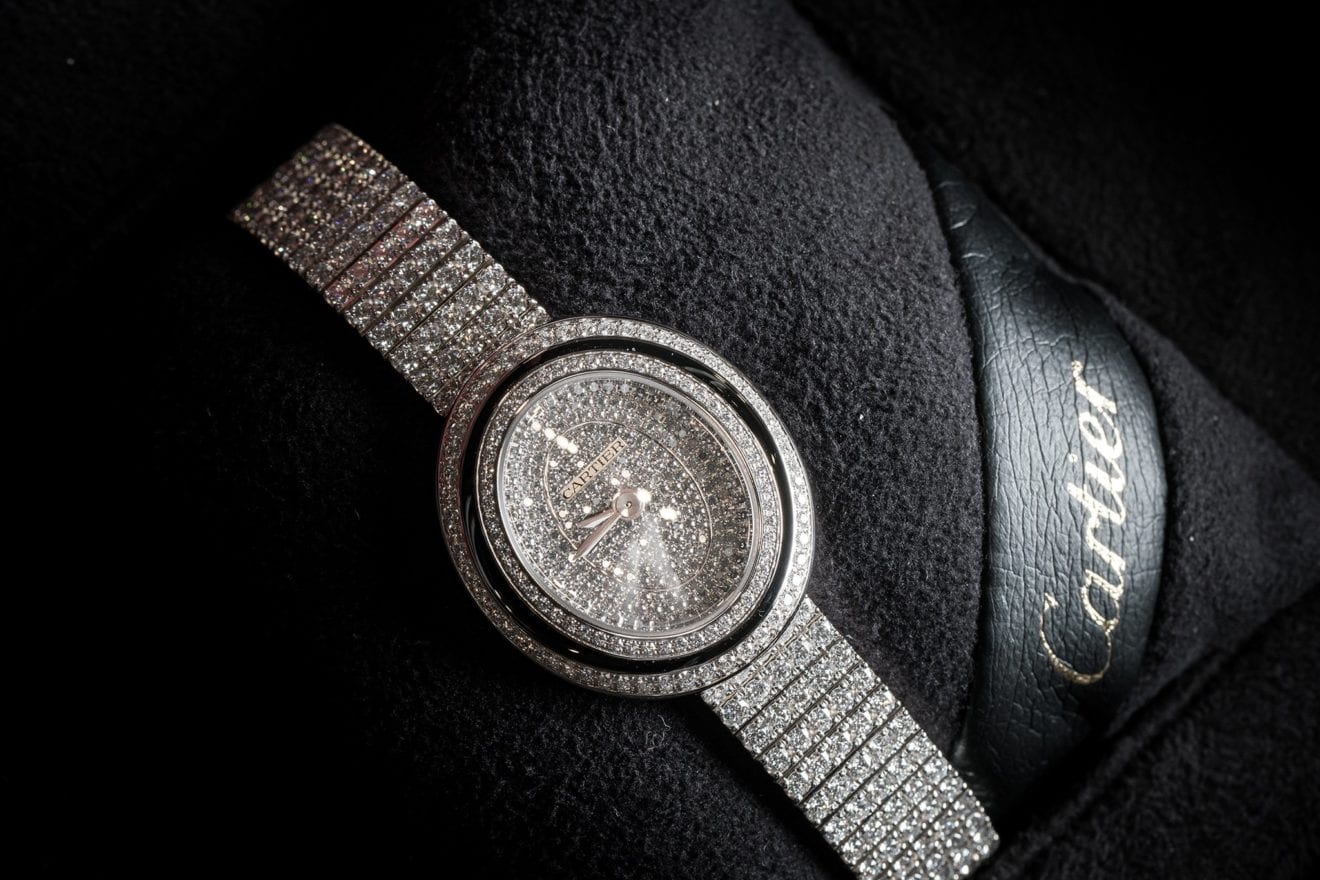
    Richemont owns brands including Baume & Mercier, Cartier, Chloe, Dunhill, IWC Schaffhausen, Jaeger-LeCoultre, Lancel, Montblanc, Piaget, Roger Dubuis, Shanghai Tang, Vacheron Constantin and Van Cleef & Arpels.

    “In the near term, we are doubtful that any meaningful improvement in the trading environment is to be expected,” said chairman Johann Rupert, revealing plans for Richemont store closures across its brands.

    Richemont’s operating profit in the year ended March was $2.06 billion, down from $2.67 billion because of the cost of restructuring measures initiated to counter the Asia Pacific downturn. Full-year revenue edged up 6 per cent to $11.08 billion, helped by favourable exchange rates.

    “Our concerns over geopolitical risks and the impact on the behaviour of our clients proved justified,” said the company.

    “Trading conditions in Hong Kong and Macau remained difficult. Only mainland China showed good growth.”

    Richemont’s final quarter was hit by slower tourist spending in Europe after terrorist attacks, while its Hong Kong business continued to bear the brunt of a strong currency which, combined with a slowdown in Chinese growth, deterred mainland tourists.

  • Aesop Singapore store marks new design direction

    Aesop Singapore store marks new design direction

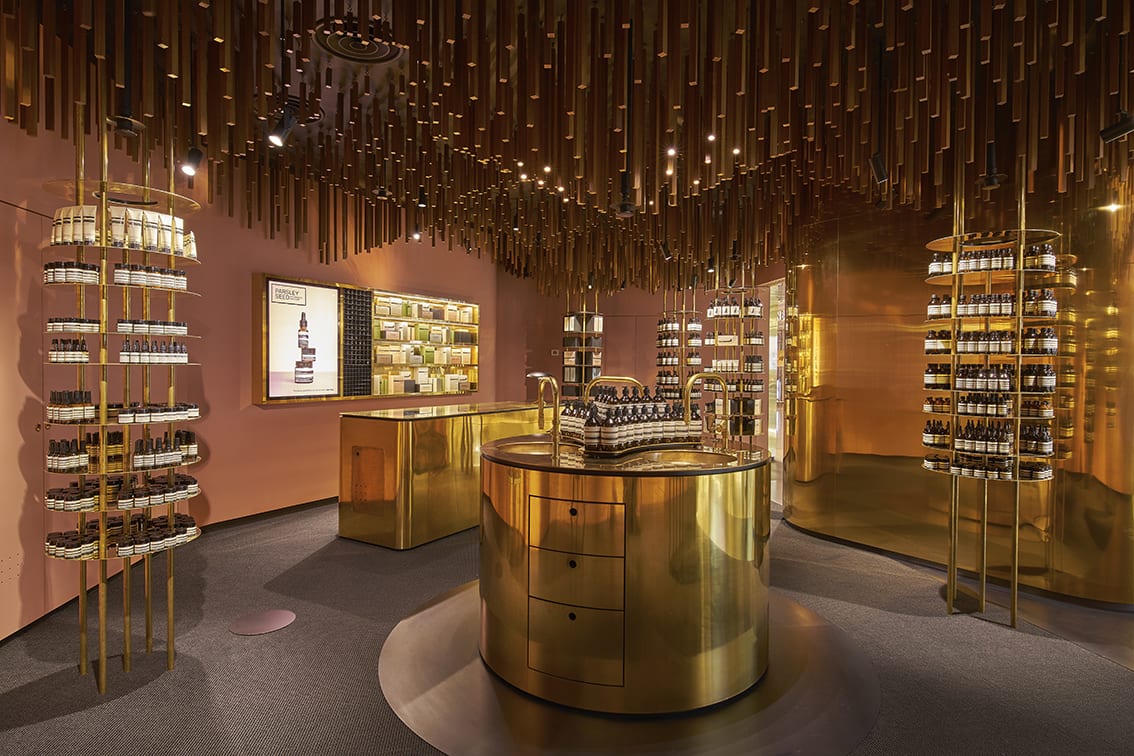
    The newly-opened Aesop Ion Orchard features the brand’s newest generation store design concept.

    The store, designed by Snohetta, was officially opened a week ago after about a month’s trading. It is the first time Aesop has had a presence in Ion Orchard.

    Aesop-ION-store-by-Snohetta-Singapore-04

    The store features metals and timber, with a bold polished brass exterior. Narrow square timber batons of differing lengths hang down from the ceiling to create an ‘upside down forest’. The timber was chosen in part to mark the presence of a nutmeg plantation on the site many years before Orchard Rd became a retail hub.

    Aesop-ION-store-by-Snohetta-Singapore

    The walls are painted in a pink hue, intended to be reminiscent of the colour of mace, a spice harvested from the nutmeg fruit.

    “A connection with the nearby Aesop Raffles City is established through the use of brass in functional elements such as the sales counter and sink, and the metal’s lustre is enhanced by overhead lighting,” said the brand.

    Aesop-ION-store-by-Snohetta-Singapore-07

    Aesop-ION-store-by-Snohetta-Singapore-06

    A lot of the product is displayed on circular shelves mounted on steel frames running from ceiling to floor creating a ‘floating effect’ which fits in with the ceiling forest effect. There are vintage style basins with old style outdoor taps for customers to wash their hands before treatments.

    Aesop-ION-store-by-Snohetta-Singapore-03

    Aesop was founded in Melbourne, Australia, in 1987 and has since grown into an international chain of stores and department store concessions selling skin care products packaged in brown medicine bottles.

    Aesop-ION-store-by-Snohetta-Singapore-09

    Aesop Ion Orchard is the fifth of the brand’s shops to be designed by Snøhetta – earlier stores include Raffles City, Berlin and Norway.

    Aesop founder Dennis Paphitis told Dezeen “there’s a direct correlation between interesting, captivating store spaces and customer traffic within a store.”

  • Gap Japan to axe Old Navy

    Gap Japan to axe Old Navy

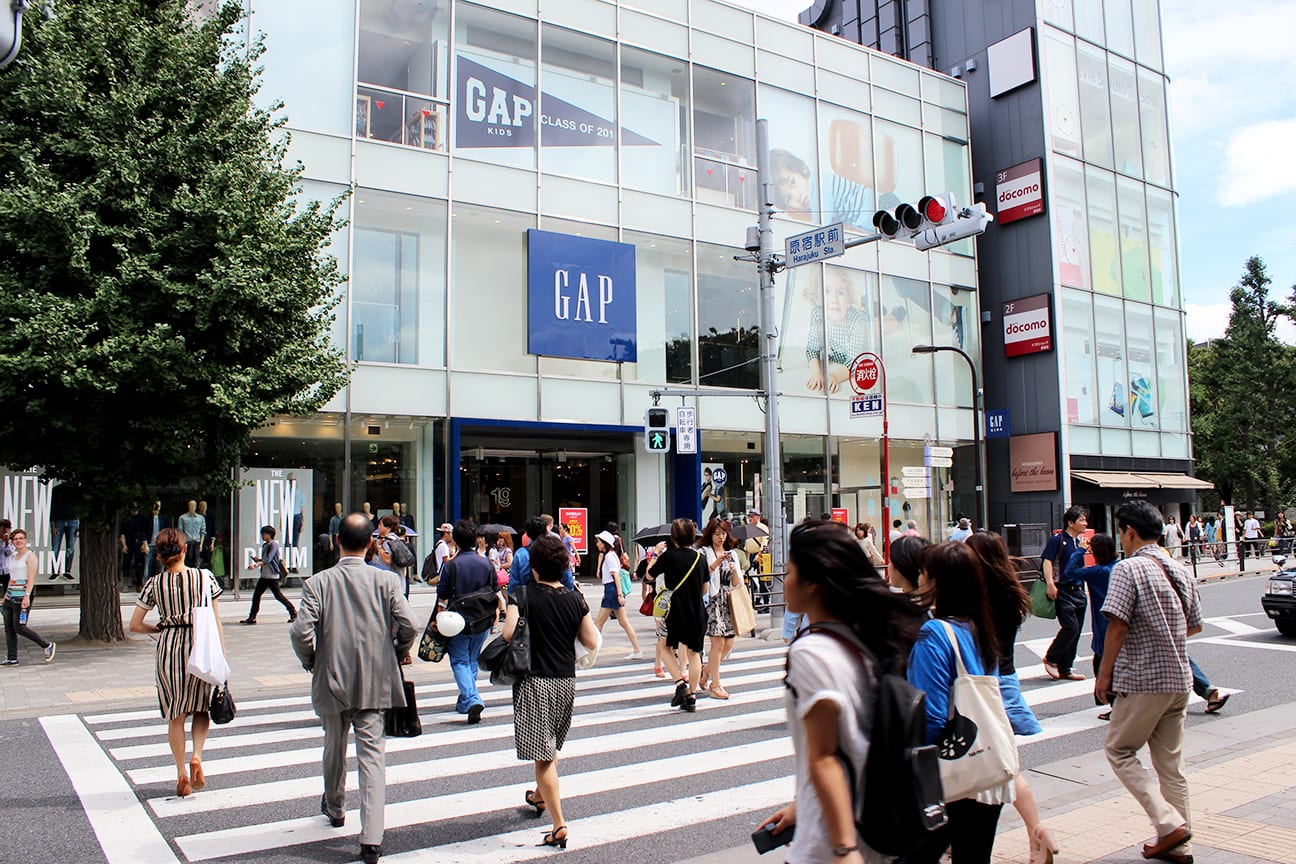
    Gap Japan will close its 53 Old Navy stores as its parent narrows its focus in Asia.

    But CEO Art Peck says the company “remains committed” to growing its brands in regions where it has a structural advantage.

    The relatively down-market Old Navy brand will focus on the Mainland China market and the Gap brand will remain in Japan, he announced, at the time of revealing a first quarter sales decline of US$$3.44 billion, down 5 per cent.

    “Japan remains an important market for Gap Inc’s portfolio, with a continued strong presence of more than 200 Gap and Banana Republic stores,” said Peck.

    A further 22 international stores will close, but the company has not revealed where or which brands.

    “As the pace of change across the apparel industry increases, now is the time to accelerate our

    transformation by scaling our product and operating capabilities across our global portfolio,” said Peck.

    Asia accounted for 11 per cent of Gap’s global sales, 1 per cent more than during the same quarter of last year. Across the region it no has 312 Gap-branded stores (up seven), 69 Old Navy stores (up four) and 51 Banana Republic stores (no change).

    Globally, Gap stores sales decline 3 per cent – which was better than last year’s 10 per cent; Banana Republic sales fell 11 per cent compared with 8 per cent and Old Navy fell 6 per cent, compared with 3 per cent.

    Neil Saunders, CEO of Conlumino, described the quarter as “disastrous” for Gap, “ one during which all of its main engines stalled and went into reverse”.

    “Gap Inc is now retailer without any star brands and with seemingly little vision to move itself forward. Unless it takes radical action to overhaul its businesses the outlook will only darken still further,” said Saunders.

    “Most worryingly, while the latest April numbers are likely impacted by the earlier Easter, they nevertheless show that all brands failed to gain any momentum as the quarter progressed. Indeed, in the case of Old Navy the sales slip accelerated.”

    Saunders says the central issue for Gap is that it is “creatively dull” and does very little to change collections from season to season or year to year.

    “As a result it has become increasingly reliant on customers buying on a replacement cycle rather than being inspired to buy new products. This, in turn, leads to it stimulating sales by the use of extensive discounting which then discourages consumers from buying at full-price. Gap shows no signs of getting out of this viscous cycle.”

    He said its Banana Republic brand has gone into reverse since the departure of Marissa Webb.

    “While Webb’s attempts to revitalise the chain did not bear immediate fruit, that she was not given sufficient time in the job and, much like the departure of Rebekka Bay, her leaving signifies Gap has both a problem with change and with giving competent people the scope to get on with the job in hand.”

    Old Navy’s decline is more recent, he argues.

    “While the brand has been the star of the show for many quarters, the past few collections have been dull and uninspiring. Stores are also looking more fragmented with no clear merchandise or brand story to entice shoppers. Coupled with excess inventory this has made for a less than pleasant shopping experience – something that has diluted the impact of the various flash sales and offers Old Navy has traditionally relied on for growth.

    “As problematic as sales are, there is no doubt that margins are equally troubled. All Gap brands have resorted to heavy discounting in order sales and, even so, the company still has an excess of inventory. The final profit position for the quarter is very poor with net income down by a sharp 47 per cent over the prior year.

    “All of this bodes badly,” Saunders concluded.
  • New beauty range in H&M Singapore

    New beauty range in H&M Singapore

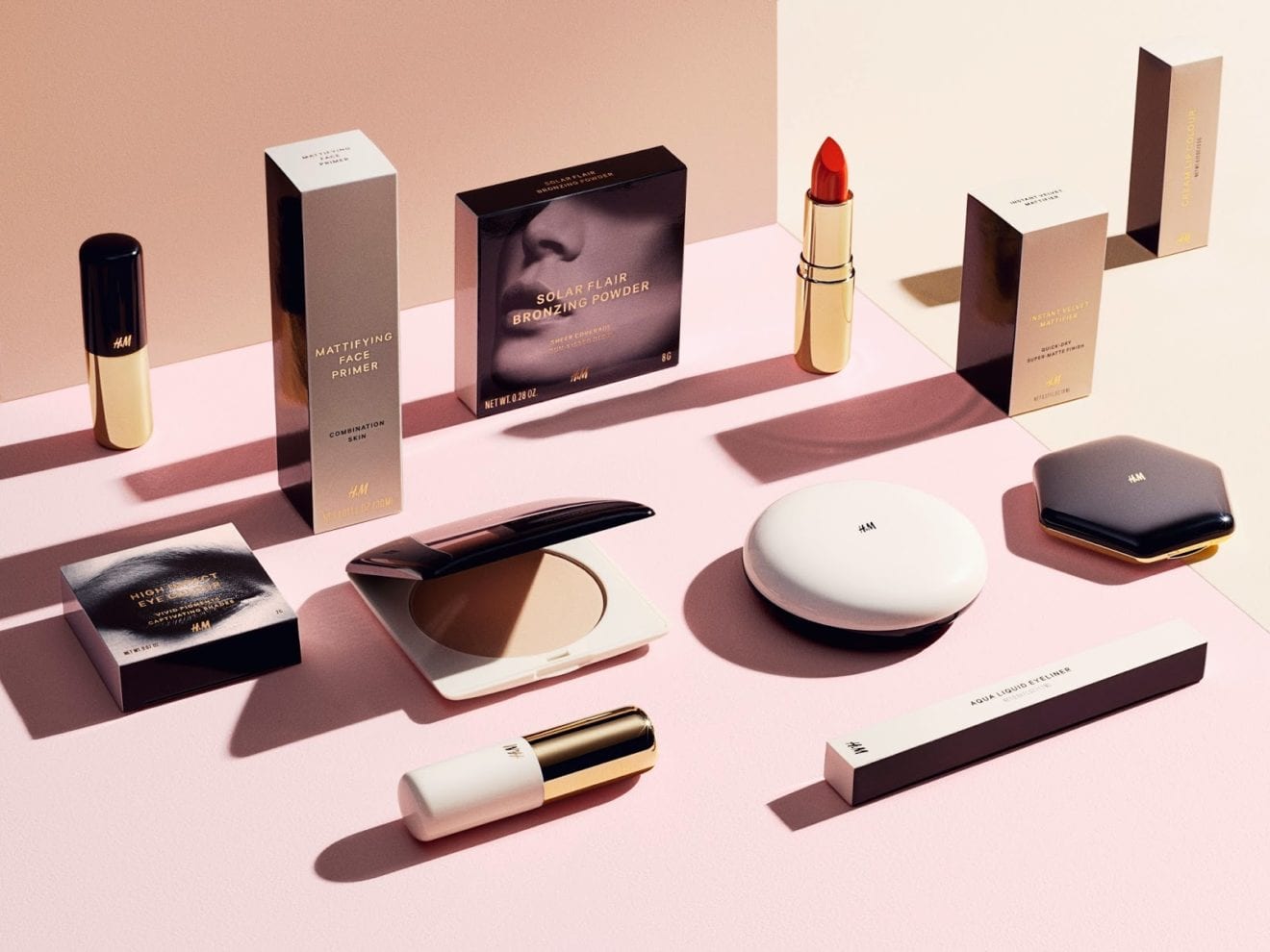
    Fast fashion chain H&M Singapore is to launch its beauty range in its city stores.

    The Swedish company made its debut in the category late last year and in the third quarter of this year Singapore will be the first market in Asia where beauty products go on sale.

    The product line-up includes cosmetics, body, skin and hair care products. The full range will go on sale in the H&M Orchard Building store and H&M Raffles Place will stock make-up.

    “We are very excited to be the first market across Asia to carry the much-anticipated beauty concept,” said Fredrik Famm, country manager of H&M South-east Asia.

    “The H&M philosophy is all about offering shoppers the latest styles and quality fashion while staying affordable, and the upcoming beauty range will stay true to our mission. Similar to our fashion, we hope the extensive selection of our beauty range will allow fans to have fun exploring and creating any kind of look they want.”

    Singaporeans will be able to choose from more than 700 beauty essentials, from nail products to beauty tools.

    Internationally, H&M is about to launch two additional collections within the beauty range: A premium body care line and the Conscious branded range of sustainable products which are Ecocert-approved.

  • Coach Asia revamps duty free network

    Coach Asia revamps duty free network

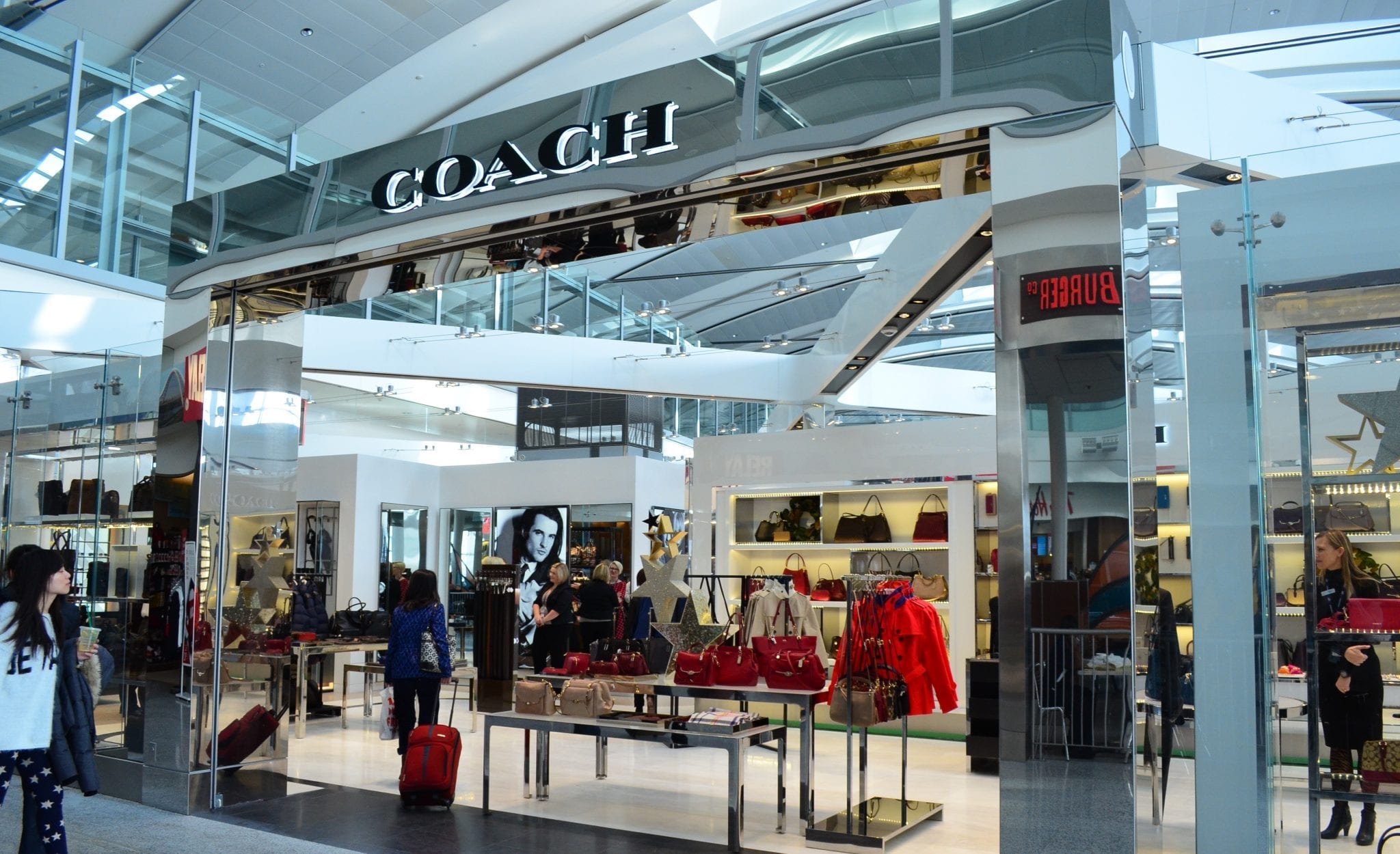
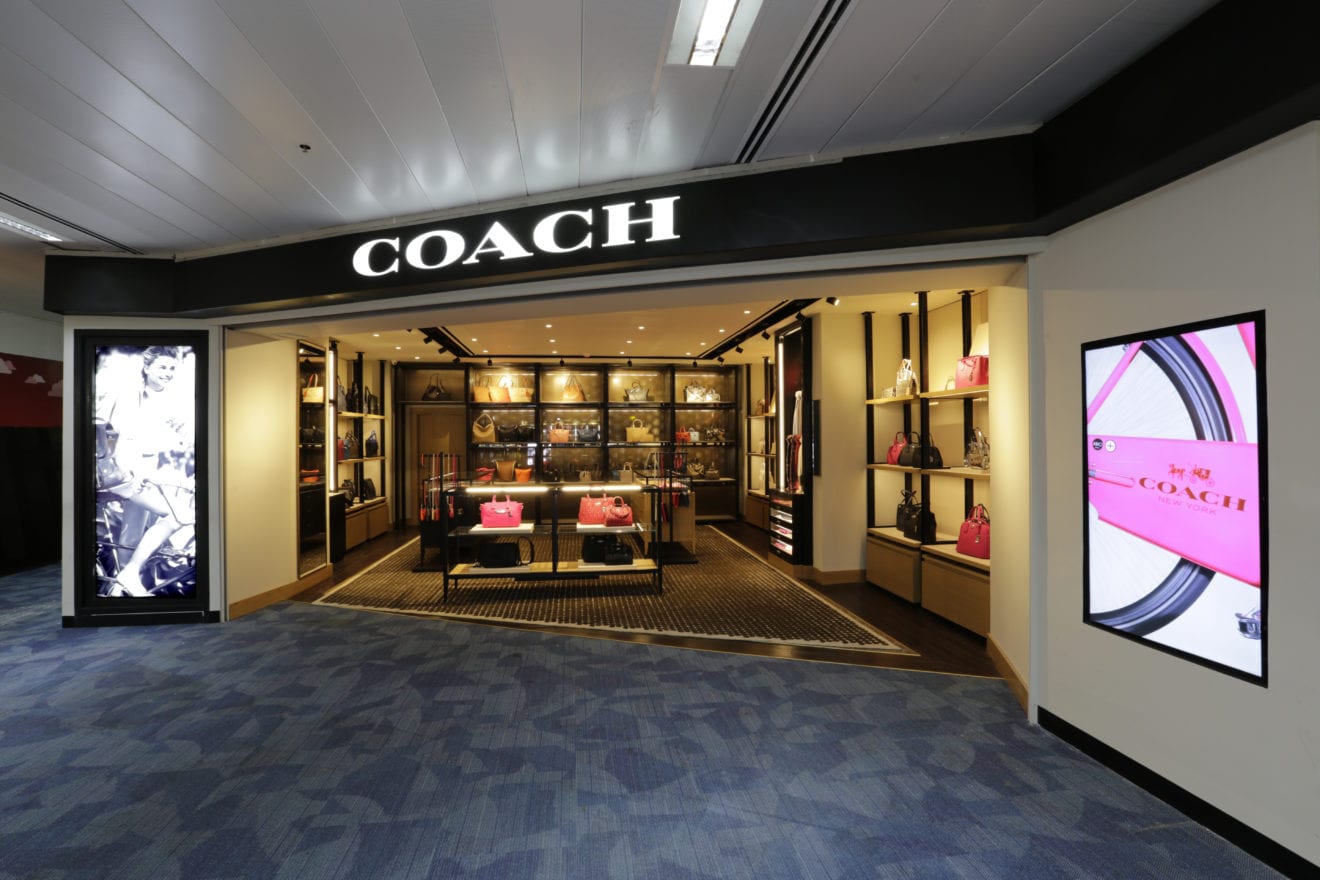
    US accessories and lifestyle label Coach Asia is remodelling its duty-free and travel retail stores to tie in with its new “modern luxury” concept, and is planning further expansion in the region.

    The company says the aim is to provide a “warm and inviting” environment in which to showcase the latest products from Coach creative director Stuart Vevers.

    “The performance of the renovated stores has been very strong, and the concept has been extremely well received by the Asian consumer,” Coach International division vice-president of sales Paulo Colino said.

    “We are pleased with the progress we have made updating the stores and expect to have nearly half of our shops in the region remodelled by the summer of next year.”

    Coach has nearly 80 shops spread over 15 countries, including airport and cruise-ship locations.
    Key stores for the renovation include DFS and China Duty Free in Siem Reap, Ginza with Lotte in Tokyo, Kansai Airport with JatCo, Hongqiao Wing 5 with Dufry and Kunming Airport with Lagardere TR, Phuket downtown with King Power, Sentosa Plaza with Valiram in Singapore, and Sunplaza and Chinachem with DFS in Hong Kong.

    “Given the success we have seen in this region, we plan to expand into additional countries in Asia, including India and Myanmar,” says Colino.

    Coach is now a quarter way through the refit program.

  • Manolo Blahnik steps up in-store presence in Asia

    Manolo Blahnik steps up in-store presence in Asia

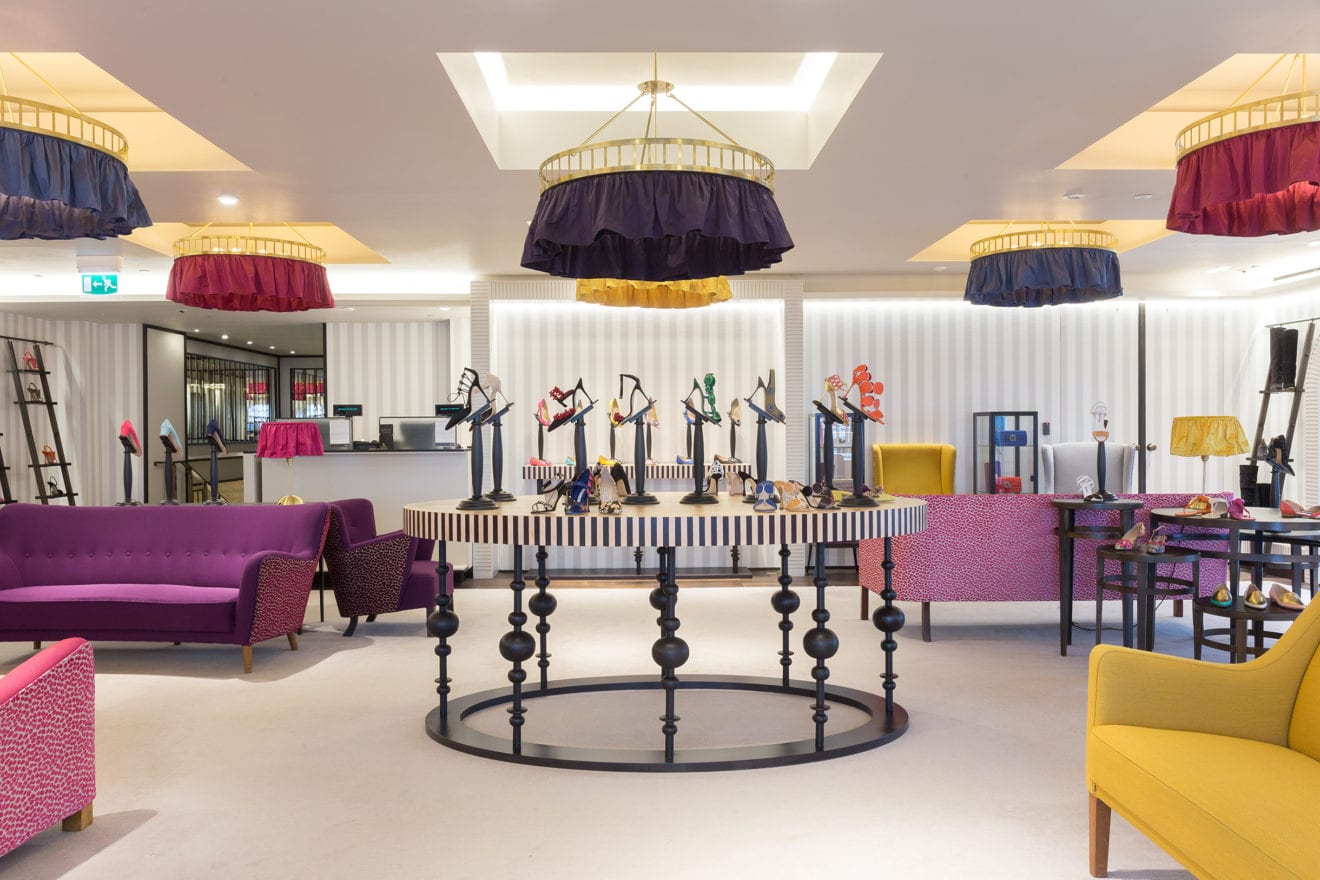
    Footwear label Manolo Blahnik is expanding operations in select Asian markets through a new distribution and retail partnership.

    Beginning with the autumn/winter 2016 collection, Bluebell Group will be responsible for Manolo Blahnik’s distribution and retail development in Japan, Singapore and Malaysia. Depending on the success of the partnership, Bluebell Group will then be tasked with expanding Manolo Blahnik further into the region.

    Finding its footing
    Under the agreement, Bluebell Group will manage and provide support service for Manolo Blahnik’s 41 retail locations already in operation in the Japanese market.

    The Japanese locations will be added to Manolo Blahnik’s existing 290 points of sale in 33 countries. Manolo Blahnik’s retail network consists of 11 standalone stores, including two in Hong Kong and one in Seoul, South Korea.

    In Japan particularly, Bluebell Group will help Manolo Blahnik to launch its first shop-in-shop and corners in the market’s leading department stores. Additionally, the brand is planning its first flagship in Tokyo for 2017.

    Also, Manolo Blahnik’s shop-in-shop in Takashimaya in Singapore will be operated by Bluebell’s local division. The shop-in-shop will undergo renovations later this year.

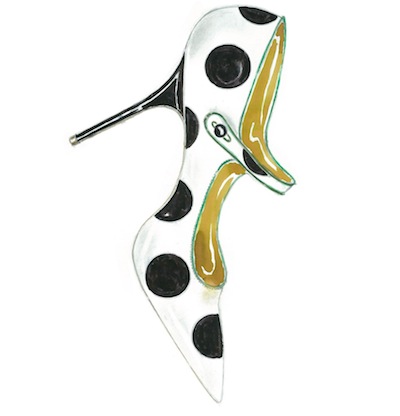
    manolo blahnik.ss16 illustration

    In the Malaysian market, Manolo Blahnik will open its first standalone storefront in autumn/winter 2016. The boutique will be located in the Pavilion Mall in the speciality retail section.

    “We are delighted to now be working with the Bluebell Group in Asia,” said Kristina Blahnik, CEO of Manolo Blahnik International, in a statement. “Manolo Blahnik is a global brand but with comparatively small distribution in Japan, Malaysia and Singapore.

    “With Bluebell now as our partners we are excited about exploring and building the business in these regions and further territories,” she said. “I have trust in their guidance and experience, and appreciate their company family values that resonate with our own. We look forward to a successful relationship.”

    Manolo Blahnik has recently turned to ecommerce platform Farfetch to expand its global presence. As of March, the online retailer’s Black & White service powers Manolo Blahnik’s monobrand ecommerce point of sale.

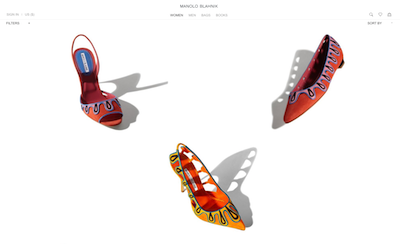
    manolo.ecomm web full 400
    Manolo Blahnik ecommerce Web site, powered by Farfetch’s Black & White 

    Through Black & White, Manolo Blahnik sells its entire catalog of men’s and women’s shoes as well as books relevant to the brand

  • Victoria’s Secret China beauty shops bought back from franchise

    Victoria’s Secret China beauty shops bought back from franchise

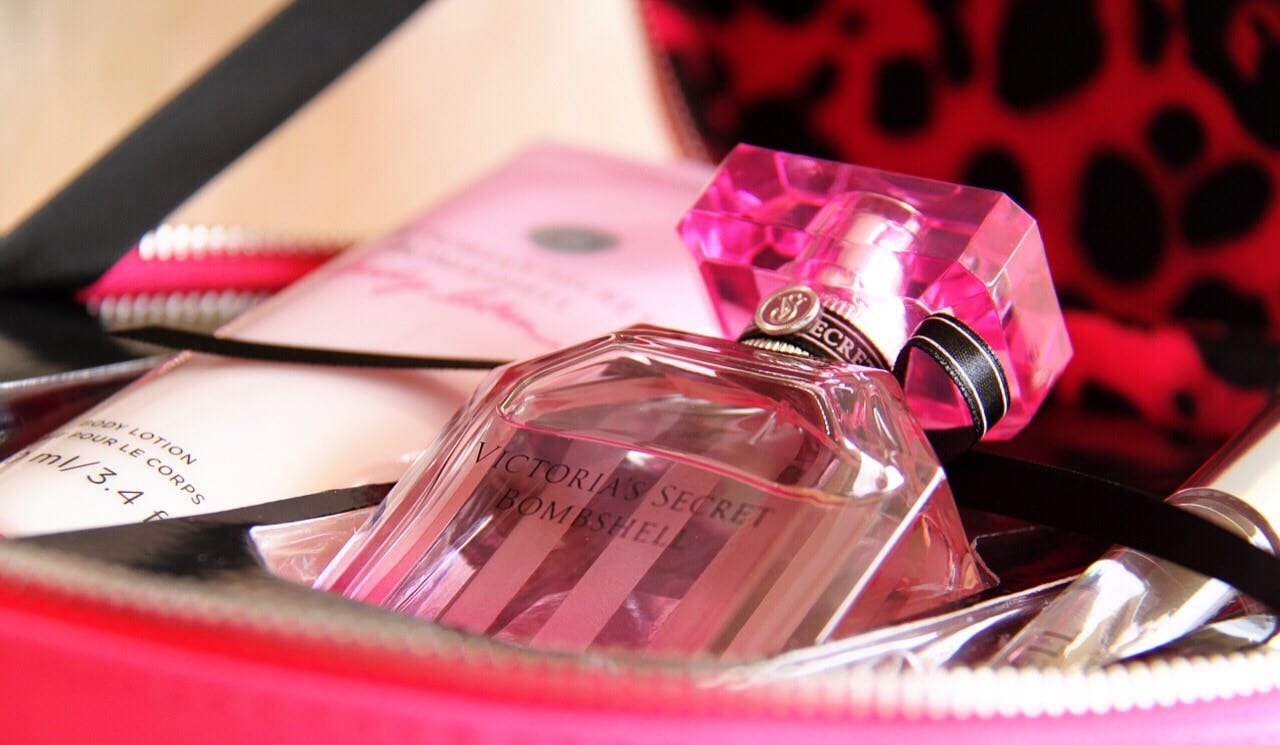
    The Victoria’s Secret Beauty & Accessory (VSBA) retail outlets in question are all situated within malls or airports across China, and sell a selection of the brand’s beauty products and accessories.

    Until now, they have been owned and operated by a domestic franchise partner within the country, but the move by L Brands to take on the stores suggests the US-based parent company is keen to assert itself in China.

    Speaking as part of the company’s annual meeting, CEO Les Wexner described China as the brand’s “second home market”, with the company asserting it is now ready to take full control of its brand presence in the country.

    Taking on the ‘heavy lifting’

    According to the company, L Brands considers China to be a market which demands focus and attention from brands operating within it, due to the complexity of the market.

    As we look forward and we think about the scaling opportunity of the market and we combine that with the complexity [..] around regulatory affairs, how we build our stores, how we operate those stores, it seems to me that we’re going to be doing most of the heavy lifting anyway,” the company’s international president, Martin Waters, explained.

    It makes sense that we should be in it completely,” he confirmed.

    Along with taking on responsibility for the current VSBA portfolio in the country, L Brands announced that it will also now launch flagship stores in Shanghai and Beijing, develop its presence within the country’s malls, and foster a strong online sales model too.

     China beauty regulation

    Responding to the complexity of China’s beauty regulation is a savvy move on the part of L Brands, as for now, the country remains notoriously tricky to navigate for the industry.

    However, industry insiders observe that the government is making moves to simplify regulation for beauty, and move towards a model of ‘industry-led’ regulation instead.

    Speaking at the recent in-cosmetics Paris event, Dr Gerald Renner, director of technical regulatory affairs for Cosmetics Europe, explained that the ongoing shift will result in greater in-market control.