Category: Fashion

Retail News Asia is committed to providing both local and global retailers with the latest Fashion news throughout the Asian market. This on a daily base.

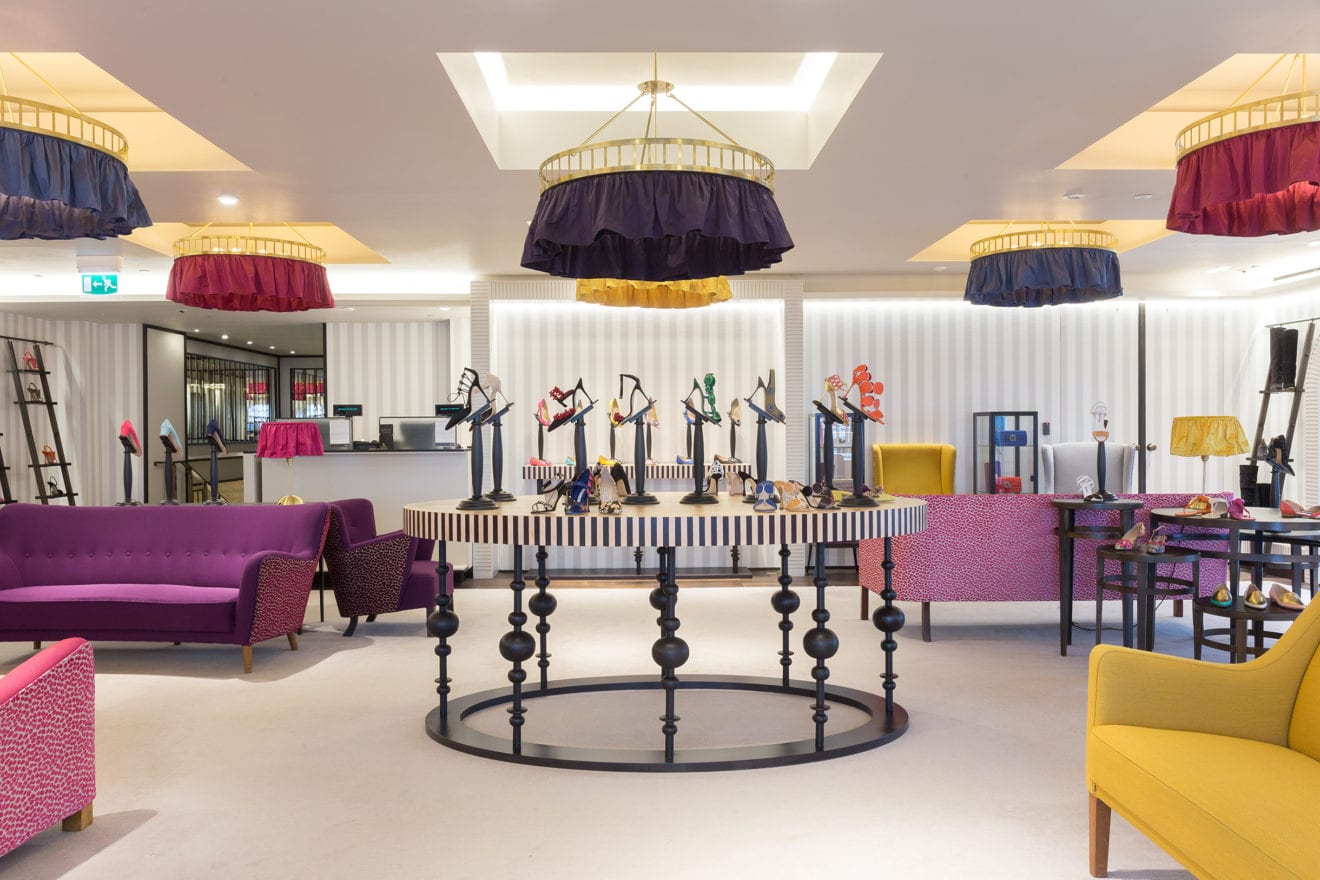
  • Manolo Blahnik steps up in-store presence in Asia

    Manolo Blahnik steps up in-store presence in Asia

    Footwear label Manolo Blahnik is expanding operations in select Asian markets through a new distribution and retail partnership.

    Beginning with the autumn/winter 2016 collection, Bluebell Group will be responsible for Manolo Blahnik’s distribution and retail development in Japan, Singapore and Malaysia. Depending on the success of the partnership, Bluebell Group will then be tasked with expanding Manolo Blahnik further into the region.

    Finding its footing
    Under the agreement, Bluebell Group will manage and provide support service for Manolo Blahnik’s 41 retail locations already in operation in the Japanese market.

    The Japanese locations will be added to Manolo Blahnik’s existing 290 points of sale in 33 countries. Manolo Blahnik’s retail network consists of 11 standalone stores, including two in Hong Kong and one in Seoul, South Korea.

    In Japan particularly, Bluebell Group will help Manolo Blahnik to launch its first shop-in-shop and corners in the market’s leading department stores. Additionally, the brand is planning its first flagship in Tokyo for 2017.

    Also, Manolo Blahnik’s shop-in-shop in Takashimaya in Singapore will be operated by Bluebell’s local division. The shop-in-shop will undergo renovations later this year.

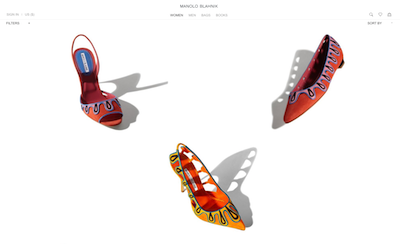
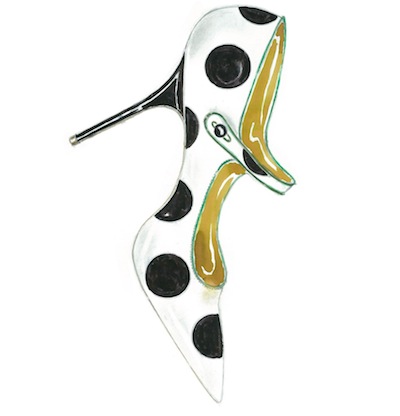
    manolo blahnik.ss16 illustration

    In the Malaysian market, Manolo Blahnik will open its first standalone storefront in autumn/winter 2016. The boutique will be located in the Pavilion Mall in the speciality retail section.

    “We are delighted to now be working with the Bluebell Group in Asia,” said Kristina Blahnik, CEO of Manolo Blahnik International, in a statement. “Manolo Blahnik is a global brand but with comparatively small distribution in Japan, Malaysia and Singapore.

    “With Bluebell now as our partners we are excited about exploring and building the business in these regions and further territories,” she said. “I have trust in their guidance and experience, and appreciate their company family values that resonate with our own. We look forward to a successful relationship.”

    Manolo Blahnik has recently turned to ecommerce platform Farfetch to expand its global presence. As of March, the online retailer’s Black & White service powers Manolo Blahnik’s monobrand ecommerce point of sale.

    manolo.ecomm web full 400
    Manolo Blahnik ecommerce Web site, powered by Farfetch’s Black & White 

    Through Black & White, Manolo Blahnik sells its entire catalog of men’s and women’s shoes as well as books relevant to the brand

  • Victoria’s Secret China beauty shops bought back from franchise

    Victoria’s Secret China beauty shops bought back from franchise

    The Victoria’s Secret Beauty & Accessory (VSBA) retail outlets in question are all situated within malls or airports across China, and sell a selection of the brand’s beauty products and accessories.

    Until now, they have been owned and operated by a domestic franchise partner within the country, but the move by L Brands to take on the stores suggests the US-based parent company is keen to assert itself in China.

    Speaking as part of the company’s annual meeting, CEO Les Wexner described China as the brand’s “second home market”, with the company asserting it is now ready to take full control of its brand presence in the country.

    Taking on the ‘heavy lifting’

    According to the company, L Brands considers China to be a market which demands focus and attention from brands operating within it, due to the complexity of the market.

    As we look forward and we think about the scaling opportunity of the market and we combine that with the complexity [..] around regulatory affairs, how we build our stores, how we operate those stores, it seems to me that we’re going to be doing most of the heavy lifting anyway,” the company’s international president, Martin Waters, explained.

    It makes sense that we should be in it completely,” he confirmed.

    Along with taking on responsibility for the current VSBA portfolio in the country, L Brands announced that it will also now launch flagship stores in Shanghai and Beijing, develop its presence within the country’s malls, and foster a strong online sales model too.

     China beauty regulation

    Responding to the complexity of China’s beauty regulation is a savvy move on the part of L Brands, as for now, the country remains notoriously tricky to navigate for the industry.

    However, industry insiders observe that the government is making moves to simplify regulation for beauty, and move towards a model of ‘industry-led’ regulation instead.

    Speaking at the recent in-cosmetics Paris event, Dr Gerald Renner, director of technical regulatory affairs for Cosmetics Europe, explained that the ongoing shift will result in greater in-market control.

  • Luxury brands Gucci & Zegna shutting shop as Chinese buyers turn thrifty

    Luxury brands Gucci & Zegna shutting shop as Chinese buyers turn thrifty

    It’s already happened to middle-of-the-road stores across high streets and main streets. Now the world’s biggest luxury stores are starting to shutter outlets. The culprit is the Chinese consumer, who is starting to rein in spending at home and abroad. The effect will be no less severe: expect more closures to come.

    Over the past decade, Chinese consumer demand and new store openings together turbo-charged luxury sales. New store space accounted for 55% of global luxury revenue growth over the past eight years, according to analysts at Mainfirst.

    As for Chinese nationals, they powered about two-thirds of luxury market’s growth over the past decade, according to Exane BNP Paribas.

    Now both of these forces are running out of steam. Given the slump in Hong Kong and the slowdown in China, stores there are the main focus of attention.

    MIXED BAG

    Gucci and Zegna were among luxury brands to cut their store footprint in the first quarter.

    Hugo Boss has already announced plans to close 20 of the 131 stores it directly owns on the mainland. It’s reviewing as many as another 20 of its least-profitable 430 stores globally.

    The company is in talks with its landlords, so not all of these outlets will close but it expects to announce a sizeable number of exits later this year.

    Prada won’t say where its selective store cuts might fall, but as it expanded aggressively in Asia, it’s a good bet that some will be there.

    And last week, Richemont, maker of Cartier jewelry and Jaeger-LeCoultre watches, said it was also reviewing its retail network in Hong Kong and Macau.This could include closures, moving to cheaper premises or lease renegotiations. Indeed, seeking rent reductions is an alternative to outright closure. Bloomberg Intelligence’s Patrick Wong ays rent reductions of as much as 50% says rent reductions of as much as 50% are possible in some locations in Hong Kong. But demand remains strong for space in premium malls, limiting the scope for discounts.

    In mainland China, tenants have the most bargaining power in new malls, particularly in second-tier cities , hit by a slump in demand and plentiful new supply, Wong notes.

    While the most attention might be on China, globally, brands are focusing on making their existing stores work harder. Rather than planning large scale openings, existing outlets are being refurbished.

    The luxury groups are right to halt their dizzying expansion, and start to cut back. As they do, there could be opportunities for more niche upmarket brands to expand. Kering’s Saint Laurent, LVMH’s Givenchy Fendi and Celine, and Swatch’s Harry Winston could all open stores at more attractive rents.

    Pandora, the affordable luxury chain, is one retailer that is still growing its store base, including in China. And here’s another trend that mirrors what is happening on high streets and main streets. As mid-market brands retrench, discount players move in. Pandora is hardly the same as Primark (its jewelry can cost 60 ($87) rather than 6 at its less upscale cousin). But the Danish jeweller offers cheaper, more accessible luxury.

    That’s still a winning formula in China, whether it is LVMH’s cosmetics and fragrance brands -or Pandora’s charms.

  • Mujosh Malaysia home to first international concept store

    Mujosh Malaysia home to first international concept store

    Hong Kong eyewear retailer Mujosh has opened its first overseas concept store in Kuala Lumpur.

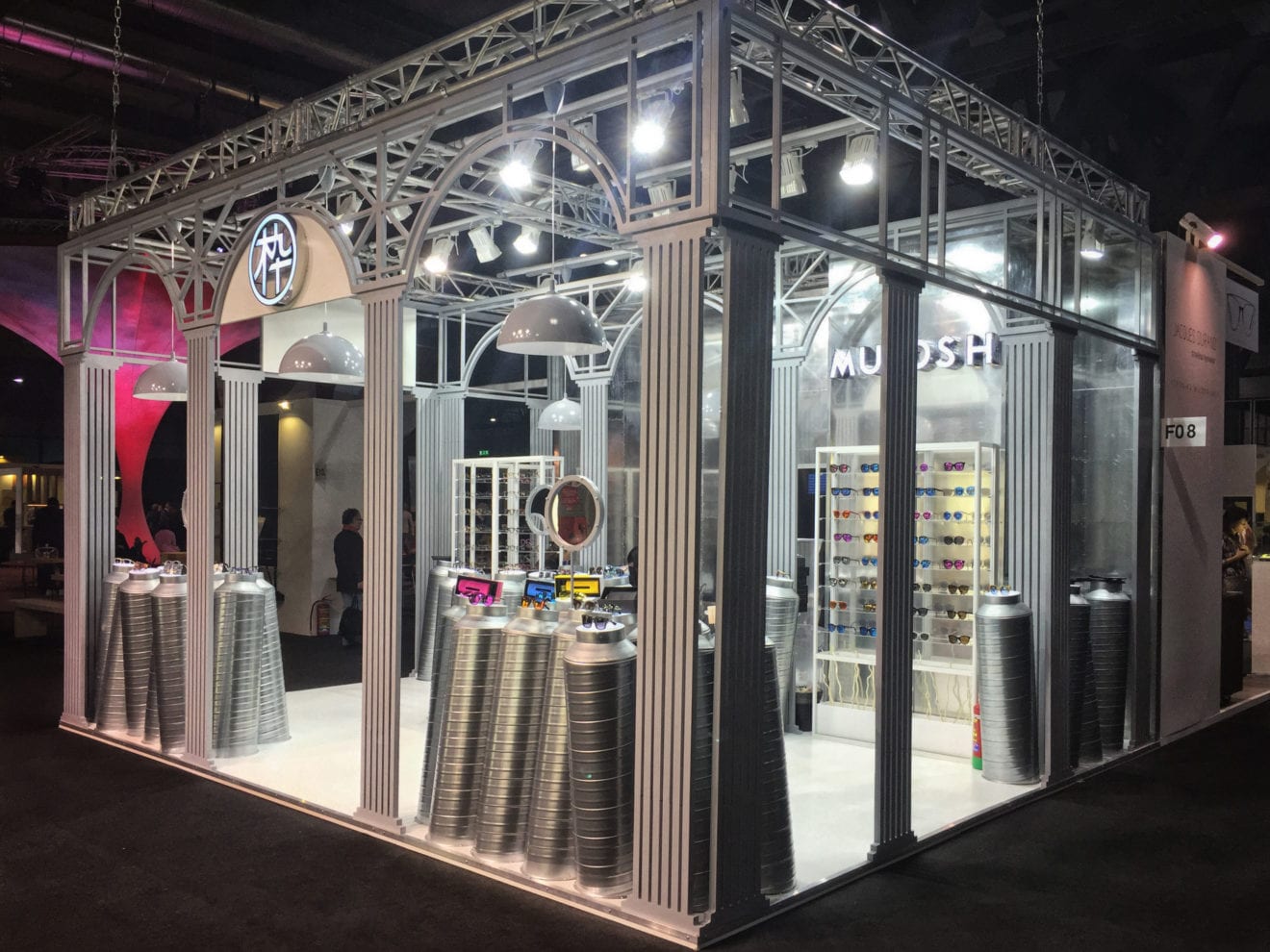
    The Mujosh Malaysia store is located in the Pavilion Kuala Lumpur at the heart of the Bukit Bintang retail district.

    Mujosh says by combining “industrial chic, nature and retro design style”, the concept store is aiming to bring a unique experience to customers.

    Owned by Photosynthesis Group, Mujosh is the first brand to go international since its parent company started its international business expansion at the beginning of 2015.

    “Malaysia is the first place we chose after deciding to expand into the international market,” said Grace Zhang, GM of international business division of Photosynthesis Group.

    “We are pleased to achieve another ‘first’ for the company here. We are still in search of international business partners with the goal of bringing our brands to more places and customers in the world.”

    Founded in 2010 by a group of young creatives who believe glasses are not only tools to improve eyesight, but also fashion accessories to differentiate wearers and make them stand out from the crowd, Mujosh has been growing steadily in Asia. Last month it opened a smaller store in Singapore.

  • Chinese sports brands back in the race

    Chinese sports brands back in the race

    A government-backed campaign to encourage healthy living is helping give Chinese sports brands traction again in the domestic consumer market.

    After three tough years with the slowing economy and over-expansion following the Beijing Olympics in 2008, the brands are ready to compete again, thanks to cutbacks in store networks and more choice in online sales channels.

    When Beijing was preparing to host the Olympics, sportswear companies began to expand aggressively, with leading brands adding nearly 1000 points-of-sale each every year between 2007 and 2011, according to Hong Kong brokerage and investment group CLSA analyst Dawei Feng.

    However, sales were undermined by cheap knock-offs and competition from expanding overseas fashion chains such as H&M, Uniqlo and Zara.

    Between 2012 and 2013, China’s biggest sports brand Anta closed 900 shops across the country. Also cutting stores from 8255 to 6133, Li Ning became profitable last year after three years of losses.

    Anta has been working with its stores on marketing, says Bloomberg Intelligence analyst Catherine Lim. It also started a children’s brand after China scrapped its one-child policy.

    Anta, which holds distribution rights to the Fila brand in China, is the official sportswear sponsor of the Chinese Olympic Committee.

    China’s five publicly traded sportswear companies have a combined market value of about $9.4 billion, or less than a 10th of Nike, the world’s largest sporting-goods maker.

  • Asia drops Burberry profit

    Asia drops Burberry profit

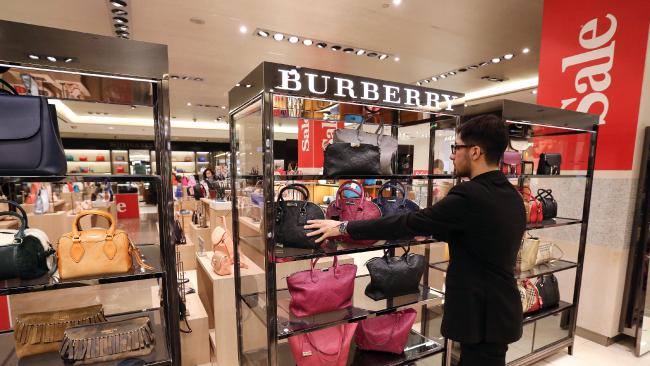
    Hong Kong has been blamed for a further decline in Burberry profit and a consequential cutback of staff and products.

    The British luxury goods brand has reported an 8 per cent fall in adjusted pre-tax profit to £421 million in the year to March 31 on flat revenue of £2.5 billion.

    In an earnings call, CFO Carol Drinkwater said trading in Hong Kong and Macau, which account for about 8 per cent of sales, remained tough, but the group’s stores there are still profitable, and all luxury brands were affected.

    “Conditions remain extremely challenging,” she said.

    As Andy Hall, explains, retail like-for-like sales were down by 1 per cent globally.

    But that was entirely due to falling demand in Hong Kong and Macau, where Burberry and its peers have had to contend with a collapse in demand for luxury goods. Excluding the two territories’ figures, same store sales rose a more respectable 3 per cent.

    “While the Burberry brand retains appeal globally, wider economic conditions and trading in traditionally lucrative Asian markets has dampened footfall, and hurt luxury players like Burberry the most,” said Hall.

    CEO Christopher Bailey is now looking to create a more efficient retail operation – with a £100 million cost reduction plan to be implemented over the next two years to restore profit growth and appease increasingly nervous shareholders while it weathers the Hong Kong storm.

    The company plans to cut between 15 and 20 per cent of its products across all its range, focus more on handbags and eliminate about 100 jobs.

    “I am mindful we are embarking on this plan at a time when our industry is facing significant challenges,” said Bailey, who has seen the company’s market value fall by about 37 per cent over the last 12 months.

    Handbags have higher margins and the company is not selling as well as rivals Louis Vuitton and Prada in that category.

    Furthermore, Burberry is aware it needs to increase its sales per square foot, currently estimated at around 1600 euros a year, a third that of Louis Vuitton and also well behind Moncler and Prada.

    Bailey has conceded Burberry is not as good as its rivals in “retailing basics”. It now plans to make its stores more productive by further tailoring ranges for local customers, improving customer service, increasing staff training and reviewing merchandise to highlight a reduced, simpler range of product.

    Hall says a renewed focus on in-store service and productivity would bring Burberry in line with the focus of luxury peers and would create a leaner, fitter operation with which to take the blows being dealt by a declining global demand.

    “Burberry’s decision to streamline its product ranges, at the same time as introducing some new products such as its Scarf Bar and new male fragrances, demonstrates its commitment to innovation, and attempts not to be left behind by other luxury fashion players.”

    Hall says Burberry has a lot of attributes in its favour and the collapse in demand in Hong Kong is unlikely to be its undoing.

    “However, with the retailer now re-focusing its efforts on retail (which accounts for 73 per cent of group revenue), it is crucial it continues to make pro-active improvements to the business. Examples of this – such as its reshaping of the fashion-show calendar, and imminent relaunch of its Burberry.com website, will help the brand to retain strong recognition, and ensure it holds its appeal even as the wider trading backdrop remains challenging,” said Hall.

  • Slow growth for Victoria’s Secret parent

    Slow growth for Victoria’s Secret parent

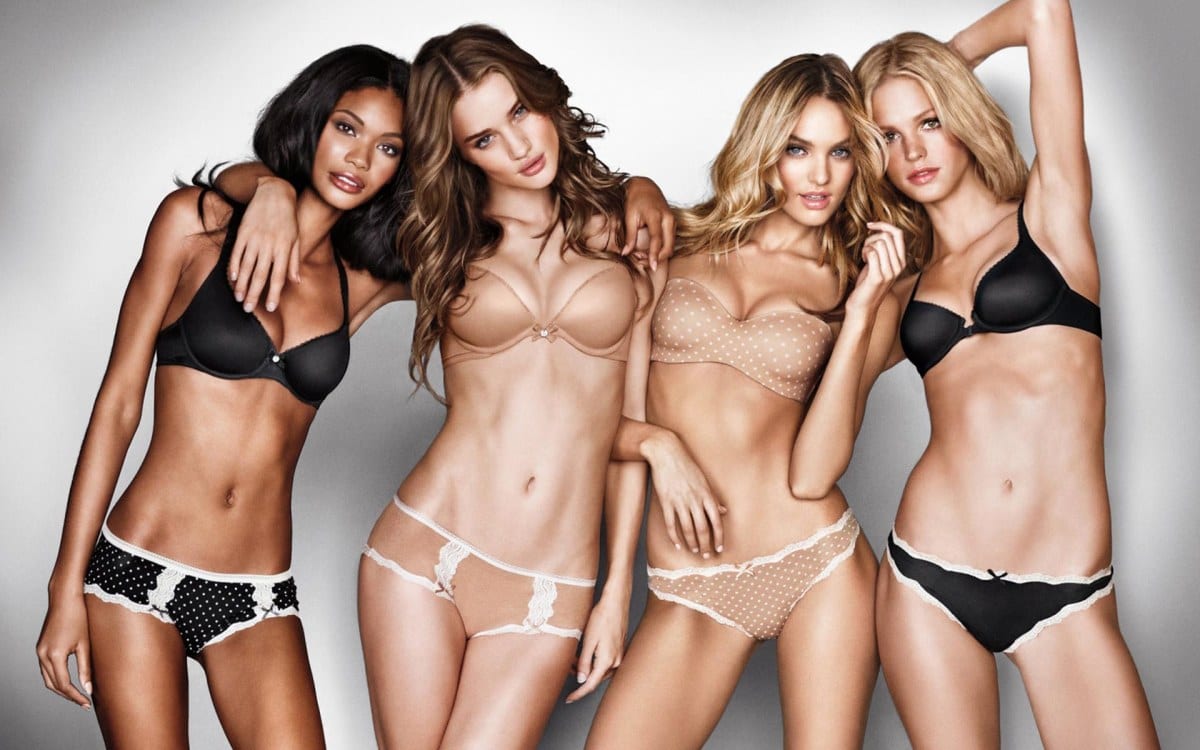
    Victoria’s Secret parent L-Brands has kicked off its new fiscal year with a reasonable set of numbers.

    However there is a distinct softness to the total growth rate which is significantly down on the last quarter even against a fairly reasonable prior year comparative. Same store sales growth has also halved since the end of the last fiscal year.

    More worrying is net income, which fell by 39 per cent over the prior year. Although the bulk of this decline is related to the one-off gain from last year when the company sold its interest in a third-party apparel sourcing business, a decline in operating income also contributed to the fall. In essence, cost growth outstripped sales growth during the first quarter.

    The reason for the softness is mostly down to a weaker, though still positive, performance at Victoria’s Secret. Here comparable sales increased by just 2 per cent – an uncharacteristically slow pace, and one significantly down on the 5 per cent attained last quarter. Despite the net addition of a handful of new stores over the past year, total growth from shops was virtually flat, with a comparatively subdued rise of 1 per cent in same store sales. Performance at the direct part of the operation was only somewhat better with a  2 per cent uplift in sales.

    There are a few reasons for the downtick in growth at Victoria’s Secret. The first was an aggressively promotional market, against which despite its usually loyal customers Victoria’s Secret had to work hard to compete. The second was a somewhat less interesting product assortment which, while still reasonable, did not have hits like last year’s Bombshell bra. And the third was a weaker performance from non-core categories like swimwear, which the company has indicated it will cease selling by the year end. Combined, these things helped to erode growth.

    As genuine as these excuses are, there is also a question mark over whether the brand is reaching saturation point, especially within a market that has become more competitive with nimble players like American Eagle Outfitters’ Aerie. Victoria’s Secret still has headroom for growth, but there is no doubt that it is now having to work a lot harder to secure it. Key to achieving better numbers will be a very disciplined approach to categories outside of lingerie – an area where the company has struggled with both apparel and more recently swimwear. By getting rid of these failing areas, a focus on the more logically adjacent activewear category holds better potential.

    Performance at L-Brands’ other main division, Bath & Body Works, was robust with comparable sales up by 6 per cent. Bath & Body Works success is down to a consistently strong product offering, good gifting ideas which boosted performance over Easter, accessible price points, and friendly store environments with good service levels. All of these ‘ticked boxes’ helped the company to do well, in a competitive environment.

  • Parkson Vietnam shutters store

    Parkson Vietnam shutters store

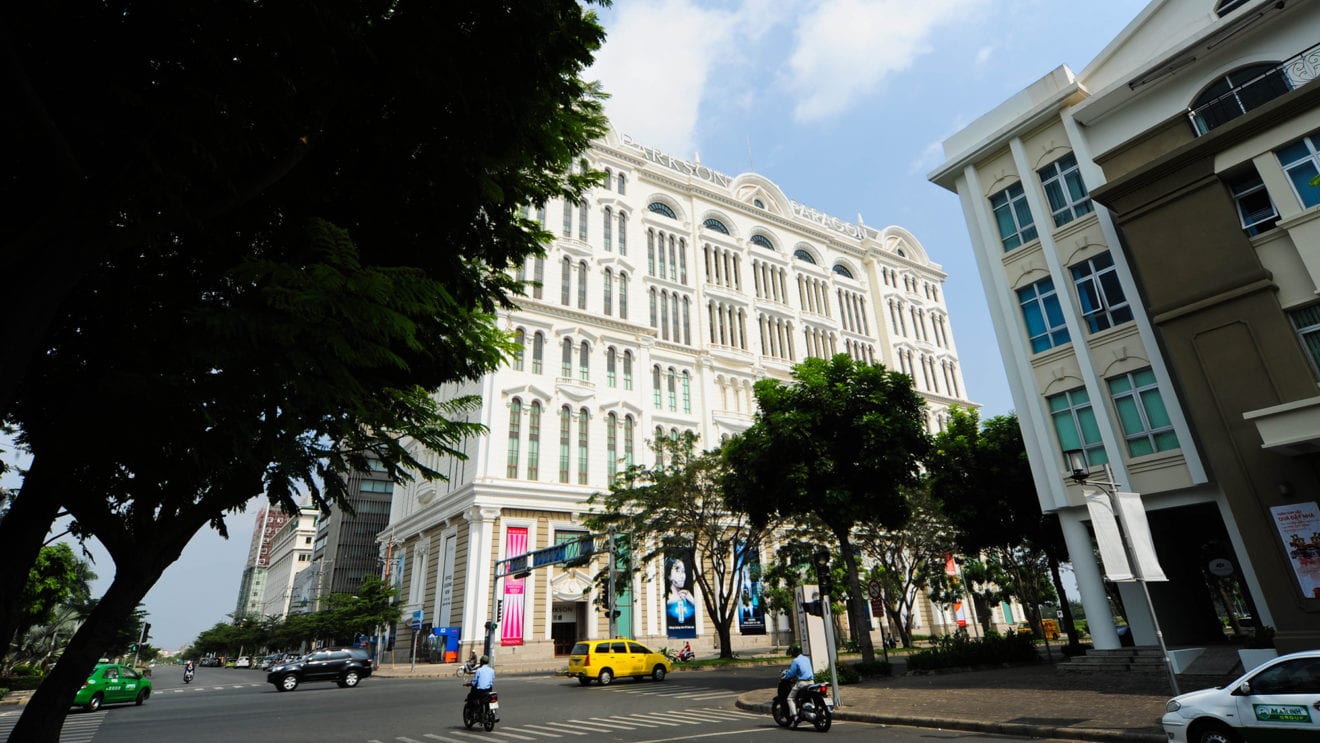
    Parkson Vietnam has closed another of its stores as it continues to struggle to make its business profitable.

    The Malaysian department store operator has closed the 19,000 sqm District 7 outlet in Ho Chi Minh City, a multi-story department store beneath a commercial tower.

    The store opened in April 2011 after the company invested US$5 million in a new fitout of a small shopping mall bought from Kim Cuong Company.  But the store has never attracted sufficient customers to make it viable, despite a cinema on the top floor. The building is two blocks from the giant Crescent Mall shopping centre which opened in late 2011 in the largely expat-populated suburb some 20 minutes drive from downtown Ho Chi Minh City.

    The mall reportedly closed on Monday.

    Parkson did not give local news media an explanation for the decision – or why it persevered with the site for five years before pulling the plug. But the company did say the closure would not affect the other eight stores in its network, five of which are in Ho Chi Minh City.

    In January last year, Parkson closed another store opened in 2011, Hanoi’s Keangnam Hanoi Landmark Tower. That followed a dispute with the building’s owners over rent which Parkson said was set at a level sales could not sustain.

  • M&S, Debenhams stand most to gain from BHS breakup

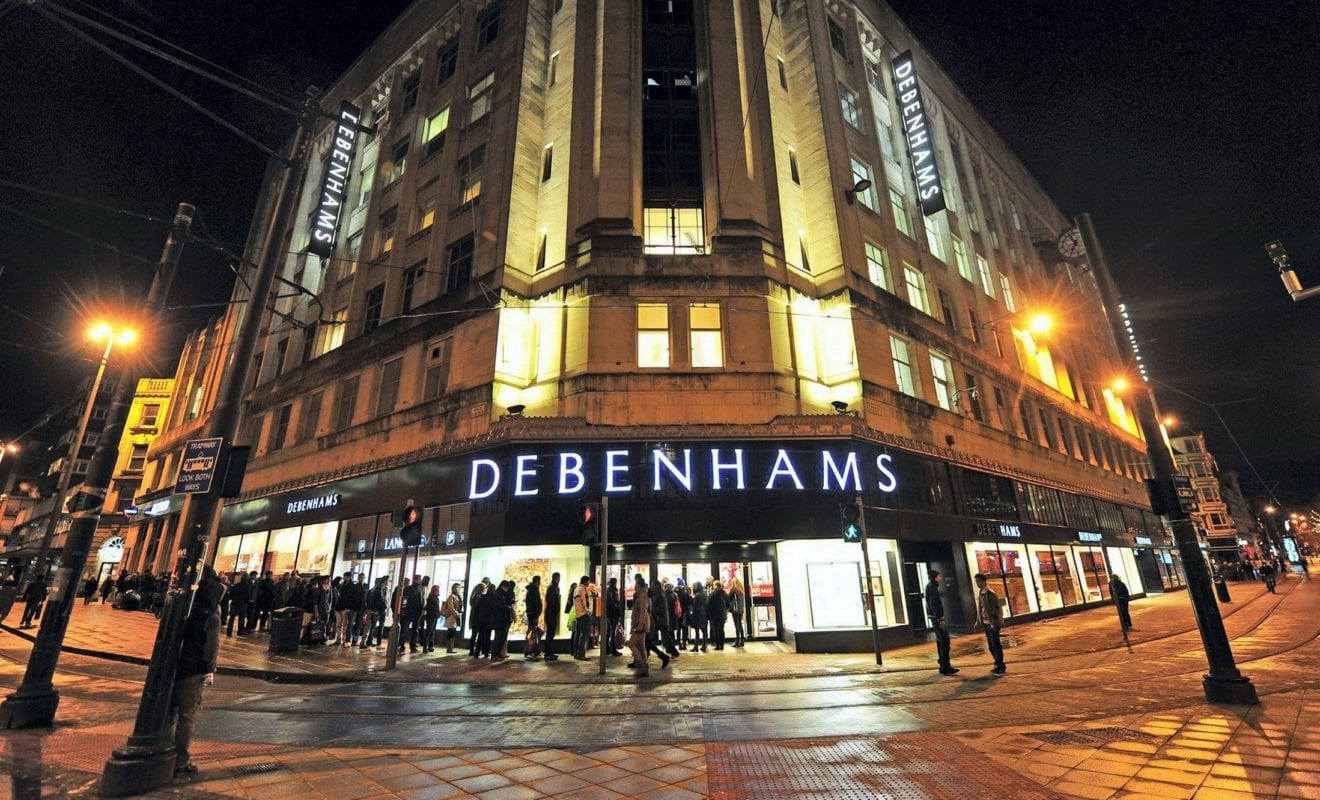
    M&S, Debenhams stand most to gain from BHS breakup

    Only the very bravest of investor should consider retaining BHS in its current dilapidated state. But if such a buyer cannot be found, and a BHS breakup ensues, with the store estate sold to other retailers, Marks & Spencer and Debenhams would be the main beneficiaries.

    As the deadline for bids for BHS looms, hopes are rising that a buyer can be found for the entire store estate and that its 11,000 employees can be protected. Even if such a buyer is found, it is likely to have to conduct major surgery to revive the moribund brand. Verdict data shows that it has consistently lost market share to its competitors in all its key sectors, and its weak multichannel offer, dated brand and underinvested store environment mean any buyer would have to think seriously about retaining the BHS name.

    BHS’ clothing proposition has become ever more irrelevant over the years, and many of its clothing shoppers have already defected to more agile competitors, leading to its market share more than halving in the 10 years to 2015.

    BHS clothing market share 2010-15

    BHS’ predominantly 45+ shopper base enjoy the convenience of shopping for a disparate variety of products under one roof, which means that department store rivals such as Debenhams and M&S would be first in line to benefit from its fallout. The grocers should also receive a much-needed boost given the similarity of their clothing proposition to BHS in terms of design and affordability.

    This is backed up by looking at where BHS clothing shoppers also tend to shop (from Verdict’s March 2016 How Britain Shops survey of 10,000 consumers) – M&S is the clear leader, and should be able to translate this into an increase in market share.

    Where BHS clothing shoppers also shop for clothing

    Clothing specialists at the value end of the market, such as Matalan, Primark and New Look are also likely to benefit; as are online pureplays such as Amazon – albeit to a lesser extent.  It is, however, those retailers that make a concerted effort to draw in BHS shoppers, through customer acquisition initiatives such as targeted promotions or local marketing campaigns that will see the maximum gains.

    BHS homewares market share 2010-15

    BHS’ unopposed trudge toward mediocrity has had a significant impact on where its remaining shoppers are likely to now go for homewares purchases. The retailer’s brand positioning means its shoppers will have also shopped at the ever growing homewares discounter set, like B&M and Home Bargains. However, it is Amazon and Argos, both value focused retailers with modern and extensive delivery/channel offers that have been the main beneficiaries of disaffected BHS shoppers in the past and will undoubtedly be so in the future.

    High street retailers M&S and Debenhams are also in line to see a marginal upswing as high street focused customers seek out alternatives. The former has the most similar customer profile to BHS and hence is more likely to be a first choice. However, M&S has made some strategic moves to appeal to younger, more fashion-conscious homewares shoppers in recent years, therefore BHS’ customers may be a little surprised about what is on offer when they visit, aside from its core bedding and bathroom offer.

    Living room textiles: Home Retail Series market share 2015

    BHS is currently strongest in softer, more aesthetic categories, such as living room textiles and lighting, as opposed to functional products such as cookware. Therefore its demise would be unlikely to have a significant impact on the grocers. Conversely, Dunelm and Next share a similar emphasis on textiles and design-led categories, and as such, their already strong performance in the homewares category is likely to be bolstered further should BHS disappear altogether.


  • Shoe manufacturer Le Saunda down at heel for fiscal year

    Shoe manufacturer Le Saunda down at heel for fiscal year

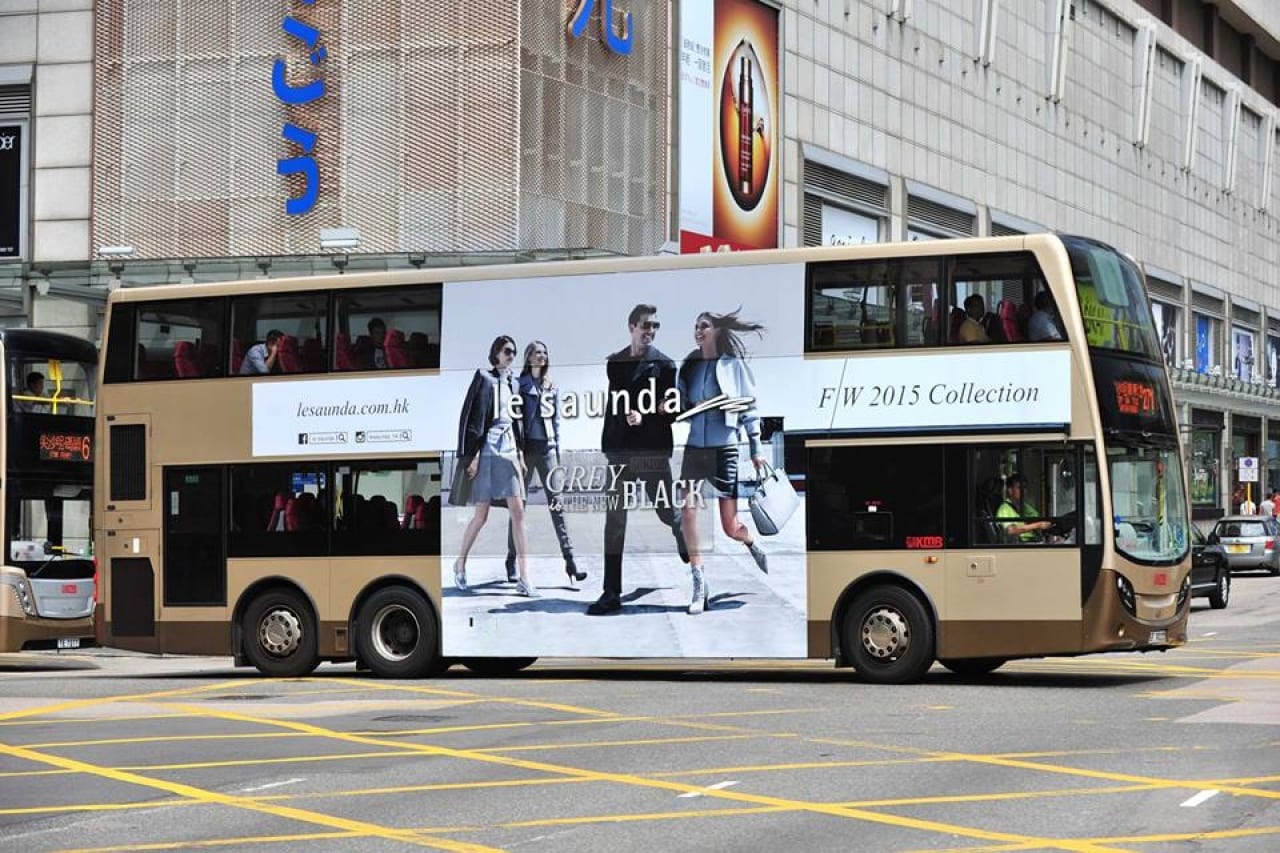
    Le Saunda Holdings Limited – a company primarily engaged in the manufacture and retail of Le Saunda ladies and men’s shoes, CNE footwear (an O2O brand) and Linea Rosa high-fashion footwear brand – announced a consolidated profit of RMB122.1 million (MOP149.42 million) for the fiscal year ending February 2016, in a filing on the Hong Kong Stock Exchange. This represents a 35.5 per cent year-on-year drop for the fiscal year compared to 2014/2015’s RMB189.3 million.

    The group has a total of 896 stores, located mostly in Mainland China, with 12 operating in Hong Kong and Macau.
    Sales in Hong Kong and Macau plunged 29.2 per cent year-on-year, at RMB110.7 million as compared to the RMB156.4 million seen in the previous fiscal year, causing a change in the Hong Kong and Macau business units ‘from profitable to making loss’ – a loss of RMB10.596 million – notes the filing. Over the fiscal year eight stores in the two SARs were phased out, noting that ‘after the shop rental in Hong Kong adjusts back to a normal level, the opportunities of opening new stores would appear again.’

    The group note opines that it is ‘the pattern of consumers’ behaviour that has been changing,’ despite the fact that ‘urban disposable income is actually on the rise […] ongoing weakness is noted in consumer spending.’

    For the fiscal year in question the group’s total revenue decreased by 3.7 per cent year-on-year to RMB1.621 billion. For the Macau segment total revenue amounted to MOP16.52 million, a 47.4 per cent drop compared to the MOP31.41 million registered in the previous fiscal year.

    A total drop of 0.9 per cent was seen in the group’s retail sales in Mainland China, amounting to RMB1.51 billion, which was noted as ‘better than the overall decline in the Group’s revenue,’ in the filing, attributable to a ‘stable loyal customer base brought by the Group’s reputation of products with “sophisticated styles with top quality”,’ as well as ‘consistent moves to close underperforming stores and open new ones to drive sales,’ complimented by the ‘launch of popular casual designs with elements favoured by young people to meet the market demands . . . [and] . . . a higher ratio of repeat purchases benefiting from innovative marketing approaches on both online and offline channels to facilitate close interaction with VIP customers.’

    Future predictions note that ‘the Group anticipates the lacklustre sentiments prevailing in the retail market will last for one to two years’ and that ‘retailers will still face enormous challenges ahead.’ To conquer this, the group will focus on: ‘formal footwear for the medium to high-end market’ as well as focusing on the product mix to ‘explore the young-line products with unique functional and fashionable items’. La Saunda also seeks to transform itself from a vertically integrated offline retailer to ‘an omni-channel operator which is highly data-oriented,’ as well as to ‘introduce a new retail model with swift O2O deployment,’ notes the filing.

    The group employs 5,286 people, of whom 150 are based in Hong Kong and Macau.

  • Takeover bid of $196m. for Eu Yan Sang

    Takeover bid of $196m. for Eu Yan Sang

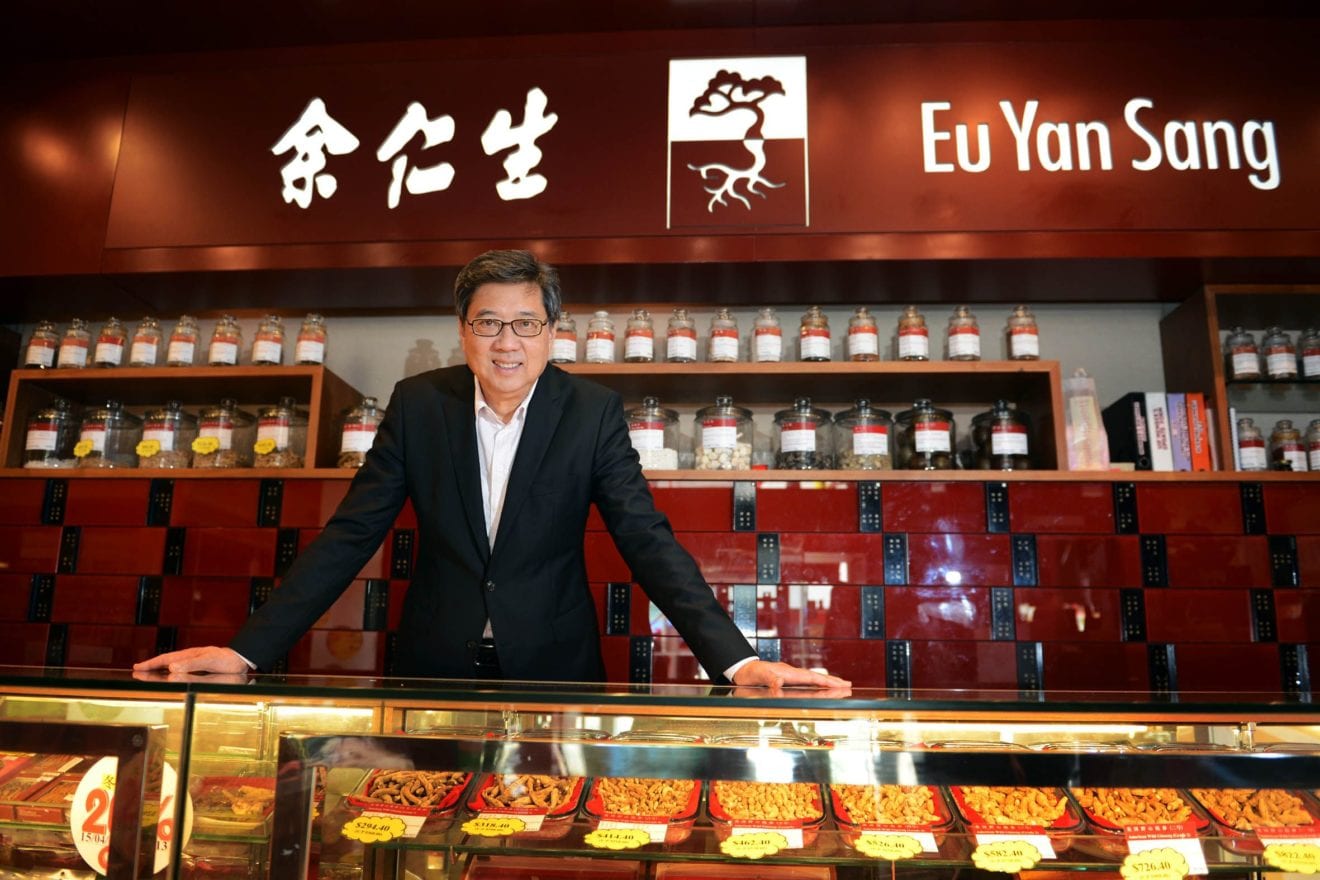
    A takeover bid for Singapore-based Eu Yan Sang has valued the traditional Chinese medicine retailer at about S$269 million (US$196 million).

    A consortium comprising Singapore state investment company Temasek Holdings’ unit Blanca, Tower Capital TCM Holdings and some members of the founding Eu family have made the final offer of 60c Singapore a share.

    About 63.2 per cent of shareholders have committed to accept the offer, including members of the Eu family, Aberdeen Asset Management Asia and First State Investment Management (UK), says Eu Yan Sang.

    Tower Capital founder Danny Koh says the consortium’s offer is attractive “considering the company’s recent financial performance and the current challenging environment”.

    Eu Yan Sang launched in Malaysia in 1879, expanding to more than 250 outlets in China, Hong Kong, Macau and Australia.

    Its third-quarter net income slumped to S$286,000 from S$5.45 million a year earlier, and its slide became evident in August when it lost US$3.6 million.

  • Wasedaya Shirt brand returns, but not in Japan

    Wasedaya Shirt brand returns, but not in Japan

    A Japanese businessman has revived the established Japanese shirt brand Wasedaya Shirt – in Vietnam.

    His first outlet is in the Aeon Mall Long Bien in Hanoi, run by Japanese retail giant Aeon and its subsidiary Aeon Mall.

    Founded in 1903, the Osaka-based company provided custom-made shirts to Japanese consumers for more than a century. The founder was a graduate of  Waseda University in Tokyo.

    However, the tailored shirts gave way to low-priced shirts, and in 1998 the company became a subsidiary of a major Japanese shirt company. Wasedaya Shirt went out of business in 2009, but trading house Itochu acquired the brand and is behind the Vietnam comeback with its textile subsidiary Prominent (Vietnam).

    “I’d like Vietnamese customers to know more about Japan’s high-quality shirts,” says Hiroshi Morita, who as president of Prominent decided to revive the label.

    Its shirts are made from fine Japanese fabrics at a factory in Japan, and carry a price tag of 1.2 million dong ($54) each. Contemporary features have been added, such as photocatalyst-based deodorant and anti-bacterial technology in collars and cuffs to suit the humid climate in Vietnam.

    Itochu set up a capital and business agreement with Vietnam Kowil Fashion last year, which has helped Wasedaya Shirt obtain data about Vietnamese body shapes and preferences.

    A second Wasedaya Shirt has been opened in Ho Chi Minh City, and Morita hopes to expand its sales network to other parts of the country as well as Cambodia – and is thinking about reimporting the shirts to Japan.

  • SSI Group profit dives

    SSI Group profit dives

    SSI Group saw its profit slashed by more than half – or 54.5 per cent – to P122 million (US$2.6 million) in the first quarter, from the same period a year ago.

    The Philippines’ largest specialty store retailer recorded a 7 per cent increase in revenues to P4.3 billion in the first quarter of 2016 – outperforming forecasts after the group added Mont Blanc to its brand portfolio and increased its network by 29 stores, SSI said.

    “SSI posted better-than-expected sales growth during the first quarter of the year as we leveraged on the strength of our brand portfolio and our store network,” said SSI president Anthony Huang.

    In the first quarter, SSI was operating 117 brands and 775 specialty stores covering more than 146,000 sqm, a 6 per cent year-on-year increase in the company’s retail footprint.

    “Through the rest of the year, we will continue to focus on top line growth and on maximizing the efficiencies of our store network,” said Huang.

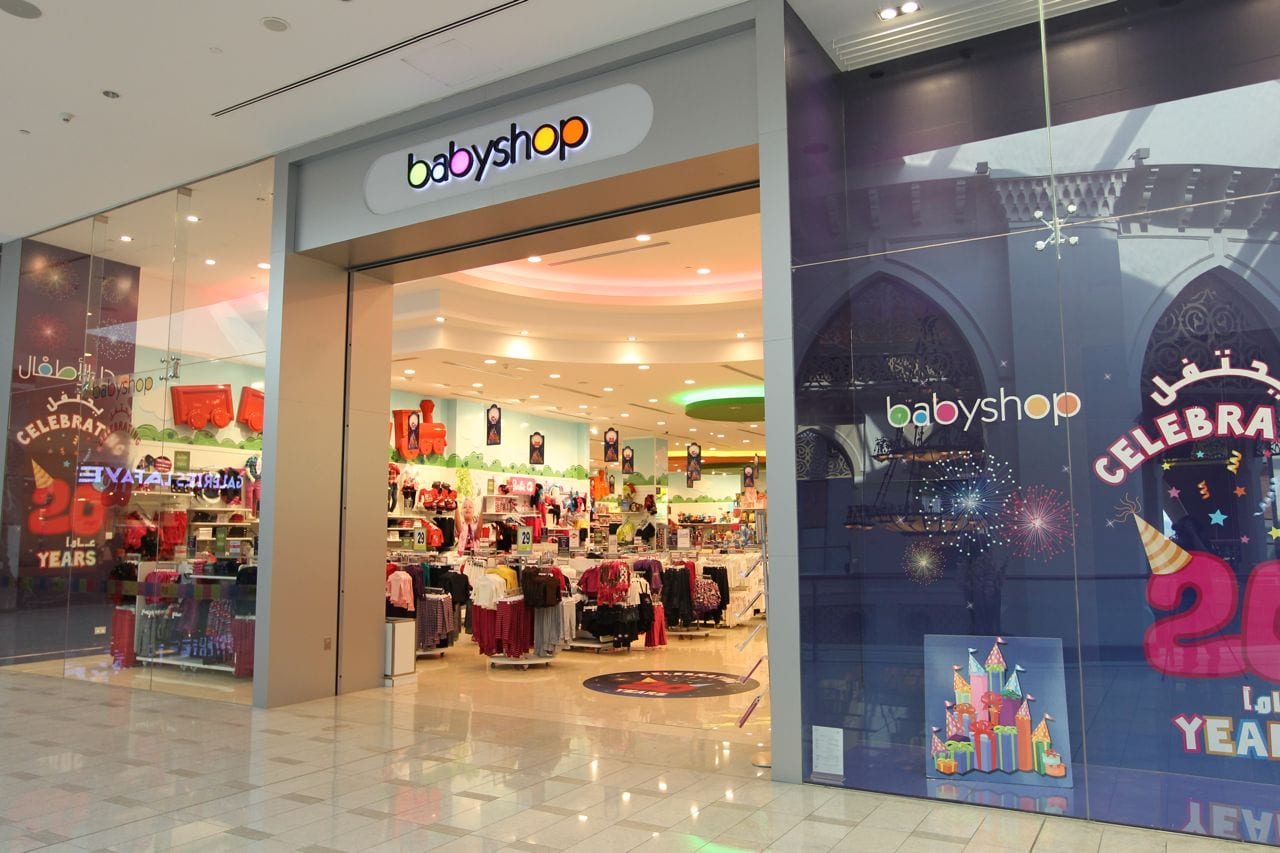
  • Babyshop mulls major GCC expansion to reach 270 stores in 2016

    Babyshop mulls major GCC expansion to reach 270 stores in 2016

    Babyshop is looking to launch 25 stores in Saudi Arabia alone in two years, says Vinod Talreja, CEO of the retail unit under Dubai-based Landmark Group.

    Retail sector data from various markets, including the US, highlights the current global economic outlook. The markets in the MENA region, the UAE in particular, have already been hit by the dip in tourist flow. What are your projections?

    The retail sector in the MENA region has witnessed strong growth over the years, driven by strong economies, high disposable incomes and increased population, and will continue to see growth in the coming years.

    Having said this, in business, there could be periods where markets and situations could be a little slower than the other highly aggressive times. Such situations only give us retailers the opportunity to fuel innovation and strive even harder, working towards improved business growth using various different channels and activities that are in sync with the objectives of the business. Enhancing value propositions while closely catering to customers’ needs and requirements is one way of dealing with situations such as these.

    At Babyshop, we are continuing to expand. We are a company that has been expanding consistently for the past many years and our growth plans will not be affected by any short-term market challenges, as our business plans are laid out with long-term future strategy in mind.

    In terms of tourism to the region and to the UAE in particular, the upcoming Expo 2020 will definitely propel economic growth, thereby boosting the overall retail sector.

    The emirate is targeting 20 million visitors per year by 2020 and this will clearly have a tremendous impact on the sales of every category, proportionate with this massive number of visitors and thus taking retail to new heights.

    In 2015 alone, Dubai attracted more than 14.2 million overnight visitors, recording a solid 7.5 per cent increase over 2014, which is double the United Nations World Travel Organisation’s (UNWTO) projected three to four per cent global travel growth for the same period.

    These numbers clearly reiterate that the region is geared and well-positioned for the expected huge numbers which in turn will surge sales to significant levels across, thus fostering growth and invigorating the local economy.
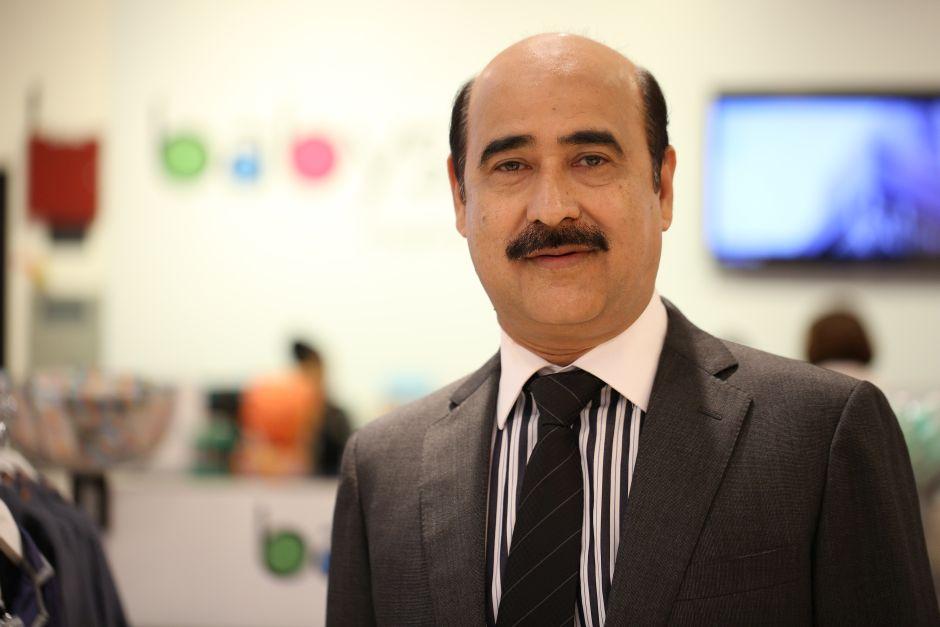
    Vinod Talreja, CEO Babyshop

    Babyshop, as well as its parent group Landmark, has an impressive footprint in the GCC. Although it has a few stores in the regions beyond MENA, the presence there is not much felt.

    Is it that the mid-market retailer is not so optimistic about those markets or is it that the “comfort zone” in the home region pulls it back?

    Babyshop, started in 1973, has 235 stores across 19 countries in the MENA region. The number is expected to reach 270 by end 2016. The brand is also well on track to achieve its target of 300 stores by end 2017, expanding into regions beyond the GCC.

    With a strong retail sector, Saudi Arabia today stands as our largest market, with 116 stores, followed by the UAE with 47 stores. We also have significant presence across the rest of the GCC and Egypt, Jordan, Lebanon, Iraq, Yemen, Libya, Kenya, Nigeria, Tanzania, Pakistan, Thailand and Kazakhstan.

    With a long-term vision of having significant footprint across the world, Babyshop has plans to expand into three new territories in 2017, with a major focus on the GCC, predominantly Saudi Arabia; Africa, with an emphasis on North Africa; and Thailand.

    We are extremely optimistic about our foray into newer markets in the MENA region and beyond, where retail sales are expected to continue and the retail space pipeline remains strong. These markets continue to be hotspots for the growth of retailers at both the regional and international levels.

    In a clear indication of the fundamental role the brand plays, this noteworthy presence of Babyshop and the aggressive expansion plans beyond this region into newer territories confirms its leading position at the frontline of the retail industry.

    What factors do you consider when choosing a new market for entry?

    Entering a new geography is a very important decision any brand can make and requires significant effort and commitment to implement an appropriate entry plan. In fact, target-marketing selection is a key part of our overall strategy at Babyshop and typically involves a significant in-depth analysis to understand various factors.

    Keeping in mind the vision and mission of Babyshop, the key factors that we consider before entering any market are the size of the market, its growth potential, the consumers and their purchase patterns and habits, competition, ease of accessibility to the local residents and, most importantly, the capital investment required to enter the chosen market.

    Is India on the list of new markets that you will be entering as part of your expansion plans, bearing in mind that it is going to be one of the fastest-growing economies this year?

    Our expansion plans set for the coming years are focused on the GCC, Africa and Thailand. These are highly favourable regions, with continued backing and support of the local governments, increased business prospects and growing population.

    As per AT Kearney’s Global Retail Development Index 2015, with a population of 30.8 million in Saudi Arabia, total retail sales grew at a CAGR of 7.7 per cent during 2010-2014 to reach $103 billion. In the next two years, we are looking to launch 25 stores in that market alone.

    India is currently not on the cards; however, with the market being a promising retail segment, we might consider it within our strategy in the future.

    Is franchising in retail by regional brands a new direction that is being witnessed? Landmark is seen to be taking the lead on this. How is Babyshop doing this?

    Franchising in general is just another way of reaching out to larger and booming retail segments, while being able to respond to local tastes, the changing needs of consumers and catering to distinct consumer groups by offering them a different product mix of high-quality products.

    Today, we are present in Nigeria, a market that we tapped into in January 2016 in a franchising model with Artee Group, along with Splash and Lifestyle, the other leading fashion and lifestyle brands of Landmark Group. We also have a presence in Thailand under the same model with Robinson, the exclusive distributor for Babyshop products in the market, as well as in Kenya, where The Junction and Sarit Centre are a franchise held with Deacons, a leading retail company in the East Africa region.

    The fresh approach adopted for the brand has showcased incredible success so far with great consumer feedback garnered. In Thailand alone, we plan to open ten stores over the next year.   We will be continuing to launch in various other regions under the franchising model in the coming years as well.
  • SuperGroup’s stellar performance

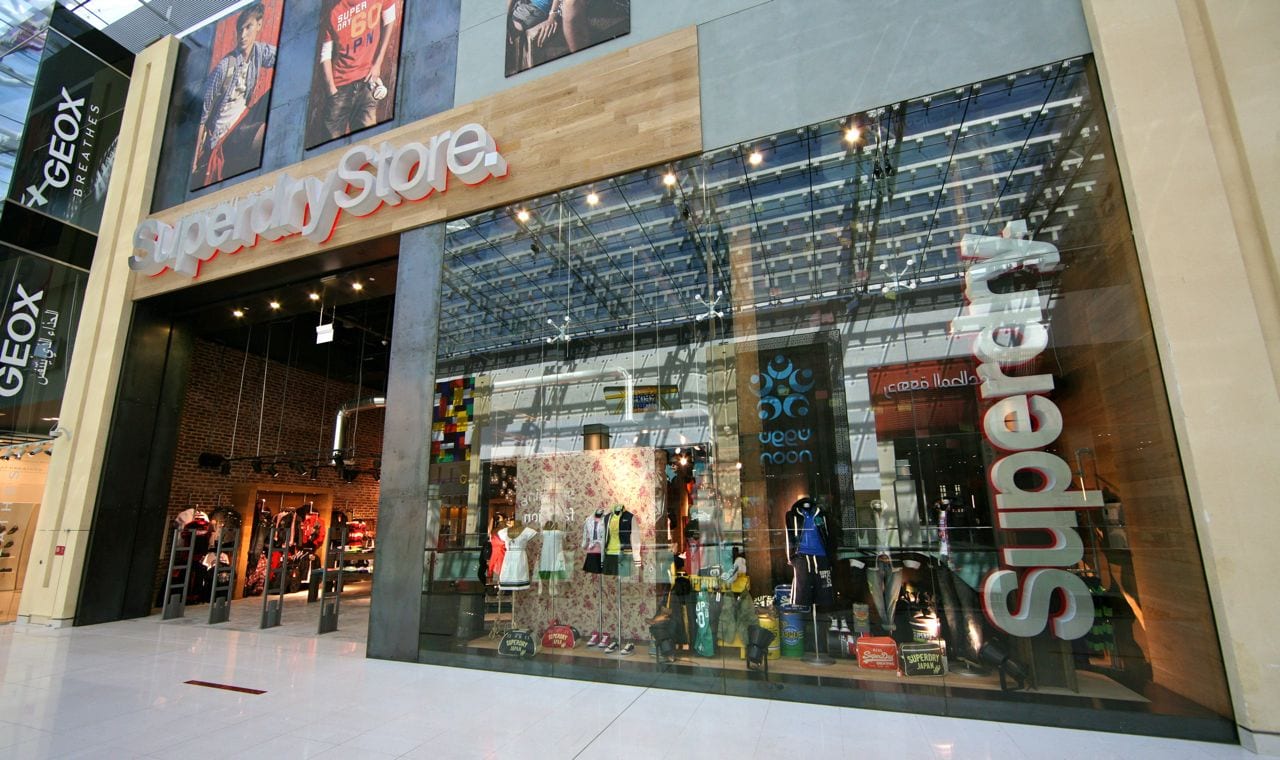
    SuperGroup’s stellar performance

    Against a bleak background of stalling sales from major high street players such as Next and Primark, SuperGroup has posted a stellar set of full-year results.

    Strong growth was achieved across both its retail and wholesale divisions – 24.5 per cent and 13.7 per cent respectively – contributing to total group revenue of £589.5 million.

    There was no mention of poor weather affecting fourth quarter retail sales, which were up by 29.9 per cent on a top line basis and by 15.4 per cent on a like-for-like basis, highlighting how Superdry’s transeasonal ranges are more aligned with the manner in which consumers shop than many other retailers. Consumers’ shopping habits are changing, and seasonal product drops are increasingly irrelevant when shoppers prefer to buy across seasons – a lesson several clothing retailers would do well to learn.

    No doubt, the net 24 stores the retailer opened during the year were major contributors to its full-year results, but robust like-for-like growth indicates consumer demand remains strong for Superdry’s distinctive product. 2015 was a year of product development and range extensions for the retailer, with new sports and activewear ranges added, a highly-publicised collaboration with actor Idris Elba, and greater focus on womenswear – all initiatives which have driven spend from existing shoppers while recruiting new ones.

    On a slightly less upbeat note, founder James Holder has resigned as brand & design director of the business. However, he will be creating and working exclusively in SuperDesign Lab – a design consultancy where he intends to focus on innovation to support Superdry. It’s a well-thought out move especially as Verdict Retail data shows that consumers are increasingly demanding value for money.

    Incorporating fabric and technology innovation into key product ranges such as sports and activewear, will help Superdry provide more value to existing and prospective customers – thereby positioning it well for long-term growth.