Category: Fashion

Retail News Asia is committed to providing both local and global retailers with the latest Fashion news throughout the Asian market. This on a daily base.

  • Fast Food Aid Tokyo seeking for long term house

    Fast Food Aid Tokyo seeking for long term house

    After a short-term trial, a pioneering pill-store pop-up called Fast Food Aid is seeking a longer-term home in Harajuku, Japan.

    Billed as the “world’s first supplement shop for fast foods”, it offered free tablets to replace nutrients missing from convenience foods like hamburgers, pizza and ramen.

    Fast Food Aid Pop-up Japan 1

    All customers needed to do was trade in the receipt from their latest fast-food purchase. The pills come along with professional advice about the health issues associated with such foods.

    Fast Food Aid Pop-up Japan 8

    With the aim of educating people and discouraging them from choosing non-nutritional meals, the shop was designed by creative director Ikkyu and Junya Sato of design studio Kaibutsu on behalf of Dohtonbori, a restaurant that sells organic, healthy fast food, reports Dezeen.

    Fast Food Aid Pop-up Japan 6

    “This shop doesn’t look like other pharmacies, but the truth is it’s an educational supplement shop,” says Ikkyu. “We opened this shop in Harajuku, where there are a lot of young people who have bad eating habits.

    Fast Food Aid Pop-up Japan 4

    Fast Food Aid Pop-up Japan 3

    “Once they get in, they are surprised with the the supplements they have to intake and understand how bad their eating habit is.”

    The shop’s window featured pill pots lined in rows beneath an illuminated sign reading “For FREE”. Inside, long shelves with more containers are mounted against wire fencing along the side walls.

    Fast Food Aid Pop-up Japan

    The designers aimed to make the space feel as clinical, combining a street fell with a “mad laboratory” atmosphere.

  • Alibaba fake fight targets Taobao vendors

    Alibaba fake fight targets Taobao vendors

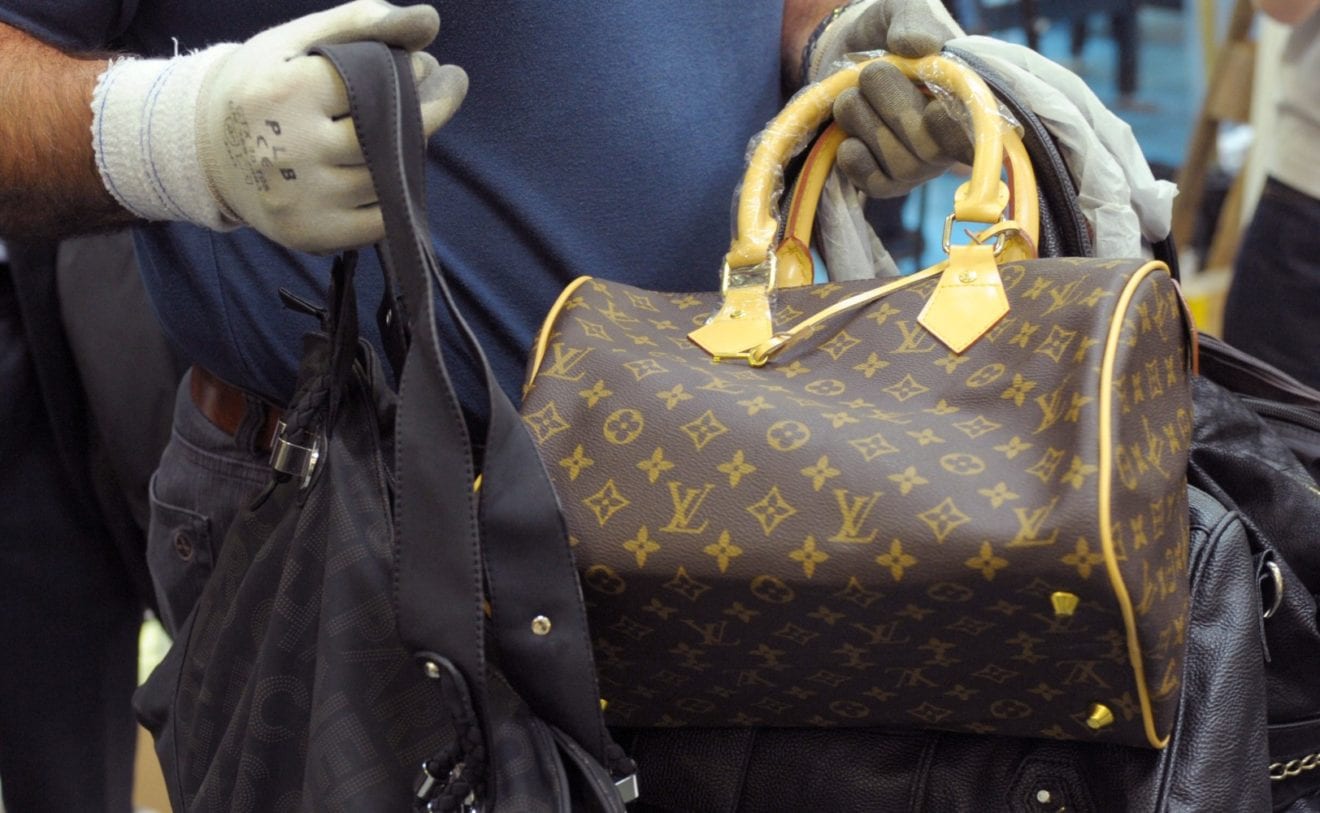
    Alibaba is tightening the rules for traders selling luxury goods on its popular online platform Taobao.

    It’s one of several measures in the ramping up of the Alibaba fake fight, which is being conducted in conjunction with Washington, DC-based International AntiCounterfeiting Coalition (IACC).

    From May 20, vendors selling luxury products on taobao will have to upload an invoice or authorisation letter from the luxury brands, for examination by Taobao, as proof it has the rights to sell the products. Otherwise the goods will be removed from the website and Alibaba says payments received for such goods can be frozen.

    “To create a healthy shopping environment with a high level of integrity and to protect the legal interests of consumers and brand owners, Taobao is gearing up to regulate sales of luxury brands’ products,” the company said in a letter to traders on May 4.

    The letter coincides with reports that Chinese government agencies plan to clean up the eCommerce market, targeting counterfeit goods and trademark violations. A campaign will run from May through November with stiff penalties for offenders caught.

    Meanwhile, the IACC MarketSafe Program, an initiative started in 2013, is being opened up so that more brands and companies can participate. The MarketSafe program provides companies with an expedited process for working with Alibaba to target and take down online listings for counterfeit goods, reports Alibaba news site Alizila.

    Set to debut later this year, the expanded MarketSafe program will be free of charge to IACC members and non-members, according to Alibaba and the IACC. In addition, brands will no longer be required to provide evidence to support intellectual-property infringement complaints. The changes “will enable a greater number and diversity of rights holders to benefit from a fair, simple, and effective IP enforcement platform,” Alibaba said in a statement.

    Accused by some Western companies of not doing enough to keep listings for counterfeit products off its shopping websites, Alibaba has been trying to enlist greater industry support, arguing the problem is too pervasive and complex for any single company to fight on its own. The Chinese eCommerce giant has for several years been working with the IACC, which has members from a wide range of industries and includes brands such as Burberry, 21st Century Fox and Apple.

    Alibaba last month became the first e-commerce company to join the IACC as an official member. Its admission to membership prompted the walkout of Michael Kors and Kering-owned Gucci.

    IACC President Bob Barchiesi said the expansion of the MarketSafe program is the result of “significant contribution and commitment from both parties.”

    “Collaboration across industries is key to addressing the issue of counterfeiting at a broader level, and this is one of the first steps towards the IACC’s goal of creating a holistic model for tackling online counterfeiting around the world,” Barchiesi said.

    Since the MarketSafe program’s launch, nearly 5000 sellers’ storefronts have been closed and banned from Alibaba’s marketplaces, and more than 180,000 infringing product listings have been removed, even through a “limited number” of brands have been participating, according to Alibaba.

    “This program exemplifies the tangible and mutual success that can be achieved when brands, trade associations, governments and intermediaries work together to combat counterfeiting,” said Matthew Bassiur, VP and head of global IP enforcement at Alibaba Group, in a statement.

    “Alibaba and the IACC, together with the rest of industry, have a shared interest in building a safe and trusted internet environment and marketplace for consumers, rights holders, and sellers,” he added.

  • Gap CEO “weighing options” for international stores

    Gap CEO “weighing options” for international stores

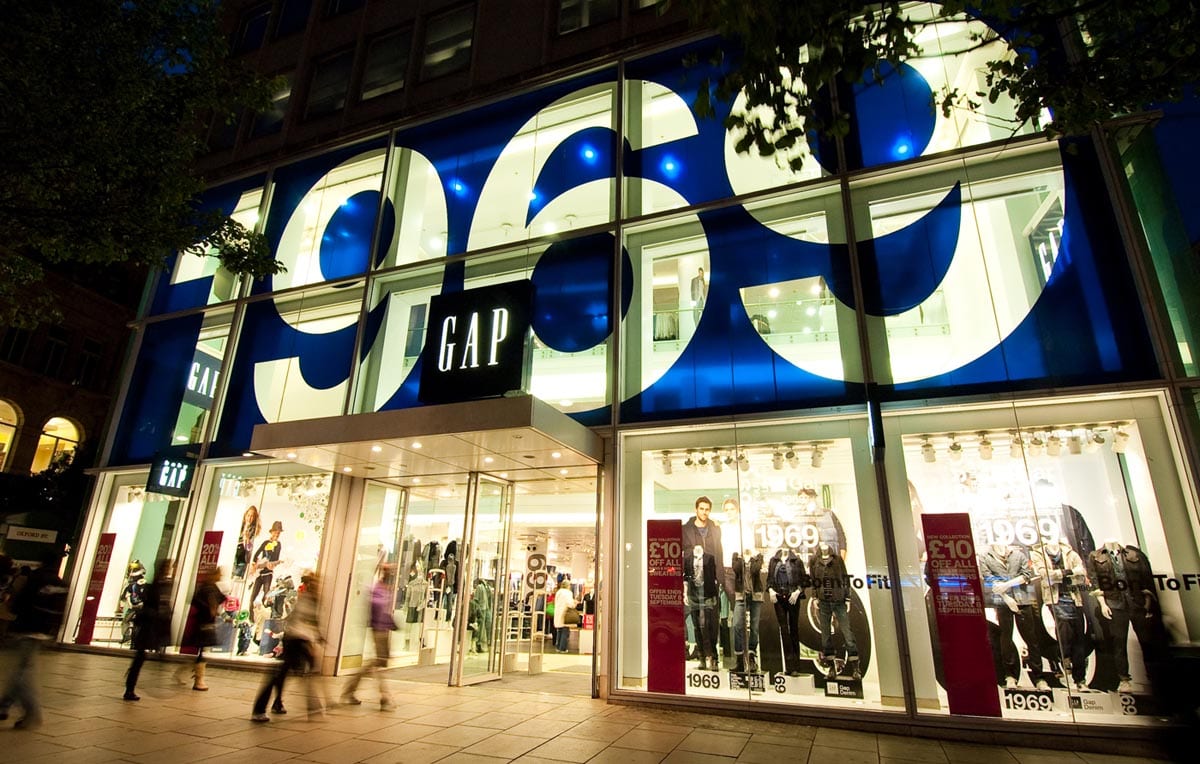
    US apparel retailer Gap says it is weighing options for its international Banana Republic and Old Navy store networks.

    Gap CEO Art Peck says the company won’t reveal any other details at present, but expects to comment more when it reports its quarterly results on May 19.

    “The company is evaluating its Banana Republic and Old Navy fleets, primarily outside of North America, in order to sharpen its focus on geographies with the greatest potential,” the company said in a statement.

    Gap shares fell in after-hours trading on Monday night US time after it revealed a 7 per cent decline in same store sales in April. Analysts had been expecting growth of about 0.5 per cent after signs the retailer was slowly getting back on track in recent months.

    Total sales for the month were US$1.12 billion, down from $1.21 billion last year. First-quarter sales totaled $3.44 billion, down 6 per cent from $3.66 billion year-on-year.

    While Gap did not specifically refer to Asia in its reference to reviewing the future of its international business, the company has met with mixed results in the continent.

    While its namesake brand holds its own in most markets, the success of Banana Republic and Old Navy, the higher and lower end sibling brands respectively, have been patchy.

    Globally,  during the first quarter, Banana Republic sales fell 11 per cent versus 8 per cent last year while Old Navy sales fell 6 per cent versus 3 per cent growth last year.

    This week, Peck said the company was “committed to better positioning the business to recapture market share in North America and to capitalising on strategic international regions where there is a strong runway for growth”.

    Analysts seem in concord that Gap has lost its way in its core US market.

    “Gap used to be a core, basic, apparel retailer with low prices and great product for the family,” Deutsche Bank retail analyst Paul Trussel told CNBC Tuesday. “I think there’s other retailers that frankly have taken that place within the retail sector.

    SW Retail Advisors President Stacey Widlitz added: “If you have been into a Banana Republic or a Gap, in the last six months, you know… the fits are wrong, the stripes are wrong, the florals are wrong. This is a largely self-inflicted problem. Yes, mall traffic is down; yes, the consumer is spending less on apparel, however, if you choose not to get your fashion correct, and also not keep up with your supply chain and fast fashion, that is not going to help the situation.”

  • Furla Stays Focused on China Expansion While Luxury Scales Back

    Furla Stays Focused on China Expansion While Luxury Scales Back

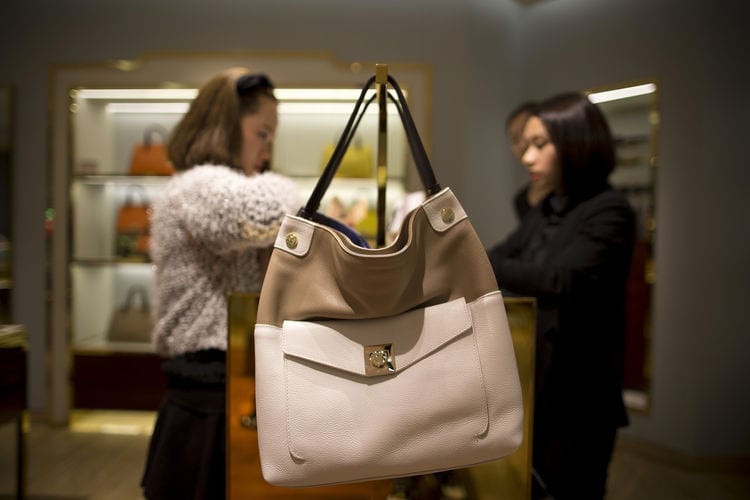
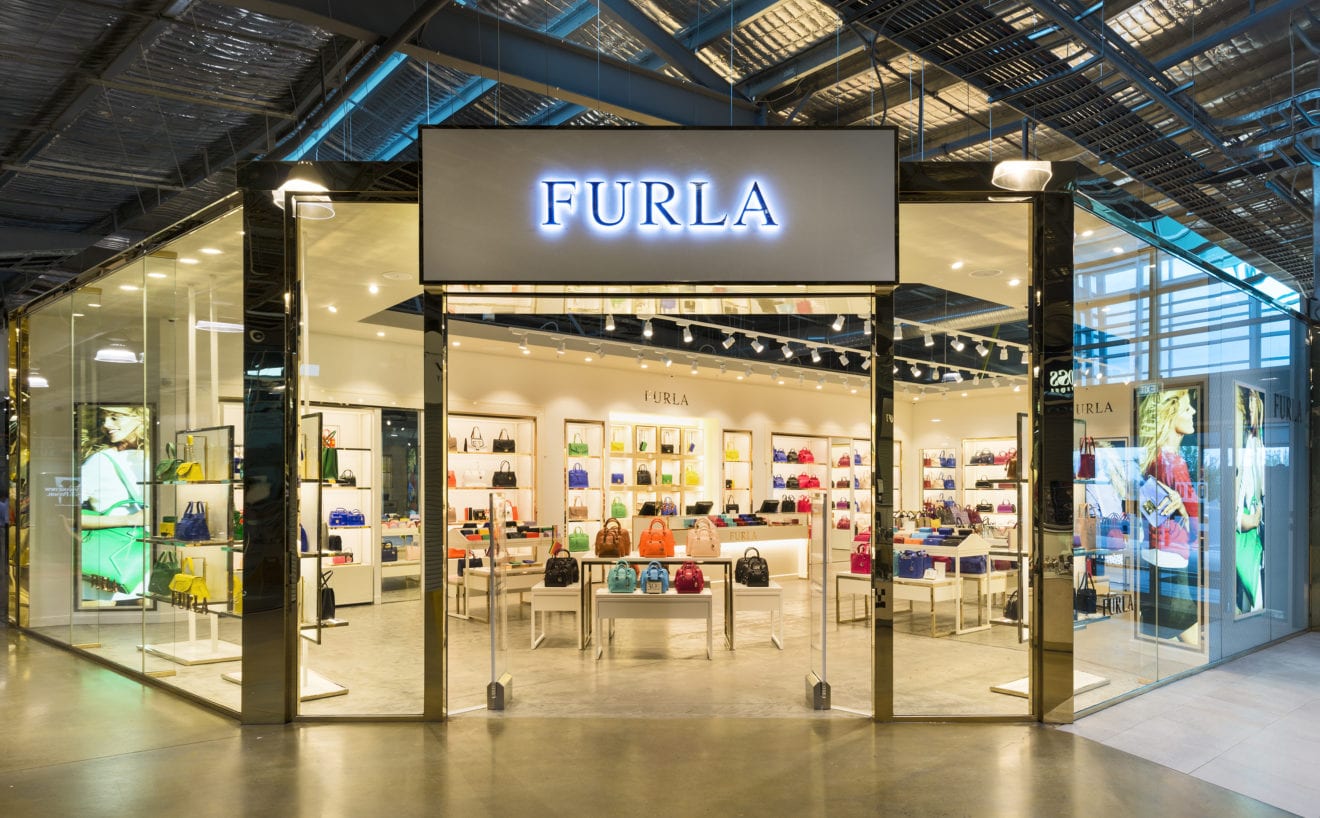
    If there’s one clear example of “accessible luxury” making strides in China’s retail industry, it’s Furla. The Italian fashion house has been in the midst of a rapid evolution, going from being known globally as a playful, youthful handbag brand to capturing China’s growing middle class with a new lifestyle-centric range of products. They’re doing something right—Furla, which recently announced it will go public in 2017, posted a 126 percent global sales increase in the past five years up to 2015, the highest since its founding in 1927. Sales were up 30 percent at 339 million euros and net profit was up 41 percent last year from 2014. China sales grew 75 percent in the same five-year period, and outgoing CEO Eraldo Poletto, who will be leaving in June for Ferragamo, says he expects China to soon become Furla’s main market.

    To capitalize on this opportunity, Furla has major plans for China in 2016. Currently, there are 44 Furla boutiques in 18 cities in China, including two new flagship openings in Hong Kong and Macau last year, but the focus for the next couple of years is expansion in “fast-developing” first- and second-tier cities in the mainland, such as Chengdu, Hangzhou, Chongqing, Shenyang, and Tianjin. Of particular note, the company is preparing to reveal its flagship store in Shanghai CITIC Square this month. Creating an e-commerce platform in China is another huge priority for the company before the year ends.

    Still, Poletto says Furla is keeping in mind the need to remain exclusive in order to remain appealing to their customer in China. Tighter household budgets may be making affordable luxury more appealing to middle-class consumers, but according Poletto, the key to Furla’s success is more complicated than the brand’s price point.

    “The definition of luxury is not to be expensive, but to be unique,” he says. “Over-expansion violates this rule, this is why many brands currently are facing difficulties and have to downsize their boutique quantity.”

    Furla’s impressive performance for 2015 was also driven by the company’s new product categories, and it’s their delivery of these as part of an Italian lifestyle brand that helps them “be successful and outstanding in the worldwide downturn,” Poletto says. This year, Furla introduced a menswear collection and women’s shoes, and continued its eyewear collaboration with De Rigo. Furla is also now partnering with Ratti for textiles, and Morellato for watches, as part of a well-rounded lifestyle selection with the modern Chinese consumer in mind that “brings Furla to a new era.”

    “The Chinese customer will always be our first priority in all global projects,” Poletto says. “We consider China to be the biggest market in the next five years, so what we’re doing now is finding an easier and more comfortable way for the Chinese customer to experience the typical Italian lifestyle, which is one of the most high-quality ways of life.”

    A screenshot of Furla's global online game for customizing a Metropolis bag.

    A screenshot of Furla’s global online game for customizing a Metropolis bag.

    Furla is also catering to the Chinese consumers’ interest in acquiring bespoke goods. It will soon be offering a made-to-order service at Shanghai CITIC Square, where customers can design their “exclusive Furla dream bag.” Already, Furla fans around the world can choose from a colorfully designed selection of leather covers to dress up their bag in tune with their personality, but now, in China, customers can also customize the stitching, edges, hardware, and custom tags on the Metropolis or the IT BAG Artesia—still at accessible price points, although this varies depending on the materials. In keeping with their Italy-focused philosophy, Chinese consumers get their bags in 12 weeks—they’re made in Italy, after all.

  • Zara India cuts prices as rival arrives

    Zara India cuts prices as rival arrives

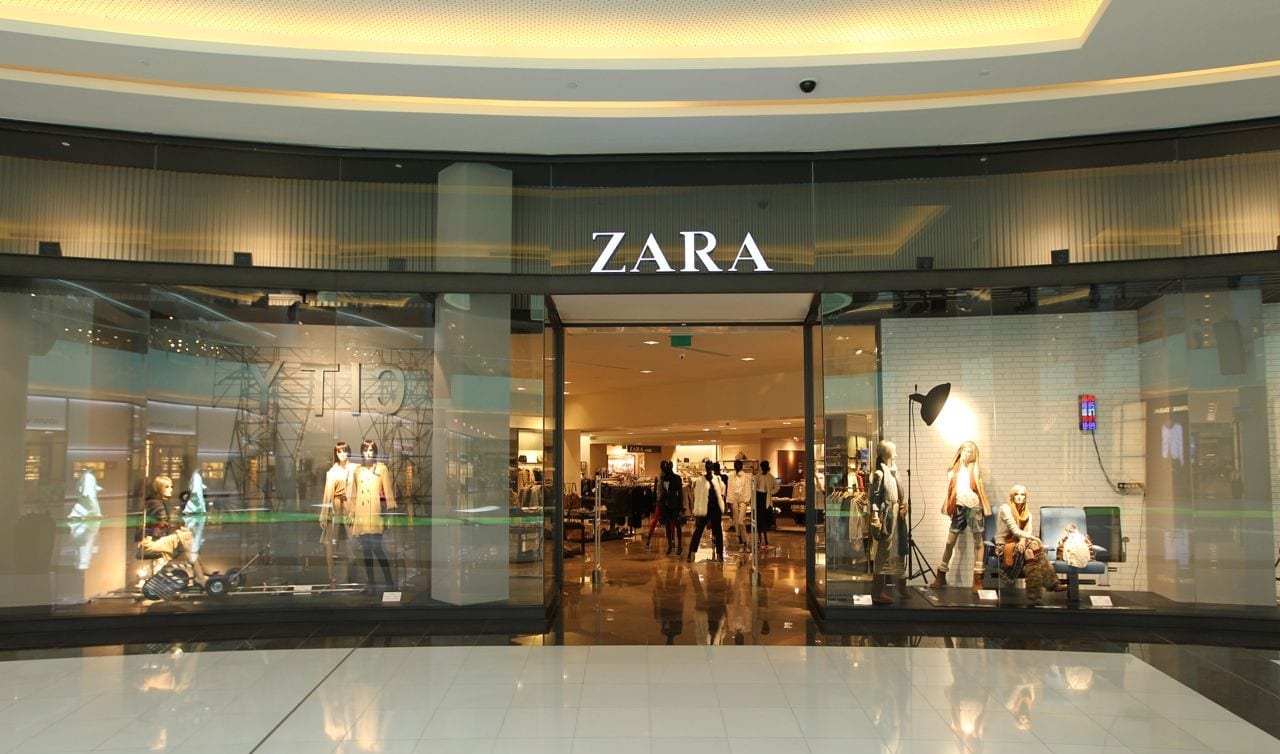
    To be more affordable for the market, Zara India has cut its merchandise prices by 10 to 12 per cent.

    The Spanish fashion brand took this move to coincide with the entry of rival H&M into India, reports the Business Standard.

    Established in India for six years in a joint venture with Tata’s Trent, Zara has 16 stores and is planning to open more. H&M has three stores after arriving late last year.

    Though it has become the fastest fashion brand to achieve $100 million revenues, Zara has seen a slowdown in sales growth. Its prices are reportedly 30 per cent higher than H&M. It has 7013 stores internationally, while H&M has about 3900 in 61 markets.

    Both brands are in malls in India’s National Capital Region, such as Select City Walk in Delhi and Mall of India in Noida. In Mumbai, H&M is planning to open a store next to Zara in High St Phoenix and in Phoenix Market City, Kurla, where Zara also has a store.

    Zara’s sales in India were down from 43 per cent in 2014 to 23 per cent last year, according to the Trent annual report.

  • Brooks Brothers Thailand opens Bangkok flagship

    Brooks Brothers Thailand opens Bangkok flagship

    Classic American menswear retailer Brooks Brothers has opened a flagship store at Bangkok’s Gaysorn Shopping Centre, to be followed by more outlets in the city.

    The new Brooks Brothers Thailand store’s interior features a finished wood floor, with shelves stocking garments of various checks, plaids, gingham and stripes. Brooks Brothers produced seersucker as early as the 1950s, and the Bangkok store displays a mannequin in a seersucker suit.

    Brooks Brothers, a private company owned by an Italian billionaire, launched in the US in 1818 and is the oldest retailer in the US. It speaks of personal wealth and achievement. Brooks Brothers suits were featured in the television drama Mad Men.

  • Zara Vietnam to launch in July

    Zara Vietnam to launch in July

    Zara Vietnam says it will open its first store in July, just as Euromonitor International reveals the Vietnamese branded goods market may reach $2.7 billion in value by next year.

    As more than more people can afford branded goods, international fashion brands such as Gap, Mango, Nine West, Ralph Lauren and Topshop have become the choice of many young Vietnamese, especially office workers, says Euromonitor.

    Zara is owned by Inditex, which at the end of its latest fiscal year on January 31 had 7013 shops in 88 markets, including 2000 Zara outlets. If the Spanish fast fashion giant follows its normal international expansion course, it will likely roll out some of its other brands in the market, including Bershka, Pull & Bear, Massimo Dutti, Stradivarius and Zara Home.

    There is already a Vietnamese website selling Zara items, with a showroom in Ho Chi Minh City, but the shop sells alternatively-sourced and end-of-season lines.

    Mango, which targets customers between 18 and 40 years old, has been in Vietnam since 2004 through a franchise contract signed with Maison JSC. It also has other franchise partners, including DAFC, a subsidiary of IPP, and BFF, belonging to Vingroup.

    In 107 markets internationally, Mango had $2.6 billion in revenue last year.

    A survey by Nielsen on Vietnamese consumer confidence has shown that Vietnamese are willing to spend money on holidays, tourism, fashion and high-technology products.

    Meanwhile, Mango and Zara are among brands that have garment factories in Vietnam.

  • Apple China loses trademark fight

    Apple China loses trademark fight

    A small firm that sells handbags and other leather goods has won a trademark fight with US tech giant Apple China.

    A Beijing court has ruled that Xintong Tiandi Technology can keep using the name Iphone for its leather products, the official Legal Daily newspaper reports. The company registered the trademark in 2010.

    Apple filed a trademark bid for the name for electronic goods in 2002, but this was not approved until 2013.

    “Apple is disappointed the Beijing Higher People’s Court chose to allow Xintong to use the iPhone mark for leather goods when we have prevailed in several other cases against Xintong,” says an Apple spokesman. “We intend to request a retrial… and will continue to vigorously protect our trademark rights.”

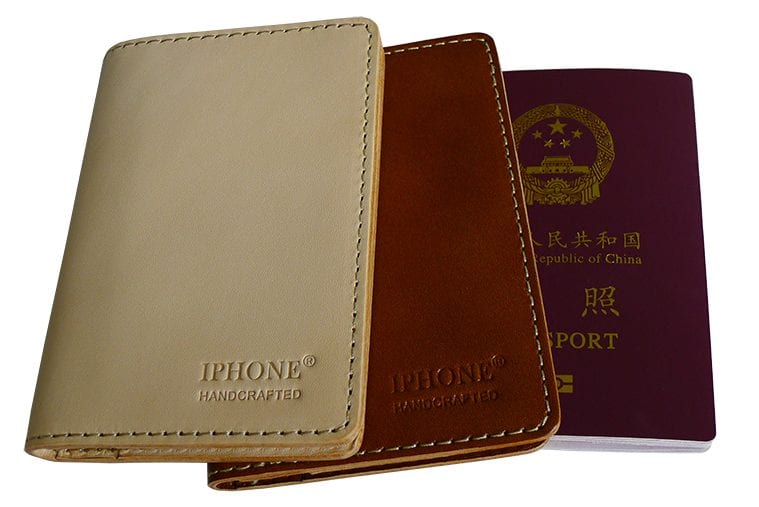
    The Chinese firm’s products include leather phone cases, and its leather goods are branded “IPHONE” with a registered trademark symbol.

    iPhone leather China 1

    Apple first brought the case against the company to the Chinese trademark authority in 2012. When that failed, Apple filed a lawsuit in a lower Beijing court. That also ruled against Apple, which then appealed to the higher court.

    In its ruling, the higher court said Apple could not prove it was a well-known brand in China before Xintong Tiandi filed its trademark application in 2007 (Apple iPhones first went on sale in China in 2009).

    Meanwhile, Apple’s latest results show a 13 per cent drop in revenue on slower iPhone sales. Sales in China, its second-biggest market, plunged by 26 per cent.

    Apple also faces other difficulties in China. In March, Beijing passed a law requiring all content shown in China to be stored on servers based on the Chinese Mainland. As a result, Apple’s iBooks and iTunes services were shut down in China. Apple is hoping access to the services will be restored soon.

    Billionaire investor Carl Icahn has just sold all his shares in Apple over concerns about the technology firm’s prospects in China.

  • Christian Dada Singapore opens flagship

    Christian Dada Singapore opens flagship

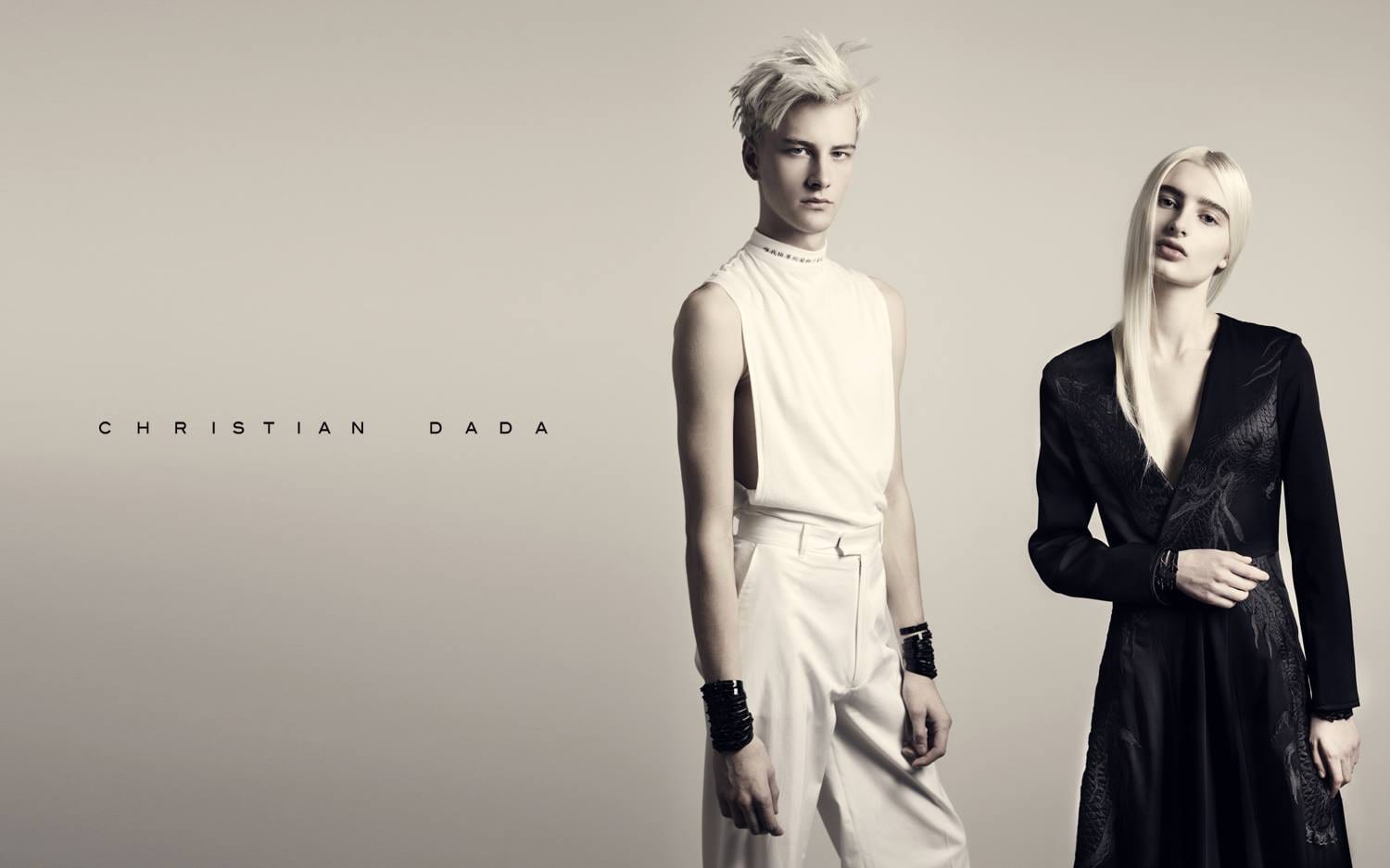
    Japanese fashion label Christian Dada has opened its first flagship store in Singapore at the 268 Orchard Road mall.

    Fumiko Takahama Architects designed the interior of the 1700 sqft (157.9 sqm) Christian Dada Singapore boutique, inspired by the Japanese karesansui garden (rock garden). Sheets of black perforated metal are folded, origami-style, to resemble rocks.

    Christian Dada Orchard road

    Founded in 2010 by designer Masanori Morikawa, the Christian Dada label is known for its deconstructed designs. He uses traditional Japanese silk-weaving techniques and the 8th- century yuzen dyeing method, commonly done by hand and used for kimonos and coats.

    Prices range from S$70 (US$51.42) for a bandana to $4620 for a jacket with rabbit-fur collar.

  • Chow Tai Fook casino interests expand

    Chow Tai Fook casino interests expand

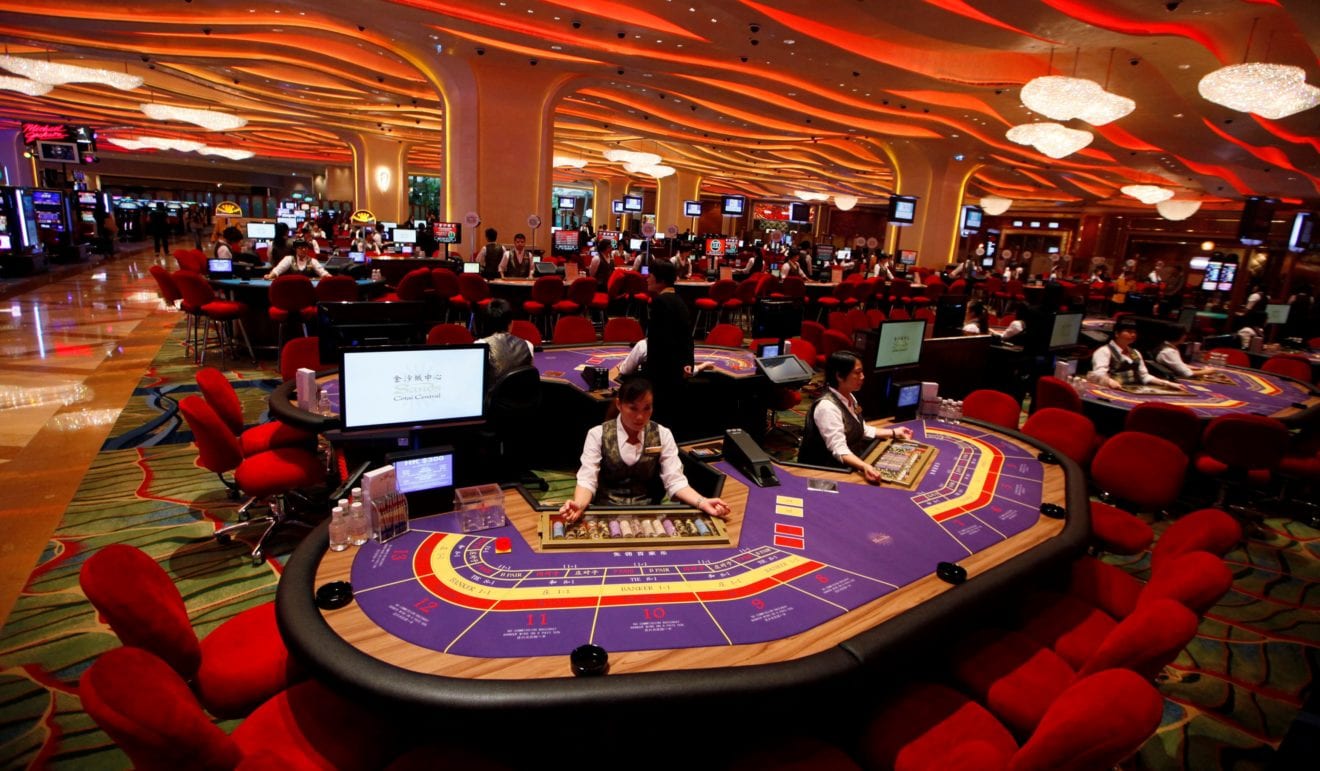
    Hong Kong jewellery retailer Chow Tai Fook Enterprises is diversifying into gaming, and is lead partner in a three-way joint venture developing Vietnam’s second integrated resort casino.

    After a prolonged delay, work has started on the $4 billion project’s first phase, in the UNESCO heritage city of Hoi An in Quan Nam province.

    Also involved in the Nam Hoi An Casino Resort are Vietnamese investment banking firm VinaCapital and Macau junket company SunCity Group. Chow Tai Fook acquired VinaCapital’s majority holding last September, although VinaCapital has announced it will boost its stake from 22.5 to 32 per cent, and also has a major stake in SunCity.

    Chow Tai Fook casino interests in Vietnam, through its New World Development unit, already include two large hotels in Ho Chi Minh City, the New World and the Renaissance Riverside. Three hotels will be included in the Hoi An development.

    Including resorts, an amusement park, golf course, premium villas and apartments, the first phase of the Hoi An project will cost about $500 million and should be completed early 2019. It covers 160ha. The only other integrated resort in Vietnam offering high-end gaming for international tourists is the larger Ho Tram Strip resort near Vung Tau, a beach settlement near Ho Chi Minh City.

    While the Nam Hoi An resort was licensed in 2010, VinaCapital’s original JV partner Genting Malaysia dropped out of the project two years later after deciding that the government’s demand for a minimum US$4 billion investment threshold was too steep considering the property’s gaming options would not be available to local residents.

    Chow Tai Fook, meanwhile, has been aggressively seeking out diversification via casino projects. The company has a stake in The Star Entertainment Group’s $3 billion resort casino project in Brisbane, and in November the Korea Herald reported that Chow Tai Fook had signed a letter of intent to invest $1.6 billion in creating a casino resort at Incheon, near Seoul.

    Chow Tai Fook is a privately held conglomerate controlled by the family of Hong Kong businessman Cheng Yu Tung, Hong Kong’s fourth-richest person who is a longstanding business partner of Stanley Ho Hung Sun, a founder of Macau casino investor SJM Holdings. For the Vietnam project, Chow Tai Fook is working through its entity Gold Yield Enterprises.

    Reuters has quoted industry analysts as saying that Vietnam is within easy reach of wealthy Chinese who provide the lion’s share of gaming revenue in Asia.

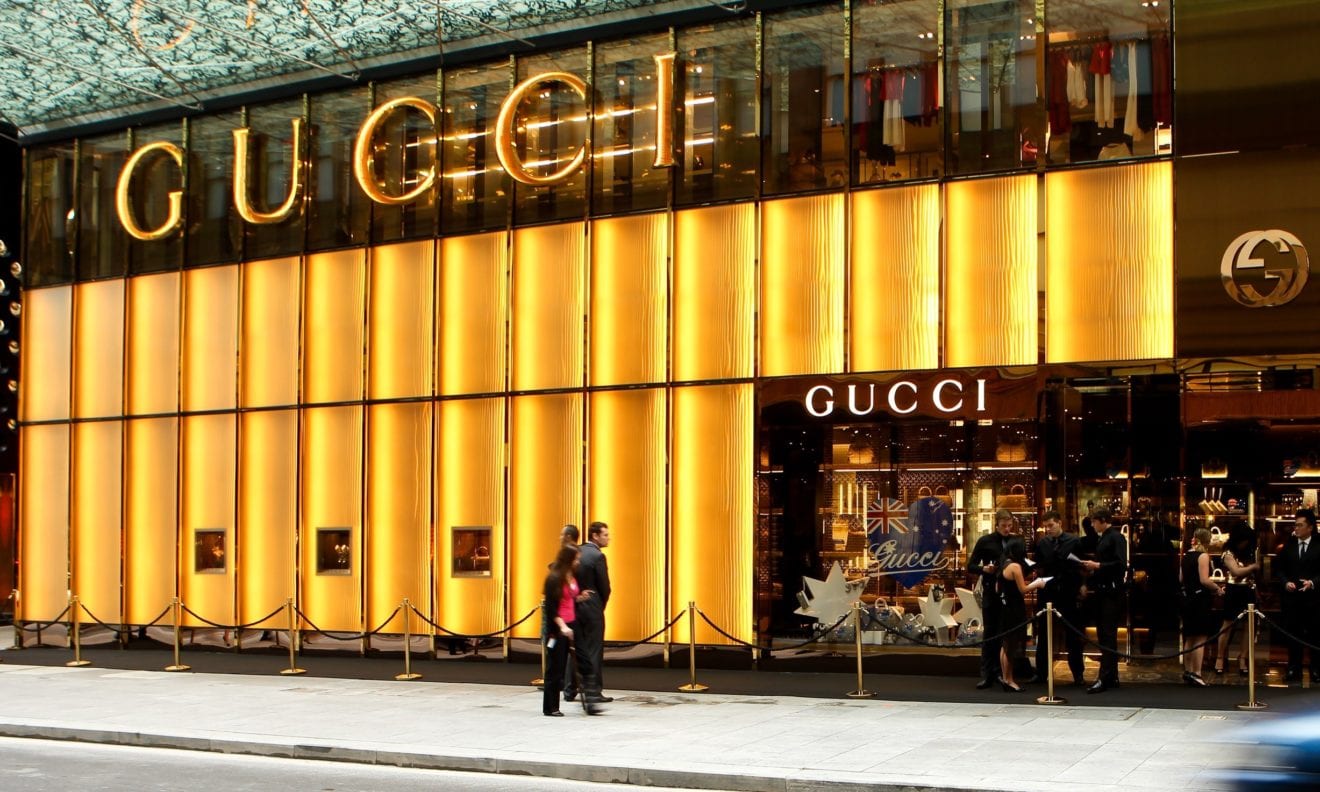
  • Gucci America follows Michael Kors out of IACC

    Gucci America follows Michael Kors out of IACC

    Gucci America has become the second brand to quit the International Anti-Counterfeiting Coalition(IACC) since the US-based group allowed Chinese eCommerce giant Alibaba to become a member last month.

    Describing Alibaba as “our most dangerous and damaging adversary”, Michael Kors left the IACC just after the Washington, DC group let Alibaba on board.

    Gucci, along with other Kering Group brands like Balenciaga, is suing Alibaba in New York, accusing it of knowingly encouraging and profiting from the sale of counterfeit goods on its eCommerce platforms. Alibaba has dismissed the suit as “wasteful litigation”.

    “The IACC stands by its decision and is committed to lean into the future and lead a coalition of the willing,” IACC president Robert Barchiesi says. “Whether it’s payment processors or online marketplaces, the choice is clear, they must be an integral part of the solution.”

    Alibaba’s membership is in a special category without voting rights, originally created when eBay asked to join the coalition, which it has not done as yet.

    Alibaba says its membership will allow it to work more closely and effectively with brands to enforce intellectual property rights.
    There are more than 250 members of the IACC including Apple, Chanel and Cisco Systems.

    Meanwhile, Alibaba Group boss Jack Ma has been confirmed as the IACC’s spring conference speaker.

  • Furla prepares for IPO

    Furla prepares for IPO

    Italian luxury goods brand Furla has taken its first steps towards a public share offer.

    After extensive negotiations, the shareholders of Furla have reached an agreement with TIP – Tamburi Investment Partners – over the issue of a bond which will later be converted into shares in the company’s future IPO.

    Giovanna Furlanetto, president of Furla says he is “very happy with the step that the company has taken, opening up to the contribution of highly-qualified and ethical professionals, in order to become stronger and more competitive globally to pursue the future growth its heritage deserves”.

    Giovanni Tamburi, TIP president and CEO, said his company was proud to be linked with “one of the most prestigious Italian entrepreneurial excellences, a brand recognised worldwide, which has decided to undertake its IPO with us to further accelerate its already remarkable growth, both in terms of sales and of profitability”.

    No timing has been revealed as yet for the IPO.


  • DFS and Luxottica seek differentiation with Ray-Ban concept in Hong Kong

    DFS and Luxottica seek differentiation with Ray-Ban concept in Hong Kong

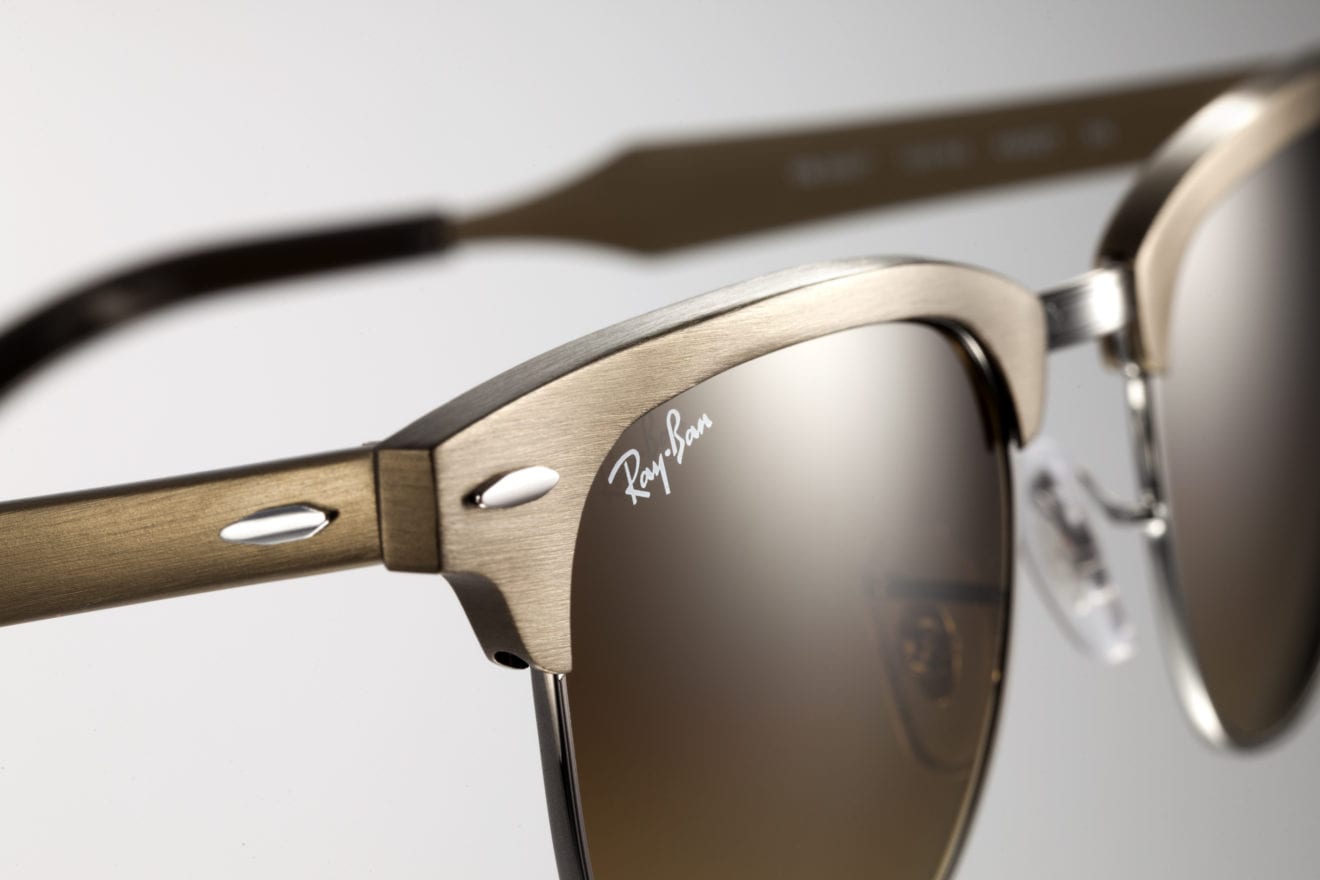
    Luxottica says the opening of its Ray-Ban shop-in-shop at Hong Kong International is part of a strategy to differentiate the sunglasses offer in travel retail.

    The company worked with DFS Group to open the first of its kind shop-in-shop in Asian travel retail at the airport’s Midfield Concourse.

    The 15sq m concept features the largest range of Ray-Ban products at any airport in Asia, the companies said. There are dedicated areas for different segments in the Ray-Ban range, including Icons, Tech and Lifestyle, as well as a section for Ray-Ban Kids.

    Shoppers are also being given the opportunity to experience the benefits of polarised lenses through Ray-Ban’s Polarised Tester technology.

    “Ray-Ban has the brand equity, range and product innovation to sustain a dedicated shop-in-shop,” said Luxottica Head of Global Channels Francis Gros. “At a major global hub airport like Hong Kong, with a large multi-site retail footprint, it’s important to differentiate the sunglasses offer, and our new Ray-Ban shop-in-shop is part of this strategy.

    “DFS constantly strives to offer shoppers something exceptional and new and they have been very supportive of our vision to make travel retail the expert channel for sunglasses.”

    DFS Group Director Merchandising for Sunglasses, Fashion Jewelry, and Watches Jason Blejwas commented: “Sunglasses continues to be a strong category for DFS and we are committed to bringing our customers the products they love in an engaging and enticing environment.”

  • Princess of Thailand’s Sirivannavari to Debut Pop-up at La Rinascente

    Princess of Thailand’s Sirivannavari to Debut Pop-up at La Rinascente

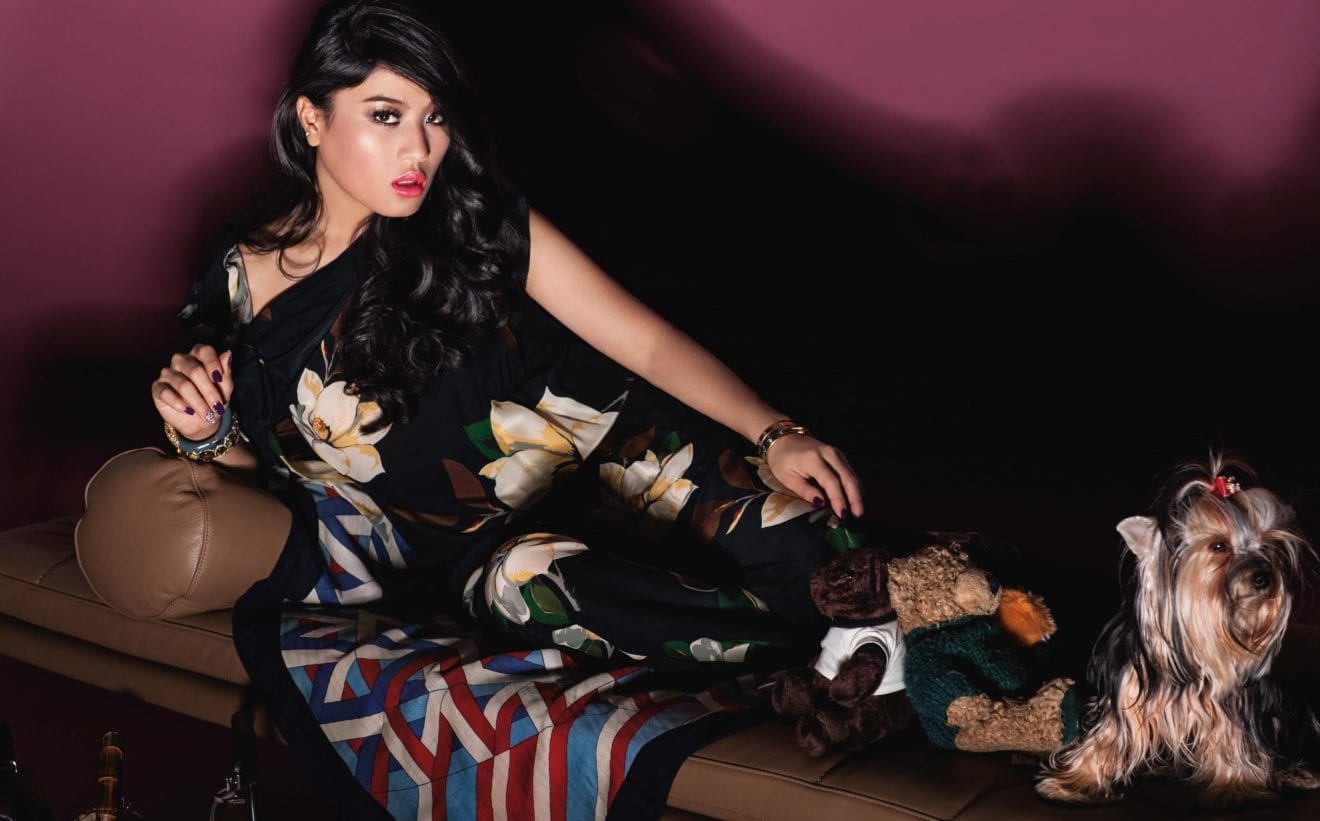
    Sirivannavari, the women’s label founded by Sirivannavari Nariratana, the Princess of Thailand, is debuting a pop-up shop at Milanese department store La Rinascente.

    A look from Sirivannavari spring/summer 2016 collection

    Opening from May 18 to June 14, this will be located on the store’s fourth floor dedicated to women’s wear.

    The pop-up shop will carry the latest collection of the luxury Thai label, which was founded in 2005. For spring, Nariratana, who studied fashion at Paris’ École de la Chambre Syndicale de la Couture Parisienne, was inspired by the Versailles Castle to design a lineup incorporating a range of art references from the Romantic and Impressionistic periods. The collection is focused on the combination of rich graphics and details with sculptural shapes. It includes a tulip dress; a blazer with rounded shoulders; a gown with a bodice embroidered with 3-D flowers, as well as a bolero jacket showing gooseberry-like embellishments.

    Sirivannavari operates a flagship at Bangkok’s Siam Paragon shopping mall.

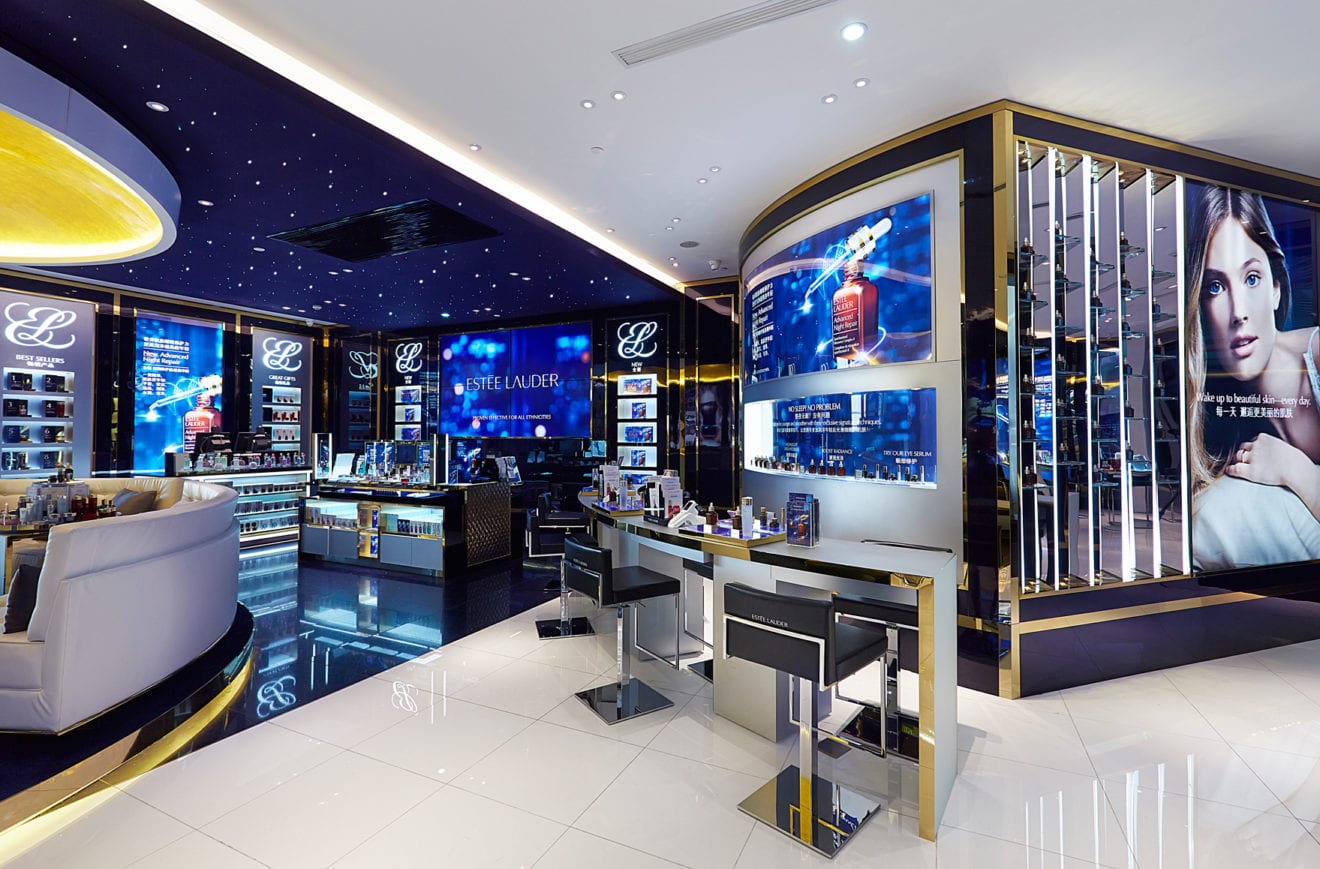
  • Hong Kong mars Estee Lauder Asia result

    Hong Kong mars Estee Lauder Asia result

    Beauty giant Estee Lauder says its Asian sales rose in every country except Hong Kong in the last quarter.

    Estee Lauder Asia achieved double-digit growth in Korea, Japan, Australia and Taiwan and achieved “solid” constant currency sales gains in China and Thailand.

    “The higher sales in China reflected sales gains in most brands due to continued distribution expansion and increased online activity,” the company said in an earnings statement.

    “In Hong Kong, the reduction in tourism from China continues to negatively impact business, particularly for the Estee Lauder, Clinique and La Mer brands. The company remains cautious of the near-term slower growth there.”

    Foreign currency translation unfavorably impacted reported sales by 5 per cent with the largest impact affecting China, Korea and Australia.

    In Asia-Pacific, operating income decreased, with lower results reported primarily in Hong Kong and China.

    “The lower results in Hong Kong were primarily due to the lower sales, and in China were attributable to increased marketing, selling and store operations costs. These lower results were partially offset by higher operating income in Japan and Singapore,” the company said.

    In its outlook for the full 2016 year, now nine months complete, Estee Lauder said it expects the global prestige beauty market  to continue to generate solid growth.

    “However, volatility and economic challenges are expected to continue to negatively impact Hong Kong and some emerging markets challenged by weak currencies. The company’s growth has outpaced global prestige beauty and is expected to continue growing faster than the industry, demonstrating the company’s ability to successfully navigate volatility. The company expects to increase targeted investment spending in the fiscal 2016 fourth quarter compared with the prior year, behind areas with good momentum or with opportunities for share gains, as well as in capabilities to sustain future growth.”

    Globally, net sales for the company’s third quarter to March 31 totalled US$2.66 billion, a 3 per cent increase compared over the $2.58 billion in the prior-year quarter. Net earnings were $265.6 million, down on the $272.1 million of last year.

    Meanwhile, Estee Lauder has revealed plans to save between $200 million and $300 million a year through a series of job cuts, retraining and restructuring initiatives.