Category: Fashion

Retail News Asia is committed to providing both local and global retailers with the latest Fashion news throughout the Asian market. This on a daily base.

  • Multi-brand Korean cosmetic shops thrive

    Multi-brand Korean cosmetic shops thrive

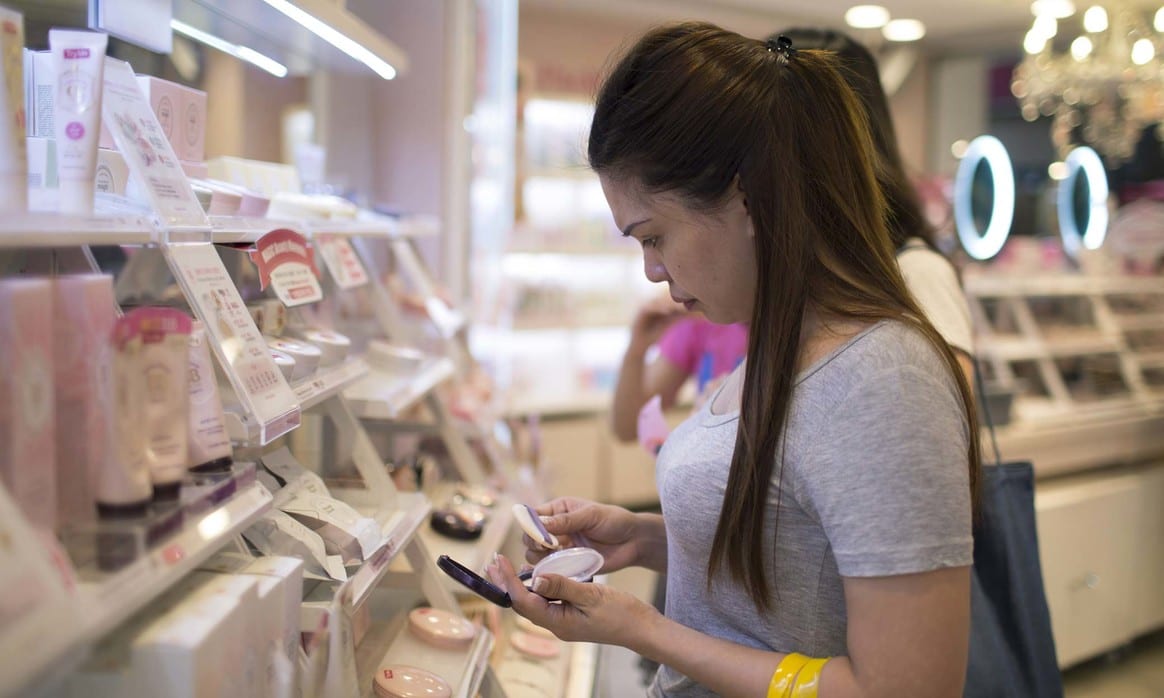
    Korean cosmetic shops that sell various brands under one roof have steadily expanded their presence across the country, giving sophisticated customers more options, according to industry sources.

    AmorePacific, South Korea’s No. 1 cosmetic company, operates about 1350 multi-brand stores, called Aritaum nationwide, which offer a wide selection of its products, including such mass brands as Laneige and IOPE. The company also operates single brand shops such as Innisfree and Etude House in the lower-end and Sulhwasoo and Hera in the higher-end segment as part of a two-track strategy.

    Also showcasing multi-brands are beauty and health care stores, such as CJ’s Olive Young and its smaller rival Watsons, which have expanded and enjoyed growing popularity among urban youngsters.

    To catch up with the latest trend, local cosmetic companies have launched multi-brand cosmetic shops in major retail strips.

    LG Household & Health Care Ltd., the nation’s second-largest cosmetic maker, launched a multi-brand shop called Nature Collection, in February, operating 11 stores in major retail strips in Seoul. The store features brands that focus on a natural look, including The Face Shop and Beyond.

    “Nature Collection is promoted through word-of-mouth, with various products and promotional events,” a company spokesman told Yonhap news service.

    Able C&C, which created the boom for the single brand shop with Missha, has recently opened a multi-brand shop called Beauty Net on a popular street in Seoul to display a wide range of select products.

    Beauty Net Korea store

    Industry officials say multi-brand shops are effective in improving customer convenience and brand management and promotion, providing easier access to new brands.

    “Expansion of these multi-brands provide the other brands with more chances to be introduced to customers,” said an Able C&C spokesman.

  • New lifeline for sagging Rocket Internet fashion sites

    New lifeline for sagging Rocket Internet fashion sites

    Investors have injected US$339 million lifeline into GFG, which owns the struggling Rocket Internet fashion websites.

    Rocket Internet and others have sunk the euro 300 million into its Global Fashion Group, raising GFG’s valuation to €1 billion – which is about a third of what it was worth hardly a year ago, when it raised €150 million.

    Launched in Luxembourg in 2014, GFG is a holding company formed from a merger of five eCommerce fashion companies – India’s Jabong, Latin America’s Dafiti, Russia’s Lamoda, Middle East firm Namshi, and Zalora (Southeast Asia and Australia).

    GFG acting CEO Romain Voog says the financing will provide the group with the capital it needs to continue with its strategy of “building out its leading position” in the online fashion sector in emerging markets.

    Rocket claims GFG’s performance has improved in the past year, easing its losses and raising its adjusted EBITDA margin. But it has been struggling to gain market share, and pulled out of Thailand and Vietnam, one of the fastest-growing eCommerce and internet markets in Asia.

    And GFG’s Jabong business in India, considered the next big market after China, has reportedly been up for sale for months with its valuation eroded by a tenth in just a year. Meanwhile, rival eCommerce companies like Flipkart and Snapdeal have soared in value.

    Voog is optimistic the reduced losses combined with this funding round will help accelerate the GFG’s path to profitability while it expands. A third of the €300 million raised came from Rocket. Swedish investor Kinnevik was also involved, along with existing shareholders.

  • Fossil Asia all set to enter wearable segment

    Fossil Asia all set to enter wearable segment

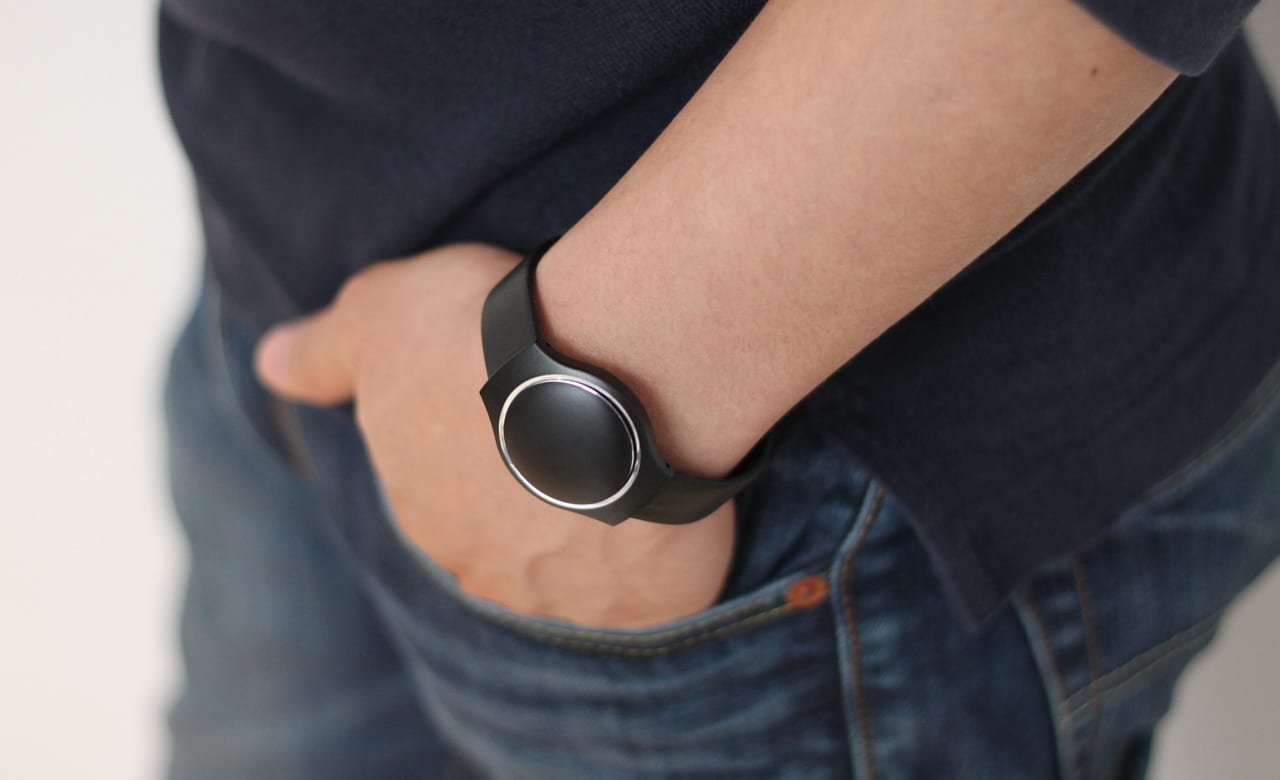
    As a part of its exercise to strengthen its foothold in the Indian market, watch and accessories brand Fossil is looking not just at penetrating with mono brand retail stores but also introducing its wearable lines which marries technology and fashion.

    The company said it is also going from strength to strength in increasing its presence in the third party e-commerce sites even as it considers setting up its own e-commerce platform following the government’s recent change in rule regarding FDI in e-commerce.

    “Retail and especially, e-commerce, is growing in India. It is only a matter of time when a large chunk of purchases will happen through it. We are piloting our platform but it will be non-transactional for the time being. We may look at transaction from it after regulatory approvals sometime later this year,” Jack Quinlan, Senior V-P, Asia Pacific, Fossil Asia Pacific.

    The company said it is also looking to scale up its mono brand retail stores.

    Aims for 25 stores

    “Our own stores here have struck growth for us. Indian market is growing in double digits. In India, we have 14 mono brand stores. We are looking to take that to 25 in the next few years,” he added.

    Fossil India is the 100 per cent subsidiary of the global brand. It had previously sold through multi-brand retailers. However, following approval of its single brand retail licence, the company had set up its mono brand stores. It has so far committed an investment of $4.5 million (₹30 crore) in the Indian market for retail, Quinlan said. To attract consumers into the affordable luxury brand, the company is will be introducing its wearable line by August-September and it will be priced around $275, he added.

    According to data, smart watches and smart brands is a growing market. Gartner predicts that by the end of 2016, smart watches will constitute about 40 per cent of wearable devices for the wrist. It is estimated that seven out of the top ten smart phone vendors have either entered or are planning to enter the wearable space. Several watch makers have also joined the fray.

    In India, Fossil sells its watches, leather goods and jewellery. “We are also looking at multi-brand retail to bring in more products,” he added.

    Asked if the company is looking at sourcing or manufacturing in India, Quinlan said the company has a sourcing for its leather goods, and factory in Himachal Pradesh for its watches.


  • Why Singapore is deemed as the failure market for Decathlon

    Why Singapore is deemed as the failure market for Decathlon

    French sporting house Decathlon is a relatively young player in the local retail scene, opening up its store earlier this year. The brand entered the retail scene at a point many established players were pulling out.

    The launch came after it had already established an e-commerce practice for nearly two and a half years to “painstakingly” understand and collect consumer data from the market. It is safe to say when Decathlon started up in Southeast Asia, the public did not really know it was a sports retailer.

    This, admits Clarence Chew (pictured) , head of marketing and communications at Decathlon, was one of the biggest problems.

    “E-commerce is not easy and was a struggle when you are selling products that people don’t actually need. People didn’t care about us. If they saw online that the product was too cheap, they would think it isn’t of quality; too expensive, and they wouldn’t want to spend. So our problem was how do we tell customers we are here?” he said, at a recent event hosted by OgilvyOne called “Delivering consumer value in an era of Disruption”.

    The brand decided to be part of the discovery process using a multi-channel approach. It was wherever consumers were looking and ensured it was part of the consumer journey.

    What also helped Chew in this process was the senior management was able to see e-commerce as part of the customer journey and not as a separate entity from the retail function. As such the goal was more synergistic.

    He added, “It wasn’t a push but rather a pull factor for us that drew customers.”

    Another big sigh of relief for Chew was when he was able to successfully convince the senior management to make Singapore a “failure market” for the brand and  use it as a test bed for all things new and shiny in the digital landscape. After all, failure is vital to any great discovery and innovation. He said:

    “In Singapore, I can do whatever I want with any budget I want. And I will not be blamed if it fails.”

    Chew explained the country was chosen for its dense and diverse population. The city-state structure worked to the brands’ benefit and there was a healthy mix of old and young and locals and expatriates. This helped the brand see the contrast between old school marketing tactics and new shiny toys and figure out what really works.

    “Singapore  is a nice drawing board. Chances are if it works here, all the other countries like Malaysia and Indonesia will all eventually embrace it,” he added. But for every other country, clarified Chew, he would still need to meet the regular KPIs and carry out customised marketing.

    Bringing change internally

    Another challenge Chew faces, is getting people on board to try new ideas. He said:

    “Even if you have a CEO willing to adopt stuff, you have many other people in the organisation who don’t know and don’t care or won’t agree.”

    Agreeing with him was panelist Tony Menezes, VP of Cognitive Solutions at IBM, who also added that the country’s safe nature helped companies come up with creative solutions and ideas without as high a fear of intellectual theft. Ultimately even if technology is available, companies need to be willing to embrace it.

    “Companies need to recognise the disruptive idea will come from day to day interaction with customers and employees. Figure out how to tap into that source,” Menez said.

    For IBM, even today, the company is holding a new contest cognitive bill where employees came up with ideas to make the company a cognitive company across industries. IBM has 50 ideas from it which will come down to 10 to potentially explore.

    Ultimately if the culture of innovation has to be embraced across all levels from top to front-line in a company. When asked by the audience if building relationship is tough in a disruptive world, he said:

    “Brands that have an affiliation with consumers and communicate clearly how they plan to protect personal data, will earn the trust of consumers.”

    He explained that the commonalities amongst the many brand hacks and online breaches in recent years show that leading companies address the problems head on and share a direct strategy  with consumers rather than sit idle.

    “If consumers know that when they opt in they will get something in return from the brand and the brand is clear about it, they will get more trust.”

    And sometimes the best way to do this is to ask. As Todd Kurie, VP of marketing at RedMart, who was also on the panel said:

    “Even relatively old-school tactics like surveys can go a long way to show you are listening”

    He added the brand is a huge believer in simply asking consumers what they want.
  • Maui Jim to introduce new glass styles in Singapore

    Maui Jim to introduce new glass styles in Singapore

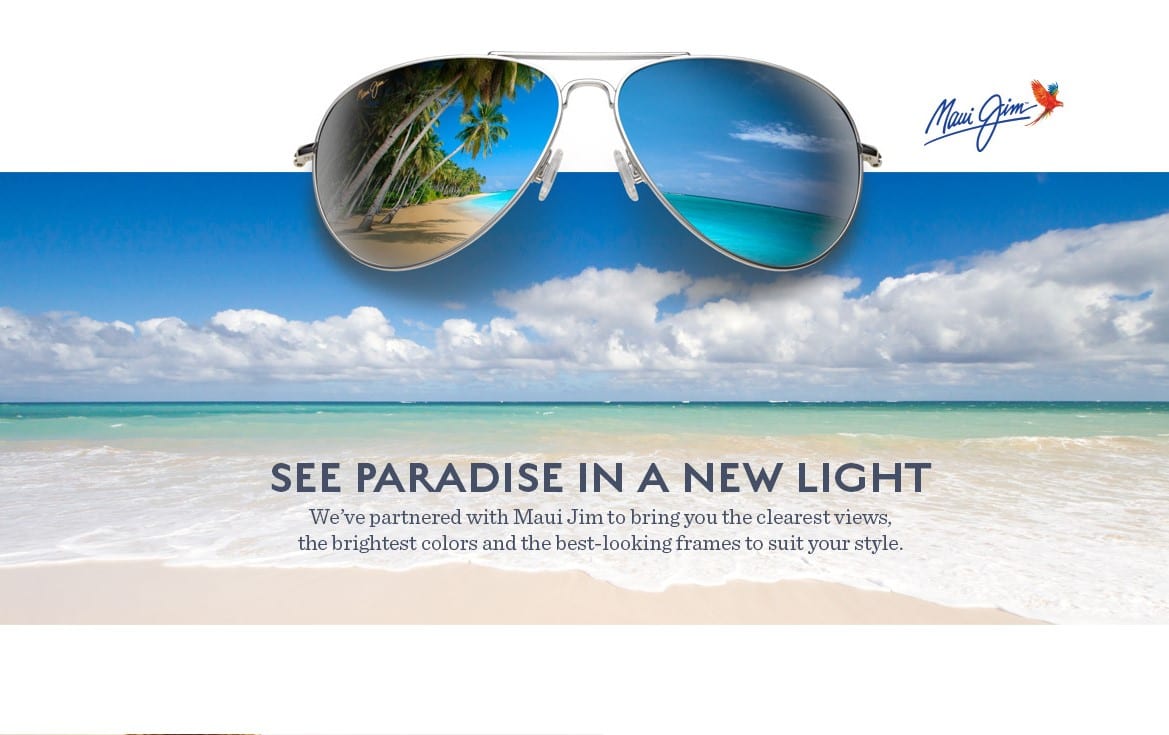
    Premium sunglass company Maui Jim will introduce four new super-thin glass styles to its collection at next month’s TFWA Asia Pacific exhibition.

    The company said the new glasses were 20% and lighter than conventional glass lenses, comfortable to wear, boasted excellent scratch and solvent resistance and offered the best optics available.

    Maui Jim Ocean is available in various colour combinations: Tortoise with Peacock nylon frame and HCL Bronze lenses; Tortoise with Raspberry and Maui Rose lenses and Grey Tortoise Stripe and Neutral Grey lenses. The lenses in this style only are MauiGradient, lighter at the bottom than top. This is to protect the eyes and make reading easier.

    Popoki, is a similar shape but slightly smaller and constructed in Satin Monel metal. The vintage silhouette is complemented by acetate temples in burgundy, green and blue mottled colour combinations. The frame base colours are satin dark gunmetal with Maui Rose lenses; satin chocolate with HCL bronze and satin black with neutral grey.

    With a trendy oversised frame to suit men and women with slightly larger faces, Rising Sun is crafted in lightweight nylon for comfort. Three colourways are offered: Burgundy stripe with Maui rose lenses; matte tortoise with HCL bronze; classic matte black with neutral grey.

    The more masculine Snapback is a classic wayfarer sunglass style, constructed in light nylon with the same high clarity ST lenses. Available in matte black, matte tortoise, grey tortoise and green stripe with complementary lens colours, this style is designed to suit every face shape, indicated Maui Jim.

    The company said: “All Maui Jim sunglasses have PolarisedPlus2 lenses which wipe out 99% of glare, manage 95% of HEV and block 99% of harmful UV while boosting colours to unmatched levels. They have been recommended by The Skin Cancer Foundation as an effective UV filter for the eyes and surrounding skin.”

    Maui Jim will be located K9 Basement 2 at TFWA Asia Pacific.

  • Hermes retail sales rose 8pc in Q1

    Hermes retail sales rose 8pc in Q1

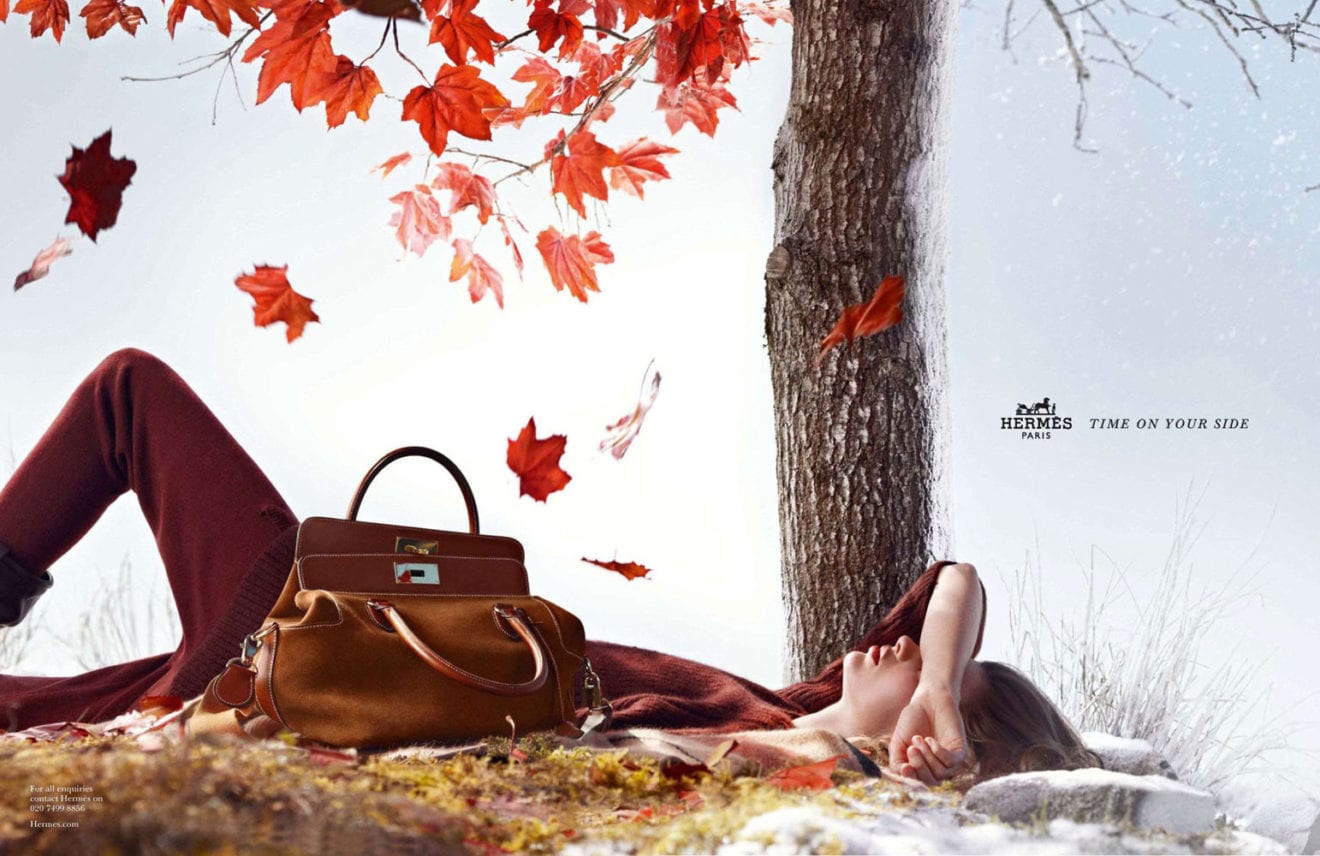
    French leather goods maker Hermès Group’s revenue was up 6 percent in the first quarter of 2016, despite a challenging luxury landscape.

    Consolidated revenues for the house were 1.19 billion euro, or about $1.35 billion at current exchange rates. Even with the negative effects of the Paris terrorist attacks, Hermès’ European sales grew 9 percent compared to the same period the previous year, with strong performances of its brand-owned boutiques.

    Trying times
    Japan sales were up 13 percent compared to last year, which Hermès attributes to selective distribution. The rest of Asia saw sales rise 4 percent, with growth in China offset by challenges in Hong Kong and Macao.

    Hermès’ leather goods and saddlery business grew 15 percent in the quarter. The group has recently established new facilities for leather production, with the fifteenth opened on April 1 in Héricourt.

    All other areas of Hermès’ business saw a decline.

    With a slowdown in the United States, Asia and France, ready-to-wear and accessories sales were down 2 percent. Silk and textile sales were down 9 percent, attributed to the recent events in Europe.

    Perfume sales dipped 4 percent, while watches declined 3 percent.

    Its other business ventures, including silvermaker Puiforcat and bespoke shoemaker John Lobb, balked the trend, rising about 30 percent to about $65.6 million in sales.

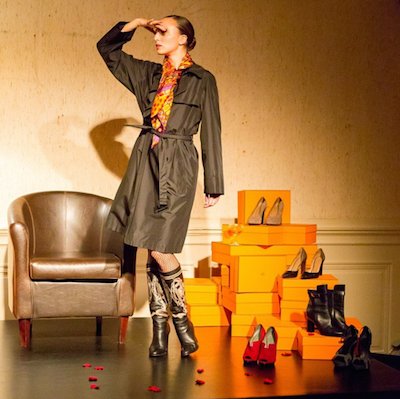
    Hermes shoe fw 2014
    Hermès fall/winter 2014

    Hermès says that its goal of 8 percent revenue growth at constant exchange rates for 2016 may be out of reach due to economic, geopolitical and currency fluctuations.

    The brand is planning to celebrate the horse this year, with an effort that focuses on its longstanding connection to nature through equestrian arts.

    Other luxury brands are feeling the pinch of current events.

    French conglomerate Kering’s luxury sales in the first quarter of 2016 were buoyed by Western Europe, Japan and emerging markets, as it managed growth in a challenging environment.

    Bottega Veneta’s sales were down 7.6 percent as reported, or 8.3 percent on a comparable basis. The brand was mostly hurt by the strength of the U.S. dollar and by Asian tourists avoiding Europe and other parts of the globe following terror attacks

  • H&M India opens Swedish brand’s 4000th store

    H&M India opens Swedish brand’s 4000th store

    Bollywood actress Parineeti Chopra hosted the grand opening of Swedish fashion brand H&M India’s newest – at the Mall of India in Noida, near Delhi.

    The shop is the 4000th globally to bear the famous red H&M logo.

    Covering 37,000 sqft (3437 sqm), the store has four floors, each devoted to apparel and accessories for women, men, teenagers and children respectively.

    parineeti chopra h&m india 1

    H&M country manager Janne Einola, area manager Mikko Alatalo and store manager Varun Pratap Singh cut the red ribbon to officially open the store.
    A queue formed ahead of the opening, with the first 10 customers receiving a gift card worth Rs 4000 (US$60), while the next 200 in the queue each received a goodie bag and gift card worth Rs 500.

    parineeti chopra h&m india

    DJ spin-offs were a feature of the launch, as well as dance and fashion contests for the customers.

    Parineeti Chopra was clearly impressed: “I’ve always liked H&M’s exciting and affordable fashion- there is plenty of inspiration in store to create your personal style. The opening was incredibly fun!”

  • China fires, Hong Kong fizzles for Coach Asia

    China fires, Hong Kong fizzles for Coach Asia

    Coach Asia has reported a strong rise in Mainland China sales in the last quarter – which was eroded by a decline in Hong Kong and Macau.

    The rebounding US fashion retailer says international sales rose 5 per cent in the three months to March 27 to US$448 million and by 7 per cent on a constant currency basis.

    “Total China sales rose 2 per cent in constant currency and declined 2 per cent in dollars with double-digit growth and positive comparable store sales on the Mainland offset in part by continued weakness in Hong Kong and Macau,” the company said in its earnings statement overnight.

    Hong Kong’s subdued luxury market and high currency value significantly ate into the Greater China figures.

    In Japan, sales rose 7 per cent in constant currency, despite a decrease in square footage, while dollar sales rose 8 per cent, reflecting the stronger yen.

    “Sales for the remaining directly operated businesses in Asia posted solid growth in constant currency but rose slightly in dollars,” the company reported.

    Coach’s total sales were $1.03 billion for the third quarter, compared with $929 million in the same period of last year, an increase of 11 per cent. On a constant currency basis, total sales increased 13 per cent. Gross profit totaled $713 million versus $665 million a year ago, up 7 per cent, while gross margin was 69 per cent versus 71.6 per cent.

    Neil Saunders, said while Coach’s sales uplifts were modest when compared to prior year declines of 24 per cent in North America and 3 per cent in international markets, they added to the sense that a long promised recovery of the brand is starting to materialise.

    He said the Stuart Weitzman acquisition continues to add value to Coach’s top line, despite fairly weak margins. “To an extent this, along with the strong dollar, has under minded progress made in rebuilding margins for the core Coach brand.

    “While Coach has done much to rebuild its brand there is still further to go within North America before it sheds its image of being a ubiquitous product focused on discounting. The recent heritage campaign and the reduced promotional stance are helping to shift perceptions, and as such the direction of travel is correct,” observed Saunders.

    “With greater emphasis on product design, marketing, and store environment Coach should be able to rebuild traction within its core North American market over the course of the next quarter.”

    Coach CEO Victor Luis  said the company’s performance was in line with expectations and reflected “the consistent execution of the transformation initiatives put into place nearly two years ago, in spite of volatile tourist spending flows, as well as macroeconomic and promotional headwinds”.

    “We are delighted with how our plan for the Coach brand continues to unfold and is driving improvement across our financial metrics. We are on track to return to positive comps in North America in the fourth quarter and to achieve an inflection in our profitability.”

  • Korea to allow four new duty-free shops in Seoul

    Korea to allow four new duty-free shops in Seoul

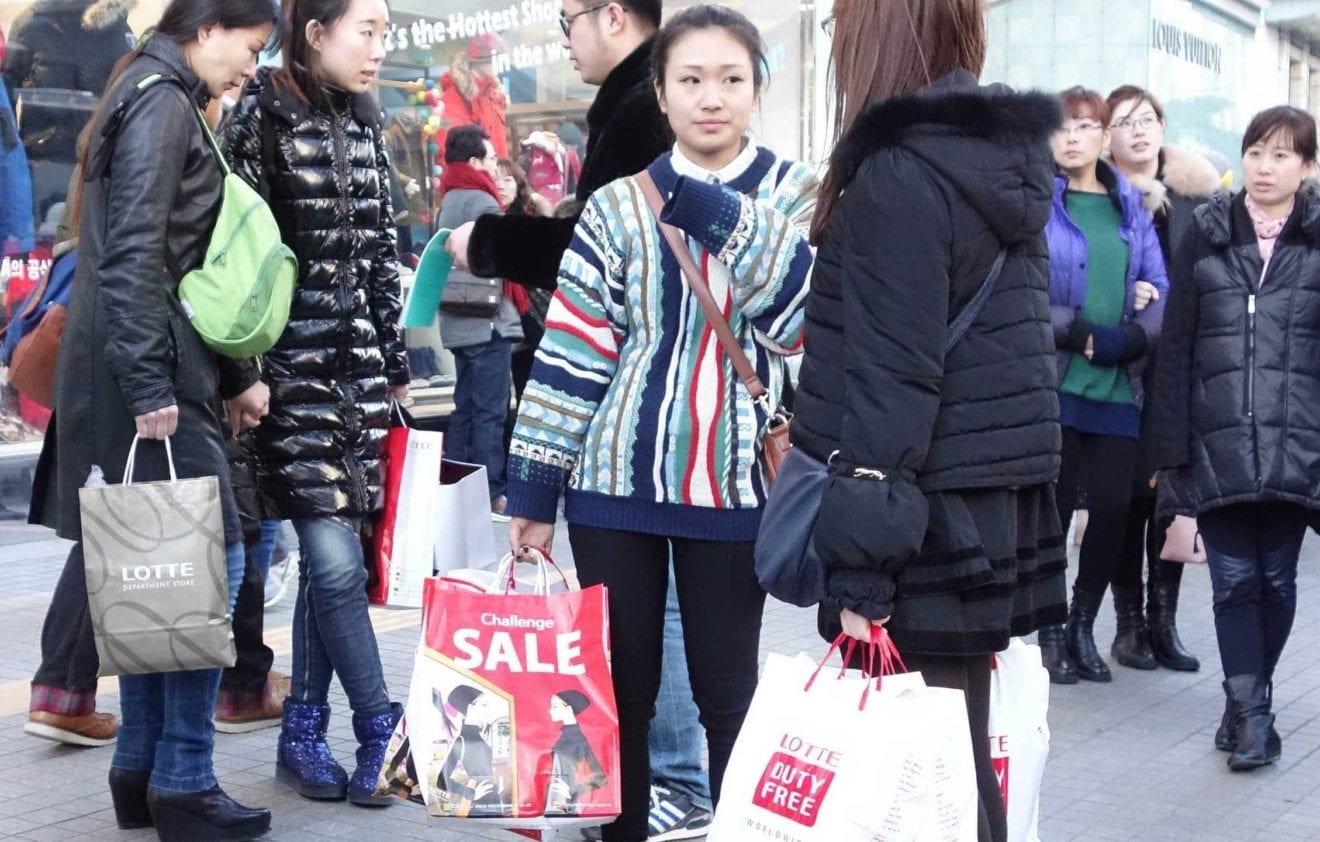
    Korea will allow four more duty-free shops to open in Seoul to meet growing demand from Chinese tourists, the government announced Friday.

    “Four new licenses will be issued for operation in Seoul, while the city of Busan and Gangwon Province will also get one each,” Lee Myung-gu, director of the Korea Customs Service, said at a press briefing in Sejong.

    The licensees will be selected by the end of this year through an open competition, the official explained, with one ticket reserved for midsized companies.

    Seoul currently has nine tax-exempt retail outlets. Friday’s decision will raise the total to 13.

    Duty-free stores are a rare bright spot in Korea’s lackluster retail sector, growing by an average 20 per cent over the past five years. Last year, they posted a combined 9.2 trillion won ($8 billion) in sales.

    Major retail giants Lotte Duty Free, part of Lotte Group, SK Networks of SK Group and Hyundai Department Store hailed the decision, vowing an all-out effort to win a license.

    For Lotte and SK, in particular, this represents a second chance after they failed to renew the license for shops that they have been running for years.

    “We will make utmost efforts to win the license back,” SK Networks said in a press statement after the announcement.

    SK’s only duty-free outlet inside the Walkerhill Hotel in eastern Seoul faces closure in May with the expiry of its license.

    Lotte, which runs the top duty-free store by sales in Seoul, has to shut its Lotte World Tower outlet in southern Seoul by the end of June. The Lotte World Tower shop ranked third by sales in 2014.

    Hyundai Department Store said it wants to open a tax-free retail outlet at Coex in the southern shopping district of Gangnam.

    The government last year changed its policy on duty-free shops, holding an open competition for operational licenses for the first time. HDC Shilla Duty Free, Hanwha Galleria and SM Duty Free grabbed new licenses to open outlets in Seoul, while Doosan and Shinsegae beat Lotte and SK to win theirs.

    The government, however, has changed its stance again this year, extending the operational licenses of local duty-free stores to 10 years from the current five. Also, the licenses will be automatically renewed to help the companies run their businesses in a more sustainable way.

    The decision to open the field wider for competition is a move in line with the government’s efforts to grow tourism and revive the sluggish domestic economy and create jobs, the KCS explained in a press statement. It expects the new licenses to spur domestic investment of 1 trillion won and 5,000 new jobs.

    Korea is the world’s largest duty-free market, accounting for more than 10 per cent of global revenues from duty-free shops.

    In 2014, it saw foreign tourist arrivals rising to a record 14.2 million, greatly helped by a surge in visitors from neighbouring China.


  • Is Growth For Luxury Brands in China Over?

    Is Growth For Luxury Brands in China Over?

    China and the Chinese played a primary role in the growth of the luxury sector in the past decade. But what was once a boon for luxury goods brands is now turning around.

    Chinese consumers account for the largest portion (31 percent) of global luxury spending, up from only 1 percent in 2000, according to a study by consulting firm Bain & Company. And in the past decade, thanks to China and Chinese shoppers abroad, the luxury goods market worldwide grew by 72 percent in size.

    luxury goods

    (Statista)

    “The relentless expansion of the domestic economy that fueled China’s voracious appetite for the finer things in life has slowed,” Exane BNP Paribas analyst Luca Solca.

    “This only compounds the chilling effect that the government’s anti-corruption campaign has had on demand for luxury fashion and fine jewelry.”

    Many luxury goods brands opened up store after store to tap the Chinese market. The experts are now debating whether they are too exposed to China.

    In his analysis, Solca looked at whether each brand is over- or underexposed to the Chinese market based on the number of stores they have. Accordingly, Versace is the most over-exposed brand with 22 percent of its stores based in China. Moncler, Tod’s, and Dolce&Gabbana are among the overexposed brands as well.

    The only large brands underexposed to China are Hermes, Tiffany, and Michael Kors. And these brands still have some retail expansion opportunity in China, according to Solca.

    (Source: Exane BNP Paribas analysis, RE-Analystics, Business of Fashion)

    (Exane BNP Paribas analysis, RE-Analytics, Business of Fashion)

    Sales of luxury products in the mainland have started to slow down after Chinese regime leader Xi Jinping launched his political anti-corruption campaign in 2013. Many of the Chinese officials and their numerous cronies and associates notorious for using luxury items for bribes stopped shopping for those items.

    A slowdown in the Chinese economy since mid-2015 was the second blow for luxury brands. Some brands have already started closing stores in China.

    “A corollary to the drop in domestic sales is a reduction of the store footprint by most brands, with a greater focus on fewer, larger, and better-located stores” Bain & Company stated in its report on China’s luxury market in 2015.

    Louis Vuitton, which is the most valuable luxury brand in the world, closed six stores and opened two new stores in China in 2015. And the company recently announced the closure of two additional stores located in Shanghai and Shanxi.

    Meanwhile, Gucci closed five stores in China, Burberry closed two stores, and Prada closed four stores in 2015, according to the Bain report. Due to collapsing demand in China, brands are expected to shut more stores across the country in coming months.

    Adding to the industry’s woes, publicly traded luxury goods companies announced weaker than expected results in April 2016, caused by slowing Chinese tourism in Europe. Burberry Group Plc, Prada SpA,Kering SA, and LVMH Moet Hennessy Louis Vuitton SE all reported disappointing results following terror attacks in Europe.

    According to Bruno Lannes, a Bain partner based in Shanghai, luxury brands should place greater emphasis on exclusive and fashionable collections, digital platform engagement and digital content, as well as pricing, in order to remain competitive in rough times.

  • Under Armour’s big first quarter

    Under Armour’s big first quarter

    Apparel and footwear chain, Under Armour, has reported net revenue growth of 30 per cent for the first quarter of 2016.

    The increase saw the sports brand reach net revenue of $1.05 billion, with the 2016 outlook raised to $5.0 billion representing growth of 26 per cent over 2015.

    “For the past 24 consecutive quarters or six years, we have driven net revenue growth above 20 per cent and we are incredibly proud of our start to 2016 with first quarter net revenue growth of 30 per cent,” said Under Armour chairman and CEO, Kevin Plank. “The strong results posted this quarter truly demonstrate the balanced growth of our brand across product categories, channels and geographies.”

    During the first quarter, wholesale net revenues grew 28 per cent year-over-year to $744 million compared to $579 million in the prior year’s period. North America net revenues for the first quarter grew 26 per cent year-over-year, or 27 per cent on a currency neutral basis.

    International net revenues, which represented 14 per cent of total net revenues for the first quarter, grew 56 per cent year-over-year, or 65 per cent on a currency neutral basis.

    “In footwear, this includes the remarkable success of the Stephen Curry signature basketball line, as well as the exciting launches of our first smart running shoe and our new line of Jordan Spieth inspired golf shoes,” said Plank.

  • Old Navy Indonesia makes debut

    Old Navy Indonesia makes debut

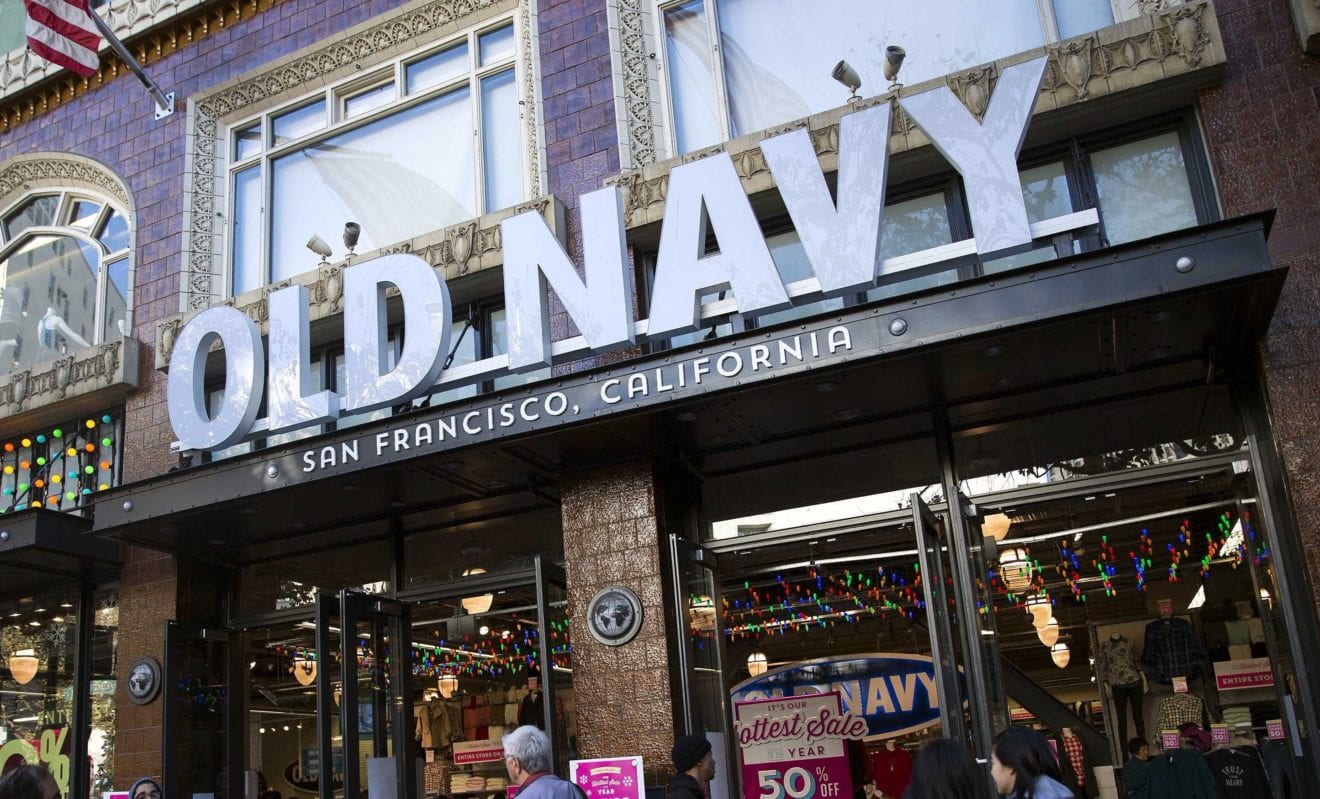
    American apparel and accessories brand Old Navy Indonesia has opened its first retail outlet at the Central Park Mall in west Jakarta.

    Offering American-style basic clothing items, Old Navy is part of the Gap portfolio alongside Athleta, Banana Republic and Intermix. The brand has more than 700 stores and shops-in-shop in 11 countries, including the Philippines.

    Old Navy Central Park mall Indonesia

    “Indonesian customers understand the international retail scene very well,” says Old Navy senior director of franchise buying Michele Chinn Fahey. “There’s a really a high awareness of international retail brands and a growing demand for American fashion.”

    For its Indonesian debut, Old Navy is collaborating with Armaan Retail Indonesia.

    Old Navy Central Park mall Indonesia 1

    “With 250 million people living across 15,000 islands, and three different time zones, Indonesia has huge potential,” says Armaan Retail CEO Benjamin Handradjasa.

    Old Navy’s store covers 1200 sqm and offers clothing and accessories for men, women, children and babies. There is also a special section for maternity clothes.

    Among the store’s first customers on its opening day was Indonesian actress and singer Ana Octarina.

  • Versace Asia to open Central flagship

    Versace Asia to open Central flagship

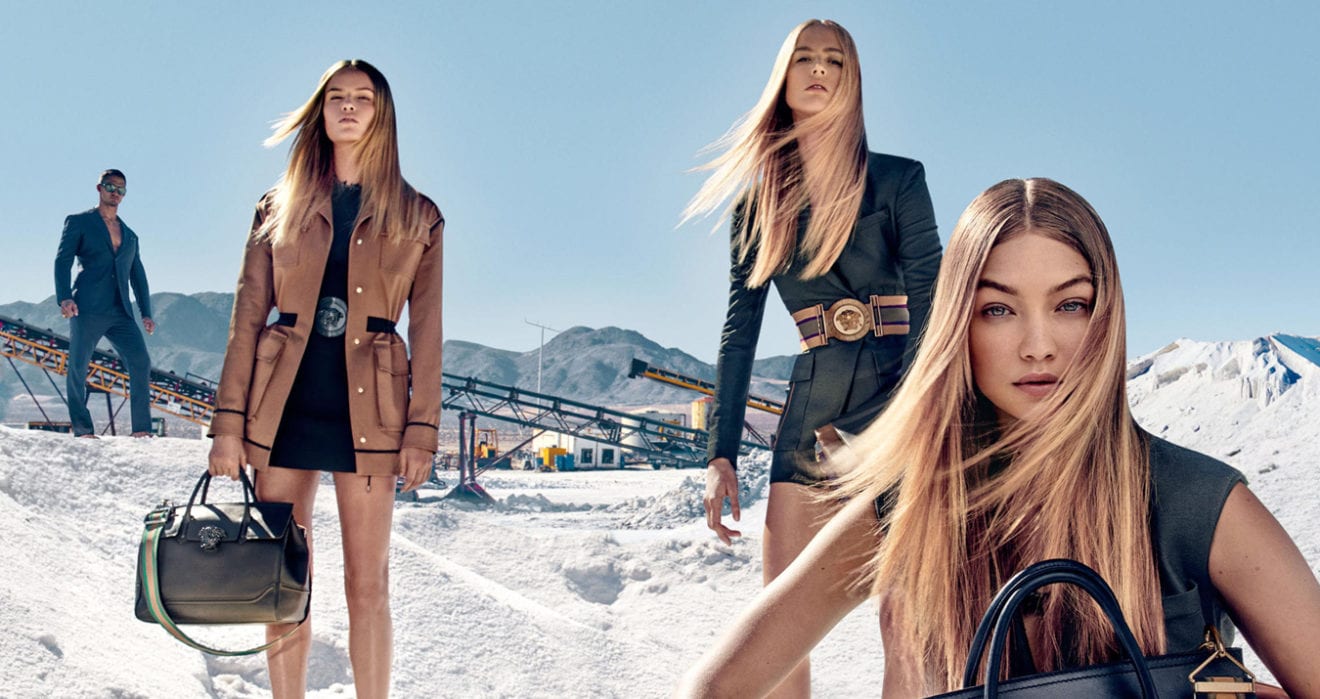
    While other luxury brands are scaling back in Hong Kong’s subsiding retail market, international fashion brand Versace Asia plans to open a flagship store in Central in October.

    Shanghai Commercial Bank says the Milan-based fashion house has signed a three-year lease, with an option to renew, for 12,600 sqft (1170 sqm) on the ground and first-floor levels of a redeveloped building owned by the bank in Queen’s Rd.

    “We needed to pick clients in this market,” says the bank’s CEO David Kwok, noting that it interviewed Versace “for quite some time”.

    “Many other players wanted to sign Versace. You can’t miss our tower when driving through Central. It’s a good address for them,” says Kwok.

    “It goes to prove Hong Kong is a true financial centre. We had thought the market would be very bad, so we were quite modest when setting our pricing.”

    Jeannette Chan, JLL regional retail director, said Versace was taking advantage of declining retail rents and the availability of space in Central.

    “Versace sees it is an optimal time to boost its brand presence in Hong Kong.”

    Versace has two retail stores in Hong Kong, in Admiralty and Tsim Sha Tsui. Its new Asia flagship will sell men’s and women’s apparel, jewellery and accessories.

  • On Pedder takes first step into eCommerce

    On Pedder takes first step into eCommerce

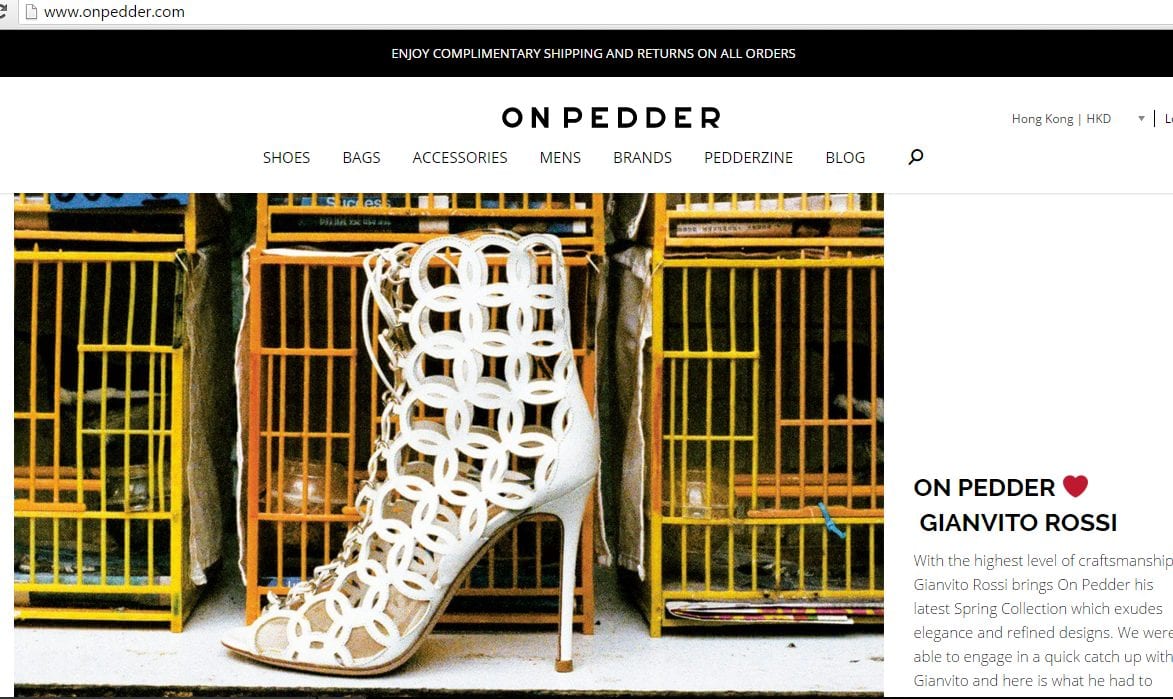
    Hong Kong shoe retailer On Pedder has launched an eCommerce site featuring a curated mix of luxury footwear.

    It is centered around the retailer’s Pedderzine, a seasonal art-fashion hybrid magazine distributed to customers.

    Complimentary shipping is being offered by the site, with returns possible, for customers in Hong Kong, Japan, Macau, Philippines, Singapore, South Korea, Taiwan and Vietnam, as well as Australia and New Zealand.

    Brands include 3.1 Phillip Lim, Aquazzura, Chloe, Common Projects, Gianvito Rossi, Giuseppe Zanotti Design, N⁰21 , Neil Barrett, Nicholas Kirkwood, Paul Andrew, Rene Caovilla, Sophia Webster and Valentino.

    More brands are showcased under the “On Pedder Love” section of the site, along with exclusive product.

    On Pedder collaborated with Hong Kong photography and video artist Luke Casey for Pedderzine this season, which focuses on Hong Kong and Kowloon’s roots and was shot on the streets of Jordan and Sham Shui Po and Jordan, including karaoke bars, back alleys, markets and brothels.

    “We wanted to create an online destination for our customers to enjoy the energy and aesthetics of our in-store curation,” says Pedder Group president Peter Harris.

  • New Shiseido Travel Retail division set ¥18.5 billion target for FY2016

    New Shiseido Travel Retail division set ¥18.5 billion target for FY2016

    Shiseido is set to create a new travel retail unit, based in Singapore, on 1 May, combining the skin care, make-up and fragrances arms of the Japanese beauty house’s worldwide travel retail business, according to a report published by Travel Retail Business.

    Shiseido Travel Retail has been set a sales target of ¥18.5 billion for the financial year, a considerable jump on the ¥17.2 billion achieved in 2015.

    The new unit will usher in a key account management system, with dedicated regional teams allocated to key customers as well as a new business development function to explore global growth opportunities.

    The new unit is part of the company’s wider 2020 strategy, which will see the company usher in a matrix management structure with six regional entities led by Philippe Lesné.