Category: Fashion

Retail News Asia is committed to providing both local and global retailers with the latest Fashion news throughout the Asian market. This on a daily base.

  • Another Luxury Retail Brand Cites Tourism Spending as Reason for Slump

    Another Luxury Retail Brand Cites Tourism Spending as Reason for Slump

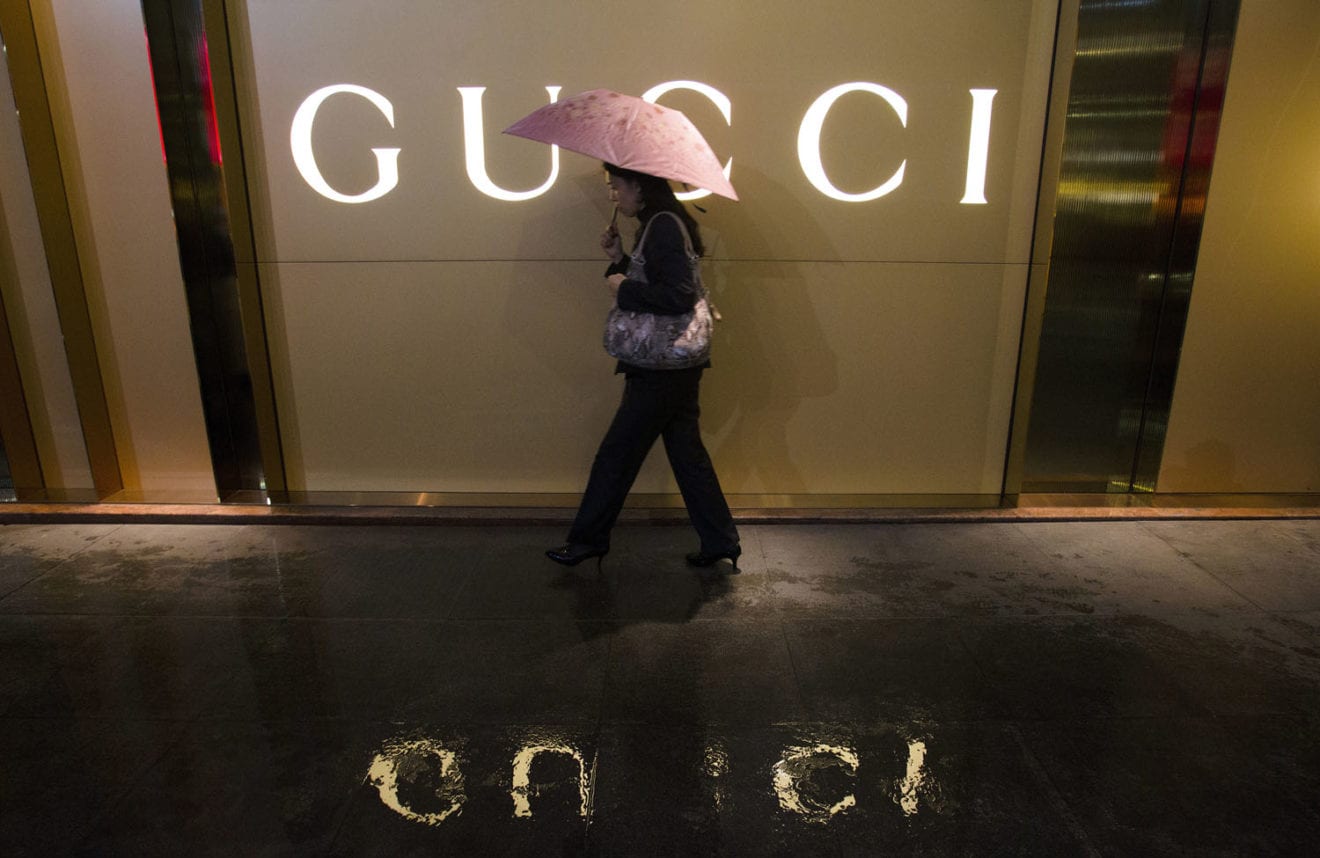
    French luxury-goods maker Kering SA reported first-quarter revenue that trailed analysts’ estimates as slowing tourism and the strong dollar weighed on demand for Gucci loafers and Bottega Veneta handbags.

    Sales climbed 2.7 percent to 2.72 billion euros ($3.07 billion), Paris-based Kering said in a statement after European markets closed Thursday. Analysts predicted 2.78 billion euros, according to estimates compiled by Bloomberg. Growth was 4 percent on a basis that excludes currency shifts, acquisitions and disposals, compared with the 5.6 percent gain anticipated by analysts.

    Gucci Chief Executive Officer Marco Bizzarri and creative director Alessandro Michele turned Kering’s largest brand around by the end of their first year in charge. Their next challenge is to keep momentum going as a slowdown in China, the strong dollar as well as terrorist attacks in Europe have crimped demand for handbags and garments. Those same headwinds hurt competitor LVMH, whose first-quarter sales also missed estimates.

    Gucci’s comparable sales rose 3.1 percent, slowing from the previous quarter’s 4.8 percent gain. With Michele’s designs accounting for about half of sales in the period, the second straight quarter of growth confirms the turnaround “is starting to get traction,” said Luca Solca, an analyst at Exane BNP Paribas. However, the slower pace shows “Rome wasn’t built in a day.”

    Trends Improved

    The company said in a conference call that sales trends at Gucci have improved since the end of March.

    The biggest disappointment was handbag maker Bottega Veneta, which reported another quarter of declining sales. Revenue fell 8.3 percent, more than twice the decline anticipated by analysts. The brand is suffering from overexposure to Hong Kong and high price gaps between Europe and Asia, along with a slowdown in tourism.

    Bottega may need “more creativity and innovation,” said Exane’s Solca. “Lacking that, the risk could be of appearing boring to consumers.”

    Yves Saint Laurent, which replaced its creative director this month, was again the best performer, posting a 27 percent increase in sales that beat analysts’ expectations.

    “We are confident that we can extend our growth trajectory over the full year,” Kering CEO Francois-Henri Pinault said in the statement.

    Kering’s shares fell 0.8 percent to 160.10 euros at the close in Paris.


  • MCM aims to double sales in five years

    MCM aims to double sales in five years

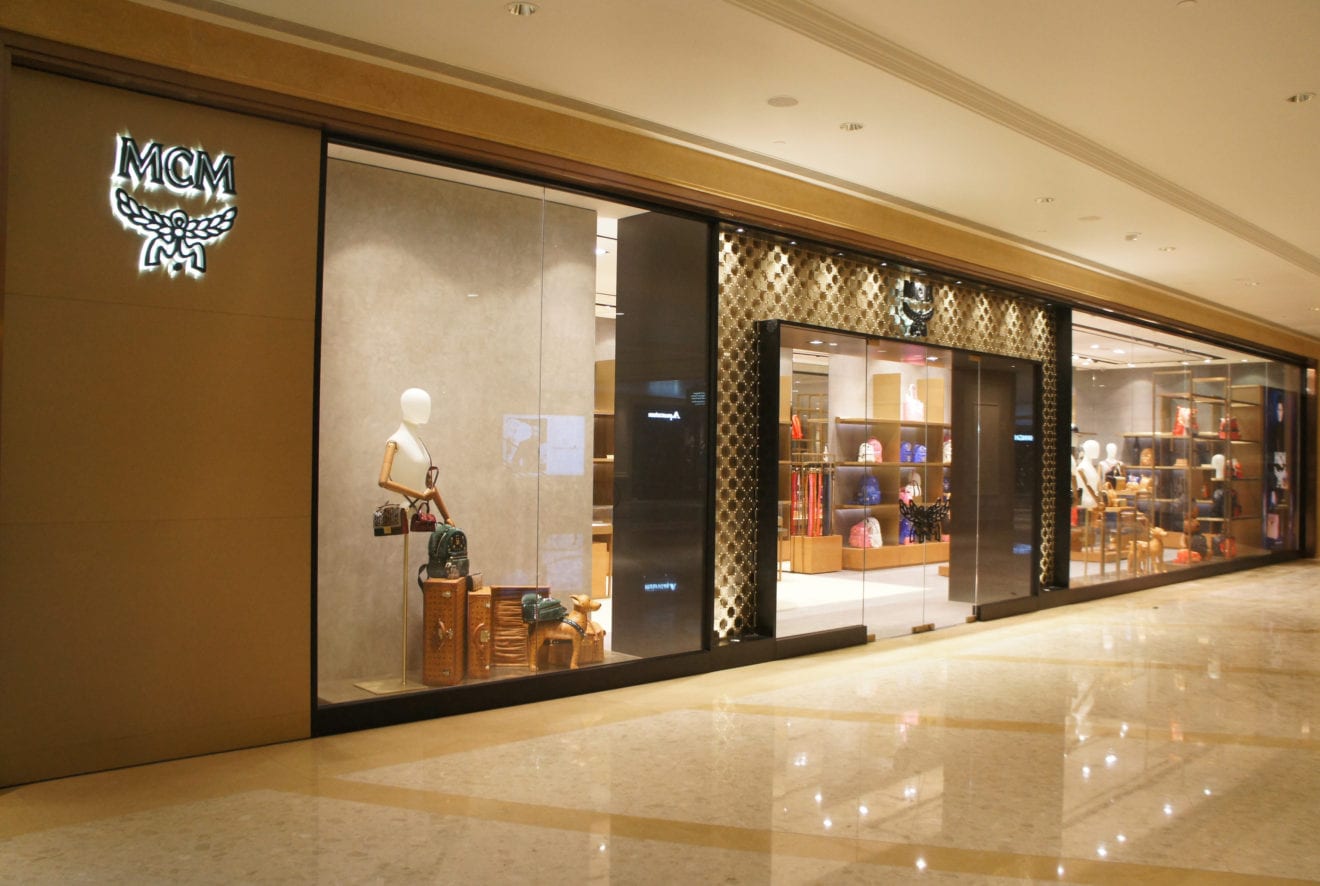
    German accessories brand MCM, owned and run by South Korean entrepreneur Sung-joo Kim, aims to more than double sales to RM7.8 billion (US$2 billion) within five years.

    Founded in Munich in 1976, MCM is known for its colourful $700 studded canvas backpacks. It  plans to expand in markets from Japan to Europe.

    “We have not even explored the Japanese market yet, we are just starting there,” says Kim.

    Unlike many European brands, MCM does not have a star designer, but has an in-house team of stylists to develop its products. Its collection is loaded with logo-embossed products. Its prices are around the same level as brands such as Celine and Louis Vuitton, and it makes around $700 million in annual sales, similar to Versace, reports Reuters.

    MCM is the second-biggest fashion brand by sales after Louis Vuitton in the duty-free market, where South Korea leads with annual sales of about $8 billion, says Kim. MCM makes about 60 per cent of its sales in Asia, with the balance in Europe, the Middle East and America.

    The youngest daughter of South Korean magnate Kim Soo-keon, Kim built her businesses from scratch after gaining experience at US department store Bloomingdale’s then developing Gucci’s South Korean business. After licensing MCM in 1991, she bought the German brand from a Swiss financier in 2005.

    Kim says she estimates that within five years, 15 to 20 per cent of MCM’s sales could be through eCommerce.

  • All Saints Japan opens first Tokyo store

    All Saints Japan opens first Tokyo store

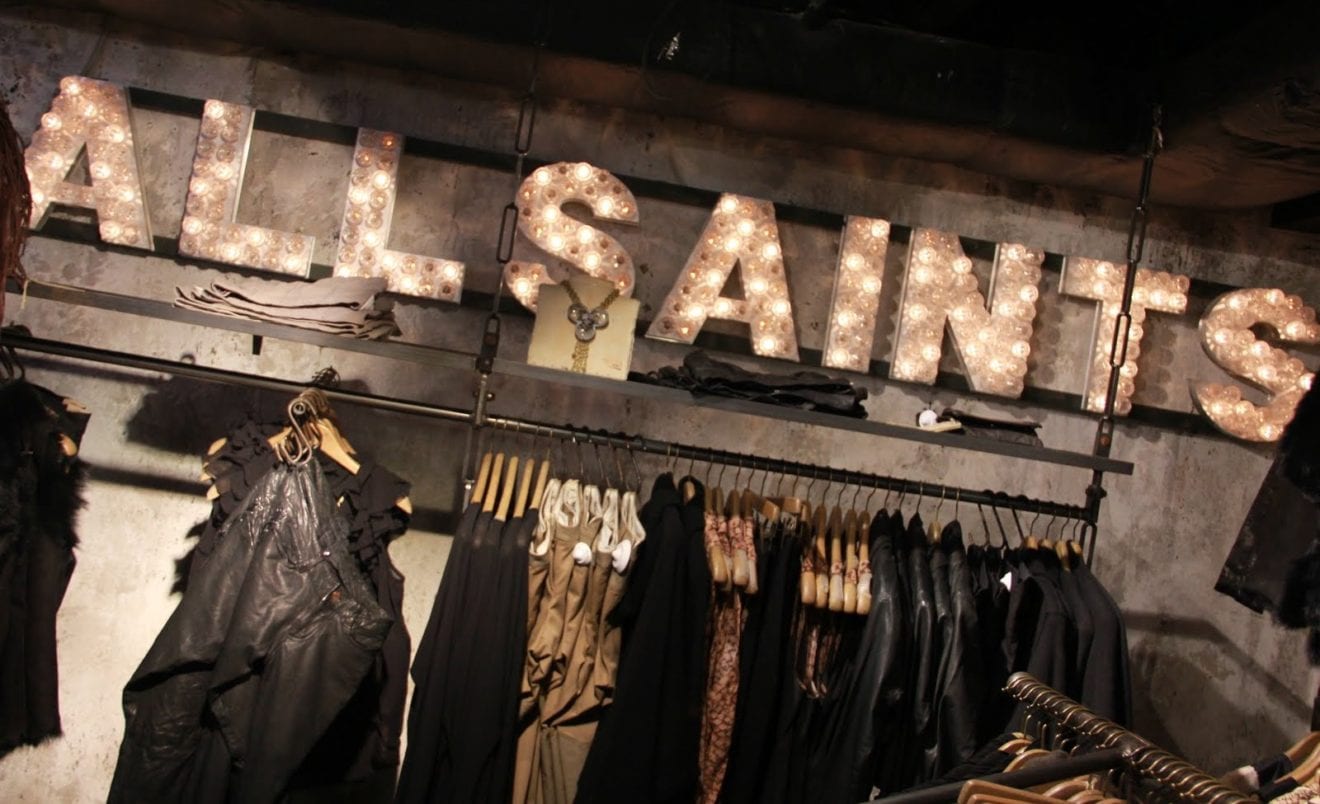
    Fashion group All Saints Japan has launched, with a dedicated website as well as a store in Tokyo.

    Out of the UK, All Saints made its Japan debut at Tokyo Fashion Week last month. It partnered with infrastructure company Locondo to develop the digital platform and tailor it for Japanese consumers. Locondo also worked on All Saints’ logistics offer, looking at delivery and returns options, and working out fulfilment logistics.

    All Saints Japan instore 1

    Both menswear and womenswear will be stocked in the 3000 sqft (278 sqm) Tokyo Bay store, as well as All Saints’ debut handbag collection. The store will carry more than 30 styles of leather jackets.

    All Saints Japan instore

    All Saints halved its pretax losses in its last financial year when sales jumped 11 per cent, thanks to its new CEO William Kim, who was brought in to run the business after private-equity firm Lion Capital bought a majority stake. He has closed stores, overhauled its website, streamlined distribution and cut supplier numbers from 400 to 55.

    While All Saints has on-the-ground presence in 18 countries, it ships to 200.

  • Central Group to buy Zalora’s businesses in Thailand and Vietnam

    Central Group to buy Zalora’s businesses in Thailand and Vietnam

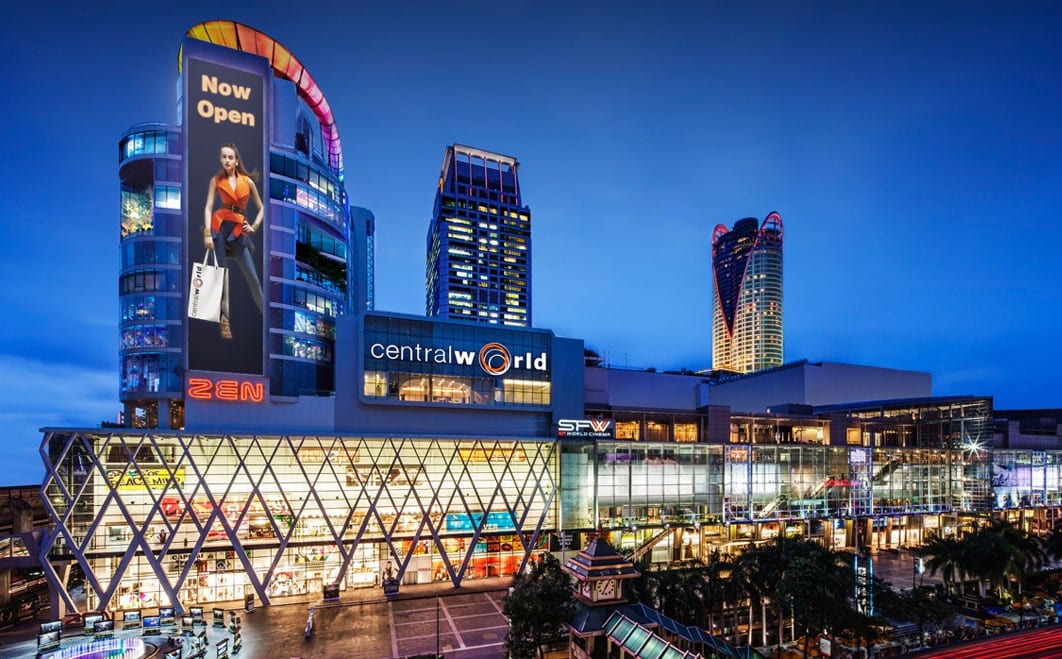
    Central Group is set to buy Zalora’s businesses in Thailand and Vietnam, according to reports.

    Zalora is a fashion-focused e-commerce site.

    Central Group’s assets, which include multiple shopping malls and national department store chains, are worth close to $10 billion and it employs some 70,000 people.

    The deal to buy the country businesses from Zalora will cost Central Group around $10 million each, reported TechCrunch.

    Sources close to Zalora suggest that the company is selling the businesses in an effort to streamline its costs and move towards becoming profitable.

    Even though Zalora was only started four years ago, the company claims 10 million people have downloaded its mobile apps and the company makes 1.4 million transactions per year across 10 countries in Asia-Pacific.

  • L’Occitane sales on the up despite disappointing performance in Hong Kong

    L’Occitane sales on the up despite disappointing performance in Hong Kong

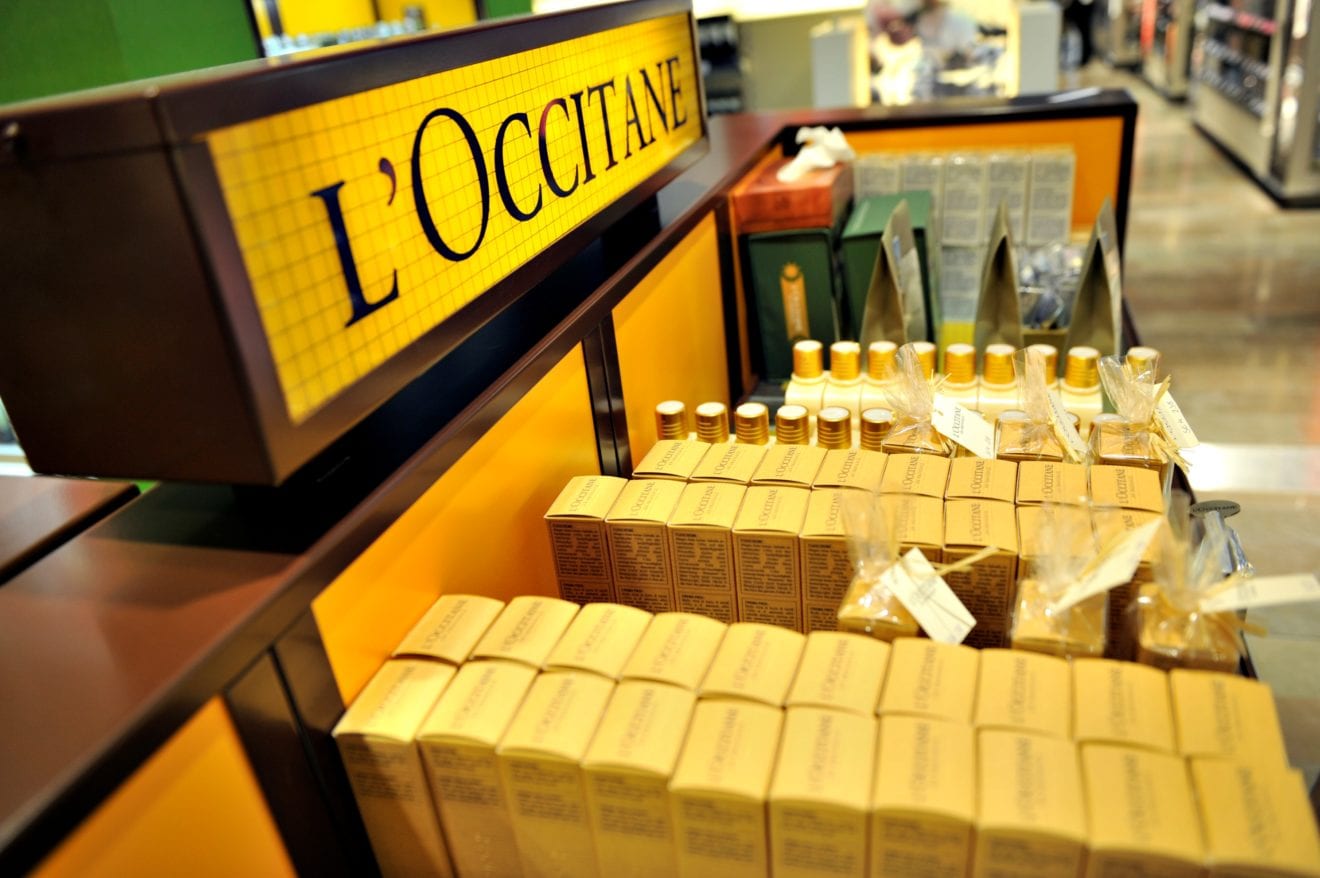
    French beauty brand L’Occitane has announced sales for the year ending March 31 increased by 8.9 percent at 1.28 billion euros.

    Growth surged on in China – which saw sales grow by 16.8 percent – France, Japan, Brazil and Russia however a poor performance in Hong Kong saw total retail sales in Hong Kong and Macau fall by 15.2 percent. The disappointing results were attributed to a fall in mainland Chinese tourists visiting the region, which also affected Hong Kong’s travel retail sector.

    L’Occitane has a strong presence in Hong Kong with 36 stores in the region.

  • Superdry Retail Expansion comes to Queensland

    Superdry Retail Expansion comes to Queensland

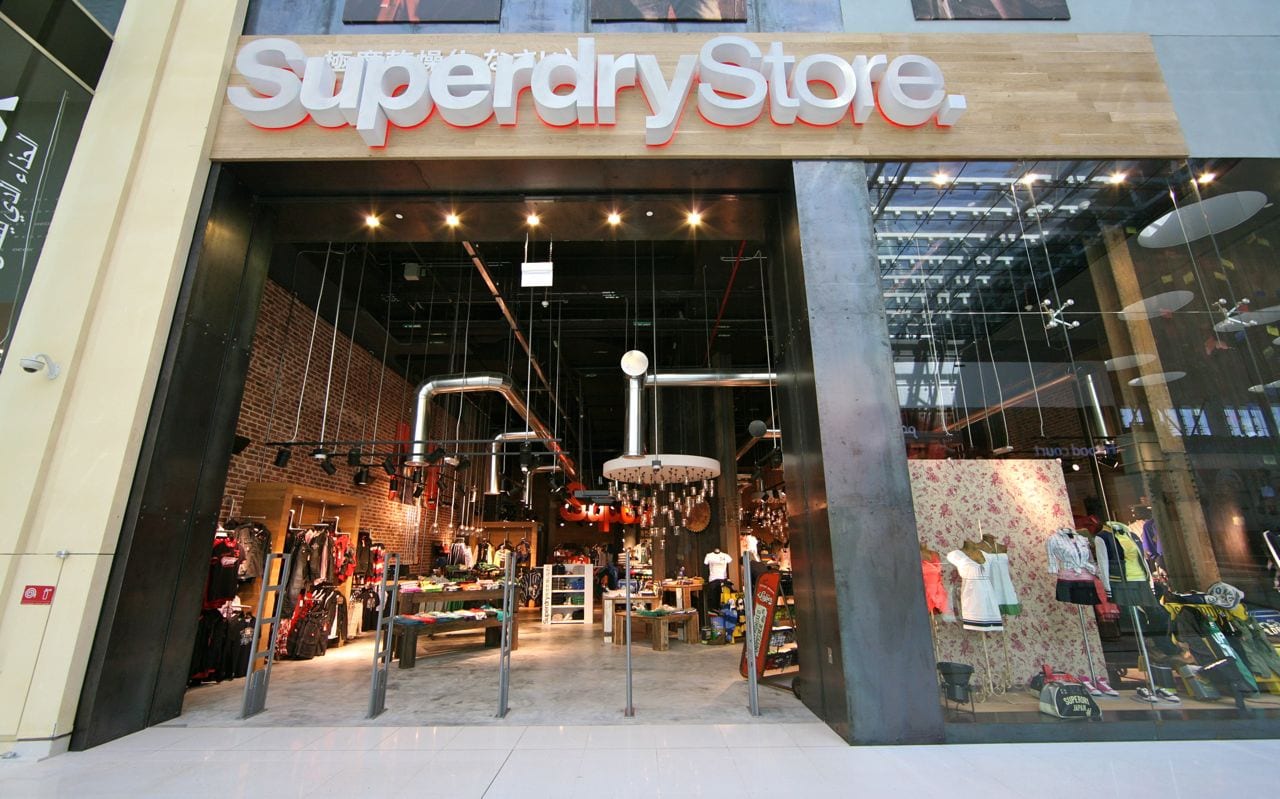
    Superdry is excited to announce the opening of its first Queensland store at Pacific Fair Shopping Centre in May 2016.  

    Housed in the newly renovated Pacific Fair complex, Superdry will have an in-store fit out consistent with the brand’s theme of industrial, exposed brick and vintage oak wood finishes, including steel framework, polished concrete floors and glass jam jar light features.  

    As a major brand milestone, Queensland’s first Superdry store will be 230square metres stocking key fashion pieces and exclusive international collections including SuperdrySport and collaborations with renowned British actor Idris Elba. 

    Superdry is an innovative British premium lifestyle brand with plans for rapid retail expansion across Australia.  

    Euan Sutherland, Chief Executive Officer of SuperGroup, said: 

    “Our strategy is to deliver sustainable growth, as we continue progressing towards our goal of creating a global lifestyle brand. Superdry represents British innovation, quality premium products at affordable prices sold to customers around the world. Superdry is an iconic brand with a strong heritage and we will continue to broaden and strengthen its appeal to customers across countries and age groups. We see significant growth potential in Australia with plans to roll out several stores nationally in the next 12 months. ” 

    On a global scale Superdry is opening an average of six new stores every month. Superdry is sold in over 46 territories with 516 branded locations in major cities from London to Milan, Mumbai to Sydney and New York to Hong Kong just to name a few. In Australia Superdry has 11 existing retail stores, with Pacific Fair being the twelfth. Superdry is stocked in 37 David Jones stores and 40 Myer stores nationally, with category expansion plans to roll out across wholesale channels including womenswear, underwear, swimwear and sport.  

    Superdry fuses design influences from Japanese graphics and vintage Americana, with the values of British tailoring. The result; unique men’s and women’s urban clothing with incredible branding and an unrivalled level of detailing.  Such distinctiveness has gained the brand exclusive appeal worldwide with a cult following amongst celebrities.  

  • Hong Kong and Macau drag down Sa Sa International

    Hong Kong and Macau drag down Sa Sa International

    Hong Kong-listed beauty products retailer Sa Sa International says its retail and wholesale turnover fell 15.1 per cent in the last quarter.

    And in the Hong Kong and Macau markets, turnover tumbled 17.9 per cent for the quarter ended March 31, while same-store sales dropped 17.6 per cent.

    There were 5.2 per cent fewer transactions, with average sales per transaction sliding by 13.9 per cent.

    However, in other markets – including Mainland China, Malaysia, Singapore and Taiwan, and on its online store – trade was a shade more buoyant, easing just 2.8 per cent.

    Fourth-quarter retail sales in Hong Kong and Macau market continued their slide because of further impact by Mainland China’s new “one-trip-a-week” policy on the retail market. There was also weaker sentiment with a rise in outbound travel by locals.

    Responding to the slower market, Sa Sa will optimise product offerings and adjust sales strategies, says the group, which closed one store during the quarter. This was either in Hong Kong or Macau, but not specified in its report.

    Its total of 291 outlets comprises 113 in Hong Kong/Macau, 66 in Malaysia, 57 in China, 32 in Taiwan and 23 in Singapore.

  • Philippine brand Rusty Lopez heads to Indonesia

    Philippine brand Rusty Lopez heads to Indonesia

    Indonesia has welcomed Rusty Lopez into the market – and wants more Philippine fashion brands to follow.

    The shoe brand from Marikina City has opened its first overseas outlet in Jakarta’s Seibu Department Store in Grand Indonesia Mall.

    Other Philippine fashion brands that have established their names in Indonesia include Gingersnaps, Periwinkle, Penshoppe, and Karimadon.

    “The AEC [Association of Southeast Asian Nations Economic Community] is an exciting opportunity for Philippine companies to introduce established brands in Asean and beyond. We are optimistic that our local fashion brands can compete in the region because we are strong in design and we aim for the best quality,” said Philippine commercial representative to Indonesia Alma Argayoso.

    Rusty Lopez, known for high-quality footwear, took its classic and contemporary designs to the Indonesian market with a wide range of products from sandals to pumps.

    “We have carefully selected the best styles suited to the Indonesian market because we understand that fashionistas in Indonesia want more shoe styles that are fun, colorful, chic and fashionable,” said  PT Cruzzini Sejahtera president and director Sanny Cruz, who also serves as Rusty Lopez managing partner in Indonesia.

    Cruz said the company plans to open more stores this year.

    The Philippine Trade and Investment Center in Jakarta said it supports Philippine brands through trade shows and business development activities.

  • NET-A-PORTER headlines debut of ShopBack Premium

    NET-A-PORTER headlines debut of ShopBack Premium

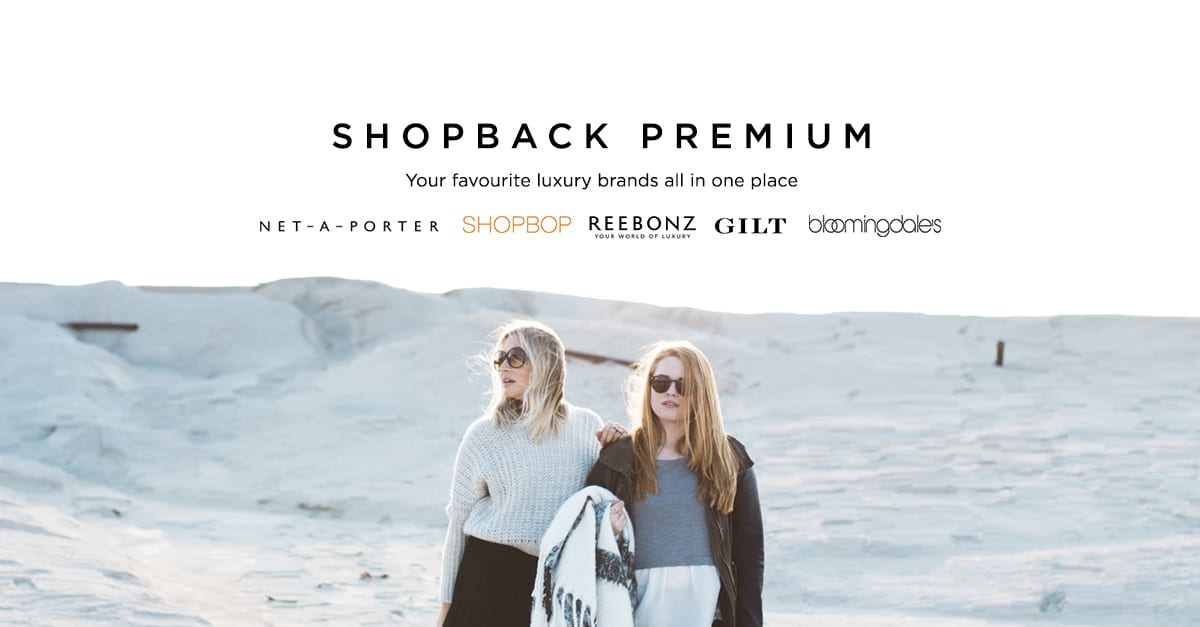
    ShopBack switches up its style as the local Cashback site swaps its amicable look for a chic layout with the launch of ShopBack Premium, a sleek space carved for housing of international fashion and beauty labels.

    An exclusive capsule curated for fashion aficionados who splurge smart to stay at the forefront of fashion, ShopBack Premium debuts with its latest retailer NET-A-PORTER leading the red carpet glamour for the first time in Singapore.

    Designed as a fashion magazine for shoppers to shop the look off its pages, NET-A-PORTER brings luxury brands together at a single fashion destination. From coveted high-end labels like Miu Miu and Saint Laurent to cult favourites like Vetements and Jacquemus, shoppers can satiate their fashion desires all on one seamless platform.

    In partnership with ShopBack, shrewd fashionistas will be entitled to 3% Cashback for shopping on NET-A-PORTER via ShopBack Premium. Purchase of the newest vintage gown from Dolce & Gabbana (USD9,375) essentially translates to a saving of USD281.25 – just enough for a matching pair of gold-plated ring from Chloé to complete the look. All on NET-A-PORTER via ShopBack Premium.

  • India discounts narrow as jewellers reopen shops after strike

    India discounts narrow as jewellers reopen shops after strike

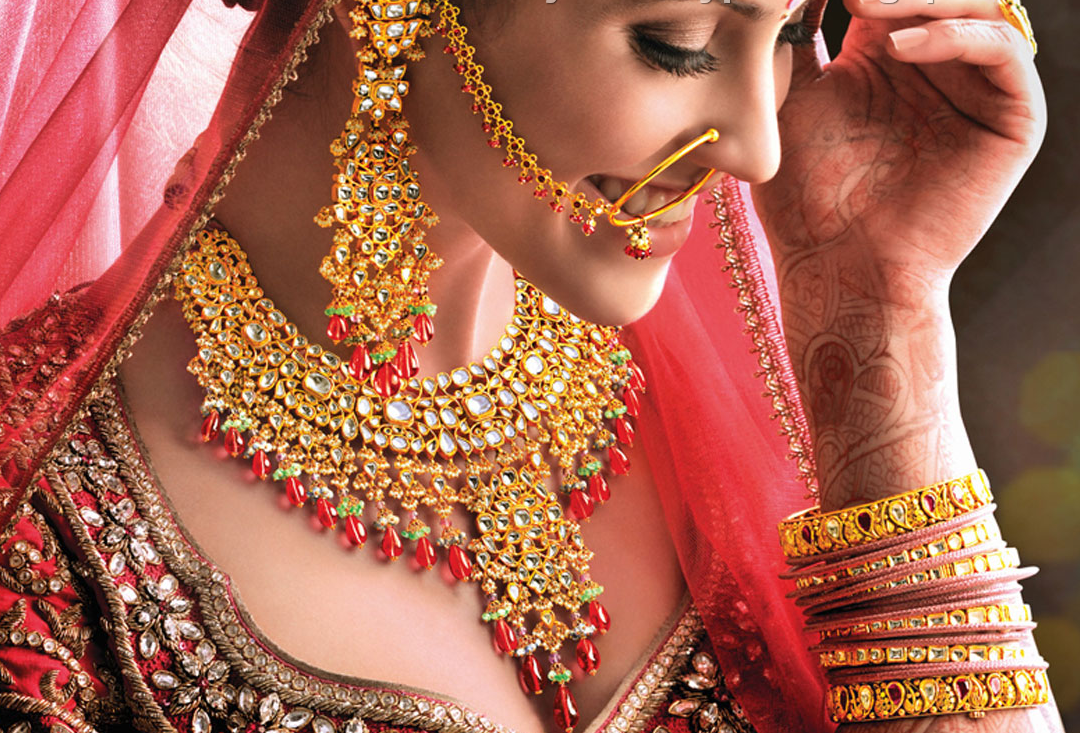
    Gold demand in India improved this week as jewellery retailers reopened stores after a strike, but the world’s second biggest bullion market remained at a discount to the global benchmark as purchases across the region were curbed by higher prices.

    Indian jewellers went on an indefinite strike since the start of March in protest over the reintroduction of a sales tax on gold jewellery after four years. They started opening shops from last week.

    “Demand is better than last week, but it is lower than expected,” said Harshad Ajmera, the proprietor of JJ Gold House, a wholesaler in the eastern Indian city of Kolkata.

    “We were expecting retail consumers’ rush as jewellery shops were closed for a long time. We couldn’t see that kind of rush.”

    Dealers were offering a discount of up to $8 an ounce to the global spot benchmark this week, down from a discount of up to $25 last week. The discount hit a record high of $53 an ounce in late February on weak demand.

    India’s gold imports in March slumped 80.5 percent from a year ago to $973 million, the government said earlier this week.

    “Gradually discounts will taper off and we could see market at parity or at premium by Akshaya Trititya,” said a Mumbai-based bullion dealer with a private bank.

    India will celebrate Akshaya Tritiya, the second-biggest gold-buying festival after Dhanteras, on May 9.

    For now, a rally in global gold prices has kept buyers away.

    The gold price hit a five-week high of $1,270.10 an ounce on Thursday, and was set to post a weekly gain of 1 percent. [GOL/]

    Dealers said they were seeing some investment demand for gold, though not robust purchases.

    “These prices are quite high for retail consumers so they are holding back,” said a bullion dealer in Hong Kong.

    “Banks and trading house are trying to reduce their gold inventory as there is no demand, so premiums are quite low,” he added.

    Prices in Hong Kong were at a premium of 50 cents an ounce to the global benchmark, their lowest since May 2015, traders said.

    In top consumer China, premiums were steady at around $1 to $2 an ounce. Tokyo prices were on par, with dealers reporting little demand. Singapore premiums also held near 50 cents.

  • Chow Sang Sang and Luk Fook eye new move to boost holiday sales

    Chow Sang Sang and Luk Fook eye new move to boost holiday sales

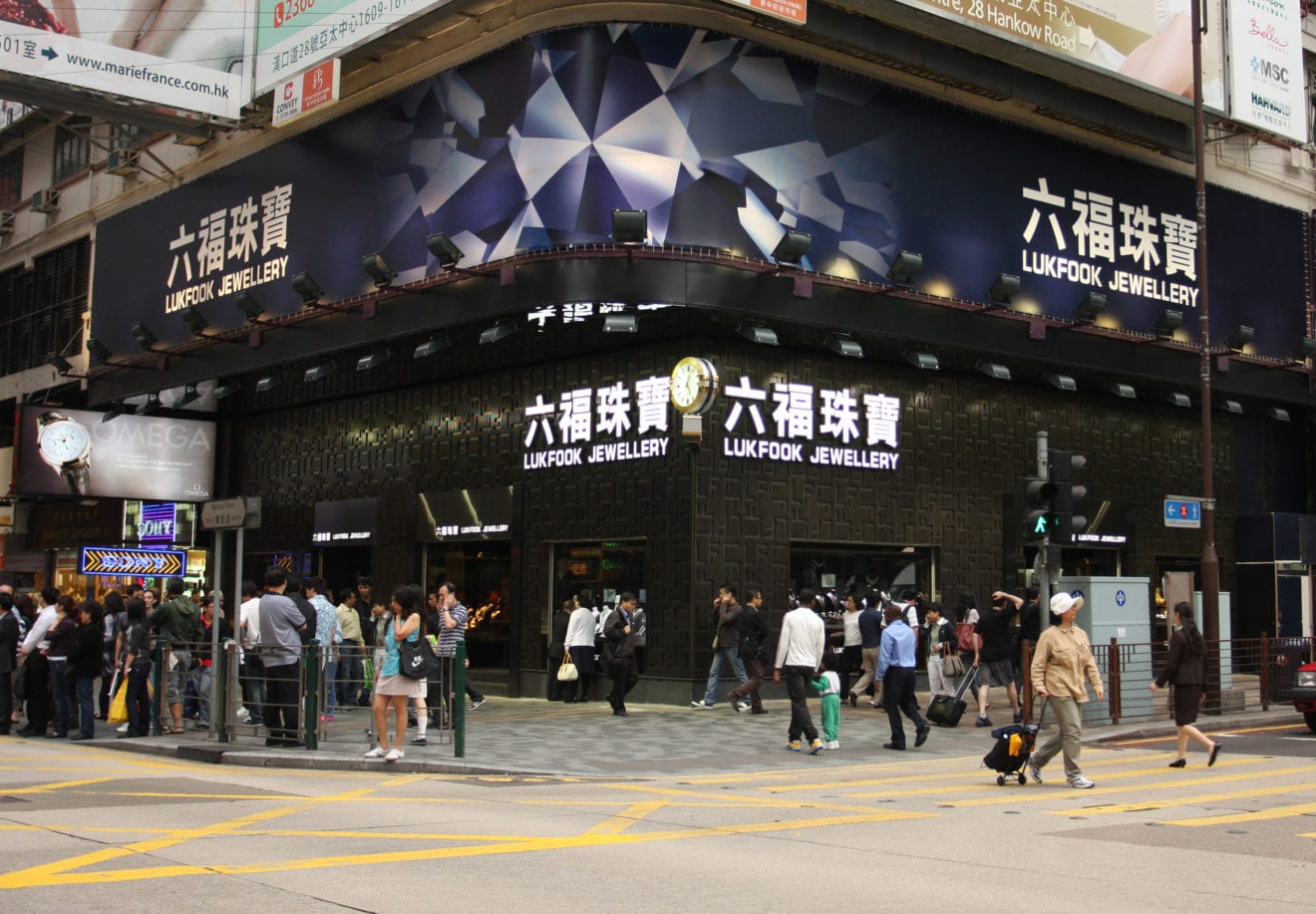
    Jewelry retailers Chow Sang Sang Holdings (00116.HK) and Luk Fook Holdings 00590.HK) are said to be waiving the craftsmanship fee on their gold products in a bid to spur sales during the upcoming Labor Day holidays.

    The promotional period will last for six days until May 2 at Chow Sang Sang, and until May 4 in the case of Luk Fook, according to the Hong Kong Economic Journal.

    Chow Sang Sang’s Greater China general manager for retail operations, Lau Hak-bun, was quoted as saying that the move is aimed at addressing a slowdown in business.

    The jewelry retailer has seen a 20-percent decline in revenue during the first quarter despite a 10-percent bounce in gold prices.

    With the waiver of the craftsmanship fee, customers can save HK$400 to HK$1,000 on wedding bracelets, according to Lau.

    A slowdown in tourist arrivals from the mainland has affected Hong Kong’s retail sector, with luxury goods shops particularly feeling the pinch.

    Export sales of Swiss luxury watches fell 16.1 percent in March, with sales to Hong Kong tumbling as much as 37.7 percent, according to data from the Federation of the Swiss Watch Industry FH.

  • Singapore-based Luye Medical Group Completes Acquisition of Healthe Care, Australia’s Third Largest Private Healthcare Group

    Singapore-based Luye Medical Group Completes Acquisition of Healthe Care, Australia’s Third Largest Private Healthcare Group

    On April 18, 2016, Australia’s third largest private healthcare group, Healthe Care, officially became a member of Luye Medicals Group Pte Ltd (Luye Medical Group) after the acquisition from Australia’s Archer Capital Fund was completed. Through the acquisition of Healthe Care, Luye Medical Group has leapfrogged into the ranks of one of the largest international private medical groups in the region.

    Healthe Care will continue to expand its business operations in the Australian market, and work closely with Luye Medical Group to expand its footprint and building high quality healthcare services in Singapore, China and the other Asian countries.

    In the China market, driven strongly by aging population and emerging healthcare friendly policies, the China healthcare market has accelerated its development. According to statistics, the market size of China’s healthcare industry is approximately US 280 billion dollars and the compound annual growth rate of hospital income during 2009 to 2013 was 20%, of which that of private hospitals was as high as 28%. However, due to lack of adequate policy support and infrastructure, it has been difficult for private hospitals to specialize and extend its services to a wider population, resulting in the fact that Chinese private healthcare providers only cover about 10%(1) of the total patients population, notably lower than the 20% to 30% target(2) set by the government. Luye Medical Group believes that the acquisition of Healthe Care will greatly enhance its capabilities in China, enabling it to deliver high quality healthcare services with international standards.

    Mr Choo Kin Poo, Group Vice President, Strategy Planning & Business Development, Operations said: “This is our largest acquisition so far. As a medical group headquartered in Singapore with assets overseas, having Healthe Care on board will allow us to build on our business strategy and plans to expand in Singapore and Asia Pacific.”

    “The acquisition of Healthe Care represents an important milestone in the development of Luye Medical Group. It has great strategy significance and extensive influence on the development of healthcare services and lays the foundation for Luye Medical Group and Luye Group as a market leader both internationally and in China,” said Mr. Liu Dianbo, Chairman of Luye Group.

    Both Healthe Care and Luye Medical Group specialize in areas such as oncology, cardiology, neuropsychiatry, orthopedics, and rehabilitation and synergies with the key therapeutic pharmaceutical products of Luye Pharma Group, another member of Luye Group.

    (1) Statistical Communique on Development in Health and Family Planning of China in 2014, as released by the National Health and Family Planning Commission, in 2014 the patients of public hospitals were 134,150,000 (accounting for 87.3% of the total patients) and the patients of private hospitals were 19,600,000 (accounting for 12.7% of the total patients).
    (2) In 2013, the State Council proposed in the Plan for Deepening the Medical and Health System Reform during the 12th Five-year Plan Period and the Implementation Program, the beds and service quantity of non-public medical institutions shall reach approximately 20% of the total quantity in 2015.

  • Shanghai Fashion Week wraps up after nine breathless and optimistic days

    Shanghai Fashion Week wraps up after nine breathless and optimistic days

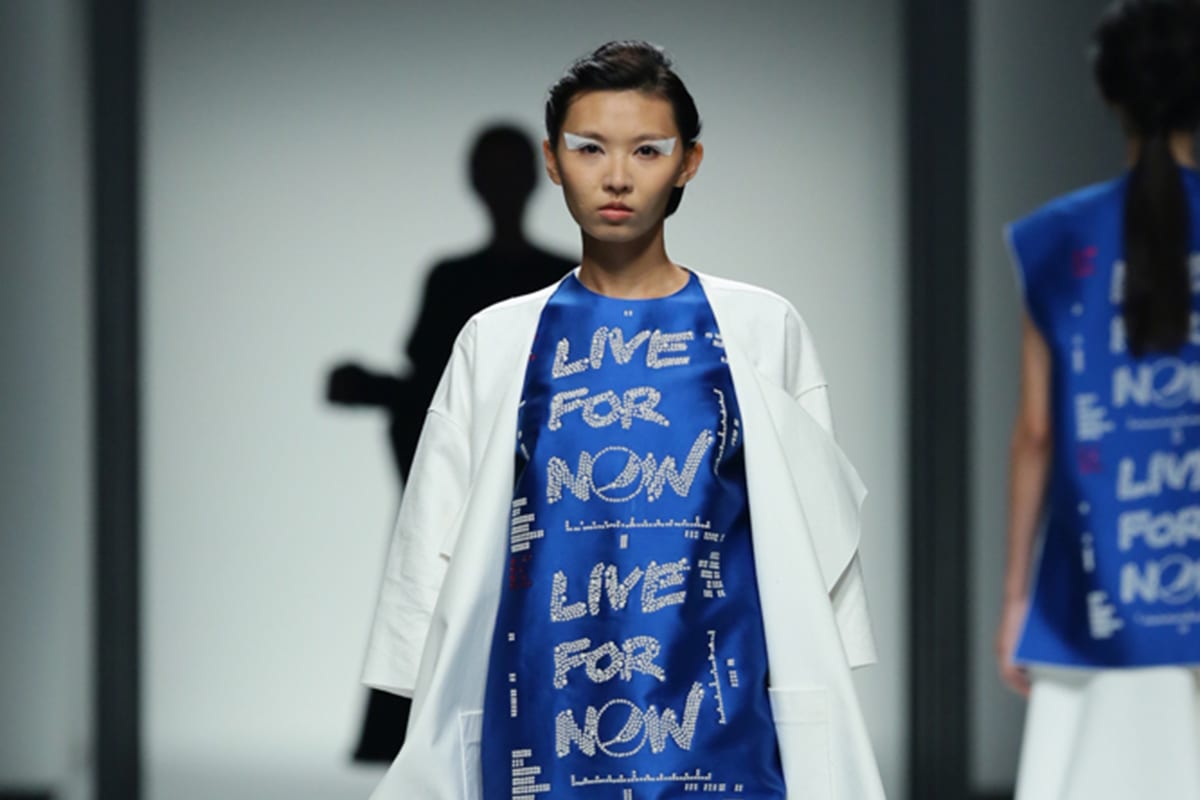
    Shanghai Fashion Week was bigger than ever this year – almost too big, in fact. While it is the range of events beyond the catwalk shows that has made it such a success in so short a time, this year’s edition spread over a very long nine days and, for all its inclusiveness, could perhaps have been better curated.

    “There are a lot of shows taking place during Shanghai Fashion Week. Some of the shows are great, some of them less so,” says Richard Hobbs, co-founder of The HUB, a trade show that also hosted a series of catwalk shows for young British designers. “I like to think that what we do is more selective.”

    Still, there was an undeniable air of optimism around Shanghai this month.

    “The event is definitely one of the youngest, in terms of atmosphere, and is also the most vibrant one,” says Yichi Zhang, a creative consultant who has styled for Vogue Chinaand Harper’s Bazaar China.

    “Part of the reason comes from the fact that a lot of independent platforms and agencies are based here– so emerging brands work with them to get the kind of industry attention they would otherwise struggle to find by themselves.”

    One example was showroom concept Labelhood, which hosted a series of presentations by some of China’s emerging and most innovative designers on The Bund. One standout from the showroom was London-based Haizhen Wang, who showed a collection with elongated sleeves, structured coats and raw hemlines.

    Another big draw was the show by Shenzhen-based label Ffixxed, which has shown previously at Shanghai Fashion Week. The brand explored the idea of sustainability by weaving together leftover fabric from previous seasons to create new textures. Part presentation, part catwalk show, the event was held across a long corridor lined with office-style grey blinds.

    Back in the main tents, special attention was paid to Ban Xiao Xue, 2012 winner of the China Woolmark Prize. The designer showed a range of romantic looks in white and black, featuring textures and prints that were full of ideas. But with so many looks on offer, the show was a metaphor for Shanghai Fashion Week as a whole – a smaller and more cohesive collection would have been better.

    Among the brands showing at The HUB trade show were established British brand Henry Holland, up and coming British labels such as Sibling and Ryan Lo, and group from incubator Fashion East. Also taking part for the first time was Hong Kong brand Squarestreet – one of a number of Hong Kong brands emboldened by the city’s poor retail outlook to explore Shanghai Fashion Week for opportunities.

    “China represents a huge opportunity for expansion,” says Alexis Holm, founder of Squarestreet. “Comparing Hong Kong as a retail market to China would be like putting a pebble next to a boulder, and we’re not about to miss out.”

    He adds: “On paper, it looks like China as a whole is having a few financial issues. But the general feel on the ground is comparable to that of Europe 10 years ago – an insatiable appetite for everything new and a newfound appreciation for niche brands. Having said that, China is of course still emerging, which means the amount of quality retailers and customers is limited – but growing every day.”

    Squarestreet not only showed at The HUB but had a booth at trade show Ontimeshow. While positioned for the local market, this event had an impressive array of brands and saw plenty of traffic from store buyers and media on all three days of operation.

  • Calvin Klein design chiefs axed

    Calvin Klein design chiefs axed

    Calvin Klein design will be overseen by one person from now on after a reshape which led to the departure of its two most senior designers.

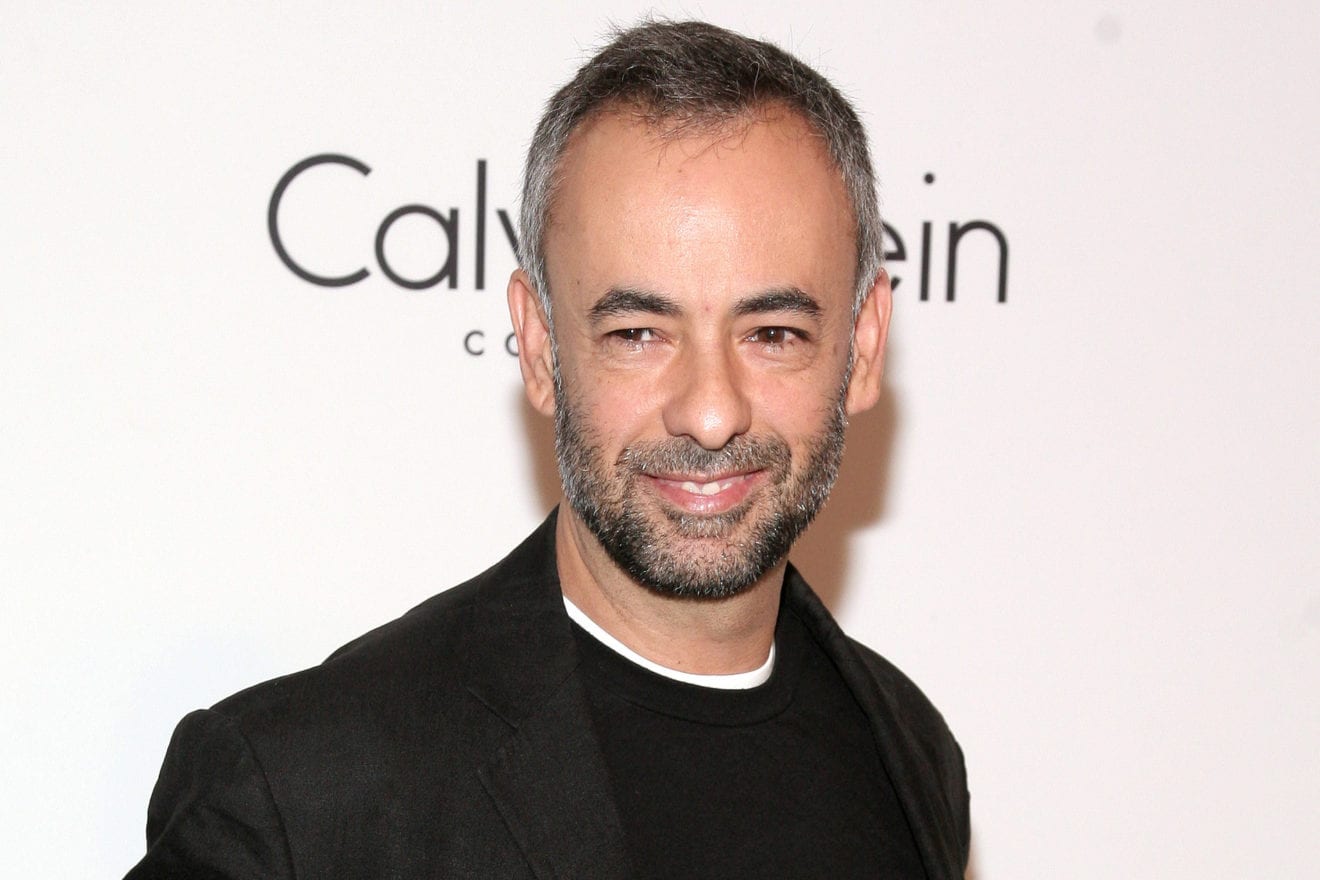
    The US-based global fashion brand, owned by PVH Corp, has announced that Francisco Costa, (pictured) the brand’s women’s creative director and Italo Zucchelli, the men’s creative director, will be leaving the company.

    It has not named the new creative head.

    “This creative strategy marks the beginning of another significant chapter in Calvin Klein’s brand legacy since Mr Klein’s retirement,” announced Steve Shiffman, Calvin Klein CEO.

    “I would like to thank Francisco and Italo for their unwavering commitment to the Calvin Klein brand and their accomplishments over the past decade. They have both contributed immensely to making Calvin Klein a global leader in the fashion industry, and they have done so with dedication, focus and creativity.”

    He said the strategy is part of “a global evolution” in the direction of the Calvin Klein brand, which began with the reacquisition of its jeans and underwear businesses in 2013. As the company continues to build itself into a $10 billion global retail sales business, this undertaking will further solidify the brand’s positioning worldwide and pave the way for future long-term global growth. The new brand direction will ultimately follow one creative vision across all categories of the business.

    An announcement on who will head design moving forward “will be made in due course,” the company said.

    Besides Calvin Klein, PVH Corp owns Tommy Hilfiger, Van Heusen, Izod, Arrow, Speedo, Warner’s and Olga brands.

  • Dior Hong Kong opens Times Square boutique

    Dior Hong Kong opens Times Square boutique

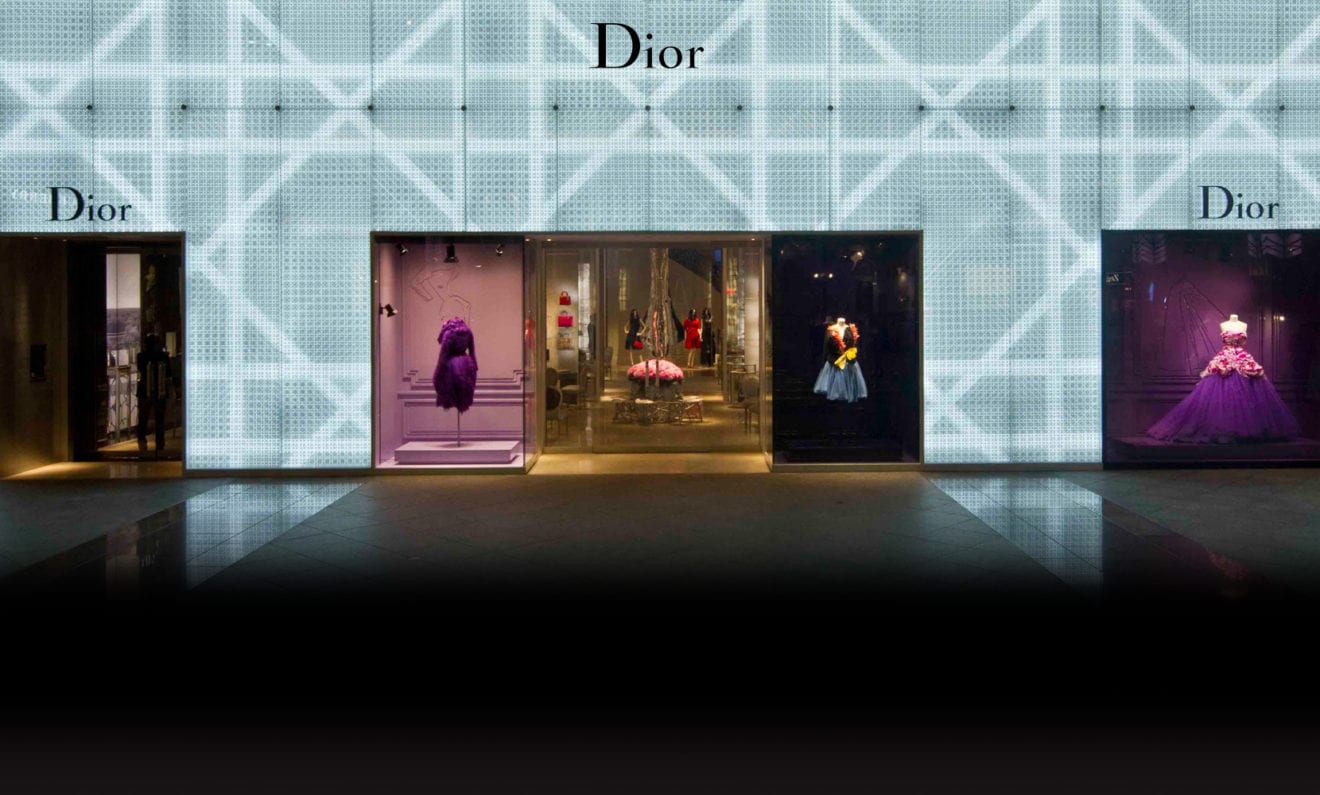
    A Dior Hong Kong exclusive store has opened in Times Square mall, the boutique continuing the style of its Avenue Montaigne flagship store in Paris.

    Dior Hong Kong times squares.jpg 3

    Its design concept is a mix of 18th century and modern, says the Times Square Facebook page. The interior was designed by architect Peter Marino, who was also responsible for the Paris flagship.

    Dior Hong Kong times squares.jpg 2

    Dior exclusive shops feature women’s garments, leather goods, footwear and accessories. There are five zones in the new outlet, with two rooms devoted to bags (one features the complete range of Dior handbags, while the other has exotic bags). The other zones are the Footwear District, Ready-to-wear Salon and Ornaments/Accessories District.

    Dior Hong Kong times squares.jpg 4

    Dior Hong Kong times squares.jpg 1

    Features of the decor include a fireplace and table by Juan & Paloma Garrido, a film installation by Yoram Mevorach Oyoram, a circular bench by Christopher Schanck and tables by Christophe Delcourt and Thierry Lemaire.