Category: Fashion

Retail News Asia is committed to providing both local and global retailers with the latest Fashion news throughout the Asian market. This on a daily base.

  • Amway Vietnam under investigation

    Amway Vietnam under investigation

    Vietnam’s Ministry of Industry and Trade (MoIT) is investigating seven multi-level marketing companies, including Amway Vietnam.

    With a focus on uncovering illegal pyramid schemes masquerading as business opportunities, the investigation is expected to be completed next month.

    In late March, the MoIT assembled a team to look into Amway Vietnam, Unicity Marketing Vietnam, Thien Ngoc Minh Uy, Tap Doan Lien Ket Vietnam, Lien Ket Tri Thuc, Lien Minh Tieu Dung Thang Long and Nhuong Quyen Thang Long.

    Amway Vietnam, Unicity Marketing Vietnam and Thien Ngoc Minh Uy have the largest revenues of multi-level marketing companies in Vietnam.

    In the investigation team are representatives from MoIT’s  Vietnam Competition Authority (the government’s management body for multi-level marketing businesses) and Market Management Department, which works in tandem with the Police Investigative Department on Economic and Corruption-related Crimes.

    Since March 9, the Vietnam Competition Authority has revoked the registration certificates of five companies for fraudulent activities, and the Hanoi Department of Industry and Trade has punished several companies for violating regulations on multi-level marketing businesses in the capital city.

    The investigations were launched after MoIT’s minister Vu Huy Hoang issued a directive requiring agencies to search out pyramid schemes falsely labelled as multi-level marketing companies.

    In February, the Lien Kiet Viet company was caught after swindling about 60,000 people in more than 27 cities and provinces, appropriating a total of VND1.9 trillion ($87.15 million) since 2014.

    Multi-level marketing firms were allowed into Vietnam at the request of foreign countries during Vietnam’s negotiations to join the World Trade Organization. Since 2009, foreign-owned companies have been permitted to run these businesses, and now nearly half of the 61 companies in this segment are wholly foreign-backed.

  • Double launch by Diesel Japan

    Double launch by Diesel Japan

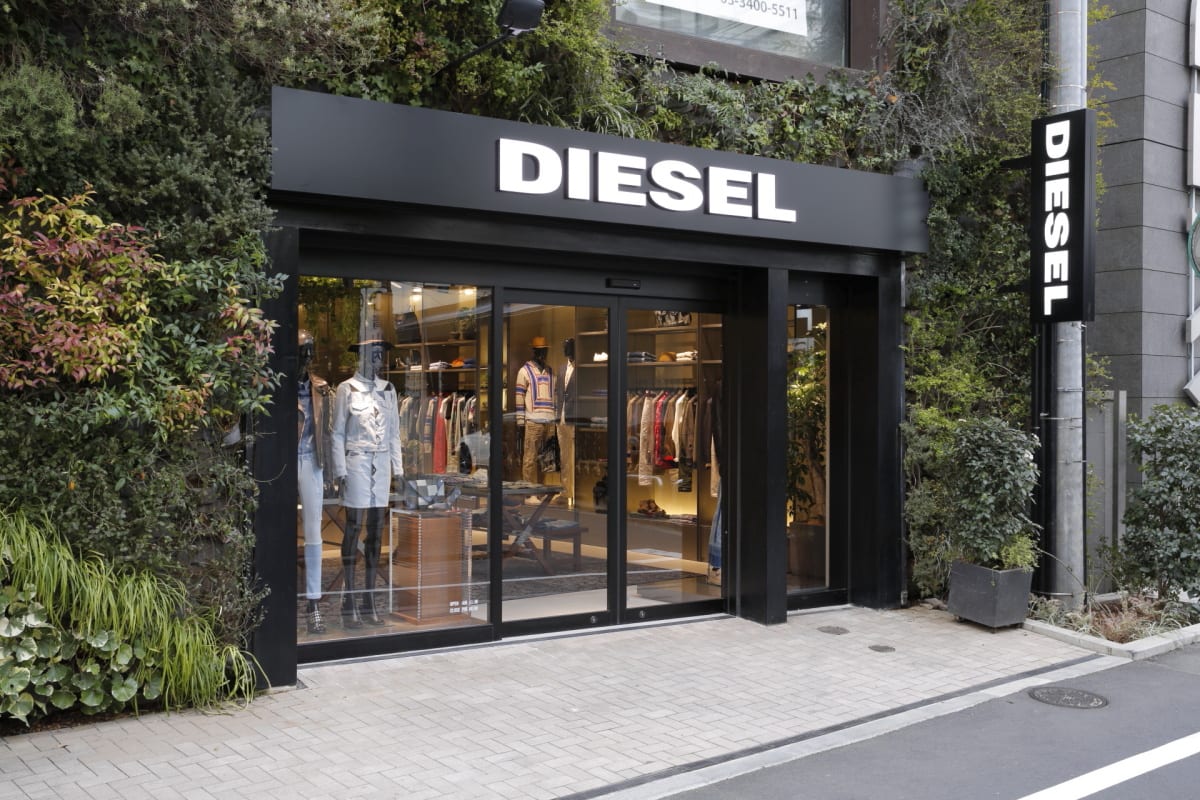
    Diesel has returned to the quiet fashion area of Aoyama in Tokyo with a double store opening – Diesel Aoyama and Diesel Black Gold Aoyama.

    Diesel Aoyama offers the label’s full collection of men’s and women’s denim, apparel, bags, shoes and accessories, as well as tableware from Diesel Living. It features the brand’s new retail design concept, with a highlighted denim area featuring stainless steel and glass. Design details include steel fixtures paired with rugs, concrete flooring with wooden ceilings, and antique furniture with technologically advanced materials.

    Diesel Aoyama store. 2

    Diesel Black Gold is the label’s first-ever monobrand store in Japan, showcasing a complete range of women’s and men’s collections along with accessories. Industrial and raw materials are used as a backdrop for the collection.

    Diesel Aoyama store. 1

    To mark the occasion, both Diesel and Diesel Black Gold have launched limited-edition items available only in the two stores, such as a Made in Japan denim collection for Diesel, and iconic items like a leather jacket for Diesel Black Gold.

    Diesel Aoyama store


    Diesel Aoyama store. 3

    Nearly 10 years ago, Diesel created a stir by opening Diesel Denim Gallery in Aoyama. The two-storey concept shop displayed denim items as artworks, and featured limited-edition items. There were also gallery spaces for in-store installations and art exhibitions, featuring creators such as video director Timothy Saccenti and architect Makoto Tanijiri. In 2011, the project moved and opened as Diesel Art Gallery in Shibuya, Tokyo.

  • Audemars Piguet Hong Kong boutique opens

    Audemars Piguet Hong Kong boutique opens

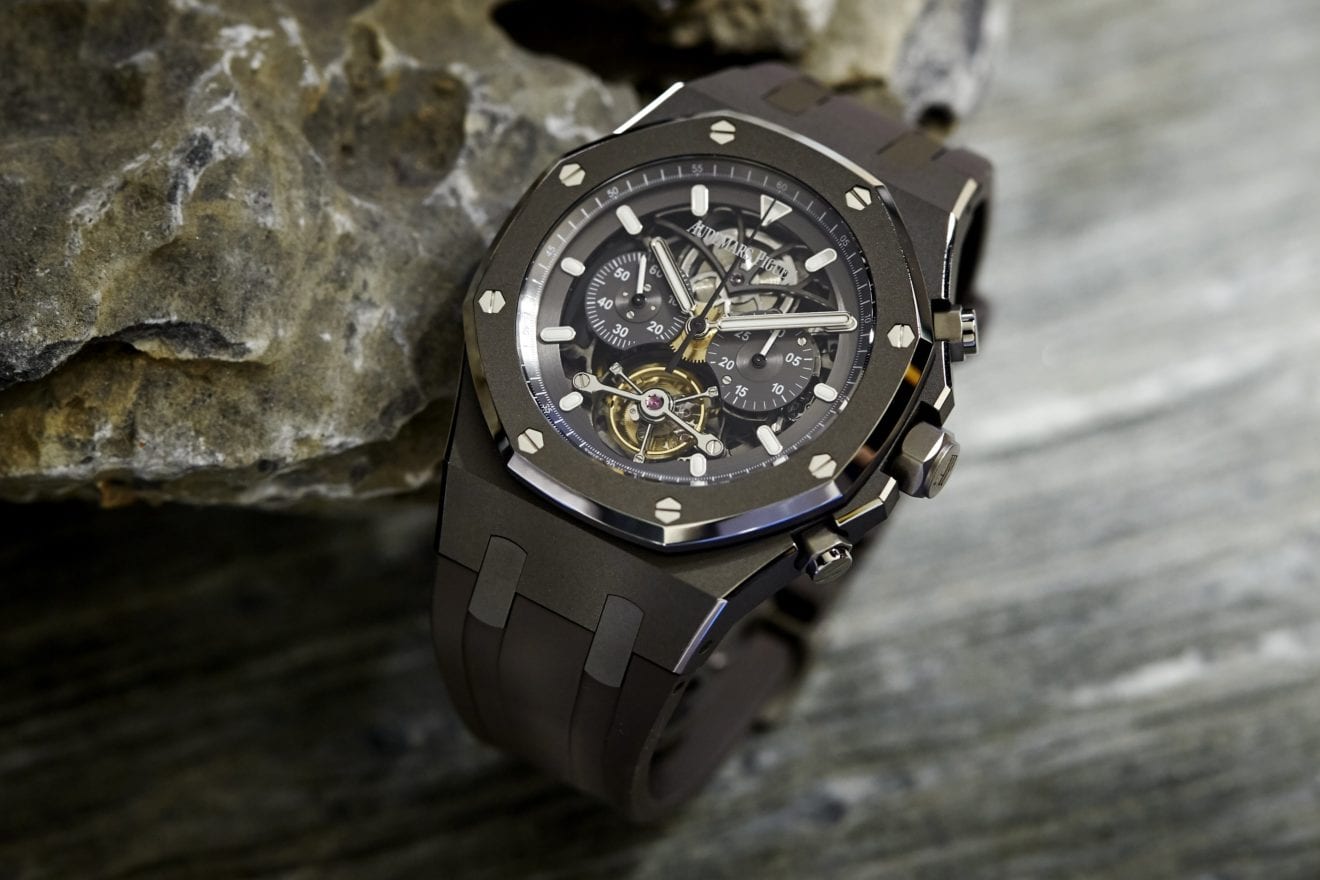
    Ultra-luxury Swiss watch brand Audemars Piguet has opened a standalone boutique in Hong Kong.

    event-20141008121335-AP_GrandOpening_2 (1)

    The Hong Kong store is one of only about 17 stand alone boutiques of the brand in the world.

    Hong Kong watch retailer Halewinner, owned by Early Light International, has opened the store and sells Audemars Piguet timepieces through others in its 30-strong chain of multi-brand watch stores across Hong Kong, Macau and Mainland China.

    Audemars Piguet Ambassador LeBron James visits Hong Kong’s first self-owned boutique 2

    Audemars Piguet Hong Kong April 2016

    The Audemars Piguet Hong Kong Boutique is located in Soundwill Plaza at No 38 Russell St.

    The Swiss brand has designed and manufactured highly complex mechanical watches since 1875, when it was founded by Jules-Louis Audemars and Edward-Auguste Piguet. Among others, Tiffany & Co, Cartier and Bulgari have used Audemars Piguet movements.

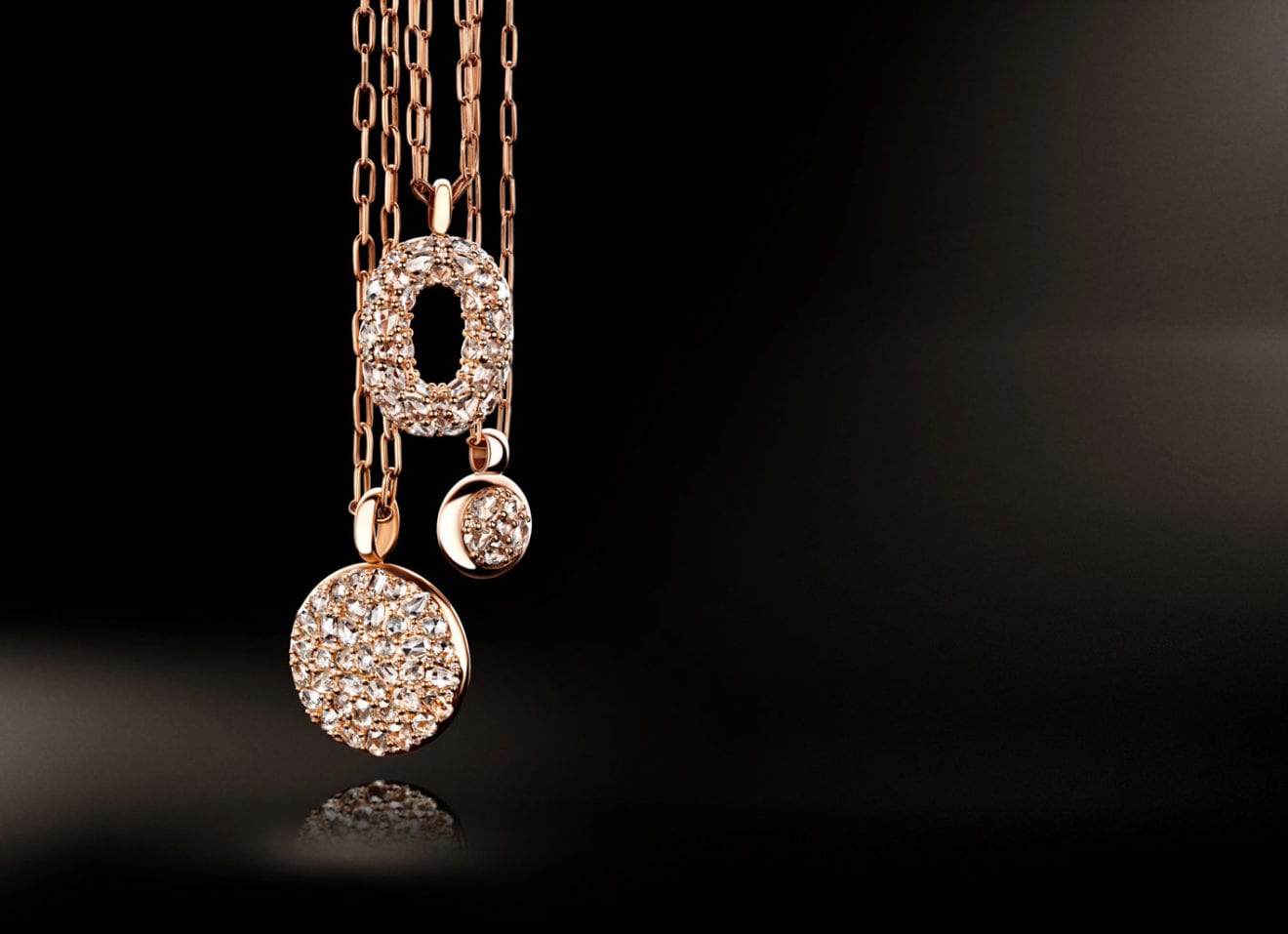
  • Belgian jewellery firm looks to Thai hub for Asian expansion

    Belgian jewellery firm looks to Thai hub for Asian expansion

    Thailand would be a hub to support and facilitate the growth of Roos’s business in Asia.

    “We’re originally from Holland. My great-great-grandfather founded the company in 1835, or about 181 years ago. I’m the sixth generation of the family. We [currently operate] more than 200 jewellery shops in Belgium and Holland,” said Rien Rozendaal, founder of and designer for Roos & Nijs.

    “We started selling our Roos jewellery ornaments last week in China through Derier’s retail network with 80 stores in major cities, including Shenzhen, Guangzhou, Chengdu and Ningbo. [By] coincidence, we also started last week in Thailand as well with the appointment of Market Access Co Ltd as our master distributor covering Thailand and all [of the] Asia region,” he said. “We’re from the original Dutch company and we didn’t find any necessity to expand further in my home market as well as in Europe as we’re at the high level already. I believe in Asia as a promising region to grow our jewellery business.”

    Rozendaal said starting to do business in China and Thailand arose from coincidences. In China for example, he was introduced by a Chinese friend in New York to the owner of Derier.

    “It is not that I’m looking for distributors. Finding the right people who will be my partners is not easy. We have to share the same way of thinking, the same vision and passion, and common interests,” he said.

    “They [distributors] should understand the European way of distributing the brand. In my way, doing business is not the first thing. My first thing is to get the same vision of how to market the brand.”

    Rozendaal said his business approach was quite different from setting up business targets and growth.

    “I like to design nice and beautiful jewellery. I have my target group in designing, that is my wife, not for the market. I design jewellery for the one I love, and appreciate that many women love this design too,” he said.

    Chanokphol Chaisuparakul, co-founder and director of Market Access, said Roos was not something people saw every day, because of its unique designs and long heritage of 181 years. The brand is also high-end jewellery that people can wear every day.

    “In five years, we think Roos could be a brand for sophisticated people who seek perfection in luxury jewellery. We aim to expand in Southeast Asia starting from Thailand, especially in Bangkok and big cities such as Chiang Mai, Pattaya and Phuket,” he said.

    He added that in the first year, the company would open one flagship store for Roos jewellery as well as one dealership in Bangkok.

    “We will start expanding Roos jewellery to some parts of CLMV next year,” said Chanokphol, referring to Cambodia, Laos, Myanmar and Vietnam.

    He added that the CLMV markets had a lot of potential, with people who are highly into networking, are well educated and have high spending power, and are fashion-oriented.

    Somkiat Chaisuparakul, chief executive officer of Market Access, said Thailand’s gem and jewellery market had high growth potential. The market value in 2015, especially diamonds, was about Bt78 billion, with imports accounting for Bt19 billion and domestic production the remaining Bt59 billion. With the economic situation getting better, entrepreneurs are more confident that the market will rebound.

    “This is a great opportunity for us to join forces with Roos in expanding their market from Europe to Asia,” he said.

    “Using Thailand as a hub to support the liberalisation of the AEC [Asean Economic Community] market, we will market Roos diamond jewellery to customers in Thailand and [elsewhere in] Asia. We aim to become the top jewellery brand in Thailand by 2017 with annual sales of Bt200 million.

    “We will expand Roos diamond jewellery to cover all potential markets in Asia, starting from CLMV, in the future,” he said.

  • New Braun Buffel Singapore boutique opens

    New Braun Buffel Singapore boutique opens

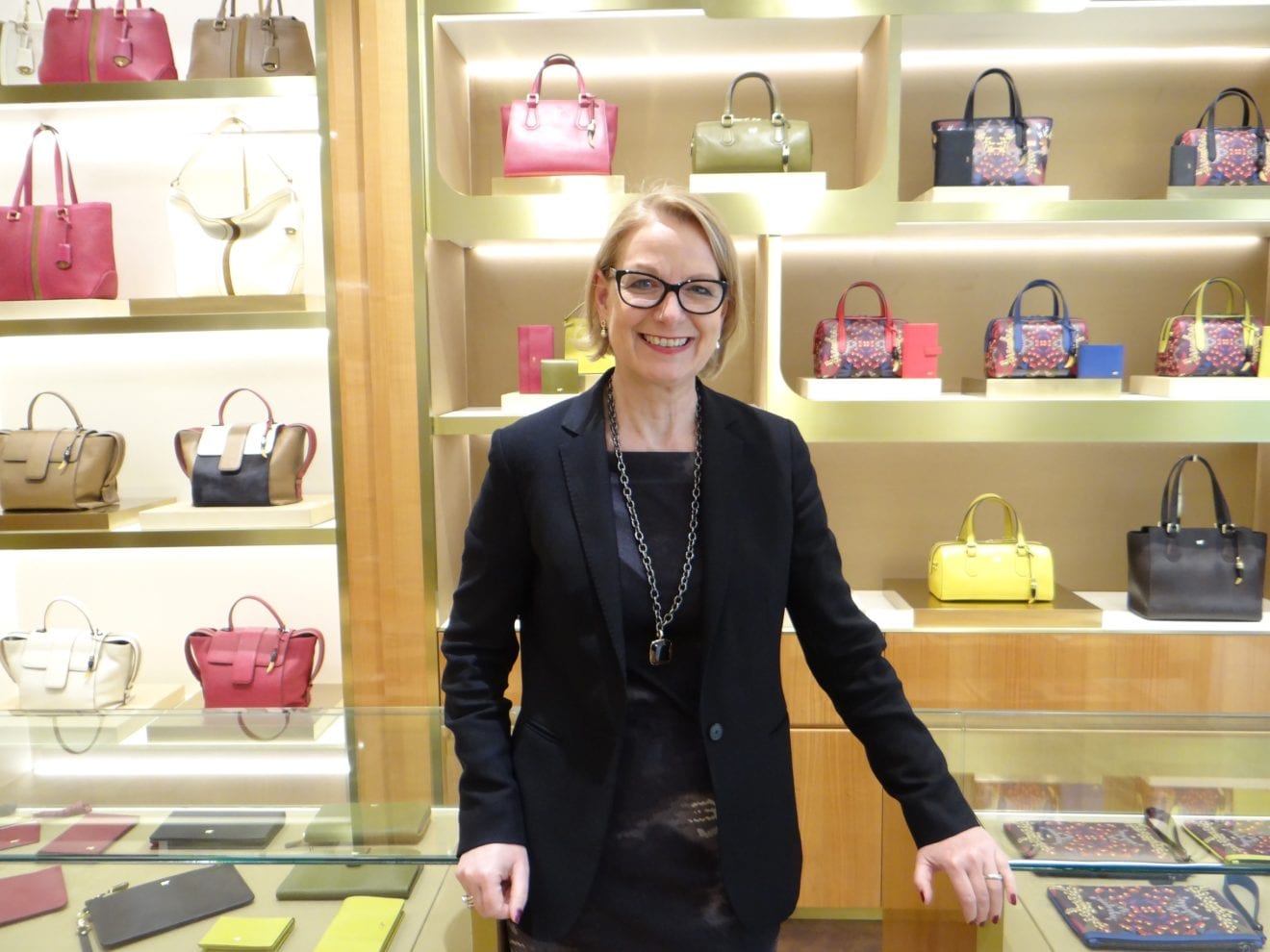
    German luxury brand Braun Buffel has opened a flagship boutique at Singapore’s Marina Bay Sands.

    Its official opening was attended by MD Christiane Brunk, great-granddaughter of Johan Braun who founded the company in 1887.

    Covering 1500 sqft (139 sqm), the Braun Buffel Singapore store features the brand’s trademark leather in the form of an Italian fine-grain leather wall and bespoke leather armchairs in the lounge area. It is the brand’s first flagship with the design concept, and was one year in the making.

    Singapore was Braun Buffel’s first Asian market, in 1982, and this is its fifth store in the Lion City. While known for its handcrafted leather goods and accessories, the brand has in recent years ventured into new segments such as sunglasses and watches. Its latest fall/winter collection is on display at Marina Bay Sands.

    Meanwhile, the company is seeking to expand in Indonesia and China, where it has nearly 200 retail outlets. It also has a presence in Hong Kong, Malaysia, Philippines, Taiwan and Vietnam.

    It also plans to introduce an online retail platform in Asia soon. It already has online shops in Australia, Canada, New Zealand and the US.

  • MSGM new boutique in Tokyo

    MSGM new boutique in Tokyo

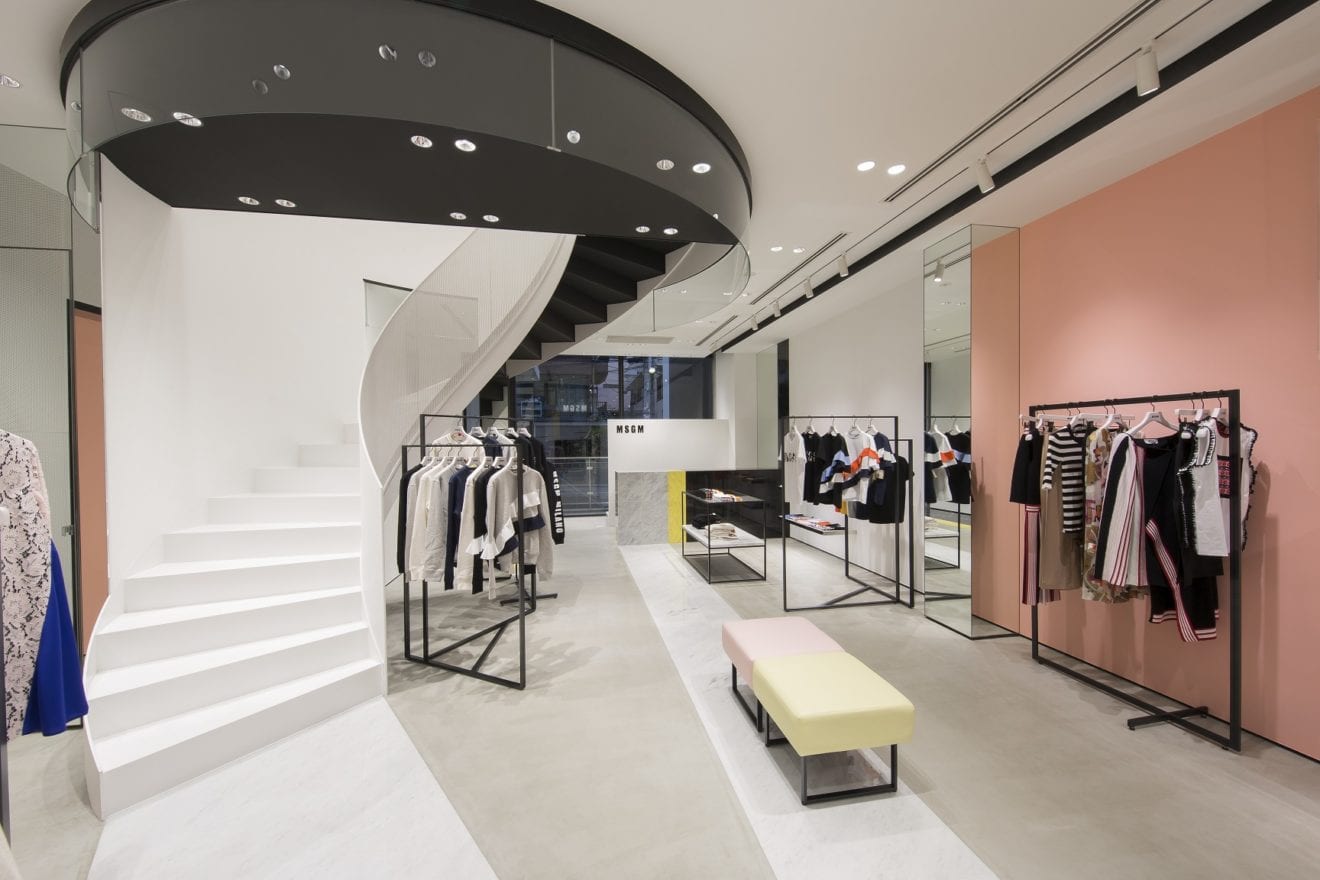
    Italian fashion label MSGM has opened its first boutique in Japan, in Tokyo’s Shibuya district.

    It is MSGM’s fifth monobrand shop in the world, again with its interior design concept being the brainchild of founder/creative director Massimo Giorgetti. He collaborated again with Milan-based architect studio CLS Architetti, as well as Tokyo studio Garde.

    Over two levels, the Tokyo store covers 2152 sq ft (199.9 sqm), and carries the brand’s men’s, women’s and accessories collections. It continues label’s street-style aesthetic with flexible iron structures and black-and-white marble surfaces with fluorescent yellow lines for exhibiting products.

    Another feature is geometrically shaped neon tubes on the ceilings, and there are two artworks, by Japanese-American artist Shingo Francis.

    MSGM’s other monobrand boutiques are in Singapore, Hong Kong, Milan and Dubai.

  • Septwolves flagship merges art and fashion

    Septwolves flagship merges art and fashion

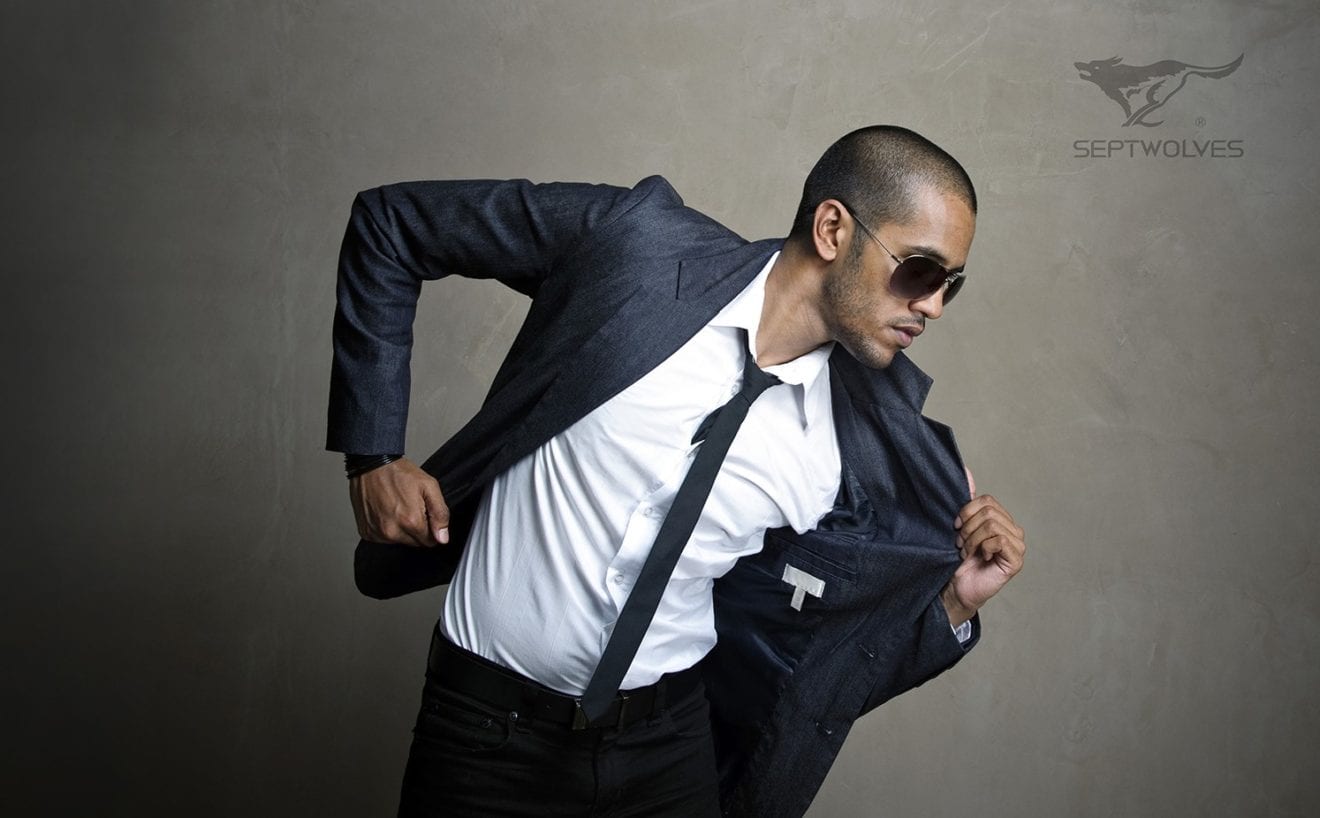
    The new Chinese menswear brand Septwolves flagship in Xiamen was designed by Prospace Asia to offer a “stereoscopic fashion experience”.

    The idea was to merge the sales area with a fashion lounge/art gallery space for the Xiamen store, the same city where the design company is based.

    SEPTWOLVES-flagship-store-by-Prospace-Asia-Xiamen-China-02

    Septwolves was founded in 1990, positioning itself as a premium menswear designer and retailer with more than 3000 stores throughout China. It wanted its new flagship store to be transformed into an integrated space.

    SEPTWOLVES-flagship-store-by-Prospace-Asia-Xiamen-China-07

    As customers walk through the store they come across themed displays as multi-sensory experiences involving both arts and fashion as events. The store also includes a tailor zone, books, cafe and designer boutique. At its centre is a circular stage, with the other elements of the store becoming part of an open fluid whole, rather than having separated spaces for each category.

    The central round void creates a main hall that connects both floors, and it can be transformed for temporary events. There is a mirrored ceiling over the central glass walkway, lit from beneath, with low glass sidewalls and a living green feature wall on one side.

    SEPTWOLVES-flagship-store-by-Prospace-Asia-Xiamen-China-09

    Most of the store features dark brown hues to create a warm, intimate atmosphere. There are such features as suspended shelving and island display units for small pieces, like shoes and bags.

    One area, with low-level lighting, has sumptuous leather furniture that lends the air of a gentlemen’s club. In contrast, there is a brightly lit area with more casual seating and a glass-top coffee table, with garden walls in the background.

    The shop is over two levels, with a timber spiral staircase as a feature. The arched windows on the second floor are an extension of the ground-level windows.

    SEPTWOLVES-flagship-store-by-Prospace-Asia-Xiamen-China-05

    RFID technology is integrated with the physical environment, supporting a fluid O2O platform to evokes a multi-sensory journey. O2O, or online-to-offline, platforms involve technology that allows brands to take advantage of the convergence of internet/mobile technologies and product-inventory data for increasing in-store sales.

    SEPTWOLVES-flagship-store-by-Prospace-Asia-Xiamen-China-06

    Prospace was established in New Zealand in 1989 as a specialist retail design and interior fitout company that has worked on projects in Australia, the South Pacific, Singapore, Hong Kong, Dubai, Indonesia and Europe. Its sister agencies are Prospace China and, in Sydney, Prospace Design.

    SEPTWOLVES-flagship-store-by-Prospace-Asia-Xiamen-China-10

  • Bata Indonesia sales stagnate

    Bata Indonesia sales stagnate

    Bata Indonesia says it has missed meeting its sales targets despite the nation’s improving retail sales.

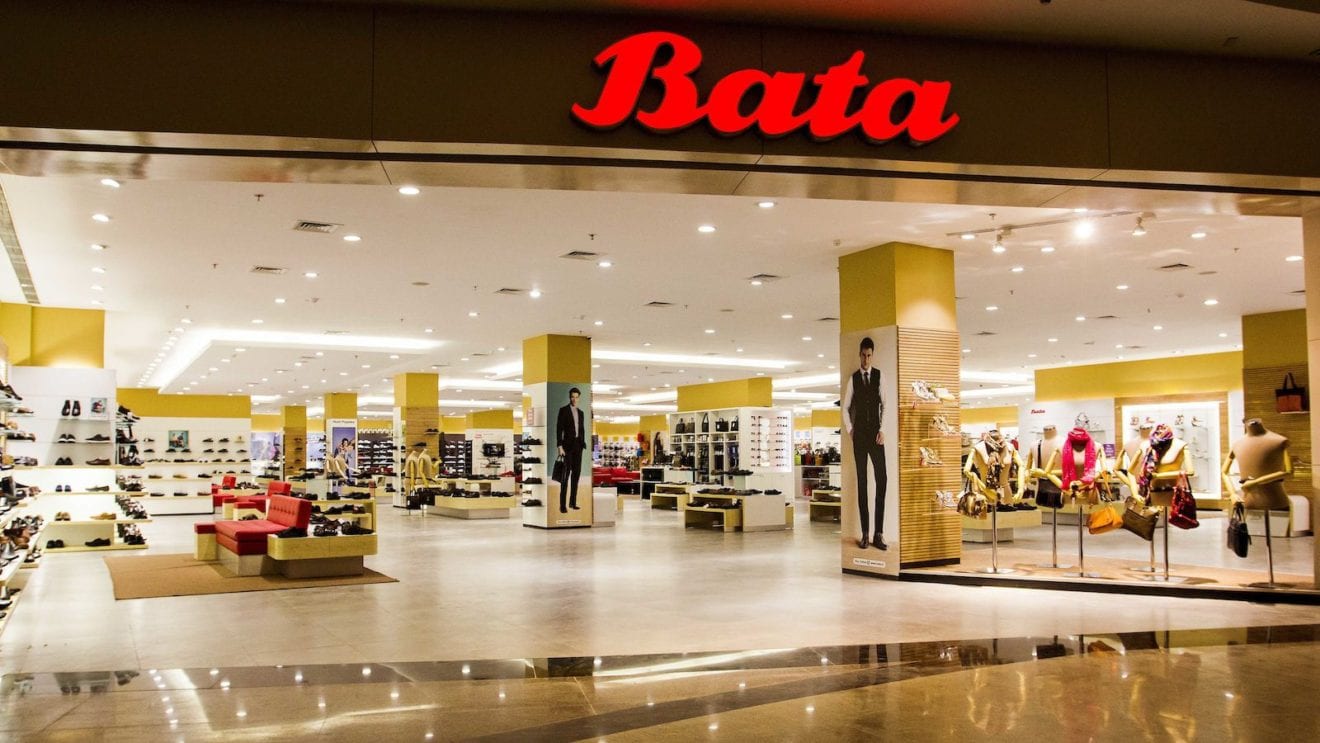
    Sepatu Bata, the local arm of the European shoe giant, owns and operates stores across Indonesia and manufactures sandals and shoes under brands Northstar, Power, Bubblegummers, Marie Claire and Weinbrenner.

    The company reported sales of Rp 1 trillion in 2015, 10 per cent short of the Rp 1.1 trillion target it set when it announced expansion into the middle and upper income market segments.

    However the company still posted a profit of Rp 129 billion (US$9.7 million), up 81 per cent, on the back of an unspecified one-off asset sale which raised Rp 121 billion.

    Bata Sepatu’s cost of goods rose 19 per cent and overheads by 8 per cent.

  • Why the Boots Alliance merger is a success

    Why the Boots Alliance merger is a success

    With a strong international business, a focus on driving productivity and investment in omnichannel, the Boots Alliance Walgreens business is on track to long-term success.

    The inclusion of Boots Alliance’s sales for the full quarter provided a fillip to revenue growth which was up by almost 14 per cent. Underlying sales, while up at headline level, were somewhat more subdued – especially within the US retail pharmacy division.

    The warmer weather in the US, especially during the early part of the quarter, was unhelpful – it meant the traditional cold and flu season did not strike with its usual vengeance. This, in turn, suppressed sales of key seasonal lines like flu, cold and cough medicines. This was noticeable in the front of store retail sales decline of 0.3 per cent on a comparable basis; something only offset by a strong prescription performance which pushed the retail pharmacy division’s overall performance into positive territory.

    Although cold remedies pulled down front of store sales, Walgreens is making encouraging progress in other parts of its retail offer. As a local retailer with a solid network of well frequented stores, Walgreens has a major opportunity to sell more product to existing customers, as well as drawing in a wider audience for products outside of the pharmacy and wellness space.

    Accomplishing this task requires a reinvigoration of the front of store proposition, especially in areas like beauty where Walgreens aim should be to be seen as much as a destination for higher end, more premium brands as it is for essentials and everyday beauty. This transformation has started, especially with the success of the group’s own brands like No. 7 cosmetics, and in the gifting category – which was an area of focus over the holiday period.

    In reshaping the front of store offering, Walgreens is ahead of its main rival CVS which has a lot more work to do in order to shift perceptions. Walgreens, of course, has an advantage as it is able to learn from Boots in the UK, which has, for a long time, been successful at selling both premium beauty and many other non-beauty categories. While Walgreens should not aim to simply replicate Boots, there are elements of the proposition – including the focus on lunchtime snacks and takeaway food – that can be adopted and adapted to the US market.

    Looking internationally, Boots in the UK had a successful quarter helped by a focus on Christmas gifting and also the strong performance of the ‘order online and collect from store’ service. Similar to Walgreens in the US, Boots in the UK has an extensive and localised store network which makes it a convenient option when it comes to picking up products purchased online. This, again, is something that the US operation can learn from and develop as the group looks to grow its omnichannel capabilities.

    Being part of a much bigger group isn’t only creating opportunities for the sharing of brands and ideas, it is also – as the Walgreens always planned – delivering savings. This quarter, synergies saved around US$329 million, and the group remains on target for $1 billion of savings across this quarter. This target is attainable and should help to provide an underlying boost to earnings moving into the second half.

    The successful integration of Boots Alliance and Walgreens has likely given the group confidence to pursue Rite Aid – the proposed acquisition of which was announced last October and approved by Rite Aid’s stockholders in early February. All being well, this transaction should close during the second half of this fiscal year.

    The deal makes sense on a number of levels – not least because Rite Aid has struggled to keep pace with its two rivals and we believe that Walgreens will be able to quickly make the chain more productive.

    Rite Aid has started this work with its Genuine Wellbeing format refresh, which creates a more engaging and enticing shopping experience with enhanced levels of customer service. This is something that Walgreens will be able to bolster, especially through its strong stable of own brands including Boots No 7 cosmetics.

    The potential synergy savings that will accrue from the merger are also attractive. These are estimated at $1 billion which, given the complementary nature of both businesses, are conceivable and go some way to offset the premium that Walgreens offered for Rite Aid.

    With a strong international business, a focus on driving productivity within the US, investment in omnichannel, and the boost from another acquisition, this looks to be a year of progress and change at Walgreens. While all of this activity may cause some short term fluctuations in earnings and sales, it will successfully position the group for longer term success.

  • Hard times for Emperor Watch

    Hard times for Emperor Watch

    Luxury timepiece retailer Emperor Watch & Jewellery is implementing an action plan to stay buoyant in the face of reversed fortunes due to the difficult trading environment.

    A member of the Emperor Group founded in 1942, the company posted a net loss of HK$120 million (US$15.48 million) for the 2015 financial year, following its $138 million net profit the previous year. Its revenues plunged 25.2 per cent to $4.43 billion from $5.92 billion in 2014.

    The company says this was caused primarily by weak consumption sentiment in Hong Kong resulting from a strong local currency and an unfavourable tourism environment.

    Store rental cuts, however, and an optimisation of its Hong Kong retail network during the year are expected to ease the rental pressure this year. The company says 78 per cent of its total revenue was supported by the Hong Kong market (83.1 per cent in 2014).

    Hong Kong retail space continues to rank as the world’s most expensive, although rents have started to moderate, says the company’s report.

    As well as streamlining its retail network in Hong Kong, during the year the group also reshuffled its jewellery business in Mainland China and extended its retail network in Singapore.

    It also launched new collections, including an exclusive “Baby” line to take advantage of China introducing a nationwide two-child policy in January.

    Synergies with other companies within the Emperor Group were also leveraged, such as leasing prime retail locations from Emperor International Holdings on an “arm’s length” basis. Another synergy is with Emperor Entertainment Group (EEG), which invites VIP guests to its movie premieres and sponsors jewellery for the artistes.

    Several strategies to mitigate risk are being implemented in the group’s action plan. Following the optimisation of its retail network in prime districts, the group plans to extend the coverage from traditional tourist shopping areas in Hong Kong to emerging shopping areas with resilient foot traffic.

    Other retail network reshuffles planned include expanding retail stores in second- and third-tier mainland cities, adding two stores in Singapore, and studying the feasibility of establishing footprints in Southeast Asian countries.

    Emperor also seeks to venture into eCommerce through such shopping platforms as WeChat Mall.

    As at December 31, the group had 100 stores (88 in 2014) – in Hong Kong (21), Macau (6), mainland China (67) and Singapore (6).


  • Tobias Rehberger, artist who’s camouflaged a Hong Kong shop

    Tobias Rehberger, artist who’s camouflaged a Hong Kong shop

    Don’t try to put Tobias Rehberger into a box. The German artist’s work isn’t the sort that fits in a frame and he’d much rather it was out in the world, with people rubbing up against and interacting with it, than being gawped at in a museum. He does his own thing – and has a good time while he’s at it.

    Sitting in MCM’s flagship store, in Central’s Entertainment Building, the 49-year-old seems to be on his best behaviour, his PR minder by his side. His beard is freshly trimmed and, in a crisp white shirt, jeans and trainers, he’s rocking the urban-cool look. But every now and then there’s a flash of the raucous, hard-drinking side he’s known for.

    In Hong Kong for a week for the launch of a collection he designed for the German luxury leather goods brand, as well as Art Basel, he insists he hasn’t got jetlag, he never gets it. His secret?

    “Get drunk on the first day,” he says.

    The PR scowls, but Rehberger doesn’t seem to notice.

    The MCM collaboration began with the bags and it was a 20-year-old assistant – the youngest in his full-time team of 12 – who persuaded him to take on the job. As he explains how it came about you get the sense that Rehberger is porous, open to ideas and giving things a shot, especially if there’s a good chance he or his team might get a kick out of it.

    “‘You have to do it, it’s so cool,’ she said. And I thought, ‘OK, if she says it’s a good thing, let’s try,’” says Rehberger.

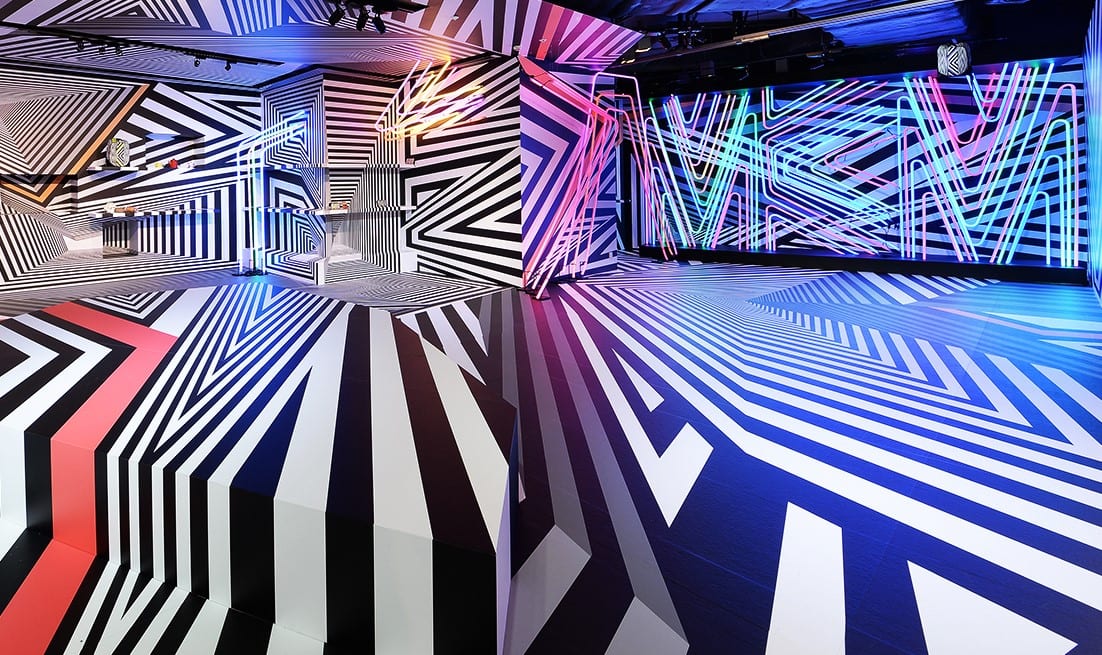
    Employing the bold black-and-white graphics that he has become known for – the “dazzle camouflage” employed during the first world war to make it difficult to visually pinpoint a target – he recreated the German brand’s logo and worked the design into a collection of backpacks, shopping bags and clutches. MCM loved it so much the brand asked him to make over the Hong Kong store – all 8,600 square feet of it.

    This isn’t as wild a leap as it sounds because Rehberger’s perhaps best-known work, which cemented him as one of Germany’s leading contemporary artists, was a massive, functional installation for the 2009 Venice Biennale. He designed the cafeteria at the biennale pavilion and called it ” Was du liebst, bringt dich auch zum Weinen” (“Whatever you love, will bring you to wines”). It was a wild, retro-inspired space, juxtaposed with a jumble of forms and colours but with black and white the unifying theme.

    The walls, floors, ceilings and furniture were covered with the disorienting camouflage used by the dazzle ships of the first world war. It won him the top prize, the biennale’s coveted Golden Lion. The jury said he’d earned the award for “taking us beyond the white cube where past modes of exhibition are reinvented and the work of art turns into a cafeteria. In this shift social communication becomes aesthetic practice”.

    “I’m not very good at starving. I’ve never had to struggle for success, it was just happening”

    Rehberger has applied dazzle camouflage to interiors elsewhere. In 2013, he created a temporary replica of his local Frankfurt bar in a New York hotel, covering the entire space in black and white geometric stripes. He even reproduced the fittings, right down to the radiators. And yes, he did drink there – and felt right at home.

    A year later, he worked on the real deal – a 1918 British warship, the HMS President. Using a print of pipework viewed from different perspectives, he completely covered the ship, to mark the centenary of the first world war. His handiwork was unveiled in July 2014, on the River Thames.

    If a German decorating a British vessel that saw active service in the Great War were not noteworthy enough, “That was special because it was a ship that had been used in the war in this desert camouflage,” Rehberger says. “I thought, ‘Can you make it in the same technique, but that it’s clear it’s not made for military reasons and still use the same strategy?’”

    So has he done it again in Hong Kong? Yes and no. The fact that, here, he has been working with a retail space has thrown up different questions.

    “It’s more about what a shape is, what a product is and how you look at it and how you deal with it and what your focus is,” says Rehberger. He speaks like this a lot – long sentences that throw up lots of ideas and directions, much like his camouflage.

    So, it’s a shop, but not a shop, I venture. Considering the exorbitant rent MCM must be paying for the prime Central spot, that doesn’t seem like the most obvious approach to turning a profit. I hesitate and the PR suddenly lights up.

    “Yes, everybody thinks it’s a shop, but what if it’s not really a shop but it is,” she says.

    She’s clearly been hanging out with Rehberger. I turn away from the pair and take in the shop that isn’t a shop. The geometric patterns in the vast interior make it hard to judge distance and the pillars and escalator – all camouflaged – add to the confusion. It’s not easy to spot the merchandise, which is designed with a similar print. What’s more, alongside the bags on the display shelves are teapots, a pig, a skull propped up against a severed arm.

    “We have the teapots and scientific models and then the bags blend in and you see them less. That’s one of the good things about it – it brings up things you normally don’t think about because you are so conditioned to do things in a certain way and then suddenly, there, hiccup,” says Rehberger.

    And it’s this hiccup, he says, that gives us the chance to think about the way we deal with life. Are we making our own decisions or have we become conditioned to doing things in a certain way?

    I don’t think I’m alone in having been conditioned into thinking that the items on the shelves of a retail space should be for sale. How refreshing to visit a shop that dares to be different, although it’s hard to see this becoming a hot retail trend. The teapots are pretty – Rehberger sourced them himself – and the pig is fun, but they are not going home with a smitten customer.

    “They are something that drops out a little, make you stumble about what you thought you already understood. Especially here, where you are expecting to come and have objects to buy and suddenly you have this almost emptied out teapot shop,” says Rehberger.

    The artist enjoys playing with the viewer – are you seeing what is really there or what you expect to see? Take that severed arm, which will turn out to be, on closer inspection, a scientific model of a worm. Twice I mention the “severed arm” to Rehberger and he doesn’t pull me up on it. True to form, he doesn’t intrude on my perception of the scene.

    For last year’s Art Basel Miami – in another underground venue – he had some fun with this notion of perception. His installation – the mural “1661-1910 from Nagasaki, Meiji, Setti” – covered the space in brightly coloured, wallpapered mosaic tiles. Close up, all you could see was a pixelated blur of colours but step back and you realised you were looking at an orgy.

    Rehberger’s embrace of so many types of media sets him apart from other contemporary artists, especially in the West. Gallery owner Urs Meile represented one of Rehberger’s most recent works, a pigmented wax, steel and wood sculpture-cum-timepiece, at this year’s Art Basel Hong Kong. Two years ago, Rehberger created a huge installation entirely made of porcelain for Galerie Urs Meile in Beijing.

    “He is very open to new media that he’s never used before,” says Meile. “His approach is not the typical Western way. You find that with some other artists working in Asia; probably the most famous is Ai Weiwei, who works with endless different materials.”

    untitled-article-1459241535

    Meile suspects that the tendency towards conceptual thinking might be the reason why Western artists are less likely to experiment with a range of materials. In the West, artists tend to begin a project with a concept and approach their art with a clear vision, doing paintings or sculpture, working in wood or bronze, but “in Asia they don’t have conceptual thinking as we have it”, says the gallerist. “They think, ‘I would like to do this’ and then it’s trial and error. Through this they make a completely other experience.”

    With the exception of Leonardo da Vinci, suggests Meile, Western art history didn’t have a tradition of experimenting with unusual materials until the late 1970s, and the start of conceptual art, when cheap materials began to be used.

    “But to use, let’s say, high-end materials to do something, this is unusual in the West,” says Meile.

    It’s no surprise, then, that Rehberger feels right at home in Asia. In the last six months, he has made at least 10 trips to the region and has a number of projects in the works here. For a Bangkok shopping mall, he is putting together an installation that “looks like an exploded Las Vegas sign”. He says retail spaces are new to him but concedes that shopping malls are where people go to hang out in Asia.

    The can-do attitude and pace in Asian cities appeal to Rehberger, who likes to get things done quickly. At art school in Frankfurt, in the late 80s, he was taught by German artist Martin Kippenberger, who is known for working in a wide range of styles and media.

    “Martin taught me to always push yourself and try not to make yourself comfortable when you find something interesting. With Martin it was not about solutions, it was always, ‘OK, but what if – and then what if from the other side’. That’s the art I’m most interested in, if it’s more about problems than questions and answers,” says Rehberger.

    He graduated in 1992 and moved to London, but stayed only a year in the British capital.

    “If I have an idea I need immediate access to the thing,” he says. “When I need teapots, I need the teapots now. In London, at the time, you had to travel half a day to buy a pencil. It was annoying.”

    From London he moved to New York before returning to Germany, where he has lived since, dividing his time between Berlin and Frankfurt. Berlin, he says, is where he finds inspiration, meets friends and hangs out. Frankfurt offers fewer distractions and is where he gets his work done. It’s also where his family lives.

    Rehberger’s wife specialises in restoring old frames and the couple have three children, aged 16, 11 and four.

    “Since they were young, they have been coming to my studio and hanging out. For them it’s normal to take a spray can and do things. I think you can sense they are visually educated, they all have a good eye – not that I hope they become artists,” he says.

    Rehberger’s father was a hobby painter and, as Tobias grew up, he was surrounded by oil paints and canvases. His father painted portraits and landscapes, copied works by artists such as Picasso and sometimes designed and made furniture. Rehberger started out playing with his father’s materials and when he came to have his first gallery show, “I copied the entire body of my father’s work, copying the paintings four times as big. It was an installation, a reflection of me as a professional artist and where that comes from.

    “I thought it was a good way to introduce myself.”

    His father apparently found it funny. Someone finding his work amusing seems to be a factor that signals to Rehberger that a mission is at least halfway to being accomplished.

    Since that introduction, life has been good to him. He’s never had to live the life of a struggling, starving artist.

    untitled-article-1459241535-body-image-1459242184

    “I’m not very good at starving,” says Rehberger. “I’ve never had to struggle for success, it was just happening.”

    He almost flinches at the suggestion that commercial projects such as the one for MCM might distract him from more personal work.

    “It’s all my own stuff. It’s not less my own stuff if I’m doing this or something in the studio that no one ever sees. There is no difference. If I want to do something, I do it, and if I don’t want to do something, I don’t do it,” he says. “I was never in the position that I had to do something that I didn’t want to.”

    As if to underline the fact he hasn’t had to endure long, cold winters going hungry in a lonely studio, the conversation turns to lunch and from there to restaurant recommendations. Rehberger has arranged to meet some artist friends after their commitments at Art Basel.

    “Thursday and Friday we plan to check out five restaurants a day – for breakfast, lunch and dinner and a couple in between,” he says.

    Whether or not you are in the market for a new leather bag, it’s worth dropping into the MCM store to be dazzled by Rehberger’s disorienting graphics and take a turn through the shop that isn’t really a shop.

    Tobias Rehberger’s installation at the MCM store (basement, Entertainment Building, Central) will be in place until May 2.
  • Mei.com & Alibaba Launch the TMALL Luxury Flash-Sale Channel with Star-Studded Live-Streamed Fashion Show

    Mei.com & Alibaba Launch the TMALL Luxury Flash-Sale Channel with Star-Studded Live-Streamed Fashion Show

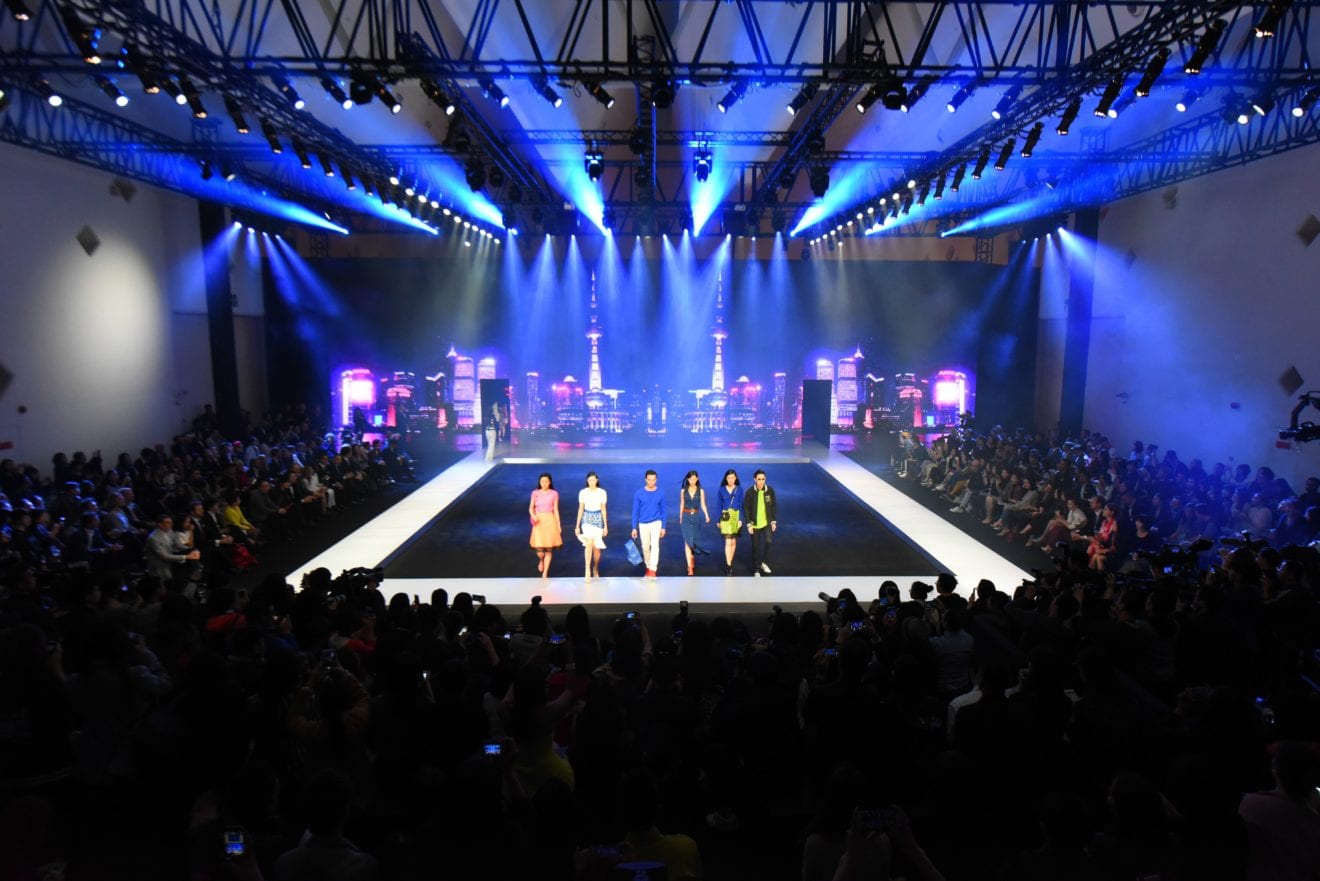
    A live-streamed fashion show featuring 42 looks has marked the launch of a luxury Tmall flash sales channel via app that makes the styles immediately available to shoppers.

    Alibaba Group’s B2C online marketplace Tmall.com has launched the channel through its mobile-phone app, allowing viewers of the live stream to “scan and buy” the runway looks.

    Soft-launched about three months ago, the Tmall channel is being managed by Mei.com, which since 2010 has run a website in China that provides a flash sales outlet for nearly 300 international luxury brands including Armani, Longchamp, Michael Kors, Tumi and Zegna, through exclusive partnerships.

    Mei.com CEO Thibault Villet with Olivia Palermo and Mei.com President Seamon Shi.

    Mei.com CEO Thibault Villet with Olivia Palermo and Mei.com President Seamon Shi.

    Alibaba invested an undisclosed amount in Mei.com in July, saying the site’s relationships with affordable luxury goods merchants would complement Tmall’s roster of high-end retailers such as Burberry, Coach and Hugo Boss. The new flash-sales channel gives Tmall.com shoppers direct access to discounted luxury goods from more than 3000 retailers and authorised distributors.

    “The launch of the channel will further the variety of brands on Tmall and offer China’s burgeoning middle class a one-stop shopping platform,” says Alibaba Group CMO Chris Tung.

    Millions of consumers across China watched the fashion show. It featured clothing and accessories, including 30 womenswear looks, 10 menswear looks, and a finale including two children’s looks.

    Actor Peter Sheng, famous for his role in the China web series Go Princess Go, made his runway debut in the show wearing a Carven suit. American socialite Olivia Palermo styled one of the runway looks and was a front-row attendee of the show wearing the look herself.
    Trendsetters and tastemakers attending the event also included singer Chris Lee and runway model and pop star Tia Ray, who also performed.

  • Shandong Ruyi confirms SMCP deal

    Shandong Ruyi confirms SMCP deal

    Subject to regulatory approvals, Chinese textile and apparel manufacturer Shandong Ruyi Technology Group has acquired a controlling stake in fashion brand parent SMCP.

    The Chinese company has signed an exclusive agreement along with global investment firm KKR, with the expectation that SMCP’s founders and management will reinvest alongside Shandong Ruyi as minority shareholders, while KKR retains a minority interest.

    SMCP, with its brands Claudie Pierlot, Maje and Sandro, has more than 1000 stores in 34 countries, including China, Hong Kong, Indonesia, Korea, Macau, Singapore, Taiwan and Thailand.

    Shandong Ruyi says it intends to maintain the DNA and unique identity of the SMCP brands, with the SMCP design and creative teams continuing to work from its Paris headquarters. SMCP will retain its strategy and organisational structure while benefitting from Shandong Ruyi’s global retailing expertise.

    “We have been highly impressed by the success of Sandro, Maje and Claudie Pierlot, and hold great respect for the founders and management of SMCP both for their passion and their achievement,” says Shandong Ruyi chairman Yafu Qiu.

    “This would be a significant step for Shandong Ruyi Group in our continued endeavour to become a leader in the fully integrated textiles and fashion business, both in China and globally. By taking on board the expertise of SMCP, a group well-rooted with a strong Parisian heritage, we would combine their merits with our existing strength in Asia, in particular China … We also look forward to supporting SMCP in achieving its long-term objective of becoming a global leader in accessible luxury.”

    “My sister Judith Milgrom and I are delighted to embark on the next phase in the journey of our company alongside Shandong Ruyi Group,” says SMCP founder/MD Evelyne Chetrite.

    “After record results for 2015, with 33 per cent net sales growth, we are very excited by the opportunity to partner with Shandong Ruyi Group, which can support us in our global ambition,” says SMCP president/CEO Daniel Lalonde.

    “We will continue expanding in areas where our brands have significant potential: Europe, North America, the Middle East and particularly Asia.”

    Founded in 1972, Shandong Ruyi Technology Group is one of the largest textile manufacturers in China and ranks among the Top 100 Chinese multinational enterprises.

    The group has a fully integrated value chain from cultivating raw materials, processing textiles and designing and selling brands and apparel.

    In the accessible luxury sector, SMCP has 1118 point of sales, 906 of them being run directly and 212 through partnerships. Its brands are in 33 countries.

    Shandong Ruyi’s bid to buy SMCP has been an “on again, off again” affair. On March 9 it was reported to have collapsed, but by the end of the month it was announced as going ahead again. Rumours of takeover bids for SMCP surfaced in January.

  • Shanghai Village trading off Disney resort

    Shanghai Village trading off Disney resort

    Upmarket European outlet company Value Retail is opening a luxury shopping destination near the Shanghai Disney Resort, to be called Shanghai Village.

    Disney’s resort launches on June 16, but the village is getting in first with a planned opening date of May 19.

    SHV-rend-mark-up-123013_Page_27

    In the new 24.7 sqkm Shanghai International Tourism and Resorts Zone (SITRZ), across the manmade Wishing Star Lake from the Disney resort, Shanghai Village is the second mainland venture for Value Retail.

    Covering 55,000 sqm and with 140 boutiques, the Art Deco village features architecture styled after buildings in Milan, New York, Paris, Vienna and Shanghai. It has many lifestyle features aimed at catering to the Chinese demand for “shopping tourism”, a new concept defined by UNWTO in the wake of China’s outbound travel boom.

    While it will be Value Retail’s second location near a Disney park – the other is La Vallee Village near Disneyland Paris – it will have a difference in scale and architecture given that Shanghai Disney Resort is one of the largest destinations Disney has built, according to Value Retail Management CEO Desiree Bollier. “Shanghai Village is the same: it is our largest investment to date.”

    Value Retail Shanghai Village 2

    In addition, the village is run by a joint venture between Value Retail and Shanghai Shendi Group, the state-owned enterprise set up to manage the SITRZ, including the Disney Resort.
    “I think the government is moving to a consumer-led economy, and will want Chinese to spend money in China,” says Bollier.

    “They are looking at various ways to encourage Chinese to view China as a resort destination: hence the development of Hainan as a tourism destination, hence the development of SITRZ as an entertainment destination, hence investment in cinemas, Imax and major theatres. It’s a logical transformation in the Chinese economy.”

    Bollier says Shanghai Village will be following Value Retail model of offering goods at a minimum of 33 per cent off and an average of 40 per cent off full domestic price. It is targeting mainly upper-middle class and affluent consumers.

    Shanghai Village will offer “retailtainment” activities such as dining and exhibitions, as well as outdoor cafe seating overlooking the lake, ferry rides to and from the Disney park, and streets named after historical figures in the Art Deco movement in Mandarin and French. VIP services will include hands-free shopping, valet parking, concierge services and private lounges, as well as meeting spaces.

    A feature will be more niche labels and boutiques by Chinese designers. Brands available at the nearby Suzhou Village location, the group’s first China outlet, include Alexander McQueen, Armani, Givenchy, Gucci, Salvatore Ferragamo and Valentino.


  • Ivanka Trump’s Made-In-China Scarves Recalled Over “Burn Risk”

    Ivanka Trump’s Made-In-China Scarves Recalled Over “Burn Risk”

    The latest headline involves eldest Trump daughter Ivanka, whose scarves have been recalled by Global Brands Group Accessories, a Trump licensee, for violating the federal flammability standard.

    According to the Consumer Product Safety Commission, roughly 20,000 scarves sold between October 2014 and January 2016 at retailers including Lord & Taylor, Amazon, TJ Maxx and Century 21 pose a “burn risk” to consumers. The scarves, which are 100 percent rayon, can now be returned for a full refund. Original retail price for the two styles involved — the Beach Wave and Brushstroke Oblong — falls between $12 and $68.

    Of the many scandalous headlines baring the name “Trump,” a generous handful have been related to both Donald and Ivanka’s fashion lines. Specifically, the pair have been criticized because a majority of their products are manufactured outside of the U.S. Of the 838 products under Ivanka’s line, none are made exclusively in America, according to Harvard professor Robert Lawrence. Most are imported, with 354 being produced in China.

    Donald has openly admitted that his neckties are made in China. However, the Republican candidate used this fact to make the point that “it’s very hard to have apparel made in this country,” implying that his reforms — including a tariff as high as 35-45 percent on apparel coming from China and Mexico — would encourage more production on U.S. soil.

    Speaking of Mexico, you may also recall Donald’s drama with Macy’s over his controversial comments regarding Mexican immigrants, another of the magnate/politician’s retail offenses. In July, Macy’s officially severed ties with Donald and phased out his merchandise from shelves. Ivanka’s line, however, continues to be sold at the department store.