Category: Fashion

Retail News Asia is committed to providing both local and global retailers with the latest Fashion news throughout the Asian market. This on a daily base.

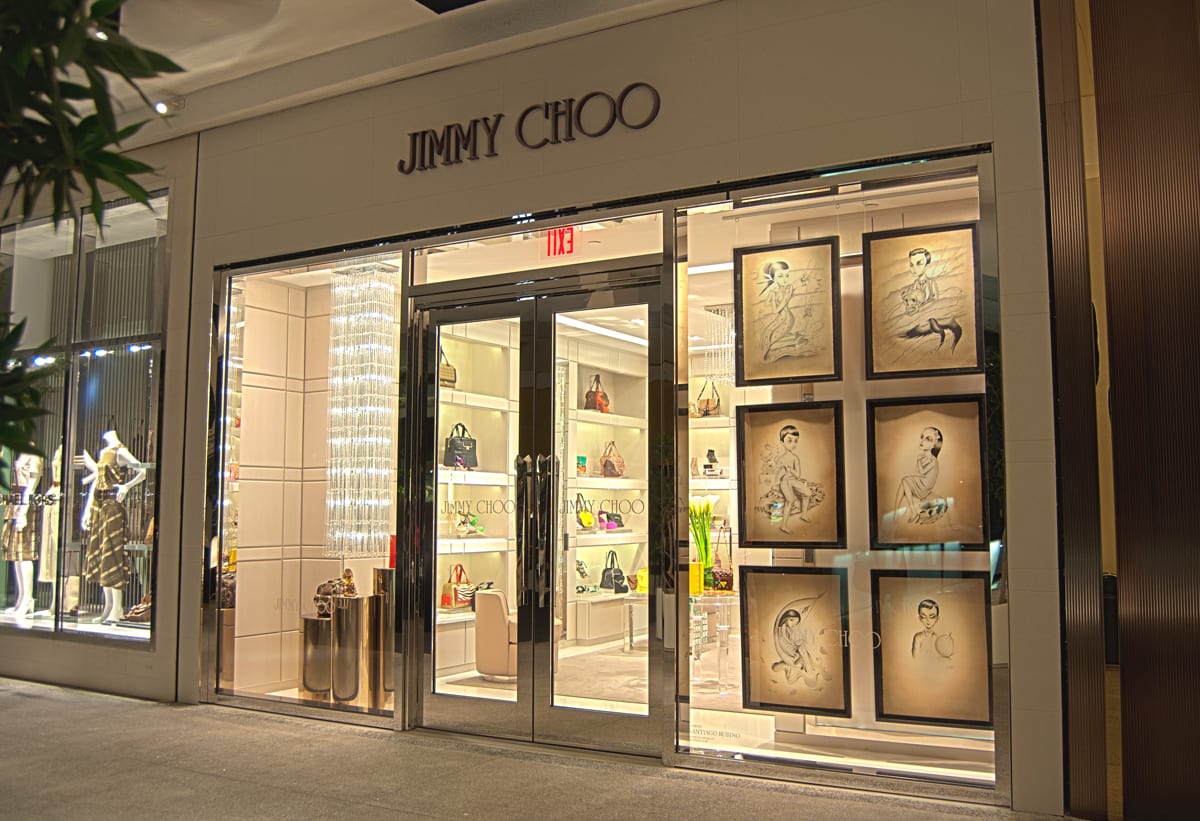
  • Asia gives Jimmy Choo an unlikely boost

    Asia gives Jimmy Choo an unlikely boost

    While a majority of luxury fashion retailers are blaming Asia for declining sales and failing to meet profit projections, Jimmy Choo has confounded the market by praising the continent.

    Jimmy Choo has reported sustained growth in far eastern markets to deliver 6.1 per cent revenue growth for 2015, to £317.9 million.

    “Whereas other players such as Burberry have faltered with declining Chinese demand, Jimmy Choo has been able to deliver impressive revenue growth across Asia,” notes Andrew Hall, an analyst atVerdict Retail.

    “The brand’s relative immaturity in these markets has helped to shield it from the decreasing demand and a stuttering economic slowdown in the region. Investment in new store openings and plans for new flagship stores across Asia sets Jimmy Choo apart from its rivals and will continue to reap rewards for the brand.”

    Jimmy Choo’s Asian sales rose a staggering 21.2 per cent, more than enough to offset a 2 per cent decline in sales in Europe, Middle East and Africa.

    The company reported a pre-tax profit of £22.1million, a significant turnaround on the 2014 loss of £8.2 million. It opened 13 new stores.

    In an earnings statement, Jimmy Choo said its Asian business in Asia and Japan is growing well.

    “We see significant opportunities to maintain this outperformance in the years ahead. Despite challenging market conditions, we expect continuous operating efficiencies and the dynamism and flexibility of our teams to enable us to drive margin expansion and continue the reduction in leverage and financing costs.”

    Said chairman Peter Harf: “Jimmy Choo continues to outpace the sector despite the challenging competitive environment. The company successfully reversed the first half decline in wholesale revenues and remains on track with growth forecasts in Asia and Japan where brand awareness continues to grow strongly.”

    However, Hall warns that Jimmy Choo is far from immune to the geopolitical situation: the decline of Russian luxury consumers in Europe, attacks in Paris deterring European consumers, and the weakening of the euro have contributed to disappointing performance in EMEA.

    “While the brand has achieved an operating margin of 9.4 per cent, compared to 8 per cent last year, the shoe specialist must be wary of creeping costs as it not only pursues store expansion but invests in omnichannel capabilities and continues to develop a strong social media presence,” said Hall.

    “Creative Director Sandra Choi has led a strong year of product design, building upon Jimmy Choo’s British identity to produce seasonal ranges which continue to resonate with consumers across the globe. While attempts to embrace the male market remains a difficult nut to crack, the development of stores aimed at both genders and the strength of new fragrances has seen the brand make headway into capturing a male demographic.”

    Hall said Verdict expects Jimmy Choo to continue to outperform the luxury sector in Asia giving it another year of solid total revenue growth.

    “However the Chinese market remains volatile and Jimmy Choo should be wary of putting all of its eggs in one far-eastern basket as its grip on European markets loosens.”
  • Trinity Group confident despite loss

    Trinity Group confident despite loss

    With revenue totalling HK$1.9 billion (US$245 million), Hong Kong-listed retailer Trinity Group lost HK$88.5 million last year.

    Trinity Group, which sells premium menswear brands in greater China and Europe, says it continued to be dragged down by the dampened consumer spending environment in China, but has implemented business reforms as well as restructuring aimed at improving its position long term.

    As well as the slower growth in China, its main market, the group also lost money with one-off restructuring costs and the impact of the RMB’s depreciation.

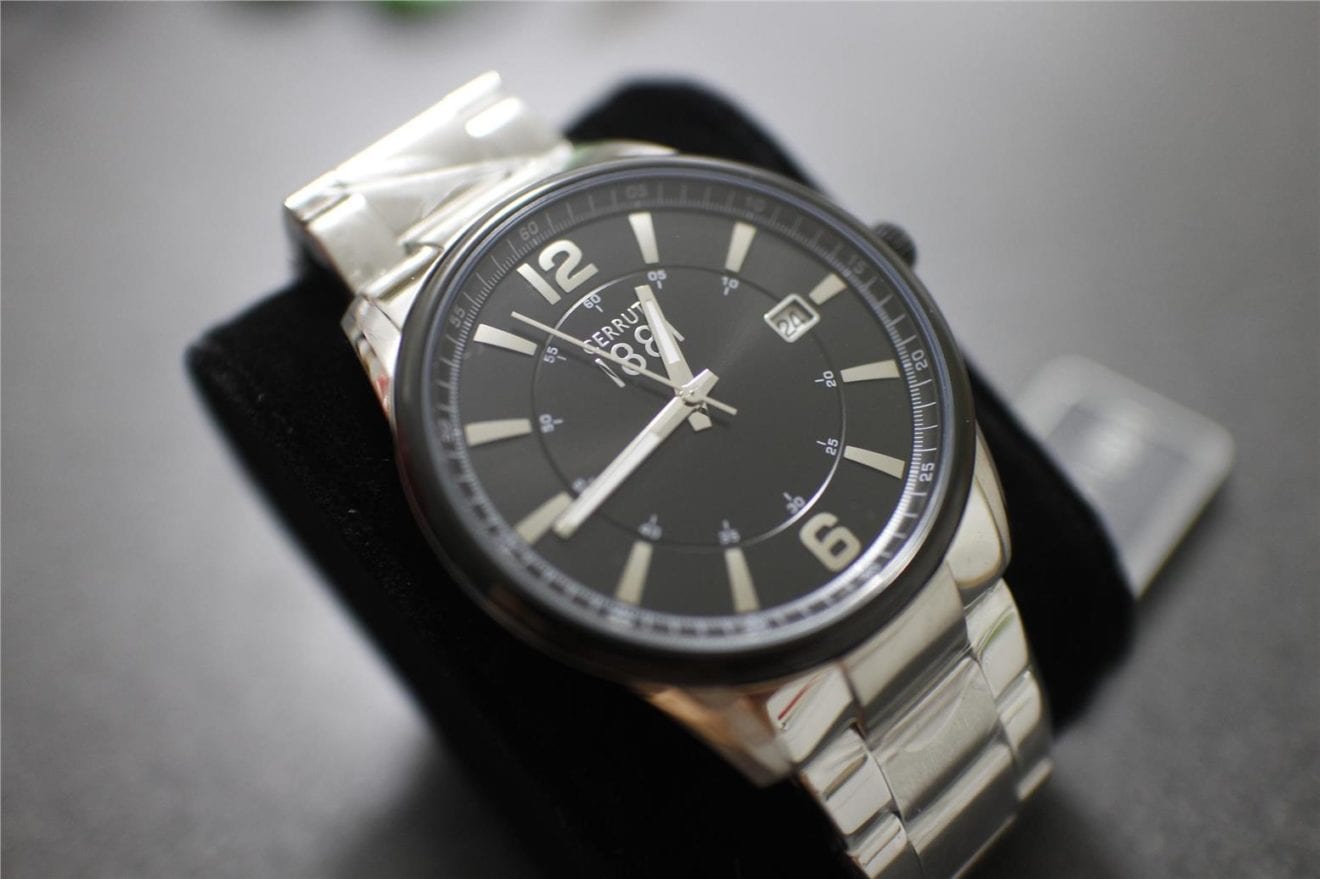
    Trinity Group, a Fung Retailing company, owns the Cerruti 1881, Kent & Curwen and Gieves & Hawkes brands and manages D’Urban under long-term licence in Greater China.

    CEO Richard Cohen says while the group took measures to mitigate against the expected lower consumer spend, the impact on same-store sales in the last quarter was far more significant than the retail sector predicted. However, the group’s overall performance was in line with that experienced by the wider high-end and premium retail sectors.

    “Our results, along with others in the industry, are disappointing but not wholly unexpected. Looking forward, we believe there are significant international wholesale, franchising and retail opportunities for the group in the long term.”

    Efficiency measures by the group last year included improvements to sourcing and inventory management. This involved a consolidation restructure, including moves to further reduce staff costs, which resulted in one-off full-year costs of HK$60 million.

    Fifty non-performing stores were closed, reducing the group’s outlets from 399 at the end of 2014 to 349.

    Cohen says the group was able to maintain gross-profit margins above 70 per cent despite the difficult retail environment.

    While maintaining its focus on the Chinese consumer, Cohen says the Trinity Group has revised its global strategy.

    “The growing middle class in China is increasingly travelling abroad, so our strategy is to continue to engage with these core customers when they travel, while also reaching out to new clientele.”

    Related to this strategy, the group signed an exclusive five-year agreement in September that will see international sports icon David Beckham play a multifaceted role in driving Trinity’s Kent & Curwen business globally.

  • New Balance India return

    New Balance India return

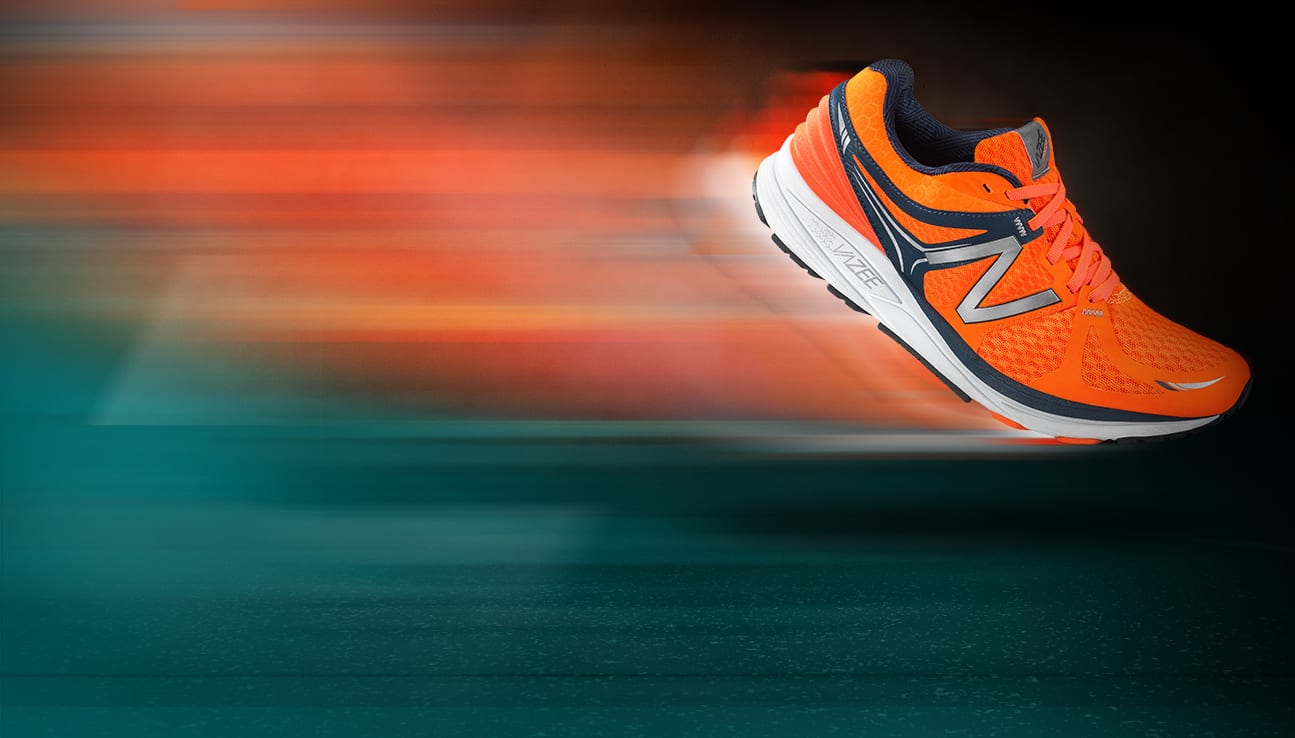
    New Balance India is to make a comeback – and says it aims to open about 50 stores within the next few years.

    The US sports shoes brand’s first foray into India was in the early 2000s, but it shut its shops after a few years. Now its VP for Asia Pacific Darren Tucker says it plans outlets across shopping malls and high streets in Delhi, National Capital Region (NCR), Mumbai and Bengaluru.

    “We were ahead of time,” says Tucker. “We did not have such a wide brand presence globally then, and the retailing experience was poor. Now, the market looks more mature.”

    Its first store this time around opened yesterday – an 1100 sqft (102 sqm) New Balance Athletic Shoes standalone outlet at DLF Mall of India in Noida, near New Delhi. The company has a distribution agreement with The Major Brands Group in Mumbai for retailing New Balance products in India.

    “It’s not about the number of stores,” says Tucker. “We would prefer to have a profitable retail presence and grow at a relatively slower pace this time.

    “All our global competitors are here. The market is built. We know our competitors, and that’s an advantage.”

    With an average selling price of Rs.7000 (US$105) for shoes, New Balance will be a premium offering. Tucker says apparel is a promising segment, so lifestyle will be a focus area. The company has also tied up with online retailer Jabong for e-etailing, and is negotiating with global partner Amazon for the Indian market.

    “Considering the growth of eCommerce in India, that’s a must,” says Tucker. The company will continue to leverage its global marketing properties across sports and athletics, and plans to develop local properties. “For India, it’s going to be cricket first.”

    At the moment, the sports shoe and apparel market in India is dominated by Adidas, Nike, Puma and Reebok. Japan’s Asics Corp. opened its first standalone store in Delhi last July.

    A report by Images F&R Research estimates India’s active sportswear market at Rs.6000 crore, growing at 13 per cent a year.

    New Balance, which reported $3.3 billion in sales worldwide in 2014, was founded in 1906 by British immigrant William J. Riley to sell arch supports to police officers and waiters. The company was bought by Jim Davis, the son of a Greek immigrant, in 1972 and from its base in Boston now sells athletic shoes, apparel and accessories for men, women and children across 5000 outlets worldwide under brands such as Aravon, Brine, Dunham, PF Flyers and Warrior Sports.

  • Farah China to launch next year

    Farah China to launch next year

    Perry Ellis International has signed an agreement with MRH SpaRotica Groupe (MRH) to introduceFarah China next year.

    The brand will be launched in department stores, free-standing stores and specialty outlets as well as online with third-party eCommerce platforms such as Tmall. The first free-standing Farah store is planned to open early next year.

    With street credibility, the Farah has creative brand ambassadors from art, music and modern culture who are empowered to become product developers, storytellers and educators inspiring millennials. The products are sold internationally through major retailers and company-owned stores, as well as online.

    “This is our first agreement for Farah in greater China and represents a major step in the expansion of the brand outside of the United Kingdom and Europe,” says Perry Ellis International chairman/CEO George Feldenkreis.

    MRH president/CEO Richard Kisembo says the company is confident of the impact Farah can make in China. “We believe in brands that make emotional connections with consumers, and Farah will stand out for its modern classics.”

    Perry Ellis International is a designer, distributor and licensor of men’s and women’s apparel, accessories and fragrances. It owns a portfolio of brands including: Axist, Ben Hogan, Cubavera, Grand Slam,  Jantzen, John Henry, Laundry by Shelli Segal, Manhattan, Original Penguin by Munsingwear, Perry Ellis, Rafaella and Savane. The company also licenses trademarks from third parties, including Jag and Nike for swimwear, and Callaway, Jack Nicklaus and PGA Tour for golf apparel.

    Based in Shanghai, MRH curates and invests in brands through acquisition and licensing. It has retail stores, distributes merchandise through franchisees, and runs eCommerce websites.

  • UNIQLO to Open First Global Flagship Store in Singapore and in Southeast Asia Region

    UNIQLO to Open First Global Flagship Store in Singapore and in Southeast Asia Region

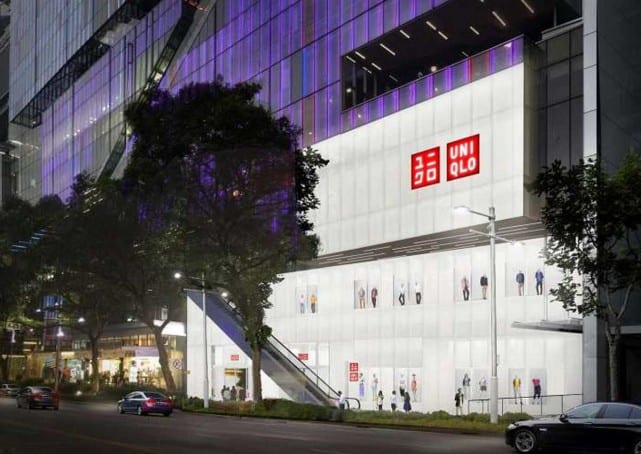
    UNIQLO today announces that it will open its first global flagship store in Singapore, and in the Southeast Asia region, in the autumn of this year. The new store, which will be the largest UNIQLO store in Singapore and in the region, will be located in the Orchard Central mall along Orchard Road, the fashion hub of Singapore for both local residents and international visitors.

    “We are very honored, and excited, to open our first UNIQLO Global Flagship Store in Singapore. Having been a member of the local retail scene since 2009, we remain committed toward contributing to the local community and being an integral part of Singapore’s growth and future,” said Taku Morikawa, UNIQLO Southeast Asia CEO. “We will continue our effort to design and create innovative clothes that enrich the daily lives of people, as a reflection of our LifeWear philosophy,” he added.

    The Singapore Global Flagship Store will provide an extensive range of the latest lines for women, men, kids and babies, in a sales area of approximately 2,700 square meters across three levels in the Orchard Central, the first and tallest vertical mall in Singapore. Modelled on highly successful UNIQLO flagship stores around the world, customers will enjoy the best that UNIQLO has to offer, in a truly unique retailing setting – from the product range to the store’s interior and layout.

    The opening of a Global Flagship Store in Singapore highlights its prominence in UNIQLO’s expansion plans worldwide and will add to global flagship stores in key locations today, including New York’s Fifth Avenue, London’s Oxford Street, and Ginza in Tokyo. Through its innovative, high-tech displays and extensive product lineup, the new Singapore Global Flagship Store will serve as a launch pad to display the brand’s LifeWear to a wider audience. The latest UNIQLO Global Flagship Store will create more than 300 jobs in Singapore.

    UNIQLO Singapore Global Flagship Store (official name to be announced at a later date)

    Opening Date: Autumn 2016 (Planned)
    Address: 181 Orchard Rd, #01-01, Singapore 238896
    Sales Area: Approx. 2,700 square meters across three levels

    About UNIQLO LifeWear

    Apparel that comes from the Japanese values of simplicity, quality and longevity. Designed to be of the time and for the time, LifeWear is made with such modern elegance that it becomes the building blocks of each individual’s style. A perfect shirt that is always being made more perfect. The simplest design hiding the most thoughtful and modern details. The best in fit and fabric made to be affordable and accessible to all. LifeWear is clothing that is constantly being innovated, bringing more warmth, more lightness, better design, and better comfort to people’s lives.

    About UNIQLO and Fast Retailing

    UNIQLO is a brand of Fast Retailing Co., Ltd., a leading global Japanese retail holding company that designs, manufactures and sells clothing under seven main brands: Comptoir des Cotonniers, GU, Helmut Lang, J Brand, Princessetam.tam, Theory, and UNIQLO. With global sales of approximately 1.6817 trillion yen for the 2015 fiscal year ending August 31, 2015 (US $13.88 billion, calculated in yen using the end of August 2015 rate of $1 = 121.18 yen), Fast Retailing is one of the world’s largest apparel retail companies, and UNIQLO is Japan’s leading specialty retailer.

    UNIQLO continues to open large-scale stores in some of the world’s most important cities and locations, as part of its ongoing efforts to solidify its status as a truly global brand. Today the company has a total of more than 1,700 stores in 17 markets worldwide including Japan, Australia, Belgium, China, France, Germany, Hong Kong, Indonesia, Malaysia, Philippines, Russia, Singapore, South Korea, Taiwan, Thailand, U.K. and the U.S. In addition, Grameen UNIQLO, a social business established in Bangladesh in September 2010, currently operates several Grameen UNIQLO stores in Dhaka. UNIQLO manages an integrated business model under which it designs, manufactures, markets and sells high-quality, casual apparel. The company believes that truly great clothes should be supremely comfortable, feature universal designs, are of high quality and offer a superb fit to everyone who wears them.

    With a corporate statement committed to changing clothes, changing conventional wisdom and change the world, Fast Retailing is dedicated to creating great clothing with new and unique value to enrich the lives of people everywhere. For more information about UNIQLO and Fast Retailing, please visitwww.uniqlo.com andwww.fastretailing.com.

  • Ted Baker Asia trading ‘a challenge’

    Ted Baker Asia trading ‘a challenge’

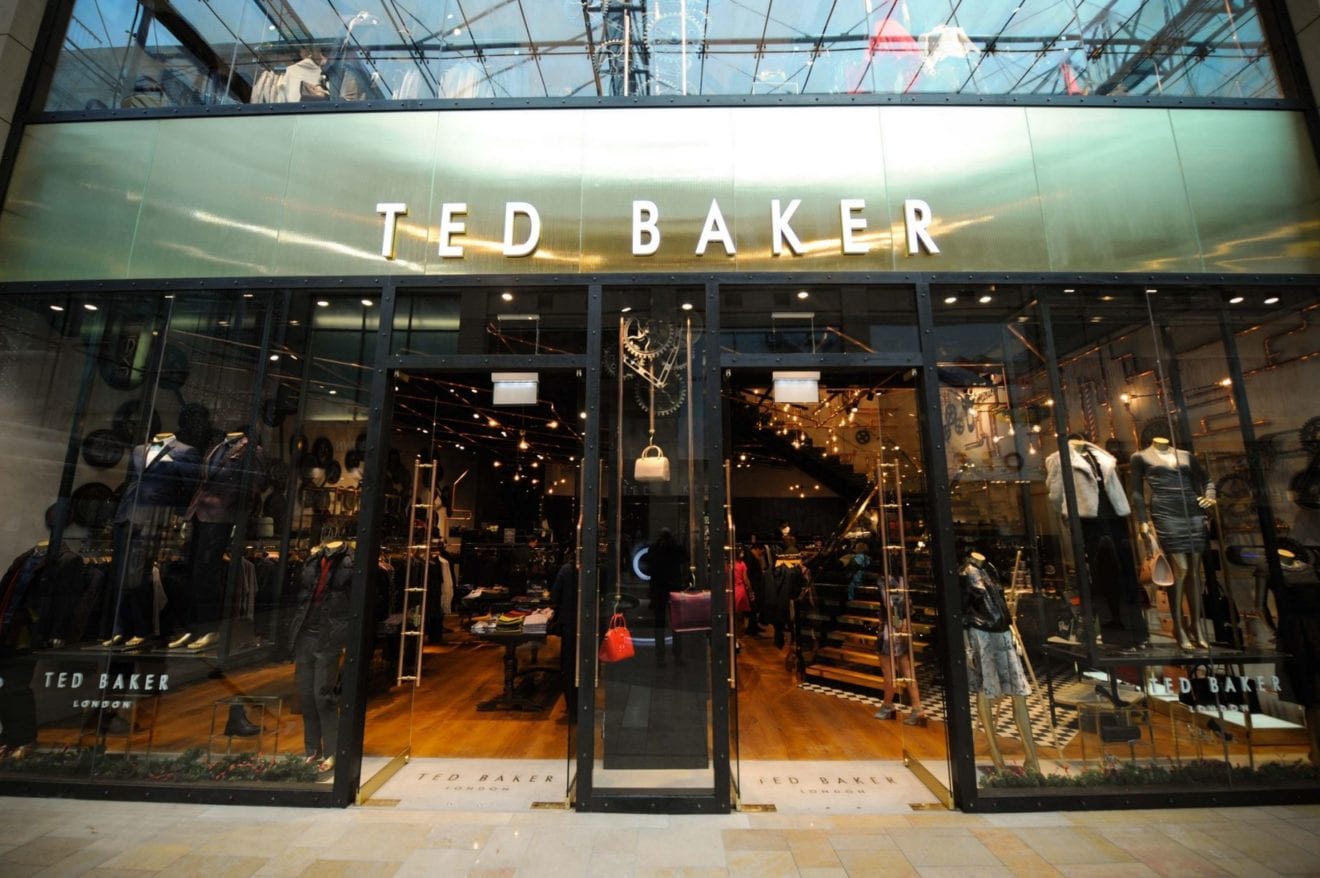
    Global fashion chain Ted Baker overcame an uncertain backdrop in Asia to boost profits by 18.6 per cent last year.

    Rebecca Marks, an analyst at Verdict Retail, said Ted Baker’s strong full year results demonstrate the strength of the brand, driven by its reaction to trends “and signature mix of quality and attention to detail”.

    Ted Baker reported a pre-tax, full-year profit of £58.7 million.

    But the company said while trading generally was in line with expectations, the Ted Baker Asia business trading environment “continues to be challenging”.

    “Whilst Asia currently represents a small part of our business at 3.4 per cent of revenue, we remain positive about the long term opportunities to develop the brand in this territory,” the company said.

    “In Asia, we remain focused on building brand awareness in this market where we are in the relatively early stages of investment. In line with our development strategy in this territory, we have opened another store in Beijing and we are opening further concessions in China and Japan.”

    Marks said the overall results showed Ted Baker was on track to establish itself as a global lifestyle brand.

    “The  investment in brand-building in newer markets paying off,” she said.

    “A strong performance in North America demonstrates the brand’s growing recognition, enhanced by 22 retail and wholesale openings in this market throughout this period. Closer-to-home, the brand is investing in a new distribution centre in the UK to service its European markets – a necessary move to support the growing popularity of its e-commerce platform, where its 45.8 per cent growth primarily reflected its performance in the UK.”

    While womenswear sales were up 15.9 per cent year-on-year, menswear collections outperformed with 20.1 per cent growth.

    “As the prevalence of celebrity and fitness culture continues to heighten male’s interest in fashion and personal appearance, Ted Baker opportunely responded to its typical 25-45 year old male shoppers’ growing demands for increased choice and style with its fashion-led quality collections justifying its premium price points,” said Marks.

    “A raft of planned store openings planned in the coming year, alongside continued investment in its eCommerce platforms and personalisation globally, will help ensure Ted Baker is positioned to enjoy another flourishing financial year ahead. Initial reactions to its Spring/Summer collections have been positive, tapping into the growing activewear market with its new contemporary collection of premium sportswear for women, Fit to a T.

  • Tiffany ‘needs to reconnect’ with consumers

    Tiffany ‘needs to reconnect’ with consumers

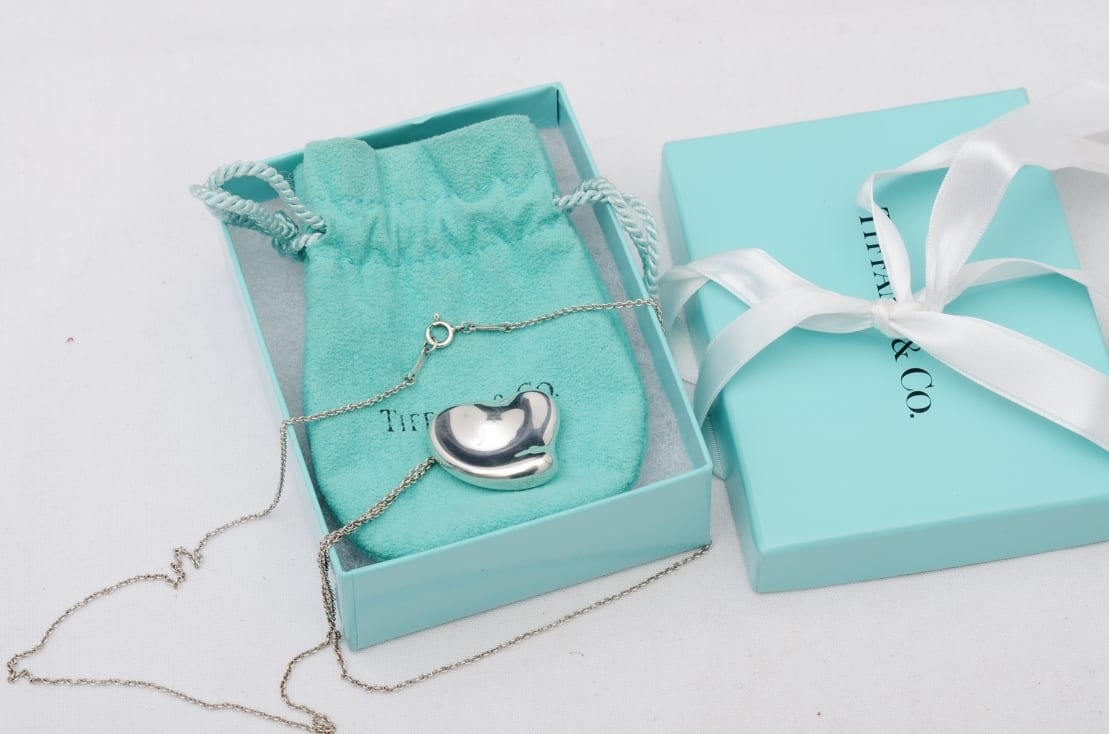
    Jeweller Tiffany & Co’s latest results represent a disappointing end to what has been a challenging year for the company.

    The fact that worldwide net sales declined by 2 per cent even on a constant currency basis neatly indicates that the weakness is not solely down to the appreciating dollar. This point is underpinned by the fact that on a constant exchange rate basis all regions – with the exception of Japan – posted negative same store sales growth.

    Looking across the geographies the most problematic region remains the Americas where total sales declined by 8 per cent for the quarter; on a comparable store basis the decline was 10 per cent. While it may be true that some of this is down to weaker tourist spending in key cities where Tiffany has its flagships, it is also the case that Tiffany is struggling to maintain market share and relevance among middle-income and affluent American consumers.

    That this is so is partly down to a much more competitive environment for fashion jewellery, which constitutes an important part of the company’s sales mix. The growth of Pandora across the US, for example, has helped to take some custom away from Tiffany. Although Pandora’s US growth is now on a slower trajectory, we believe it is still gaining market share.

    While Tiffany still has a strong brand, it is notable that the brand resonates most with affluent older shoppers. Among affluent younger shoppers the brand is not viewed negatively but is seen as representing ‘old world luxury’ which does not entirely chime with their lifestyles and values. This means Tiffany often loses out among this important, and growing, group.

    Tiffany has tried to address this problem with the introduction of new fashion focused collections and more accessible introductory price points across some ranges. However, while the changes have been well received, they have been sufficient to change perceptions.

    These are clearly long term issues which have acted as a drag on Tiffany for some time. However, they were exacerbated during the fourth quarter by the lower levels of holiday gifting of jewellery in the US. For a brand like Tiffany, where lavish gifting is an important driver of buying, such a trend was distinctly unhelpful.

    Looking ahead, the upcoming fiscal year will be one in which the declines start to bottom out – especially after the second quarter. However, it is unlikely that the year will be one of much progress and Tiffany will end the year flat to slightly down.

    Growth will only come when Tiffany finds a way to reconnect its brand to the American consumer.

  • No silver spoon in this Malaysian billionaire’s daughter’s mouth

    No silver spoon in this Malaysian billionaire’s daughter’s mouth

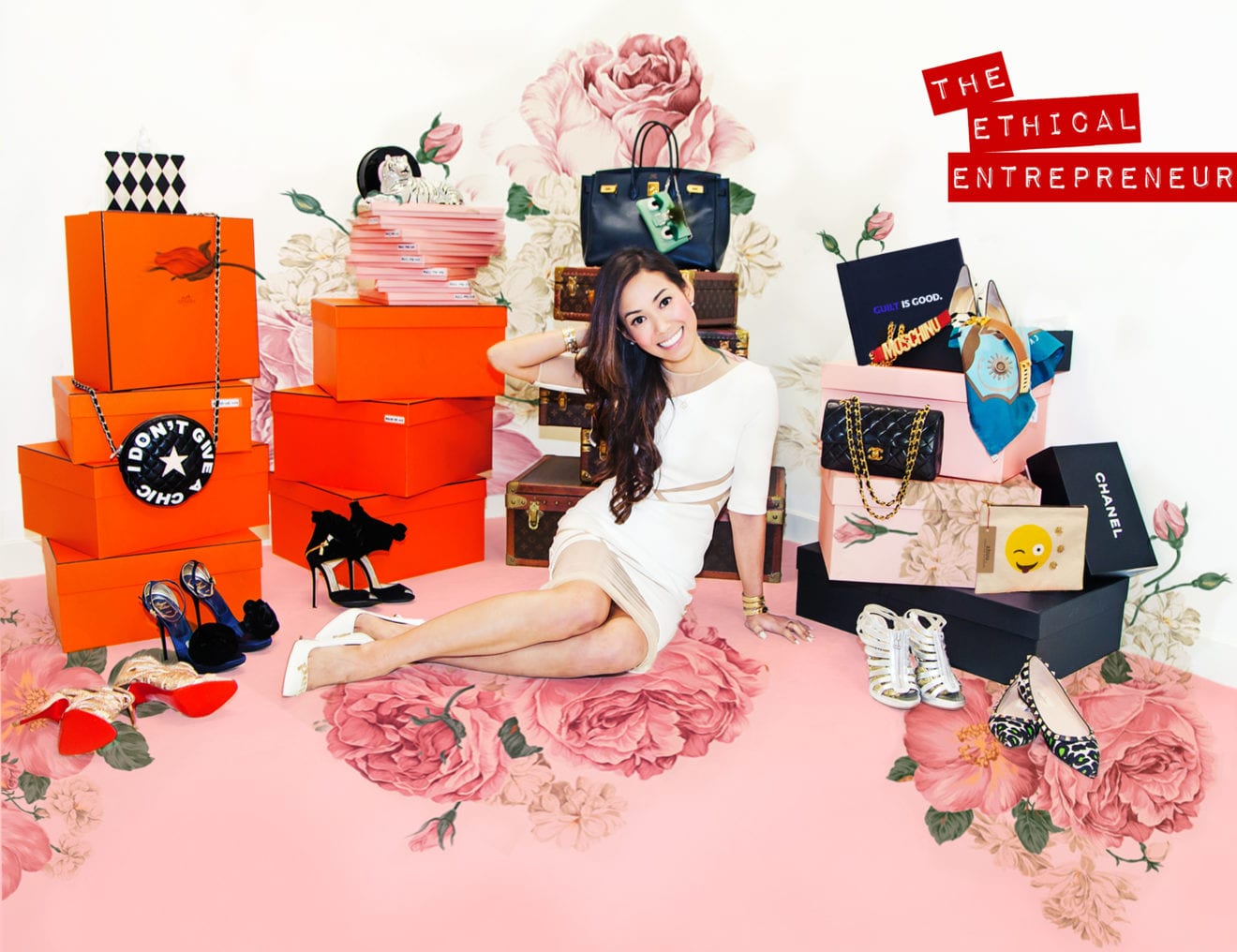
    Yen Kuok was never handed anything on a silver platter. In spite of being the daughter of Malaysia’s richest man, Robert Kuok, she worked her way through trial and error to make a success of her online consignment fashion store in Hong Kong.

    In an article by social news network SAYS Malaysia, Yen relates how she had a no-nonsense upbringing and went to school with only a moderate amount of pocket money.

    “The way my family brought me up was very strict. In fact, I was not given much pocket money. When I was in school, my friends’ pocket money was usually much more than mine,” she was quoted as telling the media in Hong Kong.

    She even talked about how her first piece of branded clothing by Viktor & Rolf was a gift from her brother when she was 17 years old.

    Yen explained that her grandmother set these strict rules when advising her son that her granddaughter should not be raised like a “princess” just because she came from a wealthy family.

    Even her father’s approach to education was unconventional, because unlike many other parents of today, he never pressured her to bring home a string of As.

    “My father kept telling me that going to school is not only about studying and getting good grades, but instead, education is meant to expand one’s horizons,” Says Malaysia reported her as saying.

    “My father had never forced me to get an A in my exams, and he said it doesn’t matter if I get a B.”

    That approach worked wonders, as Yen excelled academically and was eventually accepted into both Stanford and Harvard (opting for the former in sunny California) before settling down in Hong Kong upon graduation.

    Her online consignment store, called ‘Guiltless’, is the first of its kind in Hong Kong to offer luxury goods at “pre-loved” prices, “with a first-class retail experience”, she told Wundrful, an online platform that highlights the people behind their respective brands.

    “Besides collecting and curating second-hand luxury goods, the site also offers new items from past collections at up to 80% off their original retail price,” SAYS Malaysia reported.

    But even after she had overcome various obstacles to establish her business, it wasn’t always smooth sailing for the self-made entrepreneur.

    With little in her pocket when she first started out her business, Yen resorted to modelling the clothes herself and cropping off her head before uploading the pictures onto the site.

    Soon, profits started trickling in, and she was able to hire real models and pay professional photographers to take better shots of her merchandise.

    “Finally, I worked on the packaging to improve the buyer experience. After about five months of trial and error, we finally got it right,” she told Wundrful.

    Her father must certainly be proud.

  • Cosmetics retailers will like the look of China’s online import tax rules

    Cosmetics retailers will like the look of China’s online import tax rules

    China is changing tax rules for imported goods that are sold online in a move that will make beauty products such as eye creams and moisturizing gels from L’Oreal SA’s Lancome and Korea’s Amorepacific Corp. become cheaper for Chinese consumers.

    The government will remove a special tax, or so-called parcel tax, previously levied on imports sold online. Instead, it will charge value-added and consumption duties that are currently imposed on most products sold in China but with a 30% discount, according to a Thursday statement posted on the website of the Ministry of Finance.

    The move came after China in January broadened a pilot program in which a port district in the eastern city of Hangzhou was allowed to trade imported goods at lower taxes. As the world’s second-largest economy pushes its online retail industry and promotes cross-border e-commerce, the country has expanded the program to 13 cities. China’s State Council approved the latest changes which will come into effect on April 8, according to the Thursday statement.

    “Cosmetics will be the biggest beneficiary after the tax adjustment,” said Catherine Tsang, a Hong Kong-based tax partner at PricewaterhouseCoopers LLP. As beauty and personal care is one of the most popular category among imports bought by China’s Internet shoppers, any price cuts will further boost the market, Tsang said in an interview.

    Riding on a wave of popularity from South Korea’s TV dramas and music, Amorepacific’s Etude House and other brands from the country are in demand among Chinese customers. For Korean products, cross border e-commerce has become a more direct and cheaper way to expand in China compared with setting up store networks, Tsang said.

    Online sales of imported goods have grown at a compounded rate of 63% in the five years to 2015, reaching 638 billion yuan ($98 billion) and accounting for 17% of China’s total online retail sales, according to data from Mintel Group Ltd.

    The most popular categories of products being purchased online in China are consumer electronics, clothing and shoes, appliances, food and beverage, and beauty products, according to research firm Euromonitor International.

    Previous changes to promote cross-border e-commerce include:

    • China started pilot program with a zone in Hangzhou in March 2015
    • Trial expanded Jan. 2016 to Tianjin, Shanghai, Chongqing, Hefei, Zhengzhou, Guangzhou, Chengdu, Dalian, Ningbo, Qingdao, Shenzhen, Suzhou
    • Parcel tax in zones set at 10% (food, infant items), 20% (electronics, apparel), 30% (high-end watches), 50% (cosmetics, alcohol)
    • Tariffs waived for items that incur taxes below 50 yuan

    While food and baby items such as diapers may cost more after the April adjustments because of their current lower tax rates, those imports may remain attractive as China’s growing middle-class are becoming more concerned about health and are willing to pay more for quality, daily necessities, PwC’s Tsang said.

    “That’s why the demand for imported goods is increasing so fast,” she said. ”China’s consumer now are less price-sensitive especially to products they eat or use on their skins.”

  • Hong Kong luxury ambitions wane

    Hong Kong luxury ambitions wane

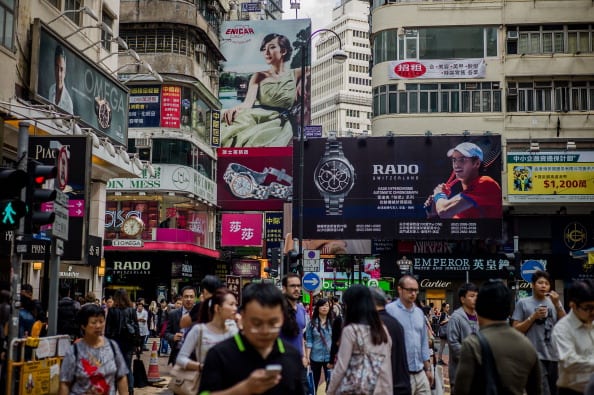
    New consumer research suggests the Hong Kong luxury market is set for another challenging year.

    While 42 per cent of consumers surveyed in China are looking to spend more on luxury items, in Hong Kong the figure is only 25 per cent. That marks a five percentage point drop from 30 per cent of last year, according to the seventh edition of the China Luxury Forecast, released by PR company Ruder Finn and Asian market research company Consumer Search Group (CSG).

    The report says the results further reinforce last year’s conservative approach to retail spending by Hong Kong consumers.

    Growing wealth has led to consumers broadening their international horizons, with spend on travel still the top luxury category for both mainland China and Hong Kong. More than half (53 per cent) of consumers on the mainland say they intend to spend more on luxury travel in the coming year, up from last year’s figure of 50 per cent. This is expected to drive more growth in luxury markets outside China.

    In Hong Kong the luxury travel picture again paints a decrease in purchase intention, down by 5 per cent compared to last year.

    Bright spot

    Meanwhile, eCommerce continues to be the bright spot for luxury brands, with online purchases by mainland Chinese and Hong Kong customers amounting to 26 and 20 per cent respectively of luxury spending.

    Surveying 1040 consumers from more than 120 cities in China and 301 from Hong Kong, the forecast covers people from tier 1, 2 and 3 mainland cities. For first-tier cities it interviewed 300 consumers, 400 from second-tier cities and 340 from third-tier cities. Their average annual household income was RMB 833,509 (US$128,293.35) in the mainland, and HK$957,006 (US$123,340.22) in Hong Kong.

    When it comes to online purchases, accessories and beauty are the favoured products, and official brand websites the most preferred digital channels. Customers have also indicated higher confidence in spending online without having first visited physical stores, with an average number of two visits, down from 2.3 and 2.6 visits last year in China and Hong Kong respectively.

    Word of mouth is the key influencer for product choice, surpassing celebrities, luxury communities and key opinion leaders.

    Hong Kong and China customers also value “Chinese” elements differently when it comes to buying products or services. On the mainland, 58 per cent of respondents said that “embedded Chinese elements” were “extremely or very important”, compared to sentiment in Hong Kong, at just 11 per cent. Also, 55 per cent of Chinese consumers said they appreciated “elements symbolising good luck” compared to 25 per cent of Hong Kong consumers.

    Most valued by Hong Kong consumers (44 per cent of respondents) were elements reflecting Chinese heritage, which were second-most appreciated by Chinese consumers (52 per cent).

    Travelling to shop

    China’s luxury travel market continues to grow, with Chinese respondents taking four domestic and three international trips, while in Hong Kong luxury consumers take 3.7 international trips annually. Japan, Taiwan and China are the top three destinations for those from Hong Kong, while Hong Kong tops the list for mainland travellers, followed by France and Japan.

    For mainland consumers, culture and history were the main reasons for destination choice (63 per cent), while Hong Kong travellers most valued transportation convenience (50 per cent). Shopping was the second most popular motivation in both markets (46 per cent and 47 per cent in China and Hong Kong respectively).

    Most luxury consumers in both Hong Kong and mainland China have a budget for shopping when travelling abroad. As many as 57 per cent of Chinese consumers and 46 per cent in Hong Kong know in advance what brands they will buy.

    “While the demand for luxury remains strong in mainland China, Hong Kong luxury consumers are showing lesser intent in luxury purchase,” says CSG Hong Kong executive director Simon Tye.

    “Hong Kong customers are still interested in discovering new luxury brands and experiences. They are very discerning customers who know and appreciate quality products.”

    Travel and beauty show the most significant growth in the luxury sector, according to Ruder Finn Asia GM for luxury Gao Ming.

  • Clarks retailer S Culture ends year in the red

    Clarks retailer S Culture ends year in the red

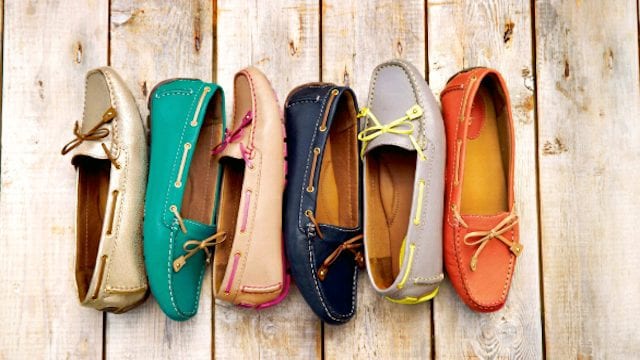
    Clarks shoe brand retailer, S Culture has announced a loss for the year and will not pay a dividend.

    Chairman Chong Hot Hoi described 2015 as the worst year for Hong Kong retail sales since  2002, driven by the fall in big spending tourists from the mainland and weak domestic consumer spending.

    S Culture recorded a same-stores sales decline of 6.6 per cent and a net loss of HK$16.4 million for the year. Chong said the opening of new retail outlets during 2014 and early 2015 contributed to the loss, as they were yet to break even under the unfavourable atmosphere of the retail market during the year.

    S Culture sells shoes under the Clarks, Josef Seibel, Petite Jolie and The Flexx retail brands in Hong Kong, Mainland China and Taiwan. It flagged a looming loss in a profit warning issued in early July.

    But despite 2015 being a year to forget, the company is optimistic about 2016.

    “Hong Kong is bracing for greater economic challenges as the prospective interest rate increase shall induce capital outflows that could pressure Hong Kong as the Asian financial hub at a time when China’s economy is growing at its slowest pace in the past 25 years,” said Chong in the company’s trading announcement.

    “Looking ahead, the near-term outlook for retail sales will still be constrained by the weak performance of inbound tourism as cited by the government. We would also watch closely the impact from dimmer global economic prospects amid US interest rate normalisation. To this end, we had been imposing measures and applying more flexible operating tactics in order to minimise such effects to our operations as a whole. In the meantime, while there had been signs

    that the general operating costs, such as market rental level, were declining, we were still cautious about the other operating costs such as staffing and utilities as their nature was downward sticky,” he said.

    “Despite the above, we still remain positive and maintain our belief in our business. While we are still experiencing unfavorable market drivers in the local retail market, we are still confident that the group would be poised to be highly attentive to the changes in the retail market and apply the appropriate strategies to tackle the existing challenges and keep our pace for steady development, especially in the mainland. We still hold the same view about mainland consumer market and continue with our strategy to increase our presence in the mainland.”

    S Culture has now expanded into the cities of Shanghai, Qinhuangdao, Haikou, Qingdao, Songyuan, Zhengzhou, Harbin, Luoyang, Dandong and Beijing through collaborating with the local retailers and operates four company-owned stores with its brands well-received in the mainland, Josef Seibel and The Flexx.

    “We expect to increase our market share in the Mainland by utilising both on- and off-line channels whichever is more effective in the case.”

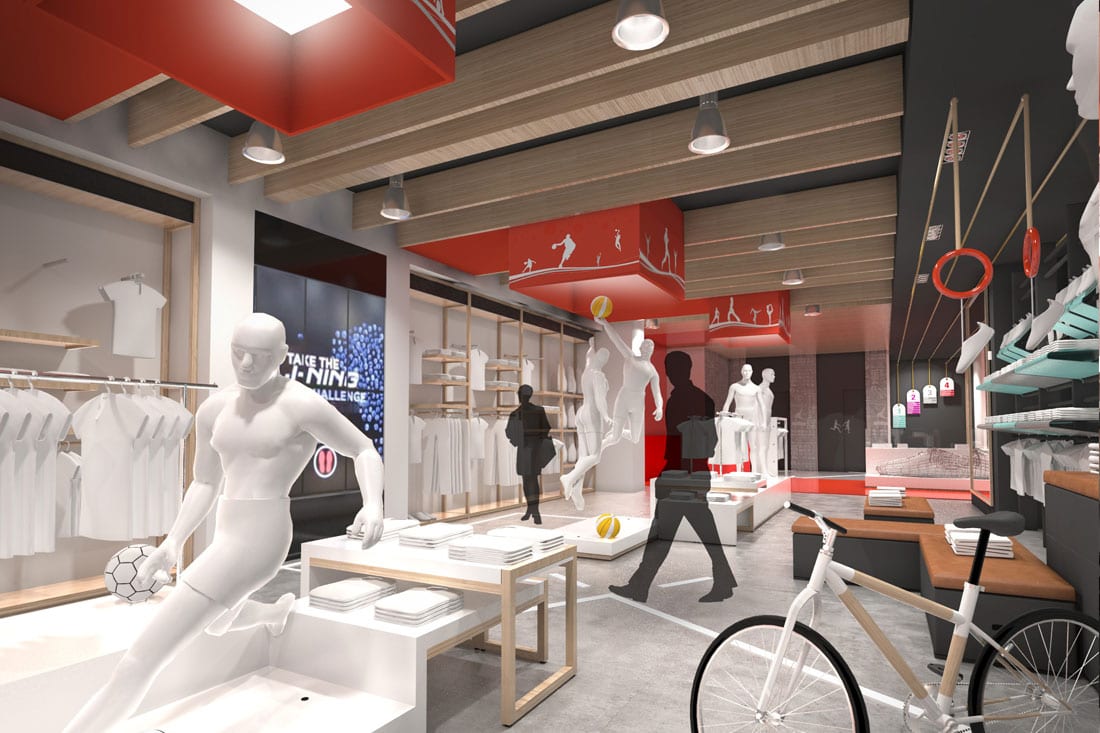
  • Li Ning skips out of the red

    Li Ning skips out of the red

    Thanks to a health boom on the mainland, Chinese sportswear brand Li Ning has skipped out of the red to turn a modest profit after three years of losses.

    For its latest financial year, it had a net profit of Rmb14 million (US$2.2 million), reversing from a Rmb781 million loss in 2014. Revenue grew 17 per cent to nearly Rmb7.1 billion.

    Over the past three years, the brand has restructured, shedding 20 per cent of its inventory, closing thousands of underperforming stores and adding more than 300 directly run outlets. It also increased its eCommerce inventory.

    In a filing with the Hong Kong stock exchange, Li Ning says retail, wholesale and eCommerce outlets all achieved double-digit revenue growth last year.

    “Supportive national policies stood the sportswear industry in good stead,” says the company. “The initiative to lead an eco-friendly life has deeply implanted the idea of pursuing a healthy lifestyle in the hearts of people.”

    Li Ning is backed by private equity group TPG Capital and Singapore sovereign wealth fund GIC. The company was founded by Chinese gymnast Li Ning, who won three gold, two silver and one bronze medal at the Olympic Games in Los Angeles in 1984. Following his retirement, he set up the company in 1990, selling footwear, apparel, accessories and equipment for sport and leisure.

  • Uniqlo to open flagship store in Singapore

    Uniqlo to open flagship store in Singapore

    Japanese clothing brand Uniqlo is set to open its first global flagship store in Singapore and the Southeast Asia region at Orchard Road by the second half of this year.

    The store, spanning across three levels at Orchard Central (a total area of 2,700 sqm), will generate more than 300 jobs here. It will be Uniqlo’s biggest outlet in Singapore and the region.

    “We are very honoured, and excited, to open our first UNIQLO Global Flagship Store in Singapore. Having been a member of the local retail scene since 2009, we remain committed toward contributing to the local community and being an integral part of Singapore’s growth and future,” said Taku Morikawa, CEO of Uniqlo Southeast Asia.

    Uniqlo fans can expect the flagship store to provide an extensive range of Uniqlo’s latest lines for women, men, kids and babies. The store will also serve as a platform to showcase the brand’s LifeWear collection.

    There are currently 13 global flagship stores around the world, including cities such as New York, London, Paris and Shanghai.

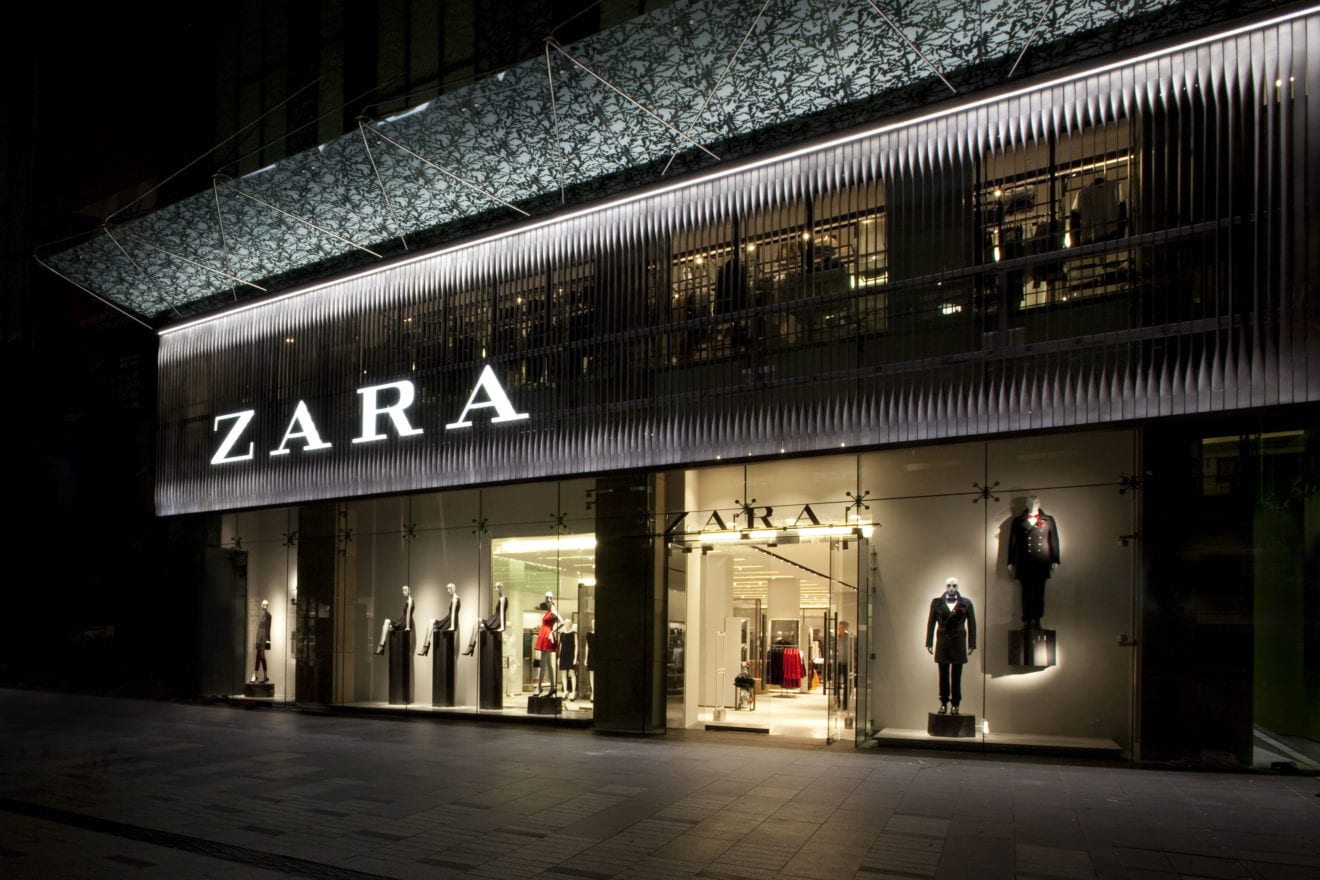
  • Dubai-based group behind Robinsons and Zara to refresh retail offerings

    Dubai-based group behind Robinsons and Zara to refresh retail offerings

    Dubai-based conglomerate Al-Futtaim Group is embarking on a slate of moves to refresh the offerings at its stable of retail brands here, such as household names Robinsons department store and the Marks & Spencer chain.

    The multi-faceted efforts to draw more shoppers are part of a drive by its Asia group chief executive, Mr Christophe Cann, who was appointed to the role in January to grow the company’s business in the region.

    “The strategy is to build a profitable long-term business, to bring new brands to the market and to keep the strength of the group which is quite diversified,” said Mr Cann, at the Robinsons store at The Heeren.

    The group’s diversified retail portfolio also includes sports brands such as Royal Sporting House, Reebok, and fashion labels such as Zara, Pull and Bear, and Massimo Dutti.

    For a start, it will inject $12 million to renovate Robinsons at Raffles City in phases over one year, starting in July. Upgrading plans are also afoot for Marks & Spencer stores at shopping malls – Parkway Parade, Paragon and Raffles City.

    Shoppers will also be able to take a pit stop at a new 1,000 sq ft cafe at the Marks & Spencer outlet at Wheelock Place in Orchard Road, set to open in the third quarter.

    “Having new concepts and new brands are ways to keep customers’ money in Singapore… We need to give more reasons for customers to visit us, to stay longer in the store,” said Singapore-based Mr Cann.

    The group is also adding more food and beverage offerings at Robinsons at The Heeren, with a new restaurant by chef and TV personality Angela May due to open on level two of the store next month.

    Mr Cann also flagged an upcoming outdoor F&B area at The Heeren – where T.G.I. Friday’s outlet used to be – to be connected to level two of Robinsons via a bridge. The F&B area will be up and running in the third quarter.

    Apart from culinary offerings, Al-Futtaim will be trying out new retail concepts, with the opening of a “sneakers bar” at Orchard Central later this year. The new store, spanning about 1,000 sq ft, will carry limited-edition footwear.

    Mr Cann added that the Royal Sporting House outlet at VivoCity will also be given a makeover and will open next month.

    “Sports is not just about products these days, it is about lifestyle. The new shop will look more fashionable and appeal to a younger crowd. We will also downsize on the number of brands, carrying only the best performing ones,” he said.

    This big revamp of its stores across various brands is expected to boost profitability.

    For example, Mr Cann said Robinsons, which has three outlets here – at The Heeren, Raffles City and Jem mall – booked a loss of “a few million dollars” last year, but is likely to break even this year; while its Marks & Spencer chain here is already profitable.

    Singapore is Al-Futtaim’s second- largest market in the region after Malaysia, followed by Thailand and Indonesia.

    Mr Cann said the company expects to invest around $80 million a year across the four markets to enhance its offerings.

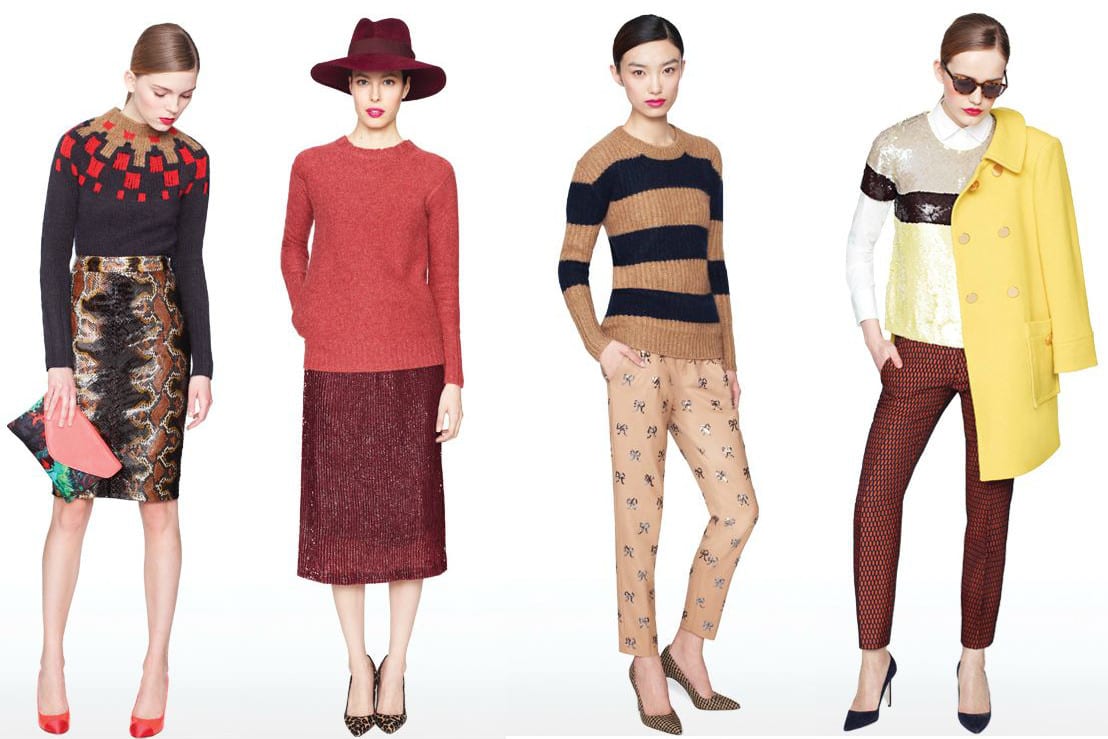
  • J Crew ends ‘torrid year’

    J Crew ends ‘torrid year’

    In closing what can only be described as a torrid year for the company, J Crew has posted a weak, but improved, set of fourth quarter figures.

    Total sales rose by 1 per cent, boosted by strong sales gains of 26 per cent at Madewell. While this compares favorably to the 5.5 per cent decline of last quarter, this is but a small bright spot surrounded by a sea of relatively gloomy numbers.

    Total comparable sales fell by 4 per cent off the back of a 3 per cent decline in the prior year. Here the gains made at Madewell were more than wiped out by the continued decline of the core J Crew brand where comparable sales fell by 5 per cent and total sales by 3 per cent.

    The company remains firmly in the red with a US$7.03 million loss recorded during the quarter – although, to be fair, this is a marked improvement on the $30.6 million loss recorded last year. Notably, however, losses for the full fiscal year now stand at a staggering $1.2 billion – something that leaves the company, and its balance sheet, in a very weak position.

    While there are many reasons to be negative, the results at least bring some respite in as much as they suggest that J Crew is at last starting to stem the tide of decline – especially so given that the shallower falls occurred during a quarter when overall demand was notably weak. Even so, the group still faces a herculean task in turning around its fortunes.

    Thanks to changes made by management across the year, many of J Crew’s full line stores are now looking much more disciplined in terms of merchandising and display. However, products are still priced above what many consumers are willing to pay – especially for relatively simple garments that have nice detailing but little else in terms of fashion credentials.

    The issue of price is underlined by the fact that while J Crew’s mainstream stores suffer, J Crew Factory stores are fairly popular with more shoppers willing to buy its products at a reduced price. This isn’t the position that the company would like to be in, but it is one that reflects the fact that there is much more work to do in terms of refining the brand image and the product offer so that it can attract the premium J Crew wants to charge.

    That people are unwilling to pay full price means that discounting at mainstream stores and via the mainstream website is also frequent. While this is a necessary evil to clear down inventory, J Crew is building a reputation as a retailer from which customers should never buy at full price – something that is hampering its ability to rebuild its brand and price integrity.

    In our view, what J Crew needs is a fresh take – and this is something it is hoping will be delivered by the spring collection, the first designed by its creative director Somsack Sikhmounmuong. Even if this is a hit it will be just the first of many steps that J Crew needs to take to rebuild itself into a successful lifestyle brand.

    The market is more competitive and crowded than ever and J Crew needs to do much more to stand out.