Category: Fashion

Retail News Asia is committed to providing both local and global retailers with the latest Fashion news throughout the Asian market. This on a daily base.

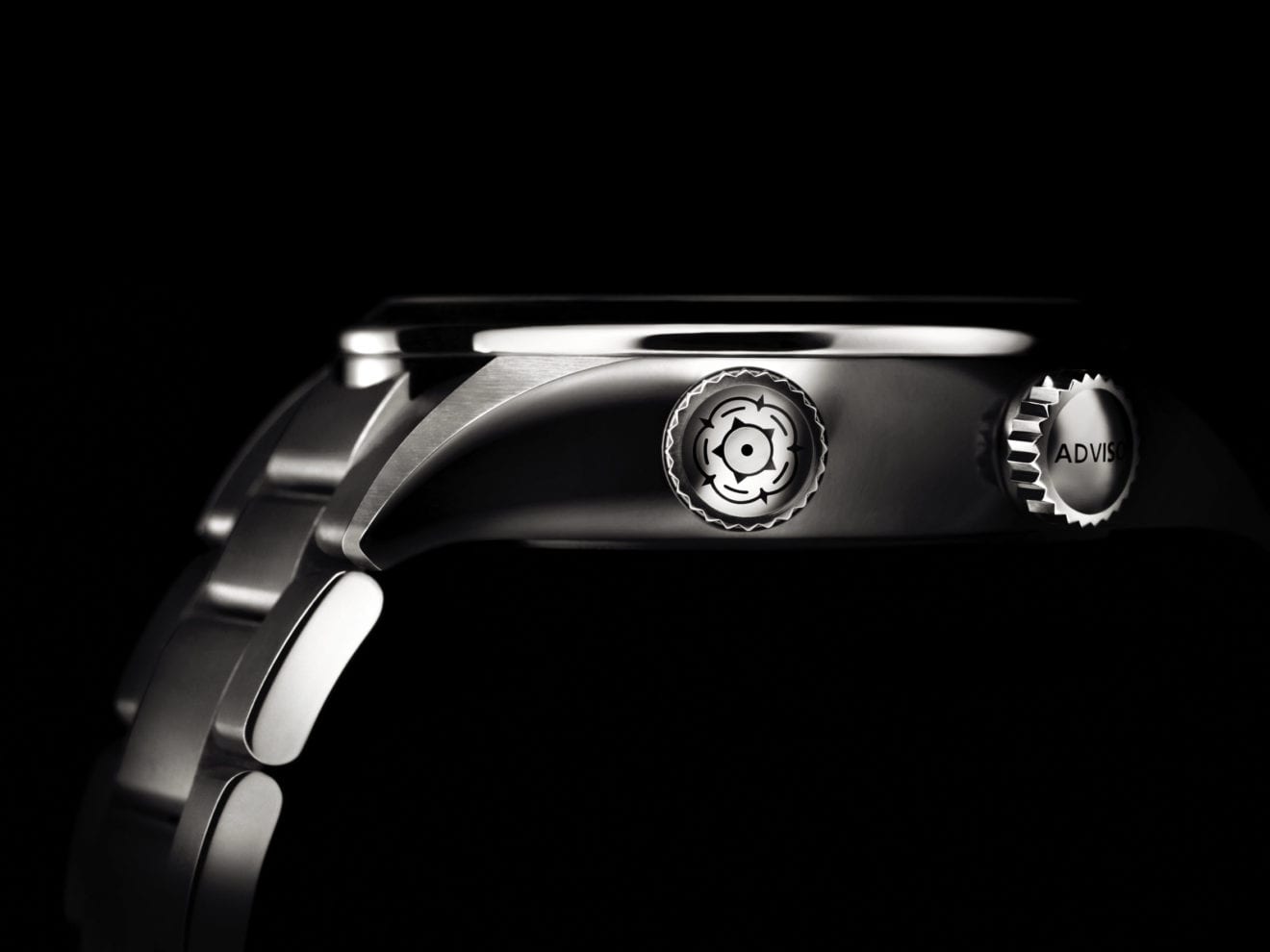
  • Watchmaker Tudor Says Hong Kong Market Could Get Even Worse

    Watchmaker Tudor Says Hong Kong Market Could Get Even Worse

    Tudor, Rolex’s sister brand, said the Hong Kong market may get worse as rich Chinese shop for luxury goods in markets with lower prices.

    Swiss watch exports to Hong Kong slid 25 percent in February, dropping for the 13th consecutive month, the Federation of the Swiss Watch Industry said Tuesday. There’s no swift turnaround in sight, according to Philippe Peverelli, chief executive officer of Tudor.

    “In mainland China we’ve already touched the bottom of the pool,” Peverelli said in an interview at the Baselworld watch fair. Demand has been improving there since the second half of 2015. “As for Hong Kong, I’ve never seen such a deep pool. We haven’t reached the bottom there yet.”

    The island city became the biggest export market for Switzerland’s timepieces almost a decade ago, luring well-off Chinese with lower luxury taxes on the mainland. In the past three years, however, the Chinese government’s crackdown on bribery and extravagance among government officials has weighed on the industry’s sales in the region, and currencies have made watches cheaper in other markets such as Japan.

    Last year Tudor got just under 60 percent of its sales from greater China, down from more than 90 percent in 2010. The company re-entered the U.S. and the U.K. in recent years and started selling its timepieces in duty-free retail shops in South Korea. The next country it plans to enter is Japan, which enjoyed a 22 percent gain in shipments last month.

  • Korea to legalise customised cosmetics formulation

    Korea to legalise customised cosmetics formulation

    Increasingly, retailers have begun to offer the on-the-spot bespoke mixing of cosmetics from base ingredients (including colours and scents) as a service for consumers eager for personalised beauty.

    In the past few years, Korea has established itself as a global market leader when it comes to cosmetics, particularly within the field of innovation. Until now, however, retailers in Korea have been unable to embrace the growing trend of personalised product formulation, due to the ban imposed as a result of safety concerns.

    The relaxation of the ban will allow Korean beauty players to start pushing the trend within the country, a move that, we reported, “is projected to further diversify and expand the country’s vibrant cosmetics industry.”

    The young demand personalisation

    Younger consumers increasingly expect a level of bespoke personalisation and interactivity in their beauty products and services, with on-the-spot formulation one of the key elements of this.

    In a recent new report, ‘The Impact of Millennials’ Consumer Behaviour on Global Markets ’, market research firm Euromonitor International states that a personalised, immersive shopping experience is key for the demographic, which is swayed by innovations like try-on technology, skin analysis and mirror apps.

    Personalisation and interactivity is important in beauty care for millennials, with a rash of digital solutions emerging to appeal to their need for individual solutions,” the report explained.

    The legal selection

    Korea is currently trialing the bespoke production of cosmetics at select stores, including duty free, across several specific product categories. These are reportedly: four types of fragrance, 10 types of skin care products, and eight types of colour cosmetics, including lipsticks.

    Following the trial, the government will assess the safety of the service, with a view to potentially implementing general legalisation across the country.

  • Victoria Beckham Opens Second Fashion Store

    Victoria Beckham Opens Second Fashion Store

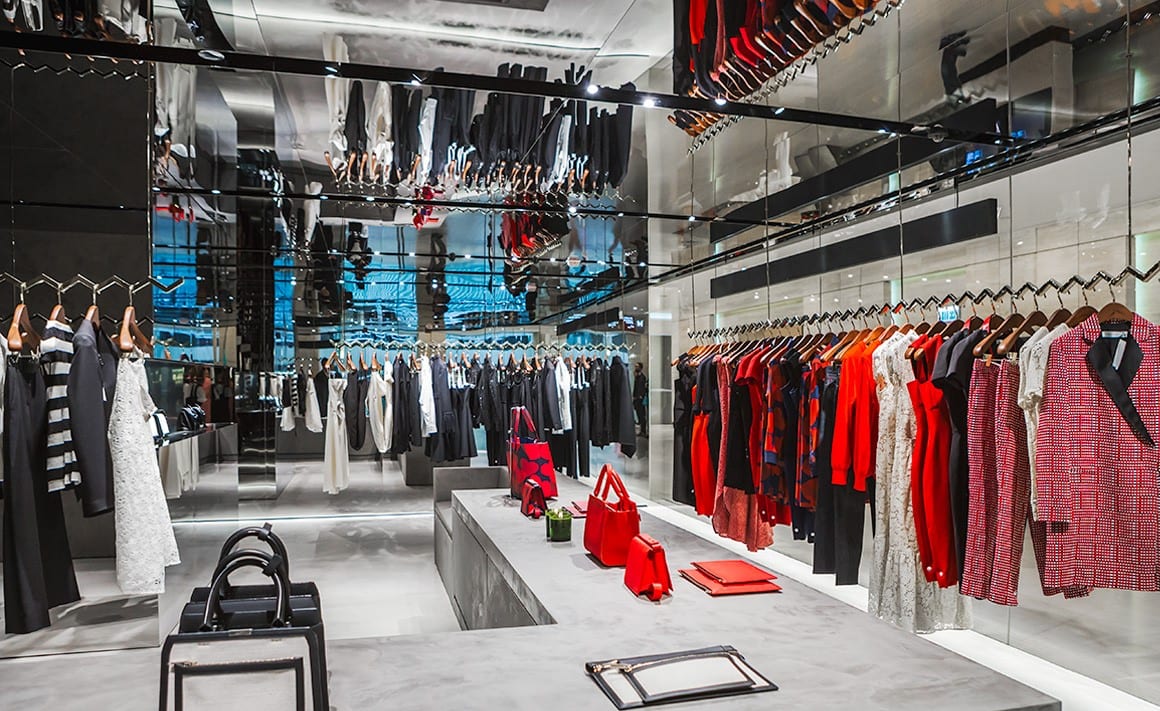
    Singer-turned-fashion designer Victoria Beckham unveiled her second fashion store in Hong Kong on Friday (16 Mar 2016).

    The former Spice Girl launched the flagship store for her eponymous label in London in 2014, and she has now expanded her brand by opening a second retail space, which has been designed by the same architect Farshid Moussavi, in the region’s upmarket Central district.

    Victoria flew into Hong Kong last week to put the finishing touches to her store, and she tells the South China Morning Post she has been involved in all aspects of the project.

    “The process wasn’t easy… opening a store is a huge project. Together with my team, I’ve worked really hard to get to this point,” she said. “It’s important to me that I’m part of the decision making in all areas, whether that’s deciding what the changing rooms look like, to what fragrance we use in store, to what the receipts look like. I enjoy all of that, and I’m a perfectionist. I believe it’s all in the details.”

    Victoria decided to open up in Asia because she believes women there appreciate luxury, quality and well-made clothes. She adds, “I’m always struck by how aware Chinese women are when it comes to fashion… Their knowledge of trends and brands is so deep, that being here you feel like you’re really part of a fashion conversation.”

    victoria-beckham-store-6

    Victoria, who wore over-sized sunglasses and a black turtleneck dress, was surrounded by security as she opened the store in front of the large crowd. To celebrate the moment, she posted a picture of herself posing in the store and tweeted, “#VBHongKong is open for business!! I love u fashion bunnies.”

    She also posed with fans and they all made the peace sign with their hands, a nod to her Spice Girls days. In the caption, she wrote, “Loved meeting you all at my store today! #VBHongKong.”

    Victoria, a UNAIDS Goodwill Ambassador, will also attend an amfAR AIDS fundraising gala alongside Uma Thurman on Saturday (19 Mar 16).

  • Retailer Uses RFID, Social Media and Cameras to Track Shopper Behavior

    Retailer Uses RFID, Social Media and Cameras to Track Shopper Behavior

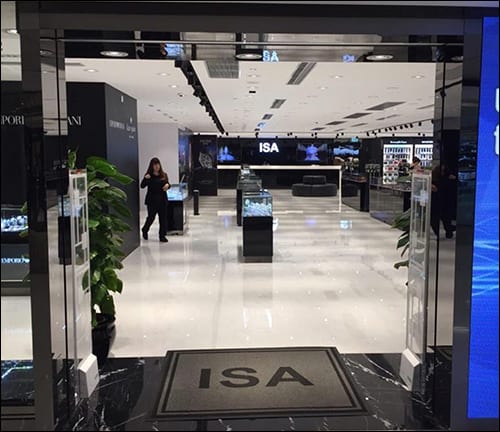
    ISA Fashion Boutique International Ltd., a seller of international luxury brands in Hong Kong, mainland China and Macau, has deployed an RFID-based inventory-management system provided by Hong Kong IT services company PCCW Solutions. The system enables the retailer to track the locations of products, engage with customers, learn their preferences and reduce labor costs based on inventory counts. The solution, known as Infinitum Retail, includes IP cameras as well as ultrahigh-frequency (UHF) RFID readers. As a result of the improved inventory management, the retailer says that it plans to deploy the system this year at all 11 of its stores. Alpha Solution Ltd. installed the technology.

    Traditionally, RFID has had limitations since it can track a tagged product, but not necessarily link that item with a particular customer, explains Jacky Ting, PCCW Solutions’ digital practice leader. By itself, RFID cannot enable a store to forward product information and promotions to shoppers. However, by linking RFID data to closed-circuit television (CCTV) camera images and social-media sites such as Facebook, a retailer can identify where shopper traffic is heaviest (using a camera-based heat map), understand how an individual responds to a product (by tracking the expressions on his or her face) and monitor comments that its customers make on social media (with their permission), using the store’s Wi-Fi network.

    The reader built into an ISA store’s EAS gate can capture the ID number of a customer’s RFID-enabled loyalty card, prompting the Infinitum Retail software to send promotional offers to that individual’s phone, based on his or her previous purchasing behavior.

    Infinitum Retail aims to overcome a variety of problems that stores face, says Wing Lee, PCCW Solutions’ senior VP, such as understanding which products interest customers, and then approaching them with relevant offers. ISA Boutique uses camera images only for tracking shoppers’ locations within its stores, Lee notes, while it could opt to use facial analytics in the future to identify each customer’s age, race, gender and response to products based on facial expressions.

    In 2012, ISA Fashion first installed an RFID system for counting inventory and tracking product locations at one of its stores with the help of Alpha Solution (see ISA Boutique Tracks Inventory, Shopper Behavior Via RFID). The system, which is still in use, employs tiny RFID labels attached to jewelry, as well as readers installed in display cabinets, to track when goods are on display and when they are removed from a cabinet. After Infinitum Retail was released in October 2015, the retailer began using the system to track all of its products, which also include clothing, leather goods, eyewear and watches, at three shops and one warehouse in Hong Kong, as well as a single shop in mainland China. The new solution includes the use of electronic article surveillance (EAS) hard tags for non-jewelry products.

    Infinitum Retail consists of RFID readers built into the EAS gate at the door, as well as a feature known as iR-Furniture—RFID interrogators built into shelves to read tags in real time. The system also includes readers installed at checkout terminals. In the warehouse, readers are used to identify when goods are received and then shipped to a store.

    At the warehouse, an EAS hard tag with a built-in EPC Gen 2 ultrahigh-frequency (UHF) RFID inlay is attached to each product other than jewelry. The inlay is read at the warehouse for inventory purposes, and the cloud-based hosted software is automatically updated to indicate, for instance, if a tagged item has been shipped, as well as to which store and when this occurred.

  • Singapore debut for Korean jeweller Stonehenge

    Singapore debut for Korean jeweller Stonehenge

    South Korean jeweller Stonehenge has opened its first overseas store – on Level 1 of Singapore’s Takashimaya Shopping Centre.

    Stonehenge is showcasing its full range of earrings, necklaces, bracelets, rings and timepieces, which come in silver, rose gold, white gold and yellow gold.

    To mark the opening, customers visiting the new store will receive nail stickers, while those spending S$350 (US$254) or more will receive a portable battery charger as a gift.

    Processed with VSCO

    Also, Stonehenge will be choosing 20 customers to meet its brand ambassador, Korean actress Shin Min Ah, at a special event in June. To be eligible for selection, customers who have made a purchase at Stonehenge need to post a photo on Instagram.

    Launched in 2008, Stonehenge has 62 retail stores and 16 duty-free counters in South Korea. It is part of the Woorim FMG (Fashion Marketing Group), founded 20 years ago and with interests in the entertainment and F&B sectors.

  • Eres brings French style to Asia

    Eres brings French style to Asia

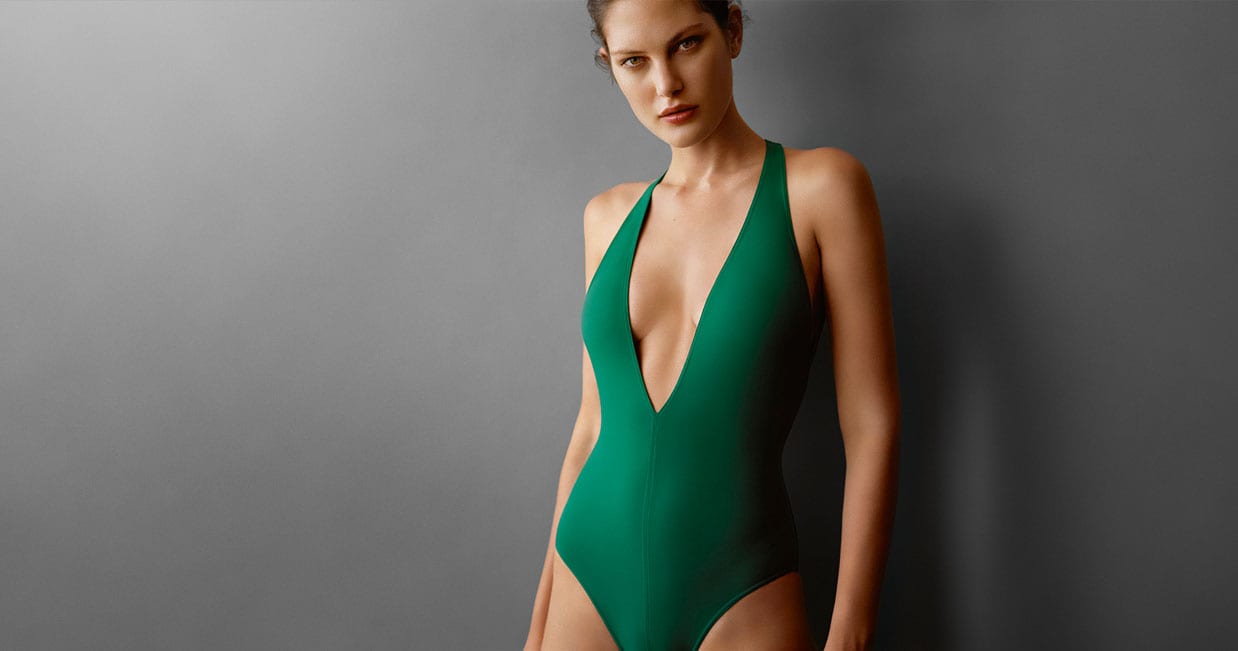
    French luxury brand Eres has opened its first boutique store in Asia – at the Four Seasons Hotel Singapore.

    It is the 43rd boutique worldwide for the brand, founded in 1968 and known for its graphic swimsuits in bold colours, and form-enhancing lingerie.

    In Orchard Boulevard, the 484 sqft (44.96 sqm) store is featuring the latest spring/summer swim and lingerie collection, with prices ranging from S$125 (US$90.48) to S$700.

    Eres has until now focused on markets in Europe and the US.

  • It’s Skin signs with Dabur India

    It’s Skin signs with Dabur India

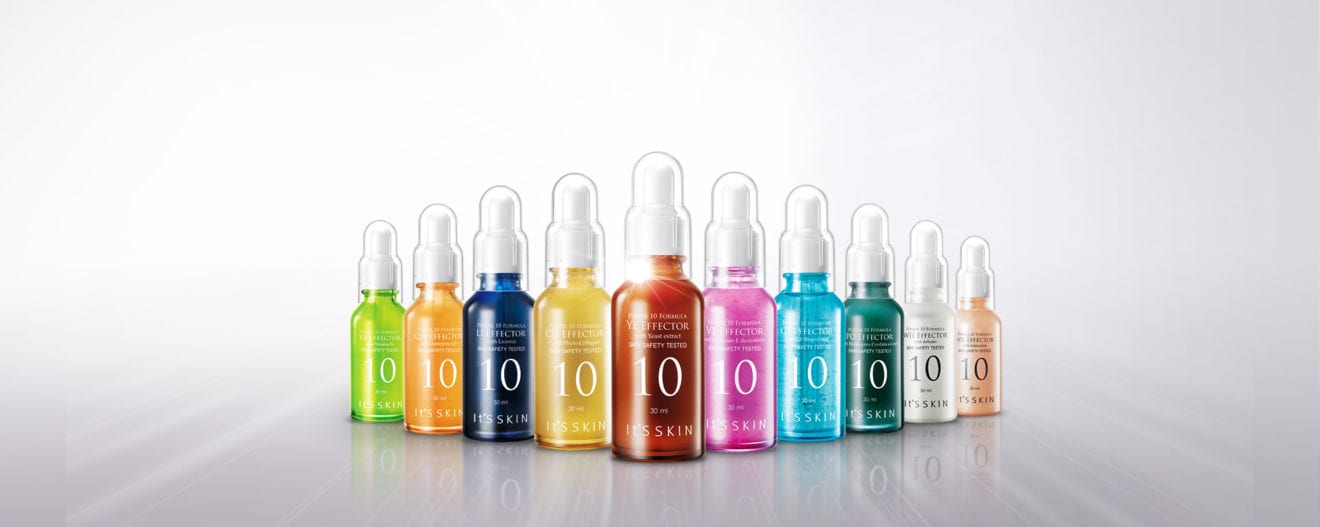
    South Korea’s fourth-largest cosmetic maker, It’s Skin, has made a move to extend its international reach through a partnership with retail giant Dabur India.

    It’s Skin has signed a memorandum of understanding with Dabur to sell 120 kinds of cosmetics in itsNew U beauty retail chain, stepping up its overseas bid beyond China, Japan and Southeast Asian markets.

    Starting with 10 shops in New Delhi, the company plans to open 20 in the capital and the surrounding area this year.

    It’s Skin is best known for its snail cream, Prestige Cream d’escargot, which went on the market in 2009. The company posted  won 309.6 billion (US$255 million) in sales last year, up 28 per cent from the previous year. It started listing on the Seoul bourse in December.

    Founded in 1884, Dabur India is India’s fourth-largest retailer, logging 78.1 billion rupees (US$1.2 billion) in sales last year. Its beauty chain New U has 70 outlets in 28 cities.

  • Expansion plan for Longchamp Asia

    Expansion plan for Longchamp Asia

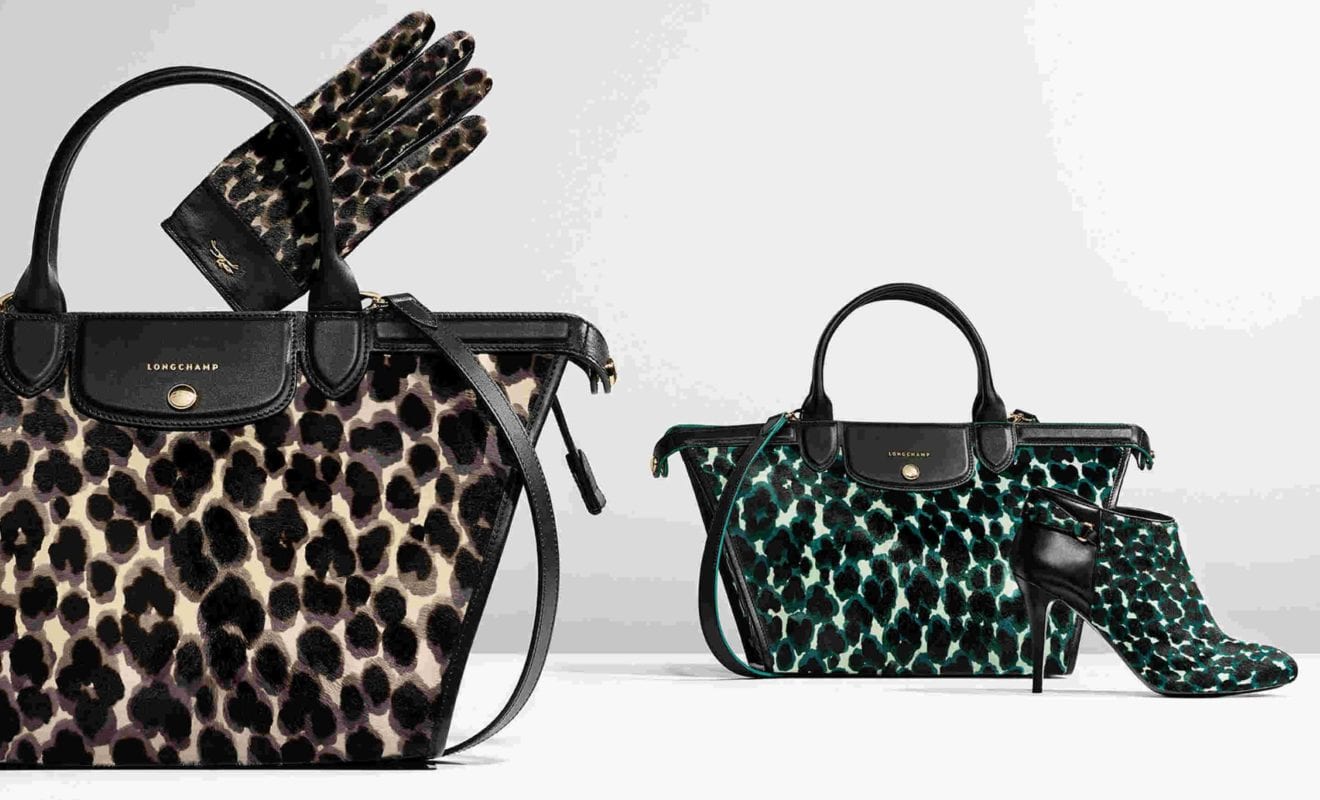
    Luxury French brand Longchamp sees Asia as a major contributor to the brand’s global growth in coming years.

    Jean Cassegrain Longchamp CEO Caterina di Orgi via TwitterCEO Jean Cassegrain says 25 per cent of the brand’s business now comes from Asia – and 50 per cent of its customer base is Asian.

    In an exclusive interview with The Straits Times in Singapore last week, Cassegrain, grandson of the brand’s founder of the same name, described its Southeast Asian customer base as a “mature luxury shopper” and confirmed an expansion of the brand’s activity as it boosts its presence across the region.

    Part of the Longchamp Asia expansion plan will include a doubling in the size of the Singapore store at The Shoppes at Marina Bay Sands late next month, to better showcase its ready-to-wear collections.

    “Customers [in Singapore] are well educated on luxury, perhaps more so than in China and Taiwan, where luxury consumers are more in discovery mode,” he told The Straits Times.

    “It just shows the enormous opportunity Southeast Asia still holds for us to grow our business. We are far from reaching our potential in Asia.”

    Longchamp remains family-owned in an era when most high-profile luxury brands have been swallowed up by corporate giants in Europe, or private equity investors.

    Since its foundation 68 years ago, Longchamp has grown to a network of some 300 directly-operated retail stores in 24 countries, with franchise partners expanding that reach to 80 markets.  Sales topped 566 million euro last year, (US$621 million).

  • China’s 361 Degrees Net Profit Up 30.2% In 2015

    China’s 361 Degrees Net Profit Up 30.2% In 2015

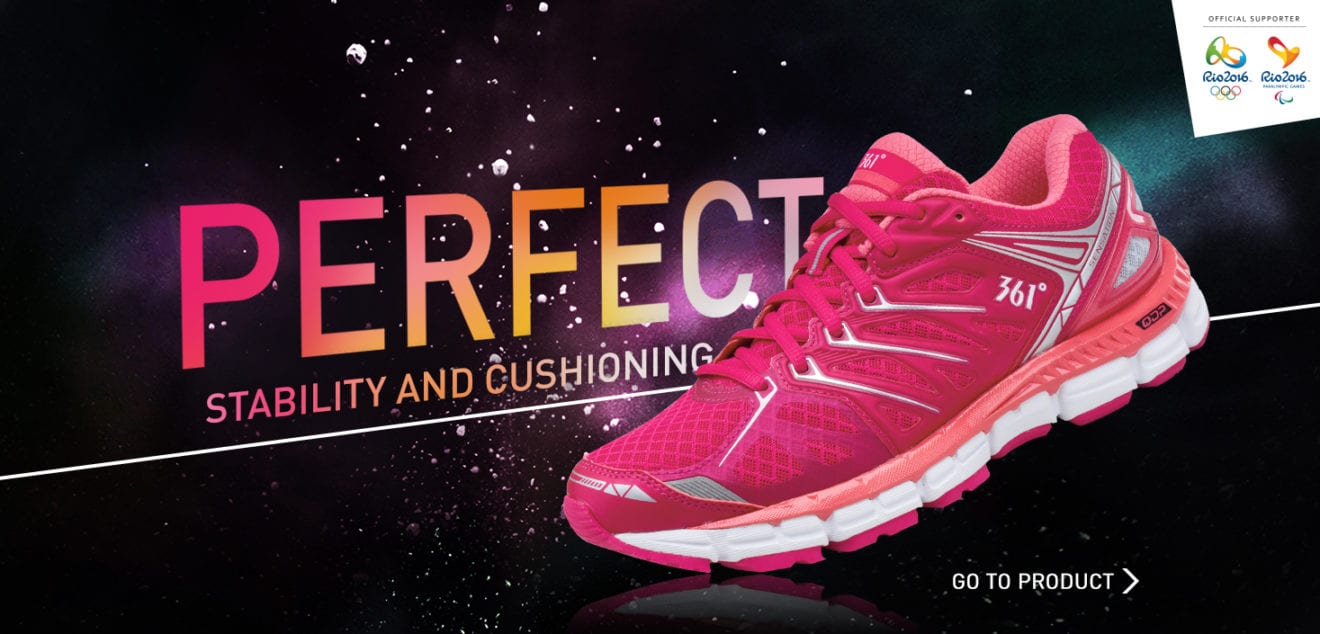
    Chinese sportswear maker 361 Degrees Group published its financial report for 2015 in Hong Kong, stating that its turnover reached CNY4.459 billion in 2015, a year-on-year increase of 14.1%; its gross profit was CNY1.823 billion; its gross margin was 40.9%; and its net profit attributable to shareholders was CNY518 million, a year-on-year increase of 30.2%.

    Meanwhile, by December 31, 2015, the company had distribution in 7,208 stores.

    The company said their children’s wear business showed strong performance. Since its launch in 2009, 361 Degrees’ children’s wear business achieved profit in six consecutive years. In 2015, its performance saw a year-on-year increase of 16% to nearly CNY600 million, accounting for 13.2% of the total operating revenue of the group. The number of children’s wear stores increased to 2,350.

    361 Degrees will continue to cooperate with the Finnish top outdoor brand One Way and promote three product series, which are for cycling, skiing, and outdoor adventure. At present, One Way has 47 owned stores in 23 Chinese cities, including Beijing, Shanghai, and Shenzhen.

    In the e-commerce sector, 361 Degrees is gradually improving the diversity and uniqueness of its e-commerce products. The e-commerce platform has also become an important channel for the company to launch smart products like smart shoes. So far, 361 Degrees’ online products and traditional store products each account for half of the business.

    In addition, 361 Degrees is actively developing new businesses and expanding overseas markets. By December 11, 2015, the company had 116 sales sites in America, 415 sales sites in Brazil, and 30 sales sites in Europe. Ding Wuhao, president of 61 Degrees, revealed that as an official partner of the Rio 2016 Summer Olympic Games, the company will fully expand the overseas markets with this opportunity.

  • Singapore customers left hanging when Asos orders fail to arrive

    Singapore customers left hanging when Asos orders fail to arrive

    She is a loyal Asos customer who has ordered from the UK website not once, not twice, but a total of 19 times so far. But the latest experience for Ms Bernie Low, a local blogger, has been nothing short of frustrating.

    Ms Low, 22, is just one of many customers who have taken to Facebook to voice their unhappiness over missing goods ordered from the retail giant in January.

    Many of these customers had placed their orders as early as the beginning of January as they were hoping to wear their new clothes for Chinese New Year. However, Chinese New Year has come and gone but there was still no sign of their clothes.

    What has been more agonising for these customers is that they have been told time and again to wait for their deliveries by different members of the Asos social media team.

    Ms Low, who likes Asos for its free worldwide shipping, affordable prices and plus-sized offerings, had ordered five items from the store on Jan 10 this year. However, her items did not arrive on the Jan 28 delivery date that is usually stated on the email tax invoice.

    Instead, she was told that delivery would be pushed back by almost one month to Feb 24. Despite this, she told AsiaOne that she had not received any of the five items on Feb 24.

    In a blog post on Feb 18, Ms Low expressed frustration at the way the Asos team was handling its customer queries.

    “Look, there has to be something that is wrong since so many orders to Singapore have all gone missing, most likely all from the same batch and shipped together. They keep asking us to send in more details to verify the order and everyone gets told to wait even longer,” she wrote.

    “Plus many, many, many other Singaporeans have faced this problem yet no one is getting a proper response. We see the exact same responses copy pasted for every single dispute. It is very frustrating.”

    Another Asos customer, Laysie Lim, 35, told AsiaOne that she had also raised her concerns with the company after her Jan 14 order failed to arrive on Feb 3. According to Ms Lim, the retailer was holding a Chinese New Year promotion at the time and offered an 18 per cent discount on purchases.

    When she contacted Asos, the designer was told that her shipment would arrive on Feb 21 instead.

    Later, she heard from two of her colleagues that they too had not received orders made on Asos. That was when she realised that many other Singaporeans had been complaining of missing parcels on the Asos Facebook page.

    Ms Lim was then told to give her order details to Asos again, but the representative who replied told her that delivery would be further delayed till Feb 26.

    “Real sorry for this delay, I hope it doesn’t cause you too much troubles – keep an eye out for the postman Laysie,” the message from a representative identified as Danielle read.

    When asked about the cause of the delay, another representative named Holly said: “We need to allow some extra time due to postal delays in your area. We’re really sorry about this Laysie”.

    In an email response to AsiaOne, the London-based e-commerce retailer did not mention that there were any obstacles for delivery to Singapore.

    Instead, a spokesperson from Asos said that the delay was caused by incorrect address labels printed by its delivery partner.

    “One of our delivery partners recently made a change to their technology that updated the way address labels were printed. As a result many of our customers’ addresses were not printed correctly and packages were unable to be delivered,” the spokesperson said.

    According to Asos, the problem was identified and fixed on the same day.

    When asked about the feedback received so far, Asos said in an email: “We apologise to any customers who are impacted”.

    For many customers, however, an answer – not an apology – is what they are looking for.

    Both Ms Lim and Ms Low said that they would continue to order from Asos despite the disappointing experience – but only if their purchases are accounted for.

    “I’m very disappointed because I really like Asos,” Ms Low said in a phone interview with AsiaOne in February, adding that she could still forgive the store if her purchases arrive by March, or if she is given a refund. In a second interview, Ms Low said that Asos had offered to give her a refund after the clothes she ordered did not arrive on Feb 24 as promised.

    But even getting a refund might not prove to be any easier.

    Although Ms Lim told AsiaOne that she had received her refund, not all Asos customers were given a satisfactory reply to their requests.

    Facebook user Jo Koh was one of many customers who left a frustrated message on the Asos page asking for a proper response. “I have been in contact with Asos since Feb 16 for an order which (was) due to arrive on Feb 4 but never arrived,” the user wrote on Feb 24.

    As her order had not arrived by Feb 23, she decided to request for a refund instead. To her disappointment, she did not receive a reply from Asos. “I am completely disappointed! Can someone please get back to me!” she wrote.

    Another Facebook user, Daryl Aw Yeong, wrote on Feb 23 that he had gotten a refund from Asos, but not without “a heck load of trouble and it wasn’t a good experience”.

    His tactic for finally getting a response? “Spamming” the Asos Facebook page, he said.

    Going by the number of complaints posted on the Asos Facebook page thus far, it seems that “spamming” is what many of its customers have resorted to doing in the hopes of getting a response from the e-retailer on their delayed parcels.

    In response to AsiaOne’s queries on Asos’ refund process, a spokesperson said:”‘Our customer care team has a full list of all those affected by this issue. Should any customer on this list advise our team that their delivery has not yet arrived, they will be entitled to a full refund.”

  • Fairly or unfairly, Asia nerves keep Ted Baker under pressure

    Fairly or unfairly, Asia nerves keep Ted Baker under pressure

    Despite a strong set of annual numbers, shares in fashion retailer Ted Baker didn’t react well to news that softer economic conditions in Asia had hindered the group’s growth there. But Ted’s Asian business is still pretty small – accounting for roughly 3.4 per cent of group sales – and finance director Charles Anderson insists the brand is well received there. The long-term opportunity, he says, remains intact.

    Asia aside, Ted’s retail sales are growing fast across other geographies. These include North America, where sales rose by more than a quarter last year and the UK and Europe, where sales rose 8.9 per cent, or 10.7 per cent at constant currencies. Overall, this made for a solid retail performance, with total sales for the division up 13.5 per cent to £348m based on an average increase in square footage of 7.5 per cent. More retail space is on the way: a new store is slated to open in Paris along with further concessions in Germany and Spain. Shop openings are also scheduled in Asia, with further concessions across mainland China and Japan to follow a new store in Beijing. Meanwhile, good domestic performance pushed wholesale sales up a third to £108m.

    Another area of growth is online. Last year web-based sales grew by a massive 46 per cent to £53.5m and now represent around 15 per cent of total revenue (from 12 per cent in FY2015). Investments in the web platform are set to continue this year.

    But that won’t be the only reasons for higher running costs this year. Ted just entered a new lease agreement for a ‘state-of-the-art’ distribution facility in the UK which will serve as the main European distribution centre for the group’s general retail stock. Therefore, it’s Mr Anderson’s belief that costs will increase marginally this year while the company migrates to the new system. Costs should revert to normal levels thereafter.

    Analysts at Peel Hunt expect pre-tax profit of £68.9m for the year ending January 2017, giving EPS of 117p, compared with £58.7m and 101p in FY2016.

    TED BAKER (TED)
    ORD PRICE: 2,926p MARKET VALUE: £1.29bn
    TOUCH: 2,926-2,930p 12-MONTH HIGH: 3,650p LOW: 2,463p
    DIVIDEND YIELD: 1.6% PE RATIO: 29
    NET ASSET VALUE: 392p NET DEBT: 49%
    Year to 30 Jan Turnover (£m) Pre-tax profit (£m) Earnings per share (p) Dividend per share (p)
    2012 216 24.3 42.2 23.4
    2013 254 28.9 51.5 26.6
    2014 322 38.9 67.2 33.7
    2015 388 48.8 82.0 40.3
    2016 456 58.7 101 47.8
    % change +18 +20 +23 +19
    Ex-div: 19 May

    Payment: 17 Jun

  • Victoria Beckham launches Hong Kong store, her first outside Britain

    Victoria Beckham launches Hong Kong store, her first outside Britain

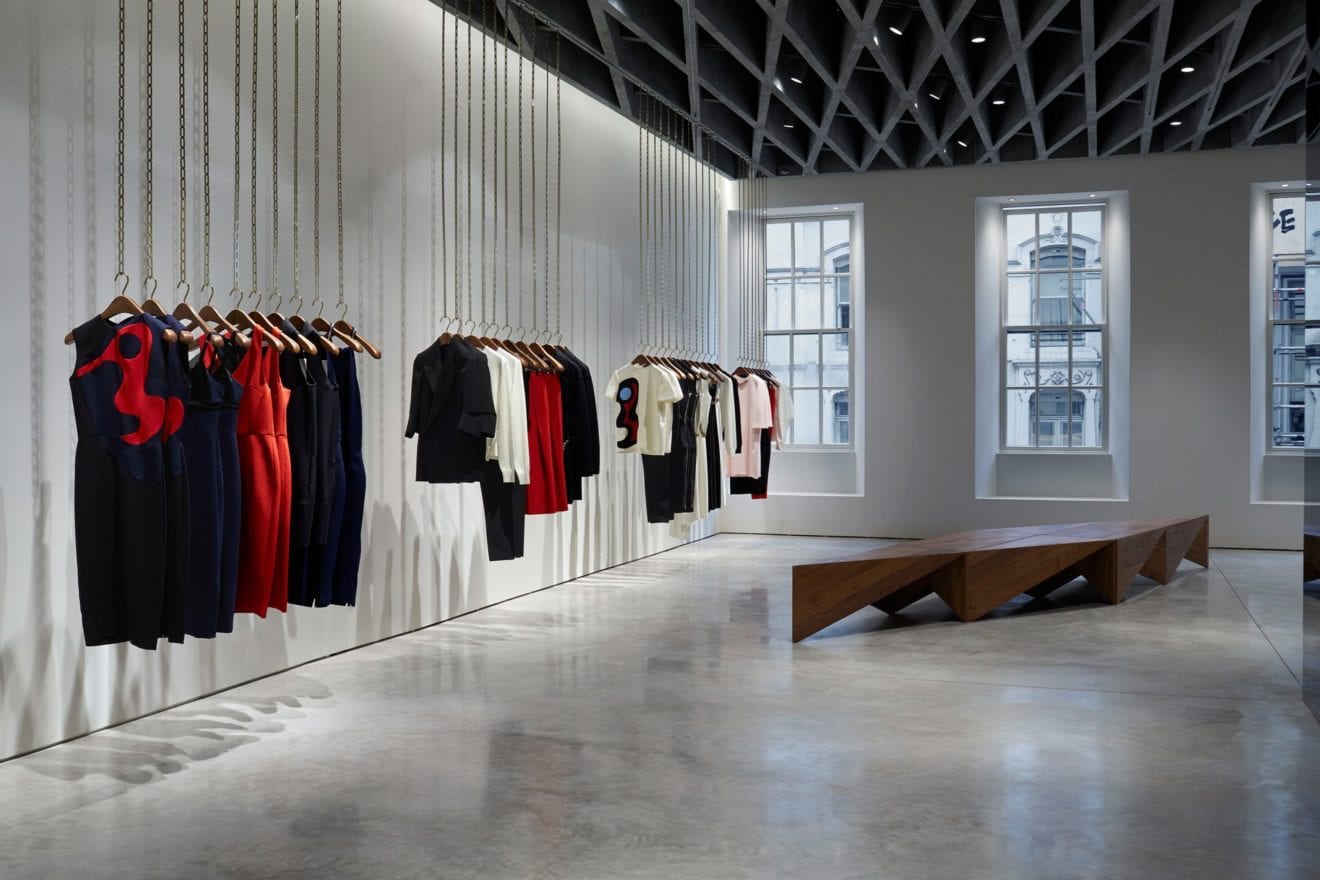
    Today, fashion designer Victoria Beckham launched her first shop outside Britain in Hong Kong as she seeks to tap the Asia market despite a downturn in luxury spending.

    Beckham’s store in Hong Kong’s Landmark building lies at the heart of Central.

    The British designer did a final check of the store this morning as crowds of fans waited outside, before sweeping out in a fitted black turtleneck dress and oversized sunglasses, surrounded by security.

    Beckham’s designs are already available in the region, which is the brand’s fastest-growing market.

    Hong Kong is Beckham’s first bricks-and-mortar store outside the UK, designed by London-based architect Farshid Moussavi.

    “The process wasn’t easy… opening a store is a huge project. Together with my team, I’ve worked really hard to get to this point,” she told the South China Morning Post.
    “I know Asian women really understand luxury, good quality and appreciate when garments are made well – and my clothes are,” Beckham added.

    A photo posted on Beckham’s Instagram feed ahead of the launch showed her posing on a plinth next to a mannequin.

    Beckham will also attend Saturday’s amfAR AIDS research fundraiser in Hong Kong, where stars including Uma Thurman will take to the red carpet.

    The new store has been developed in collaboration with Asian fashion retail brand Joyce, which already carries her collections.

    The brand aims at wearable luxury, from jeans and tailored shirts to dresses and accessories. Shirts sell online for around $400 with dresses selling upwards from a few hundred US dollars.

    “I think she’s going to be very popular here,” said hedge fund manager Sally Zhang, 30, after browsing in the store Friday.

    “Compared to other shops, which are too fancy, not fit for the office, this one is quite different,” said Echo Xu, also a hedge fund manager.

    Beckham, 41, opened her first shop in London’s Mayfair in September 2014.

    But despite Hong Kong shoppers’ warm welcome, Beckham faces challenges after the city posted its worst retail sales decline in 13 years in 2015.

    The slump was fuelled by a drop in tourists from mainland China, which has particularly hit sales of luxury goods.

    The Hong Kong dollar has strengthened against the yuan, making it more expensive for mainland visitors to shop. Growing anti-China sentiment in the semi-autonomous city is also keeping some away.

    Hong Kong billionaire tycoon Li Ka-shing said yesterday that the business environment in the city was at its worst for 20 years, with property and retail “doing worse than during SARS,” referring to the 2003 disease outbreak.

  • Speculation builds of Burberry takeover

    Speculation builds of Burberry takeover

    Speculation of a Burberry takeover bid have seen the London-headquartered luxury fashion company’s share price rise 6 per cent in recent days.

    An unidentified party has built a 5 per cent stake in the business. Under London Stock Exchange rules any shareholder holding more than 3 per cent equity must disclose their identity, but an exemption allows investment managers to represent a client with up to 5 per cent. When that threshold was breached briefly in February by HSBC, acting on behalf of the mystery Burberry bidder, the excess was quickly resold.

    UK media is reporting that Burberry is “keeping a close watch on the stake”, but has yet to receive any takeover approach.

    According to a report in The Financial Times, Burberry has asked HSBC to reveal its client’s identity.

    While Burberry maintains strong brand strength, it has suffered from a decline in sales in China and Hong Kong, its key markets, due to the Chinese government’s clampdown on gift-giving and graft, and changing travel patterns of wealthy Mainland Chinese.  As a result, its market capitalisation has slipped to about £6 billion.

    The Financial Times nominated LVMH Group and private equity investors as possible buyers of the 5 per cent cornerstone stake.

  • TimeVallee Watch Boutique goes duty free

    TimeVallee Watch Boutique goes duty free

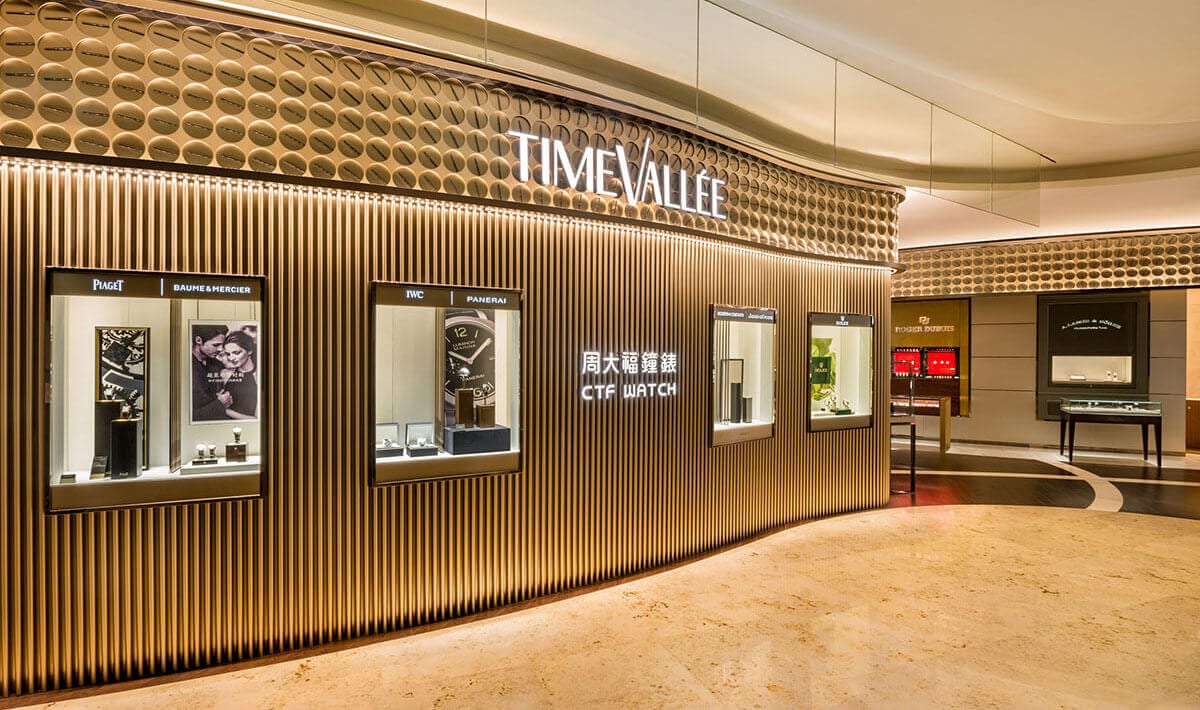
    In a first for the market, a TimeVallee Watch Boutique has opened inside Japan Duty Free Ginza on the eighth floor of Mitsukoshi Ginza Store in Tokyo.

    It is based on the concept of offering multiple international luxury-watch brands, and is the first such boutique within a Japanese duty-free shop.
    With its gold-toned interior, the store features a hands-on area where the latest technology enables shoppers to learn more about the history, traditions and technologies of the brands on display.

    TimeVallee1

    Japan Duty Free Ginza opened in January as Japan’s first airport-style duty-free shop in a city center outside Okinawa. It offers all products exempt from consumption tax, customs duties, and alcohol and tobacco duties.

    TimeVallee Watch Boutique features seven brands – Cartier, IWC, Jaeger-Lecoultre, Piaget, Roger Dubuis, Vacheron Constantin and Zenith.
    Japan Duty Free Ginza is run by Japan Duty Free Fa-So-La Isetan Mitsukoshi, established in 2014 and financed by Isetan Mitsukoshi Holdings, Japan Airport Terminal and NAA Retailing Corporation.

  • Kose cosmetics reveals global ambition

    Kose cosmetics reveals global ambition

    Japan’s Kose cosmetics has unveiled a global marketing plan that aims to give it a strong international presence – including department store outlets in China, Malaysia and Singapore.

    The plan was revealed as it celebrated its 70th birthday, with a media event at Roppongi Hills in Tokyo, attended by actress Yui Aragaki.

    In response to the success of its flagship Sekkisei skincare line, Kose is giving it more prominence on retail floors, and has introduced a “Stand by You” concept.

    Sekkisei products feature Chinese and Japanese herbal ingredients. The brand has been growing for 30 years and is continually updated, says Kose Corporation president/CEO Kazutoshi Kobayashi. Its latest addition is Sekkisei Herbal Gel.

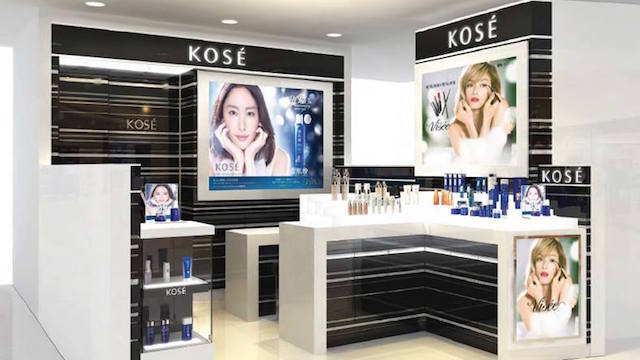
    A dedicated counter section has been designed by architect Kengo Kuma, in keeping with the store’s Japanese-motif interior design.

    “The counter uses a special material, high-density polyethylene non-woven fabric, and is lit from inside to represent the divine whiteness of Sekkisei,” says Kengo Kuma.

    The dedicated sections will launch inside department stores in Fukuoka, Osaka and Tokyo next month, and be added to a duty-free store location in Hawaii by the end of the year.

    Other locations are being established in department stores in China, Malaysia and Singapore, which will help Kose expand the Sekkisei network to seven countries within three years.

    According to the Nikkei Asian Review, Kose earns about 30 billion yen (US$266 million) in annual Sekkisei sales, and is looking to build this figure to as much as 60 billion yen by 2020.