Category: Fashion

Retail News Asia is committed to providing both local and global retailers with the latest Fashion news throughout the Asian market. This on a daily base.

  • New Muji flagship store in Singapore in the works

    New Muji flagship store in Singapore in the works

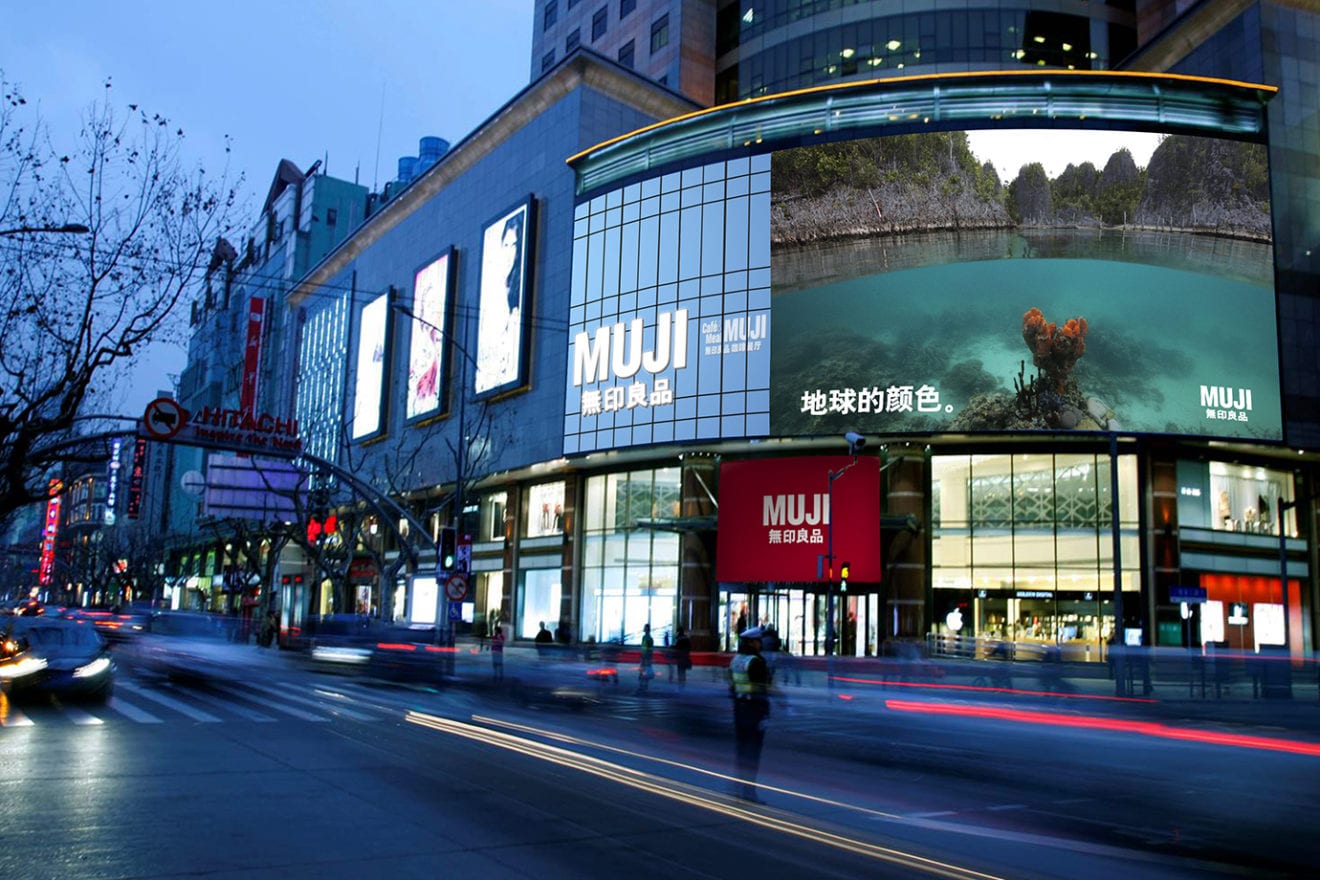
    Japanese lifestyle brand Muji is planning a new flagship store in Singapore.

    Masaaki Kanai, chairman of Muji’s parent company Ryohin Keikaku, said on Tuesday (Mar 15) that the new flagship store is estimated to be around 3,300 square metres and will feature more lifestyle concepts.

    “Apart from the usual Muji products, the store will have an ‘Open Muji’ concept where community creators are invited to interact with us. This is in line with our objective to create an interactive society,” said Mr Kanai, who was speaking to the media at a roundtable interview following his keynote presentation at The Innovation by Design Conference in Singapore.

    Muji, whose full name Mujirushi Ryohin translates to “no brand, good quality”, declined to reveal the specific timeline for the opening of the new store.

    The Japanese retailer currently has 10 outlets in Singapore, including a travel-concept store Muji To Go located at Changi Airport Terminal 2 and Cafe & Meal Muji, which opened at Paragon last year.

    GLOBAL EXPANSION

    The plan to add to its stores in Singapore comes as the lifestyle brand, known for its unorthodox no-brand philosophy and focus on well-designed and practical household items, is carrying out a global expansion.

    According to Mr Kanai, by 2017 Muji will likely have more overseas stores than the 284 it has in Japan, as it seeks for growth outside its mature domestic market.

    Among the top two key growth markets are China and the United States.

    “China is leading the growth due to its big population, while we had a good start in the USA where we are seeing 300 billion yen in annual turnover,” said Mr Kanai, who has worked at Muji since its founding.

    Even as concerns continue about slowing growth in China and the spending power of its consumers, Muji remains upbeat about the world’s second-biggest economy, where it intends to increase its pace of store openings to 50 per year from 2017.

    Ryohin Keikaku had 128 stores in China as of end-May 2015, its biggest market outside Japan.

    “I’m not so worried because the generation born after the 1980s are relatively well-off and they emphasize on a good lifestyle, and that’s in line with our philosophy.”

    Despite the rapid worldwide expansion, Mr Kanai emphasized that the Japanese retailer does not intend to “grow too big” and prefers to stay as a “small and medium-sized enterprise (SME)” so as to stay true to its design philosophy.

    “When a company grows too big, it’s not a good thing because the management will tend to emphasize more on ensuring a profit. That’s not our objective,” the chairman said.

    “Our objective is still to offer something useful to our consumers.”

    BRACING FOR SALES TAX HIKE

    Back in its home market, Muji is keeping an eye on the planned increase in the consumption tax, from 8 per cent to 10 per cent, in April 2017.

    Aimed at reining in Japan’s massive public debt, the sales tax was first raised from 5 per cent to 8 per cent last April. The move, however, took a toll on consumer spending and the country’s retail sales.

    To combat the negative impact, Muji lowered the retail prices of its products following the tax hike, and opted for cost-cutting measures.

    When asked whether Muji is worried about the impact of a second increase in the sales tax, Mr Kanai said: “There was certainly an impact on profit and sales during the last sales tax hike in 2014. If there’s a raise again next April, retail sales will likely come down.”
  • Teddy Group opens two stores in Asia

    Teddy Group opens two stores in Asia

    Italian fashion conglomerate Teddy Group has opened two stores in Asia, with another to follow by the end of this month.

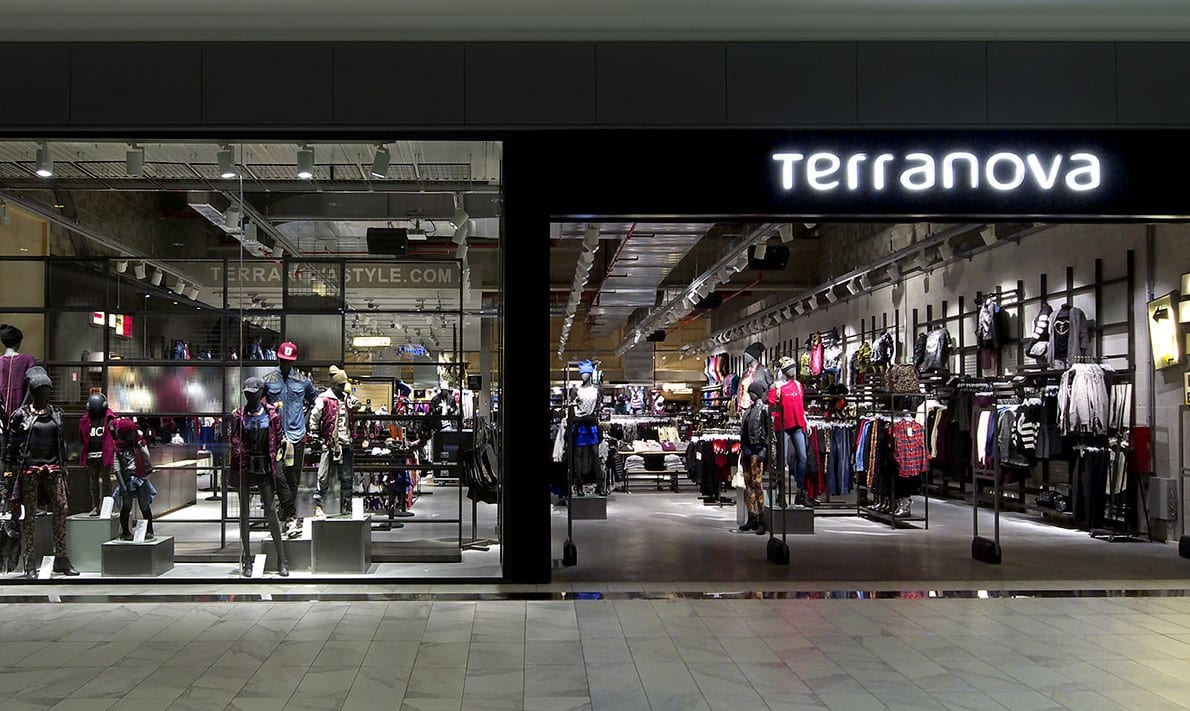
    A Terranova outlet has just opened at Vivacity Megamall in Kuching, which is the administrative centre of the state of Sarawak and the fourth most-populated city of the Malaysian federation. The 850 sqm store displays the entire brand collection, including menswear, womenswear, childrenswear, underwear and accessories.

    Four Terranova stores are planned for Malaysia, with the brand launching in Kuala Lumpur in 2013.

    Meanwhile, in the same shopping centre in Kuching, the first Calliope store will open by the end of this month. The 500 sqm outlet will sell menswear and womenswear collections and accessories.

    A second Terranova outlet in Mongolia opened in the Nomin Allmart shopping centre in the capital city of Ulan Bator, last month. The 700 sqm store offers the entire brand collection.

  • South Korea’s Cosmax beauty products granted halal certification

    South Korea’s Cosmax beauty products granted halal certification

    South Korea’s original development manufacturing (ODM) cosmetics company Cosmax Inc. said its Indonesian subsidiary PT Cosmax Indonesia was granted halal certification, a move that is expected to help pave the way for the company to make forays into the global halal beauty product market.

    The company said on Tuesday that PT Cosmax Indonesia received the halal certification from Majelis Ulama Indonesia (MUI) to sell its cosmetics. MUI is one of the top three halal certification authorities in the world along with Jabatan Kemajuan Islam Malaysia (JAKIM) and Majlis Ugama Islam Singapura (MUIS), and it is acknowledged across about 40 different countries.

    The Korean beauty products maker PT Cosmax Indonesia succeeded in meeting the strict guides of halal certification by producing cosmetics in hygienic conditions and containing zero harmful ingredients, and it became the first halal certified ODM cosmetics company among all Korean ODM beauty brands. The company expects to secure Islamic female consumers who have difficulties using general beauty products as its stable customer base.

    “PT Cosmax Indonesia, with its international halal certification, will do its best as an export base for the company making inroads into global halal market to meet consumer demands on halal products in the world including South East Asia and Middle East,” said Lee Kun-il, head of PT Cosmax Indonesia.

    Halal, an Arabic word meaning “lawful or permissible” in Islam, refers to products that Muslims are allowed to eat and use, and it is applied to various sectors ranging from food, medications and household goods to cosmetics. The halal cosmetics market is estimated at 100 trillion won ($84.2 billion), and it is expected to grow even bigger as more consumers are looking for products conforming to Islamic laws regardless of cost, said an unnamed official at Cosmax.


  • Honey Birdette eyes Hong Kong

    Honey Birdette eyes Hong Kong

    Upmarket Australian lingerie retailer Honey Birdette is preparing to open its first retail store in Hong Kong.

    Honey Birdette was founded in 2006 by Eloise Monaghan offering premium lingerie and sex toys and entered a strategic partnership with multi-brand Australian retailer BB Retail Capital in 2011. It now has 45 stores in Australia.

    In what will be the brand’s first international foray, two stores will open in central London within the next six months, the first in Covent Garden.

    Following that, Honey Birdette will open in Hong Kong, Tokyo, Paris and Rome, the company has revealed, before entering the US.

    Separately, BBRC has announced an international expansion of its more mass market chain Bras N Things, with the first two stores opening in South Africa.  That brand has 170 stores in Australia and New Zealand and BBRC is planning on expanding into other international markets as well, but has not specifically referred to any Asian ambitions.

    “Bras N Things has an established and enviable reputation in Australia and the time is now right to expand beyond our shores, taking our expert fit service to new markets and empowering women globally,” said Bras N Things CEO, George Wahby.

    BBRC is best known in Asia as the owner of the Lovisa chain of accessories stores.

    Honey Birdette, meanwhile, is clearly targeting a high income demographic. In the UK retail prices are expected to start at £60 (US$85) for a bra and £30 ($43) for a pair of briefs.

  • Plaza Indonesia Fashion Week Celebrates New Generation of Indonesia Designers

    Plaza Indonesia Fashion Week Celebrates New Generation of Indonesia Designers

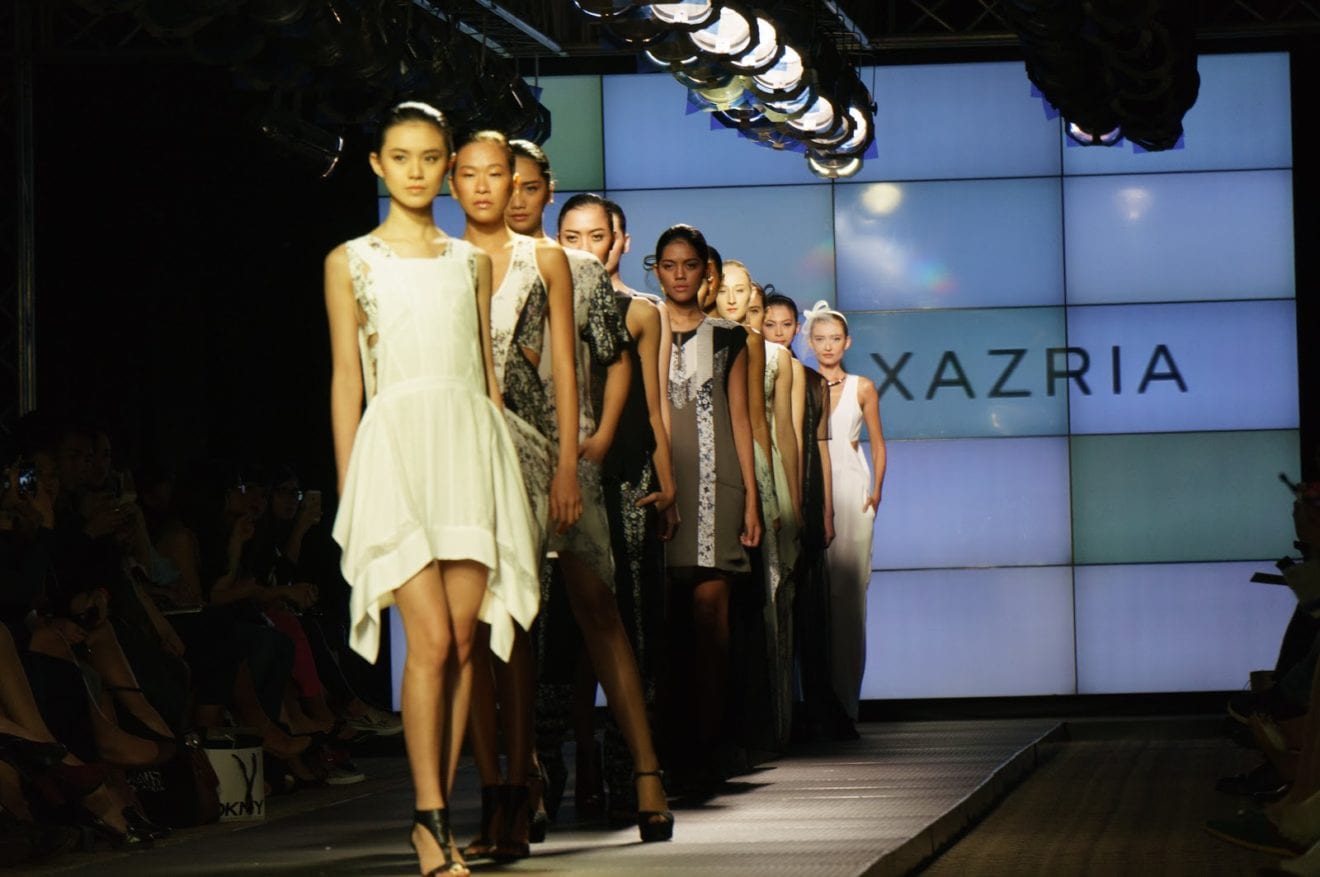
    As the theme for the mall’s anniversary celebration suggests, the fashion week will reflect the so-called “now generation” by putting emerging local designers under the spotlight.

    On Tuesday evening, young designer Yosep Sinudarsono will present his space-inspired spring-summer 2016 collection, continued with Rama Dauhan, whose streetwear designs will be infused by Morrocan and Spanish influences.

    Nikicio, a label whose name has reached cult-like status among the local fashion set, will represent the multi-label store The Goods Dept in its show on Wednesday night. Other show highlights include Opi Bachtiar and Ardistia New York on Thursday as well as Hunting Fields on Sunday.

    A slew of traditional textile-oriented designers will also participate in the fashion week, such as Didiet Maulana of Ikat Indonesia as well as batik brands like Iwan Tirta Private Collection.

    Meanwhile, some notable international labels that will show its collections during the event include Carven and Karen Millen.

    “I’m very excited to be part of Plaza Indonesia Fashion Week,” said Patrick Owen, one of Indonesia’s rising fashion stars whose show on Saturday night will mark the end of the fashion week.

    Patrick will present his latest spring collection, entitled “Jalanan” (“Streets”), which represents “my wildest imagination of how Indonesian streets could be,” he said.

    Known for his exacting tailored pieces and bold artistic prints, the designer will also collaborate with acclaimed illustrator Emte in the show.

    “We’re going to be working together on something backstage during the show, and we will give the audience a surprise by the end,” Patrick hinted.

    But that is not Emte’s only job at the fashion week — he just recently finished a 150-meter-long mural artwork that adorns the hall in which the shows will be held.

    “It is the first time I’ve ever created a work that big,” he said with a laugh.

  • Tom Tailor China opens online

    Tom Tailor China opens online

    German fashion retailer Tom Tailor has opened an online store in China, using JD.com’s JD Worldwideplatform.

    Tom Tailor describes its first online shop in China as “another important milestone in Tom Tailor China’s expansion, following the opening of the first Tom Tailor retail store in Shanghai last November.

    The Tom Tailor online shop features products from across the Tom Tailor, Tom Tailor Denim andTom Tailor Contemporary ranges.

    “In order to expand our online presence with the umbrella brand Tom Tailor in China, JD.com, as China’s largest e-tailer, is an excellent partner,” said Erika Kirsten, Tom Tailor’s manager of corporate communications.

    “JD.com has a high-value user base. With 155 million active consumers across the country who appreciate its versatile product range and superior customer service, JD.com provides the optimal platform for launching Tom Tailor in the Chinese online market.”

    Josh Gartner, JD.com’s senior director of international communications, said apparel is one of the fastest growing categories on the JD.com platform, “because customers know that only JD.com can provide reliable and convenient access to the latest fashions from local and international brands with a 100 per cent guarantee of product quality and authenticity”.

    Tom Tailor China currently has one standalone physical retail store in China and 14 shops-in-shops.

    Tom Tailor targets people aged up to 40, with a focus on high-quality fabrics. Bonita, one of Germany’s leading fashion brand producers and retailers, has been a part of the Tom Tailor Group since August 2012. Bonita sells menswear and womenswear collections for the over 40 age group.

  • Sephora launches online store for Hong Kong

    Sephora launches online store for Hong Kong

    Sephora has launched an e-commerce platform for the Hong Kong market.

    Part of the ongoing international expansion of its online retail arm, the online store will offer brands unavailable on the ground in Hong Kong, such as Butter London, Skin Inc and Nudestix.

    The LVMH-owned perfumery chain has yet to establish a bricks-and-mortar presence in the country, and commentators are suggesting that the online store will serve as a sounding board to test out the appetite for the retailer’s products and services.

  • Forevermark Asia launches in Korea, Thailand

    Forevermark Asia launches in Korea, Thailand

    De Beers Group of Companies has launched its diamond brand Forevermark in Asia – with new partners in South Korea and Thailand.

    It is now available in more than 1700 outlets in 38 consumer markets.

    In South Korea, Forevermark Asia launched with licensee partner Golden Dew, which has started selling the brand in 11 of its stores. Golden Dew was founded in 1989 as Korea’s first jewellery brand, says De Beers, and has a presence in more than 70 department stores.
    In Thailand, the brand launched at the opening of an exhibition at Siam Paragon, one of Bangkok’s largest department stores. With its new licensee partner, diamond retail chain Jubilee Diamond, Forevermark will be available in stores across the country, says De Beers.
    Forevermark CEO Stephen Lussier says the brand has had remarkable growth since being established eight years ago.

  • Belstaff Japan launches first outlet

    UK fashion brand Belstaff, through its new subsidiary company Belstaff Japan KK, has launched its first outlet in the country, and is planning more.

    Four stores in Japan are on this year’s schedule, including one in Kobe in September, which will sell both menswear and womenswear.

    The initial shop is in Nagoya’s Matsuzakaya department store, covering 409 sqft (37.99 sqm), while a 635 sqft menswear pop-up store at Isetan in Tokyo opens from March 16 to 29. Both outlets have the latest menswear range as well as the label’s Legends collection.

    Belstaff Nagoya Japan

    Meanwhile, the brand has three stores in Seoul, South Korea, and a Macau outlet opened five months ago.

    Belstaff has just moved its financial base and trademark from Switzerland back to the UK. It has also been based in Italy and New York since being launched in England in 1924 by Staffordshire businessman Eli Belovitch, who was a dealer in reclaimed fabrics and rubber goods. At its factory near Stoke-on-Trent, the company produced waterproof garments for both men and women, with the emphasis on motorcycling.

  • Hugo Boss to review store growth close some China

    Hugo Boss to review store growth close some China

    German fashion house Hugo Boss is closing outlets in China and will review its global store network as it tries to revive its fortunes following the departure of its chief executive last month after a profit warning.

    Like other upmarket fashion retailers, Hugo Boss has been hit by a slowdown in luxury spending, particularly in China.

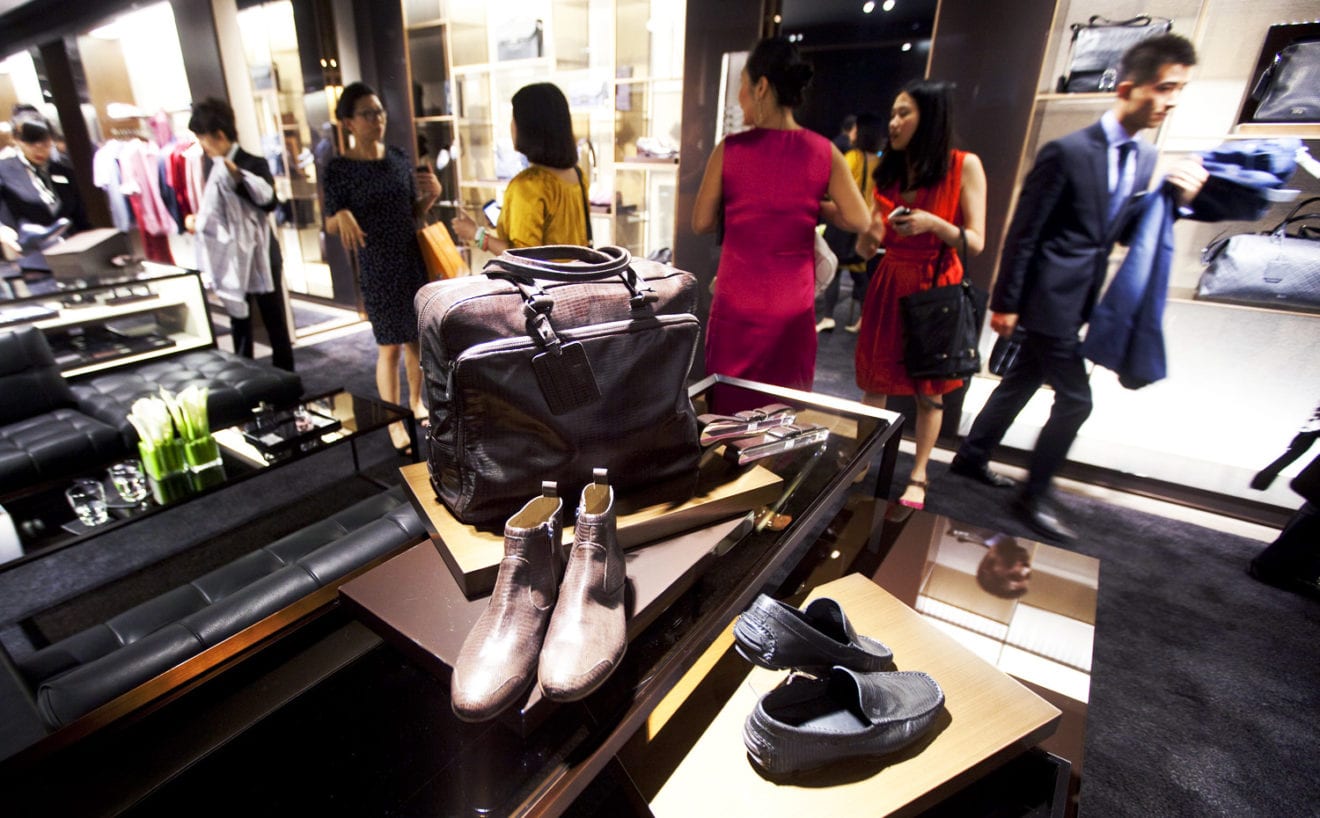
    In a strategy shift last November the German label known for its smart men’s suits said it would restrict new store openings to top global locations as it worked to expand online sales.

    On Thursday, it said it was going further. It will close around 20 of its 145 stores in greater China and make extensive renovations to others there. After a review of its entire store estate, it could close more outlets elsewhere and will open fewer than 20 stores worldwide, down from a net 72 last year.

    That marks a turnaround from a few years ago when the fashion house went on a global expansion drive after being bought in 2007 by private equity firm Permira. Under now departed Chief Executive Claus-Dietrich Lahrs, it was opening more than 100 stores a year, driving rapid growth in both sales and its share price.

    The slowdown in China’s economy and a clampdown on conspicuous consumption there has since hit luxury brands hard. However, Hugo Boss said that price cuts it made recently in China to bring them closer to European levels had boosted demand in recent weeks.

    It slashed prices for its spring collection by 20 percent in China, with another 10 percent due in the second half, Finance Chief Mark Langer told a news conference. A suit that costs 500 euros in Germany still costs 900 euros in China though, he said.

    The company also said it plans to expand its digital activities and bring the running of its online business in Europe in-house in May to better coordinate with its stores.

    Hugo Boss used to sell most of its range wholesale to outlets like department stores, but now makes more than 60 percent of sales from its own retail business.

    Brands that sell from their own retail space can boost margins and maintain more control over how their garments are presented, but the strategy can leave them exposed in a downturn due to fixed rental and staff costs.

    Total investment in 2016 would be below 200 million euros ($220 million), down from 220 million in 2015, but the company announced an unchanged dividend of 3.62 euros per share, helping send its shares up 3 percent by 1009 GMT.

    “Hugo Boss is still a healthy and growing company,” Langer said.

    Last month’s profit warning sent Hugo Boss’s share price tumbling, and the stock was still down 27 percent this year after Thursday’s gain, trading at a big discount to rivals like LVMH and Burberry.

    “We expect the dividend and free cash flow comments to be reassuring,” said UBS analysts, after the company pledged to impose “rigorous” control of stock to ensure a rise in free cash flow.

    Italy’s Marzotto family is now the biggest shareholder in Hugo Boss after Permira gradually sold down its holding.

    The company gave no update on the hunt for a successor to Lahrs, but said it had a long list of candidates.

    Lahrs took the company more upmarket and also expanded into women’s wear, a strategy Langer defended from criticism by some analysts, highlighting double-digit growth for its BOSS label for women in 2015. ($1 = 0.9107 euros)

  • California Wow founder sues Thai government

    California Wow founder sues Thai government

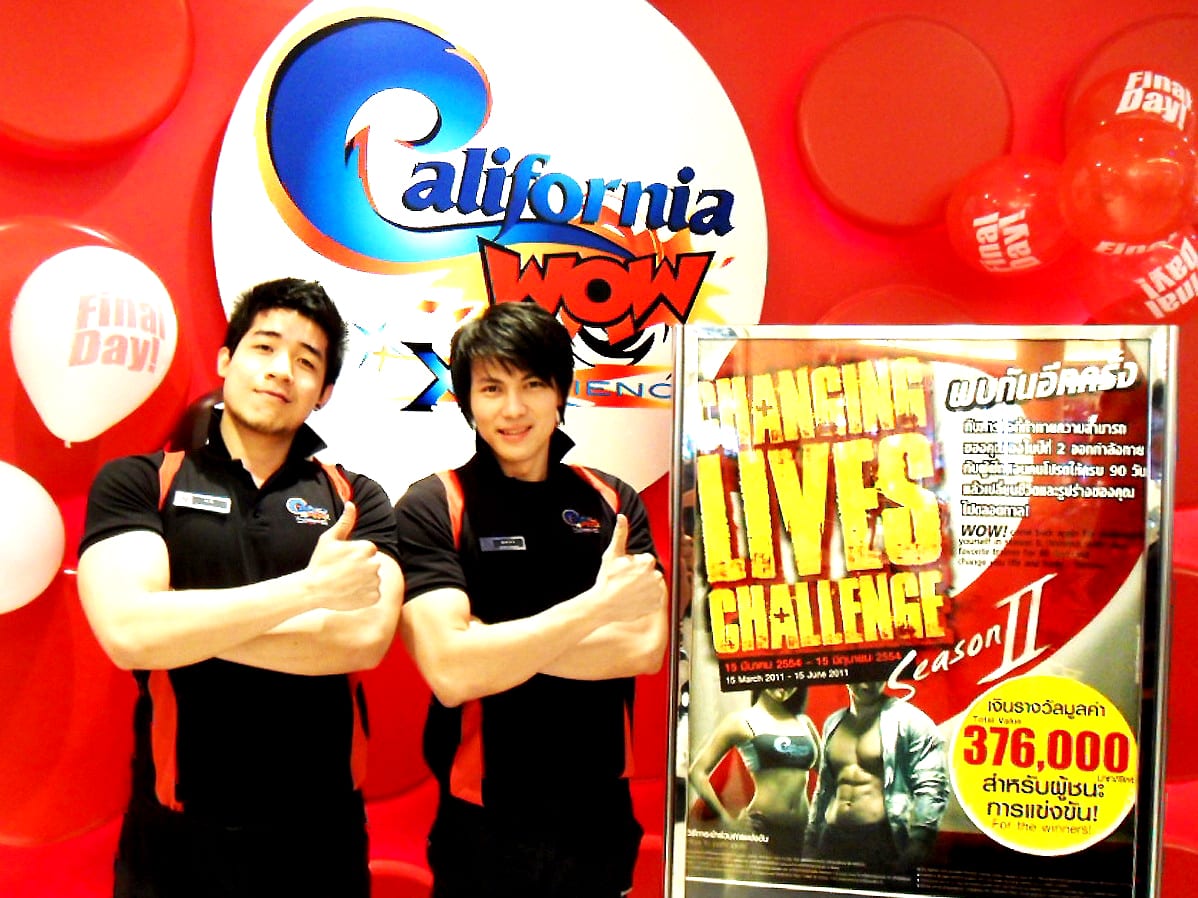
    Eric Mark Levine, the founder of California Fitness clubs worldwide and the Thai chain California Wow Xperience has filed a US$2.8 million defamation lawsuit through his legal representative at Bangkok Criminal Court.

    Levine has filed suit against Thailand’s Anti-Money Laundering Office (AMLO), as well as its secretary-general Police Colonel Sihanart Prayoonrat, for damaging Levine’s reputation through public remarks made by the Police Colonel alleging improper payments and fund transfers by Levine.

    As CEO of California Wow, Levine said the Office of the Securities and Exchange Commission of Thailand (SEC) has already investigated the chain’s operations and financial records with specialist forensic accounting investigators as well as specially trained police officers.

    “All  publicly stated there is no evidence of wrongdoing or of any action to substantiate the Anti-Money Laundering Office’s allegations,” Levine said in a statement.

    He added that the Department of Special Investigation has also refused to conduct any further investigation as requested by Police Colonel Prayoonrat and the AMLO.

    Levine said he and all involved in the management of California Wow had given their “full cooperation to authorities” during the investigations which had cleared them of the AMLO’s allegations.

    Levine added that internationally recognised auditing firms like Deloitte Touche Tohmatsu Jaiyos and PriceWaterhouseCooper have confirmed the accounts and transactions of California Wow to be correct and without irregularity.

    “And… far from taking money out of the company, I had injected personal funds to support the operations of the company in its final days.”

  • Woodland looking at franchising

    Woodland looking at franchising

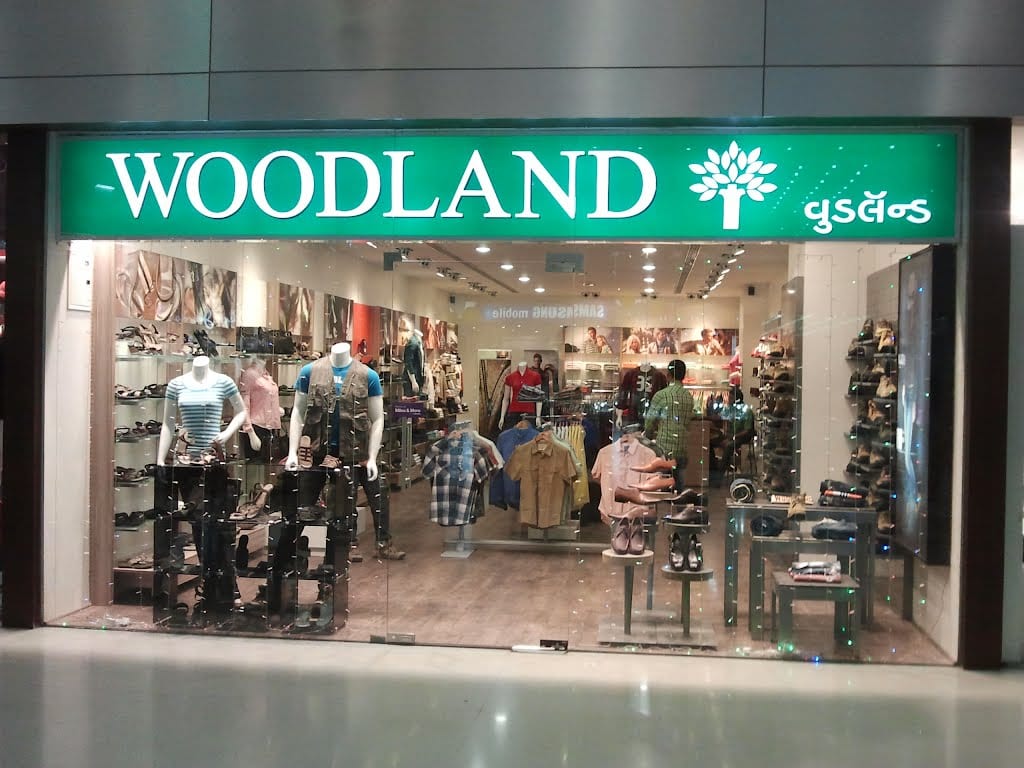
    Indian footwear and outdoor gear brand Woodland is planning to open stores in China, Malaysia and Singapore along with franchising its brand in other markets.

    Woodland is also taking the eCommerce route as part of its expansion, and is hiring social-media teams to run campaigns and online selling platforms in local languages.

    After announcing plans two years ago to launch 25 stores across China, it has subsequently opened “about a dozen stores” in Hong Kong. Its products are available through distributors in Singapore, and the company plans to enhance its global distributor networks. It aims to add at least 10 retail outlets internationally over the next two years.

    While the first few international stores will be company owned, MD Harkirat Singh says Woodland is open to franchisee formats for serious investors. The global stores will be a mix of independent stores and shops in shops.

    Singh says the product line in international markets will be customised to suit the region’s climate. according to the climatic conditions of the region. Woodland looks to tap the fast-growing extreme-weather outdoor gear market both in national and international markets, and claims to already have an 80 per cent market share in this segment in India.

    “While we have grown at an average of 15 to 20 per cent year-on-year in the past two to three years, the outdoor category has grown exceptionally in the past five years, says Singh. “Outdoor gear has become a lifestyle item, making our brand more popular.”

    Founded in Canada in 1992, Woodland is owned by Delhi-based Aero Group, which has its own leather-tanning and production units in Bangladesh, Canada, China, Indonesia, Macau, Malaysia, Sri Lanka, The Philippines and Vietnam, and as well as India.

  • Private equity firm buys Ishii Sports

    Private equity firm buys Ishii Sports

    Japanese private equity firm Advantage Partners has acquired Tokyo-based sports equipment retailerIshii Sports for an undisclosed amount.

    In  a release, Advantage Partners says the acquisition will help support the revenue growth of Ishii Sports, founded in 1964.

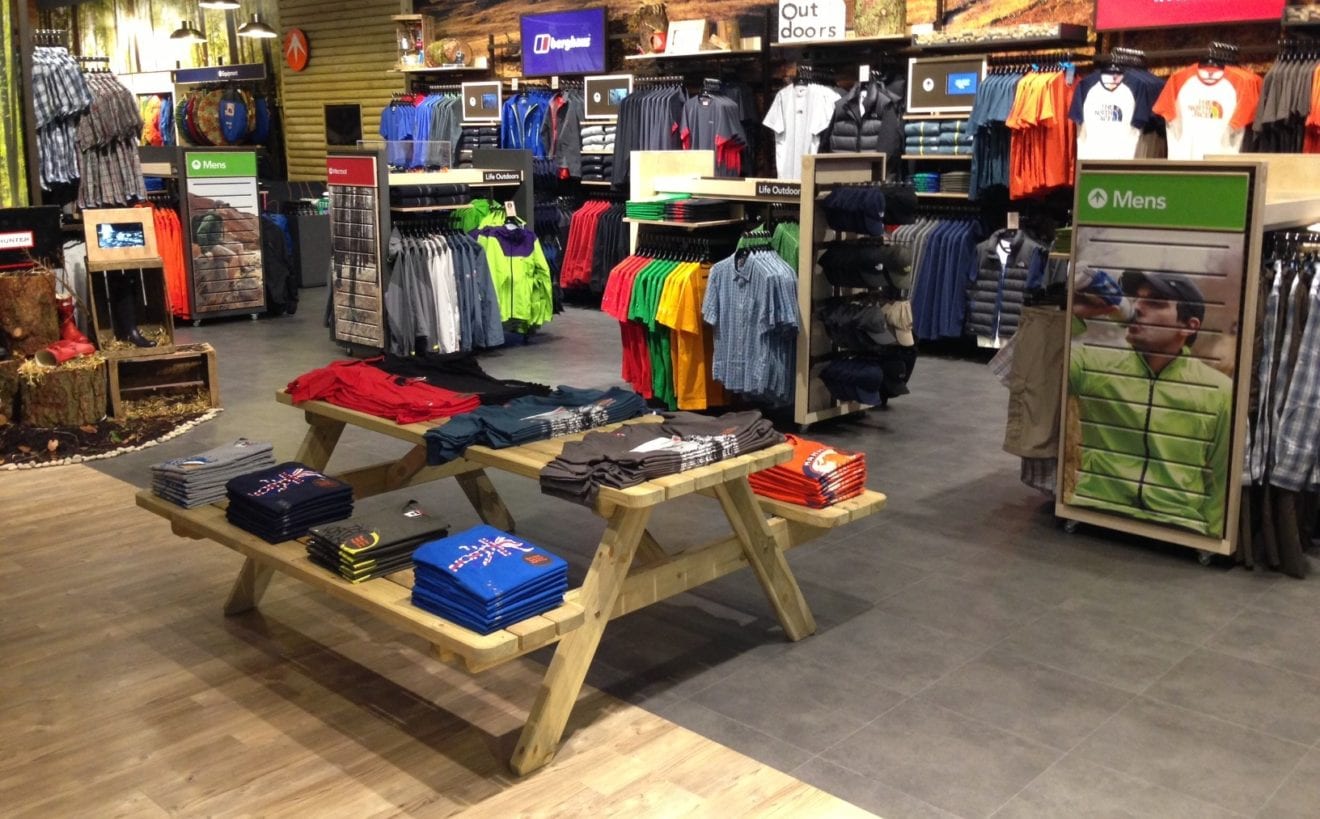
    Ishii sells sports equipment online as well as through a chain of 32 retail stores in Japan. The products are designed for outdoor activities such as canoeing, mountaineering, skiing and snowboarding.

    Along with self-branded products it also sells big brands including The North Face and Nordica and offers related services such as equipment repair and training.
    Established in 1992, Advantage focuses on acquisitions, growth capital, privatisation and turnaround opportunities in China, Japan and South Korea. Its investment portfolio lists nearly 50 companies, including retail and distribution companies Actus Corp, Credge, FMI and Ray Cassin.

  • Charming Charlie to expand Asian network

    Charming Charlie to expand Asian network

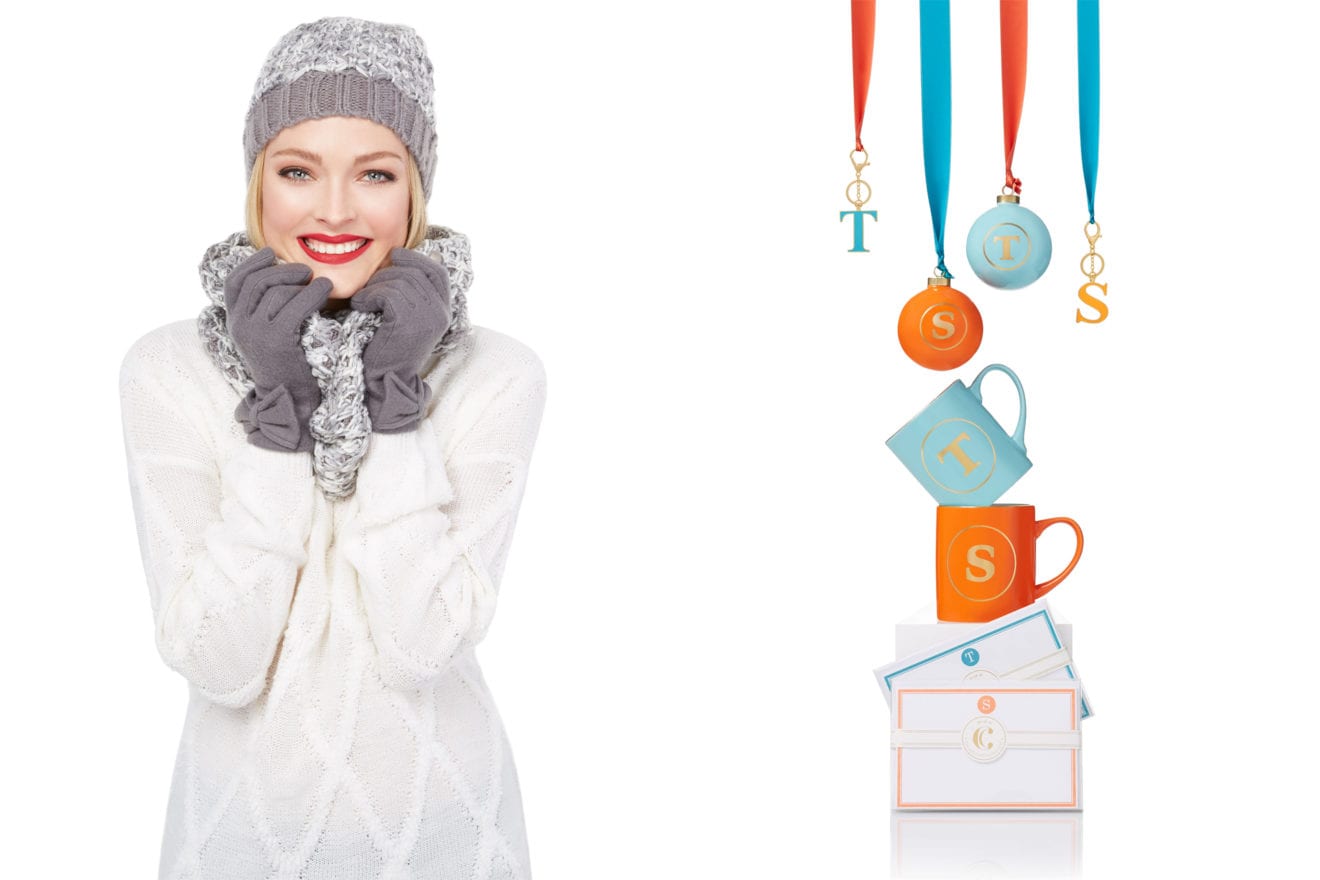
    US retailer Charming Charlie has opened its pink doors in the Philippines.

    And following this Asian debut, the US-based fashion retailer is now eyeing Malaysia, Indonesia, Korea and China for expansion.

    The company had first expanded in Canada and the UAE before opening a store in Bonifacio High Street in Manila last year.

    With big and small fashion retailers crowding the Philippine market, Charming Charlie set its pricing at 30 to 40 per cent below its major rivals. Its upscale store houses up to 8000 accessories from jewellery to sunglasses, arranged by color.

    Founded in 2004 by Charlie Chanaratsopon in Houston, the brand seeks to capture the millennial market.

    Charming Charlie is distributed in the Philippines by SSI Group, Inc. and  has over 350 global retail stores.

  • Indonesia Fashion Week Officially Opened

    Indonesia Fashion Week Officially Opened

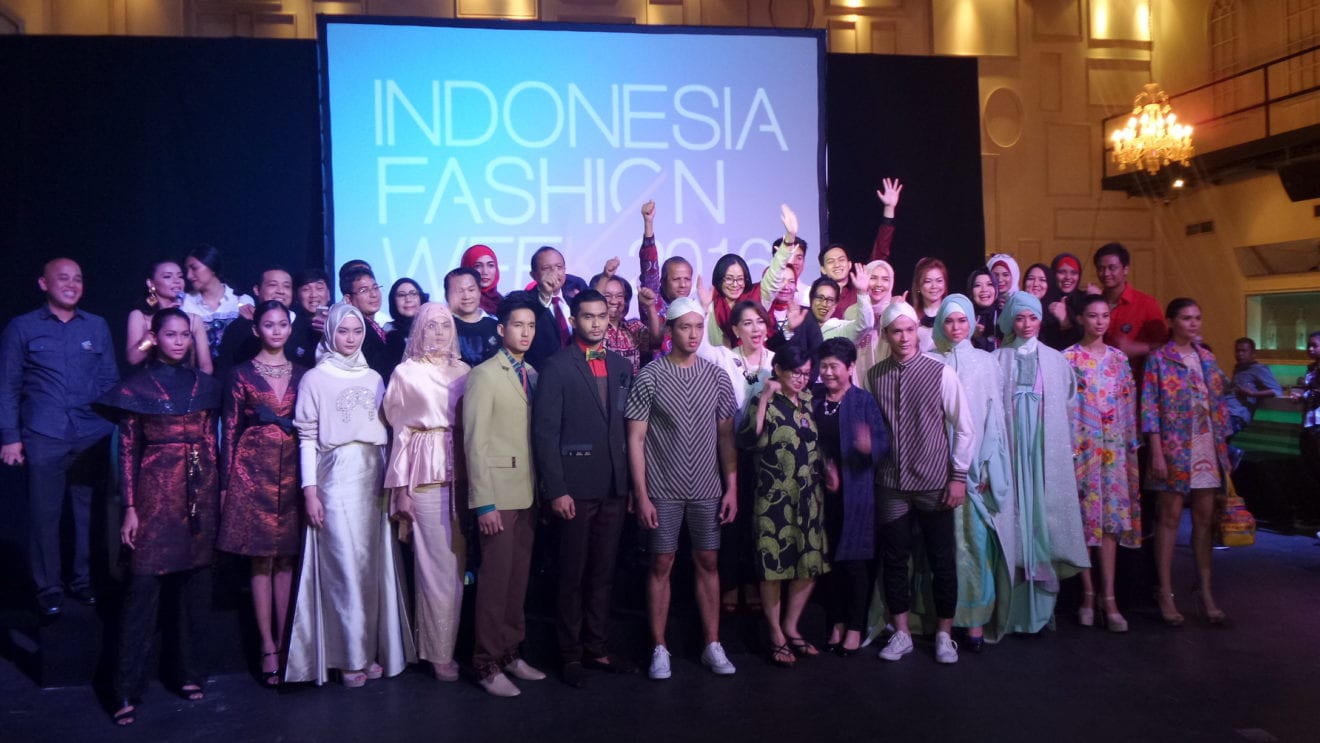
    Indonesia Fashion Week (IFW) 2016 with theme of “Reflection of Culture” is officially opened today, March 10, at the Jakarta Convention Center and will be held from until March 13, 2016.

    “IFW aims to accommodate Indonesian designer needs, both in central and regional,” IFW 2016 President Poppy Darsono said at the opening eventon Thursday, March 10.

    The event created by the Indonesian Fashion Designer Association (AAPMI) will present 32 fashion shows, exhibitions from 480 brands, talk show, workshop and design competition.

    Coordinating Minister of Human Development and Culture Puan Maharani, who represented Vice President Jusuf Kalla, said the fashion event gives opportunity for talented people in Indonesia to show their work.

    Minister of Cooperative and Small-Medium Enterprises (SMEs) Anak Agung Ngurah Puspayoga, who attended the event, hoped that Indonesian designer could meet domestic fashion needs, which is about 40 percent from the ASEAN market. “Don’t let foreign fashion enter Indonesia,” he said.

    Government has a business credit (KUR) program to help designers, including the ones who are starting up their business. The program with low interest is expected to make small businesses, including fashion, to keep growing. “We have prepared Rp120 trillion for KUR,” Puspayoga said.

    Industry Minister Saleh Husin said the ministry is also encourages the growth of fashion industry in the country.

    Saleh said fashion industry has contributed in export worth Rp181 trillion each year and absorbs 3.8 million people per year.