Category: Fashion

Retail News Asia is committed to providing both local and global retailers with the latest Fashion news throughout the Asian market. This on a daily base.

  • Mix of innovation, soft power drives ‘K-beauty boom’ in China

    Mix of innovation, soft power drives ‘K-beauty boom’ in China

    Eating exotic and wild species is nothing new in China, just like a saying well known in Guangzhou: “Chinese will eat everything with four legs except tables and eat everything that swims except a submarine.”

    Their openness to new ingredients and recipes strikes a similar note, as South Korean cosmetics companies embrace such quirky ingredients as snail slime, horse oil and pig skin collagen as long as they are considered good for the skin.

    With ingredients ranging from an extract from cocoons, goat milk and volcano clay, Korean beauty items come in all imaginable forms. They range from hair mousse styling foam and fruit flavored yogurt to mask sheet packs for the feet and breasts.

    The relentless experimentation may be one of the most decisive factors behind Korean cosmetics’ success in China, which helped spread the “K-beauty boom” beyond Asia to reach Western customers over the past few years.

    South Korea’s cosmetics exports to China doubled on-year to US$1.08 billion in 2015, which accounts for nearly 40 percent of its total global sales, according to the Korea International Trade Association. South Korea is the second-largest cosmetics exporter to China following France.

    Chen Ming, a 30-year-old makeup artist from Guangzhou, says she has tried several basic skin care products and massage packs by Korean brands, which emphasize naturally flawless skin. For the “nude makeup look,” she is willing to try highly functional cosmetics with bizarre ingredients.

    “Let’s say horse oil is known as good for moisturizing and healing for skin, but you don’t want to use it until it is turned into some kind of dermatological formula to apply onto the skin,” the resident of China’s third-largest city on the southern coast said. “Unlike major Western cosmetics, many Korean cosmetics put key ingredients before labels to give a sense of what it is made of. I think it’s an effective way to sell a product.”

    While major cosmetics companies, including No. 1 AmorePacific Co. and its smaller rival LG Household & Healthcare Ltd., have a wide range of luxury and lower-end lines, independent brands put more focus on targeting safety-conscious Chinese consumers who also care about price tags. Most lower-end brands have lineups ranging from $10 to $50 per item, with advanced formulas below $100.

    “In China, cheap products are considered not reliable because they could contain harmful chemicals, while expensive products are just too expensive for ordinary consumers,” Lou Wei, a 46-year-old music teacher in Guangzhou, said. “Korean products are known as cost-effective compared to Western brands. Plus, the skin types are similar between Koreans and Chinese.”

    The unwavering popularity of Korean dramas and entertainment shows has also elevated their brand power to the next level.

    According to a survey by the Korea International Trade Association last year, 70 percent of 1,400 middle-class consumers in major Chinese cities said they have seen Korean dramas and shows. Eight of them evaluated that such experiences positively affected their perception towards Korean products.

    Most recently, “Descendants of the Sun,” a mega hit KBS drama currently on air both in Korea and China, showed how companies can benefit from consumers who want to mimic styles of celebrities.

    Laneige, AmorePacific’s mass brand, saw skyrocketing sales of items used by actress Song Hye-gyo, who starred as a doctor in the drama, which was viewed a combined 1 billion times on iQiyi, its official streaming site in China.

    At 11st Street, a Korean online retailer that runs a Chinese language site, sales of Laneige’s blemish balm pact jumped 10-fold from March 14 to March 20, while a new lipstick sold out three days after its release.

    “As Korean dramas were usually aired in China at least several months later, sales of related products were reflected with time lag,” said Yoo Sang-woo, a sales director at 11st Street’s Chinese shopping page. “As ‘Descendants of the Sun’ is simultaneously aired in Korea and China, the customer reaction is almost instant.”

    While major players have built production lines in China to get ahead in the fast-growing market, smaller brands have raised considerable sales at duty-free shops and through Chinese vendors who buy in bulk in Korea and resell with a margin both online and offline.

    Experts say the biggest hurdle for those who have yet to establish a direct sales network in the mainland is how to tackle the rising number Chinese knock-offs, stressing the need to expand official distribution channels.

    “In the case of best-selling items, consumers are reluctant to buy them at local shops or through private vendors over concerns of fake products. Some of them buy cosmetics in Hong Kong shops or ask a favor of friends visiting Korea,” said a Guangzhou-based trade official. “Chinese prefer products made in Korea because they have safety concerns over food and anything related to the body.”

    In light of such growing calls, the Korea Trade-Investment Promotion Agency (KOTRA) has pledged to provide support to emerging cosmetics companies via overseas marketing efforts jointly with international retail giants.

    On Wednesday, KOTRA held a “K-beauty Summit” with officials from 40 small and medium-sized cosmetics companies and U.S. retail behemoth Amazon. It also agreed with Taobao, the online market place by Chinese e-commerce giant Alibaba, to hold a beauty trade fair in the first half of this year to expand their sales network.

    Experts say online marketing efforts have become ever more important for further expansion to reach out to the growing number of smartphone users in smaller Chinese cities.

    “Despite recent economic slowdown, the Chinese consumer goods market still offers a great deal of opportunities to Korean cosmetics and clothing companies,” Park Hyun-jin, a researcher at the Seoul-based Dongbu Securities, said.

    “The e-commerce market will continue to grow thanks to the popularity of mobile shopping. As the number of smartphone users has sharply risen in smaller cities and urban areas, brand marketing via mobile and online will help boost sales in China.”
  • Do malls, online shops mix? Zalora says Pinoys have best of both worlds

    Do malls, online shops mix? Zalora says Pinoys have best of both worlds

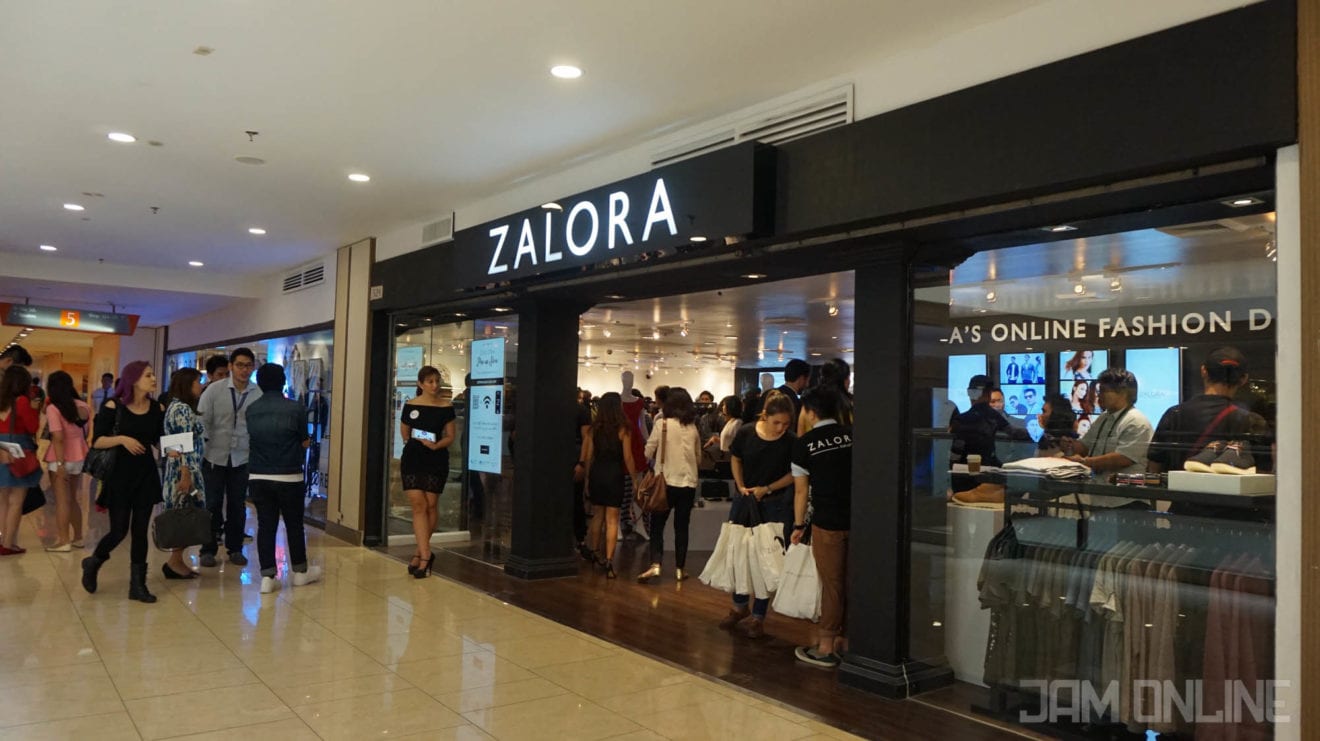
    Like most disruptions in the past, the advent of ecommerce has been framed as a battle between online convenience and the traditional brick and mortar experience: your couch or the mall.

    Ecommerce has played its part as the upstart in this battle, with brands such as Lazada and Zalora coming from nowhere a few years ago to winding their way into the public consciousness.

    Despite this, ecommerce currently accounts for only about 1% of the local retail market. However, as Paulo Campos III, founder and CEO of fashion retailer site Zalora Philippines pointed out, “Where it’s going – that’s the exciting part.”

    “If you believe that the concept of ecommerce is universal, and not just a western country thing, then the experience of other countries provides a glimpse of what’s in store for the country,” he said in an exclusive interview with Rappler.

    In the US and EU, ecommerce now represents about 8-10% of the retail market including big names like Amazon.com.

    But more relevant to the Philippines is its success closer to home.

    “China is the shining story of ecommerce in emerging markets and and somehow validates the thesis that ecommerce is a global, universal thing and that it’s going to happen eventually here and everywhere else,” Campos said.

    Indeed, some of China’s best known companies, including the record holder for biggest IPO ever, Alibaba, are built upon ecommerce and already have 6-7% of China’s giant retail market.

    But its success there doesn’t guarantee it would work here, especially in a country where malls have become the de facto townsquares.

    This is especially true of a firm like Zalora that plays in the fashion space where the fit and feel of clothes are so essential to the buyer.

    Unlike Uber

    Setting up shop in the country in 2012, initially as a venture of Rocket Internet, Zalora has since grown to become the leading fashion-focused ecommerce platform in the country, averaging around 200,000 users per day.

    To visualize this, that’s about on par with the amount of daily foot traffic the big malls get, Campos said.

    Yet, he doesn’t see this as a signal that malls will soon be disrupted in a way Uber has done to taxis around the world.

    “Filipinos will continue to go to the mall in the large numbers they do now. Culturally, the mall is more than just a place to go to buy stuff, it’s where people hang out, cool off and even go to Mass,” he said.

    “In terms of how I see the development of the brand, we’re moving to an omni-channel experience,” Campos explained.

    For example, someone goes to the store to check out an item but then does the research online and then might go back to the store or they can just buy from the site.

    “This omni-channel experience means that ecommerce and the mall will coexist and in fact reinforce each other in a harmonious way,” he said.

    Consumer patterns

    Another interesting point about this relationship lies in consumer patterns.

    Campos pointed out that Zalora sales are highest on Wednesday and Thursday, while they are lowest, at only 50% of the highest days, on Saturday and Sunday.

    Within a day, sales are highest between 1 pm and 4 pm and are lowest between 6 pm and 8 pm. This has been true for every week for 4 years.

    These patterns are the exact opposite of sales patterns in the offline world.

    “What I tell our brand partners is that when customers are in the mall, they are shopping with you. When they’re not in the mall like during downtime at the office that’s when people are shopping with us,” Campos said.

    “People are shopping with us on hump day and 1-4 pm, taking advantage of fast Internet at the office. Somehow it’s complementary,” he said.

    He also pointed out that Zalora’s retail brand partners also found that online shopping doesn’t cannibalize sales. It’s just one way of reaching out to customers at another time and through a different channel.

    This blending of both worlds can already be seen in individual brands that all have their own ecommerce websites. You can buy Nikes online but that doesn’t mean they’ve closed down their stores.

    Local retailers like Bench and SSI, both of which sell through Zalora, already have online ecommerce sites, although Campos is confident that they will continue to sell on Zalora.

    “Customers who are shopping for a specific brand can go to its website directly, and those shopping around looking for many brands can go to Zalora. Brands are basically doubling their retailing channels through us,” he said.

    To facilitate this, Campos said that Zalora sells everything at suggested retail price (SRP). This means nothing will ever be cheaper or more expensive in the mall than on the site, and when an item goes on sale offline, it does so online as well.

    GLOBAL GROUP. Having been incubated by Rocket Internet, Zalora Philippines has since taken out different institutional investors and is now part of mother company Global Fashion Group (GFG). Campos describes GFG as essentially the leading fashion ecommerce group player in 27 emerging markets or "all of the interesting ones except for China." Photo from GFG's website

    GLOBAL GROUP. Having been incubated by Rocket Internet, Zalora Philippines has since taken out different institutional investors and is now part of mother company Global Fashion Group (GFG). Campos describes GFG as essentially the leading fashion ecommerce group player in 27 emerging markets or “all of the interesting ones except for China.” Photo from GFG’s website

    Digital department store

    Campos said that what Zalora brings to the table for consumers, besides convenience, is the ability to browse established brands while getting exposed to new ones.

    “About half of our brands, 750, are mall brands that work together with us on a virtual inventory basis or a marketplace basis. The other half are independent brands, the SMEs [small and medium-sized enterprises], and entrepreneurs that don’t have the scale to work with us like the big brands do,” Campos said.

    He added that while they have the top 20 online retail sellers, they don’t have a store so most consumers have never heard of them. On top of that, Zalora also has its own brand that encompasses about 20% of sales.

    He also pointed out that many users visit the site as an information resource to check on product alternatives and get reviews on different items.

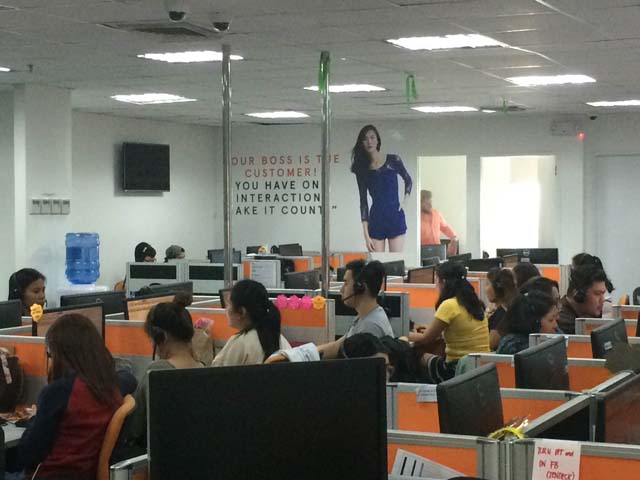
    CUSTOMER SERVICE. Zalora Philippines now employs around 100 customer services representatives with 10 servicing excess demand from sister site The Iconic, serving Australia and New Zealand. Campos says that the firm plans to increase this number in the future as global ecommerce grows. Photo by Chris Schnabel/Rappler

    CUSTOMER SERVICE. Zalora Philippines now employs around 100 customer services representatives with 10 servicing excess demand from sister site The Iconic, serving Australia and New Zealand. Campos says that the firm plans to increase this number in the future as global ecommerce grows. Photo by Chris Schnabel/Rappler

    Tip of the iceberg

    Approaching its 4th anniversary in the Philippines, Campos said that Zalora is profitable on a unit economics basis. But at the moment it is sacrificing profitability for the bigger battle for market share.

    Far from traditional retailers, Campos said that the main challenge facing Zalora, as well as other big ecommerce players, is getting consumers comfortable with buying online, which is why it is channeling money into various marketing efforts.

    These efforts include the pop-up stores they had last year as well as hosting a Zalora Style Awards Ceremony to be held on April 7, and a regional model scouting competition to mark its 4th anniversary.

    Just getting consumers online is also proving to be tricky with Campos sharing that they are still fighting a battle on educating Filipinos on how to use mobile data.

    “I recently saw a Google study that showed that among all our peers in Southeast Asia, we use Internet on a fewer number of days per month than any other ASEAN country and significantly so,” he shared.

    “Out of 30 days, only 80% use it 1-5 days a month. So this phenomenon of being constantly connected or being a digital native is not true for most people in the country,” Campos added.

    Even potential customers who are connected are hampered by poor network infrastructure.

    “We have the benefit of comparing all the ASEAN countries that have Zalora side by side and through the comparison you can really see that we really do have an inordinately slow mobile Internet speed even compared to Indonesia or Vietnam,” he said.

    On the flipside, Campos pointed out that 40 million Philippine users have access to the Internet now, and the number is expected to go up to 75 million in the next two years. If the Internet improves in the next few years, this would bring huge potential to online businesses.

    With Internet speeds improving, the firm is hoping that as more and more consumers become digital natives, they would eventually get comfortable browsing the site from anywhere.

    Maybe even while hanging out in a mall.

  • Hong Kong textile eye India as alternative production base to cut cost

    Hong Kong textile eye India as alternative production base to cut cost

    India is rising, not only as a new choice of relocating labour-intensive industries from China, but also as a retail market of good potential, says a research report by The Hong Kong Trade Development Council (HKTDC).

    In recent years, the sustained rise in production costs on the Chinese mainland has eroded the profit margins of many Hong Kong companies with labour-intensive factories located on the Chinese mainland, prompting them to seek alternative production bases elsewhere.

    While Southeast Asian countries offer many choices, the HKTDC report says India offers many advantages as an alternative production base, along with the added advantage of having a domestic market of great potential.

    According to the report, the majority of Indian garment producers are focused on the domestic market, as their product quality was generally lower than the standards required by overseas importers.

    Despite this, many big Indian exporters have successfully lined up with international buyers, including department stores, retail chains and brands.

    The paper was written after a recent field trip to India that included factory visits and interviews with garment manufacturers.

    In the four years to 2014, India’s garment exports increased at an average annual rate of 12 per cent, surpassing China’s 9 per cent, in line with Bangladesh’s 13 per cent and eclipsed by Vietnam’s 17 per cent.

    With advantages of raw materials and prospects of vertical integration, India is a strong garment exporting country and a location worth considering for factory relocation in relation to labour-intensive manufacturing, such as garment-making.

    The report pointed out that while China is the undisputed world leader in exporting textiles and garment products, many have overlooked India’s position as the world’s second biggest exporter of textile and garment products in 2014, selling a total of $36 billion, during the year, far behind China’s $399 billion.

    For textile exports alone, India was second after China in 2014, with a share of 5.8 per cent of the global market, compared to China’s enormous 35.6 per cent share.

    HKTDC says it is not surprising that the bulk of garment manufacturing in India is for the domestic market, supported by the country’s huge capacity in textiles production.

    India stands out to be a substantial exporter in both garments and textiles. In 2014, India imported textiles worth only $3.8 billion, lagging much behind Vietnam’s $12 billion, Bangladesh’s $6.8 billion, and just ahead of Cambodia’s $3 billion, the report said.

  • Warm weather chills TSI Holdings bottom line

    Warm weather chills TSI Holdings bottom line

    With unseasonably warm weather at the end of last year dampening demand for winter clothing, Japanese apparel retailer TSI Holdings had weaker earnings for the year ended February 29.

    Its operating profit was flat at about 1 billion yen (US$8.86 million), falling short of a 1.2 billion yen projection. Sales fell about 9 per cent to 165 billion yen against a predicted 167 billion yen.

    Same-store sales, including online data, eased 3.6 per cent, with dips of 8 per cent for November and 4.1 per cent for December. High-margin items such as wool overcoats from mainstay brand Natural Beauty Basic met lukewarm demand.

    During the quarter, the company opened 58 stores for 21 brands, and has been negotiating with domestic and overseas apparel and natural cosmetics companies, leading to partnerships with a Chinese apparel company and a domestic beauty industry company.

    TSI also reports a “drastic shift” from paper media to digital promotion, and is enhancing its relationship with Google. This follows its eCommerce ratio growing from 9.6 to 10.8 per cent.

    Almost all brands’ O2O sites are now on the table, says the group, which is developing smartphone apps. Four brands opened sites – Free’s Mart, Jill Stuart, Natural Beauty and Zio Bernardo. Free’s Mart also became the first Japanese brand launched on the Zalora eCommerce site in Southeast Asia.

    The group’s own eCommerce sites grew 129 per cent year-on-year, from 11 to 20.

    TSI has 14 apparel subsidiaries in Japan and three overseas, and its 63 brands include Adore, Callaway, High Street, Nano Universe and Stussy.

  • Fossil wearables teams with major fashion labels

    Fossil wearables teams with major fashion labels

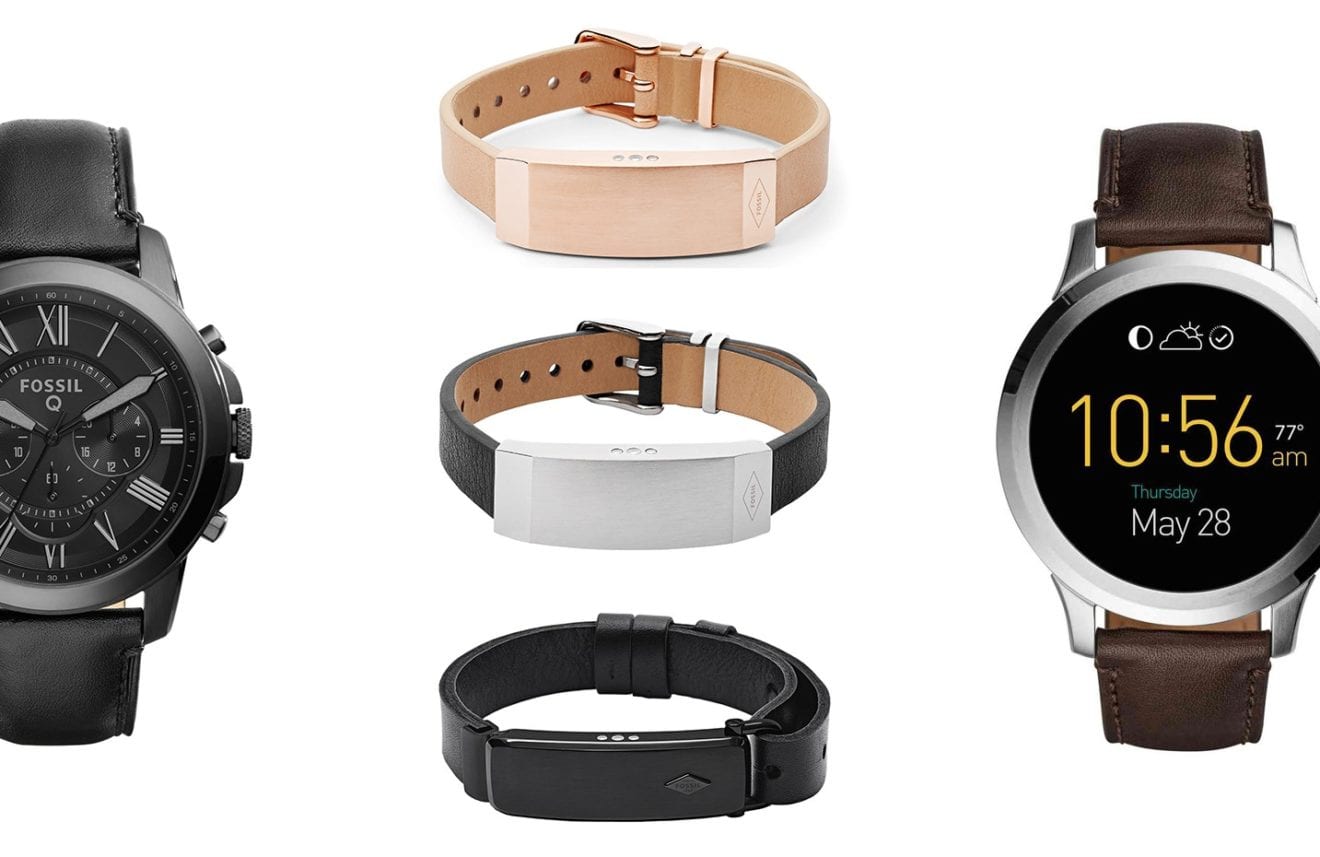
    Fossil wearables has teamed with major fashion brands Chaps, Diesel, Emporio Armani, Fossil, Kate Spade New York, Michael Kors, Misfit and Skagen to launch in 40 countries in 2016.

    Fossil Group says it plans more than 100 wearables products – which include display- and non-display watches and trackers – will be available in 40 countries and more than 20 languages later this year. The category of wearables offered will vary by brand.

    Fossil Group will support the wearables with unique and branded apps across all brands, three product categories, and two operating systems. The 2016 launches are part of the company’s efforts to bring a fashion-first focus, innovation and an increased variety of products to the wearables industry.

    “One of the distinct advantages of a fashion company over traditional consumer electronics manufacturers is our product cycle,” said Greg McKelvey, chief strategy and digital officer with Fossil Group.

    “We demonstrate remarkable speed to market, from development to launch, in order to meet the retail industry’s seasonal new product deadlines.

    “The industry has been slow to adapt to growing consumer desires for new styles and options for wearables. With the diversity of major fashion brands we offer, customers will be delighted with the sheer volume of styles and options available when shopping for a wearable that fits their personal style.”

    With the look, feel and fashion appeal of traditional watches, Fossil Group’s digital display watches and non-display watches leverage the company’s core competency in making beautiful, quality watches.

    Since acquiring Misfit in November 2015, Fossil Group has increased capabilities for the development and production of the technology supporting its wearables products. The company’s wearable technology platform includes proprietary power management technology that enables coin cell battery-powered non-display watches and trackers to be deployed across the entire Fossil Group brand portfolio.

    Without the need for daily, weekly or even monthly charging, the new devices function much more like traditional watches and lifestyle accessories than as typical consumer electronic products that require daily maintenance.

    Concurrent with the advancement of Fossil Group’s owned technology and research and development capabilities, the company continues its strong partnerships with third-party technology partners, including Google and their Android Wear platform, to deliver on the company’s short- and long-term wearables strategy.

    Fossil Group this week displayed Fall products – including wearables, watches, jewellery, leather goods and other accessories – to business partners and media in its new European headquarters in Basel, Switzerland, during the annual Baselworld marketplace show for the world’s watch and jewellery industry.

    The new, 108,000 sqft, seven-floor Basel facility was constructed with modern geometric architecture. Three floors of brand showrooms present brand-immersive experiences for each of the company’s 17 owned and licensed brands, and a large auditorium and event space.

  • Esprit sales flat, as expected

    Esprit sales flat, as expected

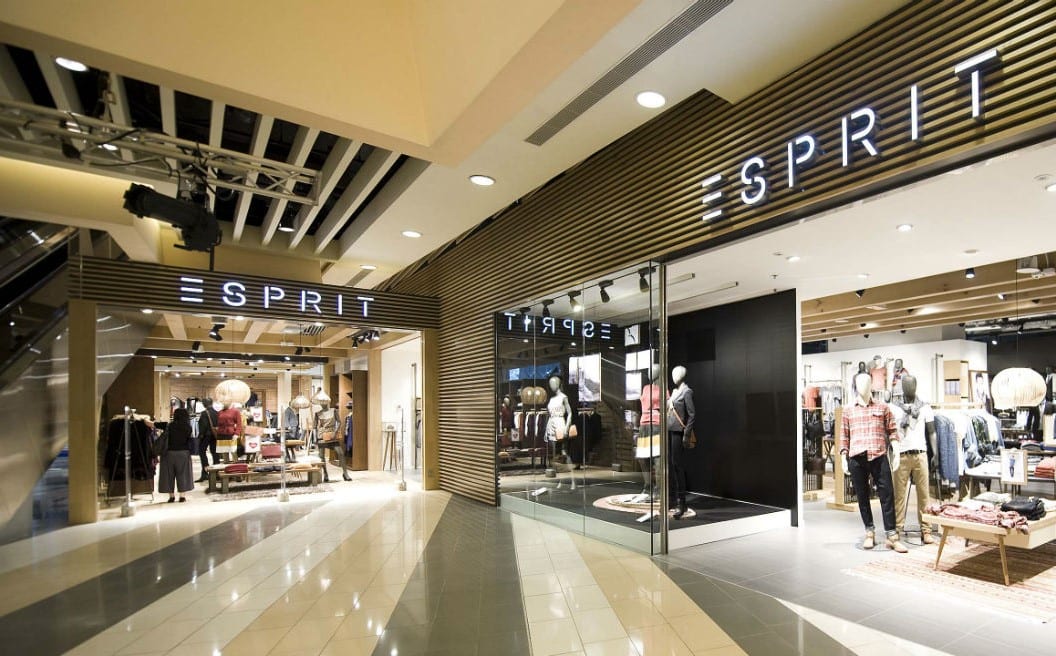
    Largely in line with expectations, Esprit sales were flat, the fashion brand says in its interim report for the six months to December 31.

    While its overall turnover was down 0.4 per cent overall, retail turnover grew 6 per cent while wholesale turnover fell 11.4 per cent.

    The gross profit margin for Esprit Holdings was stable at 50.5 per cent, while the net loss of HK$238 million was in line with expectations. The group had a healthy net cash position of HK$4.2 billion with zero debt.

    Unfortunately, positive retail sales growth in Europe was offset by continued weakness in the wholesale channel, and negative development in the Asia Pacific region. Asia Pacific turnover declined 6 per cent year-on-year, mainly dragged down by China with its 11.6 per cent drop. China represents 46 per cent of the region’s turnover.

    In its breakdown of turnover in Asia Pacific, China led with HK$655 million, 7 per cent of group turnover. Then came Hong Kong (HK$185 million, 2 per cent, down 0.4 per cent), Australia and New Zealand (HK$162 million, 1.7 per cent, up 0.3 per cent), Singapore (HK$129 million, 1.4 per cent, down 4.7 per cent), Taiwan (HK$98 million, 1.1 per cent, up 6.5 per cent), Malaysia (HK$97 million, 1 per cent, down 2.7 per cent), Macau (HK$56 million, 0.6 per cent, down 12.7 per cent) and others (HK$43 million, 0.5 per cent, up 6.2 per cent).

    In the previous financial year, the group moved towards vertical integration which resulted in more cost-efficient product development and supply chain processes, allowing product improvements in terms of design, quality and value-for-money.

    To maximise the selling potential of its improved products, this past year the group started pursuing an Omnichannel business model. In its early stages, this has led to improvements in growing its loyal customer base “Esprit Friends” and fully integrating the commercial activities of all sales channels.

    In September, the group launched an intensive brand-marketing campaign to strengthen and rejuvenate its image.

    Performance during the first six months of this financial year (between July and December) indicated that the vertical and omnichannel model was an effective basis to turn around its business, the company said.

    In its report, the company paid tribute to its co-founder, Doug Tompkins, who died in December, describing him as a “conservationist, outdoorsman, philanthropist, agriculturist and businessman”. He and his then wife, Susie Buell, formed the company in 1968. Esprit’s collections are available in 40 countries, in about 870 directly managed retail stores and through more than 7500 wholesale sales points including franchise stores and department-store outlets. The Group markets its products under two brands, Esprit and EDC.

    Listed on the Hong Kong Stock Exchange since 1993, Esprit has headquarters in Germany and Hong Kong.

  • Hong Kong textile cos eye Make in India to cut costs

    Hong Kong textile cos eye Make in India to cut costs

    India is rising, not only as a new choice of relocating labour-intensive industries from China, but also as a retail market of good potential, says a research report by The Hong Kong Trade Development Council (HKTDC).

    In recent years, the sustained rise in production costs on the Chinese mainland has eroded the profit margins of many Hong Kong companies with labour-intensive factories located on the Chinese mainland, prompting them to seek alternative production bases elsewhere.

    While Southeast Asian countries offer many choices, the HKTDC report says India offers many advantages as an alternative production base, along with the added advantage of having a domestic market of great potential.

    According to the report, the majority of Indian garment producers are focused on the domestic market, as their product quality was generally lower than the standards required by overseas importers.

    Despite this, many big Indian exporters have successfully lined up with international buyers, including department stores, retail chains and brands.

    The paper was written after a recent field trip to India that included factory visits and interviews with garment manufacturers.

    In the four years to 2014, India’s garment exports increased at an average annual rate of 12 per cent, surpassing China’s 9 per cent, in line with Bangladesh’s 13 per cent and eclipsed by Vietnam’s 17 per cent.

    With advantages of raw materials and prospects of vertical integration, India is a strong garment exporting country and a location worth considering for factory relocation in relation to labour-intensive manufacturing, such as garment-making.

    The report pointed out that while China is the undisputed world leader in exporting textiles and garment products, many have overlooked India’s position as the world’s second biggest exporter of textile and garment products in 2014, selling a total of $36 billion, during the year, far behind China’s $399 billion.

    For textile exports alone, India was second after China in 2014, with a share of 5.8 per cent of the global market, compared to China’s enormous 35.6 per cent share.

    HKTDC says it is not surprising that the bulk of garment manufacturing in India is for the domestic market, supported by the country’s huge capacity in textiles production.

    India stands out to be a substantial exporter in both garments and textiles. In 2014, India imported textiles worth only $3.8 billion, lagging much behind Vietnam’s $12 billion, Bangladesh’s $6.8 billion, and just ahead of Cambodia’s $3 billion, the report said.

  • Inside Bonia Selangor

    Inside Bonia Selangor

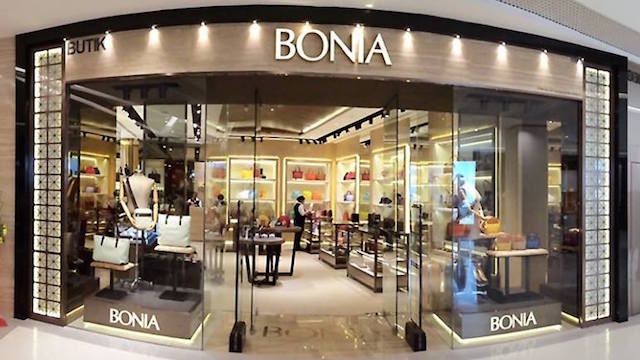
    Malaysia-listed luxury fashion retailer Bonia has opened a new generation boutique in its home market.

    The new store is on the ground floor of the Aeon Seksyen 13 Shah Alam shopping complex in Selangor.

    Bonia - Aeon Shah Alam Selangor Malaysia 2

    As the accompanying images released by the brand on Facebook show, the store has a distinctly curved facade and something of a ‘maison’ feel. It is thus similar to the style used by luxury European brands, with stock clustered by category in precincts, but not quite rooms.

    Bonia - Aeon Shah Alam Selangor Malaysia 3


    Stock is sparsely laid out to make the core leather goods ranges the hero of the displays, augmented by the brand’s apparel offer.

    Bonia - Aeon Shah Alam Selangor Malaysia 4

    Bonia Group has more than 700 sales outlets and 70 boutiques across Asia specialising in leatherwear, footwear and accessories.

    Bonia - Aeon Shah Alam Selangor Malaysia 1


    Altogether it has a network of more than 1200 sales outlets and 170 standalone boutiques throughout the world, including countries such as Brunei, Cambodia, China, Indonesia, Japan, Malaysia, Myanmar, Singapore, Thailand, Taiwan and Vietnam.

  • Third Manila NBA Store opens

    Third Manila NBA Store opens

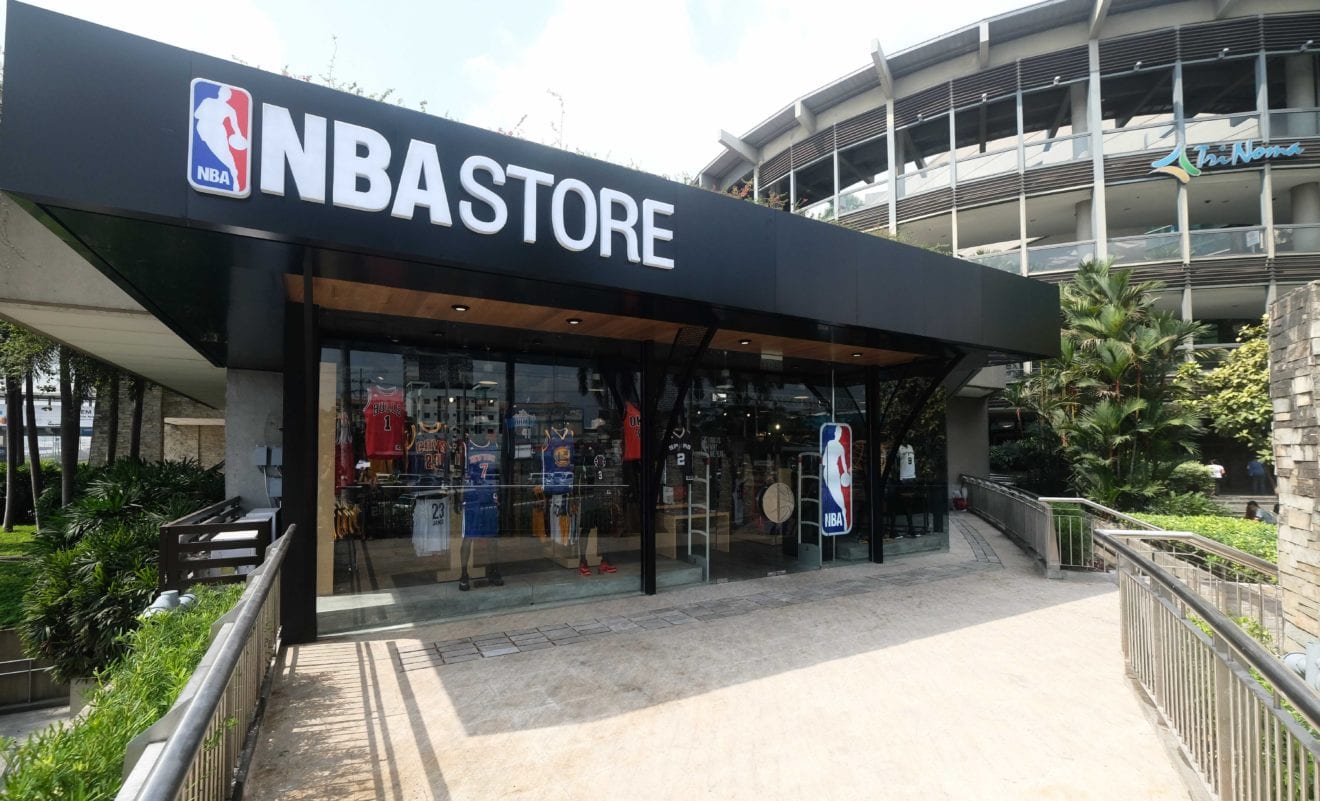
    The National Basketball Association (NBA) has opened the third Manila NBA Store.

    “[The new branch] has the most complete assortment of [NBA] products and merchandise in the Philippines,” said NBA Philippines MD Carlo Singson during a press conference.

    NBA store Philippines, Quezon cityThe International Athletic Trading Company (AITC) is managing the new branch in Trinoma Mall, Quezon City (right picture). It also oversees the NBA’s flagship store in Glorietta 3 in Makati City, and its second store in Mega Fashion Hall at SM Megamall in Mandaluyong City.

    IATC president and CEO Melvin Lloyd Lim said he is bullish about their new Quezon City presence, observing that the North Edsa area is “always packed with people” due to the presence of two (soon to be three) large commercial malls.

    “Based on my experience with retailing, this mall is one of the most successful Ayala malls,” Lim pointed out.

    All 30 NBA teams are represented in the merchandise at the NBA Store’s 280 sqm space including official jerseys, footwear, performance gear, lifestyle apparel, basketballs and collectibles.

    The stores feature assorted NBA products and other brands such as Adidas, Nike, Under Armour, New Era, Panini, Spalding, Stance and 2K Sports.

    In October 2015, the flagship NBA Store in the Philippines received the 2015 Asia Sports Industry Gold Award for the “Best Sports Retail Campaign” in recognition of its industry leading standards.

  • New L’Oreal Thailand boss goes for the top

    New L’Oreal Thailand boss goes for the top

    Keraudy will take over from Umesh Phadke as the first female managing director of L’Oreal Thailand on April 1. She is currently general manager of L’Oreal Thailand’s consumer products division, and will come to the top position with significant experience in L’Oreal across multiple countries.

    “My second priority will be to continue growing our people and ensure we are doing business in a sustainable way. We want to make sure L’Oreal Thailand is the best place to work for all employees and grow our business in a manner that will have a positive impact on both society and the environment,” she said.

    L’Oreal Thailand has 21 brands, ranging from mass market brands to luxury, offering consumers a wide range of beauty products and price points. Last year alone, it sold 87 million product items across all categories.

    L’Oreal (Thailand) Co, a subsidiary of the world’s leading beauty company, has announced impressive 2015 performance, especially in the facial skincare segment, the largest in the Thai beauty market, as well as accelerated growth in the makeup sector.

    L’Oreal’s business is ranked No 1 in the Asean countries where it operates.

    The value of Thailand’s skincare market last year was estimated at Bt26 billion, up 5 per cent over 2014. Facial skincare accounted for 68 per cent of the market, with makeup, which posted the fastest growth of 6.5 per cent, valued at about Bt14 billion.

    Outgoing managing director Umesh Phadke said L’Oreal Thailand had performed strongly performance and remained the fastest-growing beauty company in the country.

    “Our leadership in the highly competitive facial-skincare market, our fast growth in the makeup market, and our adherence to the very highest standards of trust and innovation in our operations [are] at the heart of this great achievement for our company. I would like to thank every L’Oreal employee for their contribution to this great success,” he said.

    In order to accelerate further in 2016, the company will focus on five key areas: introducing new brands, strong product innovation, effective communication, both online and offline, expanded distribution channels and increased concentration on sustainability.

    Digital innovation will also be key strategy for L’Oreal Thailand in a highly mobile and connected market. Thailand has nearly 82 million mobile connections, and more than 37 million people use Facebook every month.

    Average social-media use is almost three hours a day.

    “We are focusing more on digital media, and have invested 130 per cent more in digital media compared [with] last year. Our Garnier Sakura White campaign with ‘selfie sticks’ used as a means of relating to Thai consumers who love taking selfies had almost 3 million views on YouTube and was recognised as the best campaign worldwide,” Phadke said.

    E-commerce is another growing trend, with overall Internet retail increasing by 30 per cent in 2015 to Bt47 billion in total value, according to Euromonitor. DHL reports that the Thai e-commerce market is growing rapidly, and is expected to more than triple in size to Bt138 billion by 2020.

    “Thai people aspire to beauty,” Phadke said. “It is a consistent part of Thai life, and this can be seen prominently in the culture, arts, architecture, and the way one expresses oneself here.

    “The Thai quest for beauty has facilitated the growth of the Thai beauty market, and fills the future with great opportunity. With exciting new brands, strong product innovations, innovative digital communications, e-commerce growth and high-quality in-store services and experiences, we are confident that we will take our place at the top of the makeup market in the near future, while continuing our strong leadership of the facial-skincare market.”

    The company says Nathalie Gerschtein Keraudy has strong understanding of the Thai beauty market, with three years of success in the country’s business results.

    Phakde will move to a new role as country manager of L’Oreal Indonesia.

  • Local Milan Station revenues plunge 81 pct in 2015

    Local Milan Station revenues plunge 81 pct in 2015

    Luxury branded handbag store chain Milan Station Holdings Ltd. saw its revenues plunge by 80.8 per cent year-on-year to HK$15.6 million (US$1.94 million) in Macau for 2015, following its closure of retail stores in the territory, according to its filing with Hong Kong Stock Exchange on Wednesday.

    ‘The gaming industry and tourism industry in Macau shrunk in recent years, which greatly bombarded the Group’s business locally. During the year, the Group closed the retail stores in Macau, while the points of sale in exclusive clubhouses also performed unsatisfactorily,’ the retailer noted in the filing.

    The company said it would adjust the product mix for its current sales points in local exclusive clubhouses as well as focusing on selling mid-priced brands in order to improve its revenues in the Special Administrative Region.
    For last year, the company generated total revenues of HK$400 million, a 35 per cent year-on-year drop compared to the HK$616 million it made in 2014. Meanwhile, it posted a narrowed net loss of HK$48 million for the year, some 9 per cent lower than the HK$53 million loss suffered one year ago.

    In addition to the sales drop in the city, Milan Station’s Hong Kong sales also fell 23.9 per cent year-on-year to HK$343.9 million. The company explained that the decline is due to the decreased number of Mainland China tourist visits to the HKSAR, weakening per capita consumption, and exchange rate fluctuations.

  • Ulta Beauty on expansion fast track

    Ulta Beauty on expansion fast track

    US retail chain Ulta Beauty is on a rapid expansion program, buoyed by soaring demand for cosmetics.

    In the words of US retail publication Chain Store Age, “no [US] retailer has more momentum right now than Ulta Beauty”.

    In the last financial quarter – to January 31 – the company opened 103 new stores, taking its total network to 874. It has already confirmed another 100 for this year as part of a US$390 million capital expenditure program.

    And it is achieving growth not just by network expansion: same store sales rose 12.5 per cent in the last quarter and it is expect to post double digit growth throughout 2016.

    “We continue to benefit from the powerful combination of strong demand in the beauty category and Ulta Beauty’s highly differentiated offering that propels our business to transcend prevailing trends across the retail landscape,” said Ulta Beauty CEO Mary Dillon.

    Fourth quarter sales reached $1.3 billion and net income increased 23.6 per cent to $107.8 million.

    Full year sales increased 21.1 per cent to $3.9 billion and same store sales increased 11.8 per cent compared to a 9.9 per cent the prior year. Full year profit increased 24.5 per cent to $320 million.

    As well as its swelling store ranks, Ulta Beauty is thriving online: fourth quarter eCommerce sales increased 44.2 per cent to $94.8 million and full year eCommerce sales by 47.5 per cent to $221.1 million.

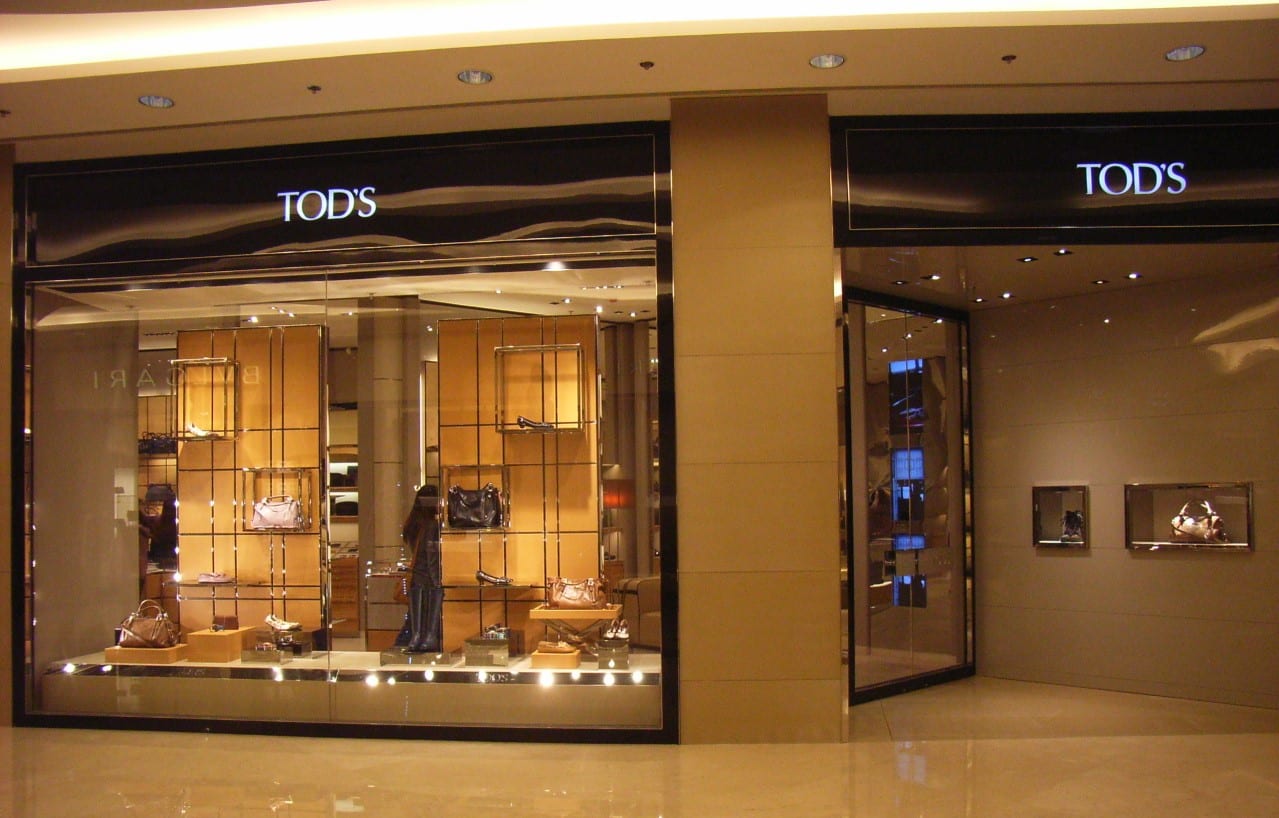
  • Tod’s Hong Kong may close stores

    Tod’s Hong Kong may close stores

    Tod’s Hong Kong is continuing to suffer from the luxury spending downturn – and may close some stores.

    Milan-based luxury goods brand Tod’s says while the Mainland China market “has stabilised” there has been “no improvement in Hong Kong”.

    The company was commenting with the release of its 2015 trading figures, reassuring shareholders that despite the Hong Kong woes it remained on track to deliver a 5 per cent rise in revenue this year, despite falling same-store sales since January 1.

    Tod’s Hong Kong has 14 stores.

    CFO Emilio Macellari said during an analysts call the company had been unable to renegotiate any of its rents in the territory – but had avoided rent increases at two malls. As a result it may close one or two stores.

    Globally, it plans to reduce the number of new store openings from 31 last year to between 15 and 20 this year, recognising slowing growth worldwide.

    More than 20 per cent of Tod’s global sales are in Greater China – but they shrank 12 per cent last year on a constant currency basis, with Hong Kong and Macau accounting for a majority of the decline.

    Sales in Japan and the US are also declining but the brand was holding its own in Europe, especially its home market Italy.

    Despite declining sales, the company reported a 5 per cent increase in earnings for 2015. Macellari said the company’s strategy of widening its product range to include handbags and apparel would help restore growth and meet forecasts.

  • Bata Shoe Company’s unified communications story

    Bata Shoe Company’s unified communications story

    With mobility growing at an unprecedented pace, user dependence on smartphones and tablets has intensified. The mobile device, with its dynamic messaging, video conferencing, and voice options, is playing an enabling role to empower communication within the organization—regardless where employees are geographically.

    For a company with extensive global reach as that of Bata Shoe Company—one of the world’s largest and oldest shoe companies with more than 33 production facilities in 28 countries on five continents—ensuring seamless collaboration between all of its facilities proved a challenge. Product and R&D teams in China, Singapore and other Asia-Pacific countries were spending too much time and money traveling to collaborate on design, production and operations planning; as were members of senior management whose valuable time was spent shuttling between offices.

    “It has always been a hassle and costly affair whenever we tried to organise regional meetings or group discussions. This would normally take at least one month of coordination and planning before the actual event to gather every participant to a single location,” relates Jeremy Chong, regional manager for Finance and IT Projects.

    Such arrangement afforded one to two business-critical meetings annually, but faced with an increasingly competitive business environment and other external factors, Bata recognized the need for the company to become more fluid. “This meant more collaboration both horizontally and vertically. To have fruitful and meaningful discussions, it wasn’t good enough to send out emails and collaborations that relied solely on public internet connectivity. These were not enough to deliver the kind of face-to-face discussions we wanted,” says Chong.

    Seamless collaboration

    It’s a different picture these days for Bata Shoe Company. Leveraging unified communications tools provided by Tata Communications, the company is now able to collaborate across multiple platforms and devices, all the while mitigating communication costs. Implementation, which began with a pilot rollout involving video conferencing end points deployed in Bata’s Singapore, Switzerland, Chile, Indonesia and India facilities, proved successful, providing high-quality video, an immersive face-to-face meeting experience and solid reliability.

    “We did not have too much involvement during the whole implementation process as this was well managed by Tata Communications’ assigned project manager to us. Overall, the whole process was comfortable for countries that already have a developed infrastructure while we faced longer implementation in countries with less developed infrastructure,” reports Chong, adding that the company’s key critical criteria for choosing a unified communications vendor include the following: strong global coverage in the network infrastructure “as we are geographically diverse”; availability of the right technology that has to be user-friendly and easy-to-use; and strong customer service support available 24/7. “Tata Communications was chosen primarily because of its long-term relationship with us and its flexibility to meet our specific requirements. The team’s customer-oriented approach has played an important part as well,” he says.

    The benefits

    From an economic point of view, unified communications has proven to be quite cost-effective for Bata Shoe Company. Since implementing Jamvee across the enterprise, Chong reports increased productivity across the whole organization. “The frequency of group discussions and collaborations has invariably increased as the technology has provided an almost face-to-face environment. This has also indirectly affected the way the organization has deployed people. Instead of consolidating the entire team in one geographical location, we are able to comfortably have members of the team working locally, cutting down some of the hassles and inconveniences during a re-allocation,” shares Chong.

    In terms of numbers, traveling costs were reduced by as much as 40 percent in some operations, saving the company $300,000 in the first year and generating a 400 percent return on investment. “From a social point of view, less flying means our executives have the valuable opportunity to spend better quality family time,” puts in Chong, adding that with the basic infrastructure now laid down, Bata is more confident about embarking on another phase of its IT journey. “We want to expand the usage of our investments to enhance cross-border collaborations horizontally through multiple devices. If this is successful, we will potentially shift from a pure physical office environment to a hybrid office environment,” he states.

    According to Chong, this exercise was initiated and run by the business users themselves. “It has been an adventure, as well as a steep learning curve for us to grasp and understand the technology involved to support the solution we wanted. An important lesson we learnt is that not all IT implementations are the same and these cannot be managed in similar manners,” he shares. For enterprises looking to leverage unified communications in their business, Chong relates Bata’s insights:

    • Listen to the users. “Listening is crucial as it enables a good understanding of the user’s business requirements, therefore providing the right solutions.”
    • Be prepared to fail. “But learn quickly from mistakes to complete the projects.”
    • The key change management, and most important, is education. “Before any implementation, we would showcase to each country the capabilities of this technology and how it can help them with collaborations and effective communication. After implementation, online trainings were conducted to ensure users are well equipped to use the facilities,” he says, adding, “a strong sponsorship by the CEO and Chairman helps make the process smoother as well.”
  • Uniqlo Oxford St remodel complete

    Uniqlo Oxford St remodel complete

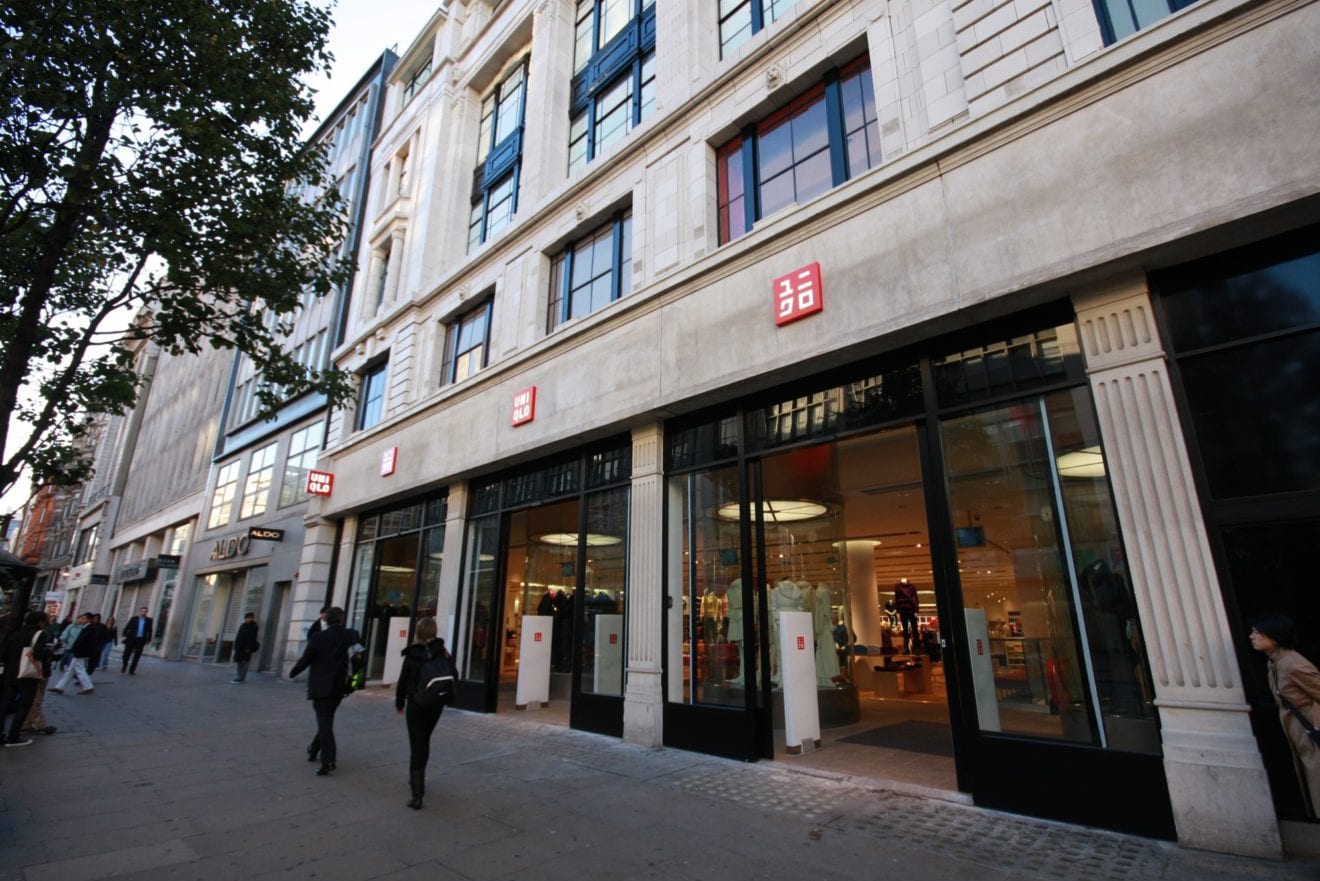
    Uniqlo Oxford St, the London flagship of the Japanese fast fashion brand, will reopen on March 18, after an extensive refit.

    One of the brand’s global flagships, Uniqlo Oxford St originally opened back in 2007 at No 311, six years after Uniqlo made its UK debut. In its new guise, the store will showcase the group’s LifeWear concept as well as pay tribute to London’s rich culture.

    “We wish to celebrate the special connection we feel with London,” says Global Creative fast-retailing president John Jay. “We believe that our new campaign, ‘This Way to Utopia’, and campaign ambassadors showcase this in the best way possible.”

    The completely renovated sales floors at Uniqlo Oxford St span five layers, covering 2240 sqm altogether. A highlight is the Uniqlo WearHouse London, a special area on the third and fourth floors where customers can immerse themselves in the LifeWear concept, which aims to enhance individual lifestyles by delivering quality clothing that is functional in design and versatile to wear.

    These special floors will feature core seasonal styles along with items – also for sale – that capture London lifestyles.

    Cultural events will be held at the store throughout the year to celebrate London’s art and music scenes.

    Another new attraction at the store is a roof terrace overlooking central London. There will be public events in this space throughout the year that combine Uniqlo with local culture.

    To mark the reopening of the store, Uniqlo is collaborating with local partners. The Liberty London spring/summer collection makes its global debut on March 18. It is a collaboration line with Liberty, a London store known for its floral prints since being founded more than 140 years ago.

    For the first time in the UK, the Uniqlo X Hana Tajima collection of modest wear will have its UK launch at the flagship store. Hana Tajima, a UK-born fashion designer and blogger, mixes her styles with Uniqlo’s LifeWear concept to create a collaboration line that has already launched in Southeast Asia and the US.

    A new partnership with Tate Modern Museum will include regular events at the store curated by the museum. In addition, Uniqlo will be the official sponsor of the Tate Modern’s relaunch weekend in June, as well as a new attraction at the museum, Uniqlo Fridays, a series of late-night events starting in October.

    The talents of six leading Londoners from the art, fashion and music scenes will be featured in the “This Way to Utopia” reopening campaign.