Category: Fashion

Retail News Asia is committed to providing both local and global retailers with the latest Fashion news throughout the Asian market. This on a daily base.

  • Zalora Thailand and Vietnam to be offloaded

    Zalora Thailand and Vietnam to be offloaded

    Rocket Internet is selling its Zalora Thailand and Vietnam eCommerce fashion sites.

    This follows the Alibaba Group investing in Rocket Internet’s Lazada, valued at US$1.5 billion. Zalora, which raised more than $250 million, was once on an equal footing with Lazada, according toTechCrunch.

    Southeast Asia did not have service from Amazon or eBay when Rocket started Lazada and Zalora in 2012, but the two outlets have posted heavy losses and experienced slow market growth.

    Zalora, part of the Global Fashion Group (GFG), covers 11 countries across Asia Pacific, including Australia, Indonesia and Taiwan. While its revenue rose 78 per cent to US$234 million last year, its net loss blew out 36 per cent to $105 million.

    Meanwhile, Rocket has announced a new strategy that takes it back to its roots, launching early-stage startups. It sold India-based Fab Furnish this month and Foodpanda Vietnam last year, and is said to be seeking buyers for Foodpanda India and eCommerce site Jabong.

  • New Look and Celio to exit Singapore market

    New Look and Celio to exit Singapore market

    Two fashion brands will bow out of the challenging retail scene here before the year is out.

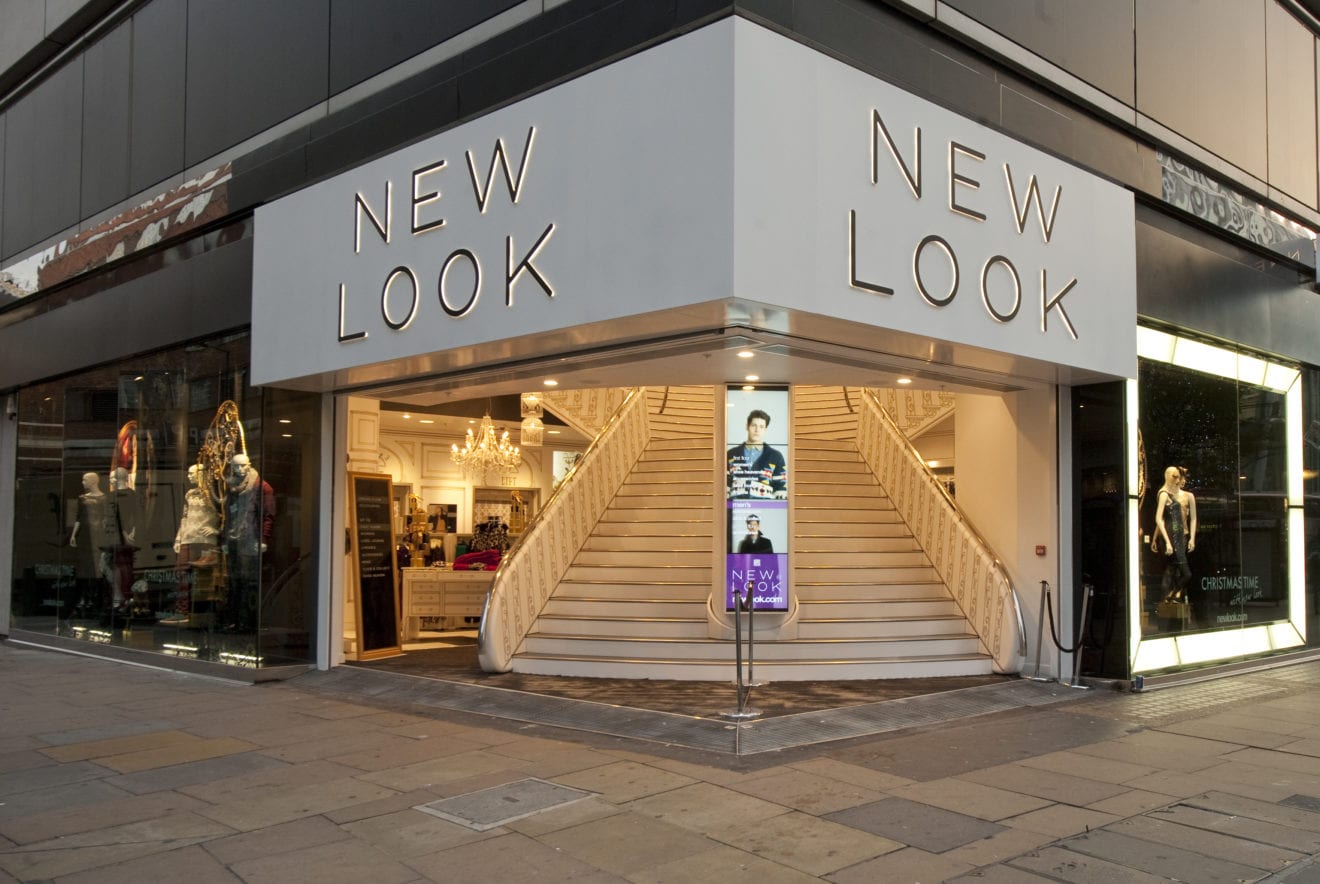
    Eight stores in various malls showcasing the British brand New Look and French menswear chain Celio will close in the second half of the year, said distributor Jay Gee Melwani Group.

    “The sales are not there and the costs are too high. We are consolidating and re-strategising which ones can work, which ones can’t,” Jay Gee Melwani Group managing director R Dhinakaran said.

    The other brands Jay Gee distributes include Aldo, Levi’s, Dockers, Aeropostale, Converse and health supplement chain Holland & Barrett. Affected staff will have the option of being redeployed to other stores in the group.

    Last week, conglomerate Al-Futtaim Group announced that it will shut 10 loss-making outlets here under its distribution and retailing arm RSH later this year.

    Competition from e-commerce, weak consumer sentiment and rising business costs have dogged retailers in recent years, with no sign of a let-up.

    Colliers International’s senior associate director of research and advisory, Ms Anthea To, said: “With both the domestic and international economies experiencing some headwind, consumers are likely to stay cautious and prudent in their discretionary spending.”

    Property consultancy JLL said vacancy rates in malls in Orchard, Marina and the suburban areas are still rising. Said Ms Lee Siew Ling, director of retail at JLL: “Retailers are now focusing on key locations with proven footfall and are more risk-averse and tend to refrain from investing in new locations.”

    The Marina retail submarket – which includes malls such as Marina Square and Suntec City – has the highest vacancy at 6.1 per cent, according to JLL data, followed by Orchard with 3.1 per cent and the suburban submarket with under 2 per cent.

    Ms Lee said the net take-up of retail space islandwide last year came in at minus 86,379 sq ft.

    This means more space was given up compared with retail premises being occupied by replacement retailers and new entrants.

    Shaw Centre, at the junction of Scotts Road and Orchard Road, appears to have trouble filling its units. About 25 units were still behind hoardings at the five-storey mall, including two on the ground floor facing Scotts Road, when The Straits Times visited last week.

    About nine units were vacant on level four, where Seasons Nail Bar is located. The shop’s general manager, Mr Roy Fong, said: “Sometimes I have one walk-in customer a week.

    “There is no shopper traffic. I have to spend $2,000 to $3,000 every month to do marketing. The management gave us a rental rebate, but that won’t help to improve sales.”

    Mr Jeremy Low said his Fox Studio hair salon is “still surviving” as it relies mostly on regular customers.

    “They should fill up the mall quickly, perhaps with an education centre or health spa or yoga studio, to get people to visit,” he added.

    “Maybe they can have a different theme on each floor.”

    Shaw Centre declined to comment on the occupancy rate.

    Marina Square Shopping Mall, which also has many unoccupied units, said it is working with tenants on advertising and promotions and holding events to drive shopper traffic. Its operator, Marina Centre Holdings, said the overall leasing outlook in Singapore will remain “difficult over the next 12 months as existing chain stores are expected to continue consolidating”. It expects to see more “pop-up” stores and new retail concepts.

    Pop-up shop Excluniqueeee leased 1,000 sq ft at the mall at a “very low rate” recently to showcase its apparel and street art.

    Store director Jason Wang said: “In good times, when the malls are doing well, there is no way for us to get retail space.”

    Knight Frank Singapore retail head Wendy Low said pop-up stores are becoming more common as they “help landlords in filling up vacancy and also act as a test bed” for new retail concepts. Analysts said landlords could also offer more flexible tenancy periods and rental structures, review the tenant mix and step up marketing efforts.

  • POMO HOUSE continues to the second year send the watch to prevent missing children

    POMO HOUSE continues to the second year send the watch to prevent missing children

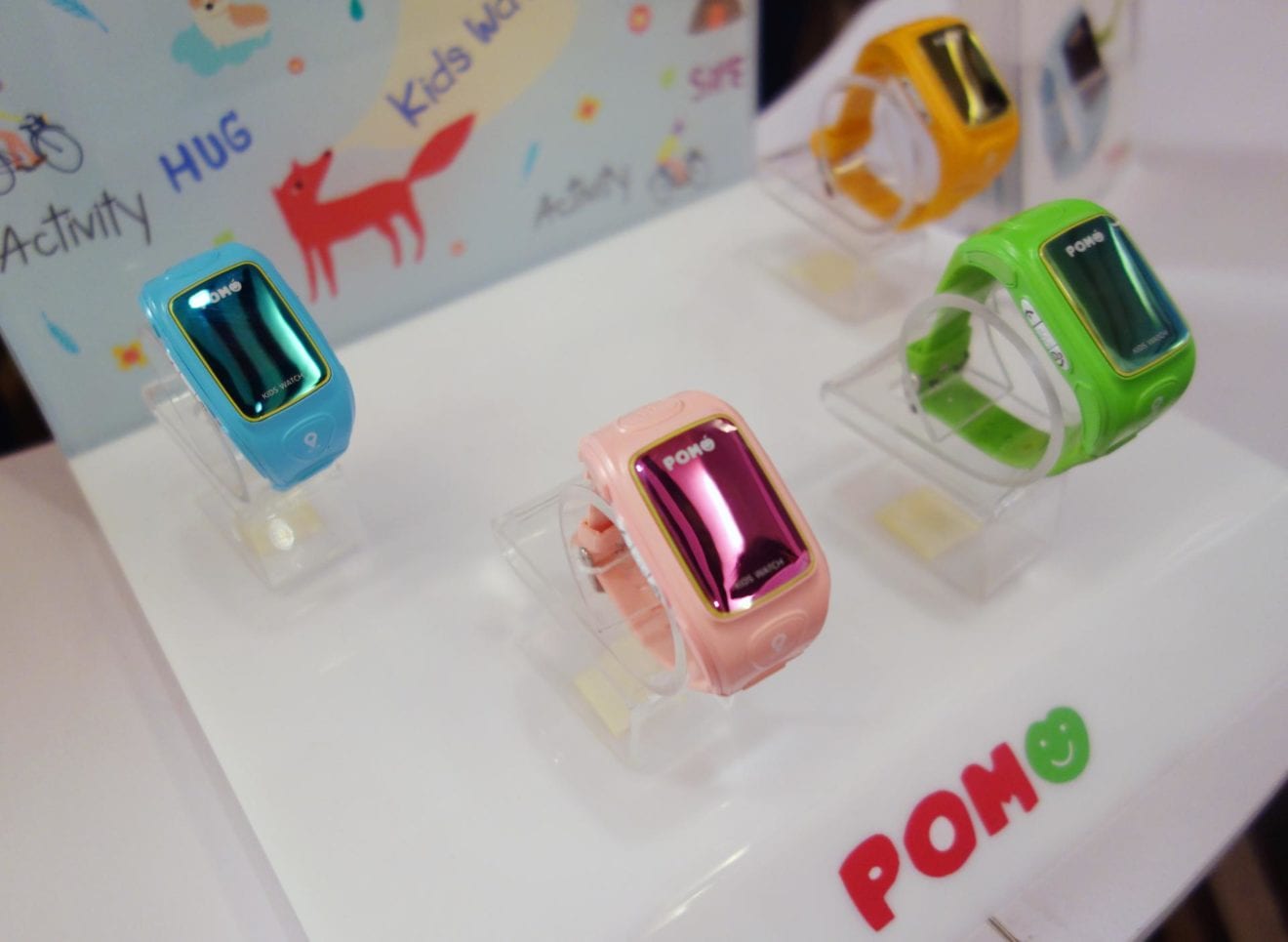
    POMO HOUSE founder and the Distributor Pomo Kids Watch the ultimate intelligent watch  that can help you keep track of the behavior of the children. To launch the new model  for children. The latest version comes with new functions to improve performance and accuracy of the technology in the following ,call a close friend, turn off the phone time to study, easy to install just enter your micro SIM card and connect to your smart phone through the Parental Controls application “POMO moji” include other functions that meet the safety of the child and create a good relationship between the children with friends and family.

    Ms. Supreeya Kanikananta, Chief Executive Officer of POMOHOUSE Co.,Ltd. revealed that “after our company has officially launched on May 2015. The product is  success  for target because we are  pioneer of the market  in Thailand as well as to support the needs of parents. The current case of children have lost  which we feel proud to come  to help the family and the Thai society at this point.

    After product launch to market. We have more storage to  development of our products to meet the needs of the target groups to be more so we have developed the second which is the name “Moji” for the new model has additional development up from the first models in several items. Such as the talk with close friend with program  “the best friend forever”, location with the 3 Best Technology is the triple mode tracking (Wi-fi and GPS) to adjust to the clock mode to the classroom, Performance Guides,  the capacity of the battery, 600MAH standby mode to up to two days, and including the journey history that can view history data.

    store_yellow

    From the our details, Pomo Moji. This is another great innovation of Thai people who develop to the maximum of the technology at the present and solve the problem to the parents in the things that are concerned.

    For this year POMO HOUSE ready to step up to be a leader in the market the watch prevent missing children.  We have the confidence in the title of the team that developed the Software Warranty after the sale and that the center after-sales service that the customer can also take the appliance to a service. For the marketing Pomo Kids Watch model “Moji”. We put the marketing budget  for marketing activity is about 5 millions baht in the investment that will be the production of the activities to promote sales and marketing, public relations on both online and offline. We are confident that it will be able to grow up to more than 3 times from the previous year.

    And now we expand the market to the AEC and Europe. Whether  is the Russian, Finland, Netherlands, Indonesia ,Malaysia and Singapore. Especially at Singapore we have registered a new company that was in the name “Pomo International” with the Singapore partner in order to help the market to  the AEC quickly. And in the future we will open the market in Japan, Australia and North America, overall, expects that it will make the market value to the company is not less than 200 million baht.

  • Asos gives up on the Chinese market

    Asos gives up on the Chinese market

    Asos has made the decision to remove its Chinese operations as the retailer found expansion of the business too costly.

    Instead of holding stock in China, Asos will serve it Chinese customers through its global platform and ship clothes from Europe. Asos will also be discontinuing its Mandarin website. Chief Executive Nick Beighton noted that the closure of the Chinese website would “remove the drag on earnings and a £60m to £70m operating loss”.

    Due to complex restrictions on clothing commerce in China, the fashion etailer has found it is easier to ship to China from the UK. Certain difficulties Asos has encountered within China are regulations on clothing labels and cultural issues such as selling one seasonal range in a country with diverse climates throughout.

    As well as these, Asos struggled to attract Chinese consumers away from etail behemoth Alibaba which dominates 75% of the ecommerce market.

    The CEO stated that the company’s decision to pull the plug on Asos.cn was part of its strategy to concentrate on less regions.

    “Getting eyeballs on our product has proven more difficult than we thought. There are always challenges as a start-up in a country, but there are additional challenges to being a start-up in China,” Beighton said.

    “We are simply serving our growing customer base there in a more efficient, less costly manner”.

  • Funding boost for FashionValet

    Funding boost for FashionValet

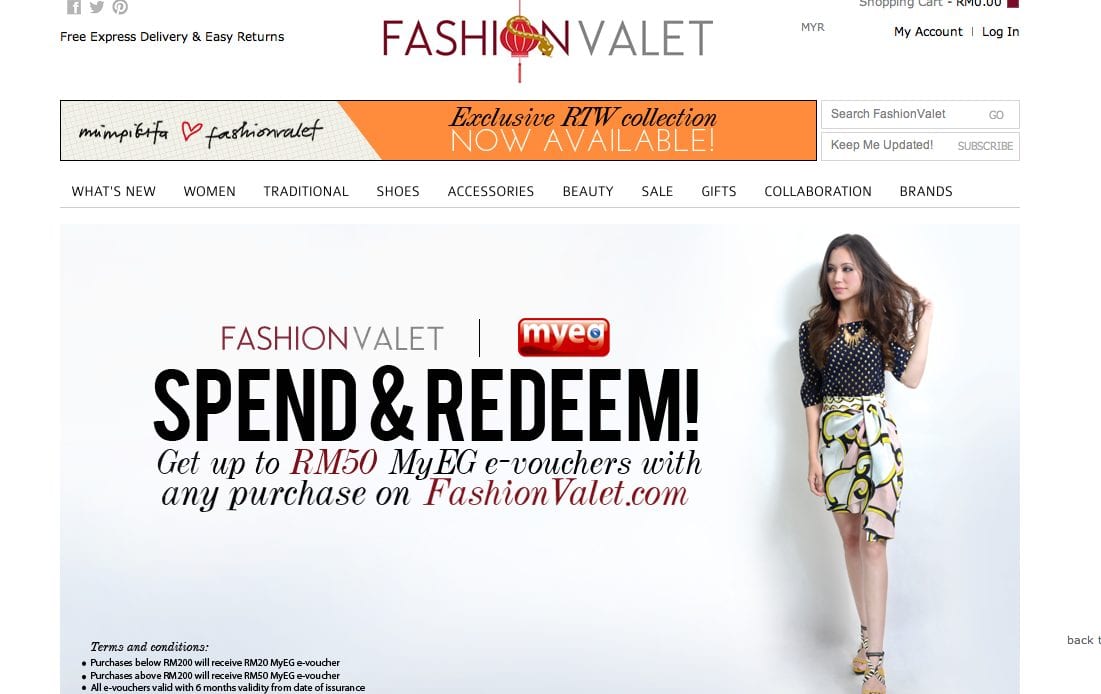
    Malaysia-based eCommerce fashion company FashionValet has received a “multi-million-dollar” funding from Start Today, which runs Japanese online fashion mall ZozoTown.

    FashionValet co-founder/CEO Fadzarudin Anuar says the move is “clearly more than a financial investment”, and that Start Today’s experience in building ZozoTown will prove invaluable as FashionValet charts its next stage of growth around the region.

    “FashionValet has done an amazing job of developing high-demand brands and products from local designers,” says Start Today CDO Koji Yanagisawa. “We feel there is a lot we can share with them with respect to back-end operations.”

    Founded in 2010 by Fadzarudin and his blogger wife Vivy Yusof, FashionValet sells fashion apparel, shoes and accessories, and in 2014 alone had total revenue of more than $1.2 billion. Over the past 12 months it claims to have doubled its revenue, and set up a presence in Indonesia and Singapore. The company has more than 500 Southeast Asian brands, with half from Malaysia and 180 from Indonesia, and 40 per cent of its online sales come from international customers.

    It first physical store was in Kuala Lumpur, with a second scheduled to open along Singapore’s Orchard Rd this year.

    Start Today’s investment in FashionValet comes exactly a year after the startup’s Series A round, led by Silicon Valley-based Elixir Capital. Internet company MYEG also invested in the company in 2012.

    Founded in 1998, Start Today is based in Chiba, Japan.

  • China ripe for AmorePacific

    China ripe for AmorePacific

    AmorePacific, South Korea’s largest cosmetic company, has reaffirmed its commitment to China, seeing further room for growth in the rising middle-class consumers there, the firm said Thursday.

    AmorePacific has shown stellar performance in China with a range of luxury and low-end brands, thanks to the rising popularity of Korean drama and pop. It logged 5.66 trillion won (US$4.93 billion) in sales last year, up 20.1 per cent year-on-year.

    The Korean multinational owns the cosmetics and retail brands Etude House, Laneige, innisfree, and sulwhasoo, among others.

    “By 2020, the middle class population is expected to reach 500 million, and its size and influence will greatly expand in the next decade,” AmorePacific CEO Suh Kyung-bae said during a monthly meeting with senior officials earlier this month.

    While Beijing has applied non-tariff barriers, such as those on ingredients and the approval of foreign brands, Suh expects the focus of regulations will move to distribution to curb counterfeit items and the grey market.

    “However, the tightened retail regulations will have a limited impact on companies that have already established distribution channels in the Chinese market,” Suh said.

    While fledgling cosmetics producers have bloomed over the past years, Suh expects it will take time for them to match the level of its technology and brand power.

    “We will have to keep an eye on the growth of emerging local companies, but brand power is not something they can get in a short period of time,” he said.

  • The 23rd Hong Kong Fashion Week for Spring/Summer Curtains Up in July with Debut Women’s Wear and Knitwear Zones

    The 23rd Hong Kong Fashion Week for Spring/Summer Curtains Up in July with Debut Women’s Wear and Knitwear Zones

    The 23rd HKTDC Hong Kong Fashion Week for Spring/Summer (FWSS) will be staged from 4-7 July 2016 at the Hong Kong Convention and Exhibition Centre with Women’s wear and Knitwear as debut zones to optimize buyers’ sourcing selection. The premium fair in the region is expecting around 1,200 worldwide exhibitors. Previous edition attracted 16,000 buyers from 65 countries and regions.

    Popular thematic zones return

    Private or house labels have become increasingly effective marketing tools among fashion industry players to differentiate and upgrade the image of products. Emporium de Mode in FWSS is a dedicated premium section dedicated to promote elegant fashion brands. Fashion Gallery is an ideal platform to display brand labels and high fashion while the International Fashion Designers’ Showcase showcases unique designer brands for potential clients. Under the four major categories of Apparel, Upstream Supplies, Fashion Accessories and Technology and Business Matching, zoning will be fine-tuned to Footwear, Leggings & Socks, Eyewear, Hair Accessories & Headwear, Belts and Ties and Embroidery & Sewing Supplies to offer one stop platform to best catering buyers’ demand. Other popular zones will return with splendour, including Activewear & Sportswear, Intimate & Swim Wear, Children’s Wear, Men in Style, Denim Arcade and Fabrics & Yarn. Qualified exhibitors are awarded a “Green Solution Suppliers” insignia on their booth fascia to address the growing demand on eco-friendly apparel.

    China market remains resilient

    Chinese mainland market continues to be a driving force for Hong Kong Fashion industry. As of 29 Feb 2016, Hong Kong’s total exports of clothing & clothing accessories to mainland and Macau rose 2.2% and 8.8% respectively to $1.42 billion and $504 million. According to HKTDC’s research, mainland consumers generally find Hong Kong clothing brands trendsetting, fashionable and tasteful. They are willing to pay an average premium of 36% to purchase Hong Kong branded garments. Hong Kong Fashion Week for Spring/Summer serves an effective springboard for traders to expand their business in mainland and Asian market.

    “This fair is the right place for us to gain exposure to meet buyers. Buyers from the mainland and Australia are especially keen to source from us,” said Martens Yiu, Managing Director of Deut St. Limited which is expanding Chinese market. Stationed in Hong Kong, the company has been an exhibitor of Hong Kong Fashion Week for Spring/Summer for consecutive 3 years, reflecting its confidence on HKTDC’s marketing platform for business promotion.

    Neon Garden as fair theme

    With the theme of Neon Garden, a series of fashion house shows and runway parades will go alongside the Fashion Week to reinforce Hong Kong’s position as Asian fashion trendsetter. HKTDC offers business matching services, networking receptions, seminars and buyer forums during fair to provide a perfect platform for industry players to exchange market intelligence and explore new business opportunities. WGSN and Fashion Snoops are invited to talk about market trend. The Small-Order Zone is available for buyers sourcing from 5 to 1,000 pieces.

  • Lululemon figures shroud ‘weakness’

    Lululemon figures shroud ‘weakness’

    Lululemon’s final quarter numbers look fairly solid on the surface, especially when compared to the rather lacklustre performance during the prior quarter.

    However, while there has been a pickup in sales momentum, the underlying figures continue to show signs of weakness.

    At headline level, net revenue from the Canadian athleisure wear retailer rose by an impressive 17 per cent. Most of this was propelled by the 62 new store openings across the fiscal year. There is nothing inherently wrong with this and, indeed, we would argue that it underlines the latent opportunity Lululemon has to increase its fleet across many geographies. However, the slight issue is that such expansion has come at the expense of profit growth, which at net income level rose by a subdued 6 per cent during the quarter.

    Margin was also eroded by another contributor to growth – direct sales. On a year-on-year basis direct sales grew by 28 per cent during the period to stand at just over a fifth of all company sales. Such a rise comes off the back of the continued traction of online and, as such, is aligned with consumer demand. However, we also believe the direct sales model to be marginally less profitable than sales made via stores – a fact reflected in the margin position which has fallen slightly compared to last year.

    As much as new stores and online have made positive contributions, the growth from physical stores is less impressive. Revenue from this channel grew by a paltry 1 per cent, certainly an uplift on the flat position of last quarter but still worryingly slow considering that many stores in the fleet are still relatively new. The meagre rise is made all the worse by the fact that prior year comparatives, when sales rose by 2 per cent, are relatively soft.

    Part of the reason for slower store sales growth is down to the stronger dollar. On a constant currency basis store sales rose by a more pleasing 5 per cent, but even so this remains a long way below the growth of other channels and somewhat below the growth rate for athleisure as a whole across the fourth quarter.

    While Lululemon should be applauded for its efforts around direct sales, its stores should be working much harder. There is still plenty of growth left in the athleisure segment and stores remain, for many consumers, become an important touchpoint for advice, inspiration and information. On these fronts Lululemon has more work to do on the in-store experience. This is especially so in light of a much more competitive marketplace in which players like Under Armour are rolling out more experiential stores.

    Looking ahead, the Lululemon brand remains strong, especially among its target market. However, while loyalty is relatively solid among its core constituency it also needs to look outside of this group if it is to drive growth. One area of opportunity is the push into more embryonic areas like men’s and teens. However, while Lululemon has made some good progress, the brand still has a somewhat limited appeal to many of these groups, and there is much more work to be done in making the brand connect with new segments.

    In the year ahead, Lululemon will continue to make progress on the sales front, however underlying sales will be fairly weak. The market for athleisure is unlikely to slow down any time soon, but it is now much more difficult to grow simply because there are so many players vying for share. Against this backdrop Lululemon needs to focus on refreshing its brand, both to draw existing shoppers back to its stores and attract new and lucrative consumers.

  • Plukka Debuts a Pop-Up in New York City

    Plukka Debuts a Pop-Up in New York City

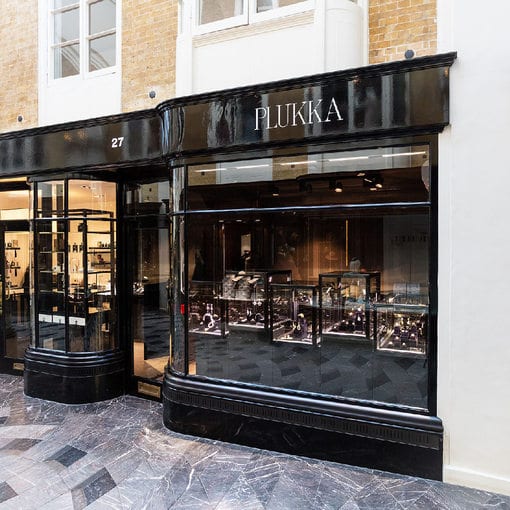
    Plukka, which launched as a flash-sale website for made-to-order fine jewelry, is getting increasingly serious about bricks-and-mortar retailing. The Hong Kong–based company, which opened freestanding stores in Hong Kong and London in 2014 and 2015, respectively, has debuted a pop-up store at the Jack Vartanian store on Madison Avenue.

    And the roughly 600-square-foot space is, according to Plukka founder Joanne Ooi, “a preliminary step to opening a permanent NYC boutique in the future.”

    She adds, “It’s Plukka’s objective to be the first truly global multi-brand designer and fine jewelry retailer, so having a presence in the U.S., and specifically New York City, is a fundamental part of our mission. New York contains a hugely disproportionate share of both clients and influencers, so we consider the city a crucial beachhead location.”

    Plukka made news last year for launching a program that delivers up to $15,000 of merchandise to existing clients in New York City and Hong Kong—so they can shop in their homes.

    Plukka’s New York pop-up, which will run for two months, will feature ”designers not available in New York City,” says Ooi, whose picks for the temporary shop include pieces from L’Dezen by Payal Shah, Ashu Malpani, Sidney Chung, Baer Jewels, and Tana Chung. “We represent and work with many designers who are already in this market,” including Suzanne Kalan, Hoorsenbuhs, Yeprem, and Wendy Yue.

    “But the whole point of our very large stable of incredibly talented designers is that we can show different designers in different markets, depending on tastes, interests, demographics, and buying patterns,” she explains. ”We are using this pop-up to make the point that we are truly the premier discovery machine for the world’s most creative fine jewelry.”

  • Miniso stores set global retail record

    Miniso stores set global retail record

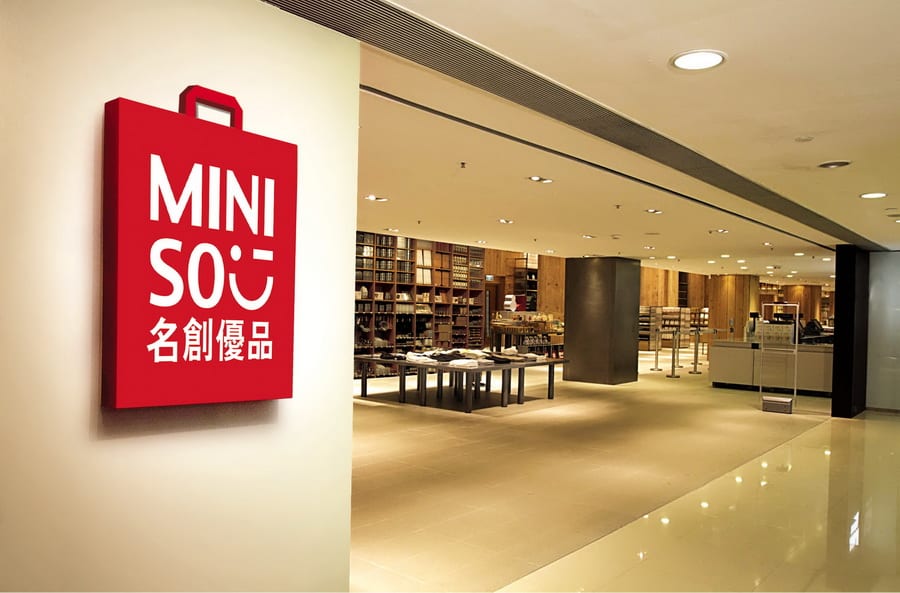
    Japanese fashion retailer Miniso has enjoyed explosive growth across Asia, last year raking in sales revenue of more than RMB5 billion (US$769.9 million).

    Launched in Tokyo by designer Miyake Jyunya and Chinese entrepreneur Ye Guofu just three years ago, the company has since opened more than 1400 stores internationally. Its expansion last year is believed to have set a global retail record.

    It aims to continue its growth this  year, aiming at RMB10 billion in sales.

    Offering fashionable and casual products, Miniso has as its brand philosophy “high quality, low price and full of texture”. Its prices range from 10 to 29 yuan, with a wide range of target consumers.

    It first focused on store design and decoration to attract attention, following up with high service levels. The linking of decoration, service, quality and economy is termed “four goods” by Miniso.

    As well as clothing, Miniso offers creative home necessities, health and beauty products, fashion jewellery, office supplies, stationery gifts, seasonal items and even food and drink – more than 10,000 lines altogether.

    Miniso stores can be found throughout greater China and in Dubai, Hong Kong, Italy, Macau, The Philippines, Singapore and the US.

    Jyunya graduated from Japanese Bunka Fashion College along with two other international brand founders, Issey Miyake and Zenzo Takada.

  • PGI: Platinum Jewellery Weathers Difficult Conditions Favorably in Key Markets

    PGI: Platinum Jewellery Weathers Difficult Conditions Favorably in Key Markets

    Platinum Guild International (“PGI”) today published the findings of its third annual Retail Barometer. The Barometer, conducted by independent platinum market experts and industry analysts, reveals the consumer retail sales data of platinum jewellery in 2015 and projections for 2016. It is the only research in the industry that measures sell-out, i.e. platinum ounces sold from retailers to consumers.

    The Retail Barometer gives a unique view of platinum demand from retail sales. Platinum jewellery is the second largest consumer of platinum in the world after the autocatalyst market.

    The research survey covered over 400 jewellery retail companies with approximately 23,000 retail outlets in the four main international markets of China, India, Japan and the USA. The research was conducted between January and February 2016.

    Huw Daniel, Chief Executive Officer of PGI, commented, “Despite manifold challenges in the luxury category and a difficult year for jewellery in general, jewellery retailers vested in platinum have weathered the storm ahead of their peers. The historically low platinum metal price has benefitted consumers and retailers alike, presenting a unique opportunity to acquire the most aspirational fine jewellery. Even China, the biggest market for platinum jewellery, shrank to a much lesser extent than other jewellery sectors. Both China and India remain key development markets for platinum jewellery which we will further grow ahead of the market average, leveraging successful programs and new launches.”

    Tim Schlick, Chief Strategy Officer of PGI, commented, “The jewellery industry is at a point where future growth comes from either conquest of market share or unlocking untapped consumer segments. PGI and our partners feel confident that having initiatives that provide both will continue to give us a competitive edge, as consumers increasingly seek quality and differentiation.”

    China
    China’s economic growth in 2015 was slowest in 25 years at 6.9%. The slow-down reflects an adjustment towards a consumption-based economy, which bodes well for future growth in platinum jewellery. Retail witnessed a year of fluctuation, however the growth in the H2 didn’t counter the decline in H1, resulting in a modest platinum jewellery volume decline of -4% for the whole year

    • The bridal segment continued to grow moderately despite the overall decline in jewellery consumption — in addition to pair rings and engagement rings, bridal platinum jewellery saw growth in other jewellery products, such as necklace and bracelet, which were typically purchased as a set along with the wedding rings.

    Based on initial retailer outlook, PGI expects to see a flat year of virtually no growth, or even a modest decline of 0% to -3%.

    India
    The Indian economy was also impacted by the global slow down, although consumer spending at a macro level increased slightly. Platinum Jewellery volume grew 24% in 2015, driven by increasing acceptance of platinum as the choice of the young aspiring urban consumer. Platinum saw increases across the board from Platinum Love Bands, Men’s Jewellery, and the new Evara Platinum Blessings, which marked platinum’s entry to the key wedding category in 2015.

    For 2016, PGI and retail partners expect continued growth of +23% — retailers expect platinum to continue outperforming the category average.

    Japan
    Japan’s economy is working to maintain modest recovery leading up to the 2020 Olympics with a GDP growth of 0.6%. The exceptionally warm winter benefitted jewellery and record numbers of inbound tourists benefitted metropolitan retailers and service providers, especially department stores and non-bridal. Platinum jewellery sales outperformed total jewellery, and platinum jewellery volume increase 2.7% in 2015.

    For 2016, retailers are nervous about economic outlook, but expect growth rate of +1% to +2% in platinum jewellery volume.

    USA
    The US economy has been further recovering and growing moderately at 1.9% in 2015 with overall retail growing in line with the GDP growth rate. Platinum jewelry imports experienced sharp increases in 2015, while retail demand increased +10%.

    For 2016, PGI expects platinum to continue to benefit from the positive 2015 momentum, in particular if the ounce price remains low, resulting in an expected volume growth rate of +5% to +7%.


  • RayBan Manila marks first Asian pop-up

    RayBan Manila marks first Asian pop-up

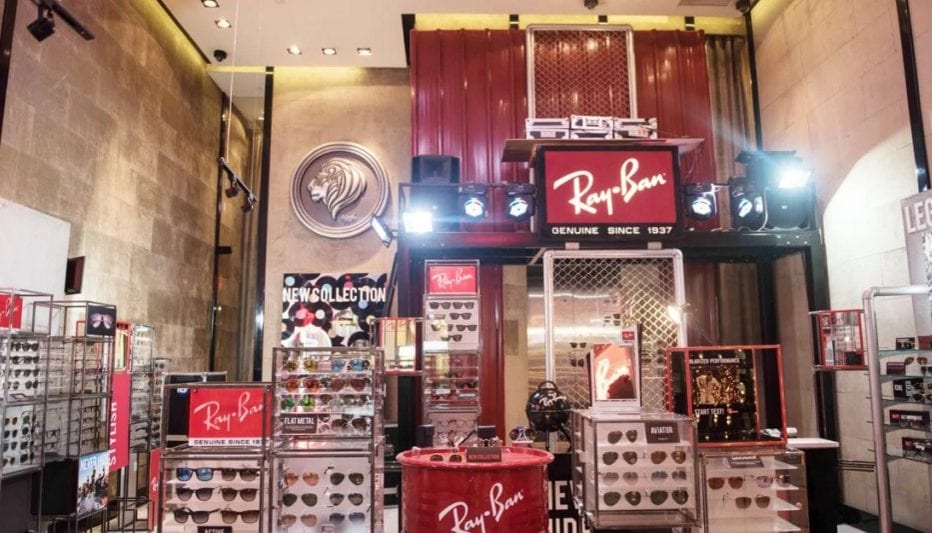
    A new Ray-Ban Manila pop-up store is the eyewear brand’s first in Asia.

    The pop-up, at the Greenbelt shopping centre in Makati, will showcase the Ray-Ban Aviators range.

    Originally designed for US military pilots in 1937, Ray-Ban Aviators is one of the leading global brands in the premium eyewear category.

    “We’re trying to recreate everything here in the Philippines. We’re the first (in Asia) from Ray-Ban,”  Vincent Teotico, Ray-Ban’s assistant marketing manager, told Manila Bulletin.

    The Ray-Ban Hub – the first flagship store in New York City inspired the Pop-Up Concept Store, both having an urban feel, with neon lights and fun activities inside.

    Asked about setting up a permanent store in the Philippines, Teotico said this would be possible depending on the turnout of their latest move in the Philippine market.

    Ray-Ban’s Pop-Up Concept Store will only be around until July on the ground floor of Greenbelt 5 in Ayala Center, Makati City. Ray-Ban products are also available at optical stores such as Eye Society outlets in Jupiter St and SM Aura in BGC.

  • K-beauty spreads worldwide

    K-beauty spreads worldwide

    The ‘K-beauty’ market is expanding its sphere of influence beyond Asia, and reaching out to other global markets.

    According to Aju News, a Korean newspaper, Korean cosmetics brands are exploring new markets worldwide. As the global interest in K-pop and K-dramas is rising, women all over the world are now looking at K-cosmetics.

    Amore Pacific has been eyeing the international market since the 1990s. After establishing factories in France and China, the company continued to expand its influence worldwide, with products now being sold in the U.S., Malaysia, Indonesia, Vietnam, Canada, Thailand, the Philippines, Singapore, Myanmar, and Japan, generating global sales of 1.26 trillion won.

    Able C&C’s cosmetics brand Missha is following the lead, spreading K-beauty all over the world. Missha stores can now be found in Brazil, Germany, Mexico, Venezuela, Turkey and Spain. The Brazilian market in particular is expected to generate strong sales growth, as reports show that the local cosmetics market is the fourth largest in the world.

    LG Household & Health Care’s The Face Shop is focusing on the Middle Eastern market, opening 55 stores in five countries – Jordan, Saudi Arabia, UAE, Oman and Armenia.

    Cosmetics brands are using a number of different marketing strategies to aggressively target overseas markets.

    In areas where natural ingredients and safety are important, such as Europe and the US, businesses are attracting customers with their ‘natural’ brands. Some brands promote elements of Korean tradition to attract western consumers. Many are ‘blending in’ with the locals through collaboration with local businesses.

    To boost overseas expansion, the Korea Trade Promotion Corporation (Kotra) is taking steps to boost sales of Korean cosmetics through American and Chinese online shopping sites.

    Kotra will host a ‘K-beauty summit’ to help Korean cosmetics brands export their products. The agency’s ‘online export incubating program’ will be introduced, and is expected to help businesses sell their products through Amazon.

    Kotra is also seeking to secure new trading opportunities in China in collaboration with the online shopping site TaoBao, operated by Chinese eCommerce behemoth Alibaba. The two parties plan to host a K-beauty expo in China during the first half of the year.

    Innisfree store in Shanghi

    The cooperation with TaoBao is only the start, as Kotra is also planning to work with other online shopping portals such as JD.com.

    Officials at Kotra emphasise the importance of making inroads in the American and Chinese markets to prolong the popularity of the K-beauty trend. They expect to draw the attention of young consumers who are sensitive to fashion and style trends and familiar with online shopping.

  • Furla to showcase FW16 collection in Singapore

    Furla to showcase FW16 collection in Singapore

    Italian luxury leathergoods supplier Furla will showcase its FW16 collection at the upcoming Tax Free World Association Singapore show in May.

    According to the company, the new Furla bags embody the rebellious spirit, typical of the music scene, from rock to pop and influenced by a metropolitan tribal beat in its more modern interpretation.

    The bags are decorated with laser cuts, which add 3D effects and create kaleidoscopic patterns, embellished with golden studs. The new Furla Loop bag, for example, has fringes emphasising movement and femininity.

    Shoulder straps, the season’s protagonists, recall guitar-like straps and are enriched with details and weave effects. The leathers are smooth, supple and soft and adapt to the body. Perfectly on-trend, charms convey a personal touch to each bag, making it special for every occasion.

    The colour palette is sharp and well-defined, veering from black to blues to army green with touches of deep red and metal sparkles.

    The Furla Valentina and Furla Club bags are characterised by a new and colourful camouflage pattern that becomes a manifesto of the fervent cultural mixes of big cities, especially when matched to the new tribe tattoo themed straps and tags.

    The Furla Metropolis bag has evolved into a “creative laboratory” where new dimensions, craftsmanship and materials are developed and enriched.

    Also being shown is the new travel-retail exclusive Furla bag, a limited-edition set of three crossbody bags in Saffiano leather, each with a smaller detachable pouch inside. Available in three colour combinations: Lampone & Magnolia, Onyx & Gold, and Cobalto & Silver, each bag has an adjustable and detachable strap.

    Furla global travel retail director Gerry Munday said: “Asia is extremely important to the Furla brand and accounts for 35% of our global business in travel-retail. We are seeing significant growth in all areas, with a 36% sales increase in 2015 thanks to our presence now in 48 countries with a total of 195 airport doors versus 174 in 2014. We also have some exciting projects being finalised which will be announced in due course.

    “I’m confident this growth will continue as we continue to bring out collections that break the mould in terms of innovation, design and styling. The FW16 collection has already received incredible feedback and, with the addition of our latest travel-retail exclusive, we are looking forward to a very successful and productive week in Singapore this year.”

  • To survive, we need to change: German luxury brand Braun Buffel

    To survive, we need to change: German luxury brand Braun Buffel

    Amid a retail environment clouded by slowing global growth and the rise of technological trends that threaten to displace traditional retailers, the boss of German luxury brand Braun Buffel said change will hold the key to survival.

    “Mankind tends to stay with what they know and sometimes people are not open to changes. But to survive in the long run, we need those changes,” owner and managing director Christiane Brunk.

    The more than century-old label, founded by Johann Braun in 1887, is best known for its handcrafted leather goods and accessories, but has in recent years ventured into new segments such as sunglasses and watches – a step which Mrs Brunk described as “enhancing the brand’s experience”.

    Such nimble thinking is also evident in the introduction of more colours and shapes to its product line. According to Mrs Brunk, Mr Braun’s great granddaughter and the fourth generation to helm the family business, these changes made the historical European brand “a little bit more fashion forward”.

    The leather used in products sold worldwide also differs, so as to cater to the varying preferences and climate in various parts of the world. For example, the leather used in products sold in Asia has to undergo special treatment to suit consumer preferences and the climate in this part of the world, according to Braun Buffel’s master craftsman and production manager Manfred Goll.

    “In Europe, the consumer prefers softer materials, but leathers which are stiffer and have other surfaces do better in this region,” Mr Goll said through a translator. “Leather in Asia also needs to be treated to avoid any reaction to the humid climate.”

    Meanwhile, the company is also embracing the rising trend of e-commerce, with plans to roll out an online retail platform in Asia soon.

    While analysts have identified Internet retail as a key threat for brick-and-mortar retailers, Mrs Brunk thinks otherwise: “As a traditional company, we might not belong to the group of early adopters … but this is something that we can’t exclude from our distribution channels.”
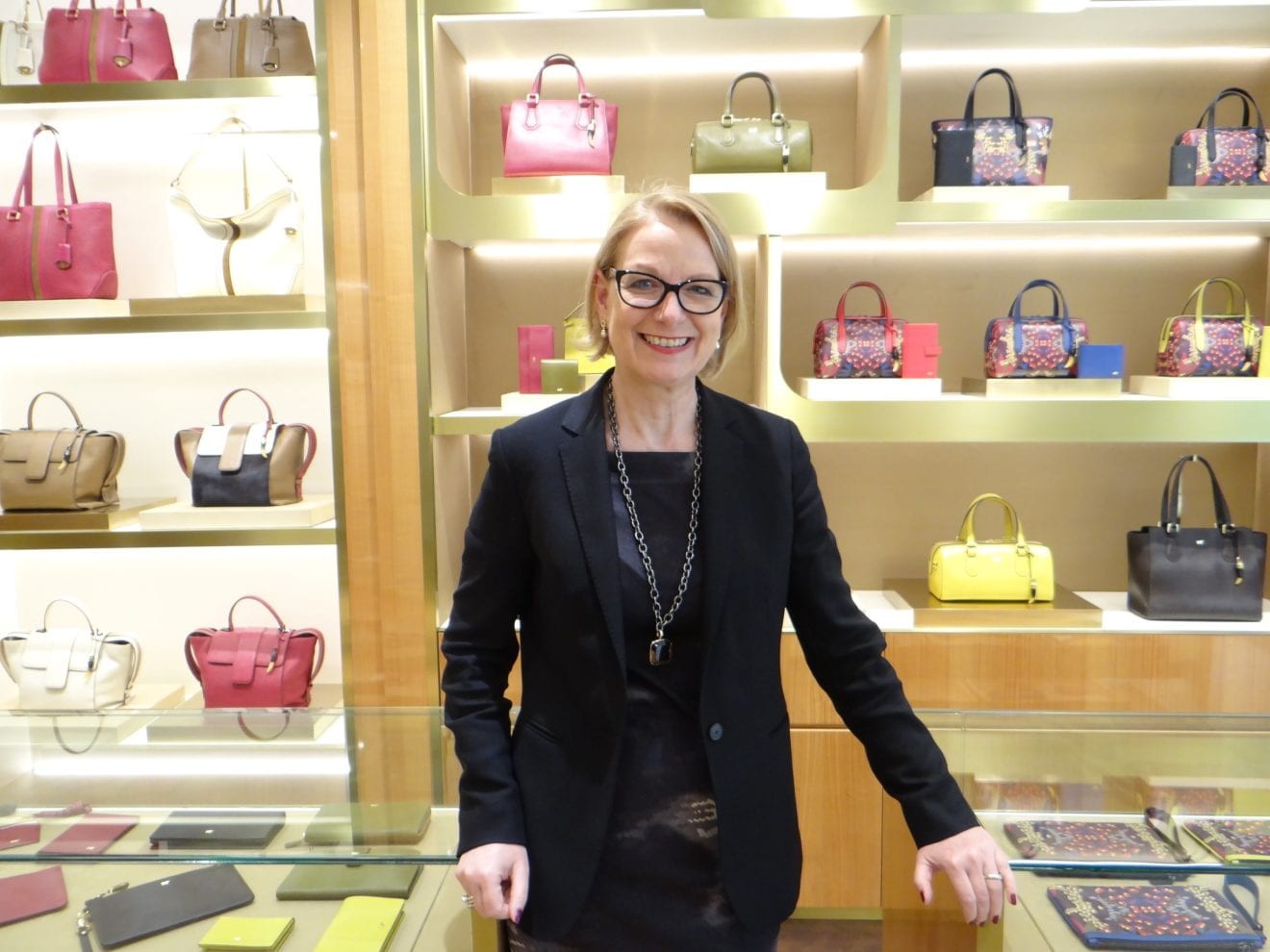
    Christiane Brunk, Managing Director of Braun Büffel.

    FLAGSHIP BOUTIQUE OPENS IN SINGAPORE

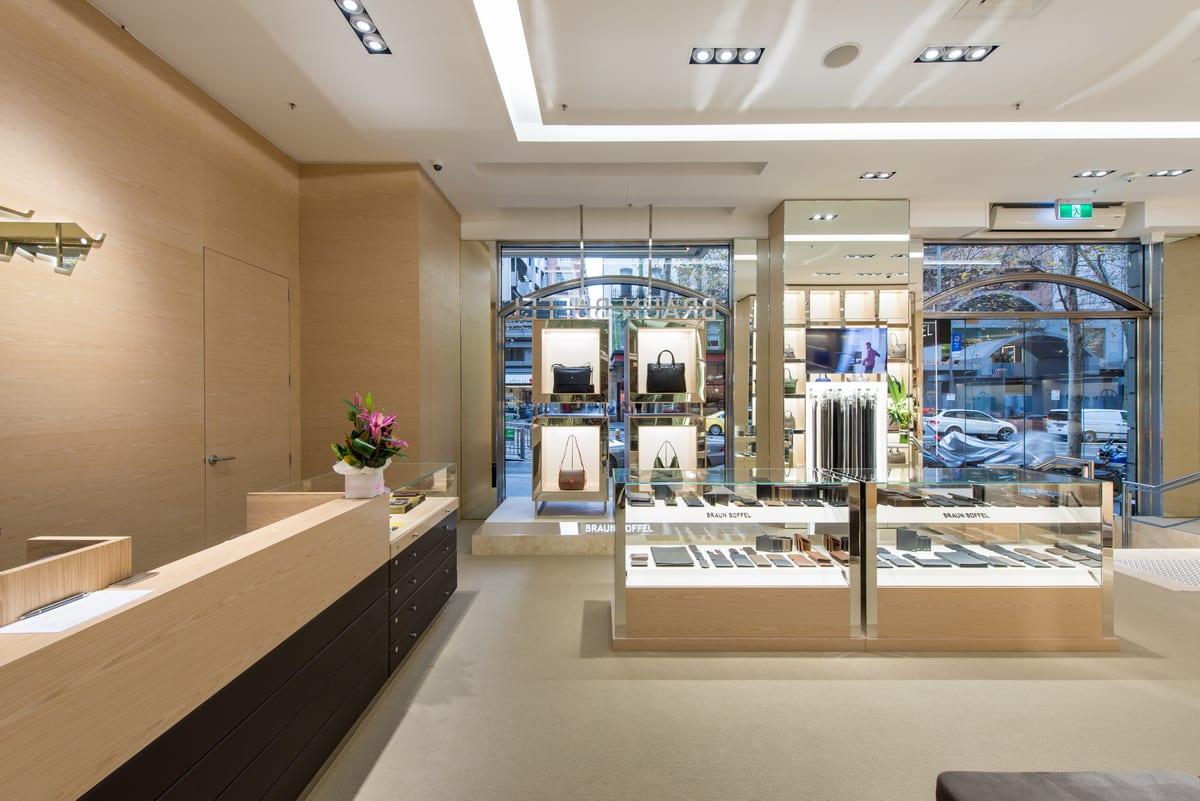
    Change is also evident with the official opening of a flagship boutique at Singapore’s Marina Bay Sands on Tuesday.

    The 1,500-square-foot store, which features Braun Buffel’s trademark leather extensively in the form of an Italian fine-grain leather wall and bespoke leather armchairs in the lounge area, is the first in the world to roll out the brand new design concept.

    According to Mrs Brunk, it will serve as a test bed for future store designs and understanding consumer preferences in the region, especially the Indonesian market which the brand is keenly eyeing.

    “Singapore is always a good and important base for us in the Asia-Pacific region because there’s good global connectivity and a multicultural population which gives you great customer insights,” said Mrs Brunk, who took the reins at the 129-year-old label in 2005.

    “In Singapore, we always get very good and precise feedback so it was clear to choose here as the first location in Asia-Pacific again,” she added, referring to how the German leather goods label picked the Lion City as its first Asian market back in 1982.
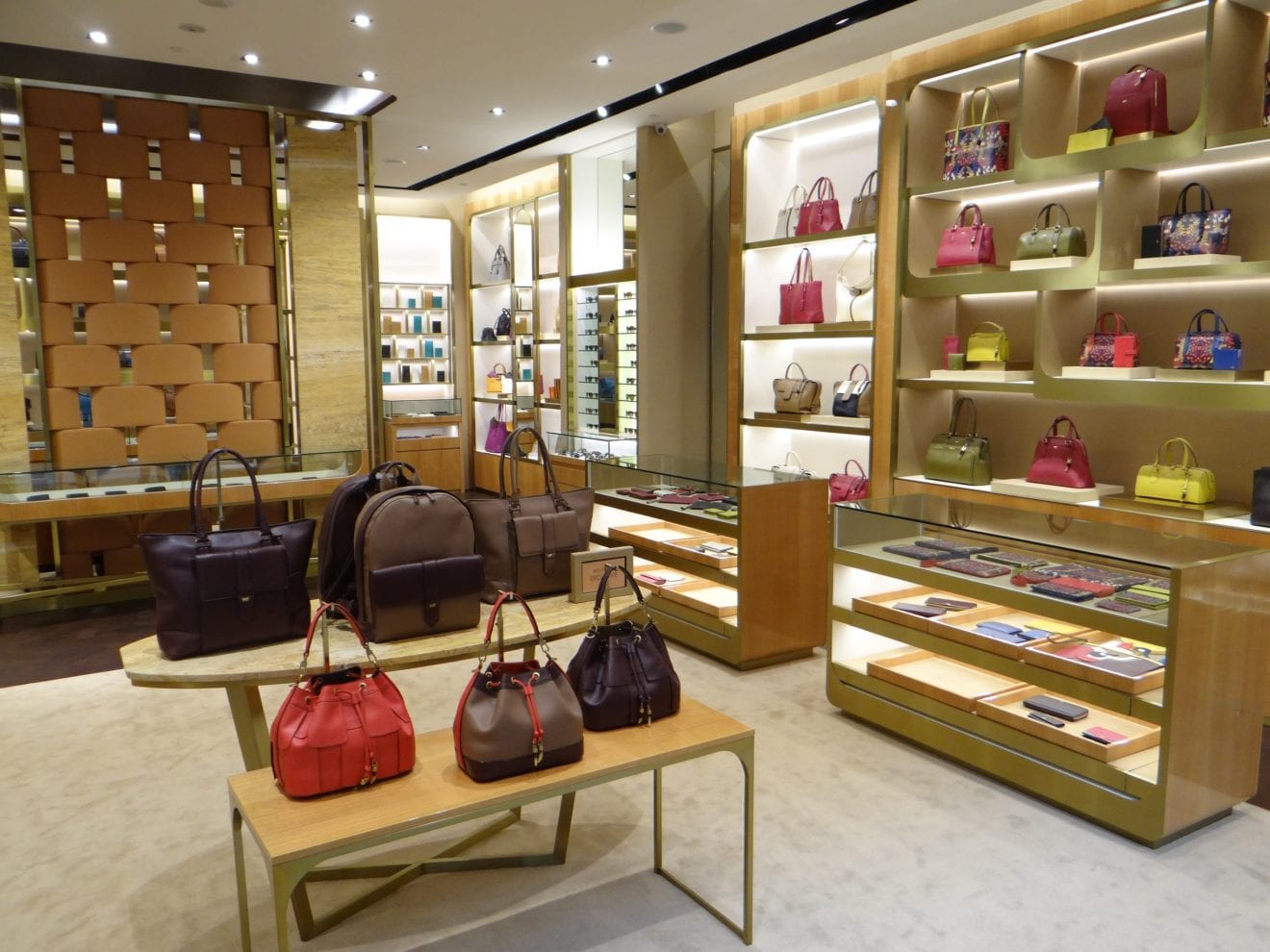
    Braun Buffel’s latest Fall-Winter 2016 collection on display at Marina Bay Sands. (Photo: Tang See Kit)

    “GO SLOW AND STEADY”

    But while change is the only constant in keeping up with competition, the well-established leather goods manufacturer prefers to stick to its own pace.

    For one, the brand new boutique in Singapore – Braun Buffel’s fifth store in the Lion City –was a year in the making.

    “When we do things, we try to do it as perfectly as possible. That’s our principle so we took our time to go over details such as choosing the leather for the wall,” Mrs Brunk said.

    This “slow and steady wins the race” approach also applies to Braun Buffel’s expansion plans.

    “We don’t dance (at) too many parties,” Mrs Brunk said. “There are fields such as product quality and development where we take the lead, but in terms of store expansion, sometimes you have to wait. These are huge investments and as ‘careful merchants’, we need to make sure our investments are successful.”

    Apart from Indonesia where a booming middle class means untapped opportunities for the German luxury brand, China is the other emerging market where Braun Buffel has set its sights on.

    When asked whether she is worried about the spending power of Chinese consumers amid an ongoing anti-graft campaign, slowing economic growth and a turbulent equity market, Mrs Brunk said: “During the past 130 years, we have overcome several crisis including wars, and in an economy there will always be ups and downs. I think we are doing a quite good job in China now and even though the market is slowing, we still see room for expansion.”

    She added: “We now have nearly 200 point-of-sale in China. We are very keen on certain locations in big cities like Beijing and Shanghai. But it’s not our strategy to expand very fast so we are not under pressure (from the slowing economy).”