Category: Fashion

Retail News Asia is committed to providing both local and global retailers with the latest Fashion news throughout the Asian market. This on a daily base.

  • Samsonite to pay US$1.8 bn for Tumi

    Samsonite to pay US$1.8 bn for Tumi

    Luggage giant Samsonite is to pay US$1.8 billion for US-based Tumi, the luggage and travel accessories brand.

    In a joint statement, the two companies said they have entered into a definitive agreement whereby Samsonite will acquire Tumi for US$26.75 per share in an all cash transaction.

    “This is a transformational acquisition for Samsonite. It will meaningfully expand our presence in the highly attractive premium segment of the global business bags, travel luggage and accessories market,” said Ramesh Tainwala, Samsonite CEO.

    “Tumi is a perfect strategic fit for our business. The brand is beloved by millions of loyal customers for its high quality and durable premium business and luggage products. We are excited about the tremendous opportunities this combination provides us to further diversify our product and customer portfolios.

    “In particular, we will expand Tumi’s presence in Asia and Europe, while strengthening its business in North America, by leveraging our expertise in global distribution, sourcing, product design and technical innovation, especially in the area of lightweight hardside luggage.”

    Tumi CEO Jerome Griffith described the announcement as “an exciting day for Tumi and all the travellers around the world who count on us”.

    “The team at Samsonite has a long and successful track record when it comes to acquisitions and we know they will be excellent stewards of the Tumi brand. Samsonite will bring Tumi to new and growing markets, while still maintaining the high quality Tumi is known for.

    “This is a compelling transaction that delivers substantial and immediate cash value to our shareholders. Further, we are excited for our employees to benefit from opportunities presented by being part of a larger and more diversified global company. Samsonite has successfully grown many unique brands and we look forward to the next chapter in Tumi’s great history as part of the Samsonite family.”

    The two companies believe Tumi is an “ideal and complementary fit” with Samsonite.

    “With approximately 2000 points of distribution across 75 countries, Tumi’s leading market position in the premium business and luggage segment is a perfect complement to Samsonite’s strong and diverse portfolio of brands and products, with limited overlap in market positioning, price point and distribution. The addition of Tumi builds on Samsonite’s proven track record of successful acquisitions across multiple product categories and price points to broaden its portfolio,” the companies’ statement said.

    “It enables Samsonite to strategically expand into the highly attractive premium segment of the global business bags, travel luggage and accessories market with a business and travel brand that is recognised worldwide as being “best-in-class” in the premium segment.”

    Tumi was founded in 1975. Its products range from iconic ‘black ballistic business cases’ and travel luggage targeting business travellers, to  travel accessories, women’s bags and outdoor apparel.

    In the year to December 31, Tumi’s net sales were US$548 million, representing a year on year increase of 4 per cent.

    Post takeover, Samsonite will continue to be listed on the Hong Kong Stock Exchange.

  • Ever Rich sales resilient despite China slowdown

    Ever Rich sales resilient despite China slowdown

    Ever Rich D.F.S. Corporation tells David Hayes that the company achieved single digit revenue growth in 2015 at its major downtown and airport duty free locations with the rise in sales reflecting a similar increase in international passenger traffic through the republic’s main airports, during the past 12 months.

    Ever Rich says that the company’s overall rise in duty free sales is less than previously expected and is due a slowdown in per capita spending by mainland Chinese visitors, who still make up the majority of sales at many of Ever Rich’s duty free outlets.

    “We have seen growth in 2015, but not as large as in 2014. Mainland tourist numbers are still growing gradually but the duty free sales growth is slowing,” commented an Ever Rich source.

    “China’s economy is still quite strong, but their currency is weaker; China’s economy is not growing as fast as before.”

    Ever-Rich-Taoyuan-Airport-T1-departure-shop

    Ever Rich P&C at Taoyuan Airport T1 Departures.

    While duty free sales are rising as more mainland tourists visit Taiwan, Ever Rich – Taiwan’s leading duty free operator – had been looking for overall double-digit sales growth last year after opening its new Kinmen Islands’ hotel and downtown duty free shopping complex in 2014.

    Kinmen Ever Rich Golden Lake Plaza duty free shopping mall and hotel complex is located in Kinhu town on Big Kinmen. In addition to duty free shopping and other retail facilities, the Ever Rich hotel shopping and entertainment resort is planned to include a multiplex cinema and has space for a casino in future, though no casino licenses for Kinmen have been approved so far.

    Ever-Rich's-Taoyuan-Airport-T1-arrival-shop

    Ever Rich’s Taoyuan Airport T1 arrival shop.

    Duty free shopping facilities occupy about 27,000sq m of retail space over five floors, divided into separate areas serving visitors departing overseas to China and elsewhere from Kinmen. It also includes a domestic duty free allowance area for Taiwanese and other travellers returning to mainland Taiwan.

    “Our sales are still growing, but it’s slow growth,” says the source. “After the effort we put into our shops we expected to grow more. Although mainland tourist numbers are growing it’s not as much as many people here expected – all department stores in Taiwan are feeling that mainland customers’ purchasing growth is slowing down.

    Ever-Ric-Cosmetics,-handbags,-liquor-and-tobacco

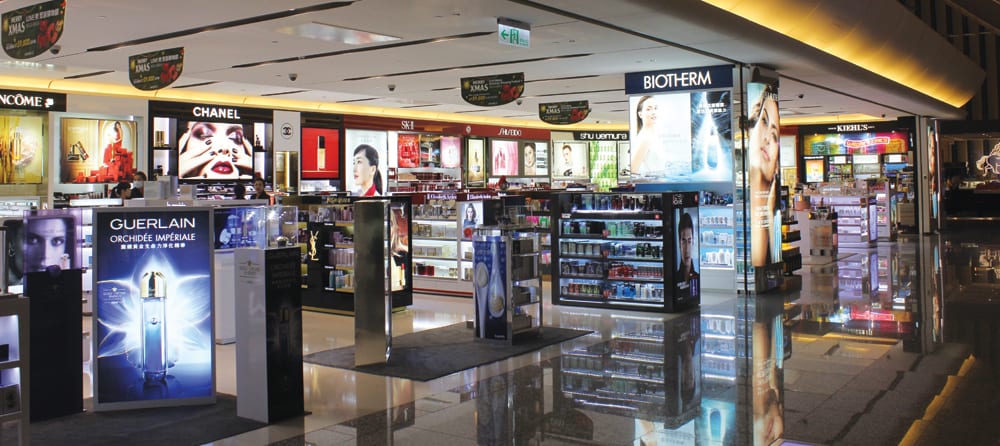
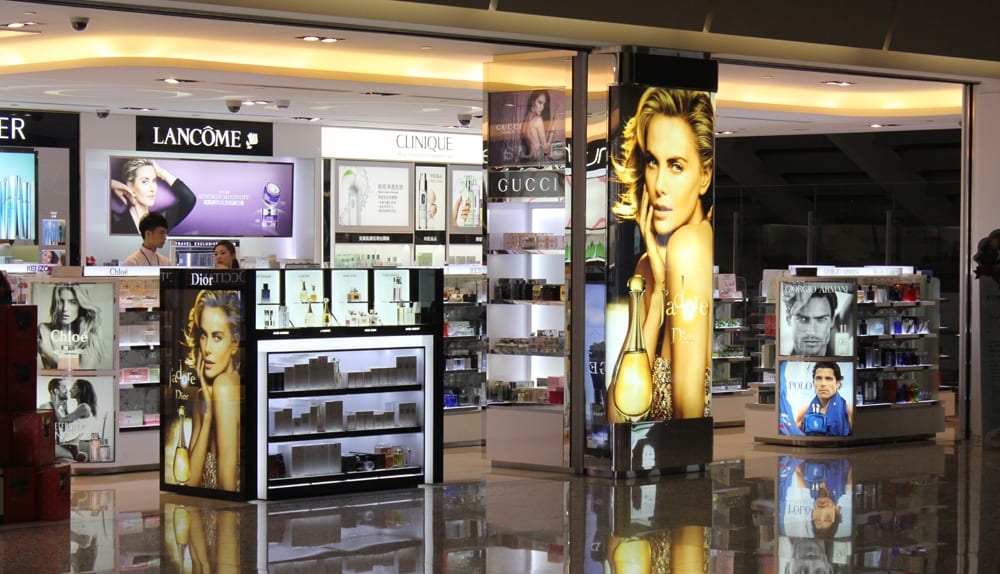
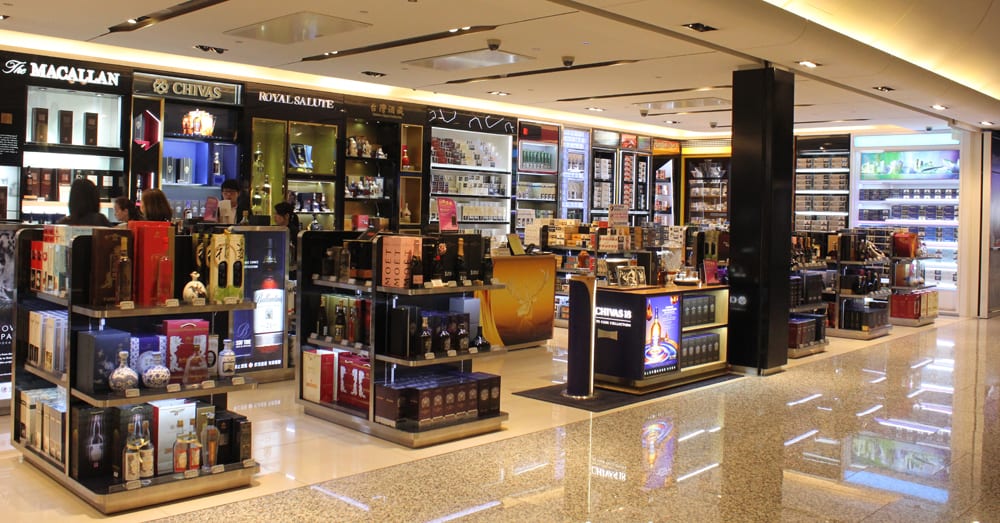
    Cosmetics, handbags, liquor and tobacco are the best-selling items in Ever Rich’s duty free outlets at present.

    “In Kinmen our international duty free sales are better than domestic duty free. Our main target is Chinese visitors, they buy cosmetics and fashion.”

    In addition to its Kinmen Islands’ shops, Ever Rich operates departure and arrival duty free shops in Taiwan’s main airports – Taoyuan International Airport, Taipei Songshan International Airport, Kaohsiung International Airport and Taichung International Airport – plus two downtown pre-order duty free shops in Taipei.


  • Adidas to open 3000 stores in China by 2020

    Adidas to open 3000 stores in China by 2020

    German sporting goods giant Adidas Group has revealed plans to open 3,000 new stores in China by 2020 as it looks to become the ‘best sports brand’ in the region.

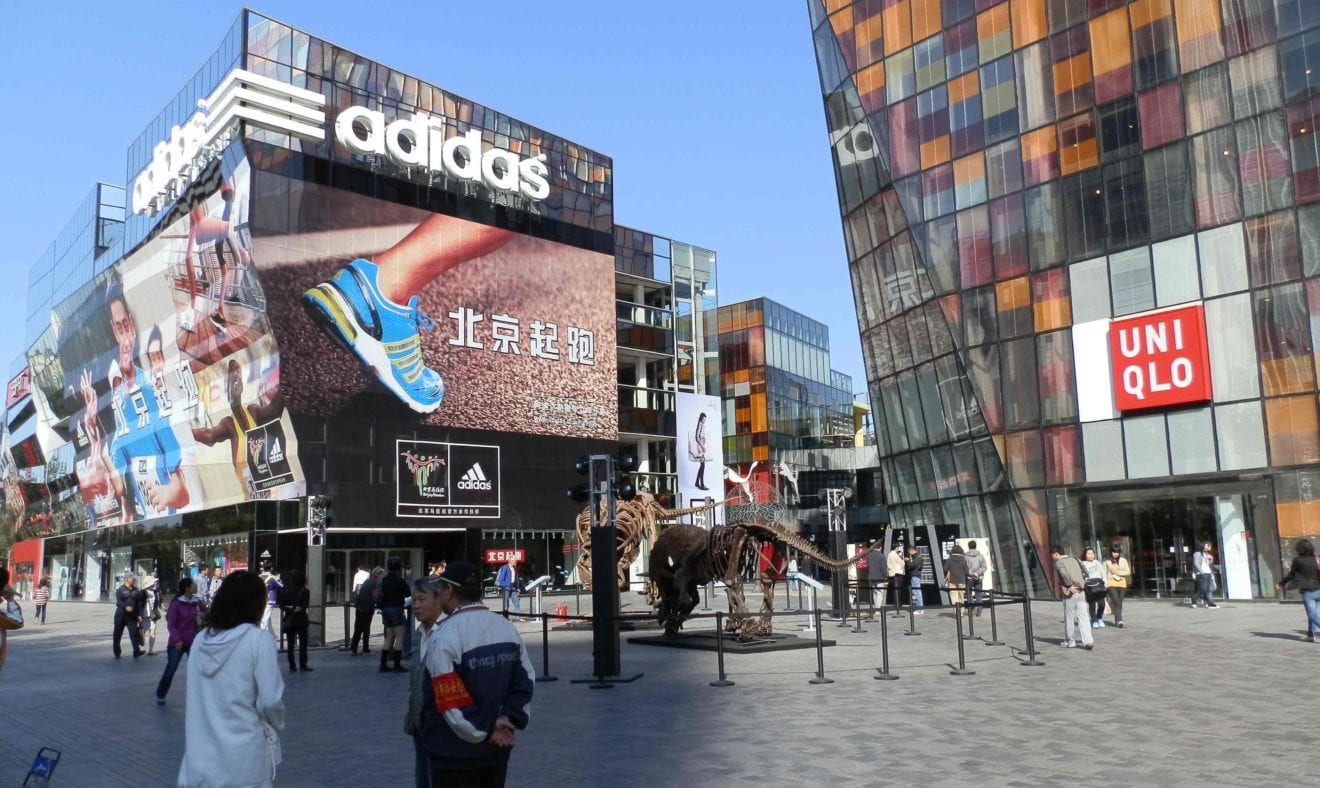
    The company, which has around 9,000 stores in its second largest market, the vast majority of them being franchise stores, announced the plans on Friday (4 March) in Shanghai.

    In a statement sent to just-style, the group said: “China is Adidas Group’s second largest market globally and we still see a lot of potential in this market.”

    The news comes less than two months after Adidas said its Greater China subsidiary achieved sales of EUR2.5bn (US$2.74bn) in 2015 – the company’s highest ever annual sales in the region.

    Adidas has strengthened its position across all key sports categories in the region over the last few years, and launched new segmented retail stores such as women’s, sportswear collective and basketball.

    The group’s new strategy themed ‘Creating the New’ aims to propel Adidas to become the ‘best sports brand’ in Greater China by 2020. The company’s new five-year game plan will serve as a blueprint to seize further growth opportunities.

    Adidas has said the plan will chart the path of the company’s continued growth as it seeks to meet the demands of China’s burgeoning middle class who are placing a higher emphasis on quality of life experiences, and the needs of a nation with an ignited interest in sports.

    The company added: “With ‘Creating the New’, our new strategic business plan, we’ll continue to focus on strengthening our position in key categories and expanding our retail footprint in both lower tier and upper tier markets.”

    Last month, Adidas raised its earnings and sales forecasts for this year, after it exceeded its targets in 2015, thanks to increased marketing investments.

  • Seiko Australia opens Sydney boutique

    Seiko Australia opens Sydney boutique

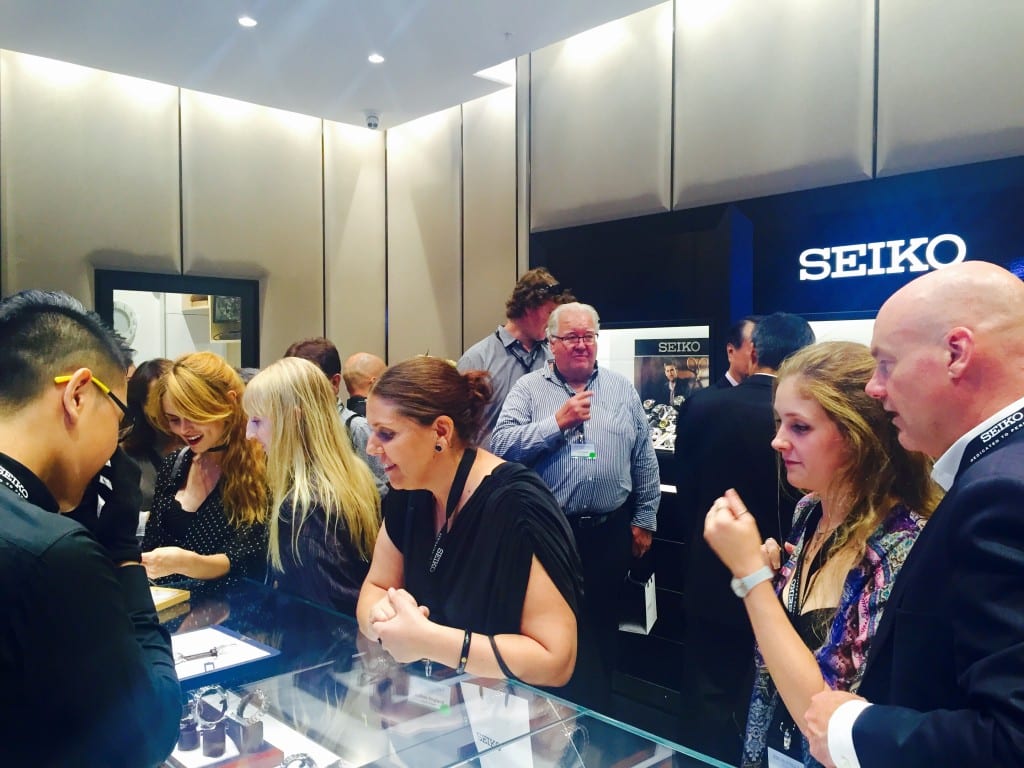
    Australia has its first boutique store for Seiko watches, just opened on the lower ground floor of the iconic Queen Victoria Building in Sydney.

    It has been opened by Seiko Australia, a subsidiary of Japan’s Seiko Watch Corporation, which sent its COO Hirohiko Umemoto to host a celebration at the Swissotel Sydney.
    Following Frankfurt, Moscow and Tokyo, the boutique is one of several Seiko is opening in leading cities, with more to follow this year.

    Seiko Botique launch

    Seiko says its aim is to let visitors “explore the world of the watch company through its history, its craftsmanship and its timepieces”. The boutique showcases such collections as Astron, Credor and Grand Seiko, and features several watches not previously available in Australia.

    Seiko's Botique launch


    A resident Seiko watchmaker will help customers with technical information.
    A Sydney landmark for more than a century, the Queen Victoria Building was originally a market and since 1986 has been home for a collection of luxury retail stores.

    Seiko Watch Corporation, a wholly owned subsidiary of Seiko Holdings Corporation, established in 1881, develops, designs and produces its luxury watches and all their components using traditional craftsmanship and advanced technologies. Its network covers more than 150 countries.

  • The Body Shop Sri Lanka marks brand debut

    The Body Shop Sri Lanka marks brand debut

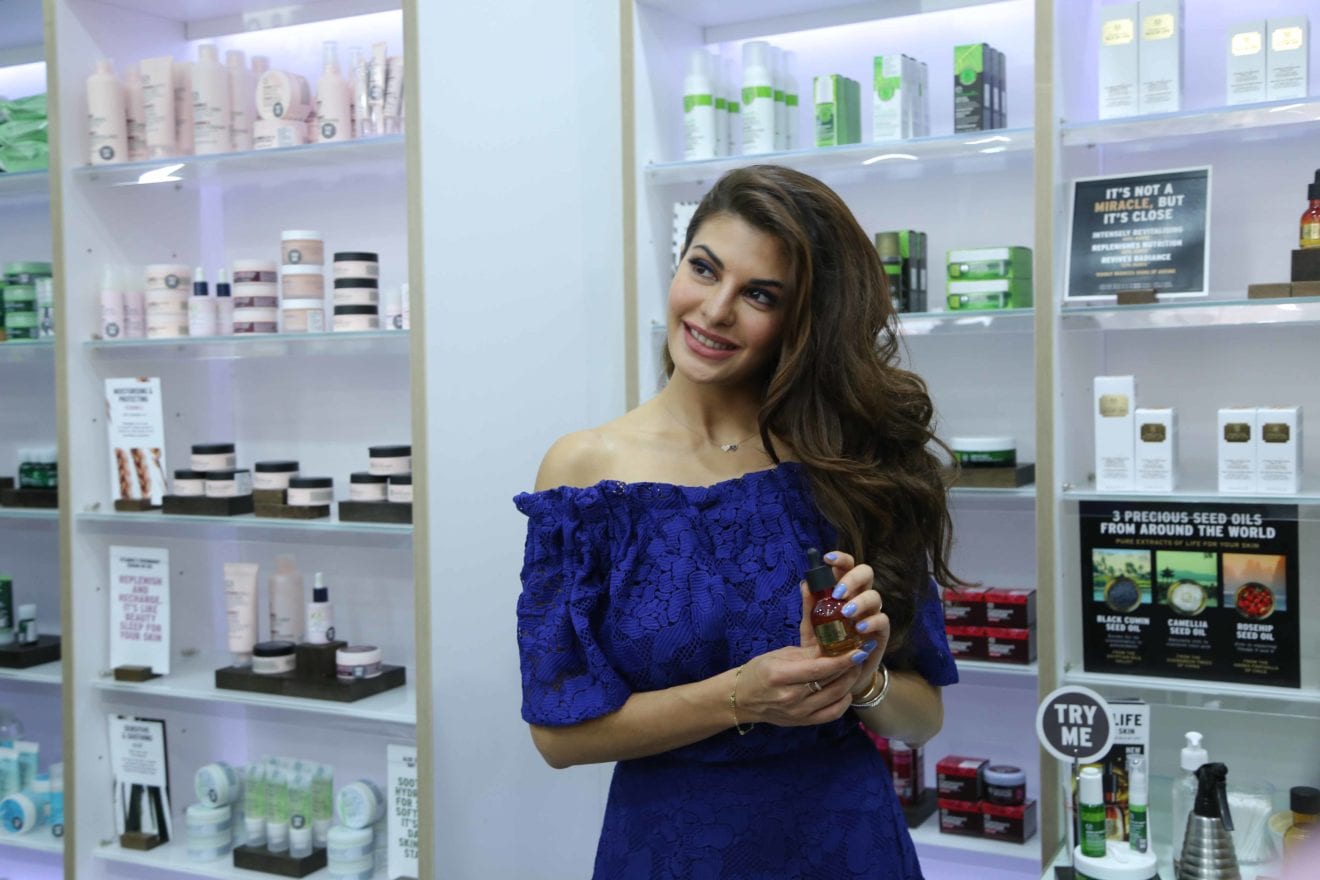
    The Body Shop has entered Sri Lanka, with conglomerate Softlogic Group signing up for the franchise.

    Founded by Dame Anita Roddick 40 years ago, The Body Shop introduced fair trade to the cosmetics and toiletries industry in 1987, and was the first cosmetics brand to be recognised under the Humane Cosmetics standard for its stand against animals being used for product testing. It has more than 3000 stores in 60 countries.

    Body Shop Sri Lanka 1

    While it has yet to open its first store, Body Shop Sri lanka already has a brand ambassador – Miss Sri Lanka 2006, Jacqueline Fernandez. At a launch event, she spoke about using The Body Shop products since she was a teenager.

    Body-shop

    Also at the launch, CEO Ashok Pathirage said the group had found a “kindred spirit”.

    “Thanks to the synergy of our values, vision and culture, we will have the opportunity to greatly accelerate the business in Sri Lanka.”

  • Kung Fu in Hublot store in Beijing

    Kung Fu in Hublot store in Beijing

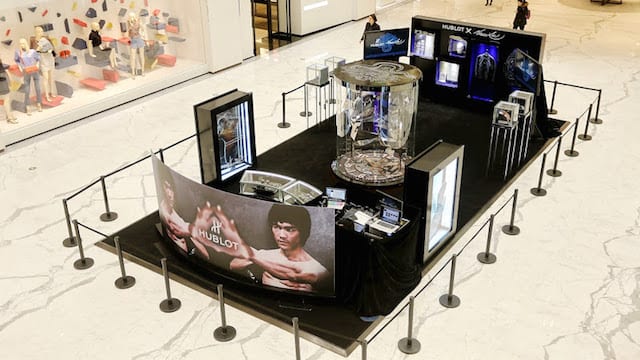
    In a collaboration with the Bruce Lee Foundation, a special tribute exhibition for the Kung Fu superstar marks the launch of the Swiss watch brand Hublot’s store at the high-end Shin Kong Place (SKP) shopping centre in Beijing.

    Hublot new store Beijing at Shin Kong Place SKP 3

    On display until March 6, the Be Water, My Friend – Legend of Bruce Lee Memorial Exhibition features precious items the actor owned himself, as well as limited-edition Hublot timepieces.

    Lee’s daughter, foundation founder Shannon Lee, cut the ribbon of the new store along with Hublot Greater China GM Loic Biver.

    Hublot new store Beijing at Shin Kong Place SKP 4

    Hublot participated in the design of the Bruce Lee exhibition. “As an icon of the 20th century and the most iconic Kung Fu star in history, Bruce Lee embodies the real ‘art of fusion’ of East-West culture,” says Biver.

    Hublot also worked with the foundation on the Bruce Lee 75th Anniversary Memorial Exhibition in Hong Kong, and this time released a second limited-edition timepiece as a tribute to Lee.

    Hublot new store Beijing at Shin Kong Place SKP


    The actor’s personal items on display include a Tang-style Kung Fu jacket, a genuine copy of the Way of the Dragon script, a replica of the life mask of Kato in The Green Hornet, and the business card for the Bruce Lee Martial Arts Studio he founded.

    Exhibition guests can also experience the Bruce Lee Mirror, a cylindrical glass photo frame featuring Lee’s classic Kung Fu postures. Made of glass fragments, it uses 3D special effects integrating the Hublot Unico In-House chronograph movement.

    Hublot new store Beijing at Shin Kong Place SKP 2


    Inspired by the dragon pattern on Bruce Lee’s desk, Hublot has designed a limited-edition (100 pieces) watch, Spirit of Big Bang Bruce Lee Be Water. It features a tonneau case in all-black microblasted ceramic and is fitted with the HUB4700 skeletonised automatic winding movement. Echoing Lee’s philosophy of water, the strap is made of blue alligator leather sewn on natural rubber.

    Hublot new store Beijing at Shin Kong Place SKP 1

    The Hublot SKP Beijing boutique follows the brand-specific black, featuring dark grey carpet and black leather furniture combined with glass and metal counters. Subtle scientific and technological elements in the window display tell the story of the brand, connecting its past with the future with projections on a book. Big Bang, Classic Fusion, King Power are among the pieces and novelties on display.

  • Two-pronged approach for Giordano Vietnam

    Two-pronged approach for Giordano Vietnam

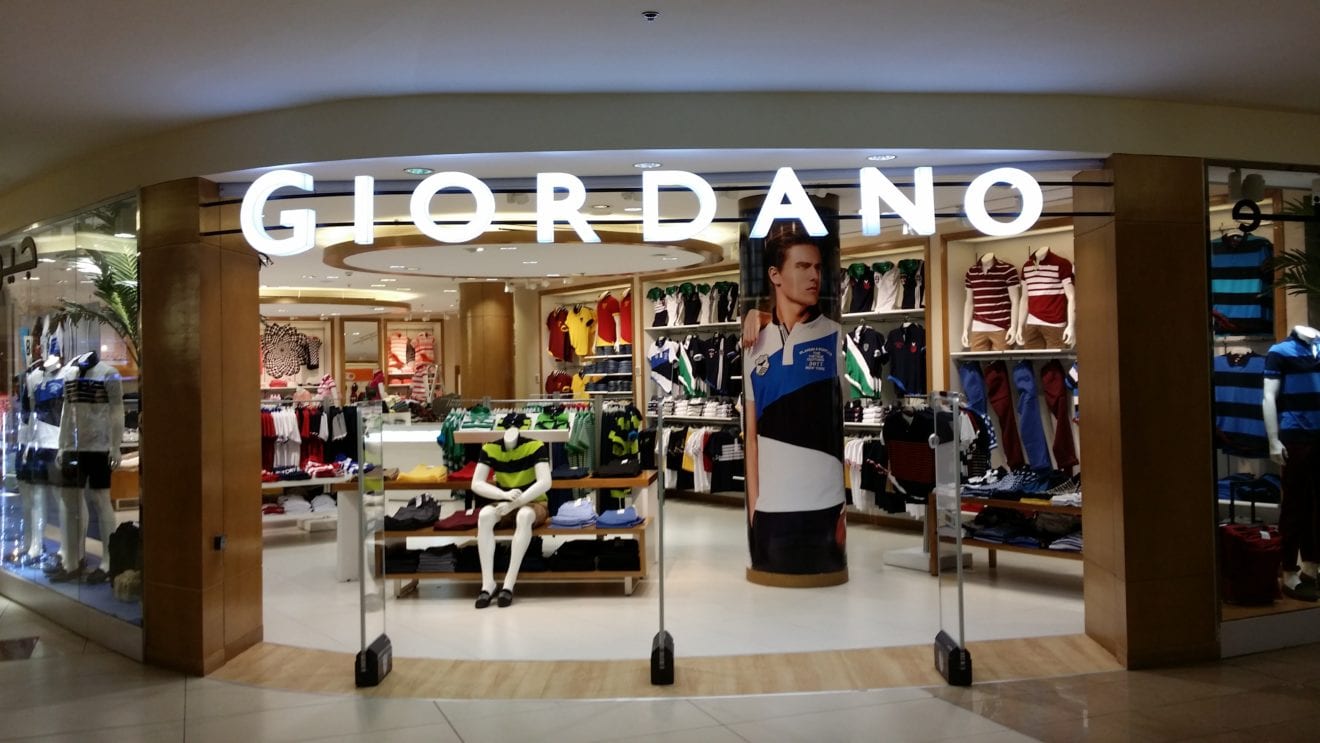
    Vietnam is on the radar for Hong Kong clothing retailer Giordano International, both as a market and supplier.

    With its steady growth in the emerging market, the company is planning to establish a legal entity Giordano Vietnam.

    It is also eyeing the country as a source market for product, while it continues to develop sourcing opportunities in Bangladesh.

    While Giordano still sees opportunities for growth in developing markets such as Indonesia, Malaysia and Thailand, the company says in its annual review that those opportunities are fading.

    Meanwhile, the group has plans to launch digital sales channels outside mainland China this year, initially through the development of its own eShops.

    “Market conditions in Southeast Asia have been challenging in the past two years,” says the group, which improved its merchandising, and therefore profitability, in Singapore last year – “but this will be a tough market going forward”.

    In the 2015 financial year, consolidated sales eased by 3 per cent – but increased by 1 per cent on a constant currency basis. Global brand sales were down 1 per cent for the year, but comparable same-store sales grew by 3 per cent.

    As a strong Chinese New Year offset the impact of 81 store closures, brand sales in the first half of the year grew by 1 per cent. But in the second there was a 3 per cent drop because of unseasonably warm weather in Greater China.
    Gross profit margin declined by 0.4 percentage points to 57.6 per cent, with higher purchasing costs caused by a strong US dollar eroding margins in Southeast Asia and Taiwan.
    “Weak consumer demand in many markets has led to fierce competitive pressure on selling
    prices,” says the group.

    Nevertheless, in the second half of the year, improved purchasing and merchandising resulted in gross margin improving from 57.4 to 57.9 per cent.

  • Abercrombie & Fitch ‘in recovery mode’

    Abercrombie & Fitch ‘in recovery mode’

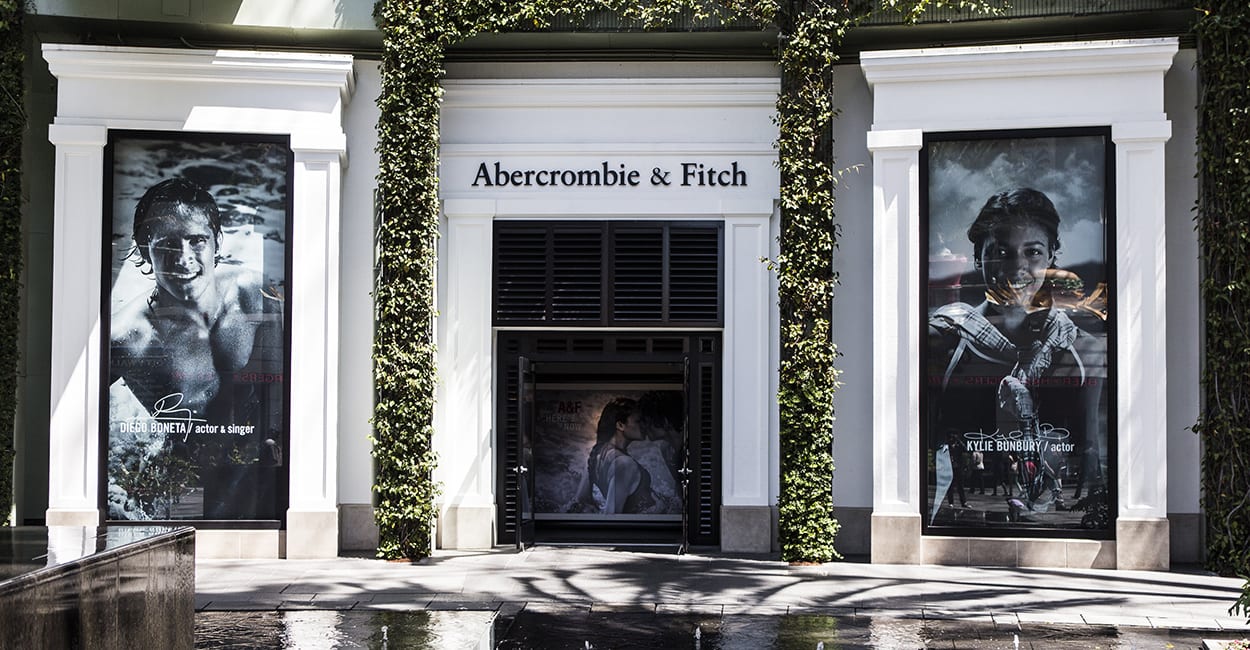
    Broadly, the latest set of results from Abercrombie & Fitch are to be welcomed: they are a sign that the brand continues to make progress in what remains a challenging market during a particularly difficult period of trading.

    Across the quarter, total sales shrank by 1 per cent on a reported basis, although when currency fluctuations are removed that number turns into growth of 2 per cent. Across the group, same store sales increased by 1 per cent on a year-over-year basis, with particularly good gains coming from international operations.

    There is also a reasonably positive story on the margin front where – despite a highly promotional environment and suppressed consumer demand- A&F saw gross profit as a percentage of sales drop by just 0.5 percentage points. The outcome here could have potentially been far worse.

    Despite there being clear signs of progress, which includes a sequential improvement in most of the sales and profit metrics, A&F is still very much in recovery mode and the brand is still not yet back to full health. This is evidenced by the fact that although the sales outcome was reasonable, it came off the back of what can only be described as a tumultuous final quarter last year when total sales shrank by 14 per cent and same store sales dipped by 13 per cent.

    Such soft comparatives flatter this quarter’s numbers and raise the question as to whether the better performance is a natural bottoming out, or if it is thanks to some of the corrective action that is now being taken by the management team. In truth, we think the results reflect a bit of both factors.

    Future growth will be governed, in large part, by how successfully the brand is able to reestablish its connection with younger consumers. Over the past year there has been evidence that both Abercrombie and Hollister are moving in the right direction in order to attune themselves to the tastes and preferences of today’s young shoppers. Among other things this has involved a less brash approach to marketing, a more minimalist and modern style in terms of clothing collections, a brighter and more inviting in-store experience, and a move into high growth categories like athleisure.

    These things have won back customers who defected and have also secured new shoppers. Most notably, the shifts have also allowed Abercrombie to secure custom from a slightly older demographic with higher spending power; something that is useful given that spending on apparel from younger shoppers remains muted thanks to the vast array of other products and services they now buy into.

    That noted, it is still far too early to say that brand loyalty has returned. At present many shoppers are rediscovering the brand and looking at it anew; as such their purchasing is patchy and occasional. While this is something A&F can improve on over time, it is unlikely it will ever regain the brand capital it once had: the market, consumers, and the competition have all shifted too much to allow that to happen.

    This is one of the reasons why A&F’s action on retooling its business model and reassessing its space and store requirements is sensible. To meet the new pattern of demand it will need fewer stores coupled with a good online offering. While there has been progress made in terms of reconfiguring the store fleet, growth from online is somewhat less encouraging.

    The upcoming year will continue to be one of reinvention. The current management team is strong and has the right mix of skills to make the necessary changes and reinvigorate the brand. However, they are up against a low growth, challenging environment which means that the play for the fiscal year as a whole is as much about holding onto current market share as it is about positioning the business for future growth.

  • Forever 21 To Open Second Hong Kong Store in Hong Kok

    Forever 21 To Open Second Hong Kong Store in Hong Kok

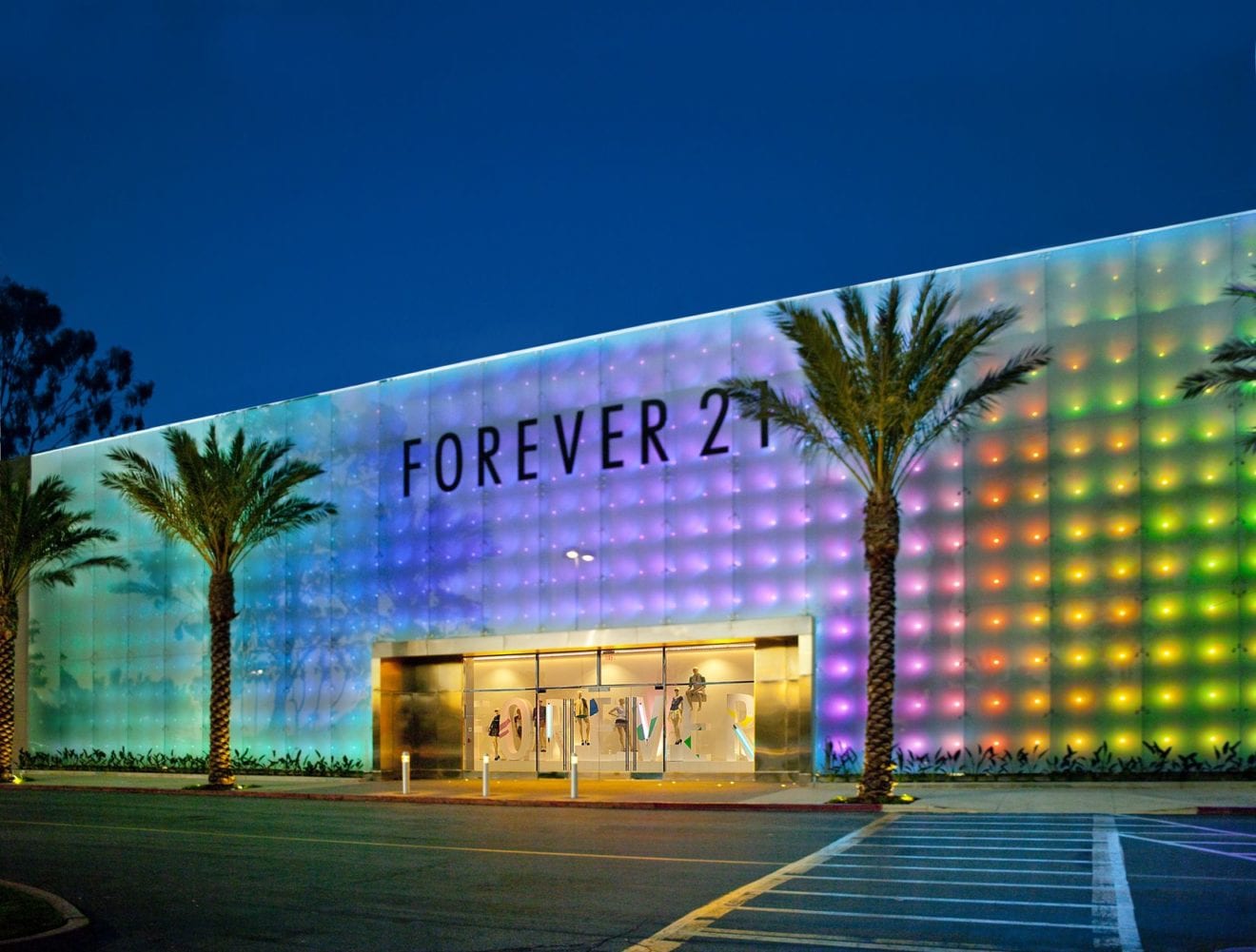
    US fast-fashion retailer Forever 21 will open its second store in Hong Kong this year, capitalising on the shift in consumer demand from luxury to non-luxury products.

    “Due to the demand of our consumers, we have continued our expansion throughout Hong Kong and mainland China. Hong Kong also has a vibrant history of international business and we saw a lot of potential for growth, which is why we wanted to bring a second Forever 21 store to this space,” the fashion retailer said in an email reply to Retail in Asia.

    The new store will be located at Pakpolee Commercial Centre on Mong Kok’s Sai Yeung Choi Street, trading over 18,804 square feet, people familiar with the matter told Retail in Asia.

    “Mong Kok offers a premier shopping experience and we believe it is a good fit for our second store in Hong Kong. We are very selective in choosing a location for any store. We make it a top priority when selecting a new location to ensure that it is accessible to customers and that it can house and properly represent our merchandise, staying true to our brand,” noted Forever 21.

    The fashion chain will pay a monthly rent of HKD2.5 million (USD321,000) to lease the three-story retail space with a ground-floor entrance, according to the source. The first floor and the ground floor were currently taken by cosmetic retailer Sa Sa with a monthly rent of HKD1.25 million. The second and third floors were leased to California Fitness for about HKD1 million per month. The fitness center moved out three years ago.

    The new store is estimated to open in late summer or early fall this year according to Forever 21.

    With a monthly rent of HKD2.5 million for its new store, Forever 21 made the largest retail leasing transaction in the fourth quarter of 2015 in key shopping destinations of Hong Kong, according to data compiled by Retail in Asia. It demonstrates the retailer’s confidence in the market’s potential for cheap chic fashion which also supports CBRE’s prediction that mid-range brands are set to expand in Hong Kong when luxury retailers are struggling with declining sales and leaving core retail locations.

    CBRE believes that Hong Kong will transform from a luxury goods oriented retail market to a mid-range market. “Mid-market retailers will benefit from the change in spending patterns and remain the main demand driver for retail space. Some of them will use this window of opportunity to re-establish themselves in prime locations and/ or expand their retail networks,” the real estate adviser said in its latest report Hong Kong Retail MarketView Q4 2015.

    With Forever 21 opening another store in Hong Kong, more mid-market retailers are expected to ride on the wave and expand their store networks in the city.

    Founded in 1984, Forever 21 now operates more than 730 stores in 48 countries. The brand debuted in Asia in 2008 by launching the first store in Seoul, followed by its second in Japan the next year.

    In 2012, the US retailer entered Hong Kong by unveiling a six-floor flagship store in the in the Capitol Centre of Causeway Bay. It paid a monthly rent of HKD11 million for the 51,188-square-foot space.

    The fashion retailer currently has 16 stores in Greater China which include 12 stores in mainland China, 1 in Hong Kong, 1 in Macau and 2 in Taiwan.

    Aside from Hong Kong, Forever 21 also plans to expand its retail footprint into other markets in Asia although it didn’t disclose the details. “In 2016, we plan on expanding our store presence in Japan, Indonesia, China, and the Philippines,” the fashion retailer told Retail in Asia.

  • RFID system boosts efficiency for Decks Singapore

    RFID system boosts efficiency for Decks Singapore

    Fashion retailer and apparel supplier Decks Singapore has implemented an RFID inventory and stock-taking system that saves time while ensuring greater accuracy.

    Previously, 600 worker-hours were involved in the company’s annual stock-take, with 88 per cent accuracy. With the new system, it can achieve 99.8 per cent accuracy in just five worker-hours.

    To achieve this greater efficiency and accuracy, Decks consulted Tokyo-listed auto-ID technology company Sato, which recommended the inventory system. It involves tagging apparel with RFID labels, with all incoming and outgoing items being scanned.

    “With the retail industry growing more competitive and the rise of eCommerce and mCommerce changing the way consumers shop, retailers have to act fast to keep up and stay ahead in the game,” says Decks MD Kelvyn Chee.

    “Besides stock-taking advantages, the new RFID system also helps us achieve greater inventory data accuracy, enabling us to ensure stock availability.”
    Sato Asia Pacific GM Akihiro Ito says his company will continue working with Decks to implement other retail technology such as Anti-Theft and Self-Checkout.
    Launched 19 years ago, Decks is a fashion apparel supplier for departmental stores in Singapore. It also has several retail boutiques in major Singapore shopping malls and has distribution channels in Southeast Asia.

  • Vaniday app starts Asia foray

    Vaniday app starts Asia foray

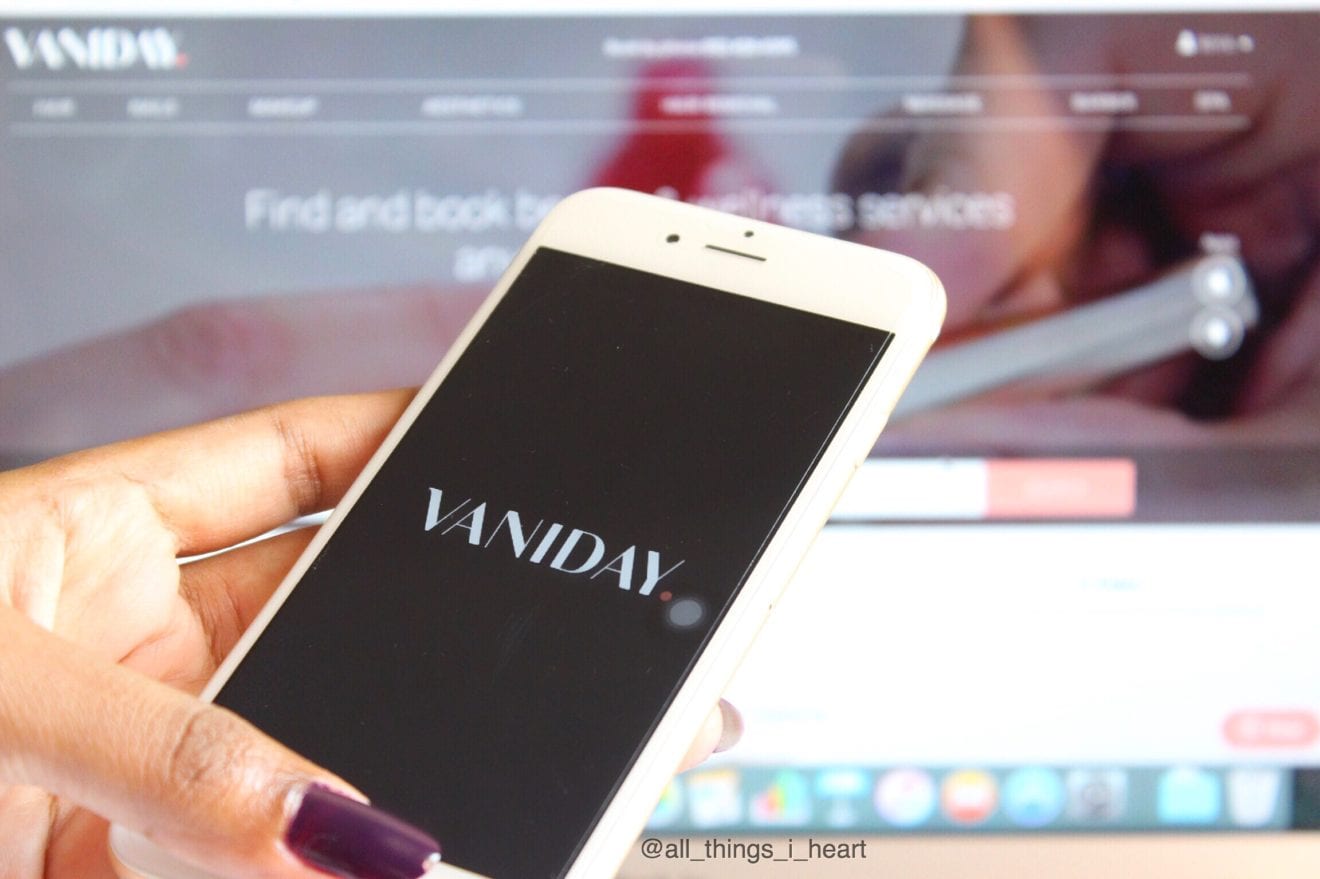
    Beauty salon booking app Vaniday, backed by eCommerce giant Rocket Internet – the company behind fashion eTailer Zalora – has launched its first Asian platform in Singapore.

    Following in the footsteps of five other countries, the app now covers the city Vaniday co-founder and MD Robinson Blanckaert calls home.
    “Singapore is not that small actually,” says Blanckaert. “We have the most active spa-going population across the globe with more than 18,000 beauty salons.”

    With more than 800 salons signed up to the app, users can compare and review services as well as book appointments. Beauty businesses can use the app to manage staffing, appointment-making and invoicing through Vaniday’s free software.

    “From the launch in each country, we’ve learnt a lot of lessons. Now, for example, we send a professional photographer to every salon so each business benefits from professional images.”

    Vaniday has reportedly raised €15 million ($16.29 million) in funding.

    Meanwhile, AsiaOne says due diligence before stepping into a salon is worthwhile given that theConsumers Association of Singapore (Case) receives a sizeable number of complaints about spas and beauty-related businesses – almost 2000 cases of negative feedback were lodged in 2014 – and there has been an increase in complaints about unsubstantiated claims by beauty industry advertisements last year.

    In a parallel development, Case has signed a memorandum of understanding to jointly develop anaccreditation scheme for the hair and cosmetology industry in Singapore, following the signing of a memorandum of understanding with the Hair & Cosmetology Association Singapore (HACOS).

  • Bloom time for kids’ fashion

    Bloom time for kids’ fashion

    Mrs Madelaine Wong buys new clothes for her three children every fortnight.

    The 37-year-old, a regional director of sales, shops for them during lunch time or after work.

    While Mark, six, Lauren, four, and Jude, one, are at a stage of their lives where they outgrow their clothes quickly, Mrs Wong admits that she also buys them new clothes because she feels guilty about not spending enough time with them. She thinks that shopping for them is a way for her to show affection.

    She spends about $100 on each shopping trip and is a regular customer at mass market-label stores such as Cotton On and H&M.

    “I get suckered into shopping at Cotton On’s online store when the brand is having a 20 per cent discount storewide. I go online and think to myself, ‘Okay, I think they need some more pyjamas’, or I will see a pretty dress and add it to the shopping cart.”
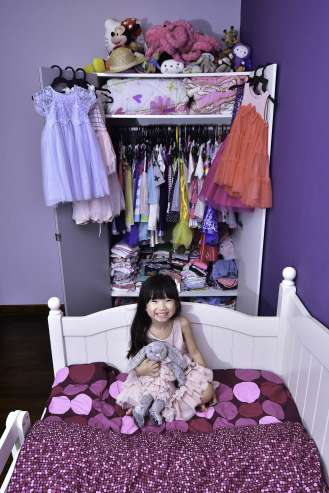

    Lauren Wong may be only four, but her wardrobe is bursting at the seams, thanks to her mother buying her new clothes every fortnight. PHOTO: DIOS VINCOY JR FOR THE STRAITS TIMES

    While parents and grandparents may have grown up with a culture of saving as much as possible… they may now feel that they could be a bit freer spending on their children and grandchildren.

    DR SESHAN RAMASWAMI, associate professor of marketing education at Singapore Management University

    Thanks to indulgent parents like her, the children’s clothing market has become the one bright spot in the weak retail sector.

    The range of children’s clothes has expanded in recent years, with the arrival of new brands and the expansion of existing ones.

    Australian label Seed Heritage, which carries clothes for women and children (from babies to teenagers), debuted with a splash in Singapore last year by opening three stores in Parkway Parade, VivoCity and Wisma Atria.

    The label’s general manager, Ms Denise Haughey, says that the 16-year-old brand had received regular inquiries from mothers living here before it opened in Singapore. She declines to give sales figures, but says: “Singaporean parents really enjoy dressing up their little ones.”

    Seed Heritage clothes feature plenty of whimsical prints and stylish pastel colours and are priced between $7.95 for three pairs of boy socks and $59.95 for a girl’s embroidered dress.

    Israeli high-street label Fox, which carries clothing for women, men and children, has enjoyed an “overwhelming” response to its children’s and baby collection.

    A spokesman for Wing Tai, which distributes the brand here, says the good response can be seen from the large number of members who sign up to collect points for discounts. The brand has accumulated 120,000 members since opening here in 2004.

    The spokesman adds: “We’ve noticed parents are becoming more trend-conscious when it comes to dressing up their children and this has helped spur the childrenswear industry.”

    Popular Swedish high-street fashion label H&M revamped its flagship store at Orchard Building in 2014 to devote the fourth floor to its children’s clothing department.

    The department previously shared space with its men’s fashion.

    H&M’s clothes for children, aged from newborn to 14, include T-shirts, jeans and cotton dresses.

    Like in the adult range, the children’s clothes are priced competitively, ranging from $19.90 for a white lace top for girls to $59.90 for a cotton blazer for boys.

    Ms Abby Wee, public relations manager for H&M Singapore, says the brand has also expanded its childrenswear range to include sportswear, swimwear and dancewear because of strong sales in childrenswear.

    Japanese casual wear label Uniqlo carries children’s clothes in 20 of its 24 stores in Singapore.

    Another popular Japanese label, Muji, sells its children’s collection at three of its nine stores here.

    Ms Jasmine Sng, general manager for Muji (Singapore), says the label had received many requests to bring in childrenswear. Muji shirts and dresses for children range from $12.90 to $59.

    Ms Sng says the sales of children’s and babies’ clothes have grown from 7 per cent of total garment sales in 2014 to about 10 per cent.

    The expansion in children’s labels is also mirrored in the luxury end of the market.

    The Shoppes at Marina Bay Sands expanded its children’s section late last year.

    Italian label Dolce & Gabbana Junior opened a 1,400 sq ft space in October. The outlet is the brand’s first junior store in the region and its collection carries clothes for children aged newborn to eight years old.

    Designer multi-brand retailer Club 21 opened standalone Armani Junior and French label Bonpoint stores at Marina Bay Sands in December.

    Other children’s labels at The Shoppes include Baby Dior, which opened a 900 sq ft store in 2014 and Ralph Lauren Children, which opened its largest standalone store for childrenswear in South-east Asia in the same year. The flagship store for the American label spans 1,985 sq ft.

    The designer label clothes for children can cost $550 for a boy’s shirt and a couple of thousands of dollars for a party dress.

    Paragon shopping mall also has a floor populated with childrenswear stores, including French brand Petit Bateau, international brand Nicholas & Bears, British brand Burberry Children, Filipino label Gingersnaps and multi-label store Kids 21.

    Retail experts interviewed say growing affluence and smaller families have led to the strong growth in the childrenswear market.

    Mr Samuel Tan, course manager (diploma in retail management) at Temasek Polytechnic School of Business, says: “With fewer children a household, parents or even relatives are willing to spend more on the kids.

    “With generally higher disposable incomes and more affluent dual-income families, design, look and quality of clothes are prioritised over price.”

    He adds that parents who are loyal customers of a brand are also more likely to shop for their children at the same store.

    “With the growing popularity of brands such as H&M, Uniqlo and Cotton On, the line extension is a logical move.”

    Dr Seshan Ramaswami, associate professor of marketing education at Singapore Management University, says that retailers may be targeting the children’s fashion market to fend off online competition.

    He adds that today’s parents have higher incomes compared with those of previous generations and are more willing to spend on their children.

    “While parents and grandparents may have grown up with a culture of saving as much as possible and have grown used to spending less on themselves, they may now feel that they could be a bit freer spending on their children and grandchildren,” he says.

    Manager Jonathan Heng, 38, admits that he shops more for his two sons than for himself.

    “It is more because of necessity. They grow so fast and outgrow their clothes and shoes quickly,” says Mr Heng of Caleb, four, and Zachary, three months old.

    “My wife and I probably shop for them every other month. As parents, our lives are about our kids now anyway,” he adds.

    Ms Sharon Yeoh, a senior consultant at the Civil Service College’s Institute of Leadership and Organisation Development who has two daughters aged six and three, says she also shops more for her children than for herself. “It is more fun shopping for them. The clothes are so cute and pretty.”

  • Central Group sees flat spending in Thailand

    Central Group sees flat spending in Thailand

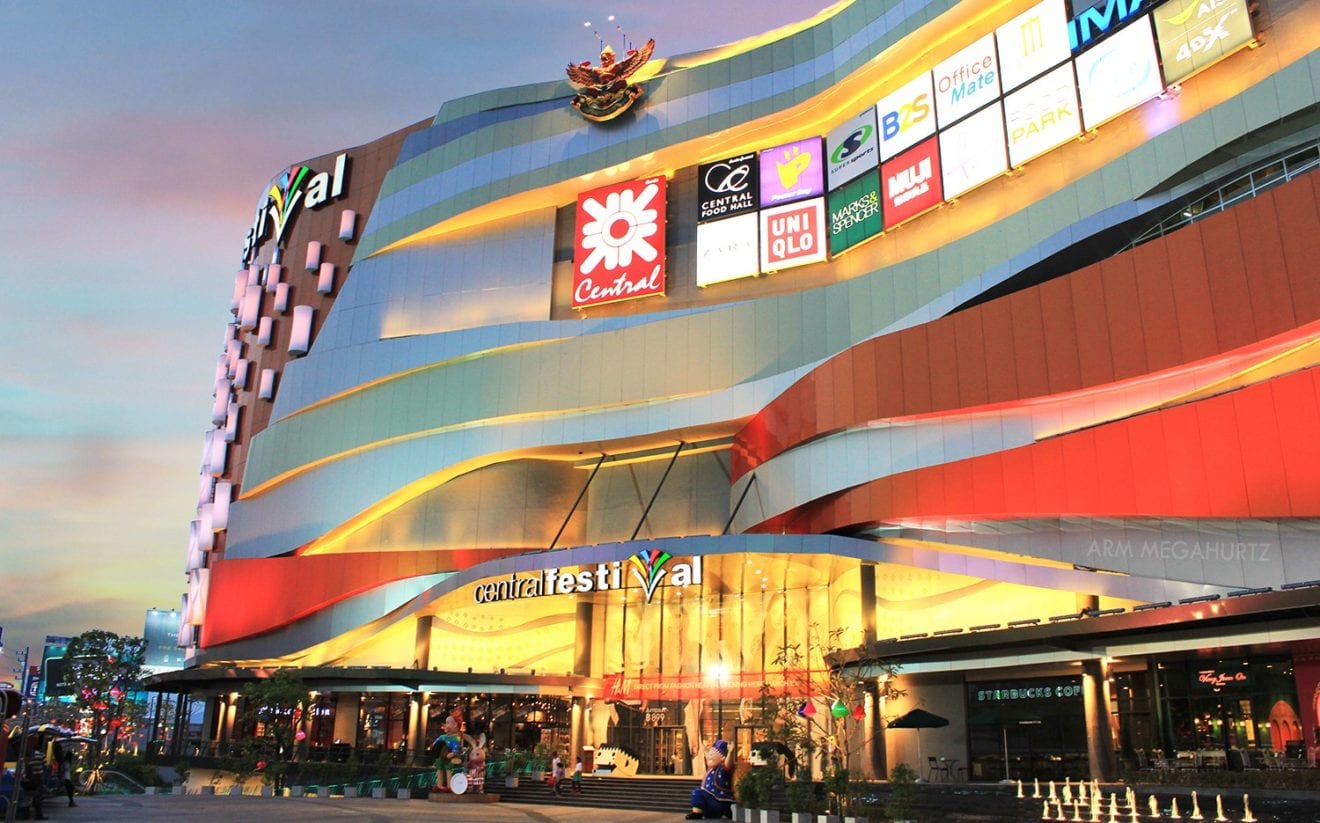
    As Thai retail conglomerate Central Group suffers a sluggish domestic economy, its owners the Chirathiwat family worry that premium customers are spending overseas rather than at home.

    “The upper class group is still spending money,” Chief Executive Tos Chirathiwat told reporters in Bangkok on Wednesday. “The problem is that they are spending outside of Thailand.”

    In 2015, roughly 7 million Thais travelled abroad, up 9% year on year. Tos said that these outbound travelers spent some 170 billion baht ($4.76 billion).

    “What’s worrying is that the figure is growing at 10% every year, while domestic consumption is expanding at only 2%,” he said. At this rate, the spending leak from Thailand will reach 300 billion baht in five years.

    The number of inbound tourists meanwhile hit a record 29.88 million in 2015, up 20% year on year from a low base in 2014 following political turmoil. But according to Tos spending has not kept pace, rising just 2% last year. He called for Thailand to promote domestic consumption and tourism.

    Central Group is Thailand’s largest retail company with subsidiaries including property development arm Central Pattana. Wearing another hat, Central is itself expanding overseas where operations now account for nearly 20% of group revenue. The company plans to more than double revenue in Europe to 2 billion euros ($2.17 billion) by 2020 — aided by custom from Asian tourists, including China and Thailand.

    Some 10.4 billion baht has been earmarked for renovating five department stores Central has acquired in the region. “We want the stores to be not only a shopping destination but also a tourism destination,” said Tos.

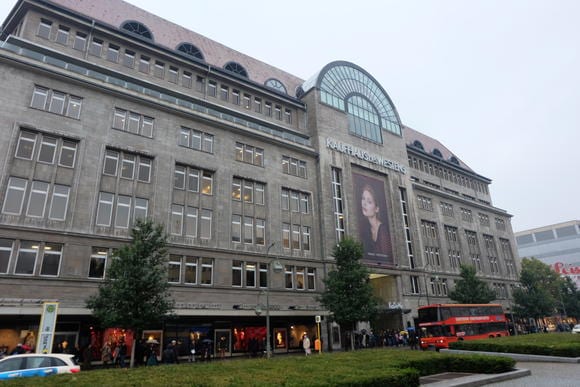
    Central began its shopping spree in Europe in 2011 buying Italy’s La Rinascente chain, which has a 150-year history. Revenue from Europe has been growing an average 40% each year since. This year, it is expected to jump 70% to 51 billion baht as three German department stores acquired in mid-2015, including KaDeWe in Berlin, start contributing.

    Tos said further mergers and acquisitions in Europe are being put off for now. “We have quite a large coverage in Europe now, and there’s a lot of work to do,” he said.

    A more immediate focus is Southeast Asia, particularly neighbors Cambodia, Laos, Myanmar, and Vietnam. In Vietnam, France’s Casino Group is selling off its Big C supermarket chain, and Central already has 25% of Big C in Thailand.

    “We are interested but we have not decided yet whether to join the bidding,” Tos said. “The acquisition will require a substantial amount of money which could be used to acquire something else.”

    TCC Group, the parent company of Thai Beverage, is also reported to be looking at Big C in Vietnam. It recently acquired Casino’s 58.56% stake in Thailand’s Big C for 3.1 billion euros.

    Bidding for Big C in Vietnam is expected to conclude next week. Tos said that if Central acquired the chain, its sales in Vietnam would double from $600 million at present. The company already has two Robins department stores there, and acquired Nguyen Kim, an electronics retail chain, last year.

    Tos said Central has no plans to reenter China after recently exiting. “China was a difficult market,” he said, noting the need for good government connections. “We learnt a lot.”

    Central’s group revenue in 2015 was over 283 billion baht, up 13.5% on 2014. It is targeting growth of 18.9% this year, with international sales contributing the lion’s share of the increase. Revenue from abroad will contribute 24% of the total, up from 18% in 2015.

  • Moynat Tokyo store opens

    Moynat Tokyo store opens

    French luxury trunk-maker Moynat is about to open its first store in Japan, with the ribbon to be cut by Japanese actress and singer Miho Nakayama.

    Moynat’s history goes back to 1849, when trunk-makers Octavie and François Coulembier opened their first atelier in Paris.

    After Paris and the Bon Marche, the house has established presences in London, Hong Kong and Beijing. Family holding company Groupe Arnault, which owns Moynat, aims to have stores in the 10 major cities of the world.
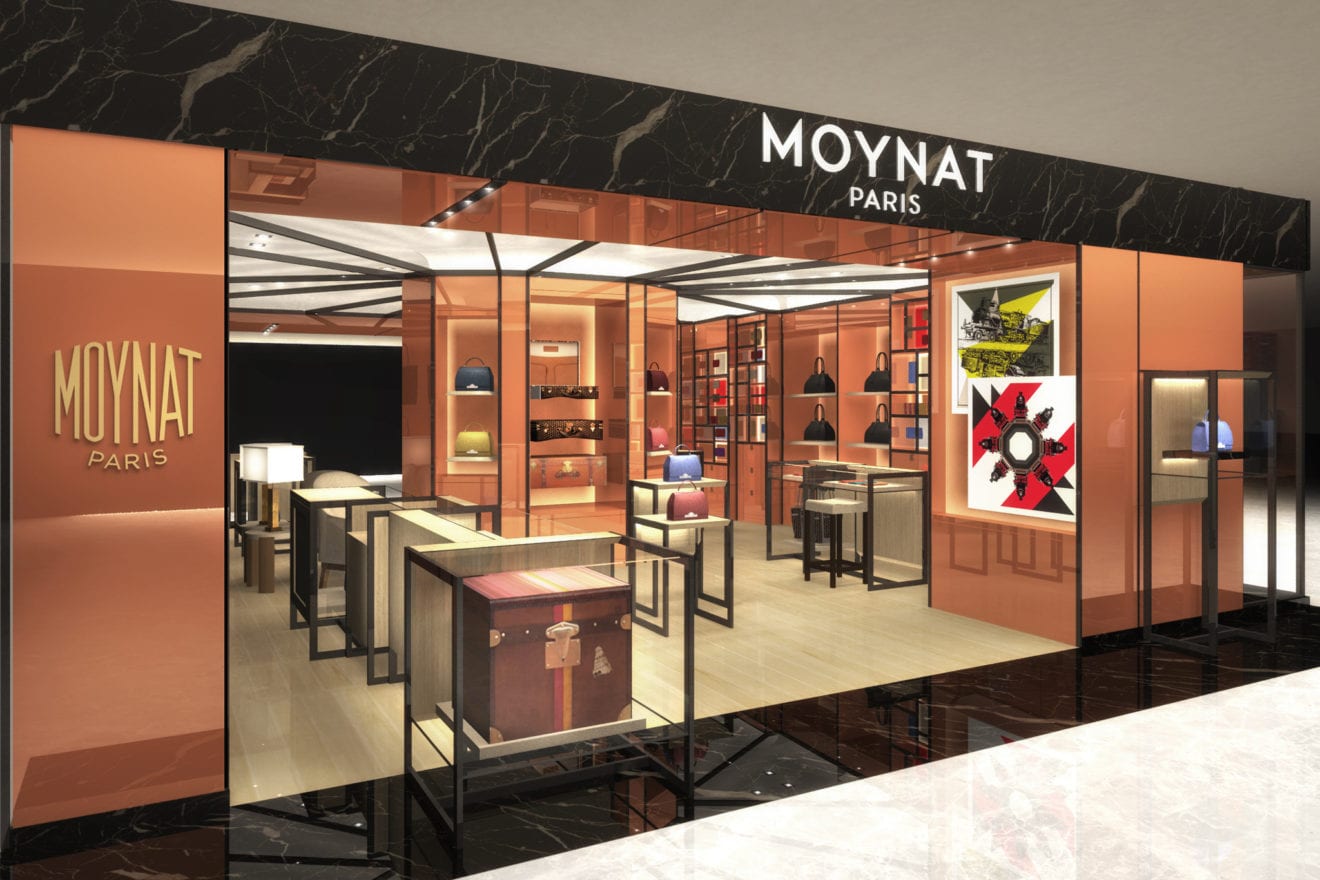
    The new 45 sqm Moynat Tokyo boutique was designed by local architecture firm Curiosity. It offers a fresh look, featuring vintage Moynat trunks – including its iconic vintage red-car trunk from 1925 – alongside current collections. it will be on the ground floor of the Seibu Department Store in Ikebukuro, the same floor as Louis Vuitton and Hermes (most other luxury brands are grouped on the store’s sixth floor).

    For its first two weeks, Moynat will present several workshops in painting and marquetry. Two creations will also be previewed, the Flower Bag and Charlotte Imagined by Ramesh Nair. These are small bags that are lightweight, refined and suitable for Japanese women to carry while wearing their kimono, says Moynat president Guillaume Davin.

  • Tumi plans more stores globally

    Tumi plans more stores globally

    US luggage retailer Tumi plans more stores internationally this year after a solid 2015.

    The company reported a net sales increase of 3.9 per cent to US$547.7 million in the year to December 31, or 6.7 per cent on a constant currency basis. Gross profit increased 6.8 per cent to $326.9 million, gross margin rose from 58 per cent to 59.7 per cent and net income was $63 million

    CEO and president Jerome Griffith said the company expects sales to increase a further 4 per cent to 6 per cent in the current year, assuming a constant exchange rate.

    “We are committed to growing our direct-to-consumer distribution worldwide through store openings, particularly in the international markets, as well as through the expansion of our global eCommerce platform. In 2015, we opened 27 new stores, and expanded our eCommerce platform to 18 countries globally.”

    This calendar year, the company expects to open between 15 and 20 stores, with an increasing focus on international markets.

    “Finally, we will focus our marketing programs and brand building initiatives on creating a deeper connection with our core customers and on extending our global reach,” said Griffith.