Category: Fashion

Retail News Asia is committed to providing both local and global retailers with the latest Fashion news throughout the Asian market. This on a daily base.

  • Esprit remains confident despite first-half loss

    Esprit remains confident despite first-half loss

    A strategic plan is starting to yield results for Esprit, which is buoyant in its outlook despite a first-half loss weighted on by weakened demand in China.

    Net loss for the Hong Kong-listed fashion retailer amounted to HKD238m (£22m) for the six months to 31 December, compared to a profit of HKD47m (£4.3m) in the same period the year before.

    Esprit introduced a vertically integrated business model in its previous financial year, the same supply chain process used by high street giant Zara. Esprit said this, coupled with cost efficient product development, is enabling it to develop improved products in terms of design, quality and value-for money.

    “The performance during the first six months of this financial year gives us confidence that the implementation of our vertical and omnichannel model is an effective basis to turnaround our business,” said CEO Jose Manuel Martinez.

    “We remain confident that we are heading in the right direction and are laying the necessary foundation to restore competitiveness and long term growth for Esprit.”

  • Hong Kong Government Allocates About $64 Million In Fashion Industry For Upcoming Budget

    Hong Kong Government Allocates About $64 Million In Fashion Industry For Upcoming Budget

    The Hong Kong government just settled its 2016-17 budget — which includes an allocation for the fashion industry of 500 million Hong Kong dollars (or about $64.35 million at current exchange rates).

    Financial secretary John C. Tsang told us that the funds will go towards developing the fashion industry, specifically promoting local designers and brands internationally and in Hong Kong. He added that the city’s government will establish an incubation program for fashion designers, “drawing on the experience of other fashion capitals like London, New York and Seoul.”

    Additionally, the Hong Kong government will set up a resource center to provide technical training and support for young designers, according to Tsang.

    “The uncertain pace of U.S. interest rate [normalization], heightened financial market volatility, modest and patchy growth in advanced economies, weak growth in emerging markets, a slowdown in inbound tourism and subdued exports will all impact on growth prospects,” the Hong Kong government said in a release, WWD reported.

    The Hong Kong Trade Development Council will also team up with the local government to sponsor programs that will bring emerging Hong Kong-based brands to fashion weeks in Paris and New York. From Sept. 7-10, the HKTDC plans to host a new event called Centrestage — giving Asian brands a platform for runway shows. 

    In related news, Lane Crawford recently tapped nine artists to create a series of visual installations for the luxury retail company’s stores in Hong Kong and China in celebration of the Chinese New Year — which began earlier this month.

    Participating artists include Andrea Minini, Angel Chen, Desmond Leung, Hui Hoi Kiu, Huijun Guan, Mosaic Art Projects (which is led by visual artists Karen Pow and Chao Harn Kae), Jan Zhou and Yeli Gu.

  • Bleak New Year for Chow Tai Fook

    Bleak New Year for Chow Tai Fook

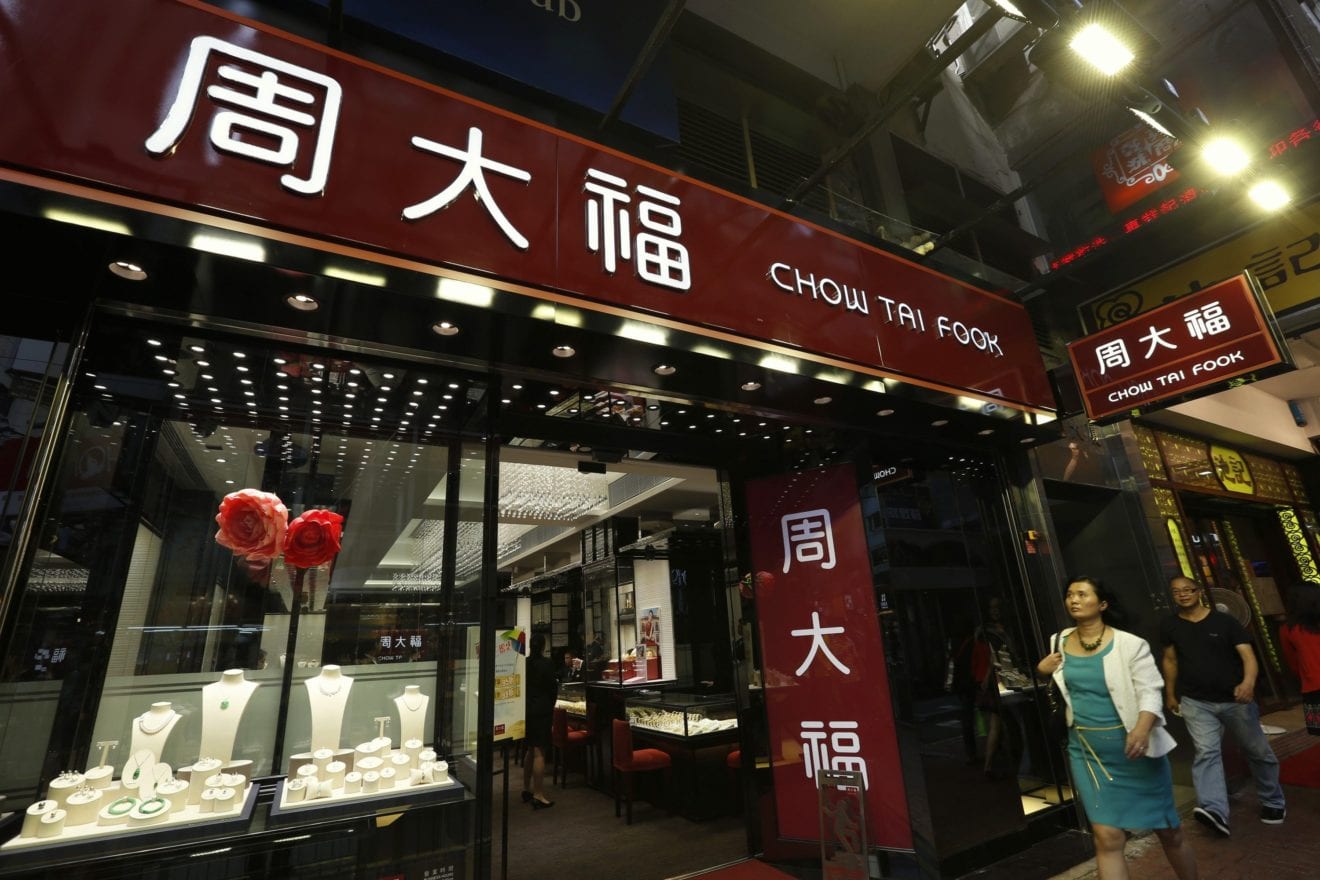
    Chinese New Year sales for the Chow Tai Fook Jewellery Group took a dive in Mainland China, Hong Kong and Macau.

    Unaudited figures for the period, from January 25 to February 14, show the value of retail sales dropped 30 per cent in China and 23 per cent in Hong Kong and Macau – a 29 per cent dip for the group – compared with the previous Chinese New Year.

    Same-store sales dropped 31 per cent in China, 22 per cent in Hong Kong/Macau, and 28 per cent for the group. Same-store sales figures were also broken down into product – gem-set jewellery dropped 30 per cent in China, 3 per cent in Hong Kong/Macau, and 20 per cent for the group, while gold products fell 33 per cent in China, 25 per cent in Hong Kong/Macau, and 31 per cent for the group.

    Chow Tai Fook says the plunge in China was mainly because of more outbound travel from the mainland during the celebration, and a weakening of consumer sentiment for luxury goods because of the economic slowdown and volatility in the stock market.

    It attributes the decrease in Hong Kong and Macau to the drop in mainland tourists to Hong Kong as well as continuing weak retail sentiment in both regions.

    “Management anticipates the retail business environment will continue to be challenging for the fourth quarter and the sales performance will be worse than that of the third quarter,” the company said a statement.

  • BrandOutlet pushes Indonesian style

    BrandOutlet pushes Indonesian style

    Local brands are a focus of a new eCommerce fashion venture in Indonesia.

    Part of the PT Media Nusantara Citra Group (MNC), BrandOutlet features fashion and beauty collections for women, men and children, reports the Jakarta Post.

    Not to be confused with the UK’s Brand Outlet, the new site devotes 6 per cent of its offering to quality local brands such as Damn! I Love Indonesia, Ingrid Husodo and Nikicio. Its international labels include Michelle Worth, Oscar de la Renta and Ted Baker.
    “Most of the branded products are available only at offline shops and boutiques, making them inaccessible to people living outside big cities such as Jakarta and Surabaya,” says BrandOutlet COO Andry Huzain. “We aim to provide anyone anywhere with easy access to buy them affordably.”

    Andry says mobile applications for iOS and Android users will be available in April.
    The company also publishes an eMagazine offering features tips, tricks and updates on fashion trends.
    BrandOutlet’s COO, Valencia Tanoesudibjo, is the daughter of MNC Group CEO and founder Hary Tanoesudibjo.

    Meanwhile, a fashion eCommerce app has been launched in Jakarta that enables users to buy products for a range of online shops without having to open each individual site.

    Lyke showcases up to 100,000 products on such platforms as Berrybenka, Bobobobo and Local Brand, as well as smaller businesses that market through blogs or social-media platforms, reportsE27.

    Users can also “follow” their favourite shops and receive recommendations based on their preferences.
    “Lyke is the perfect partner for local fashion brands that want to reach out out their customers via mobile,” says CEO Bastian Purrer, who quit his MBA studies at Harvard Business School to launch the business. Future plans include features that enable social interaction between users, such as sharing the fashion products or celebrity styles they like.
    Online shopping via mobile site or app is starting to gain traction in Indonesia, with companies such as Zalora claiming that most of their sales during the national online shopping day Harbolnashappened on mobile sites and apps.

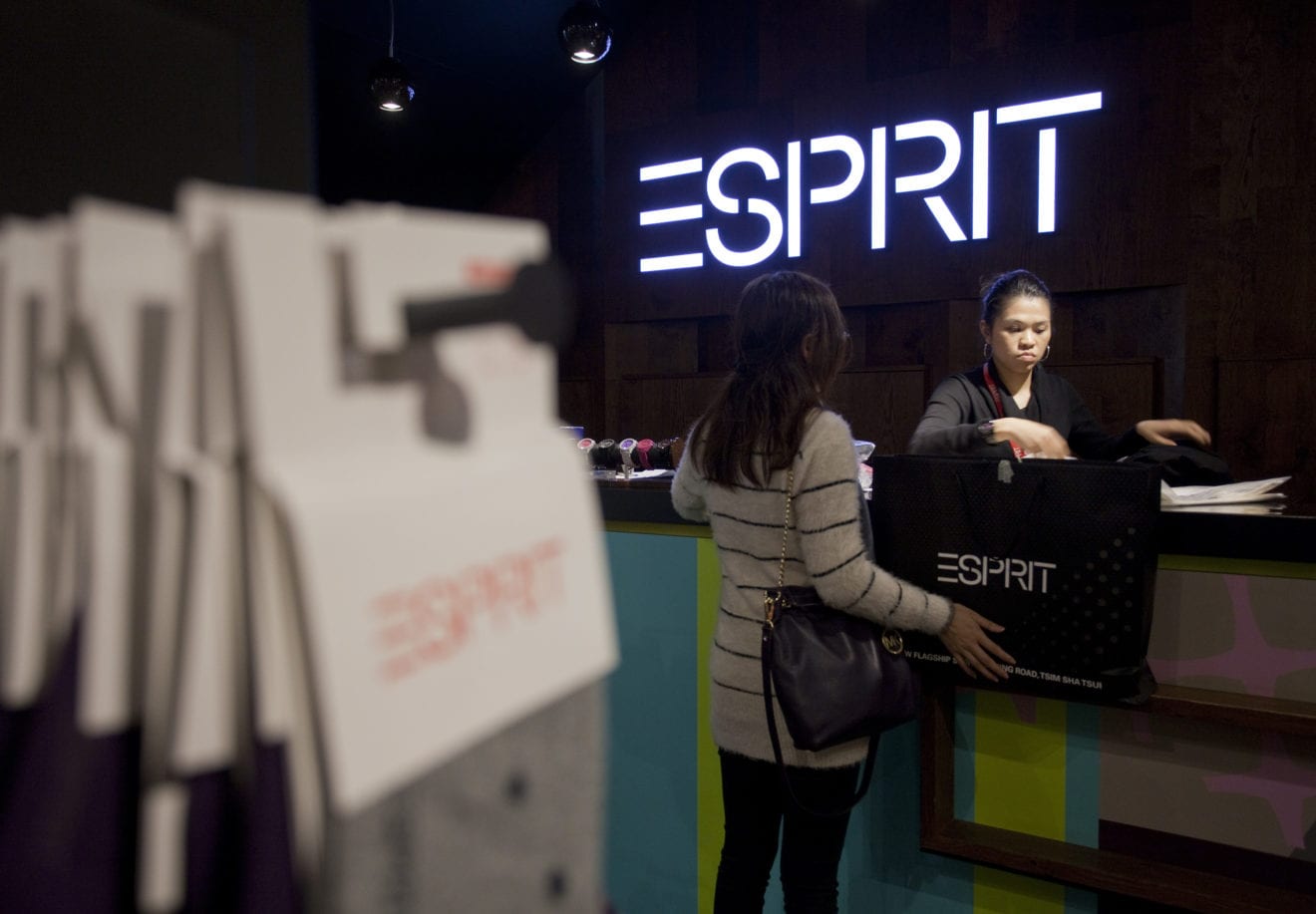
  • Clothing retailer Esprit reports first-half loss

    Clothing retailer Esprit reports first-half loss

    Esprit has been in the midst of an ambitious revamp over the past year that has included store closures, price adjustments, new return policies, and technology and distribution improvements.

    “Looking ahead into 2H FY15/16, we remain confident that we are heading in the right direction and are laying the necessary foundation to restore competitiveness and long term growth for Esprit,” the company said in its earnings report.

    Turnover at Esprit’s largest market, Germany, grew 1.5 percent year on year in local currency terms. Retail turnover grew 8.6 percent, while wholesale turnover declined 9.6 percent.

    Gross profit margin remained unchanged at 50.5 percent.

    “The weakness in the Euro, if persists, will put some pressure on the group’s gross profit margin,” the company said.

    Esprit, which earns the bulk of its revenues in Europe, said the operating environment appeared challenging amid volatile financial markets and economic uncertainty that might dampen consumer sentiment.

    Shares in Esprit closed up 2.9 percent on Tuesday, outpacing a 0.3 percent fall in the overall market.

  • Prada Asia fortunes wane

    Prada Asia fortunes wane

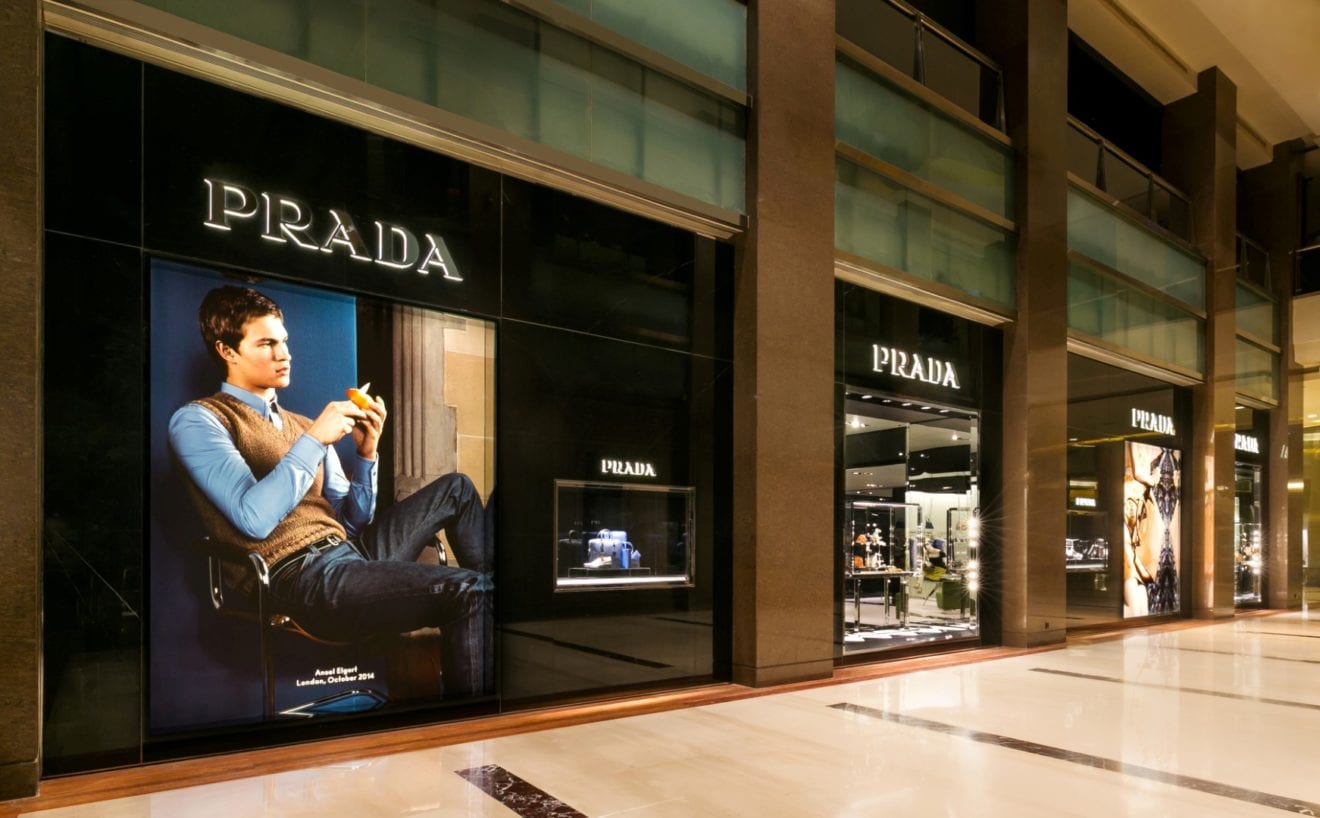
    Prada Asia is the Italian luxury label’s achilles heel with the company reporting  a 16 per cent decrease in sales in the region in the year to January 31.

    “The economic situation of the Chinese market remains negative although there was some improvement in the final quarter,” Prada said in its earnings statement.

    “Consequently, in the 2015 financial year, the entire Asia Pacific area (excluding Japan) recorded a 4 per cent revenue decrease at current exchange rates and a 16 per cent decrease at constant exchange rates.”

    Japan proved a better market, for the label: for the fifth consecutive year, sales rose, this time by  11 per cent at current exchange rates, or 4 per cent at constant rates.

    Global sales changed little – for the second year in a row – largely due to the strengthening US dollar.  Total revenue was 3.552 billion euros (US$3.96 billion) in 2015. Sales in the US fell 9 per cent excluding currency fluctuations.

    “Throughout 2015, we had to deal with an economic environment characterised by extreme volatility in currency markets, as well as by the deteriorating geopolitical situation in many world regions,” commented said CEO Patrizio Bertelli, in a clear reference to the falling demand for luxury goods in China and the Paris terrorist attacks.

    “These two factors have made prices fluctuate wildly and diverted tourist traffic in sudden and unpredictable ways. Our retail network – now truly global thanks to investment in recent years – enables us to keep developing a direct relationship with our ever more demanding customer all over the world. In the coming months, the group will be focusing its energies on the development of new commercial and marketing initiatives to sustain organic growth, also by means of an extensive digital project to strengthen dialogue with our customers. These actions, taken against the background of rigorous and disciplined cost control, will enable us to consolidate our market position with satisfactory margins and returns on investment.”

    Prada is listed in Hong Kong.

  • Reebok Launches Tuk Tuk Inspired Sneakers

    Reebok Launches Tuk Tuk Inspired Sneakers

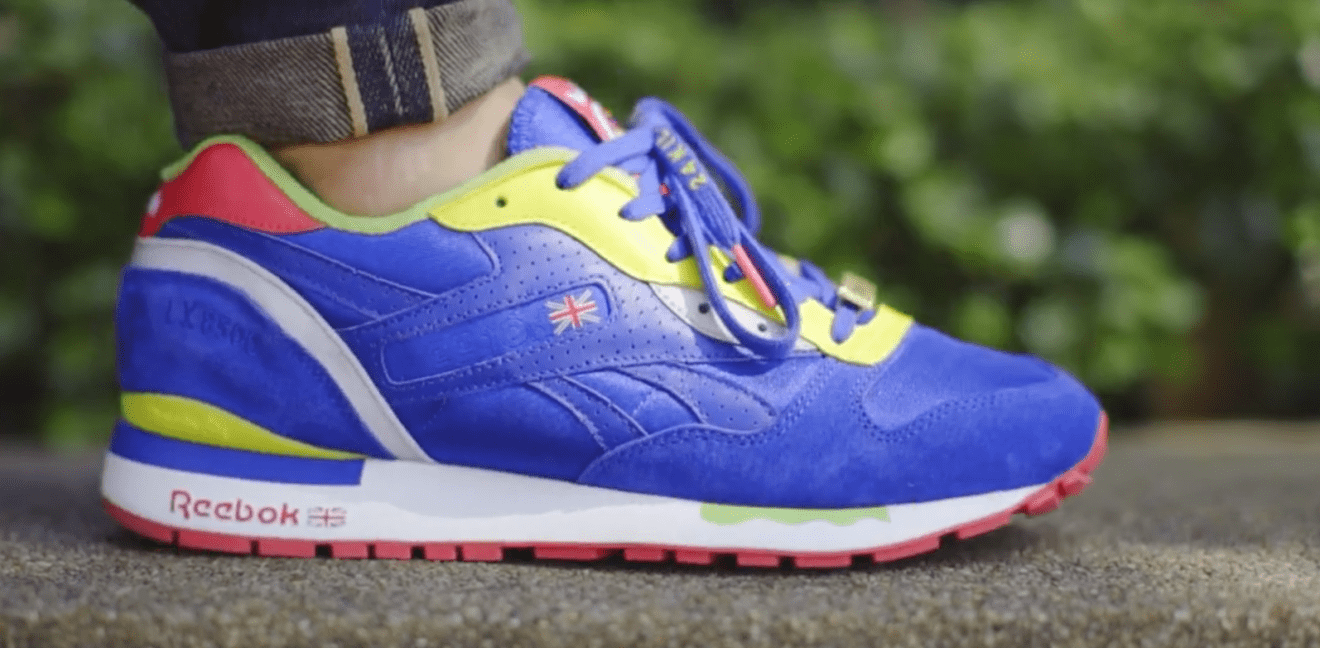
    A new sneaker collaboration between Reebok and international sneaker destination store 24 Kilates in Barcelona pays homage to Bangkok and, even more specifically, to the bright colors of the city’s iconic tuk tuk.

    The video, released a few days ago in advance of the sneaker’s March 12 drop date, plays out like a two minute-long love letter to Bangkok.

    The clip opens with a sunrise over Bangkok and the ambient traffic noise that is the never-ending soundtrack to life in the city. The viewer follows the sneakers as they visit many of Bangkok’s key sites: the Chao Phraya River, the Grand Palace, Wat Arun, the Giant Swing, Asoke intersection and what appears to be Soi Cowboy. The entire homage is set to the driving line of a morlum tune.

    And how does the dude wearing the sneakers get from place to place around our giant city? In a tuk tuk that matches the shoes, of course.

    The sneaker design is the brainchild of the owners of 24 Kilates. The two men come to Bangkok often, saying they have fallen in love with the city and also plan to open their second 24 Kilates location in the capital in the not-too-distant future.

    Whether you care about sneakers or not, seeing the city through their eyes in this video is a worthwhile way to spend a few minutes.

  • China’s move to curb grey market for luxury goods may have opposite effect

    China’s move to curb grey market for luxury goods may have opposite effect

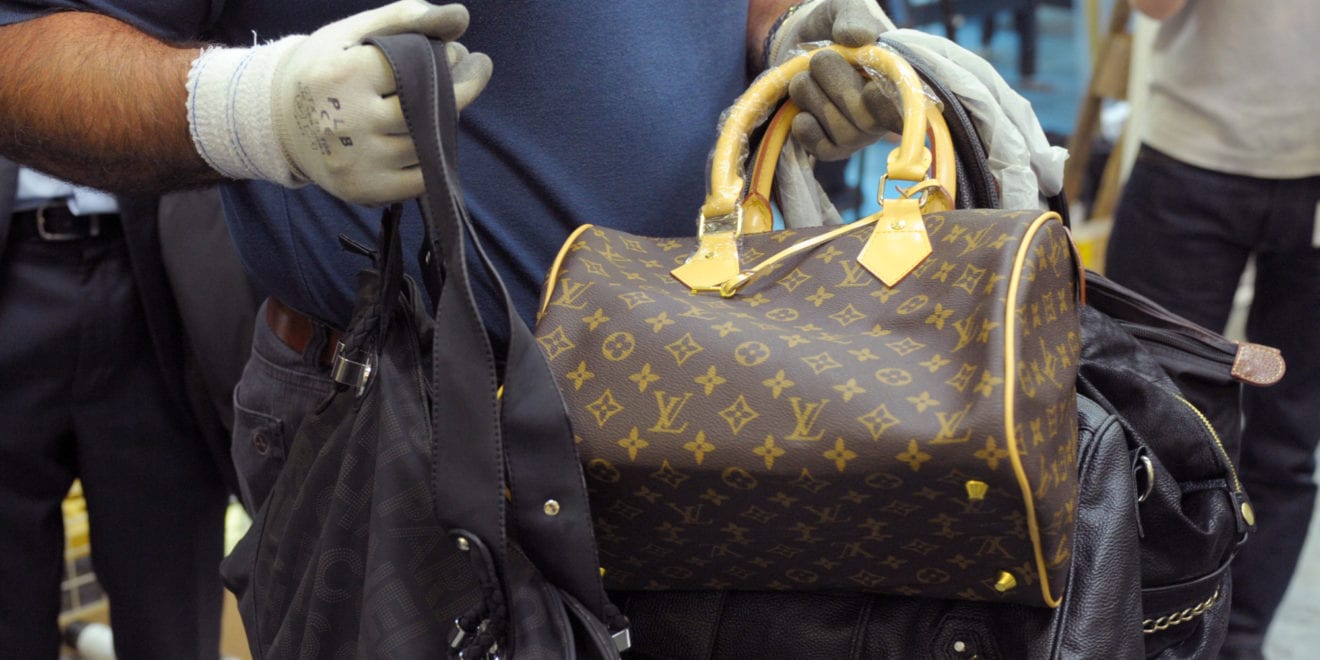
    Given the still significant price gap between high-end goods inside and outside of China, parallel imports are big business. The key players in this grey market are cross-border traders known in Chinese as daigou, and they sometimes double-deal in genuine goods and fakes. While the country’s customs service has taken steps to curb the re-selling of luxury goods sourced from overseas, some evidence suggests that those measures have driven business toward daigou by making legitimate online purchases more difficult. Both trends should be considered by brands tailoring their retail and enforcement strategies to the Chinese market.

    Driven by high taxes, tariffs and the impact of different retail strategies, price differentials for luxury goods between China and developed markets like Europe and North America make buying through daigou a compelling option for many consumers. According to Fortune Character’s 2015 China Luxury Report, the average price difference last year was between 25% and 33% depending on the category of goods. For watches, certain models were nearly 90% more expensive in China.

    These disparities make it a no-brainer for Chinese consumers to look for alternatives to their local retail outlets. One result is the huge amount spent by Chinese tourists on trips abroad. But for those who are not travelling overseas in the near future, and cannot ask a friend or relative to pick up goods for them, daigou have emerged as an alternative. Often coordinating through messaging app WeChat, Chinese buyers pick up specific items for Chinese customers and ship them to China in what Bain & Company says is a 43 billion Rmb per year business in the luxury segment alone. But the introduction of this unknown third party also creates an opportunity for dishonest traders to introduce fake goods into the mix, meaning daigou customers may be getting less than they bargained for.

    Chinese shoppers do have another option – buying online direct from the brand. While only 4% of consumers told Fortune Character that e-commerce was their preferred channel for buying luxury items, more opportunities are opening up. Among these is Alipay’s ePass, introduced about a year-and-a-half ago. The service allows brands to sell directly into China through their existing online outlets by providing both Rmb payment settlement and a delivery network in China. Cutting out the middleman gives customers more confidence that the products they order are the real deal, and Bain says this option is already hurting parallel traders’ bottom line: cross-border e-commerce accounted for 48 billion Rmb in luxury sales in 2015 – a shade higher than the figure for daigou business.

    China has also introduced measures specifically aimed at curbing grey market imports and thus allowing the government to recover more tax and tariff revenue. Last summer, the Ministry of Finance cut tariffs on cosmetics, fur products and suits. It followed up in December by announcing reduced duties on sunglasses, handbags and clothing.

    So far, this sounds like good news for brand owners. But a recent report in Business of Fashion suggests that tougher customs controls – intended to check parallel traders – are instead hampering legitimate e-commerce, and may even be driving customers back to daigou sellers.

    China’s General Administration of Customs (GAC) has stepped up scrutiny of small shipments with high declared values as part of the country’s wide-ranging anti-graft campaign. That’s problematic for some consumers who prefer to buy big-ticket luxury goods directly from overseas brands. A woman named Gao described to Business of Fashion her experience of having two DHL parcels from a UK luxury retailer turned around at customs, saying: “If they’re more than 1,000 Rmb, your parcels will be returned. So I have to either order them separately and pay double DHL overseas shipping fees, or use a daigou.” Unlike legitimate sellers, daigou can attempt to get around this by not declaring an accurate value. An e-tailer who provides a legitimate platform for Chinese consumers to buy directly from brands including Chloé and Lanvin said the complaint was a common one among his customers, with many saying their parcels had been rejected “for no reason”.

    Asked why they think luxury goods cost so much more in China, 24% of people told Fortune Character it’s because “Chinese commerce channels are unduly complex”. For brands looking to sell directly into China via e-commerce, GAC may be complicating their efforts to give customers there a simple and reliable way to buy authentic products. According to Bain, the market share of luxury parallel importers contracted last year, but if cross-border e-commerce gains a reputation as unreliable and the price gap persists, the daigou could prove more resilient than brand owners would like.

  • Step Inside Asia’s Largest Jordan-Only Store in Hong Kong

    Step Inside Asia’s Largest Jordan-Only Store in Hong Kong

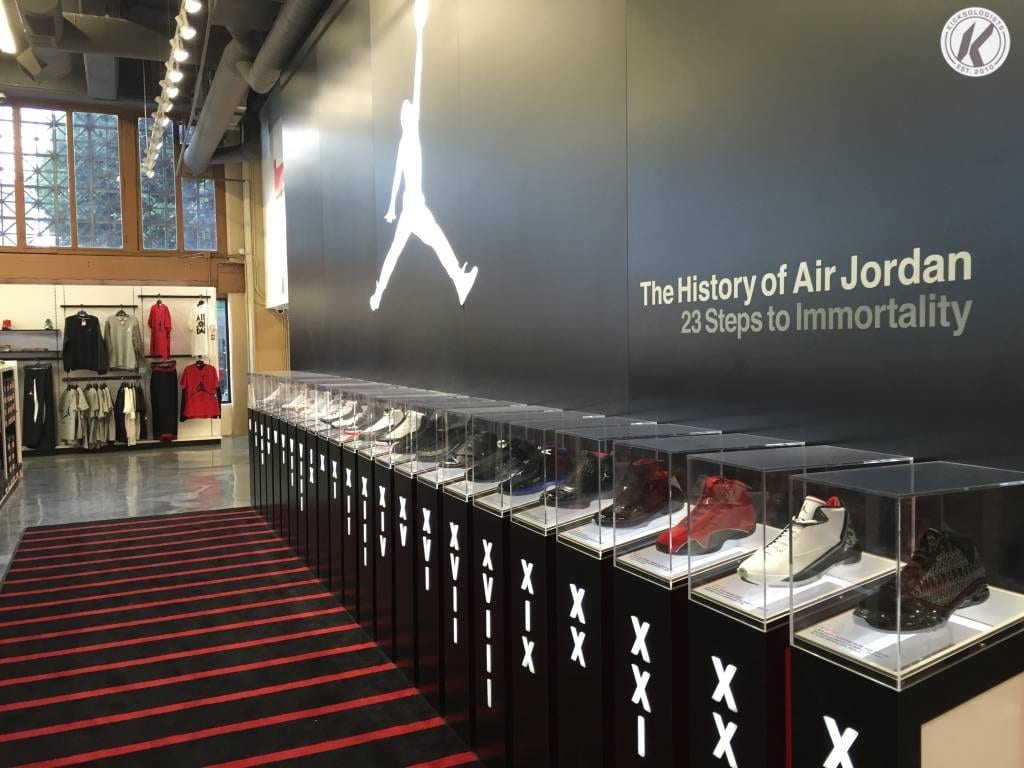
    Dipping into the streetwear mecca of Hong Kong, you’ll now find the all-new Jordan Brand store, set amongst the busy streets of the city’s Central District.

    Located on Wellington Street, Jordan 8 Wellington is currently Asia’s largest Jordan-only store in Hong Kong, offering a fresh new approach to premium retail.

    Taking the Jordan Brand to the next level, consumers are invited to members-only concepts, including custom t-shirts and jerseys, along with first access to Jordan Brand products. The space also offers a hands on experience  allowing visitors to test selected sneakers – with basketball drills and moves, displayed on an adjacent digital wall.

    Adopting the brand’s new design concept which originated at Chicago’s 32 South State Street store, the space pays homage to the legendary Michael Jordan through art installations and historical displays.

    Also, be sure to peep Drake previewing a pair of “Kentucky Blue” OVO x Air Jordan 8 Retros.

  • Hong Kong’s Chow Tai Fook, Sa Sa saw sales fall over Lunar New Year

    Hong Kong’s Chow Tai Fook, Sa Sa saw sales fall over Lunar New Year

    Hong Kong’s top jewellery firm Chow Tai Fook and cosmetics retailer Sa Sa saw sales declines of at least 20 percent during the key Lunar New Year shopping season, as China’s slowing economy weighed on consumer spending.

    Chow Tai Fook Jewellery Group Ltd, Hong Kong’s largest jewellery firm by market value, saw its retail sales drop by almost a third in mainland China and by 23 percent in Hong Kong and Macau between Jan. 25 and Feb. 14, compared with the previous year’s Lunar New Year period. The buying spree usually happens a week or more before the start of Lunar New Year, which fell on Feb. 8 this year.

    Same-store sales were down 31 percent in mainland China and down 22 percent in Hong Kong and Macau, Chow Tai Fook said in a filing to the Hong Kong stock exchange on Wednesday.

    “The management anticipates the retail business environment will continue to be challenging for the fourth quarter and the sales performance will be worse than that of the third quarter,” the jeweller said.

    China’s economy, which posted the slowest growth since 2009 in the fourth quarter, and the government’s crackdown on corruption have stifled spending among Chinese consumers, who typically flock to Hong Kong to shop for everything from handbags to milk powder.

    On Wednesday, another prominent retailer in Hong Kong also reported dismal sales. Sa Sa International Holdings Ltd, which has a store in almost every corner of Hong Kong, posted a 20 percent drop in retail sales in Hong Kong and Macau over Feb. 8-14, compared with the previous year’s Lunar New Year period. Sa Sa’s same-store sales fell 19 percent over the same period, it said in a filing to the Hong Kong stock exchange. The announcements came after Hong Kong’s market closed on Wednesday. Chow Tai Fook’s shares ended 6 percent lower, while Sa Sa’s stock was down by 0.9 percent, versus the main Hang Seng index’s 1 percent fall.


  • Rip Curl accused of “slave labour” in North Korea

    Rip Curl accused of “slave labour” in North Korea

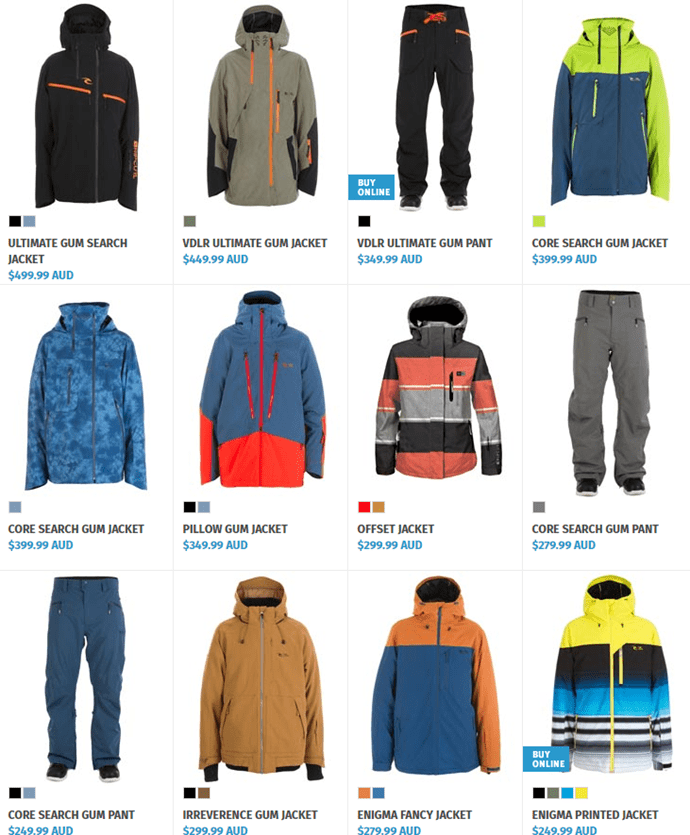
    An explosive Fairfax Media investigation has revealed that Aussie surfwear giant, Rip Curl, has been manufacturing garments out of North Korean factories where the workers are forced to withstand slave-like conditions.

    The range of winter garments were shipped to retail stores with a “Made in China” tag on them, which according to non-governmental agencies raises the likelihood that other large Australian clothing brands are doing this too.

    Rip Curl has blamed one of their subcontractors for the use of the Taedonggang Clothing Factory near the North Korean capital Pyongyang, with Chief Financial Officer, Tony Roberts stating:

    “We were aware of this issue, which related to our Winter 2015 Mountain-wear range, but only became aware of it after the production was complete and had been shipped to our retail customers.

    “This was a case of a supplier diverting part of their production order to an unauthorised subcontractor, with the production done from an unauthorised factory, in an unauthorised country, without our knowledge or consent, in clear breach of our supplier terms and policies.

    “We do not approve or authorise any production of Rip Curl products out of North Korea.”

    Rip Curl Mountainwear rangeRip Curl Mountainwear range

    Rip Curl Mountainwear range

    Factory conditions in North Korea are notoriously horrific, with North Korean defectors telling human rights activists that they are forced to work long hours with little to no pay. If they disobey they can be imprisoned in work camps.

    Being unaware is a paltry excuse, says Oxfam’s CEO, Dr Helen Szoke.

    “Australians would be shocked to hear that an iconic Australian brand with roots on the surf coast of Victoria can’t confidently track clothing produced within its own supply chain.

    “Rip Curl has no excuse for being unaware of what is happening. Companies are responsible for human rights abuses within their businesses – not only morally but also within international human rights frameworks,” Dr Szoke said.

  • Avon Asia woes continue

    Avon Asia woes continue

    Globally the beauty industry is growing, despite regional market challenges. “Unfortunately,” observes Neil Saunders, CEO of retail analyst Conlumino, “it’s not growth that Avon is currently benefiting from.”

    At the core of the brand’s troubles are Asia and Brazil.

    Avon’s Asia Pacific revenues shrank by 16 per cent overall and by 8 per cent on a constant currency basis.

    “The primary difficulty is China where, in a worrying sign that in a more challenged economic environment consumers are turning away from Avon, demand has fallen sharply,” explains Saunders.

    Avon’s financial results released last week were the first since the company decided to sell a majority stake of its North American operation to Cerberus Capital Management.

    “That decision was, in essence, an admission of defeat in the region following years of continuous decline,” says Saunders. “More positively, it has strengthened the group’s balance sheet and will allow it to focus on its potentially more lucrative overseas operations without the continuous distraction of trying to turn around an ailing part of the business.”

    Unfortunately for Avon the initial results from this smaller, more focused business proved disappointing with total revenue plunging by 20 per cent on a year-over-year basis. While much of that was down to the strong dollar, even on a constant currency basis a growth rate of 1 per cent provides scant comfort.

    Revenue in Latin America shrunk by a dramatic 26 per cent on a year-over-year basis, although in constant currency terms it ended up flat.

    “Even so, the difficult macroeconomic environment in Brazil – where average order size fell and where comparable sales shrank by 2 per cent – means that this once lucrative region is simply not delivering as it once did,” said Saunders.

    Thanks to Russia, where on a constant currency basis revenues rose by 29 per cent, the Europe-Middle East-Africa region posted a better performance with constant currency sales in positive territory. However, even here there are problem areas – in this case the UK where sales dropped by 7 per cent on a constant currency basis following a decline in active representatives.

    “Overall then, the state of the residual basis is fairly poor. Sales are shrinking, operating profit is weak, and the company remains loss making to the tune of around $331.9 million. In other words, hiving off the North American business has not solved Avon’s issues,” said Saunders.

    In the new fiscal year, Avon is planning to overhaul the cost structure of its business, expecting to save some $350 million over three years. Some of this will be reinvested, driving initiatives such as selling on social media.

    “From the scale of the savings it is obvious that they will not, in and of themselves, push the group into profitability; as such, driving top line growth will be absolutely critical if Avon is to remain viable,” said Saunders.

    “Top line growth requires a fundamental reappraisal of the business model – including the way Avon sells and distributes products. As important as the direct method of selling is, the rise of online has made the role of the representative less relevant than it once was.

    “This isn’t just about transactions, it is also about advice and information which increasing numbers of people are picking up from a growing array of beauty bloggers. In light of these changes Avon needs to reappraise, reassess and evolve.

    “The Tupperware playbook is a good example of how evolution can occur in a way that complements and is respectful to the heritage of the business,” concluded Saunders.

  • Another $3.5m funding for Grana

    Another $3.5m funding for Grana

    Hong Kong-based online clothing retailer Grana has secured an extra US$3.5 million in seed funding.

    This brings total funding to date to $6 million, with an additional Series A funding pending. The lead investor  is Golden Gate Ventures, with MindWorks Ventures and Bluebell Group also involved.

    Grana has just launched in the US market, and the extra funding will help the brand continue its international growth. The company offers clothing made from international fabrics including Chinese cotton twill and silk, French poplin, Irish linen, Italian merino wool, Japanese chambray and denim, Mongolian cashmere and Peruvian cotton. Designing in-house, Grana works directly with fabric mills to ensure the best possible prices.

    In its beta launch in March last year it sold 2000 Peruvian Pima cotton T-shirts in three weeks, shipping to eight countries. Month-over-month sales have been increasing by 40 per cent since the company launched in October 2014.

    As well as helping Grana ship to new markets, the new funding will support its entry to the China and US markets. The funds will also be critical to new product category launches such as leather goods, undergarments and activewear.

    “The support is critical to our US expansion, a priority market that already represents 20 per cent of our global sales,” says CEO and co-founder Luke Grana, an Australian based in Hong Kong.

    Grana opened a “fitting room” in San Francisco in December, and has also introduced the concept in Hong Kong, Singapore and Sydney. These outlets are designed as showrooms rather than retail shops, offering interaction with Grana Cheetahs (customer service representatives) and the chance to explore the website.

    “In a world where startups are disrupting established industries, Grana is disrupting how to build a global brand with bottom-up marketing from their biggest fans, city by city,” says Golden Gate Ventures managing partner Vinnie Lauria.

    Grana will also use the new funding to build its global team. It now has more than 40 employees in Hong Kong, and has just added team members in San Francisco.

  • Furla Asia-Pacific plans more flagships

    Furla Asia-Pacific plans more flagships

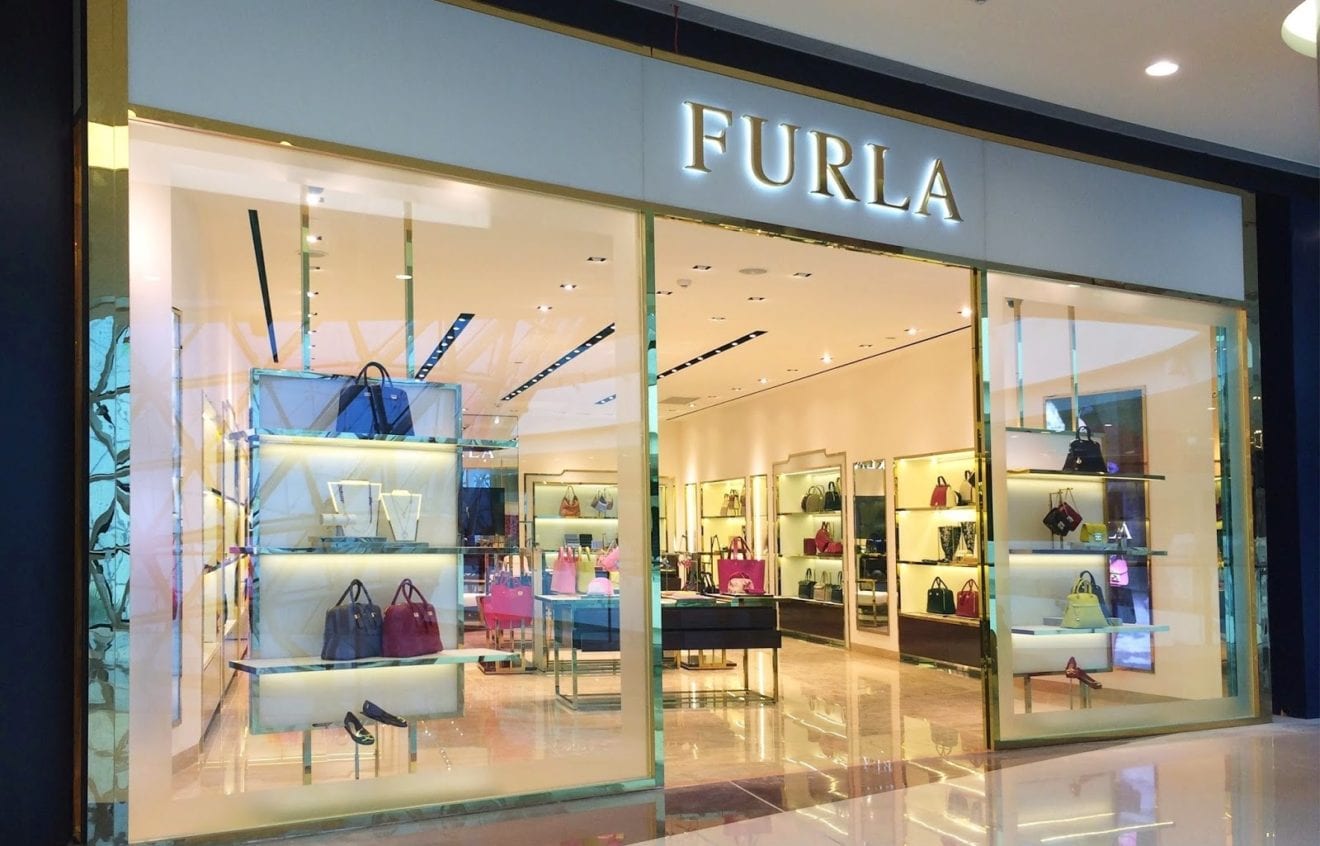
    Luxury Italian brand Furla is planning more flagship stores in Asia as the region delivers strong growth for the 89-year-old family-owned company.

    FURLA CEO_Eraldo PolettoIn an exclusive interview with Inside Retail Asia, Furla CEO Eraldo Poletto explains how the company has bucked the decline in luxury spending in core markets like Hong Kong and Singapore during the past year. Furla achieved 53 per cent growth in total sales (in euro at the current exchange rate) in Asia-Pacific, where it counts 14 markets – Australia, Cambodia, China, Hong Kong, India, Indonesia, Korea, Macau, Malaysia, Singapore, Taiwan, Thailand, The Philippines and Vietnam. Japan, a stand-alone territory in Furla’s accounts, saw sales grow 24 per cent.

    Even discounting sales from new stores, like-for-like growth for Furla Asia-Pacific reached 15.5 per cent last year, yet the region accounts for just 19 per cent of the company’s sales – about €64.4 million ($72.1 million) – suggesting strong growth potential ahead.

    “The consistent strategy we have implemented over the past four years – positioning ourselves as the only Italian and ‘Made-in-Italy’ brand in the premium segment, without accepting compromises in terms of quality – is paying off,” says Poletto.

    “We are expanding our footprint with important flagships: Singapore Marina Bay Sands opened in September; Hong Kong Miramall and Shanghai Citic, each with a 300 sqm street facade, opened in December with a luxury retail concept showcasing our full ladies’ and men’s collections.”

    Furla China Flagship Store @ Shanghai Citic Square 4

    He says more flagships will open this year in Australia and Bangkok.

    “Flagships are meant to represent every aspect of the brand in terms of image and product range; however, we are not expecting to open more than five or six flagships in the region, as we are focusing on the profitability of our retail network, and prefer to penetrate the market extensively.”

    In what he terms a “capillary” approach, more standard-sized stores and points of sale will also open across the region.

    Furla China Flagship Store @ Shanghai Citic Square 7

    For the past two years the company has opened or renovated one store a week. It now has 172 points of sale in Asia-Pacific, along with 72 monobrand stores in Japan.

    “In terms of our retail format, our average store size is increasing together with Furla’s total-look collections. Malls and high-street locations complement each other, and in this period of time, rent levels in some markets have decreased substantially because of a drop in demand from luxury, watch and jewellery brands. We are always on the lookout for new opportunities to invest in,” says Poletto.

    “Our retail store concept is also quite special, as it wants to deliver a 360-degree luxury shopping experience while maintaining our the value-for-money approach.”

    Furla China Flagship Store @ Shanghai Citic Square 2

    Asians appear to be embracing Furla’s distinctive quality brand feel and shopping experience. Perhaps surprisingly, the brand has no strategy of differentiating its Asia-Pacific product range from those of other markets.

    “We believe that if a product captures customers’ hearts in one market, its appeal is universal. Our price and product range have always been appealing to a large spectrum of clientele; it is not by chance that our two best-seller styles – Metropolis and Artesia – represent the most affordable and the highest offer of our collection respectively.

    Furla China Flagship Store @ Shanghai Citic Square 6

    “In terms of branding, strong marketing investments – like our collaboration with Mario Testino and a more aggressive digital and outdoor media planning strategy – are making Furla far more visible.”

    Department stores are still an integral part of the Furla sales strategy, especially in China, where that sector is still in its infancy by western standards.

    “The department store culture in Greater China isn’t very strong yet, and there are very few players compared to the shopping mall retail model in western markets. There is most surely room for improvement in this region.

    Furla China Flagship Store @ Shanghai Citic Square

    “The situation is much more developed in Singapore and Australia, and obviously a priority in Korea with Shinsegae, Hyundai and Lotte, where we are present with 10 domestic stores and an aggressive development plan.”

    Furla is also experiencing strong growth in the travel retail sector, which is helping both top-line sales and brand awareness.

    “Travel retail will continue to fuel the growth in APAC,” says Poletto. “Total sales generated by the travel retail channel were up 27 per cent for 2015, and we opened five new locations. We see blooming opportunities in this channel as Asian customers shop worldwide while they travel: it is a great showcase for the brand.”

    In June, Furla will open a directly managed boutique in Hong Kong International Airport.

    Furla China Flagship Store @ Shanghai Citic Square 8

    Southeast Asian focus

    Furla’s strong growth in the region is coming not just from the established markets of Hong Kong, Singapore and Greater China.

    “We have witnessed a significant double-digit growth in Southeast Asia markets including Cambodia, Malaysia, Singapore, Thailand, The Philippines and Vietnam,” says Poletto.

    “In Indonesia, a fast-growing country with a population of 250 million, we have a capillary quality presence with 10 boutiques in five cities. As of today, Furla has 46 stores in Southeast Asia, and we will focus on strengthening our foothold in these markets this year.”

    Furla China Flagship Store @ Shanghai Citic Square 5

    In India, which Furla has entered in a joint venture with Genesis Luxury, the label has three boutiques – one each in Mumbai, Delhi and Calcutta.

    “They are all performing very well with a 50 per cent sales growth increase in 2015,” says Poletto. But the market has considerable challenges.

    “India is a market with very high potential, but also with a huge limits when it comes to infrastructures. There are not enough qualitative shopping malls to cover Indian clients’ high demand for fashion and luxury: this is why Indian consumers represent a key nationality in markets like Dubai, London or Singapore.

    “In terms of expansion, we will tap into all the new relevant real-estate projects.”

    Globally, Furla has 415 monobrand stores, of which 190 are directly owned and 198 franchised. It has 27 travel retail stores and more than 1200 outlets in department stores and multibrand outlets.

    Furla China Flagship Store @ Shanghai Citic Square 10

    Results released today show that Furla’s global turnover reached €339 million last year, up 30 per cent on 2014. The growth was driven across all Furla product categories, including the new men’s collection, women’s footwear collection and eyewear.

    Poletto says that being a family-owned business – an increasingly rare phenomenon in the model luxury retail business – has its advantages.

    “Being 89 years old gives us a great DNA to be around into the future: the real assets are the brand and its heritage, which are translated into equity. The Furlanetto family has very strong values – they have a long-term vision, instead of making opportunistic choices.”
  • Paul & Shark Korea opens first store

    Paul & Shark Korea opens first store

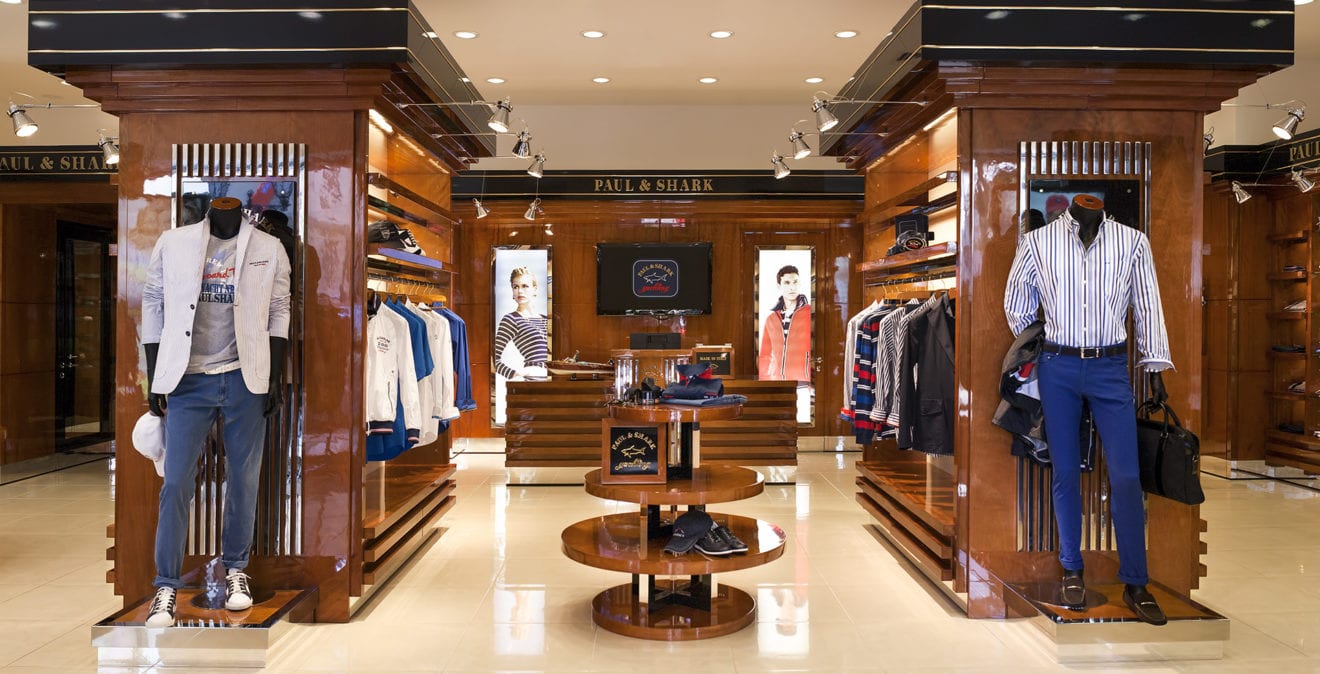
    Luxury Italian lifestyle brand Paul & Shark has opened its first boutique in South Korea, at Incheon International Airport.

    The new Paul & Shark Korea store, run in partnership with Lotte Duty Free, features the brand’s new collections.

    Another two openings are planned for Seoul in the first quarter of this year, according to Paul & Shark global travel retail director Catherine Bonelli.

    Founded in 1976 by the Dini family, Paul & Shark’s men’s, women’s, children’s and accessories collections are available in more than 60 countries.