Category: Fashion

Retail News Asia is committed to providing both local and global retailers with the latest Fashion news throughout the Asian market. This on a daily base.

  • Ferrari Store Junior flagship for Asia

    Ferrari Store Junior flagship for Asia

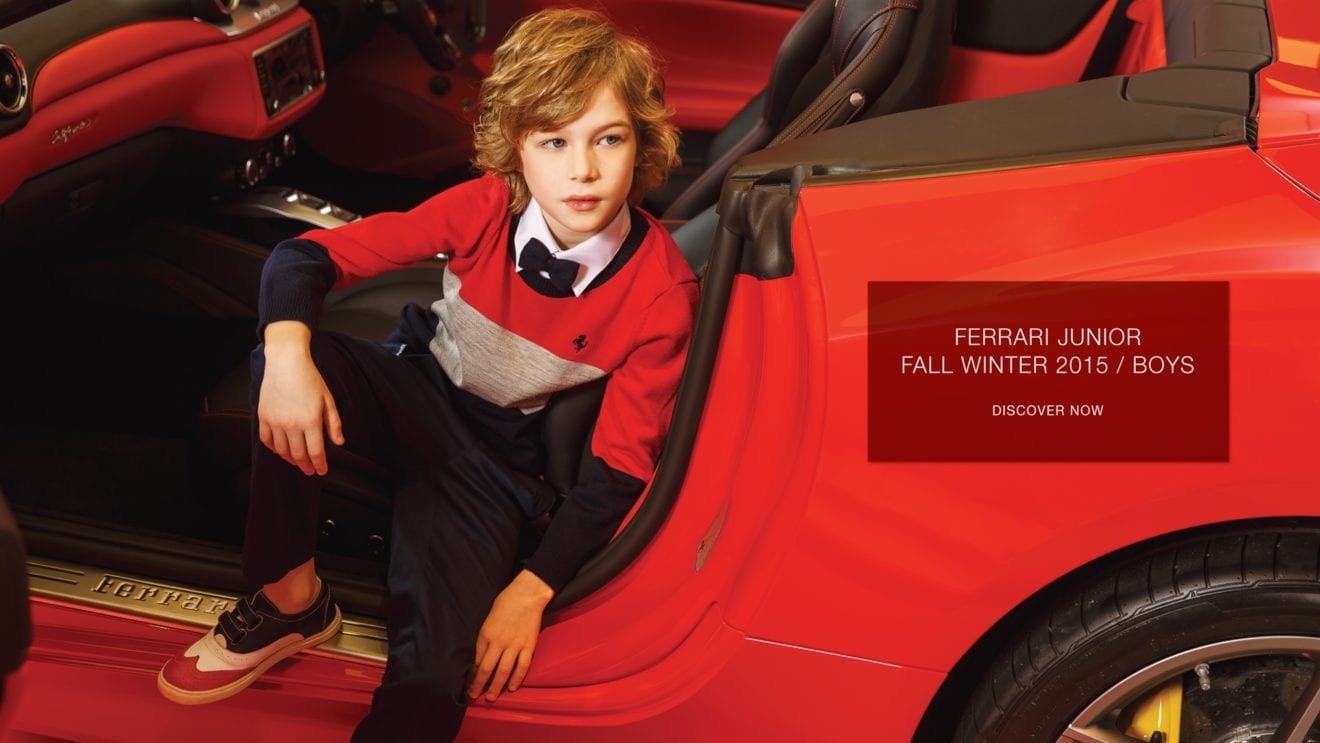
    Greater China has its first Ferrari Store Junior, at theFestival Walk shopping mall in Hong Kong.

    This flagshop store not only offers a range of children’s apparel and lifestyle accessories, but also features the Atelier custom-made studio where children can create clothing that matches their tastes.

    Ferrari Store Junior has been launched by Berlinetta (Asia), a subsidiary of Nicholas & Bears.

    A variety of toys and accessories are also available at the store, such as bicycles, ride-on cars and remote-control cars.


    Atelier offers a choice of fabrics and accessories such as metal plates, buttons and rivets for the made-to-order clothing.

    A ribbon-cutting ceremony for the store was hosted by Nicholas & Bears executive chairman Joey Tong, and a fashion collection was showcased by four child models.

    Ferrari-Junior-Collection-Hong-Kong-300x197Ferrari Junior Collection Hong Kong 1

    Ferrari Store Junior has also opened in Kuala Lumpur, with more to follow in such cities as Beijing, Hangzhou, Macau, Nanjing, Seoul, Shanghai, Taipei and Tokyo.

  • 2016, a crunch year for China luxury retail

    Fears of an economic slowdown in China, the devaluation of the yuan, and persistent turmoil in the stock market throughout January have grabbed media headlines.

    All raise questions about the continuing strength of demand for luxury goods among Chinese consumers in the year ahead.

    Global Blue data for December shows growth in Tax Free Shopping (TFS) spend by Chinese shoppers worldwide slowed to 16 per cent, after a peak of 42 per cent in November. Despite concerns around Chinese luxury spending worldwide, however, there are positive signs for luxury brands in 2016, provided they respond to modern consumer preferences and behaviour.

    Slower growth, continued travel

    China’s economy grew 6.9 per cent in 2015, following a 7.3 per cent rise in 2014, according to the Wall Street Journal. Economists predict growth of more than 5 per cent in 2016.

    “[This] may seem weak compared to the past, but it is still far above what other countries are experiencing,” said Philip Guarino, European director at China Luxury Advisors.

    “More people are becoming part of the country’s middle class every day, and millions more Chinese are travelling abroad each year, learning about new brands and purchasing luxury goods,” he added.

    According to a Consumer Life survey by market research firm GfK, more than 109 million Chinese travelled overseas in 2015, up from 100 million the previous year. By 2020, this figure is set to rise to more than 200 million.

    Travel bookings for the upcoming Spring Festival 2016 (Lunar New year) in February indicate strong demand from Chinese travellers. Online travel service Ctrip reports that more than 60 per cent of those Chinese taking holidays during the festival will do so overseas.

    Spending in China

    Despite expectations of a slowdown in global luxury sales and the impact Chinese consumers may have on worldwide sales, analysts at Goldman Sachs have backed the luxury market, upgrading investor advice on global luxury conglomerates LVMH and Kering, according to the Financial Times.

    One of the themes driving Goldman Sachs’ endorsement of the global luxury market is spending in China.

    Recent trading updates by luxury brands show a rebound in demand within mainland China. In Q3 trading, both Burberry and Richemont Group highlighted a reversal in the decline of luxury sales in China, attributed in part to a new breed of middle-class shoppers.

    Luxury spending in China should rise by 6 per cent in 2016, noted Goldman Sachs, the slowest rate since the Chinese luxury market opened up a decade ago, and less than the 10 per cent of 2015.

    Despite slower growth, the investment bank said: ”The emerged and emerging middle class have a lower propensity to spend on luxury, but the desire for branded, status luxury brands remains unchecked.”

    This means a greater focus on affordable luxuries to a more mass customer base, reducing the emphasis on status-driven purchasing. Three quarters of total growth in 2016 is expected to come from 70 million middle-class consumers in China with an annual disposable income of US$30,000-$65,000.

    Chinese consumers are also starting to buy more frequently, something that should benefit brands with a strong footwear, cosmetics and ready-to-wear offering, said Paul Swinand, analyst at investment firm Morningstar.

    “We believe Chinese consumers will behave more like their Western counterparts, with more frequent lifestyle purchases of aspirational luxuries on a per household basis and fewer purchases of status symbol goods that were often a store of wealth,” said Swinand.

    SHANGHAI, CHINA - MAY 28: Nanjing Road street night view on May 28, 2012 in Shanghai, China. Nanjing

    Chinese millennials

    Chinese outbound travel is dominated by millennials. More than 50 per cent of Chinese outbound travellers are aged between 15 and 29, according to GfK, while 37 per cent are aged 30 to 44, and just 10 per cent are aged 45 to 59.

    The behaviour of millennial travellers differs from that of older generations. They are increasingly likely to be looking for travel and dining experiences as well as products, especially as their income rises. This has given rise to a number of designer brand/gourmet crossovers within mainland China itself, as well as in other Asia tourist hotspots.

    Sharing on social media is central to any overseas travel experience for young Chinese travellers and is an opportunity that luxury brands are yet to fully leverage.

    Luxury purchases remain a big part of overseas trips, with just over half (51 per cent) of Chinese millennials aged 18-29 likely to buy luxury goods when travelling overseas, according to MasterCard research. This group is the biggest purchaser of luxury goods in Asia Pacific, and its members are set to spend an average of US$4362 per head on luxury goods in 2016, twice as much as the average across nationalities.

    Global Blue believes that despite concerns around Chinese luxury spending worldwide, there are positive signs for luxury brands in 2016, provided they adjust to modern consumer preferences:

    • A growing Chinese middle class and a shift away from conspicuous luxury consumption is opening up opportunities for affordable luxury goods purchases. Chinese millennials are the dominant age group for overseas travel and for luxury goods purchases on trips.
    • Luxury brands should not underestimate the quickly changing behaviours and preferences of millennial travellers; a desire for unique cultural experiences combined with luxury lifestyle opportunities is high on their agenda.
    • 2016 is an important year for luxury brands as they reexamine how they engage with Chinese consumers both at home and abroad.
  • Louis Vuitton Hong Kong problems ‘cyclical’

    Louis Vuitton Hong Kong problems ‘cyclical’

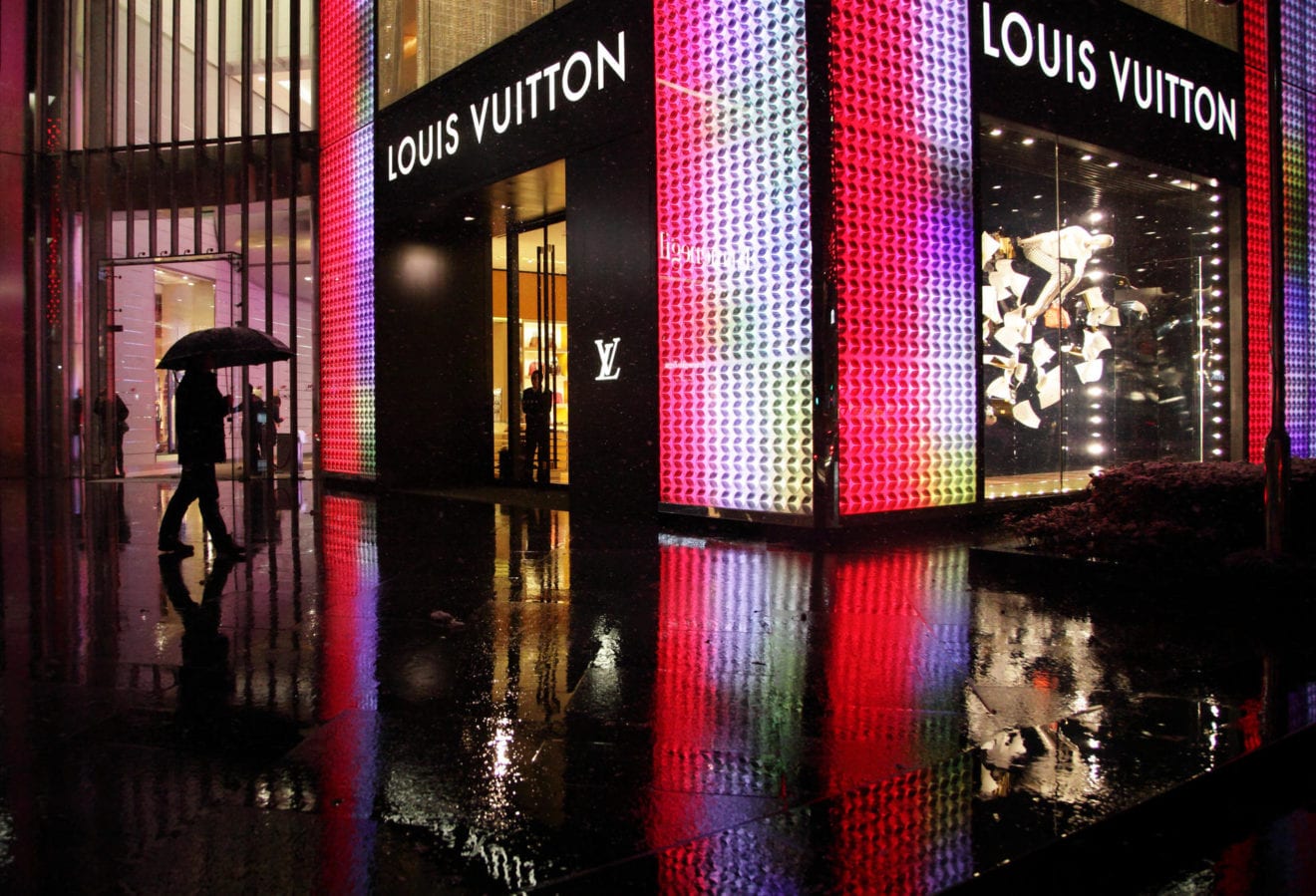
    Louis Vuitton is committed to the Greater China market and the company’s chief believes Hong Kong’s challenges are of a short term nature.

    And the company has announced it will soon commence renovations of its Louis Vuitton Hong Kong flagship store at Landmark Central.

    Chairman and CEO Bernard Arnault told the company’s annual meeting in Pairs that the current downturn in Hong Kong is just a “cyclical” problem.

    He said the luxury retailer will be keeping all of its stores in the territory, apparently referring to all the group’s brands which also include Celine, Loewe, Kenzo, Givenchy, Fendi, Donna Karan and Marc Jacobs.

    “In Hong Kong, [there] is no question of closing the few shops that we have,” he said.

    “Hong Kong is a cyclical city. As you know, you have ups and downs there. Right now, Hong Kong is going through a trough,” Arnault told shareholders.

    “Hong Kong will remain one of the high points in Asia and one of the drivers of our growth.”

    In the mainland, where Louis Vuitton has been culling about one in five of its stores, the company was planning to maintain the same number of stores – just in different locations.

    “If we [close stores], it is only because Louis Vuitton will open shops elsewhere,” he said.

    “The retail picture is evolving rapidly in China, you have some areas of the country that may be attractive one day, less attractive the next day.”

    The company will continue to close stores which were not performing when their leases came up for renewal.

    “When new malls are built, the leases are very attractive.”

    Arnault said it often made sense for the brand to leave a mall where the business was not performing well in order to open in another centre where the company might secure two or three years free rent.

    “Of course we will take the opportunity” he concluded.

  • H&M suppliers’ Bangladesh factories ‘unsafe’

    H&M suppliers’ Bangladesh factories ‘unsafe’

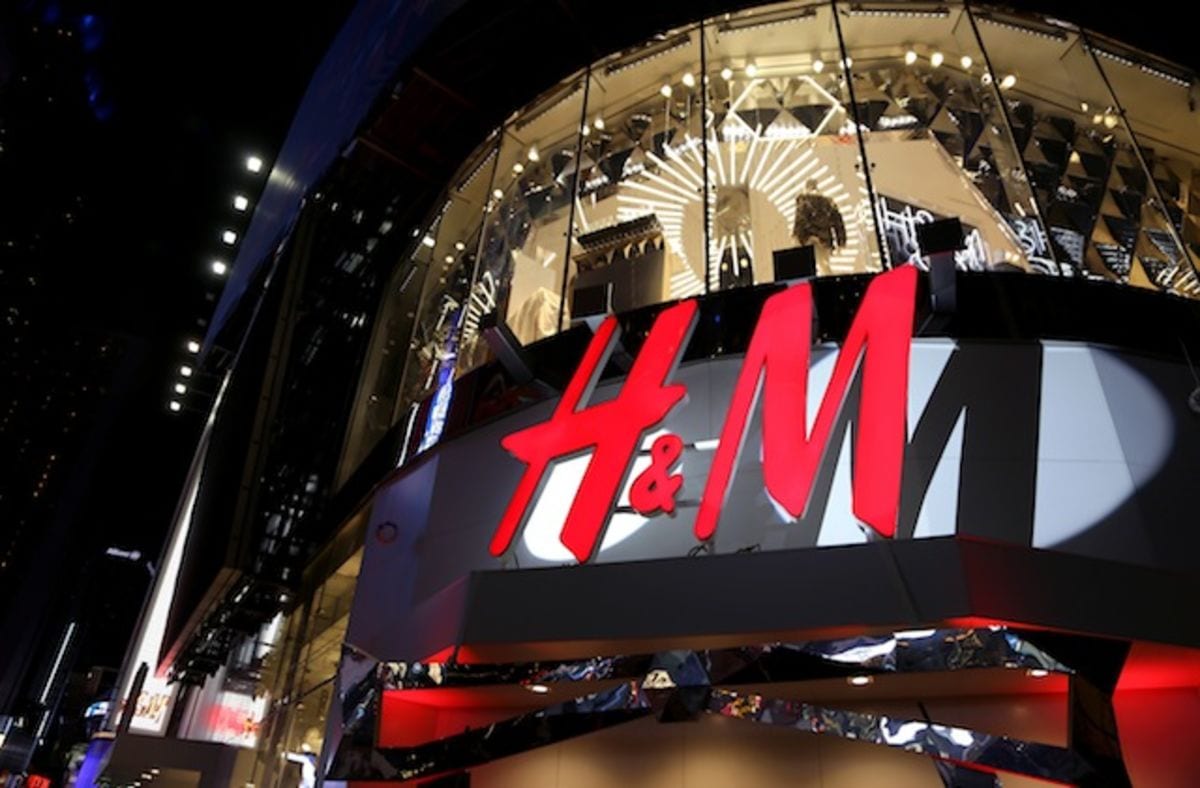
    Labour rights groups are calling on H&M to do more to protect garment workers in Bangladesh, after a review of strategic H&M suppliers revealed “severe delays” in urgent building repairs.

    The Clean Clothes Campaign, the International Labor Rights Forum, the Maquila Solidarity Network and the Worker Rights Consortium say the lack of action leaves “tens of thousands of workers at risk of death and injury”.

    The agencies were witness signatories to the Bangladesh Accord on Fire and Building Safety, and have published an update to an initial report into delays in safety repairs at 32 of H&M’s most strategic Bangladesh suppliers. The update, based on a review of publicly-available documentation carried out in January 2016, shows that all but one of H&M’s strategic suppliers remain behind schedule in making repairs and that over 50 per cent of them are still lacking adequate fire exits.

    “More than two and a half years into the process of the Bangladesh Accord every single mandated repair at H&M’s suppliers should have already been completed. However, the sad reality is that hardly any of H&M’s supplier factories in Bangladesh can be called safe,” said Scott Nova of the Worker Rights Consortium.

    The report does demonstrate some progress. Although the overall number of outstanding fire, electrical and structural renovations remains high at 37 per cent, the number of items reported as “behind schedule” at these 32 factories has decreased. However, the authors point out that, while this reflects actual progress in some cases, it is largely the granting of deadline extensions to factories rather than the completion of renovations that explains the improvement.

    “We are pleased that the pressure placed on H&M following our last report has resulted in some recent improvements, but are shocked that so much remains left to do,” said Liana Foxvog of the International Labor Rights Forum.

    “We urge H&M to provide meaningful funding for lifesaving safety renovations in order to put an end to the persisting delays.”

    Furthermore, the renovations required to ensure workers can safely exit a factory in the case of a fire are still subject to some of the most severe delays. In 13 per cent of the factories (compared to 16 per cent in September) lockable doors have not yet been removed; 38 per cent of the factories (compared to 55 per cent in September) still have not removed sliding doors and collapsible gates; and 55 per cent have failed to install fire-rated doors and enclosed stairwells (compared to 61 per cent in September. Any of these hazards could result in garment workers being trapped in a burning building, as has happened repeatedly in Bangladesh, including at H&M supplier, Garib & Garib, where 21 workers died.

    “H&M is able to increase profits in an extremely competitive climate, but yet the company is apparently incapable of getting all of its suppliers to carry out even simple actions such as removing a lock,” said Sam Maher of the Clean Clothes Campaign. “This is totally unacceptable.”

    Further information on the Accord on Fire and Building Safety in Bangladesh can be read here.

  • Coach China leads transformation

    Coach China leads transformation

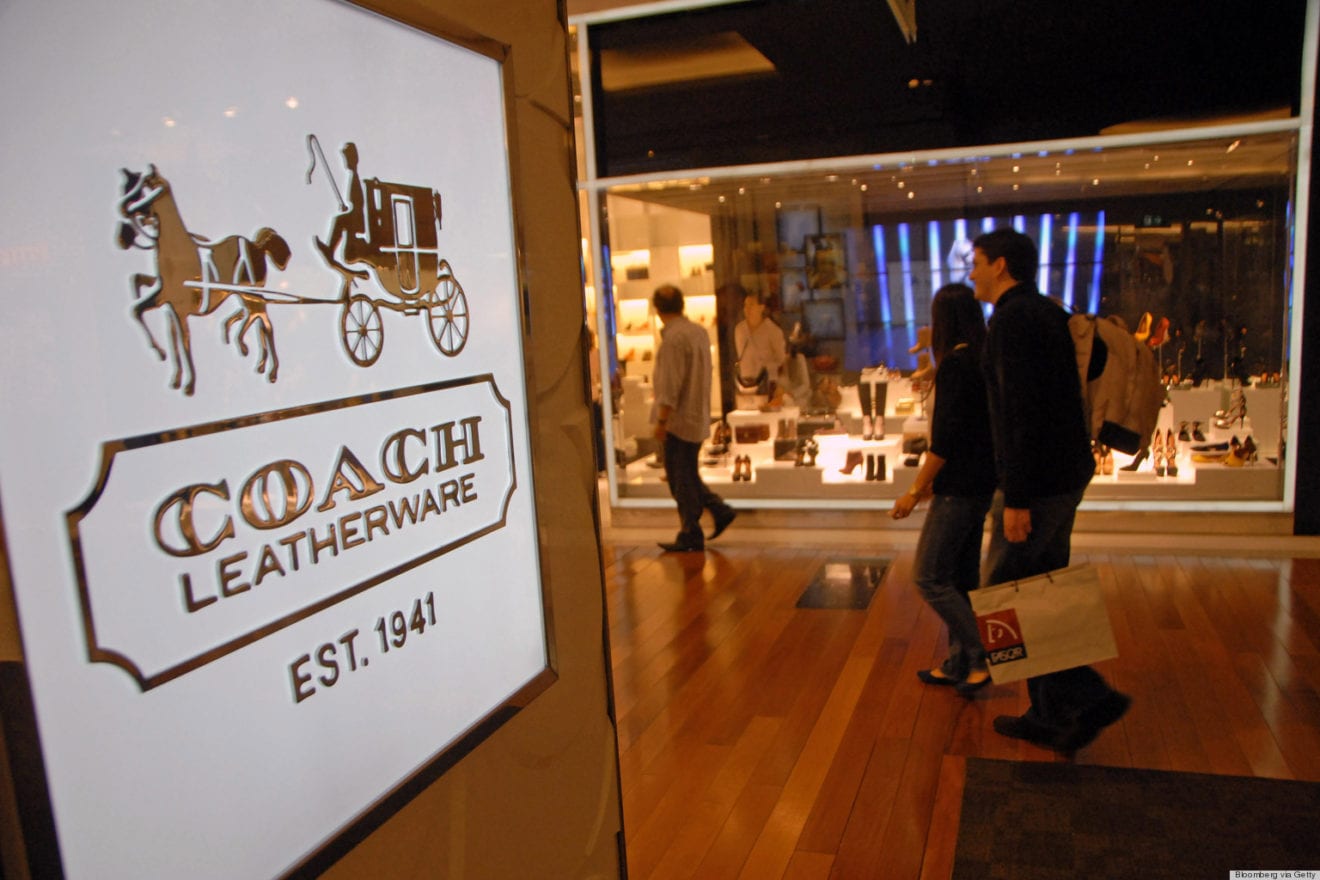
    Coach Inc says its net sales totalled US$1.27 billion for the second fiscal quarter – up 4 per cent year on year, and up 7 per cent on a constant currency basis.

    China was a primary driver of the increase in the three months to December 26, with sales up in the double digits and Japan also performed well for the New York based luxury accessories and lifestyle brands, which also owns Stuart Weitzman.

    Gross margin slipped from 68.9 per cent to 67.4 per cent, but gross profit rose $18 million to $859 million.

    Total Coach China sales rose 2 per cent in dollars and 5 per cent in constant currency with double-digit growth and positive comparable store sales on the Mainland offset in part by continued weakness in Hong Kong and Macau.

    In Japan, sales rose 2 per cent on a constant currency basis, despite a decrease in square footage and consistent with expectations, while dollar sales declined 3 per cent, reflecting the weaker yen.

    “Sales for the remaining directly operated businesses in Asia grew modestly in constant currency but declined in dollars, while Europe remained very strong, growing at a double digit pace in both total and comparable store sales,” the company said in its earnings statement.

    CEO Victor Luis said the result reflects “the most significant progress to date” on the company’s transformation plan despite the difficult retail environment globally.

    “We drove further sequential improvement in our North America bricks and mortar business – led, as expected, by our retail stores, while our outlet store channel also strengthened against a backdrop of lower tourist traffic and a highly promotional environment.

    “Our international businesses posted strong growth on a constant currency basis, highlighted by double-digit increases in Europe, and Mainland China, as well as sales gains in Japan. Overall, our results continue to give us confidence that the cumulative impact of our actions will result in a return to top line growth this fiscal year and positive North American comps by our fourth quarter.

    “We were also excited about Stuart Weitzman’s results during the quarter, which exceeded expectations. Importantly, we are effectively integrating Stuart Weitzman to Coach Inc while continuing to successfully execute the Coach brand transformation,” said Luis.

    “At points of sale, sales in international wholesale locations increased slightly, driven by strong domestic performance offset in large part by relatively weak tourist location results. Net sales into the channel grew significantly from prior year positively impacted by shipment timing to ensure appropriate inventory positions for Chinese New Year,” the company said.

  • LVMH looks to innovation to boost struggling Asia travel retail

    LVMH looks to innovation to boost struggling Asia travel retail

    In its annual report, the luxury giant has said that it came up against a combination of unfavorable political and economic factors in the region, though it enjoyed a boost from Chinese tourist spending in Japan.

    “DFS continues to experience an uncertain environment in Asia as a result of currency and geopolitical changes,” the company stated, noting that its sales growth in the face of this has been due to innovation within its retail spaces.

    DFS drew on its unique expertise and its enormous capacity for innovation to develop its offering.”

    LVMH called out key examples from within its portfolio as evidence of this innovation, including its T Beauty concept: a standalone luxury beauty store which focuses on offering an interactive retail experience, and was launched last year in both Singapore and Hong Kong.

    Interactive luxury

    Through its T Beauty retail concept, the brand says it can offer consumers the “innovative, personalised approach to the beauty shopping experience” which is increasingly demanded by beauty consumers.

    Euromonitor International, a market research firm, recently suggested this demand is being especially fuelled by younger consumer groups, as millennials in particular seek out “a curated but interactive sales environment, whether retail or online.”

    Personalisation and interactivity is important in beauty care for millennials,” Euromonitor asserted, and LVMH’s T Beauty concept meets these consumer demands via two key services: the store’s Beauty Station, and its Beauty Concierge.

    Beauty Station allows customers to sample, mix and match products across a wide range of brands, and its Beauty Concierge service offers a complimentary, personalised retail experience that focuses on an individual customer’s specific preferences.

    DFS’s determination to continue innovating in the retail space will serve it well as it reportedly looks to begin expanding across Europe in the coming months, where retail interactivity is also highly sought-after in the consumer experience.

  • Lotte launches Paul & Shark in Korea

    Lotte launches Paul & Shark in Korea

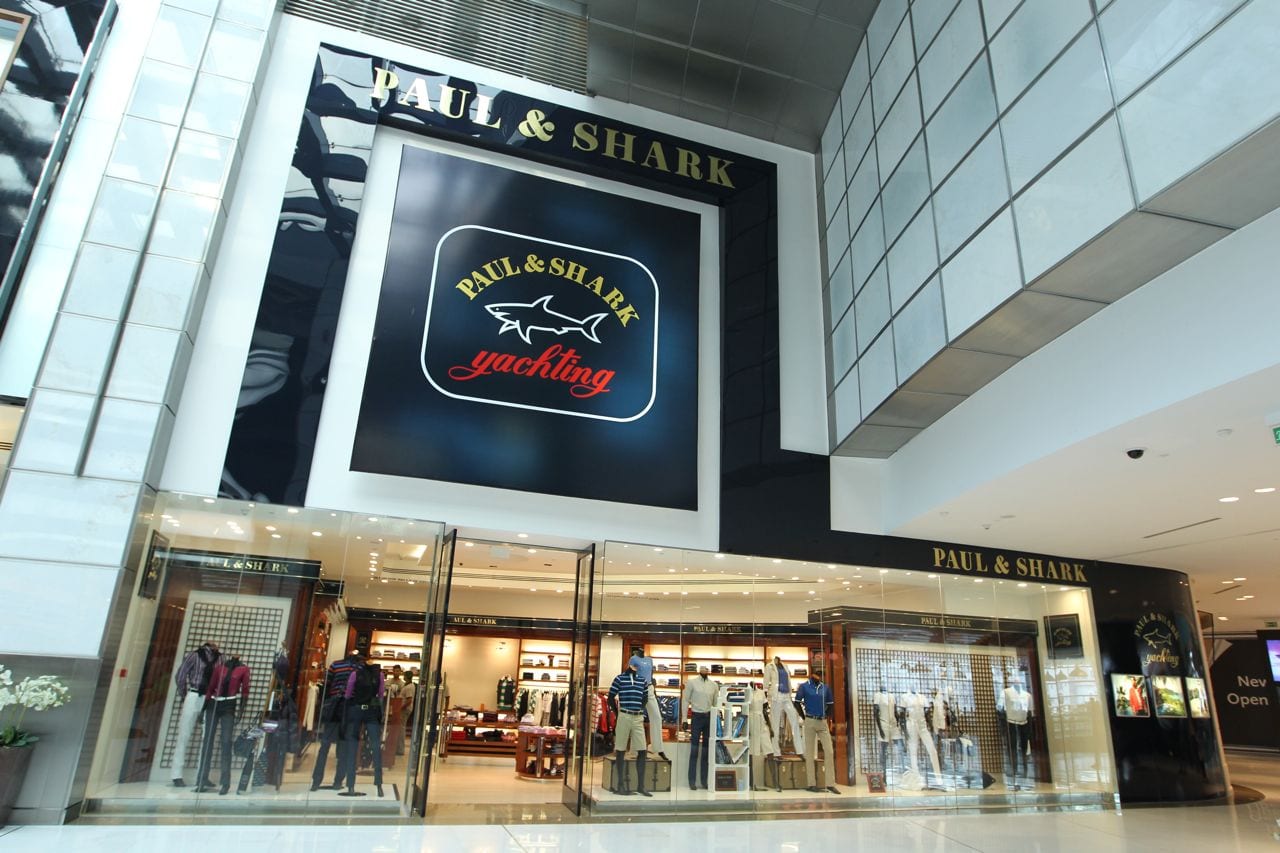
    Italian lifestyle brand, Paul & Shark, has opened its first boutique in South Korea, at Incheon International Airport (ICN) in partnership with Lotte Duty Free – with a further two on the way.

    Commenting on the mid- December opening: Catherine Bonelli, Global Travel Retail Director at the brand, says: “This store makes a wonderful first step into the South Korean travel retail market for Paul & Shark.”

    “In the first quarter of 2016 another two openings are planned in Seoul, which will truly cement Paul & Shark’s presence in Korean travel retail. I would like to thank Lotte Duty Free for their support with the opening of this new store, which looks amazing.”

  • Downturn won’t dent H&M China confidence

    Downturn won’t dent H&M China confidence

    Despite feeling the pinch from an economic slowdown in China, Swedish fashion giant Hennes & Mauritz (H&M) says it plans to continue to bet big on the country.

    It blames an 11 per cent drop in quarterly net profit on adverse currency swings and mild November weather across several divisions, especially H&M China.

    This fell to 5.53 billion Swedish kronor (US$649 million) for the three months to November 30 from 6.22 billion kronor for the same period a year earlier. Revenue grew 14 per cent to 56.5 billion kronor in the fiscal quarter from 49.7 billion kronor. Excluding value-added tax, sales totaled 48.7 billion kronor.

    While acknowledging that sales growth in China has slowed dramatically – coming in a 4 per cent in local currencies for the quarter compared with 34 per cent – CEO Karl-Johan Persson says his faith in the country’s long-term prospect is unshaken.

    “We will open most new stores in China this year,” he says. The company plans 425 new stores globally in the fiscal year, with China and the US its main expansion markets.

    Persson says his confidence in China is based on the belief that the country will gradually pivot toward a consumer-driven economy, creating vast opportunities for retailers.

    Affluent shoppers 35 years and younger as well as internet users are still propelling the consumer market there, which is expected to jump to $6.5 trillion in sales by 2020, an increase of 54 per cent from last year, according to the Boston Consulting Group.

    H&M also plans to continue online expansion, with plans to open online stores in Japan and in eight other markets this year.

    The group’s gross margin has slipped to 57.5 per cent from 60.4 per cent, mainly because of the stronger dollar. H&M sources most of its clothes in Asia, where it pays in dollars.

  • Asia drives Jimmy Choo sales

    Asia drives Jimmy Choo sales

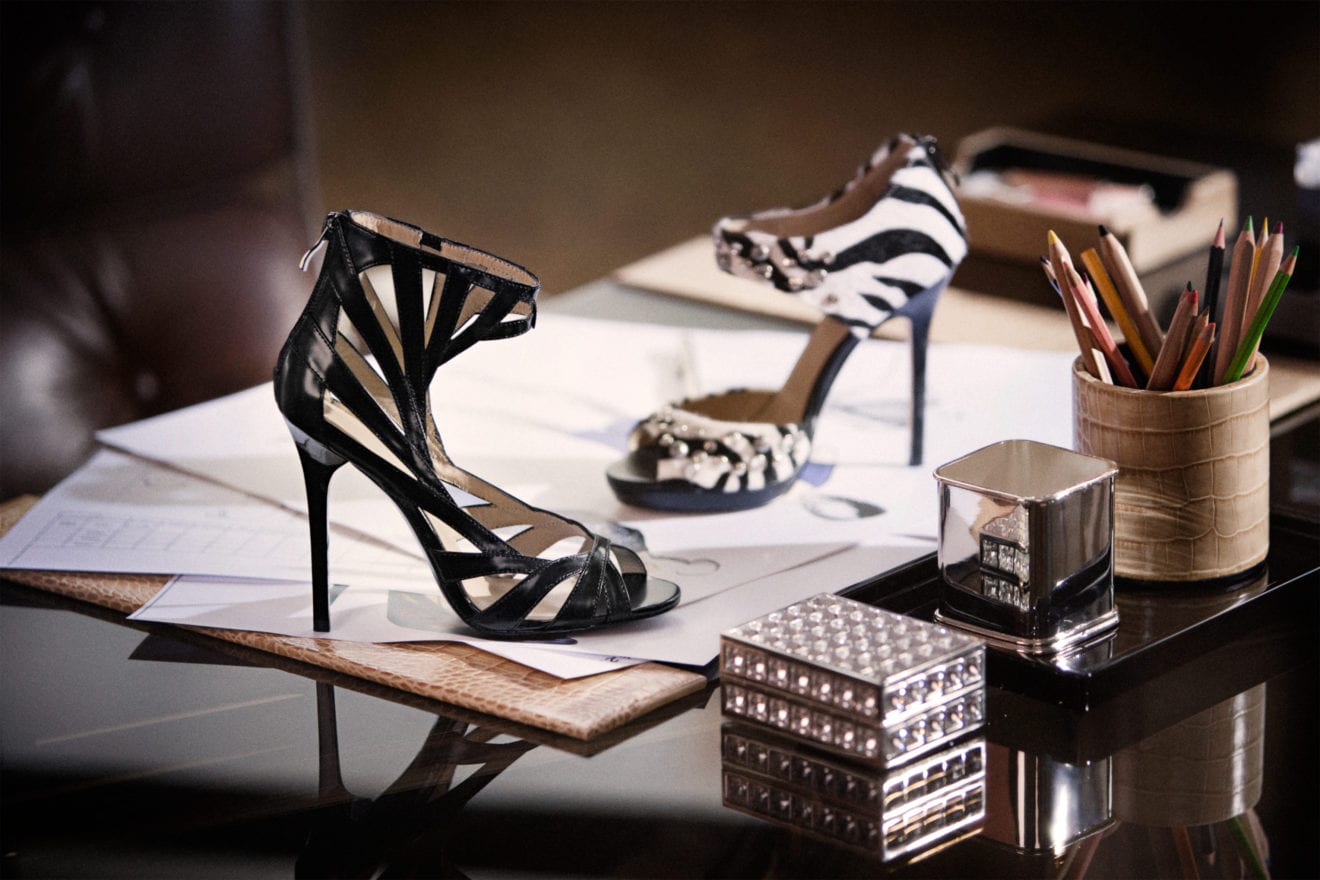
    Shoe label Jimmy Choo has reported a 7 per cent increase in 2015 sales – all on the back of strong Asian growth.

    The British-based shoemaker, which has been actively increasing its Asian footprint during the past year,  said it remains “confident” it can grow even faster in the market despite the slowdown in China’s economy.

    While a large share of the growth has come from Japan, the company says it does not expect a slowdown in China to affect its performance.

    Men’s footwear was the fastest growing category in the last quarter, but it still accounts for just 7 per cent of Jimmy Choo sales.

    The company’s net revenue rose 7 per cent to £318 million. Retail sales rose 9 per cent to £208million, while wholesale sales rose one per cent to £100 million on a constant currency basis.

    “Jimmy Choo continues to outpace the sector despite the challenging competitive environment,” said chairman Peter Hard.

    “The company successfully reversed the first half decline in wholesale revenues and is on track with growth forecasts in Asia and Japan where brand awareness continues to grow strongly.”

  • Ofee jewellery enters Asia

    Ofee jewellery enters Asia

    Established in 2006, French jewellery brand Ofee has launched its first boutique store for Asia, in Hong Kong.

    Ofee Earring Bar - Hong Kong boutique

    Featuring gold and diamond creations, the store has more than 30 outlets in its home country. The opening of its flagship store in Causeway Bay was attended by its designer and founder, Anne Bougon-Scelo, who built the brand alongside Valerie de Mazieres, who has a background in interior design.

    Ofee Hong Kong - Grace and Anne

    Bringing a touch of Paris to Hong Kong, the store has a facade of charcoal grey with white moulding. A feature is an earring bar where women can buy single earrings rather than pairs, offering up to 8000 potential combinations.

    Ofee Hong Kong - jewelry

    Often encrusted with pure white diamond, Ofee jewellery uses 18-carat gold in four rare colours: yellow, rose, white and black.

    Ofee has 50 retail outlets worldwide.

  • H&M Mong Kok flagship opens doors

    H&M Mong Kok flagship opens doors

    Fashion fans formed a queue outside the new H&M Mong Kok flagship store before it opened its doors for the first time on Friday.

    H&M Gala Place Mongkok HK-Ribbon Cutting - Fish Chan, Magnus Olsson, Anna Rathsmann (Left To Right)

    And as our photos show, it’s an eye-catching design for the fast fashion giant.

    H&M Gala Place Mongkok HK-Ladies Department (1)

    H&M Gala Place Mongkok HK-Ladies Department (2)

    Staff members of the Hennes & Mauritz store gathered outside to welcome the early visitors, who applauded as Greater China country manager Magnus Olsson cut the ribbon to open the 3700 sqm store. In attendance were regional sales manager for Hong Kong, Taiwan and Macau, Anna Rathsmann, and Gala Place Mong Kok store manager Fish Chan.

    H&M Gala Place Mongkok HK-Ladies Department - Divided

    To mark the grand opening, the three-level H&M Mong Kok store’s opening hours have been extended from 10am until midnight on Friday, and 11am until midnight on Saturday and Sunday. Normal hours (11am-11pm seven days a week) resume from Monday.

    H&M Gala Place Mongkok HK-Mens Department

    H&M Gala Place Mongkok HK -Kids Department (1)

    The second and largest H&M home store for Hong Kong, if offers not only clothing but also Scandinavian-designed homewares such as bed linen, tableware, cushions and decorations.

    H&M Gala Place Mong Kok Flagship Store-Home Department (1)

    H&M Gala Place Mong Kok Flagship Store-Home Department (2)

    The first 100 customers in the queue on Friday were awarded a HKD100 ($12.85) H&M gift card and a limited-edition giveaway.

  • Lush ends ‘exceptional’ year

    Lush ends ‘exceptional’ year

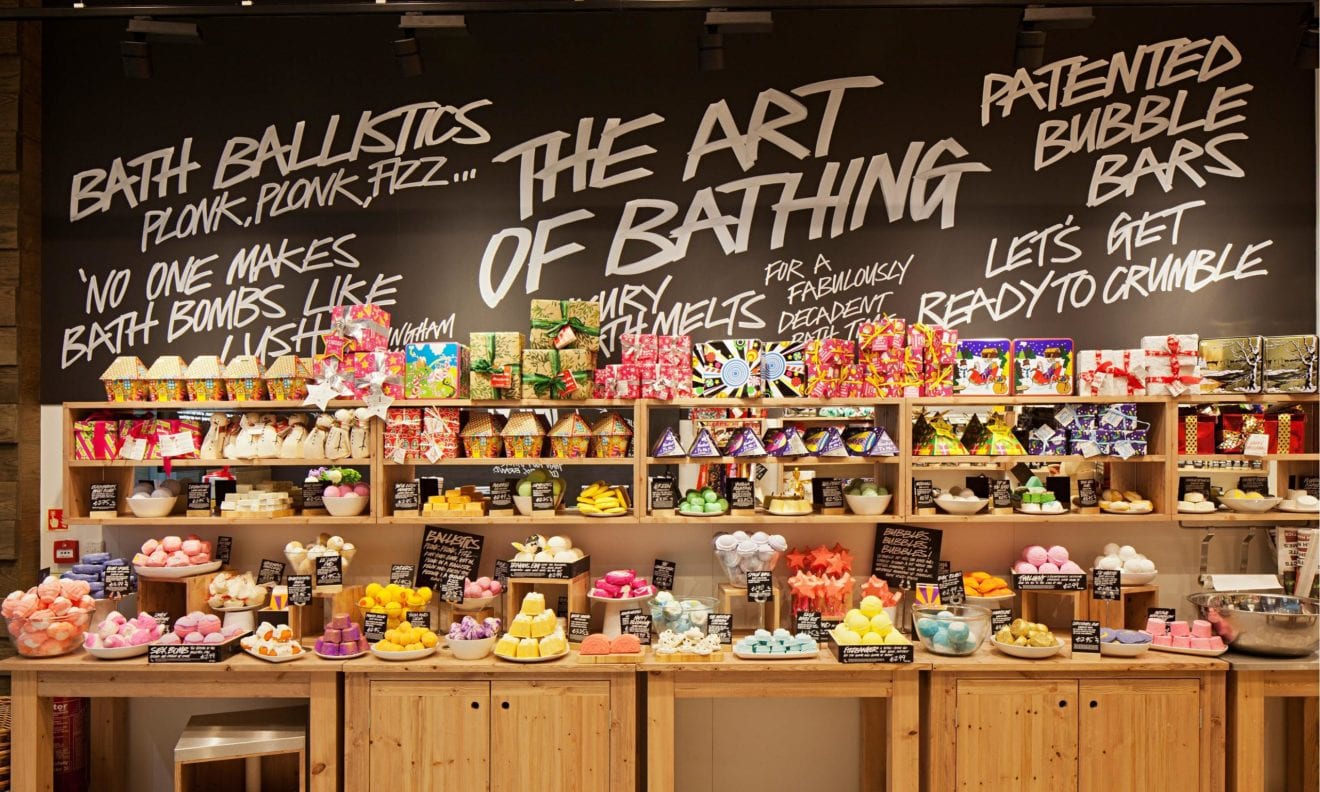
    Ethical cosmetic brand Lush has reported exceptional results for their 2014-15 financial year, with brand sales accelerating 26 per cent to £574 million.

    Strong like-for-like growth of 22 per cent has been achieved via the combination of its store estate and digital outlet, driving sales growth of 21.4 per cent and 27.8 per cent respectively. Despite Lush’s sales growth, profit figures were negatively influenced by currency volatility, particularly in Brazil – profit before tax dropped £900,000 on last year. Further dampening profits, exceptional costs in Japan heavily impacted group operating profit, plummeting by £9.2 million on last year.

    Store portfolio management remains a key focus of its strategic initiative, focusing on prime sites with larger selling space. The brand increased its store numbers to 933 in the financial year, having opened 93 shops and closed 58 throughout the year – UK current store numbers stand at 106, including its 9500 sqft flagship on Oxford St which opened in April 2015. Striving for higher turnover and basket sizes, 115 of its stores now have the ability to generate annual sales of over £1m, a 46 per cent increase in two years.

    Lush’s triumph stems from the growing number of consumers requiring cruelty-free and sustainably sourced cosmetics and skincare, which is in-turn enhanced by Lush’s capability in ensuring its staff can offer a high level of product knowledge and customer service in store.

    Lush has a way to go before reaching its 25 per cent online penetration rate, having increased marginally by 0.1 per cent to 8 per cent in its full year 2015-16, marginally outperforming the UK health & beauty market in 2015 estimated at 7 per cent. Online growth is far more challenging compared to sectors such as clothing, with lower prices and the essential nature of products driving traffic to stores, while consumers also like the instore experience and customer service element – especially in skincare items.

    While its two largest markets, US and UK, experienced resilient like-for-like growth of 37.2 per cent and 38.8 per cent respectively, its performance in Japan continued to disappoint at -11.2 per cent for the full year, with its turnaround remaining Lush’s greatest challenge. However, group sales for Q1 2015-16 have continued with an outstanding performance in both physical and digital outlets, up 21.7 per cent and 26.5 per cent, demonstrating the brand’s growing appeal among its loyal shoppers and strength in acquiring new customers.

  • Christian Dior opens its largest boutique in China

    Christian Dior opens its largest boutique in China

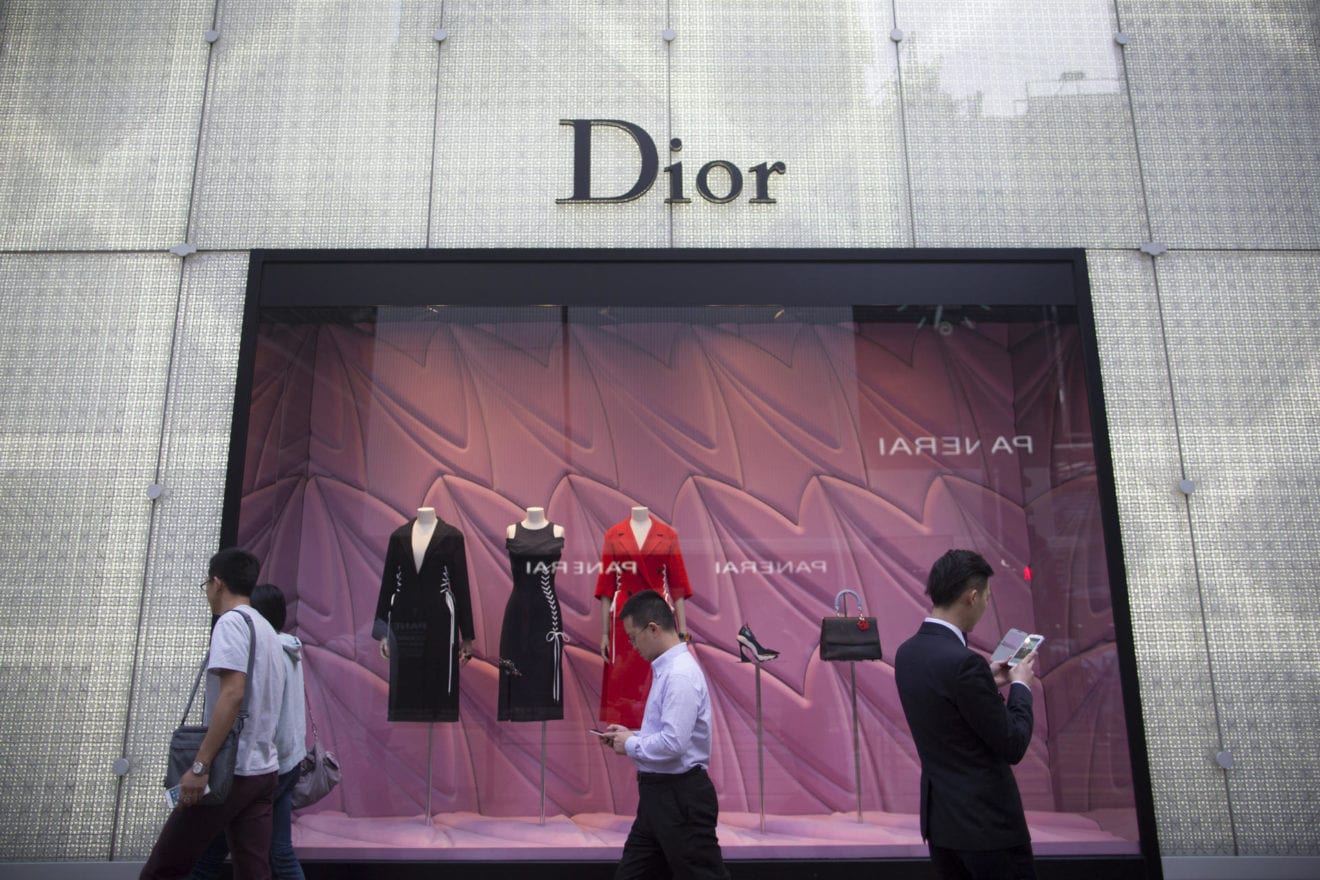
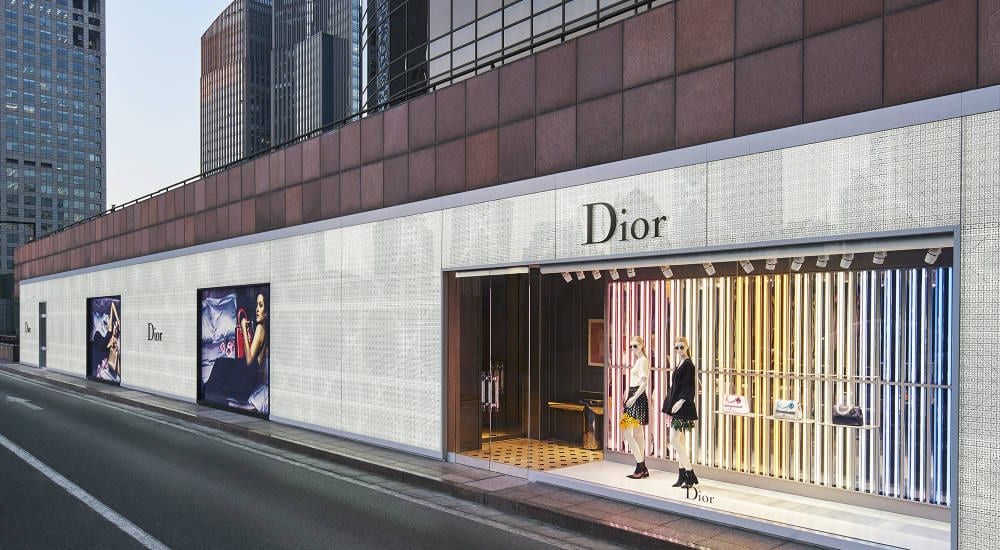
    Designed by American architect Peter Marino, the two-level store reflects the timeless elegance of Dior, with a double-layer glass façade that emulates the iconic “cannage” motif of the couture house. Inside, the refined atmosphere is enhanced by wall art and designer pieces, part of a curated selection of a dozen contemporary art pieces.

    To celebrate the opening of the Dior Beijing China World flagship, the House presented its Spring-Summer 2016 collection at a runway show in a sumptuous blue-hued setting at the Phoenix Center. The show was attended by Christian Dior Couture CEO Sydney Toledano and A-list Chinese celebrities and artists.

    Christian Dior opens its largest boutique in China
  • Uniqlo look to Muslim market

    Uniqlo look to Muslim market

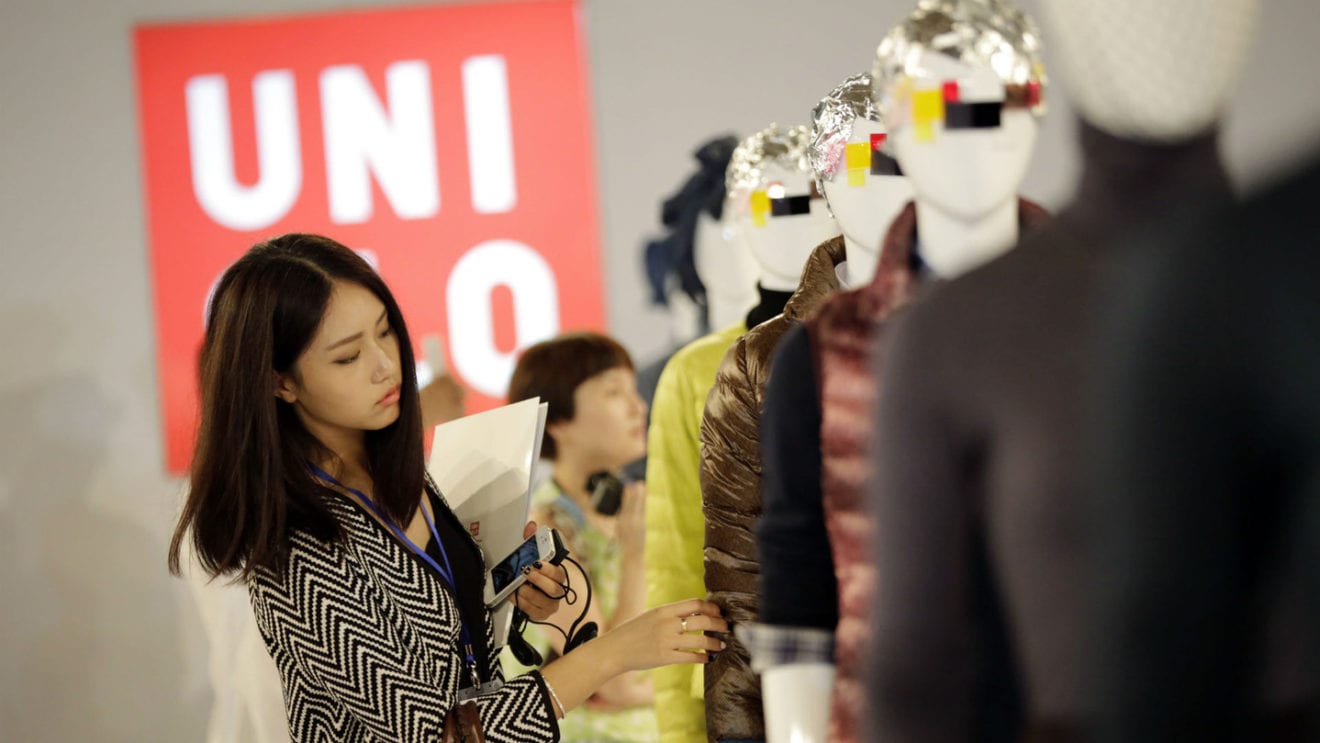
    Amid the rows of blue jeans lining the walls of apparel chain Uniqlo are headscarves, baju kurung and kebaya – part of the Japanese retailer’s new section that caters mainly to Muslim shoppers.

    While these garments are usually sold at niche stores in Geylang Serai and Kampong Glam, they can now be found at Uniqlo stores in town or at neighbourhood centres.

    Uniqlo is one of the first mainstream retailers here to turn its focus to the Muslim market.

    The current selection is the second collection launched by Uniqlo following a successful initial run last July. The range is carried at five of its outlets – 313@Somerset, Causeway Point, Jem, One KM and Suntec City Mall – and its website.

    Another retailer that has jumped on the bandwagon is Singapore- based online store Zalora. Each month, it introduces about 50 to 60 products such as long and flowy tops and dresses under its “Zalia” collection. Managing director Dione Song described these as “trendy yet modest” pieces.

    The budding trend here mirrors the global boom in Islamic fashion in recent years. Muslims across the globe spent $266 billion on clothing in 2013 – more than the combined spending in Japan and Italy on fashion. This is set to almost double to $484 billion by 2019.

    Observers say the market potential here is large, with 15 per cent of the resident population being Muslims. Also, unlike certain ethnic or cultural wear that is seasonal, such as the cheongsam, this clothing is everyday wear for a substantial proportion of Muslim women.

    Uniqlo said that it is discussing expansion plans for upcoming fashion seasons. It “acknowledges that there is a need among the markets where we are present for stylish and comfortable modest wear”.

    The collection is also retailing in Malaysia, Indonesia and Thailand.

    There is yet to be a major international clothing brand for Muslim wear, but over the past two years brands such as DKNY, Tommy Hilfiger, Zara and Mango have started to offer Muslim-oriented collections in their Middle Eastern stores.

    Major retailers here like H&M, Topshop, Topman and Dorothy Perkins say they have not rolled out any cultural or religious products.

    Although many here have welcomed the greater diversity of choice for consumers, a handful of netizens have voiced their displeasure about Uniqlo’s sale of religious and ethnic wear.

    Associate Professor Ang Swee Hoon of the National University of Singapore’s business school said a secular chain offering religious wear could raise eyebrows.

    But Ustaz Firdaus Yahya, manager of an Islamic learning centre, said it “reflects their acknowledgement of diversity, and those who do not welcome it may be ignorant or have their own personal bias”.

    Prof Ang said it is a good move for Uniqlo to offer its technology to a larger market. Its hijab and headband, for instance, are made of the Airism fabric that wicks away moisture and has odour elimination, anti- bacterial and cooling functions.

    Editor Karimah Samsudin, 26, who owns a Uniqlo scarf, said: “It is good for mainstream brands to offer such attire because it is hard for us to find clothes that are not revealing or tight and clingy.”

    Singapore Polytechnic senior retail lecturer Sarah Lim said the sale of such clothing should not remain niche, a view retailers agree with.

    Zalora noted that although Zalia was launched to meet an increase in demand for modern ethnic wear, non-Muslim customers have also snapped up pieces from the range.

    Ms Song said: “The creation of Zalia was a natural inclination to offer stylish choices not just for the Malay-Muslim community but also to provide shoppers with modest, trendy alternatives.”

  • Siam Paragon innovative strategy to bait customer

    Siam Paragon innovative strategy to bait customer

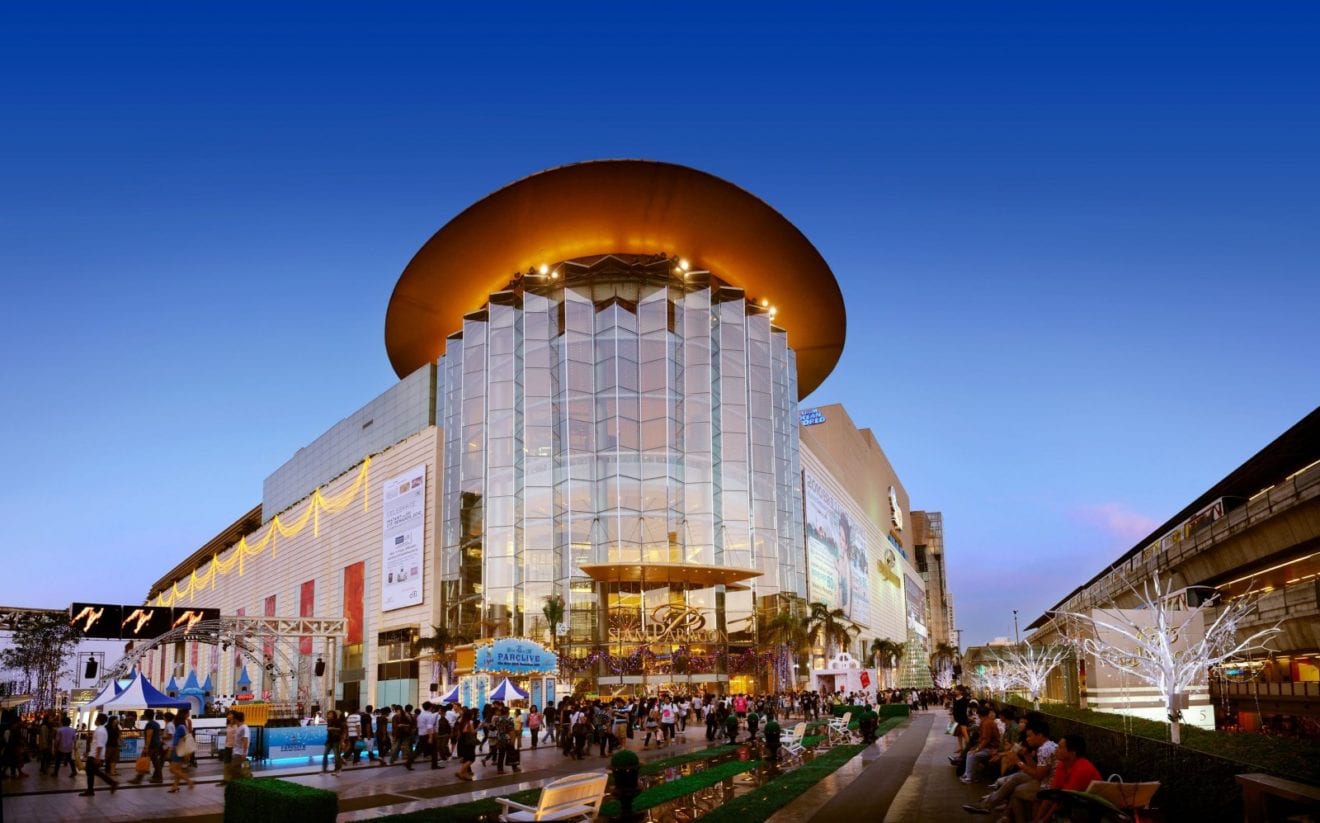
    Discounts of up to 80 per cent and a chance to win prizes – including gold bullion – are key elements in a Chinese New Year campaign at Siam Paragon and Siam Center in Bangkok.

    Running from February 3 to March 13, the Siam Prosperous Chinese New Year 2016 campaign is offering 7.5 million baht ($200,000) in prizes for lucky shoppers. The aim of the event is to attract both locals and international tourists to the two malls, which feature fashion and lifestyle brands.

    A feature of the campaign is a free daily performance of The Magic of Seven Animals of the Gods by Hong Kong performance troupe Lok Chee Fu, at the Parc Paragon events space, where the celebrations will be officially launched on February 4.

    Marketing executive Chanisa Kwewruen of Siam Piwat, which runs the two centres, says the annual festival attracts more tourists each year, especially from China, Hong Kong, Singapore, South Korea and Taiwan.

    Chanisa Kaewruen, Deputy Managin ... am Piwat (center) and model


    “Tourists of Chinese descent comprise nearly 50 per cent of the foreign tourists who visit the two shopping centres.

    “Also, this Chinese New Year marks the first time the ASEAN Economic Community is officially involved.”

    Shoppers will receive a lucky-draw coupon for every 2000 baht they spend. The main prizes at stake include gold bullion worth 1 million baht (one winner), a model of the Royal Barge Suphannahongmade of 99.9 per cent yellow gold by Prima Art (two winners) and eight propitious trees made of 99.9 per cent yellow gold by Prima Art (20 winners). The 24 top spenders of the week will each win a 100,000-baht treatment from The Scarlett Clinic.

    Privileges are also offered for holders of participating credit cards.

    Meanwhile, the Siam Chinese New Year Sale from February 3 to 14 offers discounts of up to 80 per cent on leading brands. Special Siam Ang Pao (also known as Siam red envelopes) are also given away to shoppers from February 6 to 8, enabling them to win gift vouchers and discount cards.

    Ten Siam Paragon customers who spend 300,000 baht on February 8 will each receive a TWG hamper worth 10,000 baht.