Category: Fashion

Retail News Asia is committed to providing both local and global retailers with the latest Fashion news throughout the Asian market. This on a daily base.

  • Uniqlo look to Muslim market

    Uniqlo look to Muslim market

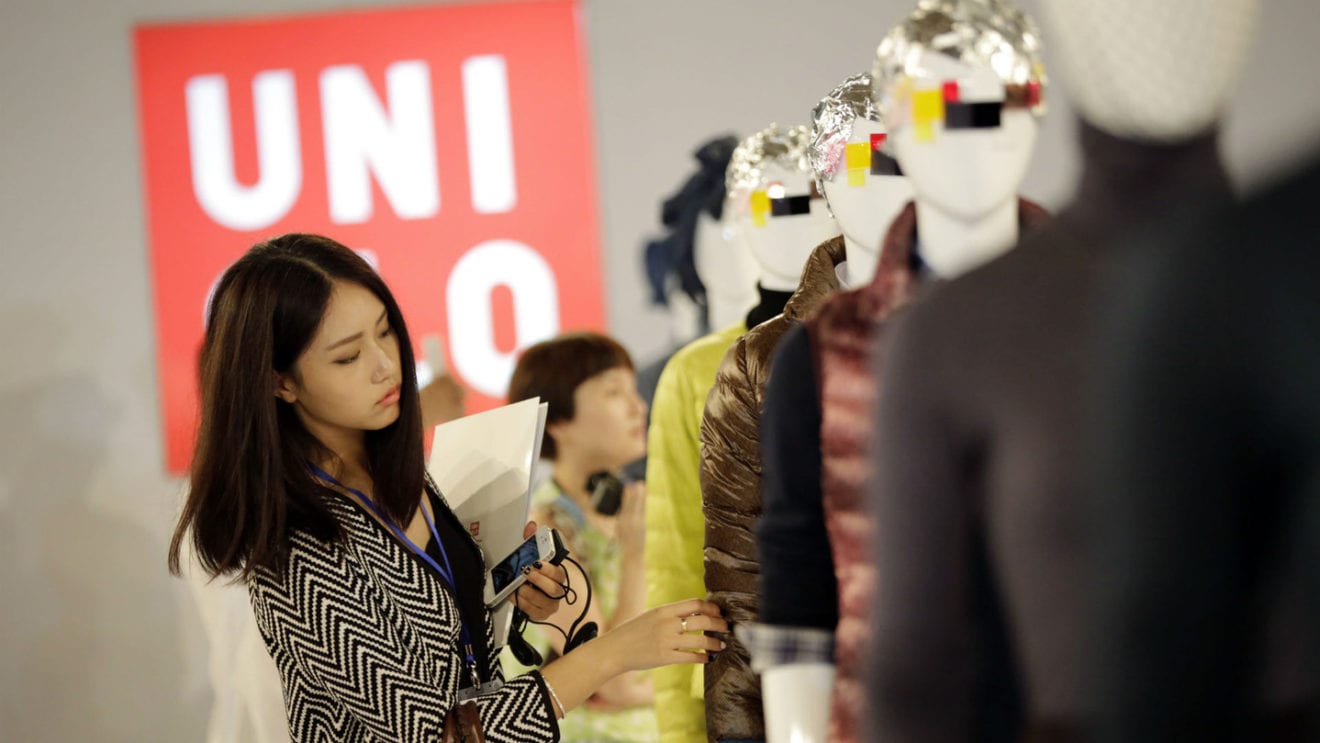
    Amid the rows of blue jeans lining the walls of apparel chain Uniqlo are headscarves, baju kurung and kebaya – part of the Japanese retailer’s new section that caters mainly to Muslim shoppers.

    While these garments are usually sold at niche stores in Geylang Serai and Kampong Glam, they can now be found at Uniqlo stores in town or at neighbourhood centres.

    Uniqlo is one of the first mainstream retailers here to turn its focus to the Muslim market.

    The current selection is the second collection launched by Uniqlo following a successful initial run last July. The range is carried at five of its outlets – 313@Somerset, Causeway Point, Jem, One KM and Suntec City Mall – and its website.

    Another retailer that has jumped on the bandwagon is Singapore- based online store Zalora. Each month, it introduces about 50 to 60 products such as long and flowy tops and dresses under its “Zalia” collection. Managing director Dione Song described these as “trendy yet modest” pieces.

    The budding trend here mirrors the global boom in Islamic fashion in recent years. Muslims across the globe spent $266 billion on clothing in 2013 – more than the combined spending in Japan and Italy on fashion. This is set to almost double to $484 billion by 2019.

    Observers say the market potential here is large, with 15 per cent of the resident population being Muslims. Also, unlike certain ethnic or cultural wear that is seasonal, such as the cheongsam, this clothing is everyday wear for a substantial proportion of Muslim women.

    Uniqlo said that it is discussing expansion plans for upcoming fashion seasons. It “acknowledges that there is a need among the markets where we are present for stylish and comfortable modest wear”.

    The collection is also retailing in Malaysia, Indonesia and Thailand.

    There is yet to be a major international clothing brand for Muslim wear, but over the past two years brands such as DKNY, Tommy Hilfiger, Zara and Mango have started to offer Muslim-oriented collections in their Middle Eastern stores.

    Major retailers here like H&M, Topshop, Topman and Dorothy Perkins say they have not rolled out any cultural or religious products.

    Although many here have welcomed the greater diversity of choice for consumers, a handful of netizens have voiced their displeasure about Uniqlo’s sale of religious and ethnic wear.

    Associate Professor Ang Swee Hoon of the National University of Singapore’s business school said a secular chain offering religious wear could raise eyebrows.

    But Ustaz Firdaus Yahya, manager of an Islamic learning centre, said it “reflects their acknowledgement of diversity, and those who do not welcome it may be ignorant or have their own personal bias”.

    Prof Ang said it is a good move for Uniqlo to offer its technology to a larger market. Its hijab and headband, for instance, are made of the Airism fabric that wicks away moisture and has odour elimination, anti- bacterial and cooling functions.

    Editor Karimah Samsudin, 26, who owns a Uniqlo scarf, said: “It is good for mainstream brands to offer such attire because it is hard for us to find clothes that are not revealing or tight and clingy.”

    Singapore Polytechnic senior retail lecturer Sarah Lim said the sale of such clothing should not remain niche, a view retailers agree with.

    Zalora noted that although Zalia was launched to meet an increase in demand for modern ethnic wear, non-Muslim customers have also snapped up pieces from the range.

    Ms Song said: “The creation of Zalia was a natural inclination to offer stylish choices not just for the Malay-Muslim community but also to provide shoppers with modest, trendy alternatives.”

  • Siam Paragon innovative strategy to bait customer

    Siam Paragon innovative strategy to bait customer

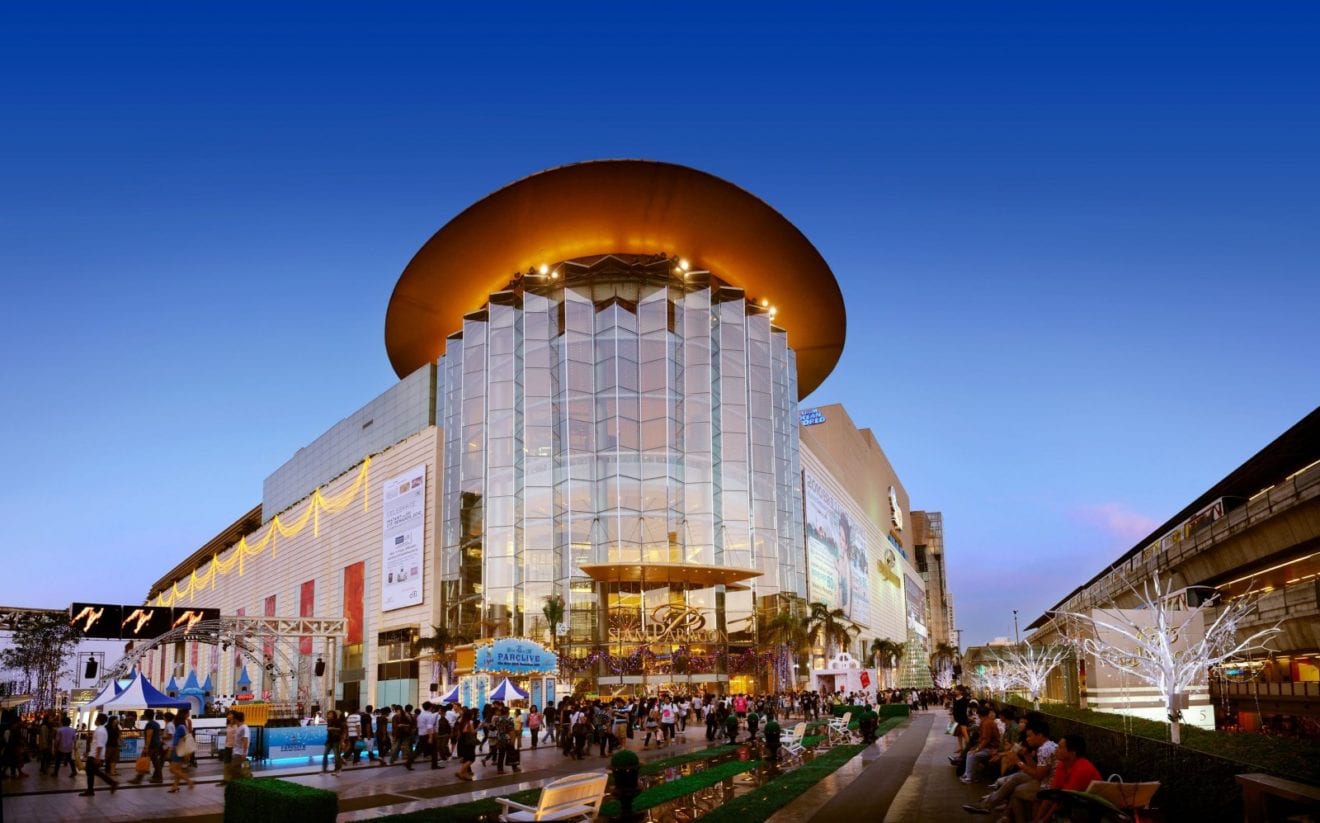
    Discounts of up to 80 per cent and a chance to win prizes – including gold bullion – are key elements in a Chinese New Year campaign at Siam Paragon and Siam Center in Bangkok.

    Running from February 3 to March 13, the Siam Prosperous Chinese New Year 2016 campaign is offering 7.5 million baht ($200,000) in prizes for lucky shoppers. The aim of the event is to attract both locals and international tourists to the two malls, which feature fashion and lifestyle brands.

    A feature of the campaign is a free daily performance of The Magic of Seven Animals of the Gods by Hong Kong performance troupe Lok Chee Fu, at the Parc Paragon events space, where the celebrations will be officially launched on February 4.

    Marketing executive Chanisa Kwewruen of Siam Piwat, which runs the two centres, says the annual festival attracts more tourists each year, especially from China, Hong Kong, Singapore, South Korea and Taiwan.

    Chanisa Kaewruen, Deputy Managin ... am Piwat (center) and model


    “Tourists of Chinese descent comprise nearly 50 per cent of the foreign tourists who visit the two shopping centres.

    “Also, this Chinese New Year marks the first time the ASEAN Economic Community is officially involved.”

    Shoppers will receive a lucky-draw coupon for every 2000 baht they spend. The main prizes at stake include gold bullion worth 1 million baht (one winner), a model of the Royal Barge Suphannahongmade of 99.9 per cent yellow gold by Prima Art (two winners) and eight propitious trees made of 99.9 per cent yellow gold by Prima Art (20 winners). The 24 top spenders of the week will each win a 100,000-baht treatment from The Scarlett Clinic.

    Privileges are also offered for holders of participating credit cards.

    Meanwhile, the Siam Chinese New Year Sale from February 3 to 14 offers discounts of up to 80 per cent on leading brands. Special Siam Ang Pao (also known as Siam red envelopes) are also given away to shoppers from February 6 to 8, enabling them to win gift vouchers and discount cards.

    Ten Siam Paragon customers who spend 300,000 baht on February 8 will each receive a TWG hamper worth 10,000 baht.

  • H&M expected to account for 10 per cent of Hang Lung Properties

    H&M expected to account for 10 per cent of Hang Lung Properties

    Fast fashion chain H&M is estimated to contribute 10 per cent of Hang Lung Properties’ rental income in Hong Kong this year but the developer faces a decline in retail rents in the mainland.

    The US investment bank estimated the developer’s rental income in Hong Kong would edge up 4 per cent to HK$3.7 billion this year.

    H&M alone would boost Hang Lung Hong Kong rental income by 3 per cent, it said.

    The Swedish fast fashion chain opened two outlets at two shopping malls owned by Hang Lung Properties in three months.

    The chain opened its largest flagship store in Asia, with shop area of 47,000 square feet, at Hang Lung Centre in Causeway Bay at a monthly rent of HK$11 million, or HK$213 per square foot in early November, according to market sources.

    The chain also opened a 55,000 square feet shop at Gala Plaza in Mong Kok in January at an estimated monthly rent of HK$9 million, or HK$194 per sq ft, people familiar with the deal say.

    However, the developer, which owns eight shopping malls on the mainland, would see its retail rental on the mainland fall 7.3 per cent from last year to HK$3.88 billion this year, Morgan Stanley said. It owns shopping malls in Shanghai, Shenyang, Wuxi, Dalian, Tianjin and Jinan.

    Morgan Stanley attributed the fall in mainland rental income to negative rental reversions in second-tier malls and said renovation of Hang Lung’s two Shanghai malls could affect sales.

    In Shanghai, renovation at Plaza 66 started in September and is scheduled for completion by mid-2017, while Grand Gateway 66 will start refurbishment later this year.

    “The two Shanghai malls accounted for 50 per cent of mainland rental income in the financial year 2015,” Morgan Stanley said in a report.

    No new mall opening until 2018 would also affect short-term revenues and earings per share growth.

    The next mall due to open will be Spring City 66 in Kunming, which is scheduled for completion in 2018.

    In addition, rental income at Forum 66 in Shenyang fell 21 per cent year on year in the second half of 2015 and Center 66 Wuxi registered a fall of 37 per cent.

    Both malls saw negative rental reversion and retail sales declined 3 per cent year on year , it said.

    Morgan Stanley said it expected Hang Lung Properties’ core earnings would fall 6.6 per cent to HK$4.09 billion this year.

  • H&M Conscious Foundation 2015 Gift Card Holiday campaign raised 4,9 million

    H&M Conscious Foundation 2015 Gift Card Holiday campaign raised 4,9 million

    The Gift Card Holiday campaign 2015 is now completed and thanks to our customers, the donation amounted to a total of €4,9 million! This donation from the H&M Conscious Foundation will go to a program run by UNICEF and will benefit 480,000 marginalized and vulnerable children, aged 5-14 in Myanmar. These children will get increased access to school and improved quality of education.

    “This fantastic result would never have been achieved without the substantial engagement of H&M customers! Through a simple mean; the purchase of a gift card, we will be able to give 480,000 vulnerable children a better future. It shows that small means certainly can take you far!”, says Diana Amini, Global Manager of H&M Conscious Foundation.

    The program includes children in formal schooling, children living in camps for internally displaced people and children who will be reached through non-formal education initiatives. UNICEF will work on multiple levels to influence changes in policy, in education management and in schools and communities. Children, parents, teachers, head masters and policy makers will be involved in creating better schools for children.

  • Pranda Group expands in Vietnam and Indonesia

    Pranda Group expands in Vietnam and Indonesia

    Reporting from Pranda Group, the progress of its retail business expansion throughout the year 2015 in Vietnam and Indonesia; the country members of AEC has strengthened PRIMA GOLD brand by creating impressive experience to the target customers such as product perception, marketing activities, brand reinforcement, etc. Particularly in Vietnam, the marketing activities using brand ambassador made the output in Vietnam meet the company’s target. Moreover, Pranda Vietnam Retail recently increased new branches “Lotte Center” and “Vincom Center Nguyen Chi Thanh” in Hanoy to support the needs of consumers as well as extended distribution channels especially in the economic center of Vietnam. Presently, there are 8 branches located in the shopping malls of economic cities covering 5 branches in Ho Chi Minh and 3 branches in Hanoy.

    In 2016, the Company plans to expand one more branch at Saigon Center Department Store in Ho Chi Minh City, as  new Department Style of Viet Nam that the mix between the Plaza and Takashimaya from Japan. Over 57 square mates, Prima Gold sets a goal to make the Flagship store to create brand experiences and support to consumer needs.

    For the retail business in Vietnam where the rate of economic growth is attractive among AEC, Pranda Marketing Indonesia plan to increase channel and to expand its retail business in various brands. Recently, a new branch managed by Central Thailand in cooperation with PT Grand Indonesia was officially opened in Central Grand Indonesia. Pranda Marketing Indonesia aims to push forward PRIMA GOLD and Julia Brand to support consumers’ needs which have increasingly purchasing power. Currently, PRIMA GOLD has 3 branches, Julia 19 branches, and Lovelinks 8 branches. By the year 2016, the Company plan to expand 4 more PRIMA GOLD branches and 20 more Julia branches in order to accommodate a growing customer base and future growth.

    Pranda Group plan to expand in Asian jewelry market for leading to AEC 2016. The company is clearly to aim and extend to the retail network of Asian Economic Community or AEC. That integrates market to be a center of the region. Certainly, it will have a population more than 600 million people in this market. Pranda Group has consider in this market that sufficient to forward product, service, labor and open free market investment in this year. This is a chance to push forward ours brand to be recognized and opportunity to build our retail marketing channel to grow up.

  • Philosophy to work skincare miracles in Asia

    Philosophy to work skincare miracles in Asia

    Coty-owned skincare brand, Philosophy, has launched the new Ultimate Miracle Worker collection of products, which include ‘multi-rejuvenating’ day and night creams, a lightweight emulsion and an eye cream.

    The new products will hit travel retail counters in Asia Pacific in April.

    The Ultimate Miracle Worker night and eye creams are said to make the skin firmer, smoother and more radiant, with less-visible wrinkles and pores.

    The ingredients contain
    a ‘high performance’ bi-retinoid and anti-ageing active plant cells from the iris flower that is said to stimulate skin regeneration, while helping your skin rebuild its natural collagen.

    The serum is contained in “a patented ‘mix-in pearl’ delivery system that enables us to protect the active ingredient until first use for maximum skin performance,” says Coty.

    The nourishing creams ‘high performance’ bi-retinoid boasts release technology helping deliver active and stable retinol directly to skin cells.
    For enhanced nighttime repair the Ultimate Miracle Worker Night product contains a 2x more concentrated dose of active plant cell then our Ultimate Miracle Worker products for daytime use.

    Muriel Pujos, head of scientific communication at philosophy comments: “80% of the signs of ageing can be attributed to the environment, particularly the sun.

    “The sun’s spectrum is a continuum of UV rays, visible light and infrared rays, and our exclusive technology is the ideal way to protect against this light spectrum, while activating the skin-rejuvenation process for the appearance of younger-looking skin. Now skin can repair itself better.”


  • Chow Tai Fook invited to open second shopping mall in Shanghai Free Trade Zone

    Chow Tai Fook invited to open second shopping mall in Shanghai Free Trade Zone

    Two months after jeweller Chow Tai Fook set up its first shopping mall selling Hong Kong products in the Qianhai free-trade zone, it was offered opportunities by several mainland cities, including Shanghai, inviting it to build such malls in their free-trade zones, a senior management official at the company said.

    Chan Sai-Cheong, Executive Director of Chow Tai Fook and who overlooks the company’s mainland operation, told the Post in a phone interview that “ [officials of] several free-trade zones of mainland cities have approached us, asking us to open a shopping mall there.”

    This fulfilled the wish made by Adrian Cheng Chi-Kong, the third-generation heir of billionaire Cheng Yu-tung’s family, at the opening ceremony of its Qianhai shopping mall – HOKO, when he said if Shanghai offered an opportunity, he will consider opening such malls in their free-trade zone.

    Unlike other traditional shopping malls, CTF’s HOKO mall provides two ways for customers to check out – the traditional “grab pay and go” model or and the online channel, under which customers order through a smartphone app and have the goods delivered to their home.

    Hong Kong retailers, such as Sasa, Chow Tai Fook, ISA, G2000 are among the 21 tenants.

    Retail prices of the online channel are typically cheaper than the traditional channel, as the Chinese government only applies a special “postal tax” for imported goods brought from the so-called cross-border e-commerce channel.

    Otherwise, customers need to pay three types of taxes if they purchase imported goods from traditional channels, which are usually higher.

    Despite the olive branch extended by the mainland free-trade zones, Chan said CTF will take its time before it decides on opening a second mall in other cities.

    The business performance of its second phrase mall in Qianhai, which is set to launch before May, will be a testing ground, said Chan.

    “We won’t rush in a hurry,” Chan said, adding the company didn’t have a timetable at the current stage.

    Located in the same area in Qianhai, the second phase HOKO mall will double the size of its first one, occupying a 12,000 sq m area.

    Chan said tenants would be more diversified compared to those in phase one as restaurants, supermarkets, automobile parts, electronics and furniture stores could be expected there.

    But only 50 per cent of the spaces would be used for retail, Chan said. The other half would be reserved for projects that enhance customers’ experience.

    He emphasised that the company won’t let too many milk powder retainers in just because their sales performances were among the best in its phase one mall.

    Beside, a bauhinia garden featuring Hong Kong characteristics will be added to CTF’s Qianhai complex, outside its shopping mall, with a group of selected art pieces on display. He said the idea was initiated by Adrian Cheng Chi-Kong, who also added art pieces to Hong Kong’s K11 mall.

  • Goodbaby China aims to deliver $161m HK IPO

    Goodbaby China aims to deliver $161m HK IPO

    Goodbaby China broke the equity capital markets silence on Tuesday by launching Hong Kong’s first initial public offering in almost two weeks.

    Braving choppy market conditions, the Chinese maternity, baby, and children’s products seller hopes to raise as much as HK$1.25 billion ($161 million) by wooing investors with a positive tale of growth.

    With global stock markets faring poorly as fears of an economic slowdown gather steam amid a slump in oil prices, conditions are hardly favourable for primary share sales, not least in Hong Kong and mainland China. The Hang Seng index fell another 2.5% on Tuesday, extending its losses so far in 2016 to almost 14% as shares in Shanghai and Shenzhen tumbled another 6.5% to 7%.

    But bankers familiar with the transaction hope the underlying quality of Goodbaby China plus an appealing valuation will help to counter sluggish market sentiment and support the IPO.

    Goodbaby China is scheduled to take orders until February 2 and aims to list on February 12, the second day after the Chinese New Year break. It is the first IPO in Hong Kong for which marketing has begun within the 2016 calendar year and would be the first since Virscend Education listed on January 13.

    Indicative deal terms include the sale of 333.3 million shares at a price range of HK$2.68 to HK$3.76 per share. The company is selling 25% of its enlarged share capital through the IPO with an option to increase the deal size by 15% depending on subscription levels.

    Based on these terms Goodbaby China could raise between $115 million to $161 million on a pre-shoe basis and up to $185 million if the upsize option is fully exercised.

    By Hong Kong standards that is not a large trade; the territory was the world’s largest IPO fundraising hub last year, raising a total of $33.7 billion. So Goodbaby China’s offering is less likely to be undermined by broader market sentiment, assuming the company and its representatives can pitch a good equity story during the bookbuilding process.

    Initial readings are encouraging. Goodbaby China, which is China’s largest multi-channel retailer of children’s products, according to its prospectus, ticks some of the hottest investment boxes in China as it stands to benefit from China’s new two-child policy, increased consumption, and the boom in e-commerce.

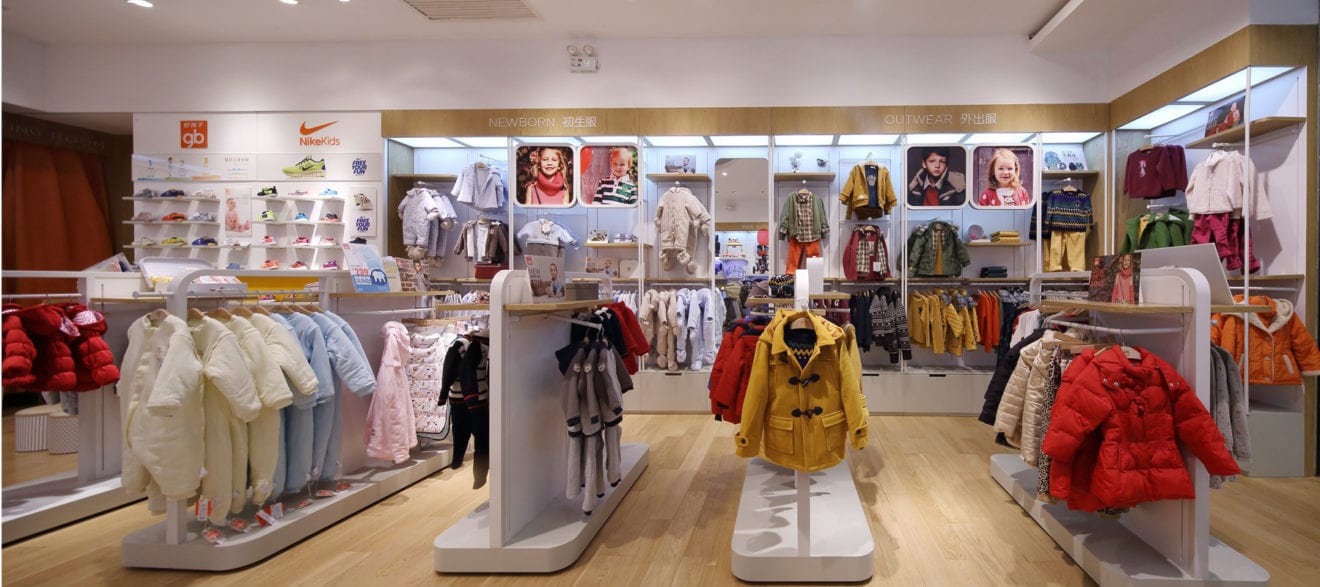
    Goodbaby China sells maternity, baby, and children’s products both under its own brands and third-party brands. It operates in the downstream of the value chain and is independent to Goodbaby International, the Hong Kong-listed manufacturer of children’s products.

    The company was formed through a spinoff from Goodbaby International in 2010.

    Moving online

    Like other consumer retailers, Goodbaby China is in the midst of transforming into an online and offline retailer through the introduction of internet and mobile sales platforms.

    It appears to have executed the transformation well with a significant portion of its growing sales shifting to online platforms.

    According to the company’s prospectus, online sales as a percentage of revenue grew from 5.2% in 2012 to 22.4% in the first 10 months of last year. During this same period, Goodbaby China’s revenue and net profit grew at a compound annual growth rate of 11.75% and 14.5%, respectively.

    One of the company’s strengths is the extensive strategic partnerships it has entered into with international brands like Nike, Adidas, Reebok, and Puma. Sales of third-party brand products have become a key sales component for the company, accounting for around 35% to 40% of its total revenue in the last four years.

    Goodbaby China’s multi-channel retail sales model and its focus on children’s products make it difficult to benchmark against individual listed companies. So for comparison purposes, syndicate analysts are using a basket that comprises Chinese offline retailers Anta Sports and Cosmo Lady and online retailer Jumei International.

    One source familiar with the matter told FinanceAsia that the indicative price range for Goodbaby China’s IPO equates to about 9.5 times to 13.3 times estimated 2016 earnings, based on the syndicate consensus. That is a significant discount to the trio of reference companies, which are much bigger in terms of their market capitalisation but trade at around 18 times forecast 2016 earnings.

    The company intends to continue expanding both online and offline sales model, with the proceeds of the IPO allocated fairly evenly between the two.

    Approximately 30% of the proceeds will be deployed for expanding self-operated stores, while another 25% will be used for potential acquisitions of new businesses and technologies. The company also plans to use 22% of the proceeds to improve its supply chain management and IT infrastructure, according to its prospectus.

    Morgan Stanley is the sole sponsor of the IPO and also a joint bookrunner with BOC International.

  • L’Occitane China sales rise, the other drop by 14.5pc

    L’Occitane China sales rise, the other drop by 14.5pc

    Cosmetics and skincare products company L’Occitane International reported China was the main driver of sales in the nine months ended December 31. But Hong Kong and Macau retail sales dropped by 14.5 percent.

    Hong Kong travel retail business also suffered from the lower traffic in the Greater China region. In local currency terms, sales in China recorded the highest growth of 19.1 percent, the company announced.

    Overall net sales in China amounted to 94.8 million euros in the nine months. China remained the fastest growing country and the primary contributor to overall growth, followed by France, Brazil, Russia and Japan, the company reported. Overall group net sales were up by 11.6 percent to 984.7 million euros for the nine months of the financial year 2016. At constant exchange rates, the growth was 5.8 percent, L’Occitane said.

    China, France, Brazil, Russia and Japan were among the countries with highest sales growth in local currencies. Overall same store sales growth was 1.8 percent. Sales through the group’s e-commerce channels grew by 17.7 percent at constant exchange rates.

  • Thais battle over limited Adidas trainers

    Thais battle over limited Adidas trainers

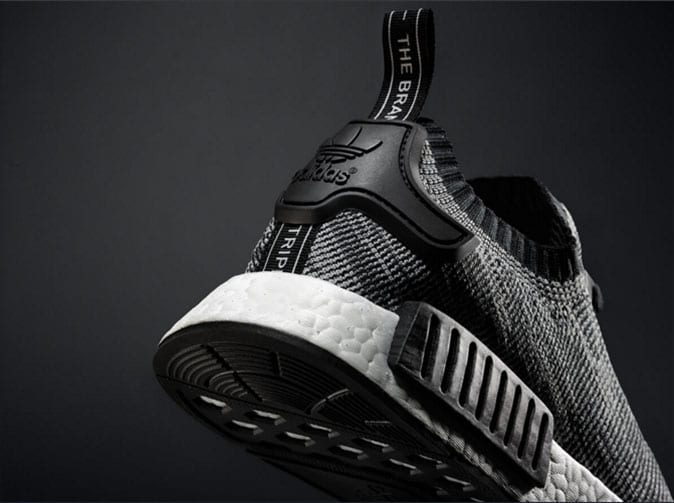
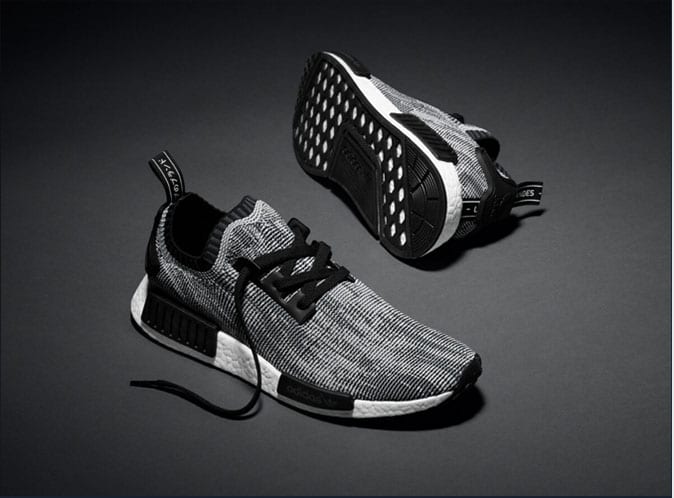
    One person fainted and a shop door was damaged after hundreds of Adidas fans tried to push into its Siam Center store on Saturday morning to get their hands on the limited NMD R1 sneakers.

    The photos and videos, which went viral over the weekend, show Adidas fans crowding in front of the Siam Center store as the employees desperately yelled at customers to step away and refused to open the doors.

    adidas3

    Some of them had reportedly camped out in front of Siam Center overnight as the store only had 51 pairs of NMD R1 in stock.

    One customer at the front reportedly fainted as the shop door was damaged. On the Adidas Facebook page, some users also left comments that they had seen a few people getting injured in the mad event.

    Some customers had their shirts ripped, others had their eye glasses broken, and some even lost their shoes in the scuffle.

    The shoes cost THB6,990.

    “We’re not gonna sell them today! Please don’t push forward. Our shop is now damaged. We can’t open the shop now!” she continued.

    The chaos ended with the store refusing to open, likely to prevent people from stomping each other to death.

    adidas2

    The shop decided it would choose who could buy the shoes by drawing lots. It is unclear if the lucky draw has taken place yet.

    The NMD R1, or “Nomad,” is described as a “gem of the Adidas design team,” combining design and functionalities in its three models Micro Pacer, Rising Star and Boston Super.

    We admit, the shoes are pretty sexy.

    Adidas Thailand has not issued an official statement after several fans went home disappointed. It only replied to angry comments on its Facebook page apologizing for the “inconvenience.”

  • Berrybenka beefing up eCommerce

    Berrybenka beefing up eCommerce

    With demand from Hong Kong, Brunei and Malaysia, Indonesian fashion brand Berrybenka is taking steps to beef up its eCommerce services.

    It will also be opening more pop-up stores outside Jakarta, its main stronghold, The Jakarta Postreports.

    CEO Jason Lamuda says the brand is also aiming improve customer relations through digital media. It aims to step up customer interaction this year through messaging apps, improve its mobile app, and partner with convenience store ChainIndomaret on a possible new payment mechanism.

    He says this will help promote Berrybenka as a national fashion eCommerce platform. “Our goal in the end is to not only become the most notable fashion brand in Indonesia, but to also help promote the creation of local brands.”

    Berrybenka has 1.5 million subscribers in its database, with demand from Hong Kong, Brunei and Malaysia through sister company Hijabenka. Berrybenka has partnered with around 1000 small and medium enterprises.

    In Indonesia, the company plans pop-up stores in Medan, North Sumatra, Makassar in South Sulawesi, Yogyakarta, Semarang in Central Java, Manado in North Sulawesi and Balikpapan in East Kalimantan. Medan will have the first of the new outlets, opening on Thursday.

    Also being considered are eCommerce hubs for Surabaya, East Java and Bandung, West Java.

    About 90 per cent of Berrybenka sales comprise local products. Between 2013 and 2014, the company had 150 to 200 per cent revenue growth, with a further 200 per cent growth between 2014 and 2015.

  • Korea’s Hotping fashion mall goes global

    Korea’s Hotping fashion mall goes global

    Korean women’s clothing mall Hotping entered the global market just six months ago – and already cross-border sales account for 10 per cent of its turnover.

    Monthly sales to customers outside Korea have now surpassed the 100 million won (US$84,000) mark.

    “We believed that winning new markets quickly would secure future competitiveness after we started up in 2014 and we launched the English, Chinese, and Japanese versions of our online mall through the global eCommerce platform of cafe24,” explained CEO Kim Yeo-jin.

    “We received orders from international customers even when we had the Korean site only, which also quickened our entry into the global market.”

    Established in 2014, Hotping is a Korean women’s clothing specialty mall that carries trendy products popular in the world of fashion. Like its name suggests, Hotping is a ‘portmanteau’ word mixing hot trend and lovely pink. Another notable characteristic is that Hotping satisfies customers of various body types since it carries sizes from 44 (equivalent to XS in the US) to 105 (equivalent to XXL) for most of its products.

    As a result of the company’s continued sponsorship of the wardrobes used by Korean costume dramas, Hotping has been enjoying great brand awareness, particularly in countries swept by the Hallyu, or ‘Korean Wave’, notably the US, China, and Japan. In addition, as it carries a number of elegant and exclusive clothing lines, news anchors have also been inquiring about sponsorship.

    Hotping is also winning immense popularity with its line of highly elastic Magic Pants, whcih are proving popular globally thanks to a fun marketing campaign that sees dancers posing in a number of positions that highlight their extreme elasticity.

    Kim adds: “We will continue to make efforts to win new markets and will also continue offering beautiful clothes to our customers at reasonable prices like we do now.”

  • Is Time Running Out For Luxury in China?

    Is Time Running Out For Luxury in China?

    In 1992 Louis Vuitton made its debut in China with a store in Beijing’s bustling shopping district of Wangfujing, becoming the first luxury brand to set foot in the Middle Kingdom. The timing was perfect. The Chinese economy was just coming into its own, embarking on a spectacular journey of double-digit economic growth. This was the start of the consumerist boom that would shape the fortunes of many Western brands in China.

    Louis Vuitton’s signature monogram soon became ubiquitous in China as the company expanded its footprint across the country, first in all the major cities like Beijing, Shenzhen and Guangzhou, and then in second and third-tier cities. Gradually China became a big contributor to Louis Vuitton’s revenues globally. In a 2009 interview with Reuters, Jean-Marc Lacave, the then North Asia chief executive for LVMH Watches & Jewelry, said that the company aimed to strengthen its presence in China’s third- and forth-tier cities and gain market share.

    Several years have gone by, and now the legendary Louis Vuitton monogram seems to be losing some of its sheen in China.

    In 2015, Louis Vuitton closed three of its stores in China, including its flagship store in Guangzhou. Rumor has it that the Paris-headquartered company will continue to shutter more stores in the country.

    Louis Vuitton is not the only luxury brand that has run into rough weather. For most luxury brands, China is no longer the cash cow it once was. Multiple reports suggest that the luxury retail business in China is shrinking, leaving several big brands in a quandary.

    Two decades ago, when the likes of Louis Vuitton and Prada entered China, they had the much-coveted first-mover advantage in a market that was just starting to come into its own. Data from Euromonitor shows that the retail luxury market in China has grown from a very low base to $135 billion by 2013. But the tide seems to be turning. The size of the retail luxury market in China contracted slightly to $134 billion in 2014. And by all indications, this is just the beginning of a bigger slump.

    The top 10 global luxury brands as per market research company Millward Brown’s latest BrandZ report—a list that includes names like Louis Vuitton, Hermes, Gucci and Chanel—saw 6% of their total brand valuation evaporate in 2015. “Following a strong recovery from the global financial crisis, the pace of sales flattened for several reasons, including the economic slowdown in China, Brazil and Russia. In addition, China’s anti-corruption regulations trimmed luxury gift giving in that country,” the report said.

    In the first quarter of 2015, Italian luxury brand Prada experienced a 19% slump in sales from the Greater China region. The group also reported a 23% plunge in net profit in the first half of 2015. Similarly Burberry has hit upon hard times. According to a Financial Times report, the Greater China area contributes 25% to the classic English luxury brand’s sales numbers. But in 2015, demand in China (and from China) has been hit. “Burberry’s like-for-like sales in Hong Kong fell by more than 20 per cent in the three months to the end of September as fewer Chinese shoppers travelled to the region. Like-for-like sales in China fell by a mid single-digit percentage in the quarter,” said the report. The company blames the overall disappointing performance to an “increasingly challenging environment for luxury, particularly Chinese customers”.

    Confronted with an unstable market performance, several luxury companies have started shrinking their store numbers. In the past two years Burberry, Armani and Prada have reportedly shut down four, five and 16 stores respectively. Hugo Boss shut seven stores in China and Chanel is down to 11 stores in China, half the number it had during the good days.

    End of a Dream Run?

    Some of the reasons for China’s luxury slowdown are obvious, such as the Chinese government’s crackdown on corruption under President Xi Jinping’s regime. Cases of bribery, gifting, lavish purchases and ostentatious show of wealth have come under the scanner hurting luxury good manufacturers. The overall slowdown in the Chinese economy is also leading to belt-tightening measures further slowing luxury sales.

    But there’s another less obvious reason for the slowdown in China’s luxury market, according to Benoit Garbe, Senior Partner at Millward Brown. Till the slowdown hit China, this was a market on steroids and brands were expanding like crazy resulting in oversupply. “It’s been an easy ride for many luxury brands over the past 5-10 years when there was fast growing demand. [For brands] it was all about growing their distribution footprint, opening new stores. Now the market is a real market with more intense competition, more sophisticated demand,” says Garbe. “The best brands would think strategically in terms of differentiation and building relevance, and will be the brands that win.”

    As Chinese luxury buyers become more sophisticated, they don’t want to have the same luxury brand being used by every second person on the street. They are looking for more exclusivity. Adds Timothy Coghlan, Associate Director of Luxury Retail at Savills, “There’s a lot of evidence that the Chinese customer isn’t loyal. They will change between brands depending on which brand is trendy.”

    Another big factor that has been denting the China sales numbers is the trend of consumers shopping for luxury overseas in order to avoid paying high import taxes in China. “High import taxes within China are a big incentive for shopping abroad—the same luxury handbag can often cost a third more in Beijing than in Paris, for example. But, holidays also encourage more extravagant spending habits,” writes Fflur Roberts, Head of Luxury Goods at Euromonitor, in an email response. If you look at the annual reports of several luxury brands, you may find weakened sales performance in China, but improved performance in neighboring countries like Japan and Korea, or even the brands’ countries of origin, such as France. Some of this is due to demand from Chinese travellers. Roberts adds that “wealthy Chinese tourists have been key drivers of global luxury goods sales for more than a decade. According to Euromonitor International, the Chinese made over two million trips to the US in 2014, an increase of almost 12% on 2013 and a massive 286% increase since 2009….”

    However, getting a good bargain doesn’t always require travel. Thanks to China’s e-commerce revolution, haitaos and daigous, or cross-border buying agents, have become popular. In the case of daigous (literally translated as “substitute buyers”), individual professional buyers usually stationed abroad can fulfill customized orders for consumers in China. Usually the daigous are Chinese students studying overseas, tour guides or air hostesses, in short, people who fly in and out the country frequently. Professional daigous will usually first take orders from customers and then procure and send the goods to China. In the case of haitaos, instead of individuals, companies do the buying. According to a report from Bain & Company, luxury purchases through daigous amounts to up to 15% of Chinese consumers’ total spending on luxury.

    Daigous and haitaos exist in a legal grey area as they skirt the government’s tariff regulations. The goods they ship to China somehow skirt Chinese import tax regulations. Daigous are not licensed sellers, which leaves issues of consumer rights in a grey area as well. While the Chinese government is starting to crack down on daigous, it will be a while before it has any serious impact on luxury sales via the proper channels.

    Luxury market infographoic

    Engineering a Bounceback

    Clearly, the problems luxury brands are facing in the Chinese market aren’t going away anytime soon. So what can brands possibly do to ease the pain? A few suggestions:

    Narrow the Price Differential:

    In March 2015, Chanel shocked onlookers by announcing its decision to increase prices in Europe by 20% and reducing them by a similar percentage in China. Prada was quick to follow suit by lowering prices in China. While it is hard to predict the impact this will have, it can be safely assumed that it will undo some of the damage done by high import taxes in China, and hence, help brands narrow the price differential between China and overseas. After all, in some cases, goods are 60% more expensive in China than they are in Europe. This will also help brands counter daigous who have been undercutting them with a vengeance.

    Customized Offerings:

    For the super rich price may not matter all that much. Some Chinese customers probably don’t feel that they are being overcharged: as long as they enjoy good customer service here, they won’t bother going overseas for a better bargain. “Buying a luxury product is more emotional than functional,” says Millward Brown’s Garbe. As Chinese customers become mature, they want exclusivity, privacy and service, and it’s not so much about price anymore. This is where brands need to think in terms of tailoring the experience accordingly. As Garbe puts it: “How do you make sure you know the customer very well, and then you deploy strategy and operations that allow you to, in-store, instantly recognize them? So they walk in the stores, [and] automatically on your iPad you know them, you know what they’ve bought, and you can really tailor your offer.”

    Adds Coghlan from Savills, “One of the things that I think is very important for brands is to set up a CRM program so they can track their customers globally. They can do it to some degree through WeChat or things like that.”

    Abroad at least, some brands are going out of the way to make important customers feel special. In some US stores, brands like Gucci, Prada and Louis Vuitton have created a special space for important customers. One of the Louis Vuitton outlets has “a rooftop area where guests can sun themselves and enjoy Champagne”.

    ‘Affordable’ Luxury:

    High net worth individuals are a very small group of people but the biggest consumers of luxury brands. There’s another demographic that cannot be categorized as super rich but is affluent nevertheless and aspires for luxury. Luxury brands can think of catering to this target group by rethinking their portfolio. The big three luxury groups, LVMH (owner of Louis Vuitton and Moët & Chandon Champagne), Richemont Group (owner of Cartier and Chloe) and Kering Group (owner of Gucci and Yves Saint Laurent) have all created or acquired lower profile brands for those who still want luxury, but a little more affordable and understated. Affordable luxury brands include the likes of Baume & Mercier (Richemont), Pomellato (Kering) and Loewe (LVMH). Another benefit of having a diversified portfolio, apart from profits coming from different streams, is offering the customer greater exclusivity. A Miu Miu, after all, can be far more exclusive than a Prada.

    Aligned Businesses:

    Some brands are going a step further and tapping into new categories altogether. Gucci, for instance, opened a full-service restaurant  in Shanghai. 1921 Gucci Café, as the restaurant is called, is connected to the Gucci store in the mall by an elevator. After browsing in the store, customers can stop by for an Italian lunch or dinner. Globally, Prada and Chanel have tapped into food as a category too. In 2014, Prada bought a stake in iconic Milan cafe Pasticceria Marchesi. The café “serves everything form breakfast and lunch to aperitifs, with custom-made fine china, it aims at creating a very luxurious experience for its customers.” Restaurants and cafes might help improve the customer experience or add to the brand, though not everyone agrees with this view.

    Tapping E-Commerce:

    A couple of years back the widespread notion was that e-commerce is not for luxury, mostly because e-commerce was associated with discounts, something that doesn’t go with the idea of luxury. “For many years there was this belief that digital was not for luxury brands… and there [was] a lot of resistance to it,” says Garbe. Also, shopping online almost certainly meant sacrificing the customer experience. As Garbe puts it, for lots of luxury brands “digital and e-commerce was all about price and discounts, it [was] not experiential as a store experience”. The tide, however, is starting to turn.

    The reality is that given Chinese customers penchant for shopping online, luxury brands can no longer afford to ignore e-commerce. According to a Bain study on luxury behavior, 73% of luxury buyers search online before they purchase. “If you think of Tmall or how consumers actually behave, they really seek for peer inducement or they seek for recommendation or reviews. In a way e-commerce is very important because consumers now shop based on the reading or what is being said on the brand. You need to start those conversations as well to be able to get the positive review from people.” says Garbe.

    The e-commerce or digital space also give brands opportunities to experiment with different scenarios. “I think Tmall or any online platform allows you to try different things, some of which will be added value offers, some of it will be experiential offers, maybe pricing. But again you try multiple ones and you see what works and you adapt and you change. That’s the beauty of online platforms: that you can really learn and experiment,” says Garbe.

    Once a luxury brand sets up an online shop, the physical and online stores will play separate roles in tandem with each other. “One of the opportunities is making your retail (physical store) as a full experiential center, where consumers get to touch, feel, be transported,…. Maybe you don’t need to have as much inventory in the store, you use the store as a brand building platform where people can go and buy online, but it should be the same price (as the physical store), and vice versa people could go screen [the] shop [online], but they still want to touch the product and then they can go and pick it up at a store and make sure this is what they want.”

    Tailor to China:

    For some brands, tailoring their products or experiences to China might work wonders for their sales. Tiffany has a “tailor for China” strategy. “The Tiffany Keys Collection, a jewelry collection tailored for China, [has] been one of their fastest growing items [here]. Again it’s tapping into that Chinese value of the key representing the possibility to unlock which is very relevant to many women who want to wear the keys for what it means and what it stands for in the mind of Chinese consumers.”

    Relating your products to Chinese culture is another way to get Chinese customers interested. Dolce and Gabbana (D&G) did this in their 2016 Spring & Summer collection, which was inspired by Chinese motifs from the 17th century. “They were using all those visual Chinoiserie or Chinese motifs to really bring into the DNA of D&G. In a way it’s a European brand saying: ‘How do we win in China?’” Designers of Burberry were also inspired by Chinese culture, and customized their products especially for the Chinese consumers. During the 2015 Spring Festival, they launched a scarf collection with the Chinese character for ‘prosperity’ embroidered on it. That move, however, backfired as Chinese consumers felt it made the scarf look like a knockoff. So while tailoring for China is great in theory, it needs to be done carefully.

    The bottomline is that the Chinese market is too big for luxury brands to ignore. They just need to find new ways to tap the opportunity here.
  • Aquazzura’s First Asian Store Opens In Hong Kong End Of 2016

    Aquazzura’s First Asian Store Opens In Hong Kong End Of 2016

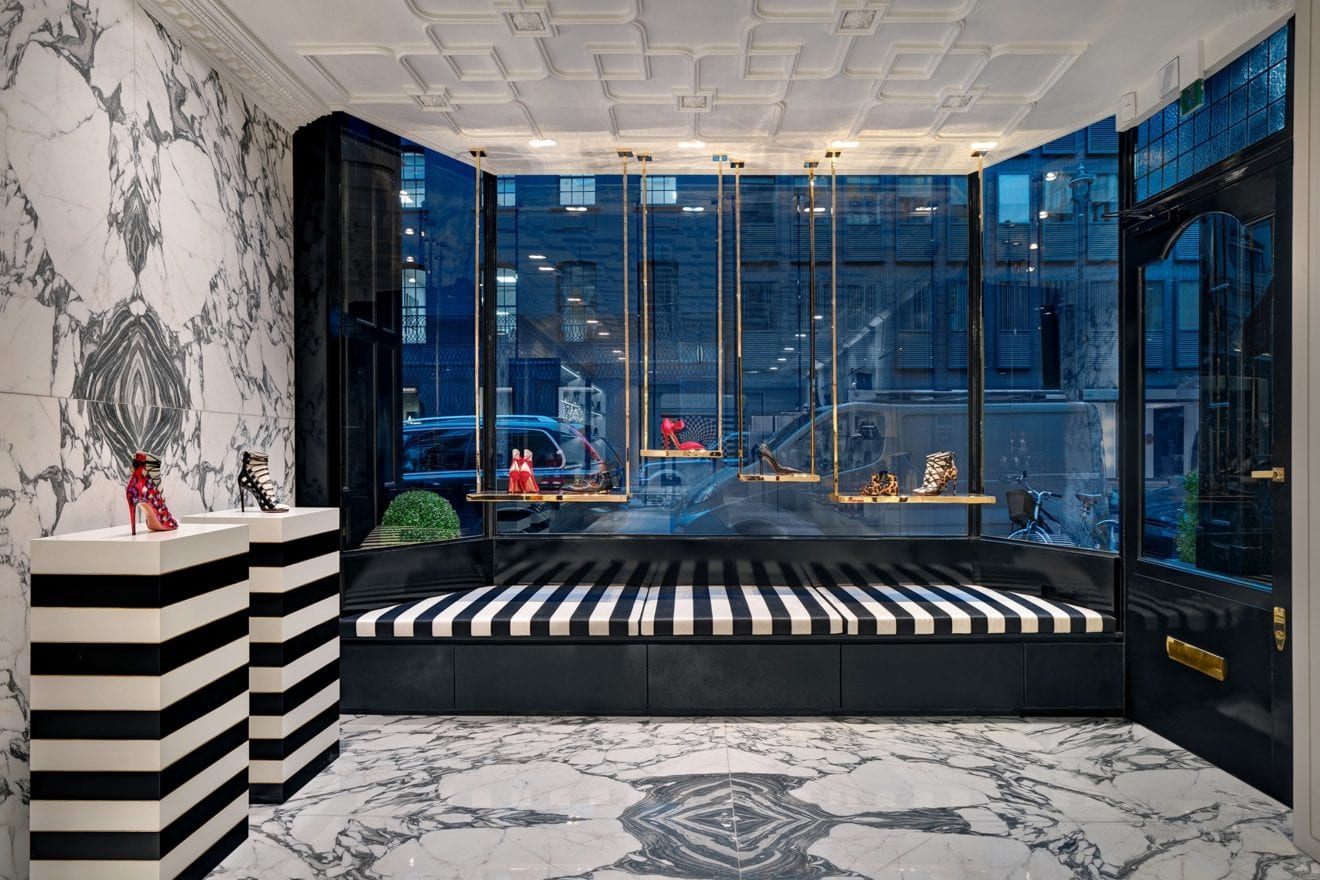
    Florence-headquartered luxury shoe brand Aquazzura plans to open its first Asian store in Hong Kong at the end of 2016.

    Edgardo Osorio, co-founder and creative director of Aquazzura, said that Hong Kong is a window to Asia and an excellent place to start the brand’s business expansion in Asia. Though Osorio refused to provide a detailed sales figure, he said that the brand is doing amazing things in the Asian market already.

    He added that they have been expanding and their stores maintain good sales performance.

    The luxury shoe brand Aquazzura was founded by designer Edgardo Osorio in 2011. Its products combine Italy’s traditional craftsmanship with luxury designs, which are popular among fashionable women.

  • The EcoChic Design Award 2015/16 winners announced

    The EcoChic Design Award 2015/16 winners announced

    Environmental NGO Redress concluded their week long programme of sustainable fashion activities in Hong Kong, the epicentre of Asia’s fashion industry, further cementing emerging designers’ power to drive positive change and pushing the global agenda to reduce waste in the fashion industry.

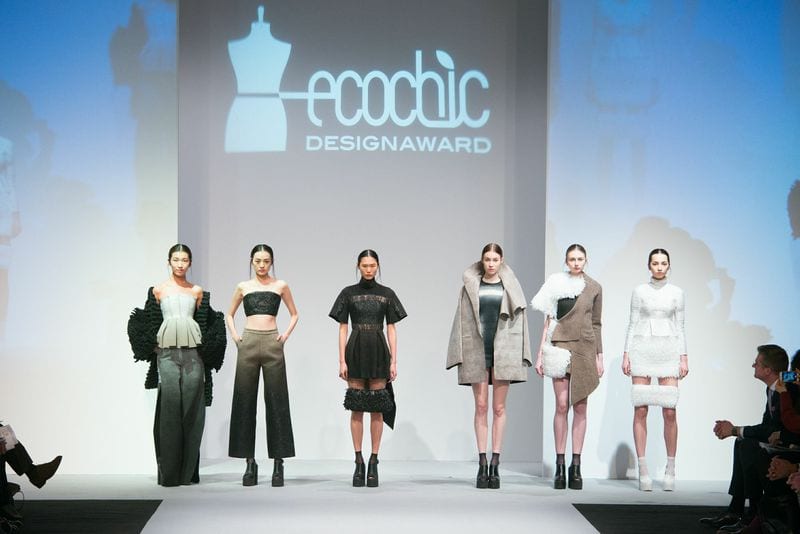
    The week included a design challenge, two workshops and an industry seminar before culminating at the grand final fashion show of the world’s largest sustainable design competition for emerging designers, The EcoChic Design Award 2015/16.

    Here ten finalists from Asia and Europe united to command Hong Kong Fashion Week’s runway, and the influential industry onlookers, with their textile-waste-reducing collections, having already out-designed an unprecedented level of competition entries from designers living in 40 countries across Asia and Europe. Two winners, from Poland and Spain, were crowned winners.

    Christina Dean, Founder of Redress said, “We must face the pressing reality that the fashion and textile industry, as the world’s second biggest global polluter, can’t carry on as-is without crippling our planet. Change is not happening fast enough. In contrast to the majority of the industry, emerging fashion designers are demonstrating that they, as tomorrow’s leaders, are more in tune with solutions and they are creatively cashing in on the environmental and economic opportunities within reducing and re-using textile waste. These designers are cementing a positive future for fashion”.

    Leading up to the grand final, the ten finalists collaborated with multi-stakeholders to the find collaborative solutions and to share their expertise in sustainable design techniques.

    The Redress Forum: Ford Design Challenge saw them up-cycle Ford’s sustainable materials into statement pieces for the runway; the reconstruction workshop set their creativity free in a huge discarded clothing warehouse; and their zero-waste workshop saw them travel to China to rub shoulders and share ideas with one of the region’s pioneering apparel manufacturers.

    Further influencing, Redress co-organised a widely-attended panel discussion on circular business models with HKTDC.

    Mr Jerry Liu Wing-leung, Head of Create Hong Kong, the competition’s major sponsor, said, “Sustainability is a global issue, and with a global perspective sustainable fashion design can transcend technicalities and become a way to the future. The EcoChic Design Award makes a significant impact on the way people view fashion.”

    Prizes to fuel the new force of design talent

    Three panels of judges, including influential personalities Susie Lau, Orsola de Castro, Johanna Ho and Nadya Hutagalung, were tasked to shortlist and identify the competition’s fifth cycle winners, which had neck-to-neck scores, the closest in the competition’s history.

    Patrycja Guzik won the 1st Prize: The EcoChic Design Award 2015/16 with Shanghai Tang and she will spend three months in Hong Kong designing an up-cycled collection for China’s leading luxury brand’s global retail using their surplus textiles. Her winning collection was created using the up-cycling and reconstruction design techniques and she made her fabrics by tufting damaged textiles and unraveled secondhand garments.

    “As the curators of modern China chic, it says a lot to the rest of the industry and our consumers that Shanghai Tang is translating Redress’ international search for emerging sustainable design talent into an up-cycled collection for our global customers. Our experience working with the last cycle’s winner inspired us about how business can do the right thing”, said Raphael le Manse de Charmont, Executive Chairman, Shanghai Tang.

    “This week has been life changing and a real eye-opener for me that us designers really can design the future we want! Winning amplifies everything I’ve dreamt of about using my passions to prove that a more sustainable fashion industry can be a reality,” said Patrycja.

    Cora Maria Bellotto won 2nd Prize: The EcoChic Design Award 2015/16 with Orsola de Castro and she will receive a tailored mentorship to propel his/her career in sustainable fashion design forwards.

    Judged solely by supermodel Janet Ma, Patrycja also won The EcoChic Design Award 2015/16 Special Prize and she will design a sustainable outfit for Janet to reveal at a high profile public event and in a fashion photoshoot to redress consumers’ attitudes towards sustainable fashion.

    In addition, a ‘Hong Kong’s Best’ recognition was given to Esther Lui to commend her achievements for leading Hong Kong’s pool of creative emerging designers.

    Competition legacy lives on

    With five cycles already behind them, Redress now celebrates over 100 talented alumni, who are previous semi-finalists and finalists, who are increasingly forging sustainable fashion careers, with some expanding their sustainable brands’ retail footprint.

    As part of the week’s activities, Redress exhibited five alumni’s sustainable brands in The EcoChic Design Award Alumni Booths at HKTDC Hong Kong Fashion Week, attracting some of the region’s top buyers and driving more orders and expansion of the alumni’s stockists.

    The booths form part of Redress’ over-arching The EcoChic Design Award Alumni Network, a platform to support this growing collective of sustainable designers with industry collaborations so as to magnify the designers’ momentum way beyond the runway. An additional retail and business development prize was awarded to Wan and Wong Fashion and Clémentine Sandner by Hong Kong’s retail store, kapok.