Category: Fashion

Retail News Asia is committed to providing both local and global retailers with the latest Fashion news throughout the Asian market. This on a daily base.

  • Tumi Japan buys out partner

    Tumi Japan buys out partner

    Luxury travel goods retailer Tumi has bought out its local Tumi Japan partner to gain full control of its retail and wholesale activities in what is one of the world’s largest luxury markets.

    Tumi Japan runs a network of 13 stores and an eCommerce website, as well as distributing Tumi product across an extra 150 points of sale across the country.

    CEO/president Jerome Griffith says the acquisition of the partner’s 50 per cent stake is aimed at strengthening the company’s position within the Japanese and Asia Pacific region.

    “We have been pleased with the strong acceptance of our brand among Japanese consumers, and remain excited about the long-term growth prospects of this region. We look forward to welcoming the Tumi Japan team into the family and look forward to integrating this region into the business, sharing our expertise, brand power and retail strategy to drive it to the next level,” Griffith said in a statement.

    Tumi expects the acquisition will be earnings neutral to its consolidated financial results this year, and accretive to earnings thereafter.

  • Asia weighs on Richemont

    Asia weighs on Richemont

    Luxury goods retailer Richemont has reported its first drop in Christmas retail sales in seven years, citing a downturn in Asia and fallout from the Paris terror attacks.

    And worse may be in store in the fourth quarter for the Geneva-based owner of luxury brands including Montblanc, Cartier, IWC Schaffhausen, Net-a-Porter and Alfred Dunhill – especially in the watches category.

    According to data from the Swiss watch industry, stock shipments to Hong Kong, Richemont’s single largest market, are down 28 per cent.

    The company said demand for luxury watches and fashion was significantly down in Hong Kong and Macau in the three months to December 31. Sales in the territories fell by 9 per cent, but that rate was less than the 15 per cent decline for the first nine months of the year, suggesting the decline was levelling out.

    In contrast, Richemont said sales growth in Mainland China “continued to improve”.

    In Europe, sales fell 3 per cent in the quarter after Europeans were spooked by the Paris terror attacks in November, reducing the ranks of tourists to the French capital. That followed “very strong sales growth” in the first half of the financial year, which ends next March 31.

    Richemont’s global sales rose 3 per cent to 2.93 billion euros (US$3.2 billion), but on a constant currency basis fell 4 per cent, one per cent further than analysts were forecasting.

  • Burberry sales edge up after improvements in China

    Burberry sales edge up after improvements in China

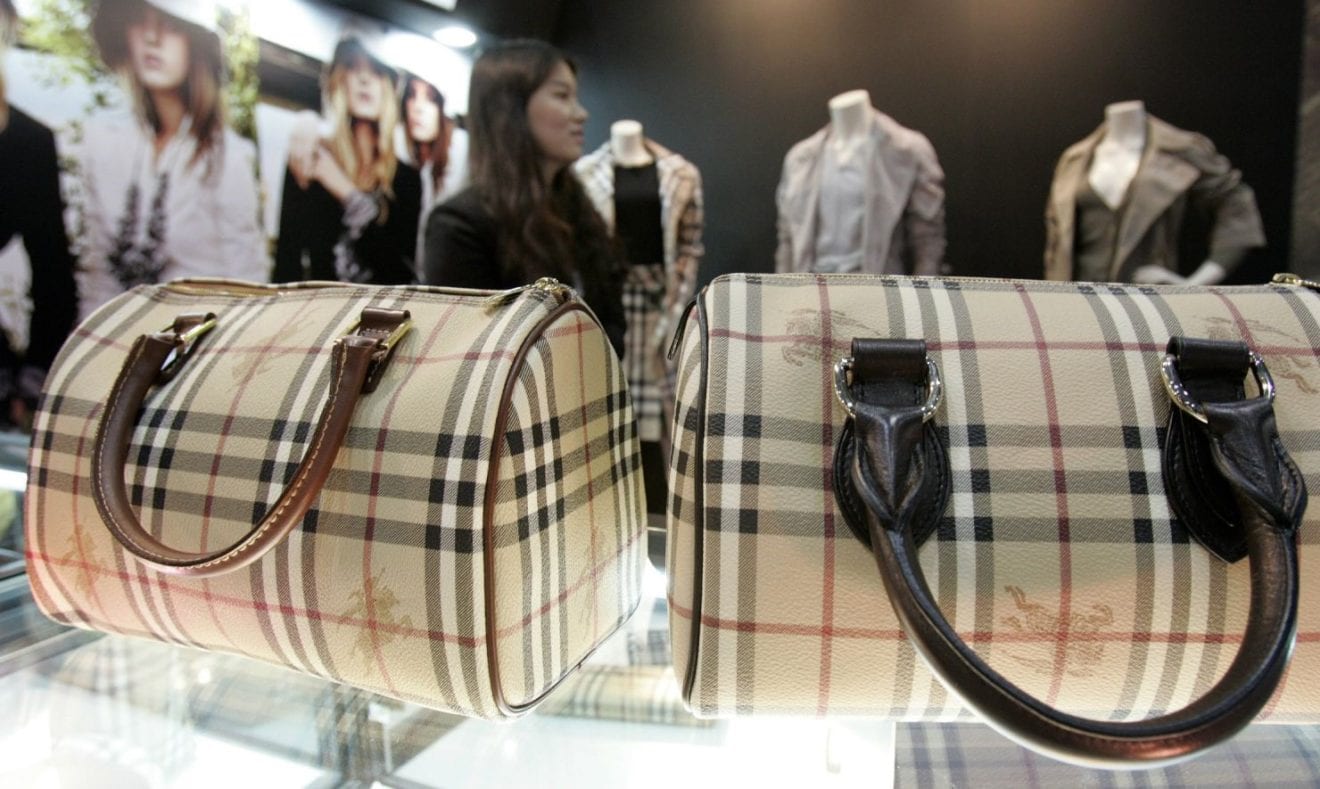
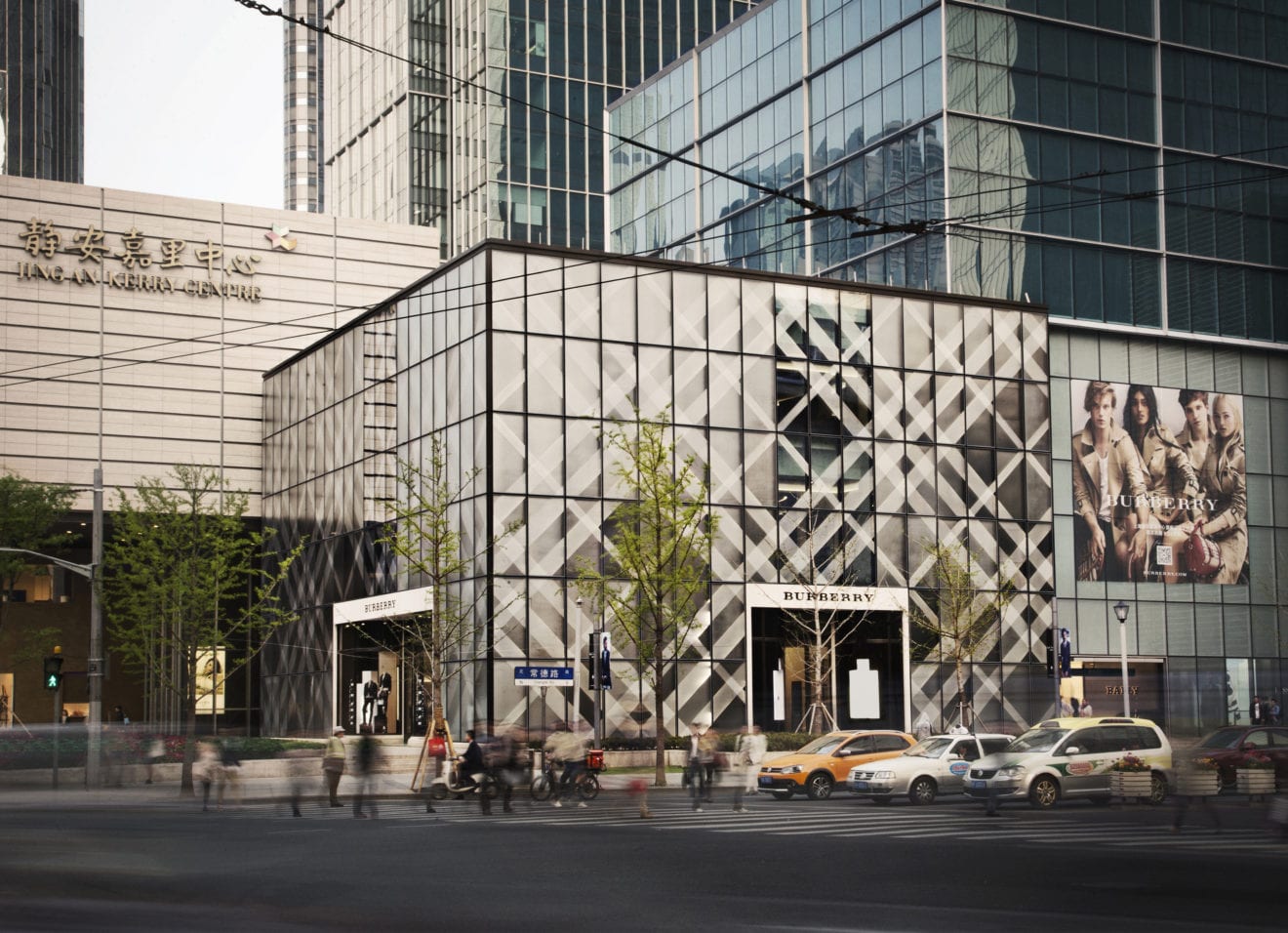
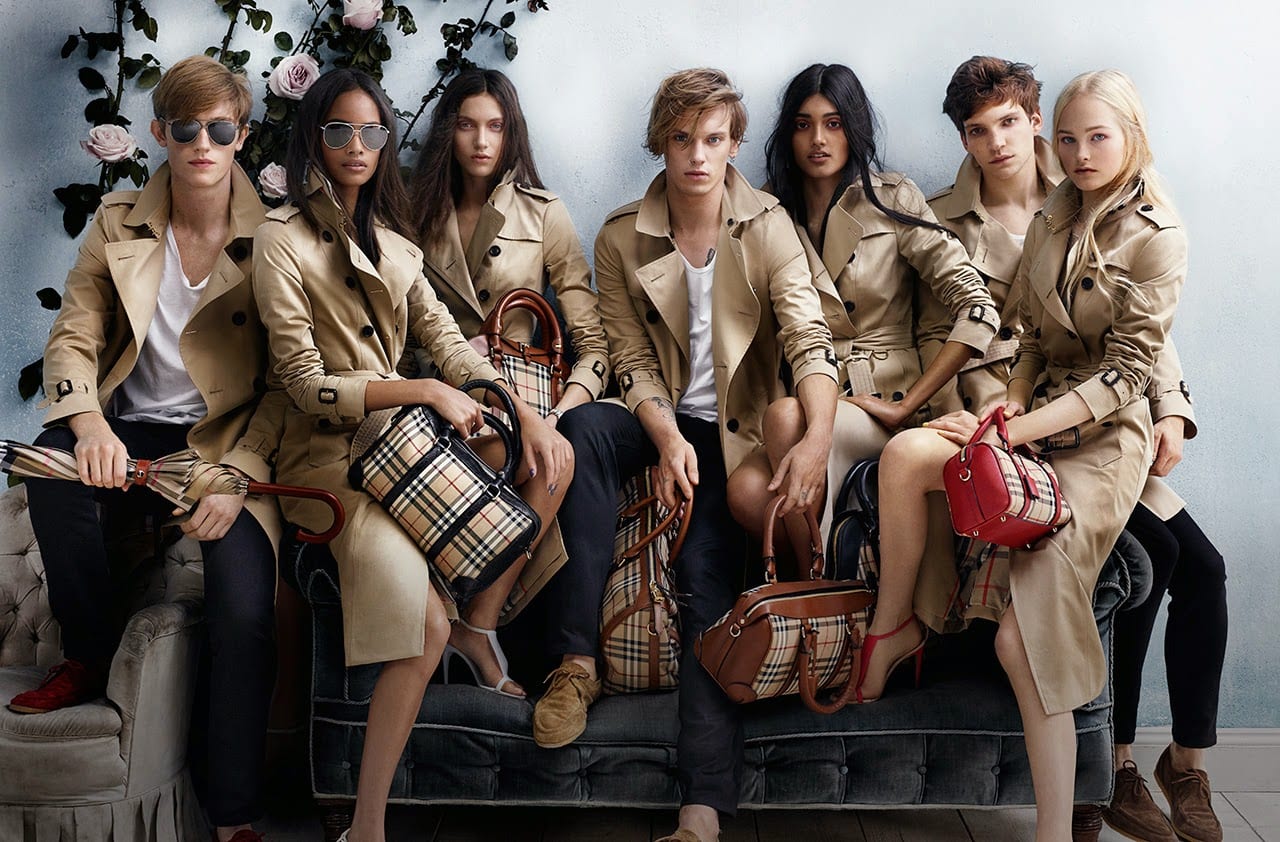
    Luxury goods maker Burberry says its retail revenue rose 1 percent in the last three months of 2015, as its critical market in mainland China returned to growth.

    Shares in the company rose on the London stock exchange on Thursday, possibly due to investor relief that demand in mainland China held up.

    The revenue growth was nevertheless far below the double-digit increase enjoyed a year earlier. Sales in Hong Kong declined by over 20 percent, hurting results for the Asia-Pacific region.

    Christopher Bailey, chief creative and chief executive officer, says headwinds in Hong Kong and Macau “masked an otherwise stronger performance in many markets.”

    Anusha Couttigane, a senior consultant at retail analyst Conlumino, says “for all Burberry’s investment in experiential retailing, its Q3 performance has enjoyed little Christmas cheer.”

  • Ted Baker shines over Holiday Season

    Ted Baker shines over Holiday Season

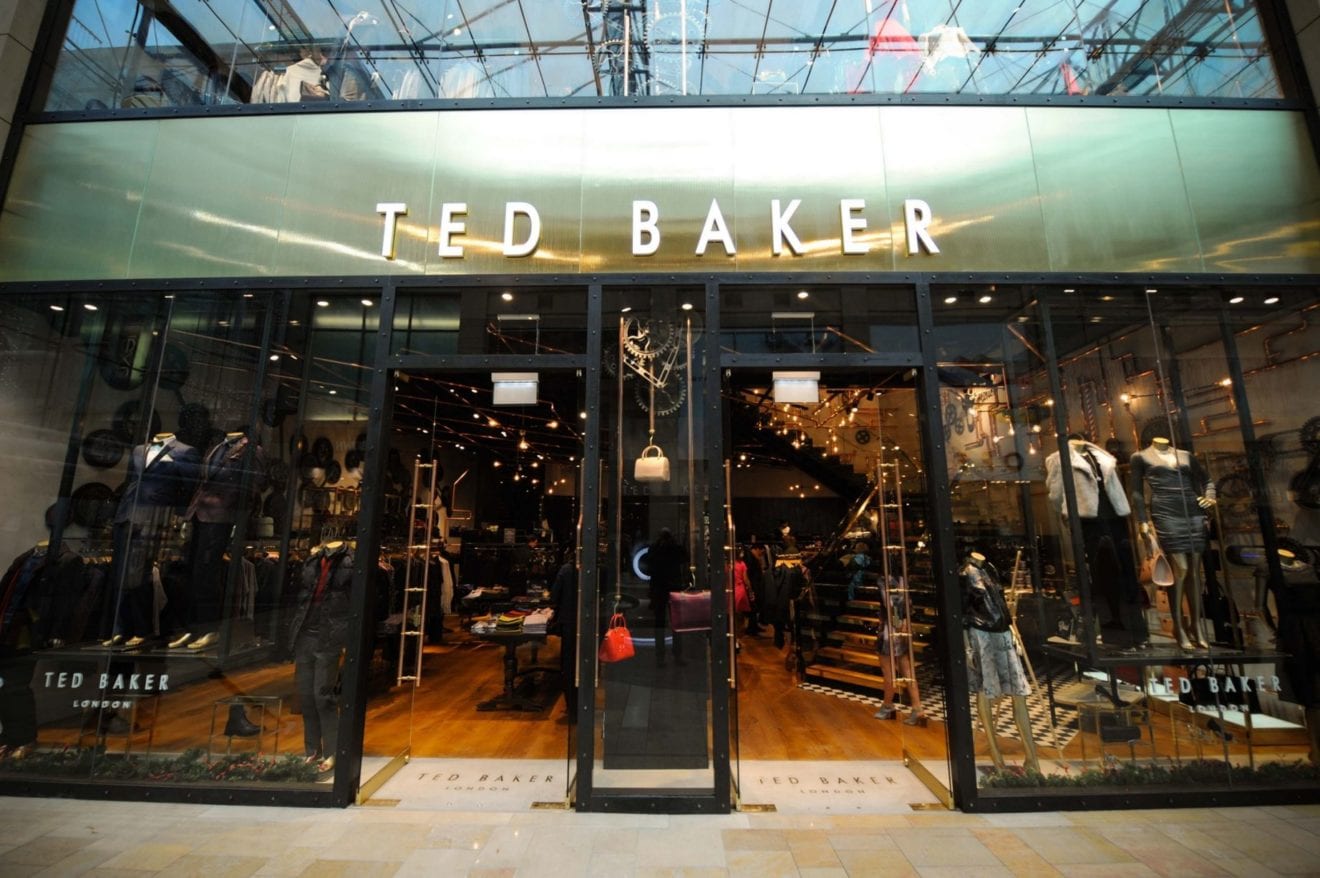
    Quirky fashion and lifestyle label Ted Baker has announced enviable Christmas trading results, with retail sales rising 10.1 per cent (10.6 per cent at constant currency) for the eight weeks to January 9.

    Over the period, the group added 355,907 sqft to its selling space. This helped to augment sales opportunities in the run-up to Christmas, but also highlights that trading during the busiest time of the year did not hold back Ted Baker’s rapid expansion plans.

    The group added concessions in the UK, France, Spain and California, in addition to licensed openings in the form of a new full-line store in Saudi Arabia, a concession in Mexico and outlets in Melbourne and Sydney.

    This geographical spread once again highlights not only Ted Baker’s ambitions to be a truly global brand, but also its willingness to be flexible in its approach as it enters new markets.

    Customer engagement was supported by the success of its ‘Wonders Never Cease’ video campaign, which showcased the brand’s Autumn/Winter range in typical Ted Baker story-telling fashion.

    Despite tough trading conditions and a highly competitive landscape, the company managed to avoid significant discounting, ensuring that expectations around gross margins were met. Furthermore, its eCommerce business witnessed dazzling results, with a 39.1 per cent increase in sales signifying strong performance across all of the group’s sites.

    A winning Christmas will help the company to secure a strong set of full-year results when the year closes on 30 January.

  • Sales lose sparkle for Luk Fook

    Sales lose sparkle for Luk Fook

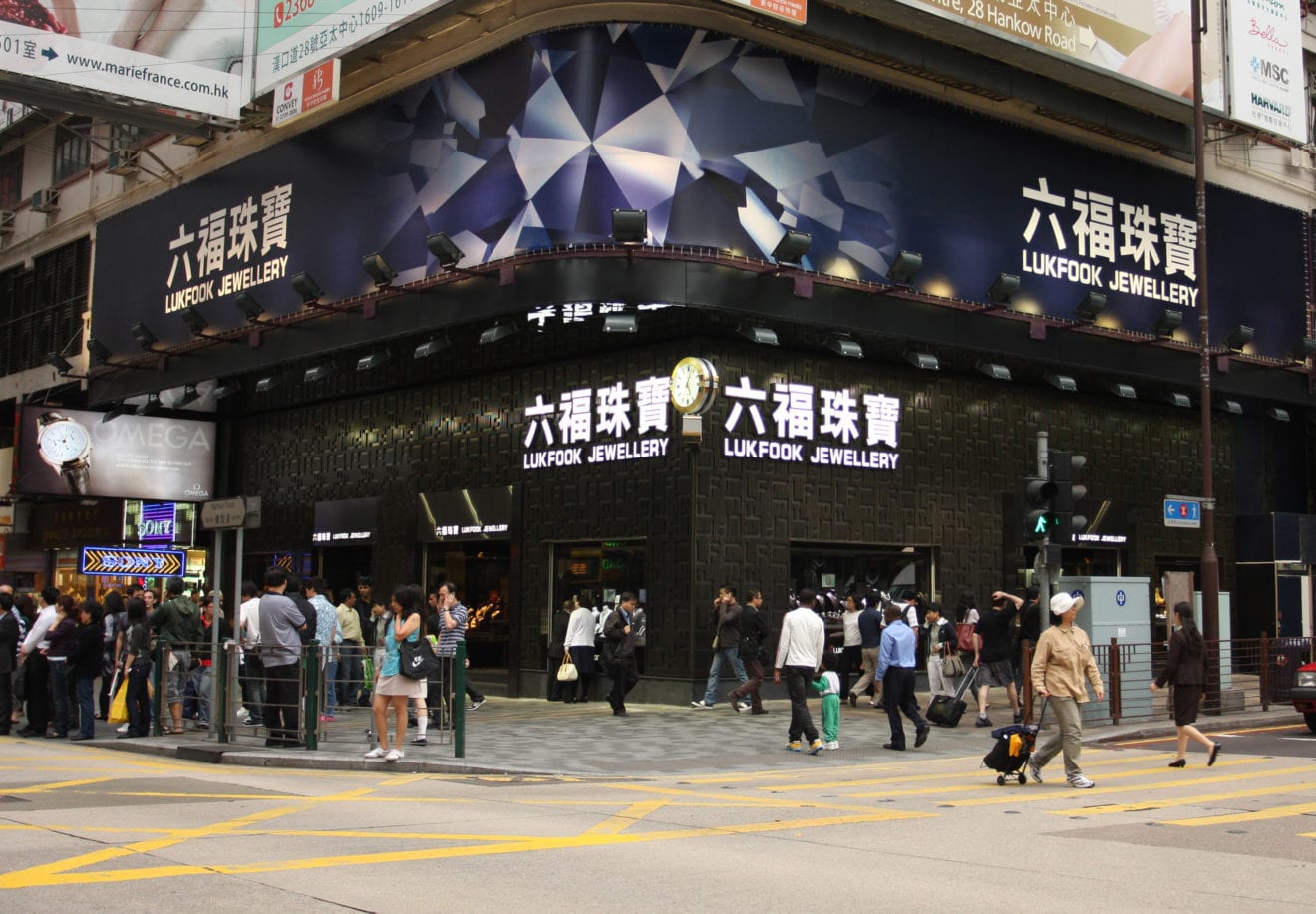
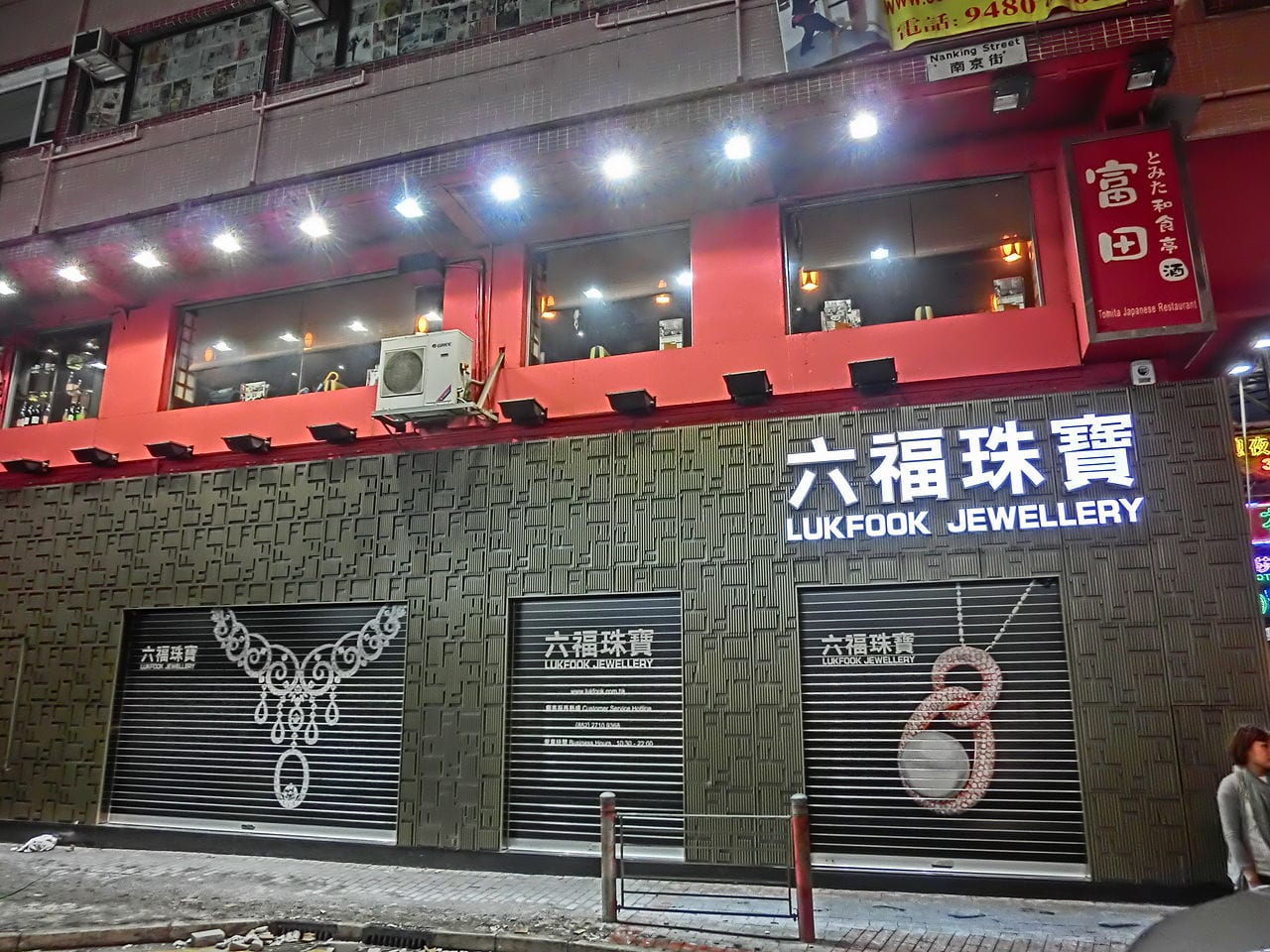
    In the face of a continuing sluggish market, Hong Kong-based Luk Fook Jewellery posted a 25 per cent drop in overall sales in the three months to December 31 against the previous two quarters.

    Its same-store sales growth (SSSG) for mainland China was down 10 per cent, despite its gemset jewellery products gaining 2 per cent grown. The SSSG of the Hong Kong and Macau market dropped 26 per cent.

    As at December 31, the group had 159 self-managed shops – 96 in China, 47 in Hong Kong, 10 in Macau and six overseas, one being established in Toronto, Canada, in the current quarter. There were 1260 licensed shops in China with one in Korea. Altogether, there were 1420 Luk Fook shops worldwide, including 1356 in China and outlets in Australia and the US.

  • Fashion Business will Grow in 2016, Association Says

    Fashion Business will Grow in 2016, Association Says

    Dwi Iskandar, chairman of Bali Indonesian Fashion Chamber (IFC), said that the fashion business in Indonesia is expected to grow by 20 to 30 percent in 2016.

    “We believed that [2016] is better than last year. We also hope our members will use Balinese fabrics, such as the endek, tenun and songket so that the fabric can be recognized outside Bali,” said Dwi on Monday, January 18, 2016.

    Dwi believed that Indonesian fashion products, especially from Bali, has the ability to compete with products fron other Southeast Asian countries. Dwi added that Indonesian fashion products has its own local cultural richness.

    “Last year, we promote flashy colors. For this year, we will still be colorful, but with a more natural touch with monochrome colors,” Dwi said.

    Dwi added that textile export from Bali will continue to attract customers. “Our products are mostly exported to Europe and Asia. Compared with other Southeast Asian countries, they can’t compete with Indonesia because business players in Indonesia focues on quality rather that quantity,” said Dwi.

  • Burberry Christmas sales miss expectations in Macau, Hong Kong

    Burberry Christmas sales miss expectations in Macau, Hong Kong

    British trenchcoat maker Burberry Group Plc reported Christmas revenue that trailed its own forecast, hurt by a slump in demand in Macau and Hong Kong.

    Retail revenue fell to 603 million pounds (USD869 million) in the three months through December, London-based Burberry said yesterday in a statement. Analysts predicted 606 million pounds, based on the median of estimates compiled by Bloomberg. Sales were unchanged on a comparable basis, missing internal expectations, compared with a 4 percent decline in the second quarter, Burberry said.

    Hong Kong sales fell more than 20 percent. The U.K.’s largest luxury-goods maker is scaling back stores, cutting bonuses and consolidating products under one label after forecasting earnings will probably fall for a second straight year. Richemont reported Christmas season sales declined for the first time since 2008 .
    Tourist bookings to Europe have declined following the terror attacks in Paris and an unseasonably warm winter has added to challenges facing luxury companies. Burberry is also more exposed than peers to spending by Chinese clients, which is cooling as that country’s stock market slumps.

    The company anticipated in October a return to growth in last part of 2015, driven in part by new products such as lightweight cashmere trenchcoats and ponchos, and new styles of scarves. Bloomberg

  • Louis Vuitton and Chinese dispute

    Louis Vuitton and Chinese dispute

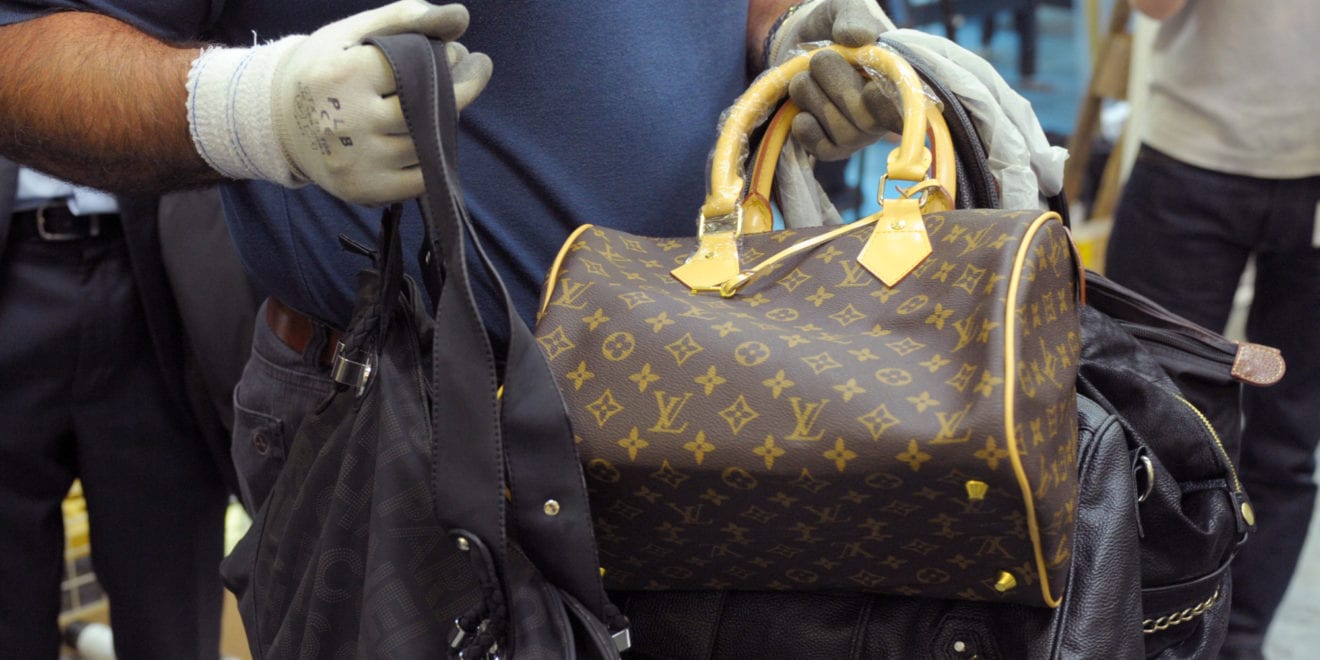
    Luxury retailer Louis Vuitton is suing three individuals in China for selling counterfeit items on Alibaba’s online shopping outlet Taobao.

    Damages of 250,000 RMB ($37,900) are being sought by the LVMH-owned company, says a statement on a Beijing court’s website uploaded yesterday. It says the suits are against a person surnamed Liang and two with the surname Han, who were sentenced in 2014 for selling counterfeit Louis Vuitton clothing, shoes and handbags between 2011 and 2014.

    This move comes nine months after luxury conglomerate Kering pursued legal action over fakes on Alibaba’s platforms. The group sued Alibaba directly, filing the suit in the US rather than China.

    In 2013 LVMH signed a co-operation agreement with Taobao to fight fakes on its platforms. Under the agreement, Taobao agreed to proactively track down and remove listings of counterfeit LVMH items.

    Meanwhile, Alibaba has been working to defend its reputation. It hired a former counterfeit investigator from Apple in December as its new head of global intellectual property enforcement. This followed the American Apparel & Footwear Association calling on the US Trade Representative to add Alibaba back to its blacklist of “notorious markets” for fakes (it was removed in 2012). Alibaba has also hired extra staff to fight fakes and is releasing an English-language version of its intellectual property reporting system.

    The courts’ decisions on the Kering and Louis Vuitton lawsuits could have an impact on the way brands formulate their China anti-counterfeit strategy in the years to come, observes Jing Daily. Kering has challenges with its US lawsuit as the Bank of China has refused to comply with a subpoena to disclose information about counterfeiters’ bank accounts to the New York District Court. The bank is also appealing a $50,000-a-day fine imposed by the court, arguing that the order violates Chinese bank secrecy laws.

  • Chinese demand to drive growth in Australian luxury

    Chinese demand to drive growth in Australian luxury

    A surge in demand for luxury goods has seen Chinese-led spending overwhelmingly turn to international markets including Australia, according to the latest research from property group CBRE.

    According to the latest report, Luxury Retail 2015, 70 per cent of all Chinese-led luxury purchases are now transacted overseas, resulting in increased sales across the world, including Australian markets.

    “Chinese purchasers account for 30 per cent of the luxury spend worldwide and 70 per cent of these purchases take place overseas, showing that the downward shift in their economy has prompted Asian consumers to rethink their purchasing habits,” said CBRE head of research and consulting EMEA, Andrew Phipps.

    “The advent of the new ‘anti-extravagance legislation’ in China and their consumers’ growing awareness of price differentials of up to 70 per cent has led to many preferring to make their purchases overseas, where the prices are far more attractive,” said Phipps.

    CBRE head of retail brokerage leasing, Australia, Leif Olson said international brands were looking to capitalise on the uptick in demand for luxury goods by securing a presence in Australia’s biggest fashion hubs.

    “In 2015, the Australian retail landscape has transformed significantly, with a plethora of global brands lining up to open stores across the country,” said Olson. “This momentum shows no sign of slowing down, with affordable luxury brands to lead the charge in Australia over the next year, while top tier brands will look at securing flagship assets in core locations.”

    Olson said the next wave of growth in Australia’s luxury retail market would be centred on the expansion of retailers in Brisbane, Perth and Adelaide; the addition of food and beverage to luxury retail; and growth of premium childrenswear.

    “The addition of food and beverage to luxury retail stores is an untapped market in Australia, and a widespread concept already seen in the world’s largest fashion meccas, including Hong Kong and Macau,” said Olson.

    “Not everyone is in a position to splash out on a luxury branded handbag or wallet, but being able to have a coffee or meal at Armani, for example, broadens the brand’s appeal and makes it more accessible for everyone.“

    Luxury childrenswear represents another opportunity for growth in Australia says Olson.

    “Shifting the appeal of a brand from adults to families will be a major focus of retailers expanding in Australia, with this helping them to engage and reinforce relationships with their key clients – the parents – while building their future consumer base from the next generation.”

  • Sa Sa feels pinch of Chinese policy

    Sa Sa feels pinch of Chinese policy

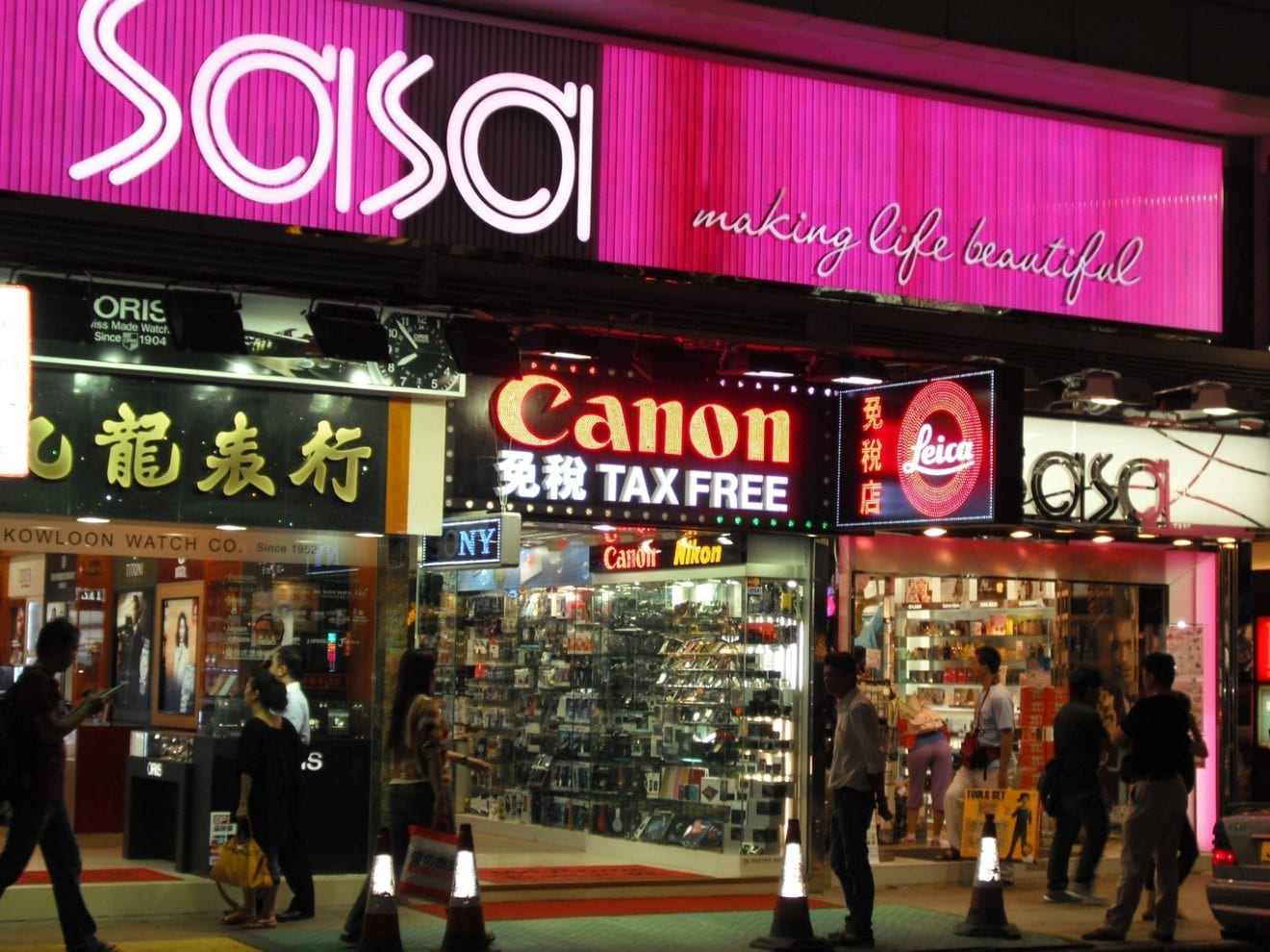
    China’s policy of one trip a week for mainlanders plus the strength of the Hong Kong dollar against a weaker yen have gouged sales for cosmetics retailer Sa Sa International.

    Both its retail and wholesale turnover dropped 14.2 per cent for the third quarter (October 1 to December 31), the company has announced. Turnover declined by 15.8 per cent in the Hong Kong and Macau markets, where same-store sales dropped 12.2 per cent.

    Overall, transactions were 7 per cent weaker, average sales per transaction fell 9.1 per cent and there was a 12.1 per cent dip in same-store sales. The group’s total turnover in other markets, including Mainland China, Malaysia, Singapore, Taiwan and online, dropped 6.7 per cent.

    Chairman/CEO Dr Simon Kwok says the impact of the “one-trip-per-week” policy had gradually gained momentum, leading to a notable year-on-year decline in the number of same-day visitor arrivals.

    “We expect the negative trend will continue to influence the local retail market.”

    In response, he says the group will optimise its product offering and enhance the shopping experience for its customers.

    Back in October, Sa Sa International Holdings already warned that its net profit for the six months to September 30 would be slashed in half because of the sluggish retail scene.

  • Luk Fook same store sales down 26 pct in SARs for fiscal Q3

    Luk Fook same store sales down 26 pct in SARs for fiscal Q3

    Hong Kong-listed jewellery retailer Luk Fook Holdings (International) Ltd. saw a 26 per cent year-on-year decrease in its same store sales from Hong Kong and Macau shops for the three months ended December 2015, the biggest decline since the final quarter of 2014.

    During the third quarter fiscal, Luk Fook saw a decline of same store sales of 26 per cent year-on-year in gold from its shops in both Hong Kong and Macau, while that of gem-set jewellery fell 27 per cent, the company told the Hong Kong Stock Exchange after trading hours on Wednesday.

    The exact sales revenue figures were not disclosed in the retailer’s Wednesday filing, and the sales performance disclosed by the company only covered sales from its self-operated shops, while the sales of licensed shops and e-commerce business was excluded.

    The same store sales of Luk Fook’s group-wide retail business was down 25 per cent in the fiscal third quarter, as the retailer also saw a drop of 10 per cent in its shops in Mainland China.

    According to the filing, Luk Fook blamed the sales decline in the third quarter on ‘continuing overall sluggish retail sentiment’ and a relatively high base in sales figures.

    As at the end of last year, Luk Fook ran 96 self-operated shops on the Mainland, 47 shops in Hong Kong, 10 in Macau and 6 overseas. The jewellery retailer ran another 1,261 licensed shops on the Mainland and in Korea.

  • Burberry sees return to sales growth in China

    Burberry sees return to sales growth in China

    Luxury fashion group Burberry on Thursday announced a return to retail sales growth in China despite an economic slowdown, boosting overall results in its third quarter.

    The British handbag and clothing company reported overall retail sales of £603 million ($866 million, 794 million euros) in the October through December period, “as (sales in) mainland China returned to growth”, Burberry said in an earnings statement.

    China is in sharp focus for markets amid an overall slowdown for the world’s second largest economy.

    In the three months to the end of 2015, Burberry saw total underlying retail sales growth of 1.0 percent, an improvement on the 4.0-percent decline in its second quarter.

    Burberry’s financial year runs from April to the end of March

    On the downside, sales in Hong Kong fell by more than 20 percent owing to long-standing protests against China.

    All of Burberry’s Hong Kong stores remain profitable however thanks to cost controls, the company said in the statement.

    “The outlook for our sector remains uncertain,” said chief executive Christopher Bailey.

    “However, we are anticipating and responding to these changes through an intense focus on new growth opportunities.”

    Chief financial officer Carol Fairweather told a conference call with reporters that Burberry’s performance in France had been impacted by fewer tourists visiting from China and the Middle East following the Paris terrorist attacks in November.

  • Uniqlo struggles with currency and weather

    Uniqlo struggles with currency and weather

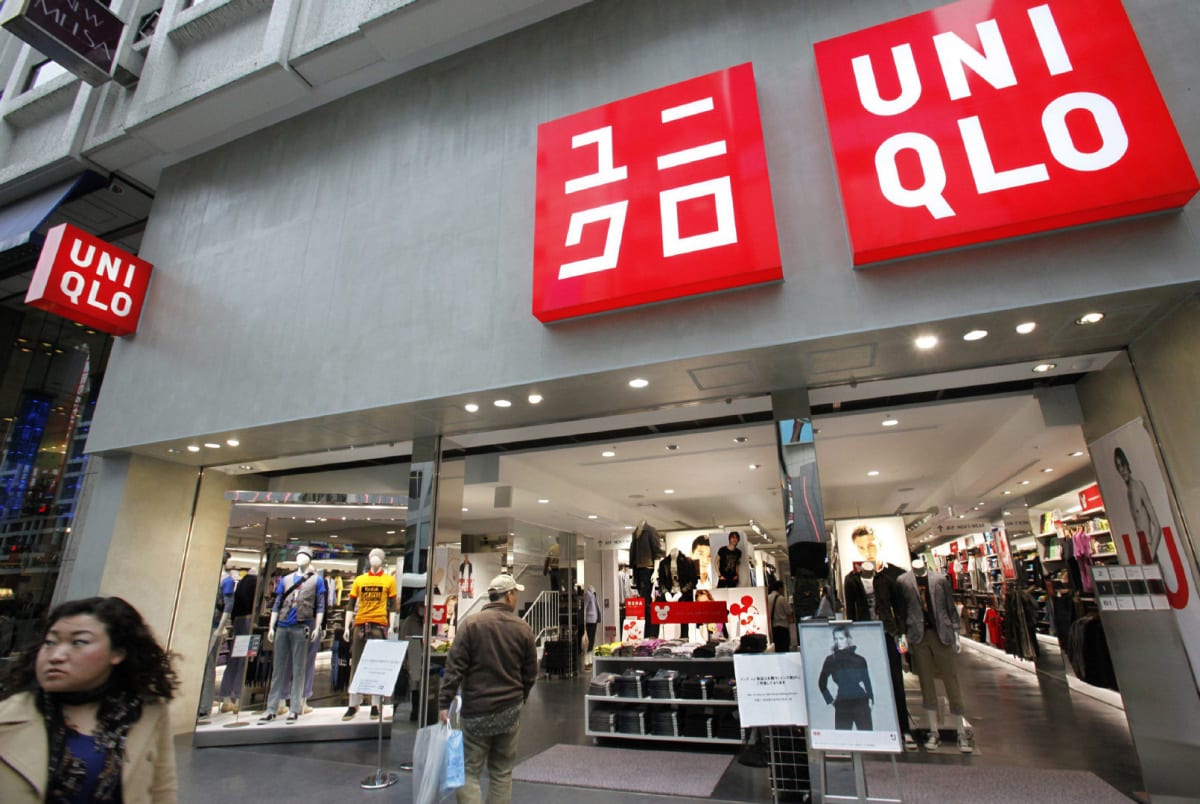
    Uniqlo, Asia’s largest apparel retailer, has delivered a disappointing set of results for the quarter to November 30.

    While revenue rose 8.5 per cent year on year to ¥520.3 billion (US$4.44 billion), profit fell 16.9 per cent to ¥75.9 billion ($647.1 million). Considerable depreciation of the Japanese yen was the main factor in a ¥29.0 billion fall in pre-tax profits, the company said.

    Uniqlo International sales also fell short of target in the first quarter, reporting a rise in revenue but a decline in profit (revenue: ¥196.9 billion (+17.2 per cent year on year), operating profit: ¥20.8 billion (-14.2 per cent)).

    “Unseasonal warm winter weather around the globe adversely impacted same-store sales at Uniqlo Greater China (encompassing operations in mainland China, Hong Kong and Taiwan), Uniqlo South Korea and Uniqlo US in particular, resulting in a lower than expected first-quarter performance and declining profits in all three of these areas.

    Meanwhile, Uniqlo Europe reported higher than forecast gains in both revenue and profit, and Uniqlo Southeast Asia and Oceania reported a steady operating profit, as expected.

    New store openings proceeded as planned, with a net 66 stores opened during the first quarter, mainly in Greater China and Southeast Asia. As a result, the total number of Uniqlo International stores had expanded by 169 year on year to 864 stores as at November 30.

    Uniqlo Japan fell short of expectations in the first quarter, declining in both revenue and profit Revenue was ¥230.9 billion (-0.7 per cent), operating profit ¥44.8 billion (-12.4 per cent).

    “While online sales expanded 23.2 per cent year on year, same-store sales declined 2.3 per cent, resulting the fall in revenue,” the company said.

    “In September and October, fall winter items such as cashmere sweaters, merino sweaters, gaucho pants and wide pants got off to a great start and sales proved strong, pushing same-stores sales higher as a result. However, the unexpected heatwave in November stifled demand for winter items, and led to a sharp drop in revenue.

    “On the profit side, hefty discounting of winter items in November squeezed the first-quarter gross profit margin, while lower than-expected first-quarter sales inflated the selling, general and administrative expenses to revenue ratio.”

    The number of directly run Uniqlo Japan stores, excluding 38 franchise outlets, totaled 806 stores at the end of November 2015. While that represents a net decrease of 18 stores year-on-year, 10 of these stores were converted from directly-run stores to new employee-franchise outlets.

    The group reiterated its goal of becoming the globe’s largest apparel retailer.

    “To this aim, we have focused our efforts on expanding Uniqlo’s global operations, boosting store numbers in each country where we operate, opening global flagship stores and large-format stores in major cities around the world, and offering exciting joint collections with well-known designers from around the world, such as Ines de la Fressange. This strategy is designed to both boost awareness and visibility of the Uniqlo brand and strengthen our global operational base. We are also actively promoting our GU brand by accelerating the opening of new stores in Japan and launching the label in the Chinese market.

    “We believe the GU operation has reached a key turning point in its growth and development as a second pillar brand for the group,” the company concluded.

    Uniqlo’s Global Brands division exceeded expectations in the first quarter by reporting a 17.4 per cent year on year gain in revenue to ¥91.8 billion, and a 29.7 per cent year on year gain in operating profit to ¥12.4 billion.

    “Within the Global Brands segment, our low-priced GU fashion casualwear label reported significant rises in both revenue and profit that surpassed our initial forecasts. GU reported double-digit growth in same-store sales on the back of strong sales of heavily advertised campaign items such wide pants, baggy sweaters and knitted bottoms.

    “Meanwhile, our Theory fashion brand and J Brand premium denim label both fell slightly short of target when they reported a decline in profits.”

    The company’s France-based Comptoir des Cotonniers and Princesse tam.tam labels reported lower-than-expected sales and a decline in profit, after the November terrorist attacks in Paris forced some stores to close temporarily.
  • Chow Tai Fook sales slide continues

    Chow Tai Fook sales slide continues

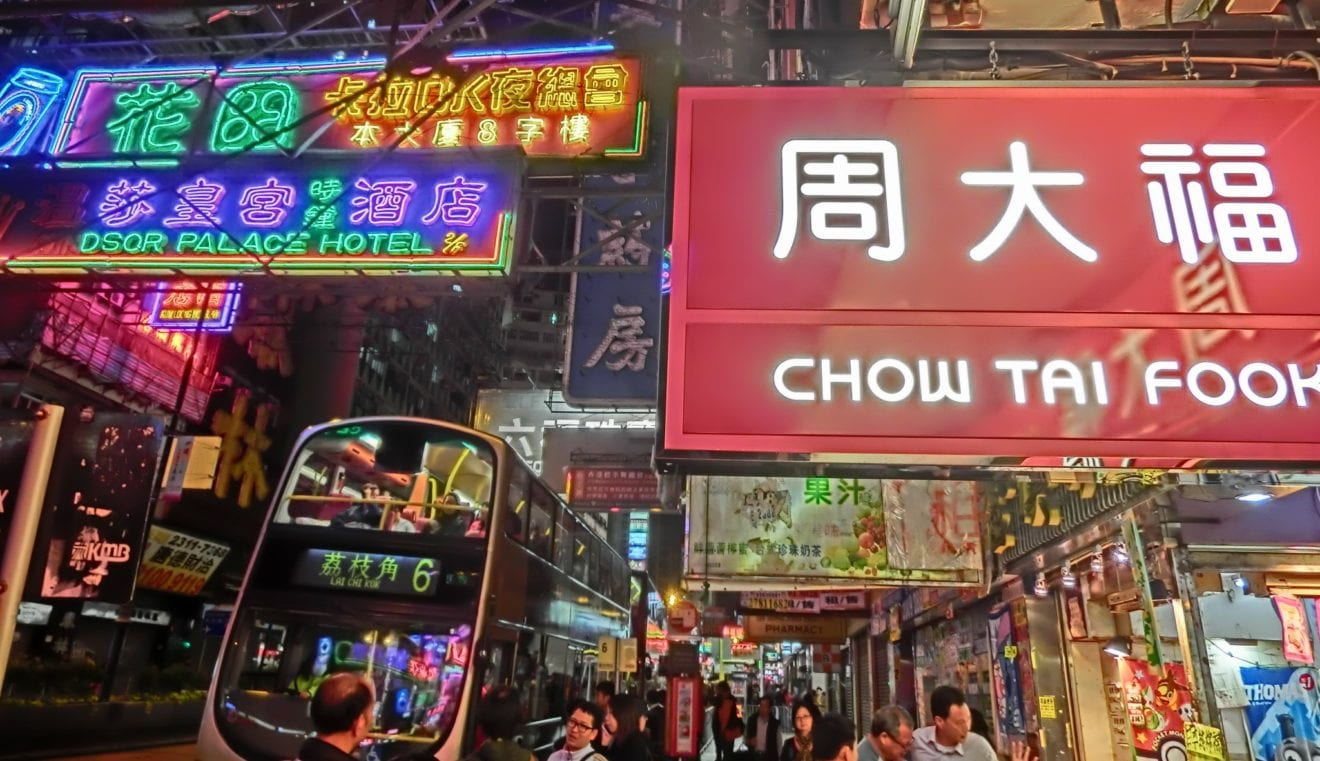
    Jeweller Chow Tai Fook continues to be battered by the declining number of wealthy Mainland Chinese tourists visiting Hong Kong and Macau.

    The Hong Kong listed retailer has revealed its same store quarterly sales slumped 23 per cent in Hong Kong and Macau in the three months to December 31 and by 6 per cent in Mainland China. It said those figures were “similar to the same store sales sales performance” of the preceding quarter.

    In total value, after currency effects were taken into account, total sales fell 11 per cent, compared with 10 per cent in the preceding quarter. Mainland sales, on a constant currency basis, were down two per cent.

    The group opened a net 31 points of sale during the quarter, including 28 jewellery outlets and two watch stores in Mainland China, and a net one store elsewhere, taking its total point of sale count to 2317 as at December 31.

    Meanwhile, Chow Tai Fook MD Kent Wong said on a conference call that the company expects to close five or six stores in Hong Kong during the next three months as it adjusts its network to reflect the changing shopper demographic.

    He said the domestic market remained challenging with the local currency pegged to the US dollar which is widening the gap between the Hong Kong dollar and China’s renminbi.

  • Laneige opens Singapore concept store

    Laneige opens Singapore concept store

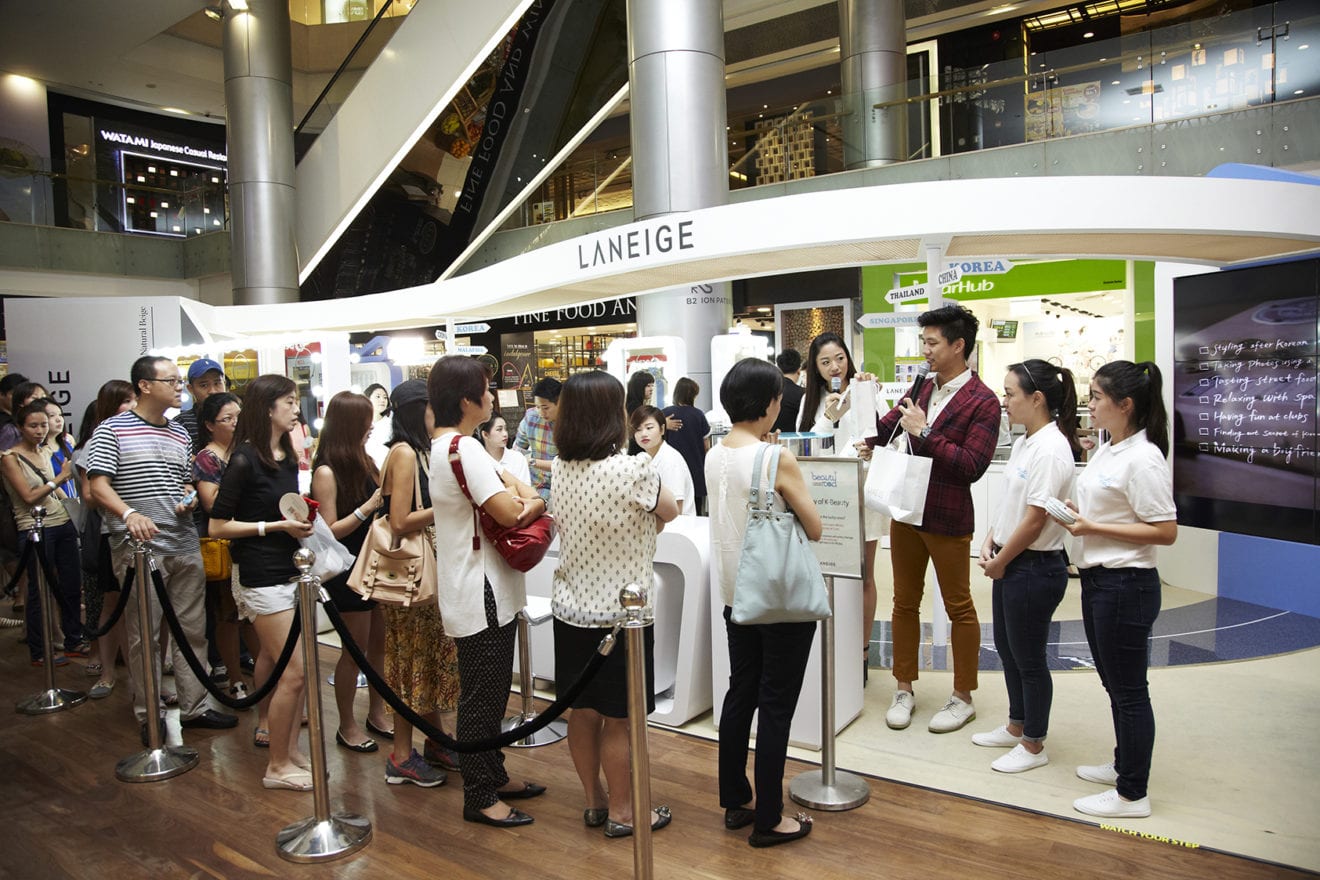
    South Korean skincare brand Laneige has opened a new concept store in Ion Orchard, Singapore.

    Not only does the outlet have a new look, but it features exclusive products. It is the ninth Laneige store for Singapore, the first opening in 2012.

    Exclusive to the store is the Laneige G5 product range, comprising seven variations of Water Science Mist, various types of sleeping balls that serve as a mask for different parts of the body, and lip cards in 20 different shades. The range is exclusive to G5 concept boutiques, and as the new store is the first and only boutique so far, it is the only shop in the world selling it.

    As Laneige’s flagship outlet, the store’s design is different from its other shops. The “water meets light” design concept infuses elements of water, light, and blue and pink colours.

    Laneige brand GM Doreen Chia says the design is “edgy, sophisticated, modern and sparkling” in line with the brand’s beauty concept and vision. Laneige is known for its emphasis on the power of water for revitalising and nourishing the skin.

    There are several zones in the store – one for top-selling items, another for signature products (such as its Water Bank range), Homme for men another for make-up. A feature is a consultation room where beauty advisors can analyse a customer’s skin condition and advise on appropriate products.

    Laneige has stores throughout Asia – in Brunei, China, Hong Kong, Indonesia, Malaysia, Taiwan, Thailand, The Philippines and Vietnam – as well as Canada, New Zealand and the US.