Category: Fashion

Retail News Asia is committed to providing both local and global retailers with the latest Fashion news throughout the Asian market. This on a daily base.

  • Ice-Watch expands into east Malaysia

    Ice-Watch expands into east Malaysia

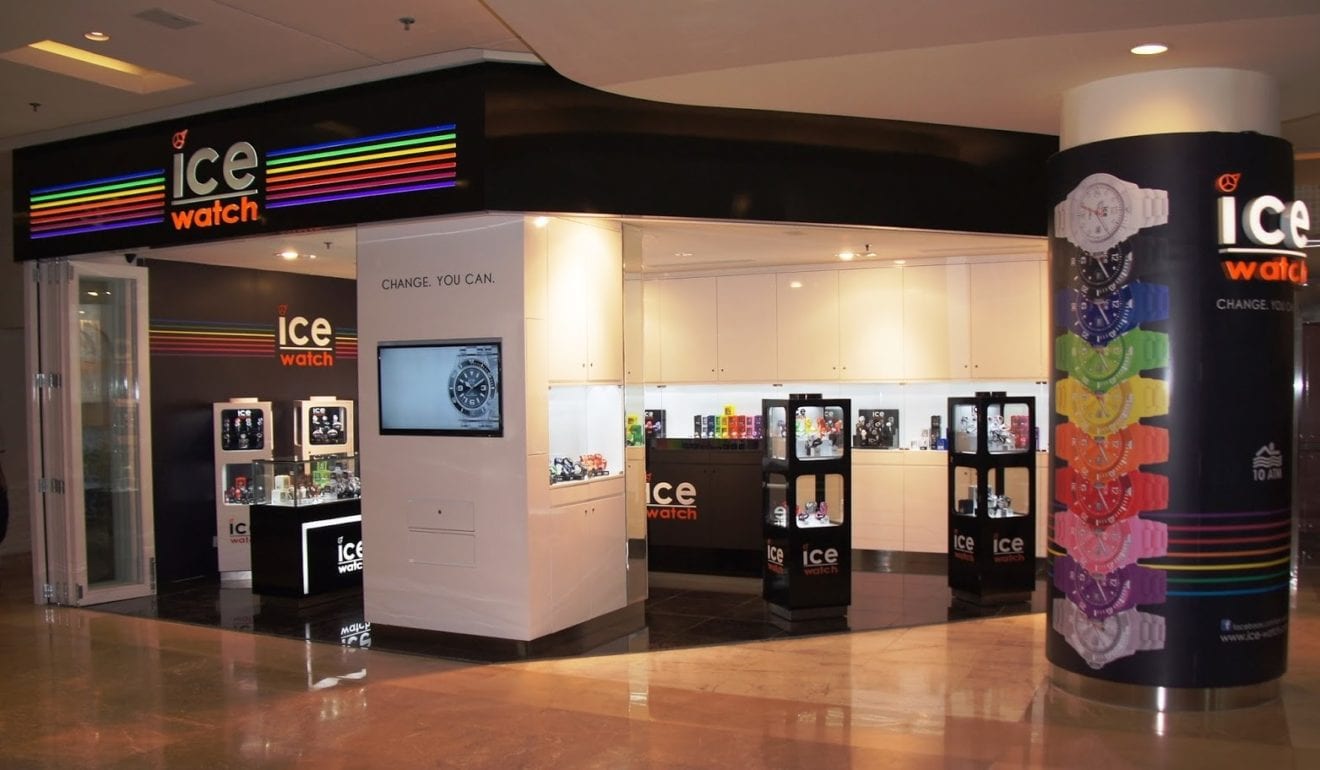
    Belgian watch brand Ice-Watch has opened its first store in east Malaysia, at Vivacity Megamall in Sarawak.

    It marks the retailer’s 15th gallery in the Malaysian market, showcasing the brand’s wide range of collections and its novelty timepiece line Ice City, which combines a modern design with an ultra-slim steel case and a pared-down dial.

    Ice-Watch Malaysia chairman Datuk Seri Meer Sadik Habib said the brand has grown rapidly since it launched in the country just last year.

    “This is our first shop in east Malaysia, so it’s something very exciting for us,” he said at the opening ceremony.

    He said Ice-Watch is “a strong, young brand” which cuts across age, style and background, appealing to a broad customer base.

    “With its accessible price, multiple colours and design combinations, our highly versatile brand allows you to switch watches based on your outfit or mood.”

    He believes the company’s moderate price points had helped it ride out Malaysia’s tumultuous retail market post April 1’s introduction of GST.

    “People still want to buy, so instead of buying something very expensive and exclusive, you get something with a brand but reasonable in price,” he said.

  • 2015 Indonesia’s blossoming fashion scene

    2015 Indonesia’s blossoming fashion scene

    The year 2015 has been special for Indonesia’s fashion scene — thanks to the rising popularity of local brands.

    Throughout the year, new fashion labels have been popping up, while fashion events have continued to be a paradise for fashion enthusiasts looking for trendy fashion products.

    Fashion observer Diaz Parzada said that this year the country had seen a phenomenal wave of ready-to-wear fashion, which became the main focus of many designers and brands.

    Ready-to-wear has been thriving for the past two years due to its ability to reach a wider audience, and of course, to generate profit.

    “This is a breakthrough as designers are not just people who make clothes but also professional business players that have many doors through which to distribute their works,” said Diaz, who is also the advisor for designer mentoring program Indonesia Fashion Forward and the business development director at the British Council.

    Veteran designers like Biyan Wanaatmadja and Sebastian Gunawan were the first to tap into the ready-to-wear industry, and many young designers are now following their lead.

    Young couturier Tex Saverio, who is known for his high fashion pieces, is one example.

    He launched his second ready-to-wear line, TXID, earlier this year after receiving good responses to his first ready-to-wear line, Tex Saverio Jakarta, and his collaboration with a couple of foreign online ready-to-wear brands.

    “Through ready-to-wear, I want to promote Indonesian fashion to the world. In addition to that, I want to educate the Indonesian market, to teach them that a fashion house should not have only one line,” Tex said.

    Many celebrities and fashion lovers also set up their own fashion ventures this year, offering fashion products at more competitive prices through various online platforms or fashion bazaars.

    However, that online phenomenon has also made the executive director of the Indonesian Fashion Designers Association (IPMI), Tri Handoko, concerned about a paucity of strong design characteristics differing from one brand to another.

    “Most of those new brands offer similar designs; their lookbooks are even similar with no distinct identity visible in their collections,” he said.

    “On one hand, that movement shows support for local fashion, but on the other hand, the creativity level is stagnant to some extent.”

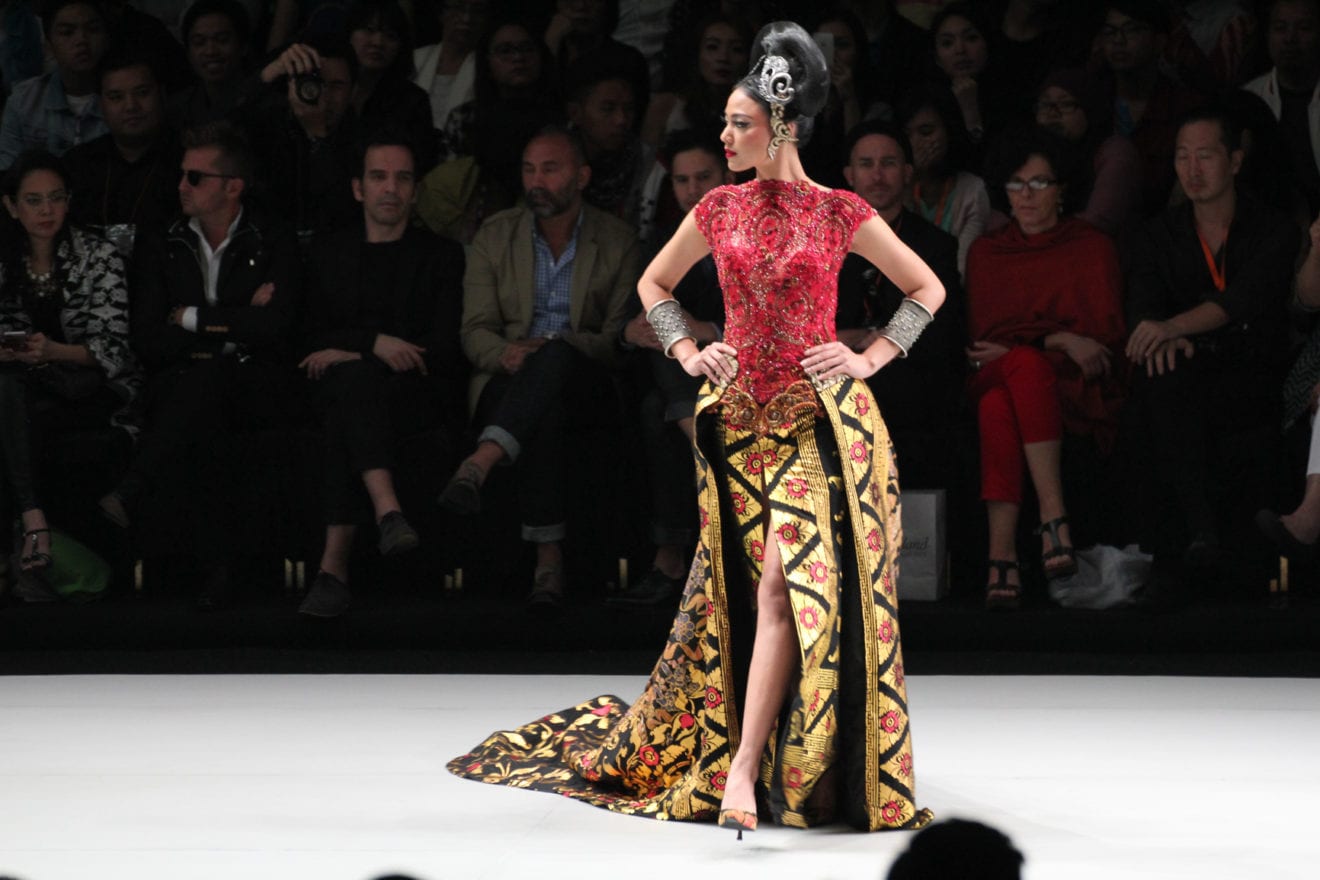
    From left : Obin (JP/Don), Norma Hauri (Courtesy of Jakarta Fashion Week), Major Minor with Eko Nugroho (JP/Don)

    Diaz also voiced the same concern, saying that some designers had shared with him that their designs had been copied by many online fashion sellers.

    “Like it or not, designers have to accept it. But moving forward, they must explore more creative ideas for their new designs while creating powerful campaign strategies to build strong fashion brands,” he said.

    Another highlight of the year came from Muslim fashion, better known nowadays as modest wear.

    Earlier this year international retailers Uniqlo, from Japan, and Sweden’s H&M, launched a campaign to promote modest wear, moves that have been greatly welcomed by Indonesia’s hijab communities.

    Modest wear designer Norma Moi said that 2015 had been a good year for her business and she had recorded a steady increase in demand.

    “My profit increase has been in line with the increase in my resources — around 40 to 50 percent,” Norma said.

    The thriving business of modest wear in Indonesia has prompted the government to aim to make the country the center of Islamic fashion by 2020.

    It is not an ambitious goal, so long as designers continued to innovate.

    “We have to keep innovating and always be creative, making our designs interesting and unique, if we want to be the center of Muslim fashion,” she said.

    But to really realize the plan, the government must also participate by providing designers with proper production supplies, such as materials.

    Norma said many designers, including her, still used imported fabrics due to the quality and availability.

    “There are local textile producers that also make fine fabric, but most of them only want to sell to big retailers that buy in bulk. We don’t have the capacity to make our own fabric yet, so we have no choice but to import,” she said.

    “The producers and the government should understand that there’s also us in this fashion business, not only big retailers.”

    Though modest wear recorded a strong performance this year, other designers saw lower sales from the middle of the year forward.

    Tri said that his business was declining as it entered the second semester, blaming the slowing economy as a key factor.

    Another designer, Sapto Djojokartiko, echoed him, saying that he also saw slower sales in his mid-priced pieces.

    “I’m not sure about the cause, but I have prepared some strategies to improve the whole business next year,” he said.

    As 2015 moved toward the end, Indonesia’s fashion scene was shocked by the resignation of seven senior members of Association of Indonesian Fashion Designers and Entrepreneurs (APPMI), including the chairman who is also the president director of Indonesia Fashion Week (IFW), Ali Charisma, Deden Siswanto and Lenny Agustin.

    Different visions to those of the association is reportedly behind their resignations. As a consequence, those who replace the steering committee of IFW have their work cut out for them to ensure the continuation of IFW early next year.

    “The resignation of APPMI leading members should be a cause for reflection for our fashion scene; what form of fashion association fits the situation today? Or is it still important to have such an association? Regarding whether it will impact our fashion scene or not, we have to wait and see,” Diaz said.

    In 2016, Indonesian fashion products are predicted to remain favorites for fashion enthusiasts who have developed more pride in wearing local designs.

    Indonesian designers will continue to wow the international fashion audience next year as some will participate in prestigious fashion events, such as London and Paris Fashion Weeks.
  • Why luxury sector woes could be a blessing in disguise

    Why luxury sector woes could be a blessing in disguise

    Hong Kong’s retail sector can bounce back from the current sluggish phase, as it did in the past in the wake of the 2003 SARS crisis and the 2008 global financial meltdown, an industry chief says.

    “Hong Kong retailers are smart; it might take time but the sector will definitely recover,” says Thomson Cheng, the new chairman of the Hong Kong Retail Management Association.

    “Tomorrow will be a better day,” he told the Hong Kong Economic Journal.

    To counter headwinds like a stronger local currency and fewer mainland visitors, Cheng urges retailers to upgrade their services and provide more unique products.

    Hong Kong should not focus too much on Chinese tourists, but should try to attract people from across the world, he said.

    As an executive director of Lane Crawford Joyce Group, Cheng has been involved in luxury retailing for years.

    The industry veteran expects the luxury segment to continue to be the worst performer in 2016.

    “I don’t see much of a rebound next year.”

    But one good thing about the shrinkage of luxury sales is that it will unlock retail space to other shops. During the heyday, high-end stores had crowded out the smaller brands and retailers of other products.

    Many major luxury brands have already announced downsizing plans in Hong Kong amid the current downturn in sales. Some firms are looking to cut their store number by as much as a fifth.

    Shopping malls should consider diversifying and bringing in more retailers that offer goods and services related to everyday living, Cheng said.

    The retail ecosystem will be healthier if there is wider variety and more brand diversity, rather than the present situation in which there are too many jewelry shops, cosmetics retailers and drug stores chasing mainland tourists, he said.


  • Burberry Hong Kong deep discounts for Christmas

    Burberry Hong Kong deep discounts for Christmas

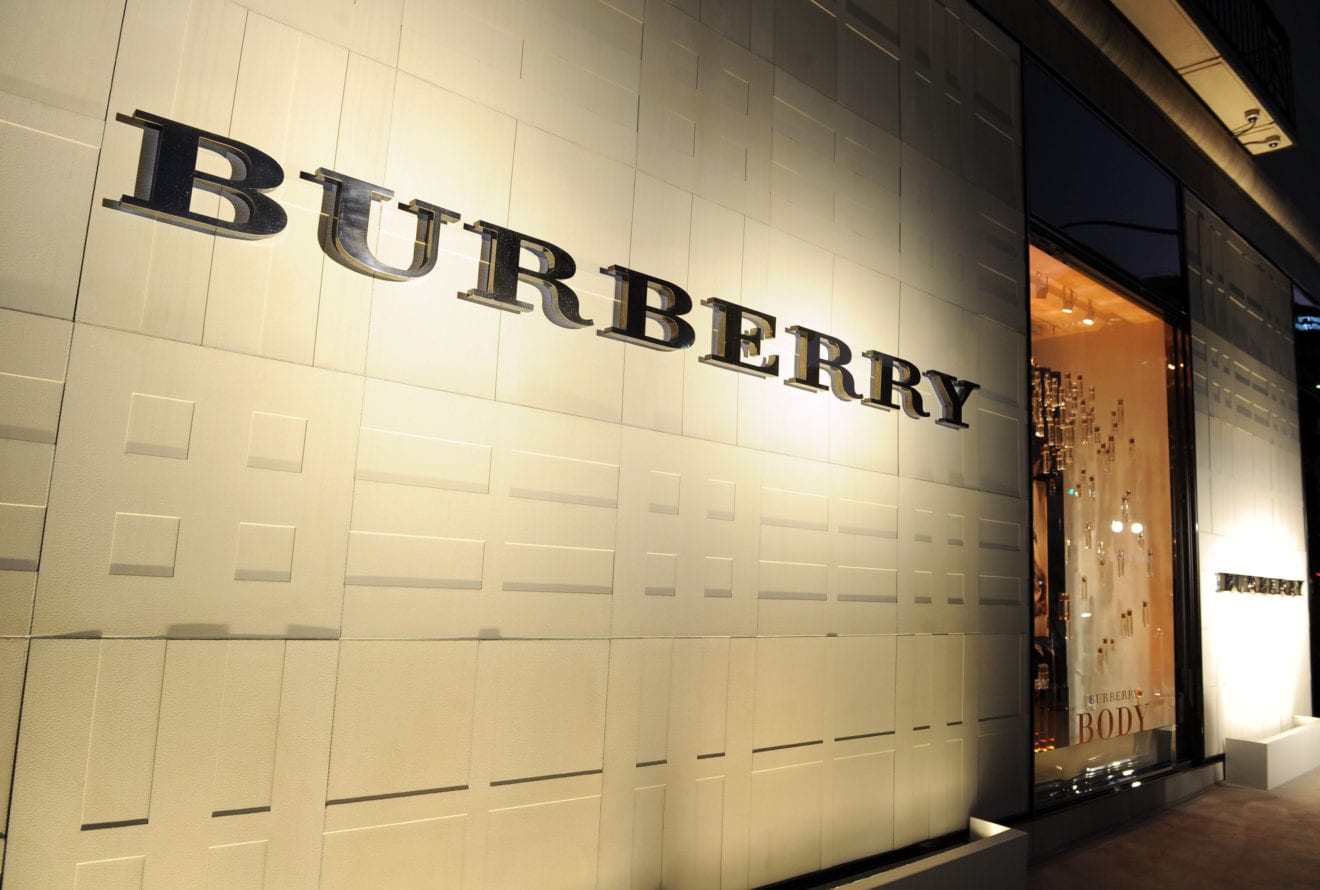
    Luxury fashion retailer Burberry Hong Kong has launched an unprecedented deep discounting campaign to move stock in the peak Christmas retail period.

    The British brand has reduced the prices on some lines by 50 per cent, the biggest reductions since the Individual Visit Scheme for Mainland Chinese tourists was launched in 2003.

    Typically, the highest discounts in the pre-Christmas sale is 30 per cent on limited lines.

    It is rare for high end brands like Burberry to offer such large discounts – but rivals Gucci and Prada have already discounted lines by similar amounts in Hong Kong, where such retailers lack an outlet channel for surplus or end of line stock.

    Industry observers say the level of discounting in such a peak retail period reflects the serious challenge faced by luxury retailers since the clampdown on gift giving in the Mainland took effect and the exchange rate fluctuations made it affordable for big spending Chinese travellers to travel to Japan and Europe to shop instead of Hong Kong and Macau.

    “A 50 per cent discount is unusual for big luxury brands like Burberry” Hayman Chiu, associate director at Cinda International, told the South China Morning Post.

    “The whole luxury industry is doing the same thing right now.”

    Burberry’s discounts apply only to a limited proportion of its stock, specifically about 10 styles of handbags and some clothing.

  • First Monica Vinader Singapore store opens

    First Monica Vinader Singapore store opens

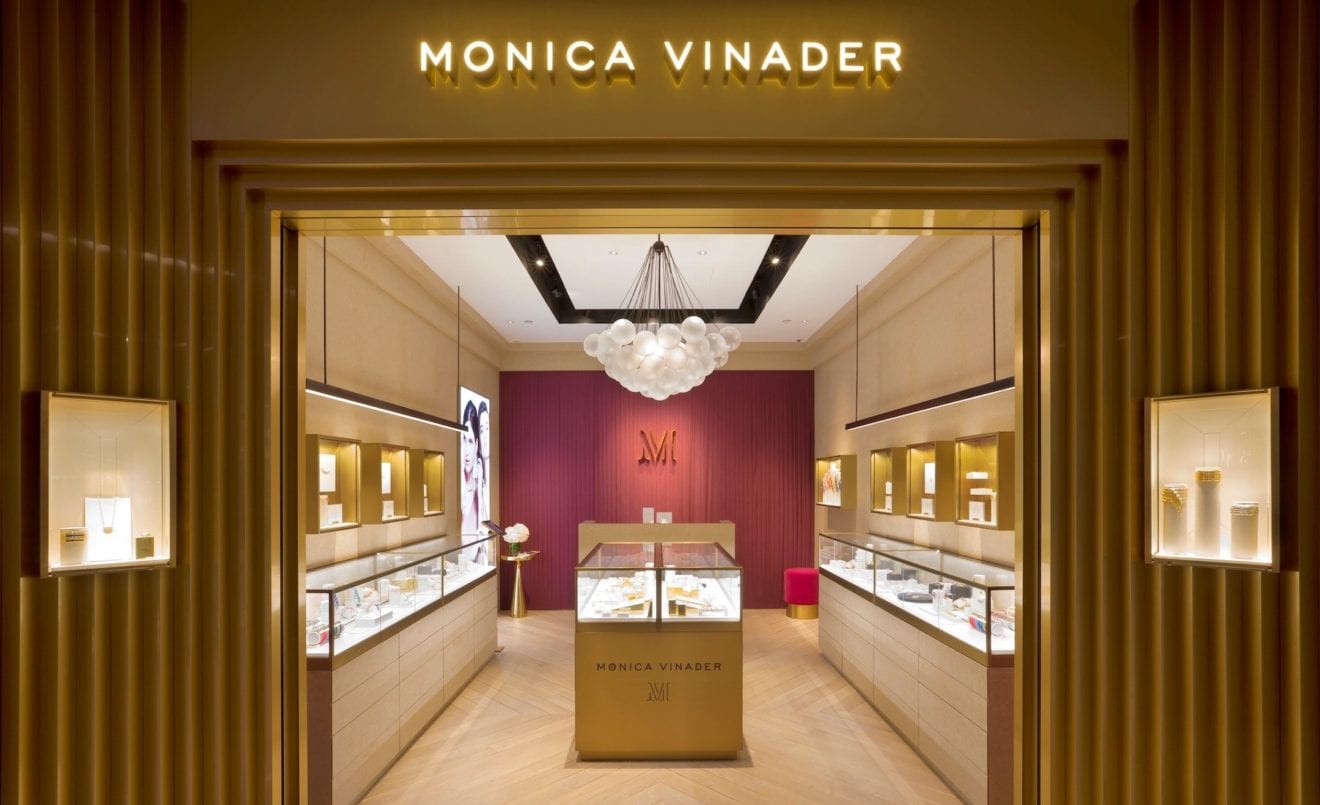
    British luxury jewellery brand, Monica Vinader has opened the doors to its first Singapore boutique.

    The Monica Vinader Singapore store is located inside the Ion Orchard shopping centre on Orchard Rd.

    “I am delighted to be opening our first store in Singapore, such an internationally vibrant city, and excited to be able to welcome our Singapore customers to our new boutique at Ion Orchard mall,” said Monica Vinader, CEO & founder of the namesake retail brand.

    The new store offers all the Monica Vinader collections from Friendship bracelets, to bespoke cut gemstone jewellery and contemporary diamond ranges. Customers will be encouraged to visit the Friendship bar where they can engrave personal messages, motifs or hand drawn doodles using the complimentary engraving service, or to layer and stack bracelets, pendants or rings to define their individual styles for any occasion.

    The store’s interior features marmorino walls and iconic gold vitrines which align with the brand’s philosophy, “using high specification materials, custom fixtures and fittings to create a welcoming and vibrant luxury shopping environment”.

    Monica Vinader has become globally renowned for its instantly wearable, contemporary designs, and is a favourite amongst A-list names such as Olivia Palermo, Emma Watson and HRH the Duchess of Cambridge.

    Monica Vinader was founded in 2002 after she began creating a jewellery collection while working in South America with her husband. Initially she focused on creating bespoke pieces for private clients, but demand soon grew to a larger audience. In 2006, the company began trading as Monica Vinader Ltd and went on to win Retail Jewellers’ Jewellery Brand of the Year award in 2009 before securing private equity investment for an international expansion.

  • Mujosh makes Australian debut

    Mujosh makes Australian debut

    Mujosh, the Hong Kong fashion eyewear brand, has opened its first store in Australia – at Melbourne Central mall in the city’s CBD.

    Just five years old, Mujosh has already opened stores in Thailand and Malaysia. Australia is its third overseas market entered with a specialty store, although it has distribution agreements in other markets, including Japan.

    “We hand picked a selection including our bestsellers and limited-edition designer series for our customers in Australia,” said Grace Zhang, director of international business division with Mujosh.

    “The latest Mujosh collections will also be unveiled in here at the same time as it will be in other territories.”

    “It is exciting that we can bring Mujosh to our customers in Australia,” said Alan Chen, the brand’s founder.

    “After five years of fast but solid development, Mujosh decided to expand into the international market at the beginning of 2015. Having our first store in Australia is an important milestone for our international business development.”

    Managed by GPT, Melbourne Central located in the heart of Melbourne, attracts a wide variety of customers from the inner suburbs of the city.

    Mujosh was founded by “a group of young creative rule-breakers who believe glasses are not only tools to improve eyesight, but also fashion accessories to differentiate wearers and make them stand out from the crowd,” the company explains.

  • Estee Lauder settles Have & Be Korea deal

    Estee Lauder settles Have & Be Korea deal

    Estee Lauder has completed the acquisition of Have & Be Korea, the parent of skin care brands Dr Jart+ and Do The Right Thing.

    The New York-listed global beauty powerhouse has not revealed terms of the deal, which gives it an important brand in the fast-growing Korean beauty industry.

    Launched online in 2005 by ChinWook Lee, Dr Jart+ is a Seoul-based, global high-growth skin care brand featuring quality and innovative products designed to address specific skin care needs. The brand’s unique fusion of dermatological science and art – as reflected in the

    brand name, which is inspired by the phrase “Doctor Joins Art” – appeals to a broad range of consumers, especially millennials. Dr Jart+ is sold in many countries around the world, primarily in Asia and the US, through various department stores, specialty-multi and eCommerce channels including Sephora.

    The Estee Lauder Companies’ investment also includes an interest in Do The Right Thing (DTRT), a men’s-focused skin care brand that fuses Korean innovation with a bold New York style. Founded by Mr Lee in 2012, DTRT’s line of cleansers, lotions, moisturisers and serums are sold in Korea through various channels and in the US through Sephora and Birchbox Man.

    Estee Lauder is one of the world’s leading manufacturers and marketers of quality skin care, makeup, fragrance and hair care products. The company’s products are sold in over 150

    countries and territories under brand names including: Estee Lauder, Aramis, Clinique, Prescriptives, Lab Series, Origins, Tommy Hilfiger, Mac, Kiton, La Mer, Bobbi Brown, Donna Karan New York, DKNY, Aveda, Jo Malone London, Bumble and bumble, Michael Kors, Darphin, Tom Ford, Smashbox, Ermenegildo Zegna, Aerin, Marni, Tory Burch, Le Labo, Editions de Parfums Frederic Malle and Glamglow.

  • Here’s Why All That Glitters Is Not Gold In China Jewelry Market

    Here’s Why All That Glitters Is Not Gold In China Jewelry Market

    Market reports on Wednesday claim that Jewelry manufacturing and retail industry are among the worst hit sectors in China due to a slowdown in the country’s economic growth. Shuibei, which was once the mecca for Jewelry retail and production in China, is now feeling the heat in terms of declining number of consumer visits due to the economic uncertainty in China.

    Among the most pertinent reasons for slumping gold demand in China are the economic slowdown as well as the government’s anti-corruption drive which has resulted in low demand for luxury items. However, the most worrisome sign for Chinese gold market is the fact that the consumers have started to become wary of the prevailing economic uncertainty. The shaken consumer confidence is likely to hit the Chinese gold market, which is also the largest market in world for the precious metal.

    Analysts say that China is entering the maturity phase of its economic cycle after growing exponentially for the last few decades. As the economic growth slows down, there may be uncertainty regarding how the government and certain sectors deal with it. This situation has been made worse by the devaluation of Chinese yuan by the People’s Bank Of China (PBOC) in August. The yuan has suffered a constant decline since and some analysts believe that this might be a deliberate step by the Chinese government.

    The gold prices are already languishing at a six-year low due to global economic uncertainty. Therefore, with China and India, the largest and second largest gold markets going soft, it would only mean more trouble for the global gold prices.

    Many of the businesses in the Shuibei district of Shenzhen have suffered a slump in trade due to the current gloomy economic growth forecast for China. This is happening due to a shift in customer confidence from being enthusiastic to wary.

    According to Wang Zhichang, regional manager of Glory Gold store, the demand for gold is unlikely to pick up anytime soon due to the fact that consumers have lost confidence in the precious metal. Therefore, it is quite possible that the revenue in the Chinese gold industry may fall in 2016 at least 10%. The revenue of Chinese gold market overall has seen a plunge of almost 20% in the current year.

    Mr. Wang also claims that due to the worsening gold market conditions in China, a number of factories had shut their operations in the last 12 months. The impact of the current slump in Chinese economy on local gold market is so widely spread that even the nationwide huge gold retail chains like Chow Tai Fook are forced to close outlets and cut down future store openings.Chow Tai Fook, the largest gold retailer in China in terms of market value, had to suffer a 42% plunge in net profit for the period from April to September 2015. This has forced the company to plan opening of only 60 stores in China in its current financial year which ends in March 2016, instead of the originally planned 150 outlets.

    A representative of Chow Tai Fook opined that the customers had become more rational with their choices and purchases in the recent times. This translates into the pressure under which the Chinese gold industry is at the moment.

    CBN opines that it was only a matter of time before the worse impacts of the economic slowdown in China began to reflect on the country’s booming gold market. With the prices of gold falling on a global level and the economic uncertainty in China, the gold market was always going to suffer. We believe that as the growth in Chinese economy slows down due to the country entering the maturity stage of its economic progression, the consumers are likely to become more wary of making bold acquisitions.

    We believe that Chinese customers are likely to want an added value for the transactions they make in the current circumstances. With the gold prices falling globally, the sense of security of holding on to a precious metal is no longer going to be the driving force for its purchase. Furthermore, doubts over economic growth are likely to force the hand of Chinese consumers towards basic necessities more than luxury acquisitions. Therefore, the struggle in the gold market in China is likely to continue at least for the coming couple of years.

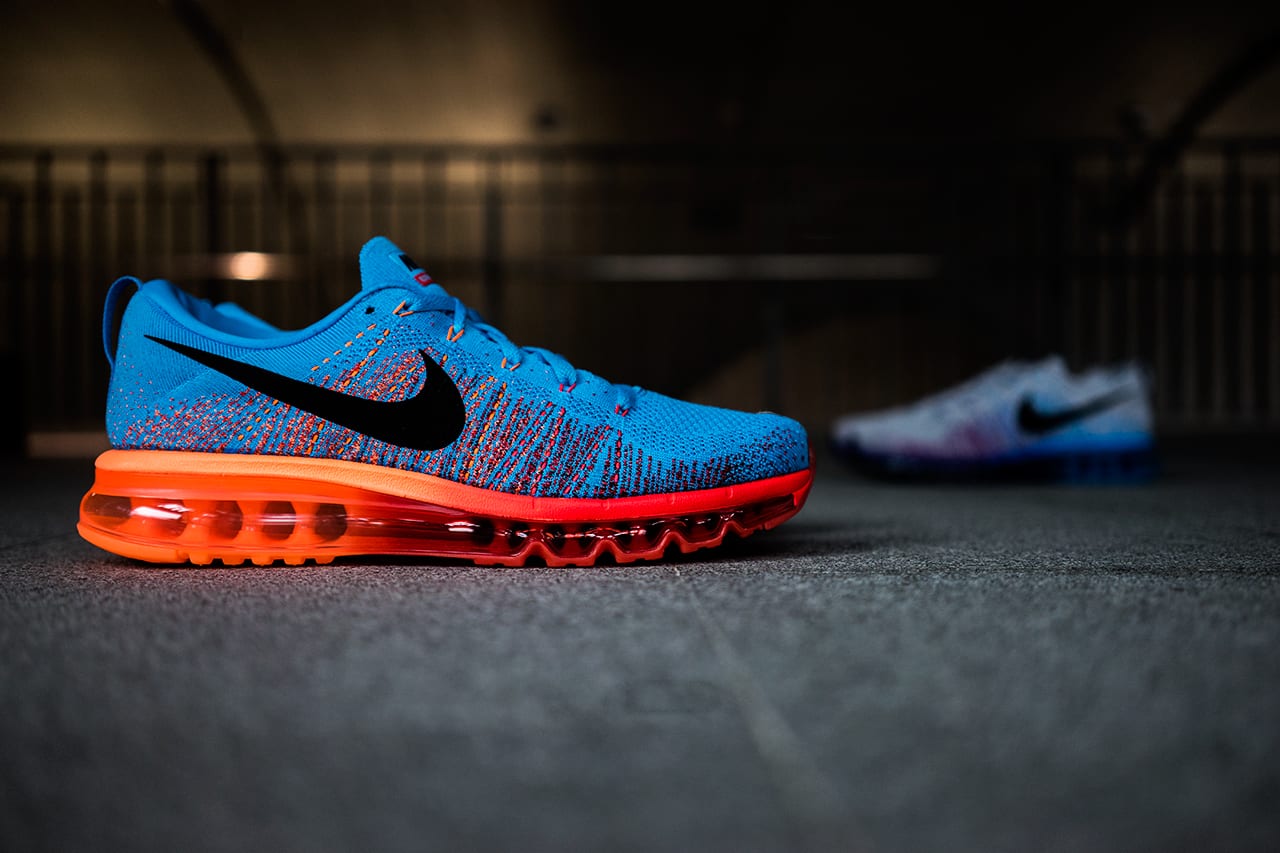
  • Nike Defies Stagnation in U.S. Retail, China as Orders Surge

    Nike Defies Stagnation in U.S. Retail, China as Orders Surge

    Nike Inc. posted second-quarter results that showed the footwear and athletic-apparel giant remains largely immune to the shopper malaise that’s plagued much of retail.

    The world’s largest sporting-goods maker posted profit of 90 cents a share, topping analysts’ average estimate of 86 cents, as it continued to reap the rewards of a dominant brand and the ongoing fashion shift toward casual, sporty attire. It also defied concerns about slowing economic growth in China, with revenue there gaining 24 percent to $938 million.

    • Orders for the Nike brand for the next four months rose 20 percent, excluding the effects of currency. Analysts expected a 13.6 percent gain.
    • Net income increased 20 percent to $785 million.
    • Sales rose 4.1 percent to $7.69 billion. Analysts estimated $7.81 billion.
    • Gross margin widened 0.5 percentage point to 45.6 percent.

    The shares rose as much as 4.1 percent to $137.31 in late trading in New York. Nike had gained 37 percent this year through the close on Tuesday.

    “Overseas markets have great potential,” for Nike, said Paul Swinand, an analyst at Morningstar Inc. “Investors should take a read on Chinese consumers from the futures orders: There’s room to purchase new Western goods in people’s budgets. That highlights the potential for the long-term middle-class growth there.“

    $50 Billion

    The earnings report is Nike’s first since it announced a goal of increasing annual sales to $50 billion by fiscal 2020, up from $30.6 billion in its most recent fiscal year. The target implies an annual growth rate of 10.3 percent, slightly higher than the past two years. The company expects about a third of those gains to come from its online business. That trend played out last quarter, with sales through its websites surging 49 percent.

    In the most recent quarter, Nike’s China unit was the standout. Footwear sales there gained 30 percent to $600 million, while apparel revenue climbed 15 percent to $306 million. The strength looks set to continue, with futures orders for the segment increasing 34 percent, excluding currency effects.

    Part of Nike’s success in China has been a plan started two years ago to revamp its distribution and merchandise — like the fit of its apparel — after a glut of inventory after the Olympics weighed on results. It also has been selling more products through its own stores and websites, which is part of a companywide strategy. Revenue from those segments in China rose 51 percent last quarter.

    North America also turned in a strong performance, with sales increasing 9.4 percent to $3.55 billion. Footwear led the gain, with a 12 percent increase. North American futures orders grew 14 percent.

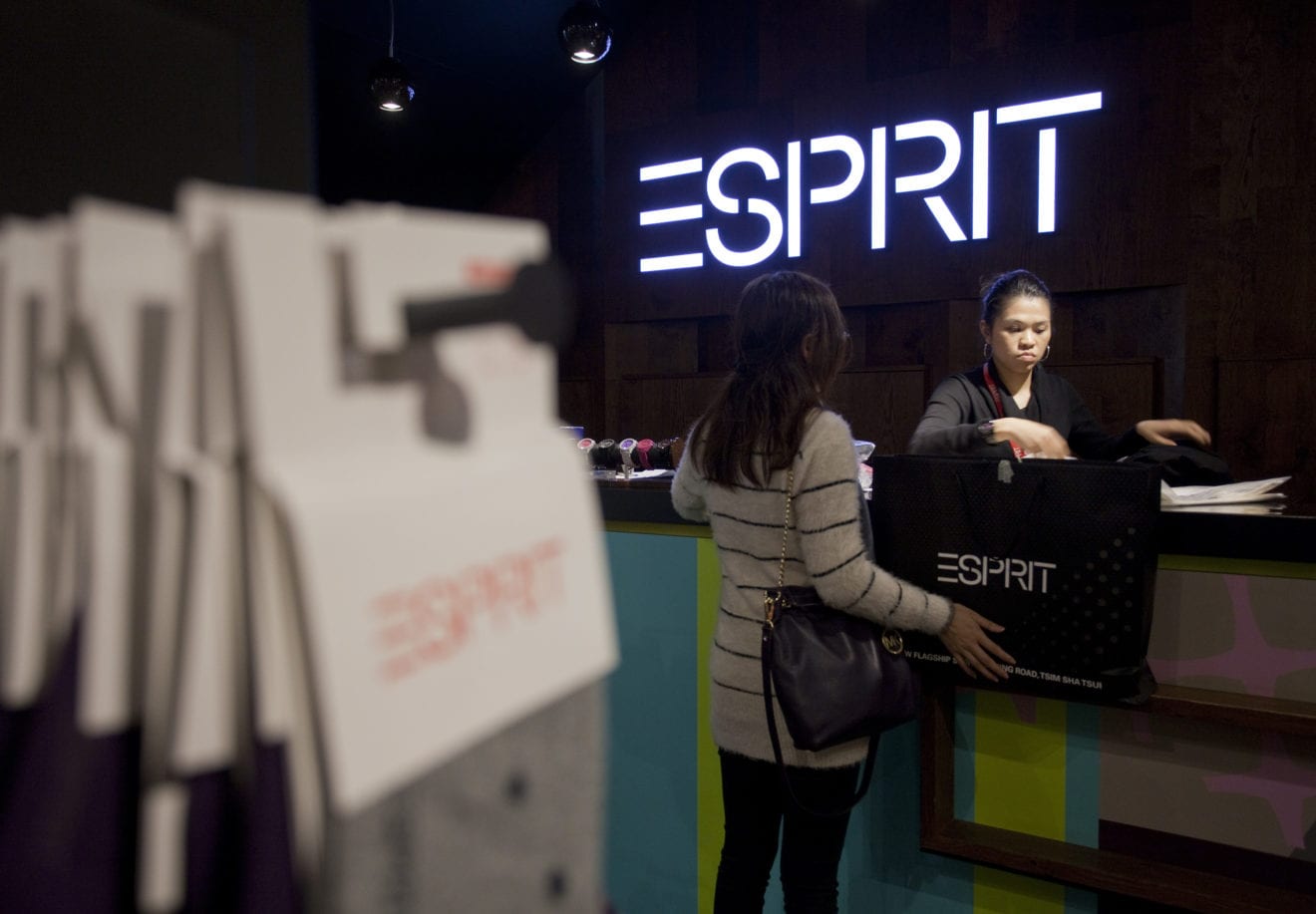
  • Esprit just made a lot of money? Look again

    Esprit just made a lot of money? Look again

    Fashion icon Esprit is making headlines again, this time for the profitable sale of its Hong Kong headquarters.

    The struggling retailer said it made a profit of HK$725 million (US$93.53 million) from the sale of the premises — five floors in Enterprise Square in Kowloon Bay — to Phoenix Property Investors for HK$918 million.

    The buyer plans to lease the space back to Esprit for HK$2.43 million a month. That’s equivalent to a gross yield of about 3 percent on the deal, or 4 percent, assuming the additional one floor will be leased to Esprit at the same rate.

    The lease, which starts after the deal closes in March, will be for three years, renewable at a 20 per cent premium after the third year.

    The money would have been nothing to Esprit, once owned by Michael Ying, in its heyday when it churned out HK$5 billion in profits. In the financial year to June 30, 2015, Esprit made a net loss of HK$3.7 billion, or HK$1.90 per share.

    Esprit bought the property in 2004 for HK$200 million during the so-called “golden decade of retail” as mainland tourists began arriving in Hong Kong in great numbers.

    At the end of the heady run, apparel retail sales were up 126 per cent, with the biggest chunk going to three global fast fashion retailers — Japan’s Uniqlo, Sweden’s H&M and the Spanish giant Zara.

    Apple Daily reports that the three retailers have more than 80 outlets in Hong Kong combined.

    Most of its rivals did not disclose their sales figures but H&M said it recorded HK$1.29 billion in the first three quarters ended August.

    Where was Esprit in all of this?

    The Hong Kong flagship was embroiled in one of the greatest collapses in the competitive fashion industry.

    Sales from Hong Kong were down 8.4 per cent to HK$386 million, with its store network shrinking to 15 shops from 46 in 2006.

    Among the big winners were small designers such as Bauhaus, I.T. and low-end retailers such as Bossini, although Giordano lost market share.

    Altogether, local brands had 460 shops last year, according to Apple Daily, but their market share fell to 14.5 per cent from 18 per cent in 2006. Now we know why Esprit had to sell its headquarters.

    Yet, this is only one chapter in a painful restructuring that has already lasted more than five years.


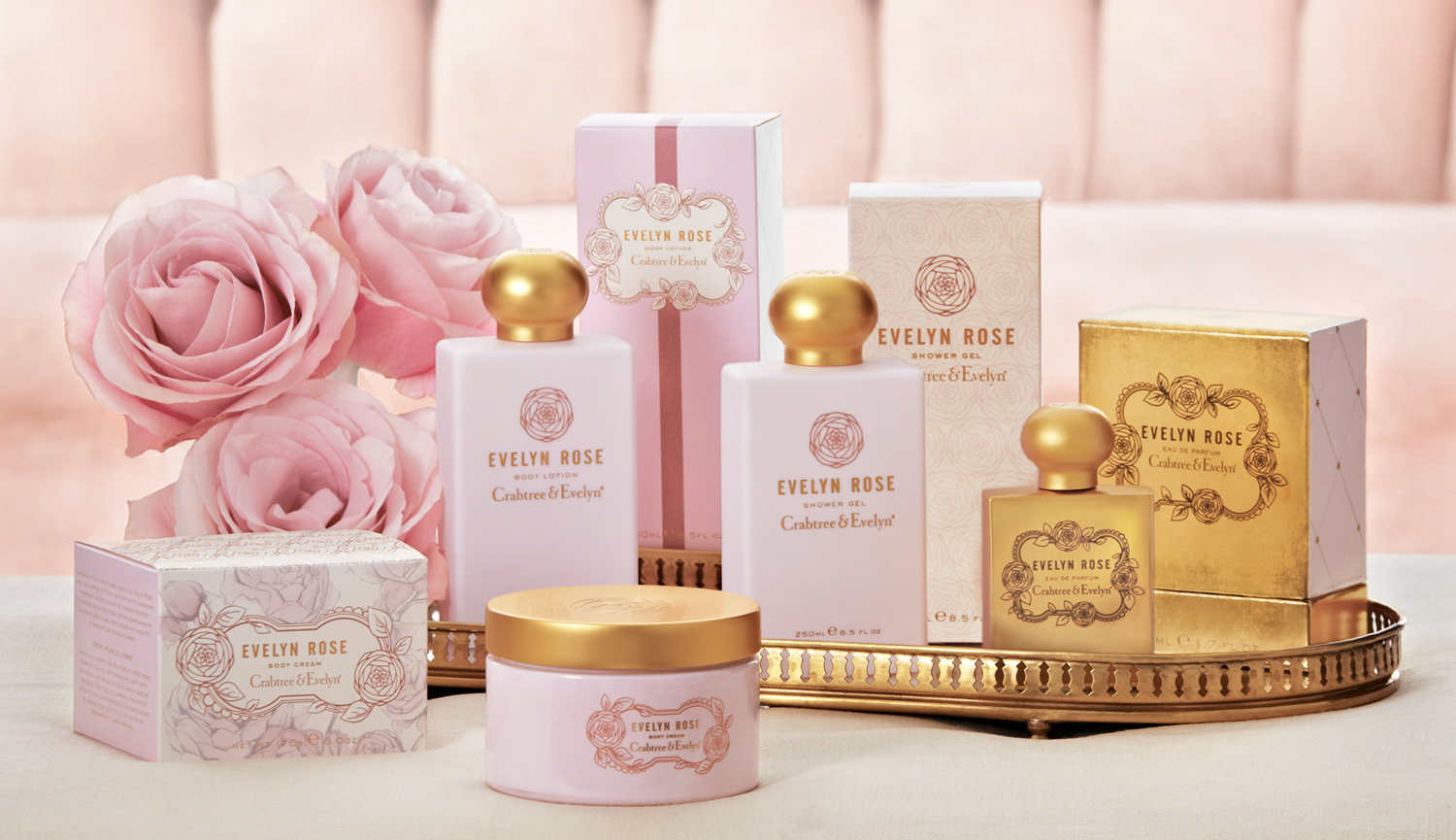
  • Nan Hai plans big China push for Crabtree & Evelyn

    Nan Hai plans big China push for Crabtree & Evelyn

    Nan Hai Corp. is planning a big push in the mainland China market after acquiring a company that manufactures and sells skincare products under the Crabtree & Evelyn brand.

    The Hong Kong-listed firm has received leasing invitations from several shopping malls in the mainland, and is planning to open its first Crabtree shop in a first-tier city, the Hong Kong Economic Journal reported.

    It aims to leverage the brand image and establish points-of-sale in various retail locations, including movie theater complexes and food and beverage outlets, the report said, citing Yu Xin, managing director of Nan Hai’s subsidiary Dadi Digital Cinema.

    Nan Hai plans to set up sales spots at its 270 movie theaters across the country to promote cross-sales and electronic commerce.

    Crabtree & Evelyn has 30 retail shops in Hong Kong and an aggregate of 4,000 sales spots around the globe.

    The brand’s sales in Asia and North America declined last year.

    Yu expects profitability to improve due to integration of resources and supply chain, as well as fresh marketing initiatives, once the acquisition is completed.

  • Hong Kong a drag on Prada

    Hong Kong a drag on Prada

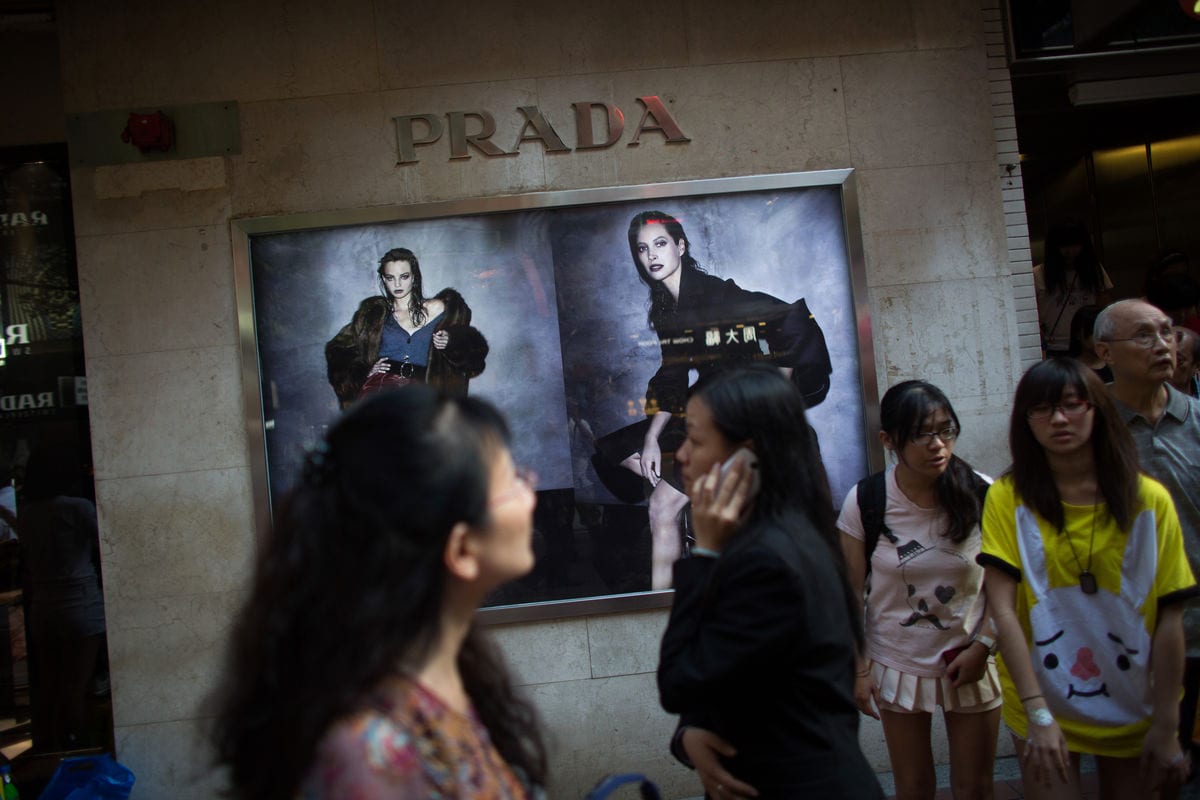
    Luxury fashion group Prada says the Asia Pacific market continued to decline during the first nine months of the new financial year.

    And Hong Kong and Macau have taken the blame – again.

    During the last three quarters, sales in the region fell 4.9 per cent at current exchange rates.

    “This is due to reductions in both local consumption and tourist flows within the region, with Hong Kong and Macau particularly affected,” Prada said in its results statement.

    But Japan helped ease the pain. Prada sets Japanese sales apart from Asia Pacific sales, reporting a 10.4 per cent increase in sales at current exchange rates and 4.6 per cent at constant exchange rates, driven largely by the rising number of Chinese tourists – many of whom in previous years would have visited Hong Kong to shop for luxury goods.

    In Europe, too, the influx of Asian tourists boosted sales, which rose 8.6 per cent at current exchange rates and 7.6 per cent at constant exchange rates. The Italian market continued to stand out among the various European countries and recorded growth rates well above the average for the area.

    On the American market sales increased at current exchange rate by 8.5 per cent, but showed a negative underlying trend, down 7.6 per cent at constant exchange rates.

    “The significant strengthening of the US dollar over the period had an adverse impact on tourism, mainly from China and South America, but, at the same time, it encouraged a shift in American consumer spending towards Europe,” Prada said.

    By brand, Prada recorded a 2.1 per cent global sales  increase which was entirely attributable to the exchange rate effect. Miu Miu has grown with revenues up at both current exchange rates (+11.8 per cent) and constant exchange rates (+1.9 per cent). Church’s has also achieved sales growth (+17.6 per cent), a positive trend also on a like-for-like base.

    The licensing business (eyewear and fragrances) performed very well, with royalties for the nine months to October 31, totalling Euro 33.5 million, a 16.2 per cent increase, in large part thanks to the launch of the first Miu Miu fragrance.

    Prada Group’s consolidated revenue for the nine months was Euro 2.583 billion. This represents a 1.2 per cent  increase at current exchange rates on the corresponding period in 2014, entirely thanks to directly operated store sales. Wholesale revenues decreased as the group continues to reduce its presence in that channel.

    Net profit was Euro 235.1 million or 9.1 per cent of net revenue.

  • Superdry delivers stunning turnaround

    Superdry delivers stunning turnaround

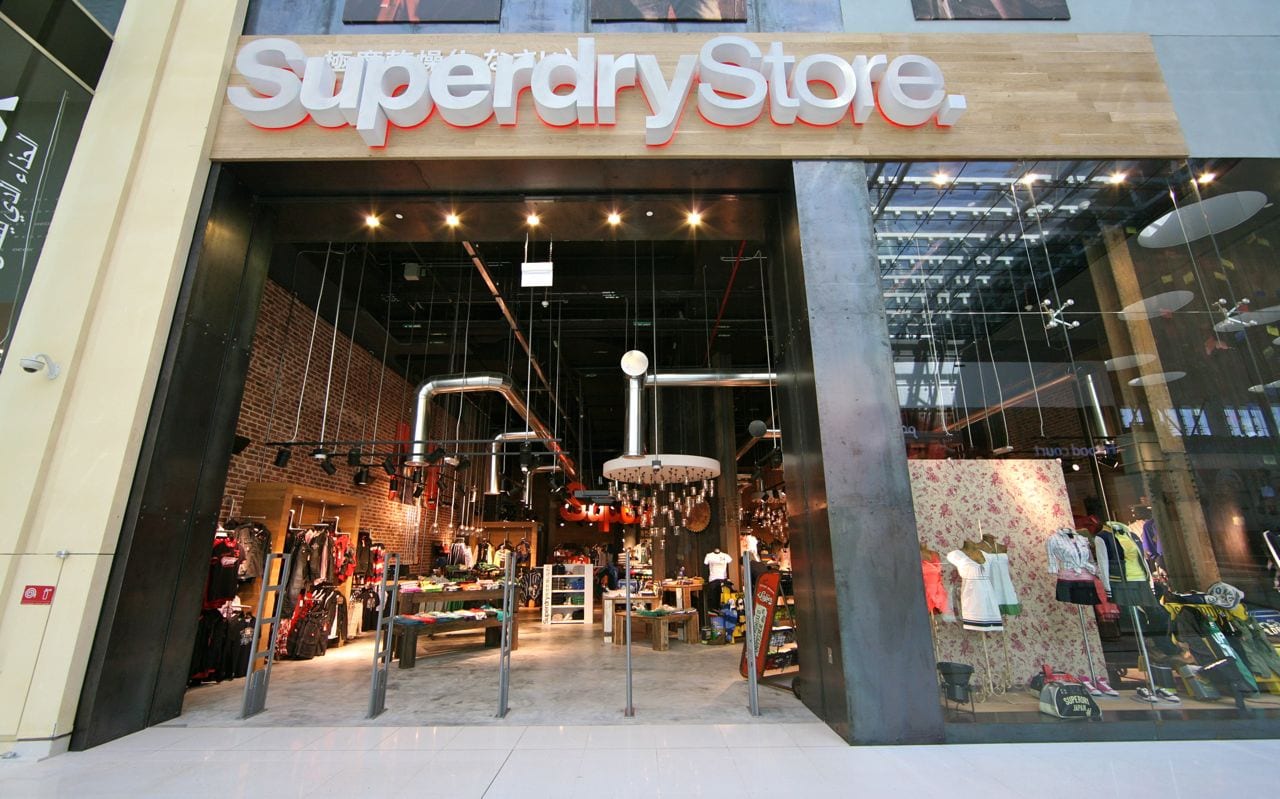
    SuperGroup, owner of the global lifestyle brand Superdry, has achieved an impressive 22.3 per cent increase in sales for the first half year, to £254.7 million.

    SuperGroup’s retail arm represented its strongest division, generating 30.8 per cent growth to £172.1 million, reflecting the continued expansion of wholly owned stores in the EU. Additionally, retail same store sales saw a major turnaround, increasing rapidly by 17.2 per cent compared to a decline of 4.1 per cent during the same period last year.

    This was driven particularly by a strong eCommerce performance. Online retail sales grew by 19.2 per cent as its digital channel continues to be its fastest growing route to market.

    “That noted, SuperGroup’s core focus remains on significant physical expansion within its key markets – Europe, North America and China,” observes  Anusha Couttigane, senior consultant with retail analyst Conlumino

    As part of its full year strategy, the group has set out to expand own store space by some 130,000 sqft  (12,000 sqm) within Europe. So far, nearly half this target has been achieved, the company having opened 14 net new stores comprising 63,000 sqft (5850 sqm) of new trading space during the first half year.

    Elsewhere, its wholesale arm saw 23 international franchise and licensed stores open during this period, contributing to a 7.8 per cent growth in wholesale revenue. However, the seasonality of its products has caused the group to announce an expected £3 million to £3.5 million operating loss in its North American operation for the full year as it realigns its product offer for its customer proposition on the continent.

    “With a successful first half completed, SuperGroup has positioned itself well for the all-important Christmas trading period,” comments Couttigane.

    “In the run-up, product innovation has been leveraged to encourage new customers, including Superdry’s premium collaboration with Idris Elba and its Superdry Sport and Superdry Snow collections for women, making the brand a strong contender for Christmas wish lists.

    “However, while its first six months have benefited from soft comparatives, the second half is set to be more demanding,” she concluded.

    SuperGroup’s full year pre-tax profit projection remains stable at £72.1 million.

  • Japan’s Miniso opens Singapore flagship

    Japan’s Miniso opens Singapore flagship

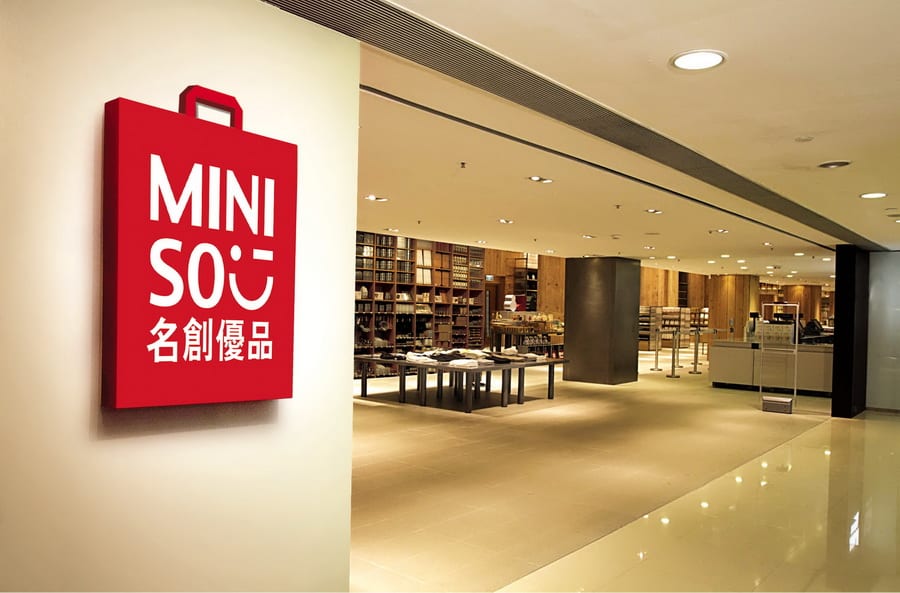
    Japanese fast fashion brand Miniso has opened new flagship stores in Singapore and Dubai as it works on a global rollout.

    Miniso, founded by designer Miyake Jyunya and partner Ye Guofu, advocates the philosophy of ‘simple, natural and quality life and brand essence’ by “returning to nature and restoring product nature”.

    The brand is opening new stores at the rate of 20 to 30 a month, with China – where it made its debut in 2013 – a major focus.

    Jyunya, who attended the Singapore store opening at the Harbourfront Centre on Saturday (December 12), aims to provide “high-quality, low-priced and innovative products for global consumers”. Its stores are decorated in a fresh and natural style, establishing a service-oriented shopping environment that is finding favour with consumers.

    Jyunya described the Singapore and Dubai openings as “a major milestone in the company’s globalisation strategy”.

    “As one of the most developed market economies in Asia, a key services and shipping hub and the fourth global financial center after New York, London and Hong Kong, Singapore is an important destination for Miniso’s first international venture. Singaporean consumers have always been sensitive to changes in fashion, a philosophy built on and shared by Miniso,” the company said in a statement.

    “Dubai likewise is a significant location in the global services and retail sector and serves to highlight the newly established reach of the Miniso brand in addition to its ability to expand into developed markets.”

    In future, Miniso plans to continue to actively explore internationally, with the aim of offering a new generation of consumers an alternative to high-level retail through quality products at affordable prices.

    After its expansion into Singapore and Dubai, the company will turn its attention to Europe and eventually the rest of the world, “evolving into a superior international brand enjoyed and talked about by consumers everywhere”.

  • H&M blames weather for poor sales growth

    H&M blames weather for poor sales growth

    Hennes & Mauritz, the world’s second-largest apparel retailer, has reported a four per cent rise in sales in November.

    H&M says the increase was lower than expected due to unusually mild weather in the northern hemisphere, which lessened customer demand for winter clothing.

    Analysts are growing increasingly concerned about H&M’s margins, fearing they will come under pressure if stock has to be discounted to move inventory.

    Inditex, the world’s largest apparel retailer, last week reported sales in local currency terms increased 15 per cent in November, despite the weather.

    H&M’s net sales in September through November, the company’s fiscal fourth quarter, totalled 48.7 billion Swedish crowns (£3.83 billion), up from a year-ago 42.6 billion but below the mean forecast of 49.6 billion.

    Year on year, H&M has added 413 new stores, taking its global network to 3924.