Category: Fashion

Retail News Asia is committed to providing both local and global retailers with the latest Fashion news throughout the Asian market. This on a daily base.

  • Fashion trends in China renew interest in broad wool types

    Fashion trends in China renew interest in broad wool types

    Once a sideline part of the wool industry, cardings have now become the unsung hero of the wool market. Cardings are made up of the wool from the bellies and other parts of the sheep that don’t make the fleece lines. Demand for heavy jackets and coats in China has led to strong returns for Australian wool growers.

    Robert Herman, managing director of Mercado Market Insights, said the demand for cardings was underpinning the entire wool market. It’s not understated to say that the demand for cardings is underpinning the whole wool market at the moment.

    “In this case the most significant driver is this demand for double-faced woollen fabric, which has come and gone in the past, but it’s really started to find a home on the retail shelves in China,” he said.

    “First of all it started in the high end market and then started to show up in the cheaper lines and it’s just something that people seem to like. This fabric is not only made out of cardings but also crossbred wool, which has also had a terrific run [this year]. So it’s a direct connection between the price that’s being paid and the appetite that exporters have for that type of wool.”

    “While it’s a good market signal, I think with fashion though, fashion comes and goes, we don’t think this is changing in a hurry but it will change over time.” As northern hemisphere fashion houses make their decisions for 2016, the future appears bright for cardings according to Mr Hermann.

    “We thought this run was coming to an end but it’s resurrected back over 1,100 cents at a time when the new fashion decisions are being made in the northern hemisphere” he said.

    “So it looks to us like it’s got another season to run at least.”

    There is potential that the trend could have a broad impact of the way consumers feel about buying wool. “It can make people more aware about the intrinsic value of wool, more people wearing wool for whatever reason is good, if it’s just because they are following fashion, it doesn’t matter,” Mr Hermann said.

    In the past the cardings indicator has tagged along with the fleece lines but this year that trend has reversed. “What we’re seeing now is that this strong resilience of the cardings indicator is really putting a strong floor under the rest of the market,” Mr Hermann said. “Even though we like to see the rest of the market have the same types of rallies, it’s not understated to say that the demand for cardings is underpinning the whole wool market at the moment.”
  • China’s JNBY fashion brand debuts store in Pacific Place

    China’s JNBY fashion brand debuts store in Pacific Place

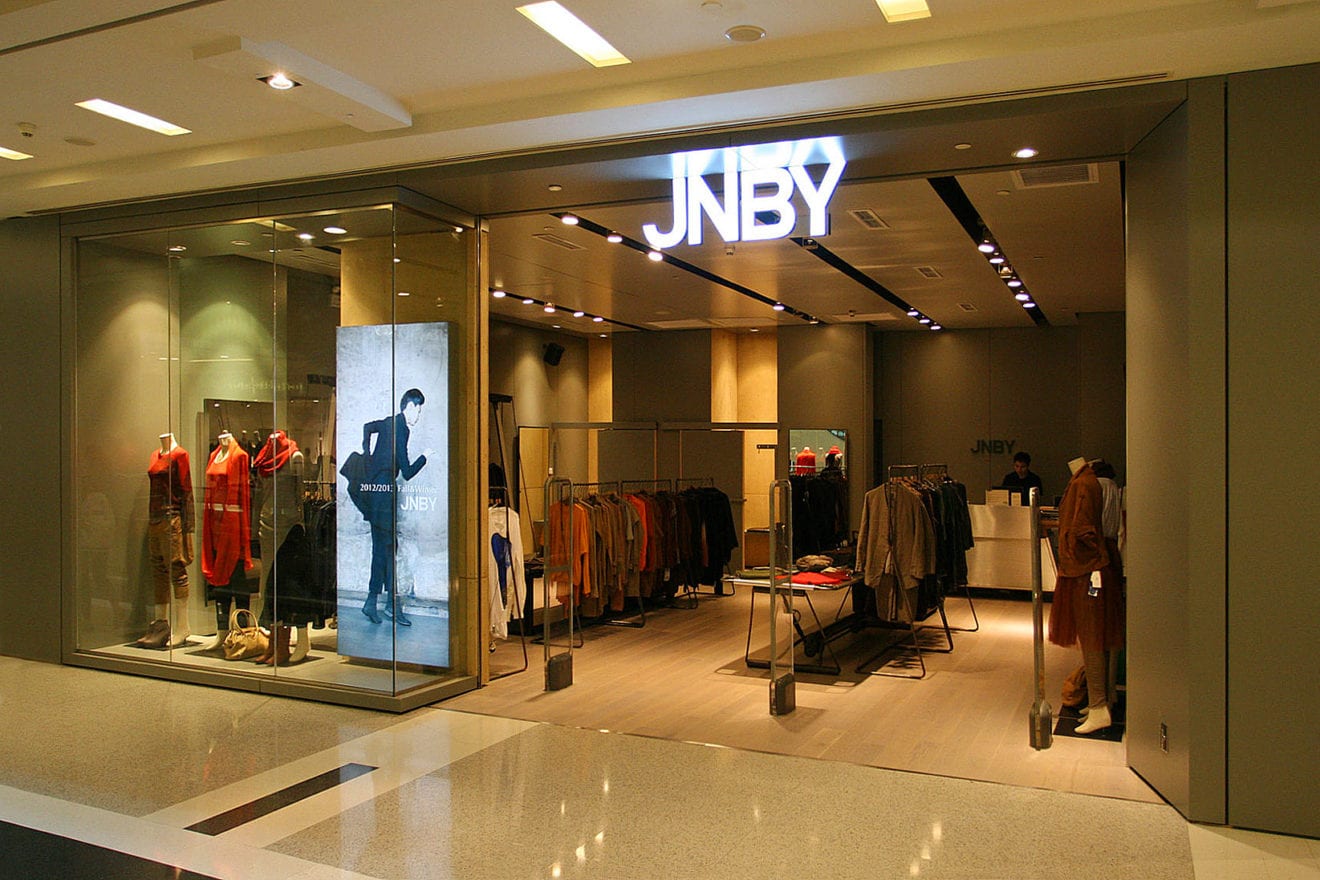
    JNBY, a big Chinese fashion retailer, now has its shingle hanging at Pacific Place mall.

    The brand has more than 700 stores, mostly in China, but some in Europe, Asia and Canada. Its store here is being heralded by SightClassic LLC, the Seattle retailing company that runs the location, as JNBY’s first in the U.S.

    But it’s more complicated than that: The brand had a pop-up store in New York’s SoHo in 2009, which according to media reports, a few months later turned into something more permanent. That experiment failed: It closed after two years, according to retail website Racked.

    Perhaps it’ll fare better in Seattle, where the recent visit of Chinese President Xi Jinping highlighted growing economic ties with the Asian superpower.

    SightClassic says it’s JNBY’s “fully authorized distributor” in the U.S., and that it operates an online JNBY store on Amazon. On Thursday, however, the website featured no products for sale.


  • Olivia Burton launches first stand-alone retail presence in Hong Kong

    Olivia Burton launches first stand-alone retail presence in Hong Kong

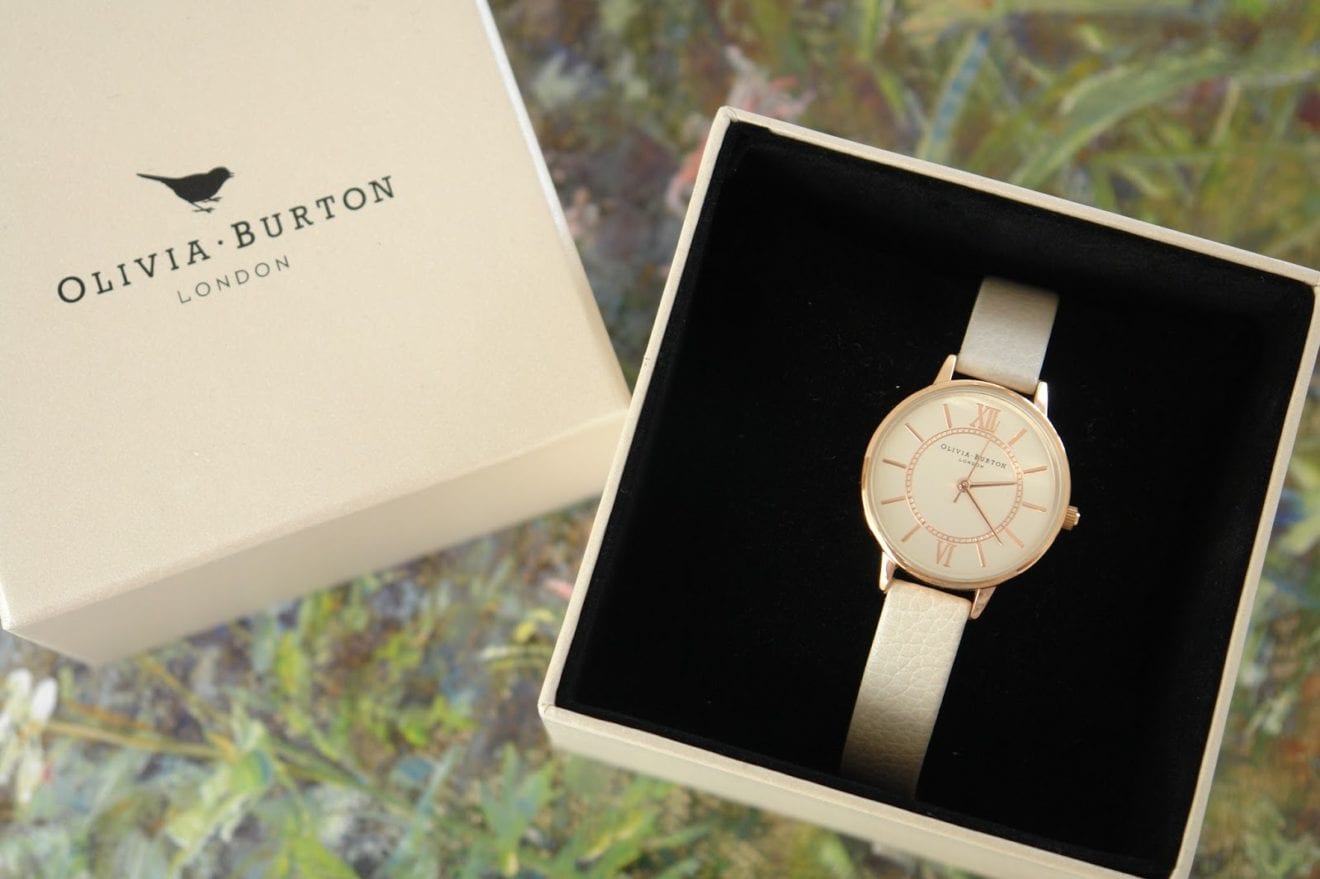
    British watch brand Olivia Burton has launched its first stand-alone retail presence in Hong Kong.

    The move comes as a partnership with the company’s Hong Kong distributor – Working Unit – and has seen three Olivia Burton-dedicated ‘watch corners’ open across the city in Kapok retail stores.

    The company said it launched the stores in December 2015 in an effort to capitalise on the Christmas shopping period.

    Located in prime locations that offer “high traffic and consumption”, the Olivia Burton watch corners are based in the LCX store in Tsim Sha Tsui, the apm mall in Kwun Tong and the New Town Plaza in Shatin.

    Jemma Fennings, brand founder and managing director of the brand, said the launch of the retail corners mark a “huge milestone” for the brand and its international presence.

    She said: “The label has proved extremely popular with the Asian market since we started trading internationally and to be able to offer a dedicated retail space that is designed and merchandised by our in-house team is really exciting.

    “We’re looking forward to increasing our brand awareness and product offering within the Asian market and hope to add additional retail spaces to the current portfolio in the coming year.”

    The stand-alone corners will stock a wide range of Olivia Burton styles and new collections will be added every two months.

  • Marks & Spencer Hong Kong plans giant new store

    Marks & Spencer Hong Kong plans giant new store

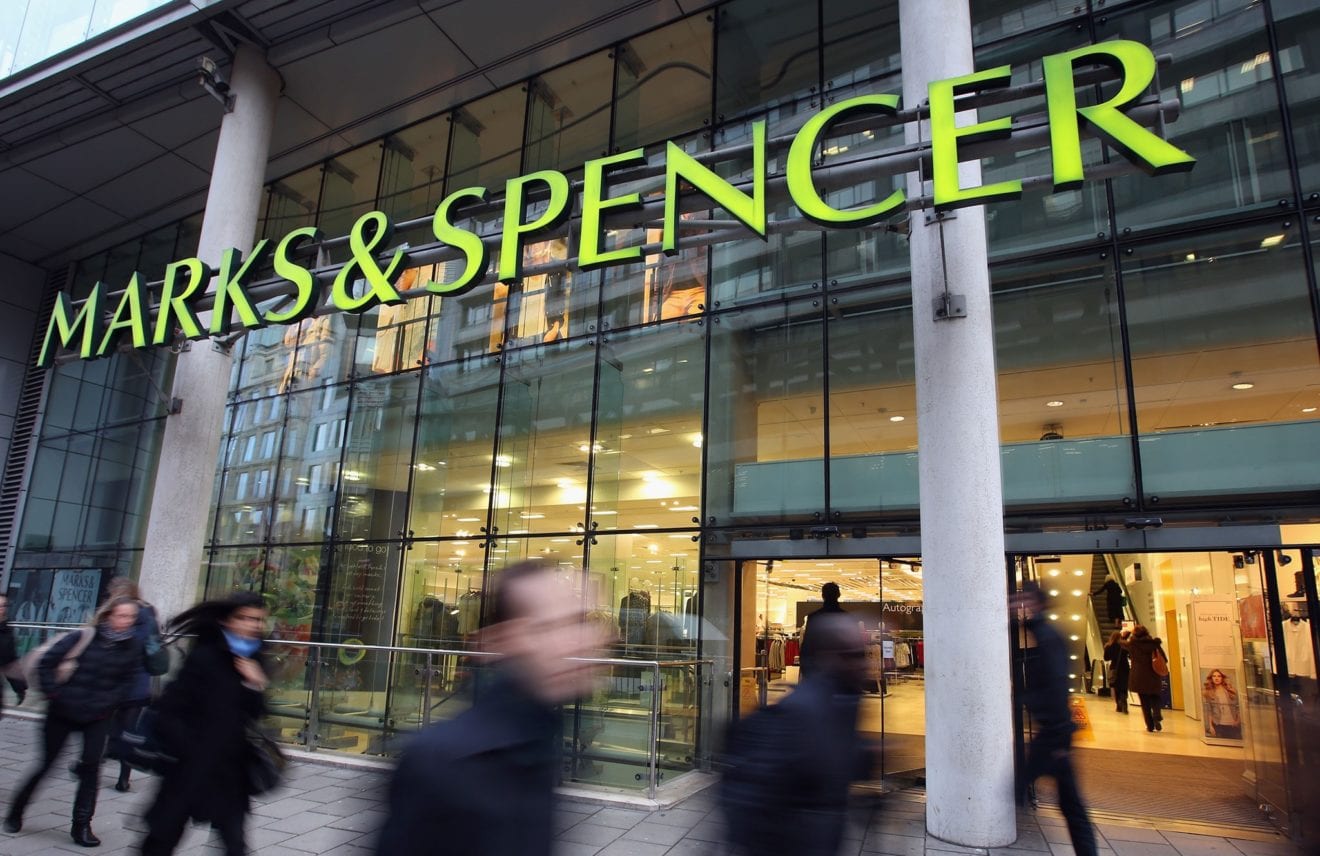
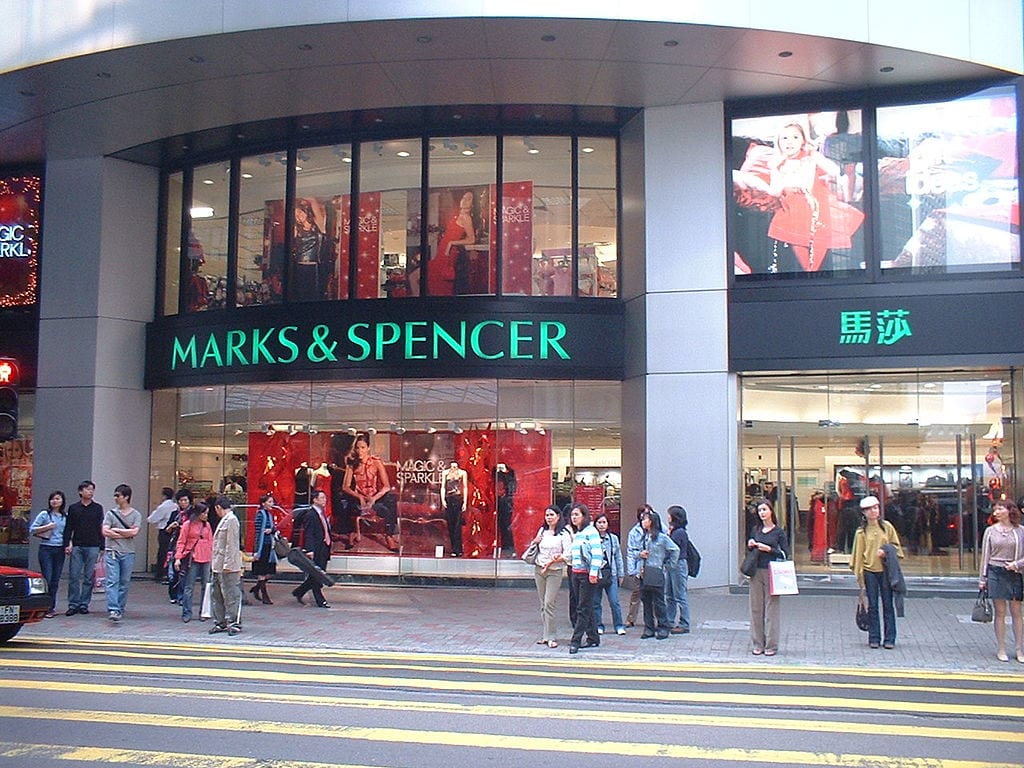
    UK department store Marks & Spencer is planning to open one of its largest stores in Hong Kong early next year in Cheung Kong Property’s Wonderful Worlds of Whampoa centre in Hung Hom.

    According to a report in the South China Morning Post, California Fitness is vacating its space in the centre to make way for the new Marks & Spencer Hong Kong store, which will take up at least 40,000 sqft (3700 sqm). Other smaller tenants will also be moved to make way for what will be M&S’ 24th store in the territory.

    Helen Mak, senior director of retail services at Colliers International, told the SCMP Whampoa has been “a missing district for international brands” in the past.

    “With the new MTR station in place very soon, the landlord sees more chances for retail business.

    “It is more of a consideration of adding diversity to the existing mall, from landlord’s point of view,” Mak said.

    The Whampoa MTR station, part of the Kwun Tong extension line from Yau Ma Tei, is currently under construction and scheduled to open late next year.

    Fast fashion brands Uniqlo and H&M recently opened in the Wonderful Worlds of Whampoa centre and Mak says she expects more international brands to follow as the mall morphs into more of a regional mall.

  • Inditex Asia: the relentless push continues

    Inditex Asia: the relentless push continues

    As Spanish apparel giant Inditex continues its global expansion in earnest, the Inditex Asia business is accounting for a major share of the action.

    Inditex is committed to both multi-brand and multi-channel strategies as it builds it global dominance of the fast fashion market.

    During the first nine months of 2015 it opened 230 stores in 48 markets.

    Online, Zara extended its eCommerce presence to Taiwan, Hong Kong and Macao. Inditex also launched online operations in the southern hemisphere with the launch of Zarahome.com in Australia on December 3 – soon after the homewares brand opened online in Japan.

    Pull&Bear, Massimo Dutti, Stradivarius and Oysho all launched online in China.

    Inditex opened physical stores in all continents during the nine months to the end of October. The net number of stores across the group’s brands increased by 109 in Europe, by 47 in the Americas – and in Asia and the rest of the world, by a net 74, taking the group’s global store count to 6913.

    In Asia, these openings included new Zara stores in Osaka (Japan), Beijing, Harbin and Hong Kong (China) and in Singapore.

    Bershka opened its first store in Taiwan and a flagship store in Korea; and Stradivarius, with openings in the Chinese cities of Chengdu and Harbin.

    Oysho has opened its first store in Korea; Zara Home opened its flagship in Sydney (marking its 500th store worldwide).

    As at the end of October, Inditex had a presence in 88 markets, with online operations in 28 of these.

    Inditex said its net profit over the first nine months of the year was up 20 per cent to €2.020 billion. Net sales increased 16 per cent year on year to €14.74 billion.

  • Under Armour Singapore store largest yet

    Under Armour Singapore store largest yet

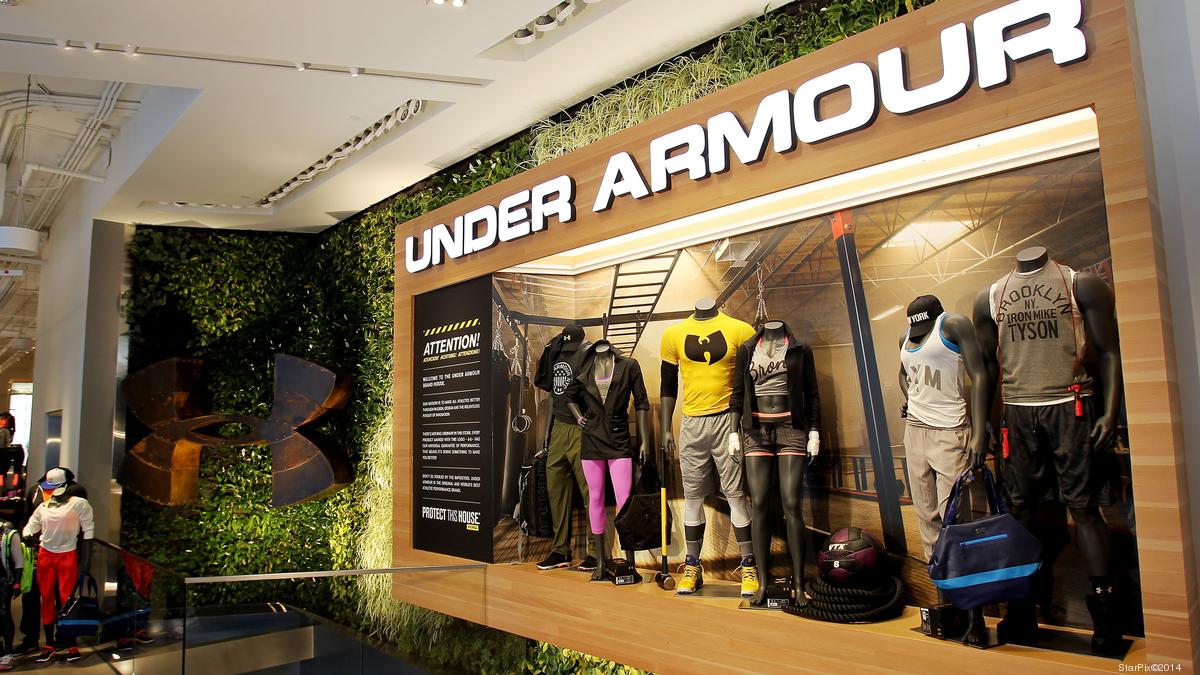
    The new Under Armour Singapore store at Bugis Junction is the fast-growing sportswear brand’s largest in the city, and second largest in Southeast Asia.

    The fashionable sportswear brand is growing rapidly, especially in Asia where it has 15 solo-brand retail stores and a presence in nine markets.

    The new Bugis Junction store is 2960 sqft (275 sqm), a fraction smaller than its largest, the 3000 sqft store at the Pavilion in Kuala Lumpur, Malaysia.

    An instantly recognisable statuesque Under Armour logo is proudly erected at the front of the new brand house, while the concept for it echoes the industrial and gym-inspired interiors displayed in existing Under Armour brand houses, retaining the signature accents consistent to all global Under Armour stores – including the use of metal and wood furnishings and the Under Armour Thrones, large black leather seats with the logo stitched in red built within the footwear zone.

    Under Armour says the Bugis Junction store “embodies a retail experience that awakens the fierce and high- intensity energy and signature philosophy of the Under Armour brand”.

    It is the first store to exclusively stock the basketball range and childrenswear, and will soon exclusively stock the Hunting, Tactical and Outdoor series.

    “Bugis Junction has been a key locale for entertainment, recreation and retail for both the youth and working professionals for decades. With many specialised gyms and fitness destinations in the area, Under Armour Bugis Junction is the ideal complement to kickstart or to maintain a fit and healthy lifestyle,” explains Michael Binger, CEO of Triple, the local licensee of the brand.

  • Prada shares hit all-time low as China’s slowdown hits sales

    Prada shares hit all-time low as China’s slowdown hits sales

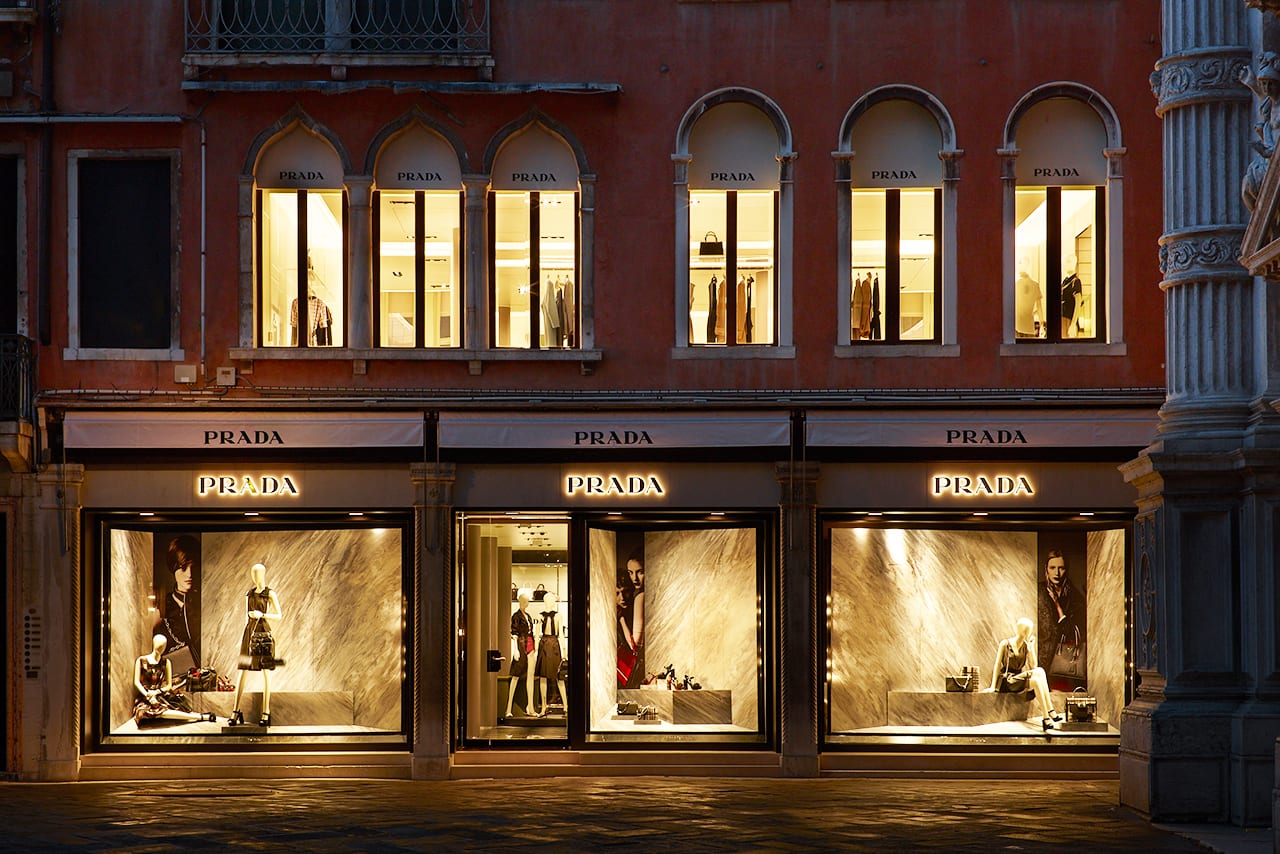
    Prada shares have fallen sharply in Hong Kong, after analysts reacted negatively to the fashion company’s latest financial results which came in well below expectations.

    The Italian fashion house, which specialises in leather fashion and fashion accessories, shoes, luggage, perfumes, and watches, reported third -quarter sales of €747.7 million, down 6% from €792.3 million a year earlier, as sales in China deteriorated further and US sales were hit by the strength of the dollar which crimped tourist spending.

    The sales were well below analysts’ expectations of about €816 million, while earnings before interest, tax, depreciation and amortisation of €155 million came in below expectations of €170 million. Prada’s efforts to improve the efficiency of its supply chain boosted gross margin, but this was then more than offset by higher operating costs associated with its retail expansion.

    Retail sales were down 4% overall, with wholesale sales down 26%. Retail sales fell 17% in China, which the company blamed on the volatility in the Chinese stock market in August and September, and were down 4% in the Americas, offsetting rises of 2% in Europe and 8% in Japan. Middle East sales were down 3%.

    Those sales were flattered by the weakness of the euro, and were even worse at constant exchange rates. Chinese sales were down 26%, Americas sales down 13%, and Middle East down 4%. Japanese sales were only up 4%.

    Prada’s growth in Europe was also a marked slowdown from the 10% and 12% growth reported in the first and second quarters of the year, respectively.

    “Prada also commented that the recent attacks in Paris have deterred tourist traffic from Europe. Some improvements in mainland China were noted, but trends are difficult to extrapolate at this point, while the US sees continued weakness, with a promotional market into the seasonal period a further headwind,” writes Nomura Analyst Christopher Walker.

    He notes that Prada has pledged to better harmonise its global prices, with a target of reducing the price gap between China and Europe to about 10% to 15%. Prices of some new products in Europe have already been raised, but Walker thinks Prada “may need to take more immediate action on Asia pricing”.

    Nomura is retaining a Reduce rating on the stock, and has lowered its target price for the stock to 26 Hong Kong dollars.

    Prada’s shares fell 6.6% to HKD24.85 a share in Hong Kong on Wednesday, marking a new all-time low for the stock and meaning they’re down 42.9% so far in 2015.

    J.P. Morgan Cazenove has cut its earnings estimates for the year as a whole by a further 6% on the back of Prada’s third quarter report, and has reduced its target price for the stock to HKD33. The broker has a Neutral rating on the stock.

    Its analysts think Prada is compounding a tough environment for the luxury sector with brand-specific issues and high operating expenditure that it’s only just getting under control.

    They also think that Prada’s warning of a further deterioration in European sales since the terrorist attacks in Paris bodes ill for the luxury sector as a whole, although Prada looks like being among the worst hit. Most of the sales luxury goods companies make in European cities like Paris and London come from tourists.

    “The further deterioration in the trend is not a surprise: tourists are critical to the luxury goods sector and the Paris tragic events dent tourist flows (note that Japan Airlines announced that it was stopping its Paris-Tokyo Narita routes today until March after a 60% slump in bookings),” they write. “Peers though seem to have noticed mainly an impact in Paris and Brussels and not in other European capital cities.”

    The analysts think the fourth quarter of 2015 will be weak for the whole luxury sector, as the Paris attacks weigh on European sales. They think sales will remain strong in Japan; improve in South Korea; be slightly improved in Asia Pacific due to weak comparative figures from a year earlier; and remain weak in the US.

    Nomura and J.P. Morgan Cazenove weren’t the only analysts to cut target prices for Prada’s stock on Wednesday. Bryan Garnier slashed its target price to HKD41, from HKD52, and Bernstein cut its price to HKD25 from HKD26.50. Bocom International Securities reduced its rating to Sell, from Neutral.

  • Jewellers scale down to adapt as Hong Kong loses its tourist lustre

    Jewellers scale down to adapt as Hong Kong loses its tourist lustre

    After a decade of aggressive store expansion, Hong Kong’s jewellery retailers have been hardest hit by the recent downturn in tourism, with half their revenue coming from mainland shoppers.

    Jewellers have now been forced to a adopt variety of strategies to tackle the tougher market, ranging from trying to lure local customers, cutting store sizes and expanding business overseas.

    TSL, one of Hong Kong’s largest jewellery chains, is scaling back its presence in tourist districts while setting up more small shops in local malls.

    Estella Ng Yi-kum, deputy chairman and chief strategy officer at TSL, said the rent for one store in a prime area could pay for at least two stores of the same size in a residential area.

    “Moving into residential areas enables us to provide better customer service,” said Ng, adding that growth in local stores is “much more stable”.

    After the closure of its flagship Causeway Bay store earlier this year, TSL has opened three smaller stores in Temple Mall North in Wong Tai Sin, Plaza Hollywood at Diamond Hill and Olympian City in Kowloon.

    Luk Fook, the city’s second largest jeweller, is maintaining its presence in prime retail areas, in the hope that the mainland tourists will return, while cutting the size of some stores or relocating them to secondary locations.

    Earlier this year, Luk Fook closed a store on Nathan Road, which had cost HK$2 million a month to rent. Meanwhile it opened a smaller store on the same street with the rent as low as HK$400,000.

    “The turnovers were almost the same,” said Luk Fook chairman and chief executive William Wong Wai-sheung, adding the smaller store was enough to cater for the shrinking number of mainland tourists.

    Following the logic that mainlanders have to spend their money somewhere, Chow Tai Fook, the city’s largest jeweller, has moved into both the mainland and South Korea, another emerging tourist mecca.

    It recently opened a new store in Qianhai free-trade zone in Shenzhen, offering competitive prices just slightly higher than Hong Kong. The jeweller’s mainland business contributed 56 per cent of its total revenue in the six months to September 30 this year, according to company figures.

    International jewellery brands seem to be adopting the opposite strategy, switching their existing stores to prime locations, according to a retail leasing expert.

    Joe Lin, executive director of retail services at leasing firm CBRE, said many international brands had rented stores with either better quality in terms of customer traffic and visibility, or lower rents in Causeway Bay.

    “This is a great timing” said Lin, adding that more prime store locations had become available amid the retail downturn.

    This article appeared in the South China Morning Post print edition as Jewellers forced to adapt as city loses its tourist lustre

  • Mulberry laments tough Hong Kong

    Mulberry laments tough Hong Kong

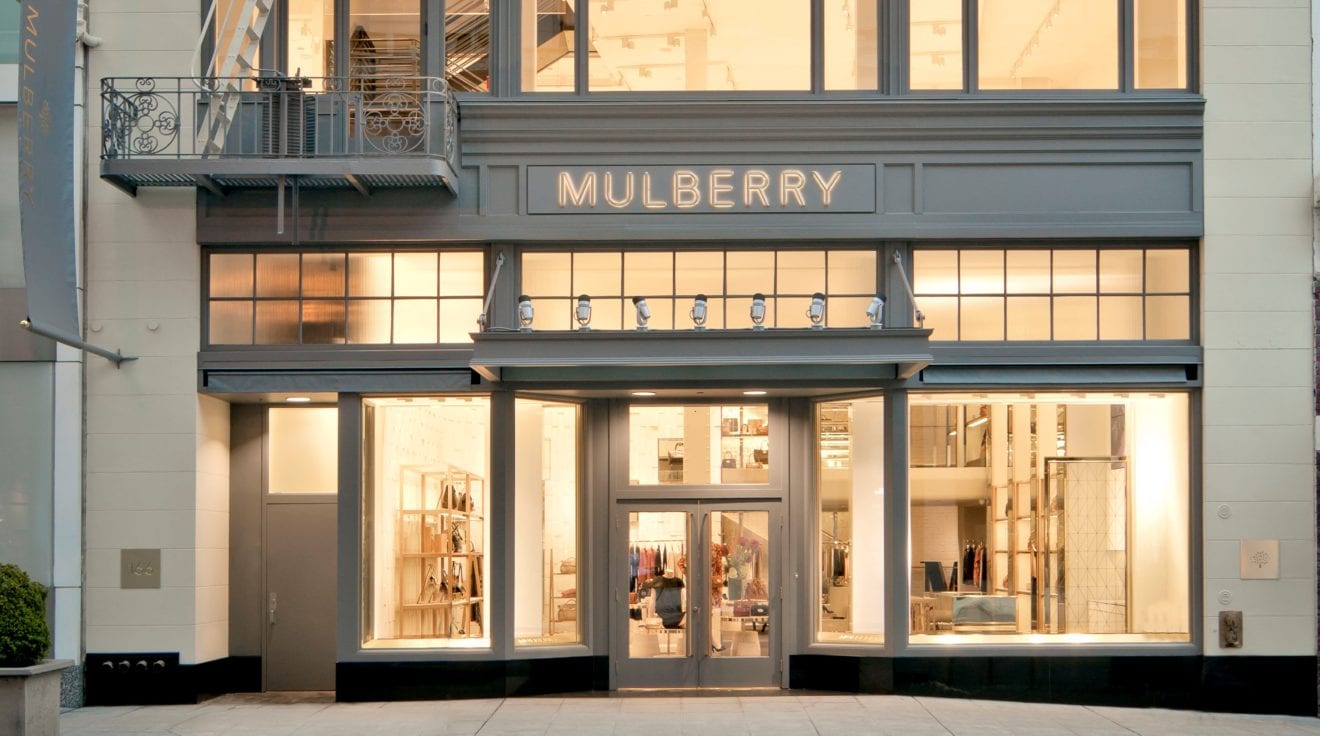
    Tepid demand for luxury products in the once insatiable Asian markets is the only blemish on a remarkable comeback by British fashion brand Mulberry.

    After a tumultuous 2015 that saw a change in leadership and a strategic U-turn on pricing strategy, luxury retailer Mulberry has posted first half results that indicate a return to stability and strategic clarity, bringing  the retailer back into profitability against a £1.1 million loss this time last year.

    Mulberry revealed overall revenue growth of five per cent and like for like sales growth of 10 per cent. UK trading was particularly strong, with same store sale up 14 per cent, including digital sales.

    However, strong store trading at home was offset somewhat by declining wholesale sales, largely due to decreasing demand in Asia.

    Wholesale performance remains a thorn in the side of luxury players, with Mulberry admitting wholesale declines of 11 per cent.

    “This could spell trouble ahead across the British luxury sector, including Mulberry,” observes Andrew Hall, consultant with retail analyst Conlumino.

    The decline in Asian sales – particularly notable in China and Hong Kong – “will remain a worrying sticking point for the likes of Mulberry and rival Burberry,” says Hall.

    “The crackdown on corporate ‘gift giving’ in China and Hong Kong has dampened demand for handbags and other designer luxury goods, as well as reducing the flow of affluent tourists from the area to international retail destinations. However, Mulberry will be hoping to renew appeal to this market in the second half of the year through the first collection produced by Creative Director Johnny Coca, to be showcased at London fashion week.”

    “Previously we have expressed concerned over Mulberry’s inability to foster a viable identity of luxury British heritage; however, the retailer has become more proactive over this half year, being keen to stress the importance of the UK factories in delivering a British product – as well as having a positive impact on gross margins. In addition, Mulberry has begun to reinforce this identity through its handbag designs; looking forward, this should be applied across the product range to strengthen a luxurious, international appeal,” says Hall.

    CEO Thierry Andretta has provided clear leadership, steering the retailer away from the inappropriate up-market prices toward more affordable price points.

    “No doubt this strategic turnaround has bolstered store performance, with consumers showing a strong preference for RRPs below £1000, which the majority of Mulberry products now have. A more sensible pricing strategy is also driving digital sales; this has proven an encouraging area of growth for the rejuvenated retailer, with digital sales up by 20 per cent and now accounting for 12 per cent of group sales.”

    Hall says despite the Asian market performance, Mulberry’s first half results paint an encouraging picture of a retailer growing on newly stabilised foundations.

    “This has positioned Mulberry for a strong Christmas period, with the nativity spoof Mulberry Miracle video having been viewed over 1.7 million times and innovative gifting packages or ‘chests’ of Mulberry products attracting attention.

    “This should help deliver a strong full year performance in 2016, although international reception to Coca’s first collection for the retailer will be critical to recouping a positive wholesale performance,” concludes Hall.

  • Mango sees potential in Philippines

    Mango sees potential in Philippines

    The recent move of international fashion retailer Mango from a space tucked inside Eastwood Mall to a bigger area in front of the shopping center was a sentimental moment for Kelly Santos, Mango Philippines country supervisor.

    “This was my base store so it’s close to my heart,” says Santos, who started as a manager of the shop in June 2010, then moved up to merchandising, then to her current post for the last two-and-a-half years. “But we’re just relocating so it’s very exciting.”

    Santos’ steady climb in the company mirrors Mango’s own growth in the Philippines’ thriving retail industry.

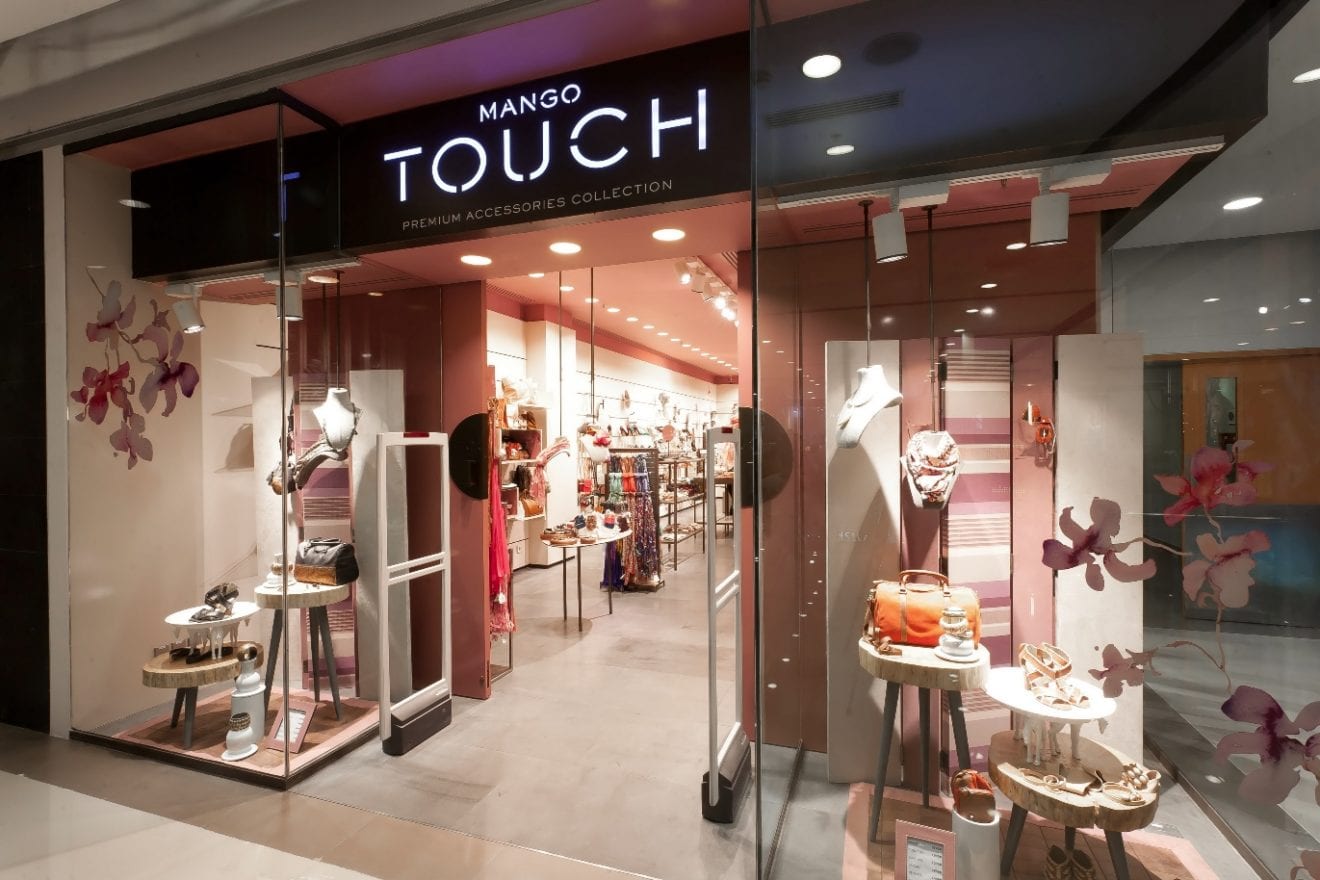
    Since its first store in Robinsons Ermita in 1999, the boutique now boasts of 34 standalone stores spread across the Philippines-that’s more than Hong Kong’s 4, Singapore’s 16, and the US’s 7. The variants are expanding, too: Mango Woman is available in 26 stores, Mango Man in 7, the accessories line Mango Touch and Mango Kids in 5 each, and Mango’s athletic apparel is found in the brand’s boutique in SM Mall of Asia.

    Measuring 650 square meters, the Eastwood Mall boutique is an impressive affair, designed to heighten the shopping experience with its lighting, furniture, mannequins, visuals and displays.

    Still, there’s an even bigger branch in the offing.

    By the end of the year, Mango’s Megamall branch will be a multilevel store with a total floor area of 1,000 sqm. This is the second multilevel store after Mango in Ayala Malls Cebu.

    “The expansions are part of Mango revolutionizing itself and adapting to the needs of the market,” says Santos of Mango’s growth even with the presence of retail rivals. “With the challenge of competition, we remain strong because we go with the flow, bringing Mango to where the people are.”

    Collections that can be worn season after season also explain why this fast fashion brand is a favorite of both style-savvy and smart dressers. Loyal Mango patrons know that a basic top or bottom is a durable investment that works well when combined with other clothing labels. Even this season’s trend-Boho Chic, as modeled by brand ambassadors-of-the-moment Cara Delevingne and Kate Moss-offers pieces that won’t appear dated post Autumn/Winter 2015. “I would put my name on the line to say that you can still wear them after many years,” swears Santos. That even goes for the pant silhouette du jour, flares. “We were just talking about that!” exclaims the petite store supervisor with a laugh. “Actually, flared pants were the trend three years ago and I remember buying a pair from Mango. I thought I’d never use them again, but now I’m thinking of reviving my pair.”

    The brand has had a connection with the Philippines even before its boutiques reached these shores. Founded in 1984 in Spain by Turkish emigrant brothers Isak and Nahman Andic, Mango was named after the Philippine mango, whose taste so captivated Isak when he sampled the fruit during a trip to the country many years ago. The name also stuck because it is pronounced the same way in any language.

    Fifteen years later, that connection remains stronger than ever. Two years ago, the notoriously low-profile and media-shy Isak Andic visited the Philippines for the first time since the country’s stores became operational. While Mango Philippines executives were surprised at news of his arrival, “we also felt important,” says Santos. “In Asia, they know that the Philippines is full of potential. There’s even talk that he may come back soon, which really says a lot.”

    As such, Mango’s principals are keen on getting Filipinos’ opinions on everything, from the choice of brand ambassadors to the type of clothes they see on the shelves. “They always, always ask us, ‘What does your market need?’” says the country store supervisor. The short sleeve shirts that appear on the racks of Mango Man this Autumn/Winter, for instance, are a product of research from last season as well as feedback from Filipino execs.

    Evidently, this explains Mango’s staying power against equally enticing rivals.

    By giving the market exactly what it wants—from specific merchandise to stores that excite the senses—the brand will remain a constant in the malls, and in people’s wardrobes, for years to come.

    “Even with the competition,” says Santos, “we know our customers are there. They will always be back.”

  • Madura experiments with first omni-channel retail

    Madura experiments with first omni-channel retail

    Apparel retailer Madura Fashion & Lifestyle, part of Aditya Birla Nuvo Ltd on Saturday launched a new digitally integrated store under its flagship formal wear brand—Van Heusen—indicating the two-decade-old retailer’s push to morph into a more tech-savvy brand at a time when shoppers are switching to shopping on the Internet.

    With sales staff equipped with tablets and virtual fitting rooms, the store is the company’s first attempt to allow shoppers to use touch-enabled screens to shop and pay for garments. The store also allows for shoppers to order unavailable inventory to their homes by linking the company’s in-house web-portal Trendin.com to the store.

    Changing customer expectations couples with technology are influencing consumer choices far more today, said Vinay Bhoptakar, chief operating officer, Van Heusen, at the retailer’s store launch in Bengaluru.

    The store—called Van Heusen Style Studio has been in the works for over a year. It will offer more expensive collections and a wider range. Built at twice the cost of a regular Van Heusen store, Bhoptakar said, five more such stores are underway in Delhi and Mumbai.

    The retailer has partnered with Fitch Retail in Singapore to draw up the concept, with virtual fitting rooms sourced from Experiential Design Lab.

    Diluted version of this store will be planted across the brand’s existing 275 stores, added Bhoptakar, indicating that existing stores will borrow technology elements of the new format in a limited way. Madura’s other ready-to-wear apparel brands including Allen Solly, Louis Philippe could too borrow from this format.

    Taking cues from a surge of sale fashion goods on the Internet, most large traditional retailers in India are making efforts to venture in to online retail even as they try to preserve footfalls at brick and mortar stores. Most have found a midway in the so called “omni-channel” retail format that allows shoppers to seamlessly shop for online and offline inventory both within and outside the store.

    Aditya Birla Group too has been stepping up efforts to catch shoppers online where more Internet focused retailers such as Flipkart and Snapdeal are biting in to consumer’s share of wallet.

    In October this year the group launched its own fashion marketplace—Abof.com—privately held by chairman Kumar Mangalam Birla in his personal capacity. In 2013, Madura Fashion & Lifestyle launched Trendin.com—an in-house online portal—retailing its brands Allen Solly, Peter England, Louis Philippe among others.

    Bopatkar, however added that such evolving retail stores are “not a reaction to e-commerce but a reaction to changing consumer behaviour.” As a result, “the physical store will always be there, but role of the physical store has to evolve,” he added.

  • Burberry offering ‘biggest discounts ever’ in Hong Kong as brands try to pull back shoppers

    Burberry offering ‘biggest discounts ever’ in Hong Kong as brands try to pull back shoppers

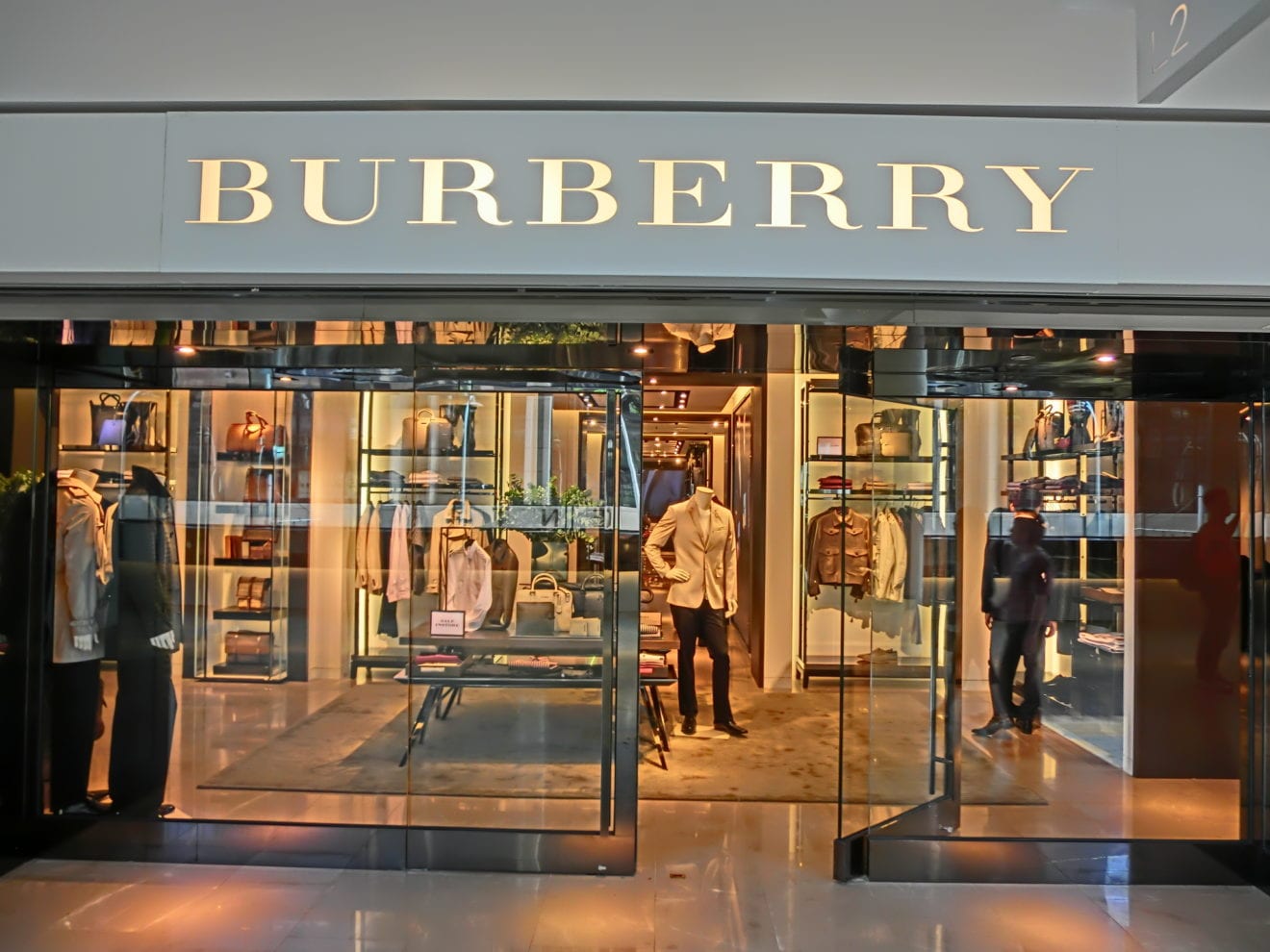
    British luxury brand Burberry has joined Prada and Gucci in offering discounts of as much as 50 per cent in its Christmas sales, the steepest reductions since the Individual Visit Scheme for mainland tourists was launched in 2003, underlining the depth of the retail slump in Hong Kong.

    The sales started two days ago, a staff member at Burberry’s Causeway Bay store told the Post. She said only around 10 types of handbag and some clothing items are carrying the discounts.

    “I haven’t seen such a deep discount since I started working here” she said , adding the biggest was 30 per cent in the past.

    Burberry launched its annual Christmas sales in late November with initial discounts of as much as 40 per cent on selected items, rising to 50 per cent this week. Its iconic small Orchard leather bag, which was priced at HK$16,000, is now selling for HK$8,000.

    “A 50 per cent discount is unusual for big luxury brands like Burberry” said Hayman Chiu, associate director at Cinda International, adding that it was the biggest price cut for Burberry that he could remember since the visitor scheme launched.

    “The whole luxury industry is doing the same thing right now,” he said, referring to the similar discounts by Prada and Gucci .

    Three American brands, Marc by Marc Jacobs, Michael Kors and Coach, are currently offering discounts of as much as 50 per cent. European brands such as agnès b, Longchamp and Balenciaga have reductions of 40 per cent.

    The discounts for most of those brands are deeper than last year, according to sales staff at the Sogo department store.

    Brands are also resorting to discounts after falls in the Japanese yen and euro this year prompted mainland shoppers to avoid Hong Kong.

    The strong Hong Kong dollar, which is pegged to the US dollar, has made luxury goods more expensive than in Japan and Europe, said Mariana Kou, retail analyst at brokerage CLSA.

    However, a deeper discount isn’t a always a draw.

    Louisa Cheung, a local shopper in the Burberry store in Causeway Bay yesterday, ended up buying nothing. “Deeper discounts only work for customers who are loyal to the brand,”she said.

  • Spykar denim plans 250 new stores

    Spykar denim plans 250 new stores

    Spykar, an Indian-founded denim brand, is planning to open 250 stores over the next five years under a franchise program.

    According to Franchise India, Spykar currently operates 200 exclusive brand outlets across India targeting the youth market.

    Meanwhile, the company is also exploring opportunities for international expansion.

    Spykar COO Sanjay Vakharia told Franchise India the brand has operated stores in London and Melbourne, Australia, for three years.

    “The experience gained during these overseas ventures is invaluable and will help us for future propositions. We will explore more global markets.”

    Grounded in denim, the brand has expanded into casual clothing including t-shirts, shirts and winter clothing. Womenswear and accessories are likely to be added to the portfolio “in the near future”.

    Under its Indian franchising program, the brand will open new stores at a rate of about one a week, focusing on tier 1, 2 and 3 cities: Noida, Kolkata, Pune, Mumbai, Jamshedpur, Indore, Calicut, Kota, Bangalore, Hubli, Coimbatore, Vadodara, Lucknow, Ghaziabad, Ranchi, Jaipur, Alwar, Udaipur, Jalgaon, Chandrapur, Satara, Trivandrum, Thrissur, Kottayam, Kannur, Vizag, Vijaywada, Guntur, Nellore, Rajahmundry, Tirupati, Kakinada, Chennai, Madurai, Bilaspur, Ahmedabad and Hyderabad.

  • M&S opens new store in China

    M&S opens new store in China

    Marks and Spencer has opened its first store in Beijing. In 2014 the high street stalwart earmarked China, Russia, India, the Middle East and Western Europe for international expansion. Chief Exec Marc Bolland cited plans to open 250 new stores overseas in three years. The aim was to boost international sales by a quarter and increase profit up by 40%.

    Patrick Bousquet-Chavanne, M&S’s Executive Director of Marketing & International, told Reuters the company was still committed to both Russia and China but that those overseas targets were now unattainable. The plans changed.

    “We’re looking at places which are very much ‘tier 1’… where you have an upper middle class consumer base… where we will do well even in the context of a slowdown in the economy,” Bousquet-Chavanne said in September.

    The new store in Beijing follows a change in company policy which outlines the closure of stores in ‘secondary cities’ across China, and a focus on flagship stores in major cities instead.

    The 1,500 sq m store opened at The Place shopping centre, and will sell selected food and drink as well as M&S clothing.

    Although this will be its first venture into Beijing, M&S has 10 stores in the Shanghai region and 20 in Hong Kong. Its empire covers over 1,300 stores, 852 of which are in the UK.

  • Lululemon needs “to work harder”

    Lululemon needs “to work harder”

    Lululemon’s third quarter sales performance – measured on a total basis – was solid with total company revenues up by 14 per cent.

    This was mostly driven by the addition of 52 new stores, with the extra 142,000 sqft of selling space making a good contribution to the top line numbers.

    However, more worryingly the growth contribution from existing physical stores was nonexistent, and while the contribution from direct sales looks reasonable the growth rate is somewhat down on previous quarters.

    As with other retailers, the strong dollar is partly to blame for this lacklustre outcome; indeed, on a constant dollar basis total comparable sales were up by six per cent, with same store physical growth also up by six per cent. That noted, even with exchange rate fluctuations removed, growth is noticeably slower which, points to a much wider set of issues.

    Foremost among these is the rise in competition from both specialist and generalist players. While Lululemon has a following of dedicated fans it also relies on more occasional purchases from those who are somewhat less loyal to the brand, and it is here that the company has lost traction over the course of this quarter. Although arguably Lululemon still has a distinct and well positioned brand, there is no doubt that a more crowded playing field has made growth much harder to come by.

    The impact of the more competitive arena is further exacerbated by the company’s own push into direct selling. While this has been a great success, with online now accounting for 18.6 per cent of all revenue, it has also cannibalised some trade from stores and, with higher fulfilment costs, has been slightly margin dilutive.

    The problem with all of these dynamics is evident in the bottom line performance. Notably, Lululemon’s net income for the quarter fell by a fairly sharp 12.1 per cent and operating income was down by a shade under 16 per cent. Understandably, some of this can be attributed to the higher investment costs as new space opens, but most of it is down to the deterioration in the productivity of the existing operation.

    One of the solutions to the current squeeze is arguably greater product innovation which would stimulate customers into buying new product and allow Lululemon to ease up prices. However, while some movement on this front is apparent, Lululemon has lost much of its edge, and in comparison to a player like Under Armour its product development looks positively glacial.

    In light of the relative lack of innovation it is discouraging to see the recent attempt to hike some prices, which is something the market will not likely bear given current competitive conditions. It also had the effect of upsetting loyal customers who saw little justification for the increases and therefore viewed them as being unreasonable. Given the current struggle for growth, alienating core consumers is arguably the last thing that Lululemon should be doing.

    Despite the challenges, the one area of opportunity is the push into more embryonic areas like mens and teens. However, while Lululemon has made some good progress, the brand still has a somewhat limited appeal to many of these constituencies, mainly because it is strongly associated with its heritage of female fitness. Certainly, it is proving much more difficult for Lululemon to move into mens than it is for Under Armour to move into womens.

    Despite the challenges, the tailwinds provided by continued interest in athletics and fitness – which shows no signs of slowing down – will likely to help cushion Lululemon’s problems. However, the company now needs to work much harder if it is to keep in good shape in what is now a much more competitive market.