Category: Fashion

Retail News Asia is committed to providing both local and global retailers with the latest Fashion news throughout the Asian market. This on a daily base.

  • Penshoppe parent plans 125 new stores

    Penshoppe parent plans 125 new stores

    Philippines fashion retailer Golden ABC says it plans to open 125 new stores in the Philippines and across Asia in 2016.

    According to CEO Bernie Liu, 100 stores will open in the company’s home market and a further 25 will open in other Asian countries, including Indonesia.

    Liu is undeterred by the rapidly rising ranks of foreign fast fashion clothing brands entering and expanding in the Philippines.

    “We have been competing with these international brands for years now in other parts of Asia. Our goal is to bring a Filipino brand into the international arena,” Liu said during the opening of three new stores at the SM Seaside City mall in Cebu.

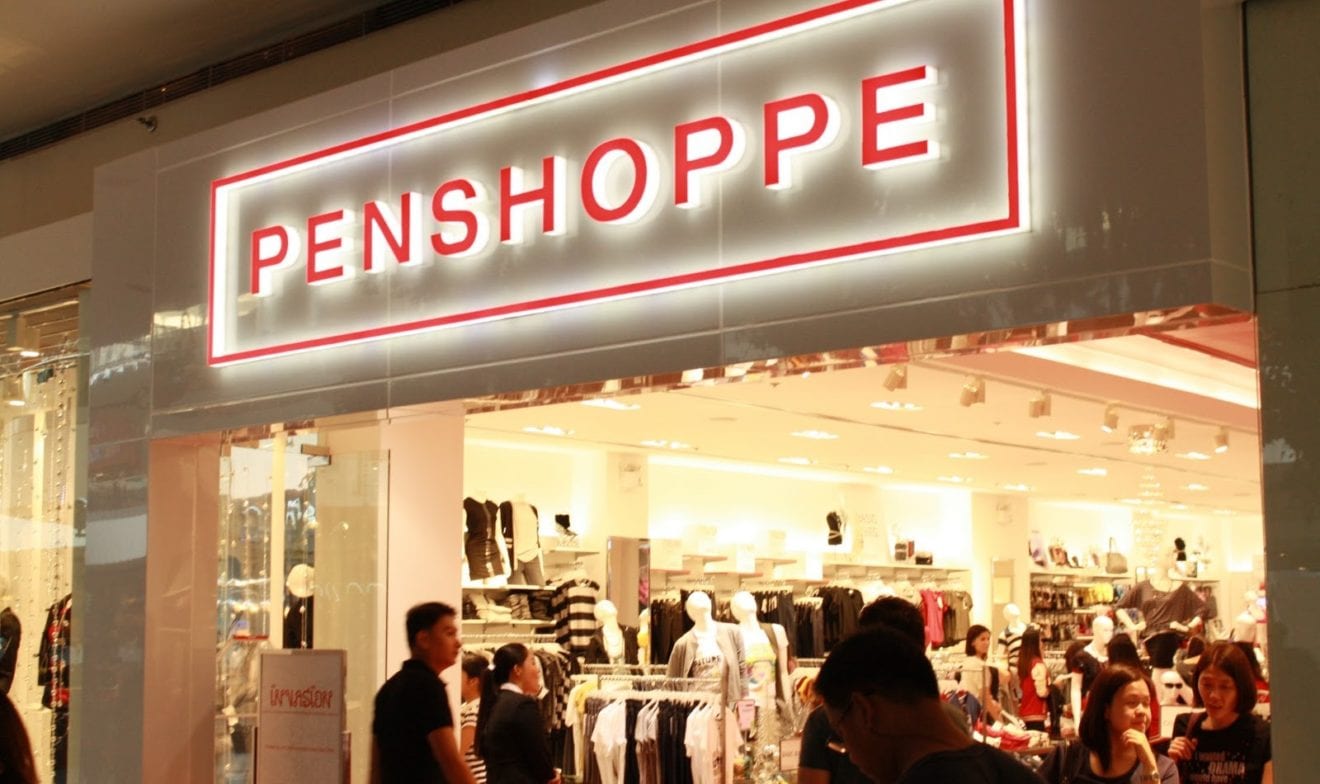
    Golden ABC’s flagship brand – and the one most likely to be opened in Asian markets – is Penshoppe. The new Penshoppe store at SM Seaside City is the brand’s largest shop yet, with a footprint of 850 sqm, more than twice the size of a normal store.

    Golden ABC also operates the ForMe and Oxygen brands, both of which have also opened stores in SM Seaside City. The retailer has 700 stores across Asia and the Middle East. Its largest Asian markets outside the Philippines are Indonesia and Cambodia – and in Vietnam where the company recently opened a store inside the new VivoCity mall in District 7.

    “We are very encouraged by the response in Vietnam,” Liu said in an interview.

    Penshoppe has 26 stores in Indonesia, with three more under construction.

    Golden ABC also owns the Memo, Regatta and Tyler retail brands, and the direct-selling business Red Logo.

  • Bosideng sales slumps

    Bosideng sales slumps

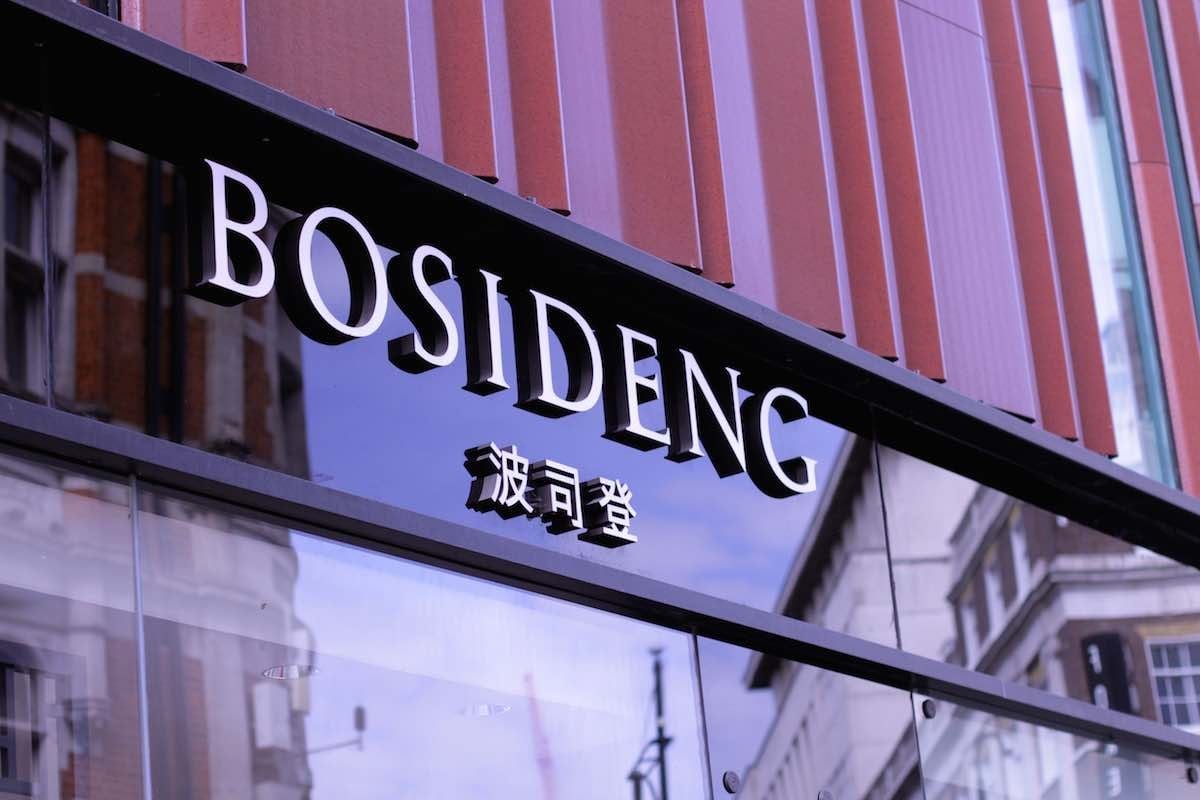
    Chinese down apparel brand Bosideng has seen sales revenue slump 10 per cent – and profit nearly halved in the first half year.

    Down apparel sales, which account for almost half the group’s turnover, fell 14.6 per cent.

    While Bosideng blamed its poor performance on “tremendous challenges” facing China’s apparel industry, there was one telling line in its interim report which suggests a deeper problem:

    “The increasing popularity of the Internet and online shopping that stimulated the proliferation of information, coupled with the speedy expansion of an increasing number of overseas brands in the PRC market, have not only offered more choices for consumers, but also made consumers more sensitive to product prices and styles.”

    “And styles”. Bosideng is having to face the reality that growing an apparel business so dependent on a functional, rather than fashionable, product range may have its limitations.

    But there are signs it is adapting.

    The company said that as Mainland China’s economic growth slows the gap is narrowing between first and second-tier cities and rural areas. That has prompted national brands to switch their development mode from one that relies on store opening to swift response in various stages of business operation, “including branding, products, logistics and retail sales, so as to meet the expectations of the market and consumers”.

    “The group has actively explored and gradually shifted from the traditional wholesale business model to a retail model that draws closer to the market and the consumers. This allows the group to build a more solid business foundation for future development and to seek healthy and sustainable development.”

    The down business, by nature, is seasonal, with demand naturally higher in winter months, prompting offseason sales and promotional activity in the first half of the year. Part of the reason for the sales decline in the last half was an increase in the discounting to reduce inventory.

    Bosideng also stepped up its efforts to implement more stringent production and product plans.

    “Through in-depth analysis of retail statistics, the group was able to arrange the production of various product styles more accurately to avoid unnecessary inventories… For instance, two brands – Snow Flying and Bengen – developed minimal new styles, whereas Combo devoted all efforts in stock clearance this year and did not design new styles.”

    It has also commenced trial marketing, ranging some new styles in physical stores prior to finalising production and sales plans to test and understand the market reaction in order to avoid excess inventory.

    The company is also continuing to optimise its retail network, shutting down underperforming stores to enhance store quality: the number of outlets in the down apparel business – both self operated and third party – fell by a net 548 in the period, to 6051.

    Some stores which are usually shuttered over summer, or sub-let by third party distributors, were kept open as outlets to help reduce inventory. Bosideng supplied the product, the distributors met the overheads, saving the group distribution costs and adding sales channels for stock clearance.

    Bosideng is also shifting its focus away from department stores more towards shopping malls, reflecting changing lifestyles of Chinese consumers.

    This year, it has opened pop up stores for the first time in six prime shopping centres to assess potential to showcase new lines.

    “The pop up stores attracted customer flow with innovative displays and eye-catching designs. Various live events, performances and games were introduced to increase interaction with consumers, thus enhancing brand recognition. The pop-up stores were well received by the market, which not only successfully became talk of the town with widespread media coverage, but also drove the group’s local sales performance. The group believes that it will accelerate store opening in large-scale shopping malls in the long run to allow the retail network of the group to better satisfy the needs of the consumers.”

    Meanwhile, diversification away from down appears to be bearing fruit.

    During the period, revenue from Jessie brand increased by 18.8 per cent year on year to approximately RMB158.3 million. Following the adjustment of the brand’s retail network over the past two years, the net number of Jessie retail outlets increased by five to 216 this year. Jessie has been focusing on enhancing the profitability of self-operated stores and implementing refined management and further optimised product mix.

    In wholesale, Jessie optimised the ordering system at the trade fairs and increased the mix and match references and provided more guidelines to distributors so as to increase associated orders. “As a result, revenue from self-operated and wholesale business recorded a significant increase.”

    But revenue from its Mogao brand  decreased by 21.9 per cent year-on-year to approximately RMB128.2 million, largely due to a net reduction of 21 stores to 284 during the period. It also dropped its womenswear lines to focus purely on menswear, so the last period was essentially one of repositioning. Bosideng says the change was well received by distributors and this year it will step up branding efforts, especially on new media.

    Internationally, Bosideng’s London flagship store has accumulated “considerable retail experience and deeper understanding of the consumer preference of the local market”.

    “The London flagship store will… step up its efforts in expanding the popular down apparel series this year. Fully utilising its extensive resources in down apparel products, the group will assist the flagship store to further optimise the product mix so as to drive its sales and profitability.”

    For the record, Bosideng reported total sales revenue of RMB2,563.7 million, a gross profit margin down 11.3 percentage points to 36.1 per cent, its operating profit margin down by 5.6 percentage points to 5.2 per cent and a profit attributable to shareholders down 48.3 per cent to RMB130.7 million.

    In the year ahead, Bosideng says it will continue to reduce inventory and significantly reduce the development of traditional and basic styles to avoid overlapping with old stocks.

    “At the same time, the group will introduce more hi-tech fabrics in order to satisfy the growing demand for functional down apparel in the market, providing more value-for-money, high quality and trendy down apparel products to customers.”
  • Veeko International flourishes despite downturn

    Veeko International flourishes despite downturn

    While its peers suffer from Hong Kong’s lacklustre market, one retailer has achieved a stunning sales boost.

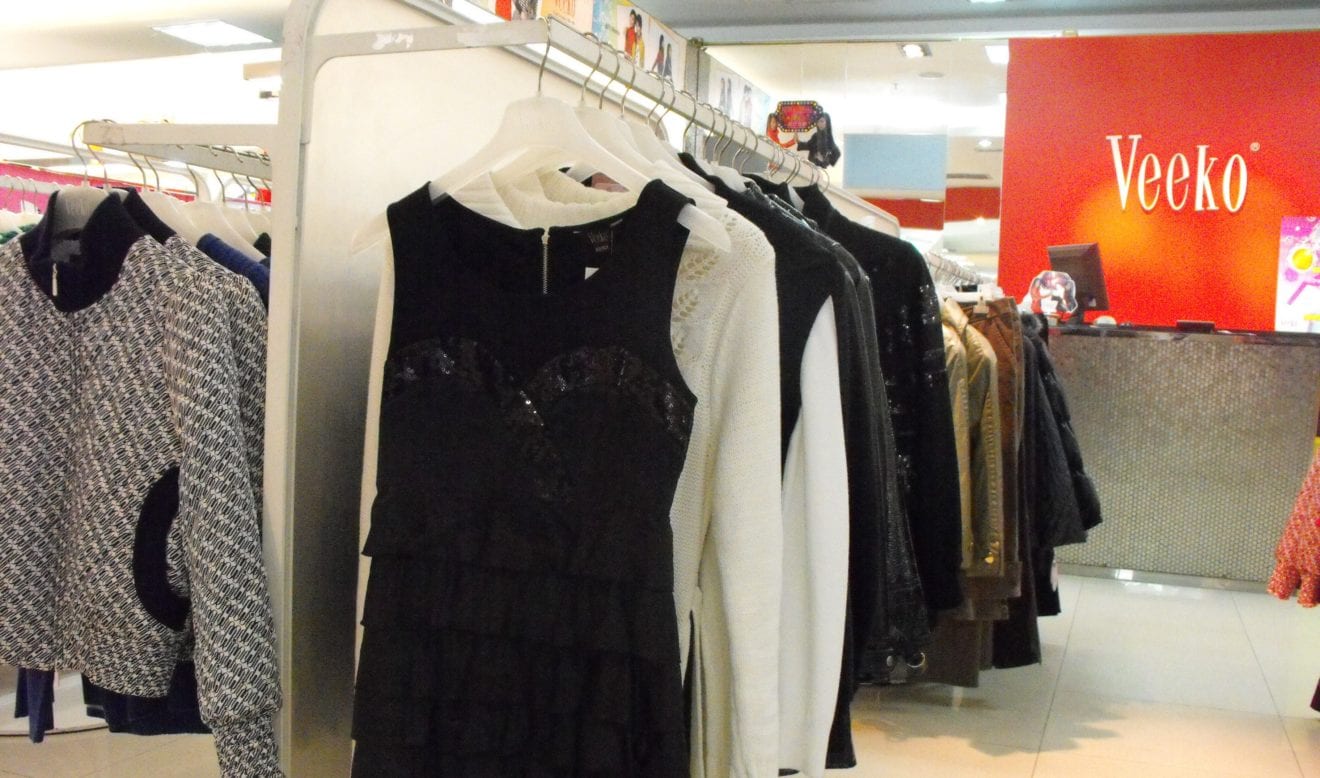
    Veeko International operates 82 Colourmix and one Morimor cosmetics stores and 155 fashion stores in Hong Kong, Macau, Taiwan, Singapore and Mainland China under the Veeko and Wanko brands.

    For the six months to September 30, Veeko International recorded a turnover of HK$1.066 billion – an increase of 23.6 per cent on the corresponding period of last year. Its cosmetics business increased sales by 33.7 per cent over the same period last year, accounting for 77.6 per cent of Veeko’s turnover. Sales in the fashion business slipped two per cent.

    Profit attributable to shareholders reached HK$41.488 million – up 14.9 per cent on last year, driven by a 56.2 per cent increase in profit from the cosmetics business. The fashion business, meanwhile, recorded a $2.68 million loss, a 133.6 per cent downturn on the profit of $7.97 million for the same period last year, largely due to exchange rate losses from overseas markets including Taiwan, Singapore and Mainland China. At constant exchange rates the division would have recorded a profit.

    Veeko says it will continue to expand its Colourmix store network, having added six in the first half.

    A large part of the success of its cosmetics operations is an increase in the average sale from $358 per transaction for the same period last year to $377 per transaction for the current period, – a year-on-year increase of 5.3 per cent. The gross profit margin of cosmetics business for the

    period was relatively unchanged at 35.7 per cent.

    Veeko’s fashion store network was down by a net 19 stores due to a revision of its store networks in Singapore, China and Taiwan.

    Veeko says Hong Kong and Macau accounted for 78.8 per cent of the group’s total fashion retail turnover. Sales in the two territories rose 6.2 per cent year on year, but gross profit margin decreased by 1.7 percentage points to 71.8 per cent.

    Taiwan fashion sales fell 24.9 per cent, due to the closure of eight stores, leaving it with 25 in the market. But same store sales grew by 6.4 per cent.

    In Singapore, sales slumped 26.6 per cent, largely due to the closure of four stores, leaving it with just nine there. Same store sales in local currency slipped 2.6 per cent.

    And in China, turnover fell 19.4 per cent, due to a net reduction of 10 stores, leaving it with 41.

    Veeko says it expects the challenges faced by the retail business will continue during the next half year, with cautious consumption sentiments.

    “The group… believes that opportunities exist alongside with challenges. In an environment which is full of challenges, the best policy is to uplift our competitiveness and lay a good foundation for sustainable growth in the future by maintaining healthy growth of the core business in the long run.”

  • Tokyo-based affiliate eyes major stake in Lotte Confectionery

    Tokyo-based affiliate eyes major stake in Lotte Confectionery

    Korean retail giant Lotte Group’s confectionary affiliate said Wednesday that Japan-based Lotte Holdings has offered to buy 259 billion won ($219.6 million) worth of shares in the firm, a move that will help the group chairman strengthen his control amid a prolonged succession dispute with his brother.

    The Japanese firm will buy 7.9 percent shares of Lotte Confectionary at 2.3 million won per share from the market during trading hours by Dec. 28, the company said in a regulatory filing.

    “By boosting stakes in Lotte Confectionery, Lotte Holdings will be able to improve efficiency based on the potential synergies between the two firms,” it said in a press release.

    Once the purchase is completed, Japan’s leading confectioner will emerge as the second-largest shareholder of the Korean firm with a 10 percent stake. It bought a 2.1 percent stake in the firm on Nov. 4.

    Tightening its grip on Lotte Confectionery means having the group’s key affiliate under control as it holds stakes in Lotte Shopping and Lotte Chilsung.

    Industry insiders said Lotte Holding’s recent decisions to increase its stake in the Korean confectionery unit is to show its support for Shin Dong-bin — the Lotte Group chairman and Lotte Holdings vice chairman — who has been at war with his brother Shin Dong-joo over control of the group since July.

    With Lotte Holdings’ backing, the incumbent chairman who holds an 8.78 percent stake in the Korean unit can cement his leadership over the group, whose portfolio ranges from food to retail mostly in South Korea and Japan.

    Dong-joo, the former Lotte Holdings vice chairman who led the Japanese operations until January, owns a 3.96 percent stake while his father and Lotte founder Shin Kyuk-ho holds a 6.83 percent stake in Lotte Confectionery.

    Meanwhile, the chairman said he would consider listing Lotte Holdings on the Japanese stock market to build a management structure free of the founding family’s feuding.

    During an interview with Japanese media outlet the Nikkei, he said the market debut will be discussed after the Korean initial public offering of Hotel Lotte, slated for the first half of 2016.

    “Coming under tighter scrutiny in the market will enhance the company’s structure and establish transparent corporate governance,” Shin said.

  • Asia driving L’Oreal growth despite market turbulence

    Asia driving L’Oreal growth despite market turbulence

    Asia is driving huge growth for cosmetics giant L’Oreal, despite a slowdown in Hong Kong.

    At the end of September, L’Oréal posted growth of 4.4 per cent on a like-for-like basis – and 21.9 per cent based on reported figures as the company expands its retail network and wholesale operations in the region.

    Kiehl’s, Yves Saint Laurent and Giorgio Armani contributed to dynamic growth of the L’Oreal Luxe division, despite the context of slower third-quarter growth in Hong Kong and Travel Retail Asia.

    The Consumer Products Division is performing well in India, Australia and Thailand. In China, growth at L’Oreal Paris is accelerating, while Magic is undergoing a transitional period. The Active Cosmetics Division is growing strongly, thanks to the success of La Roche-Posay, L’Oreal reported in its quarterly filing.

    Jean-Paul Agon, chairman and CEO, said at the end of September, the group’s reported growth is strong, at 13.2 per cent, still supported by a positive currency effect.

    “Despite a global context that is still volatile, we are confident for the year end. The beauty market remains dynamic. In each Division, our brands are pushing forward with successes such as Maybelline and NYX in the Consumer Products Division, Yves Saint Laurent, Kiehl’s and Urban Decay at L’Oréal Luxe, Redken in the Professional Products Division and La Roche-Posay at Active Cosmetics,” he said.

    “Finally, the acceleration of our digital transformation is making us stronger, in particular with the rapid increase (40 per cent) of our eCommerce sales which should significantly exceed 1 billion euros this year.

    “We are confirming our ambition to outperform once again the beauty market in 2015 and to achieve significant growth in both sales and profits.”

  • Luk Fook profits slump 42% on weak Hong Kong, Macau sales

    Luk Fook profits slump 42% on weak Hong Kong, Macau sales

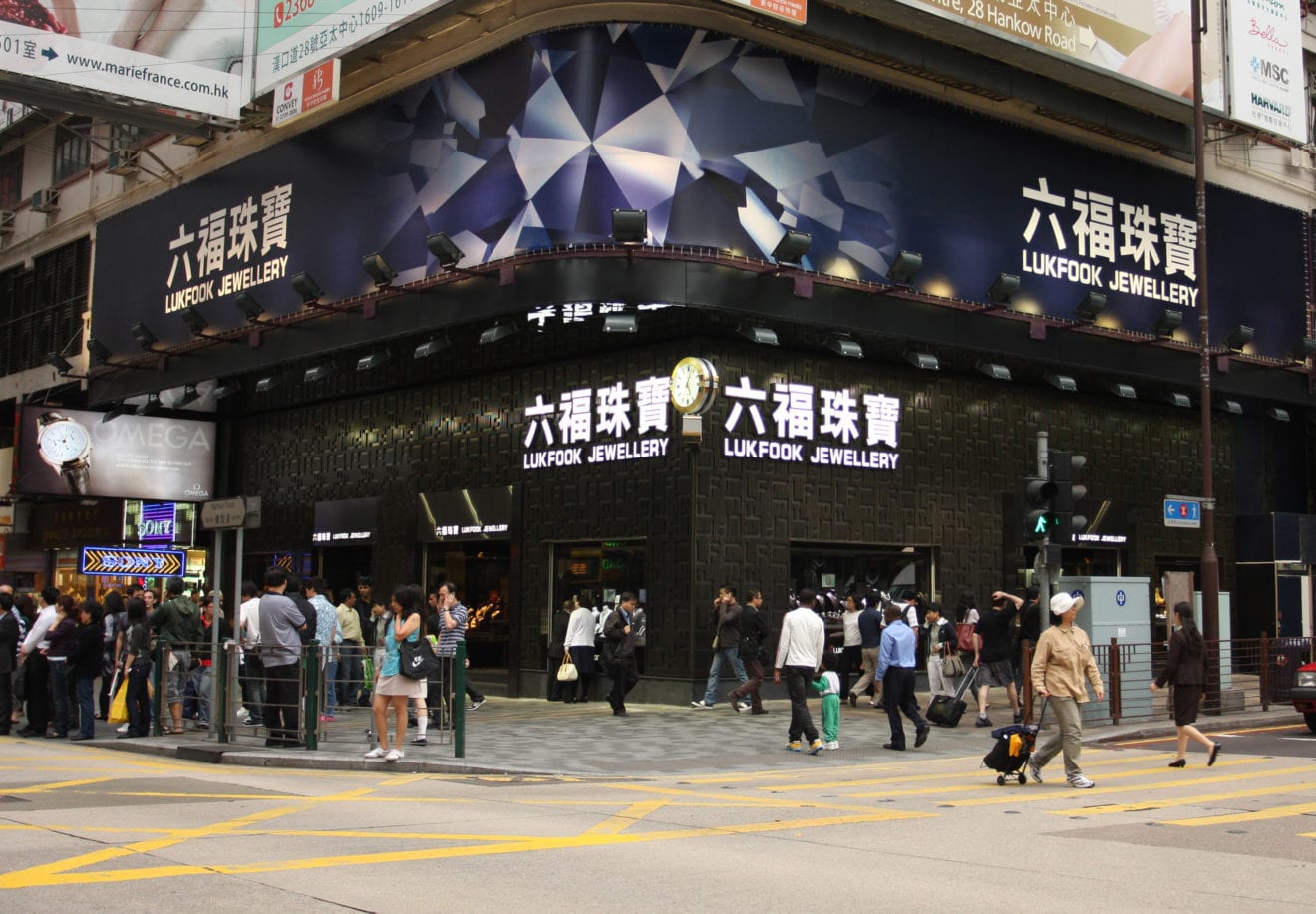
    Jeweller Luk Fook Holdings is looking to Mainland China to restore growth after a heavy drop in profits due to the Hong Kong and Macau market slump.

    Lukfook Group says its sales declined 7.7 per cent to HK$6.965 billion in the half year to September 30 and profit attributable to shareholders slumped 42.4 per cent to $463 million.

    Same store sales across the business fell 11.6 per cent, largely due to falling sales of gem‐set jewellery products in Hong Kong and Macau. Sales fell 16.2 per cent in Macau alone.

    However in Mainland China, gem-set jewellery sales rose 17.5 per cent, marking the 10th consecutive quarter of positive growth in that market.

    Wong Wai Sheung, chairman and CEO of Lukfook Group said the slowing economic growth in Mainland China, relaxed visa requirements and currency devaluation in Europe, Japan and Korea as well as a strong Hong Kong dollar against other currencies had caused Mainland tourists to switch to overseas for consumption.

    “These adversely affected the retail industry in Hong Kong and Macau and hindered the recovery of the retail business of the group.”

    Hong Kong rents also took their toll on Luk Fook profits.

    “The decrease in revenue, together with the increase in total rental expenses mainly contributed by the high rental of the loss‐making new shops in certain Hong Kong prime locations, resulted in the increase in the total operating expenses to revenue ratio to 14.6 per cent (2014:13.0%),” the company said in its filing.

    The company opened a net total of 29 Lukfook shops (including 23 licensed shops and six self‐operated shops), and four 3D‐Gold self‐operated shops established by the new joint venture (the group has 51 per cent equity) with a licensee in Mainland China. The number of shops in Hong Kong and Macau and overseas remained unchanged. As at September 30, the group had 1412 Lukfook shops globally in Mainland China, Hong Kong, Macau, Singapore, Korea, the US, Canada and Australia; and four 3D‐Gold shops operated in Mainland China.

    Mainland Chinese visitors remained the primary customer group for the Hong Kong retail business, which contributes 60 per cent of the group’s turnover.

    Wong Wai Sheung said with continuing uncertainty in the global economy, the overall operating environment will remain challenging in the short term.

    “However, in the long run, as the per capita income in Mainland China increases, the group believes that there will still be strong customer demand for jewellery products, therefore the group remains positive about the mid‐ to long‐term business prospects. The group will continue to optimise the retail network, maintain the expansion strategy of focusing on the development in the Mainland China market, and further strengthen the cooperation with eCommerce platforms to expand our distribution channels, and also offer more fashionable and affordable jewellery products which are suitable for wearing in workplace, in order to attract middle‐class consumers.”

  • Inside the new Valentino Bangkok boutique

    Inside the new Valentino Bangkok boutique

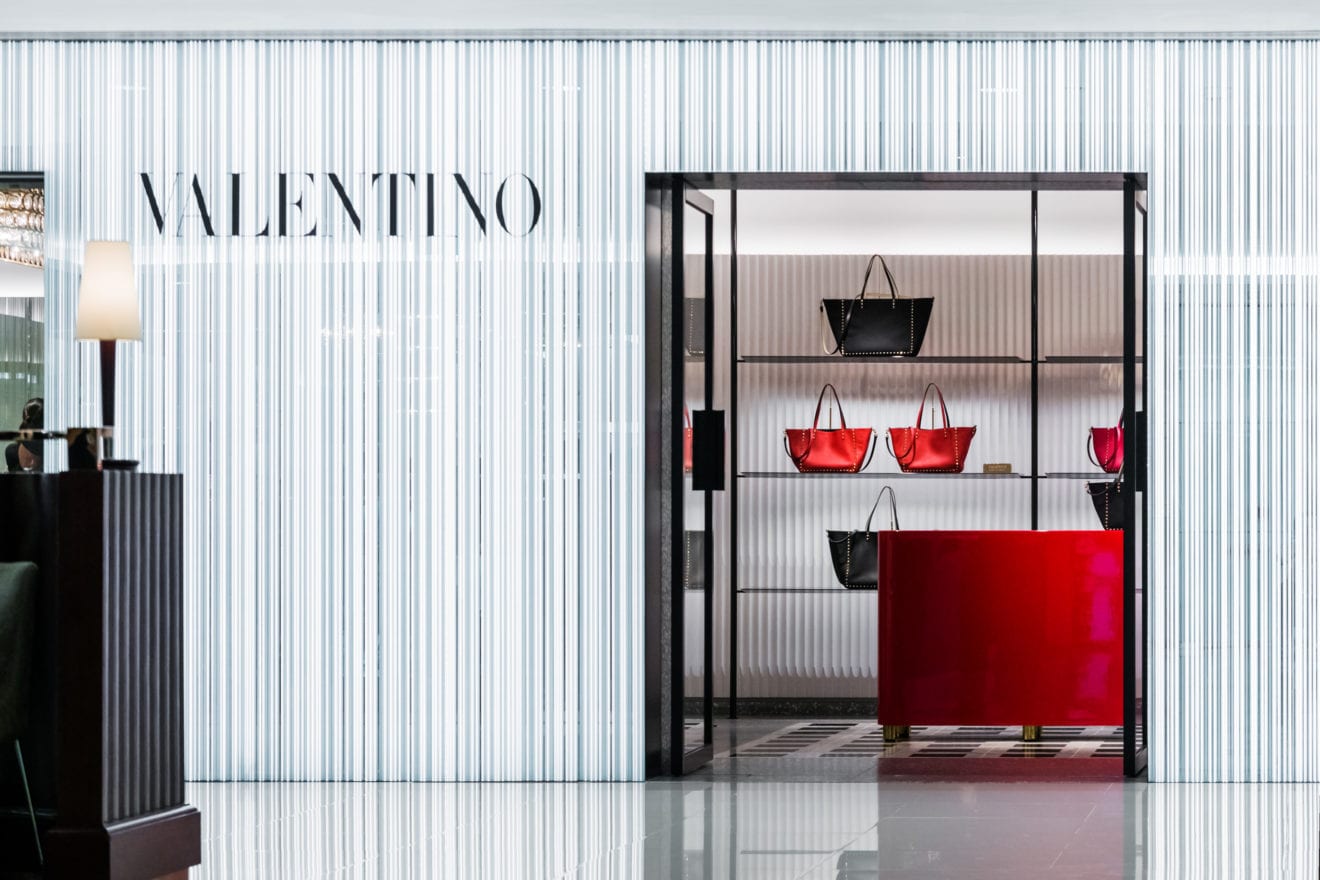
    A new Valentino Bangkok boutique has opened in the upmarket Emquartier shopping centre on Sukhumvit.

    Valentino Emquartier  Bangkok 3

    The store has 380 sqm of floor space in what the fashion brand describes as “a one-of-a-kind brand experience” which “caters to an elite clientele, serving both its male and female clients in a single location”.

    Valentino Emquartier  Bangkok 2

    As the photos show, the design is contemporary and minimalist, creating a sense of space with matching stone textured walls and floors and simple wooden display cabinets.


    Valentino, founded in 1960, is headquartered in Milan, Italy.

    Valentino Emquartier  Bangkok 1

  • Monica Vinader Hong Kong opens at Harbour City and Sogo

    Monica Vinader Hong Kong opens at Harbour City and Sogo


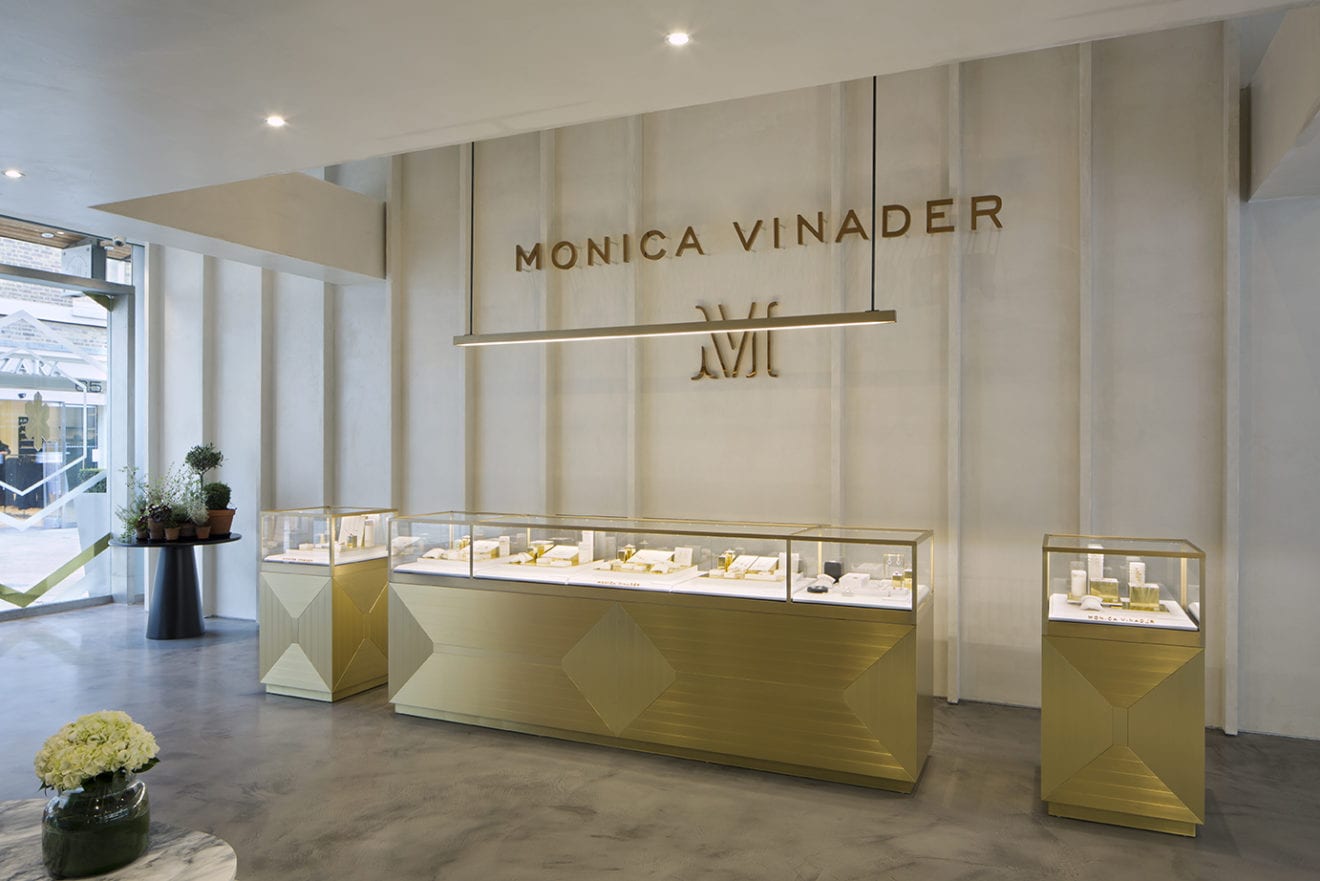
    A year since the opening of its first store at IFC Mall, jeweller Monica Vinader has opened a second store at Harbour City in Kowloon and a counter at the prestigious department store Sogo.

    Monica Vinader Hong Kong

    “I am honoured that the brand has been so well received in Hong Kong, which is such a sophisticated, international city,” said Monica Vinader, CEO & founder of the brand.

    The new Monica Vinader Hong Kong store’s interior features custom fixtures and fittings that create a vibrant and welcoming luxury shopping environment.

    Monica Vinader Hong Kong 1

    It offers all the Monica Vinader collections, from the recognisable Friendship bracelets, to bespoke cut gemstone jewellery and contemporary diamond collections.

    The retailer’s complimentary, same-day engraving service, offered in Monica Vinader stores around the world, will also be available from the Harbour City boutique. Customers will be able to engrave personal messages, motifs or hand-drawn doodles onto bracelets and pendants to make them truly unique.

    The store is located on Level 3 of Ocean Terminal and trades from 10am to 10pm.

    Monica Vinader Hong Kong 2

  • Diesel unveils retail expansion plans

    Diesel unveils retail expansion plans

    Fashion brand Diesel is ramping up its global expansion, with plans to open an 80sq m standalone store in Haikou Meilan International airport in the Hainan district to complement its recent opening in Panama Tocumen International airport’s retail plaza.

    The retail expansion marks an exciting period for the company, with also another shop in shop opening planned at the end of the year at Tel Aviv Ben Gurion airport with JR Duty Free. The Italian brand is also to undergo a refit of its boutique outlet inside Qatar Duty Free’s Junction store at Hamad International airport.

    Head of Travel Retail Michele Turrin was very enthusiastic about the company’s expansion prospects: “Historically Japan has been our strongest market and in China we have plans of further developing our existing stores network both in domestic and travel-retail. Haikou is one of these projects” he told DFNIonline.

    “Middle East travel-retail is interesting with new developments in the region. We opened last year in Doha with a very successful POS in Qatar Duty Free Junction fashion store. We’re also looking very seriously at the Midfield Terminal in Abu Dhabi. We’re confident we can do well in the GCC [Gulf Cooperation Council] where we have nearly 40 domestic stores, the brand is well positioned and enjoys a good reputation.”

    The company says it is also in discussions with some key airports to deploy pop-up store units, although Diesel did not mention who and in which location when DFNIonline pressed on this issue.

    Diesel has had a successful retail operation in travel-retail. Its innovative product, the JoggJeans, has had superb traction in this space, representing already around 20% of an average turnover at Diesel’s travel-retail stores. Its dominance of the denim market is also profound, with the JoggJeans, in some locations, representing up to 60% of the jeans category turnover – and around 30% of its travel-retail store sales.

    “Usually denim is considered a difficult sell, but because of the strength of the brand, the denim category has achieved unexpected high sales at all of our stores. We initially thought not to dedicate denim as much space to an airport location, but after analysing the results we slightly changed our formats to accommodate enough space in this category. We are “masters of denim” and our JoggJeans represent our USP in the market.”

  • Swarovski partners with DFS on in-store styling

    Swarovski partners with DFS on in-store styling

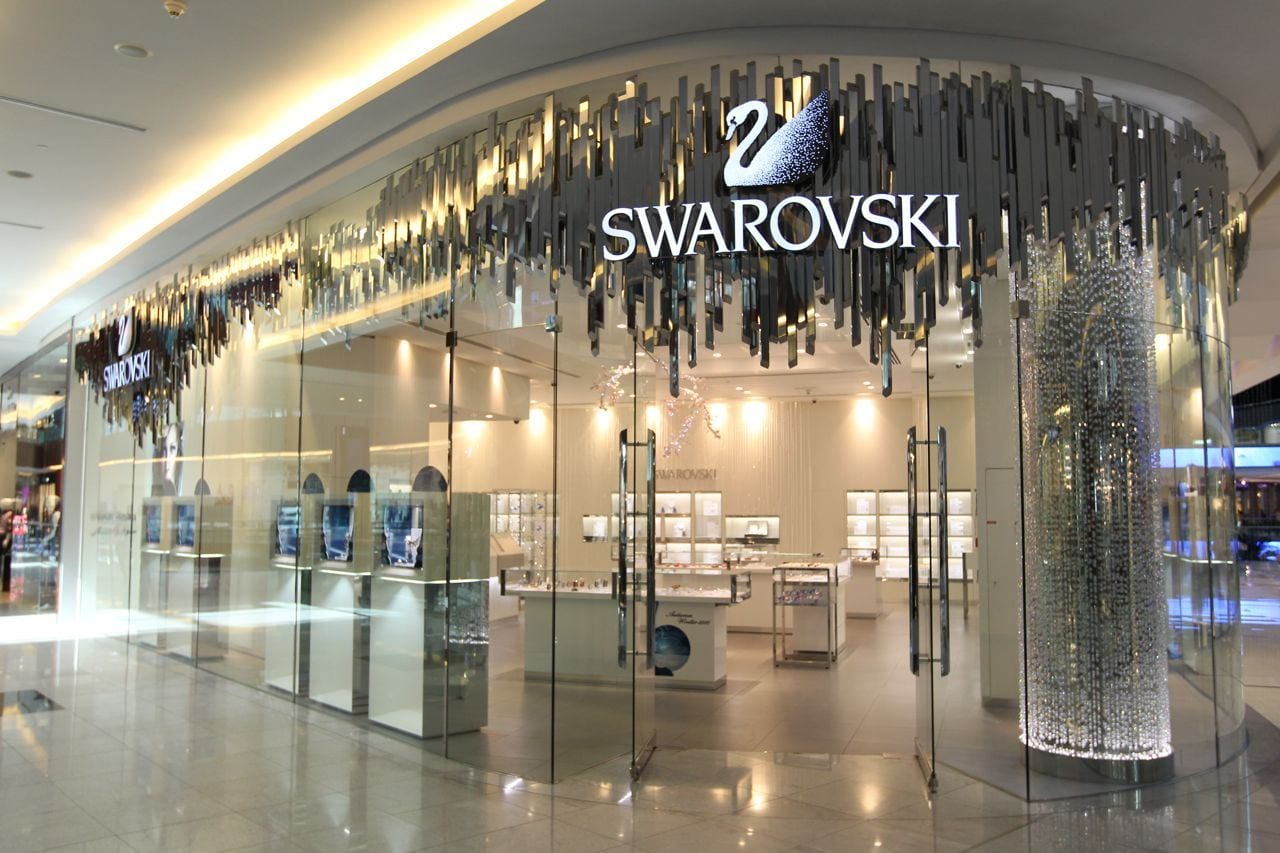
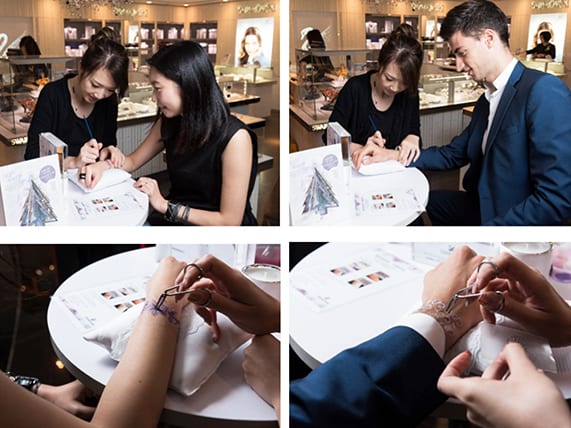
    Swarovsiki and DFS in Hong Kong and Macau are partnering this Christmas with Asia’s first in-store styling service offering customers complementary hand decoration.

    The new service was launched on 21 November in T Galleria by DFS stores in both territories, with Swarovski stylists providing the exclusive consultation on the Swarovski crystal designs.

    The new ‘exclusive service’ is being made available during selected times within DFS’ stores in Canton Road and Tsim Sha Tsui East in Hong Kong, as well as at the City of Dreams and Shoppes at Four Seasons in Macau.

    Swarovski partners with DFS

    Commenting, Karen Tse, Director, Travel Retail Asia Pacific, at Swarovski, said: “Swarovski empowers women to make their every day extraordinary and this is an example of how we bring our mastery of crystal cutting and passion for jewellery design to life.

    “We are excited to partner with DFS Group for this very first in-store styling experience that brings travellers an extra touch of Swarovski sparkle when visiting T Galleria by DFS in Hong Kong and Macau.”

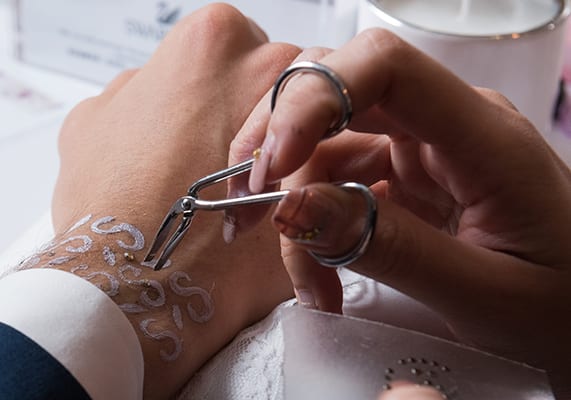
    Swarovski DFS up close

    A close up-view of the hand decoration process.

    Adding his comments, DFS Group’s Jason Blejwas, Director of Merchandise, Sunglasses, Fashion Watches & Jewelry, Global Merchandising said: “DFS is excited to partner with Swarovski in presenting this premier tailor-made activation in our T Galleria by DFS Hong Kong and Macau Swarovski boutiques.

    “Through exclusive events such as Swarovski’s holiday hand decoration activation, we are able to create a dynamic and delightful experience for our customers and continue to deliver on our promise to be the world traveller’s preferred destination for luxury shopping.”

  • Hugo Boss sees weakness in China, US persisting in 2016

    Hugo Boss sees weakness in China, US persisting in 2016

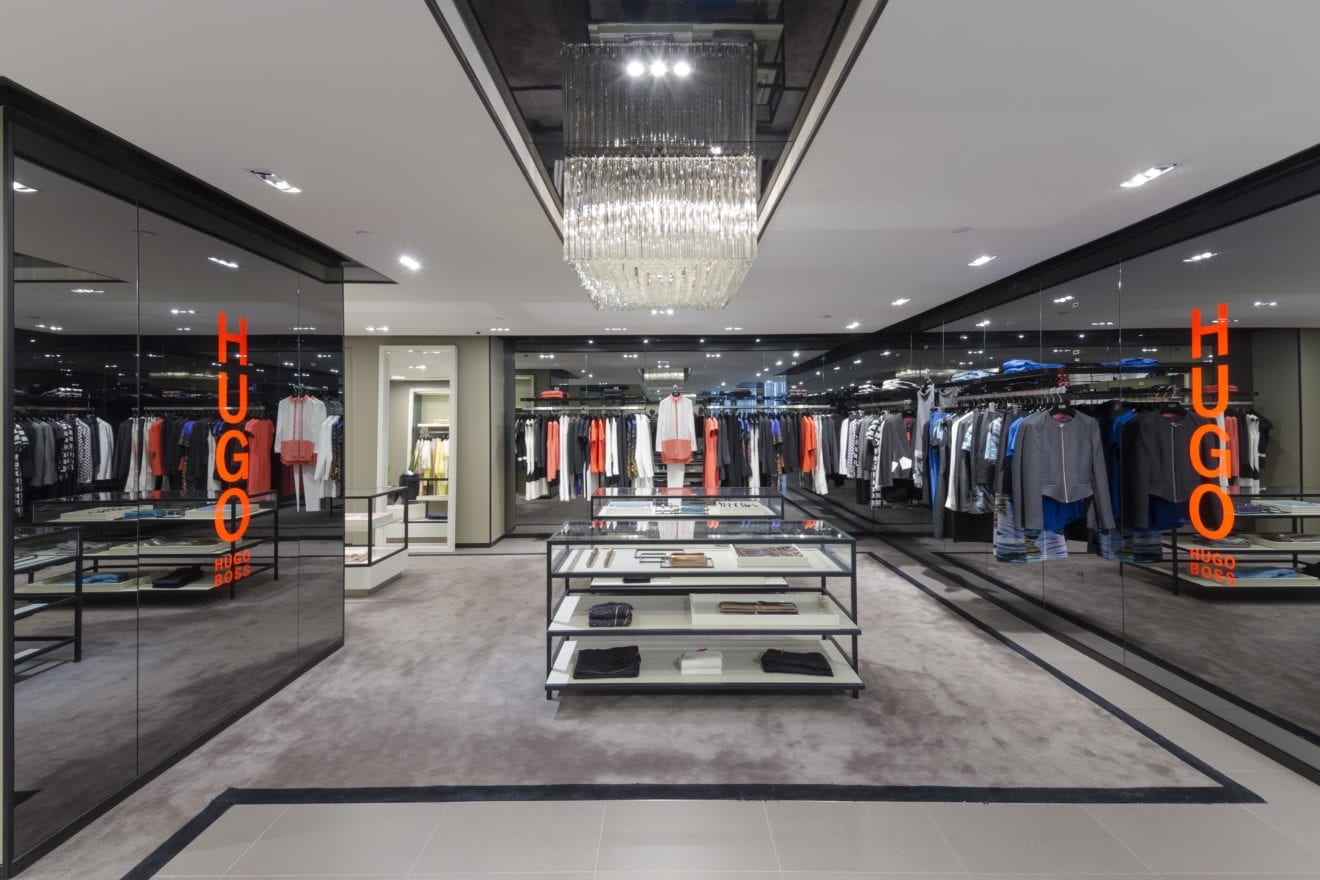
    German fashion house Hugo Boss expects challenges in China and the US market to keep a lid on sales growth next year, but it said it would keep investing in its website and stores.

    In a presentation released ahead of an investor day on Tuesday, Hugo Boss said it expected 2016 sales growth below its long-term target for a high single-digit rise and said it would only reach its 2020 target for a core earnings margin of 25 percent if the overall market recovered.

    However, it said lower capital expenditure and a further improvement in it management of working capital would help boost free cash flow in 2016, adding it remained committed to maintaining an attractive dividend payout policy.

  • Massive Innisfree China store planned

    Massive Innisfree China store planned

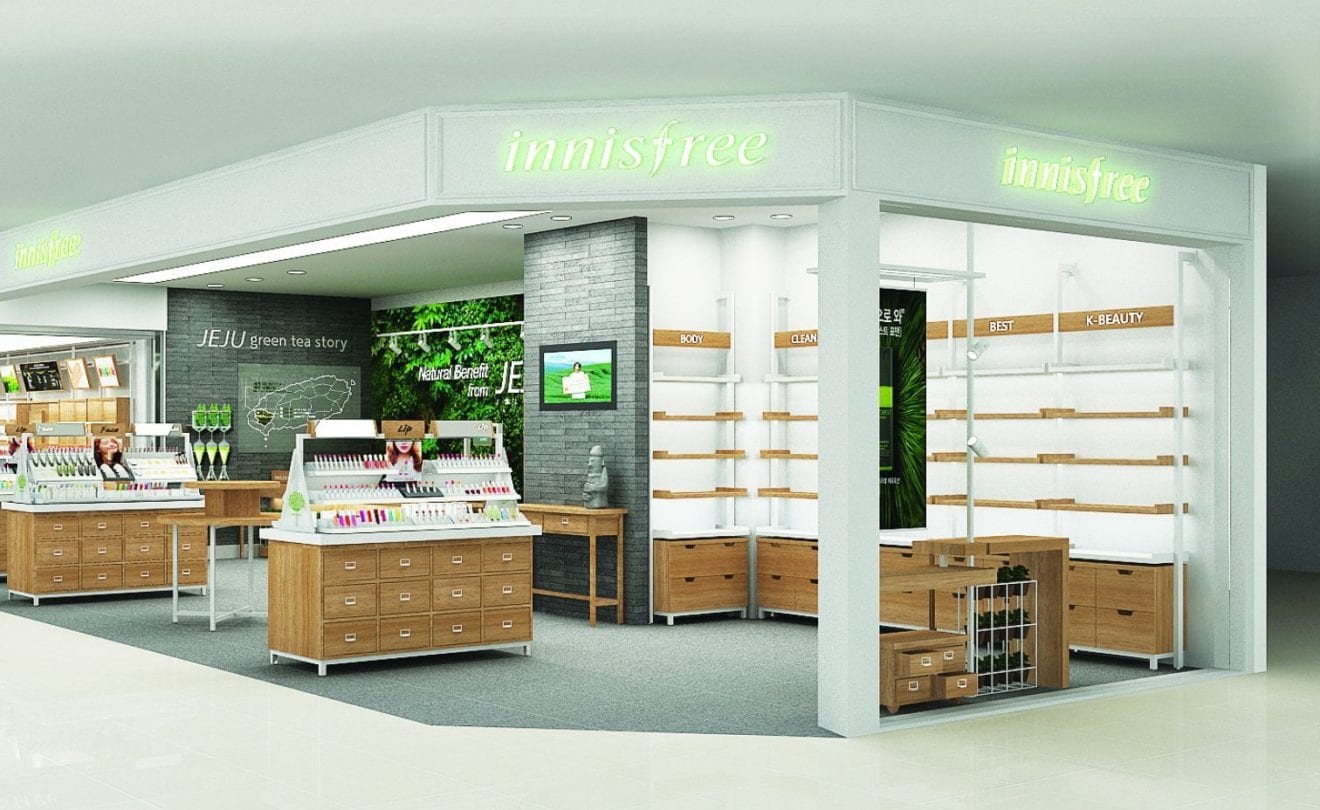
    Innisfree, the Korean natural cosmetics brand owned by Amore Pacific, is to open its largest store yet, in China.

    Amore Pacific announced Innisfree China will open an 827 sqm flagship store in Shanghai.

    This is the largest store among all of Innisfree’s retail locations, and reportedly the largest cosmetics store in China.

    Since Amore Pacific launched an online store in April 2012, it has been operating 200 offline stores all over China, including in Shanghai, Beijing and Shenyang. Innisfree’s ‘Green Tea Seed Serum’ and ‘Volcanic Ash Pore Mask’ are its highest-selling products.

    Management of Amore Pacific said Innisfree is popular among picky Chinese consumers in their 20s and 30s.

    “We think that the concept of our products made from natural ingredients found on Jeju Island, and the trust in Amore Pacific is an attraction to Chinese consumers.”

  • Uniqlo parent commits to refugee support

    Uniqlo parent commits to refugee support

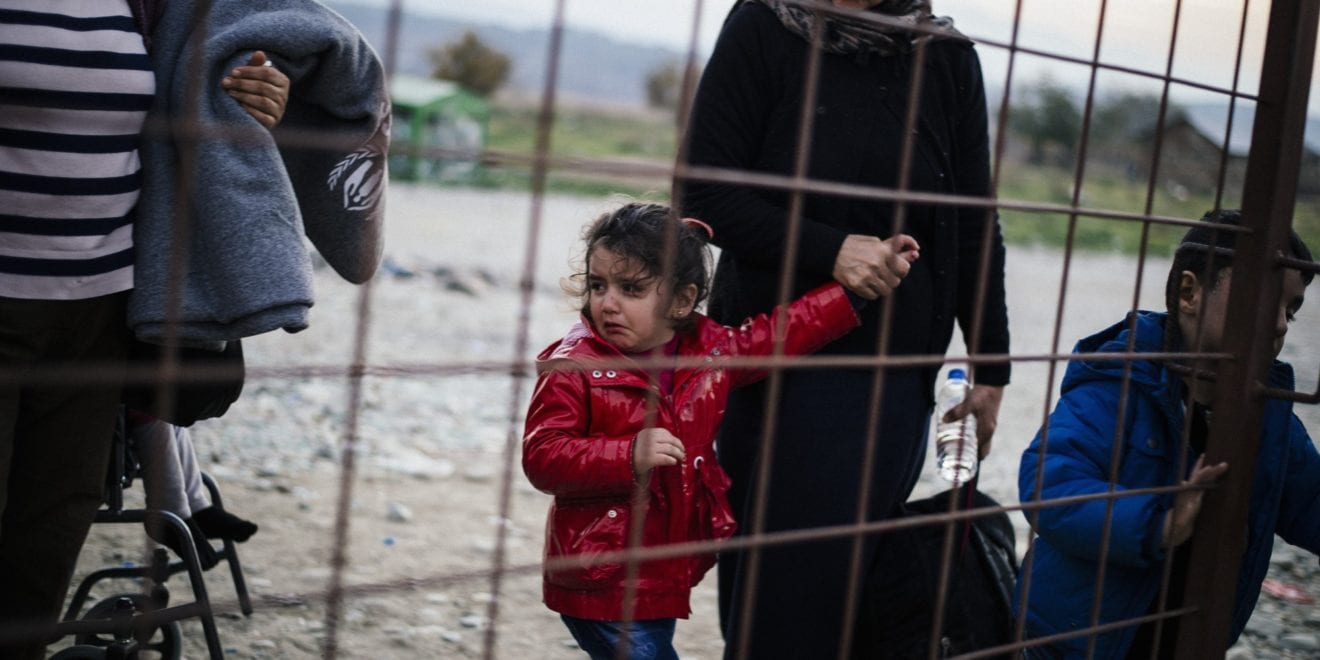
    Uniqlo parent Fast Retailing has committed US$10 million in cash and some 150,000 items of Heattech clothing to help keep newly arrived refugees warm in Europe.

    Fast Retailing will supply the support through the UNHCR, the UNited Nation’s refugee agency.

    As well as the donations, Uniqlo will provide internships with future employment possibilities to 100 refugees in Japan and abroad.

    “The refugee issue is one of the most difficult challenges the international community is facing today,” said Tadashi Yanai, chairman, president and CEO of Fast Retailing.

    “We must collectively tackle the constant threats that have forced so many people, including a large number of children, to flee. We have been providing refugees with emergency assistance, programs that promote self-reliance and donations of clothes for nearly 10 years. We will continue to supply refugees with the clothes they need and give them hope for better lives, in keeping with our never-ending desire for a sustainable and peaceful world,” he said.

    UNHCR spokesman Antonio Guterres said nearly 60 million people have been forced to flee their homes worldwide; the equivalent to almost half the population of Japan.

    “Twenty million of these people are refugees. In the face of such an unprecedented challenge, the robust support of the private sector is crucial for meeting the needs of the millions of families who have lost everything and who are seeking a safe place to restore their lives and build a better future.”

    Fast Retailing started its collaboration with the UN Refugee Agency in 2006 and entered into a global partnership in 2011, a first for a company headquartered in Asia. The new support being pledged this week is part of a global partnership aimed at assisting forcibly displaced people around the world, in recognition of the need for international organisations and private enterprises to collaborate more closely for the refugee cause.

    Under the new agreement, Fast Retailing commits to support the UN Refugee Agency with US $10 million over the next three years, starting from 2016. The funds will help UNHCR respond to emergencies and other acute humanitarian crises, and help refugees in Asia become self-reliant.

    The donation will also cover costs related to the distribution of donated clothing. To date, Fast Retailing has collected and distributed through UNHCR more than 10 million items of lightly used clothing to refugees across 37 countries and regions.

  • Joyce Boutique plunges into the red

    Joyce Boutique plunges into the red

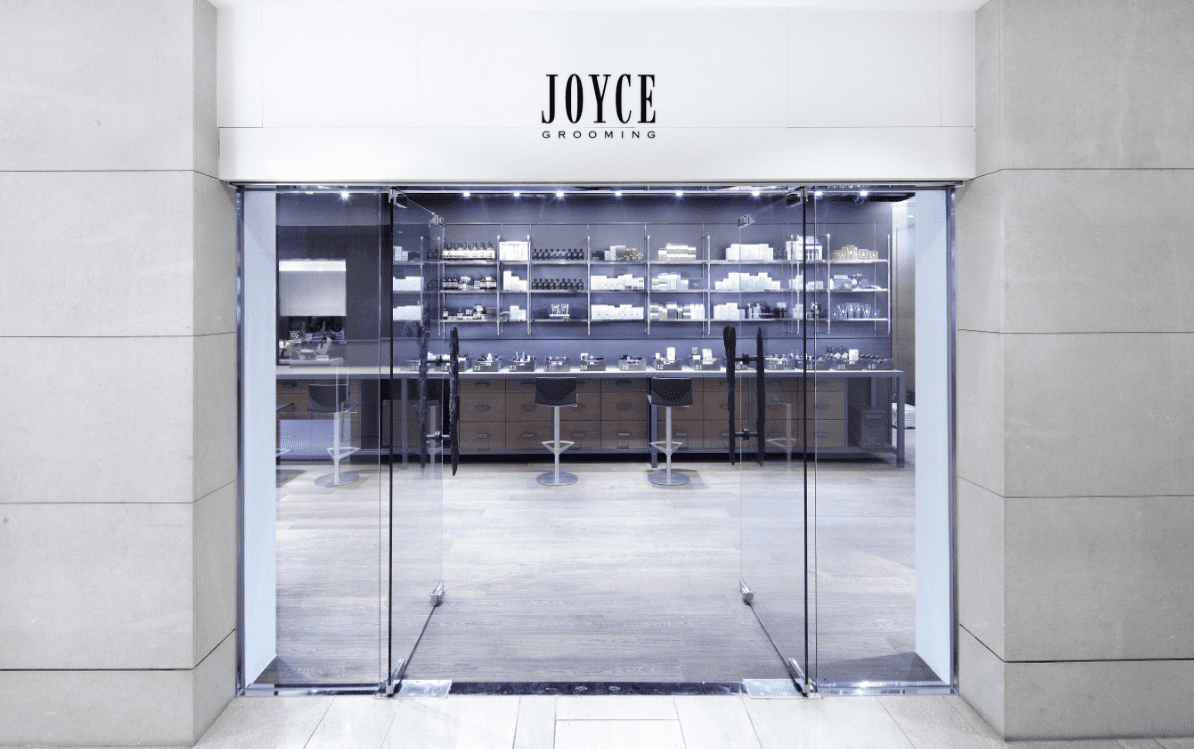
    Listed fashion boutique operator Joyce Boutique says it will continue to take a cautious approach to business expansion and focus on consolidation of the Joyce multi-label business towards higher-productivity stores in the year ahead.

    It will renovate and expand the Joyce flagship store in Central and relocate the Shanghai Joyce flagship store to a bigger space within Plaza 66 to introduce a completely new look and unique shopping experience to customers.

    The move follows revelation of a HK$34.9 million half year loss for the company – a major turnaround from the $32.8 million profit in the same period last year.

    Sales slumped 10.9 per cent, and gross margin lost 3.5 percentage points, the company has reported to the stock exchange.

    “The persistent fall-off in customer spending on luxury goods in Hong Kong and Mainland China drove down the sales performance of the luxury retail market in the period. Depreciation of the euro and yen against the dollar and renminbi led to an increase in overseas shopping and online shopping for luxury goods and impacted on bricks-and-mortar local retailing.” the company said in its interim report.

    Joyce Boutique’s Hong Kong, turnover dropped by 10.3 per cent against the same period last year and accounted for 82.5 per cent of group turnover (2014: 81.9 per cent). Further impacted by declined gross margin and increased rental costs, the Hong Kong division incurred an operating loss of $12.6 million for the period (2014: a profit of $36.6 million).

    Mainland China turnover declined by 14.6 per cent versus the same period last year and operating results turned into a loss of $22.9 million from last year’s profit of $3.1 million, chiefly the result of a general decline in turnover and margin and an additional $7.6 million provision made for a loss making shop in Shanghai.

    Joyce Boutique inside

    The joint venture with Marni made a loss contribution of $1.0 million (2014: profit of HK$1.3 million) due to a drop in turnover and an increase in operating costs.

    “In view of the difficult trading environment, the group adopted a cautious shop strategy. While opening new shops for three potential brands as planned in the previous financial year (the first Hong Kong shop for Thom Browne at On Lan St, the first China shop for Sacai at Beijing Sanlitun and the first Macau shop for Alexander Wang at Galaxy Macau), the group closed certain non-performing shops to improve shop productivity,” the company reported.

    As well as the change in store focus and the renovation of the Hong Kong and Shanghai flagships, the company says it plans to further strengthen customer loyalty and drive sales from VIP customers through enhanced personal stylist services and the introduction of private customer mobile apps.

    Joyce Boutique says it expects the near term trading environment will remain “tough and challenging”.

    “Rental levels in prime shopping malls remain high relative to turnover. Online shopping and overseas shopping for luxury goods will continue to impact on bricks-and-mortar specialty retailing. In view of the challenges, the group will focus on driving cost efficiency and shop productivity, fashion editing and reducing business risks through taking cautious approach to business expansion and stock purchase planning.”

  • BCBGMaxAzria opens Tmall store

    BCBGMaxAzria opens Tmall store

    BCBGMaxAzria, the US premier lifestyle fashion brand has partnered with B2C cross-border eCommerce solutions provider VoyageOne to expand its online footprint in China.

    “We are pleased to launch of BCBG on Tmall. We are very optimistic about the opportunity in China,” says Max Azria, founder, chairman and CEO of BCBG Max Azria Group.

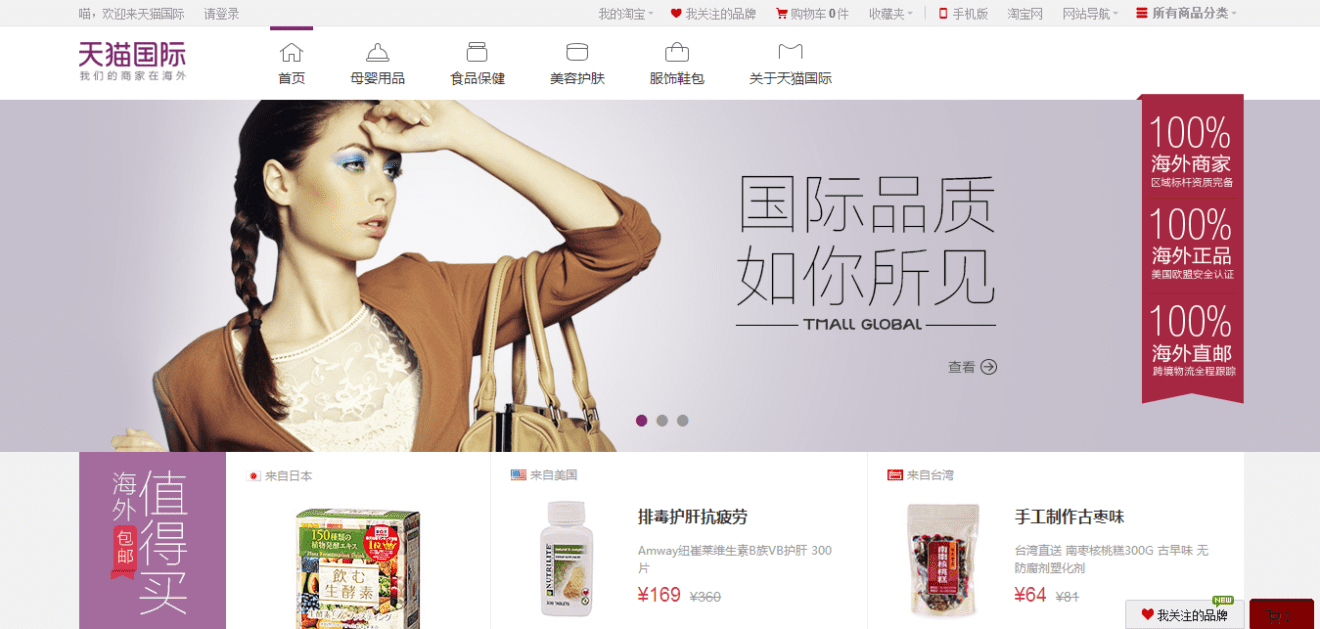
    BCBGMaxAzria’s flagship line is now available to Chinese online shoppers on Alibaba’s Tmall Global through VoyageOne’s platform. BCBGMaxAzria can now efficiently integrate, sell, and manage its online selling process across multiple marketplaces in China.

    “BCBGMaxAzria is a truly an American flagship designer brand and completely understands the complexity of cross-border eCommerce landscape in China and the need for a proven technology and solution delivery mechanism by which BCBGMaxAzria seamlessly integrate, launch and manage its online footprint in China,” said Dennis Zhang, VoyageOne CEO.

    “We’re extremely pleased to partner with BCBGMaxAzria to delivering true online shopping and customer service experiences through a single platform while help them grow their online business in China.”

    Michelle Magallon, SVP of digital commerce & omnichannel with BCBG Max Azria, says China is an important international market for the brand.

    The BCBGMaxAzria Winter 2015 collection is already available at Tmall’s Hong Kong and China stores.