Category: Fashion

Retail News Asia is committed to providing both local and global retailers with the latest Fashion news throughout the Asian market. This on a daily base.

  • New Valentino Shanghai IFC mall

    New Valentino Shanghai IFC mall

    Luxury fashion brand Valentino has opened a new boutique in Shanghai.

    The new Valentino Shanghai IFC Mall boutique features 490 sqm of retail space.

    Valentino Shanghai IFC mall 5


    It was developed by creative directors, Maria Grazia Chiuri and Pierpaolo Piccioli, together with British architect Sir David Chipperfield.

    Valentino Shanghai IFC mall 3


    Valentino says the store “perfectly represents the core values of the Maison: luxury, elegance and Italian craftsmanship.”

    Valentino Shanghai IFC mall 2

    The store concept combines old and new, heritage and style co-exist in the idea of a new future that is not nostalgic, but full of memories.

    Valentino Shanghai IFC mall 4

    The Shanghai IFC mall store carries womenswear, menswear and accessories.

    Valentino Shanghai IFC mall 1

    IFC Mall in the Pudong financial district is one of the premium retail destinations in the city.

  • Swedish fashion brand, H&M makes Cebu debut

    Swedish fashion brand, H&M makes Cebu debut

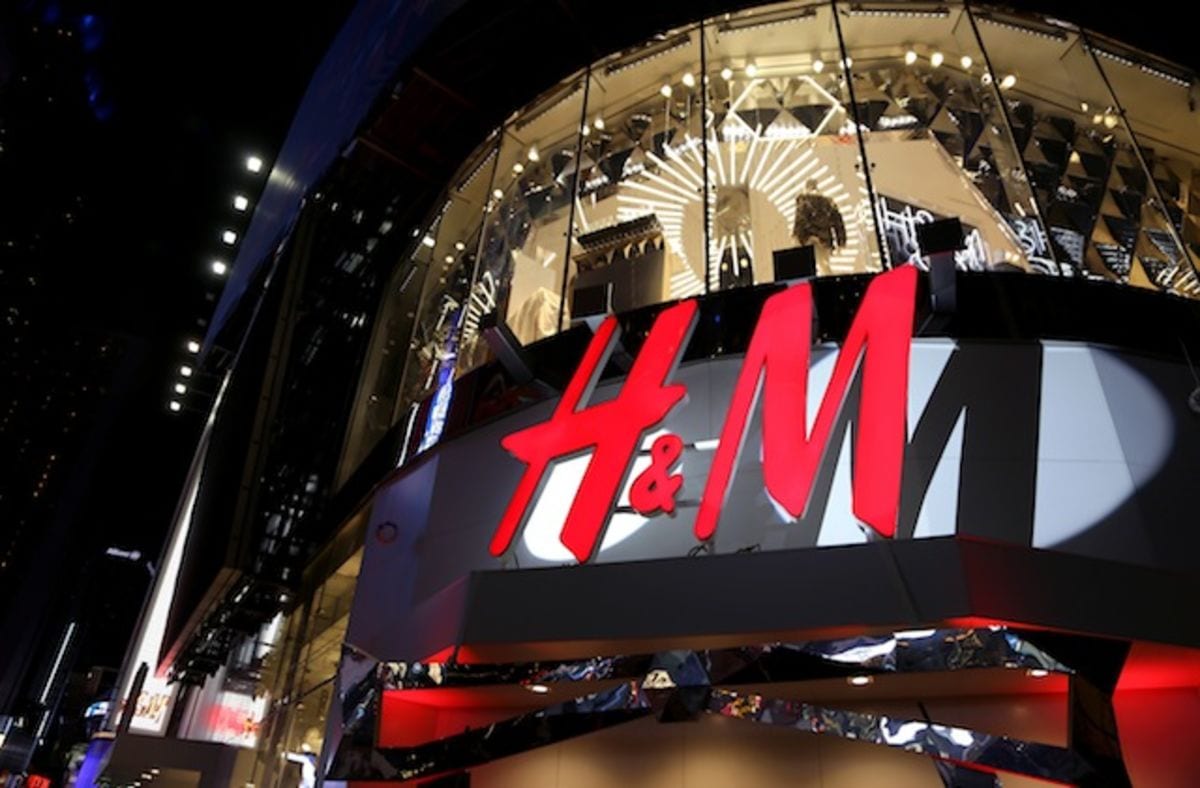
    SWEDISH retail brand H&M (Hennes & Mauritz) is opening its doors to Cebuano shoppers at the Ayala Center Cebu today. Top officials are confident the brand, which was long clamored for by Filipinos to enter the Philippine market, will get a positive reception among Cebuanos similar to long queues experienced during its opening day in Manila last year.

    H&M Cebu is the biggest H&M store in the Philippines to date. The store covers three floors that occupy 3,800 square meters of Ayala Center Cebu’s leasable space.

    “We are just so happy we are given this huge space for our first store in Cebu. We are very well received in the Philippines with the long queues and sold-out collections, which is really amazing. I trust we will get the same vibrance in Cebu,” said Fredrik Famm, H&M country manager for Southeast Asia, in an interview Wednesday. According to the press release, the first 300 customers in line will receive gift cards valued as high as P5,000 and opening offers that are up to 50 percent off.

    H&M Cebu is the 11th store in the country. By year end, the retail brand will have a total of 12 stores nationwide, the latest will be the second H&M store in Cebu at SM Seaside City in South Road Properties, which will open on Dec. 9. Famm sees the Philippines as a destination where there is much growth potential, citing its mature retail market reflected by the increasing number of commercial establishments being put up in key cities like Cebu.

    The country’s over 100 million consumers and well-travelled population, he added, also presents opportunities for international retail brands to thrive.

    A report obtained from the Philippine Retailers Association noted that as of the first quarter this year, consumer spending in the country hit an all-time high of P1.278 trillion from P1.259 trillion in the last quarter of 2014. For the month of May, 2015 alone, the report said that retail sales increased 1.5 percent over the same month last year. Consumer spending in the Philippines averaged P875.888 billion since 1998 up to January 2015. It also added that the country posted a record low of P581.662 billion in sales in the first quarter of 1998.

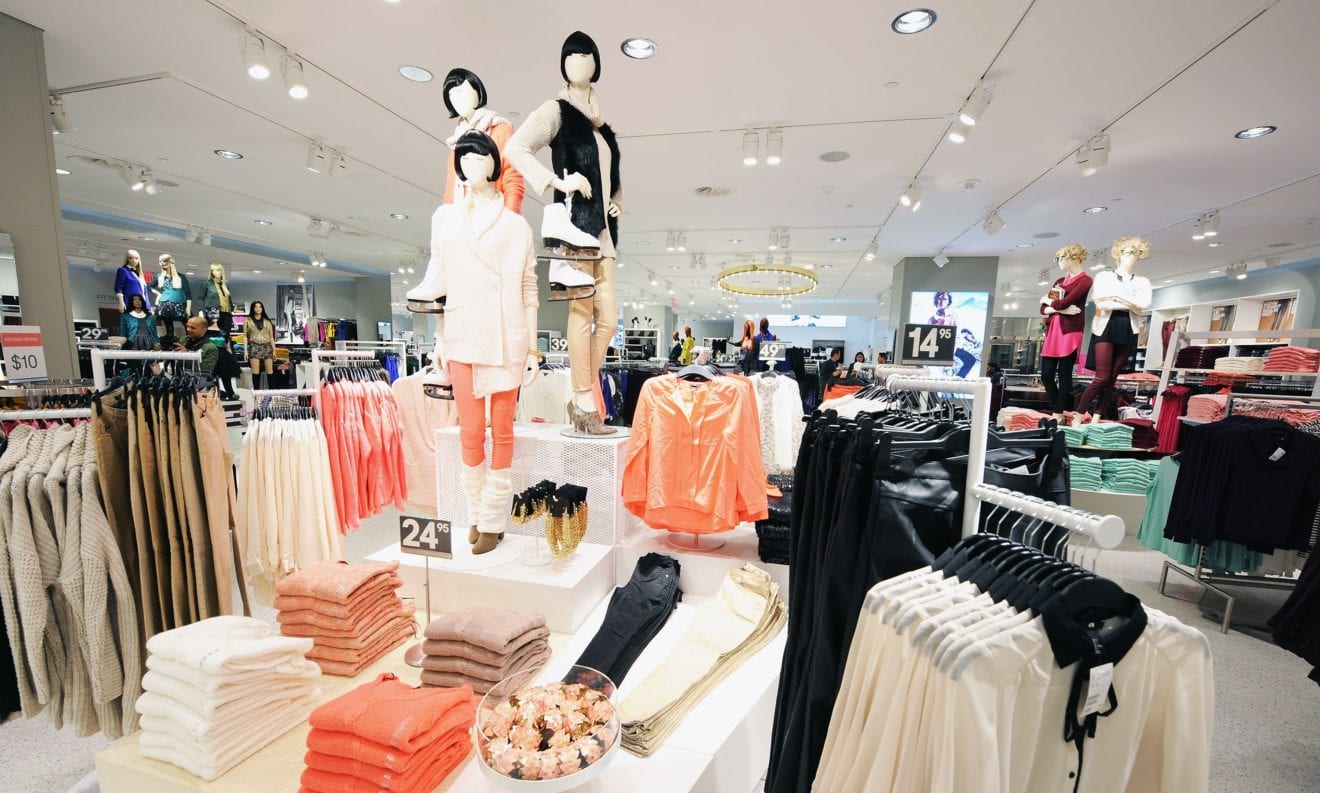
    H&M Ayala Center is a full concept store carrying ladies wear, mens wear, kids clothing and home accessories. Famm said the brand is a “combination of fashion, quality, price and sustainability.”

    “Every person who’s got an interest in fashion is our customer. Regardless of your personality, you will find something in our stores,” said Famm. More than just brining in high-quality and value for money fashion items, H&M will also introduce its Garment Collecting initiative in Cebu, were customers can donate their used clothes and get discount voucher at 15 percent to use for their next purchase.

    Famm said this initiative, which is implemented through its partner, I:Collect, a global recycling company, is the company’s way of protecting and preserving the environment.

    H&M is said to be the first fashion company to launch a global collection initiative. This initiative, Famm said, “can help reduce waste at the same time give old and worn out garments a new life.”

    “Of the thousand tons of textiles that people throw away every where, as much as 95 percent could be reworn or recycled,” the firm said in its website.

    “Of the used clothes, many things can still be redone. Like, can reuse it and turn them into other products like car seats and other purposes; we can also recycle by turning these old textiles to new fibers,” said Famm.

    This global initiative is being implemented all over H&M’s 3,900 stores worldwide. It has so far collected a total of 7,600 tons of used clothing or 38 million pieces of clothes. Last December, H&M collected 20 tons of used clothing in the Philippines. According to Famm, consumers’ interest on goods made out of sustainable processes is gaining popularity.

    “For H&M, this is a growing part in our production,” he said, adding that the retail brand is also one of the largest buyers of organic cotton in the world from suppliers who also adopt sustainable processes in their own operations. “In many markets, we get high demand of this type from our customers.” H&M products, which are made from sustainable materials, are identified in competitive green price tags.

    After Cebu, the officials are keen on looking at other interesting cities in the Philippines where they can set-up more H&M stores.

    “We see a lot of potential in all major cities in the country. We are looking for appropriate locations. We are kind of picky on that, but we want to be in areas where our customers are,” said Famm.
  • Fashion brands targeted in Cambodian minimum wage push

    Fashion brands targeted in Cambodian minimum wage push

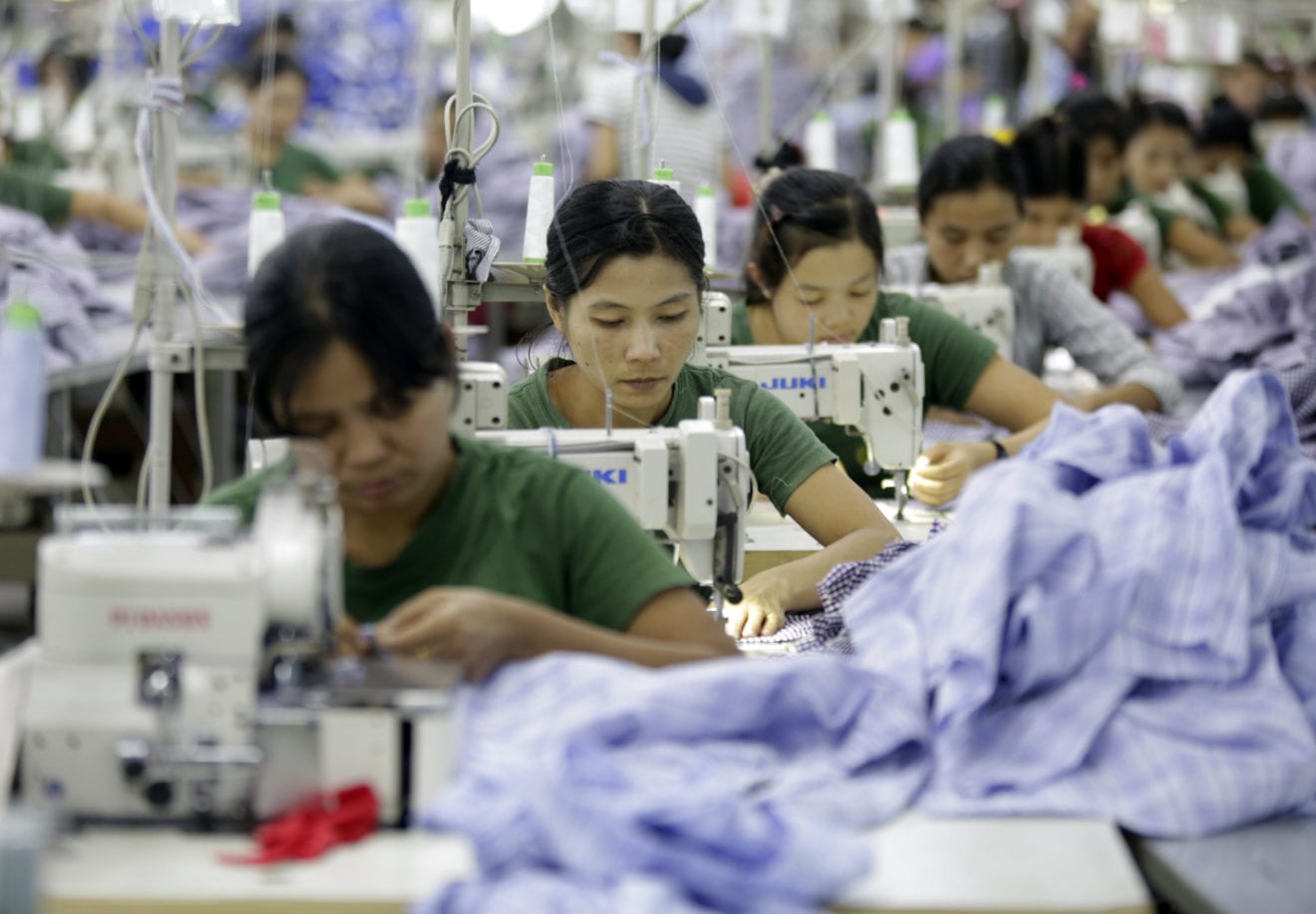
    Lobby group the Clean Clothes Campaign aims to shame the world’s large fashion brands into supporting a Cambodian minimum wage rise.

    The CCC says it is lobbying on behalf of a coalition of Cambodian unions that the multinational brands must ensure a minimum wage of US $177. Thousands of women and men in Cambodia and around the world, have worn stickers saying “brands must provide a living wage for workers!” in factories which produce apparel for major global brands such as H&M, Inditex, Levi’s and Gap.

    The campaign is co-ordinating ongoing action in Asia, the US and Europe.

    In October, the Labour Advisory Council (LAC), a tripartite wage-setting body, voted to approve a new minimum wage of $140, to be implemented in January 2016 for Cambodia’s 700,000 garment workers, despite objections from a number of unions.

    “This insufficient $12 wage increase is a slap in the face to workers who have been organising for over a year to demand a fair minimum wage of $177,” said the CCC.

    A coalition of Cambodian unions are joining together to demand that the brands immediately ensure a minimum wage of US $177 is paid in their Cambodian suppliers and negotiate directly with Cambodian unions a binding agreement to achieve living wages, decent purchasing practices, stable employment, and union rights for the long-term.

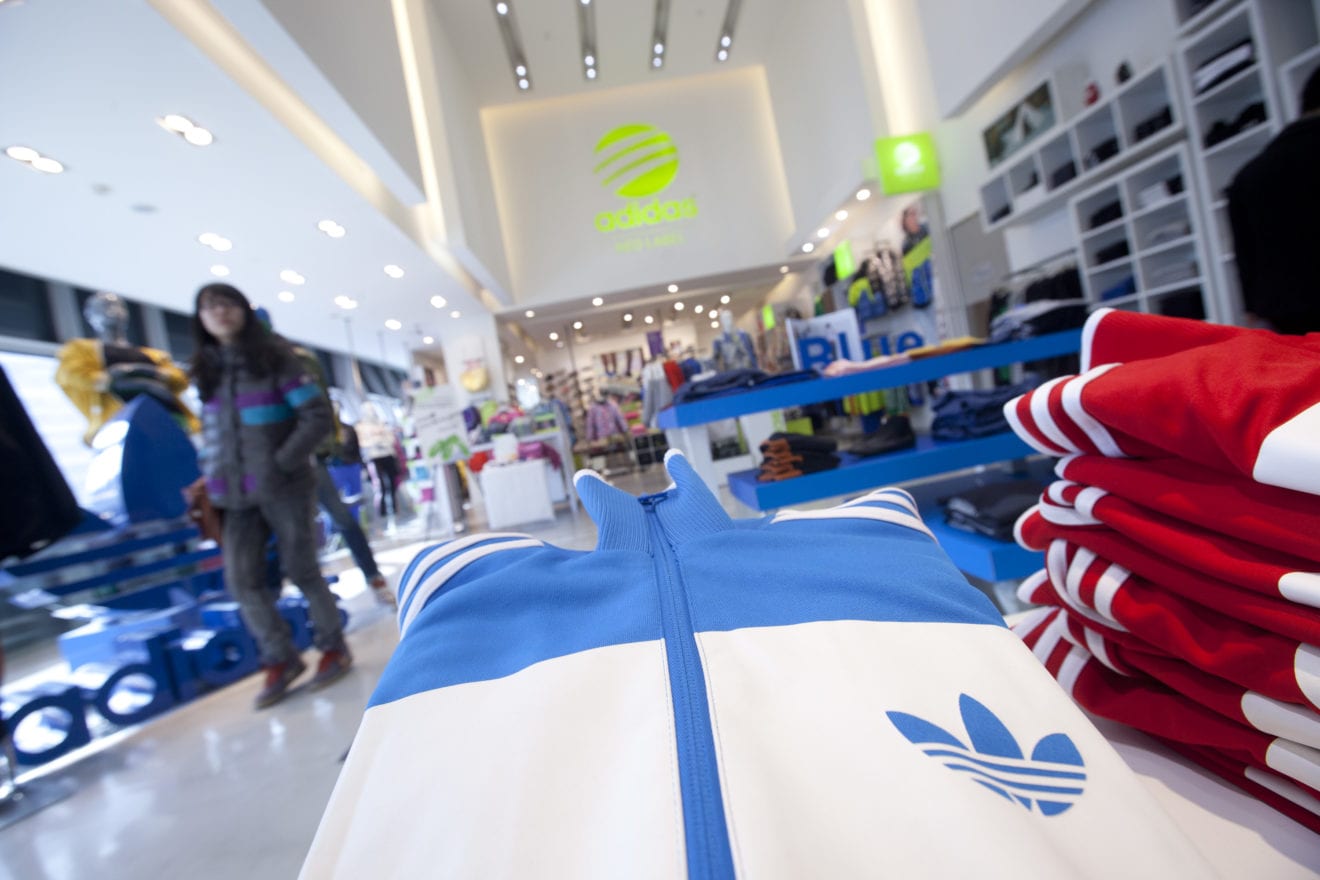
    “Some brands, such as H&M and Adidas, have made public statements that they support a living wage for workers in their supply chains. However, these assertions ring hollow to workers who often work excessive overtime and still cannot provide for the basic needs of themselves and their families.”

    Athit Kong, VP of C.CAWDU, an independent union in Cambodia, says the $12 increase does not reflect the real basic needs of the workers, “especially in light of the enormous profits of multinational brands”.

    “It is clear that the only solution to poverty wages in the garment industry is genuine collective bargaining between brands, as the principal employers, and the garment unions.”

    A Global Action Day is planned for December 10, International Human Rights Day. Workers and campaigners from all over the world will show support to the Cambodian workers with workplace actions, fashion mobs, catwalks, and other store actions.

    Mirjam van Heugten from CCC, says brands sourcing from Cambodia cannot expect the women and men working in their factories to accept “these bread crumbs”.

    “The workers effectively slave themselves at factories, only for the brands to make huge profits. The targeted brands such as H&M and Inditex must put their leadership claims into practice by making sure all garment workers receive a living wage.”

  • French lingerie brand Etam opens first China store

    French lingerie brand Etam opens first China store

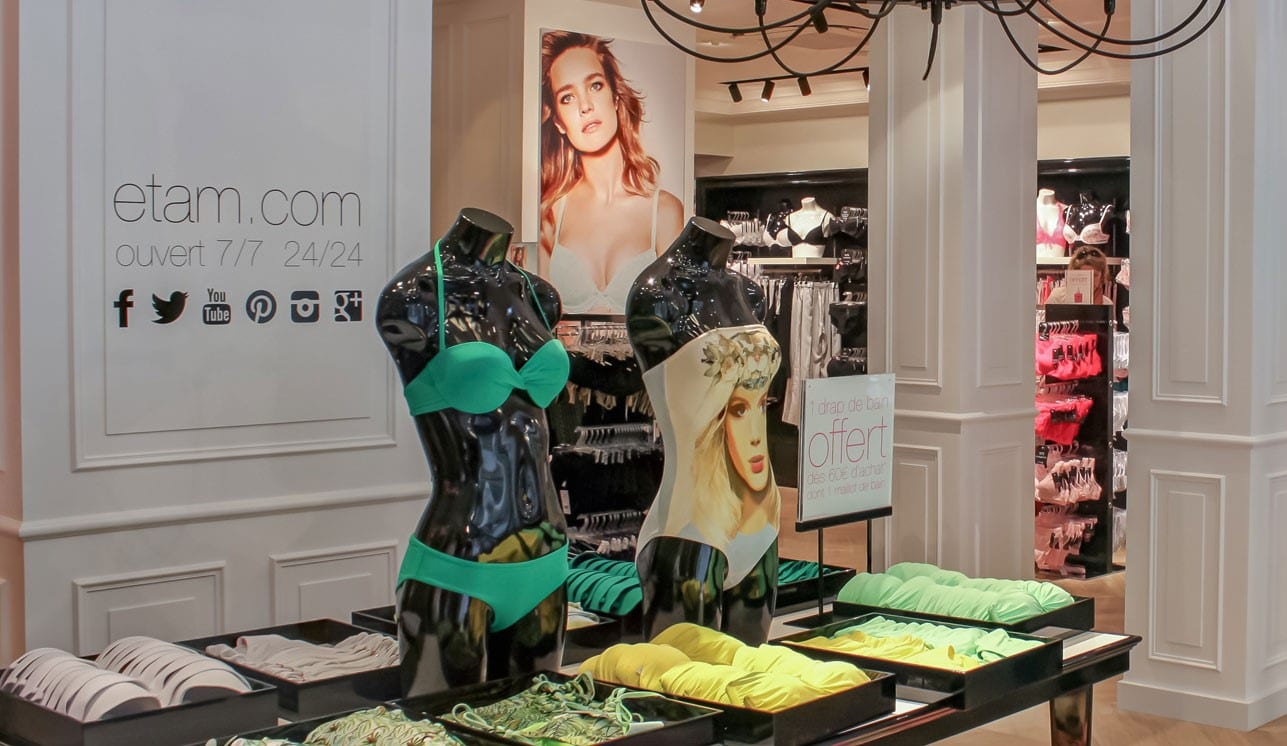
    French lingerie brand Etam has opened its first retail store in Super Brand Mall, Shanghai.

    The 100 sqm store features a tasteful black, white and pink color scheme, displaying the sophisticated array of elegant French-designed underwear for women marketed under the tagline “so sexy, so chic”. It also stocks Etam’s swimwear, sportswear and legwear.

    Etam started selling its clothing in China in 1994 through wholesale channels and the market now accounts for about one third of its total sales.

    But despite the importance of the country to its business, it has not until now opened its own stores there.

    Founded in 1916, Etam is now sold in 4400 stores in 48 countries. The Shanghai store will sell the same lines as in Paris.

    China marks a major strategic expansion for the company which to date has only opened stores in Asia in the Philippines. Its store network is largely concentrated on Europe and the Middle East.

  • Bauhaus posts loss as margins squeezed

    Bauhaus posts loss as margins squeezed

    Fashion retailer Bauhaus has reported a net loss of HK$26.6 million for the first half year after sales tumbled in key markets.

    In Taiwan, where it has 95 stores and counters, stagnant retail sentiment and weak consumption presented great challenges, with same-store sales tumbling 18 per cent.

    In Mainland China, where the group has self-managed shops in Beijing, Shanghai, Guangzhou, Nanjing and Suzhou and a franchise network focusing on the second-tier cities, turnover dropped by 4.9 per cent to about $58.4 million and same store sales slipped two per cent.

    And in Hong Kong and Macau, same store sales declined by seven per cent in the first half year.The two territories account for about 73 per cent of the locally listed company’s sales through 90 stores, less than half its total network of 228.

    The group’s turnover is mostly from its major in-house labels like Salad, Tough and 80/20, and licensed brands including Superdry.

    Bauhaus opened seven new stores in  in Hong Kong and Macau in the six months to September 30 as it “continued to enrich its shop portfolio to be more attractive, efficient and competitive”.

    “However, retail performance in many sectors across the region deteriorated, possibly due to less spending from both inbound tourists and local citizens as a result of the growth slowdown in Mainland China, strong local currency and volatile finance markets. In addition, the operating costs in the region still remained high in general, particularly rentals, further cutting profit margin of the retailers.”

    Profit before tax in the two territories dropped by 57.2 per cent to about HK$24.1 million (compared with $56.3 million in the same period last year).

    Bauhaus said in its half yearly results filing that gross profit across the whole business decreased by about 11.1 per cent to $353.9 million, with gross margin declining by two percentage points to about 60.5 per cent.

    “Global economic performance was weaker than expected during the six months. The slowdown of growth in Mainland China together with the strengthening US dollar, which in turn resulted in a strong Hong Kong dollar against most Asian currencies, gradually had an obvious negative impact on inbound tourism and local retail consumption,” the company said.

    However, the group says its sales and results are greatly affected by seasonality, with the first half of the year traditionally less important than the second.

  • Guess? Inc. Beats the Retail Slump With Solid Results

    Guess? Inc. Beats the Retail Slump With Solid Results

    The retail industry has been a minefield lately, with many companies reporting tough results. Jeans specialist Guess? hasn’t been immune from the problems facing retail peers like Gap , and coming into its fiscal third-quarter financial report, Guess? investors were bracing for substantial declines in earnings and revenue. In the end, the company didn’t do nearly as badly as many had feared, and that helped to send the stock higher in relief. Let’s take a closer look at how Guess? fared and what its latest results mean for the industry going forward.

    Guess? remains under pressure but still held up well
    Fiscal third-quarter results for Guess? still had plenty of ugly numbers. Revenue fell 12% to $521 million, which was almost exactly in line with what most investors had expected to see from the jeans maker. On the bottom line, net income fell 40% to $12.4 million, but even though earnings of $0.15 per share were down substantially from year-ago levels, they were still $0.04 per share ahead of the consensus forecast among investors.

    As we’ve seen several times in recent quarters, Guess? took a hit from weak foreign currencies. The strong dollar cost the company $0.13 per share in earnings and pulled down overall revenue by about eight percentage points. Retail comparable sales including e-commerce fell 6% in dollar terms but only 2% on a constant-currency basis.

    Guess? saw considerable weakness throughout its business. The Americas retail segment suffered a 7% drop in sales, with Europe taking a 15% hit and Asia seeing sales fall 17%. Wholesale revenues in the Americas fell 12%. Even with the strong dollar, all four areas suffered declines in constant-currency terms. On the margin front, results were mixed, with operating margins improving in the Americas retail and Asia segments but falling in Europe and in the Americas wholesale business. The company continued its strategy of boosting initial mark-ups in its retail segments, but fixed costs offset some of the resulting margin gains.

    CEO Victor Herrero emphasized the positives, noting that overall results exceeded expectations and that comps in the European business were especially strong. “I am laser focused on driving the organization to raise the level of execution,” Herrero said, “as this will be a critical enabler of successful achievement of our strategies.” The CEO pointed to initiatives to boost sales and merchandising quality, build its business in Asia, and reinforce purpose and accountability within the company as having shown signs of success during the quarter.

    Can the jeans maker keep moving forward?
    Investors were also pleased with Guess?’s guidance. For the fiscal fourth quarter, the company expects revenue to fall 4% to 7%, with currency accounting for about 5.5 percentage points of the decline. Earnings of $0.53 to $0.62 per share would also be in line with what investors already expect from Guess? next quarter.

    For the full year, Guess? was more optimistic. The company narrowed its earnings guidance to the upper end of its previous range, now expecting $0.93 to $1.02 per share. Sales declines of 8.5% to 9.5% will look ugly, but they’re not inconsistent with the expectations that investors have for the company.

    What Guess? needs to execute on is its longer-term strategic plan. Investors want to see real progress for fiscal 2017, including stable revenue and rising earnings. That could prove difficult, especially in light of what rival Gap said in its recent report. Gap disappointed investors with its future guidance, including a 15% decline in earnings per share for its holiday quarter. Gap investors also expect it to have trouble rebounding in the coming fiscal year, calling for minimal sales growth and only about a 6% rise in earnings per share.

    Investors nevertheless remain optimistic about Guess?, sending the stock up more than 3% in the first hour of after-market trading following the announcement. As with most companies in the retail industry, Guess? will rely on solid holiday results in order to drive future growth in the months and years to come. If sales climb to finish the year, then Guess? could build further on its share-price gains.


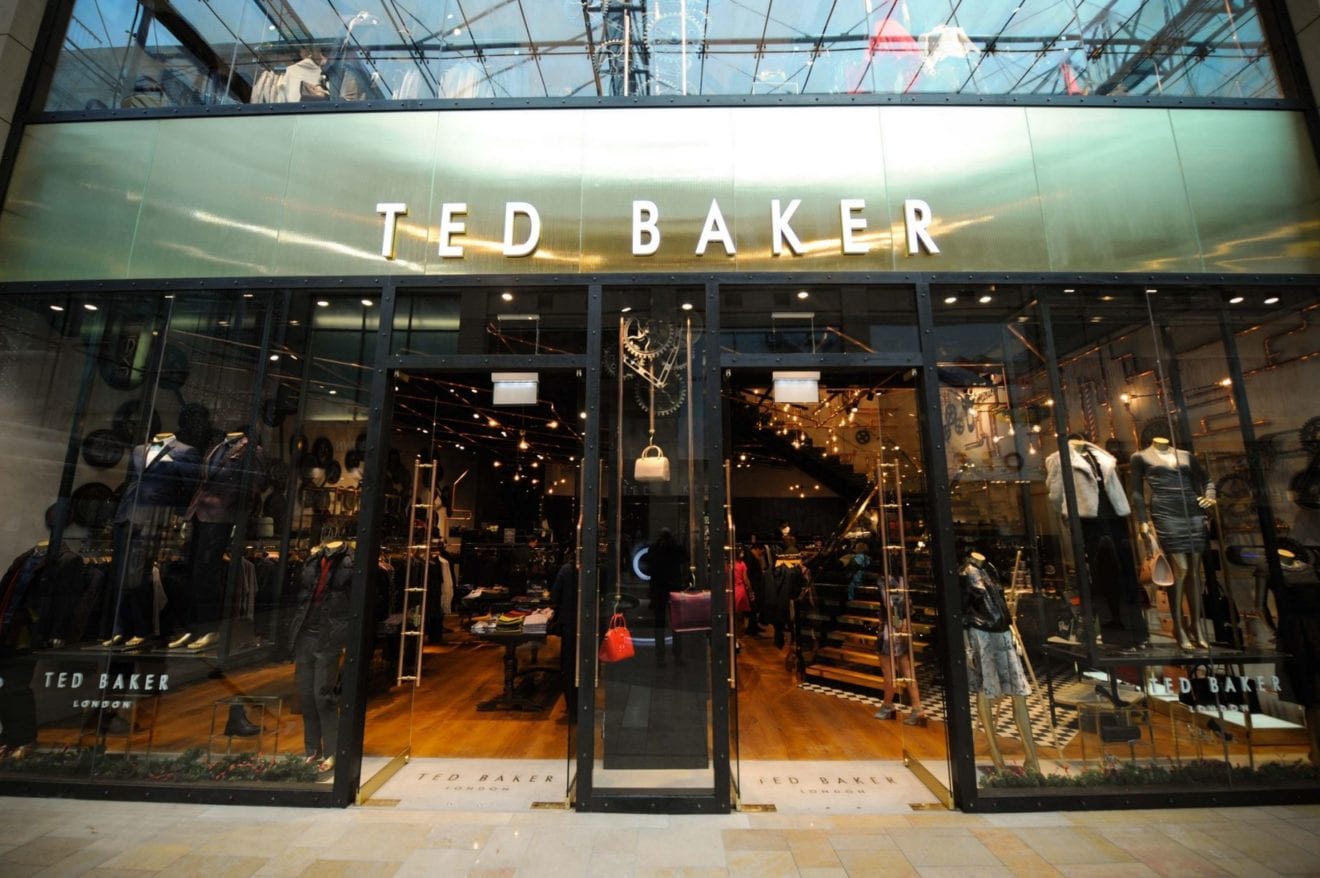
  • Ted Baker thrives on expansion

    Ted Baker thrives on expansion

    Quirky UK fashion and lifestyle label Ted Baker has announced a 20.5 per cent rise in group revenue for its third quarter to 14 November.

    Celebrating an 18.1 per cent rise in retail sales at constant rates, these results were helped by the addition of more than 32,516 sqm in average retail space (an increase of seven per cent) during the period. A planned customer event, which fell a week earlier than last year, also boosted sales.

    Despite the continued international challenges that Ted Baker outlined in its half year results last month, the company has proceeded with numerous openings, spanning Amsterdam, Hawaii, Malibu and Toronto, adding further concessions in premium department stores in Germany, Ireland, Spain, North America and Toronto over the last three months. The brand has also made a return to London’s Stansted Airport, following an £80 million transformation of the terminal. The “Departures Store”, which officially opened on November 6, has a summer holiday theme, featuring 3D Polaroid-style wall boxes set against blue swimming pool tiling and light fixtures in the shape of inflatable beach balls. An interactive digital screen across the store front senses movement and invites passersby to move closer.

    Ted Baker’s wholesale arm saw a sales increase of 27 per cent (25.1 per cent in constant currency), helped by strong trading in both the UK and North America. Group wholesale sales are expected to be 28 per cent ahead at the close of the full year.

    Ted Baker’s varied international approach has also seen licensed store openings in Singapore and Taiwan together with licensed concessions in Kuwait and Mexico. These have enabled Ted Baker to progress with expansion in the Far East despite economic volatility in the surrounding region.

    An outtake from the “Wonders Never Cease” Autumn Winter 2015 campaign, shot over five nights at London’s Natural History Museum in collaboration with shoebox film firm Crowns and Owls, currently represents the backdrop for the brand’s website. While the “affordable luxury” label has received a positive reaction to its Autumn/Winter collections so far, the swing of success at the end of the year will be heavily dependent on strong Christmas trading.

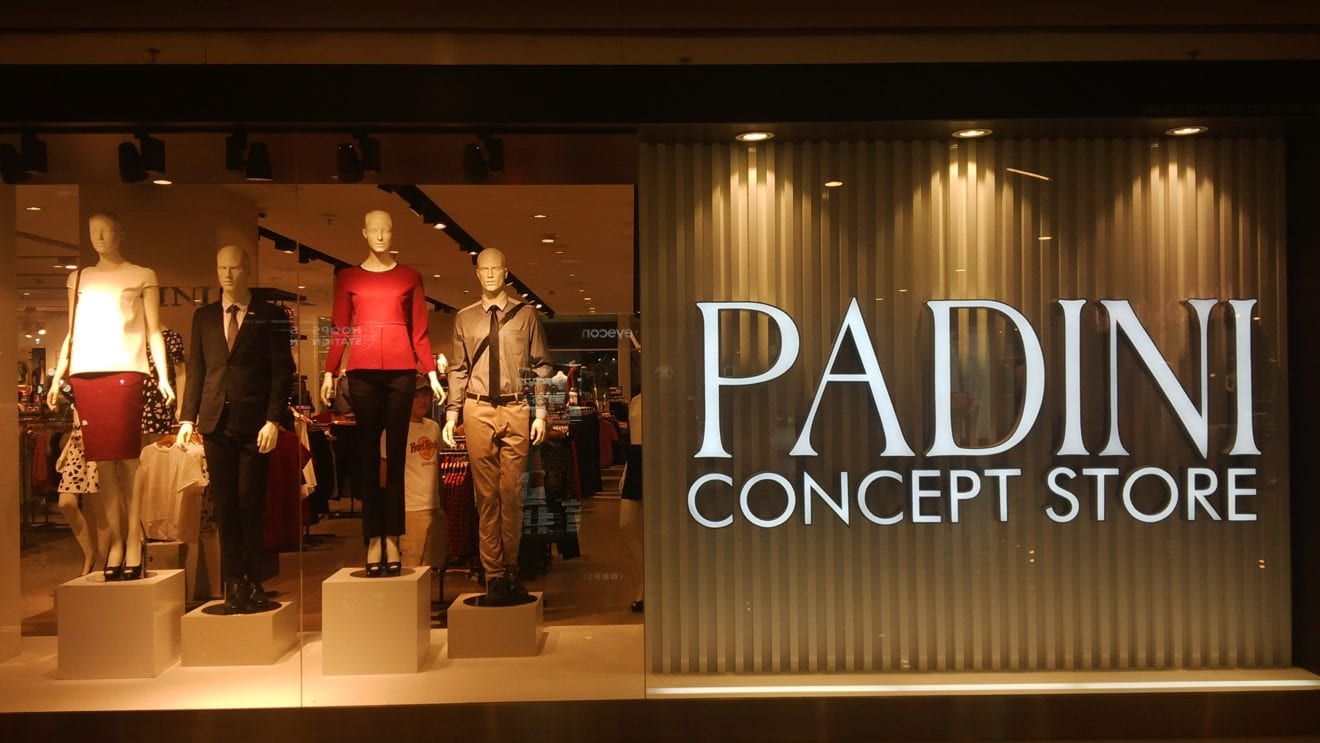
  • Padini fears margin squeeze

    Padini fears margin squeeze

    Malaysia-based Padini Holdings expects an even tougher year ahead as it deals with a double whammy of having to cut prices and pay more for its stock.

    Padini owns the brands Vincci, Seed and Miki as well as stores trading under its own brand.

    The company has revealed margins reduced by between three and five per cent across its brands during the year to June 30 – and it fears even more reductions in the current year. It’s margin is now sitting at around 40 per cent.

    The company has had to absorb the additional six per cent GST applied on retail prices on April 1. At the same time, stock costs have risen due to the rapid deterioration of the value of the ringgit.

    “This financial year is going to be more difficult than FY15 as the weakening ringgit is affecting the cost of goods due to higher import costs,” CEO Chan Kwai Heng said in a news conference after the group’s annual meeting.

    But Chan says the market won’t accept price increases given deteriorating consumer sentiment.

    “We are more focused on driving top-line growth, and have no plans to increase our prices in the short term in order to remain competitive,” he said.

    In the year ahead the company will focus on boosting its online sales (which carry lower overheads than stores), and searching for cheaper supply sources.

    Padini plans to open 16 new stores in 2016, including nine outlet stores, mostly in new malls under construction.

    The company had earlier reported an 11.8 per cent reduction in net profit last year, blamed on aggressive promotional and discounting activities.

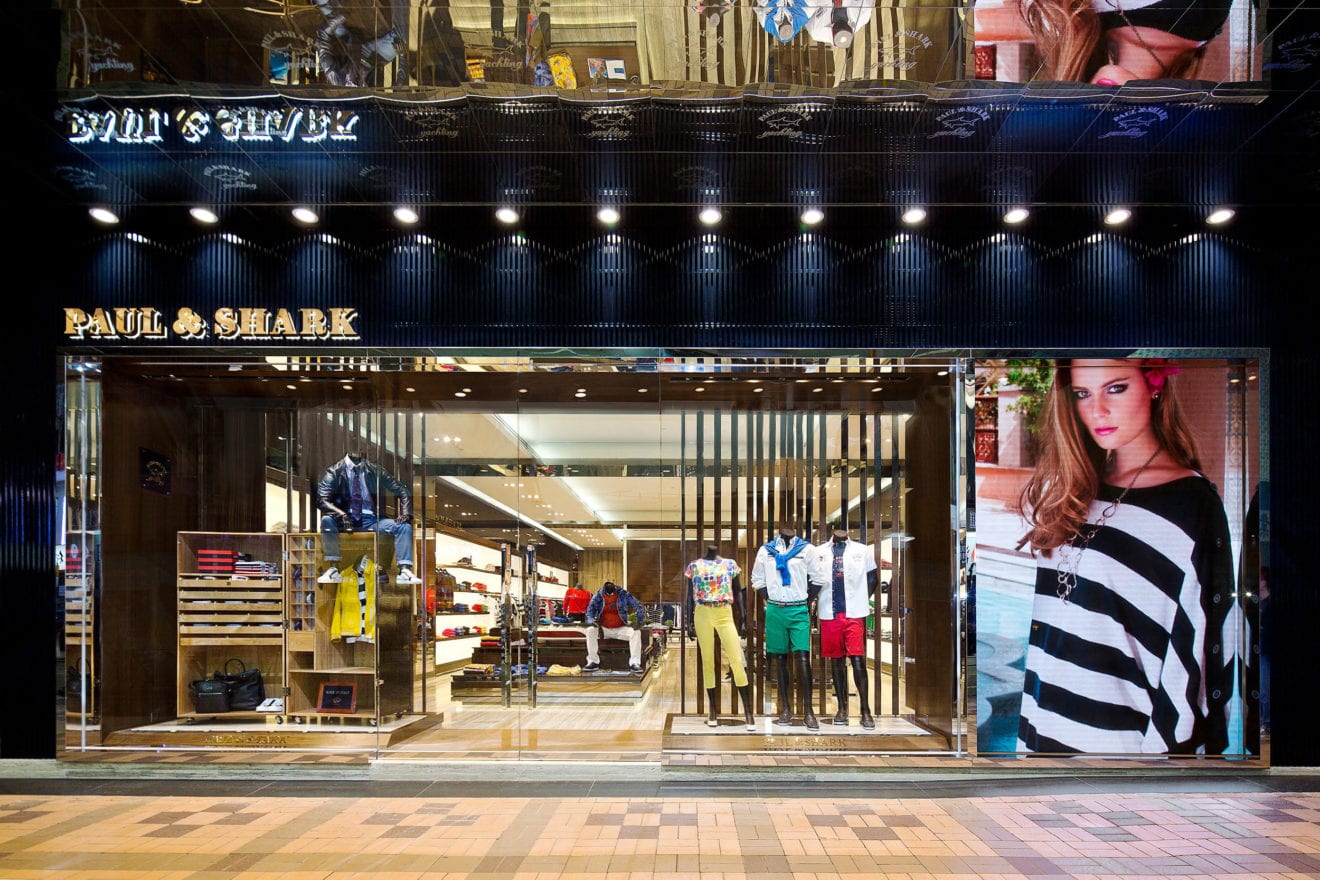
  • Paul & Shark makes Korea debut launch inside Incheon

    Paul & Shark makes Korea debut launch inside Incheon

    Paul & Shark will launch its first store in South Korea with a new point of sale opening at Incheon International airport with Lotte Duty Free, and will also open its first personalised boutique onboard cruiseship Costa Fortuna.

    “Our new opening in Incheon will enable us to enjoy truly spectacular visibility for the brand. Along with the Lotte store we have another two openings planned in Seoul by the first quarter of 2016, giving Paul & Shark a very strong foot-print in the South Korean travel-retail market. These openings are both downtown duty-free – one with Donghwa and another with SM Duty Free.”Both stores will make its inaugurate launch next month. “We are so excited about these two projects,” said Paul & Shark Worldwide Travel Retail director Catherine Bonelli. “The Costa Fortuna is a beautiful ship and to have our own standalone boutique onboard is a real coup. Opening in December in the run up to Christmas could not be better timing and we’re expecting really good sell-through during the month.

    This continues a trend that has seen a 55% increase in openings for Paul & Shark over the past 18 months, of which Bonelli said around half were located in airports and the rest with cruiselines and downtown duty-free stores.

    After coming back from a busy TFWA World Exhibition last month, Bonelli sees a rosy future next year. She added that openings in 2016 were earmarked at Pudong terminal one in partnership with King Power Orient; Hong Kong International airport with Lagardère Travel Retail, and Houston with ATU-Heinemann.

    Speaking of last month’s TFWA, she added: “Cannes, with our new stand, was an incredibly busy and successful week for us with head to head appointments all week,” said Bonelli. “Our personalised embroidery service was again a particular talking point and has become a real stand-out highlight for us.

    “It’s been an incredibly busy and hardworking year for the Travel Retail team but the effort is certainly paying off and we are being rewarded with superb locations for the brand. We are confident that 2016 will be another exceptional year for us, as retailers continue to understand and realise the business potential of partnering with Paul & Shark.

  • Hugo Boss’s sales suffer amidst the falling Chinese economy

    Hugo Boss’s sales suffer amidst the falling Chinese economy

    Hugo Boss has recently announced that it is anticipating challenges in the Chinese and US markets, which will have a negative impact on sales next year. While a decline is expected, the brand plans to continue investment in its stores and online platform.

    The German fashion retailer* announced in a presentation for its investor day that 2016 sales growth is likely to be lower than its long term target for a high single-digit increase, adding that it would only reach 2020 targets for a core earnings margin of 25% if the overall market recovered.

    These results come just a year after one of Hugo Boss’ main brands BOSS opened two new flagship stores in Hong Kong.

    Earlier this month, Burberry recorded a 9% increase in pre-tax profits, while still in the midst of a “challenging” trading environment due to China’s suffering economy. The British brand said sales at stores open for a year or longer have been affected by the Chinese climate, especially those in Hong Kong, a major shopping destination for mainland visitors.

    Up until its recent economic downturn, Hong Kong was viewed as China’s shopping centre, housing the world’s luxury and most expensive retailers. However, failing sales have led to cuts in rents and ultimately struggling retail sales, following years of luxury growth in the region.

    Both Boss and Burberry have faced a declining demand in China as well as an overall decrease in luxury retail spending. Burberry is poised to downsize its biggest store in Hong Kong, while it has been suggested that French house Louis Vuitton will also be assessing sales performance in its 8 China stores in second-tier cities.

  • Yue Yuen sales rise on retail rollout

    Yue Yuen sales rise on retail rollout

    The world’s largest branded athletic and casual footwear manufacturer and retailer Yue Yuen Industrial says retail and wholesale sales of sportswear in Greater China rose 19.6 per cent in the first nine months of this year, due to an expanding store network.

    Yue Yuen operates more than 6000 retail stores and concessions across Greater China under its own name as well as the international brands it manufactures for.

    Total sportswear sales reached US$1.7 billion compared to US$1.456 billion in the same period last year. Other factors in the growth were the company’s efforts to increase efficiency and a better merchandise selection.

    Sales of athletic shoes were up by 3.4 per cent and sales of casual shoes were down by 5.6 per cent. The total volume of shoes sold increased by just 1.1 per cent to 231.4 million pairs for the period.

    Hong Kong listed Yue Yuen designs and makes shoes for brands including Nike, Crocs, Adidas, Reebok, Asics, New Balance, Puma, Timberland and Rockport as well as operating its own network of retail stores under the YY Sports brand, through subsidiary Pou Shen.

    The increased athletic shoes and sportswear sales helped boost Yue Yuen’s overall revenue by 5.8 per cent to US$6.3 billion and gross profit by 9.1 per cent to $1.422 billion. Total net profit attributable to owners of the company was $285.6 million, up 36.6 per cent year on year, according to figures filed with the stock exchange.

    Pou Shen, which opened 771 new points of sale during the nine months, increased its gross profit by 32.5 per cent to $566.5 million due to management’s strategy to concentrate on the retail business, improved operating efficiency, and better procurement of inventory.

    YY Sport instore wide

  • Fossil and wearable tech business

    Fossil and wearable tech business

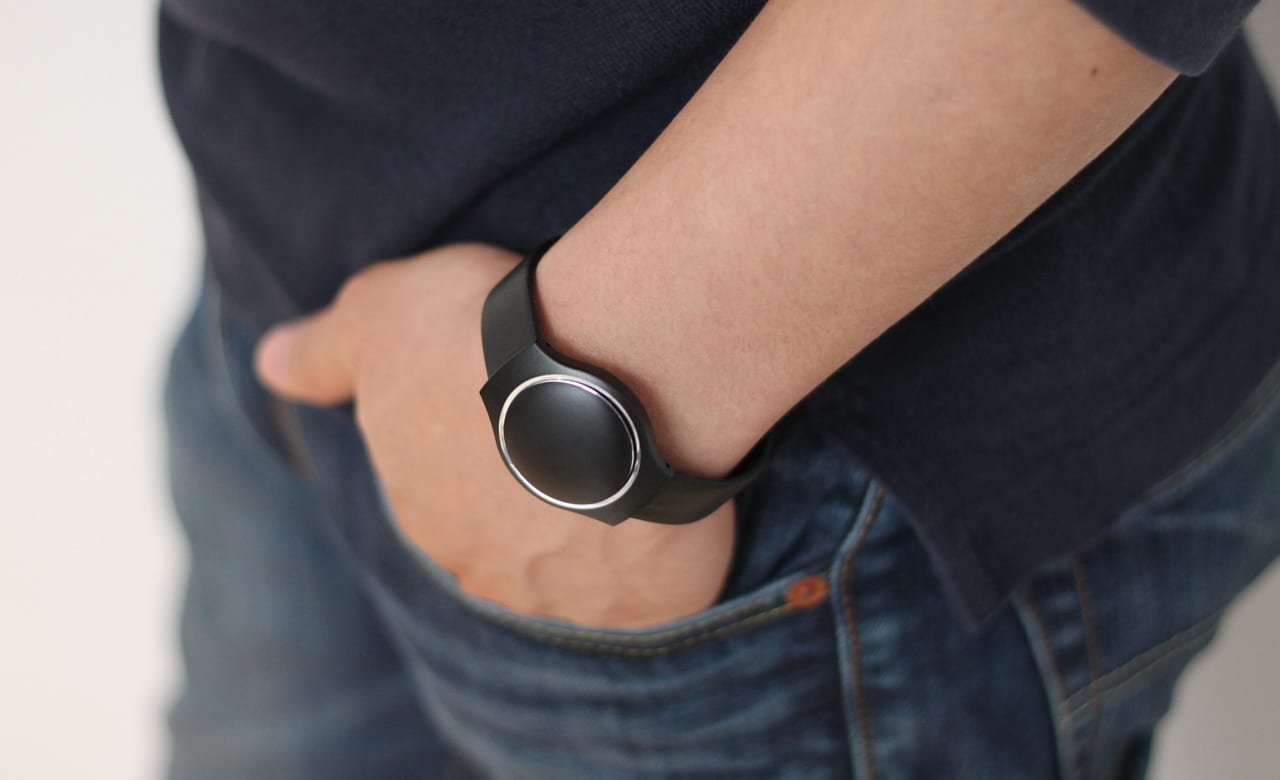
    Fossil Group is to buy Misfit, an innovator in wearable technology and connected devices.

    The $260 million acquisition will enable Fossil to expand its addressable market, offering consumers both traditional timepieces and fashionable connected accessories. Misfit brings to Fossil a scalable cloud and app platform, a world-class software and hardware engineering team, a native wearable technology brand and a pipeline of innovative products.

    “We have a significant opportunity to add technology and connectivity across our platform of watches and accessories,” said Kosta Kartsotis, Fossil CEO.

    “With the acquisition of Misfit, Fossil Group will be uniquely positioned to lead the convergence of style and technology and to become the fashion gateway to the high-growth wearable technology and connected device markets.”

    Fossil Group is a global design, marketing and distribution company that specialises in consumer lifestyle and fashion accessories, including men’s and women’s fashion watches and jewellery, handbags, small leather goods and accessories, sold under 16 brands including Skagen. It sells through department stores, specialty retail stores and specialty stores in 150 countries, and has 600 of its own stores.

    Fossil says Misfit has already solved many of the biggest challenges with wearable accessories, including battery life.

    The deal will enable Fossil to expand its wearable market with new distribution channels, new products, new brands and new enterprise partnerships, including music, fitness, healthcare and digital entities.

    Misfit founder, Sonny Vu, said the two companies will now be able to introduce products that “blend Misfit’s seamless, intuitive technology and user experience with the design, style and branding that is the hallmark of Fossil Group”.

    Vu will serve as president and chief technology officer of connected devices for Fossil Group and will become a member of the company’s executive leadership team.

    Misfit was cofounded in 2011 by Vu and John Sculley, former CEO of Apple and Pepsi, and Sridhar Iyengar, co-founder and former CTO of AgaMatrix.

  • Ever-Glory in sales slump

    Ever-Glory in sales slump

    Nasdaq-listed, Chinese fashion retailer Ever-Glory International Group has reported a third quarter plunge in same store sales of 21 per cent.

    Wholesale sales fell 10.9 per cent with total company revenue down 15.3 per cent to US$118.6 million.

    Wholesale sales fell the most in Mainland China, Germany and Japan and in European markets in general.

    The company operated 1188 stores at the end of September, compared to 1137 a year earlier.

    Gross profit decreased 4.4 per cent to $32.3 million, compared to $33.8 million last year, with gross margin up 310 basis points to 27.3 per cent compared to 24.2 per cent last year.

    Gross profit for retail business increased 3.6 per cent to $22.4 million. Retail gross margin increased 1130 basis points to 47.5 per cent from 36.2 per cent.

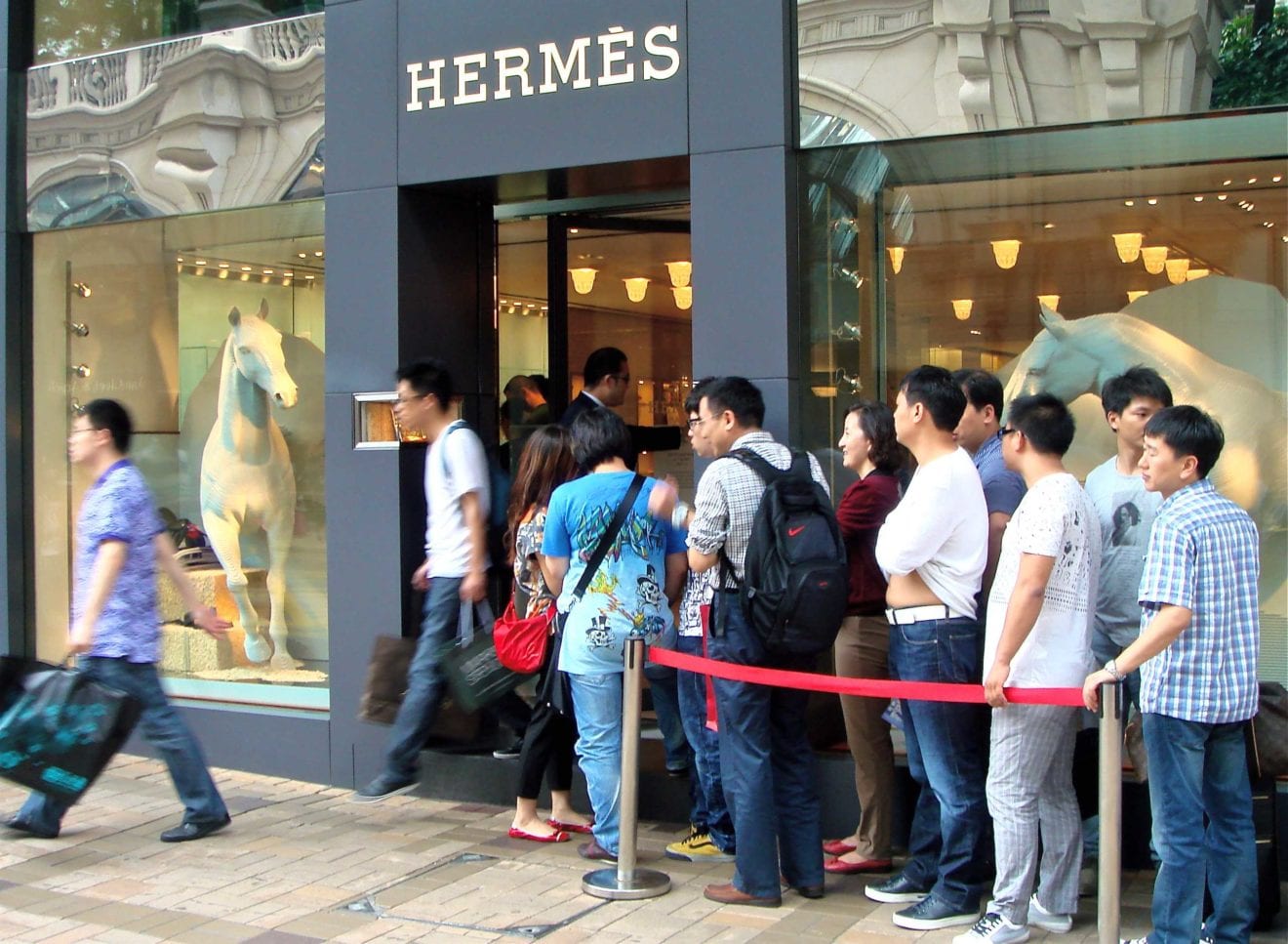
  • Hermes Asia sales rise despite downturn

    Hermes Asia sales rise despite downturn

    French luxury label Hermes has managed to increase its sales in Asia despite the challenges in Hong Kong and the Mainland.

    The company says it achieved five per cent sales growth during the first nine months of this year in Asia excluding Japan – where sales rose a whopping 19 per cent.

    The Hermes Asia performance was due to the opening of the Maison Hermès in Shanghai in September 2014. Sales in the region improved “in spite of a difficult context in Hong Kong, Macao and to a lesser extent in continental China”.

    Globally, the brand posted sales growth of 19 per cent at current exchange rates and nine per cent at constant exchange rates, consolidated revenue reaching €3.443 billion.

    The brand’s leather goods and saddlery products grew the most – up 12 per cent – sustained by the increase in production capacities at two new sites in Isere and Charente.

    Dynamic sales in ready-to-wear and accessories –  up nine per cent – stem mainly from the success of fashion accessories and the latest ready-to-wear collections.

    The silk and textiles division grew by three per cent, despite challenges in China, and the perfume division rose six per cent.

    Watch sales fell two per cent, largely due to the category’s decline in Asia, excluding Japan.

    Gold jewellery sales helped its ‘other’ category to achieve 12 per cent growth.

    Hermes says despite the economic, geopolitical and monetary uncertainties around the world, the group is sticking with its medium-term goal for 2015: revenue growth at constant exchange rates of eight per cent.