Category: Fashion

Retail News Asia is committed to providing both local and global retailers with the latest Fashion news throughout the Asian market. This on a daily base.

  • UNIQLO and Toray Announce Third Stage of Strategic Partnership

    UNIQLO and Toray Announce Third Stage of Strategic Partnership

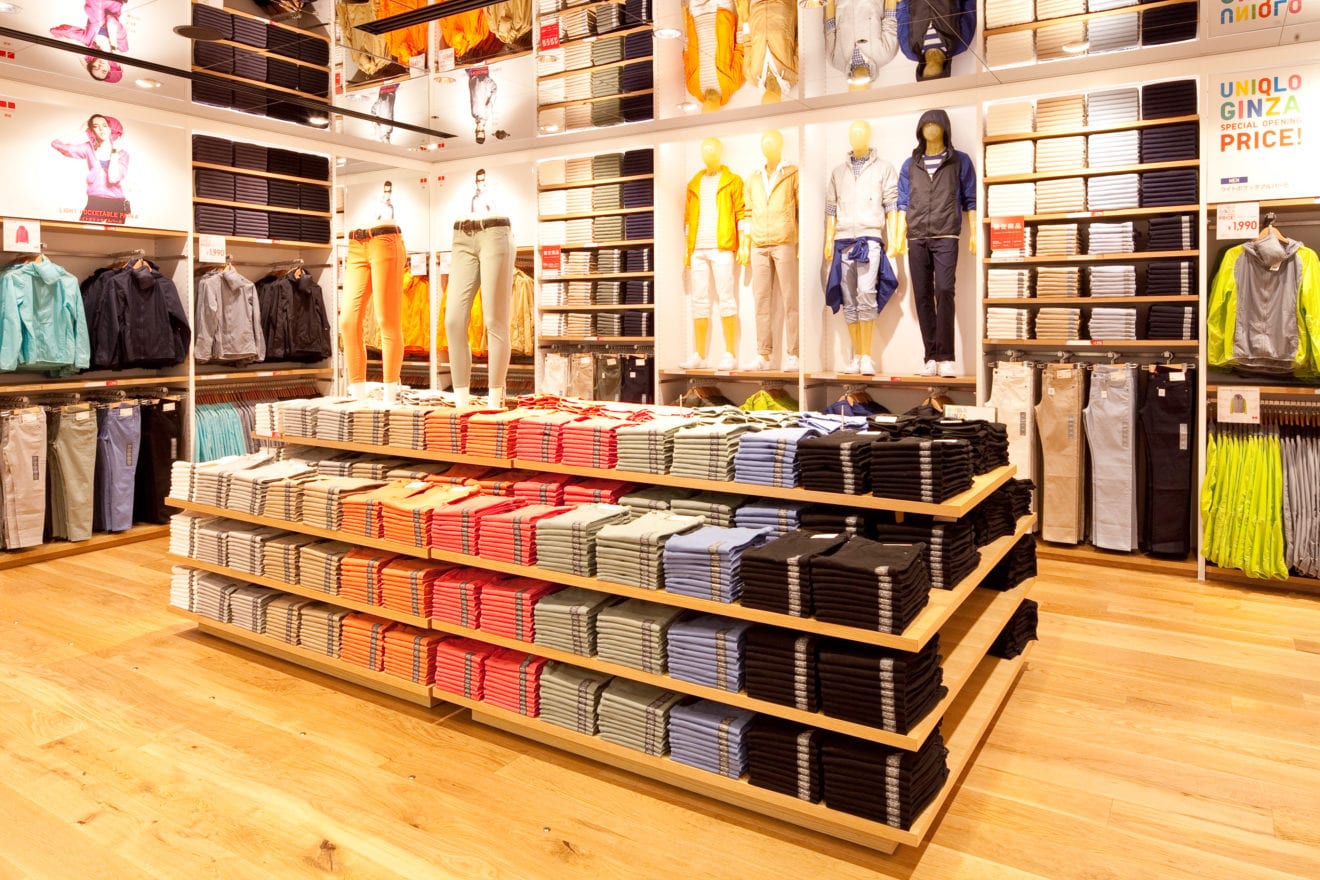
    Uniqlo and Toray Industries, Inc. (company headquarters registered in Tokyo) today jointly announce the third stage of their strategic partnership for the next five years. First established ten years ago, the newest stage of the partnership between the two companies aims at strengthening collaborative efforts further and creating a new industry centered the future.

    Uniqlo, leading apparel retailer and originator of LifeWear clothing that is made for all, and available in 841 stores in Japan and 798 stores abroad (as of August 31, 2015), and the Toray Group, global top business group of advanced materials, with its 98 subsidiary companies in Japan and 155 companies abroad (as of March 31, 2015), are accelerating globalization and digitalization to achieve the initiatives listed below. From 2016 through 2020 the total number of transactions between the two companies is expected to reach 1 trillion yen.

    Acceleration of globalization and digitalization to create a new industry:

    – Realize an end-to-end business model by utilizing the Internet of Things (IoT)

    – Reduce production lead times further

    – Increase globalization of production sites and locations further

    – Optimize production in each location

    – Expand production sites to support business growth in Greater China (China, Hong Kong and Taiwan)

    Maximize LifeWear that is made for all:

    – Improve comfort and functionality of current products

    – Conduct research and development of products that offer completely new added value

    – Develop new sportswear to enhance people’s daily lives

  • Fashion chain M)phosis shutters stores

    Fashion chain M)phosis shutters stores

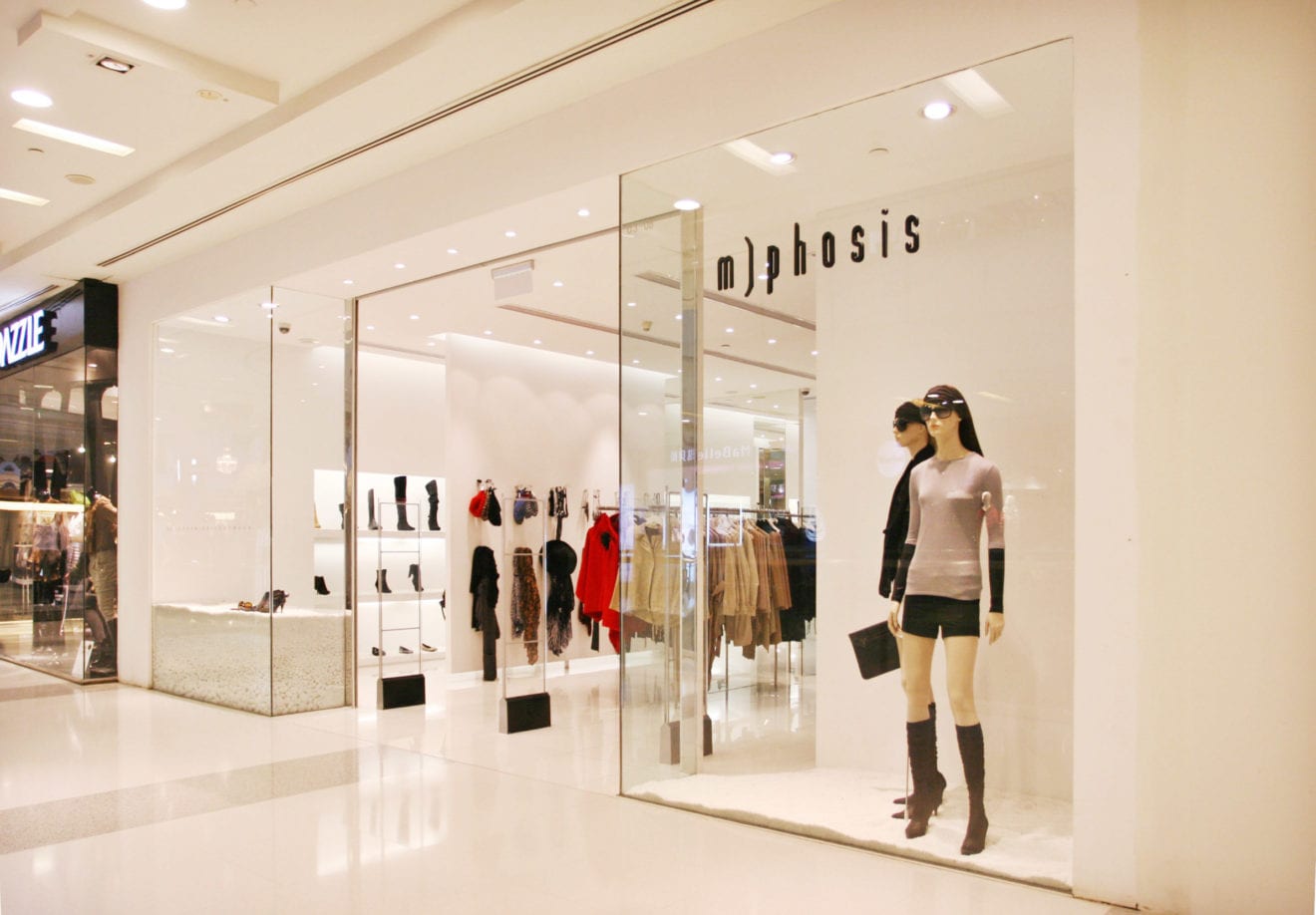
    Singapore-founded fashion retailer M)phosis is reportedly closing all its Southeast Asian stores due to financial challenges.

    The Straits Times has reported the chain is in the process of closing remaining stores in Vietnam, Malaysia, the Philippines and Indonesia – more than 10 in all. Its last Singapore store, in VivoCity, ceased trading at the end of August. Only its China stores will continue to operate.

    The company has not updated its Facebook page since August, but some disappointed fans of the brand have posted messages on the page, ranging from sadness at the retailer’s apparent demise to anger over being left with vouchers which can no longer be redeemed or cashed in.

    Director Hensley Teh confirmed to the Straits Times the brand remains in the China marketplace.

    “We were having a severe cash flow situation. We were not able to continue, despite wanting to. We did everything we could. We thank our customers, who have supported us all these years.”

    M)phosis made its debut in 1994, targeting women aged 18 to 35. At one stage it operated in Australia, Hong Kong, Dubai and Japan and had a network of 30 stores, but it has since retrenched from those markets.

  • Parkson to launch fashion brand LOL

    Parkson to launch fashion brand LOL

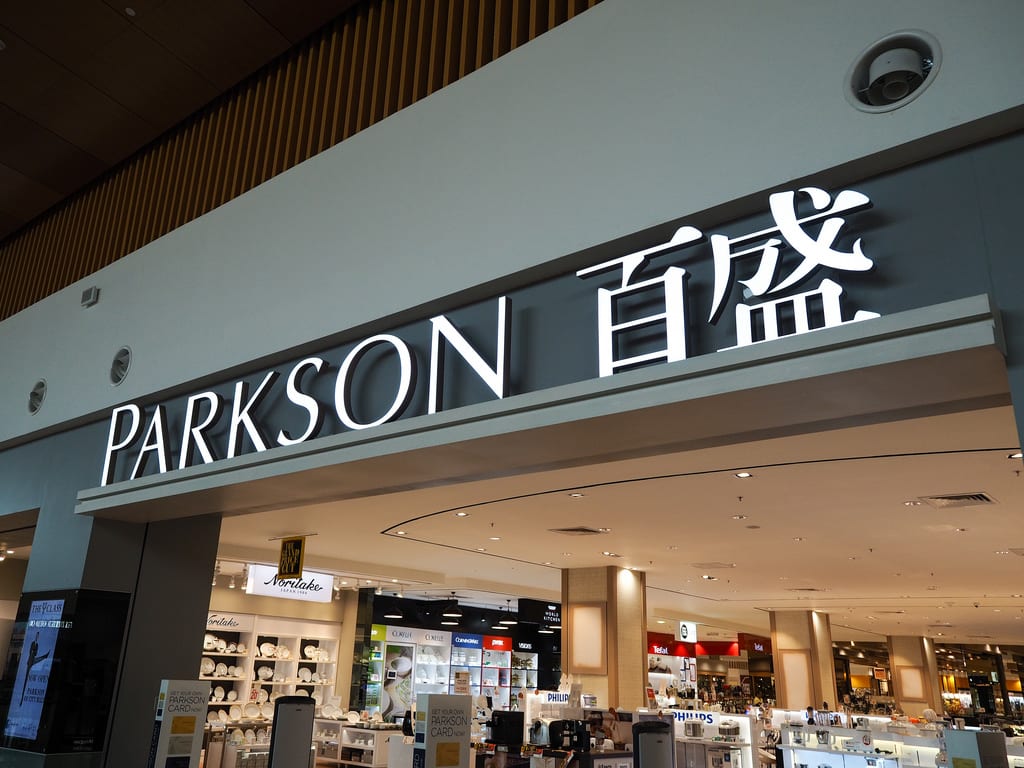
    Malaysian department store retailer Parkson Retail Asia is to launch a new fashion brand LOL, in partnership with a newly established company Super Apparel Supply, jointly owned by Chong Yan Kit and Lim Kin Ann.

    Together the two companies will establish a chain of retail stores branded LOL and selling fashion apparel and accessories, with Parkson owning 70 per cent of the business. Their venture will be established under an existing non-trading Parkson entity.

    Parkson says the JV will give it platform for selling men’s, women’s and children’s apparel, shoes and accessories ”to the mass market”.

    No other information has been released to date, including when and where the first stores will open or whether the brand will be launched outside Malaysia.

    Based on its name and the company’s wording, LOL appears to be a fast fashion or outlet concept, perhaps taking the fight back to Uniqlo which is expanding rapidly in Southeast Asia on a value offer.

  • Ralph Lauren profits tumble

    Ralph Lauren profits tumble

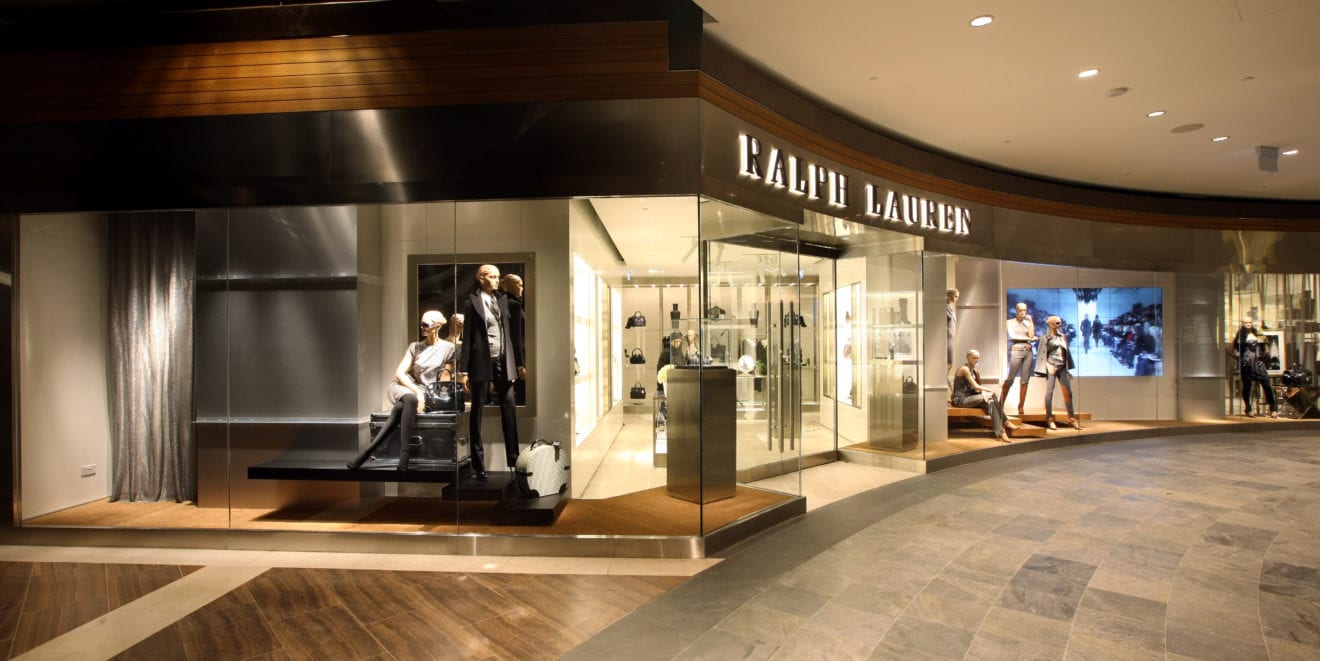
    US fashion label Ralph Lauren’s operating profit has tumbled almost 39 per cent year to date as it continues to restructure its operations.

    The latest quarterly numbers just released show a solid sequential improvement on the prior quarter, with the strength of the US dollar responsible for most of the headline deterioration. When reported on a constant currency basis, net revenues look more respectable, rising four per cent over the prior year.

    “Despite the fall in profits, Ralph Lauren has taken steps to help ease up its bottom line over the medium term,” comments Håkon Helgesen, retail analyst at Conlumino.

    “These include the global reorganisation into a centralised structure run by six global brand groups which, by the end of 2017, should yield an annual $100 million in terms of efficiency savings. This measure has, however, come with short term costs attached – $38 million of which were recognised during this quarter, and more of which will filter through into subsequent quarters.

    “Despite the squeeze this exerts on profits, we believe that Ralph Lauren is to be applauded for taking the long term view.”

    The global launch of Polo Sport was completed during the quarter and initial indications suggest it has been well received.

    “In our view this activewear brand gives Ralph Lauren a much more significant presence in a lucrative – and rapidly growing – part of the apparel market and will be a solid contributor to future growth,” said Helgesen.

    Geographically, although international growth was deflated by the unfavorable exchange rate, it remains in double digits when expressed in local currency terms.

    “The same cannot be said of Ralph Lauren’s home market where the company struggled to generate sales momentum. Stores in big city locations – which make up about half of the total fleet – have the legitimate excuse of reduced tourist spend, again related to the relative strength of the dollar. This has inevitably acted as a drag on growth.”

    Helgesen says despite sluggish growth and a more promotional retail environment, Ralph Lauren continues to be conservative about discounting.

    “Although this has likely cost it some sales in the US, it has helped to protect margins and, ultimately, brand equity. Again, this is an example of Ralph Lauren being confident enough to take the long term view.”

    Responsibility for the day-to-day running of the company will now fall to Stefan Larsson, who takes over as CEO from its founder Ralph Lauren this month.

    “While some have questioned Larsson’s background – he previously worked at the distinctly mass-market retailers Old Navy and H&M – this is, in our view, to ignore the skills he brings to the table. While these may not have been honed in a luxury brand environment, the operating disciplines of both fashion businesses are points of learning for Ralph Lauren as it continues its quest for efficiency.

    “In any case, Ralph Lauren – and his design prowess – will still be on hand as he takes up his new role of chairman and chief creative officer,” concluded Helgesen.

  • Muji unveils the Muji Hut

    Muji unveils the Muji Hut

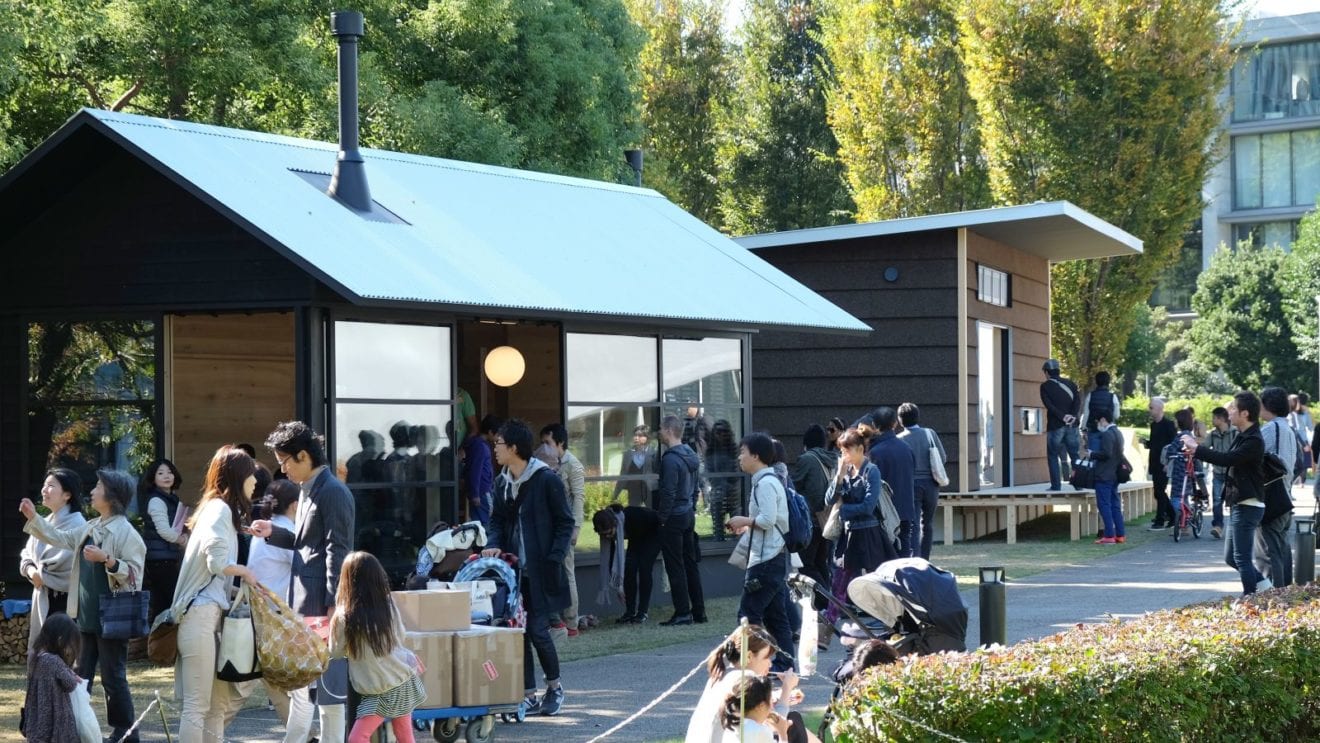
    Anti-brand department store Muji has opened a pop up store in Japan to unveil a prefabricated cottage it calls the Muji Hut.

    With a cult following throughout Asia for its simple, clean, brandless designs of homewares, its development of ‘Vertical Houses’ in Japan has drawn widespread attention for their innovative, quirky designs.

    This week the company unveiled the new Muji Hut concept at a pop-up design event in Tokyo.

    Muji Hut Japan 1

    The concept goes like this: In Japanese cities, people have learned to live in a compact home. But on the weekend, it’s time to get outside, enjoy nature, and cozy up inside a cabin.

    Muji Hut cork

    “We gather around the fireplace, enjoy each other’s company,” the exhibit’s welcome sign says. “Muji now invites you to slip away from the hustle and bustle of the city to a place where you can feel instantly at home and at ease.”

    Muiji Hut Japan 2

    Muji demonstrated three huts, ranging in size, complexity and materials. One has cork exterior, one wood and one aluminium.

    The largest, a cork hut, was designed by Jasper Morrison, who has long collaborated with Muji. The mini house includes a main room with fireplace, a bathroom with shower and a kitchen with a stove.

    Muji Hut

    Take a look at the concept on the website which features a full screen animated presentation. (Scroll down to see the Muji Huts).

  • Michael Kors Japan sales soar

    Michael Kors Japan sales soar

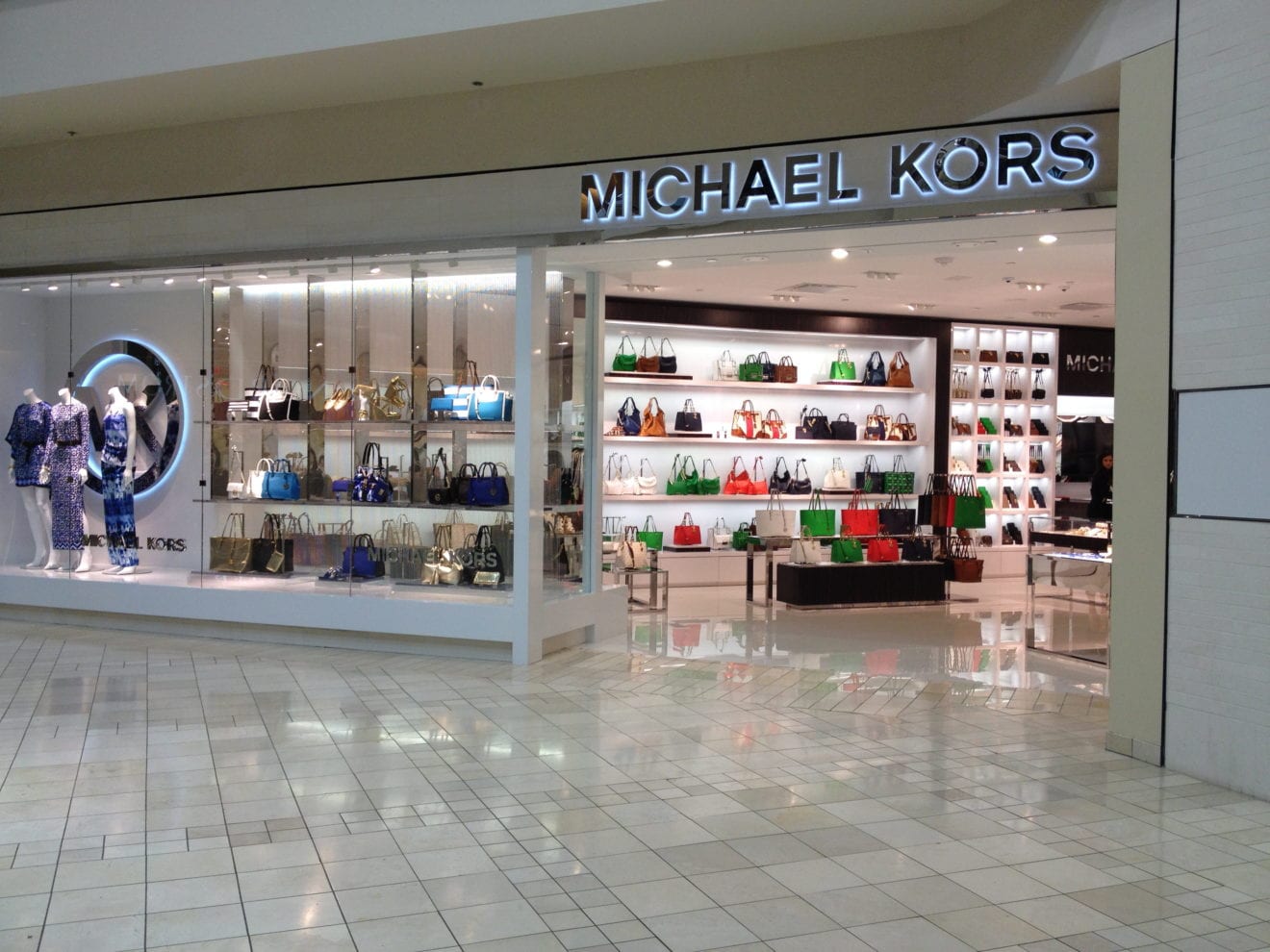
    Michael Kors Japan sales continue to soar as rising US fashion player expands its global success.

    Revenue in Japan for the last quarter rose 60.7 per cent on a constant currency basis.

    While that figure was carved back to 36.1 per cent after the exchange rate was taken into account, it shows stellar growth in the Asian nation, which is now Michael Kors’ second largest market behind the US.

    Globally, although still in positive territory, sales growth at Michael Kors continues to slow. Total revenue was up by 6.9 per cent during the quarter, a sequential worsening of the 7.3 per cent growth posted during the first quarter, and a long way down on the double digit increases recorded across the prior fiscal year.

    But while some of this is due to currency fluctuations, according to Conlumino CEO Neil Saunders, this does not explain away all of the decline.

    “Of particular concern are the same store sales numbers which were down by a sharp 8.5 per cent over the same period last year. While this represents a slight improvement on the 9.5 per cent dip recorded last quarter, it is still a dismal outcome and one which has diminished productivity and profitability. At total level retail sales remained in positive territory, saved only by the addition of some 116 new stores over the past year,” he said.

    “All that said, while Michael Kors is now feeling some pressure on the bottom line, with net income falling by 6.8 per cent over last year, it remains in a much better financial position than a number of its luxury rivals. Indeed, its return on invested capital is over 10 percentage points higher than Coach and some 20 percentage points higher than Ralph Lauren,” noted Saunders.

    “Margins, while having weakened due to both exchange rates and discounting, remain comparatively robust. As such, Michael Kors’ capacity to weather the slowdown in demand for its products is, in our view, reasonable.”

    But demonstrating it is capable of dealing with slowing demand does not mean Michael Kors wants to be in such a position, said Saunders.

    “One of the current issues for the company is that its brand simply does not have the cachet that it once did and is, to some extent, suffering from over-exposure. Nowhere is this truer than in the North American market where the proliferation of the brand over recent years has diluted its value.

    “Steps have been taken to remedy this, including lessening the reliance on traditional products like handbags by introducing more contemporary accessories like oversized wallets and cross body satchels. However, while these are helpful additions which balance out the range, they do not necessarily address the problem of ubiquity that the brand faces.”

    While Michael Kors can look to overseas for growth, as it is successfully demonstrating in Japan, the problem is that with unfavorable exchange rates this translates into a less helpful boost than it once did.

    “Europe is a case in point: here sales on a local currency basis rose by a fairly good 20.6 per cent. However, when exchange rates are factored in this growth is reduced to a paltry 2.3 per cent.

    “Given these dynamics, it is difficult to see how Michael Kors can return to strong growth in the near future,” concluded Saunders.

  • Prada Macau opens men only store

    Prada Macau opens men only store

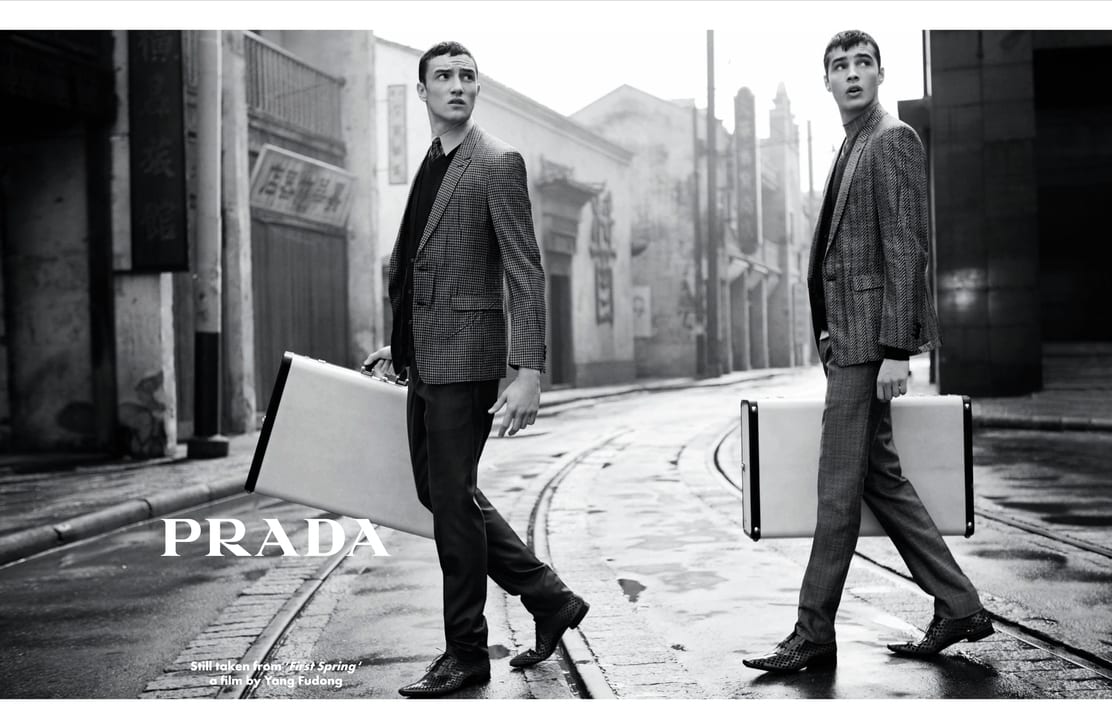
    Prada Macau has opened its fourth store – a menswear-only boutique at Studio City.

    The new space, designed by architect Roberto Baciocchi, covers about 500 sqm on a single level and houses the men’s ready-to-wear, leather goods, accessories and footwear collections.

    A succession of light-coloured stone pillars and light boxes inserted into black granite volumes sets the rhythm of the external facade.

    The internal facade is clad in black granite, while slim burnished steel profiles frame the entrances, windows and light boxes.

    The two entrances open on an area defined by a succession of spaces, each featuring a different atmosphere.

    The area dedicated to the leather goods and accessories collections is characterised by Saint Laurent marble floorboards, ebony-clad walls and polished steel display cases and counters.

    An elegant sitting area, defined by cotto-coloured leather sofas, leads to the space where the men’s footwear and ready-to-wear collections are showcased.

    The space housing the footwear collections is defined by ebony floorboards and polished steel and crystal cases and counters with drawers covered in coloured saffiano leather exalting the product display. Cotto-coloured leather sofas complete the furnishing.

    The Last Room, dedicated to the ready-to-wear collections, is characterised by walls featuring orange encaustic painting, creating an elegant atmosphere.

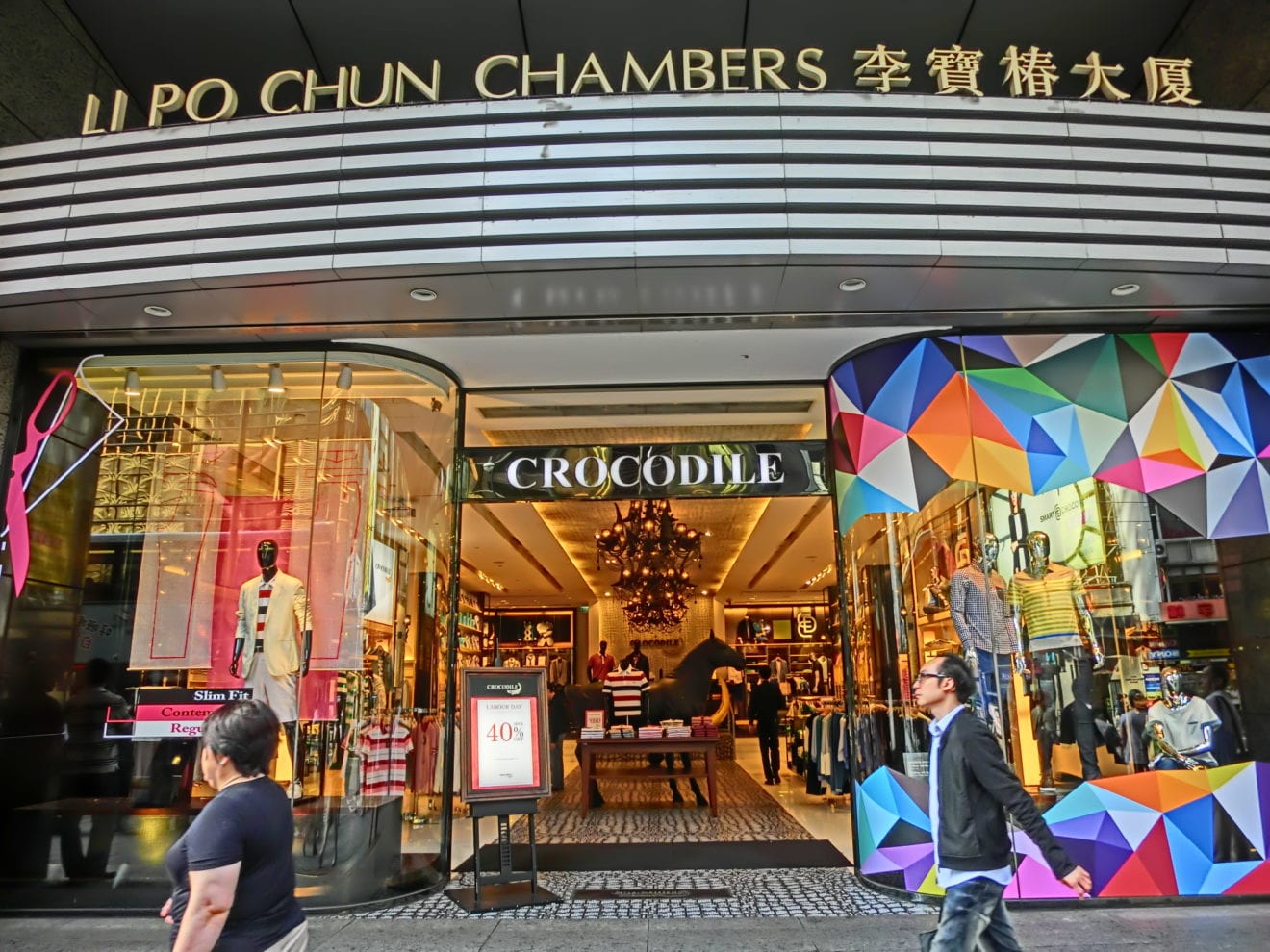
  • Hong Kong ‘centre of whipsaw’ says Crocodile Garments

    Hong Kong ‘centre of whipsaw’ says Crocodile Garments

    Crocodile Garments’ profit has plunged as the apparel retailer was caught in “the centre of whipsaw’’ in Hong Kong and a depressed Mainland China market.

    Revenue in the year to July 31 fell from HK$502 million in 2014 to $405 million this year; gross profit was $252 million, down from $303 million.

    Retail sales revenue slid by 22 per cent to $354 million, with a loss of $44 million.

    “Against the backdrop of poor market sentiment, deep sales discounts offered by competitors to grasp the already-underwhelming retail market and protracted sales network restructuring taken by the group, the Garment and Related Accessories Business segment plodded on through a nadir in the year ended July 31,” the company said in its stock exchange filing.

    With the property Investment and Letting Business figures added in, the total income attributable to the owners of the company was $49 million – less than half 2014’s figure of $106 million.

    Crocodile Garments has 87 shops in the Mainland (35 fewer than a year earlier), including 21 self-operated shops (down 27) and 66 franchisees (down four).

    “The Garment and Related Accessories Business segment was operating under an extremely intricate environment in the mainland. The economy was facing an accelerating downside risk as evidenced by the deteriorating data released. To balance the slump of growth in exports and productions, the mainland government planned to boost domestic spending through the wealth effect created by a prosperous stock market; however, it was derailed by the abrupt plunge. The consequential murky economic ambience battered the retail market sentiment and the consumption power of general public further, which materially curbed the sales and gross profit margins of the segment,” the company explained.

    “As a cushion against the above tailspin, the group had rationalised its sales channel to ratchet up the brand presence and, at the same time, constrain rental expenses. Stringent inventory discipline had been enforced to keep the stock on hand relevant and fresh.”

    Hong Kong, the group’s home base, is “at the centre of whipsaw” the company said.

    “On one side, Hong Kong economy is vulnerable to the stumbling investment and consumer spending whereas on the other side, at the heels of a strong US dollar, the appreciation of the Hong Kong dollar under the pegging mechanism could kindle savage corrections in asset markets. Needless to mention the persistent social disputes, the business environment for the group in Hong Kong is formidable. To mitigate the above negative impact, the group will hasten the restructuring of its shop portfolio to enhance the operating efficiency.”

    Crocodile Garments said the outlook of the global economy is bleak in the wake of loss in momentum of the mainland, the world’s major growth engine for the past decade.

    “Giving the beleaguered retail sector, the group has reined back sales channel inventory [in the mainland] and fortified supply chain management. Moreover, the group will reorganise its sales channels and merchandise mix.”

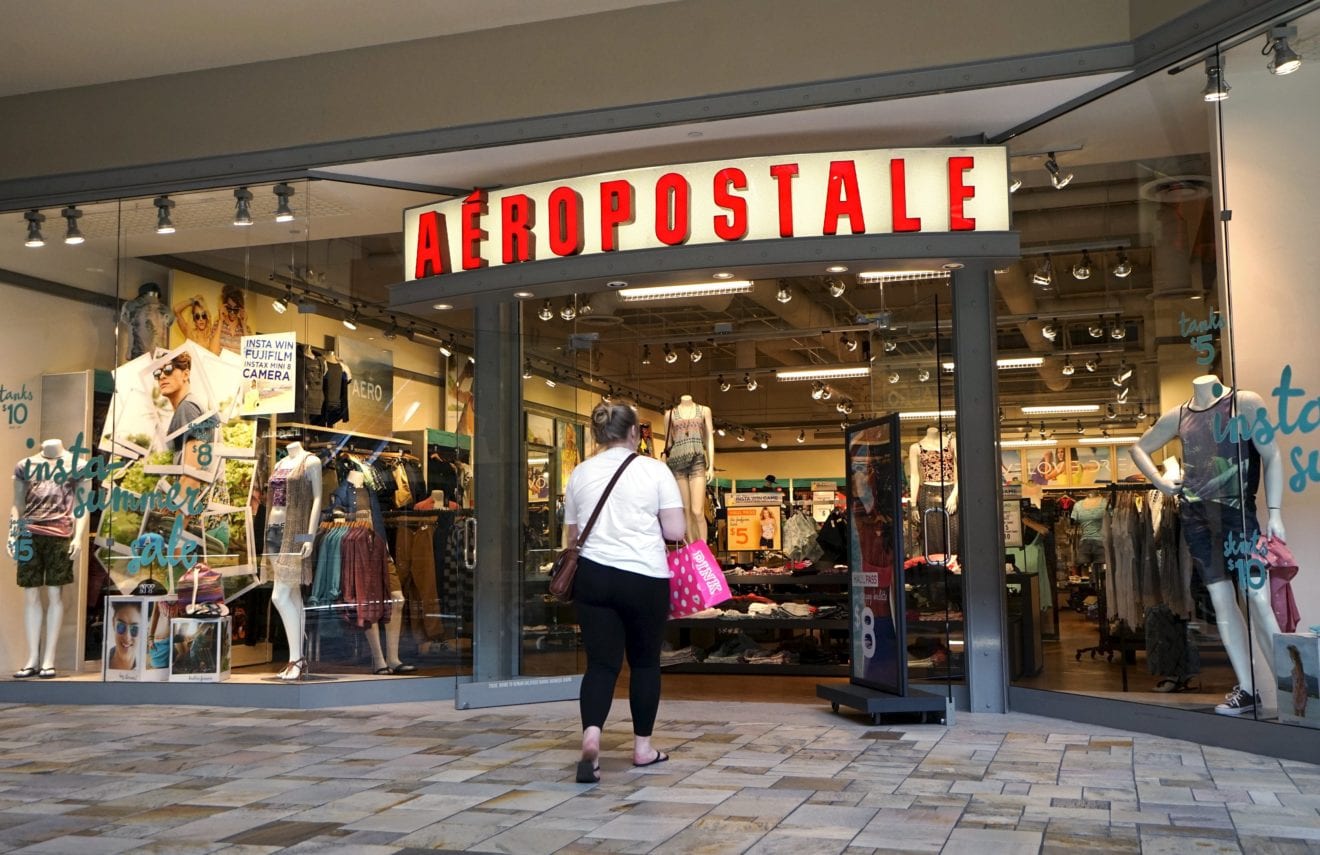
  • Aeropostale unveils more expansion in Asia and EMEA region

    Aeropostale unveils more expansion in Asia and EMEA region

    Aeropostale, Inc., an American mall-based specialty retailer of casual apparel for young women and men, has announced additional expansion plans in Asia and the EMEA region. Through two new licensing agreements, Aeropostale will launch in Thailand and Egypt over the next five years, it said in a press release.

    Julian R. Geiger, CEO of Aeropostale, said, “Aeropostale’s international expansion began in Asia and the Middle East and it is with great pleasure that we announce further expansion across these key regions. Thailand and Egypt will be important markets as we continue to expand globally across Asia, the Middle East and Africa. We are confident that our partnerships with Robinson Department Store and Q and A Retail Company will ensure that the Aeropostale brand will continue to thrive and prosper internationally.”

    The company has signed a licensing agreement with Robinson Department Store Public Company Limited to open approximately 40 standalone and shop-in-shop locations over the next five years in Thailand. The first Aeropostale location in Thailand will open in the Robinson Department Store in Sriracha.

    Paresh Chauhan, Executive Vice President of International Brands at Robinson Department Store, said, “Robinson Department Store is very excited to bring Aeropostale to the Thailand market place, with the brand’s strong combination of trend-right merchandise at compelling prices. We hope to emulate Aeropostale’s success and be the leaders in teen fashion in our market.”

    Aeropostale has also signed a licensing agreement with Q and A Retail Company to open approximately 10 standalone stores over the next five years in Egypt.

    “We are eager to partner with Aeropostale to bring this iconic brand to North Africa for the first time. We are confident that the strength of the Aeropostale brand will resonate with the consumers of Egypt and we look forward to continuing our expansion throughout the region over the next several years,” said Ayman Seoudy, Director of Q&A Retail Company.

    Aeropostale’s expansion plans in Thailand and Egypt are planned to begin in early 2016, the release said. (SH)

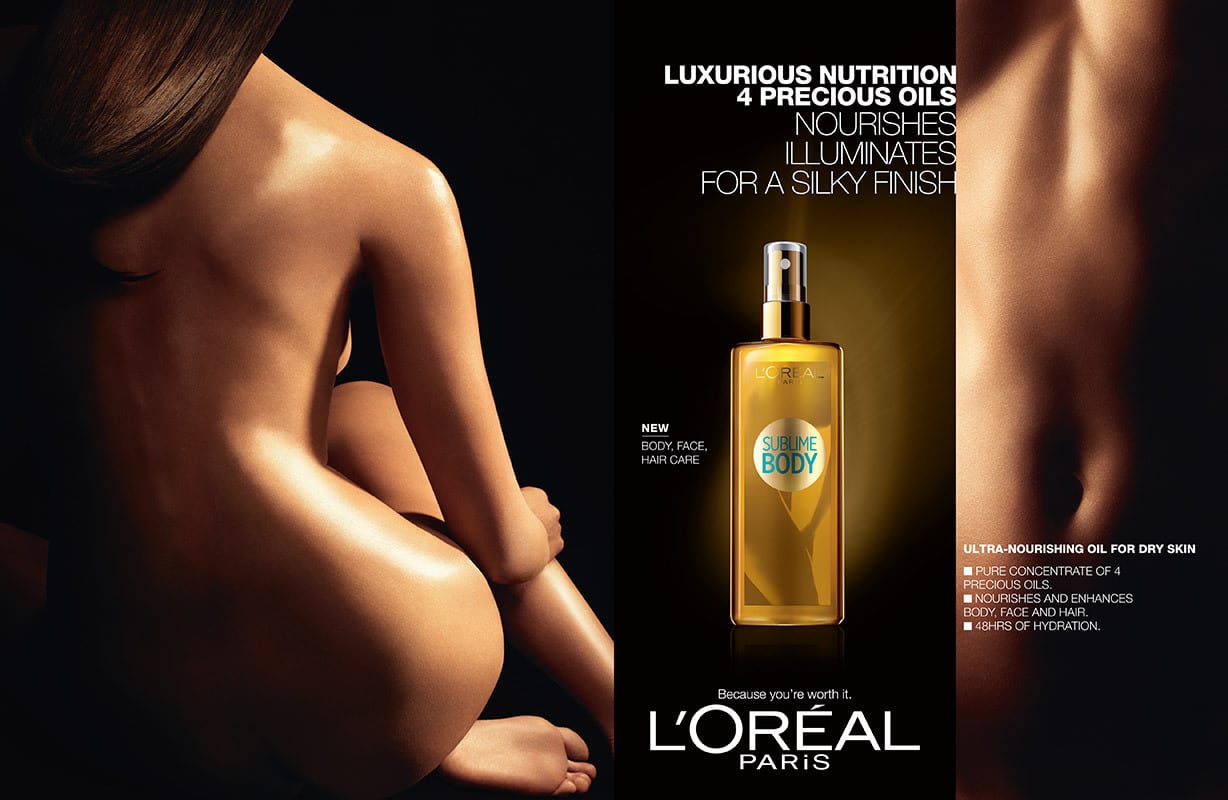
  • L’Oreal sales soar 13.2% to $20.4bn in first 9 months

    L’Oreal sales soar 13.2% to $20.4bn in first 9 months

    L’Oréal has released its nine-months sales results pointing to strengthened growth in the North American Consumer Products Division; maintained growth in Western Europe; a temporary third quarter slowdown for L’Oréal Luxe in Asia; strong e-commerce sales (projected at +€1bn in 2015); a slowdown in travel retail; and ‘significant’ sales and profit growth.

    Commenting on the figures – including the top line €18.76bn ($20.4bn) in total 9-month sales – Jean-Paul Agon, Chairman and CEO of L’Oréal, said: “At the end of September, the Group’s reported growth is strong, at +13.2%, still supported by a very positive currency effect.

    “In the third quarter, the Consumer Products Division is confirming the gradual strengthening of its growth, notably through strong momentum in make-up with its three brands: Maybelline, L’Oréal Paris and NYX. The Active Cosmetics Division continues to forge ahead and the Professional Products Division keeps outperforming a lacklustre market.

    “L’Oréal Luxe experienced a temporary slowdown as a result of market turbulence over the summer in Asia, in Hong Kong and in Travel Retail. By geographic zone, North America’s growth is gradually increasing and Western Europe confirms its positive trend. In the third quarter, the New Markets have been hampered by the difficult Brazilian market, market turbulence in Asia and the taking over of agents’ contracts in the Middle East. In China, sales growth is in line with earlier quarters.”

    Loreal 9m sales 2015

    Agon, added that ‘despite a global context that is still volatile’ the company remains confident for the year as a whole. He said: “The beauty market remains dynamic. In each Division, our brands are pushing forward with successes such as Maybelline and NYX in the Consumer Products Division, Yves Saint Laurent, Kiehl’s and Urban Decay at L’Oréal Luxe, Redken in the Professional Products Division and La Roche-Posay at Active Cosmetics.

    “Finally, the acceleration of our digital transformation is making us stronger, in particular with the rapid increase (+40%) of our e-commerce sales which should significantly exceed one billion euros this year. We are confirming our ambition to outperform once again the beauty market in 2015 and to achieve significant growth in both sales and profits.”

    Looking at the first nine-months sales to September 30, the company said that on a like-for-like basis and based on a comparable structure and identical exchange rates, sales growth of the L’Oréal group would have been +3.7%. It adds that the net impact of changes in scope of consolidation was +1.2%, while growth at constant exchange rates registered +4.9%.

    The company said that currency fluctuations actually had a positive impact of +8.3% and if September-end exchange rates (€1 at $1.12) are extrapolated up to December 31, then the impact of currency fluctuations would be +6.7% for the whole of 2015.
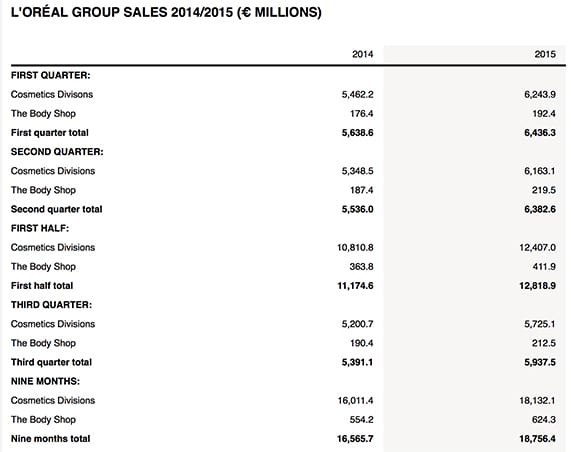
    L'Oreal 2014 2015 sales

    Turning to the product divisions, L’Oréal said that at the end of September, the Professional Products Division posted growth of +3.2% like-for-like and +13.4% based on reported figures.

    The company said: “Hair care is the largest contributor to growth, powerfully driven by the latest innovations, such as Thérapiste by Kérastase, Pro Fiber by L’Oréal Professionnel, and Frizz Dismiss by Redken. The dynamic trend in hair colour is continuing across all brands.

    “Professional skincare with Carita is expanding rapidly in Western Europe. All the geographic Zones are growing. Eastern Europe is accelerating, while Brazil is slowing the growth rate in Latin America.”

    L’Oréal Consumer Division

    As for the Consumer Products division, the beauty giant recorded a rise of +2.3% like-for-like and +11.2% based on reported figures. The company commented that gradual improvement growth trend continues and thanks to the new momentum of Maybelline, the strong expansion of NYX, and the success of L’Oréal Paris, this division is strengthening its leadership in the make-up market.

    L’Oréal also notes that hair care is winning market share, thanks notably to L’Oréal Paris. For Garnier, the Ultimate Blends’ successful launch process has continued in many European countries. At the same time, the division is outperforming the markets in Eastern Europe, Asia, Pacific, Africa and the Middle East, while the ‘strong make-up dynamic’ is said to be accelerating the division’s growth in the US, while e-commerce is growing fast across all Zones.

    Meanwhile, L’Oréal Luxe posted growth of +5.8% like-for-like and +17.9% based on reported figures. Within the more detailed picture, Yves Saint Laurent grew strongly, driven by make-up, men’s fragrances with L’Homme and women’s fragrances with Black Opium. L’Oréal added that Giorgio Armani remained dynamic across all geographic Zones.

    The company added: “Urban Decay is accelerating worldwide with the high-profile launch of the Naked Smoky palette and is building a global beauty offering with initiatives in foundations and lipstick. Kiehl’s is launching Daily Reviving Oil Concentrate and continuing its double-digit growth.

    “Growth at Lancôme is being driven by market share gains in Europe, the success of the fragrances La vie est belle, Miracle and the newly released La Nuit Trésor; Grandiôse and Hypnôse Volume à Porter mascaras; and the acceleration of its Génifique facial skincare.”

    L’Oréal adds that despite a market that slowed in the third quarter in Asia and in Travel Retail, L’Oréal Luxe has strengthened its worldwide position with significant gains in Western Europe, in Asia, Pacific, in the Middle East and in Latin America.

    Active Cosmetics division

    The company’s Active Cosmetics division also improved its performance further with strong growth of +7.3% like-for-like and +9.7% based on reported figures. L’Oréal reported that Vichy is innovating with Neovadiol Substitutive Complex Serum, a formula that acts on skin changes linked to menopause.

    At the same time, Roche-Posay is renewing its expert franchise for oily skin with the launch of Effaclar K(+). The company adds that the brand is continuing to post double-digit growth in all geographic Zones, with ‘outstanding performances’ in France, Brazil and China. The successful international roll-out of SkinCeuticals is continuing.

    The beauty company also reported that all geographic zones continue to contribute to growth, with sales accelerating in the third quarter and new markets maintaining growth at more than 10%.

    Western Europe recorded growth of +2.1% like-for-like and +4.5% based on reported figures, with L’Oréal Luxe is continuing to act as a growth driver. Garnier is also said to be winning market share in hair care and skincare, while L’Oréal is continuing to outperform the market in Germany and the UK thanks to L’Oréal Luxe.

    In North America L’Oréal posted growth of +3.0% like-for-like and +25.4% based on reported figures. Both the Active Cosmetics and Professional Products Divisions drove growth and notably thanks to the La Roche-Posay and Redken brands.

    Kiehl’s and Urban Decay also contributed to the development of L’Oréal Luxe, while the Consumer Products Division also grew with good make-up contributions from L’Oréal Paris, Maybelline and above all NYX, which is described as ‘growing at a remarkable pace’. Meanwhile, the Body Shop recorded growth of +2.0% like-for-like and +12.6% based on reported figures.

    Commenting on other markets, the company reported a mixed picture, beginning with the Asia and Pacific territories: “At the end of September, L’Oréal posted growth of +4.4% like-for-like and +21.9% based on reported figures. Kiehl’s, Yves Saint Laurent and Giorgio Armani are contributing to the dynamism of L’Oréal Luxe, in a context of slower third-quarter growth in Hong Kong and Travel Retail Asia.

    “The Consumer Products Division is performing well in India, Australia and Thailand. In China, growth at L’Oréal Paris is accelerating, while Magic is undergoing a transitional period. The Active Cosmetics Division is growing strongly, thanks to the success of La Roche-Posay.”

    Tough Brazilian market

    By contrast, in Latin America sales grew by +5.5% like-for-like and by +4.7% based on reported figures. Excluding Brazil, sales achieved double-digit growth, thanks to L’Oréal Paris, Maybelline and Lancôme, although the company says that the Brazilian market is being held back by a very difficult economic environment and by the reform of the IPI (Tax on Industrialised Products).

    Looking at Eastern Europe, L’Oréal said that the zone posted figures of +9.5% like-for-like and -4.1% based on reported figures. The Consumer Products and Professional Products Divisions recorded double-digit growth, boosted by Russia, Turkey and Ukraine.

    As for Africa and the Middle East, sales growth amounted to +9.8% like-for-like and +28.1% based on reported figures. L’Oréal said: “The reorganisation of part of our distribution network in the Gulf States caused a temporary growth slowdown in the third quarter. The Group is strengthening its positions at a time when most markets in the Zone are seeing their growth rates decelerate.

    “Egypt and Saudi Arabia are still posting strong performances. L’Oréal Paris and Garnier are gaining market share. Yves Saint Laurent, Giorgio Armani, Kérastase and La Roche-Posay are also recording solid growth rates.”
  • Primark growth eroded by currency volatility

    Primark growth eroded by currency volatility

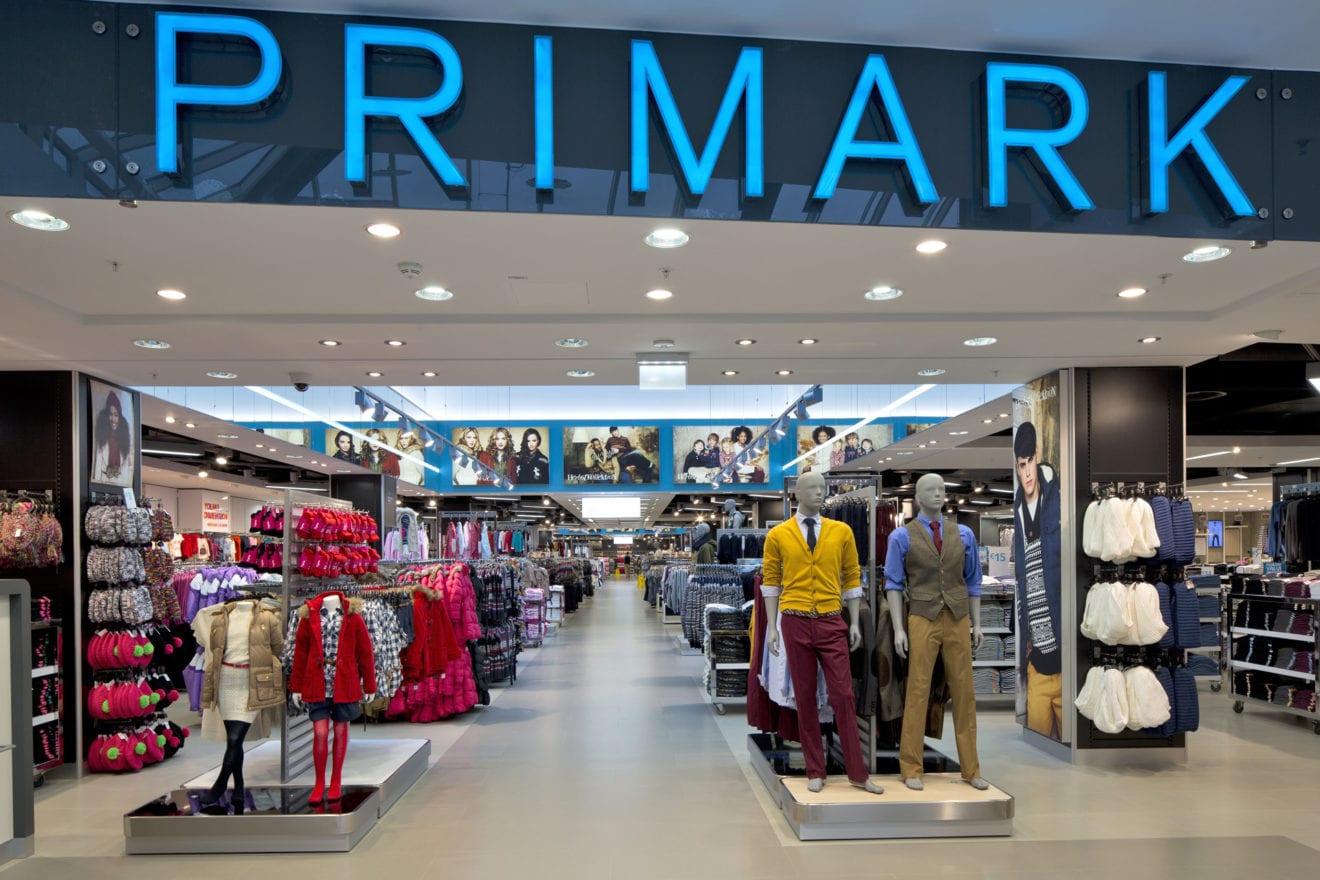
    Discount apparel retailer Primark has reported sales growth of 13 per cent to £5.3 billion at constant exchange rates for the year to September 12, demonstrating its continuing dominance in the value clothing market.

    However it was unable to escape the effects of currency volatility, reducing its total sales growth at actual exchange rates to eight per cent.

    While these results are in line with the expectations outlined in September this year, they are compounded by Primark’s two per cent increase in operating profit to £673 million at actual exchange rates – modest compared to growth of five per cent at constant exchange rates, observes Rebecca Marks, consultant at Conlumino.

    Sales growth was driven predominantly by a nine per cent increase in selling space – an additional 93,000 sqm that takes the total footprint to 1.04 million sqm. Considerable expansion in Germany, Belgium and the Netherlands resulted in marginal like for like growth at constant exchange rates of one per cent, as international customers chose to shop more locally, causing sales in existing stores to decline. Primark opened its first US store in Downtown Crossing in Boston in September 2015, with 7200 sqm of selling space.

    Further international expansion planned in the 2015/16 trading year will see a greater increase of 140,000 sqm across the year in northeastern US, Spain, Italy and France – its most successful market entry to date.

    “However, as the retailer continues to invest in international diversification, it endures the risk of substantial movement in currency markets, subjecting the retailer to negative transactional and translational currency exposures – a major challenge that Primark faced this financial year,” explains Marks

    “However, Primark believes a high proportion of this potential impact has been mitigated in-house by taking a shrewd approach to buying new season merchandise for next year.”

    Marks says Primark saw a return to a more normal level of markdown this year, following exceptional trading in 2013/14, resulting in a lower operating profit margin of 12.6 per cent, down from 13.4 per cent in its last financial year.

    “Inconsistent trading over the year resulted in moderated demand; while an unseasonably warm Autumn 2014 impacted sales in the early part of the trading year, Spring 2015 trading was also held back by cool weather. However, a strong Christmas in 2014 limited the impact of these challenging trading periods on its overall performance for the financial year,” observed Marks.

    “Although Primark actively resists plans to go down the online route that many of its fashion peers have chosen, the retailer shows no signs of slowing down. As parent ABF looks to maintain investment in Primark’s expansion opportunities, Primark will continue to see its budget-priced clothing ardently welcomed in all new territories, with its increased scale of distribution infrastructure helping to meet demand,” Marks concluded.

  • Tse Sui Luen battles the downturn

    Tse Sui Luen battles the downturn

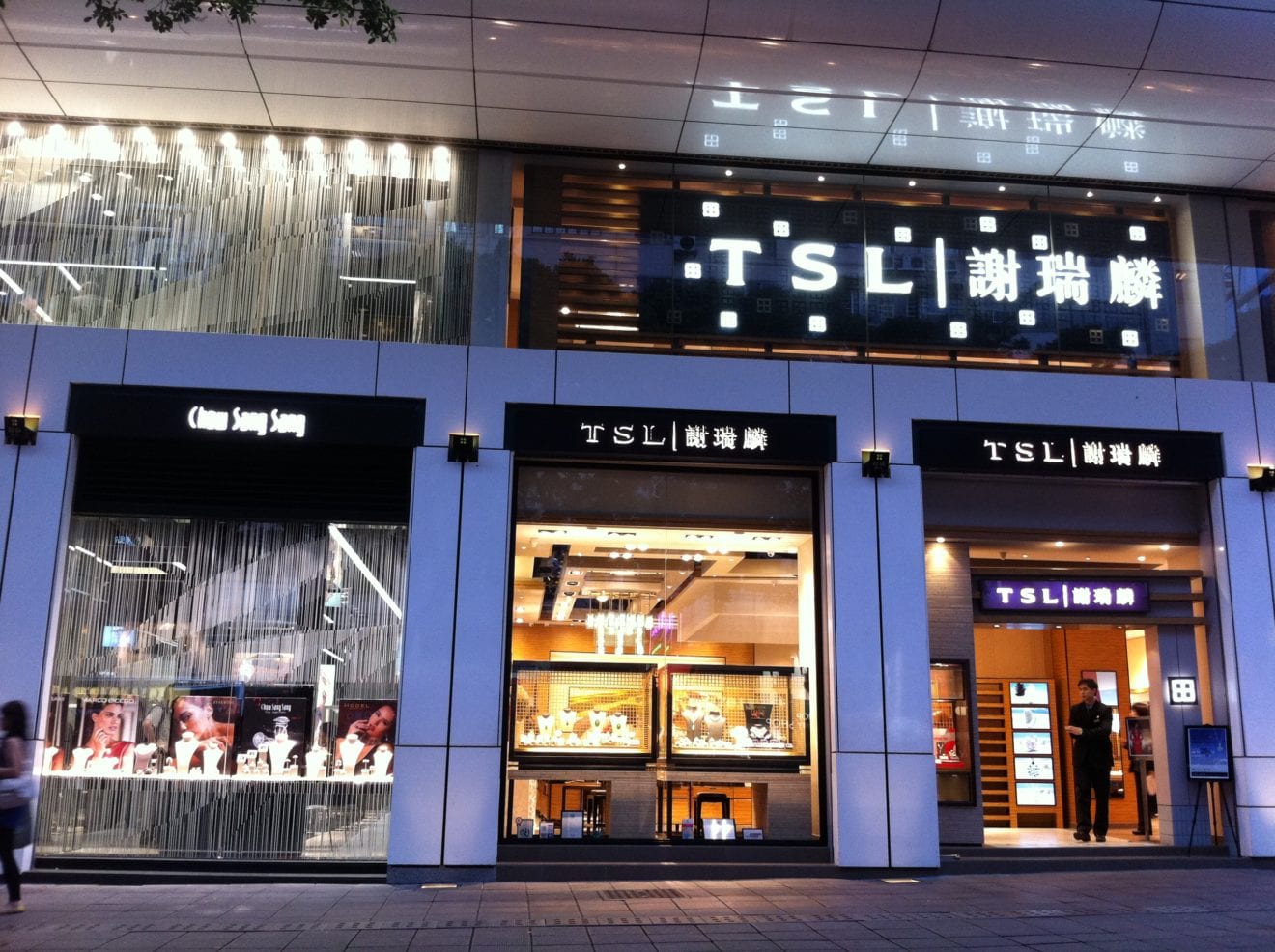
    A shift in focus away from the high end has partly buffered jeweller Tse Sui Luen from the Hong Kong luxury downturn.

    The group has released trading figures for the first half year revealing a decrease in turnover of just 3.6 per cent to HK$1.753 billion. While the decline was attributable to the slump in Hong Kong luxury retailing and the reduced spending by Mainland tourists, Tse Sui Luen defied the downward sales trend thanks to strong growth in its Mainland China franchise business.

    Nevertheless, the profit attributable to owners of the company declined by 40.2 per cent from HK$25.8 million to HK$15.5 million.

    “Due to the growth in our high-end luxury segment in China slowing down, we shifted our focus to the development of the self-consumption market and high craftsmanship gem-setting jewellery in the premium mass market,” explains chairman and CEO Annie Yau Tse.

    “Thanks to the right strategy and an expanded franchise network, we saw the same store sales growth from Mainland China was 2.3 per cent while the whole business grew by five per cent in the region.”

    Tse says the company’s sales in Malaysia grew by 14 per cent in the first half year prompting plans to open one or two more retail stores in the market during the forthcoming year.

    In Hong Kong and Macau, says Tse, the number of tourists from Mainland China dropped in the first half and their spending on luxury products and higher-priced gifts decreased. Instead of buying luxury goods, these customers turned towards more popular commodities in the mass markets.

    “As a result, the sales in Hong Kong and Macau for the period under review decreased by 19 per cent and same store sales growth was minus 20 per cent.”

    Despite the challenging market, the group opened two new stores in Hong Kong – one in Olympian City and the other in Plaza Hollywood, Diamond Hill in the first half. Another two new stores located in Tuen Mun and Wong Tai Sin were opened in October – aimed at local consumers who are end users in the self-consumption product segment.

    Tse Sui Luen says easing retail rents have resulted in a three per cent drop in the group’s rent spend for Hong Kong and Macau shops in the First Half.

    In Mainland China the group plans to increase the pace of store openings in order to better serve its customers. As of August 31, it had 169 self-operated stores and 56 franchised stores. By October 29, that had grown to 175 and 65 respectively, spread across 80 cities. The group plans more than 100 stores in Mainland China during the next two years.

    Tse believes the current market fluctuations in China and Hong Kong-Macau are “cyclical and transitory”.

    “In order to facilitate a more rapid growth of the group’s franchise sales network in Mainland China, we will continue to explore more opportunities to work with local business partners. We also expect our e-business channel to maintain its high growth rate in the second half of this year. We are cautious but confident that based on our solid foundation and the business know-how our experienced management team possessed, we will be able to mitigate the challenges of this cyclical downturn and create value for our shareholders.”

  • Smart mirror checks your bust size in-store

    Smart mirror checks your bust size in-store

    The Hong Kong branch of Rigby and Peller is using a smart fitting room mirror to help customers work out their ideal bra size.

    For many women, especially young ones, being fitted for a bra is an embarrassing experience that they seek to avoid, often resolving to buying ill-fitted lingerie instead.

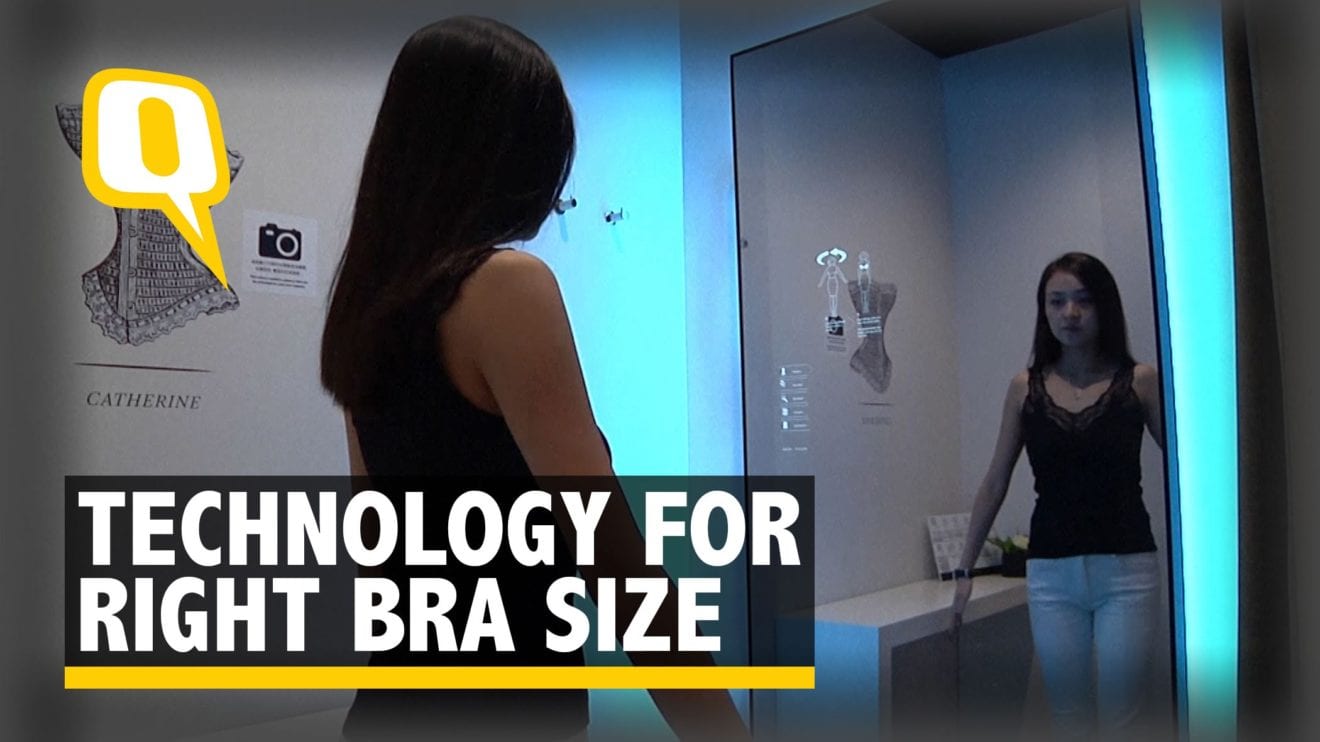
    Now, lingerie store Rigby and Peller is offering a high-tech alternative via a smart mirror, which scans the customer in the fitting room and calculates their ideal bra size.

    Rigby and Peller smart fitting room

    To begin, customers stand front of the changing room mirror and hold their arms out. Then, they rotate slowly, turning 360 degrees, while the inbuilt camera takes 140 body measurements.

    The technology then calculates the customer’s ideal bra size, giving them a unique shape ID.


  • Jeweller Malabar to expand in Asia, Gulf

    Jeweller Malabar to expand in Asia, Gulf

    Indian retailer Malabar Gold and Diamonds says it will open 22 new stores in India, the Gulf and ‘the Far East’ over the next six months.

    New showrooms will be opened in Hong Kong and Indonesia as part of the plan, but there are no details as yet on timing or exact location.

    To help stock the expanded store network – 155 after the openings – a new gold processing unit will be opened in Dubai and a diamond processing facility in Mumbai.

    “The new showrooms will be opened in major cities across India, the Gulf region and the Far East in next six months,” Malabar group chairman M P Ahammed said in a statement.

    The rollout is a further step towards Malabar’s goal of reaching 300 stores by 2020.

    “In response to the government’s ‘Make in India’ initiative, we are setting up new processing units at Kinfra industrial park in Kerala and at other industrial parks in Andhra Pradesh, Gujarat and West Bengal,” Ahammed said.

    “We are also building an advanced gold manufacturing unit on a five-acre land in Dubai with the support of the UAE government.

    “As more Indians are buying diamond jewellery due to changing lifestyle, higher disposable incomes and for being trendy, the diamond processing unit will be in Mumbai, which is a major centre for diamonds business,” Ahammad said.

    The group’s retail network is already spread across nine countries, including Bahrain, Kuwait, Oman, Malaysia and Singapore.

  • Le Saunda Hong Kong sales plunge

    Le Saunda Hong Kong sales plunge

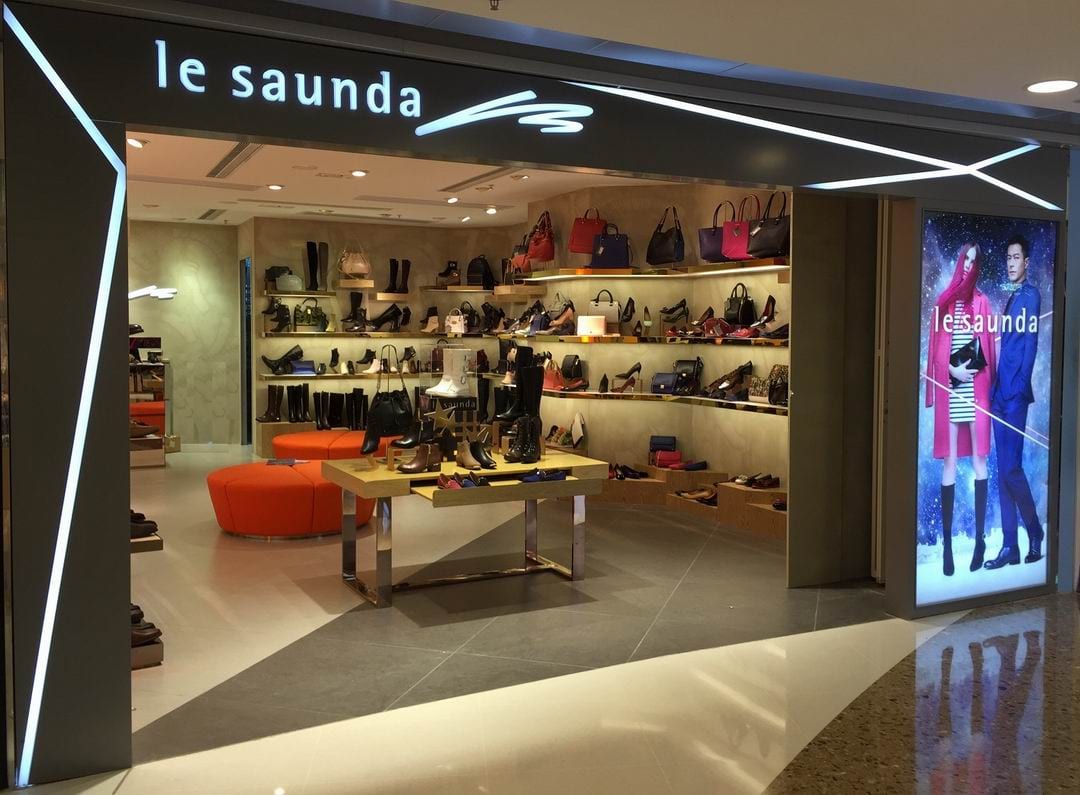
    Le Saunda Hong Kong and Macau sales plummeted 26.6 per cent in the first half of this year as tourist spending declined.

    Le Saunda manufactures and sells shoes, handbags and fashion accessories and sells them in Hong Kong, Macau and Mainland China under the brands of Le Saunda, Le Saunda Men, Linea Rosa and CNE. The company in also involved in property, trade-mark and management services. It has 833 stores, 20 fewer than at the same time last year.

    In its half year results, Le Saunda said sentiment in Hong Kong’s retail market is deteriorating, as the number of tourist arrivals in the city continued to fall and consumer confidence weakened.

    “Meanwhile, unyielding rental for commercial premises further aggravated the burden of retailers.”

    Le Saunda closed five stores in Hong Kong and Macau during the period, reducing the total store network in the two cities to 16.

    It was a better picture in Mainland China, however, where the company achieved retail sales growth of 3.8 per cent.

    Total group revenue for the six months increased by 0.4 per cent to RMB755.8 million and consolidated gross profit decreased by 0.4 per cent to RMB501.8 million. The overall gross profit margin decreased by 0.5 percentage point to 66.4 per cent.