Category: Fashion

Retail News Asia is committed to providing both local and global retailers with the latest Fashion news throughout the Asian market. This on a daily base.

  • Virtual wardrobe tech comes to Singapore

    Virtual wardrobe tech comes to Singapore

    Technology from Metail, a United Kingdom fashion technology company is set to arrive in Singapore tomorrow as part of the company’s first Asian collaboration with new Indian fashion retailer abof.com. The new launch is understood to be in partnership with Singapore Press Holding’s e-commerce portal Shop.SheShops.

    According to Metail, 25% are put off online shopping because they are confused with sizing, with 44% returning clothes due to sizing issues. As it is, a majority of customers (62%) wish that images online would be more reflective of their own body shape.

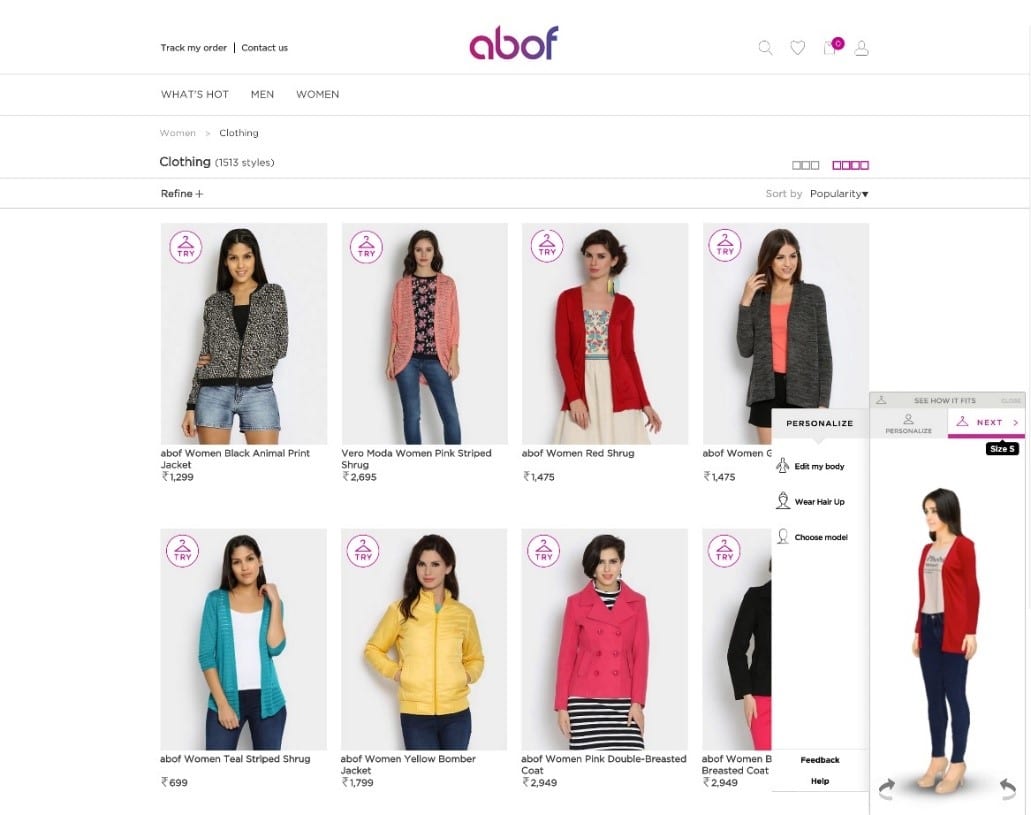
    The technology from Metail is an attempt to solve – or at least alleviate – these issues by allowing users to try out their clothes virtually. This is done by generating customized body avatars dubbed as “MeModels” sporting users’ vital statistics. According to Metail, the MeModel avatar is up to 92% accurate of the customer’s own body shape.

    The objective is to allow customers to better visualize an outfit prior to making the purchase. When browsing through clothing options, shoppers can see the avatar donning selected clothes in a small docked window at the side. This only works with clothing items tagged with a “Try it on” sign though.

    CMO Innovation gave the Metail demo a spin, and the site asks shoppers for vital statistics pertaining to their weight, height and bust. This is used to estimate waist and hips measurements, which can be tweaked if desired. A handful of models can be used as the base template for the avatar, while the hair type can also be tweaked slightly. Male MeModels are not available at the moment.

    It will be interesting to see how well the technology fares with fashion brands in the region, especially in costly retail locations such as Singapore and Hong Kong. Is the technology too nascent or too hard to implement on a wide scale for brands here? Or is it arriving at just the right time to address the growing propensity for online shopping by Millennials, or Gen Y customers.

    Inline image: Metail avatar donning a Halloween-themed Poison Ivy Dress
  • Luk Fook latest to warn of falling profit

    Luk Fook latest to warn of falling profit

    Luk Fook has become the second major jewellery retailer this week to warn shareholders of a severe impact on its bottom line.

    In a filing with the stock exchange yesterday, Luk Fook said it anticipated a decline of about 40 per cent compared to the corresponding period last year.

    The company said the drop was primarily due to declining gem-set jewellery product revenue, a fall in the overall gross margin as a result of increased sales mix of gold products driven by the small-scale “gold rushes” and a higher rent to revenue ratio.

    Expanded losses in investments in relation to Hong Kong Resources Holdings and its subsidiary also contributed.

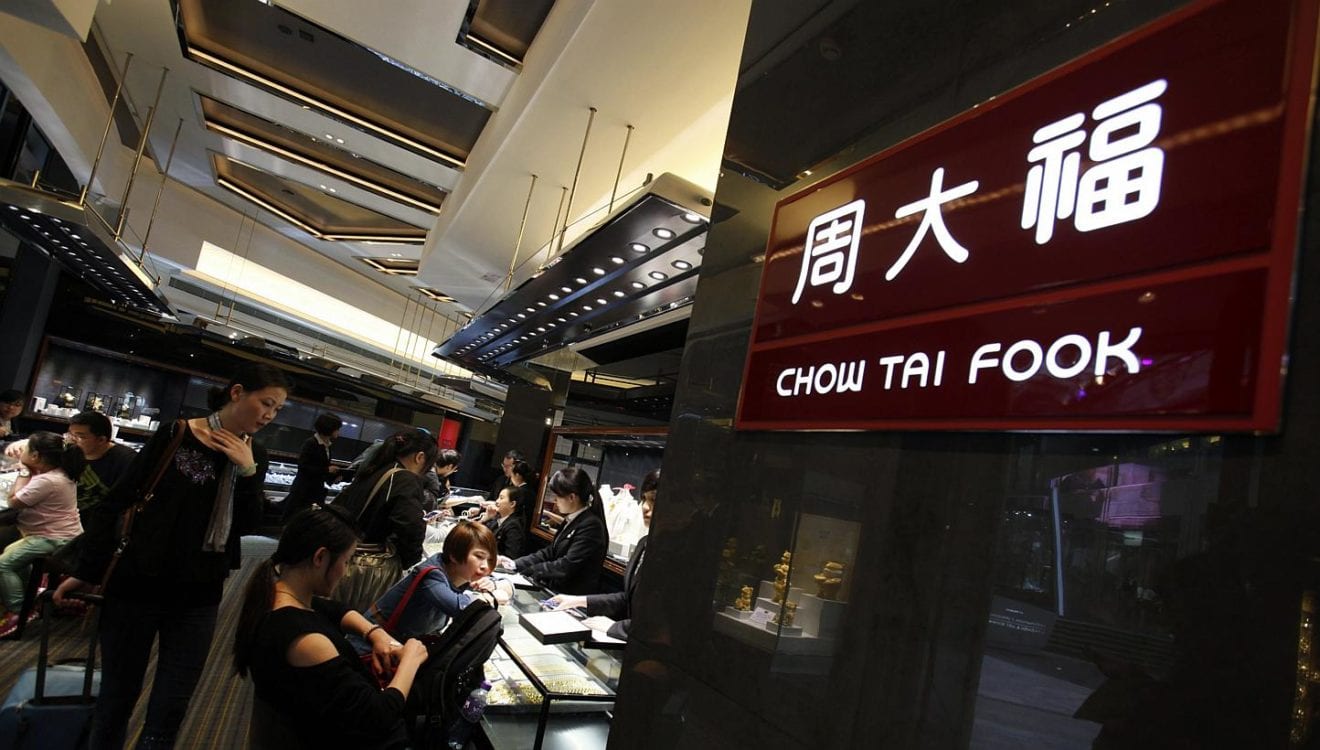
    Earlier this week rival jeweller Chow Tai Fook warned of a profit plunge as high as 50 per cent citing similar reasons.

  • Burberry Hong Kong downsizes flagship

    Burberry Hong Kong downsizes flagship

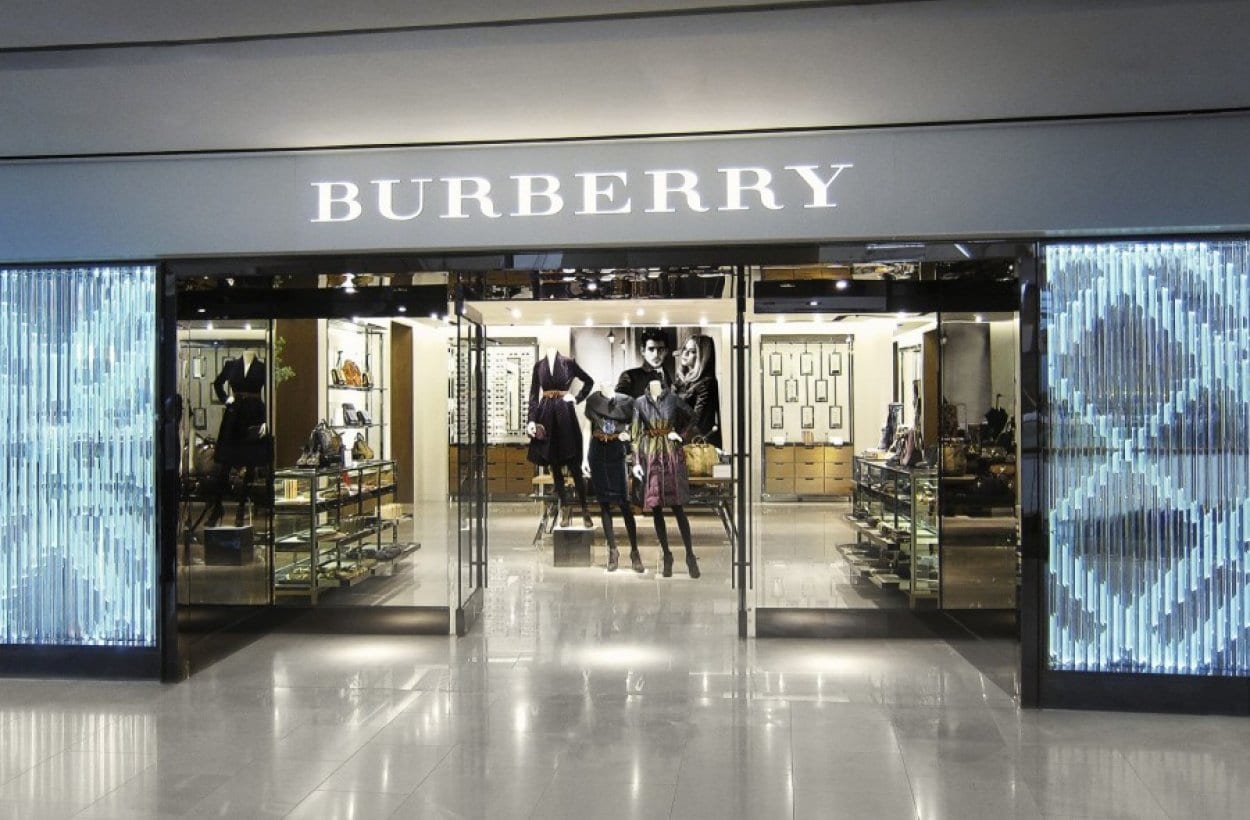
    Burberry Hong Kong is giving up a whole floor of its Pacific Place flagship as part of a range of initiatives to respond to the declining luxury market in the territory.

    Burberry CFO Carol Fairweather said in a conference call the company had reached an agreement with landlord Swire to give up the second floor part of the flagship, saying it “will enable us to drive increased sales per square foot and profitability in that store”.

    The luxury brand has 17 stores in Hong Kong, all impacted by the declining number of big spending Mainland China tourists shopping in the territory this year. Fairweather said rents had been renegotiated in a number of those stores but stressed all of them were profitable.

    “We are committed to being in Hong Kong,” Fairweather said, adding that sales have improved in recent months.

    The news coincides with the company’s release of its profit for the first half year, which beat analysts forecasts.

    Adjusted combined retail/wholesale profit was up five per cent on a same stores basis, with a planned decrease in licensing profit from Japan resulting in adjusted profit before tax of £153 million, up three per cent underlying from last year.

    “In the context of flat revenues, this result is better than expected,” commented Anusha Couttigane, senior consultant at Conlumino.

    She says Burberry is fully aware of its heavy reliance on interest from the Chinese consumer. The economic slowdown and the impact on Chinese demand is now cited as Burberry’s biggest risk.

    “In the light of these challenges, it is clear that, while Burberry continues to invest in elements that are essential for growth, it also has to make significant savings and it will take a combination of drastic measures to do so. On the one hand, this means aligning its brands under one label and its manufacturing staff under one roof. On the other, it means stripping back the privileges of a generous travel and expenses account.”

    Those cost savings are expected to deliver some £20 million to the business’ bottom line over the next 12 months.

  • New Look China powers ahead

    New Look China powers ahead

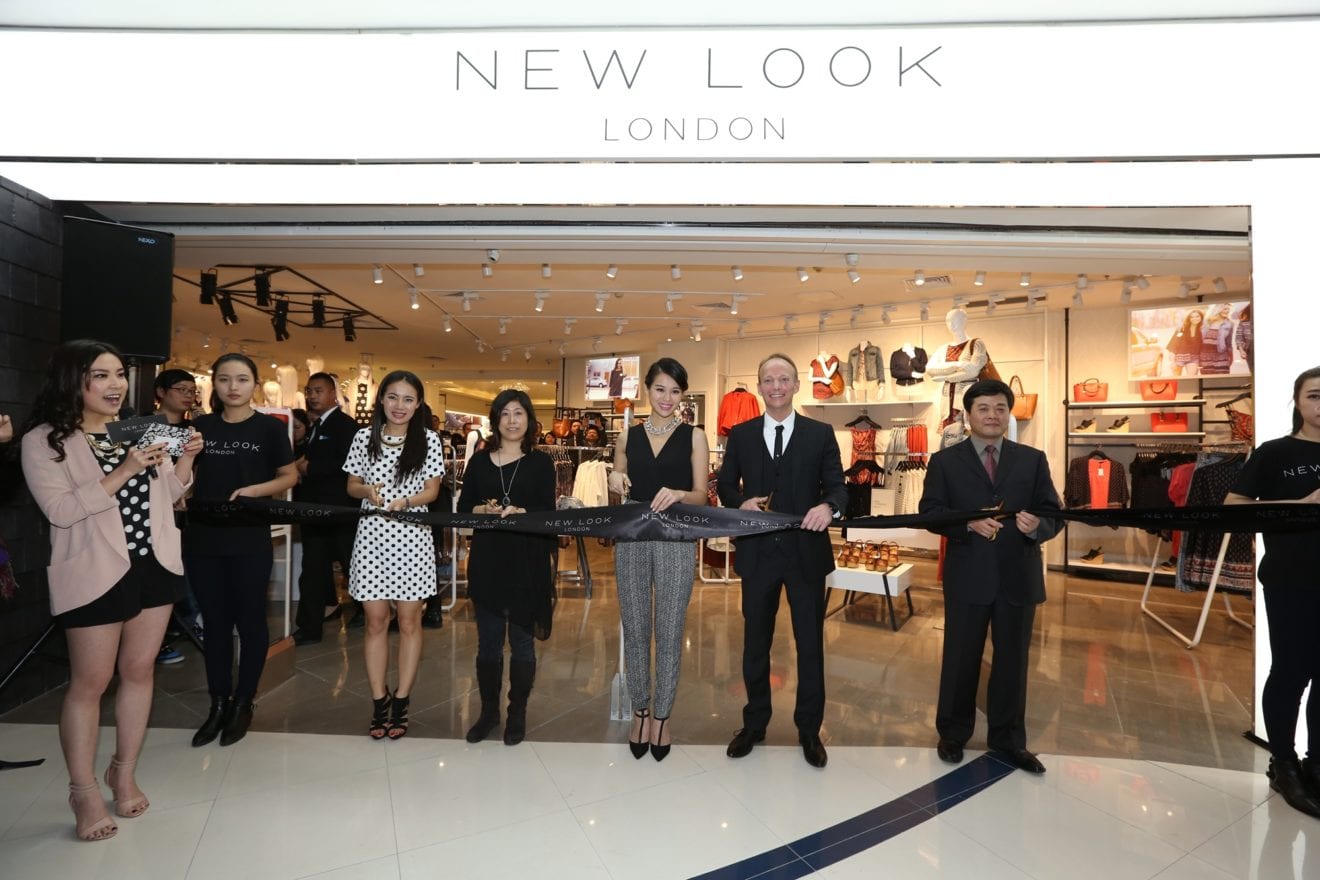
    New Look China sales are soaring on the back of a rapid mainland rollout of the UK fashion brand.

    Globally, New Look recorded a stellar rise in both sales and profits in the first half of this financial year – driven by fast growth in China and the successful launch of the fast fashion brand’s first standalone menswear stores

    New Look was bought by South African investment company Brait in June, which said at the time a focus on Chinese expansion was a priority. In the last six months it has opened 52 stores in China and has signed leases for a further 33 stores scheduled to open by next March.

    Sales for the 26 weeks to September 26 climbed 5.9 per cent to £756 million. Pre-tax profit climbed 40.6 per cent, despite a whopping  £93.2 million bill for costs relating to the takeover of the business.

    “Our Chinese stores continue to perform well as customers continue to react favourably to our fashion-forward offer,” CEO Anders Kristiansen said in the company’s results statement. “We remain on target to have 85 stores open in the country by [financial] year end.

    “With the support of our new owners, Brait, we are planning to increase investment in our strategic initiatives to accelerate our growth,” he said.

    Globally, New Look has 385 stores, and it plans to continue to open more in its home market. It also plans to continue to grow its online business. Some 31 per cent of New Look customers buying online use the ‘click and collect’ service – collecting their purchases in a physical store rather than waiting for delivery.

  • Moncler Tokyo flagship opens

    Moncler Tokyo flagship opens

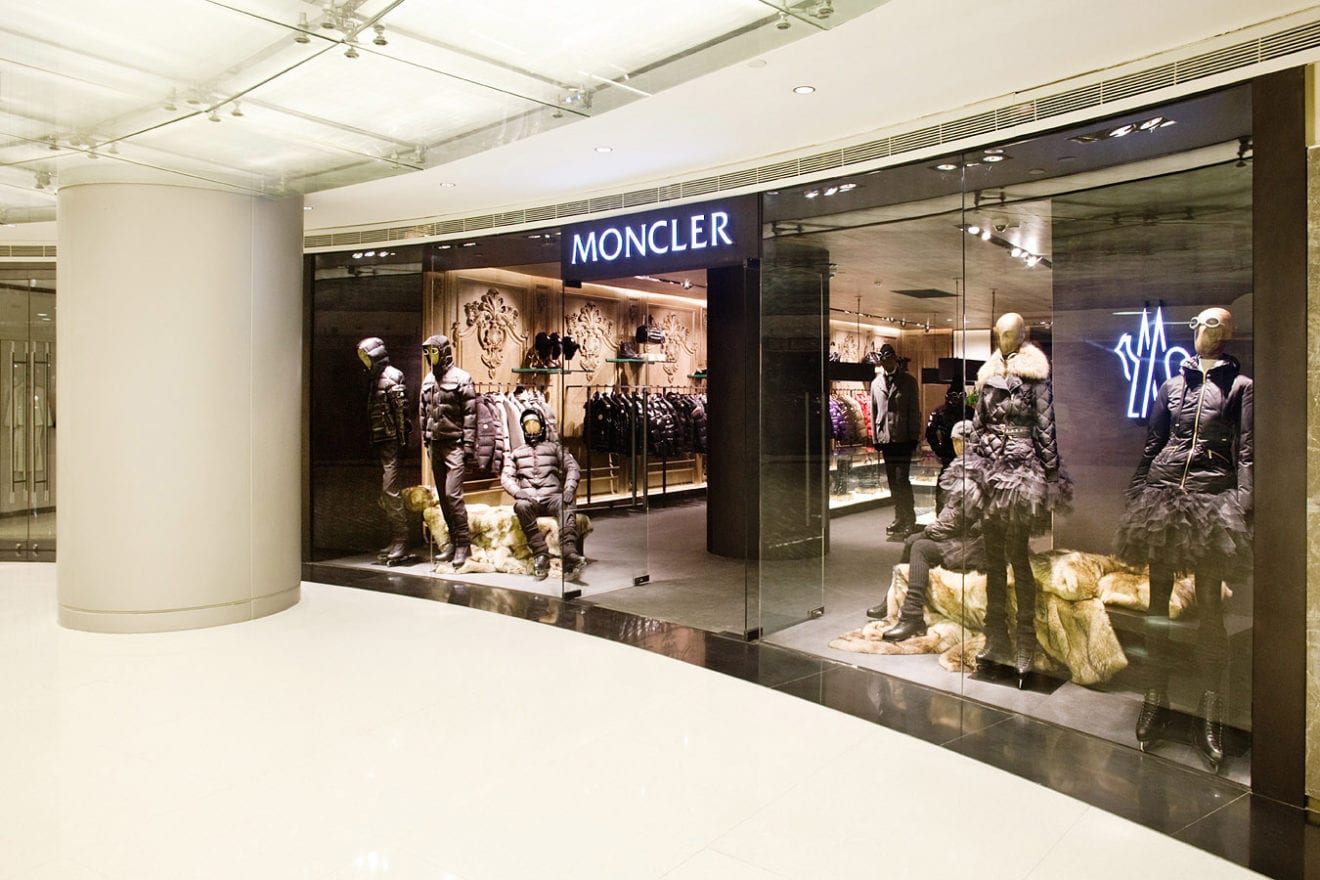
    Moncler has opened a new flagship store in Japan’s highest profile shopping strip.

    The Moncler Tokyo boutique in the Ginza comprises 560 sqm spread over two floors. It was designed by Parisian architects Gilles & Boissier.

    Moncler Ginza 1


    For years this studio’s ties with the fantastical world of Moncler have resulted in a lively partnership and the new Japan store is no exception.

    Coinciding with the opening was the launch of a new partnership with young Los Angeles artist duo,FriendsWithYou.

    Moncler Ginza 5


    “Once again the Italian-French brand is working directly with today’s young and creative generations, interpreting and assimilating its language, sources of inspiration and moods. The universe of comic signs of the FriendsWithYou duo, their references to pop icons such as Malfi, Snowy, Happy Virus, Look Who, or the fluorescent rainbow of Mr TTT, the visual repertoire of smiling graphic clouds, of penetrating, astonished eyes, of mouths and fun monsters, are the hallmarks of a collection of puffer jackets developed in different colors that range from black to light-blue, from red to yellow, which are completed by sweatshirts, t-shirts bags and sneakers,” explains Moncler.

    Moncler Ginza 3

    The Moncler FriendsWithYou collection will be sold in all Moncler single brand stores from the Fall-Winter 2016/17 season onwards.


    Moncler Ginza 2

  • Chow Tai Fook in profit plunge

    Chow Tai Fook in profit plunge

    Listed Hong Kong jeweller Chow Tai Fook has warned shareholders its first half profit is likely to be 50 per cent less than for the same period last year.

    In a statement filed with the stock exchange, the board said the decrease is mainly attributable to the year-on-year decline in revenue brought about by weak consumer sentiment in Hong Kong and Macau and a tighter gross profit margin.

    The margin was impacted by both a change in the product mix with increased sale of gold products and unrealised hedging losses on gold loans for the period contrasting with an unrealised hedging gain in the same period last year.

    “As the company is in the process of preparing the interim results of the group for the six months ended 30 September, the information contained in this announcement is only based on the preliminary review of the company’s management accounts which have not been reviewed or audited by auditors of the company.”

    The size of the decline comes as something of a surprise, given the company revealed a four per cent increase in sales in the quarter to September 30 just four weeks ago.

    Back then Chow Tai Fook described the Hong Kong and Macau retail market as “continuing lacklustre”.

  • Giordano Hong Kong sales rise in soft market

    Giordano Hong Kong sales rise in soft market

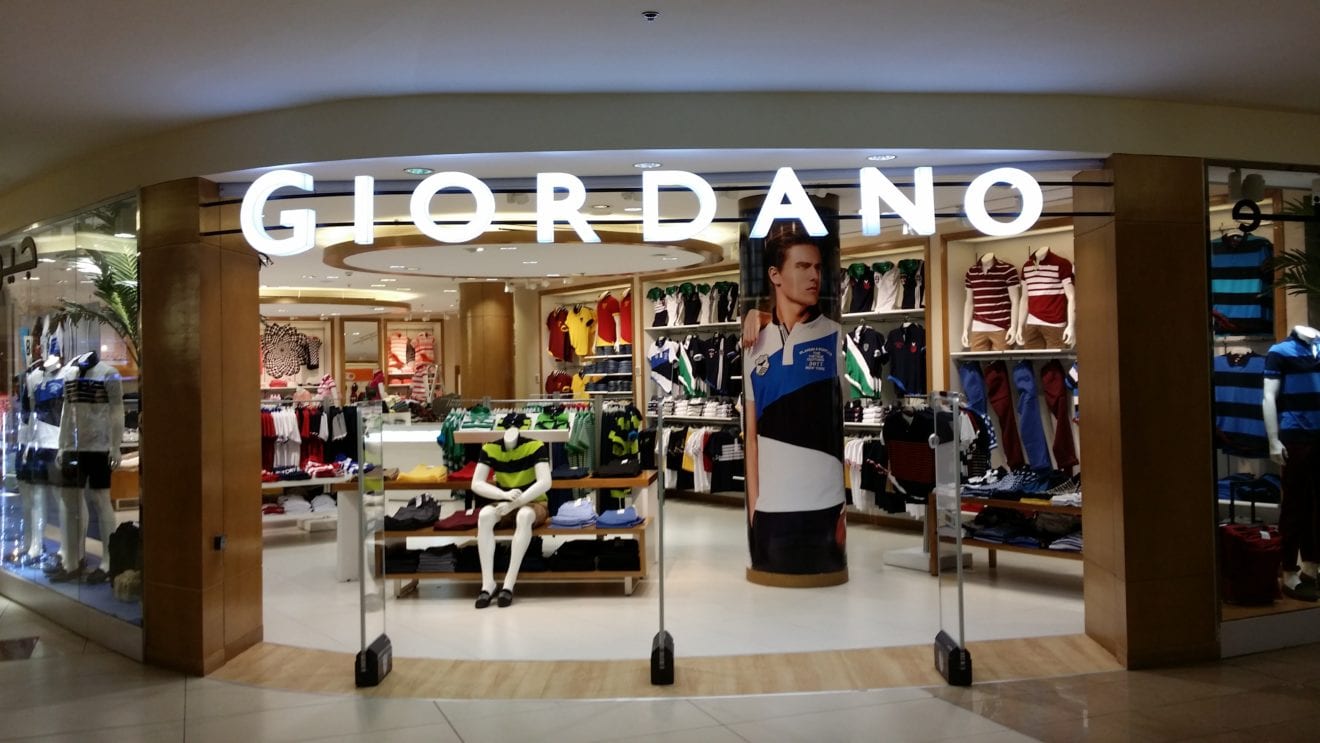
    Giordano Hong Kong sales increased by four per cent in the last quarter, with same store sales up a staggering 12 per cent in a stagnant retail market.

    The company says with the decline in Mainland China visitors to Hong Kong and Macau, the company has repositioned its product range to focus on more basic essential products. “This resulted in strong volume growth compared to the same period last year.”

    Total sales for the quarter to September 30 were HK$1.240 billion, three per cent lower than the same period last year. On a constant currency basis, sales increased by two per cent.

    Despite encouraging results in its home market, Giordano reported the depreciation of local currencies against the US dollar in Southeast Asia, Taiwan and Australia is depressing reported sales growth at the group level, and pushing costs up in those markets.

    In the first half of 2015, the company completed the acquisition of its franchisees’ operations in Kuwait and Qatar. Excluding these transactions, sales would have decreased by four per cent and on a constant currency basis, sales would have increased by one per cent

    Brand sales for the quarter were flat compared to the same period last year. Comparable store sales for the quarter increased by four per cent, mainly due to improving performance in Mainland China, Hong Kong and Singapore.

    The total number of stores in the group declined by 19 to 2359 primarily due to the closure of unprofitable stores in Mainland China.

    Gross margin for the quarter grew by 0.1 percentage point to 58 per cent, despite higher purchase costs due to weak overseas currencies, which reduced gross margin by 1.4 percentage points.

    Gross profit for the quarter was HK$719 million, a decline of three per cent over the same period last year.

    Sales in Southeast Asia declined by seven per cent, reflecting the impact of weak local currencies which on average depreciated by 16 per cent against the Hong Kong dollar in the last 12 months. However, on a constant currency basis, sales grew by nine per cent. Comparative store sales grew by eight per cent in the quarter with strong recovery from last year in Singapore and Thailand in particular.

    Sales in the Middle East have climbed by 11 per cent with strong growth in the UAE.

    Giordano’s new budget brand “Beau Monde” is still under development.

    “At the end of the period we had 14 shops and we expect to increase this to 25 shops by the end of the year. As we improve the merchandise for this new brand, we expect to reach break even profitability in the fourth quarter of 2015 or the first quarter of 2016. This will enable us to develop this brand faster in 2016,” the company said in its stock exchange filing.

    “As we reposition our brands through the exit of non-performing shops and poor quality locations, we are also investing in store upgrades, and by December we expect to have upgraded two thirds of our store portfolio in the past two years. During the third quarter, we upgraded/opened 39 self-managed stores and 51 of our franchisees’ stores. By the end of 2015, we expect to have upgraded/opened 200 shops in the year. This compares with 397 shops renovated in 2014.”

  • Billionaire lifestyle of Hong Kong’s coloured diamonds collector

    Billionaire lifestyle of Hong Kong’s coloured diamonds collector

    Hong Kong property tycoon, Joseph Lau, has snapped up two rare diamonds this week for his seven year old daughter, Josephine.

    Joseph Lau is now the proud owner of the record breaking auction jewel, the Blue Moon sold at Sotheby’s Geneva, and the 16.08ct fancy vivid pink diamond auctioned at Christie’s.

    The billionaire made his fortune as the founder of the property firm Chinese Estate Holdings.

    Lau paid £19m for the rare, pink diamond on sale at Christie’s on November 10 and named the stone Sweet Josephine. It seems the pink gem wasn’t enough though and a day later he paid a record breaking £32m for the 12.03ct blue diamond which he has now christened the Blue Moon of Josephine. These stones will join a 7.03ct rectangular blue diamond named the Star of Josephine which was purchased for his daughter in 2009 when she was just a year old.

    Blue diamonds certainly seem to catch Lau’s eye as last November he bought a $33m (£21.6m) 9.75ct blue diamond for another daughter, Zoe, 13. This stone has been named Zoe Diamond and joins a $8.4m (£5.4m) ruby and diamond brooch weighing a total of 10.10cts called Zoe Red.

    For his eldest son, Lau Ming-wai, 34, his jewels come in the form of the family business. After studying at the London School of Economics at King’s College London, Lau Ming Wai took over as non-executive chairman of Chinese Estate after his father was convicted for crimes of money laundering and bribery in 2014. Although sentenced in Macau to five years, he was saved from jail time as Hong Kong does not have an extradition treaty with Macau.

    Lau is known as one of Asia’s richest men. In addition to a large diamond collection Lau is the proud owner of a Boeing 787 Dreamliner, over 10,000 bottle of fine wines, a wide range of fine art (including a £11.4m Andy Warhol portrait of Mao Zedong) and a £70m home in Belgravia, West London, complete with a gold-lined swimming pool. Lau also owns three quarters of Chinese Estates and is one of Hong Kong’s largest real estate investors.

    In Hong Kong Lau constantly makes the headlines, often referred to as Big Lau. He is known in the media for building Hong Kong’s tallest retail complex and charming several actresses and beauty queens following his divorce from his wife in 1992. Lau is the father of six children and is currently with his former assistant, Kimbie Chan.

    According to Forbes, Lau is the 114th richest person in the world with an estimated net worth of $9.8 billion.

  • Fashioning Singapore labels

    Fashioning Singapore labels

    Within a short span of two weeks, two well-known Singapore fashion labels made the news for calling it quits. One is doing so for greener pastures – Jo Soh of whimsical women’s-wear label Hansel is folding her 12-year-old brand for better opportunities and exposure as head of fashion for Laura Ashley Asia.

    M)phosis, founded in 1994 and known for its women’s basics, folded because of “severe cashflow problems”, according to director Hensley Teh.

    In a tough retail climate, casualties are inevitable. But what makes the loss of these two especially regrettable is that they had carved out a niche for themselves and had a following for over a decade at least, more so than many other local labels here.

    At the height of its success in the early 2000s, M)phosis was Singapore’s most widely exported fashion label, with distribution in nine Asia-Pacific countries. Hansel was named as one of two Singapore brands worth being proud of and championing by Singapore Tourism Board chief executive Lionel Yeo in 2013. The other was Ong Shunmugam.

    So what went wrong? A large part is a lack of support for local brands, which just do not figure highly on Singaporeans’ radar when there are so many recognisable high-street brands.

    While not all local labels work, there are a number deserving of support, such as In Good Company and Aijek, because they have a clear identity and produce good-quality, wearable designs. Sure, they may cost more than Zara and H&M, but that is inevitable as they lack the scale of these retail giants. Singaporeans need to do away with prejudices such as “If it’s local, it should be cheap” – something local designers say they often hear.

    Designers also need to cultivate a clear style so Singaporeans will be proud to wear them, just as the Thais and South Koreans are of their own talents.

    So before SG50 draws to a close, consider giving local fashion some support. You may be surprised at what you find and you could save some deserving labels from the same fate as M)phosis and Hansel.

  • Cosmoparis opens first Hong Kong store

    Cosmoparis opens first Hong Kong store

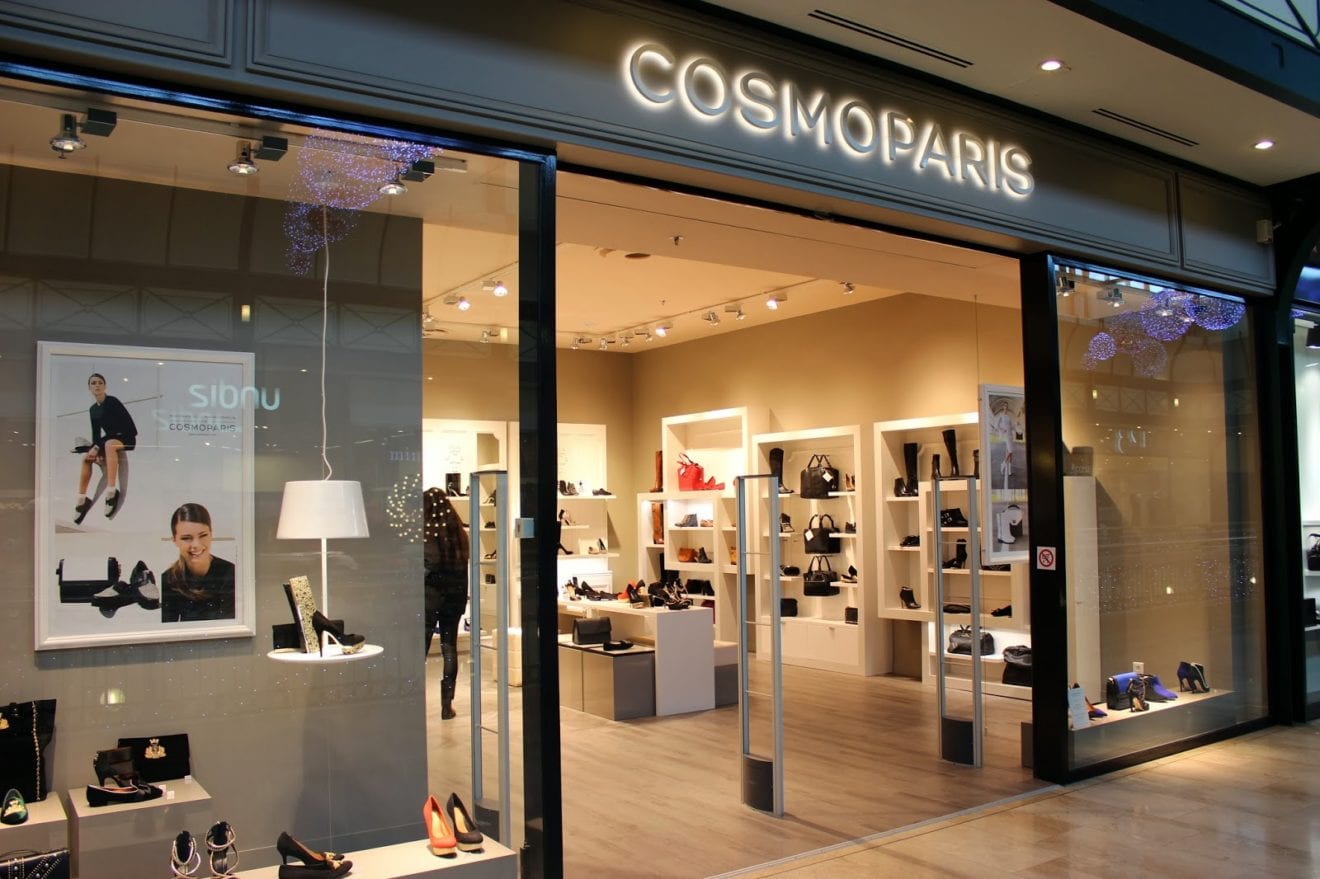
    French luxury footwear brand Cosmoparis has opened its first Hong Kong store at Pacific Place.

    Cosmoparis was founded in 2008 by Axelle Mathery and Hong Kong fashion blogButterboomdescribes the brand as making “stylish footwear designs that are always contemporary, glamorous and feminine for sophisticated ladies”.

    Cosmoparis Hong Kong Pacific Place

    The boutique, located on the first floor of Pacific Place, is a “bright cheerful place with gold table finishing with velvet-like beige coloured stools,” says Butterboom.

    “There are quite a few quirky designs including chic heels with fur, winter boots in different lengths and our favourite – the Angrycat heels that we would like to add to our shoe collection this winter.”

  • Mango stops partnership JC Penney

    Mango stops partnership JC Penney

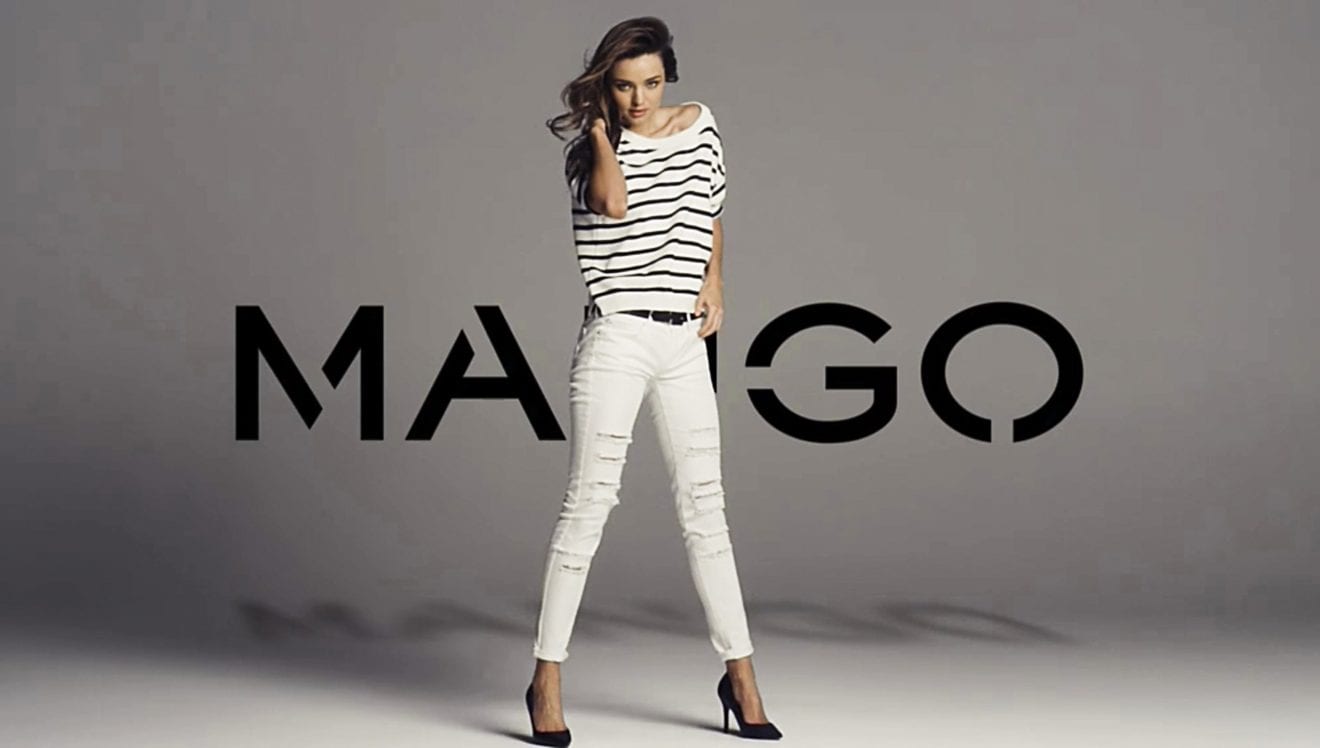
    Spanish fast fashion retailer Mango is to close 450 points of sale in the US after deciding not to renew a partnership agreement with department store JC Penney.

    The two companies had a five year contract where Mango operated concessions in 450 of the department stores, but they collectively account for just 0.5 per cent of the label’s global sales.

    The stores will close in February, leaving Mango with just seven stand alone stores in the US.

    But a spokesman for the company said it would not be exiting the US market. Instead it will look to open more of its own stores over time, in selected key cities such as New York and Miami.

    Privately-owned Mango is struggling to hold its own against its larger rivals, fellow Spanish brand Zara and Swedish label H&M, internationally, despite a presence in 100 countries. Its profit fell 11 per cent last year.

  • LeSportsac to expand China footprint

    LeSportsac to expand China footprint

    Japanese trading house Itochu has formed a joint venture with Hong Kong based Novo Fashion Retail Group to ramp up the LeSportsac retail presence in Mainland China.

    Itochu signed an exclusive distribution agreement with Novo back in 2007 to supply LeSportsacs to outlets in major department stores and other retailers.

    This month, the two companies will launch a joint venture, its name not yet revealed,

    to focus on the LeSportsac range of casual nylon bags. Standalone stores are a possibility, given the brand’s strong appeal and name recognition in China.

    Itochu distributes the US-founded LeSportsac brand in 35 countries and Novo specialises in marketing western brands in Greater China.

    Initial plans are to double the network of stores selling LeSportsac to about 100 over the next three years, with a concentration on larger cities, and to broaden the bags’ online availability.

    The new venture is also likely to work on expanding the range to include products designed specifically for the China market, based on customer feedback.

  • Habstore Korea plans New York pop up

    Habstore Korea plans New York pop up

    Habstore Korea is to open a pop up in New York City to help build its reputation as the go-to point for fashion created by young Korean designers.

    Habstore already features more than 100 Korean fashion designers – whose reputation and popularity are expanding rapidly thanks to the Korean Wave which is now spreading beyond Asia into urban US as well.

    CEO Hong Seong-jo says the company’s mission is to introduce products from new designers known for their unique design in South Korea to fashion-sensitive customers. “Some customers rejoice at finding new view on life through brands that they had not known before,” said Hong, 34, who founded the mall three years ago.

    “We are concentrating on finding various designer’s brands in order to make them happy at all times.

    “We are focusing on introducing more South Korean designer’s brands globally as we better our business”, said Hong. “We will open a pop-up store in New York introducing a variety of brand name products to expand our sales channel.”

    Hong first saw the viability of an online mall after successfully introducing a fashion watch brand in Korea. He went on to expand items to clothing and fashion accessories.

    Habstore gives special priority on brands with definite character and competitive strength, yet without attention from the public. For example, when introducing a new brand to the rest of the world, CEO Hong chooses more Eastern style or K-Style designs that Korean Wave stars have used.

    Habstore is also engaged in the production of its own fashion items. Following the launch of the fashion watch brand, ‘Paul Vice’, it also launched the watch strap brand, ‘Straps’.

    The Habstore mall,which was developed by South Korea’s largest eCommerce solution brand, cafe24, features interfaces in both Korean and English.

  • Coccinelle Asia Pacific travel retail expansion gathers pace

    Coccinelle Asia Pacific travel retail expansion gathers pace

    Published: 17/11/15

    Source: ©The Moodie Report

    By Helen Pawson, Brands Editor

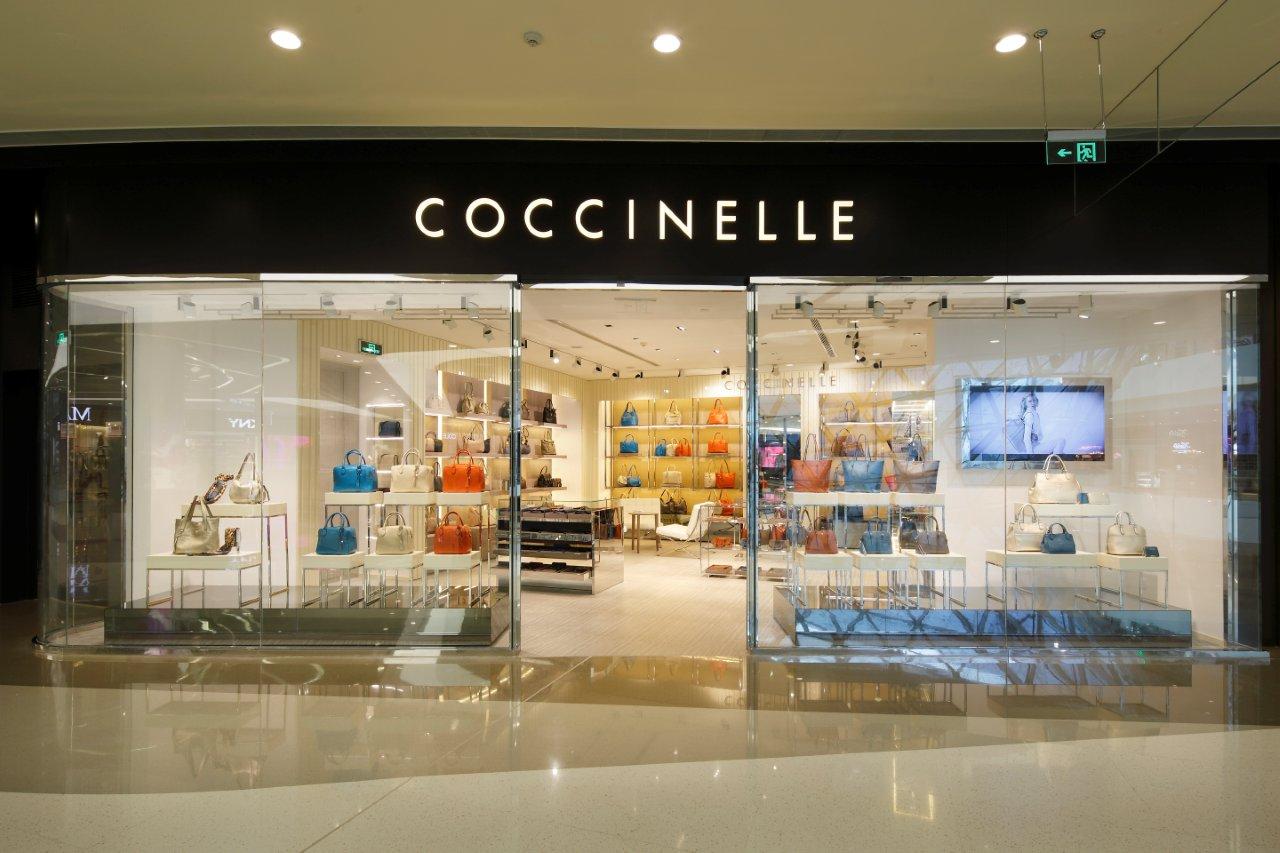
    Italian accessories brand Coccinelle has opened a pop-up store on Jeju Island in partnership with Bluebell Korea.

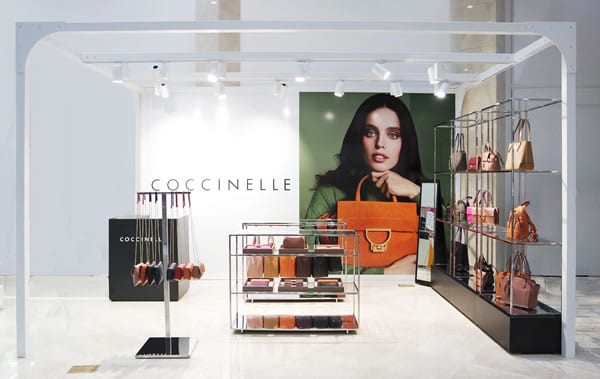
    Located in Jeju Tourism Organization’s duty free shop, the 20sq m space opened on 23 October and features the brand’s new store concept.

    Open displays and bright steel feature heavily in Coccinelle’s minimalist store

    The store features open displays to showcase bags and accessories as well as wall display modules and bag stands made from bright steel, said to give the interior a “timeless elegance”.

    The pop-up highlights Coccinelle’s Autumn/Winter 2015 collection which includes key piece the Arlettis bag.

    A big board with the Autumn/Winter 2015 campaign, which features American-Italian model Emily DiDonato as the face, dominates the back of the pop-up.

    Coccinelle Head of Travel Retail Emanuele Mazziotta commented: “We are honoured to be on Jeju Island at Jeju Tourism Organization Duty Free Shop with Bluebell and we thank them for their support with this opening. Jeju Island is a well known tourist destination in the Asia Pacific region and represents another key location in our expansion plan. Another important opening will happen soon in the region.”

  • Asia curbs Richemont sales

    Asia curbs Richemont sales

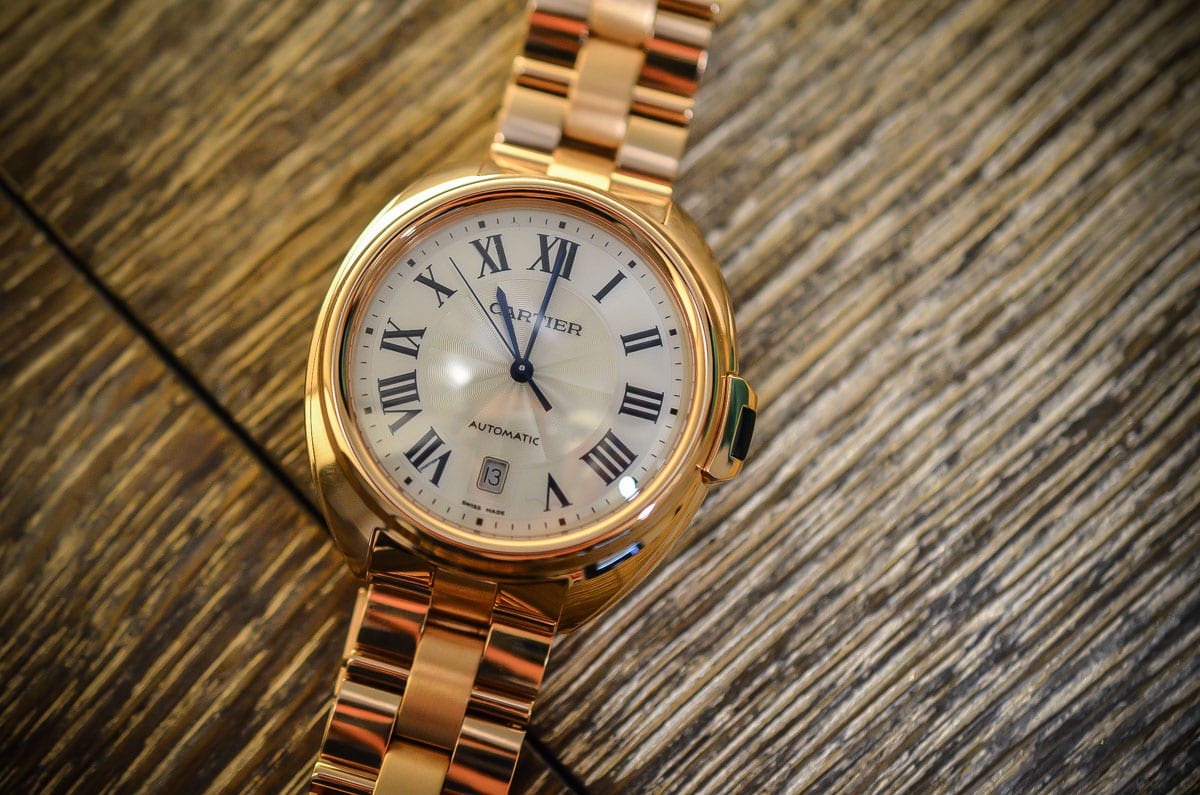
    Richemont – Swiss parent of luxury brands like Cartier, Dunhill and Montblanc – is blaming a Hong Kong sales slump for a tough half year ahead.

    Reporting its half year figures on Friday, the company said it expected a “challenging second half” which led to an immediate nine per cent fall in its share price.

    Hong Kong accounts for about 16 per cent of Richemont’s global sales and the Mainland a further eight per cent. Asia, excluding Japan, accounted for 34 per cent of the group’s total revenue.

    “The significant sales decline in Hong Kong and Macau during the period was partly offset by positive developments elsewhere. In particular, Mainland China resumed growth with strong retail sales, largely offsetting challenging wholesale sales,” the company said in its trading statement.

    Japan reported strong momentum, both from local and tourist demand, helped by the favourable exchange rate movements.

    Richemont said its global sales through its company-owned stores – which account for just over half its turnover – rose 13 per cent in the first half year at constant currencies. However, wholesale sales fell six per cent. Combined sales increased by 15 per cent at actual exchange rates or by just three per cent at constant exchange rates.

    Shipments of Swiss watches to Hong Kong fell 20.5 per cent in the first nine months of this year, due to falling demand. And Richemont, with such a large part of its global operations in the territory, is very exposed to such a drop.

    The company’s CGO Gary Saage said its margins had fallen in the first half to September – and in October demand had slowed even further. However there was a small upturn in the mainland last month

    “It’s been a long time coming. Mainland China in total grew one per cent and, clearly, within that our own retail grew significantly,” he told analysts in a briefing.

    “Wholesale is still extremely challenging and we don’t know when that will get better, but we take comfort in that our retail networks in both watches and jewellery are performing.

    “Headline numbers in watches will take time to recover,” Saage said.

    Gross profit increased by 13 per cent and accounted for 65 per cent of sales. The 100 basis points margin decrease versus the prior period largely reflected the impact of the Swiss franc’s appreciation and lower capacity utilisation, partly offset by the positive effects of other exchange rates and the growing proportion of retail sales, the company reported.

    Richemont also owns the Baume & Mercier, IWC International Watch, Jaeger-LeCoultre, Piaget, Roger Dubuis and Vacheron Constantin.