Category: Fashion

Retail News Asia is committed to providing both local and global retailers with the latest Fashion news throughout the Asian market. This on a daily base.

  • Tomei sells 45% stake in Hong Kong unit to tap local expertise

    Tomei sells 45% stake in Hong Kong unit to tap local expertise

    Tomei Consolidated Bhd said it has disposed of 14.49 million shares that is equivalent to a 45% stake in its wholly-owned subsidiary Wealthy Concept Ltd (WCL) for HK$4.5 million (RM2.5 million), cash.

    WCL is a Hong Kong-based company that is involved in the distribution and retail of jewellery. The stake was sold to two Chinese citizens Wang Guang (9.66 million shares; 30%) and Li Yi (4.83 million shares; 15%).

    In its filing with the exchange, Tomei said the sale was to tap on the local expertise of its new shareholders in the retail of gold and jewelleries business in China.

    It added that it intends to utilise the proceeds from the disposal as working capital.

    Following the disposal, Tomei will be left with 17.71 million shares or 55% in WCL.

    “The proposed disposal is not expected to have any material effect on the earnings, net assets, share capital and the substantial shareholdings of Tomei for the financial year ending Dec 31, 2015,” said the company.

    Tomei closed 1 sen or 2% lower at 49 sen today, bringing its market capitalisation to RM69.3 million.

  • Uniqlo strengthens Toray partnership

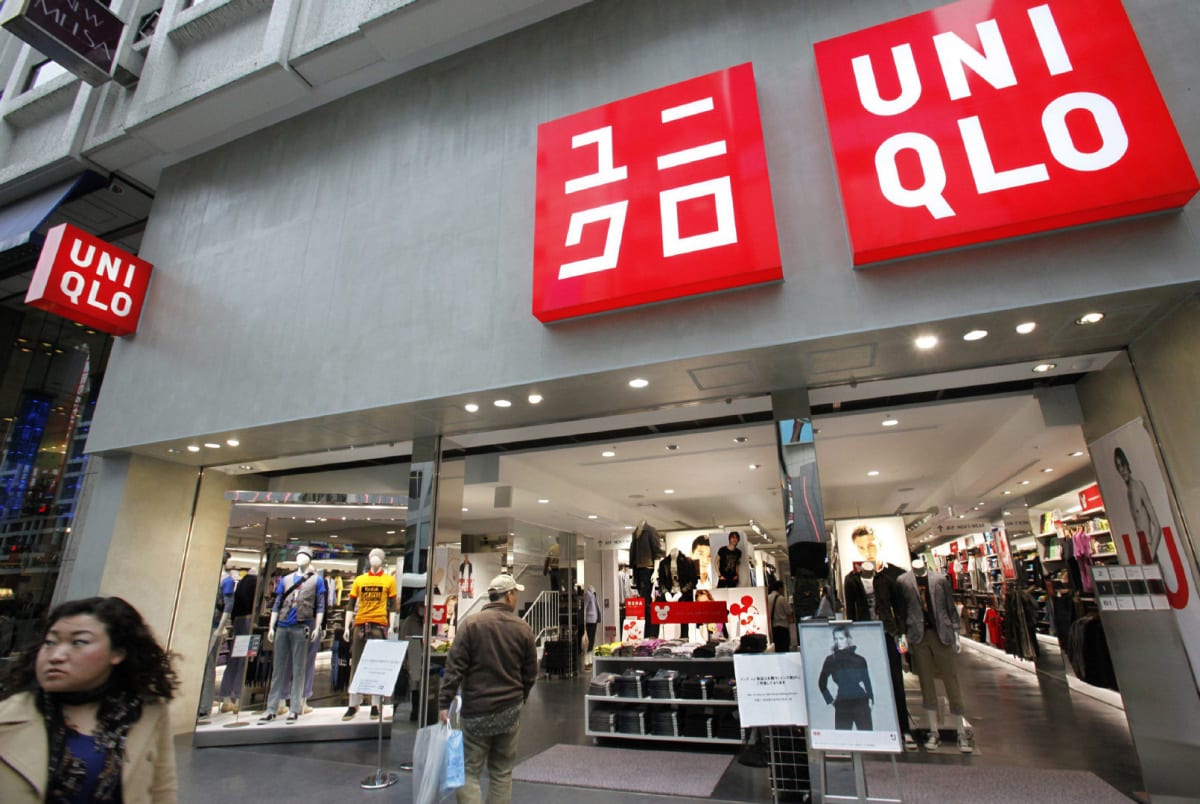
    Uniqlo strengthens Toray partnership

    The partnership which pioneered Heattech and Airism garments have forged a new expanded relationship they say will create “a new industry for the future”.

    Fast Retailing’s flagship Uniqlo and Toray Industries first joined hands 10 years ago aimed at developing technological solutions to make clothing functional rather than just practical – and provide the Japanese fashion giant with a point of difference over fast fashion rivals.

    Uniqlo’s signature Airism garments are meant to be worn beneath any ensemble to keep you cool and dry, making heat and humidity more bearable with properties such as absorbency, breathability and odour control. Heattech garments come with features designed to make it the most comfortable innerwear, including sweat-wicking, quick-drying, anti-odour and anti-static features.

    The most recent seasonal Heattech lines contain camellia oil moisturiser to keep the wearer’s skin soft and supple in dry weather.

    In the new five year third stage of their working partnership, Uniqlo and Toray will work together to:

    Accelerate globalisation and digitalisation to create a new industry by:

    • Realising an end-to-end business model by utilising the Internet of Things (IoT).
    • Further reducing production lead time.
    • Further increasing globalisation of production sites and locations.
    • Optimising production in each location.
    • Expanding production sites to support business growth in Greater China (China, Hong Kong and Taiwan).

    Maximise LifeWear that is made for all by:

    • Improving comfort and functionality of all current products.
    • Adding value to products by conducting research and development.
    • Developing new sportswear to enhance daily lives.
  • The World’s Biggest Fashion Retailer is Betting Big on China

    The World’s Biggest Fashion Retailer is Betting Big on China

    Spain’s Inditex, owner of the Zara chain and the world’s biggest fashion retailer, is optimistic about long-term growth in China despite the slowing economy, as demand for its affordable fashion stays robust.

    Inditex, whose Zara brand has lured shoppers this season with a minimalist straight-cut look, teaming muted colors with ankle boots and trousers, makes about 7 percent of its sales in China, analysts estimate.

    Western luxury brands like Burberry and Hugo Boss are suffering from cooling Chinese demand, but mid-market names like Adidas and Zara are faring better.

    “We have no doubt that in China the fashion appetite is large, our brands are better and better known and we are still feeling very optimistic (over a five-year view),” Chief Executive Pablo Isla told analysts on Thursday.

    The group made a sprightly start to the Christmas season as its on-trend offerings allowed it to adapt better than rivals.

    Sales from Nov. 1 to Dec. 3 rose 15% in local currencies, suggesting a slight slowdown in same-store sales from the previous three months. But analysts said it was still a strong performance given rivals like Top Shop have had a slow start to Christmas trading due to mild weather.

    “We can say that Inditex is trading just as strongly in the fourth quarter to date as it did in the third,” Societe Generale analyst Anne Critchlow said.

    In the nine months to end October, net profit rose by a fifth to 2.02 billion euros ($2.2 billion) on sales up 16% to 14.7 billion.

    Isla said newer brands like Zara Home, Bershka and Stradivarius had performed particularly well.

    Gross margin, a closely-watched measure of profitability, slipped slightly to 58.8%, as the strong dollar pushed up prices of garments sourced in Asia, though this affects Inditex less than its peers.

    Inditex sources more goods in or near Europe, helping it adapt more quickly to fashion tastes and speedily deliver new ranges.

    Inditex shares, up 37% this year, were down 1.5% by 1037 GMT, versus a 0.7% fall in the European retail sector.

    Many market watchers have flagged the rich valuation of the stock, trading at around 34 times 2016 projected earnings, according to Reuters data, versus 24 times for rival Hennes & Mauritz hmrzf .

  • Prada Philippines re-opens expanded Makati boutique

    Prada Philippines re-opens expanded Makati boutique

    Prada Philippines has reopened its high profile boutique in the Greenbelt Ayala Center in downtown Makati, Manila.

    The expanded and renovated store inside the prestigious mall was designed by architect Roberto Baciocchi, covers a total area of approximately 200 sqm on a single level. It houses women’s and men’s leather goods, accessories and footwear collections.

    pradaThe high-impact external facade is composed of an interplay of light-boxes, completed by a backlit white canvas curtain enclosed in a crystal box. The internal facade echoes the motif of the exterior and features two large entrances and a series of display windows.

    The first entrance, defined by the signature black-and-white marble chequered flooring – a legacy of Prada’s identity worldwide – opens up on an area dedicated to the women’s leather goods collections.

    A portal leads to a second space, where the women’s footwear collections is displayed. The entire area devoted to women is characterised by green fabric- clad walls with cut-in polished steel and crystal display niches. Steel and crystal tables with coloured display shelves and green velvet sofas complete the furnishing.

    The second entrance and the space dedicated to women both lead to a regularly-shaped area housing the men’s leather goods and footwear collections. Ebony floorboards and walls, crystal and polished steel display cases and chocolate brown carpeting define the space. Display counters with coloured saffiano leather detailing and light coloured leather sofas enhance the atmosphere.

  • Massive loss puts J Crew on the brink

    Massive loss puts J Crew on the brink

    As its latest set of results attest, J Crew is a mess.

    Not only have sales fallen across the board, but the drops are significant and come off the back of declines in the prior year.

    Even the relatively small Madewell division, which has traditionally performed well in sales terms had a poor quarter, with comparable numbers rising by a slim one per cent.

    Profitability, which was already lacking, has deteriorated further with a net loss of just shy of $760 million racked up over the quarter; this now brings the company’s total losses so far this fiscal year to an eye watering $1.2 billion. This performance comes on top of a balance sheet that is already weak and weighed down by $1.5 billion of long term debt.

    There is now a very serious question mark over the firm’s survival and it is likely that lenders may seek to take control if performance does not improve in the vital fourth quarter and beyond.

    Rebuilding the sales line after a series of fashion missteps is now looking like an insurmountable task. Many customers once loyal to J Crew defected elsewhere following the company’s move away from the classic, preppy basics that were once its heritage, and it is now proving extremely difficult to win them back.

    This is not helped by the still fairly premium price J Crew expects its customers to pay; given the brand has lost so much of its equity, and given that today’s more democratic fashion marketplace abounds with retailers selling on-trend, low-priced basics, this position is simply not tenable.

    In a sense, J Crew and its management are not sufficiently humble about the brand’s current status and are rather divorced from the realities of the retail marketplace. Nowhere is this truer than in the international expansion efforts where, for example, products in its UK stores often cost more in pounds sterling than they do in dollars in the US – a significant uplift over and above that accounted for by the UK’s higher sales tax rate.

    In today’s interconnected, digital world where prices can easily be checked on smartphones while standing on the shop floor, such a policy does nothing but alienate and annoy customers. And even without this comparison, by UK standards prices are highly uncompetitive for the type of product J Crew sells.

    To be fair some efforts have been made to respond to price sensitivity with the launch, for example, of the factory outlet Mercantile stores which the company has put into mainstream malls. However, as sensible as this may be, it does little to address the problem with the core J Crew brand.

    J Crew is now pinning its hopes on a better holiday season; however, this will not mark a turnaround in the company’s fortunes. The earliest possible date for a change is spring of next year when the first collection designed by Creative Director Somsack Sikhmounmuong will hit stores.

    Even if this is a hit, J Crew will still only be in the foothills of the mountain it has to climb to restore the company to financial stability.

  • Moiselle flies in customers as sales slide

    Moiselle flies in customers as sales slide

    Hong Kong luxury fashion retailer Moiselle has revealed a raft of innovative strategies to restore flagging sales.

    Hit by a $31.9 million loss for the first half of the trading year due to declining spending by Mainland Chinese tourists, Moiselle is introducing new ranges and even flying in loyal customers for exclusive product displays.

    The company has reigned in its store openings and is putting the squeeze on landlords to reduce rents.

    Last week Moiselle revealed its sales had fallen by 21 per cent to $161.2 million mainly due to weak consumer sentiment and sluggish retail sales in its Hong Kong home market, which accounts for 55 per cent of its turnover. Gross margin fell from 82 per cent in the first half of last year to 76 per cent in the latest period.

    The group operated 92 retail stores and counters in Hong Kong; first- and second-tier cities of China; Macau, Taiwan and Singapore as at September 30 – three fewer than at the end of March. It closed five stores in hong Kong during the six month trading period.

    Moiselle – which sells under the Moiselle, Mademoiselle, Coccinelle and French-influenced Germain brands – has shifted focus to a more tailor-made sales model in Hong Kong, targeting members of its VIP customer club, and has formed partnerships with several Mainland Chinese online shopping websites.

    The organised shopping visits by customers from Mainland China, Taiwan and Singapore to its product showrooms in Hong Kong target its most loyal customers with high spending power. The tours began in May and started generating income in July.

    Meanwhile, Moiselle forged ahead with a strategy of diversifying its product offer to target different segments of the high-end and upper middle markets for women’s fashion apparel and accessories. It expanded its Moiselle and Germain ranges into menswear. It launched European accessories labels Sequoia and Coccinelle into the apparel market through exclusive distribution agreements to add impetus to its business development.

    In its stock exchange filing, Moiselle said it did not expect Hong Kong’s retail market to turn around “any time soon”.

    “China’s economy has shifted to a lower gear and the growing trend towards a higher proportion of the Mainland Chinese visitors with weaker spending power in Hong Kong seems irreversible. Moreover, the Hong Kong dollar, which is pegged to the greenback, is poised to enter a phase of appreciation against many other currencies as the US Federal Reserve Bureau looks set to raise the benchmark interest rate in the foreseeable future. These developments are likely to weigh on both the shopping tourism and average purchase value in Hong Kong, where the group derives most of its revenue.”

  • Modern Beauty Salon Holdings posts profit plunge

    Modern Beauty Salon Holdings posts profit plunge

    Modern Beauty Salon Holdings has reported an 87.4 per cent plunge in first half profits as consumers restrain their discretionary spending.

    Modern Beauty runs 42 service centres in Mainland China, Hong Kong and Taiwan, 16 in Singapore and three in Malaysia. The company’s 17 retail stores trade under the banners Pen and Be Beauty Shop across Hong Kong, Kowloon and the New Territories.

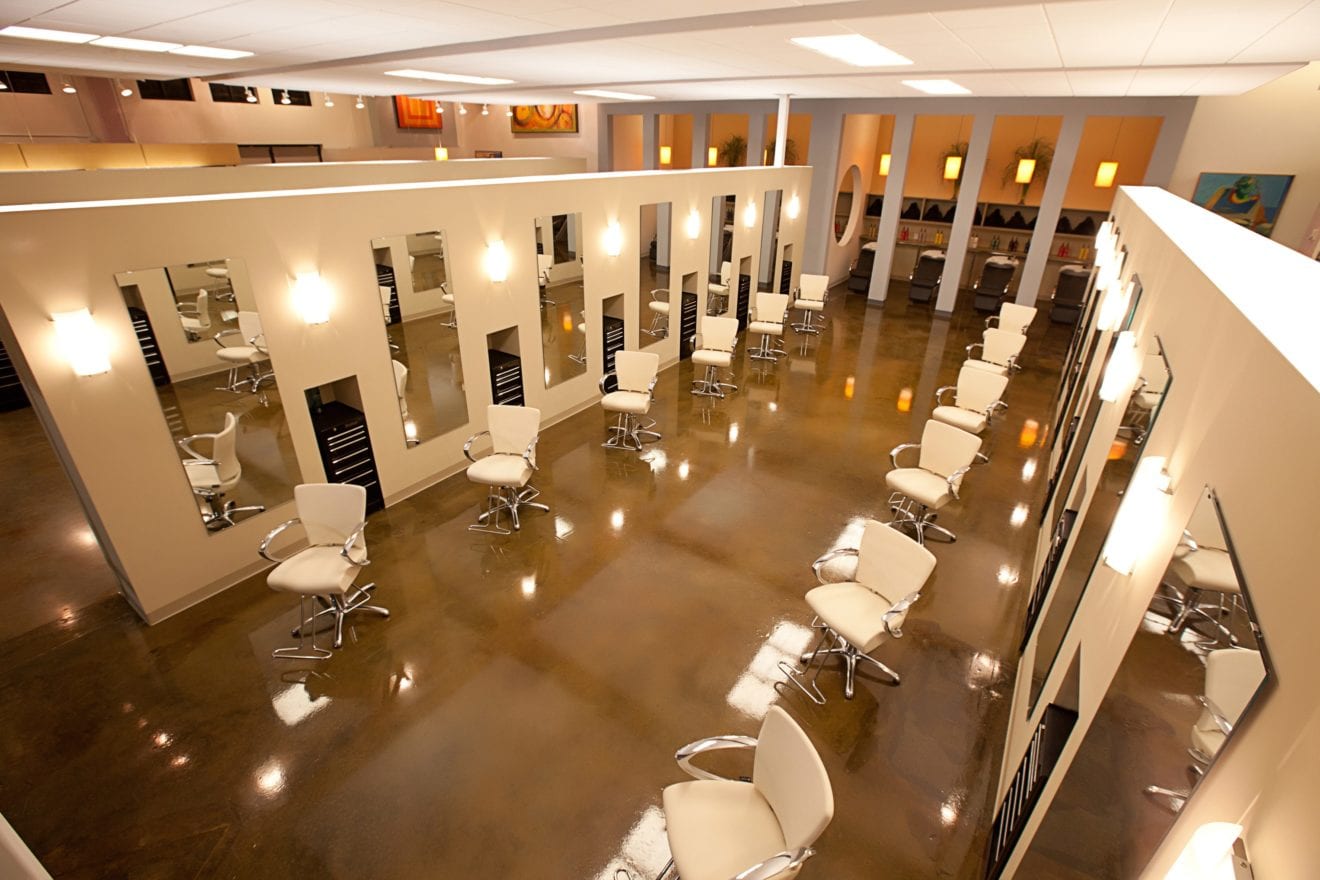
    Modern Beauty Salon

    Group revenue across the markets fell 12.2 per cent to HK$402.7 million year on year, while gross receipts from the sale of prepaid beauty packages decreased from $387.5 million to $350.4 million. That produced a profit attributable to shareholders of just $5.7 million, compared with $45.5 million for the same period last year.

    The company said a volatile financial market and weakened Hong Kong economy made people more conservative on their spending.

    “Our beauty, slimming and wellness service business in Hong Kong was inevitably affected. Nevertheless, leveraging on our excellent service management that facilitate greater quality assurance, our management is confident of the further prospects of our business.”

    The company says despite the retarded economic growth in Mainland China, it still believes the beauty, slimming and wellness market there will continue to prosper with a growing demand because “as a larger portion of the population moves up to the bourgeoisie”.

    “Our brand name has secured a presence in the Mainland China with a solid foundation that we have established for years in Beijing, Shanghai and Guangzhou. Plans to open more stores in the Mainland China are afoot.”

    In Singapore and Malaysia, receipts from sales of prepaid beauty packages amounted to $37,768,000, while revenue from services rendered amounted to $55,673,000, down 35 per cent and 36.6 per cent respectively.

    “The drops are mainly due to the new government policies in Singapore and Malaysia. For Singapore, from June 2015, if a local person’s aggregate interest-bearing outstanding balance on all credit cards and unsecured credit facilities exceeds 24 times his monthly income for three consecutive months, his credit lines will be suspended. This means that he will not be allowed to charge new amounts to his existing credit cards and/or unsecured credit facilities. For Malaysia, from April 2015, a GST of six per cent was imposed on local services providers, including beauty services. These policies have hurt the local consumption sentiments significantly.

    “The group will continue to carry out its local business development prudently and we believe that the local people will accustom to the new policies and the consumption sentiments will recover as time goes by.”

    Modern Beauty says it plans to launch an eCommerce website during the next six months.

  • Prolonged summer takes heat out of Uniqlo sales

    Prolonged summer takes heat out of Uniqlo sales

    Uniqlo parent, Japanese giant Fast Retailing, says its total sales dropped 8.1 per cent in November.

    “Same-store sales dipped year on year in November after unusually hot weather in mid-month stifled sales of winter clothing necessities,” the company said in a  brief trading statement which gave only percentages and not total sales data.

    The number of Uniqlo stores operating outside Japan exceeded the number of domestic stores last month – by 864 to 844.

    In November, same-store sales decreased by 8.9 per cent year on year while sales at its own-run stores (excluding franchises) decreased by 9.9 per cent. Total sales, including online, thus fell by 8.1 per cent.

  • Uniqlo to launch Liberty London range

    Uniqlo to launch Liberty London range

    Uniqlo has announced a collaboration with high end UK department store Liberty London to create an exclusive range of apparel.

    Liberty London for Uniqlo will launch with a Spring/Summer 2016 collection, in stores from Spring.

    The collaboration brings together a special selection of Liberty’s iconic floral prints with women’s, girls’, babies’ and men’s products for Uniqlo LifeWear, whose signature innovations make clothing lighter, more comfortable, affordable and accessible to all.

    Liberty started in London’s Regent Street in 1875, selling ornaments, fabrics and artworks from Japan and elsewhere in Asia that inspired some of the 42,000 prints that make up Liberty’s print archives.

    Extensive collections of Liberty catalogues, dresses and textiles, housed at The Victoria and Albert Museum, attest to the myriad contributions to art, culture, and fashion of one of the world’s most prestigious brands.

    Liberty’s mock-Tudor-style building on Great Marlborough St is a destination for fashionistas and an epitome of classical British design.

    The Liberty London for Uniqlo collection will be sold worldwide in Uniqlo stores.

  • Geox plans 350 China stores with Hong Kong partner

    Geox plans 350 China stores with Hong Kong partner

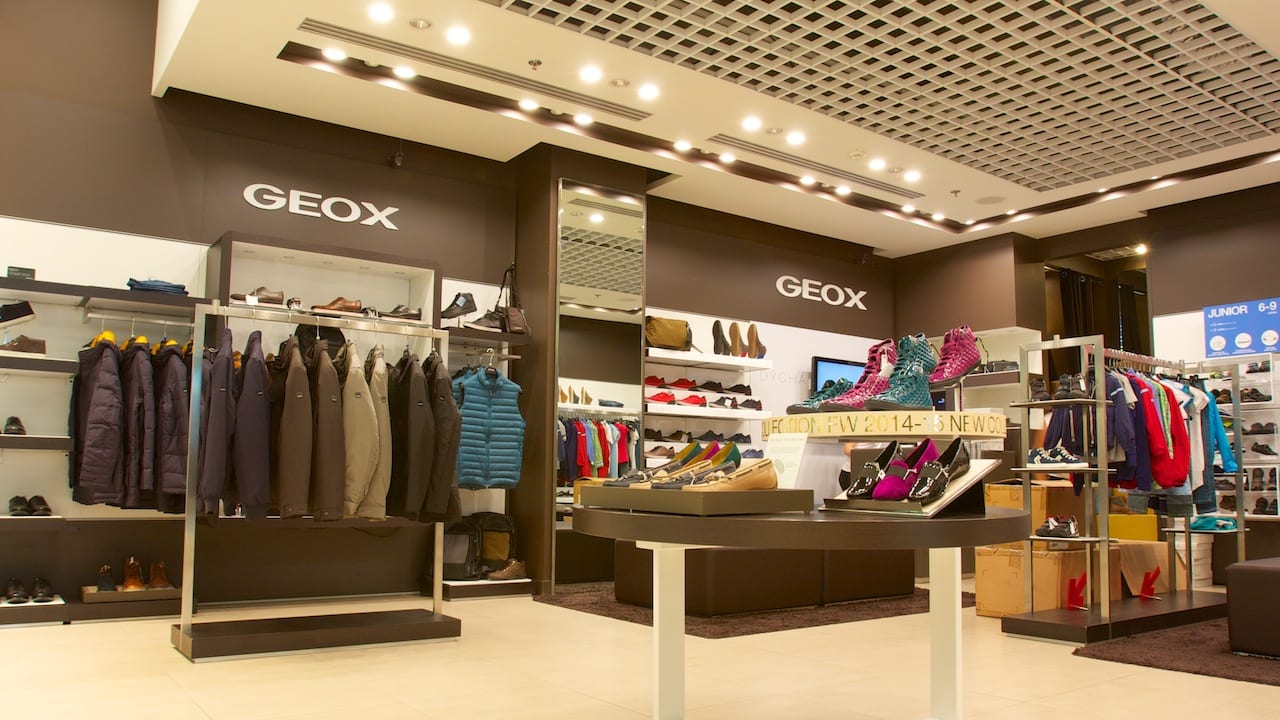
    Italian shoemaker Geox has signed a distribution agreement with Hong Kong listed Pou Sheng International to set up 350 stores in Mainland China by 2020.

    The two companies will target China’s rising middle class – 109 million newly affluent, quality-conscious and brand-happy Chinese consumers.

    Geox is one of the leading brands worldwide in the lifestyle footwear market, listed on the  Milan stock exchange and Pou Sheng is one of the leading retailers in China in the lifestyle and sportswear market, retailing brands such as Converse, Rockport and Keds with 4586 retail outlets and another 2691 sub-distributors across China.

    The Geox agreement includes the exclusive distribution of Geox adult collections in China and the opening of 350 new stores in the first five years – including mono brand stores and  shops-in-shops in high end footwear specialist retailers, shopping malls and department stores.

    Mario Moretti Polegato, chairman and founder of Geox, said the strategic agreement is aimed at “developing properly our brand distribution in China where, in our directly operated stores in Shanghai and Beijing, Geox has already demonstrated to have strong potential”.

    “I believe the partnership with Pou Sheng is extremely relevant as it merges the Geox mission of improving everyday life of our endorsers, through our breathable innovations, with a partner whose enlightened mission is providing services and products that promote high quality of living and healthy lives and whose goal is to be the customer’s number one choice and the brand’s best partner in China through the strongest and most innovative multichannel retail network”.

    Geox CEO Giorgio Presca describes China’s emerging middle class as “definitely the best thing” that could have happened to his company.

    “On one hand, the rise of the middle class will boost the economy. On the other, it is the perfect thing for brands like us.”

    Geox is already expecting same-store sales growth in China of 17 per cent or more this year – its highest growth rate globally. But China still comprises just two per cent of its total sales.

  • eGG Optical continues stellar growth

    eGG Optical continues stellar growth

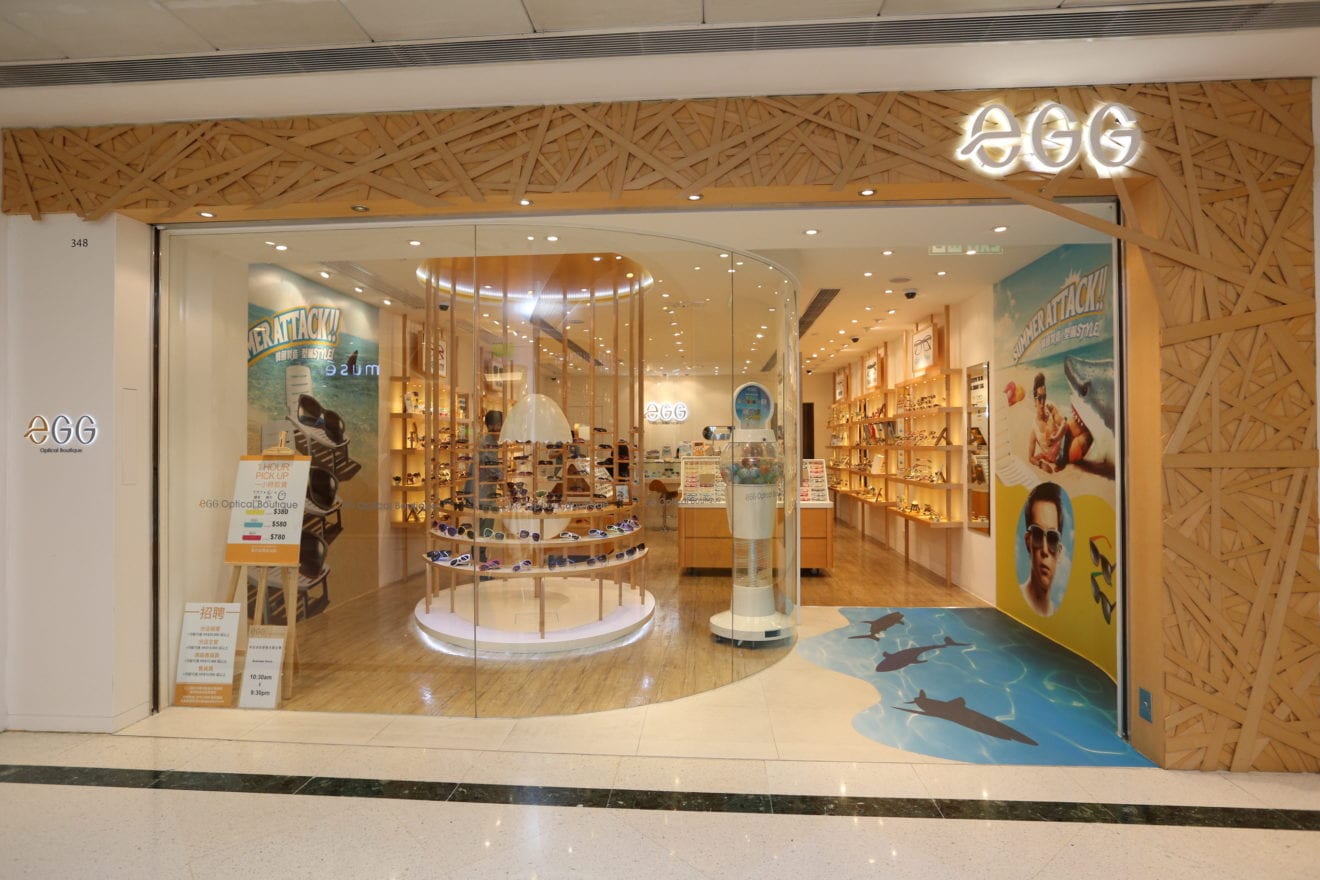
    Hong Kong based fashion eyewear chain eGG Optical Boutique is continuing its stunning growth trajectory.

    According to parent Stelux, the chain’s sales increased by 46.4 per cent to HK$80.5 million in the six months to September 30.

    Its 21 Hong Kong stores have now reached breakeven point and the 34 Mainland China stores cut their operating loss to just $3.3 million. Same store growth in all markets continued to grow.

    A further three stores have recently opened in Southeast Asia.

    Stelux believes the eGG Optical Boutique fast fashion eyewear concept has found favour with shoppers because it captures consumer preference for trendy and fancy optical eyewear.

    In the first half of last financial year the Hong Kong operations lost $500,000 and in the second half $200,000, finishing the year with just 15 stores. That a further six have been opened in the first six months of this year demonstrates the confidence Stelux has in the new brand. Its Hong Kong stores improved sales by 45 per cent due to both network expansion and increasing same store sales.

    In the mainland, eGG Optical’s sales rose 48.8 per cent to $31.0 million.

    “The loss was reduced to $3.3 million owing to significant operating improvements in Northern China and close to breakeven achieved in Southwestern China through turnover growth,” reported Stelux.

    “Combined with eGG’s attractive and eye-catching shop visual merchandising and ability to attract consumer traffic appreciating lifestyle and fashion design, the group will capture the opportunities in the current soft leasing market to further expand into Mainland China.”

  • Korea scraps perfume tax

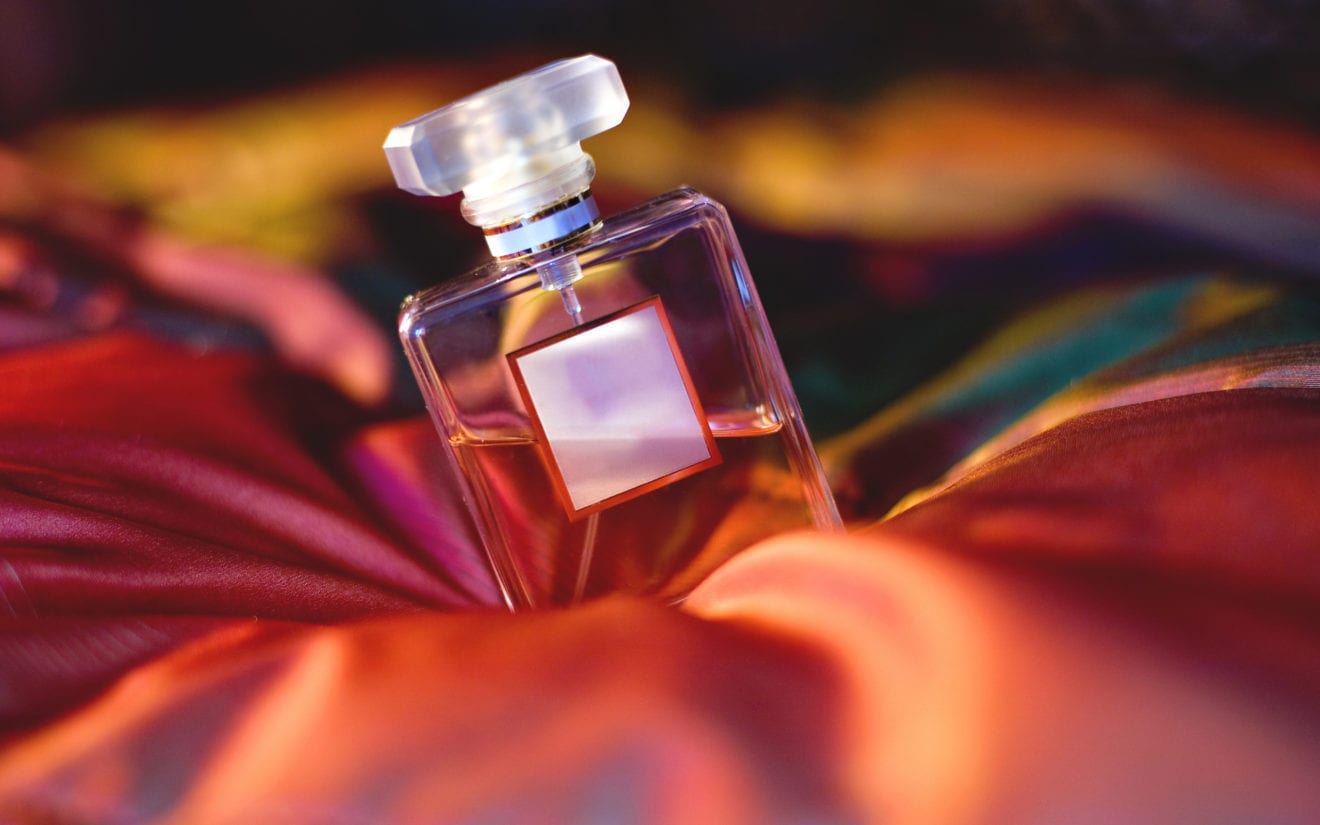
    Korea scraps perfume tax

    Korea’s government has removed some items from the Individual Consumption Taxes list, making them exempt from what is often referred to as a ‘luxury tax’.

    Perfume, cameras and deer antlers were removed from the list, but tax will still be imposed on purchases of Royal Jelly.

    Authorities reported that the ruling party and opposition party have agreed on the revision of the Individual Consumption Tax Act.

    The government announced that it would be eliminating the seven per cent tax that was imposed on deer antlers, Royal Jelly and perfume, when it revealed the revised bill in August.

    However, during debate at the national assembly, Royal Jelly was excluded from the exempted items, and cameras, which used to face a 20 per cent tax, were added.

    The bill proposed by governor Jung Eui-hwa suggested that cameras be excluded from the items facing individual consumption taxes. She explained that ‘owning a camera is no longer a symbol of wealth’, and instead it is seen as a matter of ‘consumer preference and choice’.

    Though it was not included in the revised bill that both parties agreed to, the five per cent tax which was imposed on air conditioners, refrigerators, washers and TVs consuming more than the standard amount of electricity is expected to be abolished as the revised act is enforced.

    The revision was undertaken to follow international trends, and recognise the changes that have occurred with the passing of time. It was concluded that the items exempt from taxes were no longer thought of as ‘luxury’ goods in the current society, in which personal income and standard of living are both higher than in the past.

    With the abolishment of individual consumption taxes, the factory prices of deer antlers, cameras and perfume will be lowered. However, some have pointed out that it remains to be seen whether the revision of the bill will lead to lower consumer prices, like the prices of high-fashion brand bags.

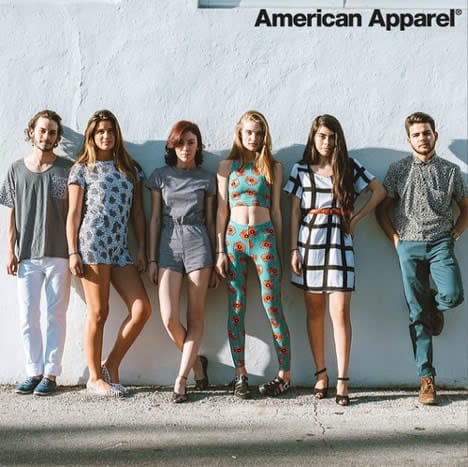
  • American Eagle Outfitters ‘pulls itself out of the mire’

    American Eagle Outfitters ‘pulls itself out of the mire’

    Solid revenue increases at American Eagle Outfitters are evidence the self help measures the company has been employing continue to pay dividends.

    This is especially so as they have been achieved against the backdrop of a teen fashion market that remains subdued and competitive, and during a quarter when the weather was mostly against apparel retailers.

    Key to the transformation of American Eagle Outfitters is a step change in product assortments and in-store execution, especially at American Eagle bannered stores. Compared to a year ago, stores are looking cleaner with a much clearer proposition incorporating a sensible mix of staple and fashion pieces.

    In line with changing tastes, the fashion pieces have more subtle branding and detailing, and many are focused on current trends and ‘must have’ seasonal items like parka jackets. These things, along with a notable step-up in the quality of garments, have helped to improve customer interest and conversion rates. This, in turn, is leading to higher sell-through and lower levels of discounting – something that American Eagle Outfitters was previously guilty of relying on to drive volume.

    These lower levels of promotional activity have helped American Eagle Outfitters to rebuild its profitability, with net income increasing by an impressive 720 per cent this quarter to just over $74 million. Gains to the bottom line were also driven by store rationalisation and improved cost discipline – all things that will continue to deliver gains as the company moves into the final quarter of its fiscal year and beyond.

    The renewed sense of energy and confidence that is present on American Eagle Outfitters’ shop floor is also evident in the boardroom where directors signed off on the acquisition of the Tailgate Clothing Company, which owns and operates Tailgate, a vintage, sports-inspired apparel brand with a college town store concept, and Todd Snyder New York, a premium menswear brand. Both of these businesses are entirely complementary to American Eagle Outfitters in that they have a more premium position and serve a slightly edgier, discerning customer. This is especially so for Todd Snyder which sells sweatpants at $175 and coats for as much as $1995. As niche as this may seem, as the growth of brands like Ted Baker attests, this premium segment of the fashion market is growing rapidly – and we see it as positive that American Eagle Outfitters now has access to this growth.

    Moreover, it is positive that the acquisition is one that has been made on the grounds of giving American Eagle Outfitters access to a different part of the market and has been made at a time when the core business is firmly in recovery. This gives us confidence that the transaction has been made for the right reasons and not simply to hide difficulties in the core business.

    That said, as much as the new businesses provide significant future opportunities, American Eagle Outfitters does need to ensure that its focus remains firmly on the core. Despite its recent success the market in which it operates remains very difficult and is subject to a number of unhelpful competitive dynamics, including the continued growth of fast fashion brands like H&M and Primark. None of this is to suggest that American Eagle Outfitters cannot continue its run of success, merely that it needs to keep both hands on the wheel if it is to steer a successful course.

    This year has been one in which American Eagle Outfitters has managed to pull itself out of the mire. It has emerged as a stronger, leaner player with a much more distinct point of view. We believe that it will build on this progress in the final quarter and beyond. It will do so under the pragmatic and effective leadership of Jay Schottenstein, whose position as interim CEO has now been made permanent.
  • Sonae launches Zippy Philippines

    Sonae launches Zippy Philippines

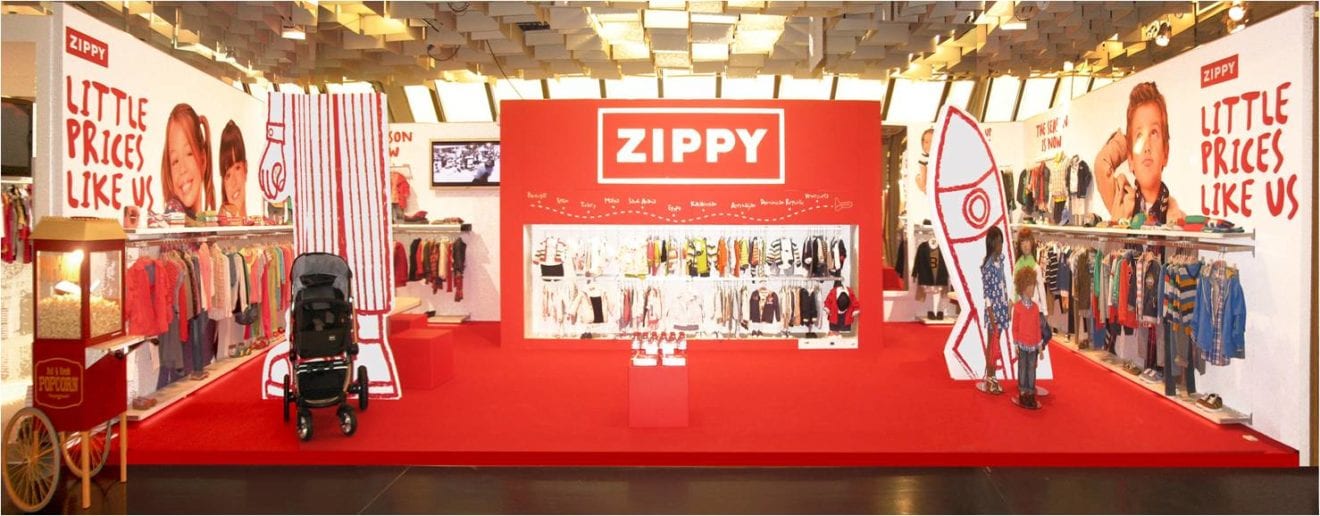
    Portuguese multi-brand retailer Sonae has expanded its international activity to Asia by opening its first two Zippy stores in the Philippines.

    The Sonae brand of children’s clothing and nursery products has signed a franchising agreement that includes opening about 24 stores across the country during the next five years.

    Miguel Mota Freitas, CEO of Sonae SR,  said the partnership is in line with Sonae’s international expansion strategy, which looks to use its brands’ competitive advantages worldwide, diversifying markets and stimulating new development opportunities.

    “Asia is a populous and economically dynamic region, with high birth rates, where consumers are beginning to pay more and more attention to quality products, which opens new perspectives for Zippy, particularly now in the Philippines,” he said.

    Entering the Philippines resulted from the franchising agreement celebrated with Trimark Holdings, which operates more than 600 stores in the country under more than 40 international brands, mostly in fashion.

    The Zippy Philippines stores have opened at the Glorietta and North Edsa shopping centres, in the capital city, Manila.  Zippy’s Philippines stores will have an average area of 100 sqm offering products from clothing and footwear to baby and kids accessories.

    With a population of around 100 million inhabitants, the Philippines is the seventh most populated country in Asia and the 12th most populated in the world. With more than one third of the population aged under 14 years, the potential customer base fits right into Zippy’s target market.

    World Bank data predicts the Philippines’ economy will grow at 6.5 per cent annually for the next two years.

  • Optical 88 struggles

    Optical 88 struggles

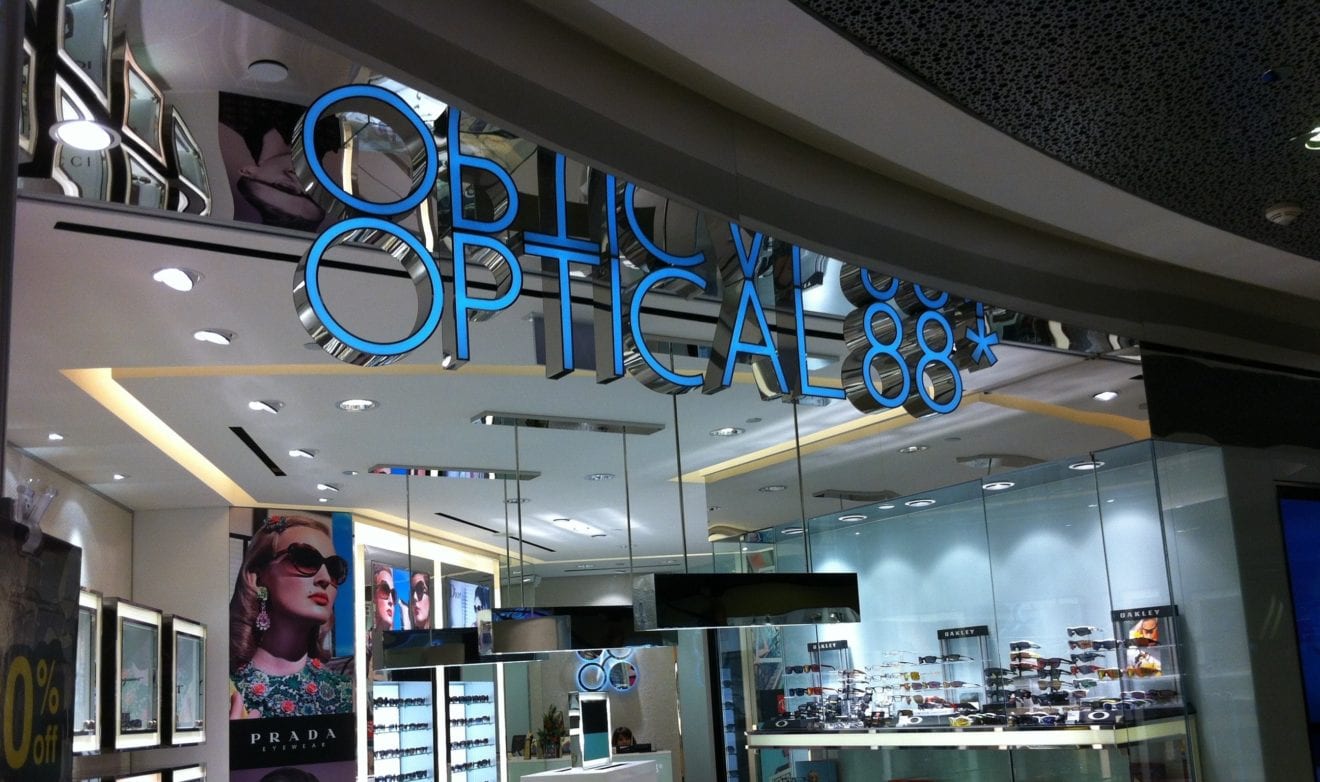
    Eyewear chain Optical 88 has suffered a 10.5 per cent slump in sales in the first half, with profit down 53.2 per cent.

    According to the trading announcement of its parent company Stelux International, sales reached HK$579.1 million and EBIT $18.0 million.

    The company says exchange rate fluctuations and the subdued Hong Kong and Macau markets contributed to the downturn, although the business remains profitable.

    In Hong Kong and Macau turnover decreased by 8.9 per cent and profit by 32.6 per cent, despite efforts in cutting operating costs (other than shop rentals) by around 7.4 per cent. “The turnover performance was impacted by the softened demand from local customers and tourists but gross profit margin remained healthy and stable,” Stelux said in its filing.

    In Mainland China, sales declined by a modest 5.3 per cent. The company says it is building on Optical 88’s professional and healthcare positioning, and will continue to expand the store network in Mainland China in the second half of this year. It aims to accelerate network expansion in the Southern and Southwest regions to further strengthen its market share, paving the way for further expansion into other parts of China.

    Optical 88’s turnover in Southeast Asia dropped by 17.8 per cent (or by 7.1 per cent on a constant currency basis), and a loss of $11.5 million was recorded.

    The introduction of GST in Malaysia in April caused turnover to slip in the first quarter, but the company made up the lost ground in the second quarter.

    Store consolidation and productivity enhancement measures in Singapore paid off this year, with the loss narrowing by 10.7 per cent to HK$7.5 million through reduced operating costs.

    The Thai operations are still profitable, but recorded a drop in turnover by 19.1 per cent caused by the significant decline in consumer confidence and purchasing power in Thailand.

    “Severe competition driven by widespread sales promotions in the market has also led to narrowed margin. The tough market is expected to continue in Thailand, and we will… close non performing shops and continue with our cost control measures, which have reduced our operating costs by 15.7 per cent in the first half,” said Stelux in its filing.