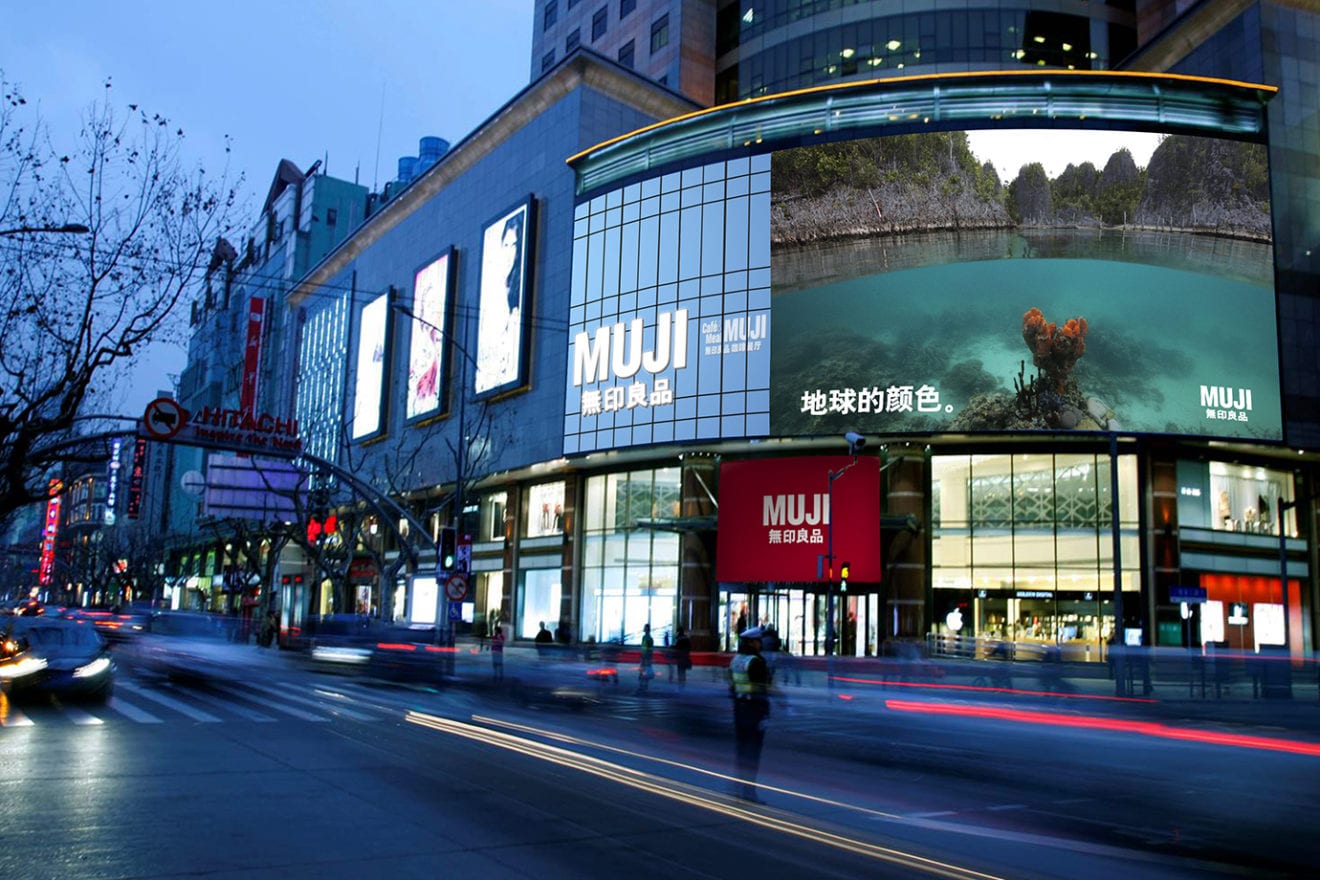
Category: Fashion

Retail News Asia is committed to providing both local and global retailers with the latest Fashion news throughout the Asian market. This on a daily base.

  • Chow Tai Fook’s Hong Kong, Macau Sales Plunge on Fewer Chinese

    Chow Tai Fook’s Hong Kong, Macau Sales Plunge on Fewer Chinese

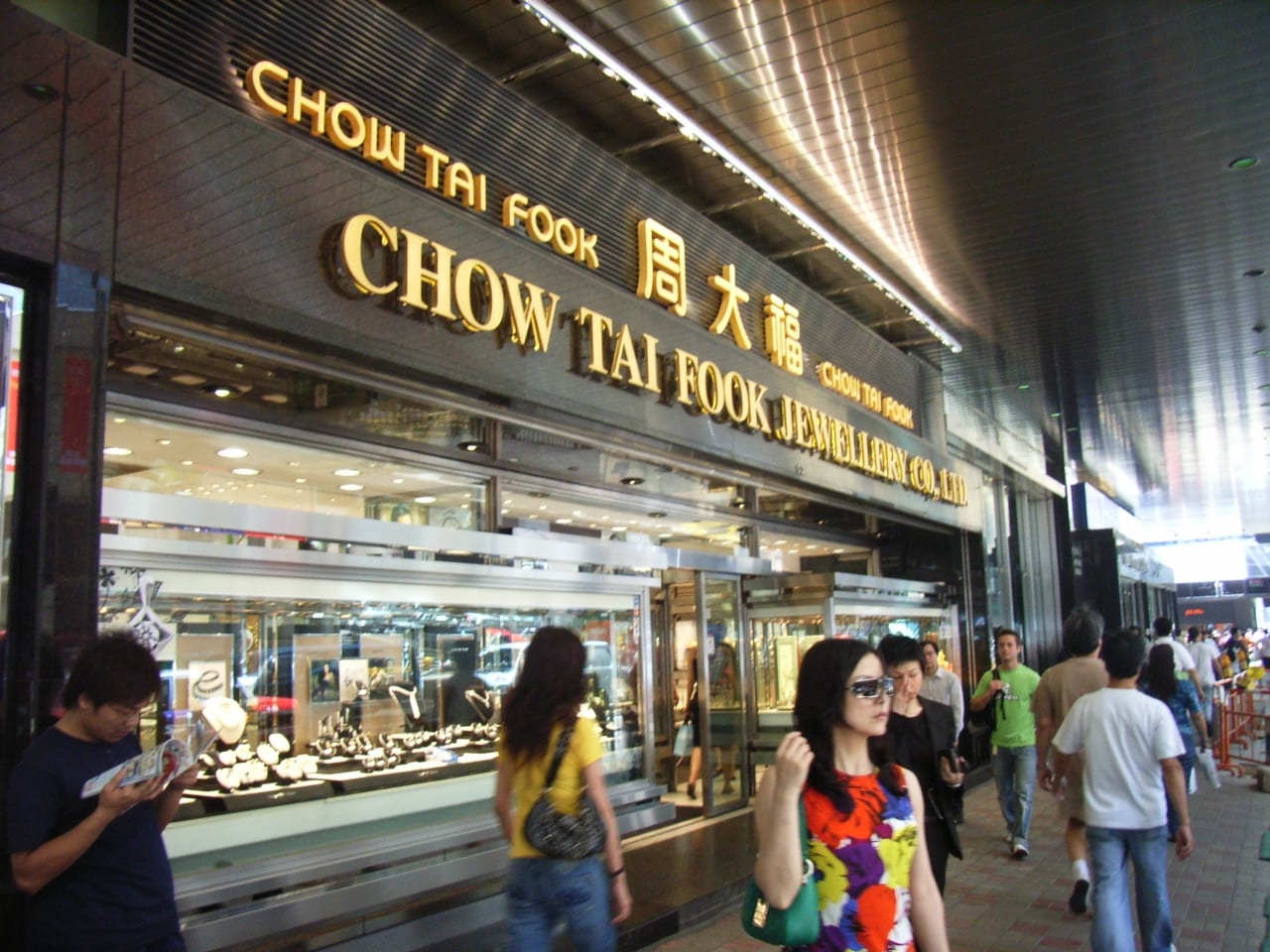
    Chow Tai Fook Jewellery Group Ltd., the world’s largest listed jewelry chain, said same-store sales in Hong Kong and Macau plunged 23 percent in the final three months of 2015 as fewer mainland Chinese tourists visited the two cities.

    Same-store sales, for outlets open at least a year, fell 6 percent for those in mainland China, bringing the total decline to 15 percent for the fiscal third quarter ending December, the company said in a statement Friday. The retail sales value for all of the company’s outlets slumped 11 percent in the period, it added.

    The operating environment in China as well as sales outlook for the Lunar New Year holidays in February remain challenging, and the company will continue to focus on cost-cutting measures in the rest of the current fiscal year ending March, Managing Director Kent Wong said on a conference call with reporters Friday.

    “The retail jewelry industry is now in a consolidation stage after the rapid growth in the past decade,” Wong said. “What we can do now is to better control cost structure on both rentals and staff costs, while expanding our high-end product lines.”

    Chow Tai Fook in November declared its first-ever special dividend even as it posted the steepest decline in semi-annual profit since it went public, after its shares fell to about 70 percent before its offer price since its 2011 share listing. China’s economic slowdown, as well as campaigns against corruption and extravagant spending have hurt luxury retailers and casino companies.

    The retailer of gems and watches has said it will shut outlets that do not perform well, but doesn’t plan to lay off workers. Still, the number of employees may fall further after it dropped 8 percent in the first half, reducing staff costs by 13 percent, Wong said Friday.

    Chow Tai Fook Chairman Henry Cheng said in November the company has shelved its overseas expansion plans and will focus on the Hong Kong, Macau and mainland China businesses.

    Mainland Chinese tourists to Hong Kong, who accounted for more than 70 percent of the total in November, have dropped 16 percent in the month, according to the city’s tourism board.

    Chow Tai Fook may request rental reductions of 30 percent on average, for the roughly one-third of its Hong Kong stores that renew their lease agreements each year, it had said in November. Wong said the company is in talks to renew leases for three shops in the city.

    The luxury chain’s retail network expanded to 2,317 points of sales as of end-2015, including a net opening of 28 jewelry, and 2 watch outlets in mainland China. It will open between 50 to 60 points of sales in China in the rest of the fiscal year, Wong said.

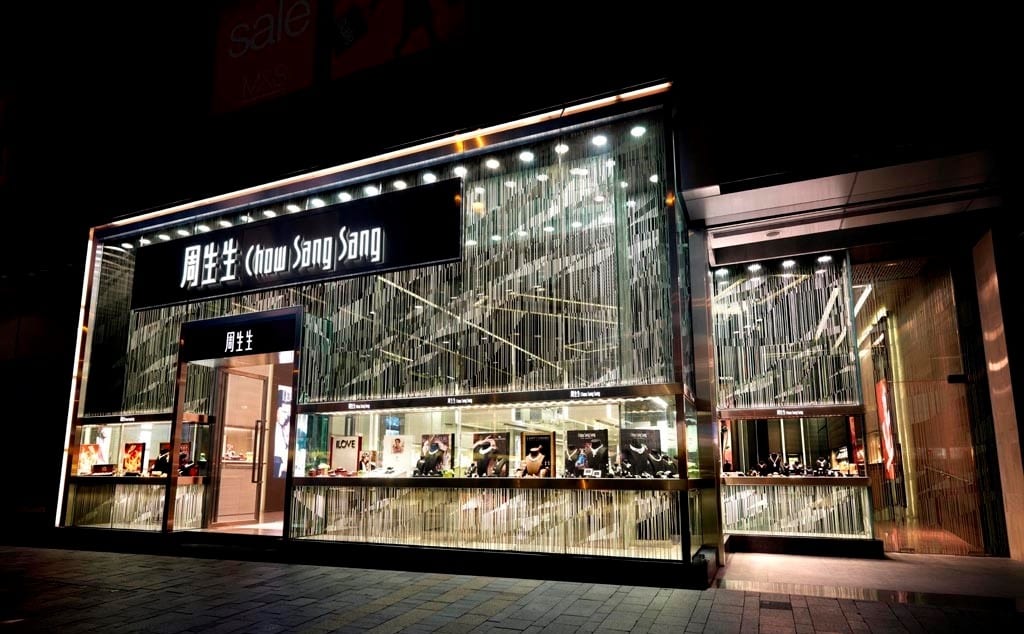
    Competitor Chow Sang Sang Holdings International Ltd. said it won’t cut prices even as it expects same-store sales to slide during the Lunar New Year holidays, amid a strong Hong Kong dollar that has turned mainland tourists away, the Standard newspaper reported Friday citing Lau Hak-bun, the company’s general manager of Greater China retail.

    Chow Tai Fook’s Wong also said the company has no plan to cut product prices in the future.
  • Shibuya109 opens in Hong Kong

    Shibuya109 opens in Hong Kong

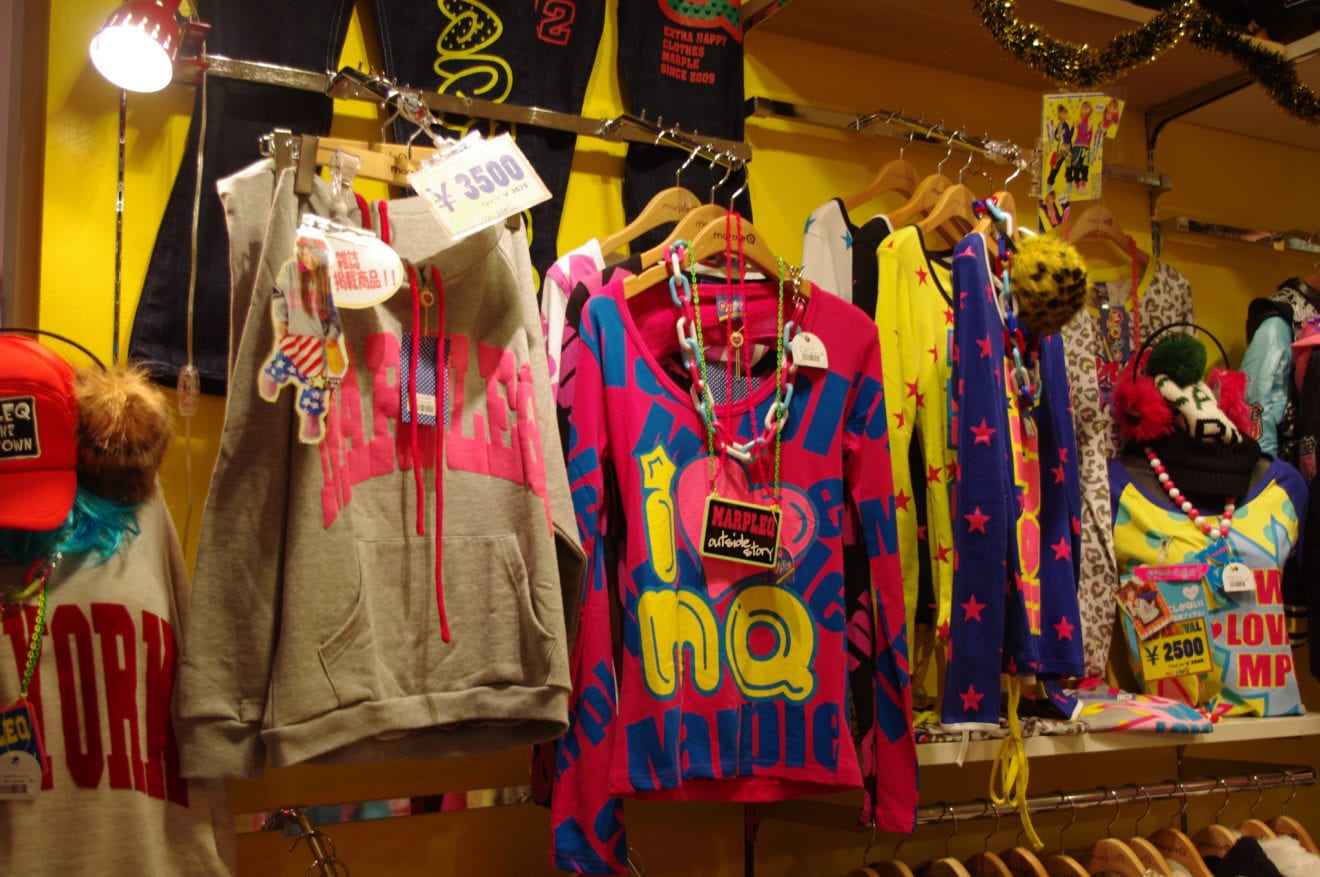
    The Japanese department store Shibuya109 has opened its first outlet outside its home market – in Market City in Kowloon, Hong Kong.

    Owned by Tokyu Hands, Shibuya109’s first Hong Kong store is described as a ‘mini-mall’ offering just a curated collection of brands from Japan to test the broader Asian market.

    The store opened quietly during the Christmas season lead-up taking up an 800sqm space on the third floor of Gateway Arcade at Harbour City in Tsim Sha Tsui. It is home to 13 retail brands from the Tokyo stores: Ank Rouge, Duras, Esperanza, Ki La Ra Girl, Liz Lisa, MLR, Rady, Redyazel, Regalect, Samantha Vega, Secret Honey, SLY and Wego Tokyo. For six of these brands, it will be their first launch on an overseas market.

    There is also a space tagged Shibuya109 Stage, dedicated to incubator brands.

    Shibuya109 takes its name from the popular shopping district in Tokyo.

    The concept of the mini mall is to highlight Japan’s fashion culture.

    Tokyu Malls Development Corporation says it chose Hong Kong because of its popularity with tourists – some 50 million people a year visit the territory.

    If the Hong Kong store proves a success, Tokyu will consider similar such outlets in Singapore and other Asian cities.

  • Valentino Singapore opens Marina Bay Sands boutique

    Valentino Singapore opens Marina Bay Sands boutique

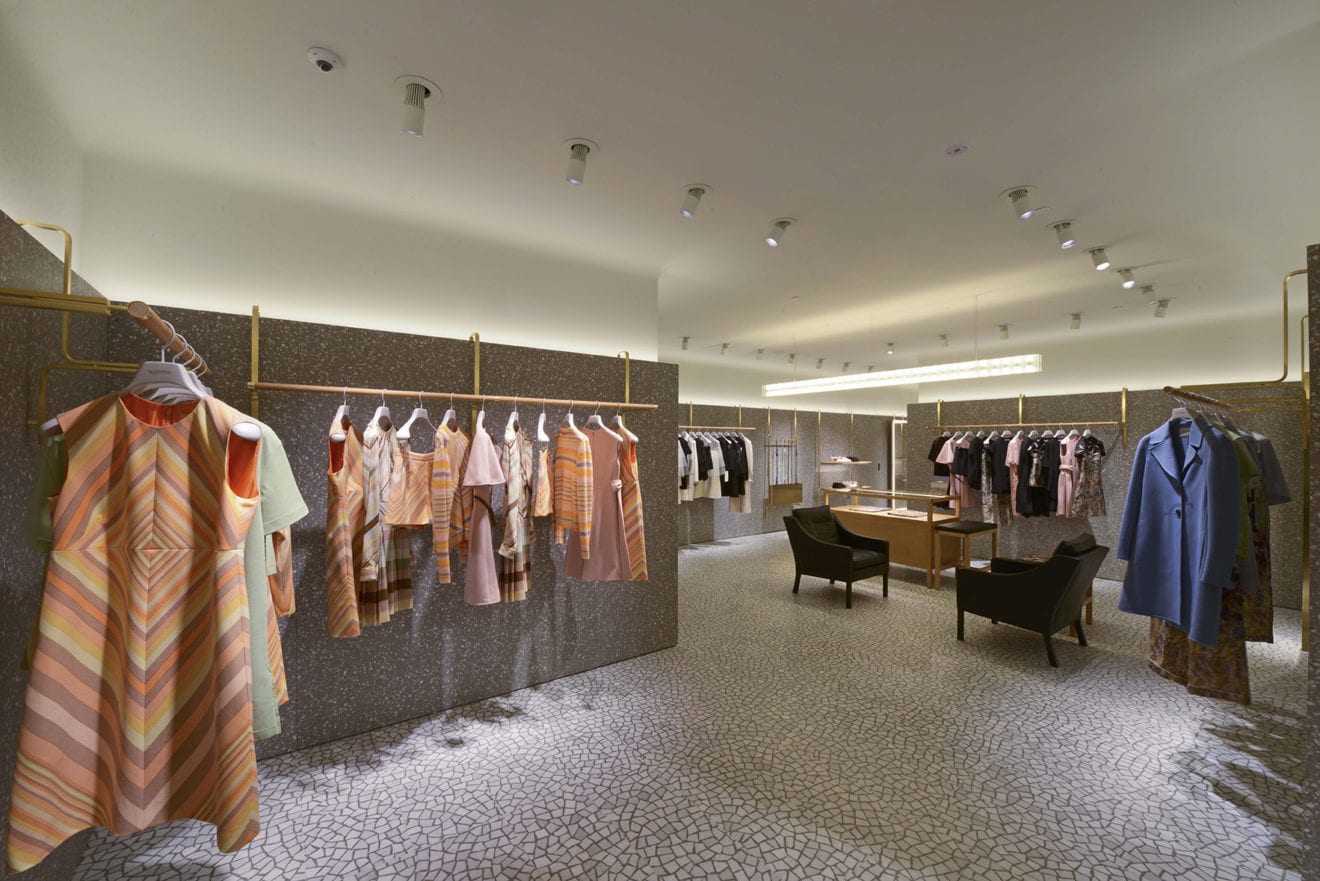
    Italian luxury fashion brand Valentino has opened its second and largest store in Singapore, at Marina Bay Sands.

    The 341 sqm store Palazzo concept was developed in partnership with the brand’s creative directors, Maria Grazia Chiuri and Pierpaolo Piccioli, and British architect David Chipperfield. It features marble, timber and leather interiors.

    The boutique offers the brand’s women’s ready-to-wear line, accessories and fragrances. Few details have emerged as yet, with only the store’s name appearing on the Marina Bay Sands website without any information.

    To mark the opening, the House of Valentino is organising a grand opening celebration cocktail party on January 13. The outlet is in The Shoppes at Marina Bay Sands, one of the city’s largest luxury shopping malls.

    Valentino’s other shop in Singapore is in the Ion Orchard complex.

  • LVMH’s L Capital in PE merger deal

    LVMH’s L Capital in PE merger deal

    In a marriage of high fashion and finance, a new partnership is being formed by luxury products company LVMH with two equity firms, Catterton and Groupe Arnault.

    They have agreed to create L Catterton, combining private equity firm Catterton’s North and Latin American interests with LVMH and Groupe Arnault’s European and Asian private equity and real estate interests, now under the Singapore-based L Capital and the L Real Estate banners. Under the terms of the agreement, L Catterton will be 60 per cent owned by the partners of L Catterton and 40 per cent jointly owned by LVMH and Groupe Arnault.

    This will make L Catterton the largest global consumer-focussed investment firm with six distinct and complementary fund strategies specialising on consumer buyout and growth investments across Asia, Europe, and North and Latin America, as well as prime commercial real estate globally. After various successor funds are closed, L Catterton expects to grow its assets under management to more than $12 billion, drawing on 27 years of experience with more than 120 investment and operating professionals in 17 offices across five continents. It will be led by global co-CEOs J. Michael Chu and Scott A. Dahnke, currently managing partners at Catterton.

    “The breadth of our collective expertise will be second to none in the consumer industry,” says Chu.  “And we look forward to benefitting from the strength and global reach of the team at L Capital and L Real Estate as we continue to seek out investment opportunities with significant growth potential.”

    “The globalisation of media and technology, combined with increasingly permeable geographic borders, is driving rapid consumer growth on an unprecedented global scale,” said Dahnke.

    Catterton invests in all major consumer segments, including food and beverage, retail and restaurants, consumer products and services, consumer health, and media and marketing services. Its investments include CorePower Yoga, Kettle Foods, Nature’s Variety pet food, Noodles & Company, Outback Steakhouse, PF Chang’s, Plum Organics, Restoration Hardware, Protein Bar, Snap Kitchen, Sweaty Betty and Wellness pet food.

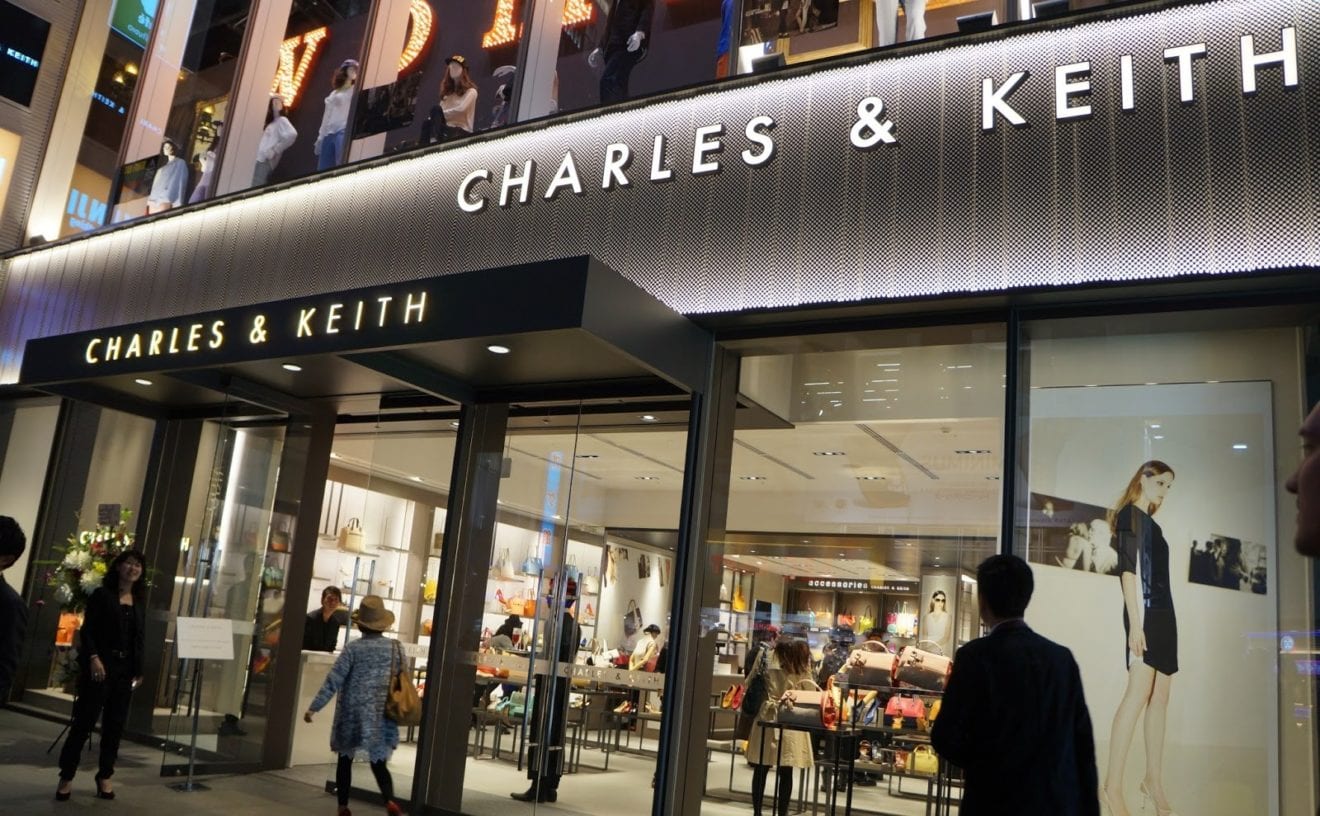
    L Capital invests in companies across Asia and Europe in such sectors as beauty and wellness, fashion and accessories, food and beverage, media and entertainment, and special retail. Founded in 2001 with support from LVMH and Groupe Arnault, it specialises in lifestyle brands and selective retail businesses in Europe. L Capital – Asia is Asia’s largest consumer-focussed private equity firm with headquarters in Singapore, and regional offices in Hong Kong, Melbourne, Mumbai and Shanghai. Its investments include 2XU, Asiaray Media, Bateel, Charles & Keith, Emperor Watch & Jewellery, Jones the Grocer, Marubi and Sasseur.

    L Real Estate develops mixed-use projects anchored by luxury retail. Its investments include G6 in Ginza, Tokyo, and Miami Design District.

    LVMH (Moet Hennessy Louis Vuitton) is represented in fashion and leather goods by a portfolio of brands including Celine, Donna Karan, Fendi, Givenchy, Kenzo, Loewe, Louis Vuitton and Marc Jacobs. Its wines and spirits division includes Belvedere, Chandon, Cloudy Bay, Dom Perignon, Hennessy, Krug, Moet & Chandon and Wenjun. In the perfumes and cosmetics sector it has Guerain, Parfums Christian Dior, Parfums Givenchy, Parfums Kenzo and Perfumes Loewe.

    LVMH’s retail interests include DFS, Le Bon Marche and Sephora, it has a joint venture with De Beers Diamond Jewellers, and its watches and jewellery division comprises Bulgari, Chaumet, Dior Watches, Hublot, TAG Heuer and Zenith.

    Subject to customary regulatory and certain investor approvals, the L Catterton transaction is expected to close early this year.

  • Jewellery retailers bearish on sales for CNY holiday

    Jewellery retailers bearish on sales for CNY holiday

    Retailers Chow Sang Sang and Seng Fung both reckon the fall trend in jewellery sales seen in 2015 will last until the upcoming holiday

    The fall trend seen in jewellery sales last year will persist all the way through the upcoming Chinese New Year holiday in February, and more shop consolidations or a halt of retail expansion are likely to happen under the bearish outlook on sales, said jewellery retailers. Mr Lau Hak Bun, general manager of retail operations (Greater China) at the jewellery retailer Chow Sang Sang Holdings International Ltd, told media yesterday after attending a Hong Kong radio programme of his bearish forecast for sales for the coming Chinese New Year holiday, with a likely register of “single-digit” drop in sales for Hong Kong and Macau.

    The Chinese New Year holiday this year will fall on the second week of February.

    Speaking to media, Mr Lau has noted that sales during Christmas have failed to stimulate overall sales for Chow Sang Sang, which has already seen a fall trend since the first half of 2015. Chow Sang Sang saw its same store sales in Hong Kong and Macau decline by 12 percent year-on-year for the first half of last year as the consumption sentiment from mainland Chinese clients weakened and the unit selling price of the company’s jewellery items decreased, Mr Lau said.

    The gaining strength of the US dollar and the depreciation of Southeast Asian currencies will also affect visitors’ high-end spendings in Hong Kong this year, the jewellery retailer executive expected. Lee Koi Ian, general manager at local jewellery retailer Seng Fung Jewellery Co Ltd, shared a similar sales outlook with Mr Lau.

    “The recent drop in gold prices has not really stimulated much of our sales,” Mr Lee told Business Daily, “Since last year, the sales of jewellery has weakened a lot as we have seen much less gift hunting [from mainland Chinese shoppers] and spending from gamblers.”
    Declining to give a full sales figure for last year, Mr Lee said Seng Fung has suffered a “double-digit” drop in its turnover for the whole year.
    “Visitors’ traffic did improve a bit during the Christmas holiday, but still on a year-on-year basis, we saw our sales register a single-digit drop,” Mr Lee said.

    For the first three quarters of 2015, notable decline is seen in the sales of watches and jewellery here: the value of the retail sales of watches and jewellery has dropped by 26.1 percent year-on-year to MOP10.15 billion in the period, latest available data from Statistics and Census Service (DSEC) shows.

    Cautious outlook
    In response to the weaker sales performance, both Chow Sang Sang and Seng Fung said that they are not going to offer steep discounts for the promotion of sales of their products.

    “But we’ll be more cautious in our shop expansion plan,” Mr Lee said, “In the coming one or two years, we don’t think we are having more shops in casinos.”

    Currently Seng Fung runs eight shops across Macau, mostly on streets. In Chow Sang Sang’s interim report filed in September last year, the retailer has already mentioned that one street-level shop in Macau was closed at the expiry of its lease. Now Chow Sang Sang runs four shops in Macau, of which three are in casino-resorts.

    The Hong Kong-listed jewellery retailer does not rule out more shop consolidation or even closures to happen, Mr Lau noted to media yesterday. Chow Sang Sang has already closed two stores last year, one in Causeway Bay and another in Kwai Fong.

  • China’s Li Ning on track to end bad run

    China’s Li Ning on track to end bad run

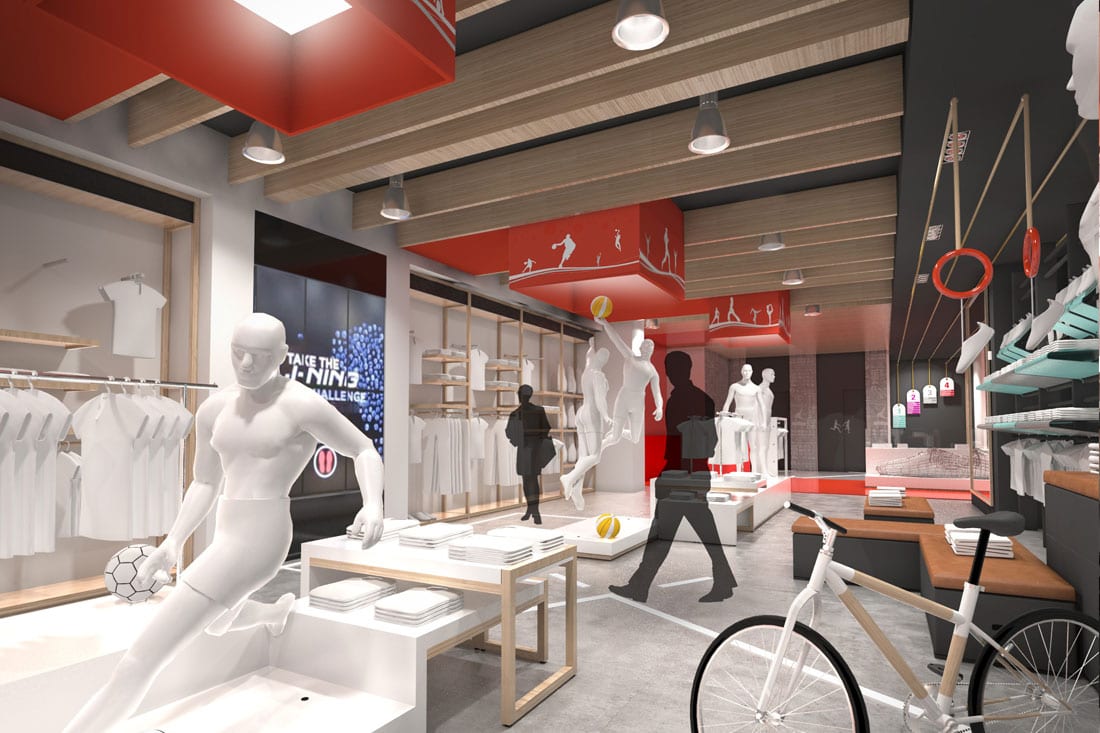
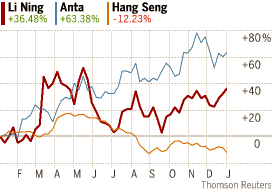
    Li Ning, the struggling Chinese sportswear company that is one of the mainland’s best known brands, says it will break even for 2015, leaving behind three years of annual losses.

    In a filing to the Hong Kong stock exchange, the company said it expected to “record an approximate break-even in terms of profit and loss attributable to the equity holders” in the year that ended December 31, “principally due to an increase in both the sales revenue and gross profit of the group and a decrease in expense ratio”.

    Li Ning has spent most of the past three years trying to restructure its business, clearing out inventory built up by third-party distributors, closing thousands of underperforming stores and increasing the percentage of direct-run outlets.

    The brand, which has struggled to shake off the image of a producer of cheap sports shoes that are little more than western knock-offs, announced a net loss of Rmb781m ($119m) for 2014, its third consecutive annual loss. But it reported signs at that time of a recovery in sales growth.

    The company on Wednesday attributed the improved performance to enhanced direct retail operating efficiency and long-term relationships with channel partners, and expanded ecommerce business.

    “It looks like their efforts to shut down unprofitable stores and focus on inventory with better sales and better margins are finally paying off,” said Ben Cavender of China Market Research in Shanghai.

    A recovery in the broader China sportswear market also appears to have played a role, retail analysts said.

    Ma Gang, a China-based footwear and apparel analyst, noted that “the whole industry is now on the upturn . . . and Li Ning has done a lot of work [to stem its losses].” But “whether the company will start to make profit now depends on its future strategy, including whether it keeps opening more stores,” he added.

    Chen Ke, Shanghai-based retail partner at Roland Berger, projects that the Chinese sportswear market will “maintain a 10 per cent growth rate in the next three years” while Li Ning itself “has improved efficiency after a shift . . . to opening more of its own stores”.

    But Mr Cavender pointed out that Li Ning “is still lagging behind some of their major domestic and international competitors and it’s unclear whether they have enough exciting products in place to make a strong run in 2016”.

    Anta, Li Ning’s top domestic sportswear rival, said net profit for the first half of 2015 rose 20 per cent from the same period a year earlier.

    Shares in Li Ning closed up nearly 7 per cent on Wednesday in Hong Kong, in a broader market down almost 1 per cent.


  • Victoria’s Secret to open first flagship store here

    Victoria’s Secret to open first flagship store here

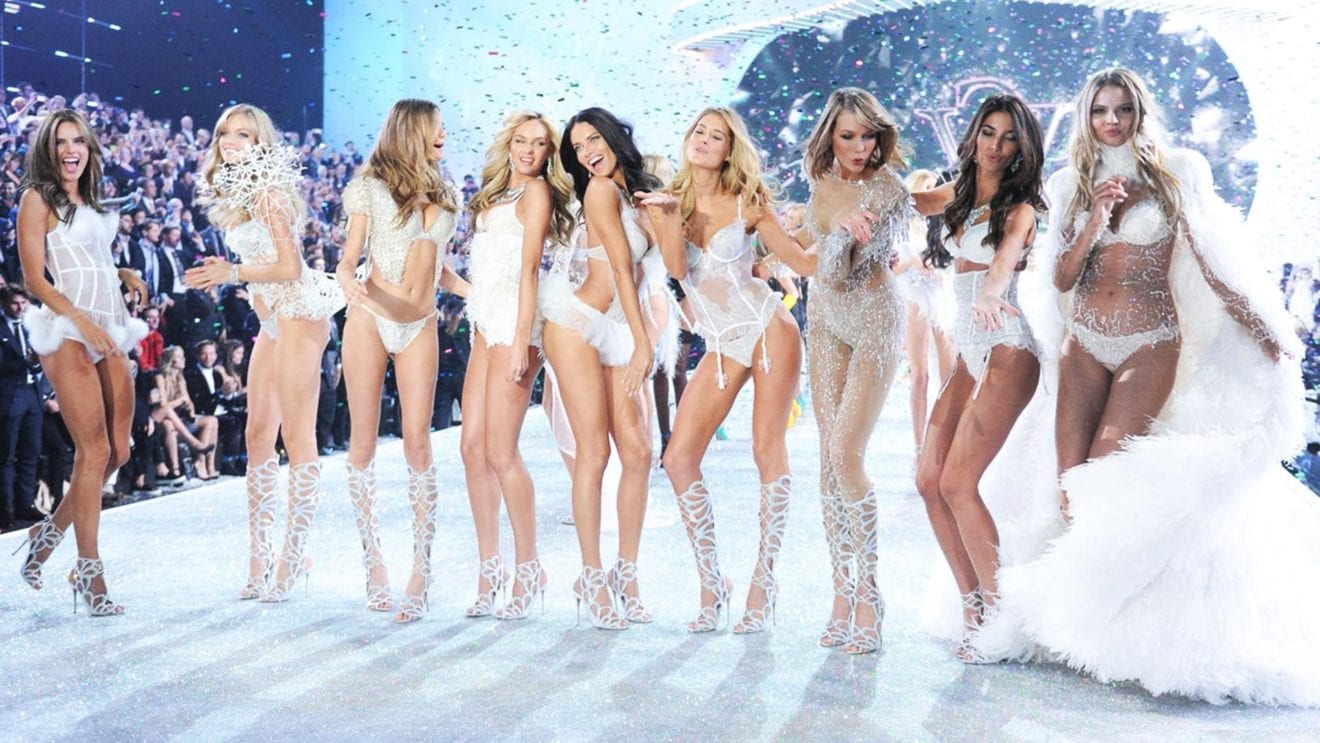
    Victoria’S Secret will open its first South-east Asia flagship store in Singapore by year end and unveil a full assortment of its sexy wares.

    The international lingerie brand will open the 12,000 sq ft outlet in the fourth quarter of the year at Mandarin Gallery in Orchard Road.

    The two-storey store, which faces the street, will take over the units that Mont Blanc, Bimba Y Lola and Bathing Ape used to occupy.

    These brands will be moving to other areas in the four-storey mall. The concierge counter on level two was also relocated to level three to accommodate the largest American retailer of women’s lingerie.

    The nine existing Victoria’s Secret stores here are all the brand’s beauty and accessories stores. They sell fragrances, accessories like bags and only a small range of women’s underwear.

    Patrina Tan, senior vice-president of retail, marketing and leasing at Overseas Union Enterprises, which manages Mandarin Gallery, said that the hoarding on the mall went up last week.

    “Mandarin Gallery has always been known to be a mall that houses the best of the best in retail and food. We have the king of ramen, the king of ribs. So naturally, Victoria’s Secret echoes and reinforces what the mall stands for,” she said.

    There are plans for the brand to hold fashion shows here on top of other events, she said. “It is a long-awaited brand that has never been available in this part of the world.”

    The Straits Times understands that prices at the store here will differ from those elsewhere as they will be based on domestic variables like taxes and profit margins.

    Its product range will be identical to that offered in stores in the United States and will not be tailored to the local market.

    Victoria’s Secret is one of several global brands that have chosen to set up shop here recently.

    French sporting goods store Decathlon will open a 35,000 sq ft store in Chai Chee Technopark next week; popular French women’s wear label Maje opened its first flagship store at The Shoppes at Marina Bay Sands in October; Singapore’s first Apple store will open next year; and the renowned Dover Street Market will soon make its debut here.

    Experts said that international retailers, faced with economic challenges in developed markets, are looking to emerging markets such as South-east Asia.

    “Singapore is seen as an ideal test bed for brands looking to break into South-east Asian markets and is viewed as an important place to build brand awareness,” said Sarah Lim, Singapore Polytechnic’s senior retail lecturer. “Customers in countries in the region will identify with the brand when it moves over to their countries.”

    She said that Victoria’s Secret will up the ante in the retail scene here: “They don’t just sell products, but strengthen their brand with fashion shows and experiential shopping. Other brands can learn from them.”

    Shoppers like Gina Farr, 32, are excited.

    The fitness trainer is a fan of the brand’s underwear and owns several pairs that she bought from the smaller stores here.

    “The quality is great, and there will be a wider range including bras. The range of items they have here now is too small,” she said. “I would probably shop there quite often when it opens.”

  • Korean retailers suffer from warm winter

    Korean retailers suffer from warm winter

    The unusually warm weather has hurt Korean retailers sales of everything from winter coats to snow boots, while boosting sales of outdoor sportswear and camping gear, store executives say.

    December was the warmest month on record in South Korea as an unusually strong El Nino effect has been heating up the globe. The change has carved a chunk out of retailers who rely on the weather for clothing sales. Annual ice fishing festivals were cancelled across the nation.

    E-Mart, the nation’s leading discount store chain, said winter clothing sales fell 11.4 per cent in December from a year ago, while heaters and heating pads tumbled 31.3 per cent. Scarves, gloves and other cold-weather accessories also took a hit from the mild weather.

    In contrast, outdoor sportswear and gear enjoyed unusually high popularity.

    Sales of sporting gear sales jumped last month, with camping equipment rising 45 per cent on-year.

    “Sales of winter clothing tumbled due to the unusually high temperature in December, while meat and home meal replacement related to camping and outdoor activities rose,” said Choi Hun-hak, a marketing manager at E-Mart.

    “We will prepare discount events for winter-related items as the warmer-than-usual winter is expected to continue in January.”

    The Korea Meteorological Administration has forecast mild weather throughout the winter.

    At Lotte Mart, the nation’s second largest discount chain, sales of winter clothing and snow removal equipment decreased 21.6 per cent and 23.9 per cent, respectively.

    Sales of winter-related items at major department stores have also failed to take off this winter, in a stark contrast from the last season’s down padding frenzy.

    Lotte Department Store said winter clothing and fur coat sales slipped 5.4 per cent and 8.8 per cent, respectively, in December compared with a year earlier.

    Instead, light padding jumpers and down vests have fared relatively better than usual, while golf wear showed double-digit growth as the ground remain unfrozen most of the time.

    “Clothing sales, which are highly dependent on weather, are struggling due to the unexpected warm weather,” said Yoon Young-hoo, a men’s sportswear manager at Lotte Department Store.

    “Although golf and outdoor sportswear are usually popular in the spring and fall seasons, they are posting robust sales during the peak winter season.”

  • Nature Republic shutters TST flagship

    Nature Republic shutters TST flagship

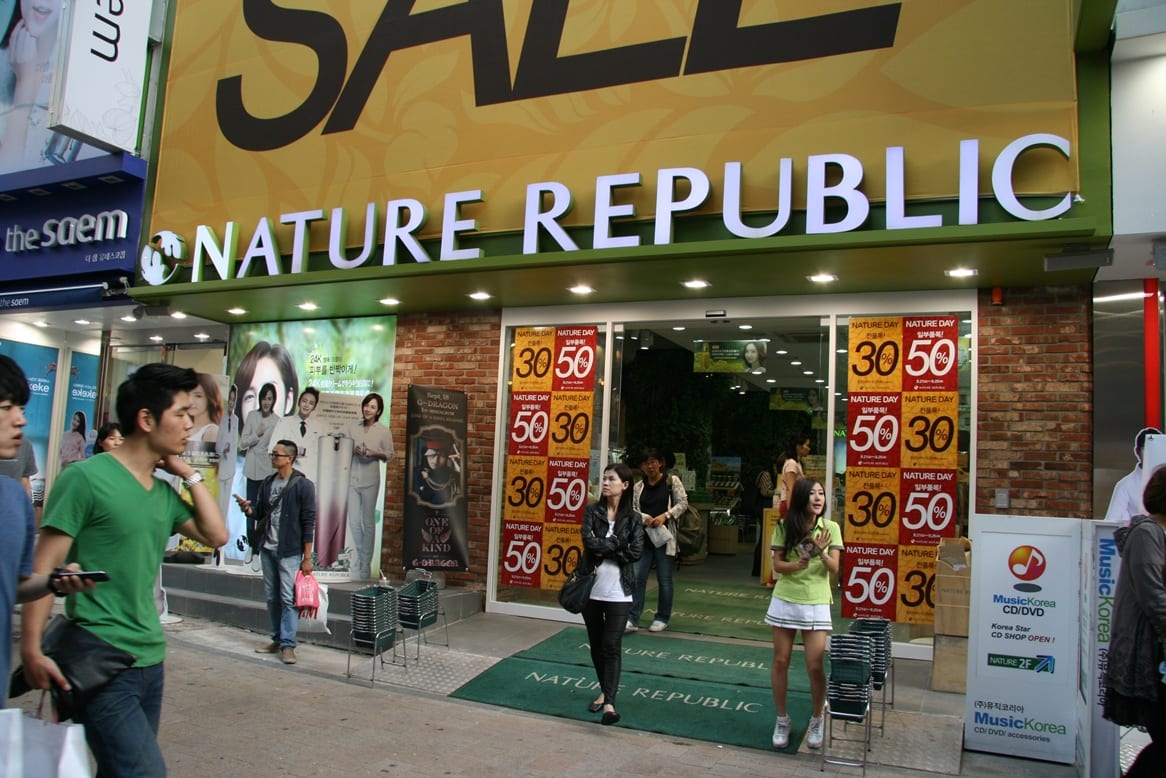
    Korean cosmetics retailer Nature Republic has shuttered its Tsim Sha Tsui flagship store – seven months before the end of its lease.

    According to a report in the Hong Kong Economic Journal, Nature Republic was paying a monthly rent of $950,000 for the 1640 sqm store which spanned three units in front of The One shopping mall on Granville Rd.

    While property industry sources are blaming declining spending by affluent Mainland Chinese tourists for the downturn in retail sales generally, Nature Republic’s move is more likely the result of over ambitious sales targets in Hong Kong, given the store has only been trading since last summer.

    While Korean brands are commanding fast growth in Greater China, it is difficult to see how a store of this size with such high rent could be commercially viable in a retail category which is hugely competitive, and dominated by listed chains Sa Sa and Bonjour.

    The space is now being offered at a 5.3 per cent discount on the previous rent, according to the HKEJ report.

    Centaline Commercial COO Stanley Poon said other retailers had ended leases prematurely after lacklustre Christmas sales – but they’d been paying monthly rentals of up to $300,000, for smaller footprints.

    Nature Republic is not the first Korean cosmetics retailer to strike trouble in Hong Kong. Exactly a year ago the local partner of Missha closed all of its 20 stores overnight before the brand returned to the territory in June with a new partner.

  • Dior China opens largest flagship yet

    Dior China opens largest flagship yet

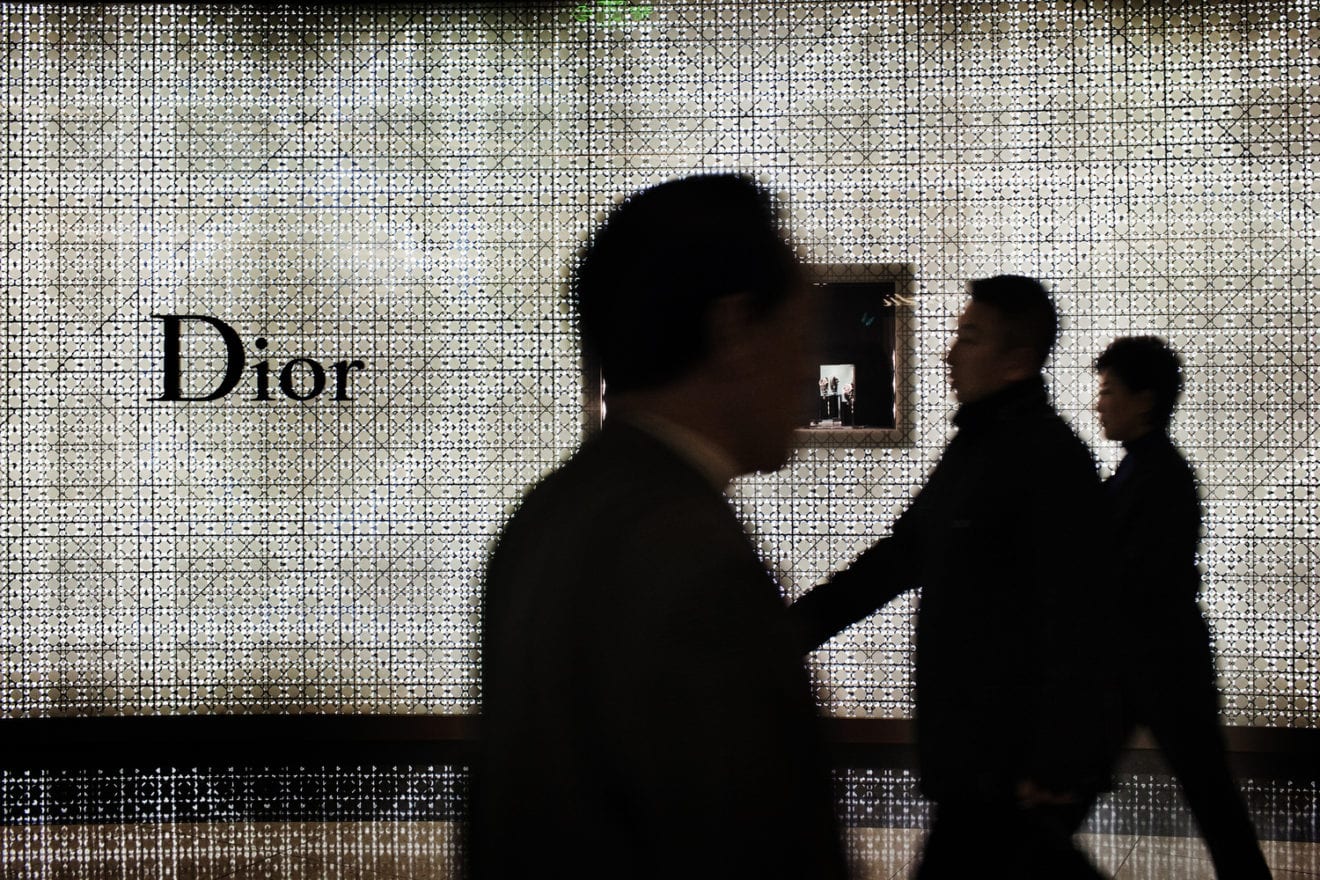
    Dior’s new Beijing China World boutique is the French luxury label’s largest flagship store in China.

    Dior China opened the store this week in conjunction with its re-staged Spring/Summer 2016 presentation. The retail space is split across two levels, featuring a floor-to-ceiling, double layer glass facade that emulates the fine feminine fabric in the fashion house’s Cannage print.

    Dior Beijing China 1

    Designed by Peter Marino, the interior is inspired by Dior’s Paris flagship and dotted with a carefully curated group of artworks by contemporary artists. Each of the 10 pieces, which include a bench by Terence Main and a video art wall by Yorame, reflect the codes of the house.

    There is also a sculpture Siamese Metal 5 from British artist Richard Deacon, the work Waterwall, Roselyn by Gregory Ryan and table lamps by Veronique Rivemale are also displayed in the store.

    On the second floor, the footwear section is adorned by a Gaia Imprint Low Table, designed by Vincent Dubour.

    Dior Beijing China 2

    Classic furniture pieces from Guillaume Piechaud, Paolo Giordano and Timothy Horn have been placed strategically throughout the space, and the store features a private VIP salon decorated with two Mineral Commodes designed by Juan & Paloma.

    The new Dior China flagship is located in Beijing’s Chaoyang district.

    dior beijing

  • China’s Top Boutique Openings in 2015

    China’s Top Boutique Openings in 2015

    IMG_2022

    Last year is yet another in a line of several that proved tough for the luxury retail industry in China. The anti-graft campaign has continued in full force, causing some shoppers to steer clear of flashy, high-cost purchases, while online shopping has driven many malls around the country to close. Still, 2015 was a big year for several international high-end labels, independent boutiques, and department stores that entered China for the first time or were revamped to give consumers an updated look. Here are six brands that made headlines in the style sector this year.

    Fei Space

    _DSC0251

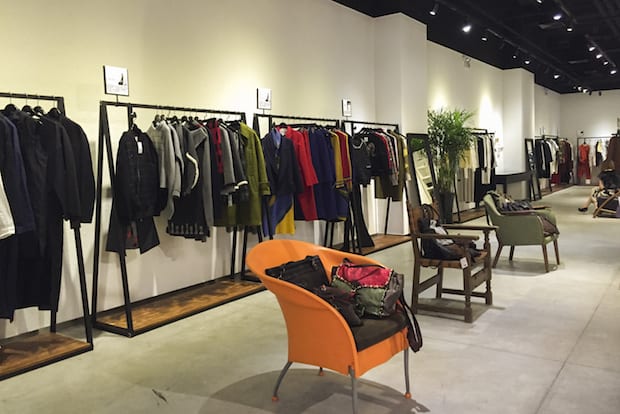
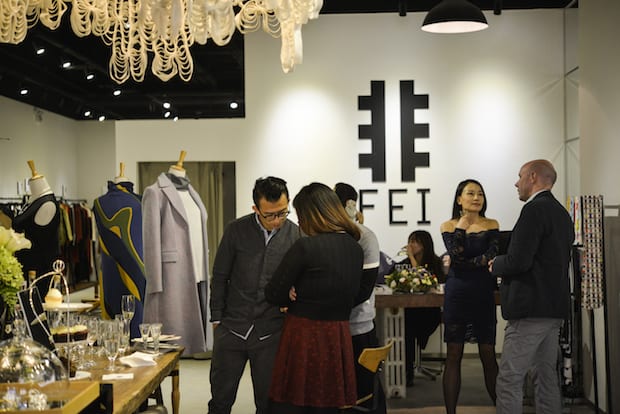
    Formerly located in 798 Art District, Fei Space is a culmination of local designers and stylish brands from around the world. Shoppers may also recognize the boutique for its pop-up store in Beijing’s U-Town mall that featured past-season collections from Topshop and Topman. Now that the official Topshop has opened in Galeries Lafayette (see below), the new Fei Space now is primarily focused on Chinese independent designers and some casualwear, such as Beijing-based American workwear brand Taciturnli and Shenzhen designer VMajor. It’s located in the Grand Summit mall, an evolving shopping center in the capital’s embassy district that includes a multitude of high-end Chinese boutiques and local health food chains aimed at the discerning shopper.

    Triple Major Beijing

    triple_major

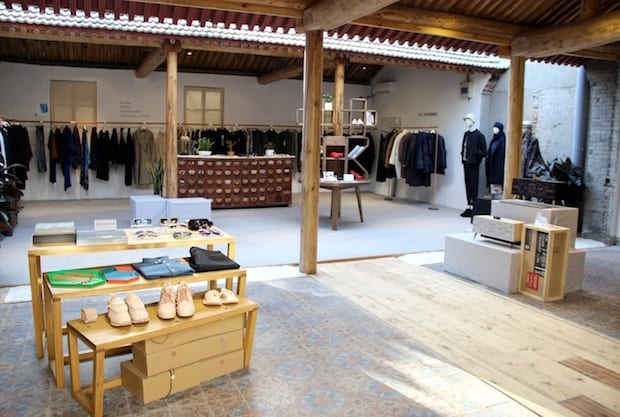
    The year was off to a good start as far as openings go—Triple Major wowed media with its expansive new store in Beijing’s developing Dashilar district, which was designed in part to reflect the building’s former use: a Chinese pharmacy. Owner Ritchie Chan moved the concept store featuring both international and local brands from its home in Beijing’s central hutongs to an area that’s quickly transforming into a hub for young creatives with no shortage of locally-owned third-wave coffee shops, art galleries, and small, artisan boutiques.

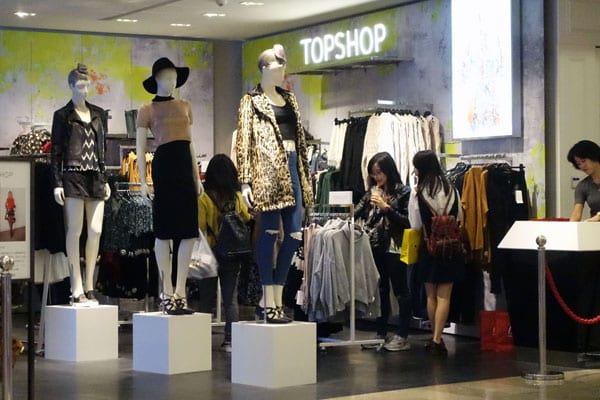
    Topshop at Galeries Lafayette

    The new Topshop location at Galeries Lafayette in Beijing. (China Daily)

    The new Topshop location at Galeries Lafayette in Beijing. (China Daily)

    Topshop has been open in Hong Kong for a few years, but only this year has the brand decided to put roots in the mainland, namely in the French department store Galeries Lafayette, a mall that has been struggling to attract shoppers in Beijing’s Xidan area. This version is tiny compared to its flagship and blends in on a floor mainly reserved for Asian independent labels.

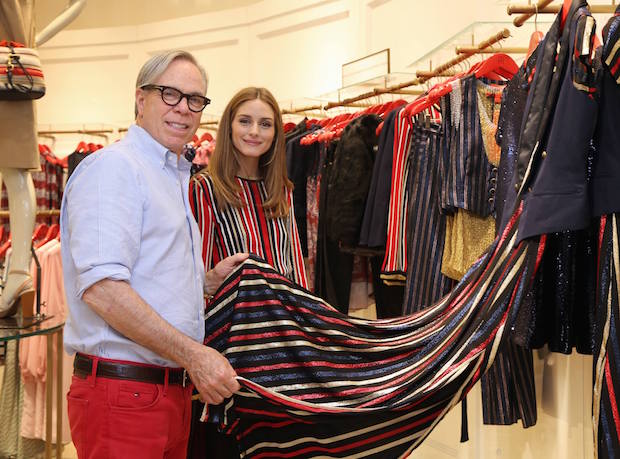
    Tommy Hilfiger

    Tommy Hilfiger (L) with socialite Olivia Palermo (R) at the brand's new store opening in Beijing. (Tommy Hilfiger/Facebook)

    Tommy Hilfiger (L) with socialite Olivia Palermo (R) at the brand’s new store opening in Beijing. (Tommy Hilfiger/Facebook)

    Tommy Hilfiger kicked off opening its largest store in Beijing’s In88 shopping center with a football-themed runway show in the spring, hoping to gain Chinese fans by pushing an all-American aesthetic.

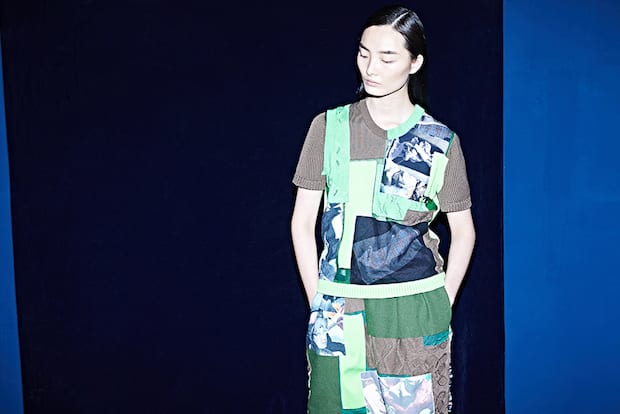
    JNBY Concept Store

    A look from JNBY's latest collection. (Courtesy Photo)

    A look from JNBY’s latest collection. (Courtesy Photo)

    The JNBY Concept Store is nothing new outside of China, but Beijing gained its first in the new Grand Summit mall this year along with an art exhibit in cooperation with Beijing’s UCCA to kick things off. Fans of the international, Hangzhou-born brand that’s known for supporting independent Chinese designers with high-end clothing for adults and children also get a selection of contemporary jewelry and handbags and artisan chocolate.

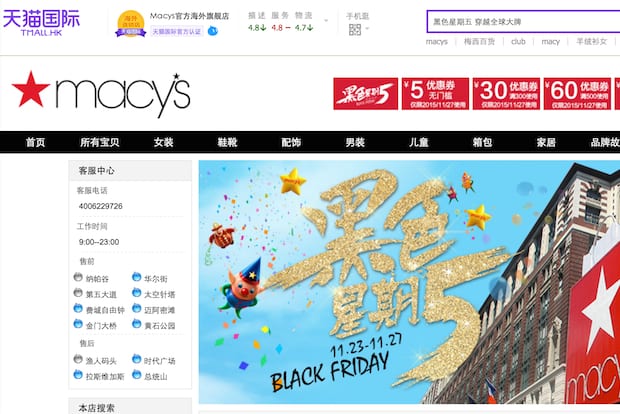
    Macy’s (Tmall)

    Macys

    Macy’s entered China this year on more official terms when it opened its shop on Alibaba Group’s Tmall, becoming the first U.S. department store to do so. It steered away from opening a brick-and-mortar shop, unlike its competitors who have done so and struggled, like the UK brand Marks & Spencer. M&S closed a chunk of its stores in Shanghai and instead opened a brand new space in Beijing’s business district shopping center, The Place.

    Michael Kors

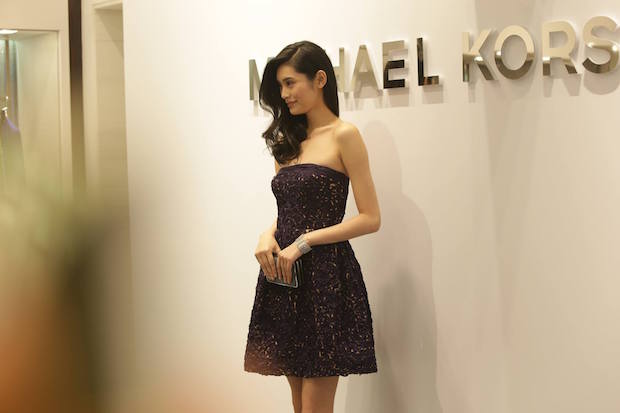
    Model Ming Xi makes an appearance at the Michael Kors opening in Beijing. (Michael Kors/Facebook)

    Model Ming Xi makes an appearance at the Michael Kors opening in Beijing. (Michael Kors/Facebook)

    Huamao Shopping Center in Beijing acquired a 9,000-square-foot Michael Kors flagship store last month, which was celebrated with a photo exhibition done in collaboration with Vogue China. The new shop is now the largest in Asia, followed by the Shanghai flagship that opened last year alongside a high-profile campaign to attract jet-set Chinese consumers.

  • House of Fraser opens first store in China

    House of Fraser opens first store in China

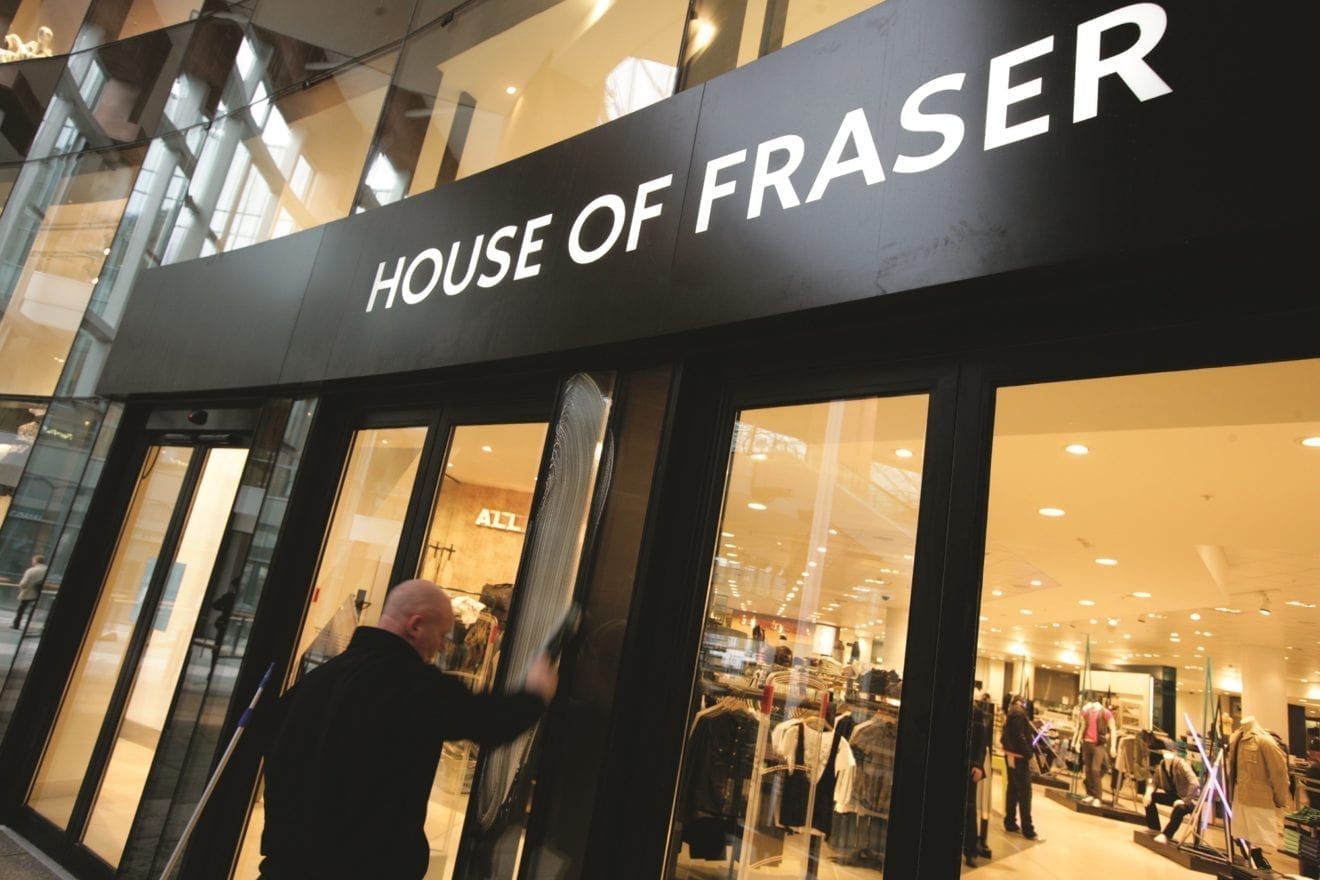
    UK and Ireland’s department store group House of Fraser opened its first store in China this month. The store, located Xinjiekou Sanpower Plaza (International Financial Centre) in Nanjing, covers a total building area of approximately 28,500 square meters with six floors and around 50 video screens.

    Several brands have partnered with House of Fraser to introduce its products for the first time to the Chinese market.  There are also new concepts such as Style by HoF, and a Nike Beacon store, the largest Nike beacon store in China as well as Monceau, a lifestyle and cafe.

    The store aims to provide a premium retail experience, including a VIP lounge, a VIP loyalty, and personal shopping. The world’s biggest toy chain Hamleys and the American novelty retail corporation Brookstone are adjacent to the store.

    Nanjing is the capital of the Jiangsu Province in Eastern China and has a total population of 8.2 million. Its commercial center, Xinjiekou, has a total of over 1,600 businesses and the most prosperous area in downtown Nanjing.

    House of Fraser completed its sale to Nanjing Xinjiekou Department Store, a Chinese department store chain owned by the Sanpower Group on 2 September 2014, marking an exciting beginning for the company under Chinese ownership.

    “This is an exciting time for House of Fraser and the opening of the store in Nanjing is a strong way to finish 2016. We are confident that our first store will clearly demonstrate the unique status that House of Fraser can achieve in the market, and will be a standout platform for our brand partners,” said Frank Slevin, Chairman of House of Fraser UK, in a media statement.

  • First Marks & Spencer Beijing store opens

    First Marks & Spencer Beijing store opens

    UK department store operator Marks and Spencer has opened its first store in Beijing.

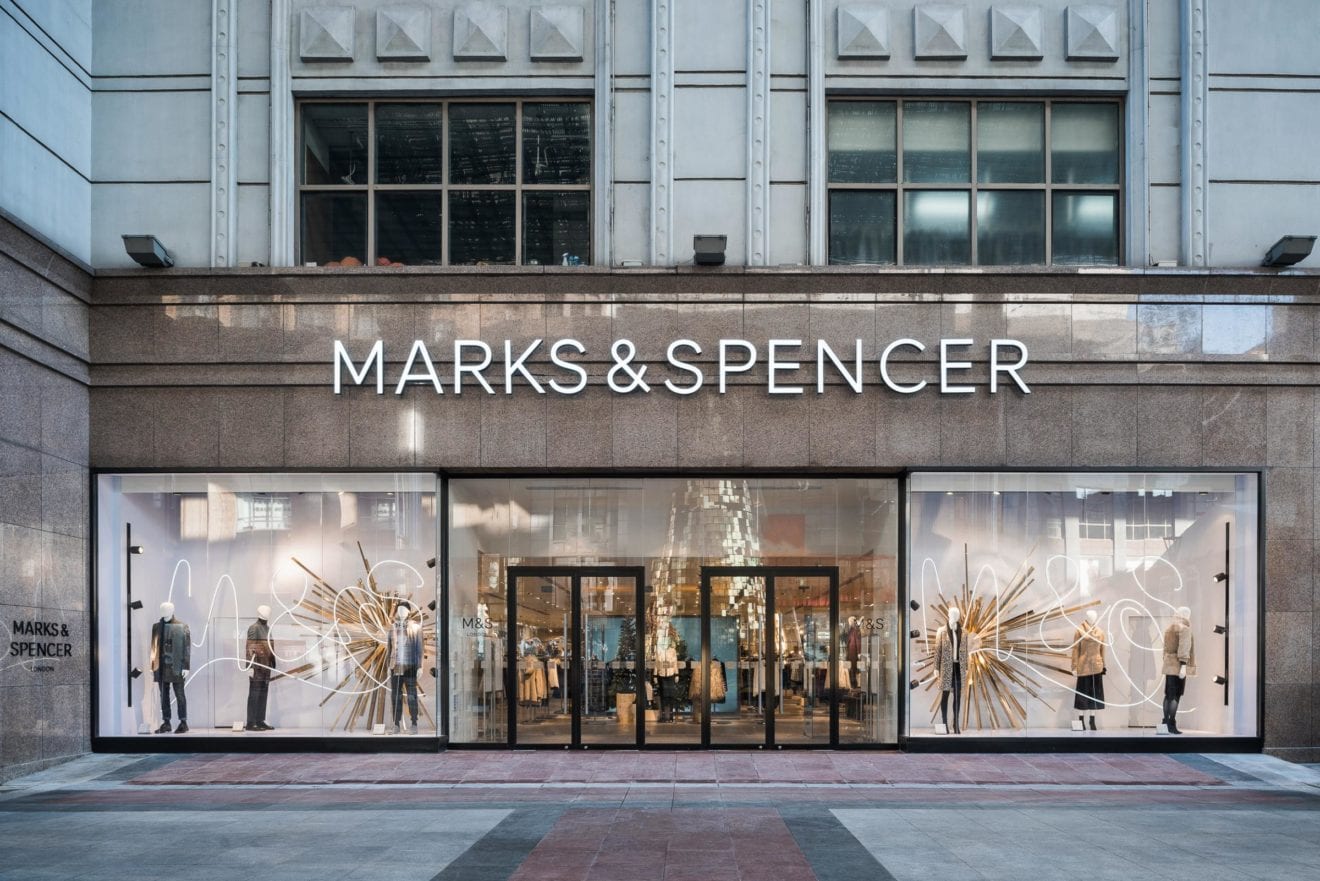
    The new 1500 sqm M&S Beijing store has opened in The Place shopping centre, selling clothing and food.

    M&S operates 10 stores in Shanghai and the move to Beijing is in line with a strategy to gradually expand in China’s tier 1 cities, albeit at a slower pace than originally forecast.

    “We’re looking at places which are very much ‘tier 1’… where you have an upper middle class consumer base… where we will do well even in the context of a slowdown in the economy,” executive director of marketing & international, Patrick Bousquet-Chavanne said last September.

    M&S has closed some smaller stores in China and is now focusing on larger stores in major cities.

    It has 20 in Hong Kong.

  • Nike profits soar in Q2

    Nike profits soar in Q2

    Sportswear brand Nike says sales rose four per cent in the second quarter – but profit soared 20 per cent.

    The company says strong consumer demand drove revenue growth across the entire Nike brand portfolio and improved gross margins led to the profit boost during the three months to November 30.

    “Our strong Q2 growth and profitability show that Nike continues to drive real momentum through the category offense – by going deep with consumers by sport and serving them completely,” said Mark Parker, president and CEO.

    “And our powerful global portfolio of businesses, combined with strong financial discipline, continue to drive significant shareholder value. We see tremendous opportunity ahead as we enter an Olympic and European Championships year with a full pipeline of inspiring innovation for athletes everywhere.”

    Revenues totalled US$7.7 billion, up 12 per cent on a currency neutral basis. Of that, the Nike brand accounted for $7.3 billion, up 13 per cent, driven by double-digit growth in every geography and most key categories.

    Revenues for Converse were $398 million, down five per cent on a currency neutral basis, as strong growth in North America was more than offset by a decline in Europe

    Gross margin increased 50 basis points to 45.6 per cent, primarily due to higher average selling prices, partially offset by higher product input costs and unfavorable changes in foreign exchange rates.

    Net income increased 20 per cent to $785 million.

  • Giant Muji Shanghai flagship store opens

    Giant Muji Shanghai flagship store opens

    The new Muji Shanghai flagship just opened marks the Japanese department store brand’s largest shop in China.

    Muji says it built the massive store so consumers in China “can experience the Muji lifestyle concept”.

    MUJI Shanghai Huaihai 755 - 6

    MUJI Shanghai Huaihai 755

    The new store is located at 755 Huaihai Rd, Shanghai’s premium high street shopping strip which is also home to flagships from brands as diverse as Uniqlo and Alfred Dunhill.

    MUJI Shanghai Huaihai 755 - 5

    MUJI Shanghai Huaihai 755 -1

    From a design perspective, each of the store’s three levels uses a different natural material to create three unique, differentiated shopping environment: Wood, iron (metal) and glass (earth).

    MUJI Shanghai Huaihai 755 - 4

    The flagship also incorporates  the cafe & Meal Muji dining concept, for the first time in Shanghai.

    MUJI Shanghai Huaihai 755 - 10

    “We seek out food ingredients that are tasty as natural food, and produce menus that make use of the original tastes of those ingredients with simple cooking methods,” said a Muji spokesperson of the new eatery offer.

    MUJI Shanghai Huaihai 755 - 3

    And – for the first time in China – Muji Books has opened featuring a curated range of reading materials and stationery products.

    MUJI Shanghai Huaihai 755 - 7

    MUJI Shanghai Huaihai 755 - 9

    MUJI Shanghai Huaihai 755 - 2

    In one corner of the store, customers can create their own scents mixing and matching various essential oils for their own unique recipe.

    MUJI Shanghai Huaihai 755 - 8

    Muji says the store is large enough for it to host seminars and events for customers.