Category: Fashion

Retail News Asia is committed to providing both local and global retailers with the latest Fashion news throughout the Asian market. This on a daily base.

  • Only 32% of Indians love denim

    Only 32% of Indians love denim

    India is one of the largest producers of denim, with manufacturing capacity of 1.2 billion metres, but only 32% of Indians love or enjoy wearing denim, which is the least among the six denim hubs of the world. This was revealed by J Berrye Worsham, president and CEO of US-based Cotton Inc at the two-day global summit on denims and jeans, ‘Denims: A Democracy in Fashion’ which began at IIM Ahmedabad on Friday.

    As many as 71% of people in Europe and Latin America love to wear denim, followed by 70% in the US, 58% in China and 57% in Japan. Worsham gave these details from the ‘Consumer and Retail Insights’ study, conducted by Cotton Inc.

    In his keynote address on ‘Markets and Trends in Denims’, Worsham said that the growth of denim in US has slowed down but China, India and Latin America are likely to see tremendous growth. He also said that close to 1.9 billion units of denim jeans were sold in the world in 2015 and by 2021 the yearly sales of jeans will cross 2 billion units.

    S N Modani of Sangam Group said that per capita consumption of denim in India is 0.3 pairs, which is much lower than that of China (2 pairs) and the US (8 pairs). CEO of Arvind Ltd, Aamir Akhtar, however cautioned denim manufacturers saying they cannot get into a comfort zone as the consumer is not going to stay with denims forever.

    Dr Pankaj Chandra, former director, IIM Bangalore said, “The textile industry structure must be disrupted by new technology and skills. The textile and apparel sector has seen the fewest startups in the last three years among the five major sectors in the country that provide the maximum employment.” Chandra further put a question to manufacturers, “Do you think the textile sector can perform without its small players experimenting?”

    Akhtar further said, “China is losing its sheen and countries including India have got the opportunity to fill that gap in exports. In India, according to present capacity utilization, over 800 million metres per annum (mmpa) of denim is produced. Out of this 550 mmpa goes into domestic consumption while 250 mmpa is exported. The denims industry is growing at a CAGR (compounded annual growth rate) of 13%-15%.”

  • Prada finance chief Galli resigns

    Prada finance chief Galli resigns

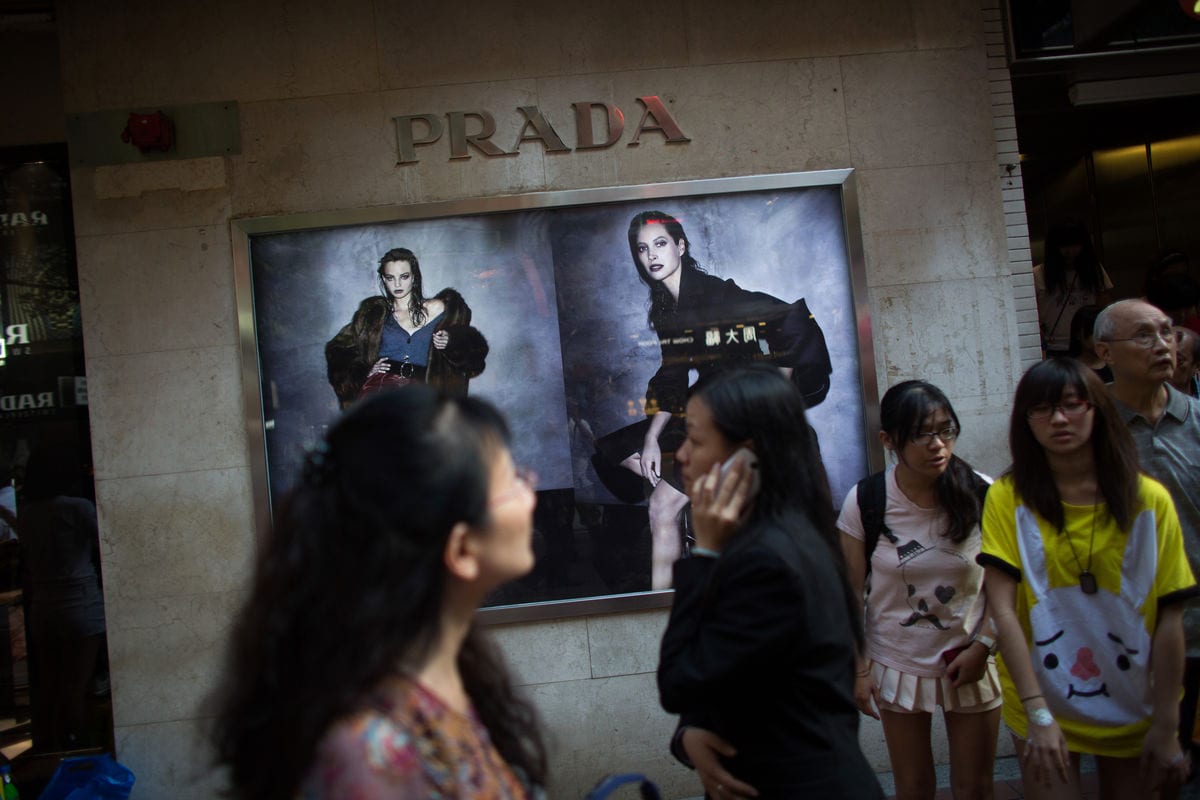
    Italian luxury goods group Prada said on Friday its finance chief was resigning with immediate effect, two days after the company reported almost flat full-year sales, held back by weakness in Greater China.

    Prada said in a statement to the Hong Kong stock exchange that Donatello Galli was stepping down for personal reasons to pursue new career opportunities, adding there had been no disagreement with the board during his tenure.

    “There is no other matter relating to his resignation that needs to be brought to the attention of shareholders of the group,” the statement said.

    Galli, who was also a board member, had been chief financial officer since joining the company in 2004.

    Hong Kong-listed Prada said Alessandra Cozzani, head of investor relations and executive director of the company, had been appointed to replace Galli.

    A search is also under way for a new board member, the company added.

    Prada, best known for handbags that retail for as much as 6,000 euros ($6,667), has seen earnings slump in recent quarters, hurt in part by costly investments in new shops in the face of softening demand for luxury goods.

    On Wednesday, the Milanese fashion house said net revenue totalled 3.55 billion euros in the year to Jan. 31, little changed from a year earlier.

    “We haven’t spoken to the company yet, but a management change is hardly surprising. The company’s been under a lot of pressure of late and has come down heavily from peaks,” said an analyst, who spoke on condition of anonymity.

  • Prada also experiences issues in China

    Prada also experiences issues in China

    Italian Prada Group‘s 2015 turnover dropped ever so slightly, blaming it on the lousy economic state China is in. The country is an important market for plenty of luxury brands, although the expensive dollar also had a negative effect.

    Strong growth in home territory

    Prada’s 2015 turnover dropped slightly, from 3.55 billion euro to 3.54 billion euro, with drops in Asia and the United States. Asian turnover fell 4 %, mainly because of China’s negative results, while American turnover dropped 9 % as the Italian fashion company struggled with the expensive dollar.

    Prada believes the European turnover growth (6 %) was thanks to the many Asian and American tourists, with a significant boost in Italy. Japanese turnover did extremely well, with an 11 % increase, the exact same number as in the Middle East.

    “Price variations and diverted tourist traffic”

    “Throughout 2015, we had to deal with an economic environment characterized by extreme volatility in currency markets, as well as by the deteriorating geopolitical situation in many world regions. These two factors have made prices fluctuate widely and diverted tourist traffic in sudden and unpredictable ways”, Prada CEO Patrizio Bertelli said.

    Prada will increase its focus on its retail network expansion. It already has 618 stores and retail turnover grew 76 million euro to 3.1 billion euro, while wholesale activities dropped 88 million euro to 444 million euro.

  • SATO empowers Singapore fashion retailer

    SATO empowers Singapore fashion retailer

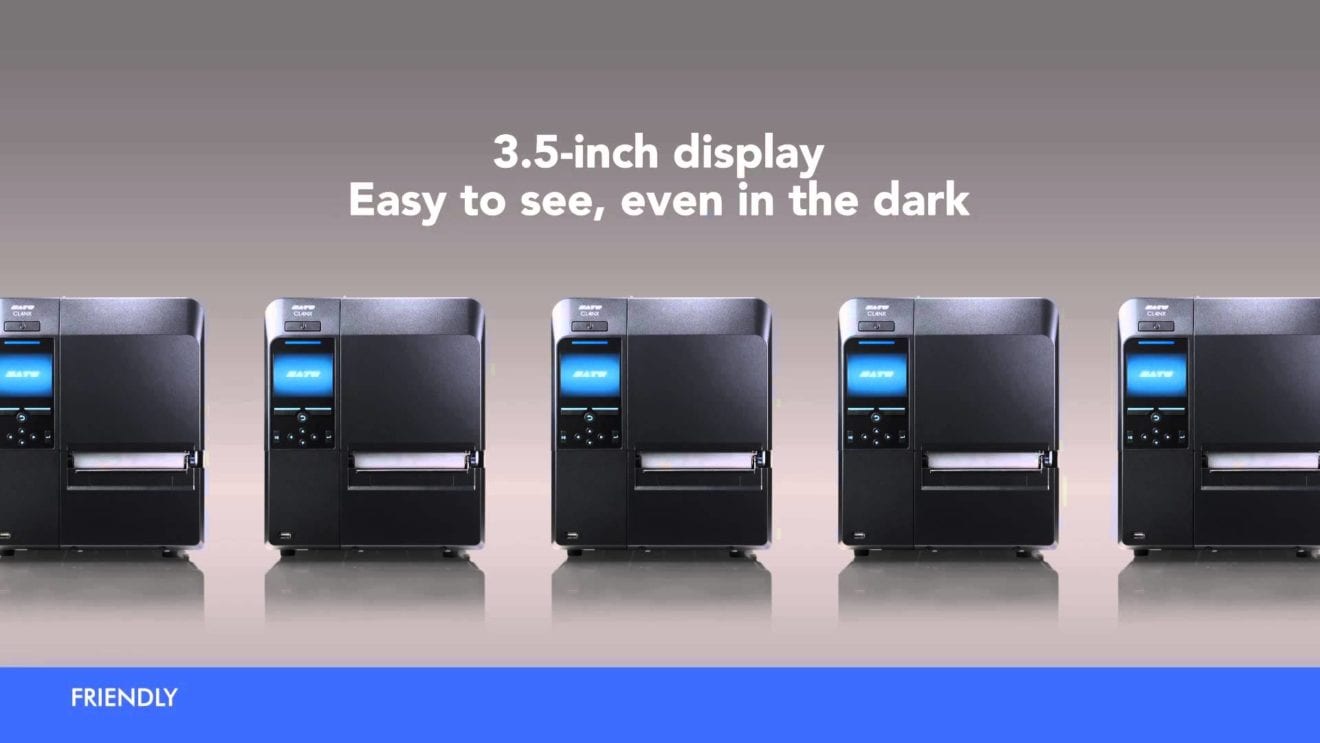
    SATO has supported the implementation of an RFID inventory and stock-taking system for Decks.

    The Singapore-based fashion retailer and apparel supplier has achieved greater efficiency and accuracy with Auto-ID solutions from SATO.

    Decks was previously spending up to 600 worker-hours for its annual stock-taking with 88% accuracy.

    It has now adopted RFID inventory system from SATO involving tagging apparel with RFID labels, and scanning incoming as well as outgoing items through an RFID enclosure.

    This has simplified stock-taking as it is done with a simple sweep of a mobile RFID scanner.

    “Today’s visit to Decks retail shop is an eye-opener for me,” said Singapore Minister for Manpower Lim Swee Say. “They have improved business outcomes for their company to create better jobs for Singaporeans and made their careers more meaningful.”

    The Retail Sectoral Manpower Plan (SMP) builds a future-ready retail workforce with the skills required to support the sector’s transformation.

    Retail SMP was developed by SPRING Singapore and the Singapore Workforce Development Agency (WDA) in consultation with industry stakeholders and unions.

    Decks was hailed as an example for the retail sector at the launch of the Retail Sectoral Manpower Plan (SMP) by Say.

    Looking forward, SATO will continue working with Decks through other retail solutions such as Anti-Theft and Self-Checkout and also help other players in this industry facing similar issues.

    “With the retail industry growing more competitive and the rise of e-commerce and m-commerce changing the way consumers shop, retailers have to act fast to keep up and stay ahead in the game,” said Kelvyn Chee, managing director of Decks Pte. Ltd. “Besides stock-taking advantages, the new RFID system SATO provided also helps us achieve greater inventory data accuracy enabling us to ensure stock availability and customer satisfaction.”


  • Brioni Cambodia opens in Phnom Penh

    Brioni Cambodia opens in Phnom Penh

    Italian luxury menswear brand Brioni has opened its first boutique in Cambodia, at the luxury Vattanac Capital Mall in the heart of Phnom Penh’s emerging business and financial district.

    It was launched with a private cocktail event featuring evening jackets from the Brioni archive and representing seven decades of the brand’s history.

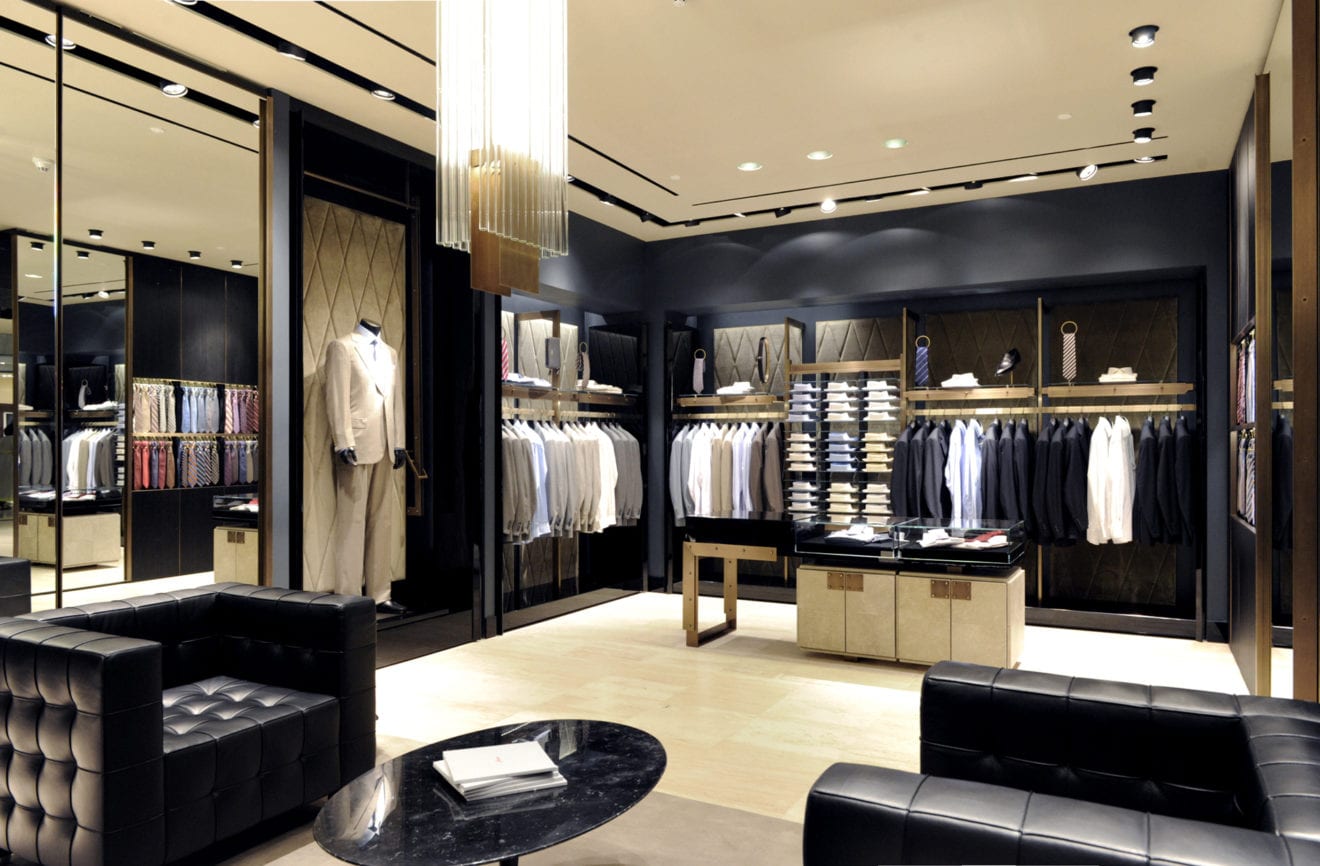
    Covering 100 sqm, the inaugural Brioni Cambodia boutique offers formalwear, leisurewear and accessories in an atmosphere that is described as melding the masculinity of a gentleman’s club with the elegance of a private “dressing room”. Both traditional and contemporary in approach, it features glass surfaces and bronzed brass, Eramosa marble, bahia wood with brass inserts, Navona travertine floors, and ceilings enriched with a sophisticated lighting system.

    “The economy in this market is seeing robust growth and we believe in its potential,” says Brioni CEO Gianluca Flore.

    Founded in Rome in 1945, Brioni designs, develops and manufactures exclusive Su Misura garments and ready-to-wear collections as well as leather goods (handbags, small leather goods and luggage), shoes, eyewear and fragrance. The house of Brioni is part of global luxury and sport and lifestyle group Kering.

  • China’s ‘explosive shopping’ sprees bring chaos to Tokyo roads

    China’s ‘explosive shopping’ sprees bring chaos to Tokyo roads

    Tensions between Japan and China are not confined to remote islands and historical disputes it seems – now an unlikely activity is causing tension between the two Asian powerhouses. Shopping.

    Japanese police are reportedly receiving increasing numbers of complaints about the surge in buses carrying Chinese shoppers who are causing parking chaos in Tokyo’s retail districts.

    The issue taps into the booming number of Chinese tourists indulging in intense shopping sprees in Tokyo, whose surge in prevalence has prompted the creation of the new Japanese buzzword “bakugai” (“explosive shopping”).

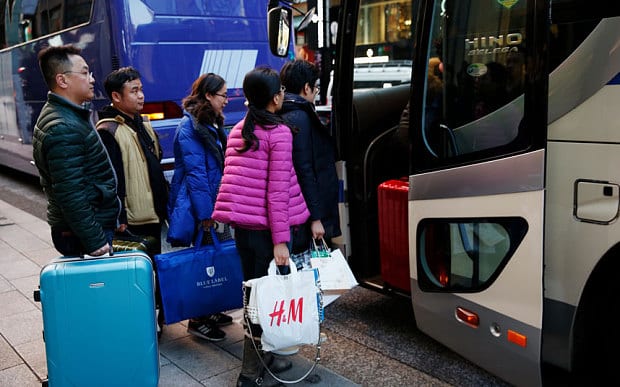
    Chinese tourists pack their shopping into a suitcase at a department store in Tokyo  Photo: Reuters

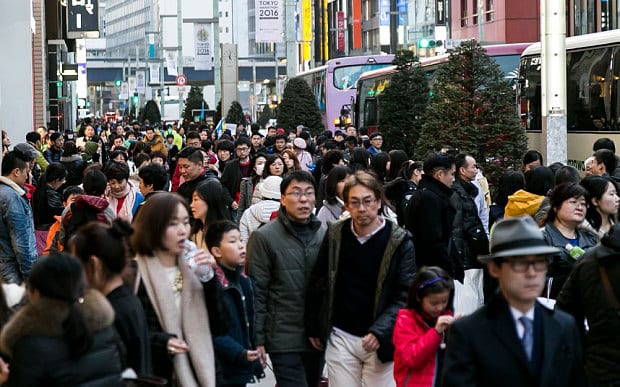
    From Ginza’s upmarket boulevards lined with department stores to the historic lanes of the old Asakusa area, large buses ferrying retail therapy-loving Chinese shoppers have apparently been causing parking chaos across the capital.

    On one recent occasion in the run up to Chinese New Year, a total of eight tour buses reportedly caused mayhem after blocking the left traffic lane on one of the main streets in Ginza, according to Kyodo News.

    Store security on the Ginza street also reportedly became involved in the retail chaos, asking Chinese shoppers laden down with bags outside the buses to step aside to allow other pedestrians to pass.

    One of the bus drivers said: “I usually stop here because there aren’t any other places. If we are lucky, we can leave here around 15 minutes behind schedule but a 30-minute delay is not unusual.”

    Japan’s economy received a welcome bolster from a surge in overseas visitors in 2015, with a record 19.73 million overseas tourists arriving in the country, many of whom were intent on shopping.

    Fuelled by a then-weakened yen, foreign tourists visiting Japan last year spent around 3.08 trillion yen – an increase of one trillion from the previous year, according to finance ministry figures.

    Chinese tourists shopping during the Lunar New Year Holiday at Tokyo's Ginza shopping district in Japan

    However, the rise of shoppers – in particular groups of voraciously-consuming Chinese shoppers – has gone hand in hand with increasingly complex parking problems across the capital, according to Kyodo News.

    Japanese items coveted by Chinese shoppers range eclectically from swishy Japanese techno lavatories and rice cookers to designer handbags and green tea-flavoured KitKats.

    As the city braces itself for further increases in visitors in the run-up to the Olympics, retail associations are urging local authorities to help find long-term solutions to the problem.

    “The central and the Tokyo metropolitan governments need to take the initiative to provide more parking spaces if they are going to promote tourism,” one leader of a local business association for the Ginza shopping area told Kyodo.

    An official for the metropolitan police department added: “Instead of tightening regulations, we would like to unite with municipalities and stores to decide on appropriate rules to welcome tourists together.”


  • Korean beauty brands increasingly offering the interactive retail experience

    Korean beauty brands increasingly offering the interactive retail experience

    In a round-up of the immersive, hands-on retail offerings which beauty brands are increasingly offering in the country, the national paper highlighted the rise of smart technology and wearables as the key driver behind the trend.

    “Seeking to offer more interactive and tailored services to consumers, cosmetic brands in Korea are increasingly utilizing high technology and smart gadgets to satisfy diverse consumer needs at one of the largest, trend-sensitive beauty hubs in the world,” the newspaper notes.

    It highlights AmorePacific, Dior and SK-II as key examples of beauty players at the forefront of this retail trend.

    Magic Ring test

    SK-II’s Magic Ring test (a diagnostics testing process for consumers’ skin), uses a skin imaging machine that tracks details such as the direction and size of pores and wrinkles, offering consumers the personalised product recommendation service they increasingly demand.

    Amore Pacific and Dior are just two of several other major brands reportedly also offering interactive diagnostics services in Korea, and investing in developing bespoke technologies specifically for the immersive retail setting.

    Apps are another key channel boasting interactive opportunities for brands, with L’Oreal reportedly gearing up to launch its MakeUp Genius app (which allows consumers to virtually try on cosmetics) onto the Korean market in the coming months.

    A global trend

    Korea is just the latest in a string of countries in which the beauty industry is adopting the potential of interactive beauty with open arms, to meet the rising demand from young, tech-savvy consumers.

    The Korea Herald report comes hot on the heels of a recent study published by market research firm Euromontior International , which noted that younger generation consumers increasingly demand interactivity.

    Millennials seek out “a curated but interactive sales environment, whether retail or online”, the firm’s analysts confirmed, noting that cosmetics is a rare area in which the consumer group is willing to spend freely.

  • Genesis Luxury takes on Coach India

    Genesis Luxury takes on Coach India

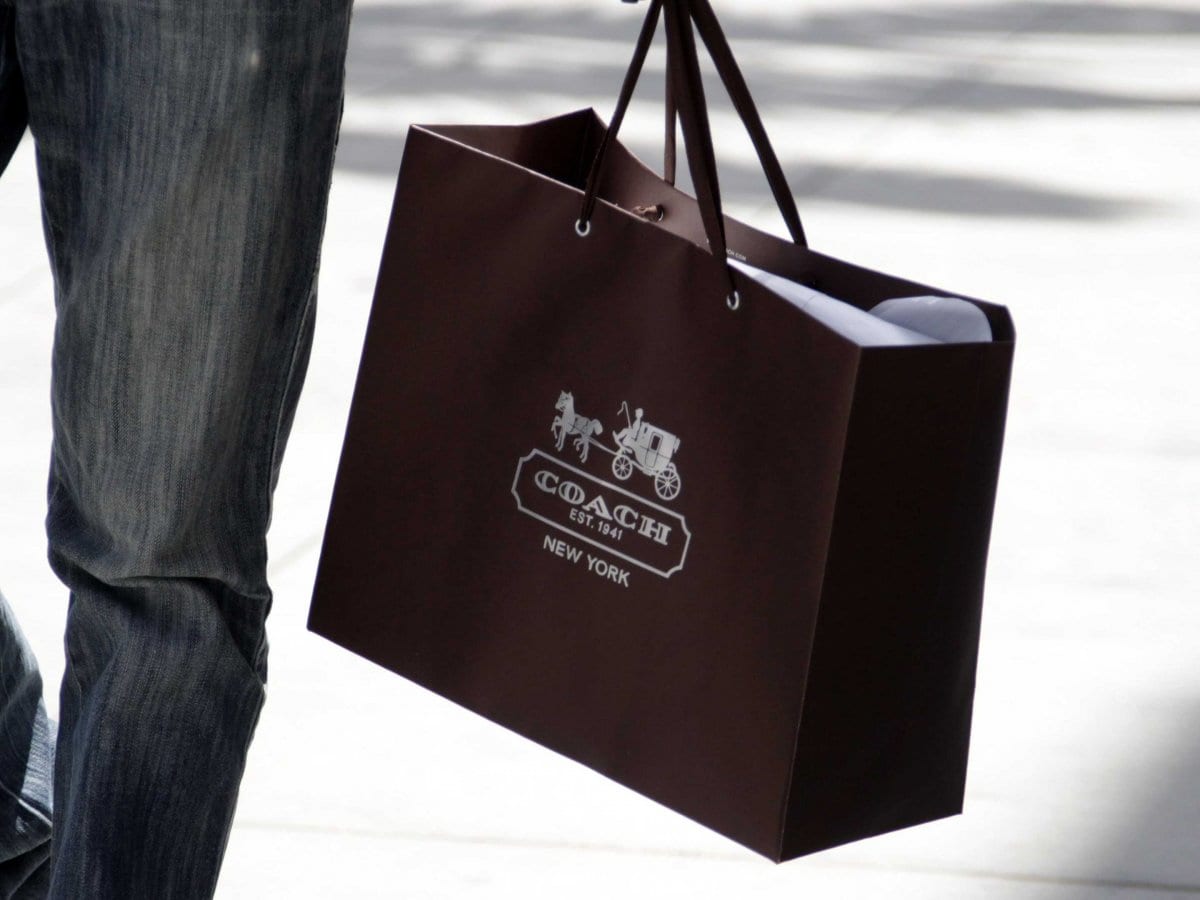
    Indian fashion conglomerate Genesis Luxury Fashion has formed an exclusive partnership to New York design house Coach to introduce it to the Indian market.

    The first Coach India store will open to coincide with the brand’s 74th anniversary this year.

    “We are confident the brand’s commitment to heritage and innovative design will be warmly embraced by the growing number of Indian luxury consumers, who are innately drawn to craftsmanship, ” says Genesis Luxury MD Sanjay Kapoor.

    “Coach has tremendous potential in our market, and with our shared vision and well-defined strategies, we are focussed on accelerating its retail presence and visibility across key cities in India over the next few years. ”

    Coach international group president Ian Bickley says the company is confident its luxury store environment featuring designer Stuart Vevers will be “embraced and coveted” by fashionable Indian buyers.

    Established in New York City in 1941, Coach is known for its leather goods.

    After consolidating the Indian fashion market with such designer labels as Bwitch and Satya Paul, Genesis Colors (established in 2001) moved into marketing and distributing global luxury brands through its subsidiary Genesis Luxury Fashion in 2008. Its portfolio includes Burberry, Bottega Veneta,Canali, Giorgio Armani, Emporio Armani, G-Star Raw, Hugo Boss, Jimmy Choo, Michael Kors, Paul Smith, Tumi and Villeroy & Boch.

  • PVH takes control of Tommy Hilfiger China

    PVH takes control of Tommy Hilfiger China

    PVH Corp, the parent of the Tommy Hilfiger brand, is to take full control of its China business.

    PVH, together with funds advised by Apax Partners, will acquire the 55 per cent interest in TH Asia Ltd, their joint venture for Tommy Hilfiger China, which PVH does not already own.

    The purchase price for the transaction is about US$172 million, net of cash of approximately $100 million, subject to adjustment.

    The closing, which is subject to customary closing conditions and regulatory approvals, is expected to occur early in the second quarter of 2016.

    “Today’s announcement represents a significant development for our company as we continue to execute against our key strategic priorities and demonstrates our commitment to making strategic investments to support the long term growth of PVH and our Tommy Hilfiger business,” said Emanuel Chirico, chairman and CEO of PVH.

    “This transaction enables the Tommy Hilfiger business to directly operate its fastest growing market, while leveraging our well-established infrastructure in Asia, our regional leadership expertise and strong brand momentum across both our Tommy Hilfiger and Calvin Klein businesses in the region.”

    This transaction has been envisioned since PVH and the funds advised by Apax Partners established the Tommy Hilfiger China joint venture in connection with the Tommy Hilfiger acquisition in 2010.

    Since 2012, the first full year of operations after the joint venture acquired the Tommy Hilfiger China business from the former licensee, the Tommy Hilfiger business in China has doubled from approximately $70 million in revenue to a projected $140 million in 2015, with over 350 stores, of which 65 are directly operated.

    Daniel Grieder, CEO of Tommy Hilfiger, commented: “We are looking forward to executing a more fully integrated strategy for China that takes advantage of our current momentum in the region. This will allow us to further realise the growth opportunities that exist for the brand by offering consumers a greater breadth of Tommy Hilfiger product lines and a more elevated brand presentation. Building on our strong existing regional foundation, we plan to accelerate the growth of the Tommy Hilfiger business by increasing our brand marketing in China and capitalising on our strong market positioning and price, value proposition. We plan to invest further in driving the expansion of the brand through new store openings (both company-operated and franchised stores) and improved productivity in existing stores, while rapidly expanding our traditional and digital marketing initiatives to further reinforce the brand in this exciting market.”

    PVH Corp owns and markets Calvin Klein and Tommy Hilfiger brands worldwide. It is the world’s largest shirt and neckwear company and markets a variety of goods under its own brands, Van Heusen, Calvin Klein, Tommy Hilfiger, Izod, Arrow, Warner’s and Olga, and its licensed brands, including Speedo, Geoffrey Beene, Kenneth Cole New York, Kenneth Cole Reaction, Michael Michael Kors, Sean John and Chaps.

    The other shareholders in the China joint venture include an affiliate of Silas Chou and, indirectly through an investment vehicle controlled by funds advised by Apax Partners, members of Tommy Hilfiger management at the time of the acquisition in 2010, such as Fred Gehring (former CEO and executive chairman, Tommy Hilfiger and current vice chairman of PVH), Daniel Grieder (CEO, Tommy Hilfiger), and Tommy Hilfiger himself.

  • Dior Homme Kuala Lumpur debut

    Dior Homme Kuala Lumpur debut

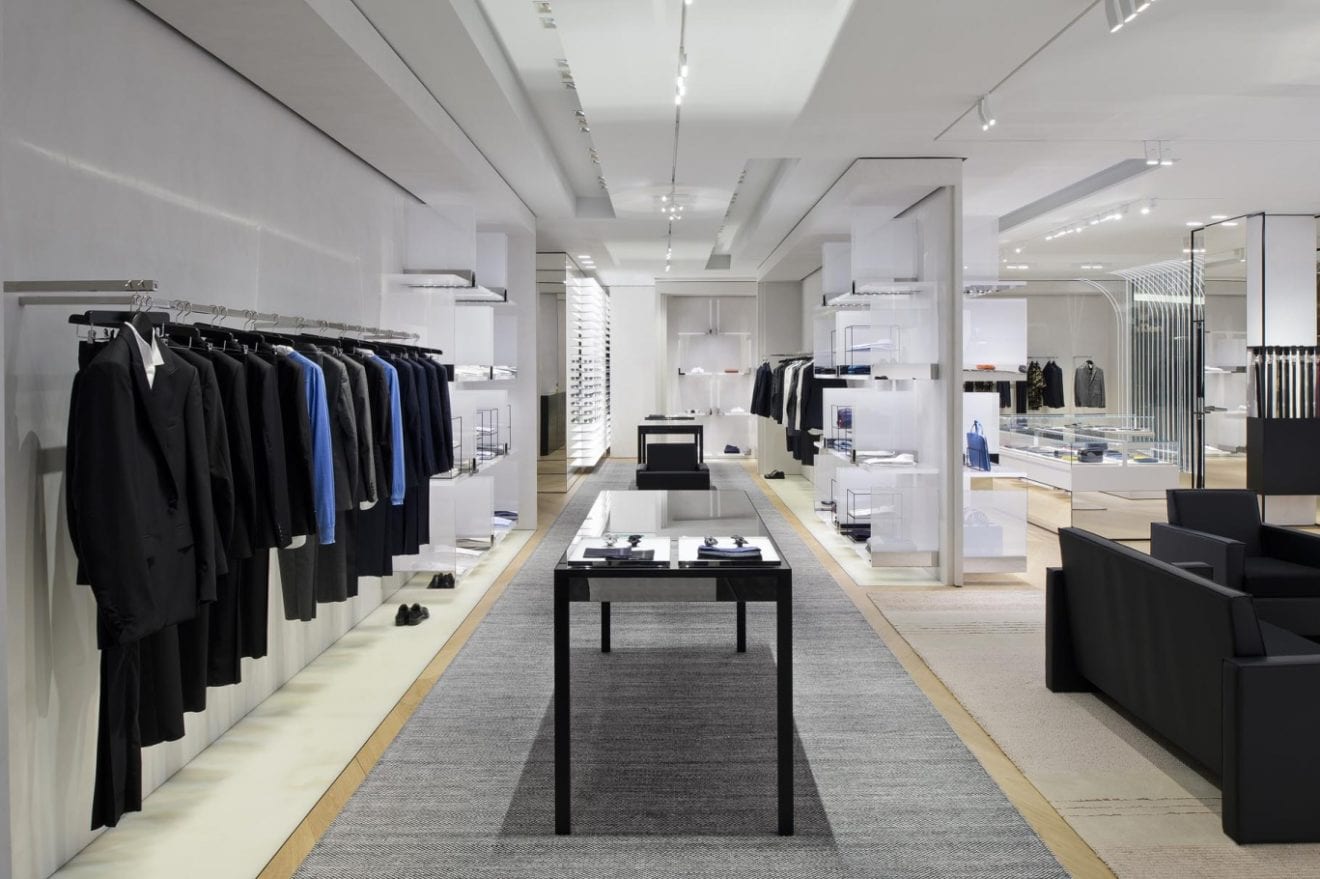
    The first Dior Homme Kuala Lumpur boutique has opened, inside Suria KLCC shopping centre.

    While Dior has several boutiques in the Malaysian capital, this is the first store dedicated to the French luxury label’s men’s range.

    White dominates the new boutique’s interior design, contrasting with hardwood floors and black accents, all of which allow the product to be the hero.

    The store stocks ready-to-wear collections, leather goods, footwear, eyewear and jewellery.

    To mark the Dior Homme brand’s arrival in Malaysia, a limited edition clutch numbered from 1 to 10 was released.

  • Victoria Beckham is opening a store in Hong Kong

    Victoria Beckham is opening a store in Hong Kong

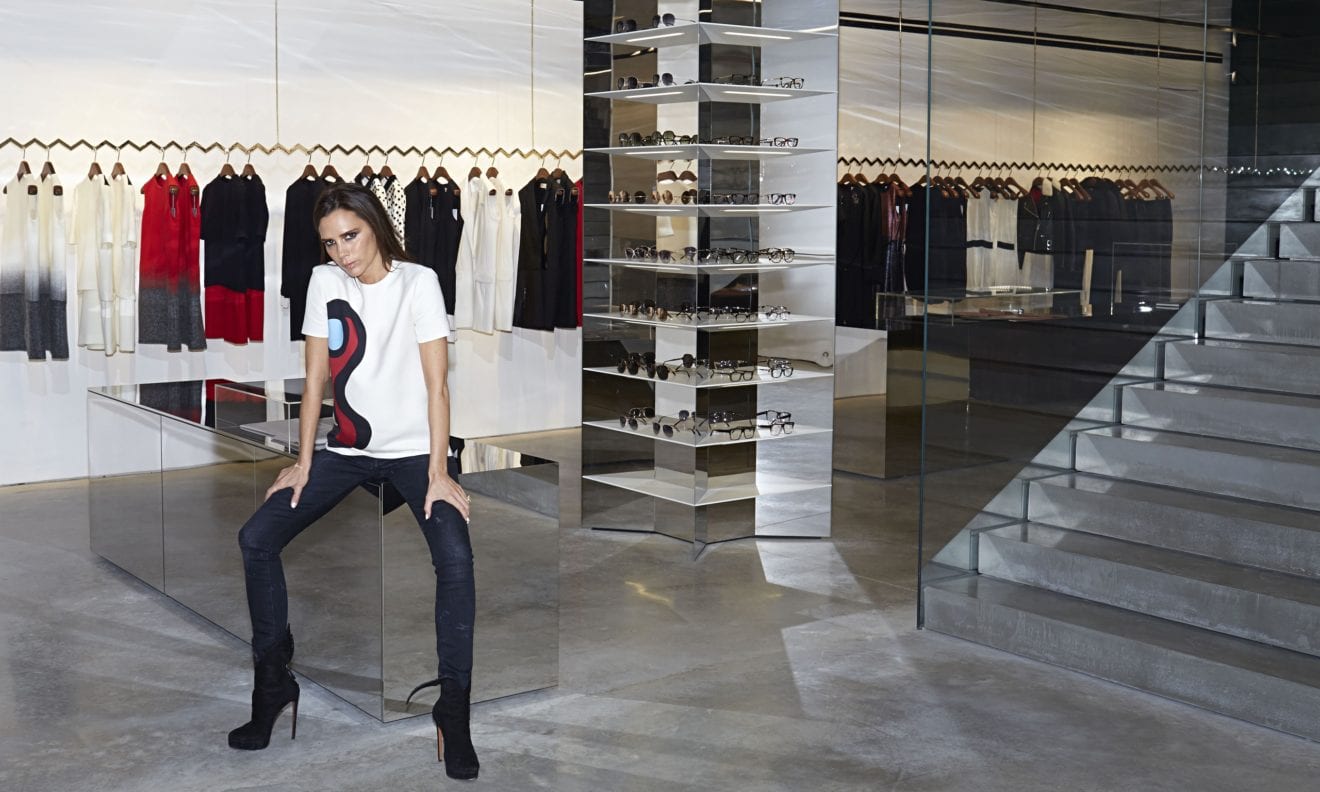
    Earlier today, minutes after taking a bow at her autumn/winter ’16/’17 show during New York Fashion Week, Victoria Beckham announced that her burgeoning retail empire is officially on the rise with a Hong Kong storefront scheduled to open in March.

    “The women in Asia really know how to dress,” Beckham said to BagSnob founder Tina Craig on a video that appeared on Vogue China’s Instagram account. During Art Basel last March, the designer (and apparent celebrity wedding dress consultant) told the South China Morning Post that she was in the process of scouting potential brick-and-mortar locations in the metropolis.

    Beckham, who showed a thoroughly modern collection of contrasting stripes, tuxedo jumpsuits and one particularly sophisticated take on an evening wear kilt, opened her first freestanding boutique on London’s Dover Street in September 2014. The Hong Kong shop marks Beckham’s first freestanding location in Asia and second in the world.

    “Super chic sophisticated, understand and appreciate fashion…” continued the former Spice Girl and mother of four on her newest customer base. Her brood — along with newly-minted photog son Brooklyn and dashing husband David — sat, as usual, in the front row of her runway show near Anna Wintour. “They love getting dressed up.”

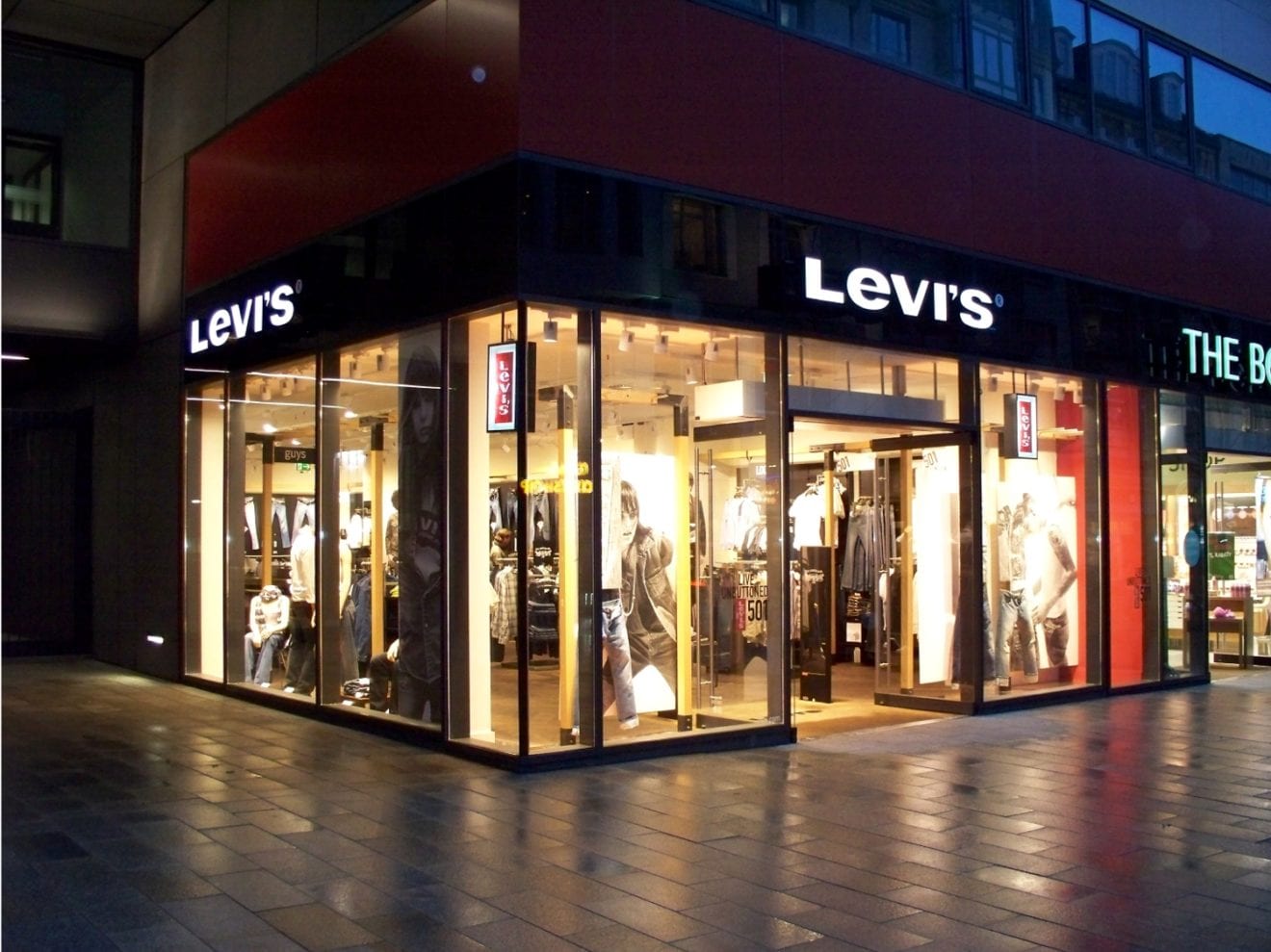
  • Levi Asia bullish

    Levi Asia bullish

    Asia will be the backbone of global denim wear brand Levi & Strauss growth in the short and long term according to its CEO.

    Despite the slowing economic growth in the region, driven by China’s marked slowdown, Levi CEO and global president Chip Bergh says his company remains upbeat about consumer spending regionally.

    “We are very optimistic,” Bergh told Channel News Asia in an interview, (you can read the full text and watch the video here).

    “Despite the reported (growth) slowdown in markets like China, this is still going to be our fastest growing region, both short- and long-term.”

    He says the main driver will be the rapidly growing ranks of young Chinese consumers joining the middle class, who have strong emotional attachments to brands and who are eager to buy branded goods.

    “The demographics work to our advantage and we are strategically focused on Asia as a result of that,” Bergh told Channel News Asia.

    The soaring value of the US currency has impacted on Levi & Strauss margins in the region – and its reported earnings in its home currency. As a result the company had adjusted product prices in some markets “to protect the long-term structural economics of our business”.

    “At the same time, we are also working on the cost side of the equation to protect our growth margins and so we’ve been able to continue to grow and grow profitably,” said Bergh.

    In the third quarter of 2015, Levi’s reported a 15 per cent jump in earnings to US$58.2 million, thanks to double-digit growth in its women’s apparel collection and continued strength of the international retail business, including Levi Asia.

  • Grana nabs $3.5 mln in seed funding

    Grana nabs $3.5 mln in seed funding

    Grana (grana.com), an online clothing retailer creating luxury fabrics and wardrobe essentials at guilt-free prices, announced today it has secured an additional $3.5 million U.S. dollars in seed funding. The lead investor is Golden Gate Ventures, along with investments from MindWorks Ventures and Bluebell Group, bringing their total funding to date to $6 million U.S. dollars, with additional Series A funding pending. Grana recently launched in the U.S. market, and the additional funding will help the brand continue its international growth and expansion.

    Grana offers timeless wardrobe essentials created from fabrics found around the world, including Chinese Silk, Mongolian Cashmere, Irish Linen, Japanese Denim, Peruvian Pima Cotton, French Poplin, Chinese Cotton Twill, Italian Merino Wool and Japanese Chambray. Grana designs its merchandise in-house and works directly with fabric mills in order to bring the highest quality clothing to customers at the best possible prices.

    Grana has grown extensively since its March 2014 beta launch, during which the brand sold 2,000 Peruvian Pima Cotton t-shirts in three weeks, shipping to eight countries directly from Hong Kong. Month-over-month sales are currently increasing by 40 percent since Grana launched in October of 2014.

    The new round of funding will expand Grana’s shipping to new markets as well as aid the entry into the U.S. and China markets. The funds will play a critical role in new product category launches such as leather goods, undergarments and activewear.

    “We’re pleased to receive financial backing from Golden Gate Ventures and MindWorks Ventures,” said Luke Grana, CEO and co-founder of Grana. “The support is critical to our U.S. expansion, a priority market that already represents 20 percent of our global sales. This new investment allows us to further disrupt the online clothing market and provide consumers with luxury-quality wardrobe essentials without the luxury price point.”

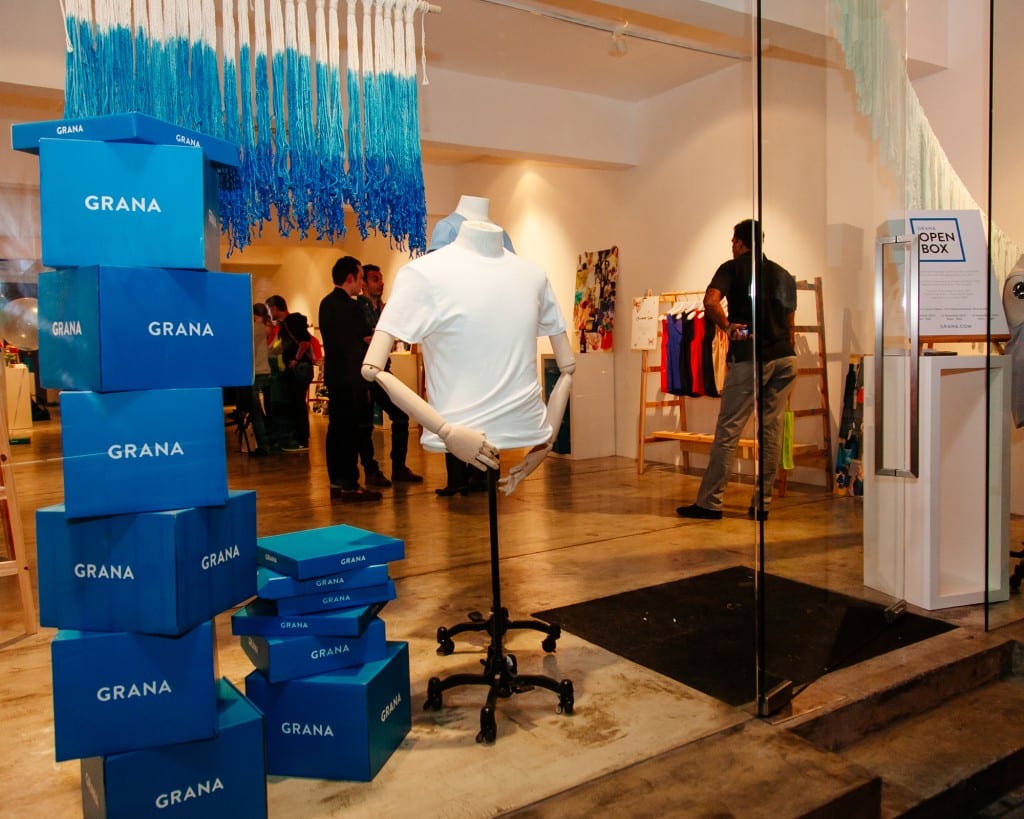
    Since launching, Grana has brought a number of “Fitting Rooms” to consumers across Sydney, Singapore, and Hong Kong, and mostly recently opened a U.S. location in San Francisco in December 2015. Designed as a showroom instead of a retail shop, customers can experience the brand personality in the space, interact with Grana Cheetahs (customer service representatives), and discover the website. Retail showroom spaces are increasing in popularity, and Grana’s Fitting Room model is helping to lead this global trend. The new funding will also allow Grana to open additional Fitting Room locations in the U.S. and provide support for a technological upgrade to the shops, reinventing the way people buy clothes in-store.

    “In a world were startups are disrupting established industries, Grana is disrupting how to build a global brand with bottom-up marketing from their biggest fans, city by city,” said Vinnie Lauria, Managing Partner at Golden Gate Ventures.

    “We envision Grana’s model of providing the highest-quality modern essentials at revolutionary price points as the future of retail,” said David Chang, Partner at MindWorks Ventures. “This investment round provides Grana with greater capacity to expand its growing Fitting Room network, and product range and develop its omnichannel strategy.”

    As part of its international expansion and growth in existing markets, Grana will also use the newly acquired funds to build out a global world-class team. Currently, Grana has more than 40 employees in Hong Kong, and most recently has added team members in San Francisco.

  • Thai fashion e-commerce goes from rags to riches

    Thai fashion e-commerce goes from rags to riches

    WearYouWant’s site has 500 fashion merchants offering some 14,000 products. The company plans to release a native mobile app next month as 50% of its website traffic comes from mobile phones.

    The online fashion sector in Thailand is drawing massive interest from global players eager to cash in on one of the fastest-growing markets.

    Competition in the interactive fashion stores is expected to be more intense this year, says Thai fashion marketplace WearYouWant.

    But it will be increasingly difficult for newcomers to find a place in the Thai market because existing players have established a strong foothold here, said Julien Chalte, co-founder and co-chief executive of WearYouWant, a four-year-old website.

    E-commerce accounts for about 1% of retail sales in Thailand but the market is expected to see steeper growth this year.

    Mr Chalte said e-commerce was an immensely motivating sector because of its versatility.

    Thai consumers are very conscious of shopping behaviour both offline and online, so it is essential to provide the best and widest selection of products, good prices and efficient delivery, he said.

    WearYouWant’s site has 500 fashion merchants including boutiques, distributors and brands that offer 14,000 products.

    Online merchants can sell directly to consumers but delivery is handled by the site, which earns revenue through commission on purchased products.

    WearYouWant secured Series B investment funding of US$3.5 billion last September, led by the leading fashion e-commerce player in Japan, Start Today, which operates Japan’s largest fashion e-commerce portal Zozotown.

    Mr Chalte said Bangkokians were no longer driving the growth of online fashion shopping.

    “The fastest-growing provinces are Nonthaburi and Chon Buri, and the trend seems to be continuing into 2016,” he said.

    WearYouWant plans to release a native mobile app by March because 50% of its website traffic comes from mobile phones.

    The company will also introduce new feature apps including an image recognition engine that allows user to take a photograph of an item in a store and instantly be presented with a good offer on the same or similar product.

    The trend this year will move towards more mobile payment options, but cash on delivery will remain the preference.

    Mr Chalte said the average age of the company’s customers was 32. They mainly live in Bangkok, with 65% of customers female.

    Customers spend an average of 3,000 baht on the website. Beauty products remain the best-selling product, with clothing, shoes and accessories experiencing significant growth.

    In 2015, WearYouWant’s annual revenue rose 200% from 2014, with a 150% hike in turnover generated by mobile devices.

  • Pranda Group expands in Vietnam

    Pranda Group expands in Vietnam

    Thai jewellery retailer Pranda Group reports a year of expansion in neighbouring Vietnam, plus consolidation in Indonesia.

    In Vietnam, Pranda opened two branches, at Lotte Center and Vincom Center Nguyen Chi Thanh in Hanoi, and expanded distribution channels. The group now has eight shopping mall outlets, five in Ho Chi Minh City and three in the capital.

    This year, the company plans to open a 57 sqm flagship store at Saigon Center in Ho Chi Minh City.

    Meanwhile, Pranda Marketing Indonesia plans to increase outlets. A new branch managed by central Thailand in co-operation with PT Grand Indonesia was opened in Central Grand Indonesia. Pranda Marketing Indonesia aims to push the Prima Gold and Julia brands. Prima Gold has three stores, Julia 19 stores, and Lovelinks eight. Four more Prima Gold outlets are planned for this year, as well as 20 more Julia stores.

    Pranda Group plans further expansion in the Asian Economic Community with its population of more than 600 million people.