Category: Fashion

Retail News Asia is committed to providing both local and global retailers with the latest Fashion news throughout the Asian market. This on a daily base.

  • 10-week Great Singapore Sale starts last Friday

    10-week Great Singapore Sale starts last Friday

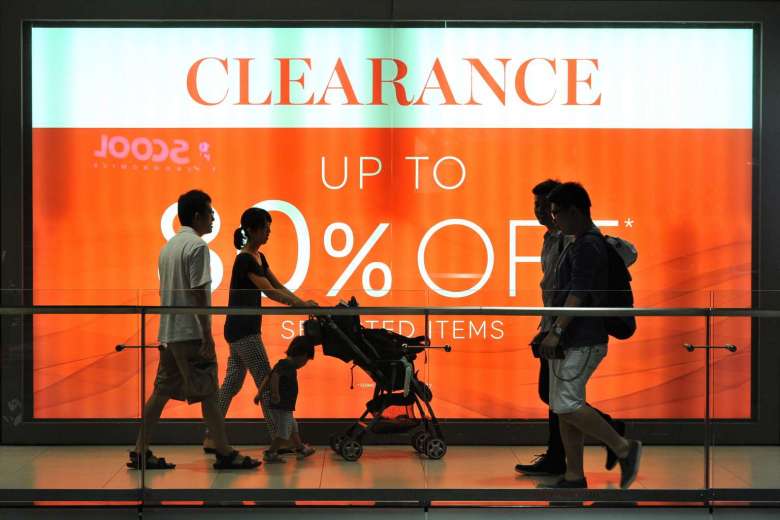
    The Great Singapore Sale (GSS), which starts on Friday (June 3), has been extended from eight to 10 weeks this year to cater to tourists from the region.

    And for the first time, UnionPay International cardholders will get extra perks during the sale, under a new three-year partnership between the payment network and GSS’ organiser, the Singapore Retailers Association (SRA).

    SRA said the sale, now in its 23rd year, has grown into an “all-encompassing” event with offers at both online and offline stores, ranging from fashion and dining to beauty and wellness, hotel stays, sightseeing tours and visits to attractions. The sale also stretches from Orchard Road to Marina Bay, Sentosa Harbourfront and the heartlands.

    There are no “official” participants of the GSS, as merchants do not need to formally register or sign up with SRA to take part. All merchants who offer special deals during the sale period are considered participants of GSS, said SRA.

    The extension of the sale period to 10 weeks – for the last 12 years, GSS stretched over eight weeks – is to better cater to tourists from Asia-Pacific countries whose summer holidays fall in the June to August period, said SRA’s executive director Anthony Gan.

    He added that the sale, which ends Aug 14, will still coincide with the school holidays in June and the regional peak travel seasons in July, as with previous years.

    UnionPay International also replaces MasterCard Singapore as the new official card of GSS. This means UnionPay cardholders can get exclusive privileges at over 100 retailers here during this year’s sale.

    “With a base of over 5.4 billion UnionPay cards issued worldwide and an acceptance rate of over 80 per cent at various retail, lifestyle and food and beverage establishments in Singapore, we are confident that our partnership with UnionPay International will bring substantial benefits to the GSS, participating merchants and consumers,” said Mr Gan.

    Consumers who shop at GSS stand to win a record of over $200,000, with SRA giving out $100 each – in the form of a UnionPay prepaid card loaded with the cash – to five shoppers daily, while those who pay with UnionPay cards stand to win an additional $500.

  • Ugg Asia to take on new store concept

    Ugg Asia to take on new store concept

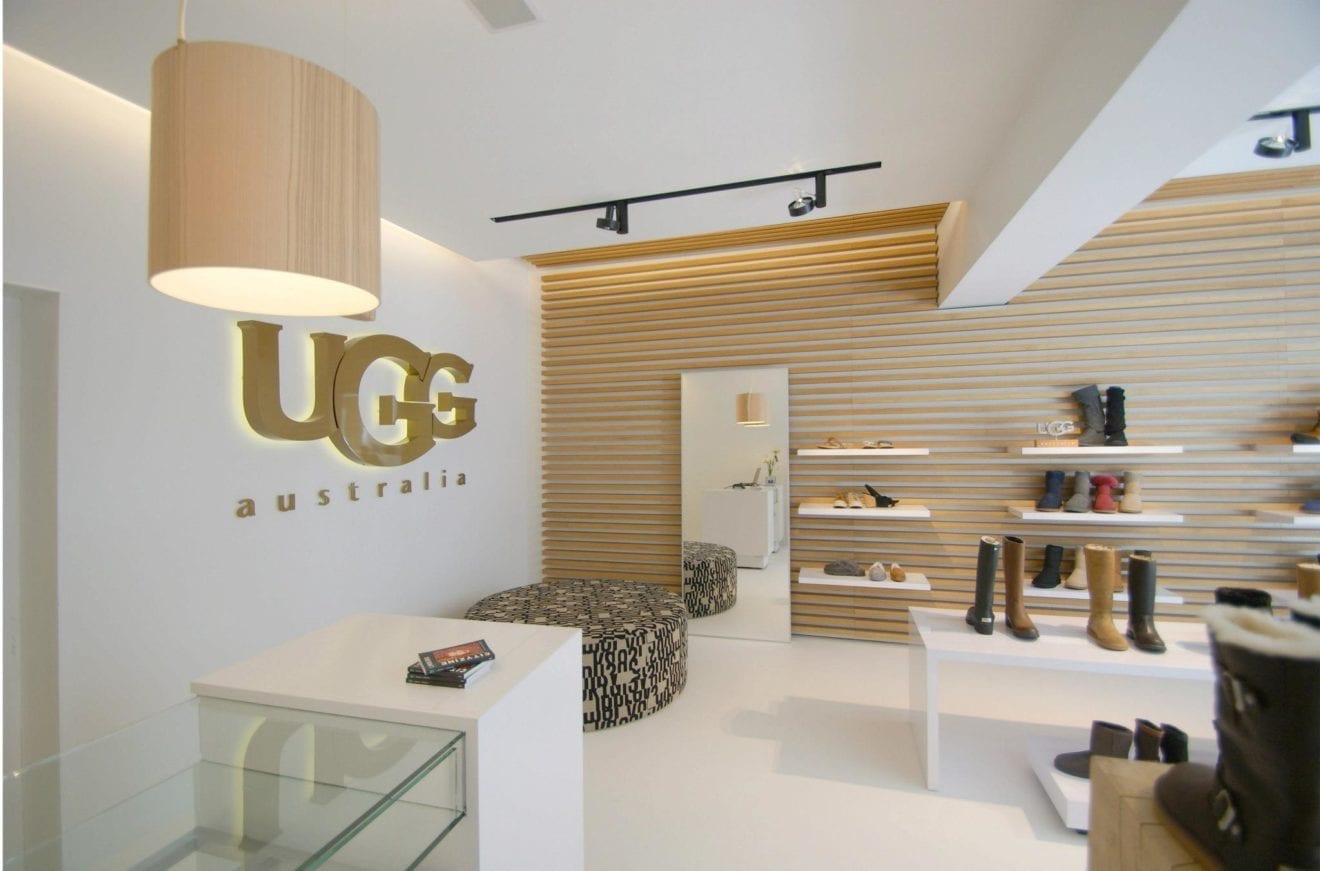
    American footwear retailer Ugg’s new global retail store concept – part of the brand’s largest re-launch in 37 years – will be introduced in Ugg Asia outlets this year.

    Coinciding with the 10th anniversary of Ugg’s New York flagship store in SoHo, the new 263 sqm retail concept store opened at Disney Springs, Walt Disney World Resort, Florida.

    The store was designed by Checkland Kindleysides to be scalable so it can fit different formats from wholesale to showroom spaces.

    The concept honours the footwear’s history, says Stefano Caroti of clothing/footwear giant Deckers Brands, which owns Ugg.

    UGG Disney Springs 1

    “The inspiration came from the Californian roots of the brand, its connections to nature and its modernist vibe – a sense of stylish living that’s both ‘off duty’ and ‘on air’,” says Checkland Kindleysides creative director Joe Evans.

    “The store offers a relaxing social environment that radiates the Ugg brand’s luxurious warmth, engages through sensorial brand storytelling and invites you to enjoy the good things in life with good people.”

    Meanwhile, the new look will roll out in Shanghai and Tokyo toward the end of this year.

  • Korean showcase for Luk Fook Holdings

    Korean showcase for Luk Fook Holdings

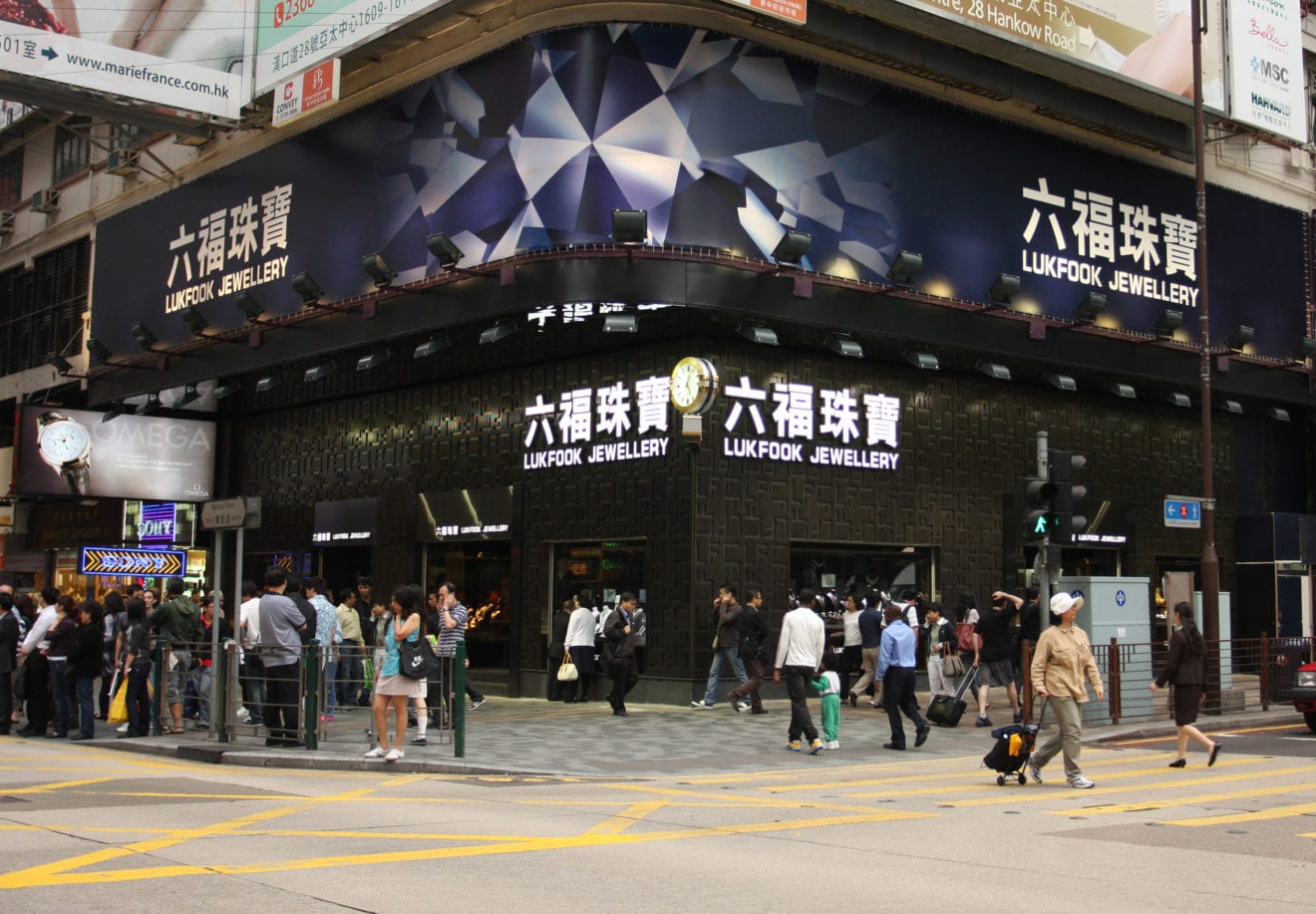
    Hong Kong jewellery group Luk Fook Holdings International has opened a retail outlet at the Shinsegae Main Store in Seoul.

    Korea’s first department store, Shinsegae opened in 1930 and has become a tourist attraction.

    Luk Fook chairman/chief executive Wong Wai Sheung says it is hoped the group’s outlet in the store will help develop overseas markets and further improve its brand recognition globally.

    Luk Fook has more than 1420 shops, in Australia, Canada, China, Hong Kong, Korea, Macau, Singapore and the US.

  • Michael Kors result ‘disappointing’

    Michael Kors result ‘disappointing’

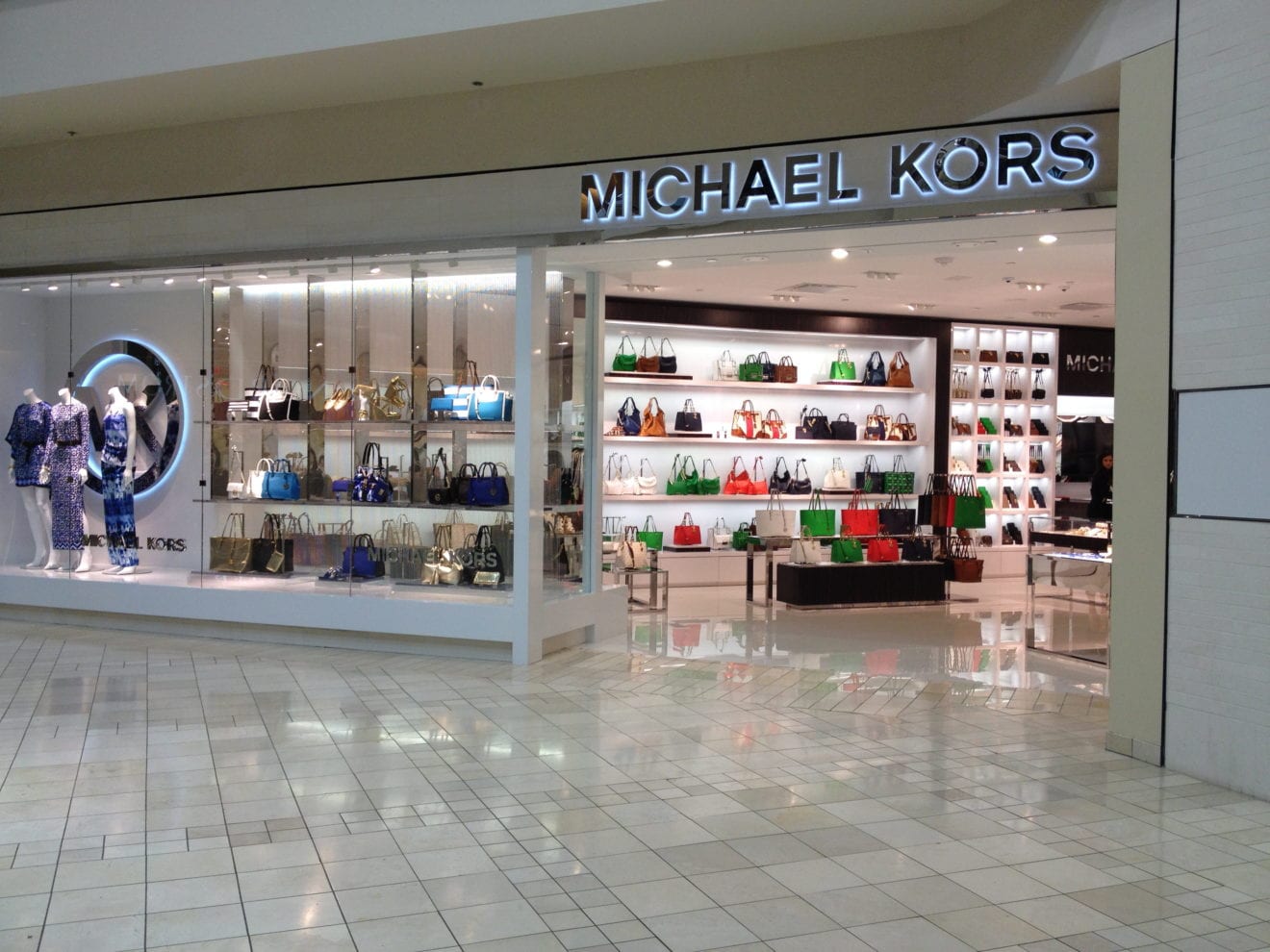
    At headline level Michael Kors has ended its fiscal year on a strong note with total revenue up by 10.9 per cent, underpinned by a robust increase of 22 per cent in retail sales.

    However, most of the uplift is thanks to the fact the company opened some 142 new stores over the past year and has also expanded its online operations. When these are factored out, underlying growth is anemic – rising just 0.3 per cent over the prior year.

    Such a soft comparable number is disappointing, especially as it comes off the back of a very weak comparative in the prior year when same-store sales dropped by 5.8 per cent. Licensing revenue also shrank, down by 13.6 per cent on a year-on-year basis. That growth only came from expansionary activities rather than from underlying productivity gains shows on the bottom line where net income fell by 3.5 per cent.

    Michael Kors’ numbers are also something of a mixed bag on a regional basis. In North America, which remains the company’s biggest market, revenue rose by a respectable, but fairly modest, 4.6 per cent. Europe came in slightly stronger with a 15.6 per cent increase, but Asia was the star of the show with a 216.4 per cent increase over the prior year. This variance is no coincidence and reflects the differences in maturity of the Michael Kors brand in terms of both physical coverage and saturation levels with consumers. That said, even with the variances, Michael Kors is showing a much better growth story than many rival brands, including Coach.

    While North America remains in growth Michael Kors will struggle to boost its sales in the US over the next few years, mainly because consumer interest in the brand seems to have peaked. It is notable that Nordstrom has started to cut back on Michael Kors inventory, while a number of other department stores are offering heavy discounts on its product. This underlines the continued issues of saturation and ubiquity in the home market.

    This dynamic means it is fortunate that Michael Kors has other regions to turn to for growth, with Asia having the most potential. Here we are encouraged that Michael Kors has acquired Michael Kors (Hong Kong), which was previously a separate operation licensed to sell into China and a number of other Asian countries. This will, allow the business to ramp up the pace of expansion in the region and, over the medium term, boost earnings potential. That said, in the short term investments in new openings and marketing are likely to act as a brake on bottom line growth, as indeed will the continued impact of the strong dollar.

    Given that it will take time to ramp up growth in Asia, and that pressures at home continue, the start of the new fiscal year is likely to see a slight dip in comparable sales accompanied by a deterioration in profit.

    Longer term, the outlook is more positive as Michael Kors reaps the benefits of its growth program.

  • Major Asia investment for Michael Kors

    Major Asia investment for Michael Kors

    Michael Kors has paid $500 million in cash to acquire Michael Kors HK, the exclusive licensee of the company in China and certain other jurisdictions in Asia.

    Approved by independent members of the company’s board of directors, the acquisition is subject to adjustment.

    The greater China business generated total revenue of $197 million for the year ended March 31, with a network of 91 company-run retail stores and six travel retail locations across China, Hong Kong, Macau and Taiwan.

    This fiscal year, the greater China business is expected to contribute about $200 million to retail net sales, reflecting sales for the 10-month period following the closing of the acquisition.

    Michael Kors chairman/CEO John Idol says the company is excited about acquiring its greater China licensee. “We have worked diligently over the past several years with our licensed partner in this region to build the infrastructure, establish the brand and grow acceptance of Michael Kors in the Chinese market.

    “We believe our brand is gaining strong momentum in greater China, making it the ideal time for us to integrate this territory into our business and capitalise on the enormous growth potential in this region.”
    CEO Neil Saunders of retail research agency Conlumino says the acquisition will allow the business to ramp up its pace of expansion in the region and, over the medium term, boost earnings potential.

    “It is fortunate Michael Kors has other regions to turn to for growth, with Asia having the most potential.”

    An award-winning designer of luxury accessories and ready-to-wear fashion, Michael Kors established his namesake company in 1981. Michael Kors stores can be found in Seoul and Tokyo.

  • Here’s How Estee Lauder Plans To Grow In China

    Here’s How Estee Lauder Plans To Grow In China

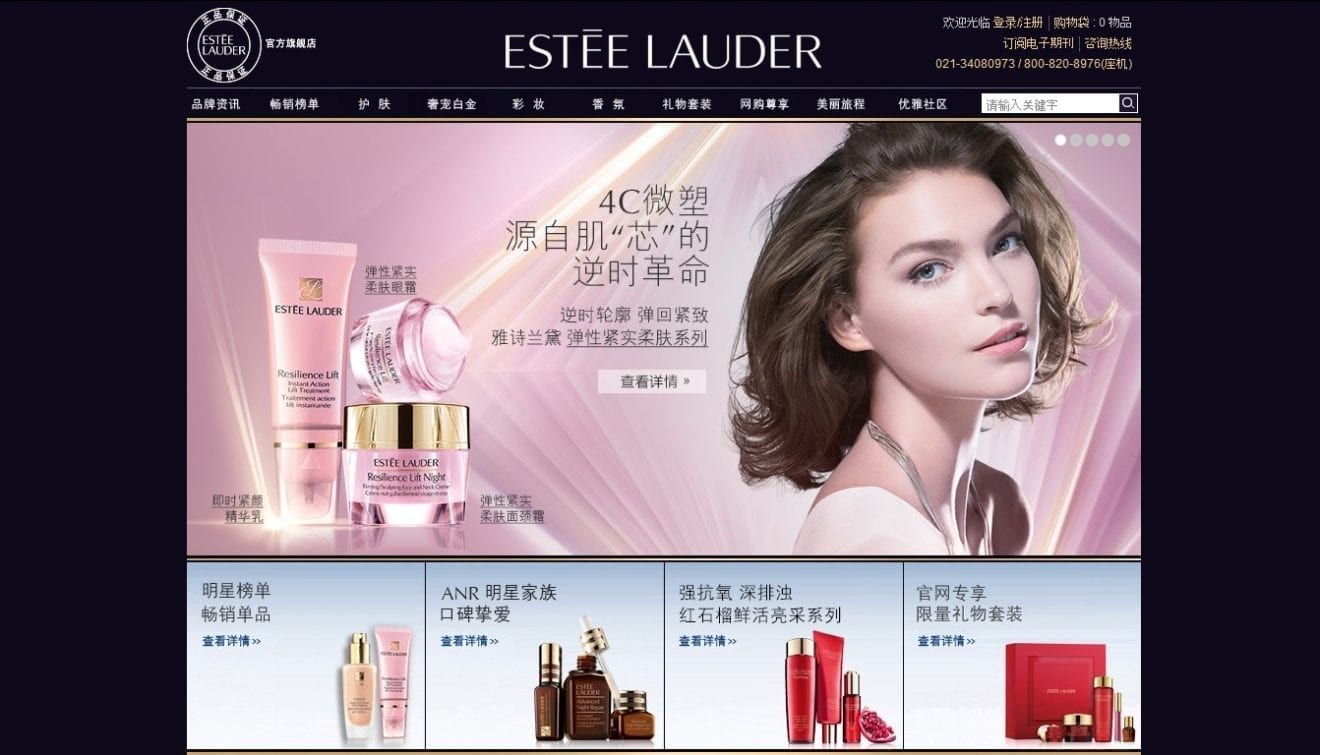
    In Q3 2016, Estee Lauder registered an 8% growth in retail sales in China, lower than its all the time high of 20%, but still strong according to the company. The growth in China was primarily due to a 70% growth in e- and mobile commerce sales and 10% of the company’s business in China is now online. Estee Lauder now plans to diversify its brand portfolio in the region along with a geographically diversification by penetrating into more cities in China. It also plans to increase the number of freestanding stores, particularly in cities where there are no alternative distribution solutions such as departmental stores. While the Asia Pacific region (including China) accounts for less than 20% of the company’s net sales, it holds strong potential. Most of the company’s brands expect Estee Lauder registered double digit growth in China for Q3 2016. We believe that its investment in e-commerce, its diversification and increasing focus on distribution channels will drive revenues for the company from this region in future.

    Focus On E-Commerce Initiatives

    Estee Lauder reported that 70% of its growth in China for Q3 2016 came from online sales which now account for 10% of total sales in the region, slightly lower than the 12% figure for the U.S. The company plans to explore the omni channel opportunity in the region, where its freestanding stores will be connected to the online brand and be more efficient. The company also has a store in Alibaba’s Tmall which aims to bring luxury brands to Chinese consumers. Mainland China’s overall luxury market is estimated at $ 17.2 billion. According to a report by KPMG, 50% of China’s domestic luxury consumption will be generated online by 2020. Estee Lauder’s investment in e-commerce initiatives in China is aimed at tapping this market and the company is already witnessing results.

    Diversification – Portfolio and Geographic

    Estee Lauder is looking to spread its geographical reach in China by expanding into more cities through a distribution channel of free standing stores. This model will work well in smaller Chinese cities where there are no departmental stores, but consumers are keen to buy the company’s products. Currently it operates free standing stores of its M.A.C and Jo Malone brands in the region, but expects to add other brands in future. The company believes that over time its speciality channel will also develop in China. Most of its brands, with the exception of Estee Lauder, registered double digit growth in the region for Q3 2016. The company can improve the its visibility in the region by broadening its distribution channel, increasing availability in stores and fostering e-commerce initiatives.

    While Estee Lauder’s sales in China are witnessing growth currently, the company is focused on the region and plans to invest on online and distribution initiatives to generate additional sales. As the Chinese economy shifts towards consumption with an increasing demand for foreign luxury products, Estee Lauder has strong growth prospects in the region.

  • Lotte tests ‘Virtual Fitting Service’

    Lotte tests ‘Virtual Fitting Service’

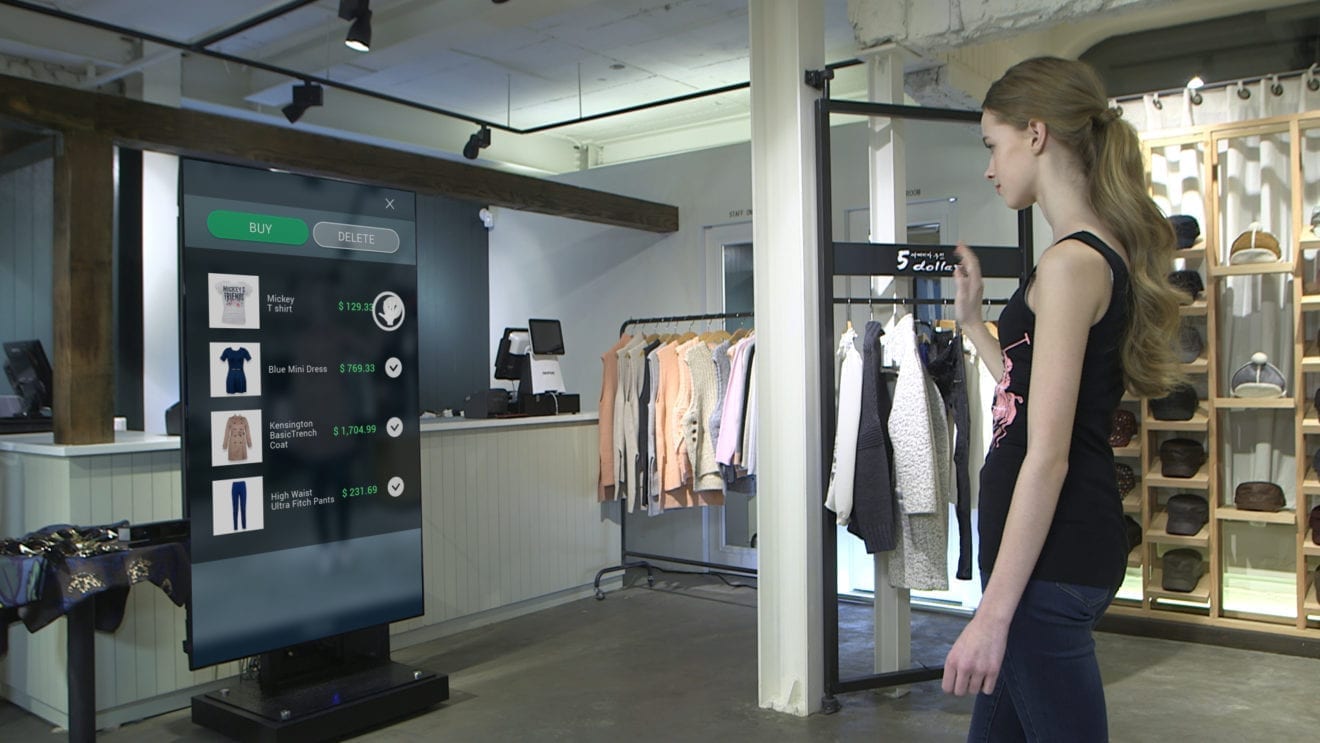
    Lotte Department Store is to implement a ‘Virtual Fitting Service’ for customers to try on clothes, without actually putting them on.

    The service uses a special mirror that provides a virtual reflection of the customer wearing the clothing by applying a 3D image of the product to the customers’ body. It will also help customers to save both time and the nuisance of having to try on different clothes. The service is expected to launch in the latter half of 2016.

    Lotte will also install 3D foot measuring devices in the third quarter, at shoe stores located in its flagship store, and Jamsil and Yeongdeungpo branches. The devices can measure a customer’s  foot in just two seconds, and recommend products based on a client’s foot size and shape.

    “We’re trying to create a more convenient environment for our customers by making use of the latest advanced technologies,” said Lee Wan-shin, chief of marketing at Lotte Department Store.

    “We’ll continue our efforts to make store visits a more pleasant shopping experience.”

  • Fashionology: blending fashion and technology

    Fashionology: blending fashion and technology

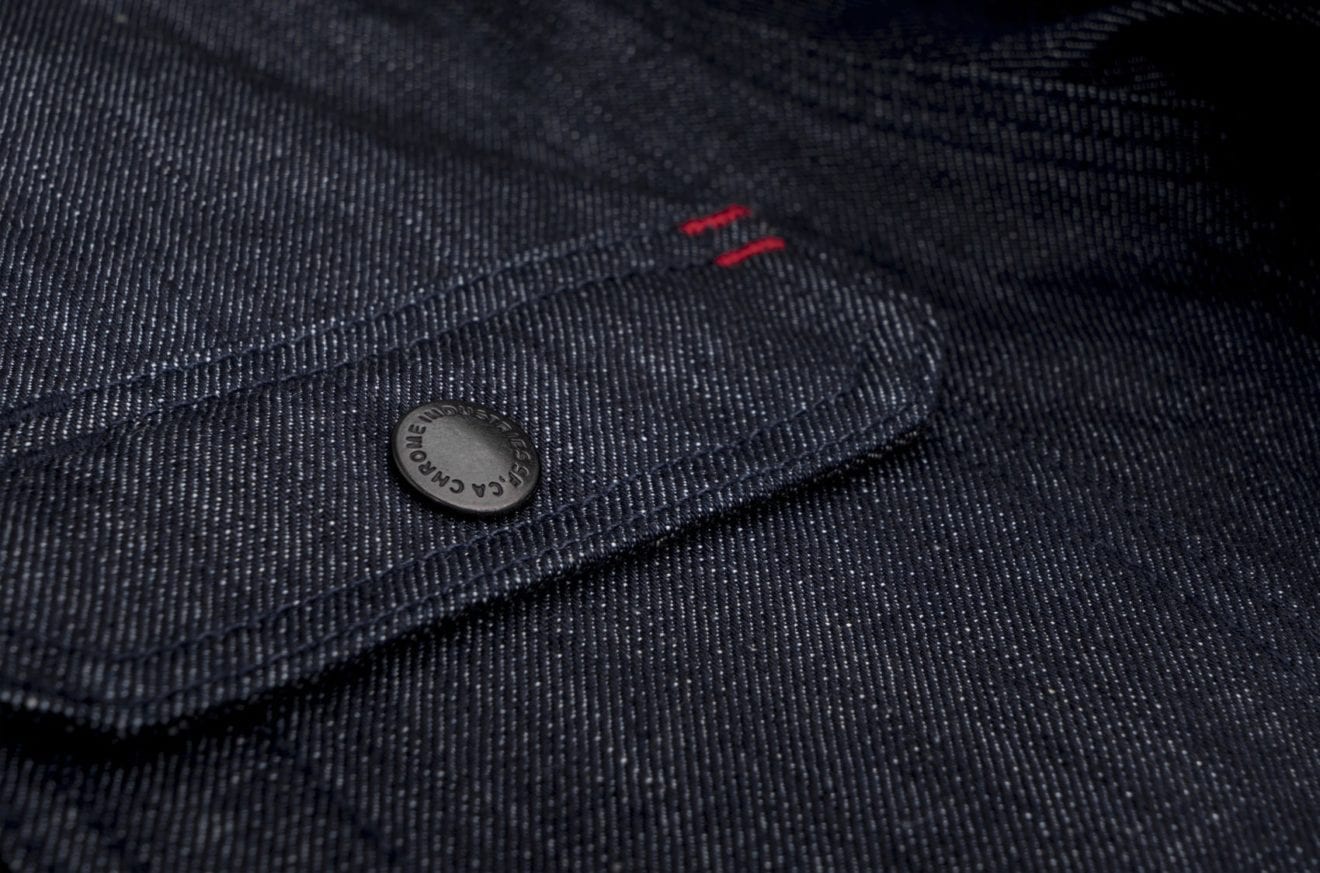
    An increasing number of clothing products are combining fashion and technology, part of a new trend called ‘fashionology’, using materials such as cooling fibers used in spacesuits, or those emitting far-infrared radiation.

    T-shirts that use such new materials are becoming popular, especially for outdoor brands.

    Cool 360, developed by K2, uses a perforation technique to make way for airflow on its mesh-fabric back. It also features a phase-change material used in spacesuits for an enhanced cooling effect. Phase-change materials absorb heat when temperatures rise, and emit heat when temperatures fall, help maintaining a consistent temperature.

    K2

    Cool 360, developed by K2, uses a perforation technique to make way for airflow on its mesh-fabric back. It also features a phase-change material used in spacesuits for an enhanced cooling effect.

    “We applied heat to one mannequin wearing the phase-change material and another wearing normal clothing at 15-minute intervals,” said a K2 official. “We discovered that the temperature of the mannequin wearing the phase-change material was three to four degrees Celsius lower.”

    Millet, another outdoor brand, also released a t-shirt that uses a cooling fiber, Cold Edge. When the wearer of the t-shirt starts sweating, the functional fiber embedded in the fabric expands and reacts with the sweat, ultimately creating a cooling effect.

    Smart fabrics that ward off contamination and facilitate laundering are also making their entrance into the market.

    Fashion brand Bean Pole recently presented new pants and shirts that are less susceptible to daily contamination. The company’s nanotechnology helps micro-particles to attach to the surface of the fibers, and create a coating around the threads. The coating, therefore, allows one to easily wipe off liquid and food, or even mud on a rainy day.

    Fashion brand Bean Pole recently presented new pants and shirts that are less susceptible to daily contamination.

    Fashion brand Bean Pole recently presented new pants and shirts that are less susceptible to daily contamination.

    M Corset, an underwear company, presented Venex, a new product line that can even help to relieve stress. According to the company, the small amount of far-infrared radiation emitted from its products stimulates the nerve cells, which can reduce stress levels.

    “The clothing industry has lately been focusing on ‘smart materials’ to target consumers,” said a K2 official. “With the approaching summer, there will be more intense competition between products that use cooling materials.”

  • BeautyFresh has bold Asian ambitions

    BeautyFresh has bold Asian ambitions

    Singapore cosmetics startup BeautyFresh is eyeing the eCommerce potential in its home market and broader Asia.

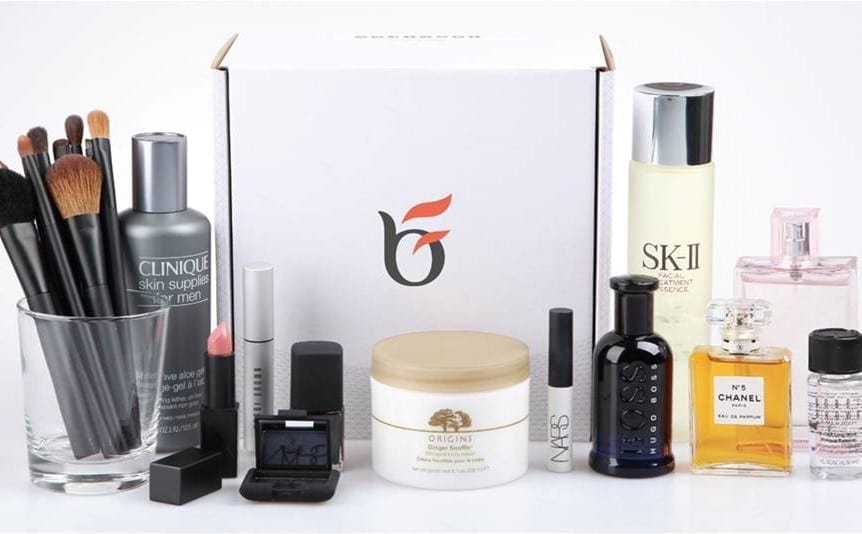
    Stocking more than 70 international brands including Chanel, Dior, Jo Malone and Nars, the company ensures authenticity of its products by scanning them with ultraviolet light to check for defects. Employees also check to ensure products are not near expiry dates.

    Director Jack Wong has a background in online security, so is using his expertise to ensure that client data is secure. The web developments and encryption of the BeautyFresh site are similar to those of online banking (signified by a green lock in the URL).

    Meanwhile, market research firm Mintel says that a growing number of Chinese consumers are going online to buy international beauty products.

    Jo Malone_BeautyFresh.com (1)

    Its research shows that 58 per cent of Chinese consumers bought foreign products online from a domestic shopping website in the six months to the end of November last year. The top three countries buying beauty products were South Korea (47 per cent), Japan (29 per cent) and France (27 per cent).

    According to the report, cross­-border eCommerce grew more than digital retail generally last year, a trend that is expected to continue.

    While cross-border eCommerce is increasingly competitive and provides great sales opportunities, the report warns that brands need to be increasingly responsive to consumer demand.

    Quality of products (63 per cent) and prices (38 per cent) are the top concerns for Chinese online buyers.

    BeautyFresh offers free delivery on orders worth US$40 or more, and offers a 30-day money back guarantee.

  • Japanese retailer Muji expecting record profit

    Japanese retailer Muji expecting record profit

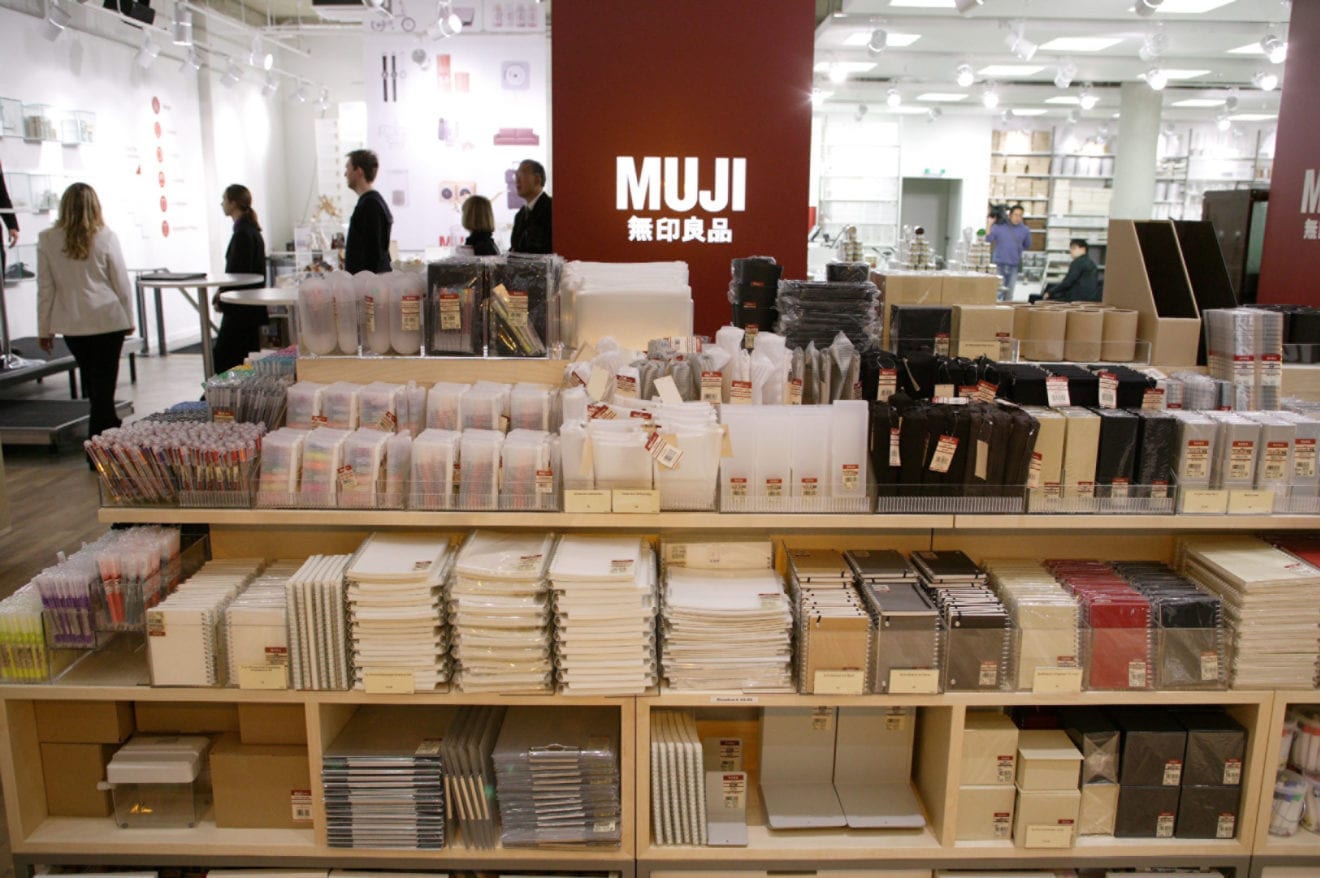
    Japanese retailer Muji is expected to end its latest quarter with a 10 per cent year-on-year rise in group operating profit to about 10.5 billion yen (US$95.5 million), a record for the period.

    Sales for the parent company, Ryohin Keikaku, will probably have similar growth to reach about 85 billion yen.
    During the three months, the company opened 13 stores in Japan. Sales at directly run stores rose 8.1 per cent in March and 7.3 per cent in April. The demand for Muji brand processed foods, such as pasta sauces and freeze-dried rice, has been growing since they were featured on TV. Stronger sales of storage furniture, around 30,000 yen, will probably help lift per-customer sales on average between 2000 and 3000 yen.

    Ryohin Keikaku has also performed solidly abroad, where it generates slightly more than 30 per cent of its sales. In China, which accounts for nearly half of the company’s overseas sales, same-store sales appear on track to beat the year-earlier amount by roughly 5 per cent, thanks to the popularity of lotions and other daily household items.

    Processed foods remain popular at Muji Chinese stores. By bolstering local production, the company was able to expand its food line-up in China, fueling sales growth.

    However, the yen’s appreciation will probably hurt Ryohin Keikaku’s overseas earnings.

    For the full year through to next February, Ryohin Keikaku projects a 9 per cent rise in sales to 336.5 billion yen and a 10 per cent increase in operating profit to 38 billion yen. Both would be record-breaking levels.

  • Malaysia’s DFI approves Heinemann sale agreement

    Malaysia’s DFI approves Heinemann sale agreement

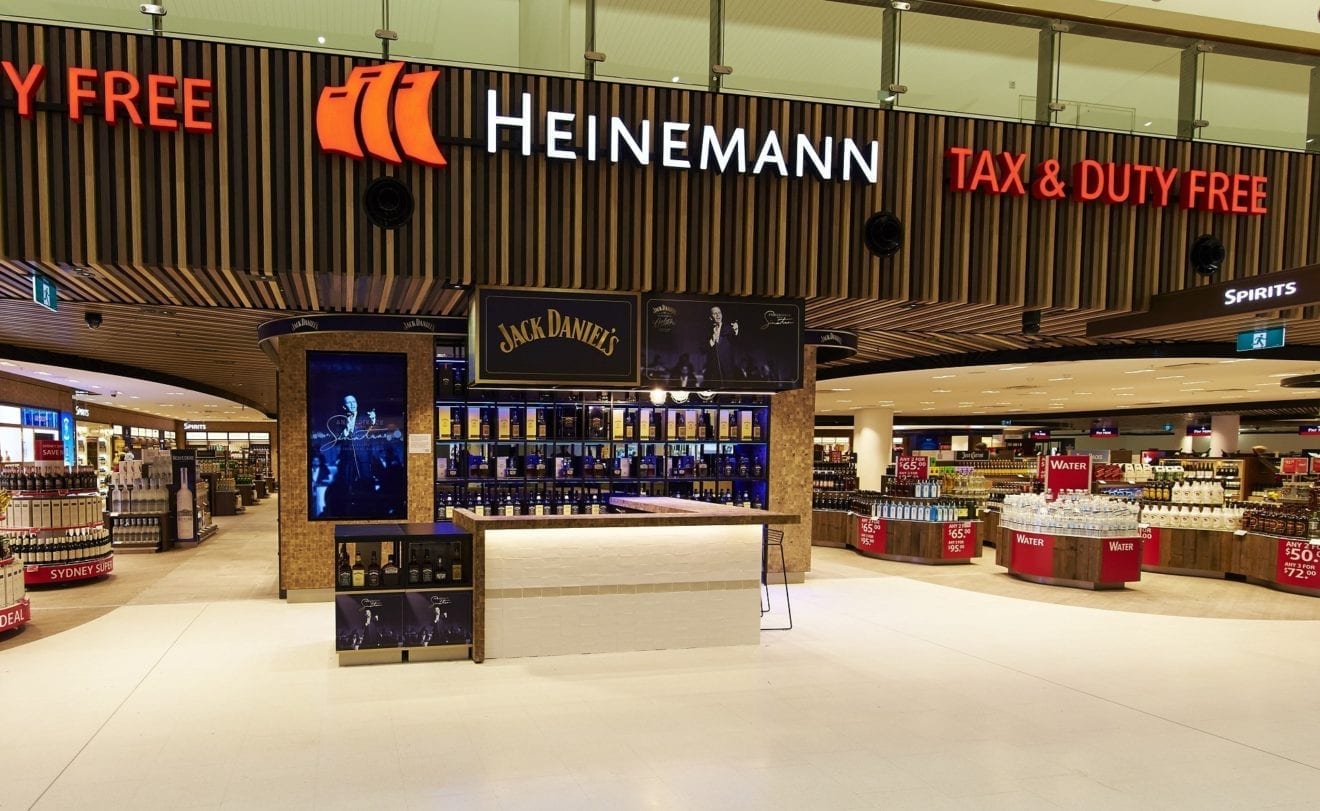
    Shareholders of Malaysia’s largest duty-free operator Duty Free International Ltd have approved a strategic partnership with Heinemann Asia Pacific for a sale of up to 25% equity interest plus one share in DFZ Capital Berhad (DFZ).

    The sale and purchase agreement with Heinemann comprises a 10% equity interest plus one share in DFZ (the proposed sale), and two call options to purchase up to a further 15% equity interest in DFZ.

    The proposed sale is targeted to be completed by June 2016. On completion of the proposed sale, Heinemann will be entitled to board representation on the board of directors of DFZ, allowing both parties to deliver the expected synergies in an efficient and timely manner, said DFI in a statement.

    “We view Heinemann as a strong business partner and strategic investor. The completion of the proposed sale will bring significant positive changes to DFZ. Going forward, we will be leveraging on their resources and expertise in the areas of purchasing, merchandising, product assortment/costing, retail store management, distribution and logistics management. We believe that this alliance will further enhance the overall travel retail experience in Malaysia, to bring us on par with the best available in the world. The Proposed Sale will also further strengthen DFI’s financial position and allow the Company to consider future business opportunities.” said DFI  executive  director Lee Sze Siang.

    Commenting on the proposed sales, Heinemann Asia Pacific CEO Max Heinemann said: “One of the key synergies for this alliance is the similar business models and corporate culture that both the organisations share. We are confident that this partnership will provide a sturdy platform for our expansion into South East Asia.”

    DFZ Capital Berhad, a group subsidiary of DFI with an operating history of more than 35 years, is the largest multi-channel duty-free and duty-paid retailing group in Malaysia. The company, through its “ZON” brand of retail shops, serves both Malaysian and international customers across all major entry and exit points in Peninsular Malaysia including operations at international and domestic airports, seaports, border towns, duty-free islands and other tourist destinations.

    The companies entered into the sale and purchase agreement in March 2016 as reported.

  • What young Chinese luxury shoppers want

    What young Chinese luxury shoppers want

    Young Chinese luxury travellers demand bespoke experiences and go abroad every three to four months, mainly for leisure, according to a Hurun Research Institute report.

    It shows that these travellers spend RMB420,000 (US$65,000) on tourism every year and RMB220,000 on travel shopping. Japan is the top destination for shopping – not Hong Kong.

    They demand personalised luxury experiences, Wi-Fi access, and next-generation guest services on smart devices as standard.

    The inaugural Chinese Luxury Traveler 2016 study was released by the institute in conjunction with Marriott International, and is the first collaboration of its kind between a global hotel company and an authority on Chinese luxury travel.

    Key findings reveal a shift in travel habits among this younger generation of travelers, aged 18 to 36 years. They want added value throughout the entire hospitality ecosystem, from planning a trip, to requesting guest services, to choosing which loyalty program to join.

    When it comes to services and information, young Chinese luxury travellers prefer the digital approach. Interactive guest services on smart devices are far more popular than traditional guest services, and travelers also expect this smart technology to record and manage their personal preferences.

    They also do their research on digital platforms, with WeChat emerging as their primary source of travel information. Third-party apps are also important for information, such as C-Trip, Qunar and Tuniu.

    Novel travel experiences are popular, such as adventure travel, polar exploration and road trips.
    Also, this group feels underwhelmed by loyalty programs, many of which are seen as low value and not unique.

    “This is a key focus area for Marriott,” says Marriott International chief sales and marketing officer for Asia Pacific, Peggy Fang Roe. In the first quarter of this year, the hotel group had a 7 per cent increase in domestic travellers in China and a 25 per cent increase in Chinese outbound travellers.

    Hurun Report chairman and chief researcher Rupert Hoogewerf says despite the economy slowing, the impact on outbound travel from high-net-worth individuals seems to have steadily grown.

    “The young luxury travellers have developed significant spending firepower, minted on the back of the recent boom in Chinese entrepreneurship, together with a growing class of second-generation ‘rich kids’.”

    The report says the young, Chinese luxury travellers have an average hotel budget of RMB3100 a night.

    Established as a research unit in 1999, Hurun Report has grown into a media group targeted at high-net-worth individuals in China and India. Headquartered in Shanghai, Hurun Report has offices in Beijing, Guangzhou, Chengdu, Sanya, London, Los Angeles, Chicago and Cochin (Kerala) in India.

  • Strong yen could send Chinese spending back to Hong Kong

    Strong yen could send Chinese spending back to Hong Kong

    Chinese tourists’ consumption in Japan has begun to wither in the face of a strengthening yen, setting up Hong Kong to recapture spending that has moved elsewhere in recent years.

    Affordability is key

    A country appeals more to foreign travelers as its currency weakens, making shopping and food more affordable than in other destinations. This is doubly true for Chinese travelers, who tend to spend heavily while abroad.

    Such was the case for Japan from mid-2014 onward. The yen moved from the level of 16 to the yuan back then to between 19 and 20 in less than a year. Chinese tourism there more than doubled from the previous year to 4.99 million visitors in 2015, with per-visitor spending growing 20%.

    Hong Kong was on the other side of the shift. Mainland visitors dropped 3% in 2015, while retail sales fell 3.7% in a second straight year of decline. Emperor Watch & Jewellery, a seller of luxury watches from such brands as Audemars Piguet and IWC Schaffhausen, reported a 25% drop in sales for the year ended Dec. 31. It blamed a “strong local currency” and an unfavorable tourism environment.

    Chinese buyers’ spending in 2015 accounted only for around 1% of Japan’s retail market excluding such goods as automobiles and gasoline, Nomura International has calculated. That share was 50% in Hong Kong and 30% in Macau, exposing retailers dependent on mainland consumption to heavy damage as spending slipped away.

    Trouble returns

    Yet the landscape is shifting once again as the yuan weakens against the yen. 1 yuan now fetches around 16 yen, compared with 18 yen at the start of the year. Chinese tourists’ spending in Japan came in 10% below the year-earlier level for the January-March quarter. The total value of retail sales shrank 0.8% for April, Japan’s Ministry of Economy, Trade and Industry said Monday — a second straight month of year-on-year drops.

    Retail sales in Hong Kong fell 9.8% for March, indicating improvement following February’s 20.6% tumble. Visitors from mainland China were still 6.9% below the year-earlier level. But overnight visitors declined only 0.8%, compared with a 20%-plus fall in February. Tourism from the mainland over the holidays surrounding Labor Day on May 1 swelled more than expected. While challenges continue, headwinds are gradually weakening.

    Shifts in the Hong Kong dollar compared to the yen bolster this view. According to the Nikkei Currency Index, the Hong Kong dollar became stronger than the yen overall in September 2014, just as Chinese visitors’ so-called explosive buying of goods was taking off in Japan. The yen then continued to weaken while the Hong Kong dollar appreciated.

    But the yen’s value hit bottom in May 2015, with the Japanese currency’s overall strength overtaking the Hong Kong dollar’s in April. The yuan, meanwhile, strengthened through the summer of 2015, only to weaken around 5% to its current level, the index shows.

    Close to home

    Changes in a locale’s exchange rate alter the affordability of goods there. An HSBC index tracking prices of 38 luxury items in various places compared with their home markets of France and Italy demonstrates this for top-of-the-line goods.

    The Japanese market overall rated 121 on the index in February, with home-market prices serving as the baseline of 100. By mid-May, the figure had risen to 127. Hong Kong, meanwhile, has fallen from 119 to 116 over the past three months. The mainland-market figure has dipped slightly as well, from 137 in February to 135.

    Chinese tourists will now feel less benefit from buying luxury brands in Japan as opposed to elsewhere. So while the Hong Kong figure has changed little in absolute terms, shopping here as compared with Japan has taken on fresh appeal, HSBC said. Some goods can even be found more cheaply here than in their home markets.

    Bain & Co. sees Japan’s luxury goods market growing 5% in 2016 — the most among major countries. But a strengthening yen and shrinking Chinese tourism hint at a coming deceleration, according to the U.S. consulting firm.

    Some 120 million Chinese headed abroad in 2015, plunking down more than $200 billion at their destinations. More detailed patterns of consumption will inevitably shift as the focus of spending turns from goods to services. But exchange rates will remain a key factor in these travelers’ buying power worldwide.
  • Furla Shanghai flagship opens

    Furla Shanghai flagship opens

    Italian leather goods brand Furla China has launched its first flagship store in Shanghai as part of a move to expand its presence on the mainland.

    The new Furla Shanghai store is in Citic Square in Nanjing West Rd. As the first duplex design store on the mainland, the flagship has two levels covering 300 sqm, and features women’s and men’s leather collections and accessories, as well as items exclusive to the store.

    A feature of the flagship is its 234 sqm LED facade – a first for Furla.

    Founded in Bologna in 1927, Furla has a strict made-in-Italy policy for its leather goods. The company had more than 30 per cent growth and strong retail expansion across all regions last year, resulting in 339 million euros (US$377 million) in sales.

    Fulra Shanghai 2

    In China, the brand has been bucking trends, growing its market sales by more than 60 per cent in the first quarter of this year.

    Furla president Giovanna Furlanetto says the opening of the Citic Square flagship marks an important step in the company’s dynamic expansion strategy in China.

    A highlight of the opening was the Furla “Made for You” service, with Chinese actress Jiang Shuying designing her own bag, carrying a “Made by Jiang Shuying” tag. The bag was auctioned with the proceeds going to the China Women’s Development Foundation (CWDF), which supports women’s rights and career development.

    As well as Shuying, fashion bloggers Elle Lee, Liu Xiao, Peter Xu and Toni attended the opening event, which also featured the launch of Furla’s limited-edition Metropolis bag, which has the themes “Hello Shanghai”, “Love Shanghai” and “Kiss Shanghai”. It has heart-shaped patterns and comes in red, black and pink.

    Furla has a presence in 100 countries with 400 single-brand shops on international shopping streets, a distribution network with more than 1000 points of sale, and growing channels in travel retail and eCommerce.


  • M&S profit to take a hit

    M&S profit to take a hit

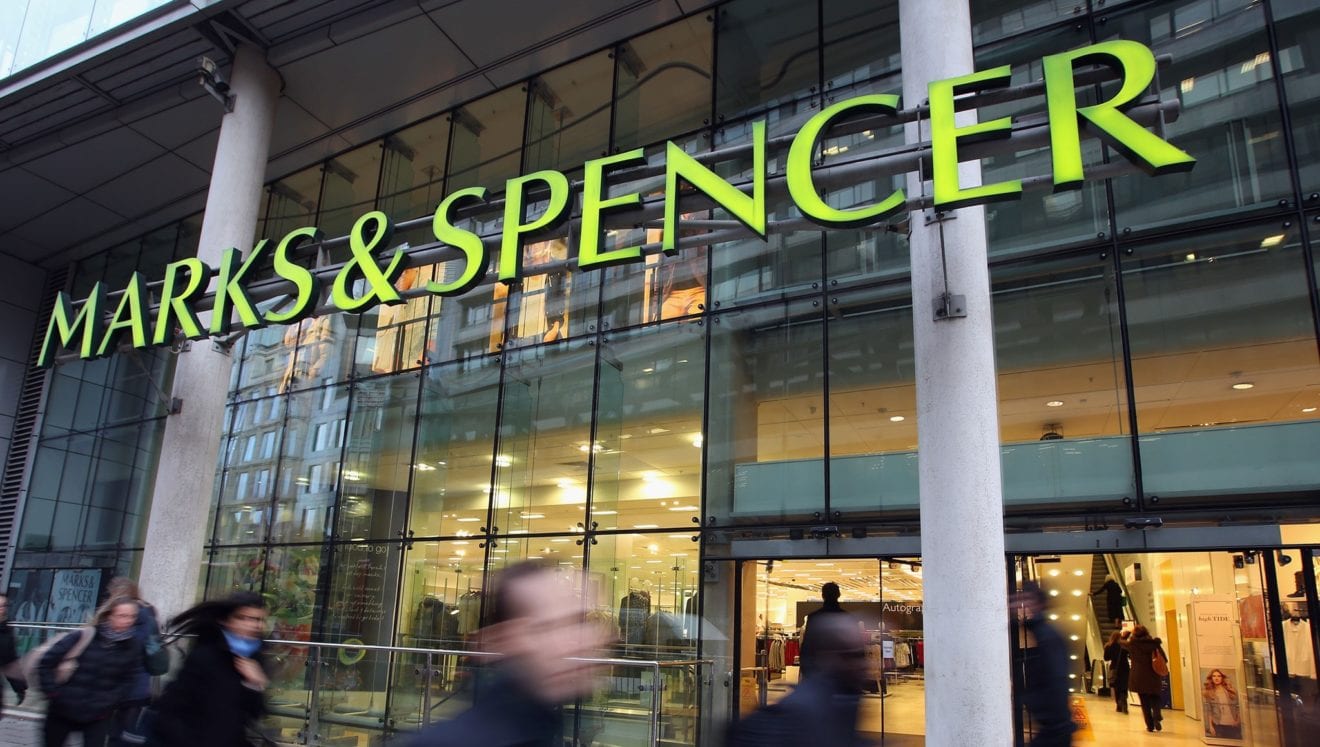
    After poor quarterly performances from Marks & Spencer’s general merchandise division, the full year results come as no surprise, with UK full-year like-for-like sales falling 1.1 per cent.

    That followed a drop of 1 per cent the previous year.

    Today sees the new CEO take to the stand to reveal his strategy to return M&S profit to growth and regain its position in the market, a tall challenge given the retailer’s share of the UK clothing market has been eroded year on year, falling from 10.5 per cent to 8.7 per cent between 2010 and 2015.

    The announcement that incoming CEO Steve Rowe is willing to take a short term hit on profitability in an effort to restore turnover growth is an essential action, which his predecessor was unprepared to implement. Investment in price, product quality, availability and customer service is a message we have heard before from M&S, but the sacrifice of profitability signals a stronger commitment this time round.

    As well as focus on price positioning and style authority to improve its clothing business, both of which are essential in driving footfall back into stores and online, M&S has put a large emphasis on the importance of customer experience. It hopes to slim down its clothing offer further and reduce duplication across ranges to remove shopper confusion.

    Again, this was addressed a few years ago but under Rowe’s new management structure and shift in its buying strategy (buying by product category, not by sub brand), issues of repetitiveness across collections should be prevented – though communication between product buying teams is vital to ensure final ranges are coherent and the sub brands target their core customer segments.

    Despite facing a tough economic climate and a potential weakening in consumer confidence in 2016, expect to see initial sales improvements filter through in M&S’ half year results in November.